

Spain is home to many historic urban areas that hold cherished memories for many people. However, as new neighborhoods have developed, these ancient houses have gradually faded from prominence. How can we bring them back to life and make them a trending topic once again?
Enter La Casa Construction Industrialization a por el Tejado, a company founded in 2012 dedicated to urban transformation in Barcelona. After two and a half years of research, they discovered that many buildings in the old city areas were below the permitted height limits. Approximately 2,800 buildings could be raised, adding up to 800,000 square meters—essentially creating a “city within a city.”
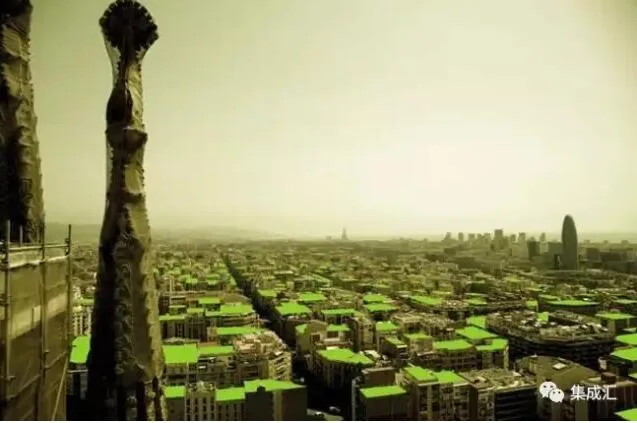
They also considered adding green spaces to these projects.
While raising buildings is feasible, they established two key principles: first, to protect the surrounding environment as much as possible, and second, to reduce costs. How did they address these challenges? La Casa por el Tejado decisively chose prefabricated construction.
La Casa por el Tejado: Building Upwards
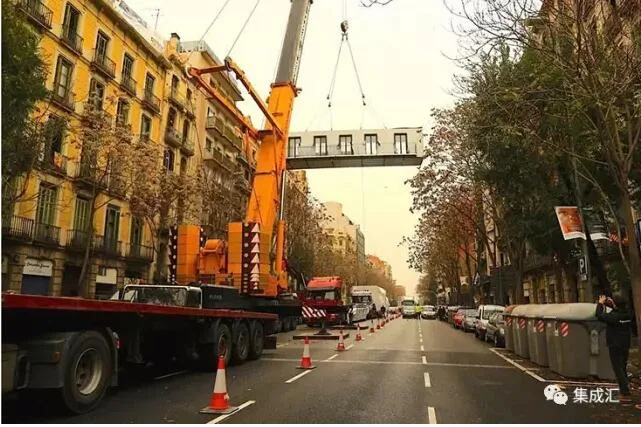
Why prefabricated construction? The controlled factory environment, faster build times, and streamlined manufacturing make every step transparent and efficient.
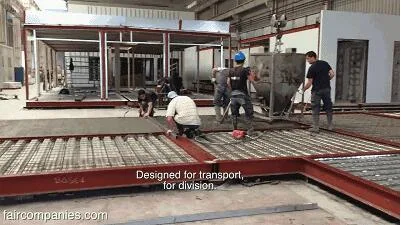
Initial watering of the building floor.
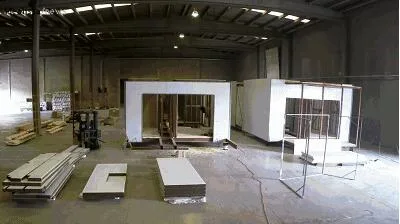
The project uses a total of 11 wall panels that are assembled on site.
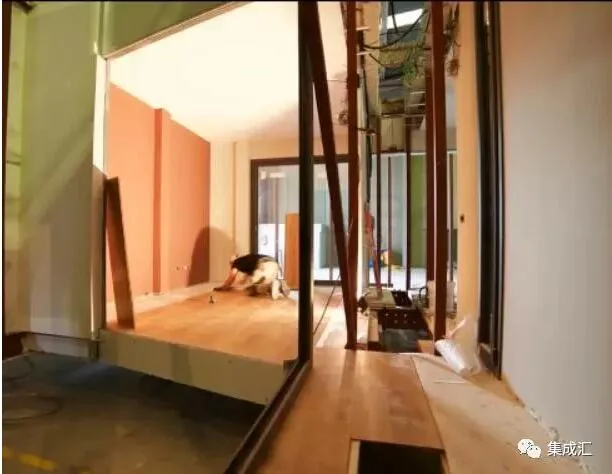
This controlled factory setting ensures that the construction time for each home does not exceed four months.
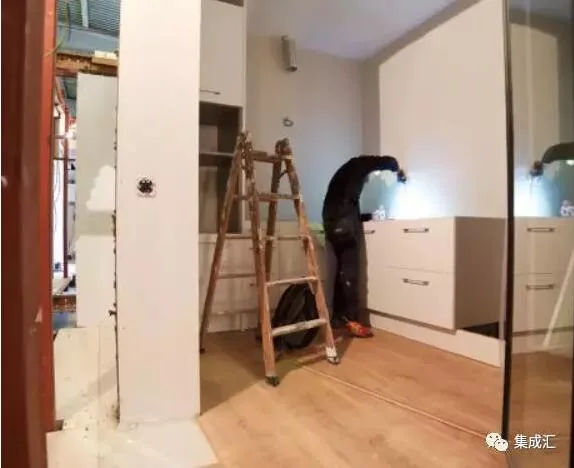
Before leaving the factory, simple decoration and functional planning for each area are completed.
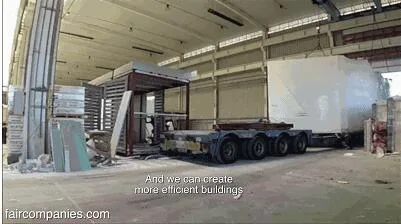
Once ready, the prefabricated unit is transported by truck to the construction site.
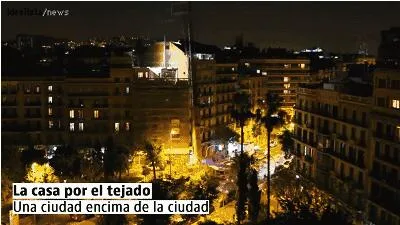
A crane completes the installation in less than a day.
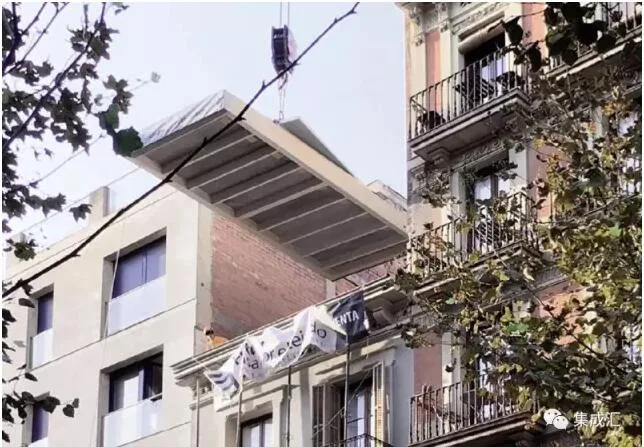
The bottom plate is lifted first.

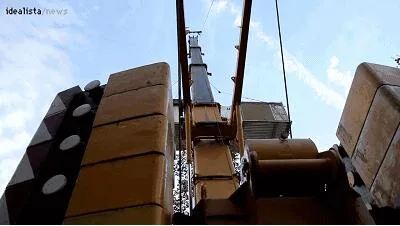
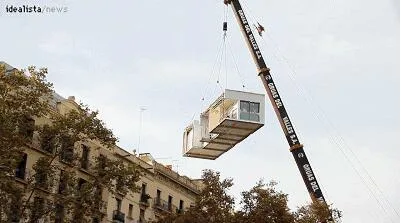
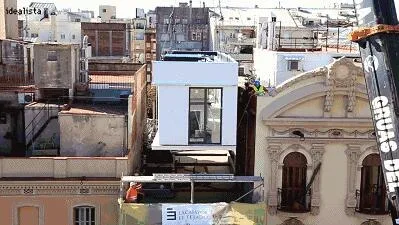
Next, the first module is installed.
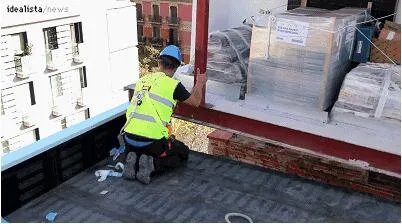
Followed by the second module.
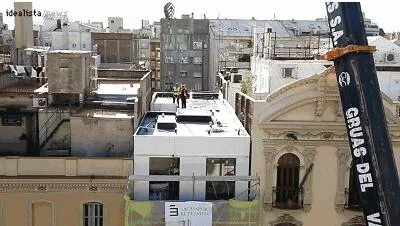
And finally, the last module completes the structure.
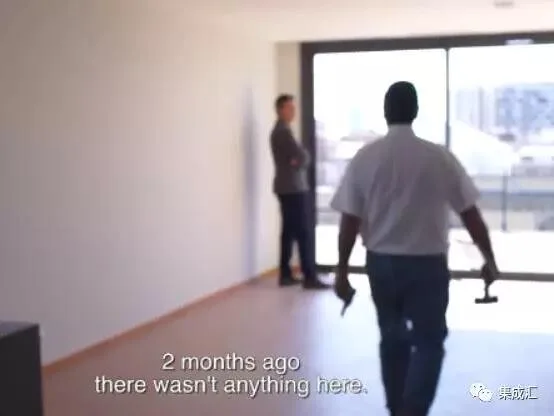
But don’t rush to move in just yet; there is still a two-month period for customized interior decoration.

The entire exterior of the floor slab is painted white, matching the original building to blend seamlessly. The former owners have expressed great satisfaction with the result.
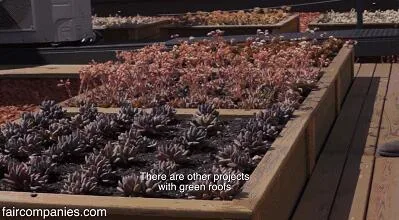
To avoid a bare rooftop, flowers and plants were added, along with a layer of environmentally friendly stones, instantly transforming the roof into a green oasis.

Of course, the installation of an elevator is essential for accessibility.
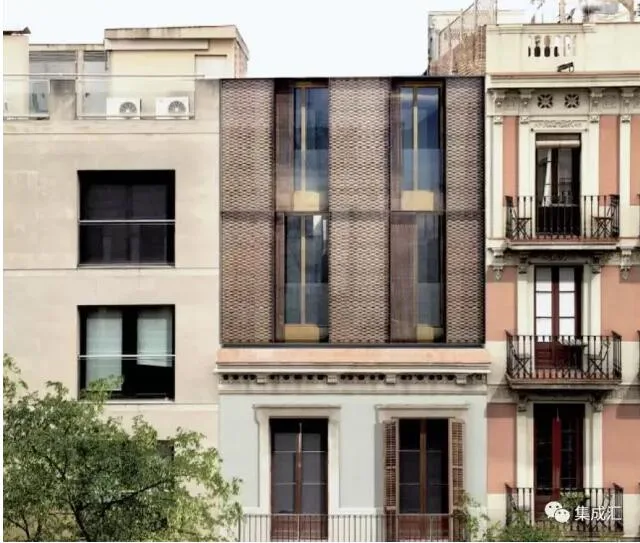
Decoration is now complete.
This was the first project by La Casa por el Tejado, located in the heart of a commercial street. It features a total usable area of 100 square meters and a roof area of 164 square meters. Since the surrounding old buildings are typically four stories tall, this project humorously earned the nickname “the fifth floor.”
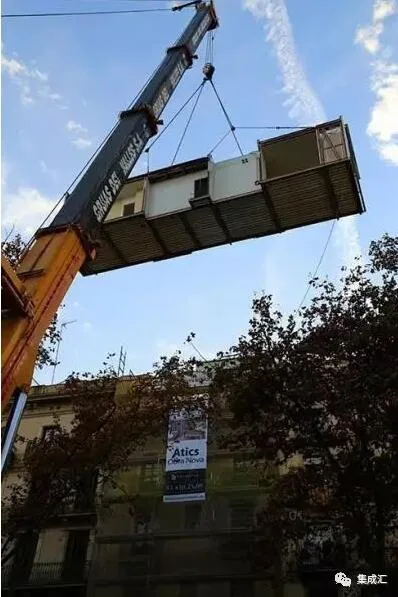
Thanks to this renovation, residents no longer have to travel 20 kilometers to reach home—they can simply live in a house like this. The plan to add rooftop structures has also gained significant attention and strong support from Barcelona’s city hall.
La Casa por el Tejado translates to “The House on the Roof,” a fitting name for this innovative concept.
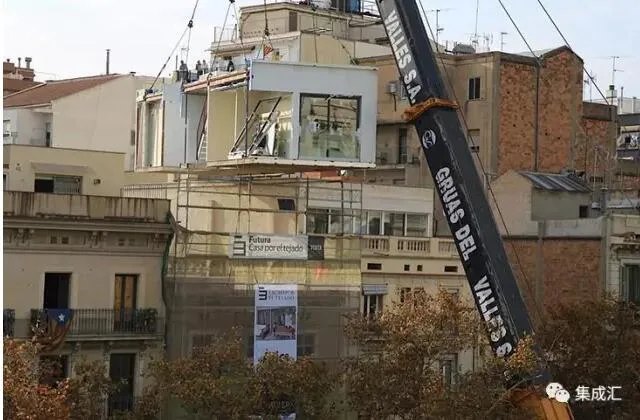
Prefabricated construction not only enhances the visual appeal of the city but also transforms space in exciting ways. These structures breathe new life into old buildings.
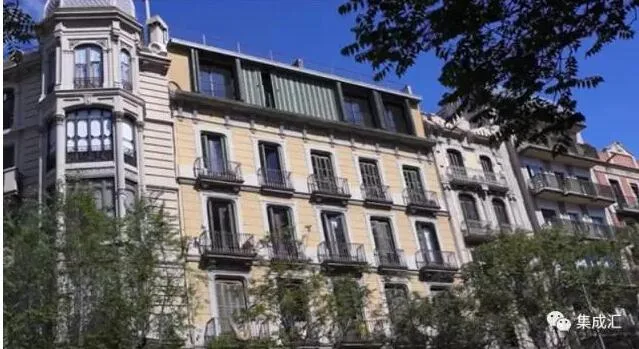
Renovating old buildings remains a timeless challenge. How can we effectively blend modern spaces with historic architecture? The Barcelona project offers an inspiring answer.














Must log in before commenting!
Sign Up