
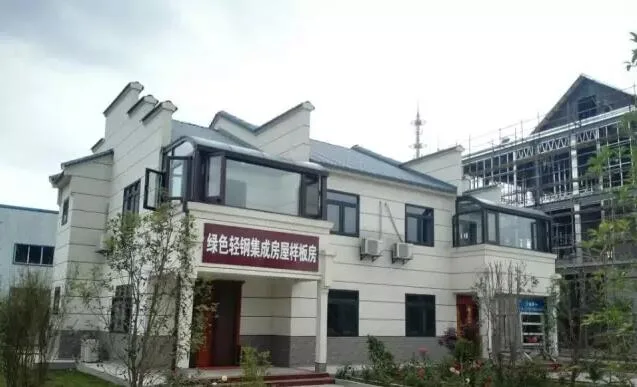
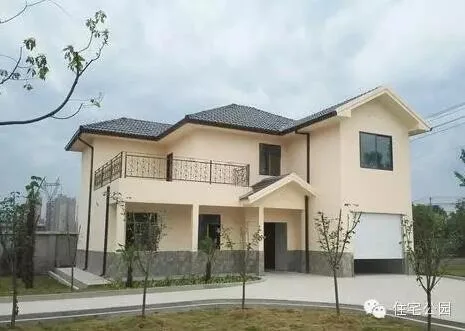
Can you imagine that this beautiful two-story villa is constructed using a light steel structure?
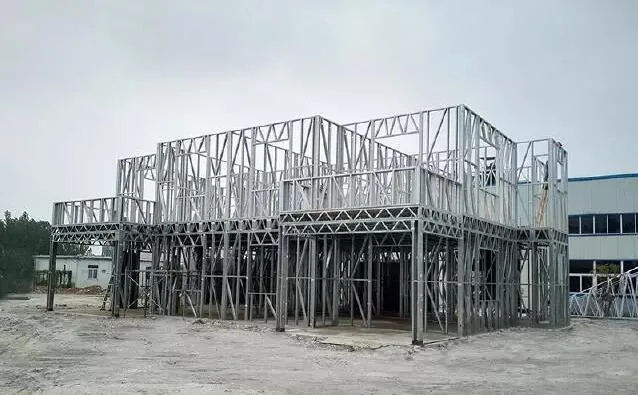
Why are light steel structures becoming the preferred choice for building villas?
What is a Light Steel Structure?
The cold-formed thin-walled steel structure system is a lightweight steel solution evolved from traditional wooden frameworks. Primarily used for low-rise buildings (1 to 6 floors), it has over 30 years of history and widespread application internationally. This mature structural system utilizes light steel keels fabricated from hot-dip galvanized steel strips through cold rolling technology. Precise engineering calculations, along with supporting components, ensure a reliable load-bearing capacity that replaces conventional building methods.
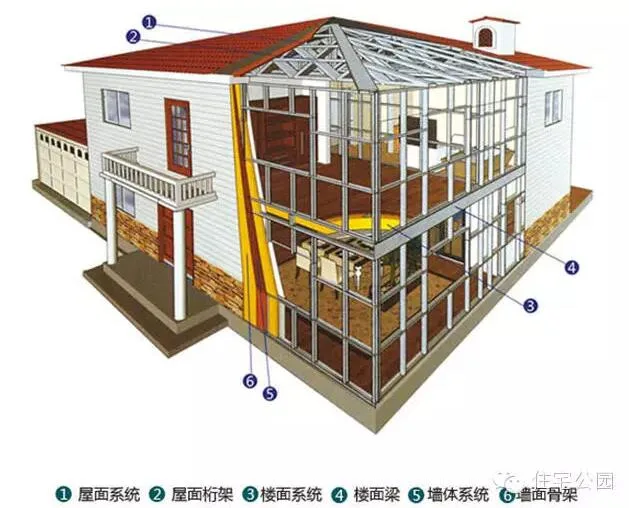
Advantages of Light Steel Villas
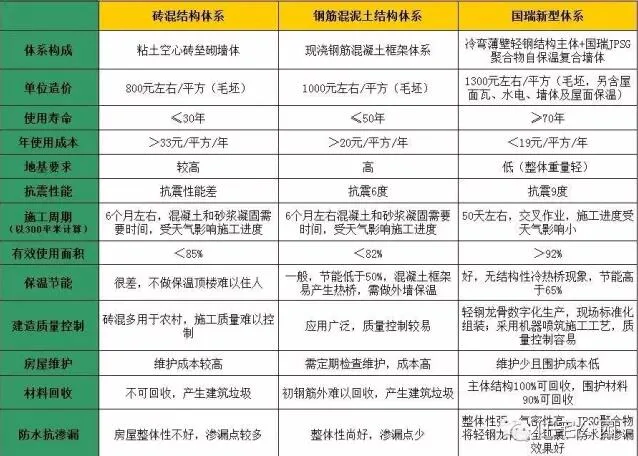
01: The main structure features flexible connections and can withstand earthquakes up to magnitude 9. It offers excellent thermal insulation, resulting in high living comfort.
02: The overall house weight is lightweight—about one-fifth that of a concrete building. Thin walls increase usable space by approximately 8%, and interior layouts can be adjusted with ease.
03: Factory-produced building components ensure high precision and quality. Construction is straightforward and rapid, enabling project completion within two months from foundation to finish.
Although imported light steel villas offer many benefits over traditional brick and concrete houses, they have not been widely adopted across China due to compatibility issues with local conditions.
Why Aren’t Light Steel Houses Fully Suited for China?
Let’s examine the typical wall structure:
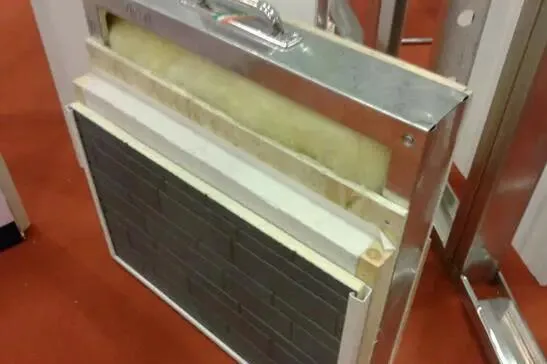
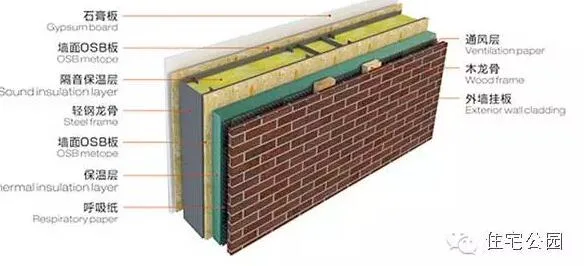
Imported light steel houses typically use a “two boards, one core” wall system, which means structural panels cover both sides of the light steel keel, with insulation materials like rock wool or glass wool in the center. This hollow wall often produces a hollow “bang bang” sound when tapped. However, people accustomed to traditional brick and tile homes in China may feel uneasy, insecure, or concerned about this design. So, what if this “two boards and one core” approach doesn’t suit China’s building standards?
Guorui Technology Solves the Hollow Wall Issue in Light Steel Houses
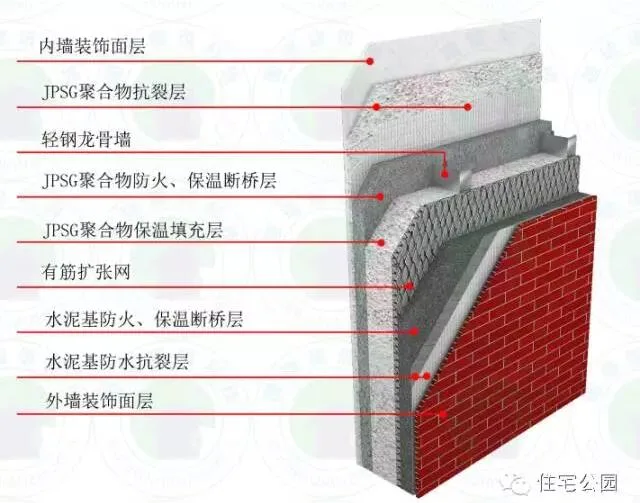
Hefei Guorui Integrated Building Technology Co., Ltd., leveraging years of experience in innovative building materials research, employs proprietary “double exemption technology” to produce water-resistant, high-strength JPSG polymer materials. These are integrated with cold-formed thin-walled steel frameworks and advanced 3D machine spraying techniques to create the unique “Guorui JPSG polymer self-insulated composite wall.” This innovation effectively addresses the major drawback of hollow walls in conventional light steel homes.
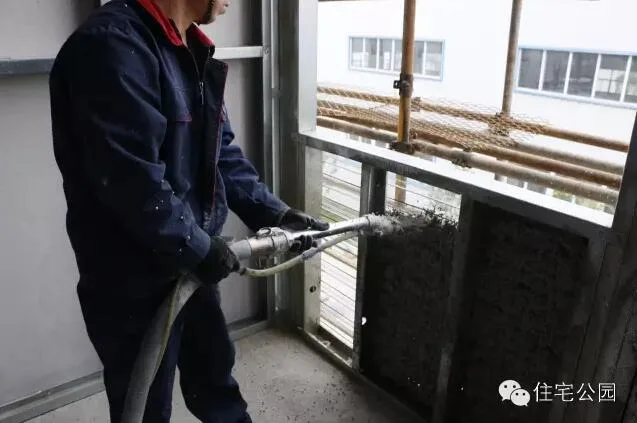
JPSG polymer slurry has exceptional adhesion properties. Using 3D spraying, the slurry is injected into every corner of the light steel keel without leaving gaps. Under pressure, the slurry bonds tightly to the keel, forming a seamless and unified structure. Once dried, it achieves a maximum strength of 1.4 MPa, transforming the wall into a solid, industrial-grade building component.
Take another look at the construction process:
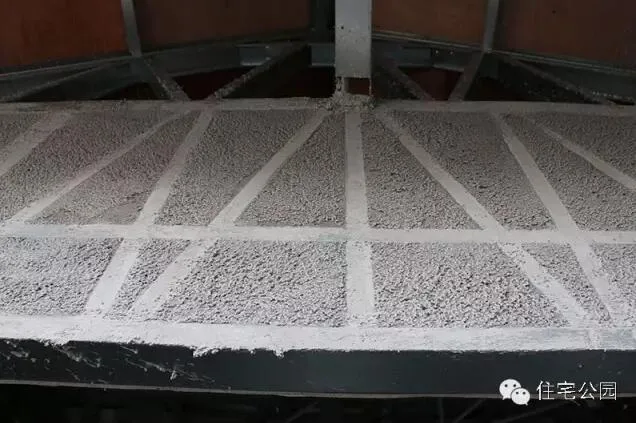
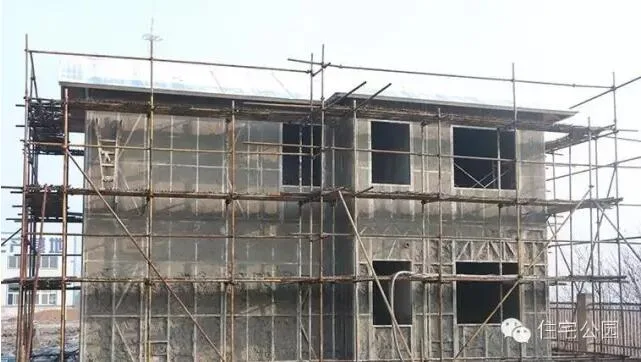
After reading this, you can appreciate how solid and sturdy these walls are. They are noticeably thicker, eliminating any hollow sound when tapped.
Finally, let’s see what the completed villa looks like:













Must log in before commenting!
Sign Up