
As one of the largest wooden structures in the world, the Metropol Parasol rises prominently in Seville, a renowned cultural and artistic hub in southern Spain.
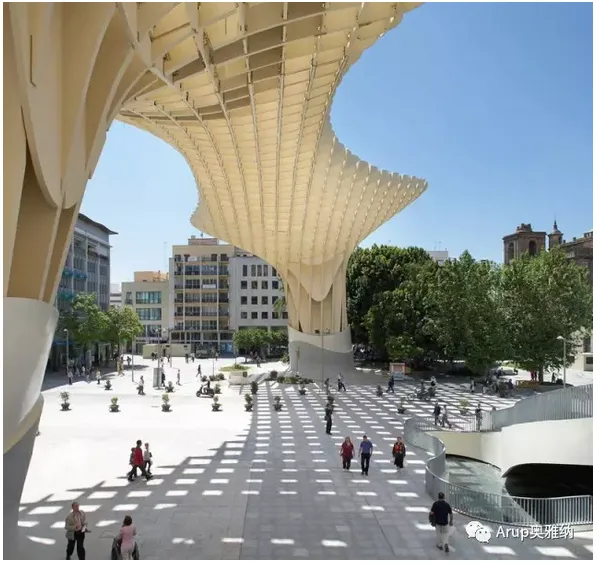
Since its completion, it has drawn countless tourists from around the globe, alongside architecture enthusiasts and engineers eager to explore its renowned design. There is a Chinese saying: “Laymen watch the excitement, experts watch the tricks.” So, what are the structural challenges behind this wooden “parasol”? Let’s delve into the engineering details below.
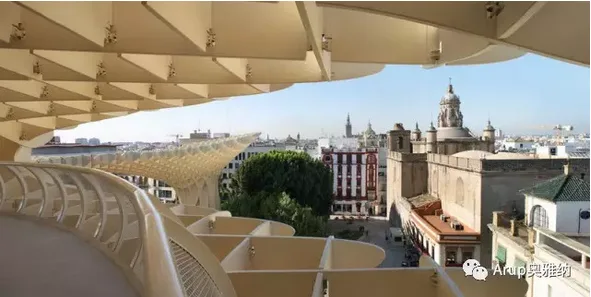
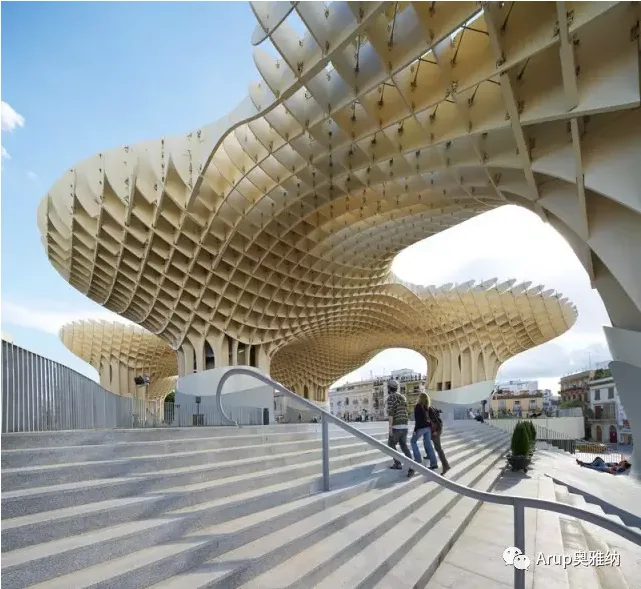
The urban parasol was designed by the acclaimed German architect Jürgen Mayer H. It comprises six large wooden grid “parasols” interlinked in a staggered arrangement. The structure measures 150 meters long, 75 meters wide, and 28 meters high, stretching along a north-south axis.
The base of the structure is concrete, while the upper sections are primarily constructed from wood. Locals affectionately call it the “giant wooden mushroom.”
Its construction has revitalized Seville’s old town, infusing new energy and vibrancy into the area.
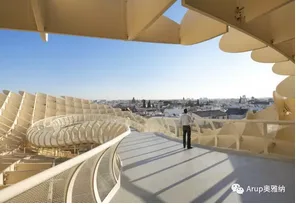
The parasol’s design is irregular, featuring four staggered layers from the ground to its highest point, and notably, it has no traditional roof.
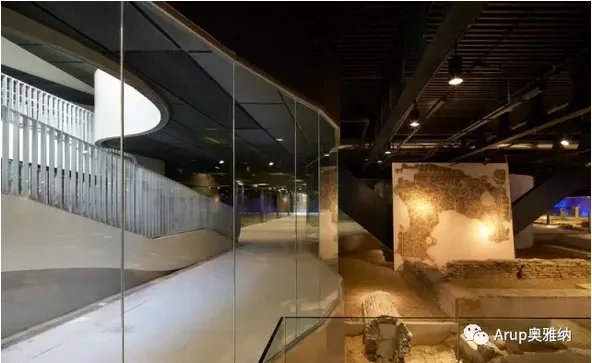
At ground level, an archaeological museum displays Roman and Moorish artifacts uncovered at the site, bridging the gap between Seville’s rich history and modern architecture.
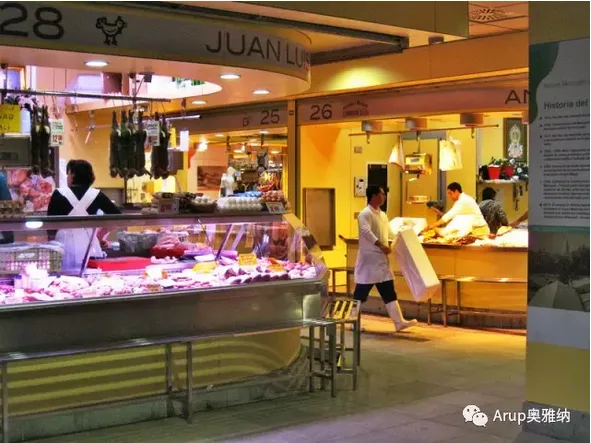
The first floor houses a bustling central market spanning 2,155 square meters, combining original shops and agricultural vendors from the surrounding old city.
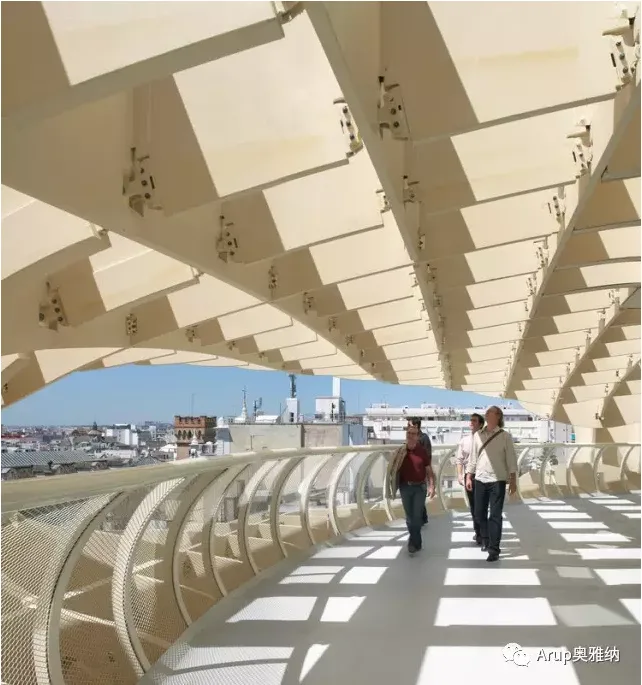
The second floor features a square stage for performances and exhibitions, while the third floor accommodates a restaurant. At the top, visitors can enjoy an observation deck and outdoor viewing area.
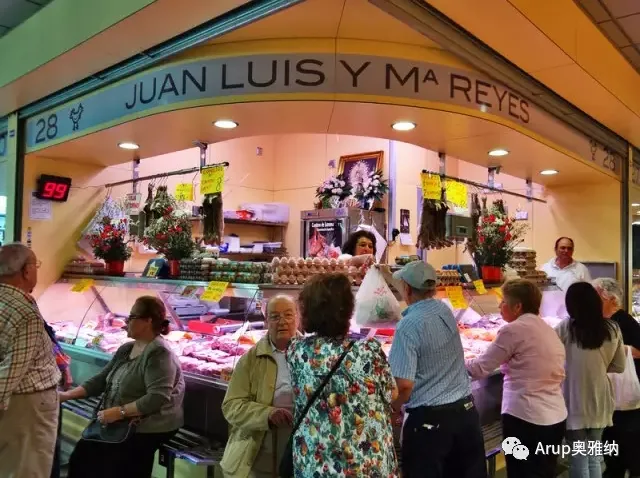
This design preserves the original plot’s function while vertically reshaping the regional space, creating a fresh commercial environment for merchants who had previously operated in simple market sheds for 35 years.
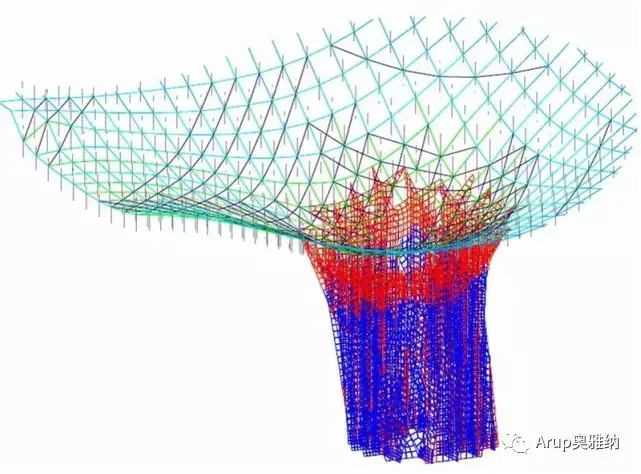
To align with the architect’s vision and ensure sufficient structural support, engineers modeled and analyzed the “umbrella” framework, designing a robust and easy-to-construct system. They conducted extensive testing to select the optimal wood materials for the project.

Ultimately, multi-layer laminated wood panels (Kerto) were chosen for their combination of durability and aesthetic appeal.
Each board’s adhesive layer measures 3 millimeters, offering better shear strength compared to solid wood. The surface is treated with a two-component polyurethane coating, providing protection against fire, water, wind, and sun exposure.
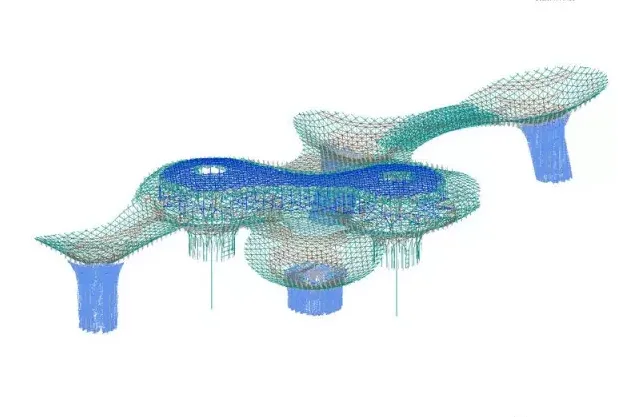
To design wooden structural and connecting components capable of supporting their own weight, engineers developed iterative software tailored for complex 3D models. This software ensures a one-to-one match between architectural and structural data, guaranteeing design feasibility while optimizing the framework.
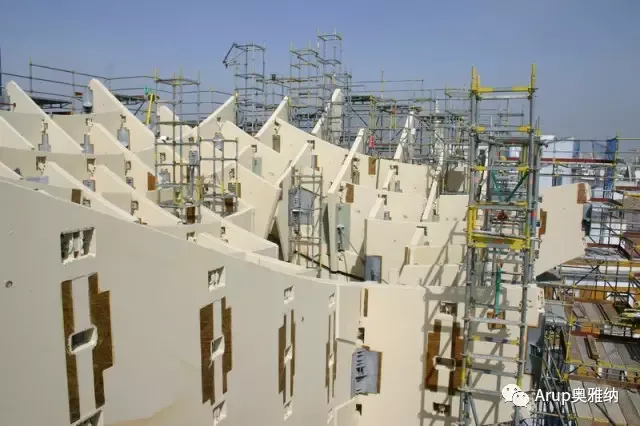
This “umbrella” is composed of interlocking building blocks with concealed connectors — a total of 3,000 connection components make up the entire wooden structure.
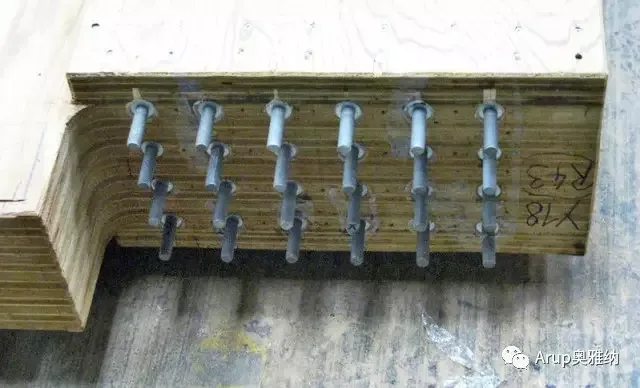
Collaborating closely with the construction team, the engineers innovated a technique to insert steel rivets into the wood, simplifying assembly and significantly reducing construction time.
Given the local climate, engineers performed thermal analysis on the connector design and identified high temperatures as a major challenge for adhesives used. Consequently, heat-resistant epoxy resin was selected as the bonding agent.
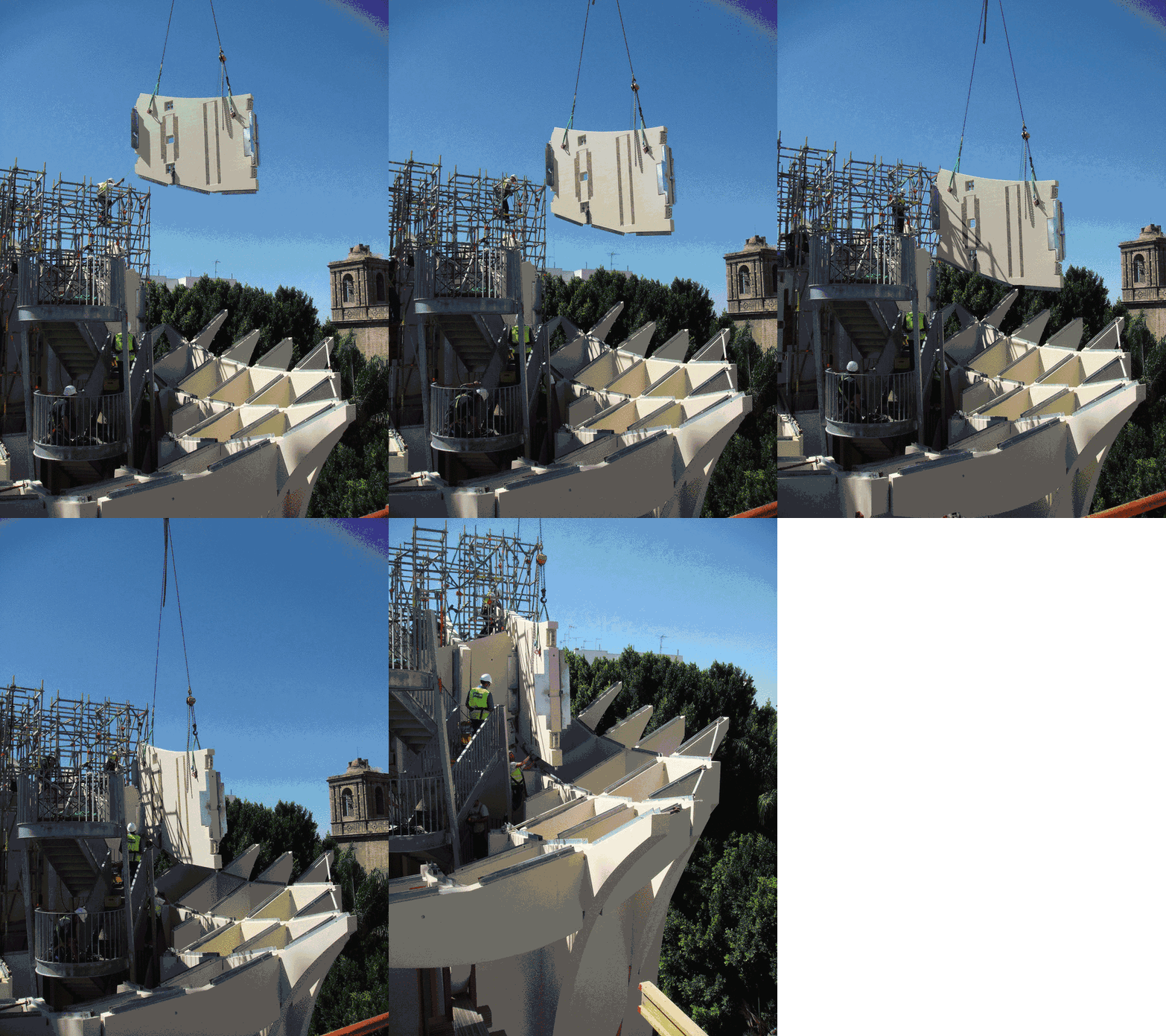
All 3,000 connection components underwent preliminary assembly and adjustment in Germany before being shipped for final installation on site.
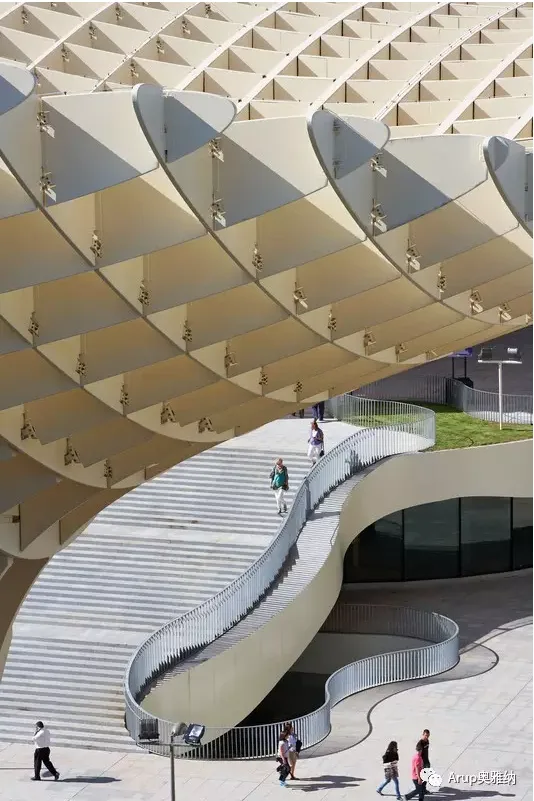
The Metropol Parasol’s 24-hour open space has become a vibrant gathering spot, not only boosting the local economy but also emerging as a favored leisure destination for residents.
















Must log in before commenting!
Sign Up