
The Linying Green Hui Technology Park Public Rental Housing Project, designed by Wufang, is a prefabricated modular building located in the Linying County Industrial Agglomeration Zone. This zone is one of 24 key industrial clusters in Henan Province prioritized for external engagement. Notably, this project serves as the first local demonstration of prefabricated concrete (PC) building technology.
The project utilizes the PC prefabricated building system developed by Changsha Yuanda Residential Engineering. Henan Yuanda Tiancheng Residential Industry Co., Ltd. is responsible for manufacturing and constructing the prefabricated components. This initiative is jointly funded by Yuanda Residential Engineering, Linying Prefabricated Housing Investment, Linying City Investment, and Henan Tiancheng. Upon completion, the project will pave the way for continued promotion of prefabricated building design and construction in future developments.
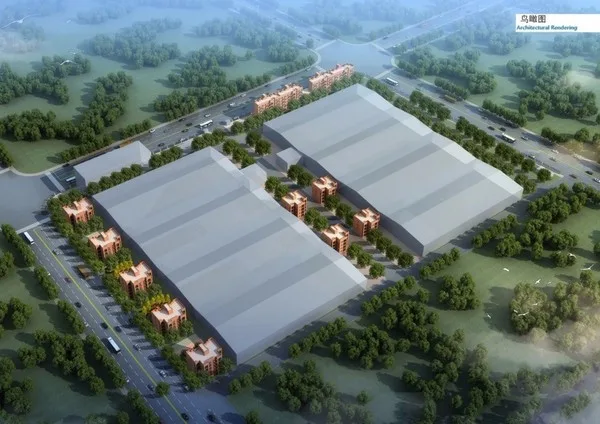
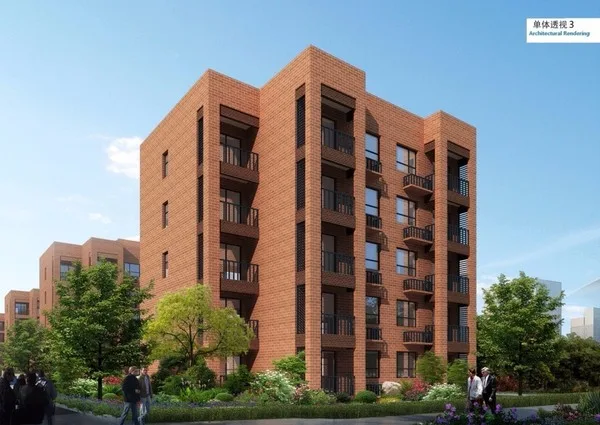
The public rental housing project at Linying Green Hui Technology Park employs a “prefabricated assembled frame structure” system, a type of prefabricated concrete construction. Designed with standardization in mind, components such as columns, beams, slabs, stairs, balconies, and exterior walls are factory-produced and then transported to the site for assembly using heavy equipment like tower cranes. This system boasts a high level of industrialization, offers flexible interior spaces, and exposes indoor beams and columns. However, it requires advanced construction skills and is best suited for buildings under 60 meters, including apartments, offices, hotels, and schools.
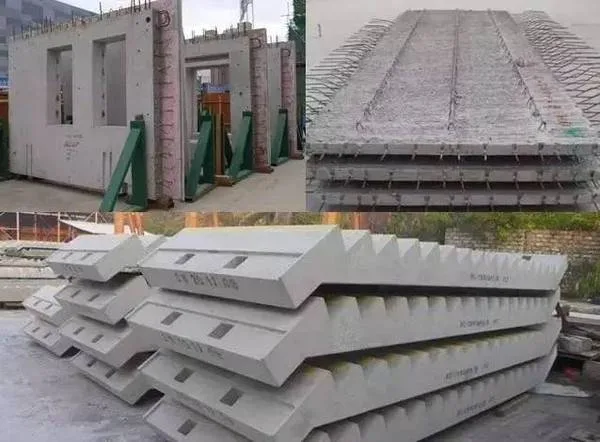
Prefabricated modular buildings represent a significant transformation in the construction industry, often described as “buildings off the assembly line.” Components—including beams, columns, wall panels, balconies, and stairs—are manufactured in factories and then delivered to construction sites for direct assembly and installation.
Compared to traditional on-site concrete pouring, modular prefabrication offers numerous advantages: increased efficiency, energy savings, reduced pollution and noise, dry on-site operations, and the ability to carry out design and construction simultaneously. This approach aligns with the construction industry’s shift toward low energy consumption, minimal pollution, and sustainable development. Prefabricated modular construction fundamentally changes production methods and requires coordinated modernization across the entire industry chain.
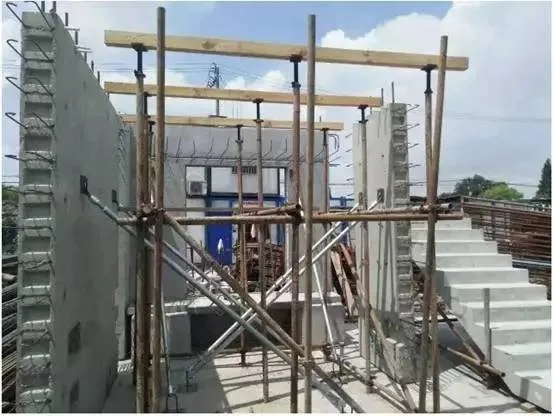
Designing prefabricated modular buildings presents unique challenges compared to conventional designs. It requires detailed component drawings that accommodate factory production and assembly processes. The integration between component design, manufacturing technology, transportation, lifting, and on-site construction must be carefully managed. Additionally, external factors such as formwork, support systems, and site conditions influence the design.
For the Linying Green Hui Technology Park project, coordination is key. The architectural design must align with production, transportation, assembly, construction, and finishing processes. Special attention is given to addressing structural issues related to insulation, water tightness, and airtightness at prefabricated exterior wall panel joints. This integration ensures that the components are both practical and cost-effective.
In recent years, Wufang Design has actively embraced the trend towards modernization in the construction industry by exploring prefabricated and assembled building practices. Through this effort, they have gained valuable experience in personnel, technology, and project performance. Furthermore, Wufang Design holds a pioneering position as one of the founding board members of the China Industrial Modernization Development Committee, a prominent authority in the prefabricated construction sector.













Must log in before commenting!
Sign Up