
The design standards for urban comprehensive pipe galleries are exceptionally high, with large construction volumes and extended project timelines. Applying BIM technology throughout the design and construction phases helps prevent design errors and rework by enabling scheme simulation, detailed design, pipeline integration, resource allocation, and schedule optimization. This approach delivers significant economic and scheduling benefits. BIM allows for modeling, simulating, and analyzing pipe gallery nodes, monitoring center structures, decorations, and more, enabling advanced design effect simulations, comparative analysis, and scheme optimization.
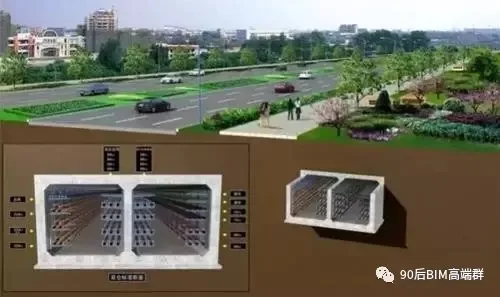
Figure 1: Comprehensive Pipe Gallery Deep Foundation Pit Support Scheme
Preface
A comprehensive pipe gallery is an underground urban corridor designed to house multiple engineering pipelines such as electricity, communications, gas, heating, and water supply and drainage systems. Equipped with dedicated maintenance ports, lifting access points, and monitoring systems, these galleries are planned, designed, constructed, and managed in a unified manner. They serve as critical infrastructure—often referred to as the city’s “lifeline”—ensuring smooth urban operations.
1. Key Characteristics of Comprehensive Pipe Gallery Construction
1.1 Concentration of Pipeline Height
Comprehensive pipe galleries are municipal shared channels constructed beneath urban roads. They integrate various pipelines—including electrical, communication, water, and gas systems—to optimize underground space utilization and promote resource sharing.
1.2 Dense Construction Areas
These galleries are typically built along busy urban main roads with heavy traffic or numerous underground pipelines. They are also constructed in coordination with projects such as rail transit, underground roads, and urban complexes. Common locations include city centers, business districts, high-density underground development zones, major squares, key intersections, and river tunnels.
1.3 Extensive Ancillary Engineering Systems
Comprehensive pipe galleries are equipped with ventilation, drainage, fire protection, monitoring, and other support systems. These are centrally controlled via a control center to enable fully intelligent operation.
2. Comprehensive Application of BIM Technology
Given the complex design standards, large construction scope, and long timelines, BIM technology plays a vital role in the design and construction of comprehensive pipe galleries. It helps avoid design errors and rework through applications such as scheme simulation, detailed design, pipeline integration, resource management, and schedule optimization, leading to improved economic outcomes and project scheduling.
1. BIM technology is used to model and simulate critical nodes of the pipe gallery, including monitoring center structures and interior finishes, allowing design effects to be previewed, compared, analyzed, and optimized.
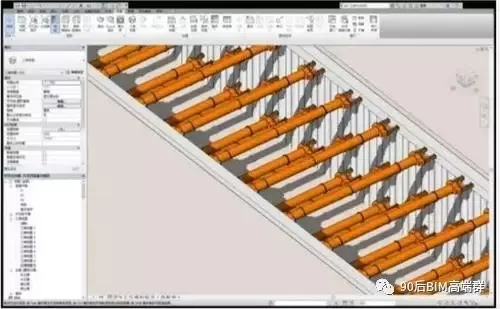
Comprehensive Pipe Gallery Deep Foundation Pit Support Scheme
2. BIM’s 3D full-scale models facilitate pipeline collision detection.
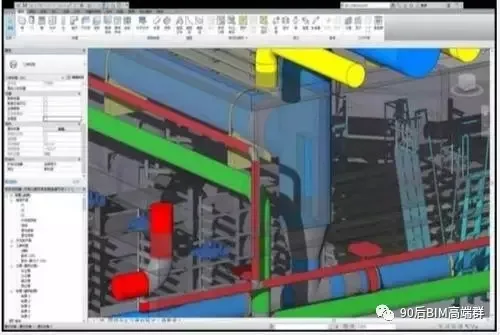
Pipeline collision inspection
3. Models can be imported into Navisworks software for clearance checks with third-party walkthrough modes.
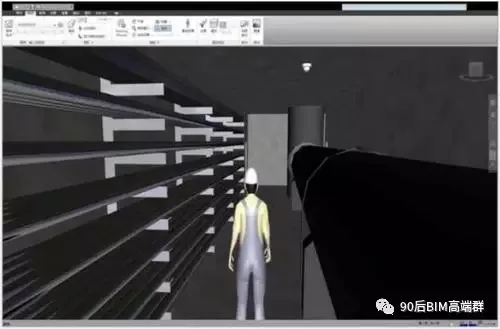
Virtual walkthrough inside the comprehensive pipe gallery
4. Using survey data and design drawings, BIM models clarify key hidden nodes such as pile end bearing layers and rock surfaces, enabling early formulation of construction control measures.
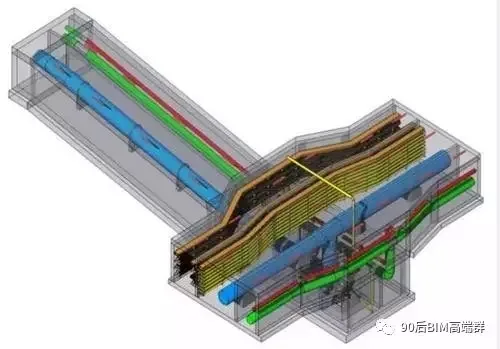
3D perspective view of pipe gallery intersection node
5. Comprehensive 3D models covering architecture, structure, and pipelines, combined with virtual walkthroughs via Navisworks, enable real-time visual feedback and evaluation of installation conditions during pipeline placement, allowing timely adjustments.
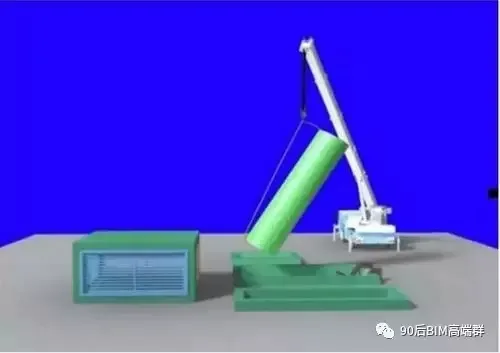
Simulation of large diameter pipeline installation
6. BIM’s parametric and visual modeling capabilities centralize information like materials, costs, and progress visualization, facilitating construction resource allocation and schedule optimization.

BIM 5D application interface
3. Future Prospects for Comprehensive Pipe Galleries
By 2015, around 1,000 kilometers of underground comprehensive pipe galleries were under construction across 69 cities nationwide, with a total investment of approximately 88 billion yuan. In August 2015, the General Office of the State Council issued the “Guiding Opinions on Promoting the Construction of Urban Underground Comprehensive Pipe Corridors,” aiming for several internationally advanced underground corridors to be built and operational by 2020. The initiative also sought to significantly reduce repeated road excavations, known as “road zippers.” The policy emphasizes government leadership, market involvement, and broad social capital participation.
Currently, comprehensive pipe gallery construction in China remains at an early stage, primarily driven by government pilot projects. Over the long term, this sector is poised for rapid growth, with the potential to become a trillion-dollar market across surveying and design, construction, operation and maintenance, and IT-based line monitoring industries. BIM technology represents a revolutionary step forward for the construction industry, akin to the impact CAD had in replacing manual drafting. It will accelerate the modernization of construction practices and support the development of urban underground comprehensive pipe galleries. Leading companies such as Beijing Aibo Jiesi Information Technology Co., Ltd. and China Construction Technology Hunan Branch have already conducted extensive research in this field.












Must log in before commenting!
Sign Up