
Building on the concept of “Industry 4.0” and integrating current cutting-edge technologies, Germany has taken a leading role in advancing the global BIM project management model, ushering in a new era of digital project management. In this issue, we will share and discuss relevant insights with you.

Industry 4.0
Industry 4.0 is one of the top ten future initiatives outlined by the German government under its “German High Tech Strategy 2020”. Jointly funded by the German Federal Office for Education and Research and the Federal Ministry of Economy and Technology, the project has an estimated investment of 200 million euros.
The goal is to elevate the manufacturing industry’s intelligence by establishing smart factories that are adaptable, resource-efficient, and capable of genetic engineering, while integrating customers and business partners into the business and value chains. The foundation of this initiative lies in networked cyber-physical systems and the Internet of Things (IoT).

In essence, “Industry 4.0” represents the fusion of the Internet and manufacturing. This concept, introduced by Germany, is known as the “Industrial Internet” in the United States and “Made in China 2025” in China. Despite different names, the core focus remains the same: intelligent manufacturing.
Key Features of Industry 4.0
Interconnectivity: The heart of Industry 4.0 lies in connectivity, linking devices, production lines, factories, suppliers, products, and customers seamlessly.
Data Integration: It connects various data types including product, equipment, research and development, supply chain, operational, management, sales, and consumer data.

Integration: Industry 4.0 integrates ubiquitous sensors, embedded systems, intelligent control units, and communication facilities into an intelligent network through Cyber-Physical Systems (CPS). This network facilitates connections between people, machines, and services, achieving comprehensive integration horizontally, vertically, and end-to-end.
Innovation: The development of Industry 4.0 drives continuous innovation in manufacturing technology, products, business models, formats, and organizational structures — spanning from technological breakthroughs to product and organizational innovations.
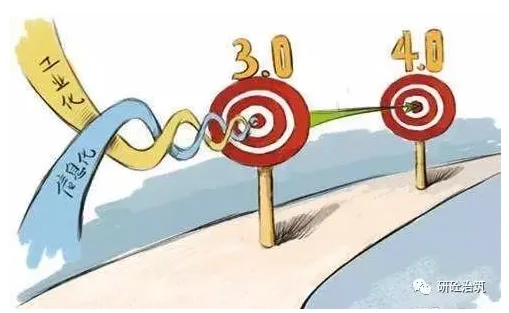
Transformation: For traditional manufacturing industries, especially in China, transformation involves upgrading factories from versions 2.0 and 3.0 to 4.0, shifting production from mass manufacturing toward personalized customization. The entire process becomes more flexible, customizable, and user-centric — a defining feature of Industry 4.0.
The Nine Pillars of Industry 4.0 Technology
These include the Industrial Internet of Things, cloud computing, industrial big data, industrial robots, 3D printing, automation of knowledge work, industrial network security, virtual reality, and artificial intelligence.
BIM (Building Information Modeling)
Building Information Modeling (BIM), also known as Building Information Management, involves creating a three-dimensional building model based on various relevant data from construction projects. This digital simulation replicates real-world building information.

Features of Building Information Modeling
Visualization: BIM offers a visual approach, allowing users to see traditional linear components in a three-dimensional, interactive form, with real-time feedback between elements.
Coordination: BIM helps identify and resolve potential conflicts across various disciplines during early construction stages by generating coordination data.
Simulation: During the design phase, BIM enables simulations to test and validate design decisions, including 5D simulations that incorporate cost control based on 3D models. In operation, it supports simulating responses to daily emergencies.
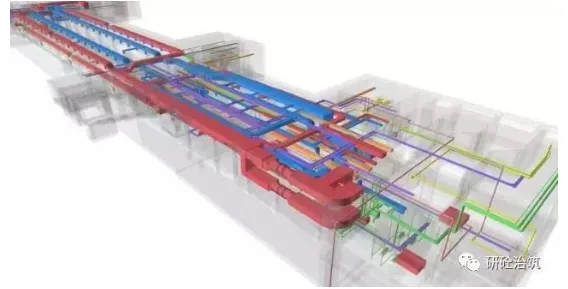
Optimization: BIM supports continuous optimization throughout design, construction, and operation phases. Although optimization is not inherently tied to BIM, its capabilities enable more effective improvements.
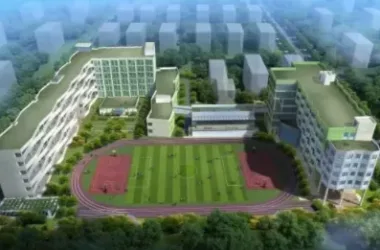
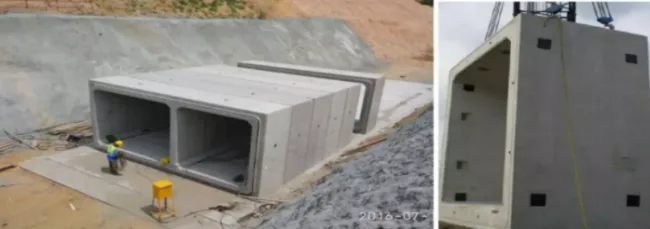
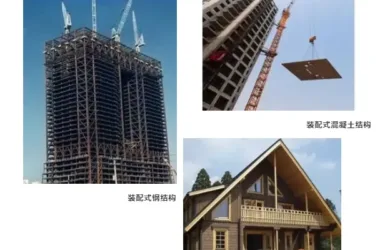
Prefabricated structure
Drawing Feasibility: After visualization, coordination, simulation, and optimization, BIM assists owners by producing comprehensive pipeline drawings (collision-checked and corrected), structural hole drawings (embedding casing details), as well as collision detection reports with recommended improvements.
Integration: BIM technology enables integrated management throughout the entire lifecycle of engineering projects, from design through construction to operation.
Parameterization: Parameterized modeling uses adjustable parameters rather than fixed numbers. Changing these parameters allows for the creation and analysis of new models efficiently.
Information Completeness: BIM technology ensures comprehensive descriptions of 3D geometry, topological relationships of engineering objects, and complete engineering information.
Digital Project Management
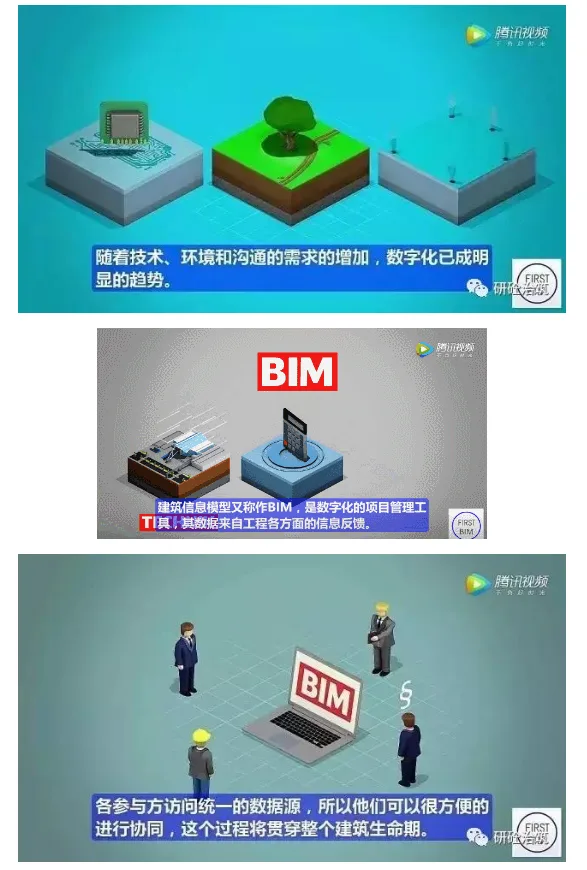
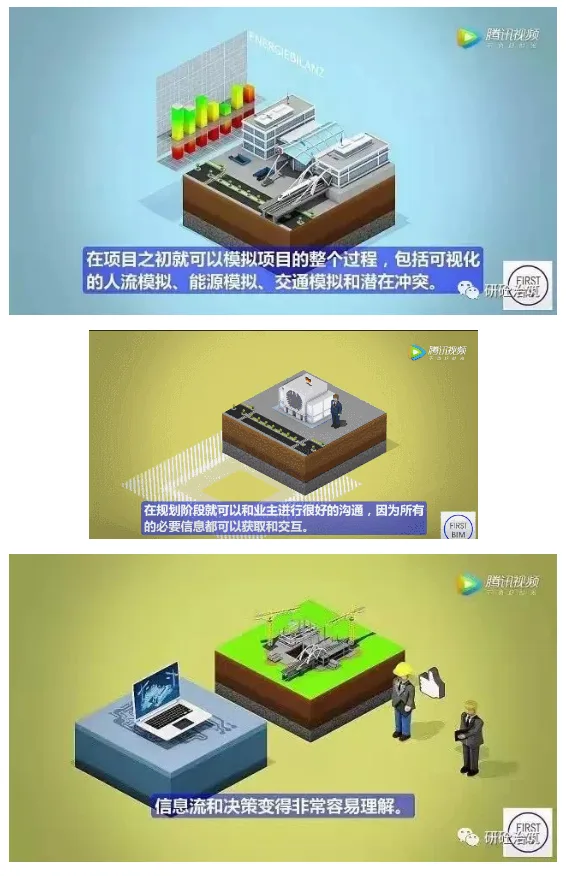
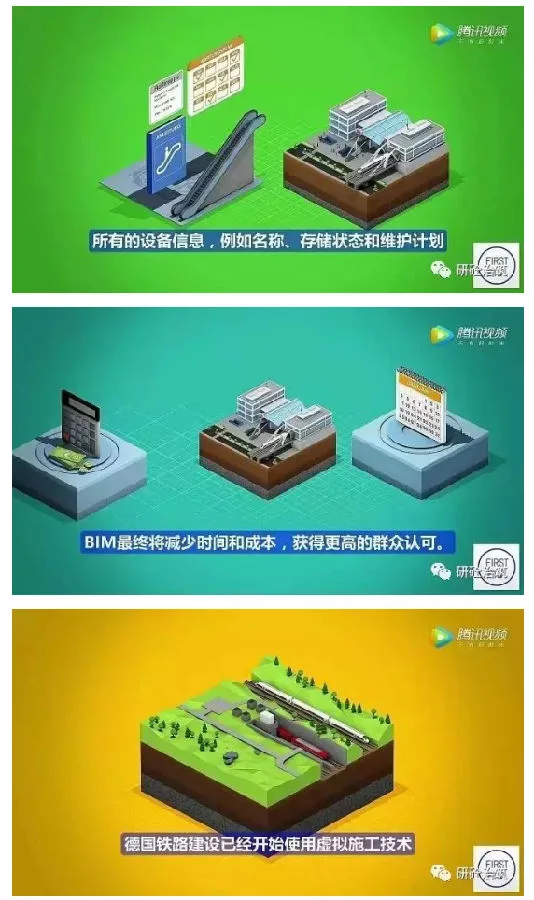
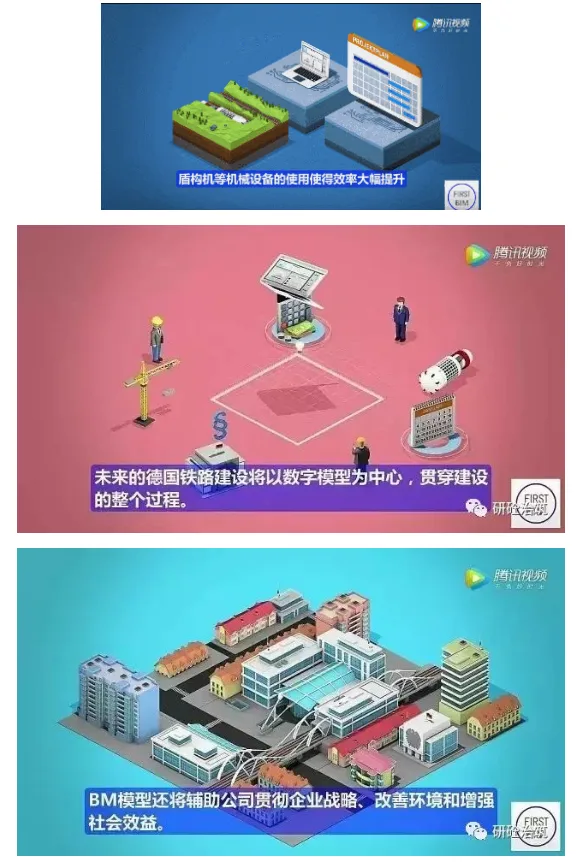
Germany, the pioneer of “Industry 4.0,” continuously innovates by combining Industry 4.0 concepts with Building Information Modeling (BIM). This has led to the invention of a digital project management model. The principles and functionalities are illustrated in the following video and images.
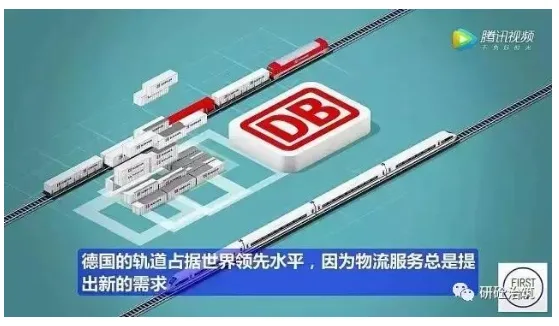
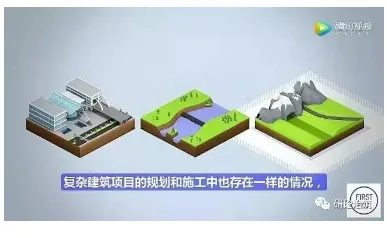













Must log in before commenting!
Sign Up