
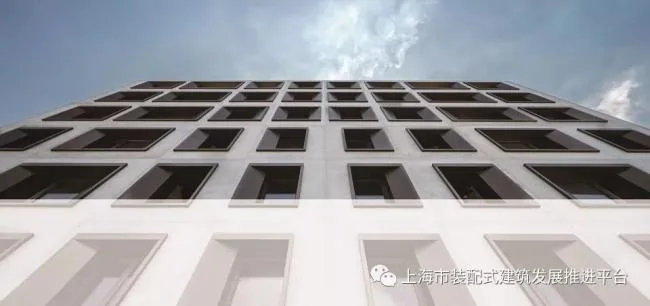
The Shanghai Urban Construction Industry Group’s Prefabricated Ultra Low Energy Building 2# Pilot Project represents an innovative integration of prefabricated and low-energy construction technologies. This 2.0 version uses their proprietary prestressed hollow floor precast shear wall structural system. The six-story building covers a total area of 1800 square meters, featuring an 85% prefabrication rate and a 95% interior assembly rate.
Building on existing prefabrication systems, the project incorporates advanced passive energy-saving concepts. It optimizes architectural and structural designs, explores component and energy-saving node processes, and enhances overall quality by applying new energy-efficient door and window technologies, prefabricated interior solutions, and comprehensive information management throughout the construction process.
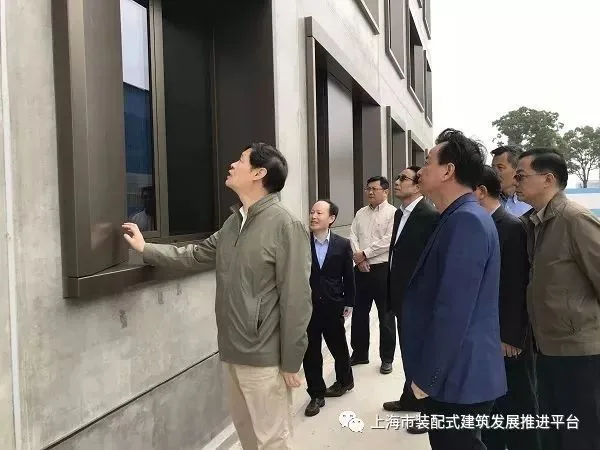
In November 2017, Chen Yiming, Chief Engineer of the Ministry of Housing and Urban-Rural Development, and Su Yunshan, Director General, conducted a research visit to the project site.
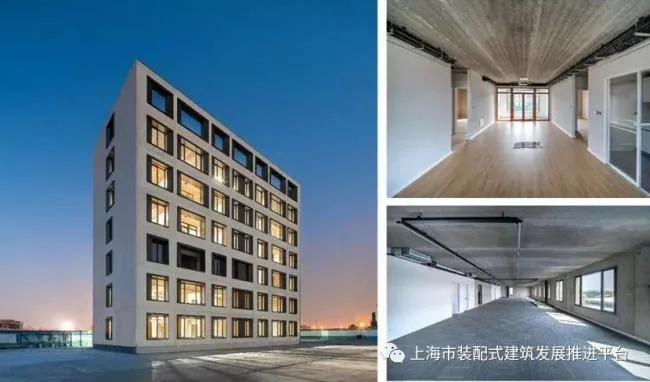
After completion, the building’s exterior facade and interior spaces demonstrate the project’s main objectives:
- Flexible space with variable layouts, structural and decorative separation, and pipeline segregation
- Innovation through the integration of prefabricated construction and low-energy technologies
- Achievement of indoor comfort with ultra-low energy consumption, suitable for hot summers, cold winters, and high humidity climates
Project Overview
| Project Name | Prefabricated Ultra Low Energy Building 2# Pilot Project |
| Location | No. 3770 Sichen Road, Songjiang District |
| Construction Company | Shanghai Urban Construction Industry (Group) Co., Ltd |
| Design Company | Shanghai Chengjian Architectural Planning and Design Co., Ltd |
| Component Production | Shanghai Urban Construction Industry Group New Building Materials Co., Ltd |
| Structural System | Integral prefabricated shear wall structure |
| Floor Area | 1800 square meters |
| Single Floor Area | 300 square meters |
| Number of Floors | 6 floors |
| Floor Height | 3.3 meters |
| Clear Height | 3.0 meters |
| Prefabrication Rate | 85% |
| Prefabricated Components | Internal and external wall panels, floor slabs, stairs, parapets, etc. |
| Interior Assembly Rate | 95% |
Project Features
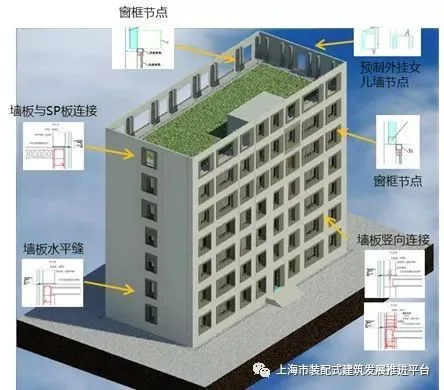
SP Composite Panel Prefabricated Shear Wall Structure
-
EPC Construction Model
The project adopts an EPC (Engineering, Procurement, and Construction) model, creating an industrial closed loop with significant advantages:
(1) Close integration and unified objectives
(2) Collaborative teamwork reducing internal friction
(3) Shared liabilities and benefits
(4) Enhanced competitiveness
(5) Strong risk resistance -
High Prefabrication Rate
All internal and external wall panels, floor slabs, stairs, and parapets are prefabricated, achieving over 85% prefabrication.
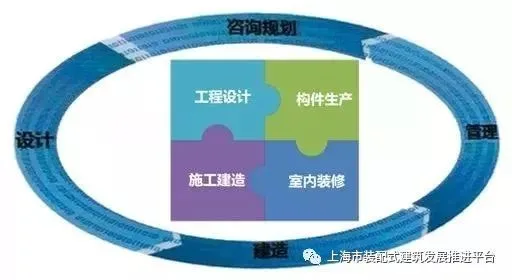
Schematic diagram illustrating the EPC construction mode.
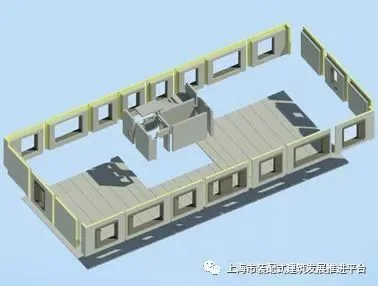
Component disassembly schematic.
-
Single-Row Bolt Connection Technology for Prefabricated Wall Panels
The internal shear walls use a single-row bolt connection method to ensure structural integrity. -
Large-Span Prestressed Hollow Floor Slabs
The floor slabs are freely separable, with spans reaching up to 11 meters, allowing for large, column- and beam-free spaces.
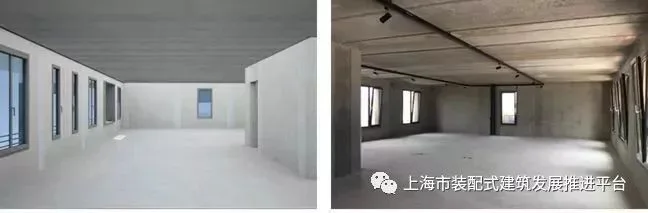
The floor slab has a total thickness of 290mm (200mm prefabricated plus 90mm cast-in-place), providing excellent noise reduction and seismic isolation.
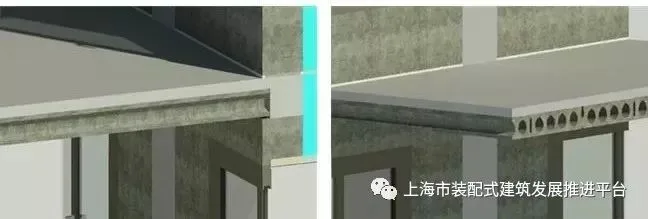
-
Integrated Prefabricated Sandwich Wall Panels
These panels combine structural elements, exterior decoration, insulation, energy-saving subframes, and external shading components. This design addresses common issues like water seepage, insulation detachment, and ensures the external wall insulation and structural layers have matching lifespans.
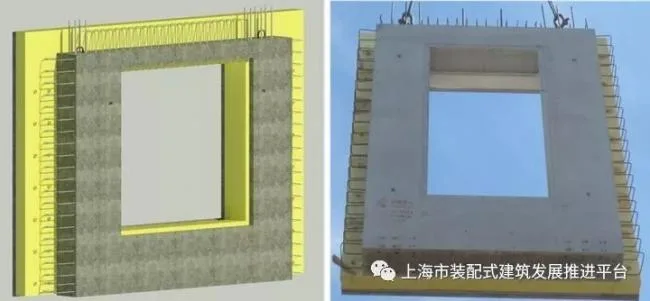
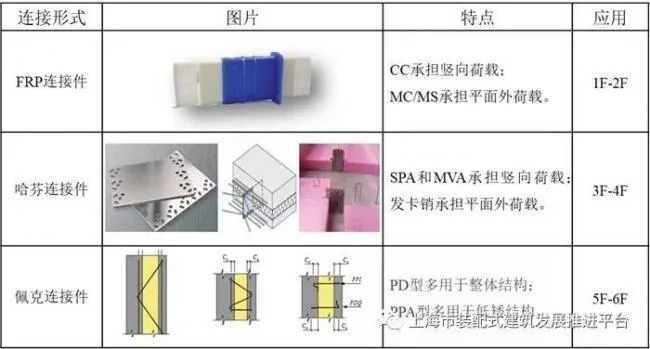
The insulation layer of the sandwich panel is 150mm thick with a 60mm outer panel. Various connector types were tested to ensure secure attachment between the outer panel, insulation, and concrete structure.
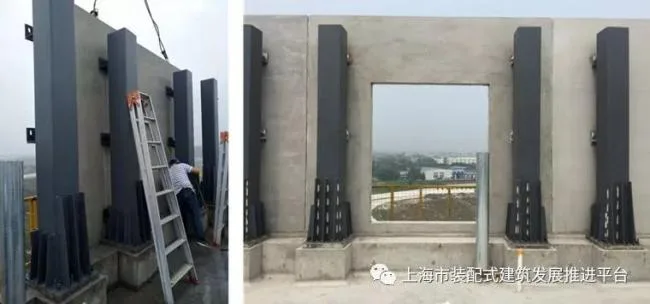
Roof parapets are fully prefabricated with steel structure panels that hang externally. This approach ensures high assembly accuracy, ease of installation, and a coordinated building appearance.
Complete process tracking and management of precast components are enabled using passive chips and QR code technology.

Example of QR code format.

Example of chip application.
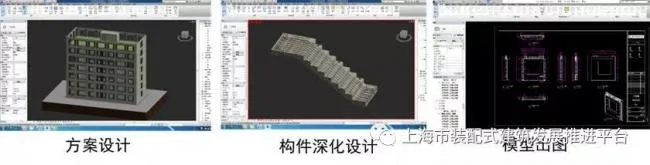
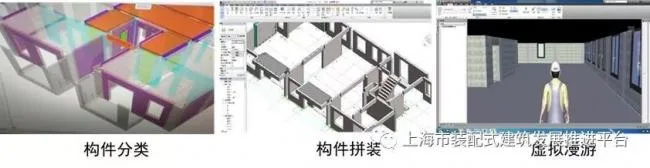
BIM facilitates seamless integration across design, detailed engineering, component manufacturing, and on-site construction.
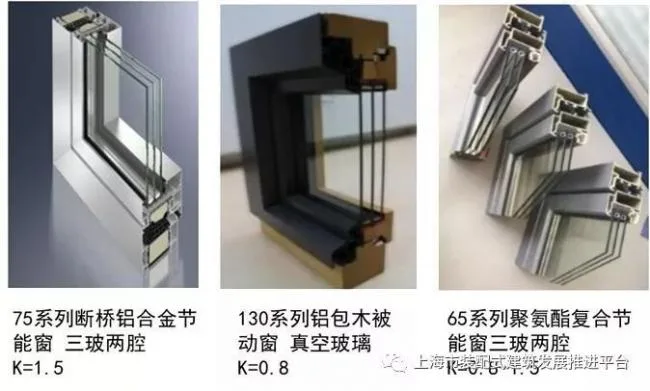
The project tests the impact of various energy-efficient doors and windows on building performance, using three different materials and two glass configurations. Some floors include external shading to evaluate its effect on summer energy consumption.
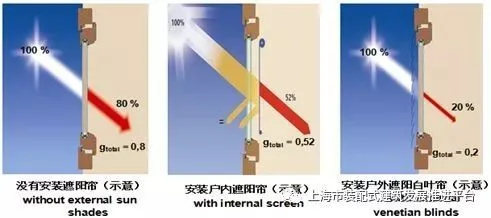
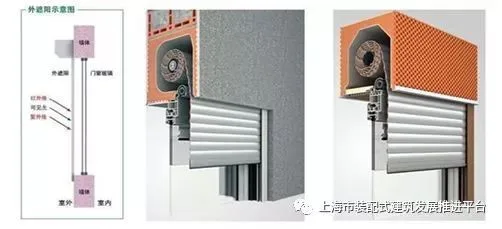
To maintain continuous and complete insulation, the project addresses assembly nodes of wall panels, doors and windows, piping, and shading components using non-thermal bridge technologies to prevent indoor condensation and mold.
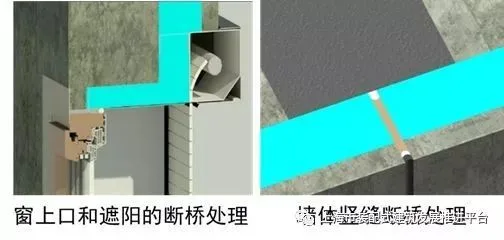
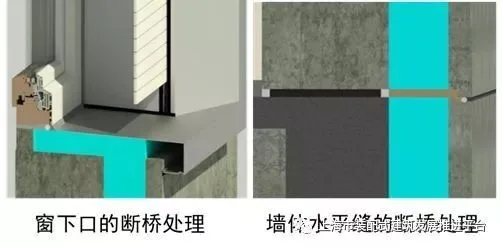
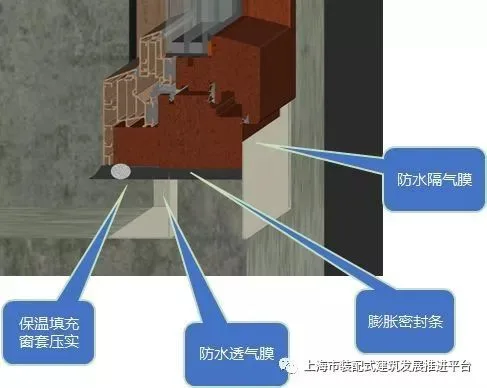
Sealing measures are implemented for joints, wall penetrations, doors, and window nodes. This is crucial in climates with hot summers and cold winters, as poor air tightness increases cooling and heating energy consumption and risks condensation and mold formation.
Different indoor air treatment systems are used based on floor function and usage, including standard fresh air systems, customized fresh air systems, and VRV systems. Frequency conversion and total heat recovery technologies are employed to maximize energy efficiency.
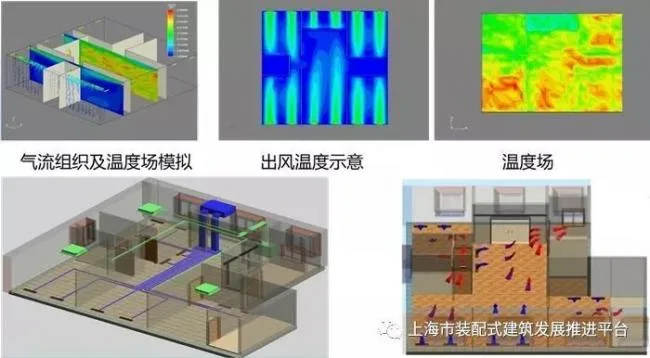
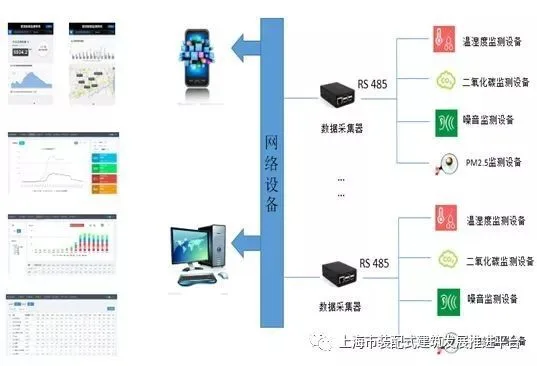
Indoor environmental parameters such as temperature, humidity, CO2, and PM2.5 levels are continuously monitored and controlled to maintain optimal comfort.
A quiet indoor sound environment is ensured through thickened enclosure structures, airtight doors and windows, same-floor drainage, and equipment sound insulation.
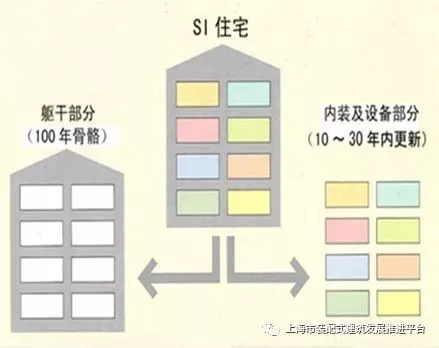
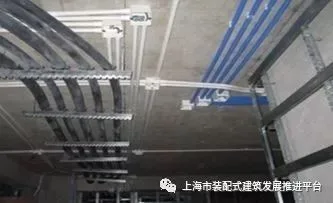
This approach separates structural elements, pipelines, and decoration, allowing for easy repair and replacement without damaging walls. It also addresses differences in service life between building structures and equipment pipelines.
Founded in 1997, Shanghai Urban Construction Industry Group holds national special-grade qualifications for general contracting of housing construction, multiple first-class qualifications for professional contracting, real estate development, and prefabricated architectural design. It is a large-scale construction group covering the full industrial chain: real estate development, architectural planning and design, general contracting, and construction industrialization.
Since 2004, the group has conducted in-depth research on building industrialization and passive energy-saving technologies. In collaboration with Tongji University, it successfully developed a prefabricated shear wall structural system based on prestressed large-span floor slabs, featuring large spans, free separation, and a prefabrication rate exceeding 70%. This system is applicable to a variety of building types, including high-rise residences, hotels, and hospitals, and has been implemented in projects such as the Sheshan 21 Hill 1# and 2# buildings. These were recognized in the Ministry of Construction’s 2016 Science and Technology Project Plan for Prefabricated Building Technology Demonstrations. In 2017, the group became one of China’s first prefabricated construction industry bases.
The group emphasizes integration across the entire construction industrialization chain. It operates a wholly-owned prefabricated product manufacturing facility with an annual capacity of 500,000 square meters. The group is capable of managing the full production and construction process, from real estate development and architectural design to prefabricated system development, component manufacturing, and project construction.
Author: Chen Peiliang, Shanghai Chengjian Architectural Planning and Design Co., Ltd















Must log in before commenting!
Sign Up