
Prefabricated buildings are recognized worldwide as a major innovation in the construction industry and have been widely adopted in developed countries for years. However, in China, the adoption of prefabricated buildings has been slower, with their share in newly constructed buildings remaining below 5%. These structures are primarily used for public facilities such as sports centers. Why haven’t prefabricated homes gained widespread popularity? While technical challenges exist, the primary barrier is cost. This article aims to clarify the misconceptions surrounding the cost of prefabricated buildings.

In late September 2016, the State Council issued the Guiding Opinions on Vigorously Developing Prefabricated Buildings (referred to hereafter as the “Guiding Opinions”). This policy aims to increase the proportion of prefabricated buildings in new construction projects from less than 5% to 30% within approximately ten years. From an economic development standpoint, advancing prefabricated building technology holds significant importance.
So, what challenges does China face in promoting prefabricated construction, and how can these be addressed?
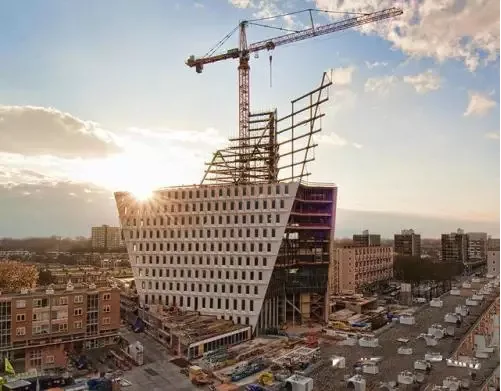
Challenges:
Technological improvements are needed, and currently, prefabricated buildings cost approximately 100 to 200 yuan more per square meter.
While prefabricated buildings have been embraced internationally, their adoption in China remains limited. Aside from their primary use in public buildings like sports centers, they constitute less than 5% of new construction.
The hesitation stems partly from technological immaturity.
Currently, steel-structured residential buildings in China show no major structural defects. However, issues such as wall cracking, uneven panel joints, poor sound insulation, and insufficient thermal insulation are evident. Some construction teams lack experience and technical expertise, compounded by inadequate management, leading to lower quality compared to traditional buildings. For example, Cen Yan, Director of the Shenzhen Construction Science and Technology Promotion Center, noted that an ill-planned component division can increase civil construction costs by 30%. Additionally, poor coordination during component hoisting may cause delays, rework, or even serious accidents.
Despite these challenges, industry experts remain optimistic.
“Technical problems can be addressed through continuous experimentation,” said Zhang Huiqing, Chairman and Party Secretary of China 22MCC Group. Since 2014, their team has been researching steel structure residential buildings, meeting existing standards. Earlier this year, they overcame difficulties related to fire safety, corrosion resistance, and sound insulation. Compared to traditional construction, prefabricated buildings are expected to achieve higher standards.
While technical challenges are significant, cost remains the biggest barrier to wider adoption of prefabricated buildings.
Generally, prefabricated housing can reduce costs during assembly due to savings on labor, construction time, and finishing. However, the cost of prefabricated components themselves is higher. Compared to traditional cast-in-place concrete structures, precast concrete components increase unit prices by 100 to 200 yuan per square meter, depending on the degree of prefabrication. According to Liu Xuan, Chief Engineer of China 22MCC Group, this additional cost is negligible in mega-cities like Beijing and Shanghai but is substantial in mid-sized cities such as Tangshan.
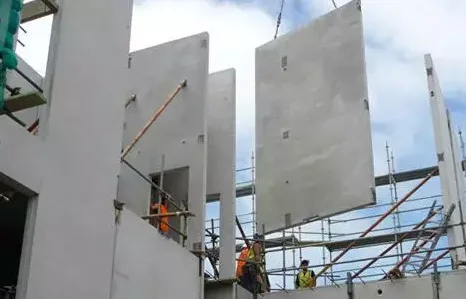
The higher cost mainly results from small project scales. When producing prefabricated concrete components, mold expenses represent a significant portion of costs. For smaller projects, these costs spread across fewer components, increasing the per-unit cost. Chen Yiming, Chief Engineer at the Ministry of Housing and Urban-Rural Development, explained that prefabricated buildings are slightly more expensive for small-scale projects, but as project size increases, combined with standardized management and skilled labor, costs can be significantly reduced.
Solutions:
“Small scale leads to high costs, which in turn restricts expansion,” said Chen Weiguo, Chairman of China Construction Technology Wuhan Co., Ltd. To avoid a development “deadlock” for prefabricated housing, government intervention is necessary. When market demand rises and more projects are initiated, cost issues will ease, and the benefits of prefabrication will become more evident. Only then can the prefabricated housing sector gain momentum. Otherwise, many companies will remain hesitant.
Chen Weiguo emphasized that breaking this “vicious cycle” requires external policy support. In fact, many provinces and cities had already introduced incentive policies before the State Council’s directive, targeting environmental protection, energy conservation, and construction method innovation.
Some policies are mandatory. For example, Shanghai requires that from 2016, all new civil buildings within the outer ring road comply with prefabricated building standards, with over 50% compliance outside this area. Nanjing also set clear targets for prefabricated building proportions and assembly rates during a land transfer in June.
Others provide financial incentives. In Beijing, qualifying residential industrialization projects can receive up to a 3% bonus on planned construction area. Shanghai offers subsidies of 100 yuan per square meter for prefabricated residential projects exceeding 30,000 square meters with assembly rates over 40%, up to 10 million yuan per project.
The direction outlined in the Guiding Opinions is clear, and we anticipate rapid policy implementation across regions. Zhang Huiqing believes that with increased support, prefabricated buildings could see accelerated growth as early as next year.
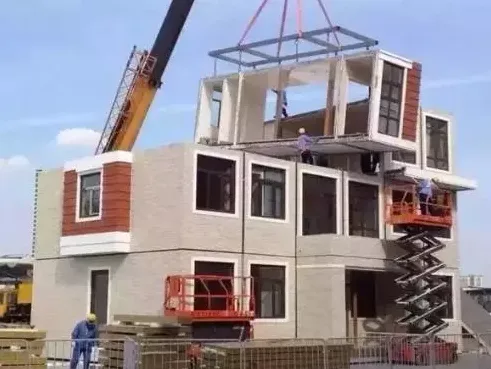
Additional Challenges
Several years ago, some steel structure companies deviated from established building standards when manufacturing prefabricated residential buildings, resulting in failed inspections after completion. Additionally, because capable enterprises are a minority in the industry, they often lack influence.
Some companies report that competitors who cannot produce prefabricated housing tend to discourage developers by saying, “Why bother with prefabricated housing?” Others argue that if prefabricated housing included fine interior finishes—such as wallpaper installation, bay windows, and cabinetry—it could offset the higher costs of structural components. However, as newcomers to the construction industry, these companies face challenges in entering the decoration sector.
Understanding the Cost of Prefabricated Buildings: How to Calculate Engineering Costs
In response to the State Council’s requirements to promote prefabricated buildings, the Ministry of Housing and Urban-Rural Development recently collaborated with the Zhejiang Provincial Department of Housing and Urban-Rural Development and other agencies to draft the Consumption Quota for Prefabricated Building Engineering (draft for comments). This document covers four chapters: prefabricated concrete structure engineering, prefabricated steel structure engineering, building components and parts engineering, and ancillary projects.
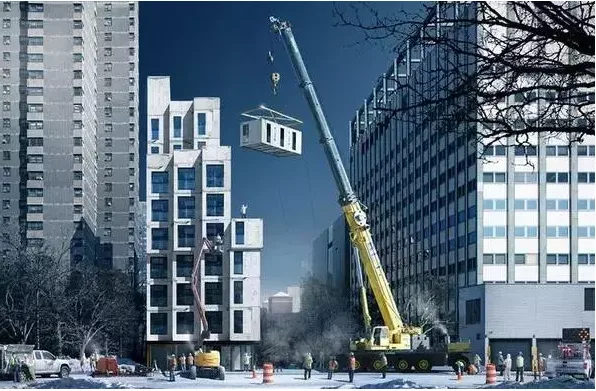
The quota is based on current assembly building engineering standards, construction acceptance criteria, quality evaluation guidelines, and safety procedures. It assumes normal construction conditions and reasonable labor organization and scheduling, reflecting the construction methods and mechanization levels commonly used by domestic construction companies.
This quota sets the standards for labor, material, and machinery consumption required to complete specified units of work. It serves as a reference for regional engineering cost management agencies when determining construction project quotas, preparing investment estimates, design budgets, and establishing maximum bidding limits (base prices) for state projects.
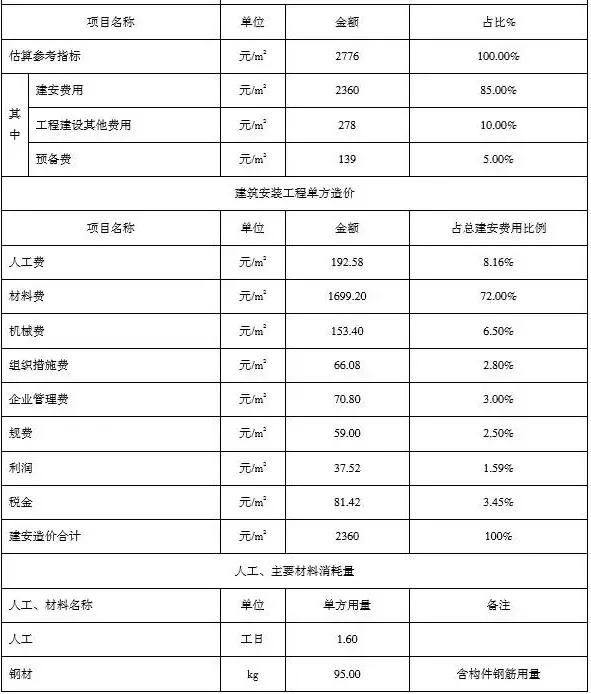
The most notable feature of the draft is its provision of reference indicators for investment estimation of prefabricated concrete and steel structure residential projects at different precast concrete (PC) rates across eight types. This offers a clear, unified standard for calculating the “cost accounts” of prefabricated buildings.
Note:
Before reviewing specific indicators, it is important to understand two key concepts:
Assembly Rate (PC Rate): This refers to the ratio of precast concrete volume to the total concrete volume used in a single building. It is usually calculated based on the positive and negative structural parts above ground level. Currently, there is no nationwide unified standard. The assembly rate reflects the building’s degree of industrialization—the higher the rate, the more industrialized the construction.
Assembly Percentage: The ratio of the area of individual buildings meeting assembly rate requirements to the total construction area of the project.
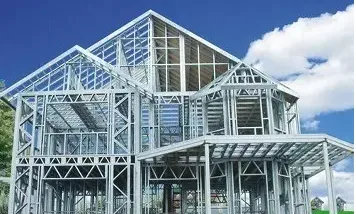
Prefabricated Concrete Residential Buildings
1. High-rise prefabricated concrete residential buildings with a PC rate of 20% (± 0.00 or higher)
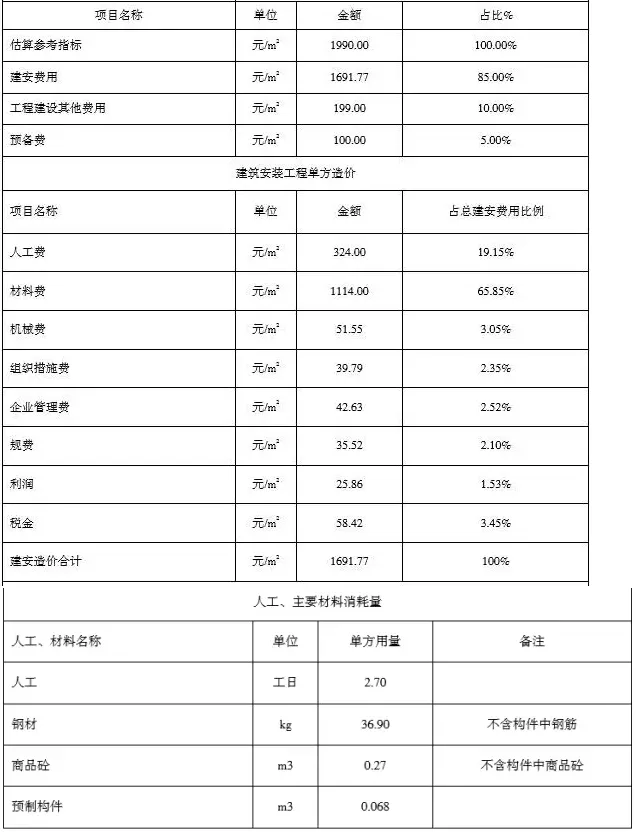
2. High-rise prefabricated concrete residential buildings with a PC rate of 40% (± 0.00 or higher)
3. High-rise prefabricated concrete residential buildings with a PC rate of 50% (± 0.00 or higher)
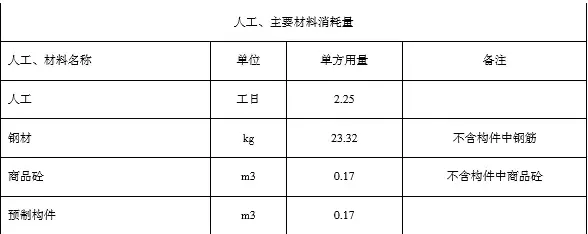
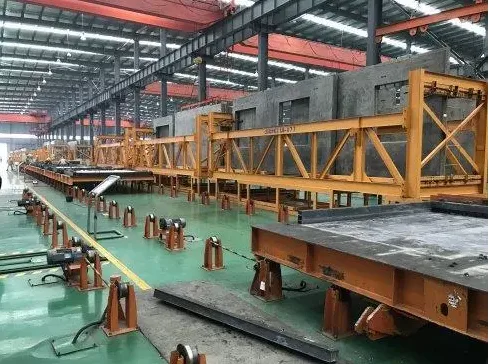
4. High-rise prefabricated concrete residential buildings with a PC rate of 60% (± 0.00 or higher)
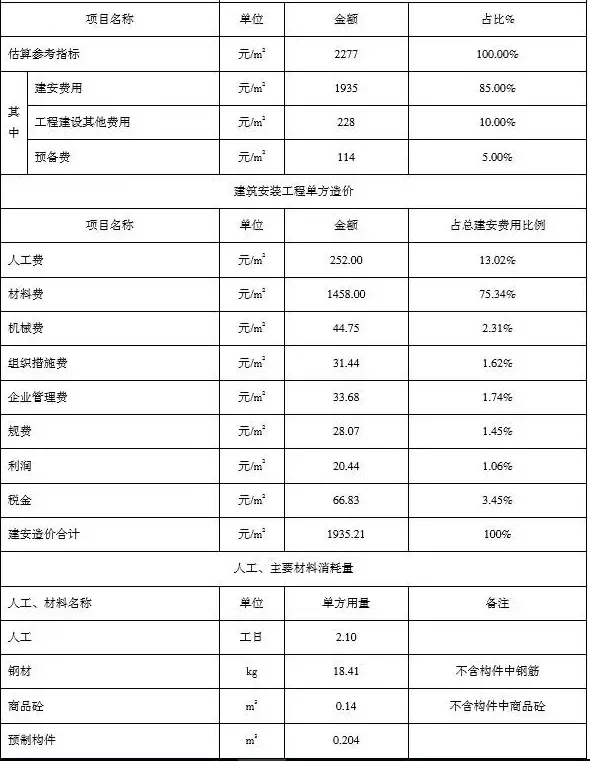
5. Prefabricated concrete high-rise residential buildings with a PC rate of 20% (± 0.00 or higher)
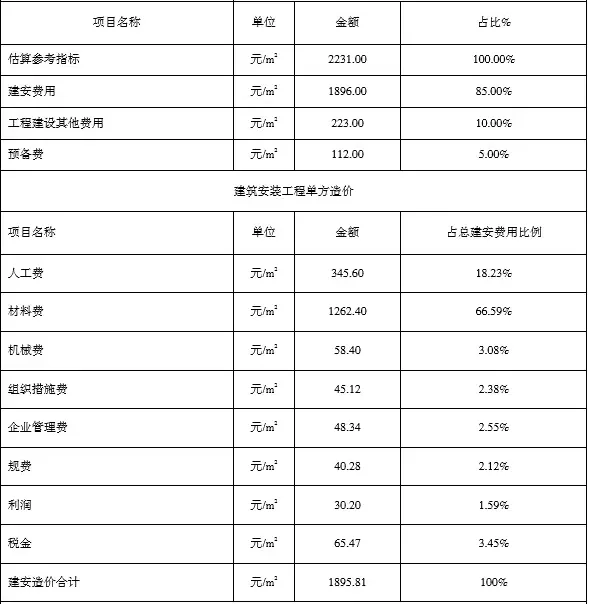
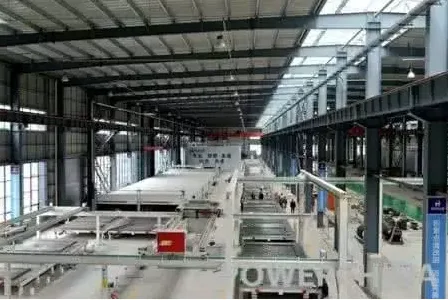
6. High-rise prefabricated concrete residential buildings with a PC rate of 40% (± 0.00 or higher)
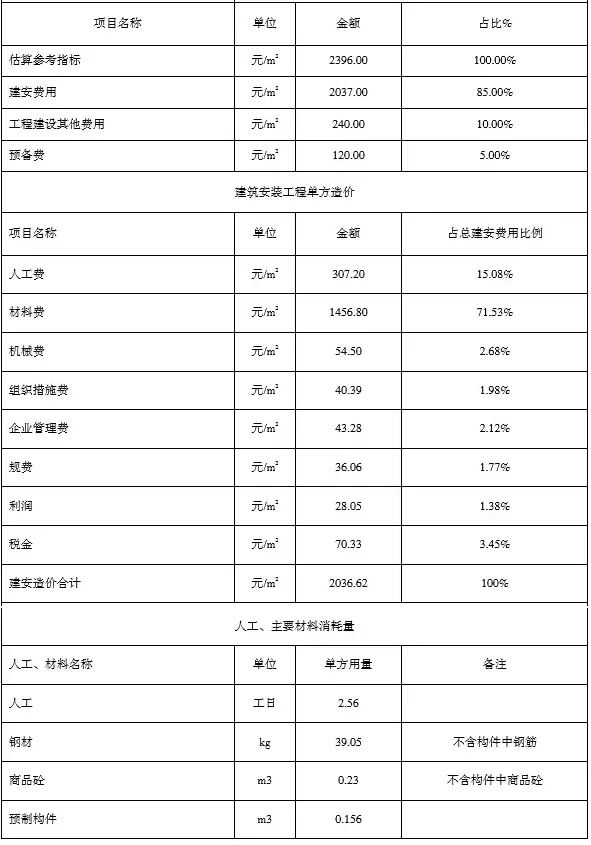
7. High-rise prefabricated concrete residential buildings with a PC rate of 50% (± 0.00 or higher)
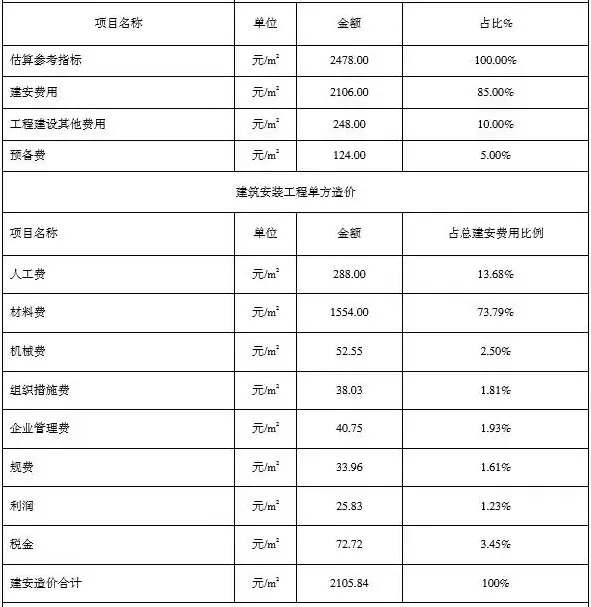
8. High-rise prefabricated concrete residential buildings with a PC rate of 60% (± 0.00 or higher)
9. Prefabricated steel structure high-rise residential buildings (above ± 0.00)














Must log in before commenting!
Sign Up