
1. At the construction site, external scaffolding and both indoor and outdoor plastering processes have been eliminated. Steel bars are uniformly distributed by the factory, floor bottom formwork has been removed, and wall plastic formwork has replaced traditional wooden formwork. This significantly reduces construction waste on site.
Prefabricated: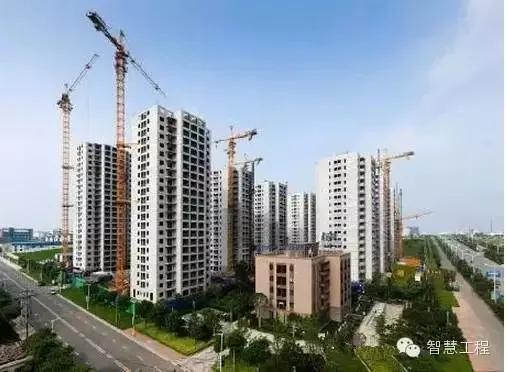 Traditional style: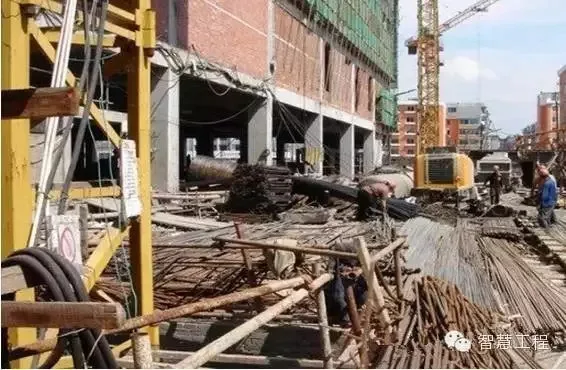
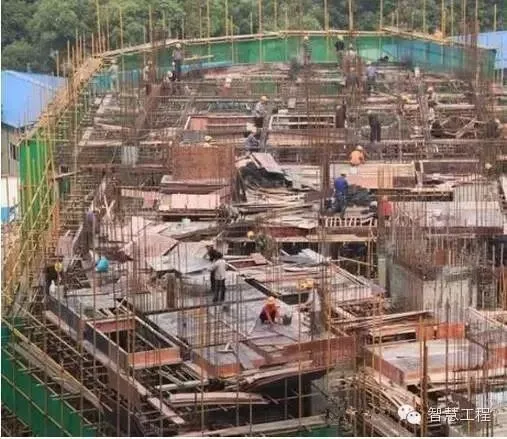
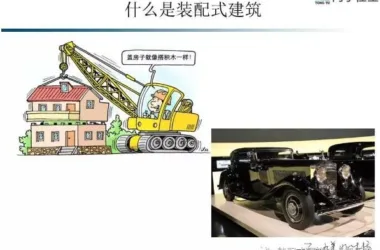
 2. Prefabricated concrete (PC) components are manufactured in the factory and then transported to the construction site, where they are lifted into place using large cranes. On-site workers only need to handle tasks such as positioning support boards and temporary fixing, greatly reducing labor intensity.
Prefabricated: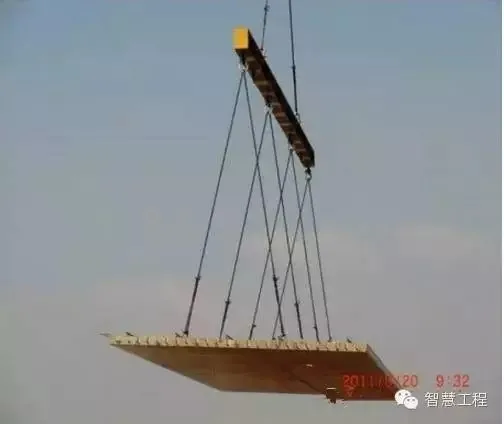 Traditional style:
 3. Door and window openings are pre-sized and completed in the factory, ensuring that size deviations are fully controlled. Wooden bricks and concrete blocks that are reserved for indoor doors are also prepared with precise positioning in the factory, allowing for straightforward on-site installation and guaranteeing installation quality.
Prefabricated: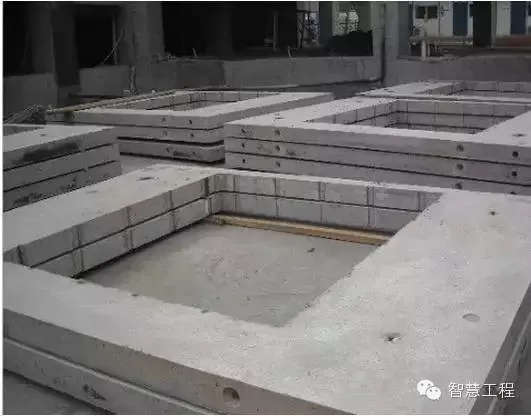 Traditional style:
 4. The insulation board is sandwiched between two concrete slabs, providing effective fire separation between each wall panel. This design achieves Class A fire protection, preventing large-scale fire hazards. Additionally, the insulation layer offers excellent durability and thermal performance. The exterior wall’s concrete structure ensures good waterproofing and resistance to seepage.
Prefabricated: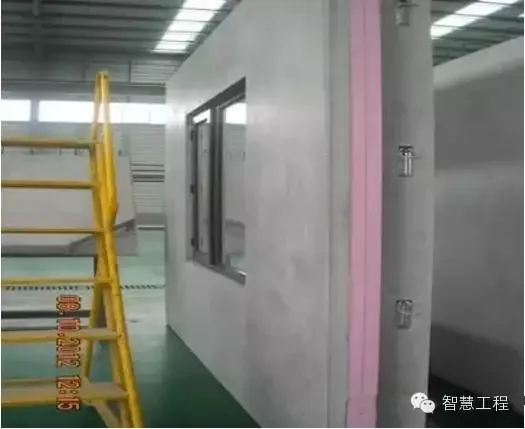 Traditional style:
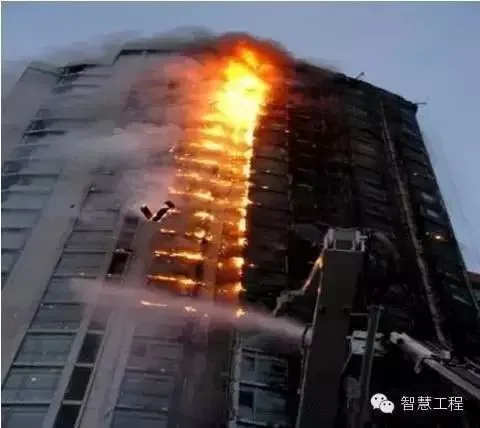 5. Internal and external painting has been eliminated, as the walls are entirely made of concrete. This effectively avoids common wall issues such as cracking, hollowing, and peeling. The wall surface is smooth and flat, allowing for pre-coating with paint, application of an exterior finish, or use of artistic concrete as a decorative layer. This also minimizes the risk of cross-contamination during exterior construction.
Prefabricated: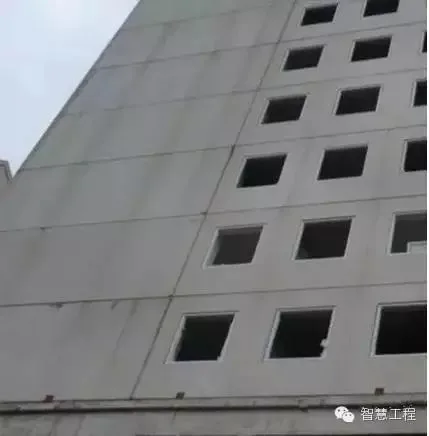 Traditional style: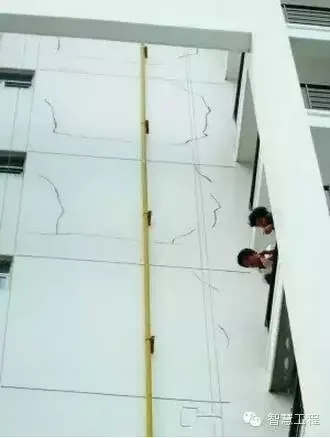













Must log in before commenting!
Sign Up