
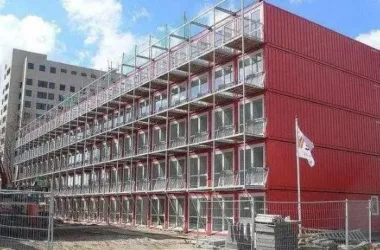
(The image is sourced from the internet and is unrelated to the main text. It depicts SAHMRI, the South Australian Health and Medical Research Institute.)
In prefabricated buildings, design and production are closely interconnected. Thoughtful design helps reduce manufacturing costs, while advancements in production processes enhance design flexibility. Together, design and process form a mutually beneficial and essential relationship.
1. Design Analysis of Industrialized Buildings
From the perspective of component production technology, the following factors must be considered during design development:
1) Component Detail Drawings: Prepare detailed drawings tailored for production, including formwork and reinforcement plans.
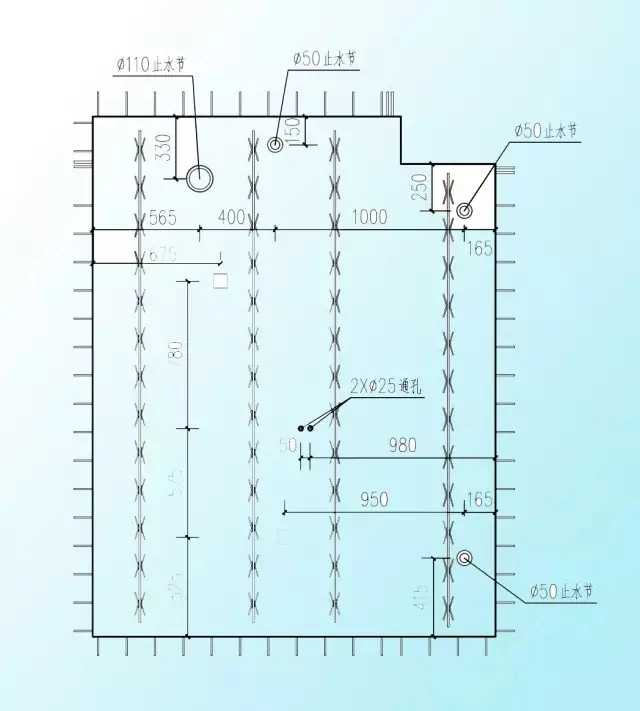
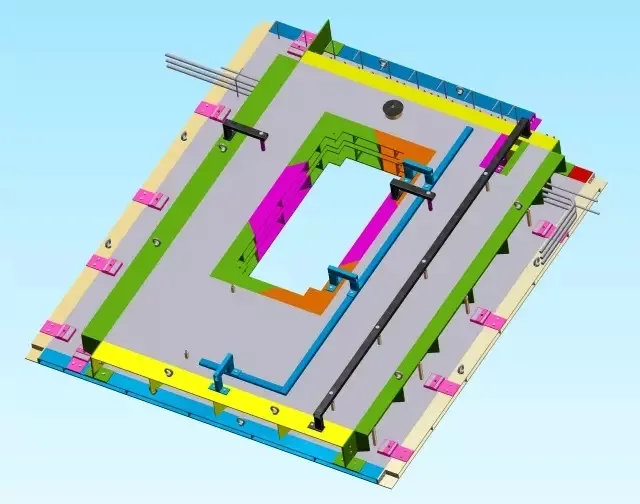
2) Mold Drawing Design: After finalizing the external dimensions of components, preliminary drawings compatible with mold design are provided. Designers can review mold drawings as needed.
3) Mold Processing: Emphasize the universality and reusability of molds to optimize efficiency.
4) Factory Material Preparation: Specify all embedded parts, exterior finishing materials, door and window models, etc., for each component.
5) Reinforcement Binding, Mold Assembly, and Pre-Embedding: Clearly indicate reinforcement requirements, embedded part positioning, and lightning protection measures on component drawings while avoiding positional interference.
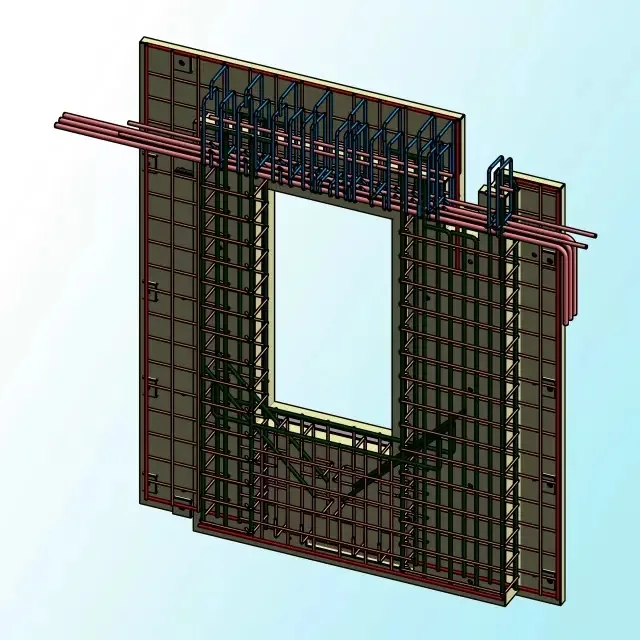
6) Concrete Pouring: Indicate the concrete grades used for different components on the drawings.
7) Demolding and Maintenance: Specify lifting points, lifting equipment models, and demolding positions on component diagrams.
From the perspective of component logistics and transportation, further design considerations include:
1) Component Curing: Ensure components meet demolding and lifting strength requirements, typically achieving 75% or more of the design strength.
2) Finished Product Stacking: Detailed drawings should specify component number, building number, floor, axis, and sequence. Corresponding information must be clearly marked on component surfaces.
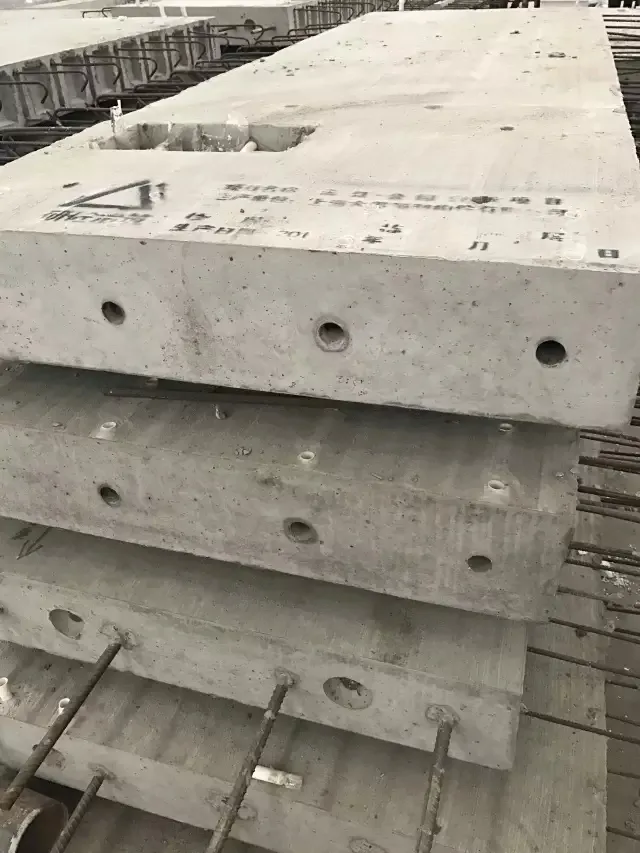
3) Finished Product Quality Inspection: Verify exposed steel bar dimensions, component sizes, etc., according to detailed drawings, and issue compliance certificates or approvals.
4) Component Loading: Consider transportation vehicle width and load limits when determining component disassembly sizes, and equip components with dedicated transport racks.
5) Component Quality Inspection: Clarify acceptance standards through detailed design drawings.
2. Structural System Analysis of Industrialized Buildings
Industrial buildings are factory-manufactured using prefabricated components and assembled on-site using mechanized methods.
External Wall Cladding System
The interior wall is poured with concrete using large formwork, reinforced with steel mesh. Prefabricated concrete composite wall panels are hung on exterior walls, supported by structural columns and ring beams. This method facilitates construction, accelerates progress, enhances factory processing quality, ensures project standards, and reduces costs without compromising seismic resistance.
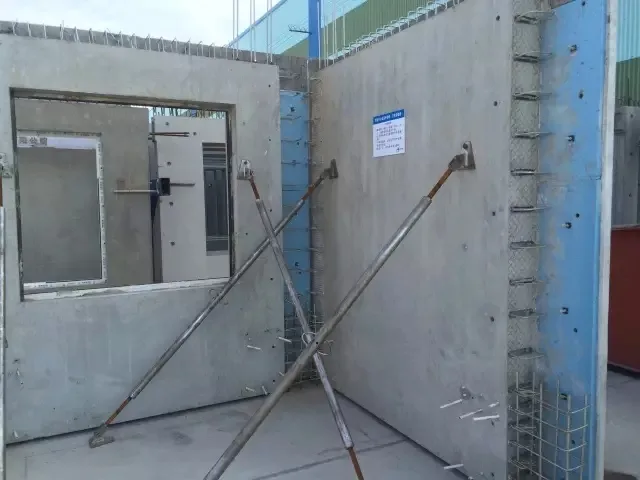
Prefabricated Components: Exterior walls, composite floor slabs, balconies, stairs, composite beams.
System Characteristics: Vertical load-bearing structures use cast-in-place concrete, while exterior wall panels are non-load-bearing. Prefabrication rates typically range from 10% to 50%, resulting in low construction difficulty and cost.
Applicable Height: High-rise and super high-rise buildings.
Applicable Building Types: Affordable housing, commercial residential buildings, office buildings.
Prefabricated Frame System
The prefabricated modular frame system is designed for standardization. Components such as columns, beams, slabs, stairs, balconies, and exterior walls are prefabricated in factories based on structural and building characteristics. Large equipment like tower cranes is used for on-site assembly to form the building structure.

Example: Research Concrete Shanghai North High-tech Service Industry Park Commercial Office Complex Building adopting an integrated assembly frame structure.
Prefabricated Components: Columns, composite beams, composite floor slabs, balconies, stairs.
System Characteristics: High industrialization level, significant freedom in internal space design, exposed indoor beams and columns, higher construction difficulty and cost.
Applicable Height: Up to 60 meters.
Applicable Building Types: Apartments, offices, hotels, schools, and similar structures.
Prefabricated Shear Wall System
The prefabricated shear wall system is a type of prefabricated concrete structure primarily composed of load-bearing elements such as shear walls, beams, and slabs. These components—often including prefabricated wall panels, composite beams, and composite slabs—are partially or fully prefabricated. On-site assembly involves connecting wall panels vertically, grouting steel bar anchors between panels, and cast-in-place floor beams and slabs to form a unified structural system.
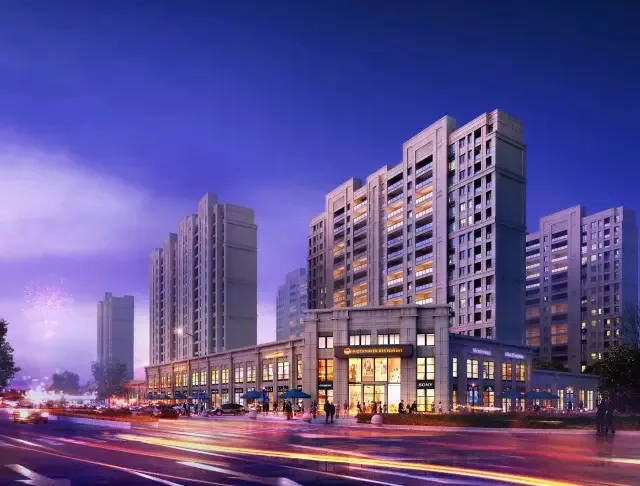
Example: Research on Concrete Huafang and Chengjin Mountain’s “Futurist” Project using an assembled shear wall system.
Prefabricated Components: Shear walls, composite floor slabs, composite beams, stairs, balconies, air conditioning panels, bay windows, partition walls.
System Characteristics: High industrialization, prefabrication rates up to 70%, complete room spaces with minimal exposed beams and columns, easy construction, lowest cost comparable to cast-in-place methods, optional partial or full prefabrication, and moderate spatial flexibility.
Applicable Height: High-rise and super high-rise buildings.
Applicable Building Types: Affordable housing, commercial housing.
Prefabricated Frame-Shear Wall System
This system combines prefabricated frames and shear walls and can be categorized into three types based on component locations: prefabricated frame with cast-in-place shear wall, prefabricated frame with cast-in-place core tube, and prefabricated frame with prefabricated shear wall. By integrating frame and shear wall characteristics, the system allows flexible placement of shear walls and frames, facilitating large open spaces and suitability for tall buildings.
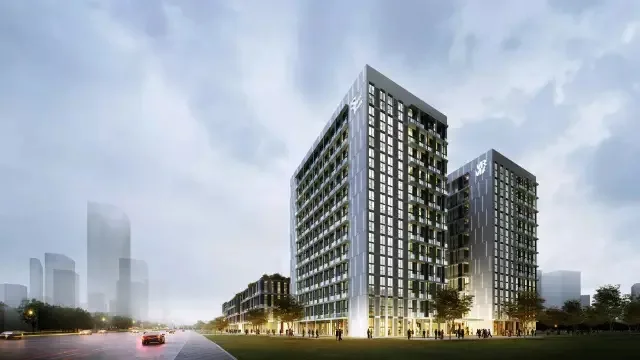
Example: Research Concrete Public Real Estate Minhang New City Project adopting a prefabricated frame-shear wall system.
Prefabricated Components: Columns, shear walls, composite floor slabs, balconies, stairs, partition walls.
System Characteristics: High industrialization, complex construction, higher cost, exposed indoor columns, and good freedom in internal space design.
Applicable Height: High-rise and super high-rise buildings.
Applicable Building Types: Commercial housing, affordable housing.
3. Promoting Industrialization Technology
Prefabricating and transporting exterior wall panels (both load-bearing and non-load-bearing) from factories to construction sites offers significant advantages. These panels can be manufactured as decorative, insulated, three-in-one exterior wall units, reducing on-site construction time and labor. This approach drastically cuts down scaffolding erection and dismantling and minimizes long-term high-altitude risks, fostering safer, cleaner, and greener construction practices.
Internal load-bearing walls (shear walls) differ significantly. Recent years have seen widespread use of large formwork, welded steel mesh, commercial concrete, concrete pumps, and fabric rods—all highly mechanized operations except for vibration. This process already approaches industrial construction levels, enhancing earthquake resistance and simplifying complex wall assembly and connection processes. Therefore, cast-in-place concrete may not require further industrialization on-site.
Non-load-bearing internal partition walls employ prefabricated lightweight concrete panels with circular holes. Full prefabrication of wall panels during structural construction is also a possibility.
In seismic zones, RC floor slabs use laminated floor slabs to address panel joint issues. Prefabricated floor slabs remain suitable in non-seismic areas but require improved cast-in-place connections between walls and slabs.
Floor construction’s main challenge lies in formwork processes, which consume large amounts of wood and labor. Innovating formwork processes can significantly advance RC floor construction industrialization. For steel reinforcement in cast-in-place floors and shear walls, factory-made welded steel mesh should be adopted to optimize forming and processing.
In prefabricated buildings, the inseparable link between design and production continues: design enables cost-effective manufacturing, while production improvements enhance design flexibility. This synergy is key.
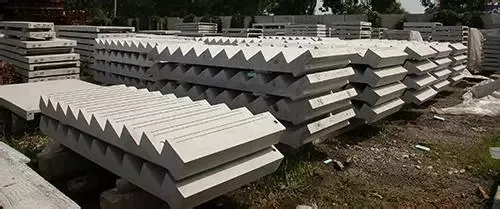
For smaller components such as stairs and balconies, prefabricated assembly technology should be fully embraced to minimize on-site work.
Recently, China has widely adopted hydraulic climbing formwork in core tube sections of many high- and super high-rise projects, which is a valuable system for industrialized formwork construction.
To industrialize RC frame construction, it is recommended to start with three-in-one prefabricated exterior wall panel assemblies, large formwork for rapid overall support, column formwork for shear walls, RC composite floor slabs, and prefabricated interior partition walls (or dry construction).
Currently, RC structures combine prefabricated assembly with on-site pouring. The key to this technology lies in improving labor efficiency and mechanization.
In the industrialization of finishing, mechanical, and electrical systems, efforts focus on eliminating or greatly reducing wet work on-site, minimizing labor-intensive tasks such as masonry and plastering, and maximizing factory prefabrication and on-site assembly.
All doors and windows are manufactured and assembled in factories, then transported for on-site installation. Exterior doors and windows should also be installed at the prefabricated exterior wall panel production plant before shipment.
Bathrooms and kitchens should use standard modular designs with modular components and standardized equipment. Ideally, toilet and kitchen box structures are factory assembled and installed on-site as complete units.
Although finishing and mechanical-electrical work is less voluminous than structural work, its complexity, numerous processes, and integration pose challenges to factory prefabrication, requiring further research and development.
4. Research on Key Technologies for Industrialization
In many developed countries, high labor costs have driven the widespread adoption of industrialized residential production. This approach offers superior quality, faster construction, and lower costs than traditional on-site building methods. Precast component (PC) residential buildings, in particular, have gained popularity globally due to their excellent performance.
PC Walls
Prefabricated concrete exterior wall (PC exterior wall) panels primarily use steel molds. Reinforcement is assembled integrally and then transferred to the mold for casting. Concrete pouring, curing, mold cleaning, steel bar processing, bricklaying, window frame installation, embedded part fixing, steam curing, mold removal, and handling are all performed in factory-style workflows, operated by a small number of skilled workers.
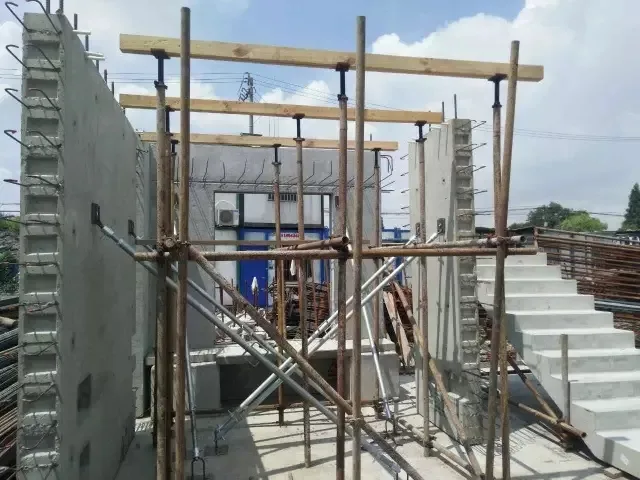
Compared to traditional cast-in-place structures, PC exterior walls maintain structural integrity and continuity at component connections, preventing cracking and water seepage caused by thermal expansion differences between materials like brick and concrete. However, due to numerous panel joints—horizontal and vertical—leakage risks remain.
PC Exterior Wall Waterproofing Technology
Common waterproofing methods for exterior wall joints include horizontal joint drainage, vertical joint drainage, and waterproofing of prefabricated window panels and frames. Typically, a combination of construction techniques and waterproof materials is used.
Horizontal Joint Waterproofing
Methods include material sealing, cavity construction for drainage, and hollow sealing strips. The outermost layer is sealed with weather-resistant silicone or polymer sealants to block moisture ingress directly. Grooves in the upper and lower panels create a cavity with an inward high point and outward low point. A drainage channel at the bottom of this cavity, along with drainage pipes near vertical joints, facilitates water discharge. Hollow rubber waterstops are installed on the inner side of panel joints for additional waterproofing.
Vertical Joint Waterproofing
Vertical cavities prevent inward water flow and channel water from horizontal cavities through drainage pipes. For enhanced safety and vapor barrier performance, cast-in-place concrete is installed behind hollow rubber waterstops.
Prefabricated Window Panel and Frame Waterproofing
By embedding aluminum alloy window frames directly into precast concrete slabs during casting, exterior window penetrations are effectively sealed. This approach significantly improves waterproofing performance while reducing on-site installation labor and enhancing building quality and occupant comfort.
Challenges Facing PC Exterior Walls
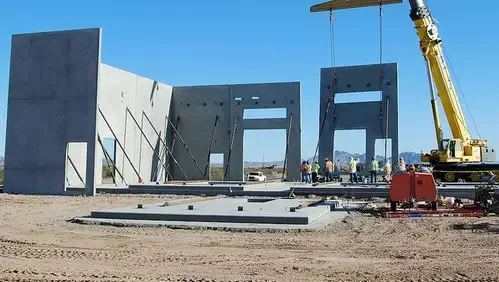
(1) Cost Competition: Despite diminishing labor-cost advantages in China, there remains strong motivation for industrialization in its labor-intensive construction sector. However, high production costs for PC walls, reliance on imported equipment, skilled labor shortages, transportation expenses, and installation constraints limit market expansion.
(2) Immature Fire-Resistant and Waterproof Accessories: Current fire-resistant materials do not meet requirements for fire safety and wall deformation between PC walls and floors. Additionally, waterproof adhesive strips tend to age quickly, compromising waterproofing and mismatching the lifespan of PC walls.
(3) Incomplete Design and Construction Technology Transformation: Due to historically rough design and construction standards, there is limited demand for refined and user-friendly building environments in China. However, as public awareness and quality-of-life expectations rise, architecture will increasingly be treated as a refined product.













Must log in before commenting!
Sign Up