

Hospital architecture is highly specialized, involving multiple disciplines, complex functions, and intricate construction and operational demands. It has long been considered a challenging aspect of project management within the construction industry. With the advancement of information technology, Building Information Modeling (BIM) is gradually permeating the entire engineering construction sector, including digital operations management.
BIM is becoming increasingly prevalent in hospital construction management, injecting innovative, internet-driven thinking into hospital engineering projects. Using the Shannan People’s Hospital project as a case study, this article highlights the value of BIM technology throughout the hospital construction process. Notably, Shannan People’s Hospital represents the second BIM project undertaken by the Luban BIM team in Xizang.
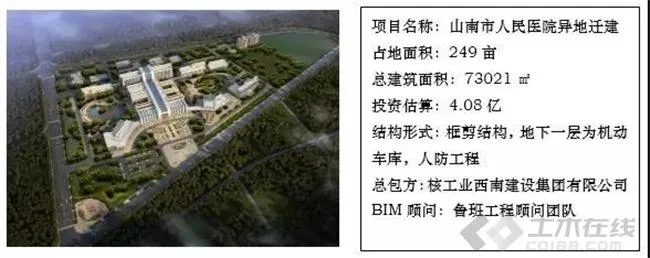
1. Project Overview
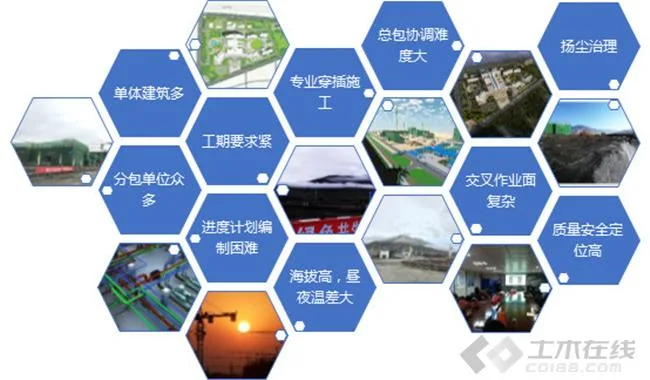
Engineering Characteristics and Challenges
2. BIM Implementation Path

2.1 BIM Application Objectives

2.2 Team Organization
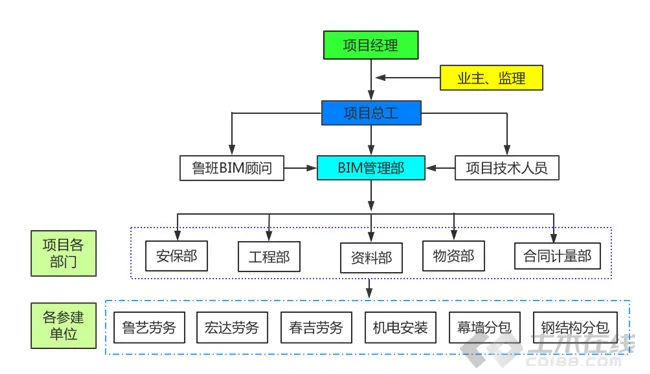
The BIM efforts for this project are directly overseen and reviewed by the project manager, who serves as the overall leader responsible for monitoring BIM progress. A dedicated BIM management department has been established, led by the project’s chief engineer. Additionally, Shanghai Luban Engineering Consulting Co., Ltd. has been engaged as the BIM consulting advisor. This department works closely with personnel from the project’s technical team to ensure smooth BIM management.
2.3 Implementation Plan
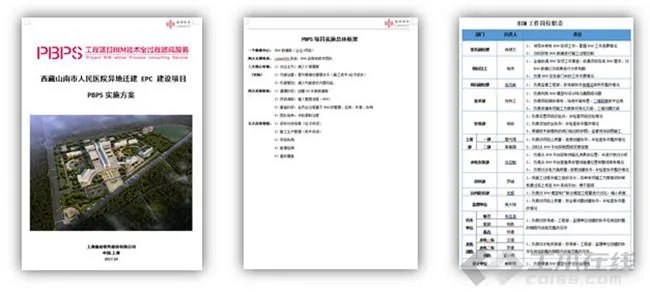
Based on preliminary research and the unique challenges of the project, a tailored BIM Implementation Plan was developed. This plan outlines the team structure, assigned responsibilities, modeling standards, content scope, and a detailed schedule for implementation.
2.4 Development of Support Systems
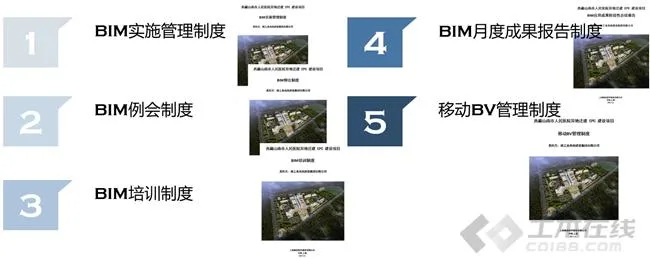
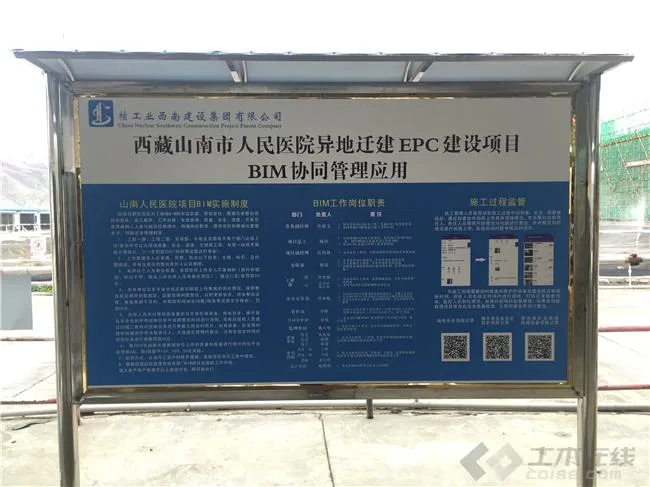
A comprehensive BIM application management system was established to standardize project BIM operations. This includes training programs, meeting protocols, monthly progress reports, and a mobile BV management system. A display board outlining the project’s BIM management system and personnel responsibilities was installed at the construction site, ensuring all team members clearly understand their roles. This fosters discipline, supervision, and motivation to fulfill their duties.
3. BIM Application
3.1 Pre-Project Planning
Challenge: The project involves numerous individual buildings spread over a large area. Ensuring efficient horizontal and vertical transportation—including steel bars, concrete, materials, and workers—is critical to maintaining construction progress.
Solution:
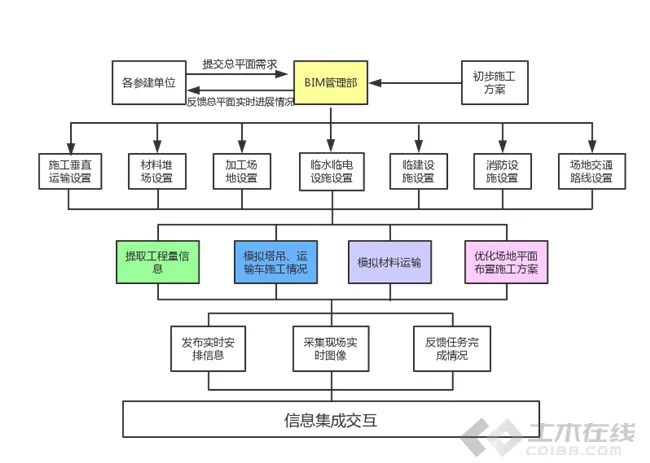
- Develop a comprehensive site layout and management process.
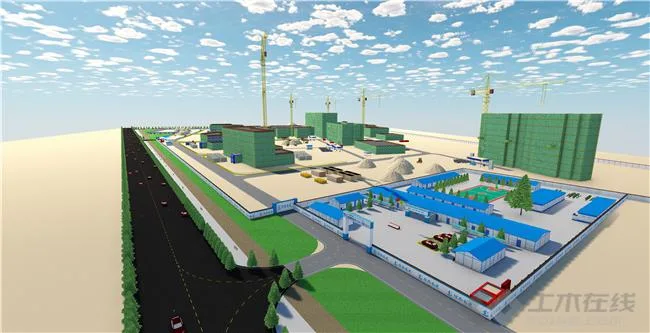
- Utilize BIM software to scientifically plan office and living areas, utilities, safety measures, transportation routes, and material storage locations. Simulate and optimize tower crane placements and transport paths to meet material handling requirements.
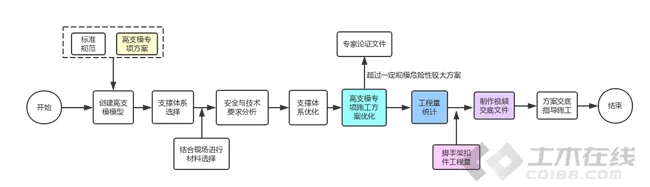
3.2 Simulation and Optimization of Tall Formwork Construction
Challenge: Construction on the second floor of Zone 1 in Building 2 involves a floor height of 9.9 meters without boards, falling under high-risk sub-project safety regulations.
Solution:
- Create a simulation process specifically for high and large formwork technology.
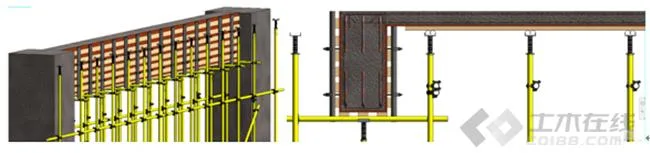
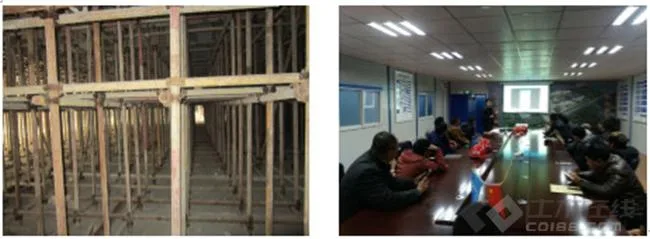
- Use BIM software to simulate the high-rise formwork construction process, analyze design rationality through rehearsals, address plan shortcomings, and assist construction teams in understanding and implementing the plan. This supports on-site safety and technical controls.
- Ensure simulation content aligns with actual construction needs, and provide explanations of key points to frontline workers.
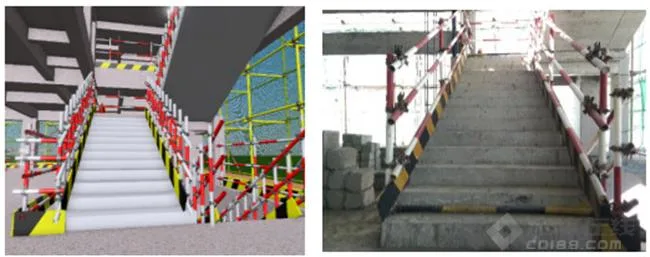
3.3 Simulation of Edge Protection at Tunnel Entrance
Challenge: The project demands high standards of civilized construction, aiming for a safe, compliant, and well-managed site within the Xizang Autonomous Region. However, safety awareness among construction personnel varies.
Solution:
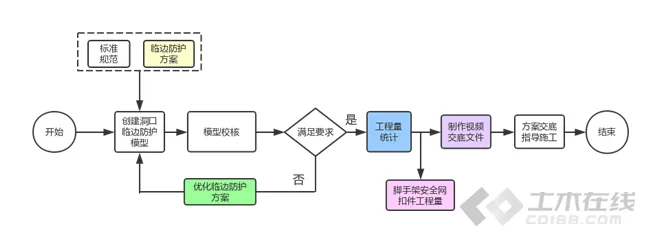
- Develop a BIM application process for edge protection at tunnel openings.
- Simulate the placement of edge protections around edges, openings, stairs, and other critical areas. This allows frontline workers to understand specific installation methods and locations, improving safety awareness. Additionally, determine material sizes and quantities needed for timely supply and safe construction.
3.4 Masonry Layout
Challenge: Construction drawings lack clarity, mechanical and electrical hole reservations are problematic, and civil and MEP engineering are handled by different contractors.
Solution:
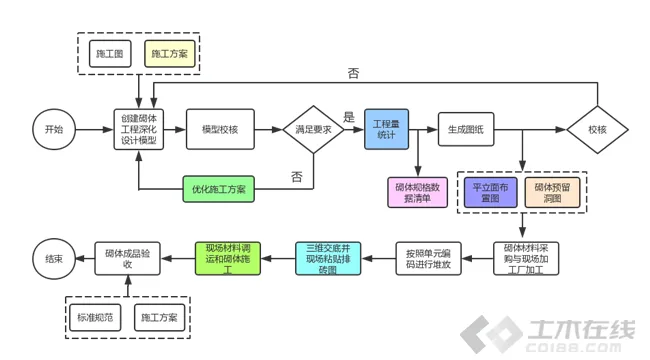
- Establish a BIM application process for masonry design and construction phases.
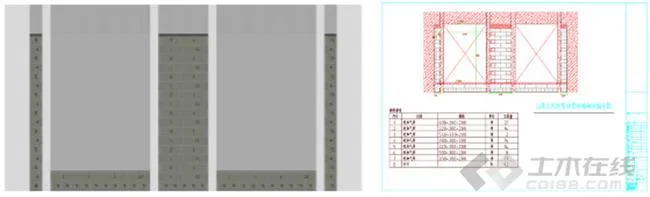
- Design Phase: Pre-layout masonry, deepen designs for lintels, columns, beams, and MEP openings. Finalize CAD drawings and export masonry specifications in report format to guide material handling and construction.
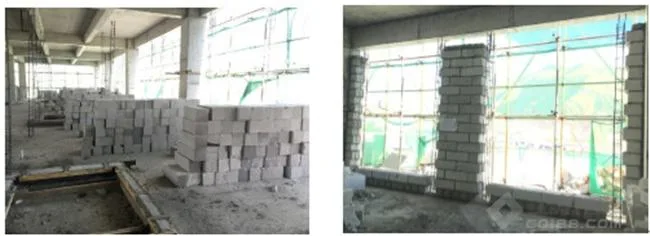
- Construction Phase: Organize masonry materials and quantities according to layout plans to prevent disorderly stacking and cutting. Conduct 3D technical briefings on-site and display block layout diagrams at each wall section. Strictly adhere to the block layout during construction and inspections.
3.5 Collaborative Management of Quality, Safety, and Progress
Challenge: Managing multiple stakeholders and contractors collaboratively is complex.
Solution:
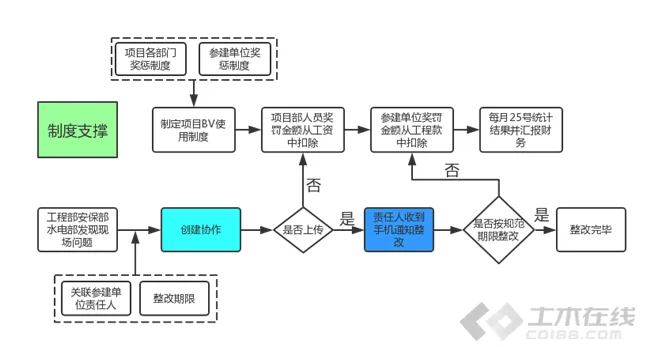
- Develop BIM-based management processes for quality, safety, and scheduling.
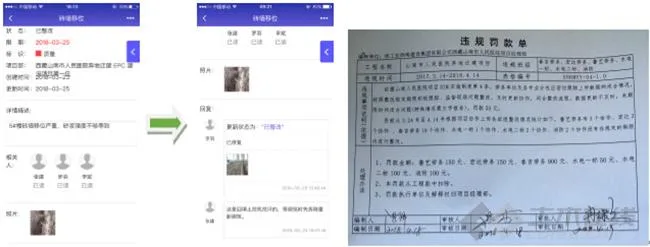
- So far, 212 collaborative uploads and corrections have been made with a 93% rectification rate. All issues are reported and resolved via a mobile collaborative management platform, significantly enhancing project coordination efficiency.
3.6 Hazard Source Inspection Management
Challenge: The project contains numerous hazards, requiring thorough inspections to prevent safety incidents.
Solution:
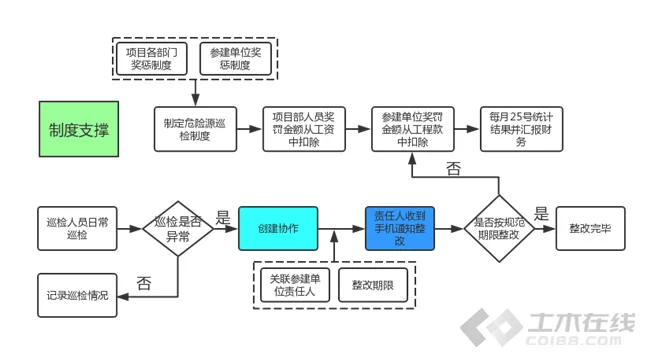
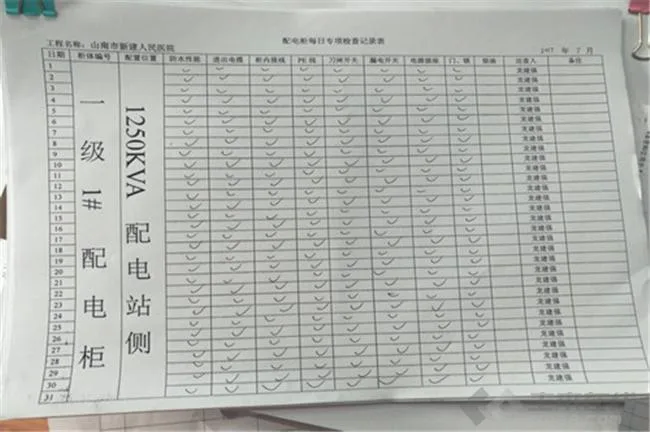
- Develop an inspection application process.
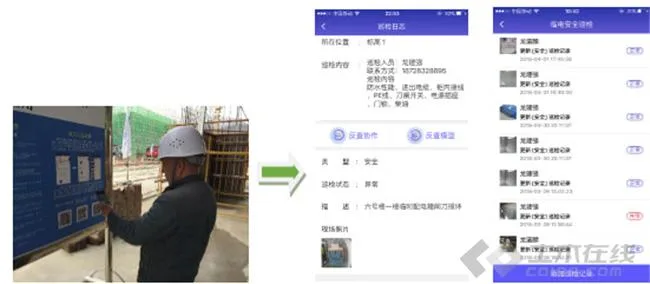
- Inspectors perform scheduled inspections, scanning QR codes to document results. Supervisors verify inspections on-site to ensure data accuracy and enhance site monitoring. Any safety or quality hazards trigger immediate collaborative rectification.
- QR code-based inspections have effectively replaced previous paper-based systems, improving equipment inspection efficiency.
3.7 Application of BIM in Mechanical and Electrical Construction
Challenge: Mechanical and electrical engineering involves complex, densely packed pipelines and systems.
Solution:
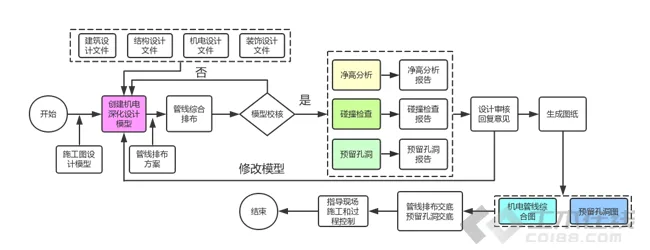
- Develop a BIM application process for mechanical and electrical construction.
- Pipeline Integration: Coordinate pipeline layouts to ensure systems are neatly organized and occupy reasonable space, meeting professional requirements while saving floor height and reducing demolition and rework.
- Net Height Analysis: Identify collisions among water pipes, fire pipes, sprinkler systems, and cable trays. Stagger weak current bridges and water pipes in layers, arranging pipes in rows. The bottom elevation of water pipes in the corridor is 2560mm, below the net height requirement.
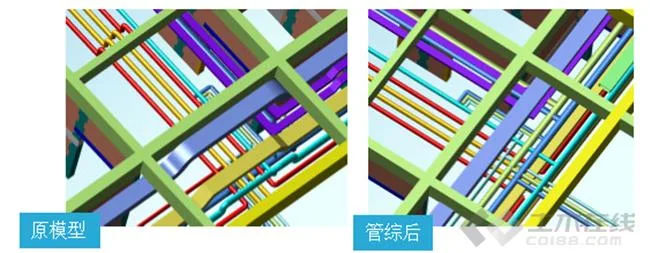
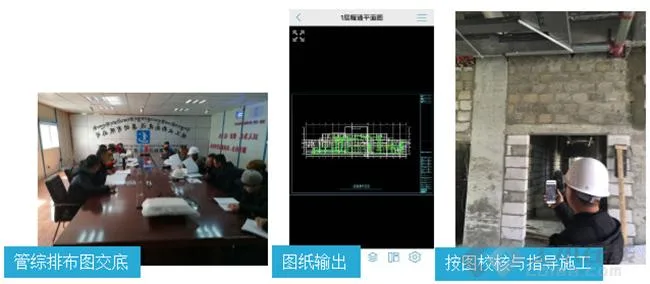
Export layout drawings of each discipline to CAD and conduct construction briefings for on-site management personnel. Using mobile devices, workers can access drawing information to guide and verify pipeline installation.
Collision Inspection: After detailed design completion, integrated BIM models are used for comprehensive coordination and collision detection. Resolving conflicts prior to construction minimizes demolition, rework, and costs.
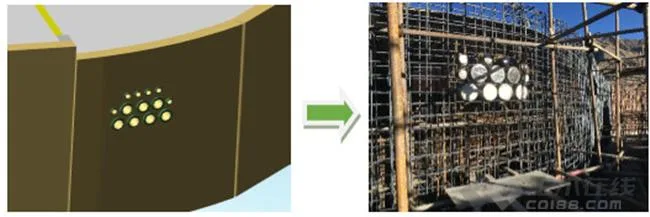
Reserved Holes: Civil engineering and MEP models are merged using multi-disciplinary BIM software to inspect reserved holes. Over 140 reserved pipeline areas, including wall and slab openings, were identified on the basement floor alone. Completing hole reservations before construction avoids later drilling, saving costs and reducing waste.
3.8 Analysis of Basement Roof Thickness and Elevation
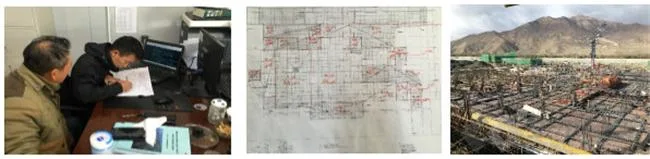
Challenge: The basement of Building 2, Zone 2, involves both civil defense and civil engineering. These drawings were produced by different design institutes, leading to inconsistencies in roof thickness and elevation. The lack of a unified drawing complicates template construction for the carpentry team.
Solution: By analyzing and combining civil and civil defense drawings, thickness and elevation information was consolidated into a single drawing. This unified reference guides on-site template construction effectively.
3.9 QR Code Application
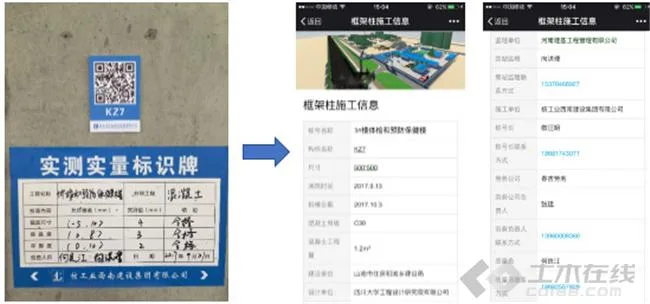
QR codes offer large storage capacity and high traceability, making them vital for information management. Scanning a QR code provides details about component dimensions, pouring time, demolding time, and contact information for safety, quality, and progress managers. It also tracks component progress status, enhancing on-site information management.
3.10 Quantity Calculation Comparison
During the comparison of BIM-calculated quantities with those from the project cost department, errors were identified on both sides. Variation between steel reinforcement and civil engineering quantities ranged from under 1% to 3%. Multiple quantity checks help avoid omissions and inaccuracies, resulting in more precise data. This accuracy guides on-site material planning and supports effective material requisition management.
3.11 Building the BIM Team
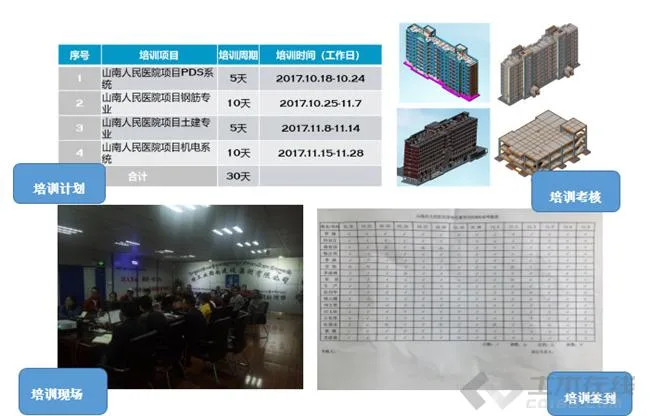
BIM application and modeling training was provided to various departments, including engineering, data, contract measurement, and technical teams. Collaborative management guidance was also extended to the owner, supervision, and labor service units involved in the project.
3.12 Innovative Applications
By scanning hazard source QR codes, inspection records are digitized, replacing previous paper-based methods. Simulating and detailing the suspended scaffolding construction plan determines precise embedded part locations on-site. Edge protection layouts at tunnel entrances were simulated, with QR codes containing 3D images and safety precautions posted on-site. This allows workers to familiarize themselves with complex edge installations beforehand, enhancing safety awareness.
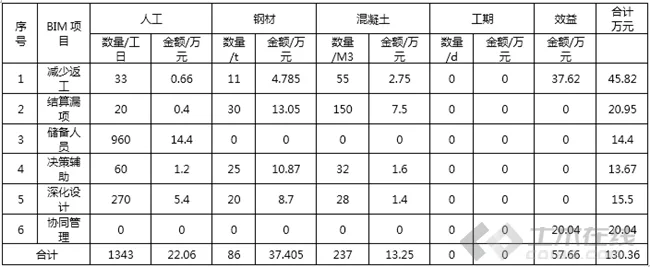
4. Application Effects (Economic Benefits)
The direct economic benefits of this project include:
- Reducing rework and material waste through drawing problem reviews, collision detection, and reserved hole management.
- Minimizing settlement discrepancies by comparing engineering quantity data.
- Providing ongoing BIM training for company personnel.
- Supporting decision-making through 3D visualization and construction plan simulations.
- Deepening pipeline and masonry design to prevent material waste.
- Enabling collaborative quality, safety, and progress management among all participants via the BIM platform, enhancing communication efficiency.
(Material unit prices refer to Xizang market rates.)
5. Outlook
The transformation driven by BIM technology within architecture is an unstoppable trend that profoundly impacts every engineer’s work. This project harnesses BIM for pre-planning, execution, and comprehensive quality and safety risk assessments. Compared to traditional construction management, BIM improves construction progress, ensures safety, and reduces costs.
Looking ahead, we aim to innovate and achieve greater breakthroughs in BIM project management, continuously applying and promoting BIM technology across the industry. We will also consolidate valuable experiences to guide the future development of BIM in construction.















Basically explained some directional issues of BIM implementation in the project