
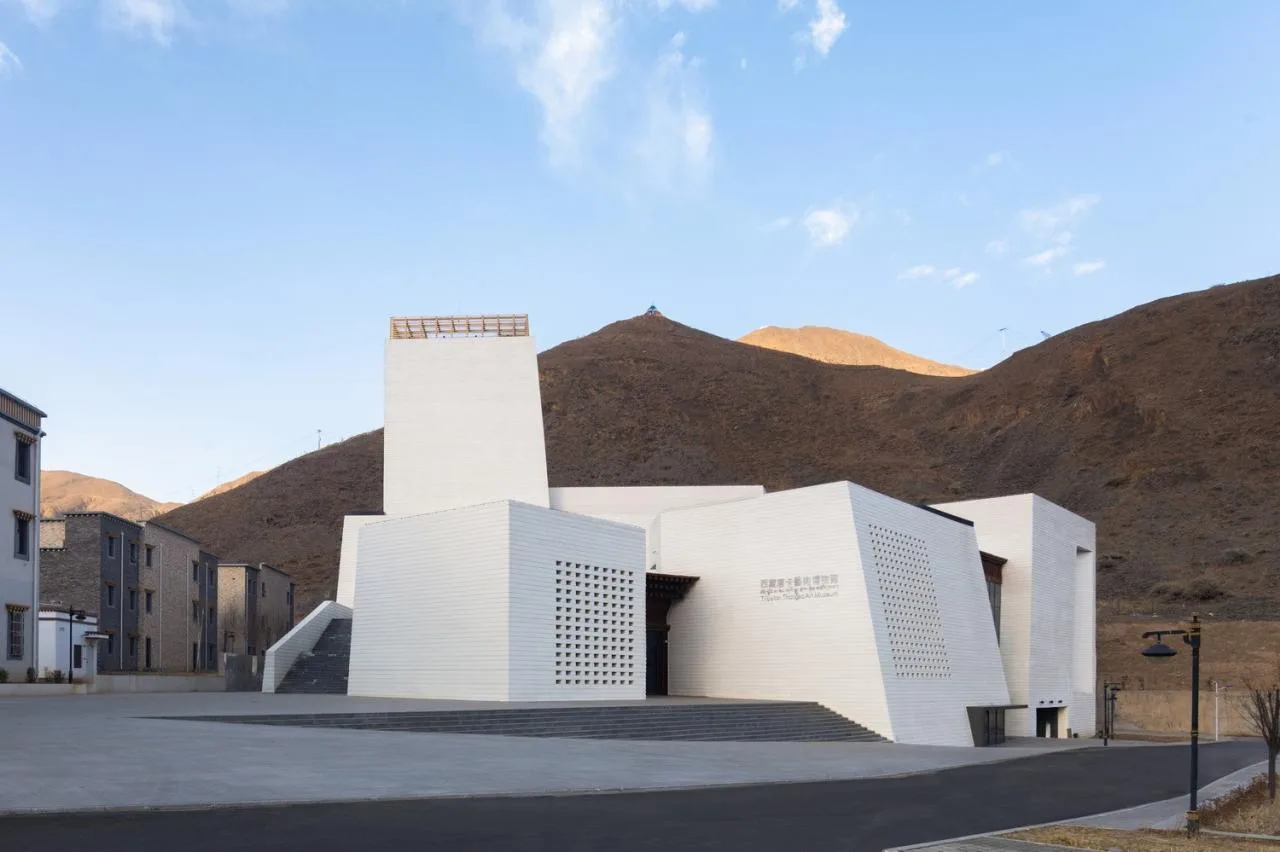
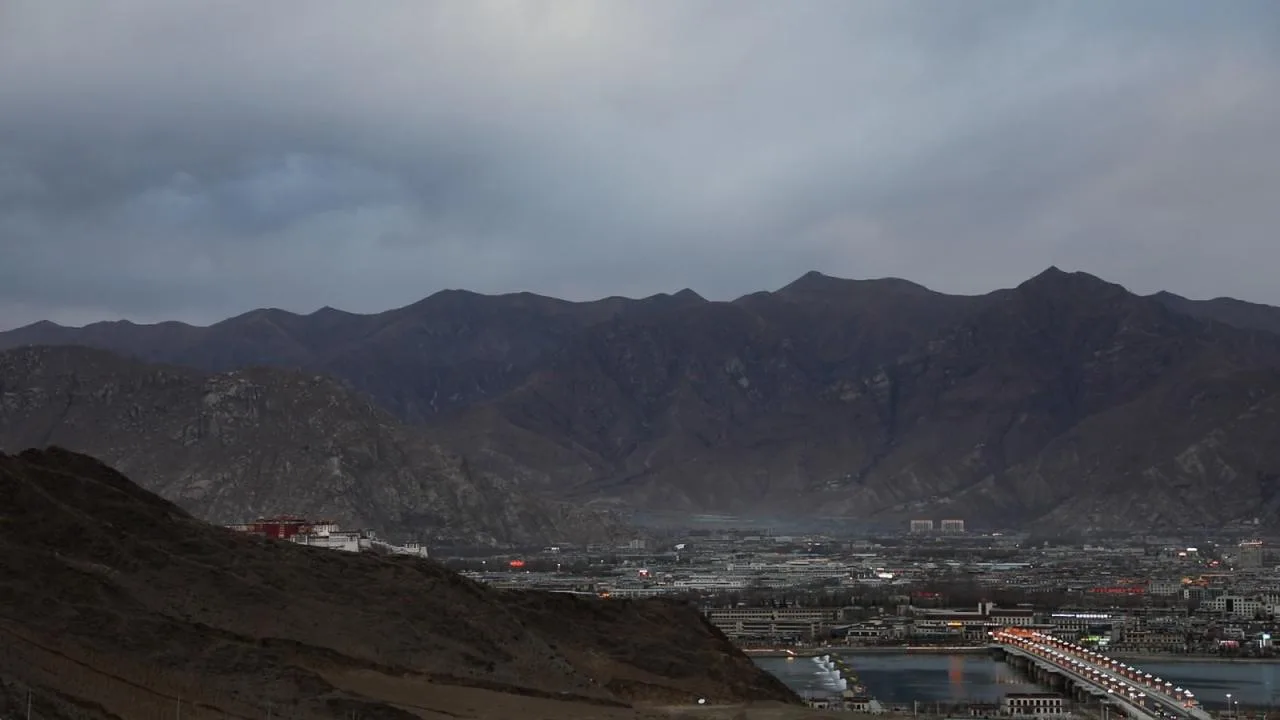
Six years ago, we were invited to design a Thangka art museum dedicated to preserving the traditional art of Buddhist Thangka. The site is located at the foot of Mount Pengbu, in the southern part of Lhasa, directly facing the Potala Palace across the Lhasa River. Being situated away from Lhasa’s city center offered us greater creative freedom while challenging us to balance innovation with tradition. Our goal was to unify the building’s external form with its spiritual essence.
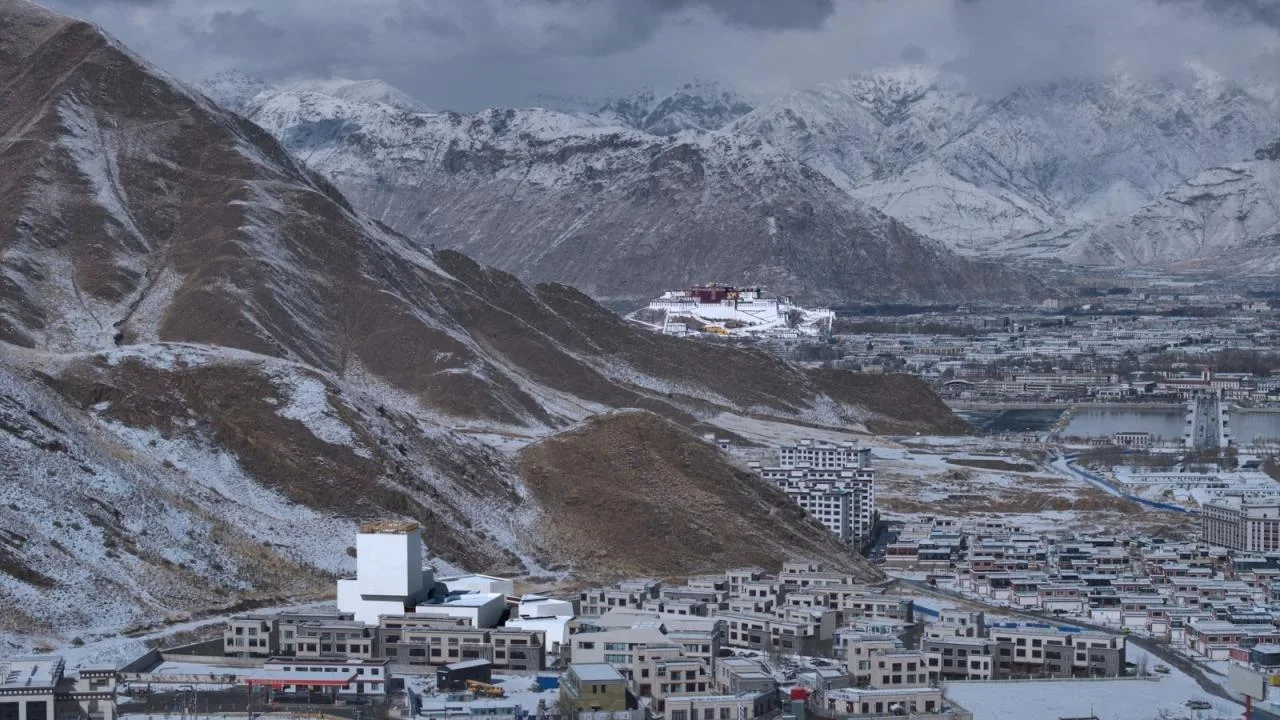
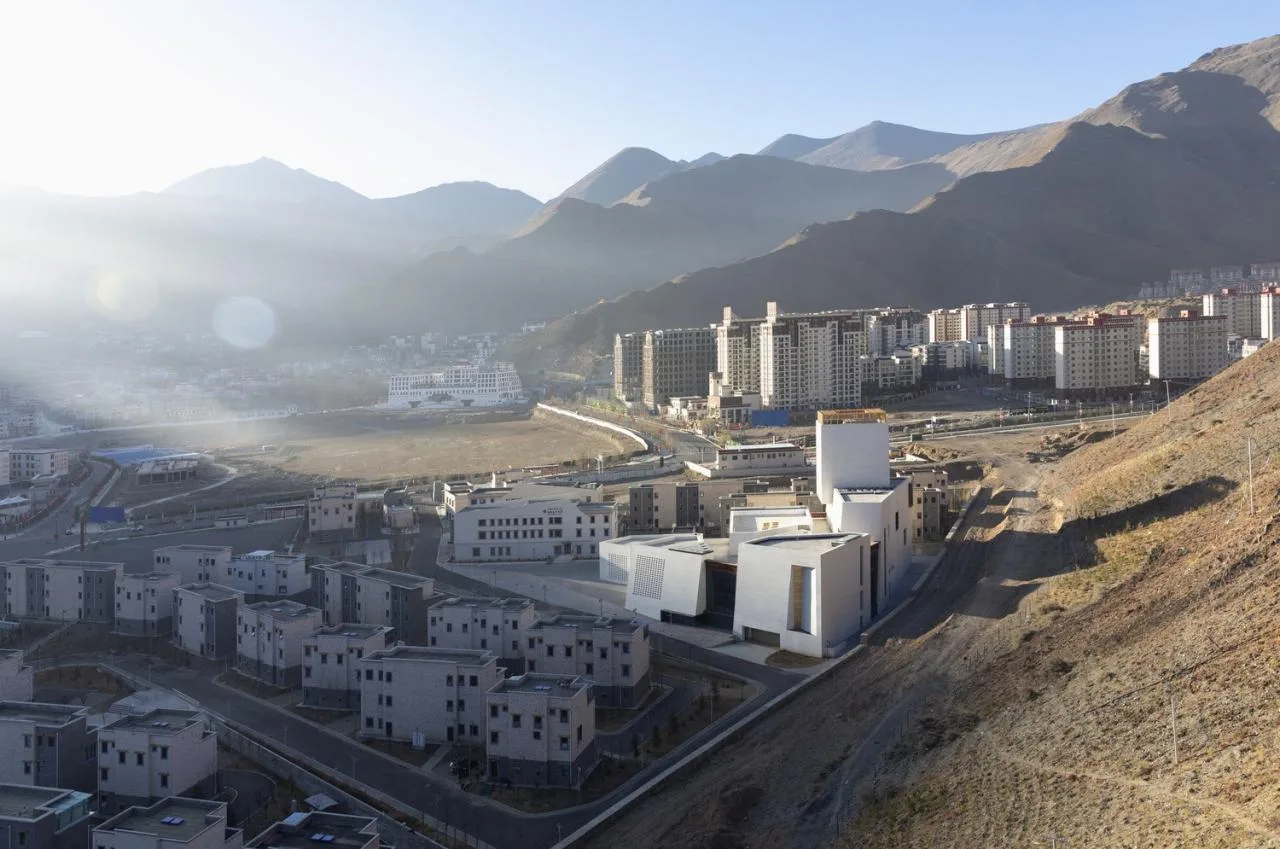
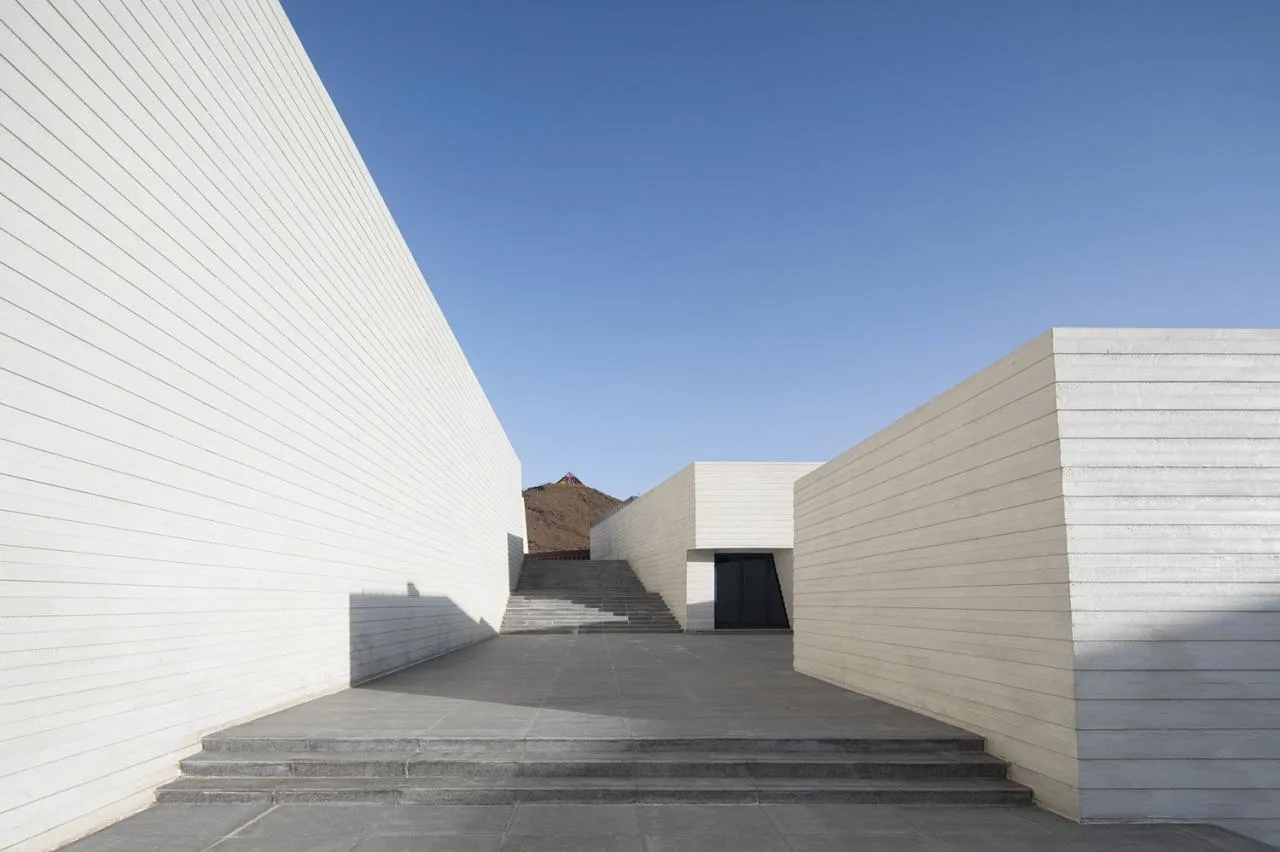
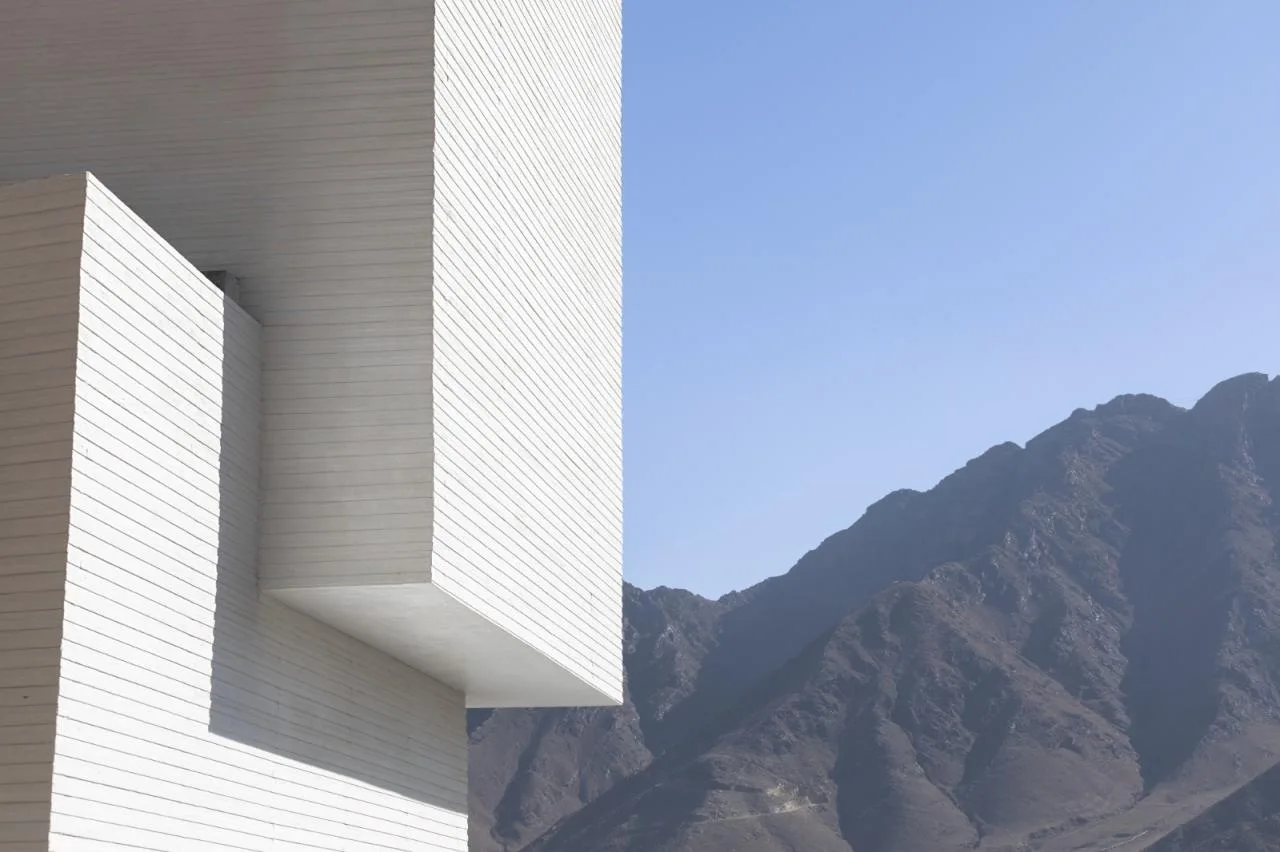
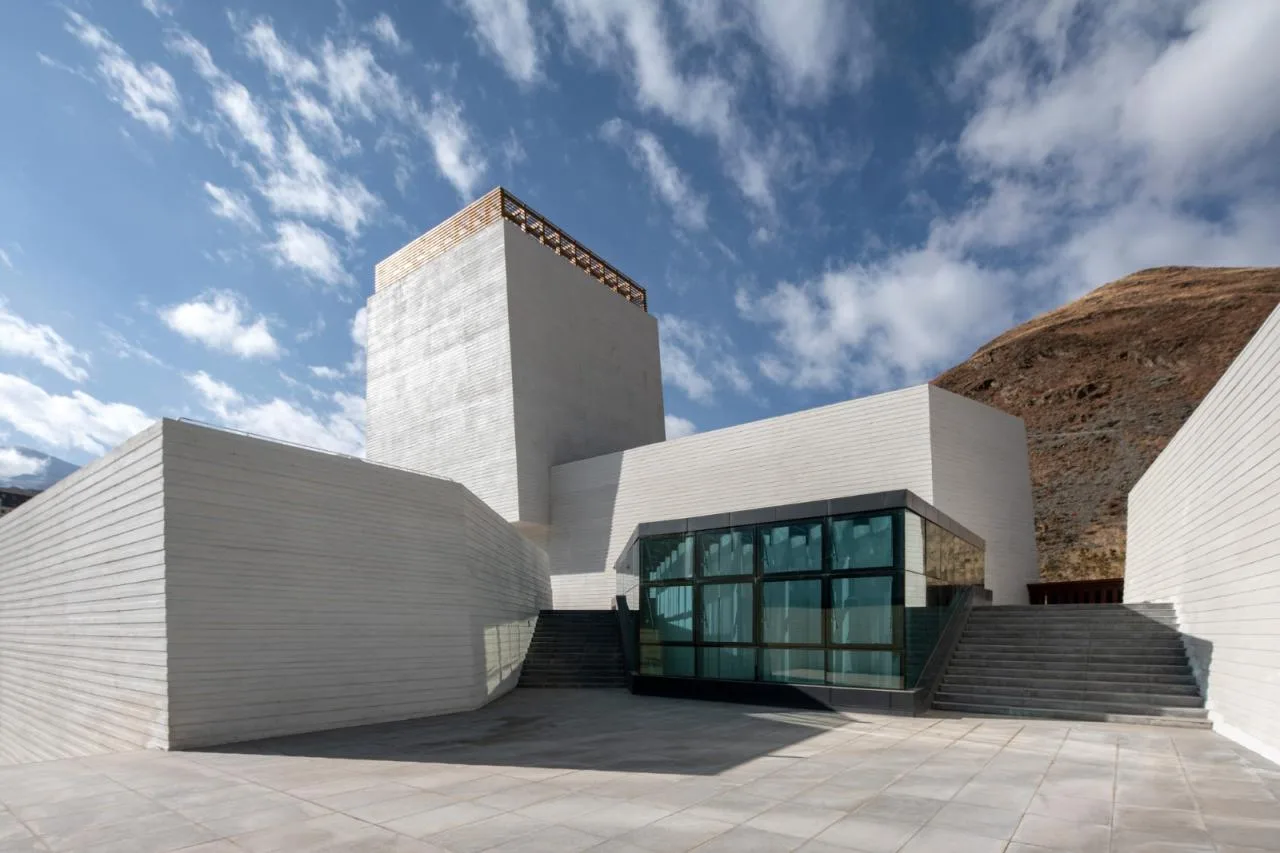
Taking into account the spiritual relationship between traditional Xizang architecture and the surrounding mountains, we proposed relocating the museum from the park’s center to the mountain’s base. This shift emphasizes the dialogue between the museum, the mountain, and the sky. Inspired by the Potala Palace’s form, we adopted dividing walls and fragmented the structure into six interconnected volumes along the slope.
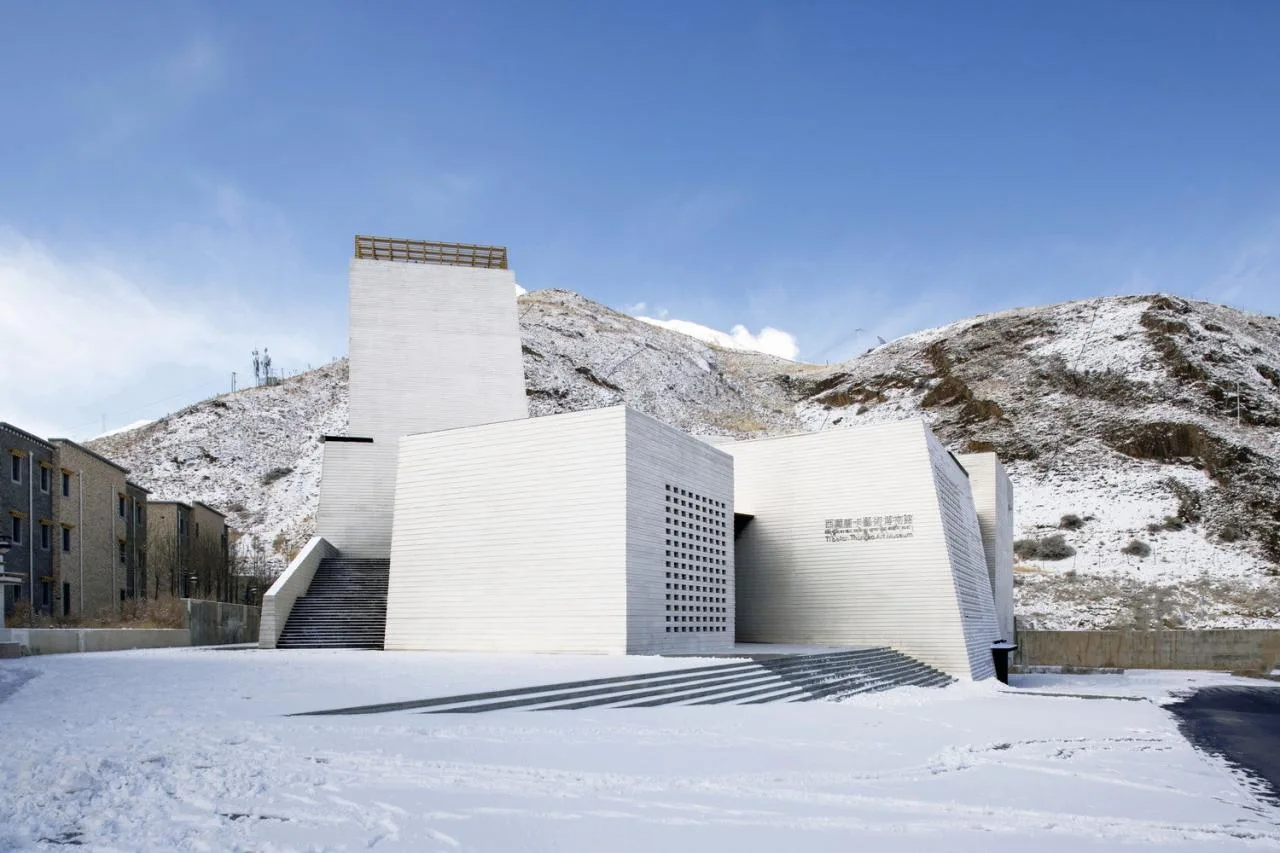
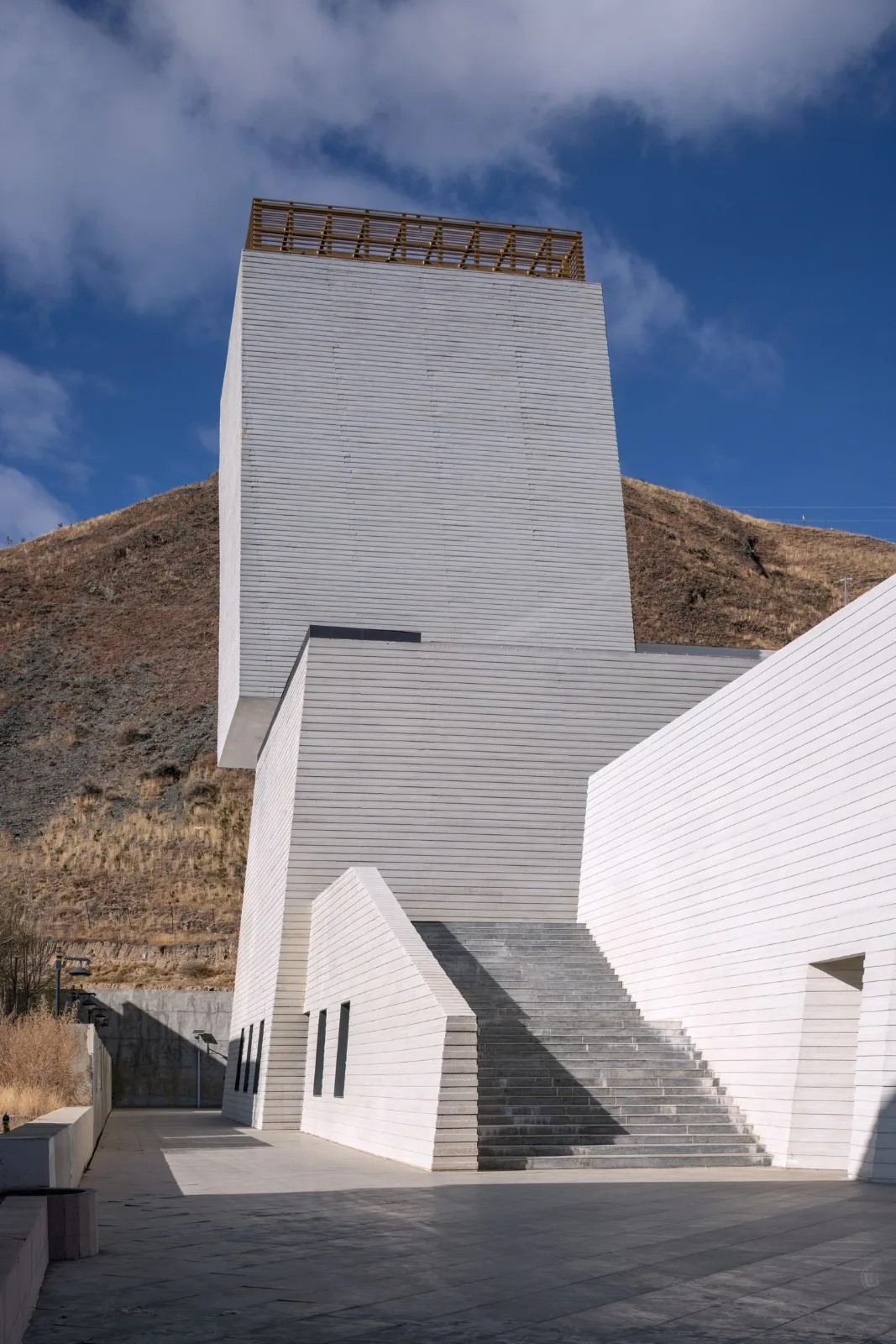
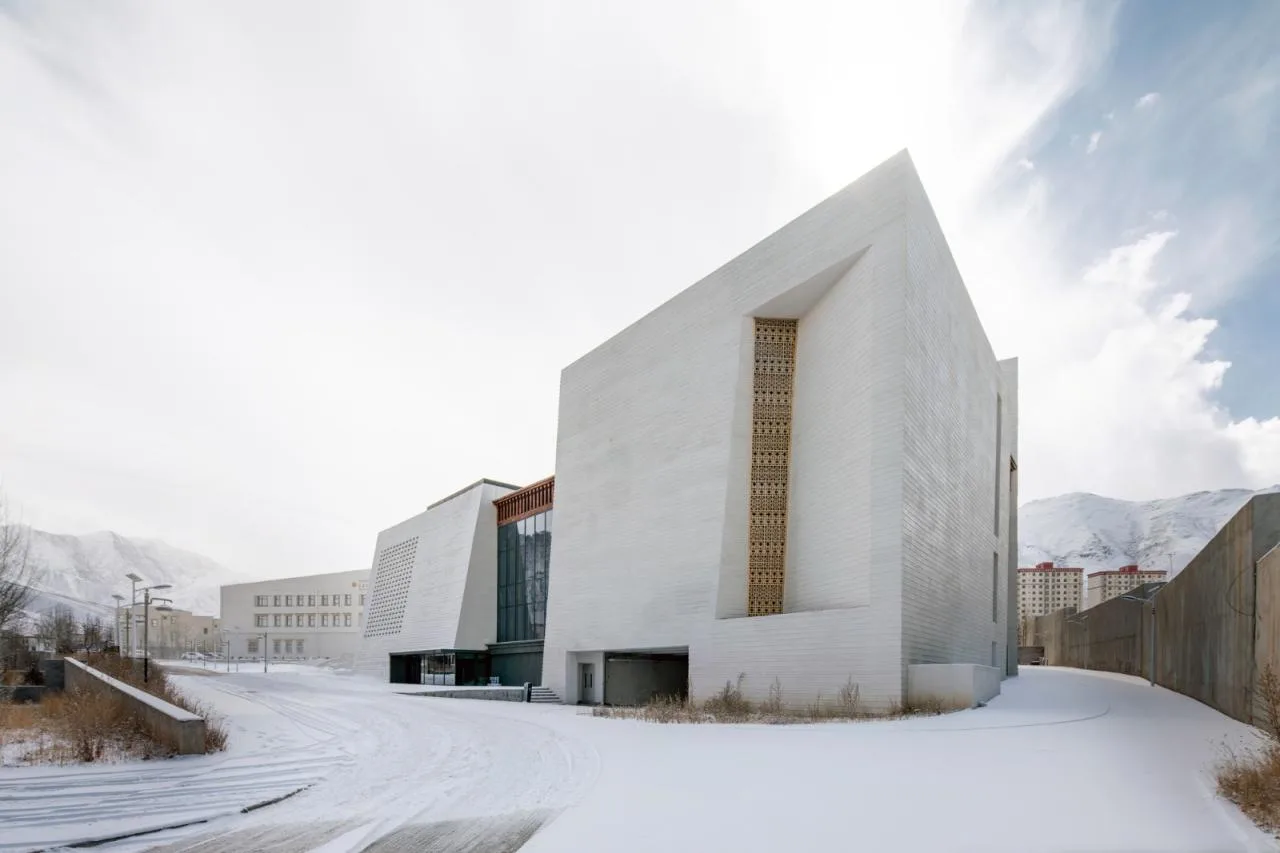
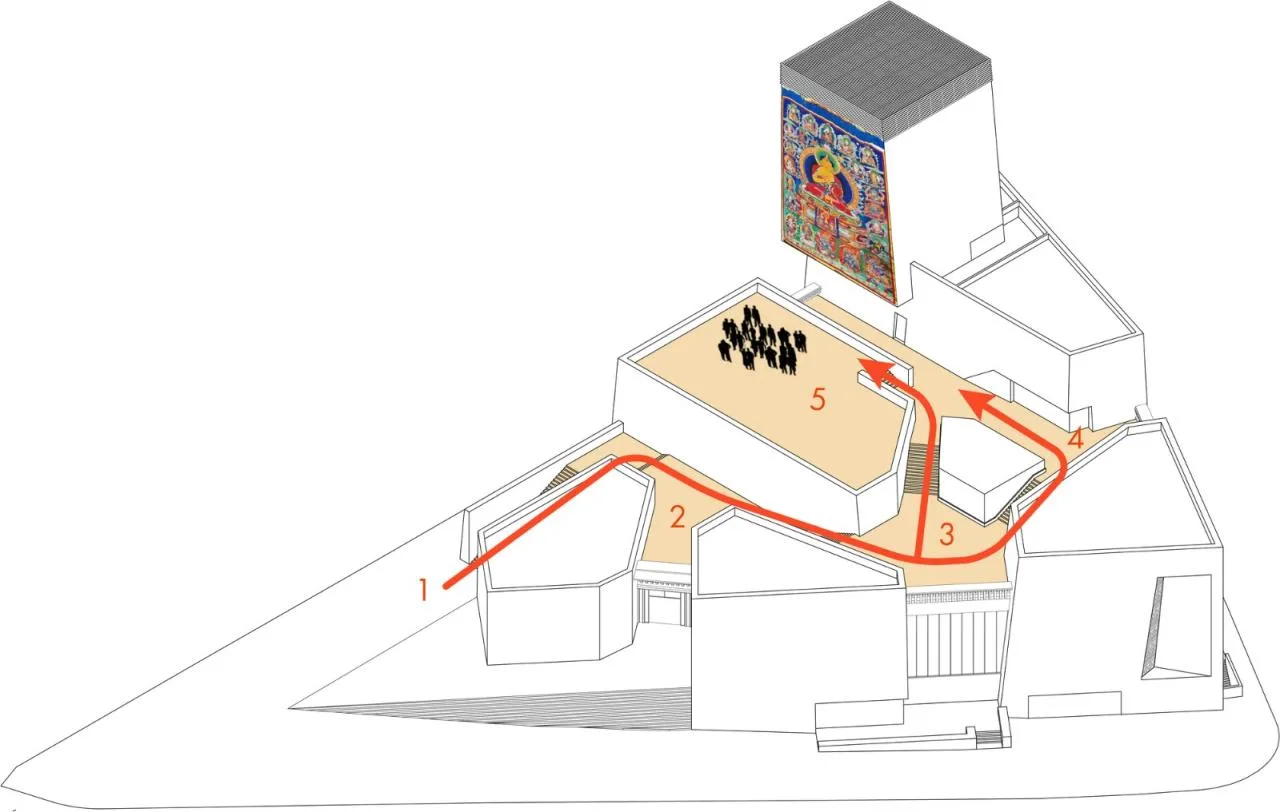
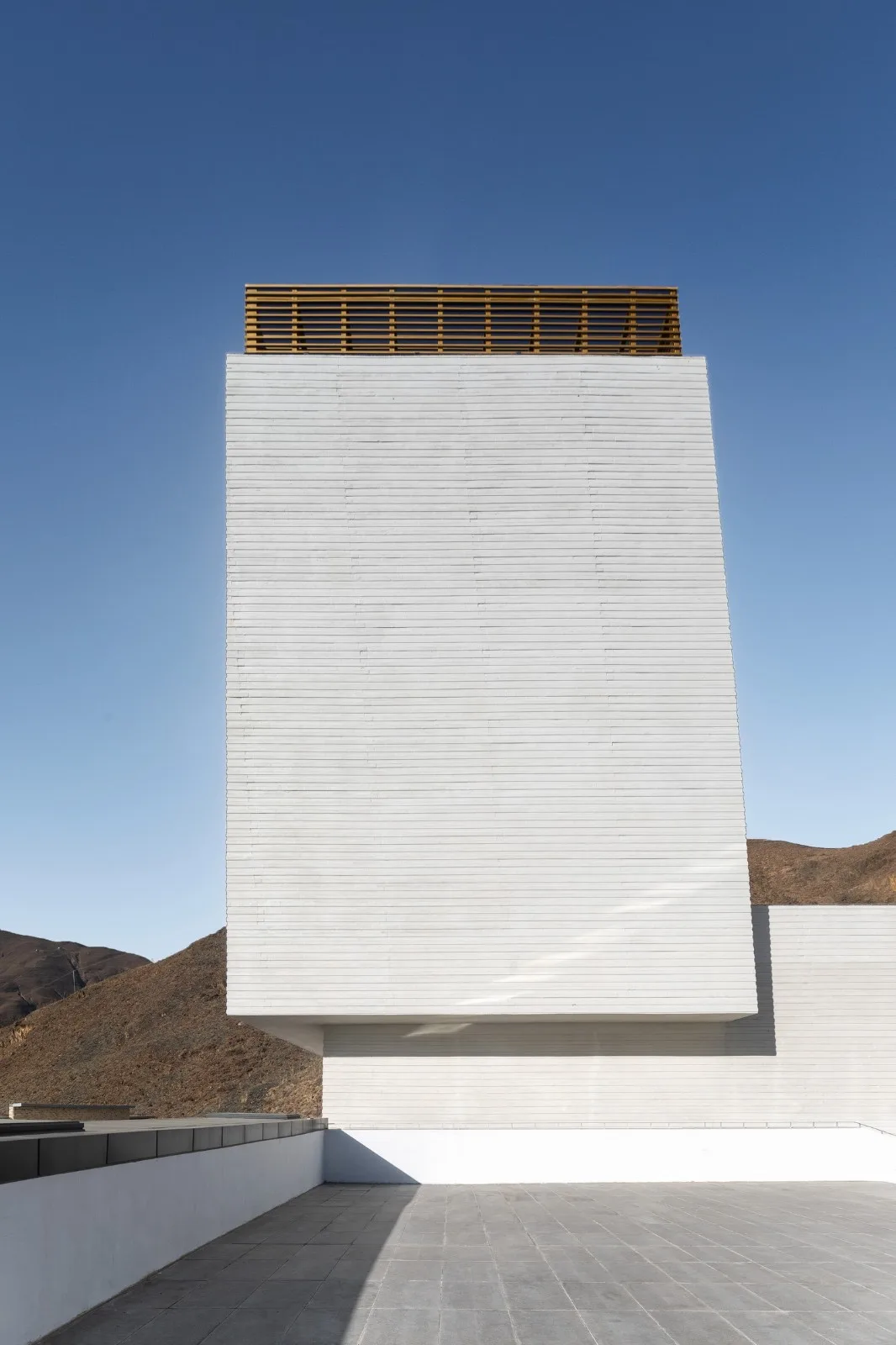
We developed two visitor routes: one indoor and one outdoor. The mountain holds deep spiritual significance for locals. Along the outdoor route, visitors can ascend platforms formed by the separate building volumes and view the large Thangka hanging on the tower. The main tower also functions as a “wind tower,” featuring a double fan-shaped curtain wall system that regulates the indoor climate and provides natural ventilation.
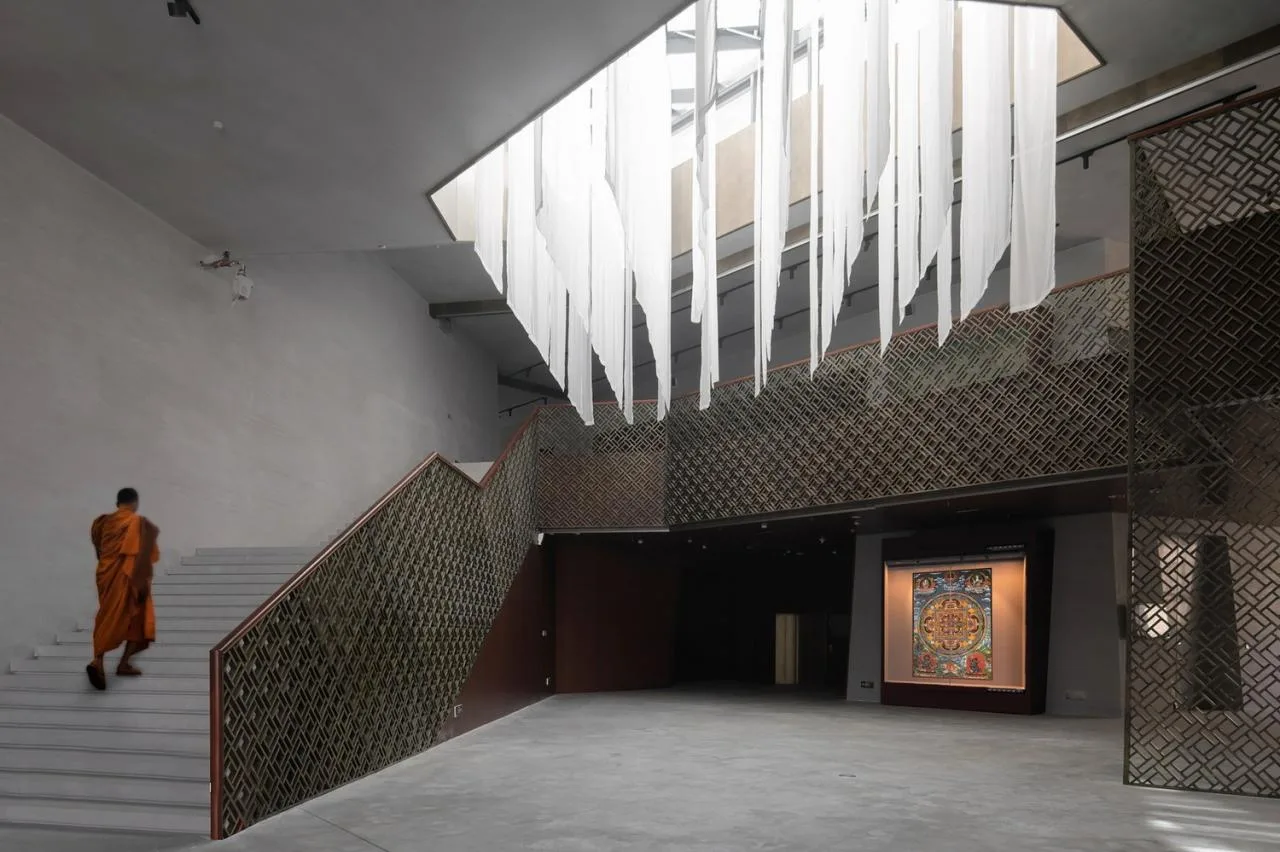
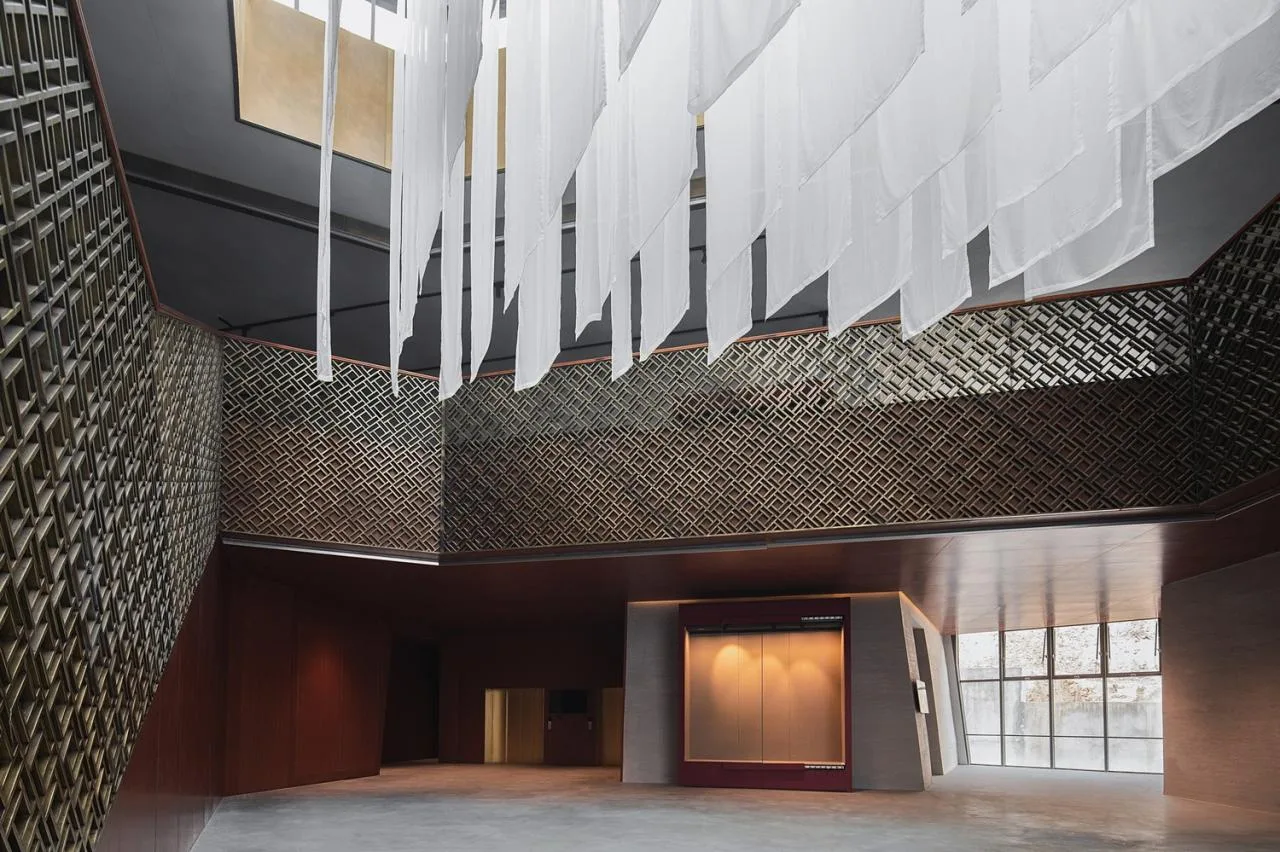
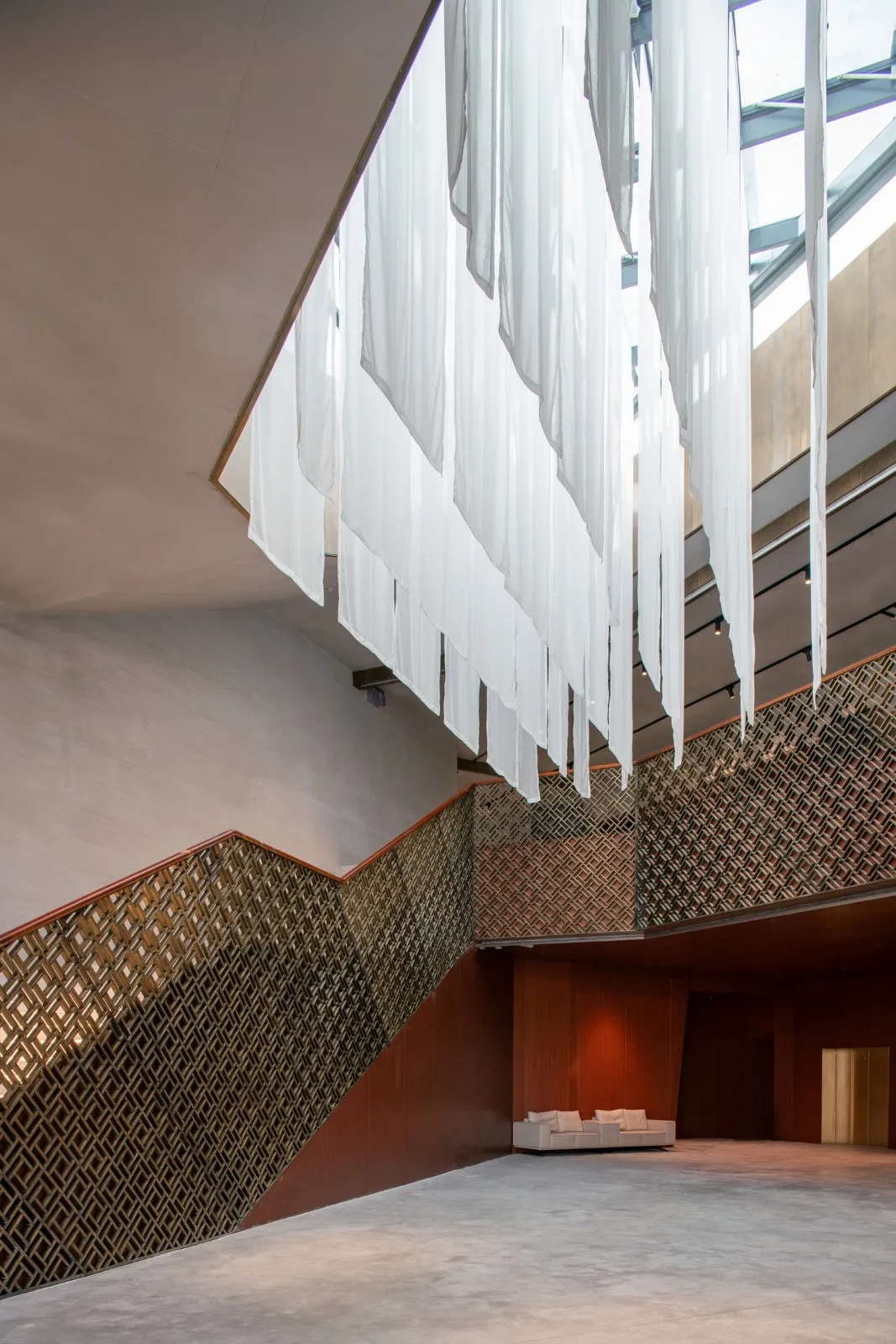
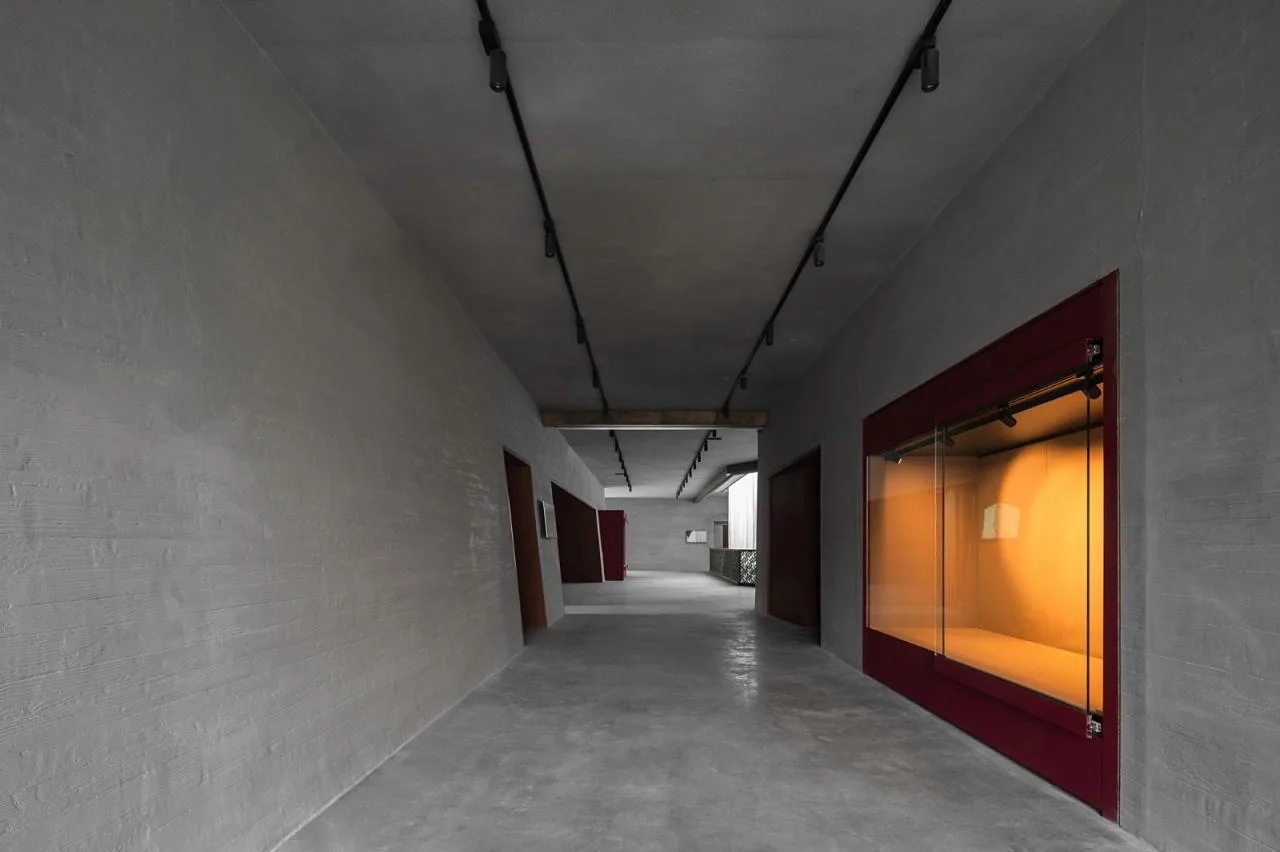
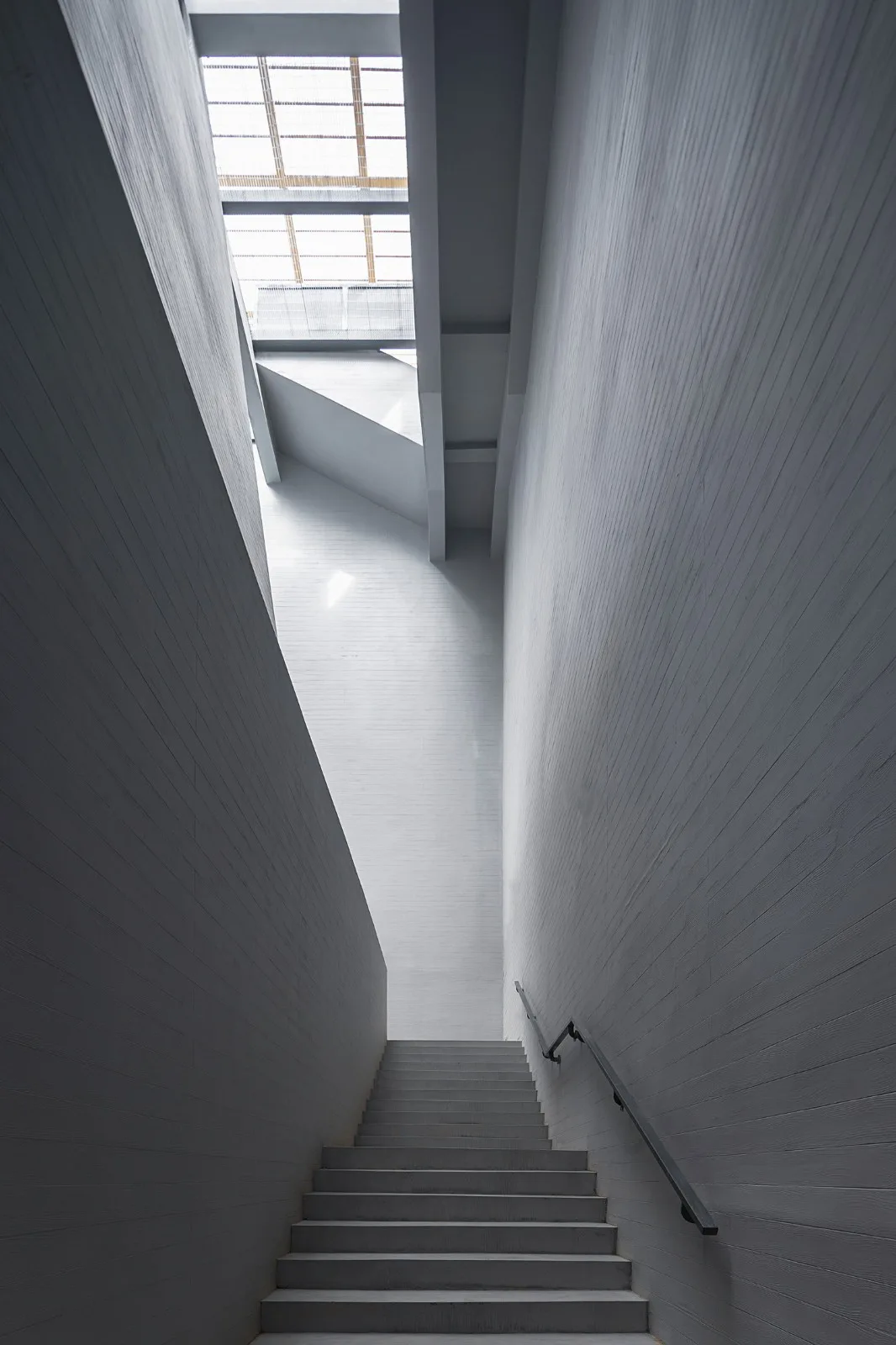
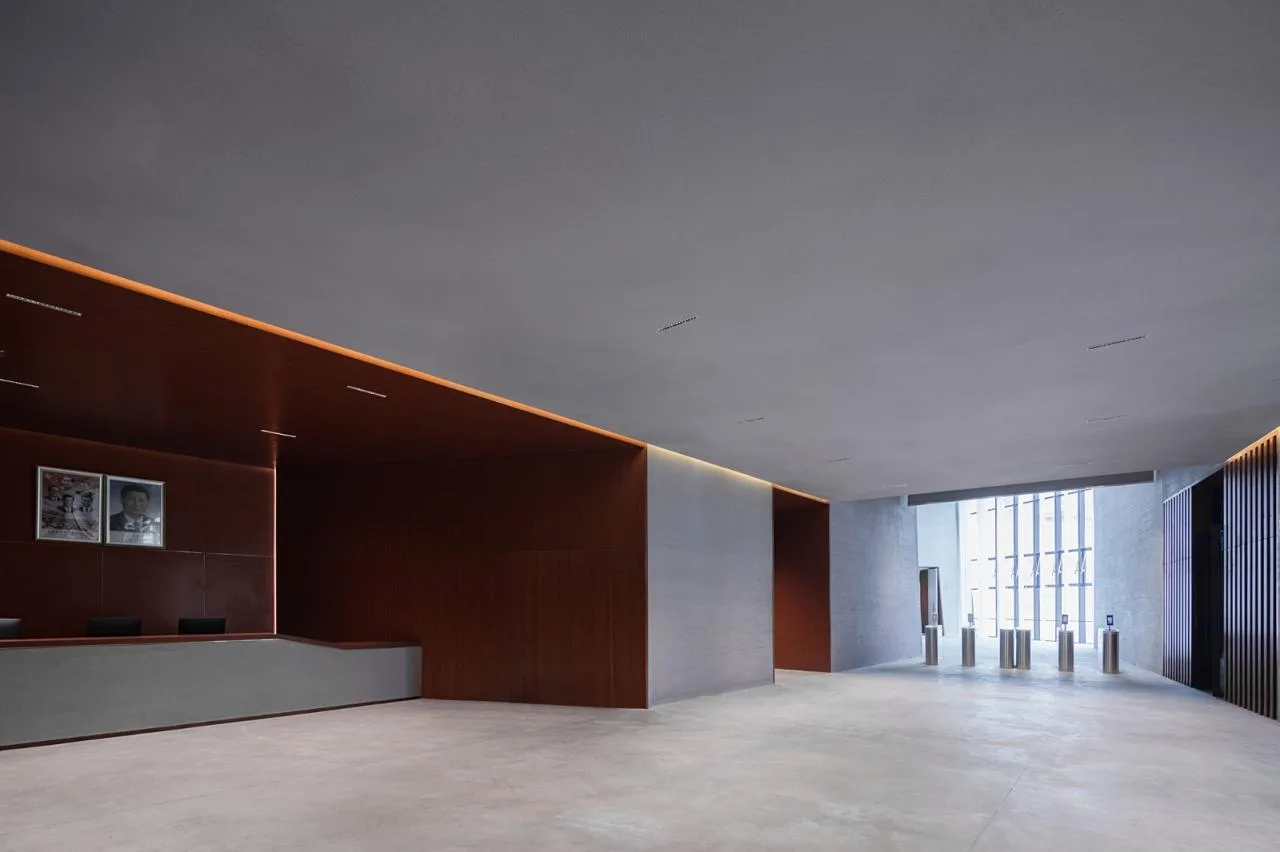
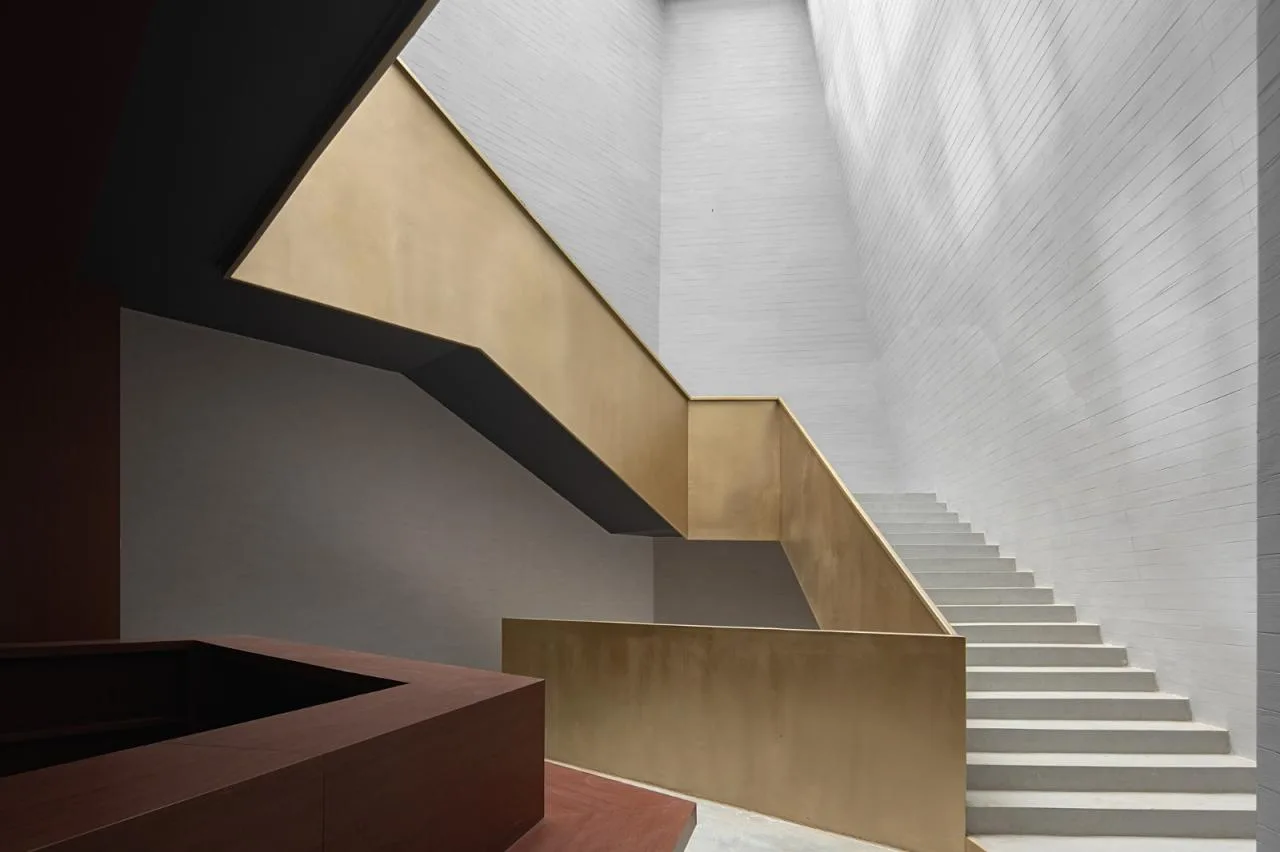
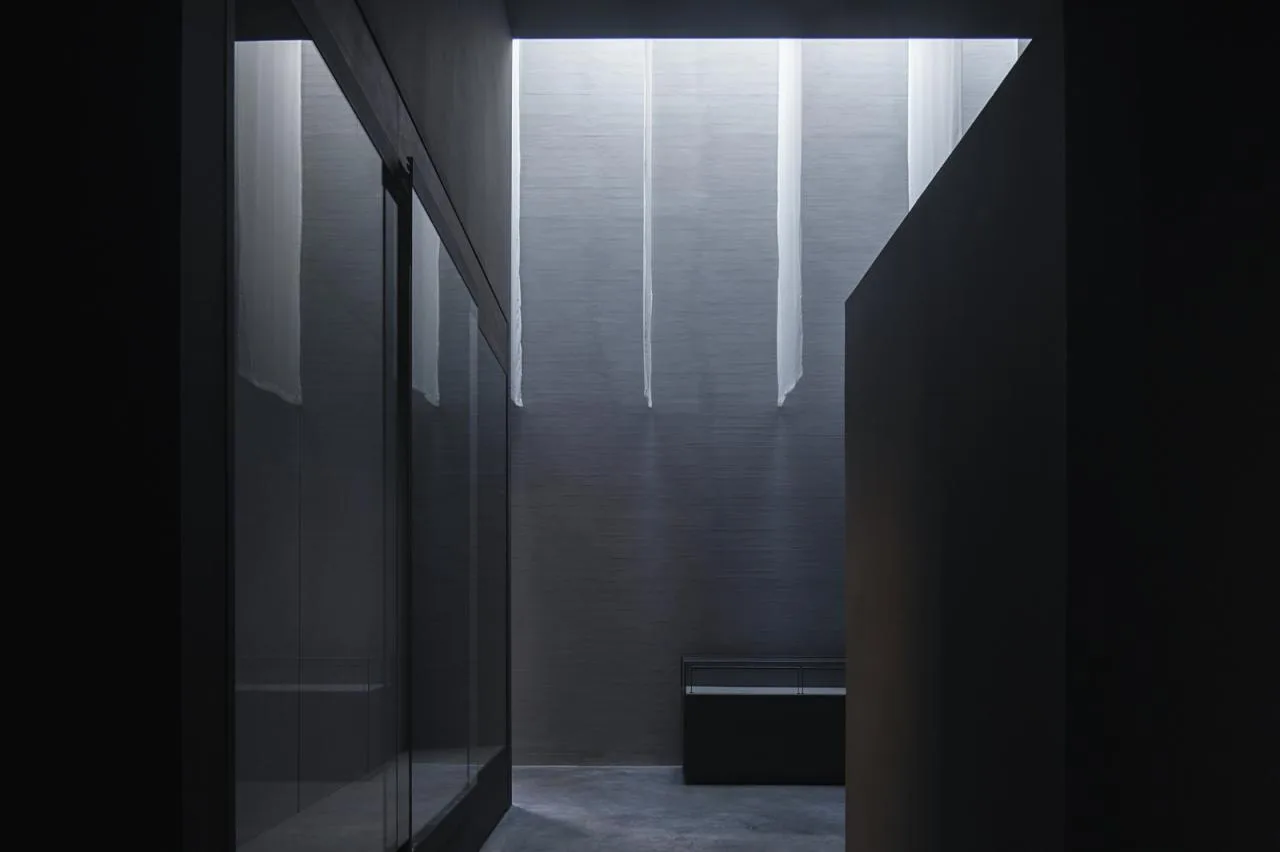
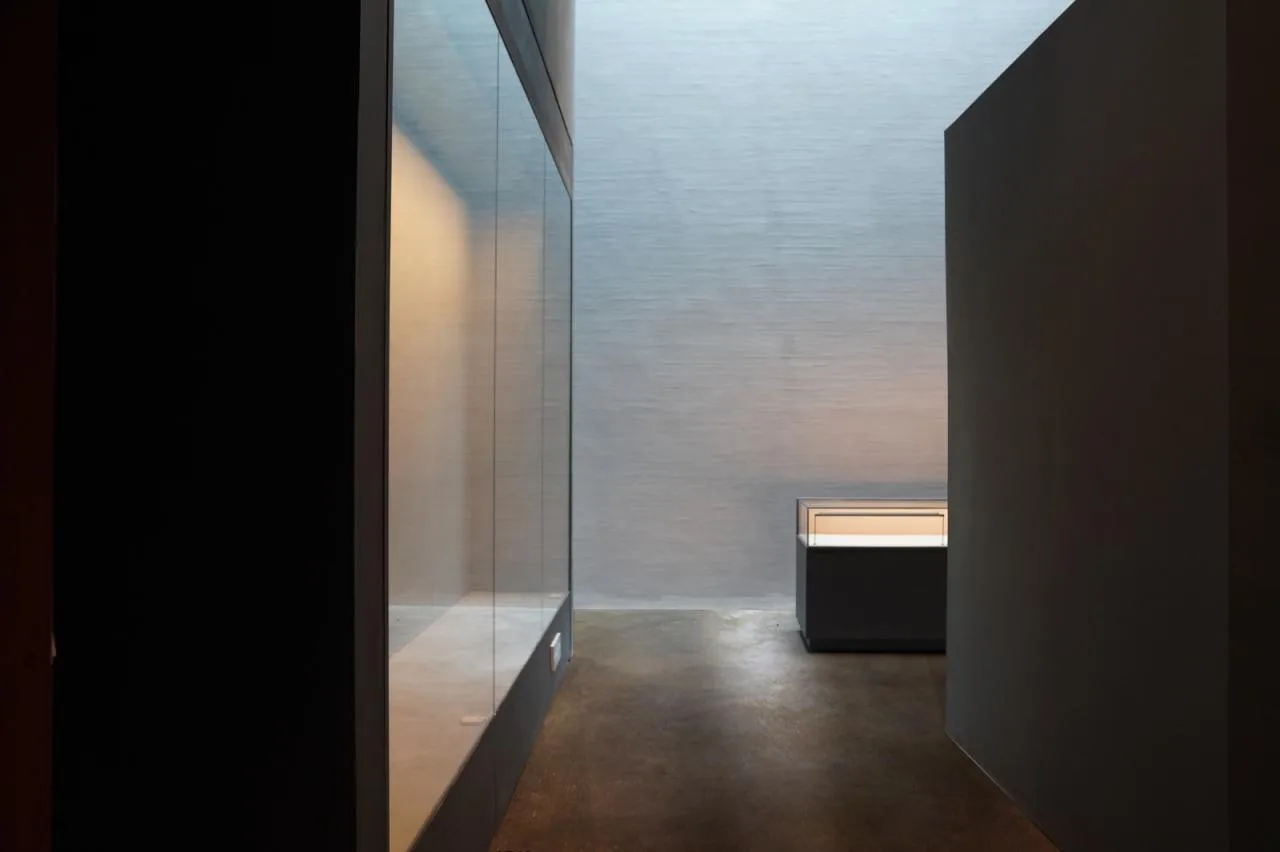
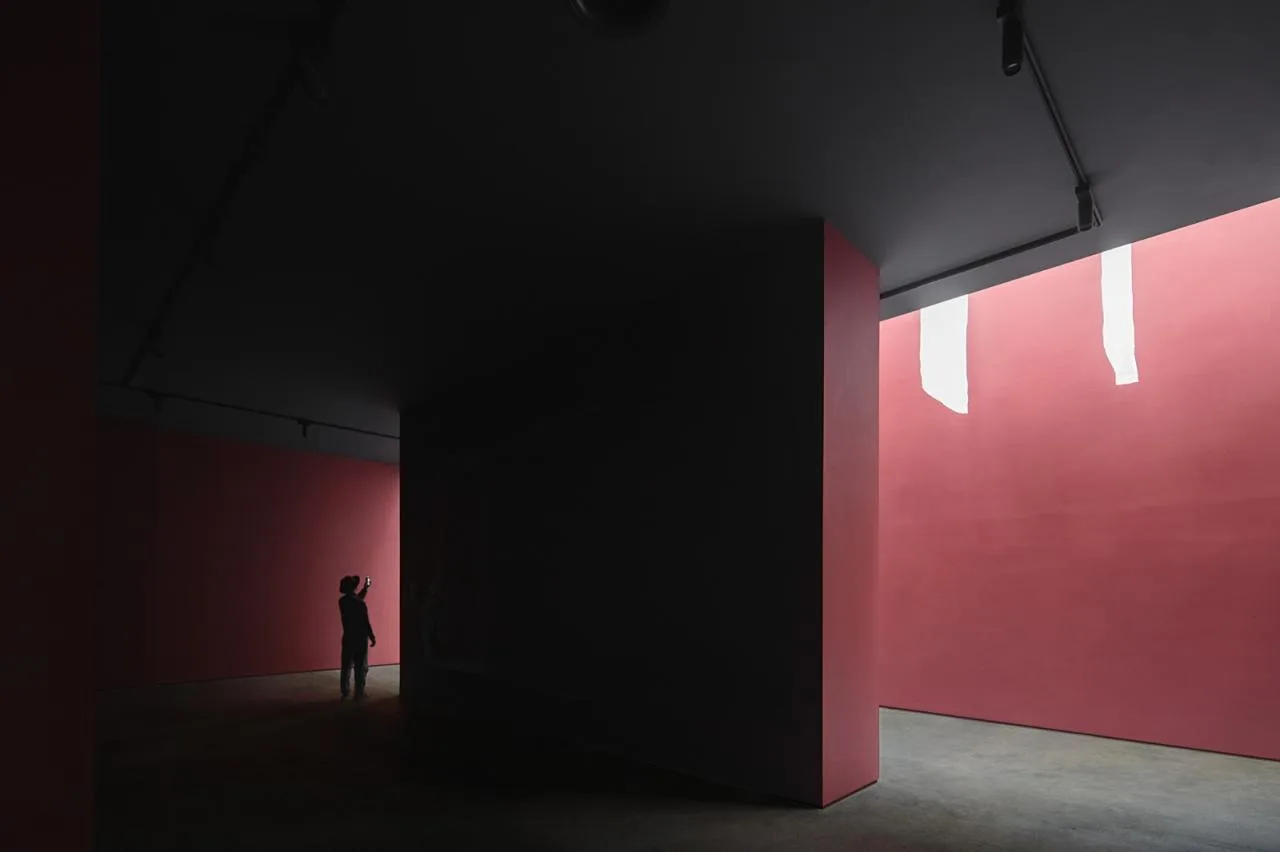
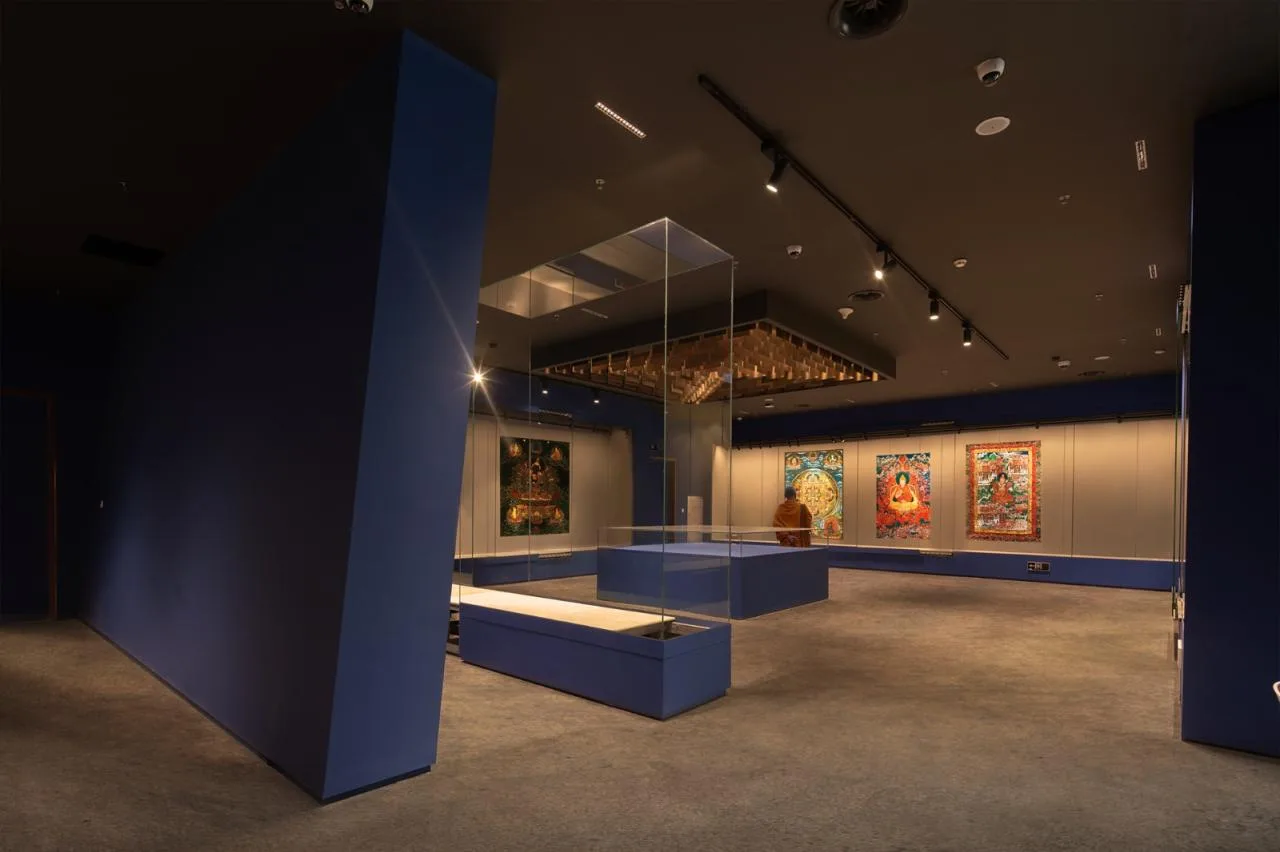
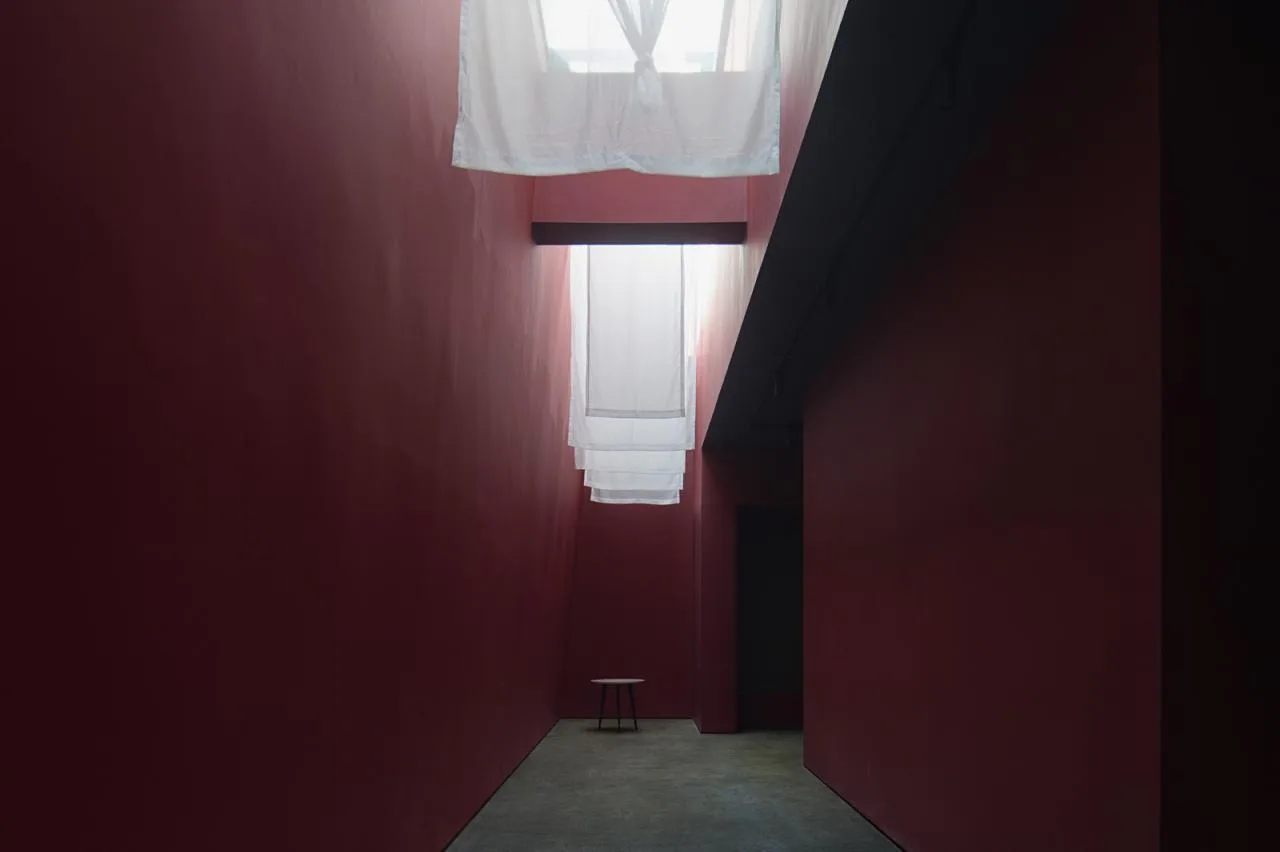
Inside, the visitor flow follows the spatial organization typical of modern museums. A spacious, well-lit hall connects the various functional areas. In addition to five exhibition halls, the museum includes public leisure spaces such as tea rooms and cafes. Exhibition halls rely primarily on artificial lighting, supplemented by diffused natural light. We also conducted specialized research and design for the exhibition walls.
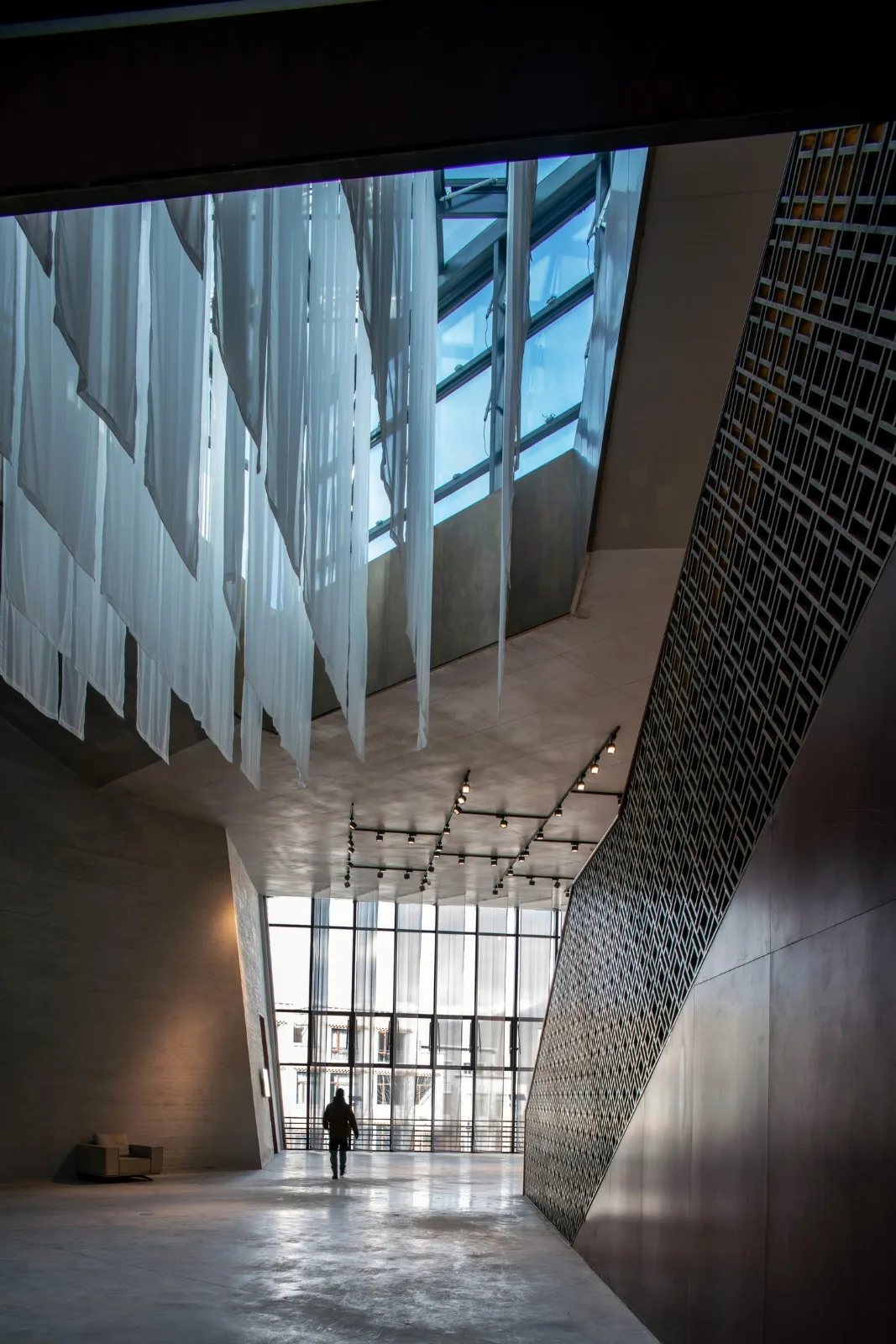
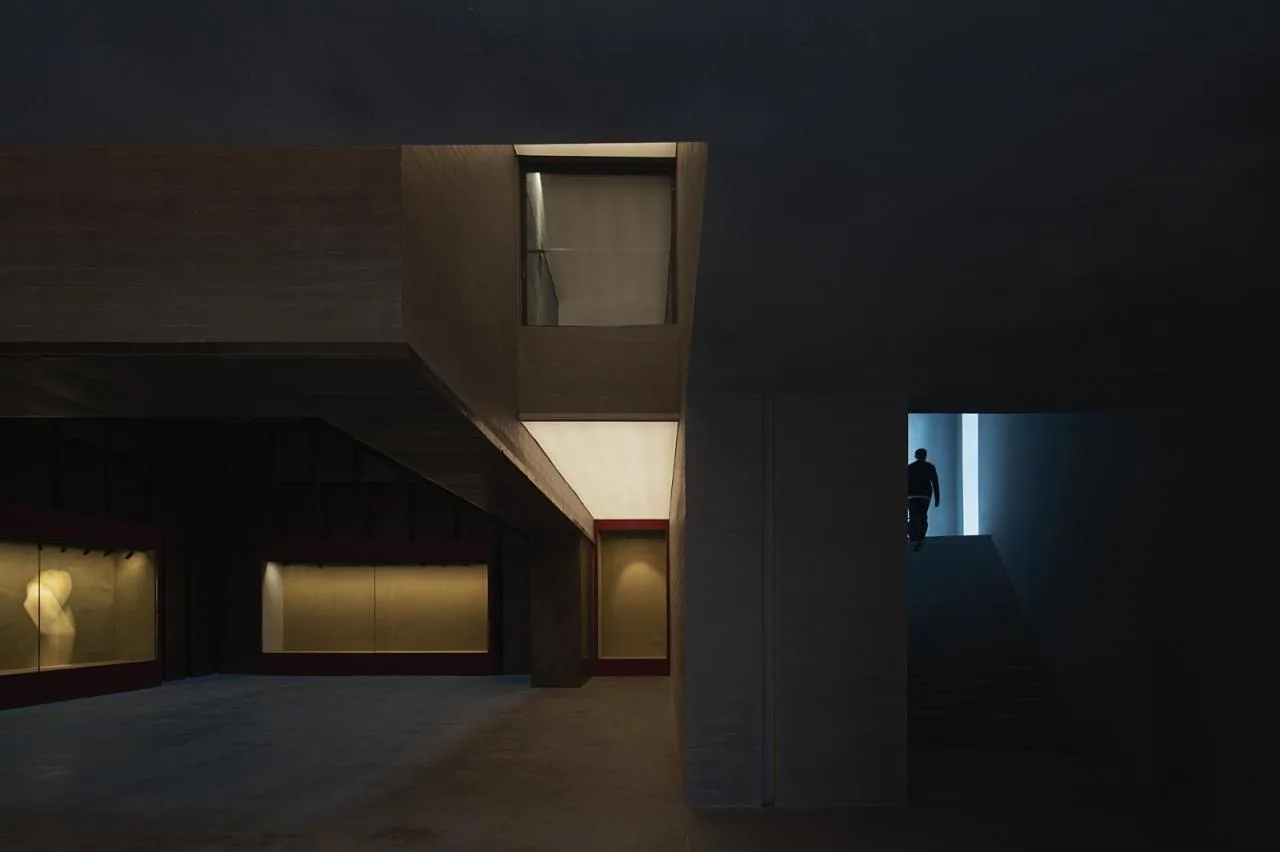
Due to environmental protection regulations prohibiting quarrying in the local area, we reinterpreted traditional stone walls using double-layered concrete walls. This design enhances insulation and soundproofing, significantly reducing the building’s energy consumption.
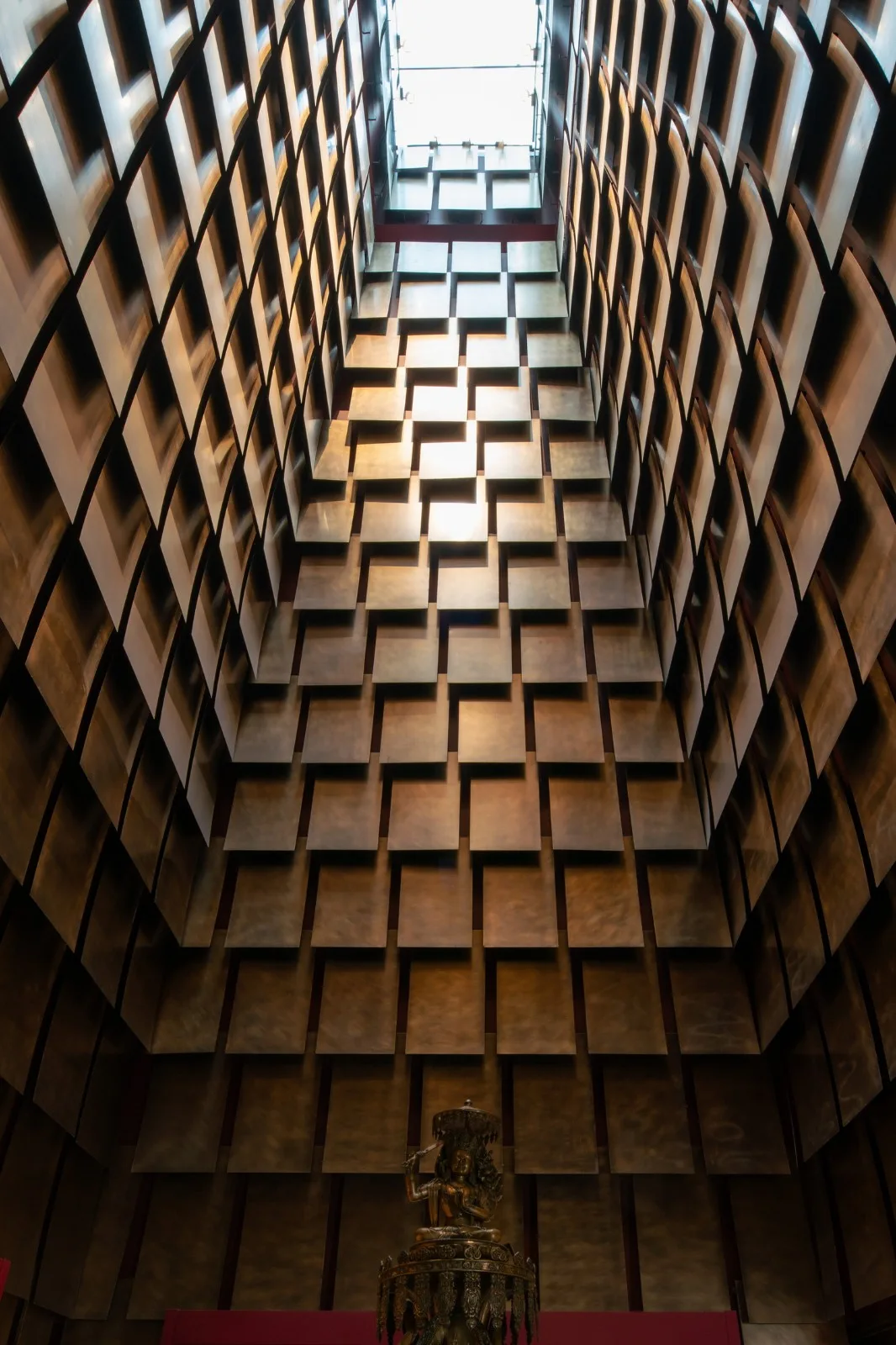
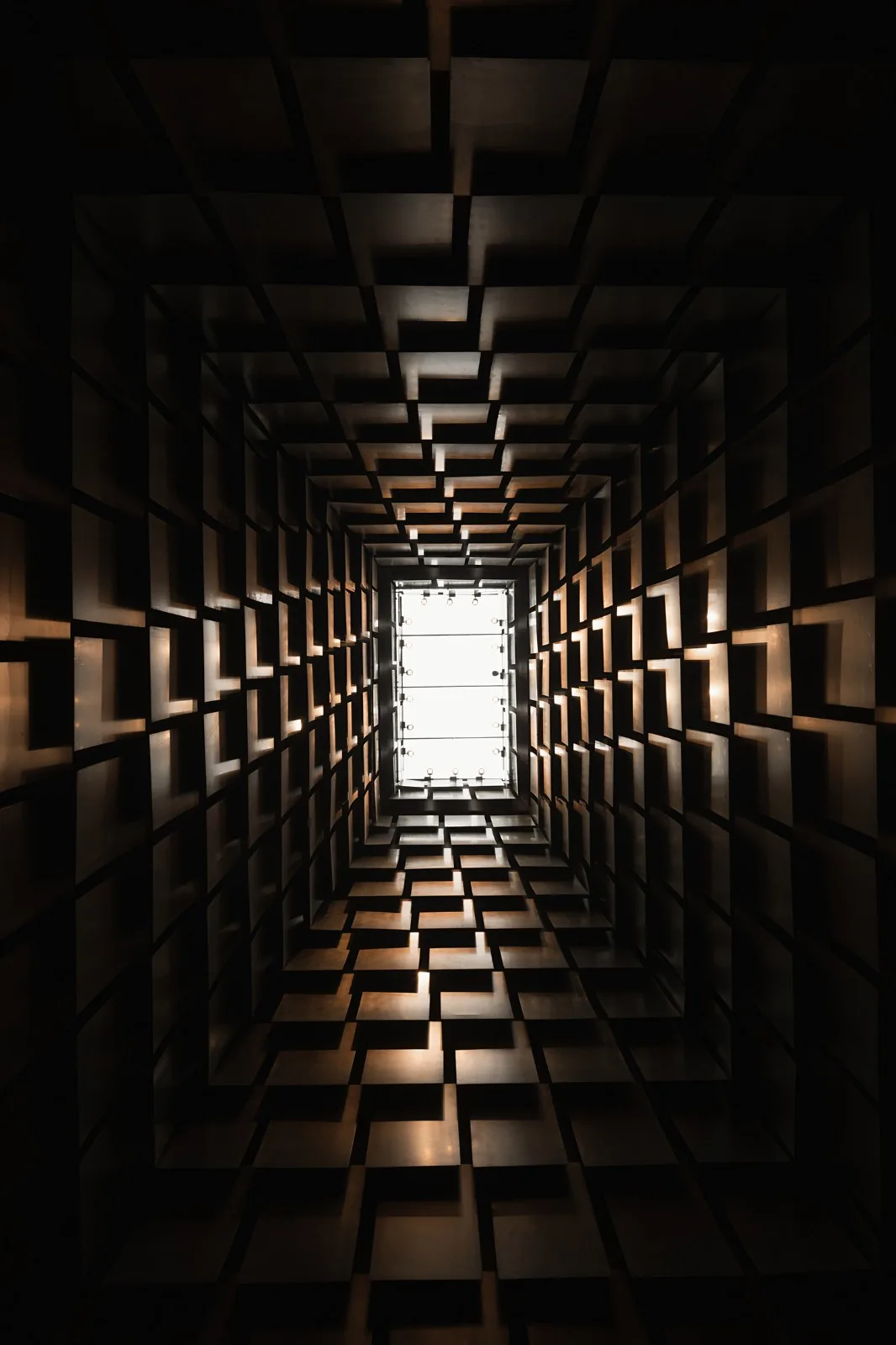
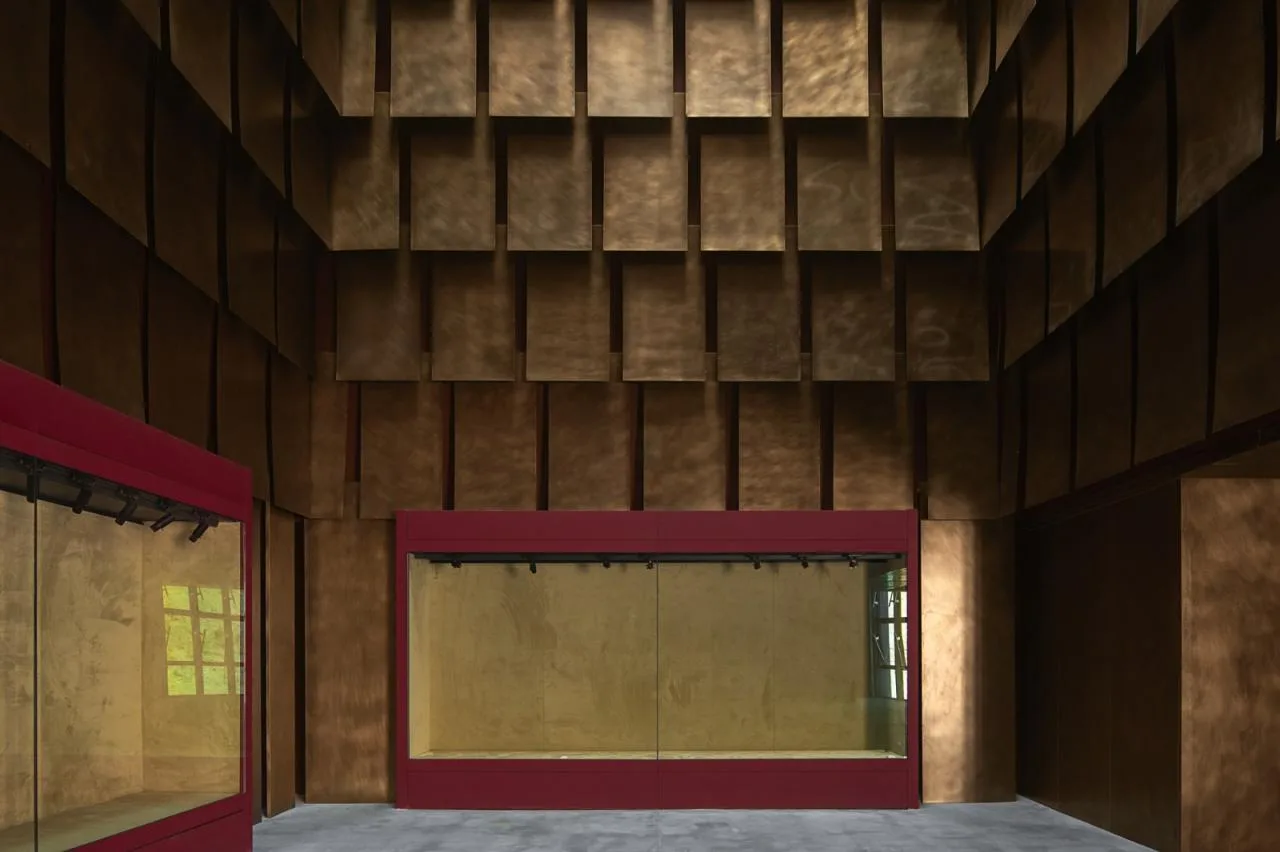
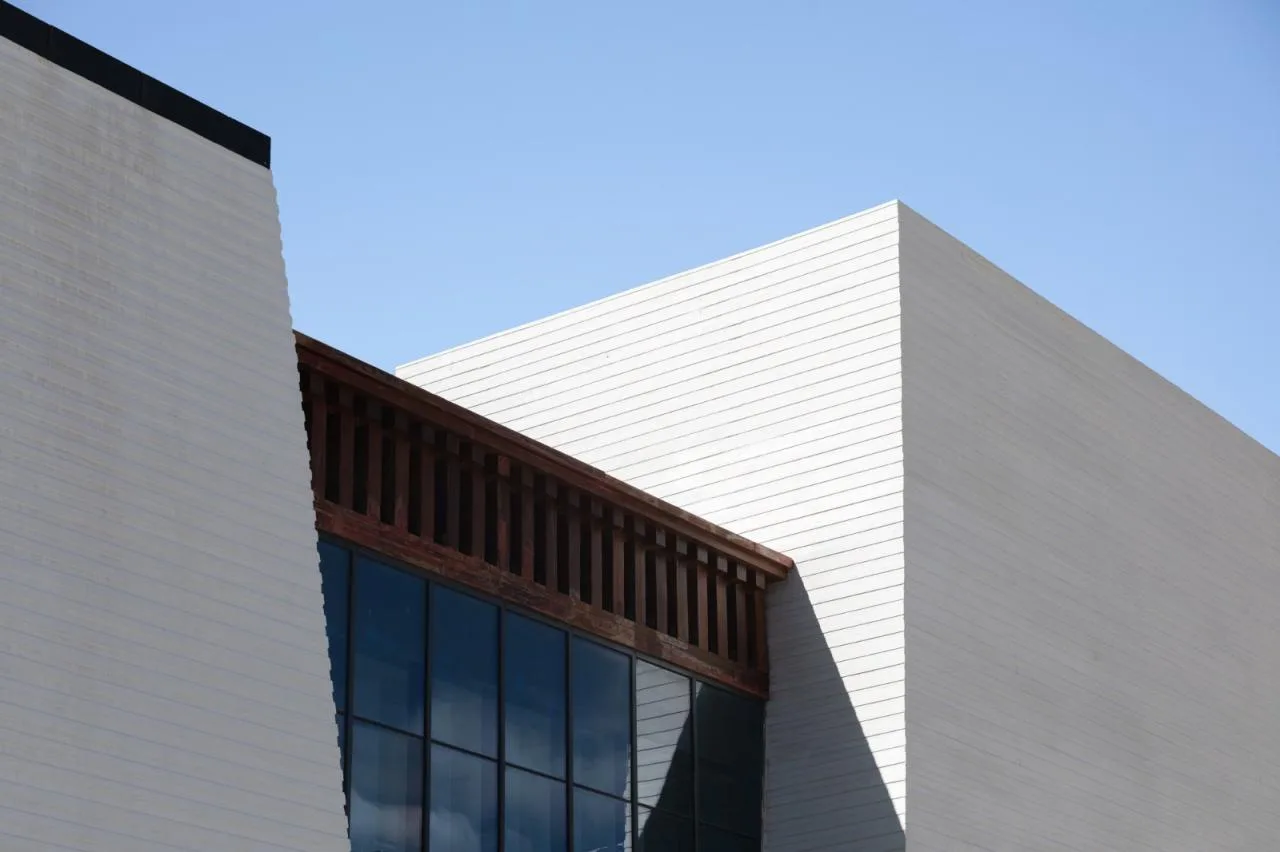
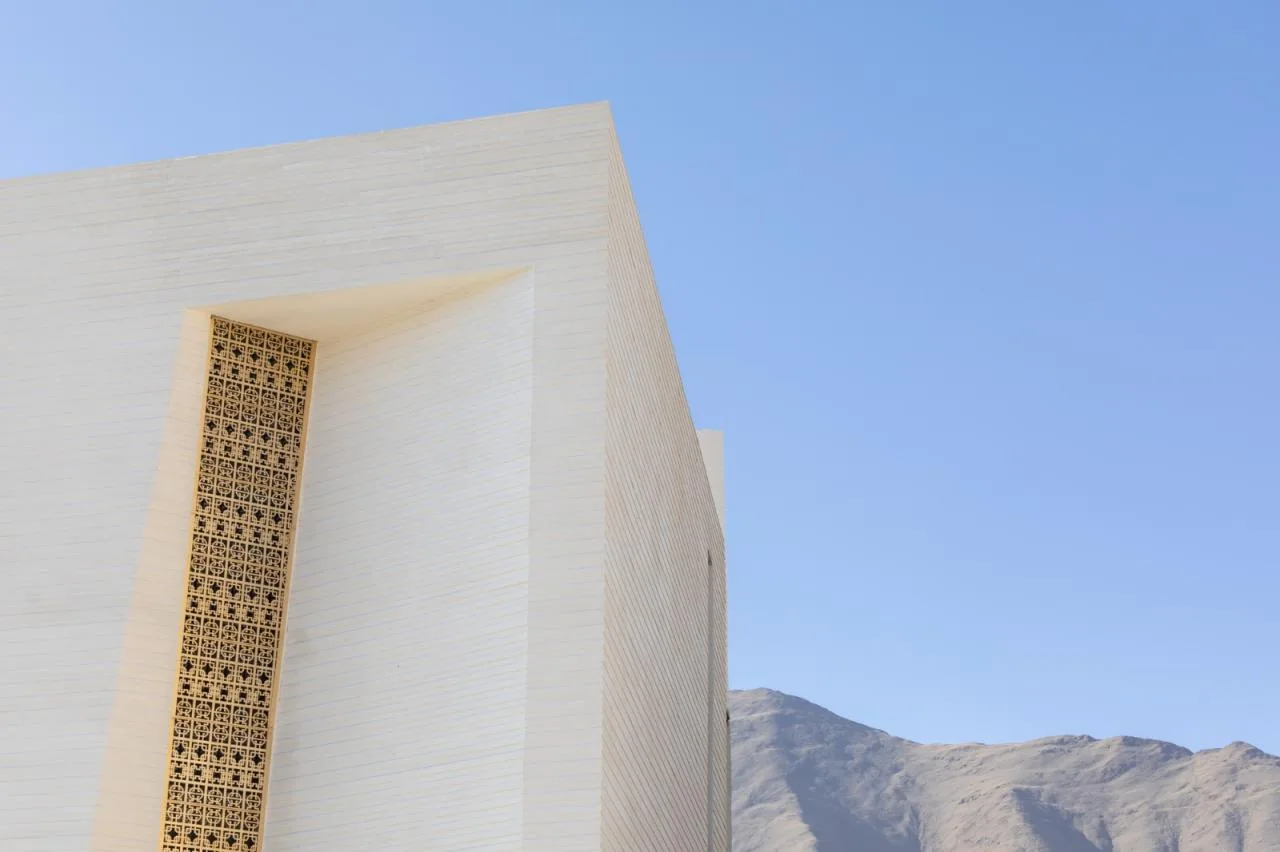
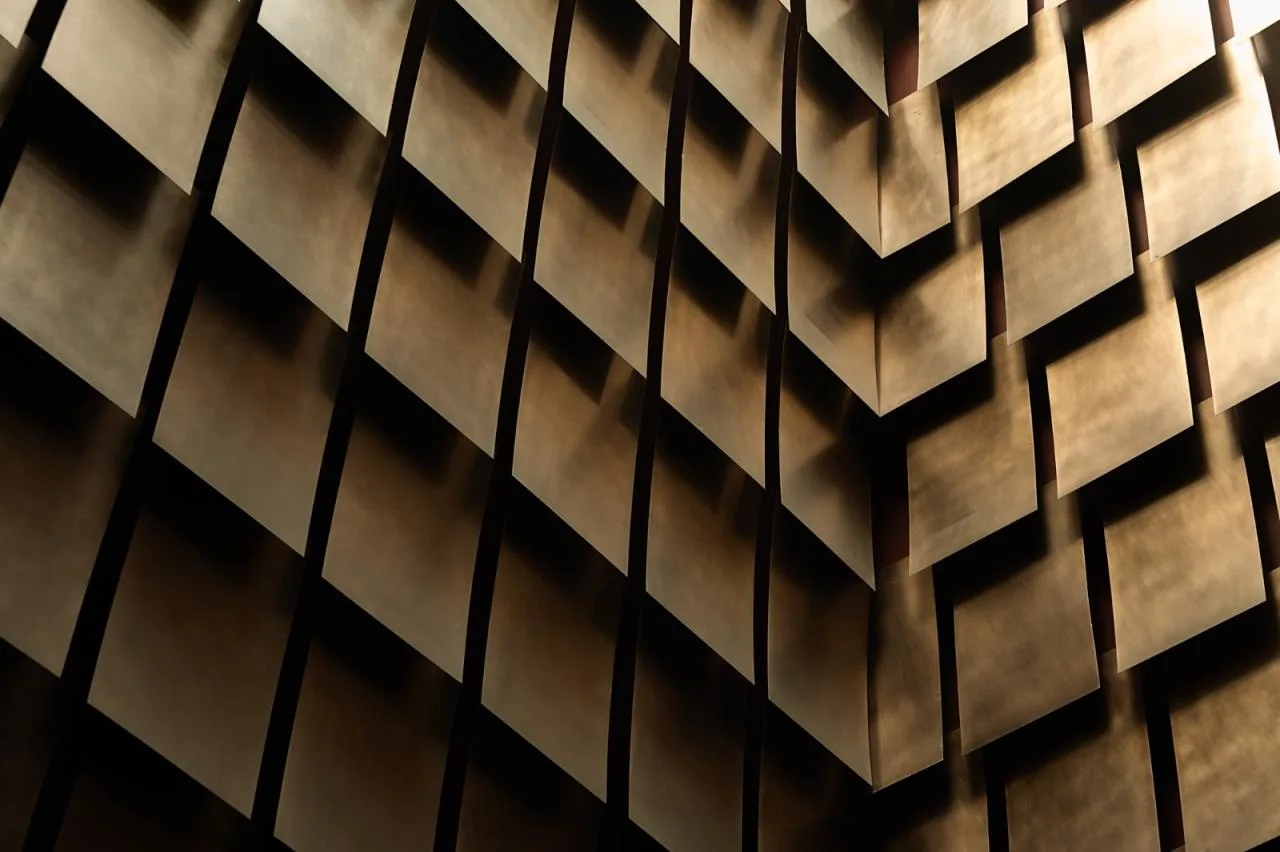
We designed custom textured wooden molds to craft the façade texture, creating a play of light and shadow reminiscent of Tibetan house exteriors. Modern architectural language was used to reinterpret local traditional styles, evident in elements such as the main entrance door and decorative window frames.
From an architectural perspective, we translated our understanding of local culture and traditional architecture into a practical spatial design, creating a modern museum deeply rooted in its cultural context. We hope the Thangka Museum serves as a new cultural link, fostering fresh connections between people and this unique place.
Project Drawings
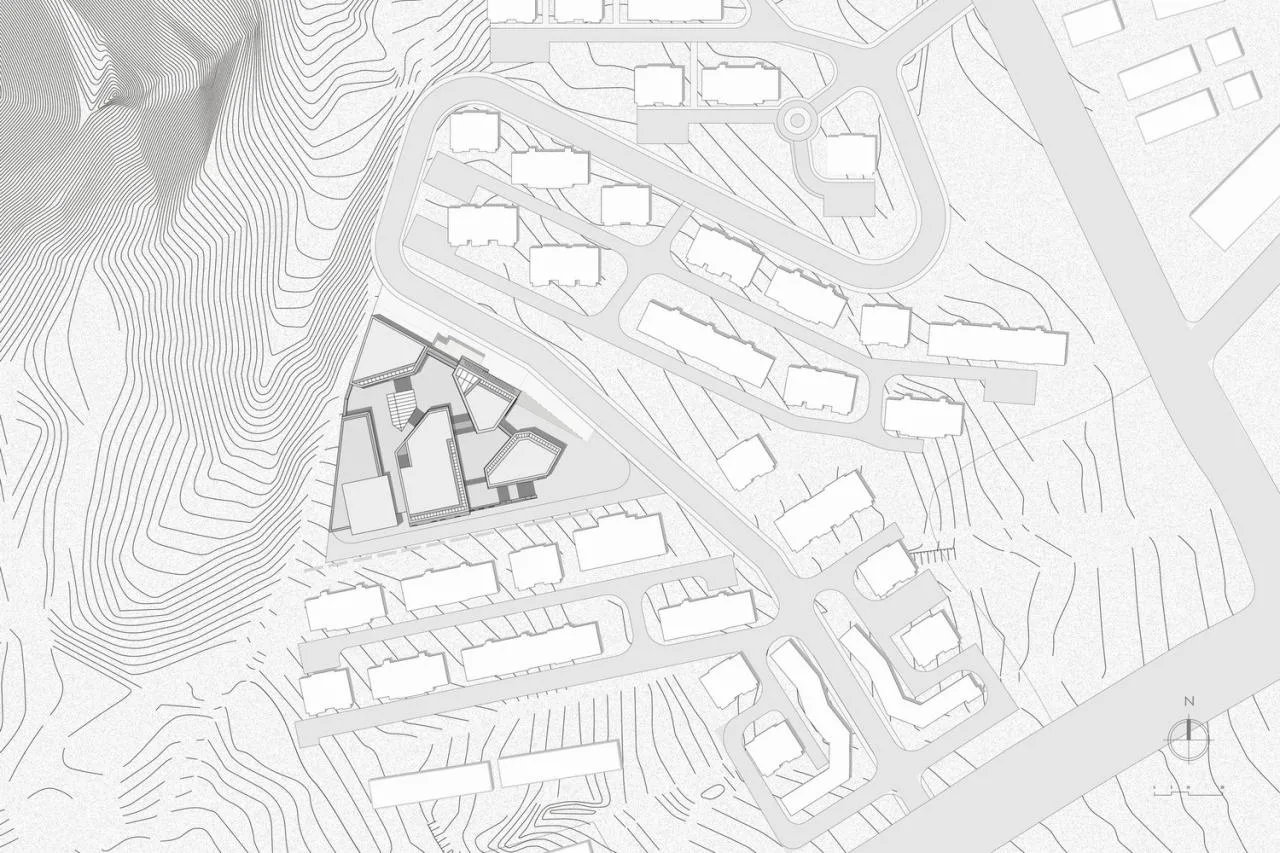
△ General Layout Plan
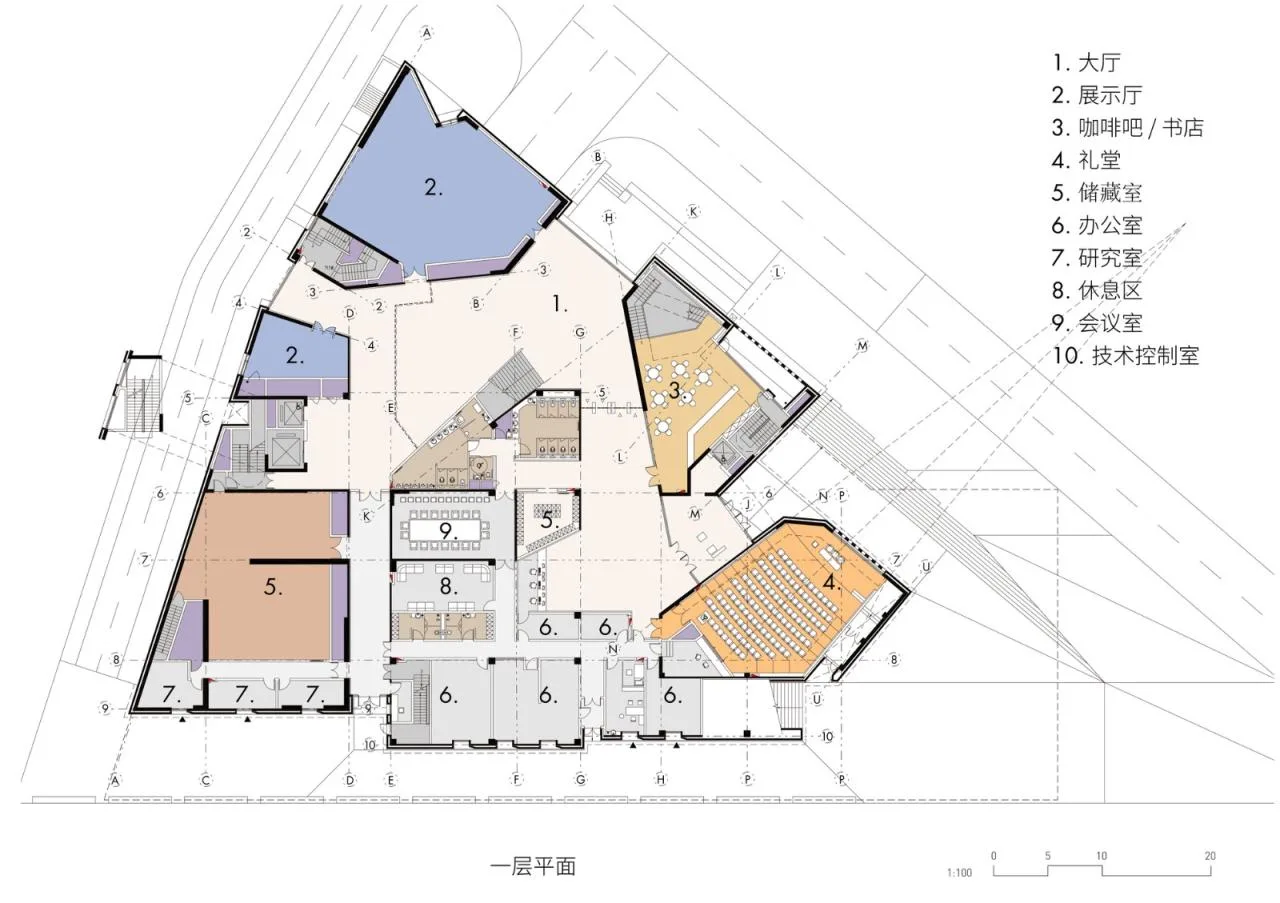
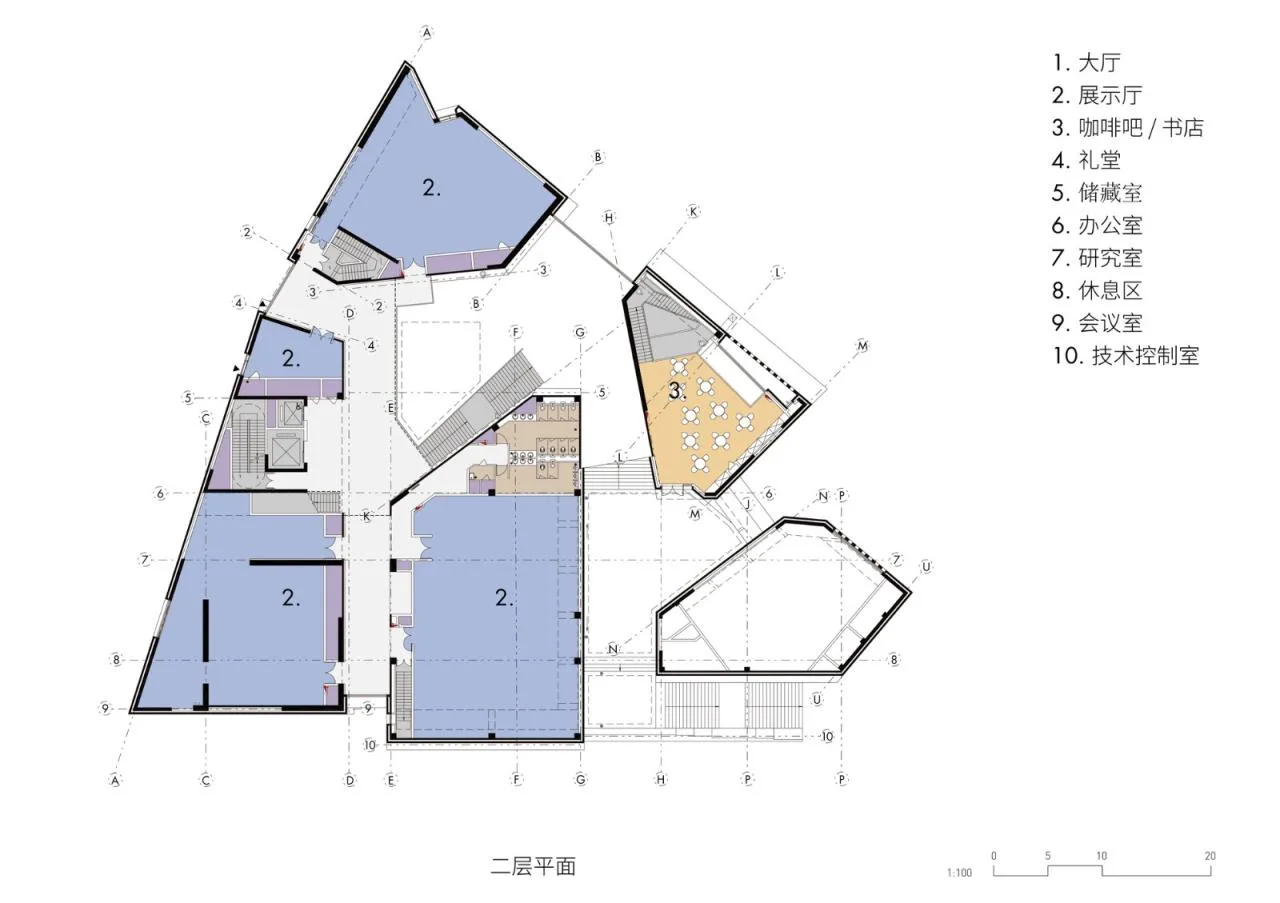
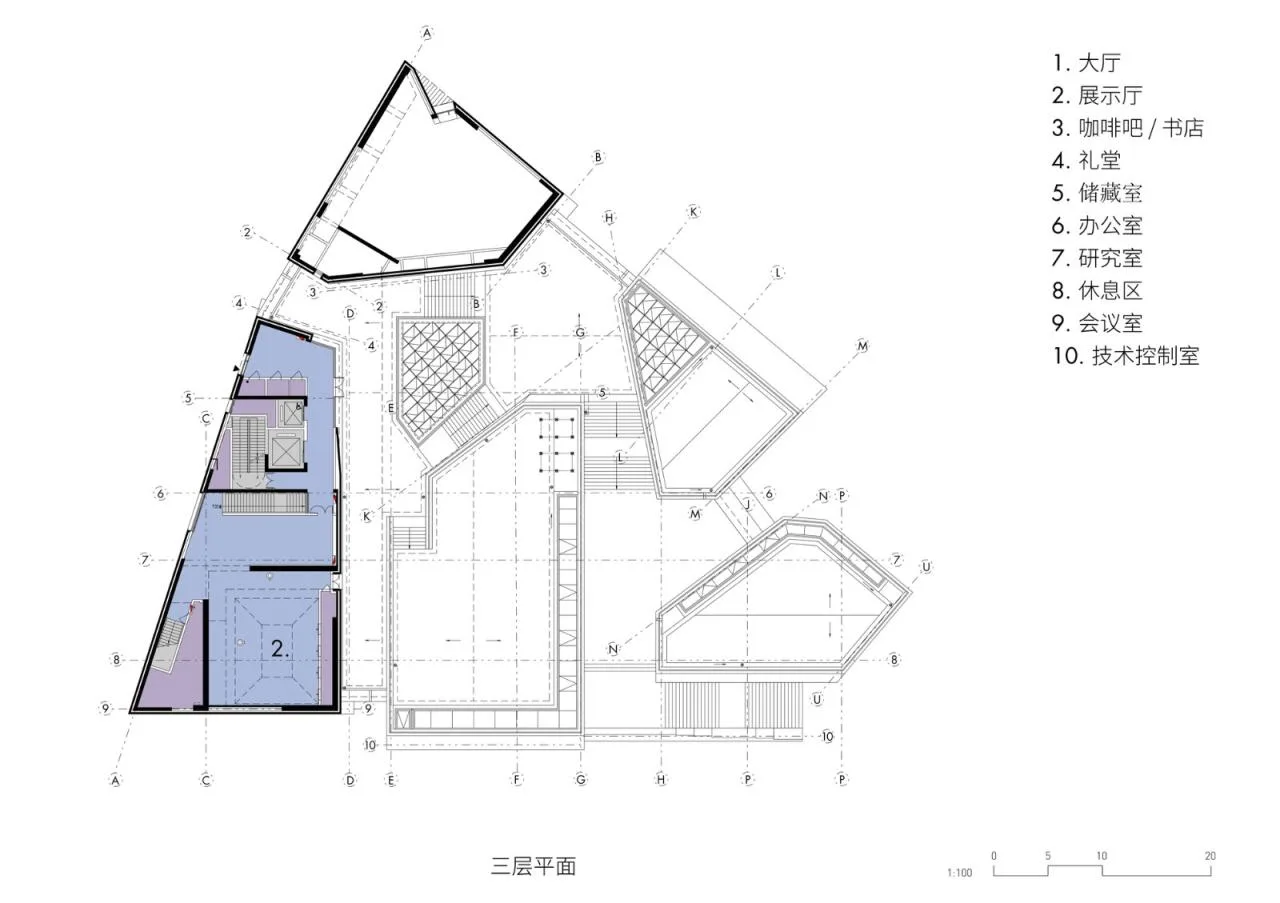
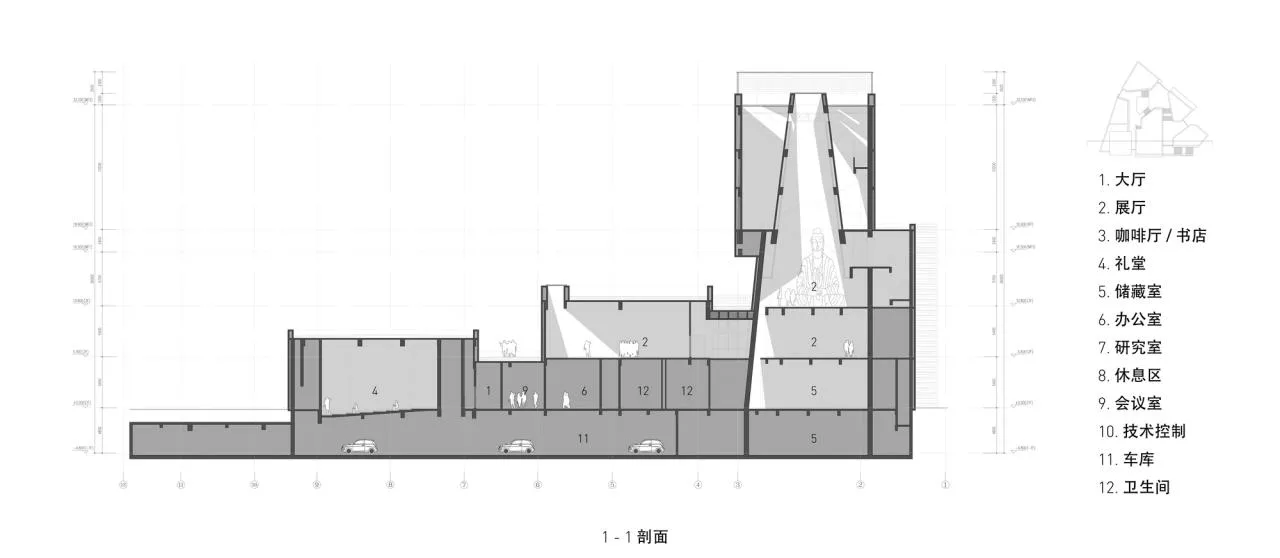
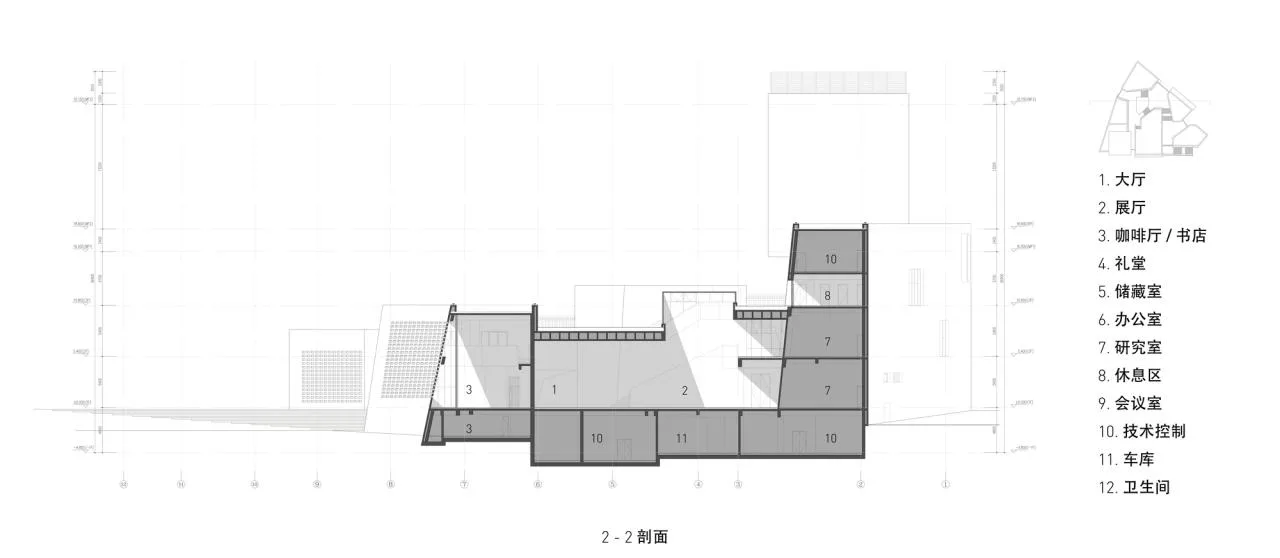
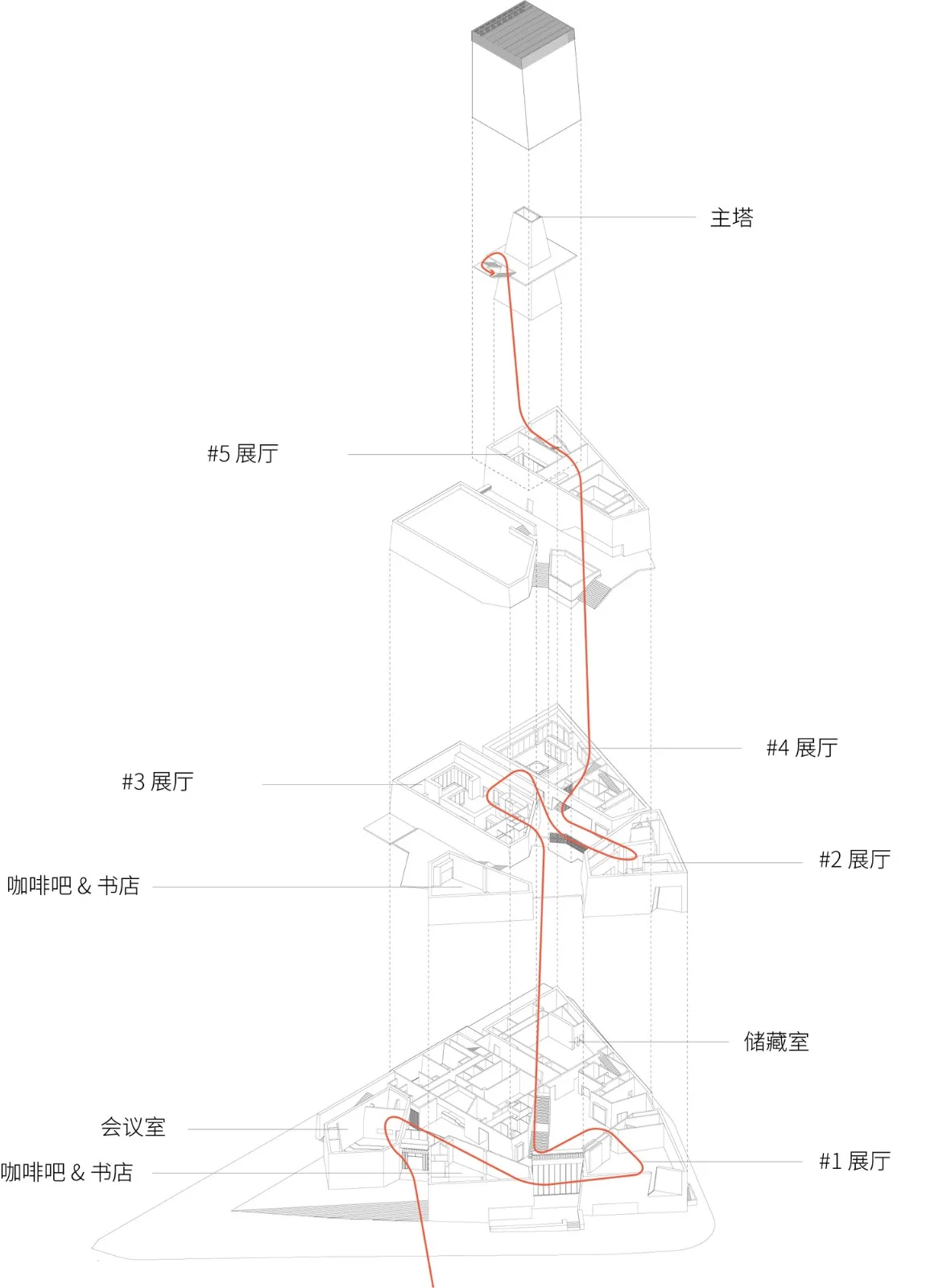
△ Streamline Diagram
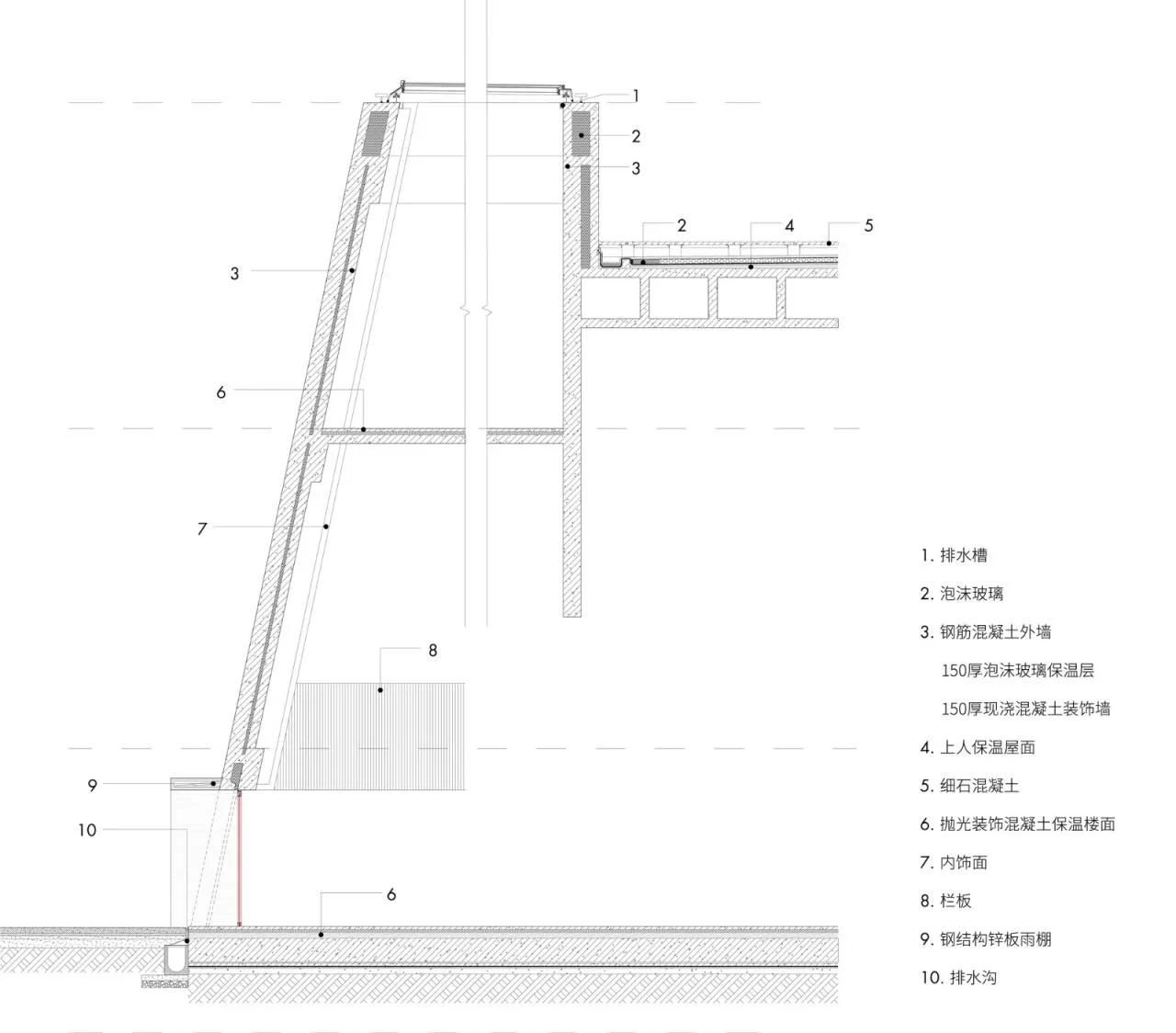
△ Partial Sectional View
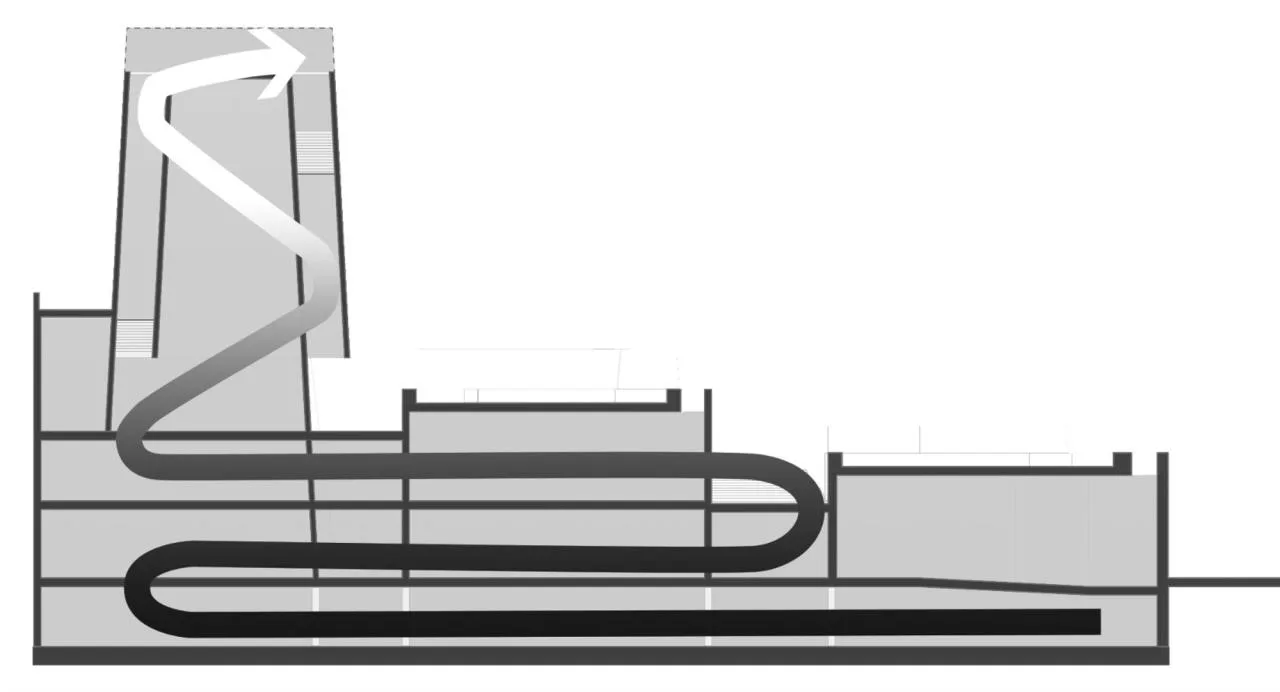
△ Analysis Chart
Project Information
Architect: An Di Architectural Design
Area: 8658 m²
Project Year: 2022
Photographers: Existence of Architecture, Yin Ming
Chief Creative Designers: Wang Ning, Duccio Cardelli
Design Team: Tommaso Toraldo di Francia, Ma Yutong, Li Qinyi, Luca Amighetti, Dominika Kowalczyk
Collaborating Institutes: Tongji University Architectural Design and Research Institute (Group) Co., Ltd., Architectural Design Third Institute, Lhasa Design Institute
Principal: Lhasa Urban Investment Co., Ltd.
Location: Lhasa















Must log in before commenting!
Sign Up