
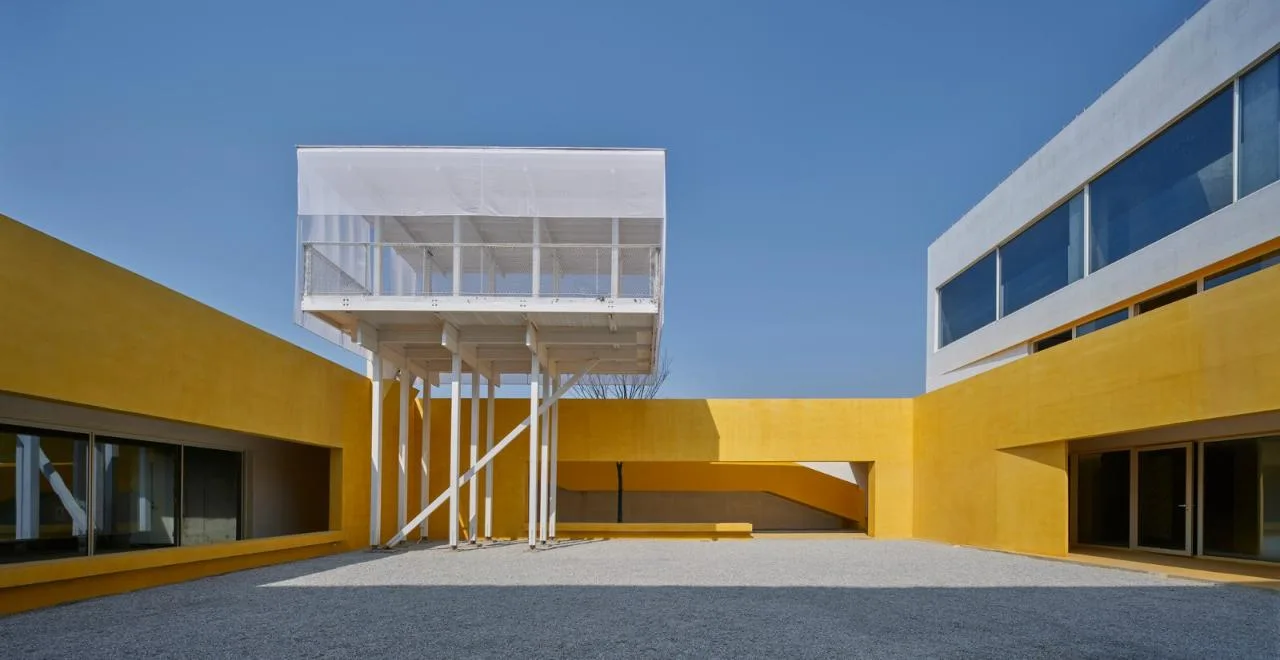
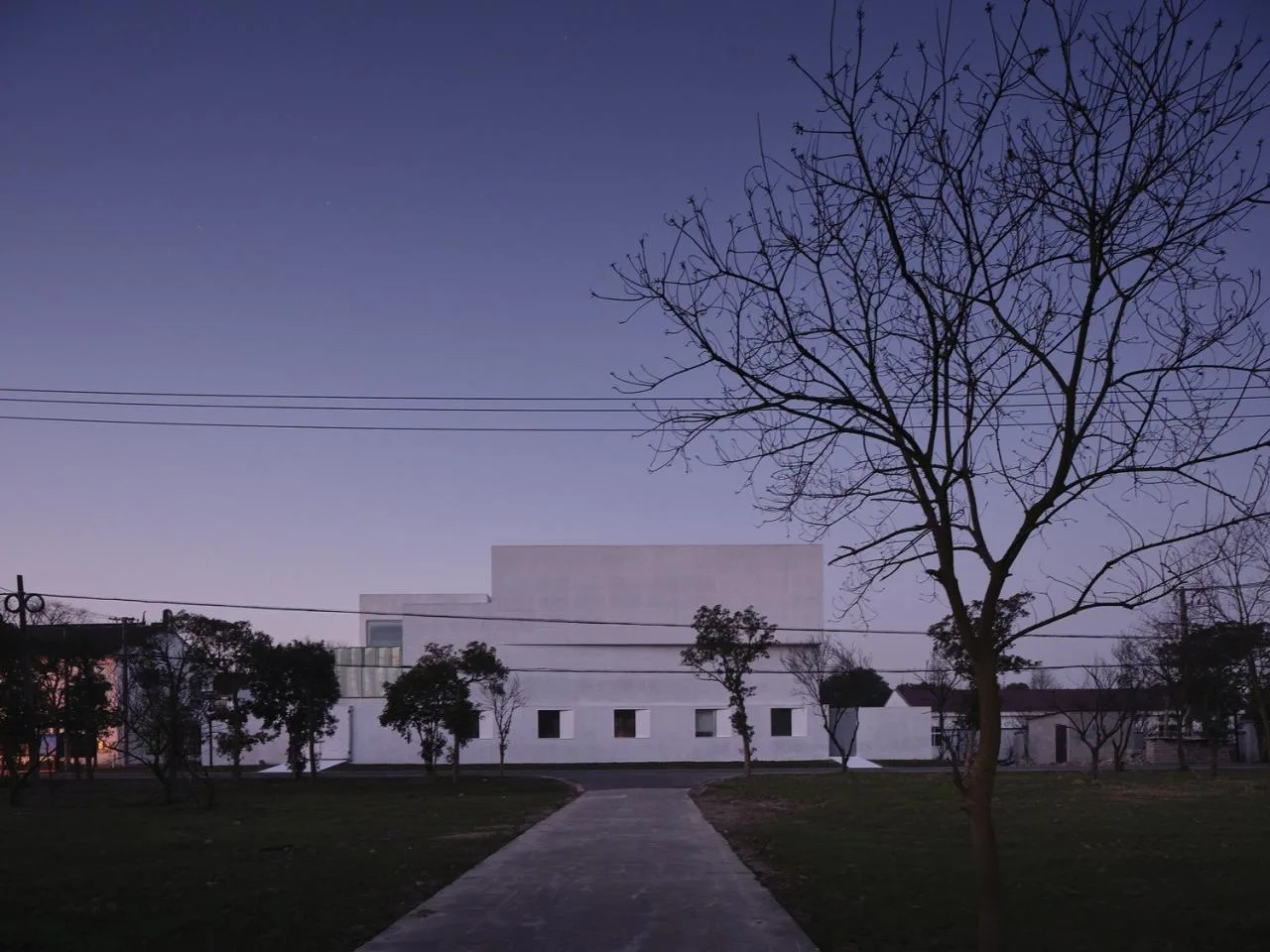
Shanghai, a bustling metropolis, is quietly evolving in the rural area of Zhonghua Village, located in its southwestern corner. This transformation is driven by a series of high-quality public service buildings and community activity spaces aimed at revitalizing the village. At the heart of this plan is the newly constructed cultural center, built on the site of a former rural primary school. Our vision emphasizes the strong connection between the village and its surrounding countryside, as well as the historical roots of Zhonghua Village, which we believe is essential to fostering new vitality.
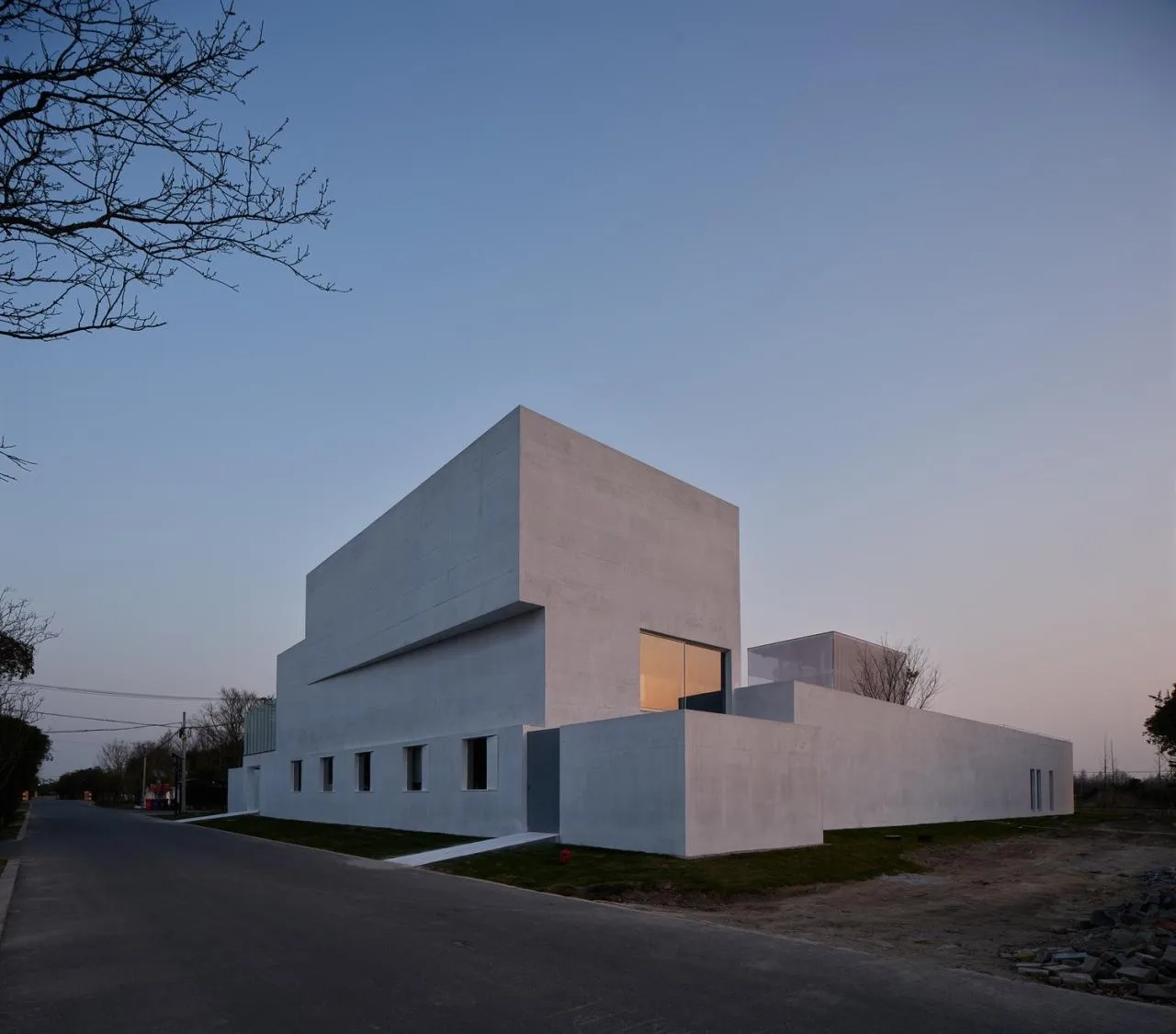
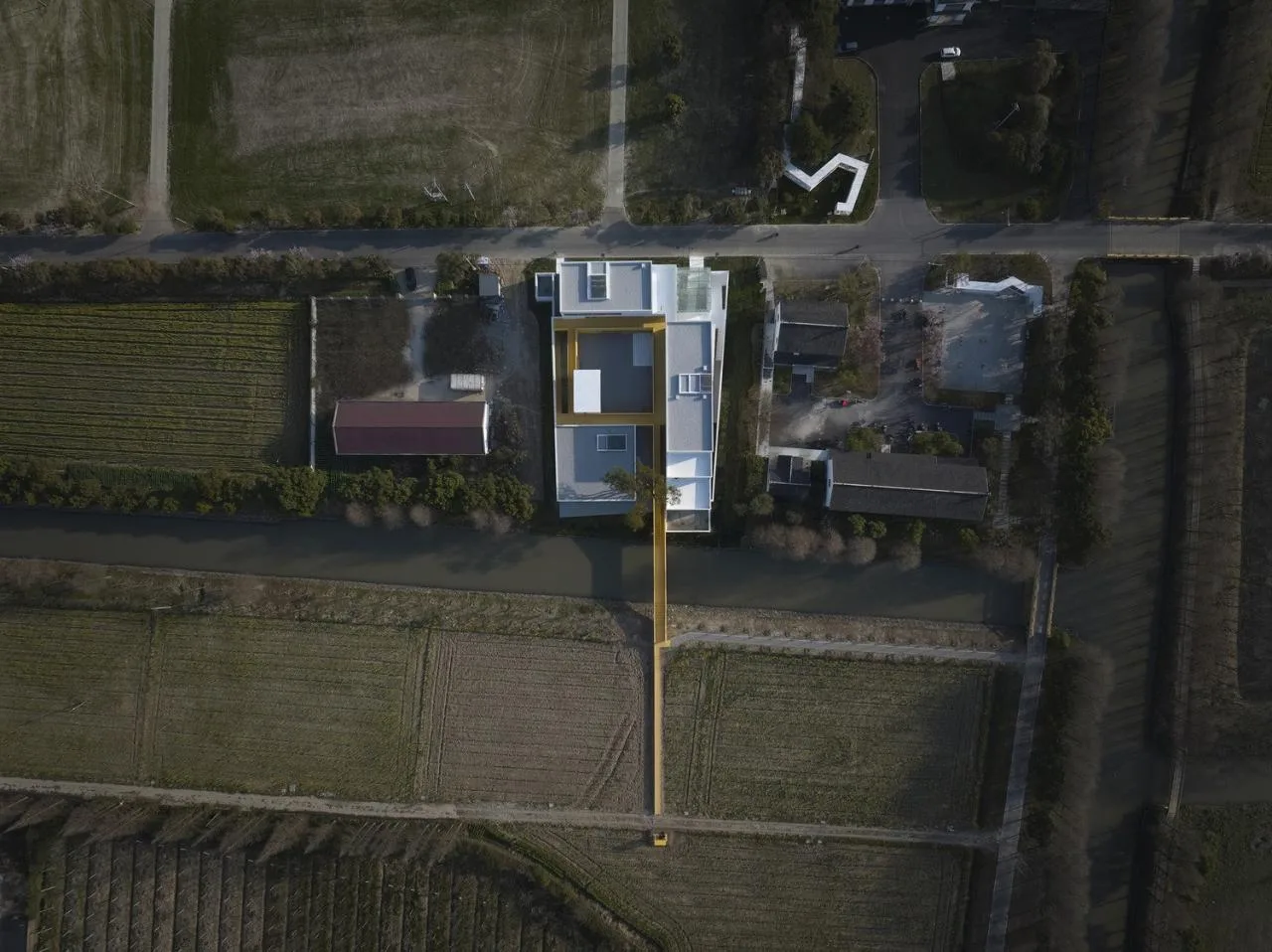
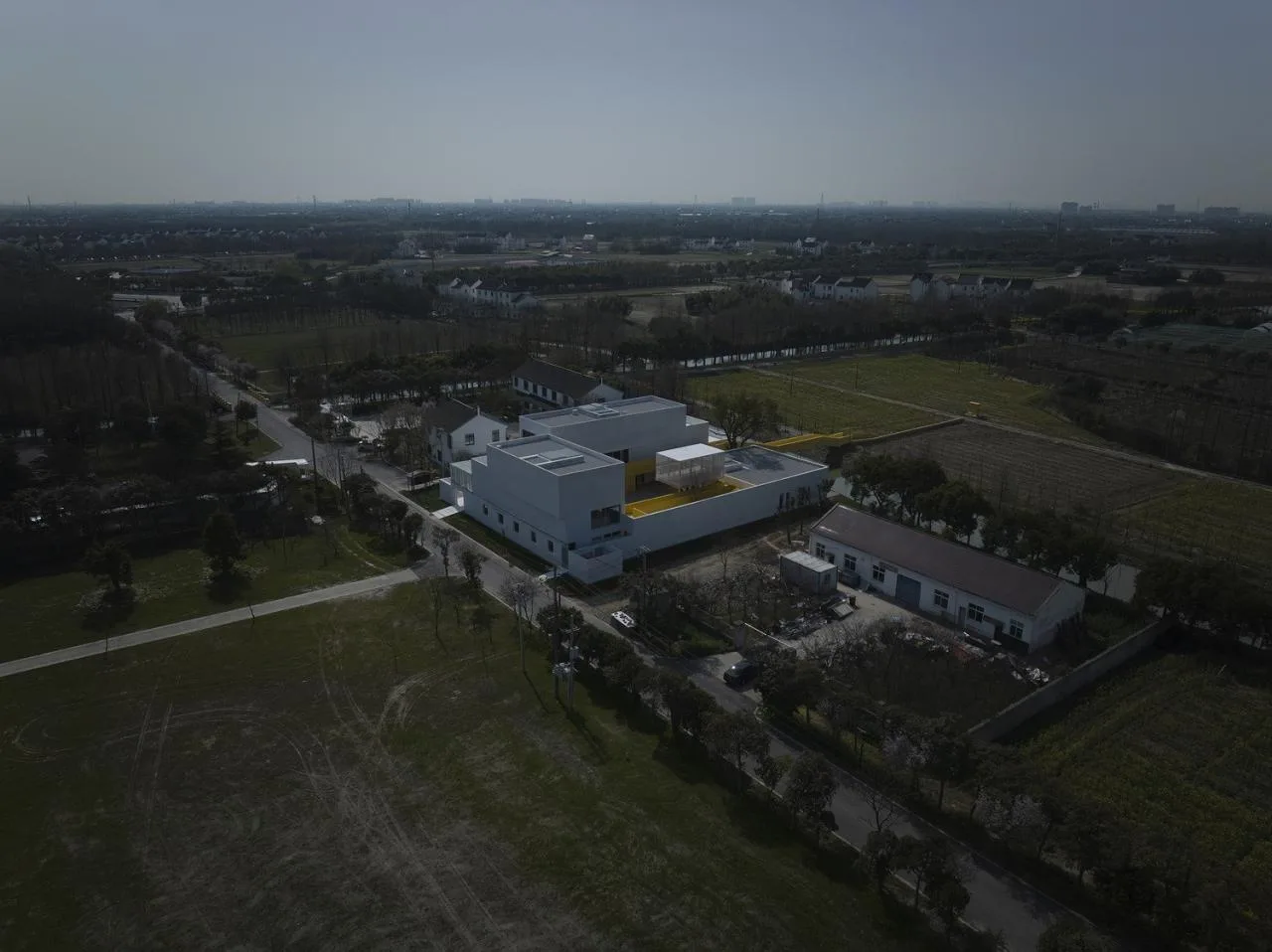
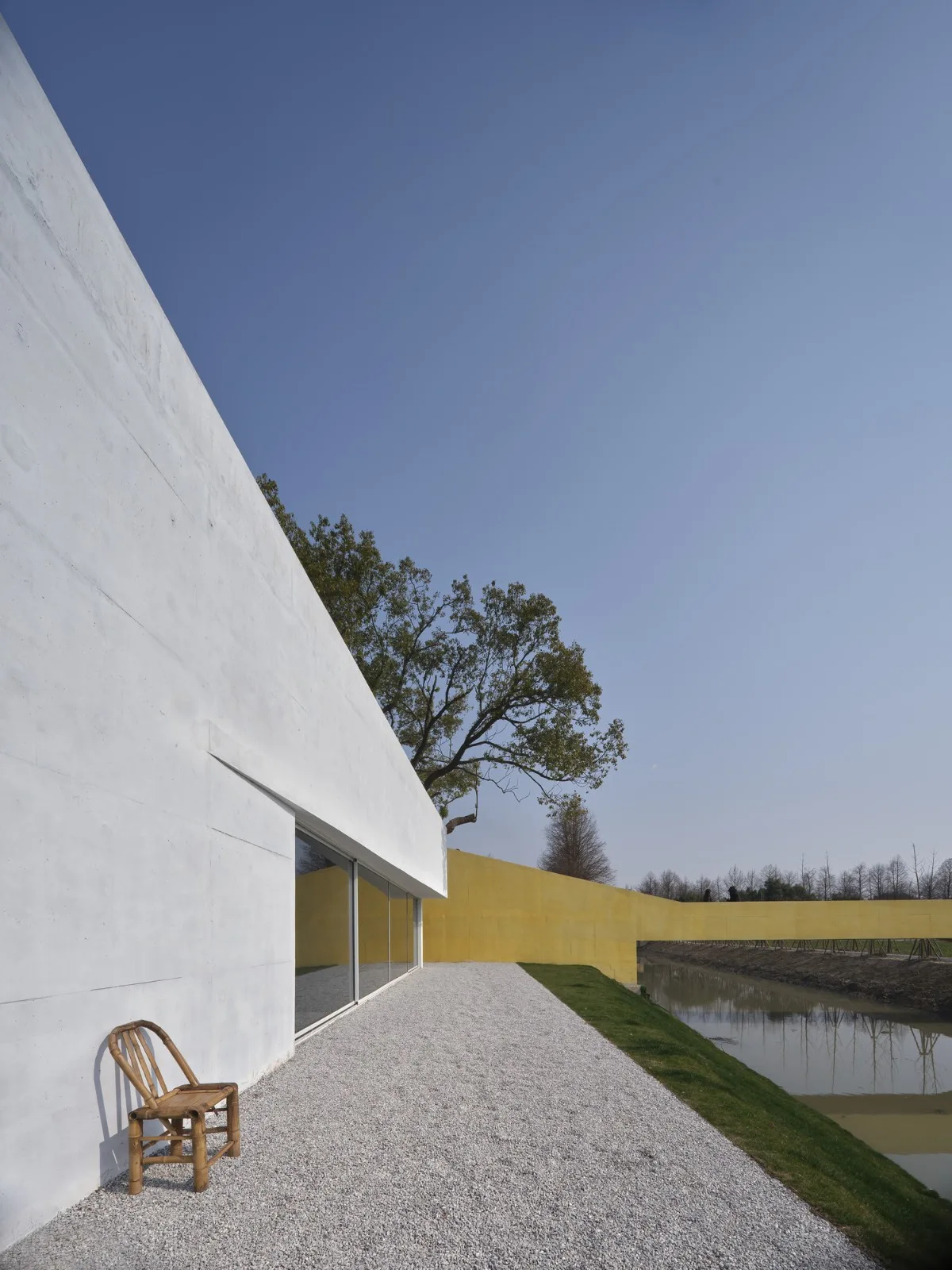
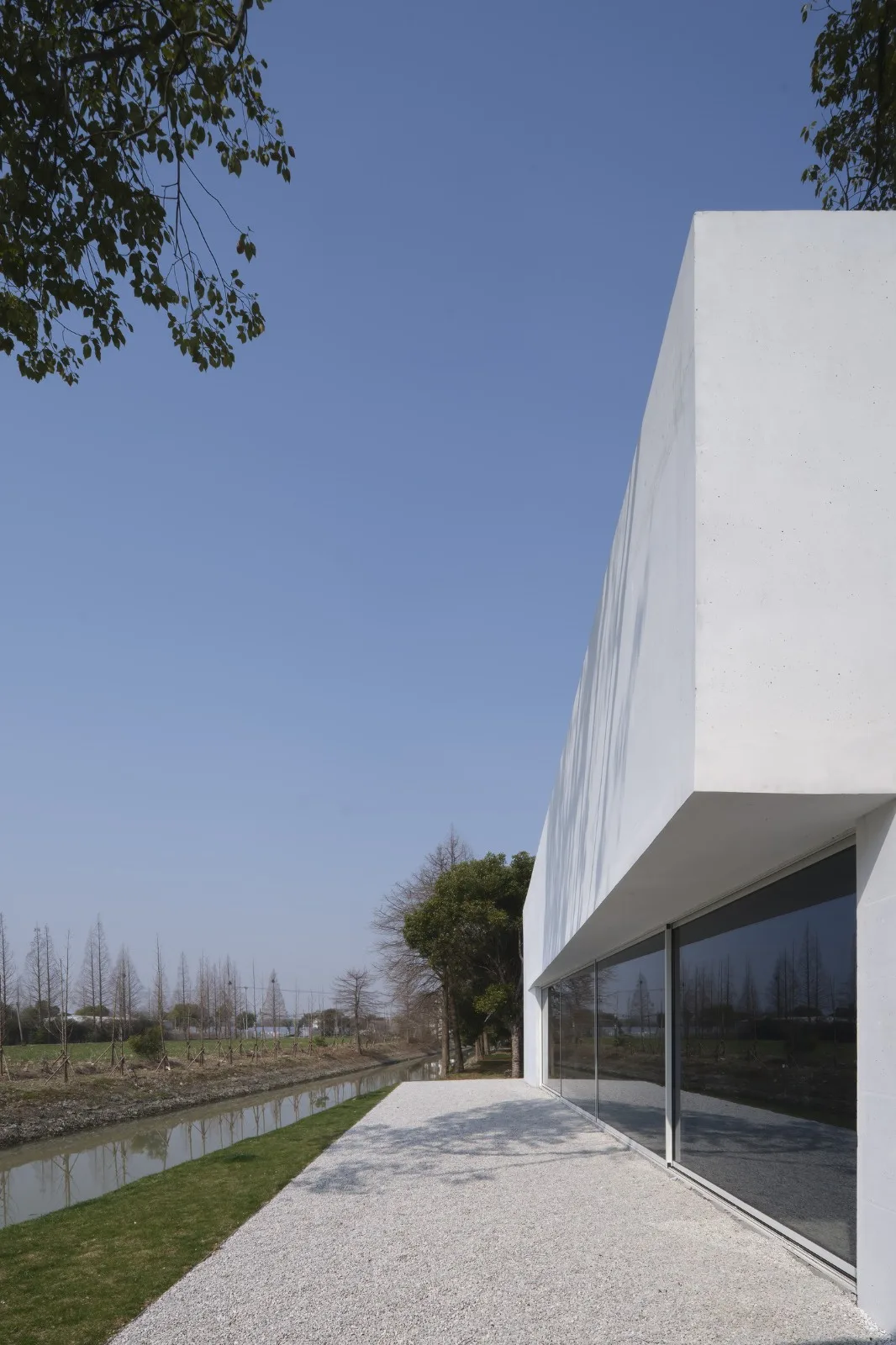
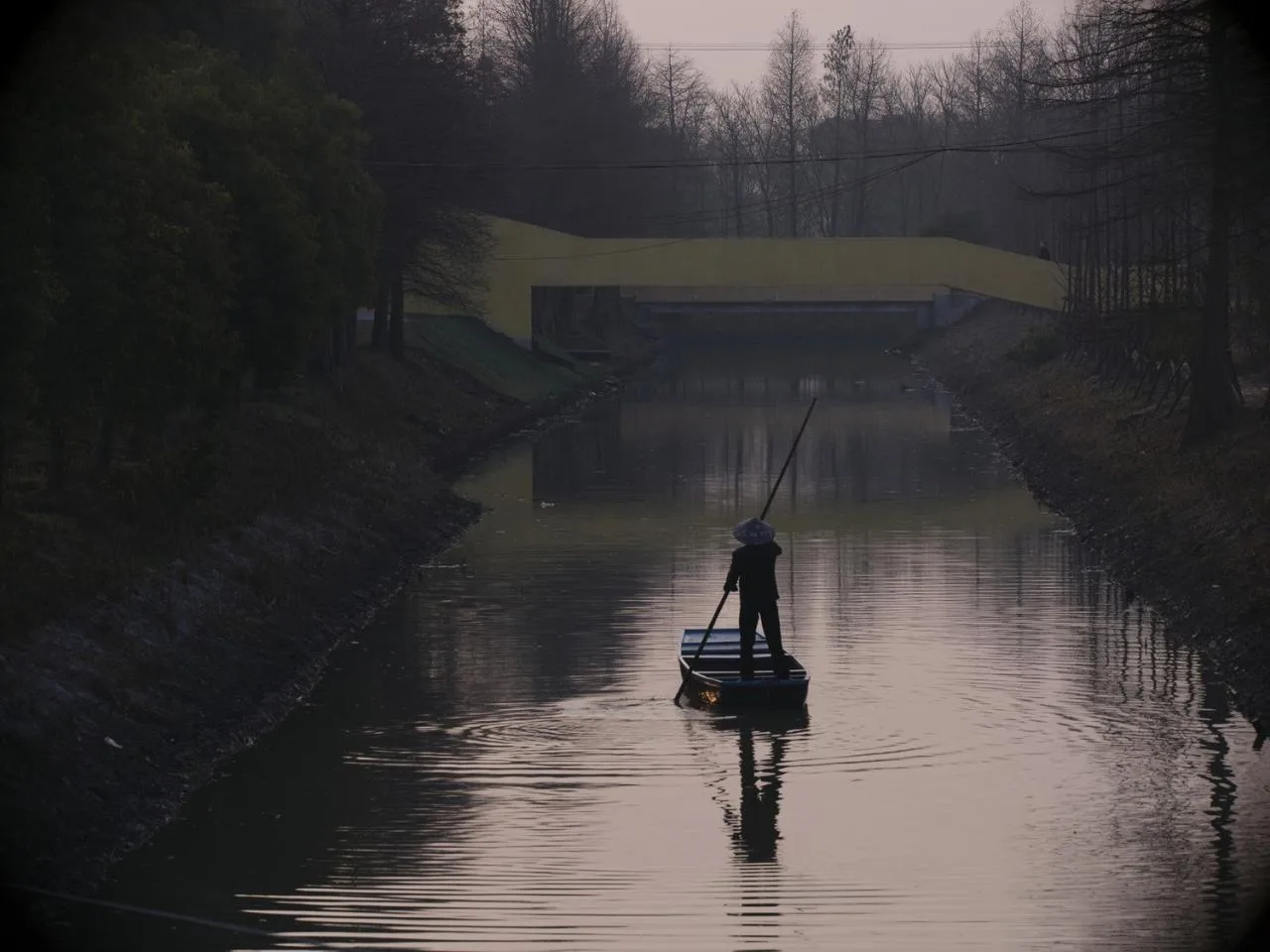
Connectivity: Traditionally, the village and its surrounding rural areas were connected by a small waterway bridge. However, past developments replaced this intimate connection with a motorized bridge aligned along an external road, reducing the closeness between the village and its fields. Our design aims to restore this bond through the cultural center. Its simple, layered structure allows the main building to blend organically into the existing village fabric.
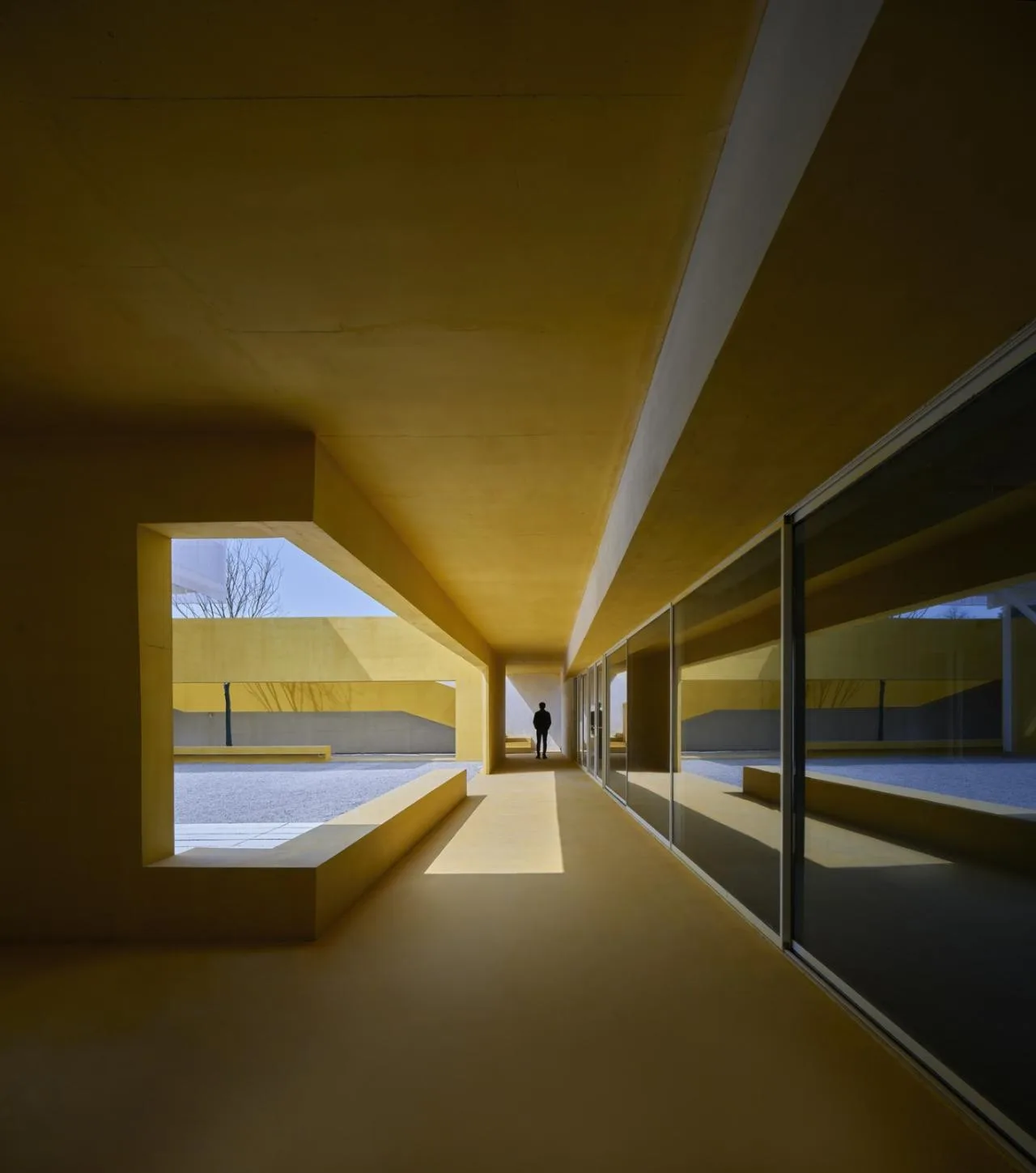
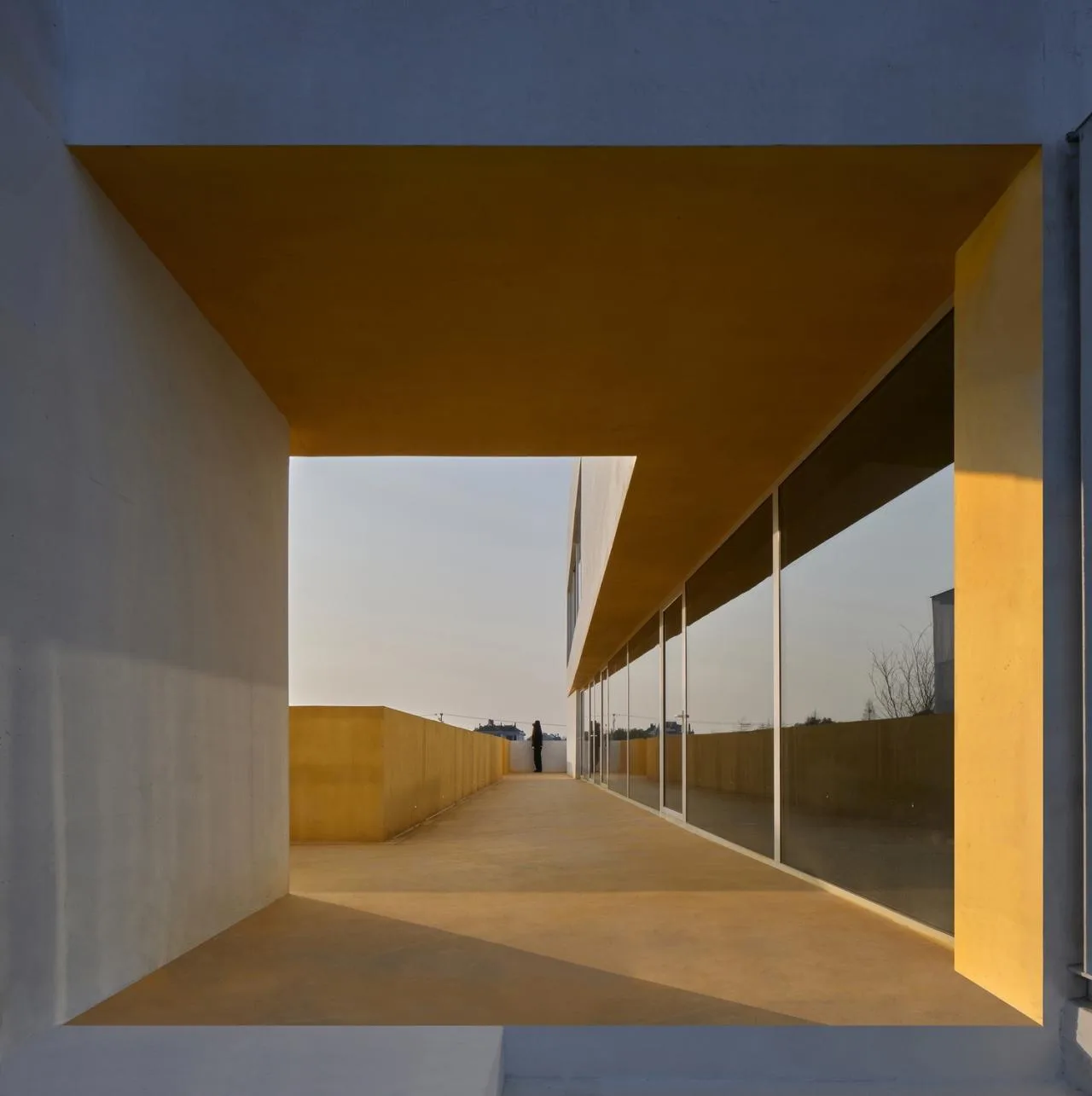
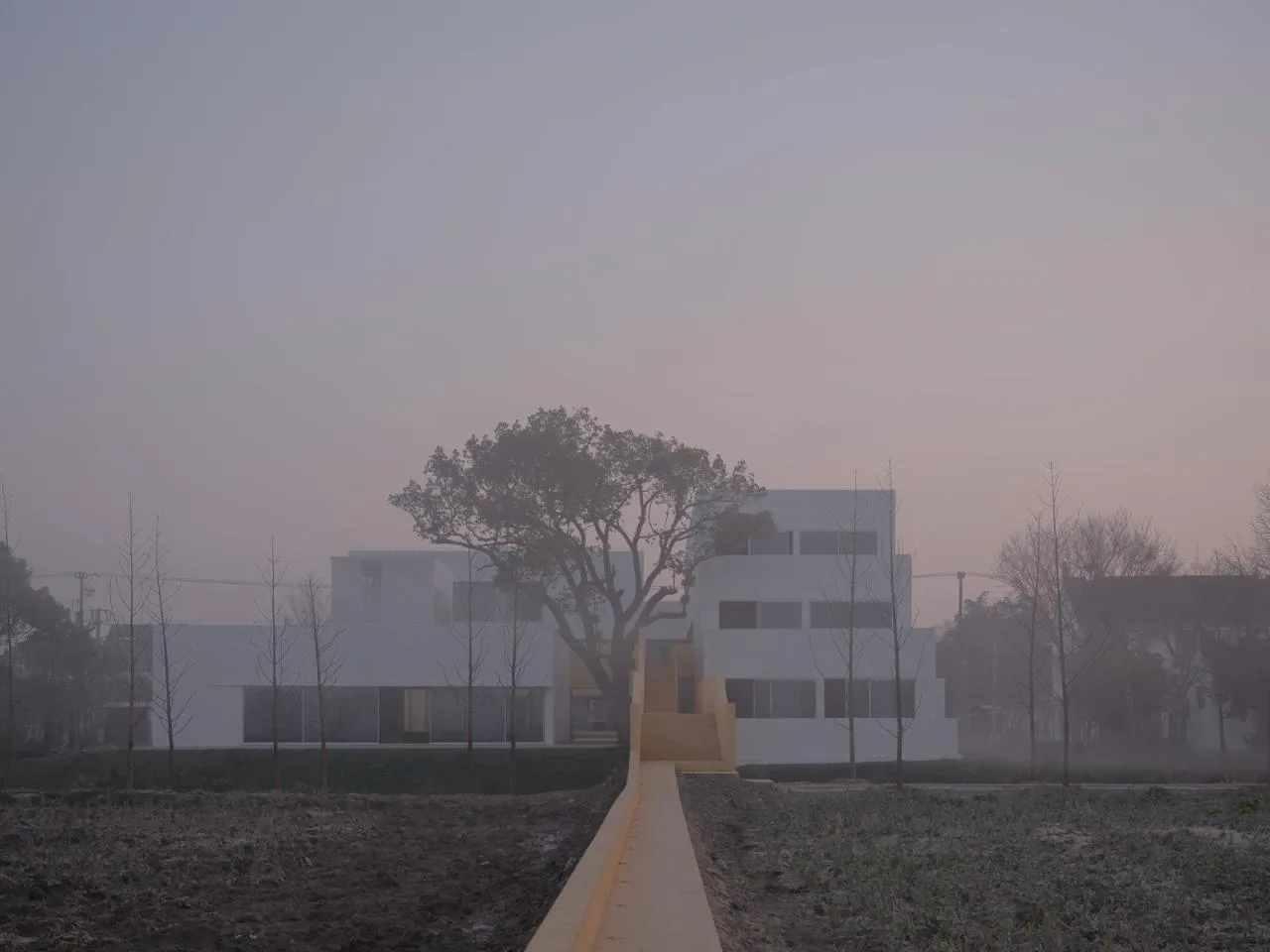
The more enclosed northern volume acts as a buffer against outside road noise, while the corridor wrapping around the courtyard and the bridge crossing the river integrate seamlessly, extending naturally southwards. The buildings spanning the river reconnect the village tightly with its agricultural fields once again.
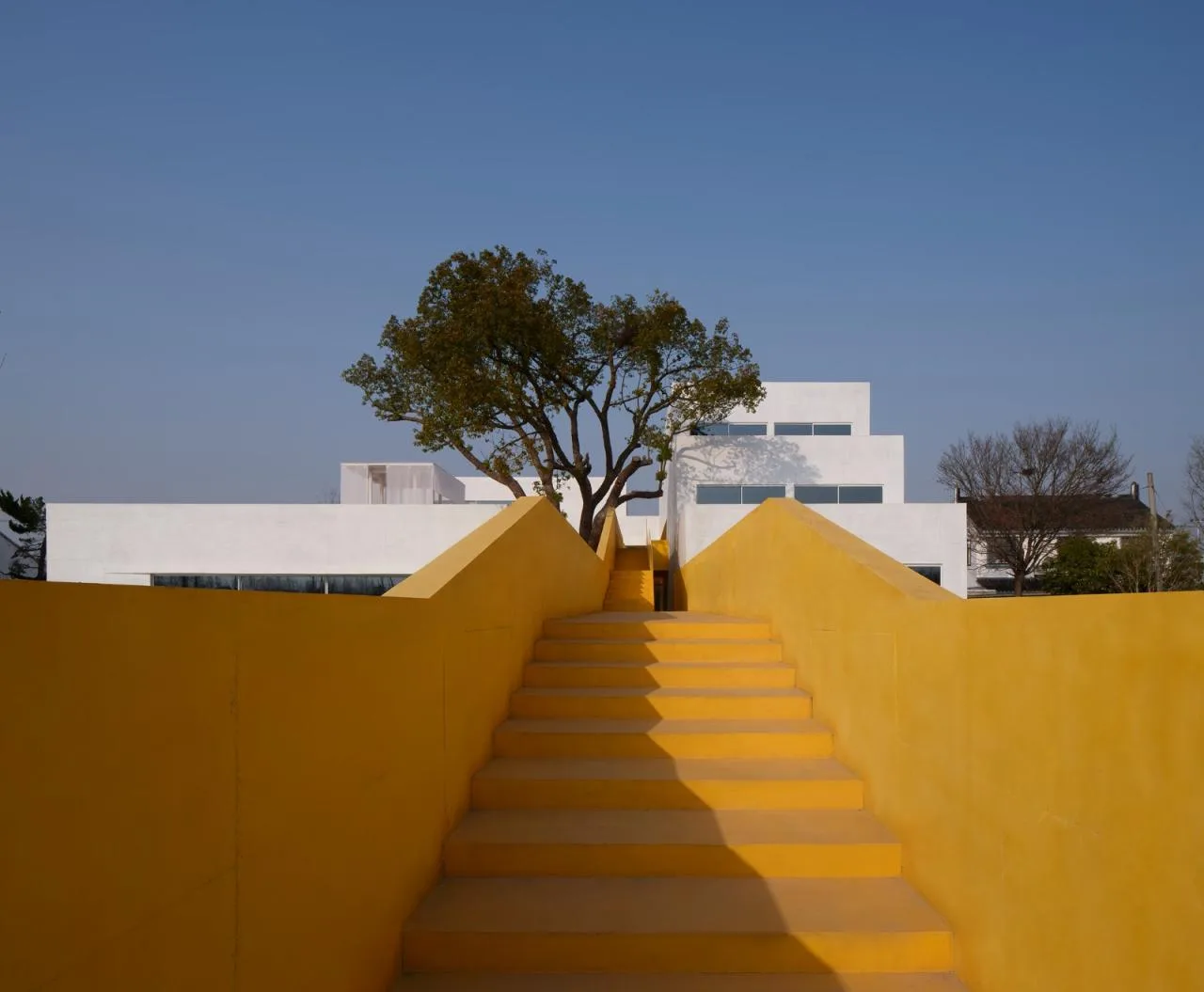
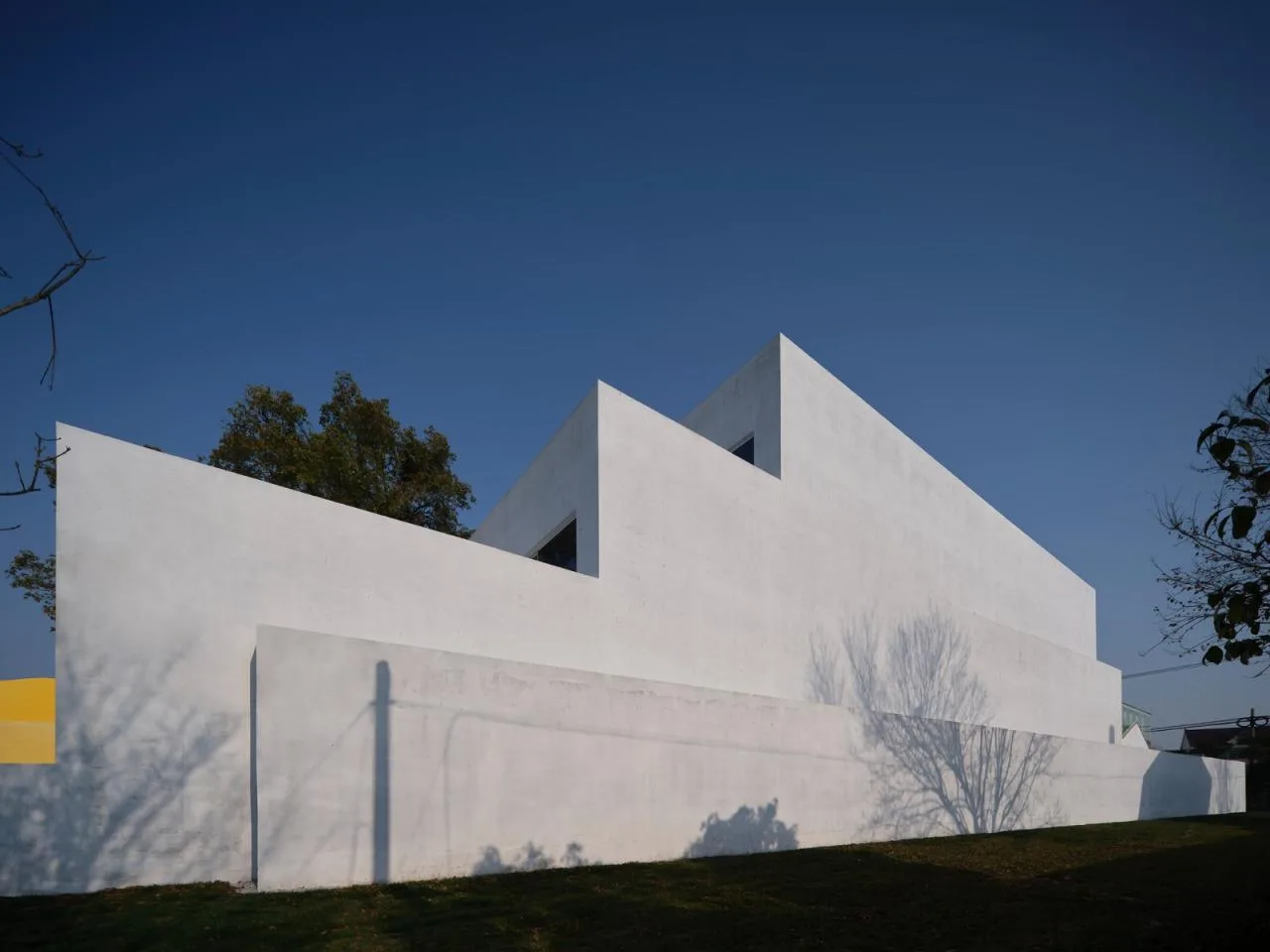
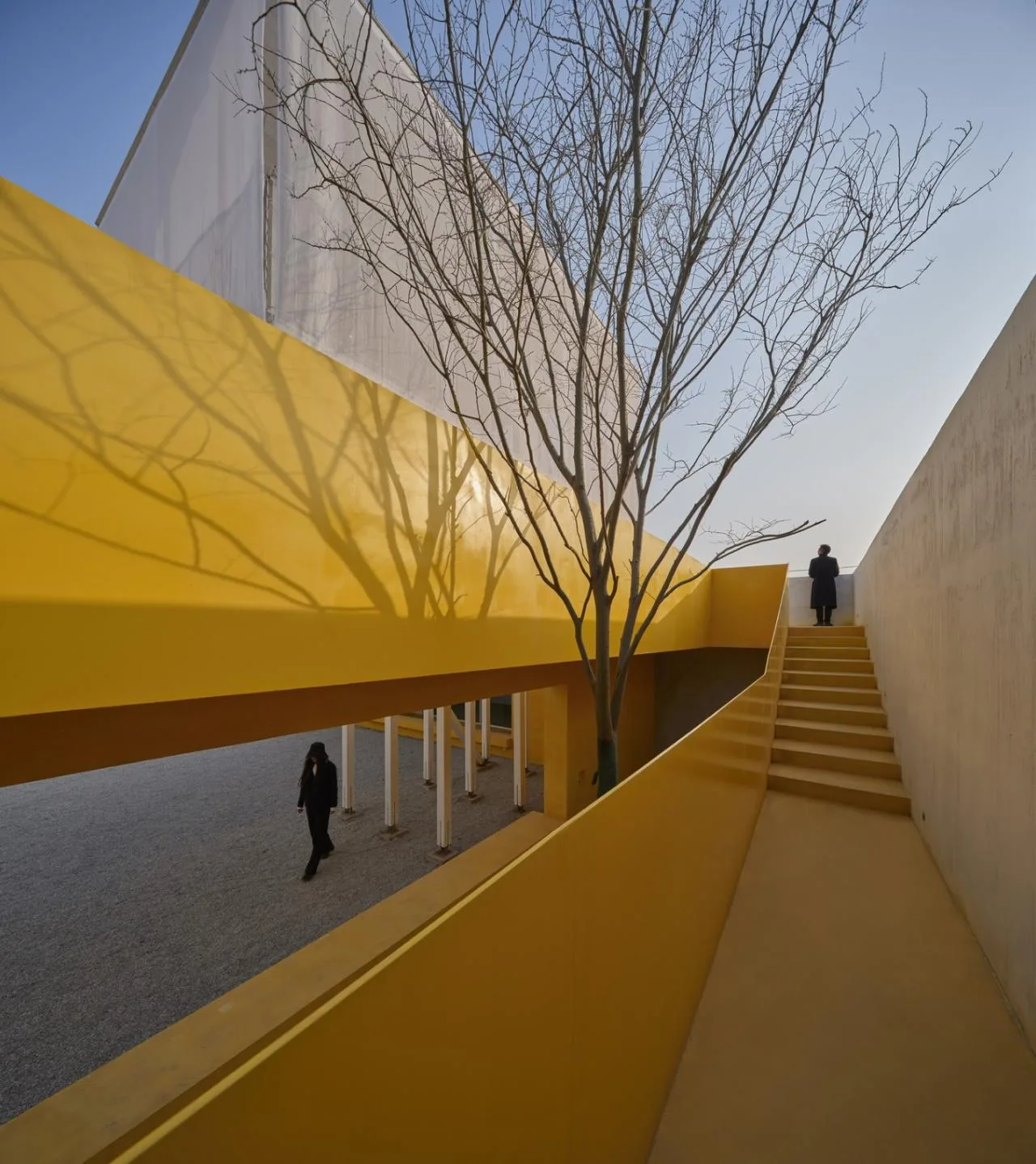
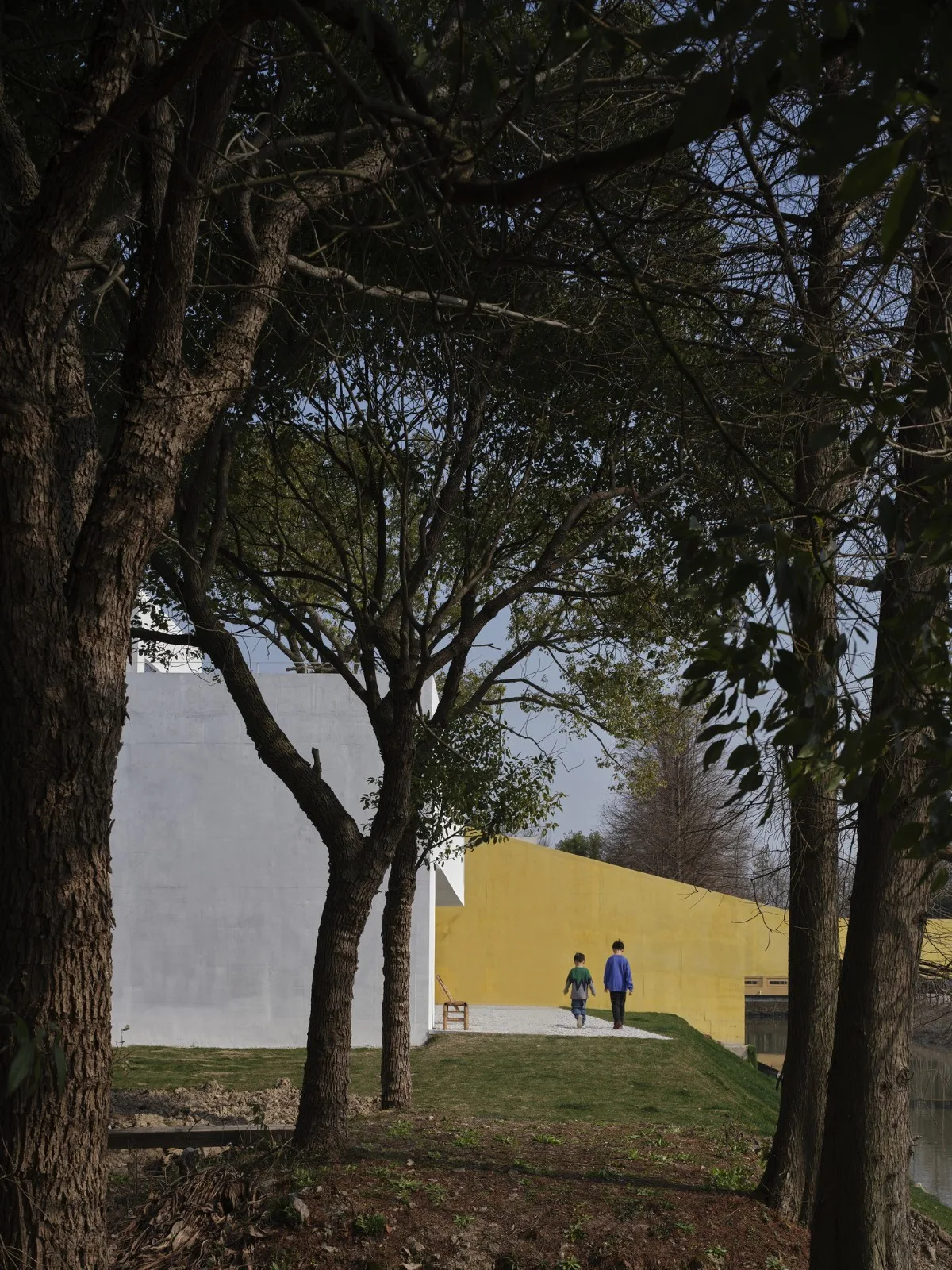
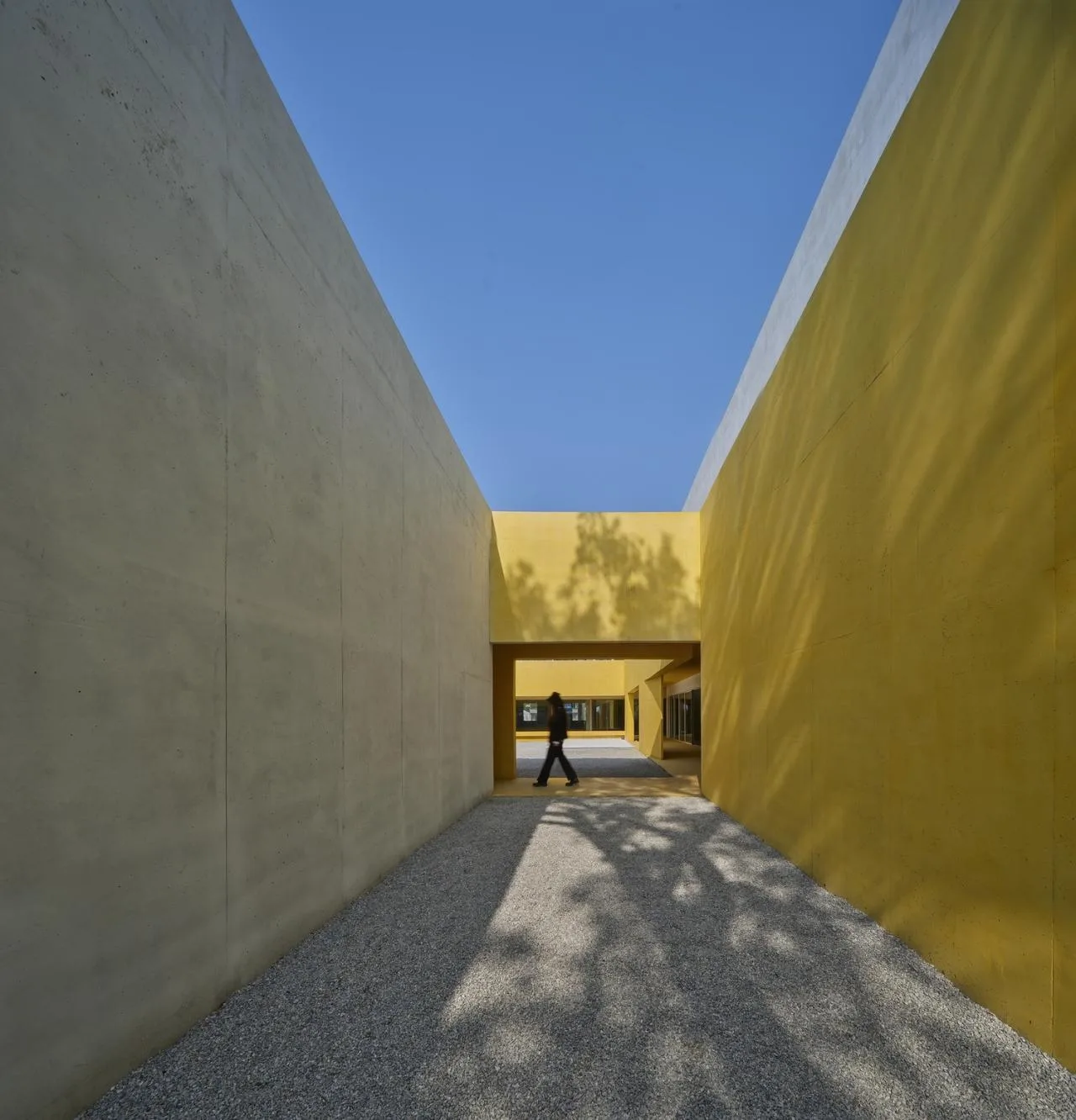
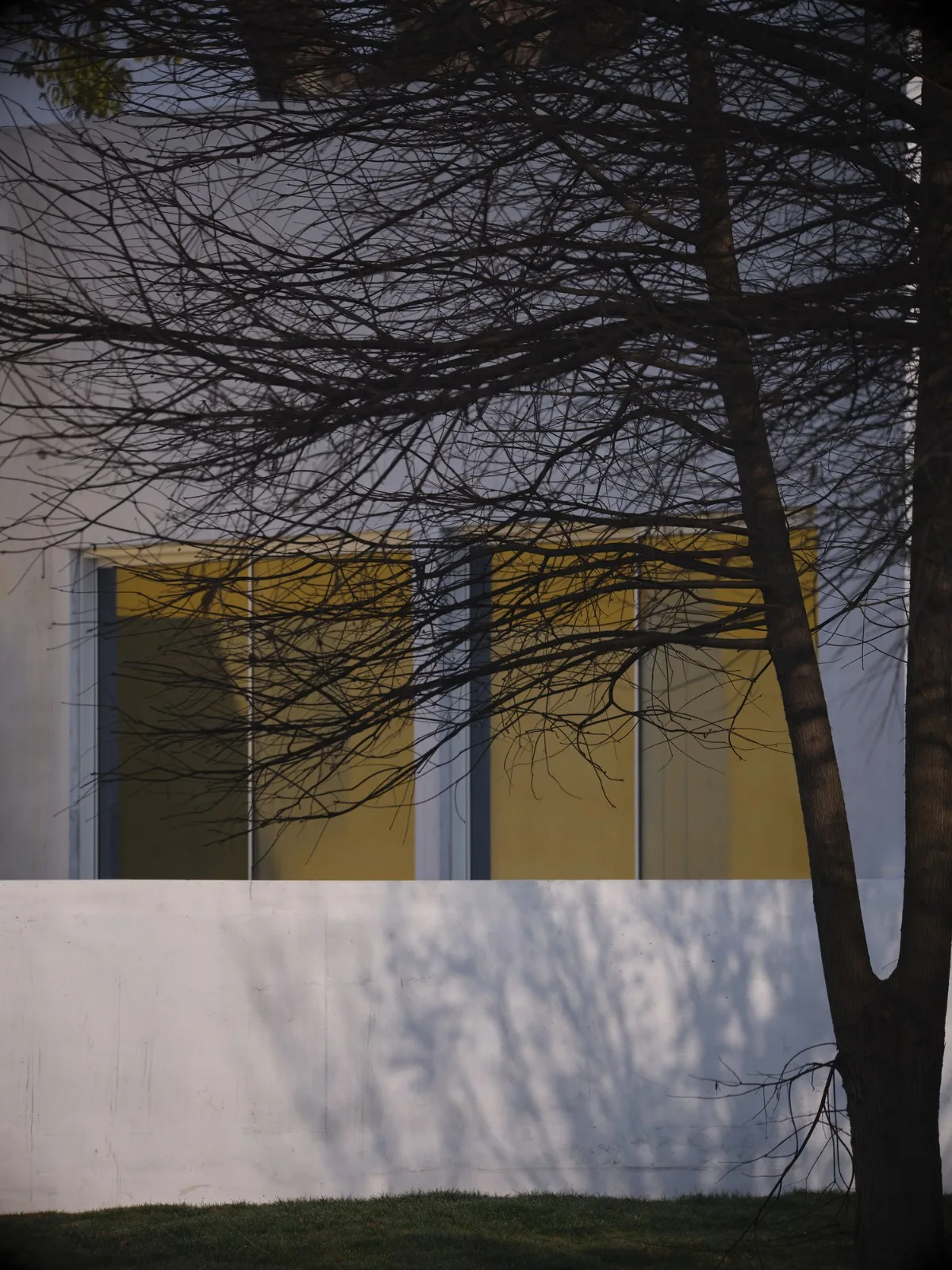
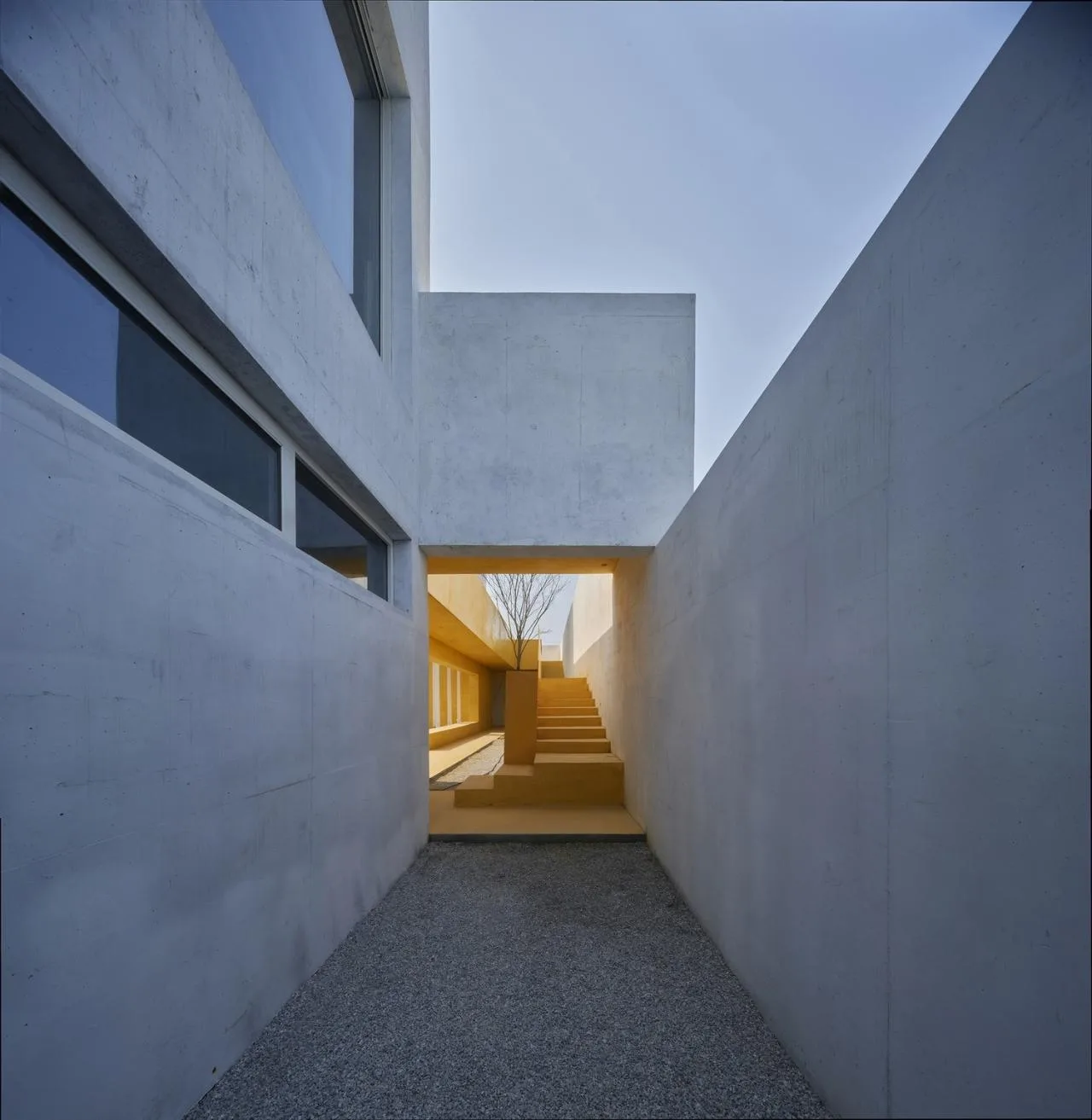
The design draws inspiration from traditional village architecture, giving the main building a characteristic white tone. The vibrant yellows of rapeseed flowers and ripening rice fields are reflected in the color of the corridors and bridges. These yellow elements intertwine with the white buildings, forming a distinctive “q” shape. The dynamic perspectives and spatial experiences enhance the interaction between the village and its surrounding fields, creating a more vivid encounter.
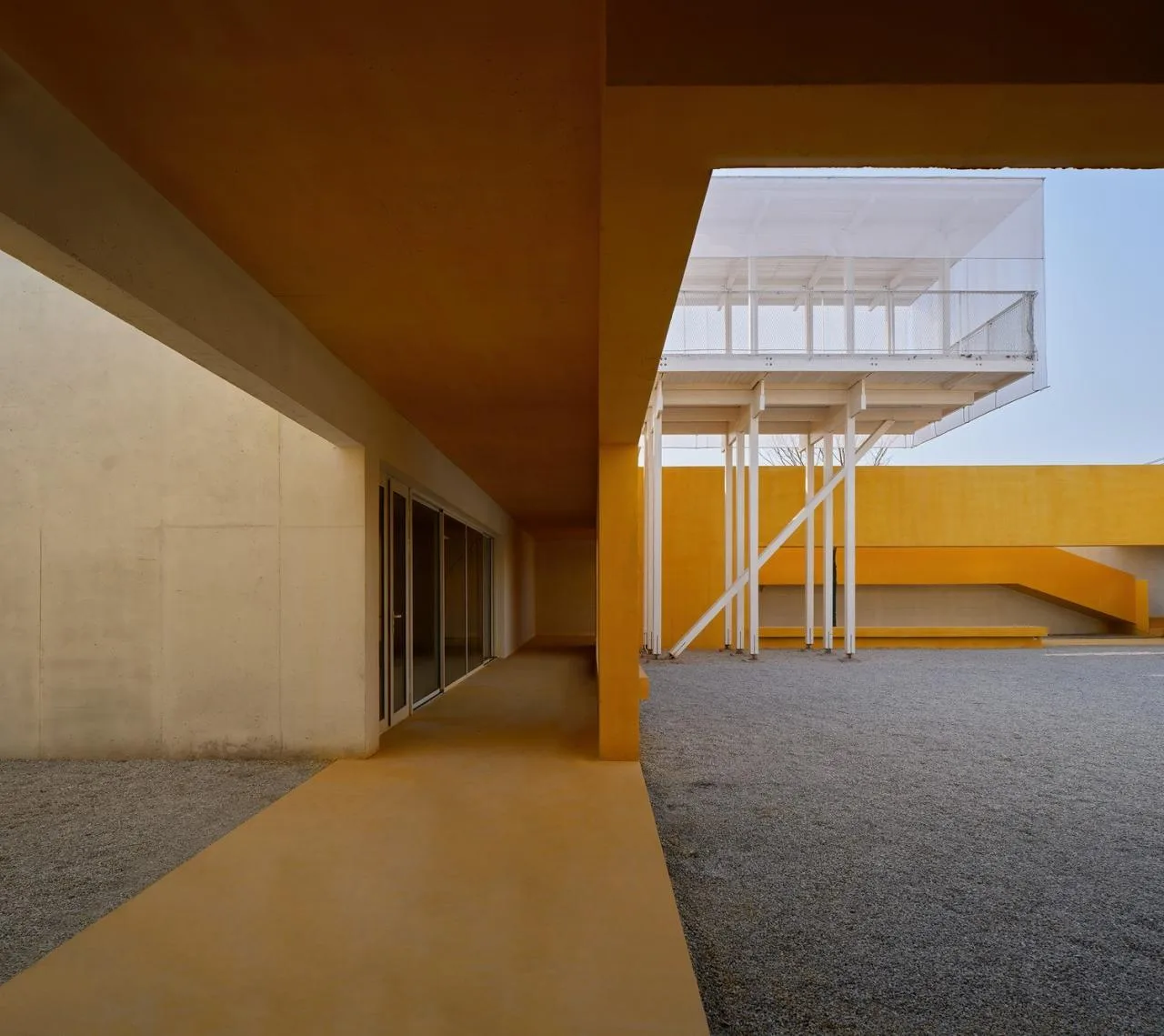
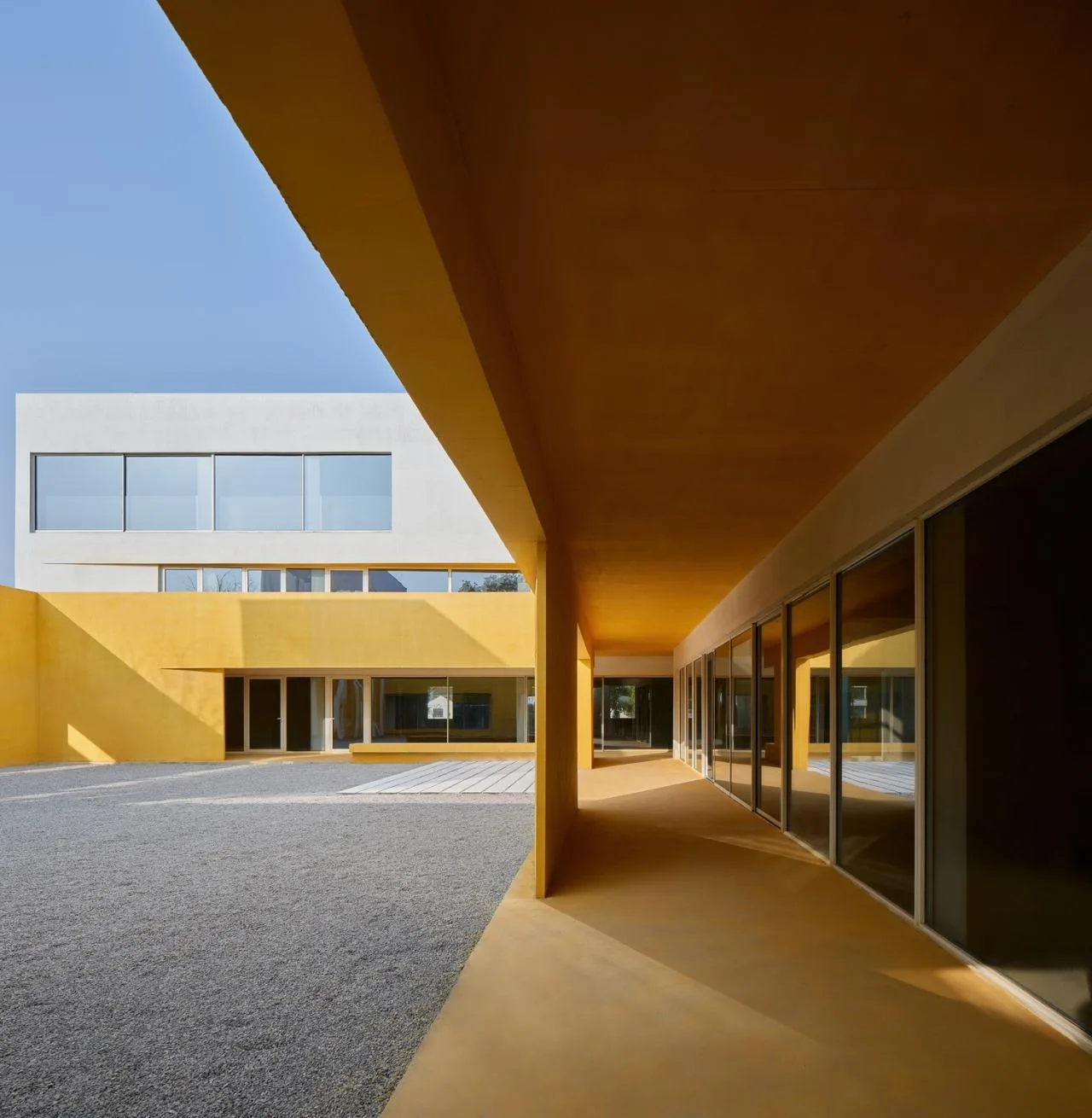
Openness: The cultural center and village courtyard are designed to be open and porous, inviting villagers who currently lack public gathering spaces to come outside and reconnect. This openness encourages interactive activities, bringing renewed energy to the community.
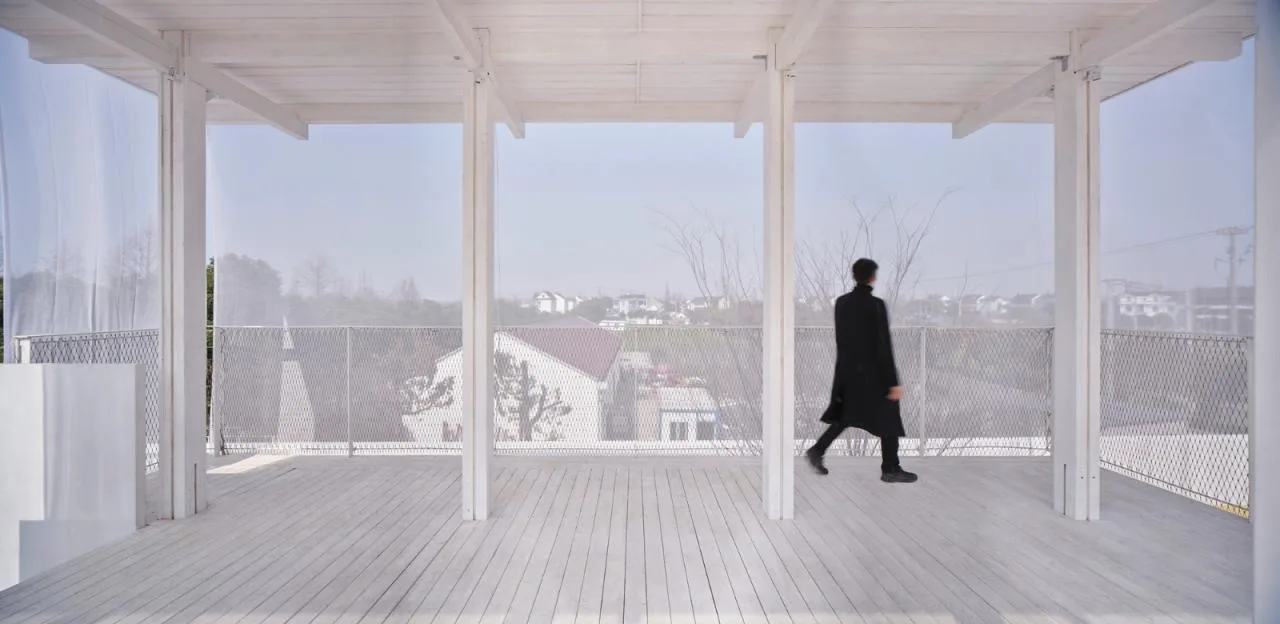
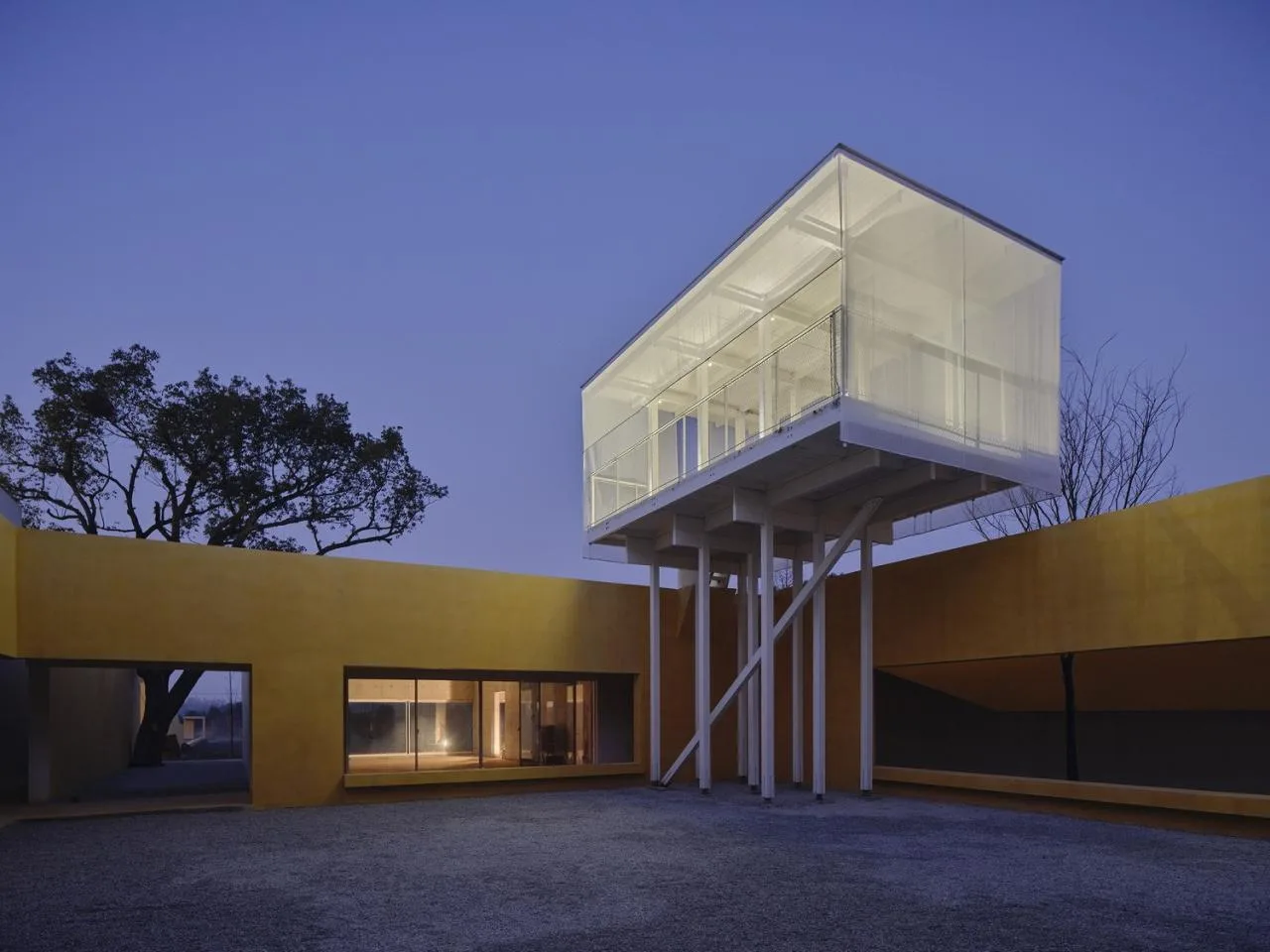
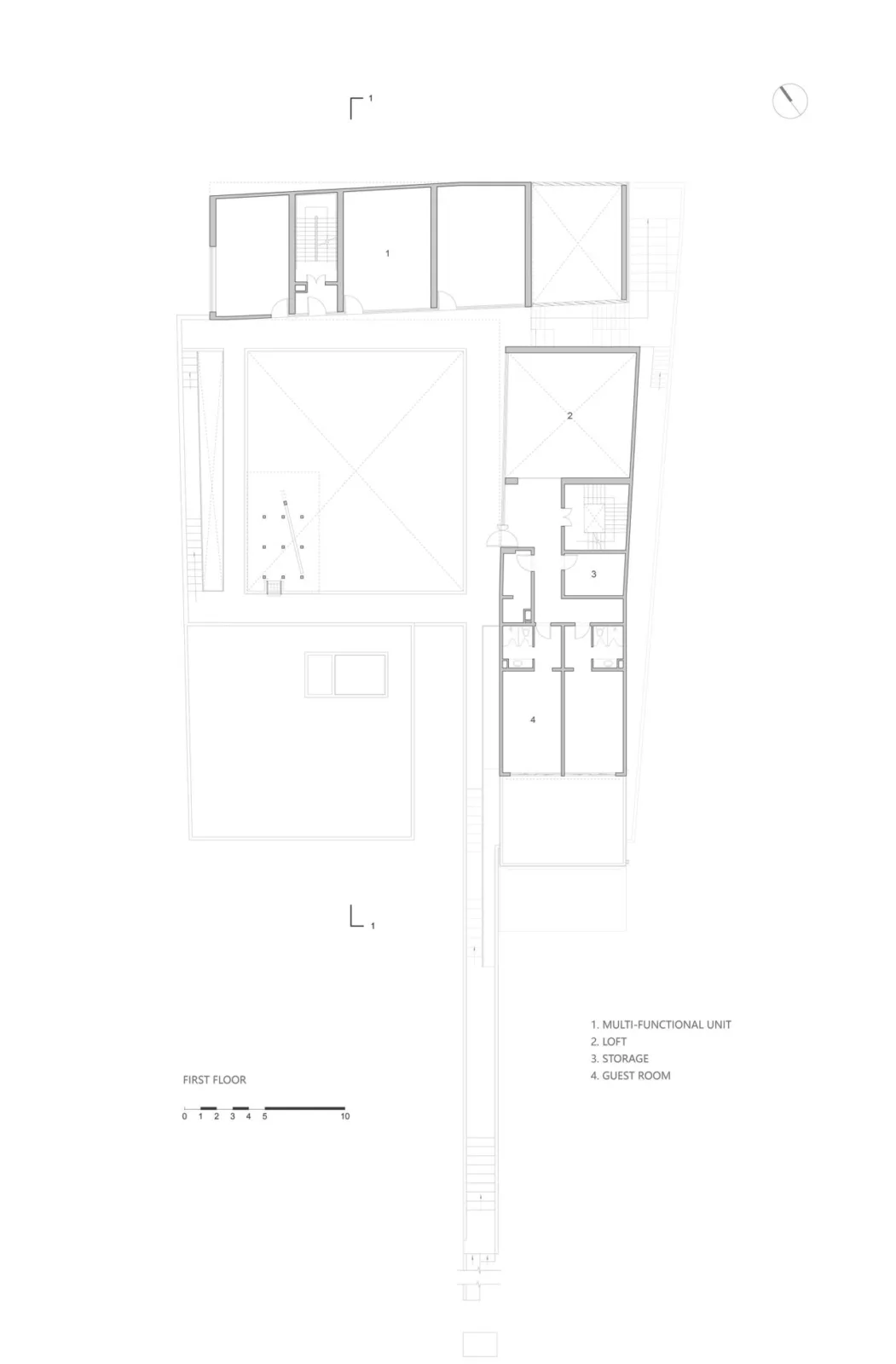
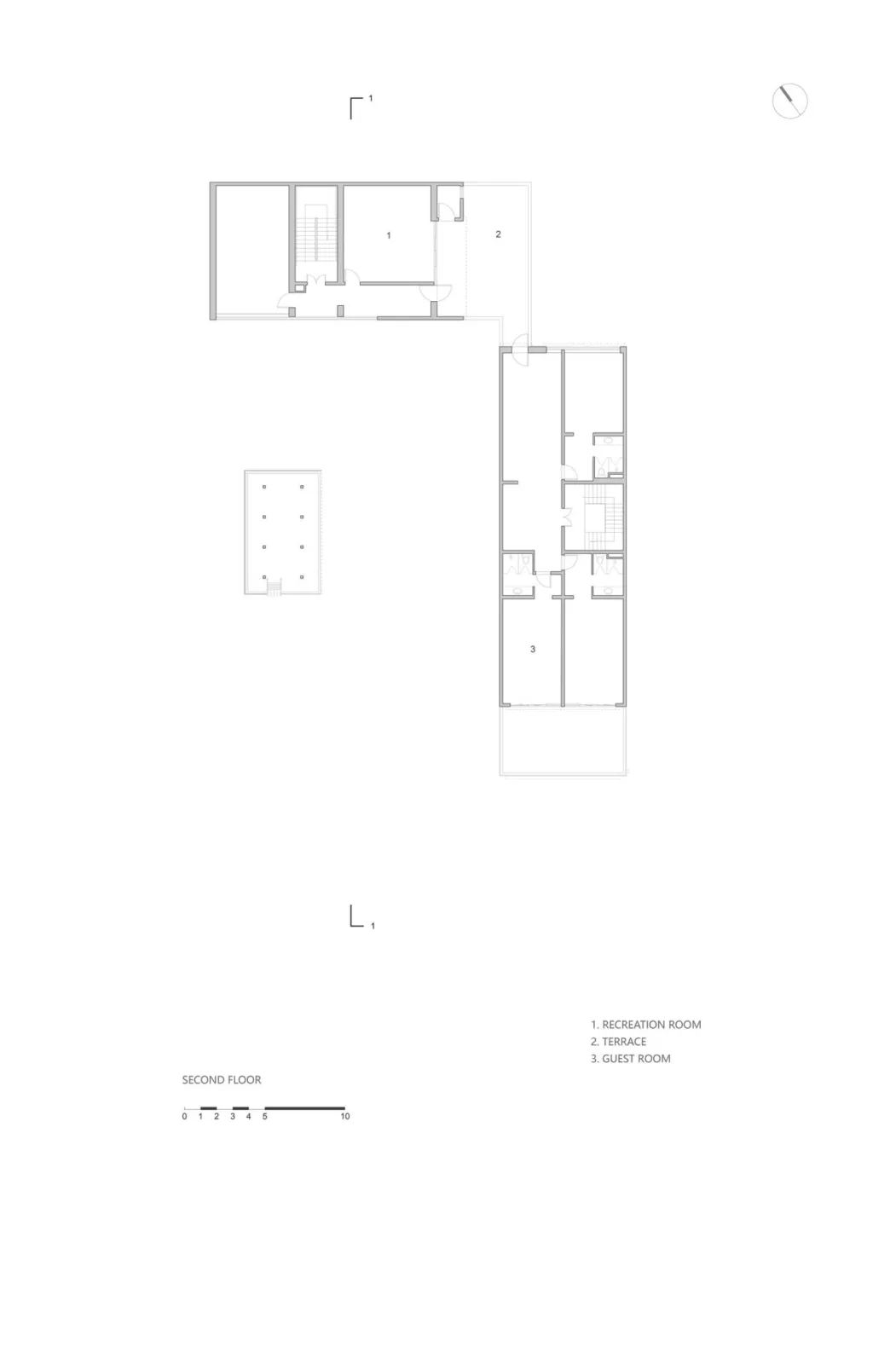
The design embraces the familiar concept of the village courtyard as its central theme. Covering 1,500 square meters, the building is divided into three welcoming units, each interspersed with courtyards offering different atmospheres: an open front yard, a tranquil side yard, a spacious corridor yard, and a tree courtyard facing the river.
This open courtyard layout attracts villagers into the cultural center, while the interplay between buildings and courtyards creates diverse spatial settings for social and recreational activities.
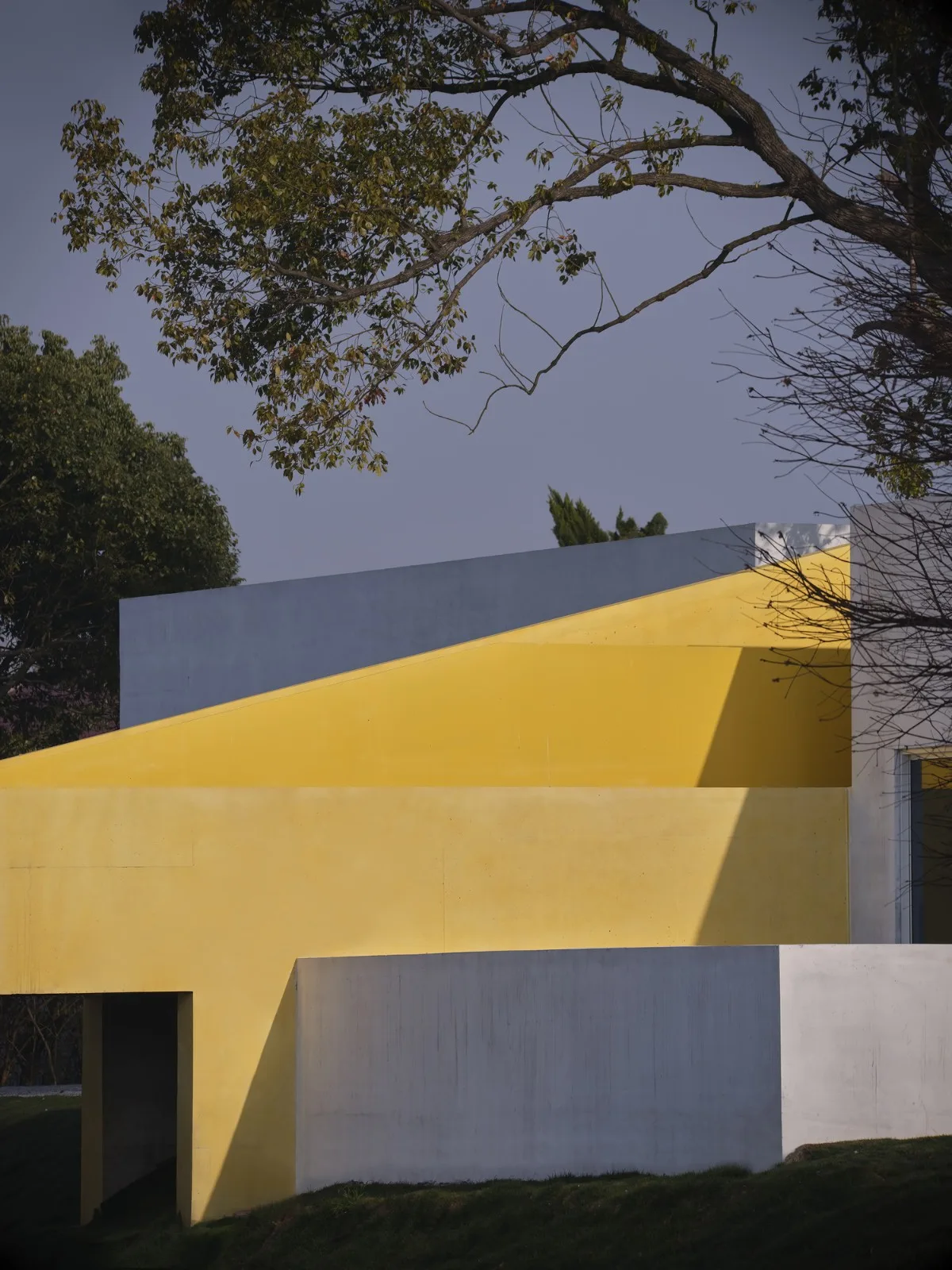
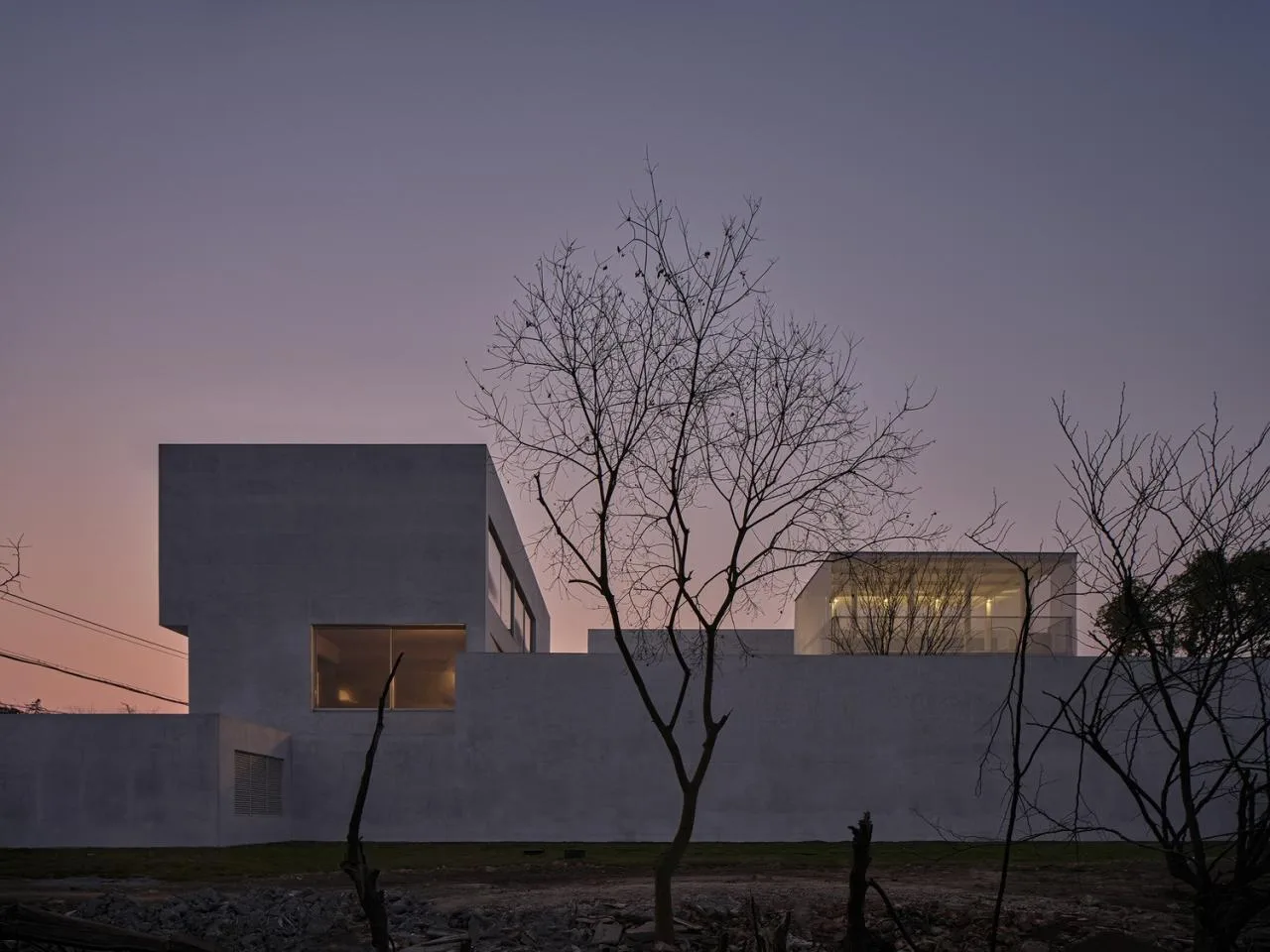
Interweaving: The site situates at the intersection between the old and new primary school boundaries, creating a fascinating angle between two different grid layouts. This guides the interlocking and evolving form of the building.
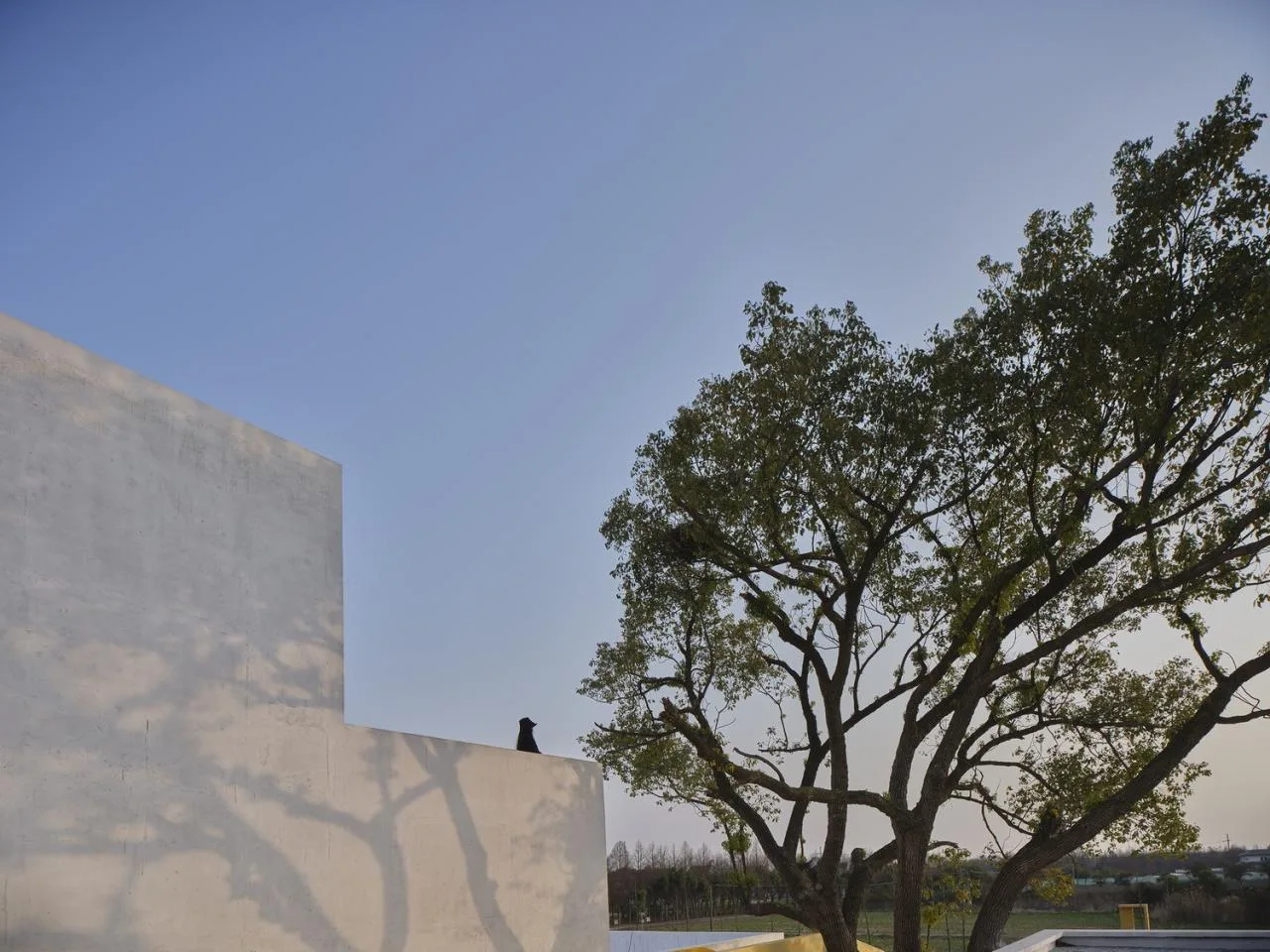
The building’s horizontal, wave-like volumes document the site’s transformation and give the cultural center a unique identity. Ancient trees on the site have been preserved, with buildings and bridges arranged around them. This allows villagers and visitors to engage with the greenery at multiple levels. The continuous presence of these trees forms the focal point of the southern area of the cultural center and symbolizes the spirit of the place.
Project Drawings
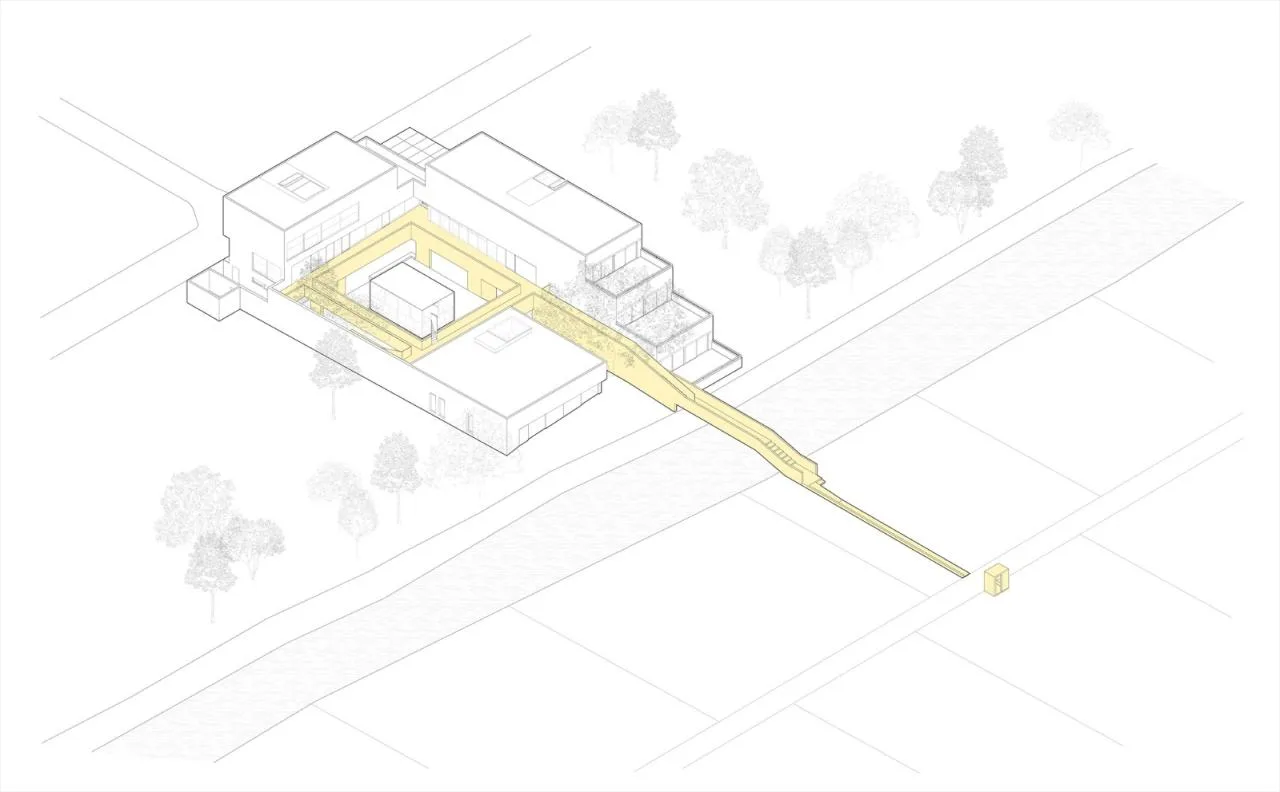
△ Axonometric Diagram
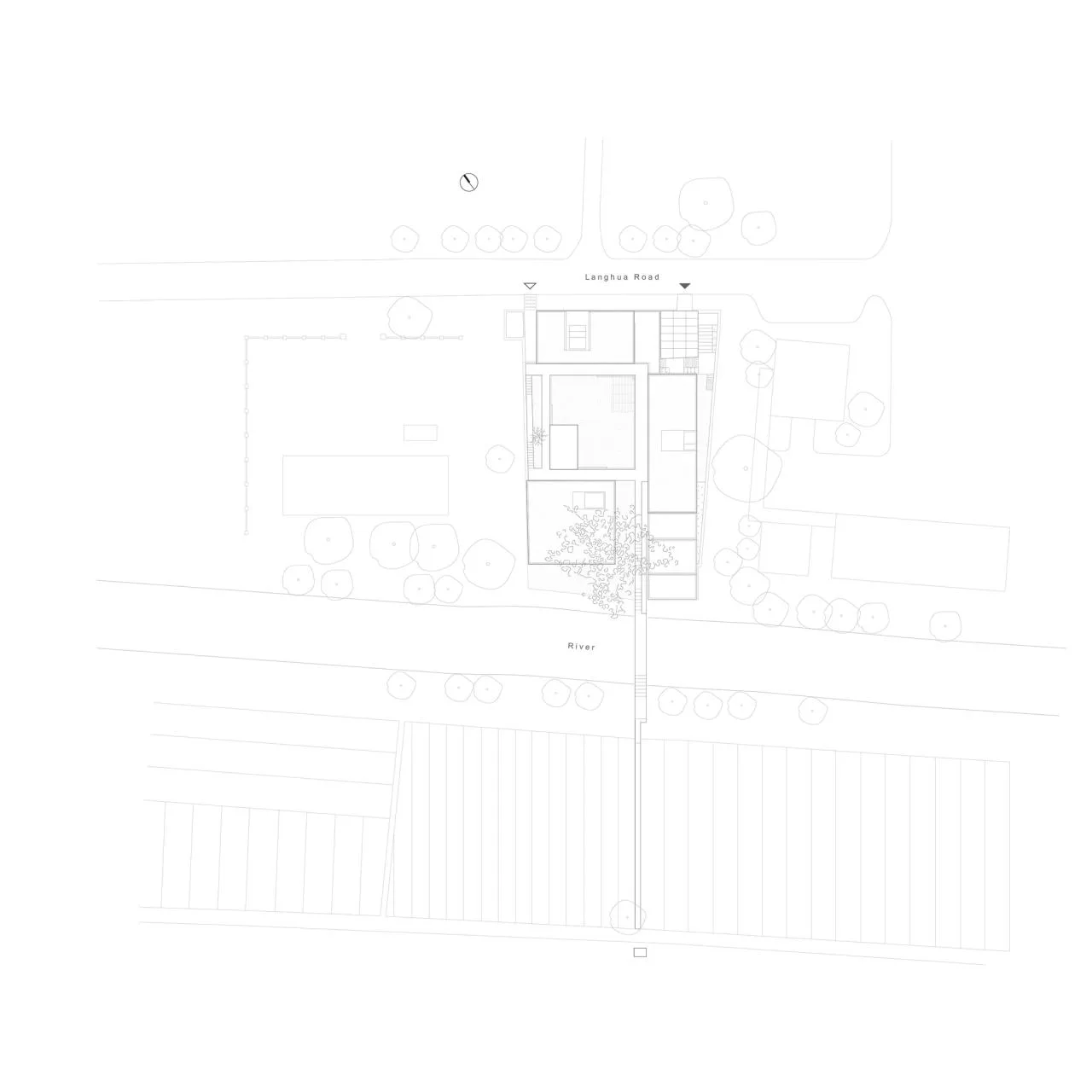
△ General Layout Plan
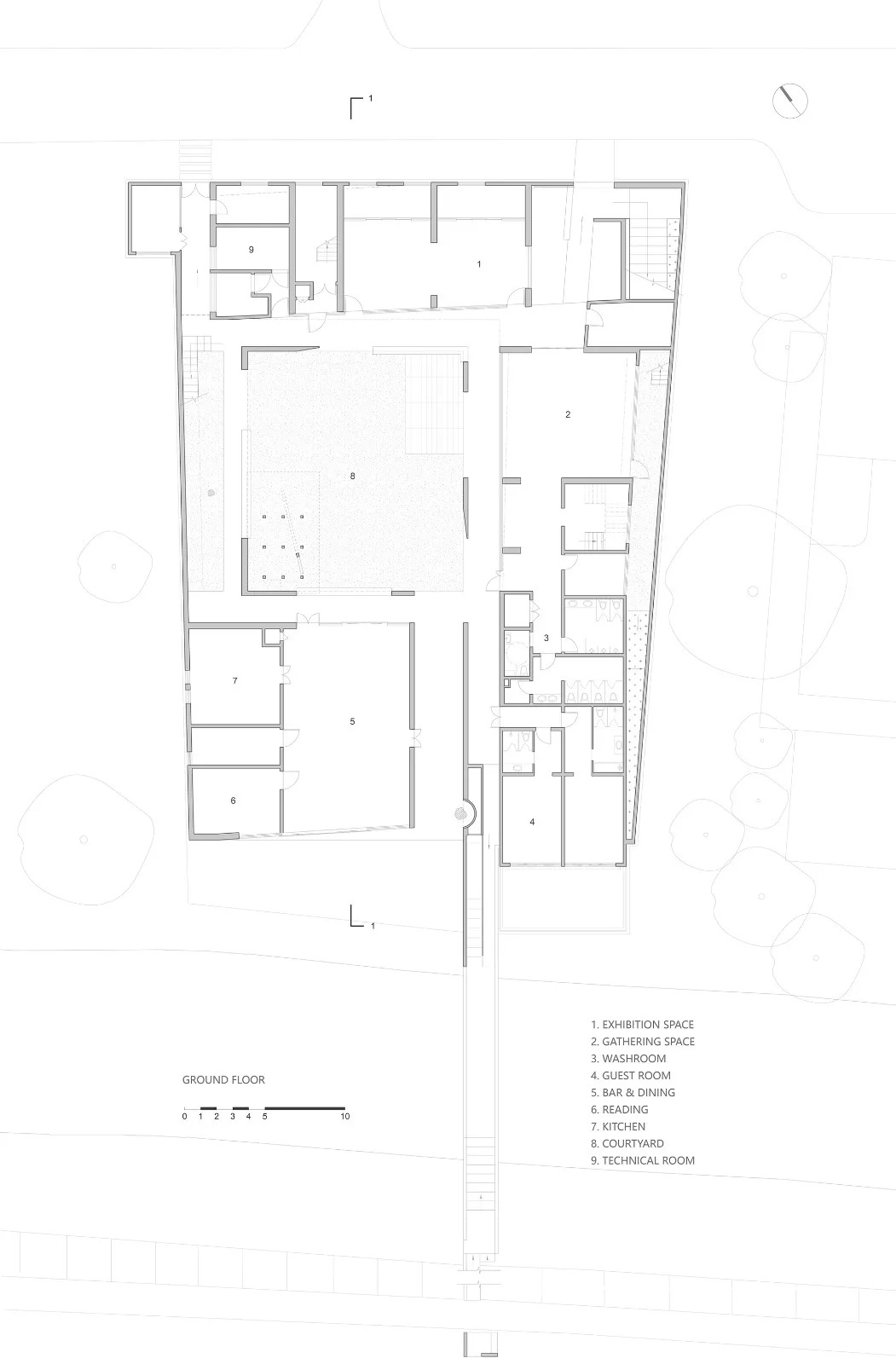
△ First Floor Plan
△ Second Floor Plan
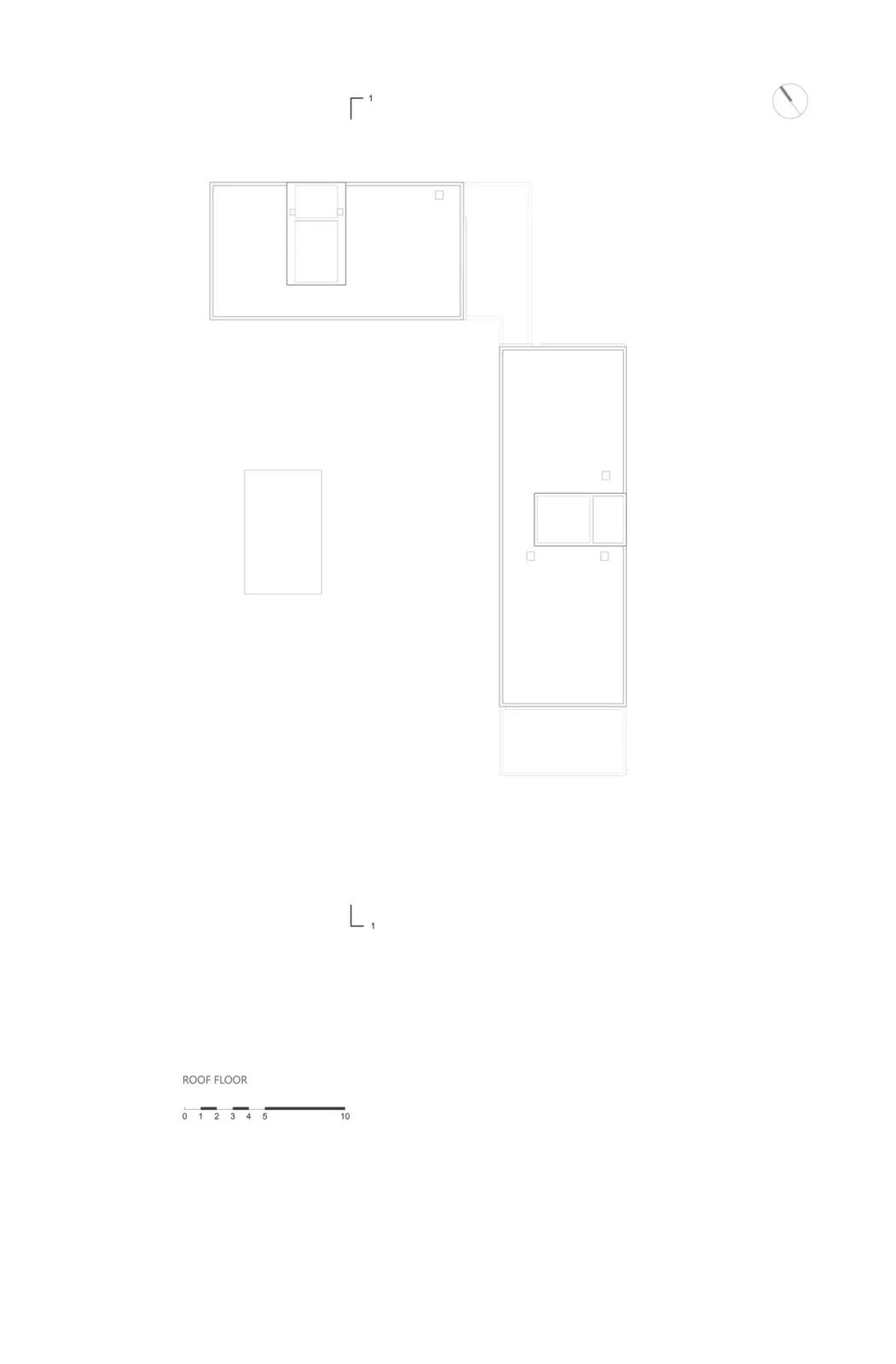
△ Third Floor Plan
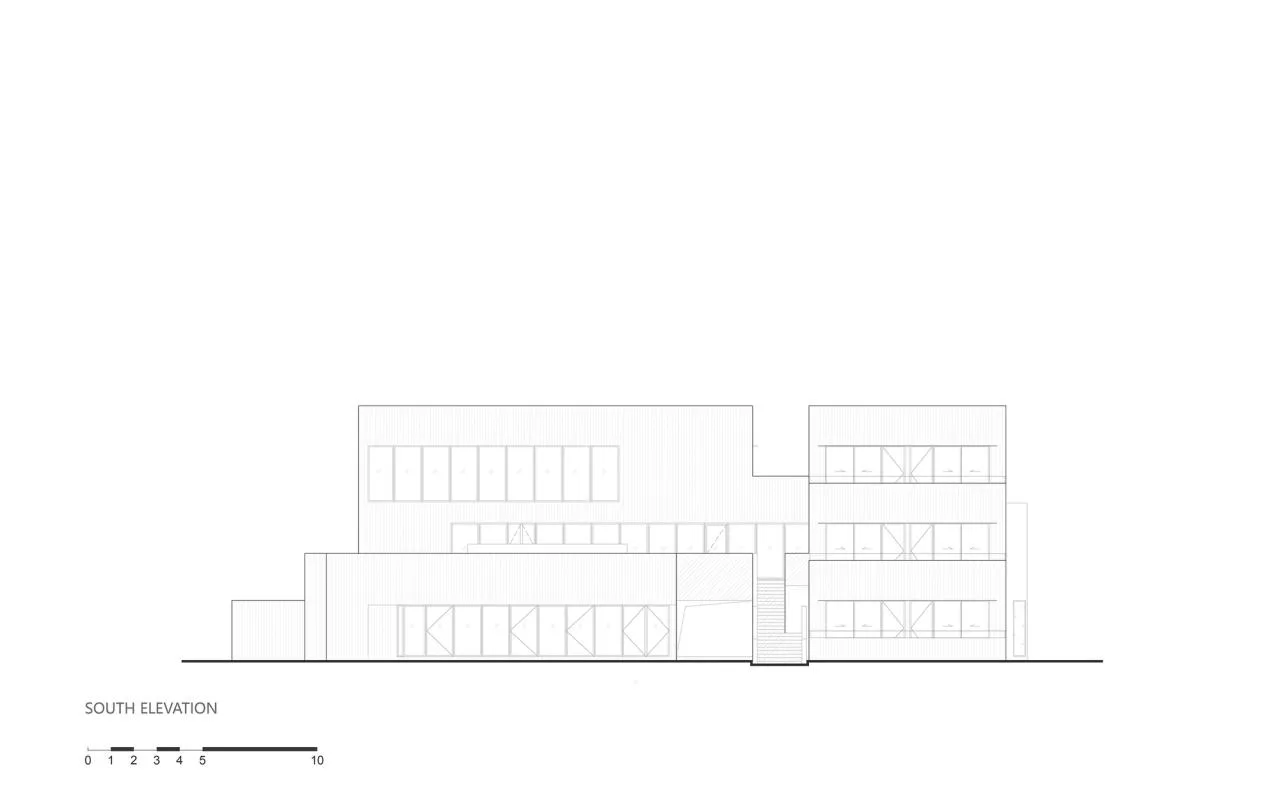
△ Roof Plan
△ Elevation Drawing
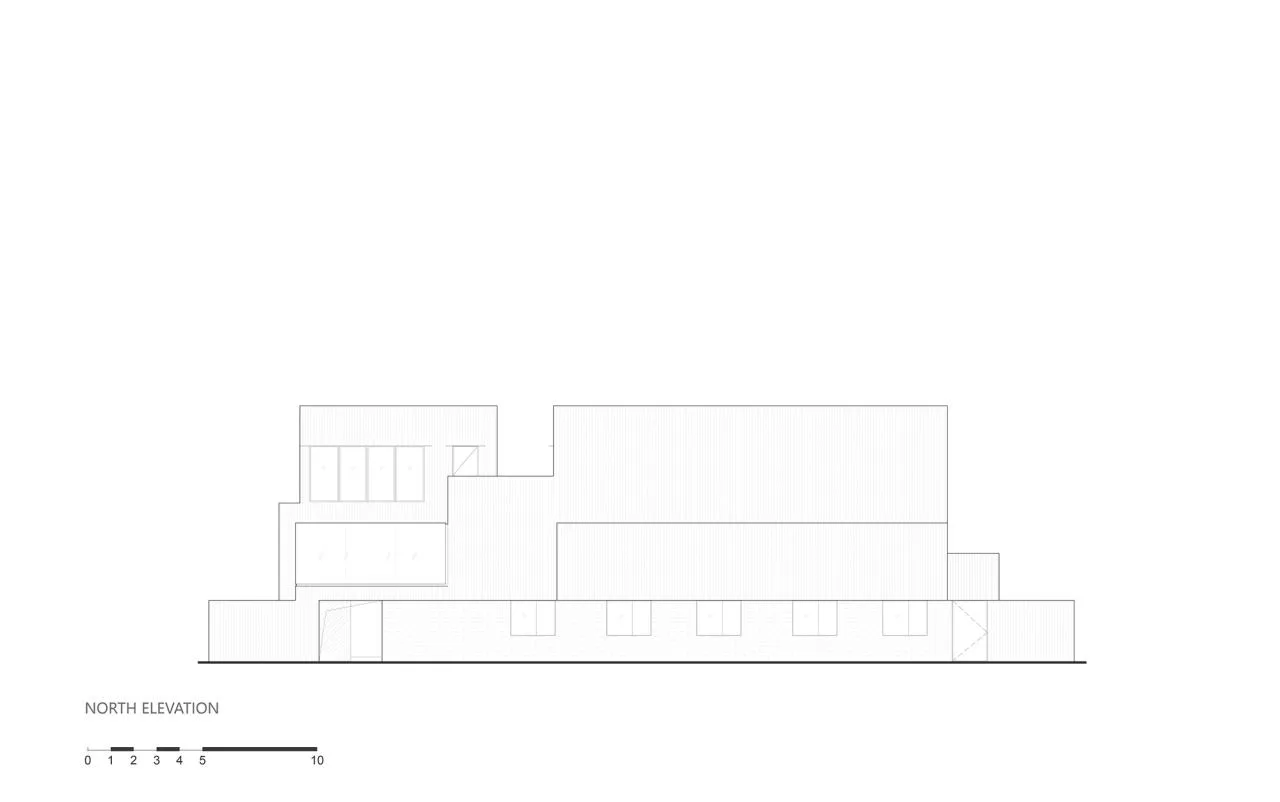
△ Elevation Drawing
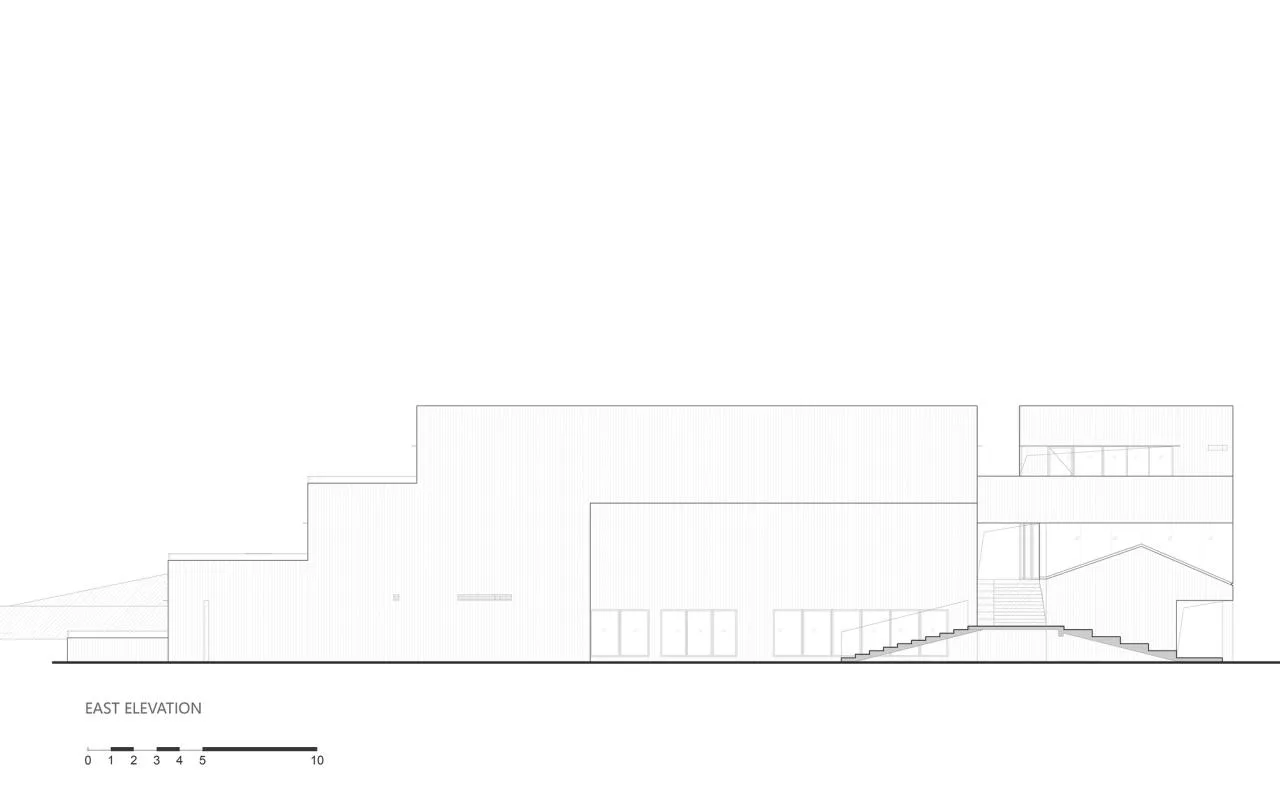
△ Elevation Drawing
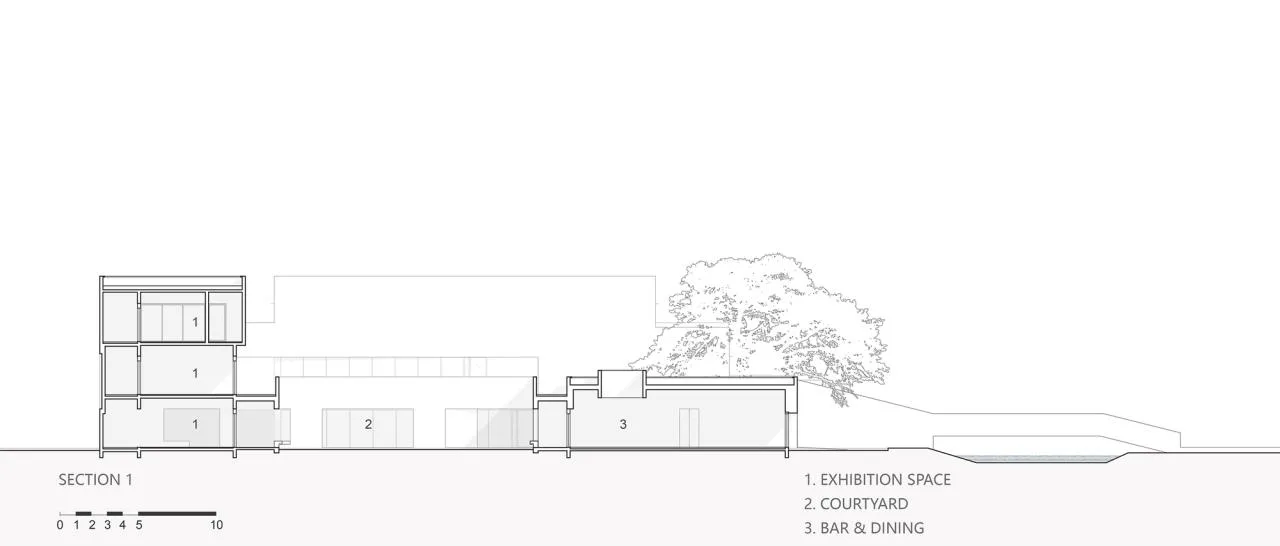
△ Section Diagram
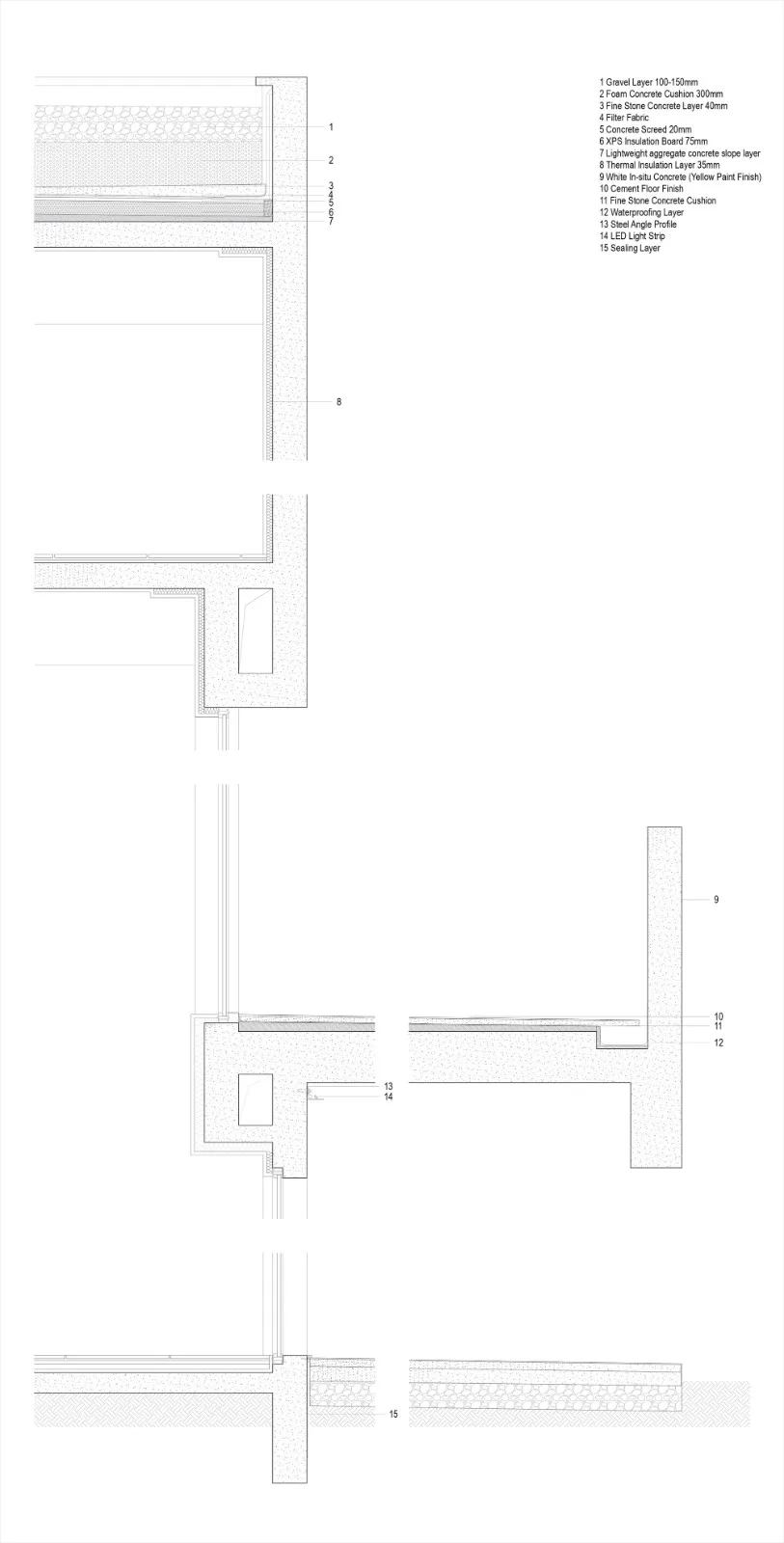
△ Detailed Structural Drawing
Project Information
Architects: Atelier tf, PPAS Germany Peipasch Planning and Architectural Design Firm
Area: 1,511 m²
Project Year: 2023
Photographer: Shen Qiang
Principal Architect: Zhang Ning
Design Team: Yan Zhen, Li Zhenguo, Wang Hong, Andreas Fernandez, Hu Yuntao
Project Management: Shu Yuping, Tang Ying
Landscape Design: Liu Jinpeng, Cheng Mingyun, Ge Xiaojun, Wang Siyi, Yi Wanlu, Zhang Yue
Wooden Structure Consultant: Zhu Yading
Lighting Design Consultants: Liu Xiaoguang, Zhang Pengfei, Zhong Yingyun
Client: Zhonghua Village Committee, Langxia Town
Location: Jinshan District, Shanghai














Must log in before commenting!
Sign Up