
Reason:
When printing from Revit® to PDF, passing geometric primitives within non-rectangular cropping areas to the PDF printer can cause the print processor to generate larger amounts of data. This often results in slower printing speeds and larger PDF file sizes.
Answer:
To address this issue, use a PDF printer that properly handles non-rectangular cropping areas. For example, Nitro is a free PDF printer capable of producing appropriately sized PDF files from Revit documents.
Additionally, it’s important to report this problem to the PDF software provider so they can implement fixes to improve performance.
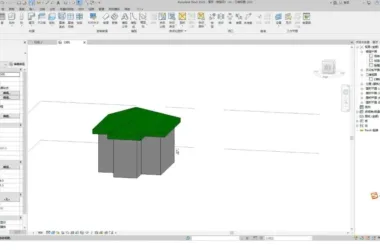
Another effective workaround is to replace non-rectangular clipping areas with rectangular ones. You can achieve non-rectangular cropping effects by using masking regions instead.













Must log in before commenting!
Sign Up