
BIM Software Tip: Efficient Technique for Connecting Staircase Handrail Corners in REVIT
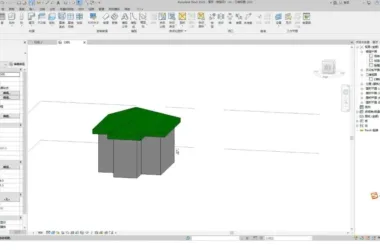
When drawing stairs in REVIT, the corner connections of automatically generated handrails often pose challenges. These issues typically arise due to height differences or disconnections, as shown in the image below:
A common approach is to stagger the stair treads, creating enough space for the handrails to intersect on a single plane and connect automatically. However, this method can affect the original design intent. Here, I’ll share a simple trick to achieve a cleaner and more effective corner connection.
First, edit the automatically generated handrail. Select the middle path at the corner of the landing platform and apply the following settings:
Once completed, you’ll notice that the corner connection looks much smoother and functions properly in both plan and elevation views.
What about the connection between two sections of the floor slab? The technique is similar but requires some additional tweaks. In this case, create and edit a separate handrail segment with a slight corner adjustment, as illustrated below:
Next, set the longest path to match the previous example, adjust it to a slope, and customize the value to 150. This number corresponds to the height of the kick plate. After confirming, the connection will meet the necessary standards for handrails.
If this setup is needed for multiple floors, simply copy the adjusted handrail segment upward to apply it consistently.













Must log in before commenting!
Sign Up