
BIM Software Tip: The common edge of a Revit wall affects how different material boundaries are displayed.
As the title suggests, what does this mean? When displaying walls on a large floor plan, we typically show only the outermost surface layer lines and structural lines of the wall. At this stage, internal surface layer lines that are irrelevant are usually hidden. This is managed through the visibility settings under Wall ” — “ Public Edge, as shown in the image below:
Let’s compare the common edges of a wall with a complex structure where one side is displayed and the other side is not. The benefit of disabling the public edge is that it eliminates unnecessary visual clutter across large areas.
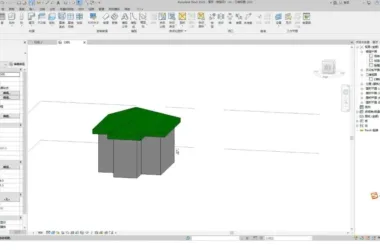
However, this approach also introduces some display issues. For example, when two walls made of different materials intersect, the edge line at their junction is treated as a common edge and gets hidden, as illustrated in the following figure:
Normally, the display should look like this: because the materials differ, there should be a visible boundary separating them.
Currently, I have not found an efficient solution to this problem. The only workaround is to set the wall ends so they do not connect automatically. Then, manually connect the walls at the edges without merging them into the main wall. The figure below demonstrates this method. If you know of a better and more efficient approach, please feel free to share it with us.













Must log in before commenting!
Sign Up