
BIM Software Tip: Understanding the Difference Between North and True North in a Revit Project
To accurately simulate natural lighting and the sun’s path, it’s important to rotate the view to True North. This ensures sunlight falls correctly on the building model.
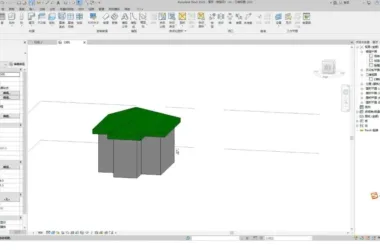
Start by opening the plan view. Note: If you want to adjust the orientation of the 3D view, you can rotate it to Due North.
Here’s how to change the view direction to True North:
1. Access the view properties.
2. In the Attributes panel, select True North as the direction.
3. Click Apply to save the change.
To rotate the project to Due North, follow these steps:
1. Go to the Manage tab.
2. In the Project Location panel, open the Location dropdown and select Rotate to Due North.
3. Rotate the building model using one of these methods:
- On the options bar, enter the rotation angle as the difference between Project North and Due North. For example, if Project North is 45 degrees off from True North, enter 45 to rotate the model accordingly.
- Alternatively, click directly in the view to graphically rotate the model to True North, similar to using the Rotate tool.
Make sure to rotate the building model in the plan view so it faces Due North.
Understanding the difference between Project North and True North:
Project North is a convenient orientation used by engineers during modeling and design. In contrast, True North refers to the actual geographical direction of the project relative to the overall site or real-world coordinates.













Must log in before commenting!
Sign Up