
BIM Software Tip: How to Create a Multi-Layer Composite Wall with Different Surface Materials in Revit
When designing walls, you may want to apply different material finishes to the upper and lower parts of the same wall surface. How can this be achieved in Revit? The solution lies within the wall structure settings by using the Edit Components dialog, specifically the Split Region and Specify Layer commands, which make this task straightforward.
Follow these steps:
1. Select the wall you want to modify, then go to the Properties panel and click the Edit Type button.
2. Duplicate the wall type (for example, a standard 200mm dual-material wall). Open the Structure parameter, then click Edit Components to open the dialog box. Use the Preview feature to zoom in on the bottom part of the wall structure displayed on the left.
3. Click the Split Region button, then move your cursor to the left side of the wall preview. Select the surface layer named 1_AI_LBT_SC_0_ and click at the desired height (e.g., 2000mm from the bottom) to split this outer layer into upper and lower sections. Next, on the right side, click the top part of layer 1 and select Insert to add a new surface layer. Set its function to Surface layer 1_AI_LBT_SC_1__, assign the material Painting – Tea Color, and set its thickness to 0.
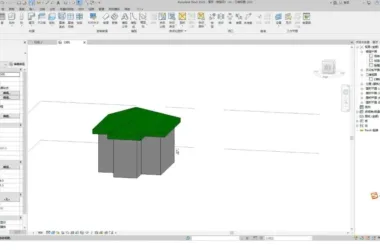
4. Click on the row marker 1 again, select the newly created surface layer, and click Specify Layer. Move the cursor to the left preview dialog box, select the section starting at the 2000mm mark, and assign the new surface layer to this area. (Note: Both the newly created surface layer and the original surface layer thickness should be adjusted to 20mm.) Finally, click Confirm and close all dialog boxes. You will now have a composite wall type with two distinct materials applied to the outer surface.













Must log in before commenting!
Sign Up