
With the completion of the new Xiamen North Station, CCDI International has created an impressive and visually stunning transportation hub. This newly constructed station is the largest twin-shaped renovated and expanded high-speed railway station in China, as well as the country’s largest wave-shaped station building.
Exterior view of building appearance
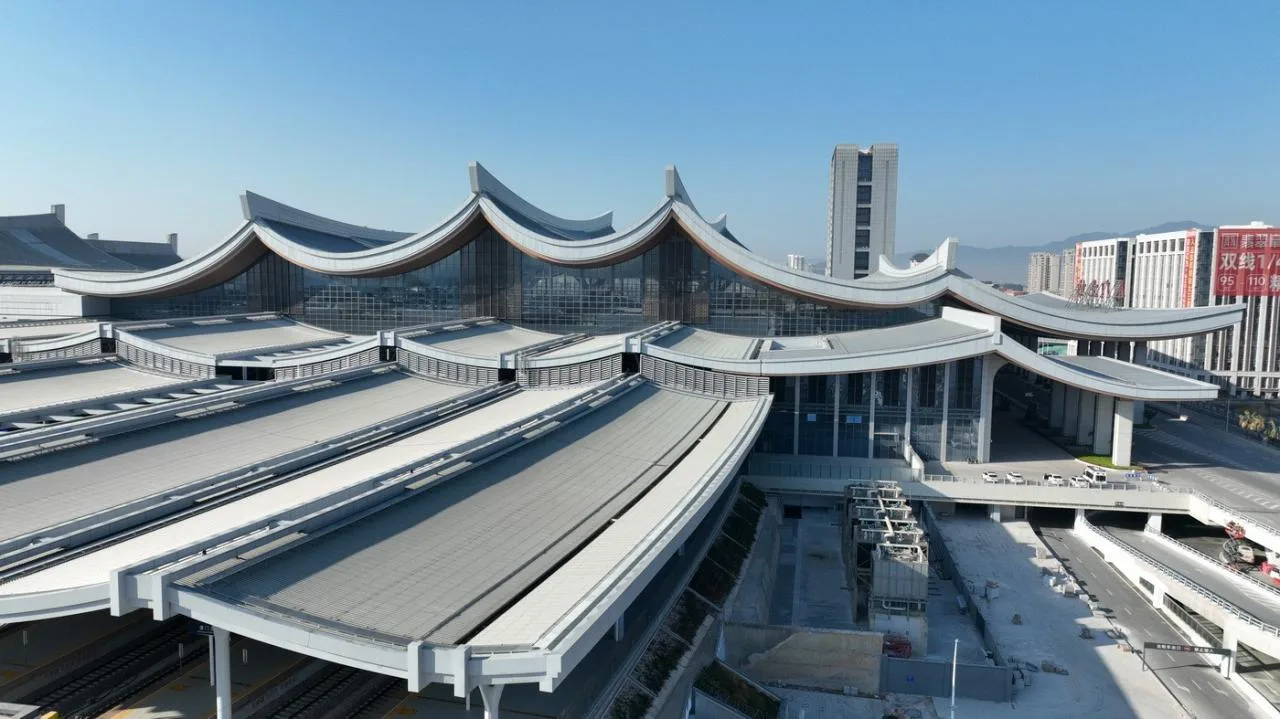
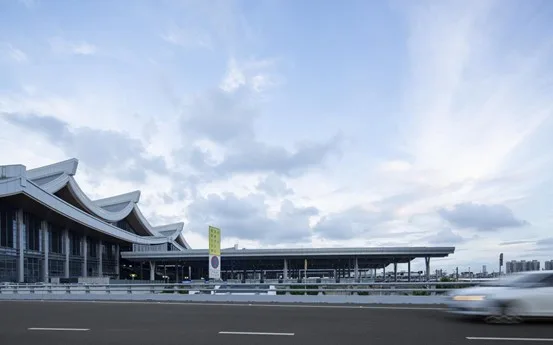
Exterior view of building appearance @ Lufei
The new Xiamen North Station preserves the architectural style of the existing stations in southern Fujian and Jiageng by incorporating sloping roofs, swallowtail ridges, and arches into its exterior design—highlighting the cultural heritage of the “Maritime Silk Road”.
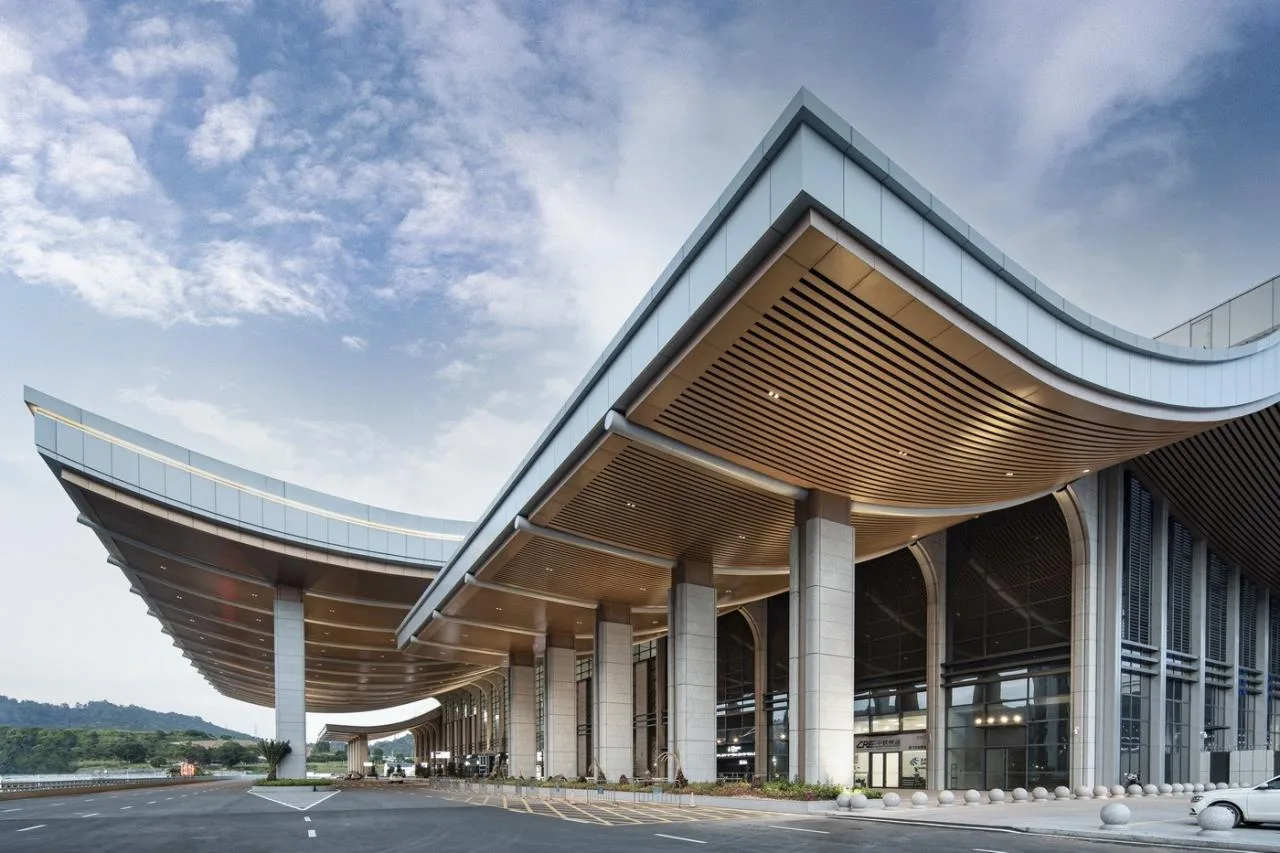
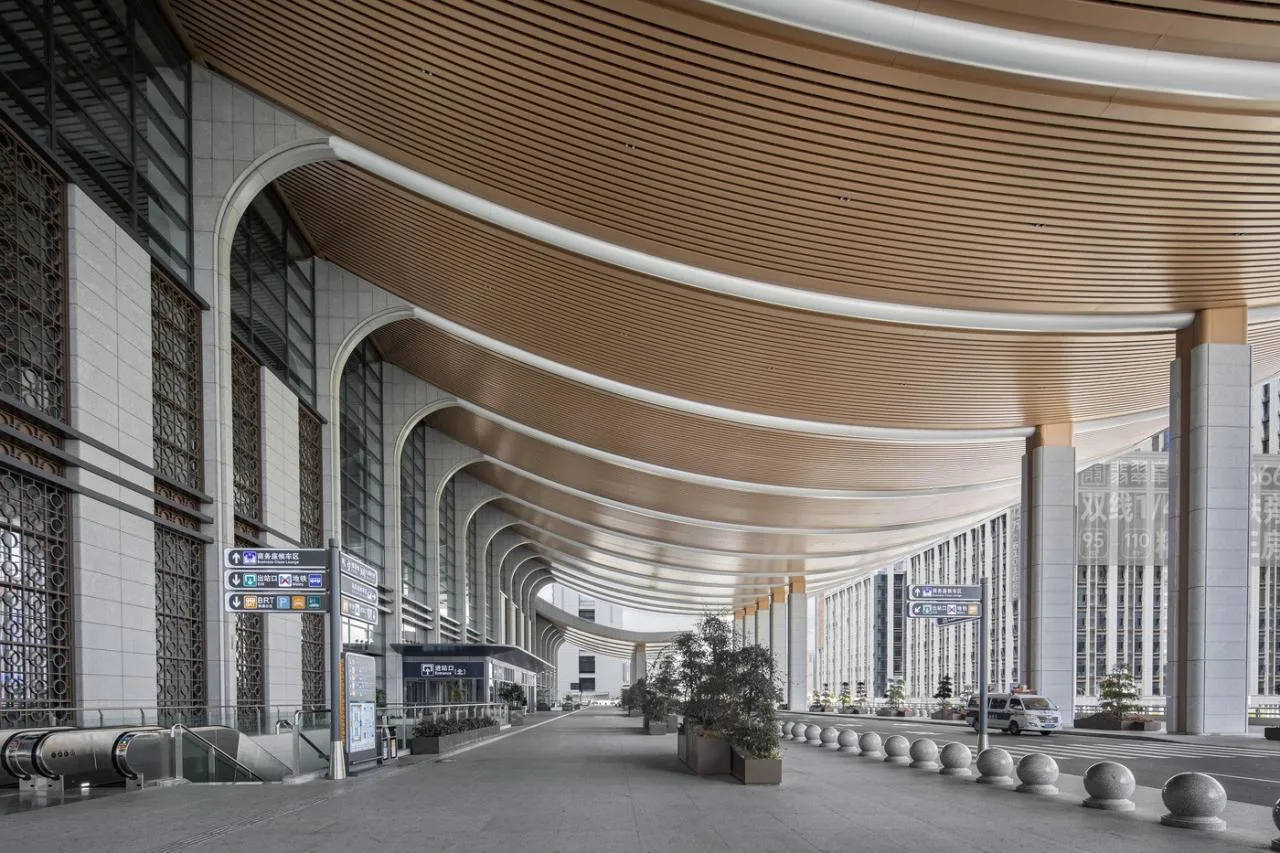
△ Main entrance facade @ Lufei
The Fuzhou-Xiamen High-Speed Railway is a vital segment of China’s “Eight Horizontal and Eight Vertical” high-speed railway network along the coast. Since its opening, Fuzhou and Xiamen have entered a “one-hour living circle,” with a total of 13 interconnected stations. The 27 lines servicing these stations are expected to handle an annual passenger volume of 50 million.
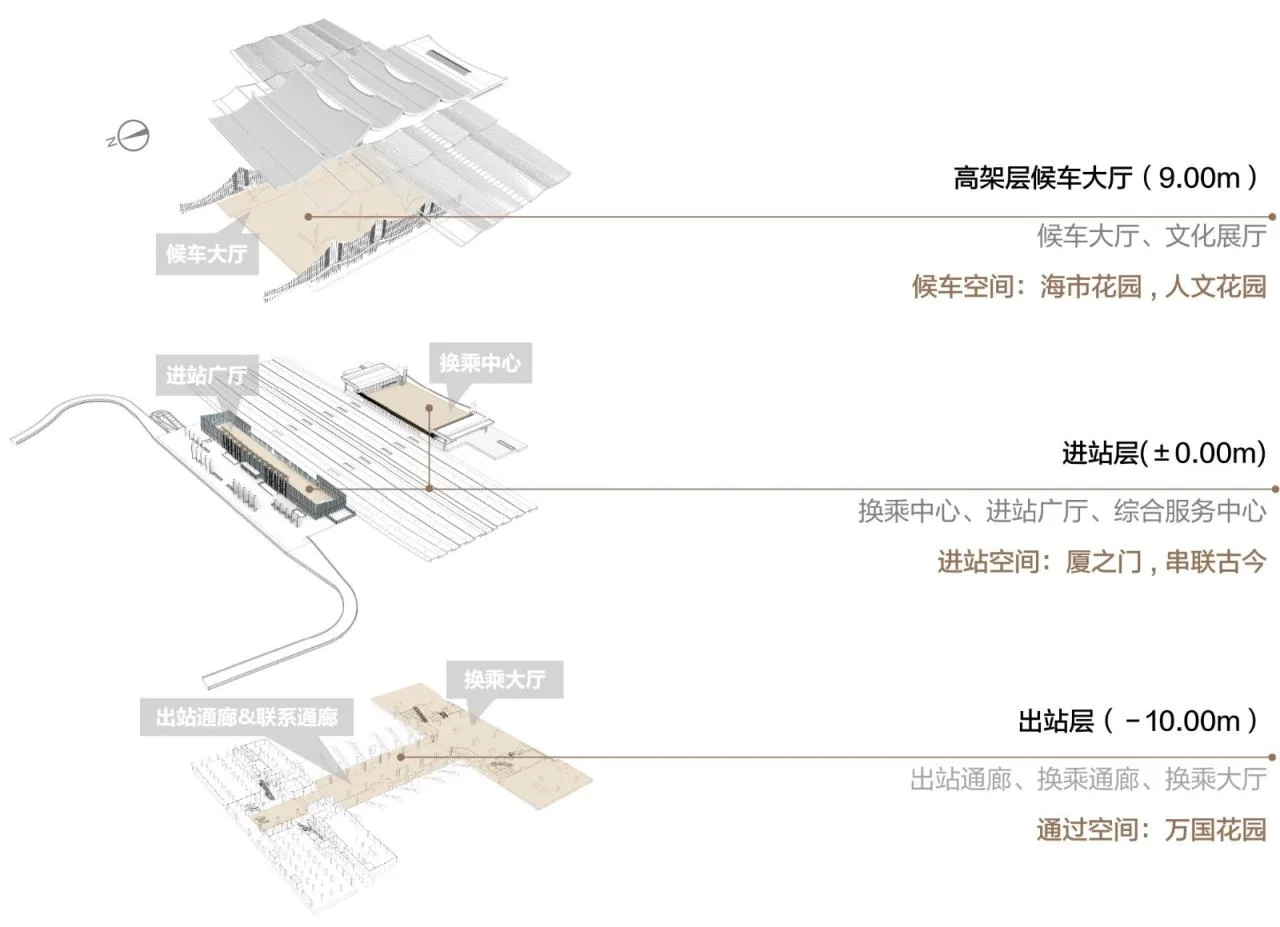
△ Sectional View – Perspective
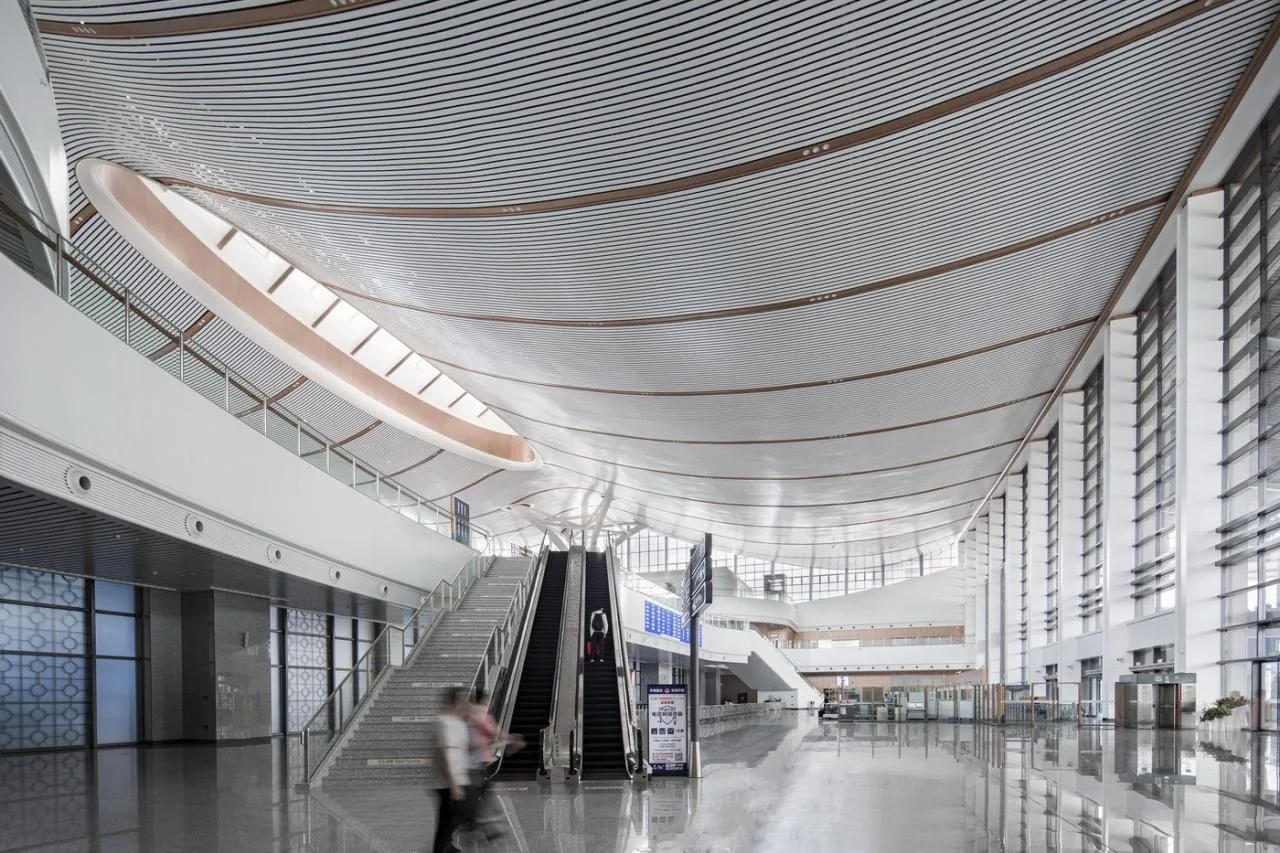
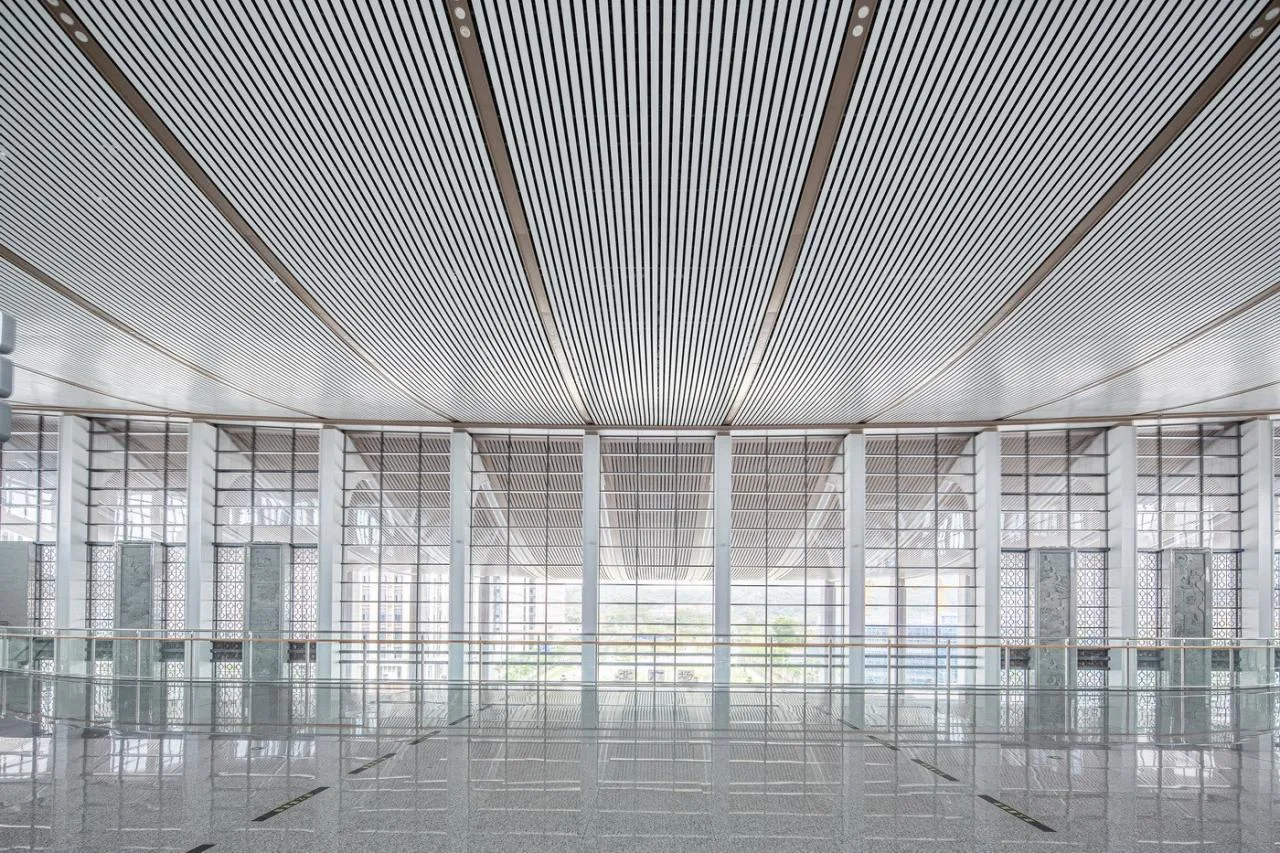
Entrance hall @ Lufei
Xiamen North Station was originally constructed and opened in 2010. In 2018, CCDI participated in the architectural design competition for its expansion. Subsequently, a consortium was formed with China Railway Fourth Survey and Design Institute Group Co., Ltd., and design refinements were completed alongside China Railway Construction Group. Construction officially started in 2021. After two years, on the morning of September 28, 2023, the first G9801 train from Fuzhou arrived, marking the full operation of China’s first cross-sea high-speed railway, the Fuzhou-Xiamen line. The new station building was officially inaugurated.
The main station building features a steel roof spanning 267 meters north-south and 143 meters east-west, supported by six massive flowering columns. The wave-shaped roof undulates with peaks and valleys differing by 24 meters. The interior of the waiting hall mirrors the roof’s design, creating a seamless indoor experience that connects the inside with the building’s exterior.
△ Spatial deduction
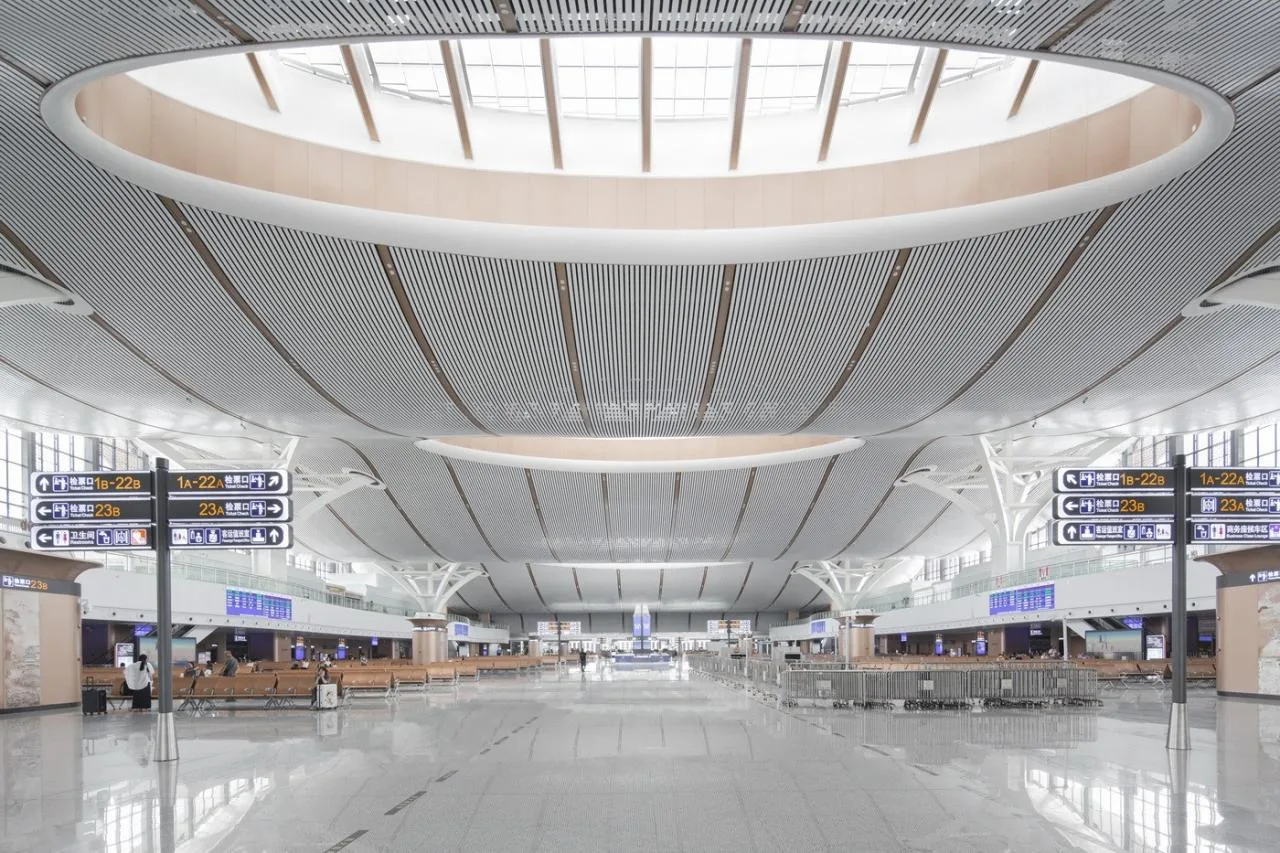
Waiting hall @ Lufei
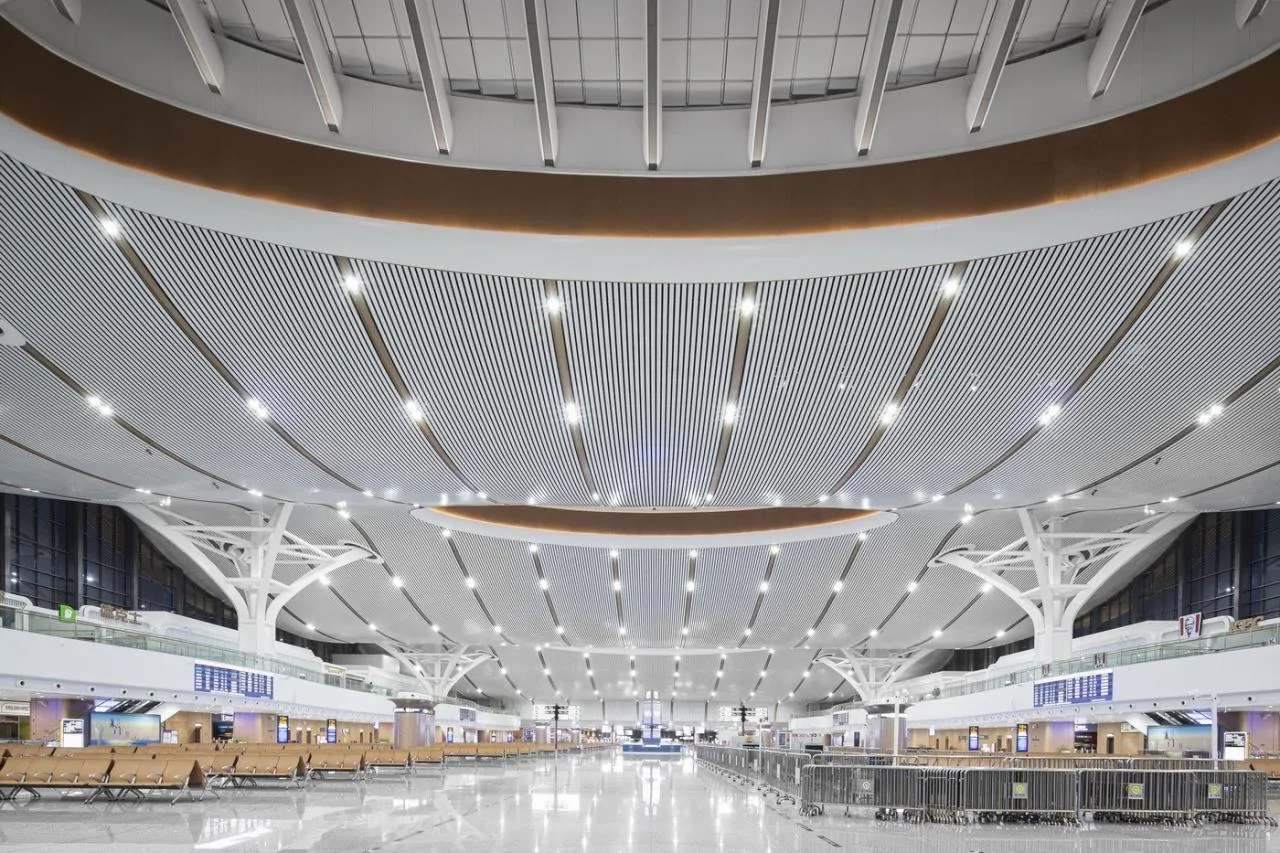
△ Night view of waiting hall @ Lufei
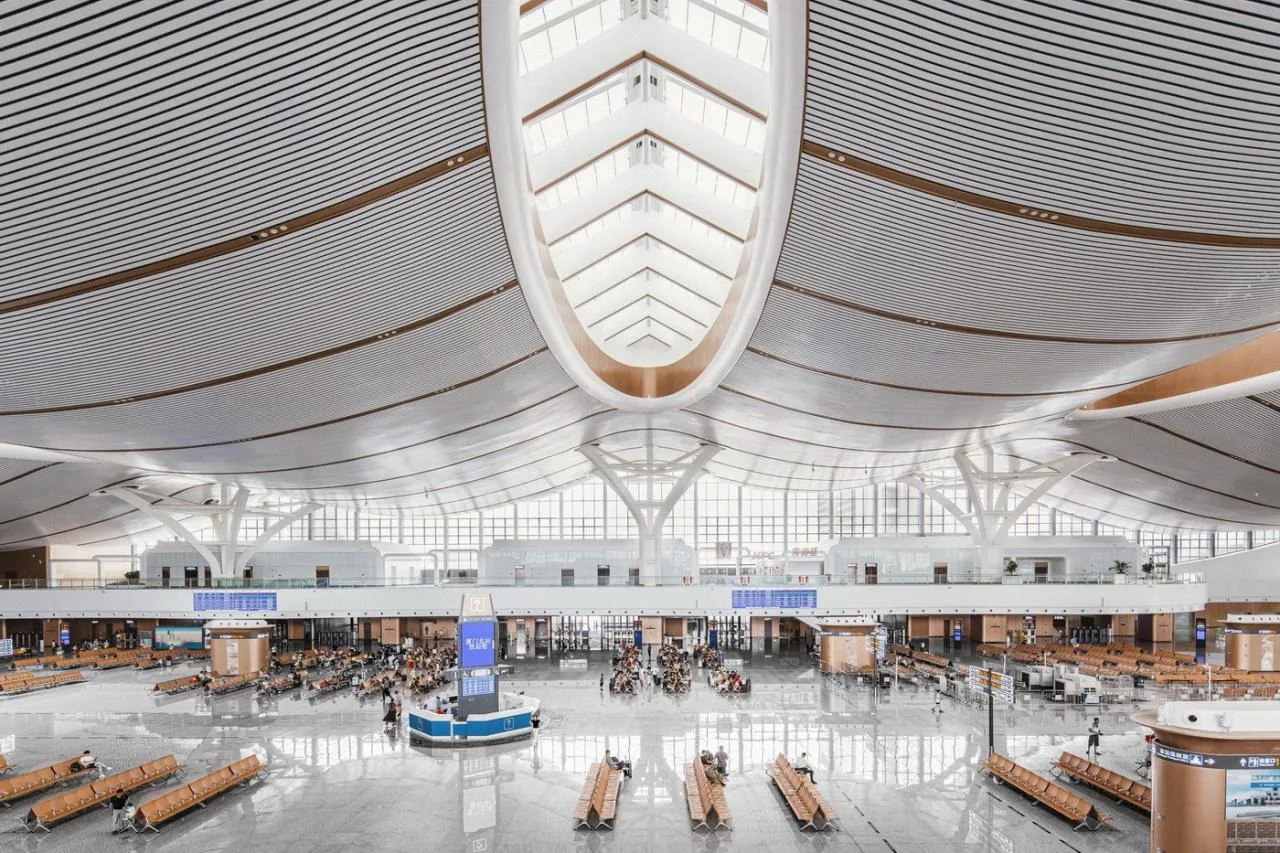
Waiting hall @ Lufei
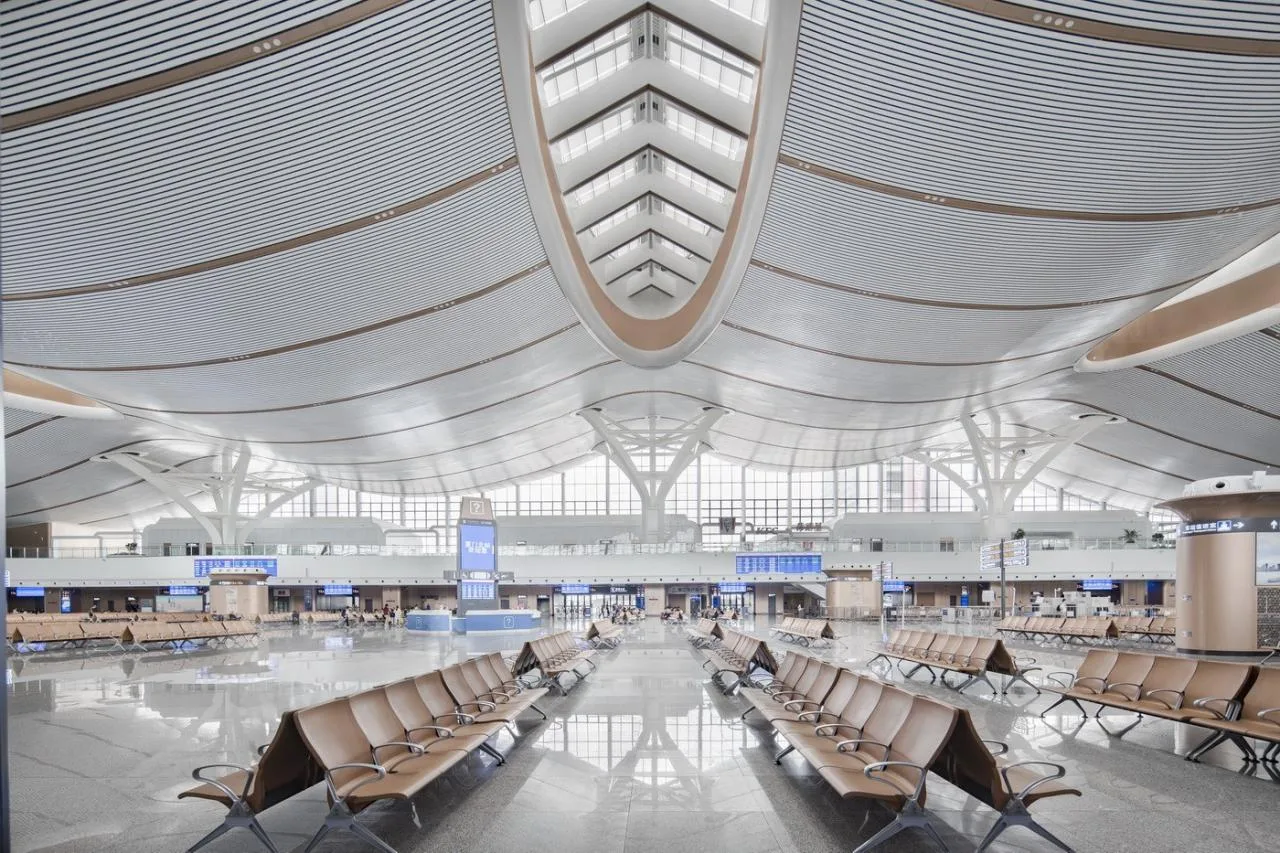
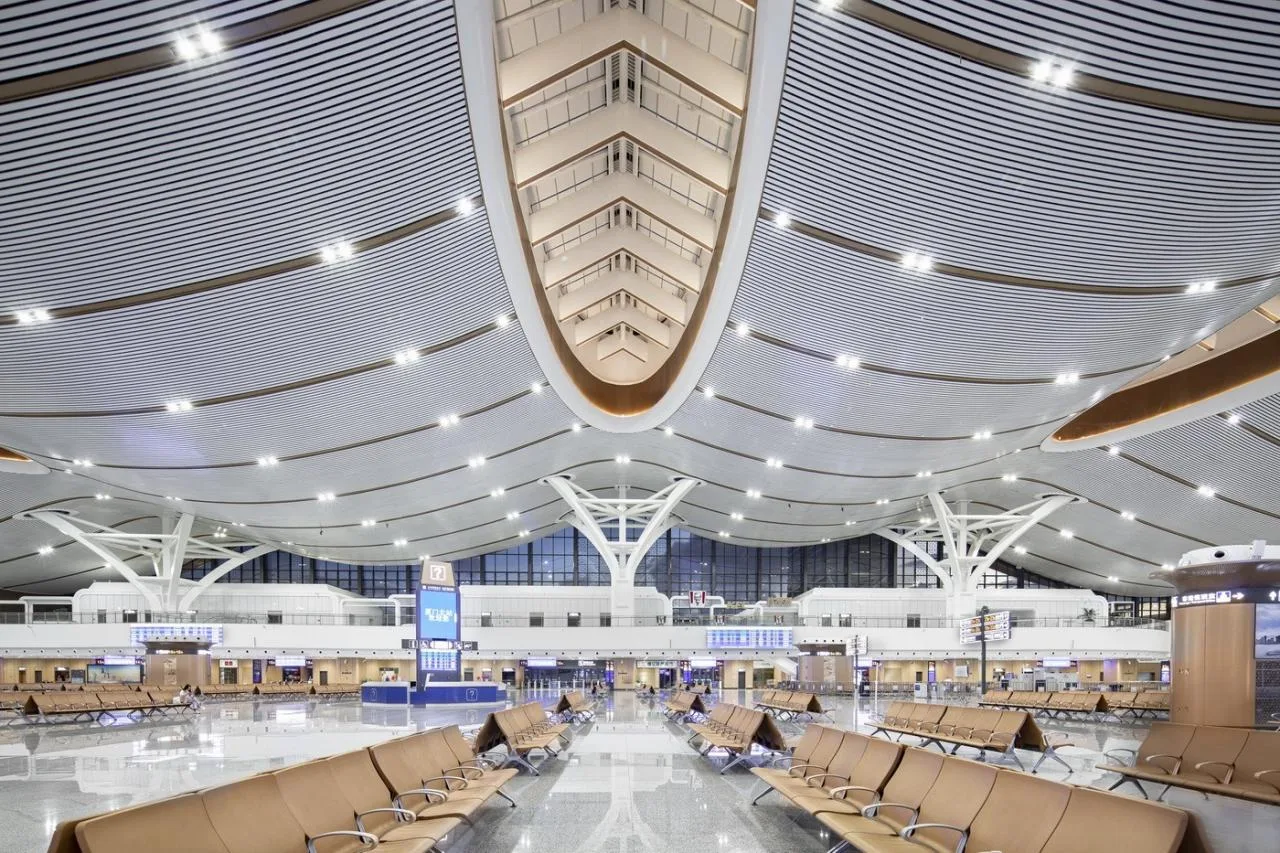
△ Night view of waiting hall @ Lufei
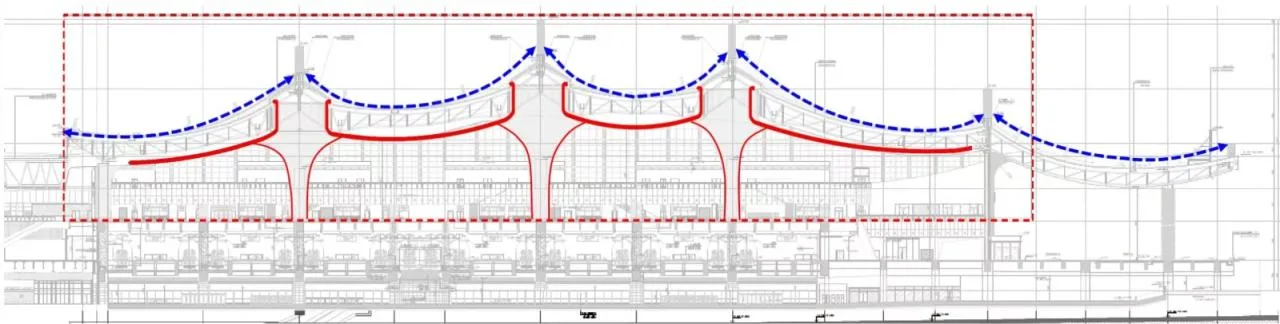
△ Sectional View – Perspective
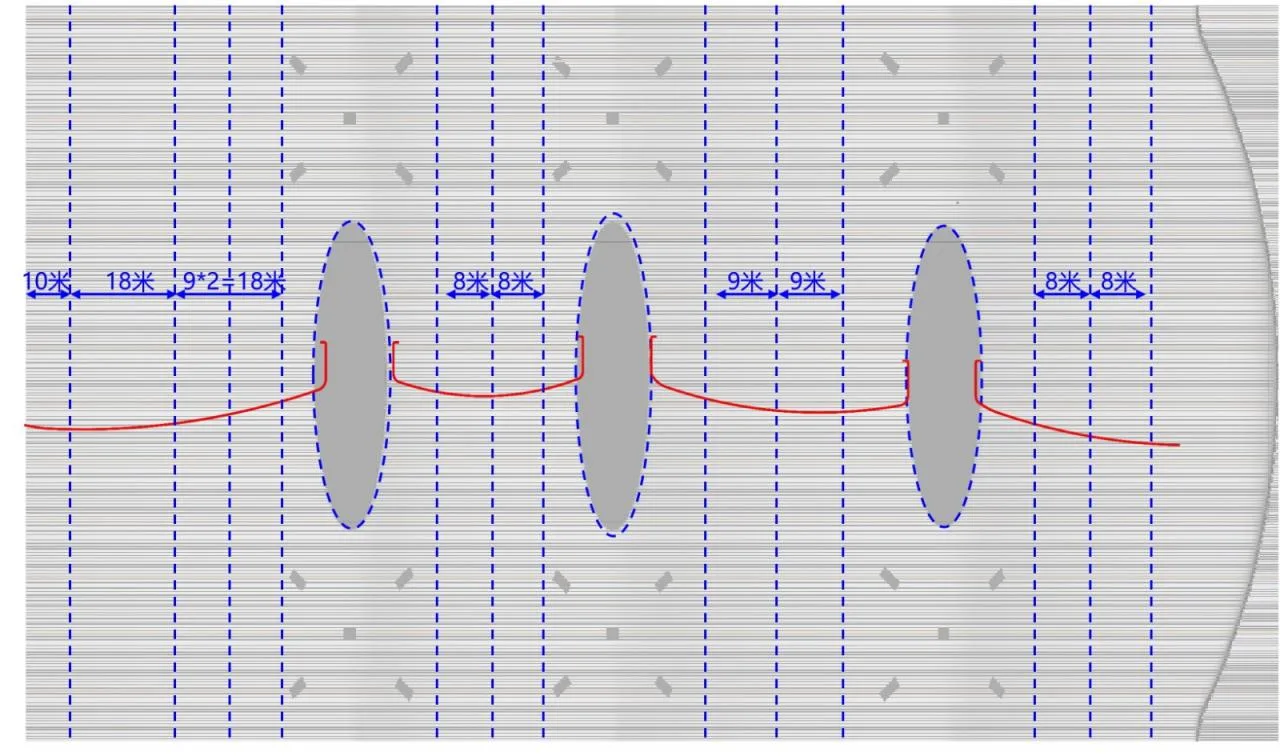
Research on segmented implementation of aluminum strip panels for suspended ceilings
This feature serves as both a highlight and a challenge. The waiting hall’s suspended ceiling consists of 2,000 arcs, with 150 different arc sizes and 100 varying curvatures, showcasing the elegance of the building’s curves. The longest arc spans 53 meters with a height difference of 11 meters. To ensure high-quality execution, BIM technology was extensively used during construction, including laser projection positioning and over 7,000 control points. Thanks to these innovations, the splicing error of the 11,685 aluminum strips in the ceiling remains within 2 millimeters, resulting in smooth, seamless lines.
The ceiling of the 20,000-square-meter column-free waiting hall features a multi-curved wave shape that complements the building’s architectural form. Three enormous boat-shaped skylights punctuate this wave-shaped roof, bathing the space in natural light. The interior palette is bright and atmospheric, accented with golden-brown paint that creates a warm and inviting environment for passengers.
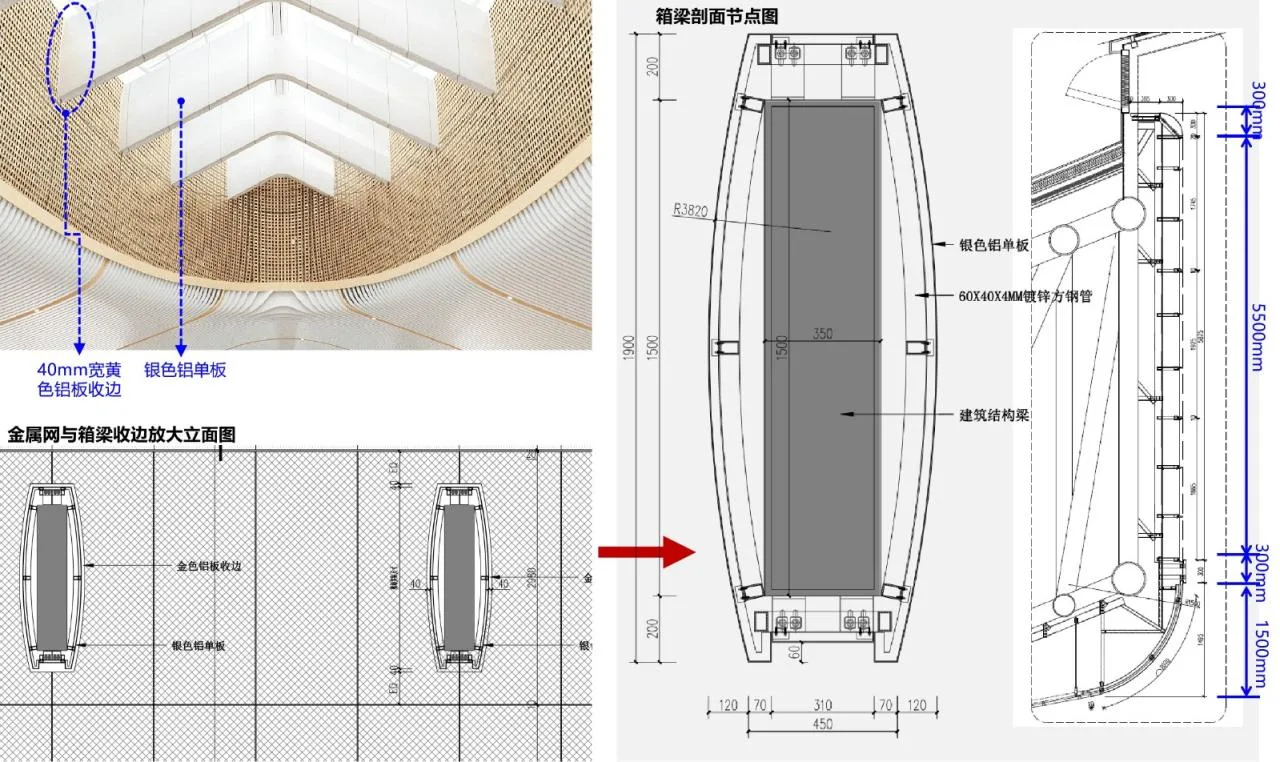
△ Skylight scheme details
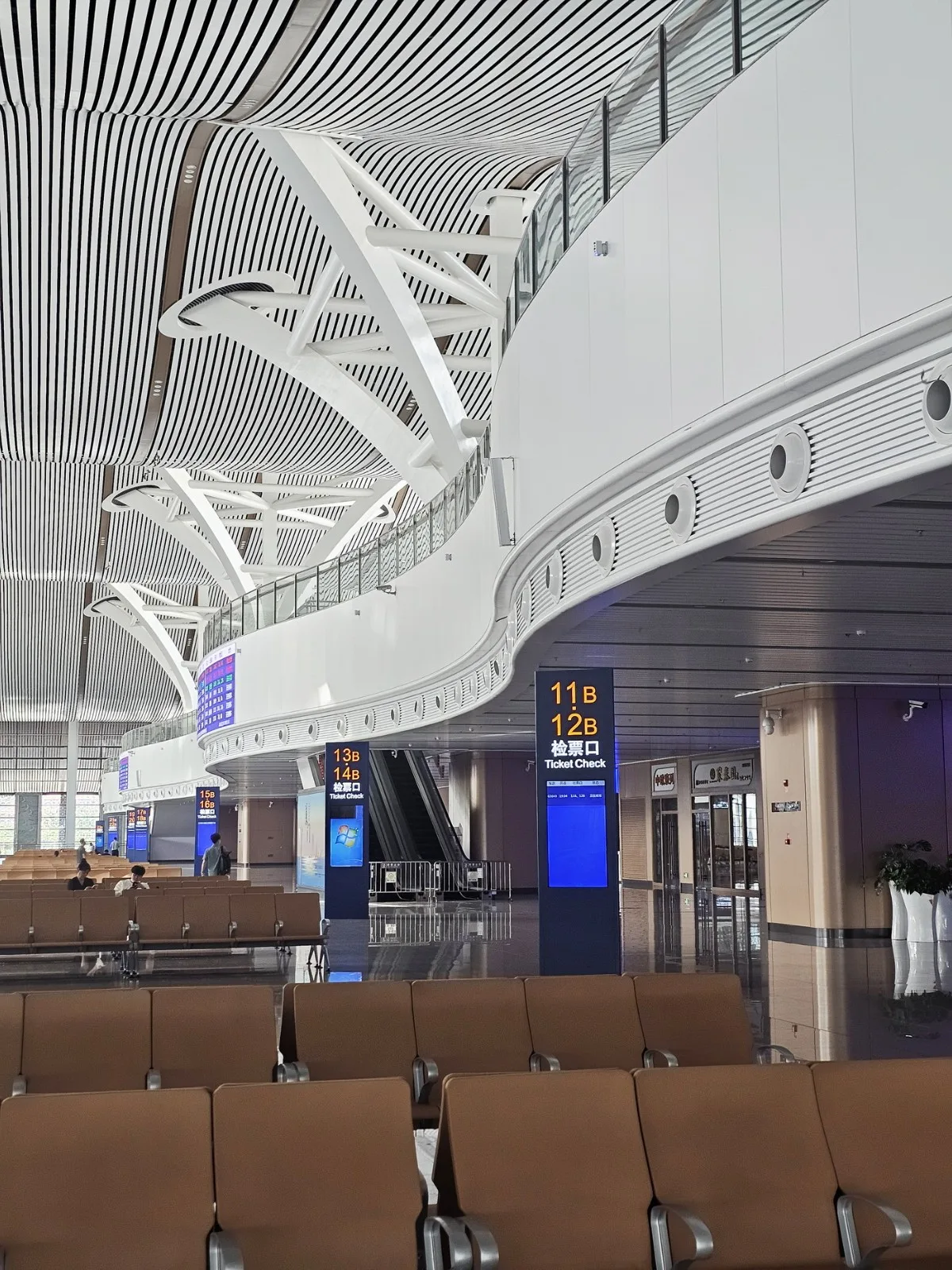
The curved floor of the elevated mezzanine
The 16.5-meter-high mezzanine features a breakthrough free-form curved floor slab that harmoniously integrates with the wave-shaped ceiling above. This design reflects the unique identity of Xiamen, an open and inclusive coastal city characterized by “the sea in the city and the city on the sea.”
The transfer center boasts the largest weather-sensing intelligent skylight in any Chinese high-speed railway station, spanning approximately 1,400 square meters—a size comparable to three standard basketball courts. This skylight, together with glass curtain walls, facilitates abundant natural lighting. Equipped with wind and rain sensors, the skylight automatically opens and closes based on real-time environmental data such as sunlight, precipitation, and wind, requiring no manual intervention. This smart system significantly reduces carbon emissions, aligning with the design goals of sustainability, health, and energy efficiency.
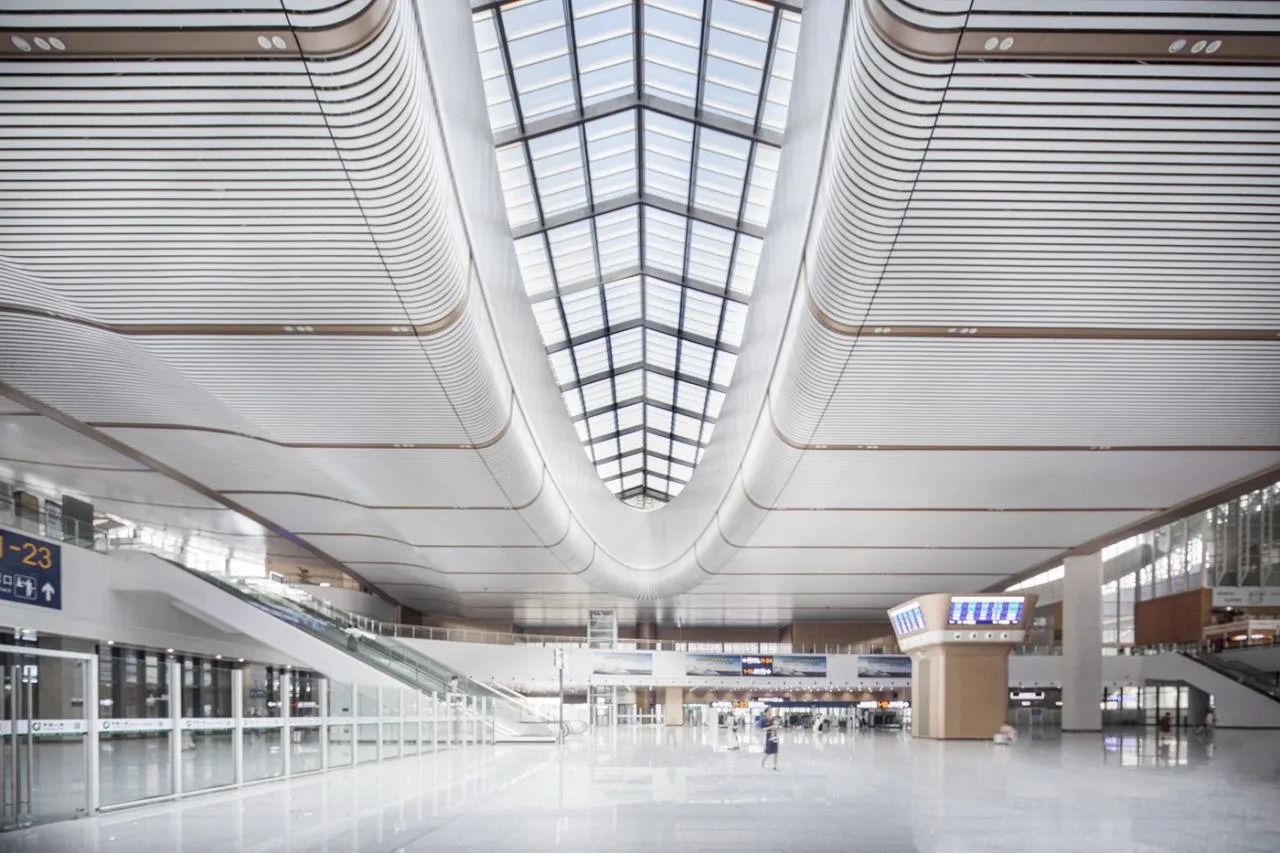
△ Transfer center entrance level perspective Transfer center @ Lufei
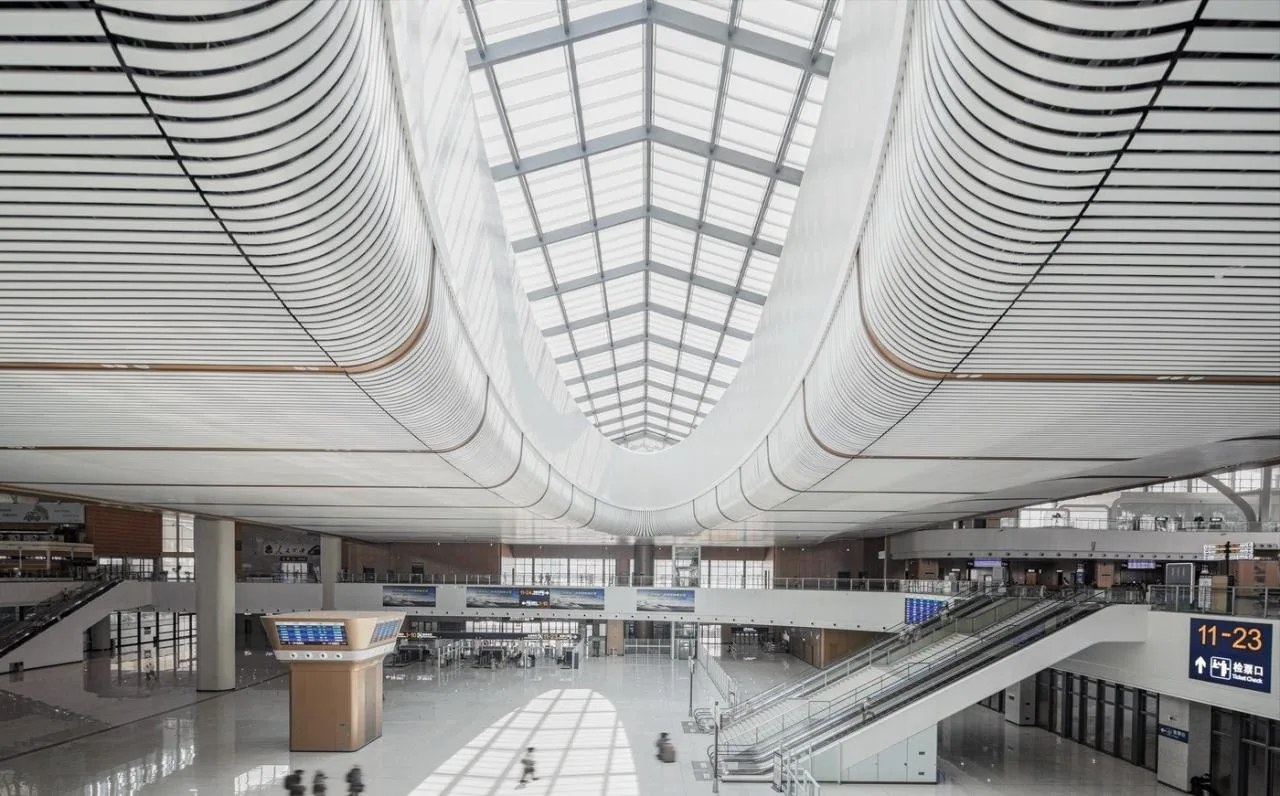
△ Transfer Center Elevated Level Perspective Transfer Center @ Lufei
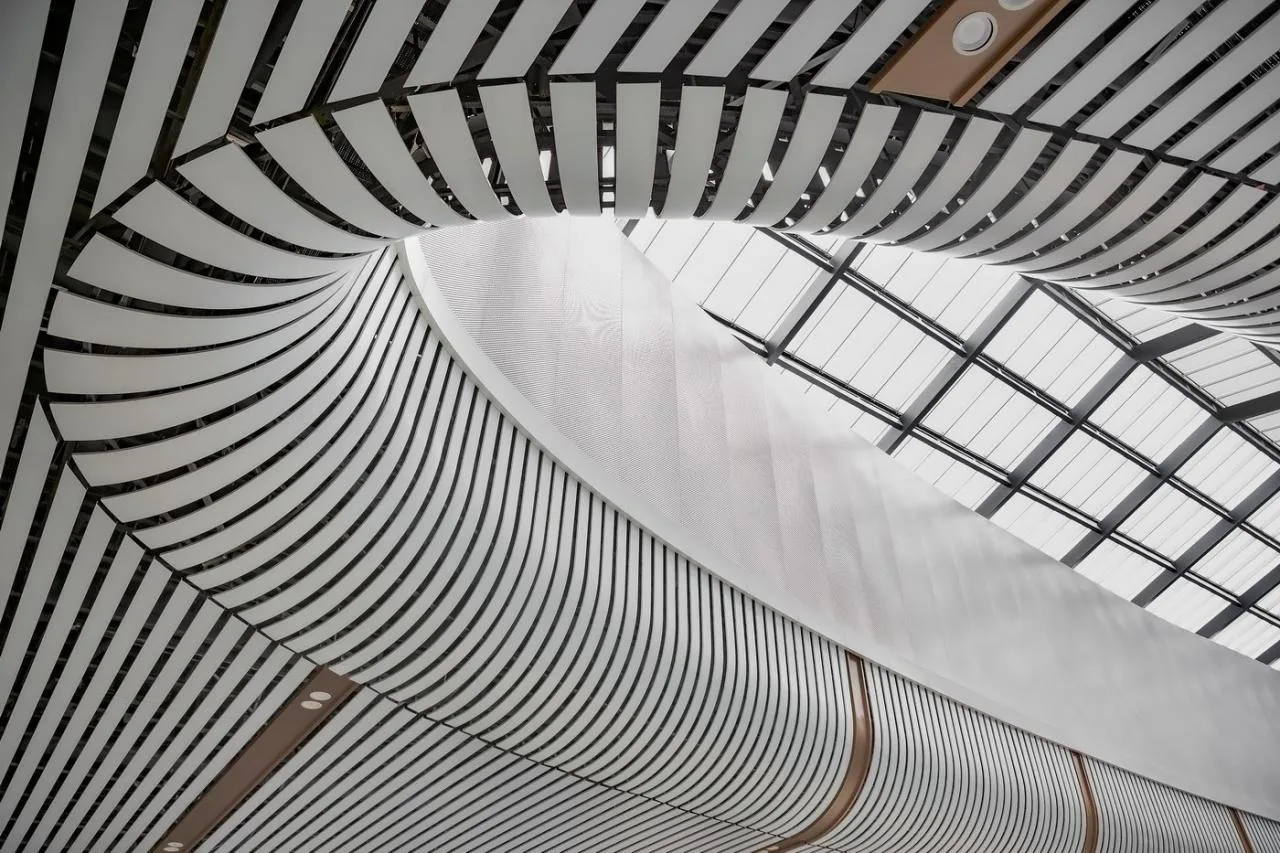
△ Transfer Center Skylight Details @ Lufei
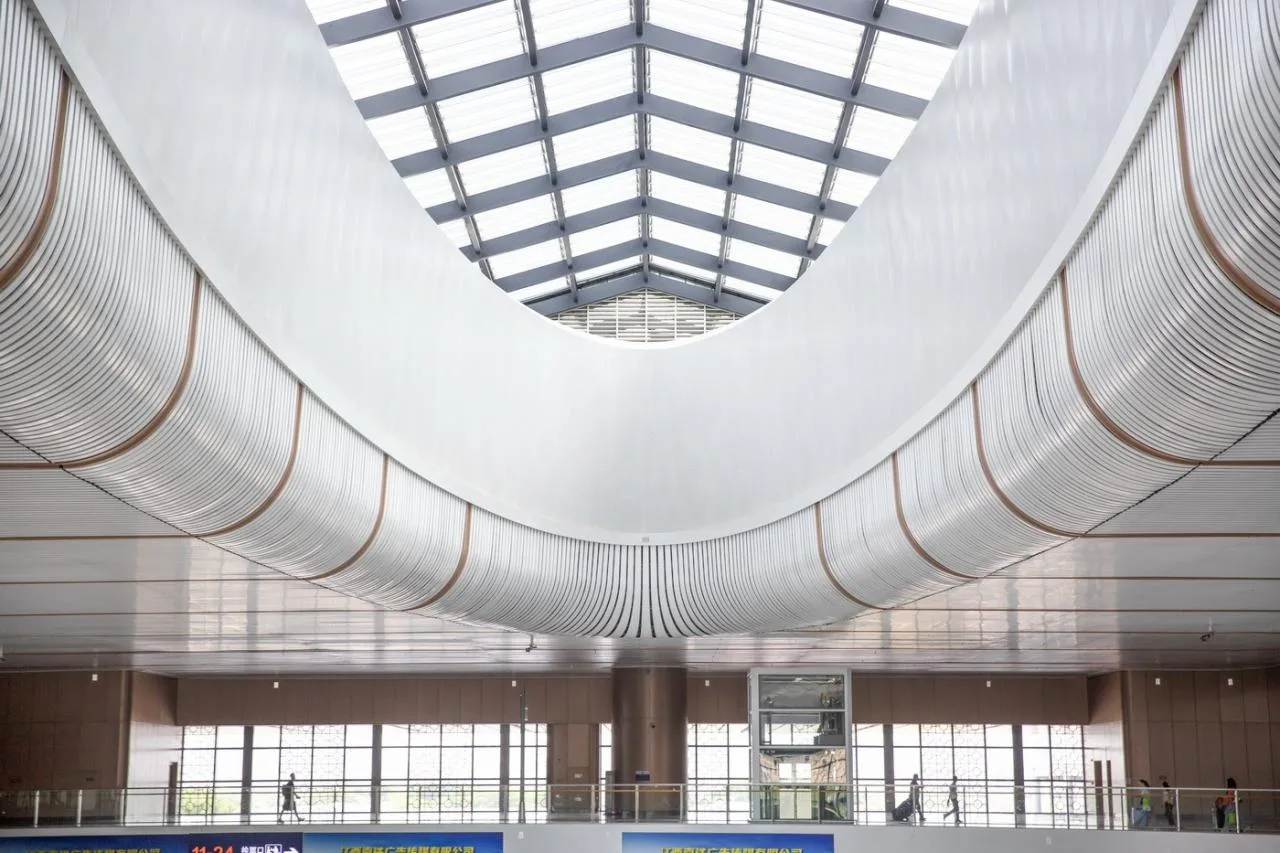
△ Transfer Center Skylight Details @ Lufei
The transfer center acts as a crucial hub linking the new and old stations, facilitating smooth transit between urban BRT, bus, and subway systems. The design also addresses the significant change in elevation where the new and old stations meet, ensuring a cohesive visual experience.
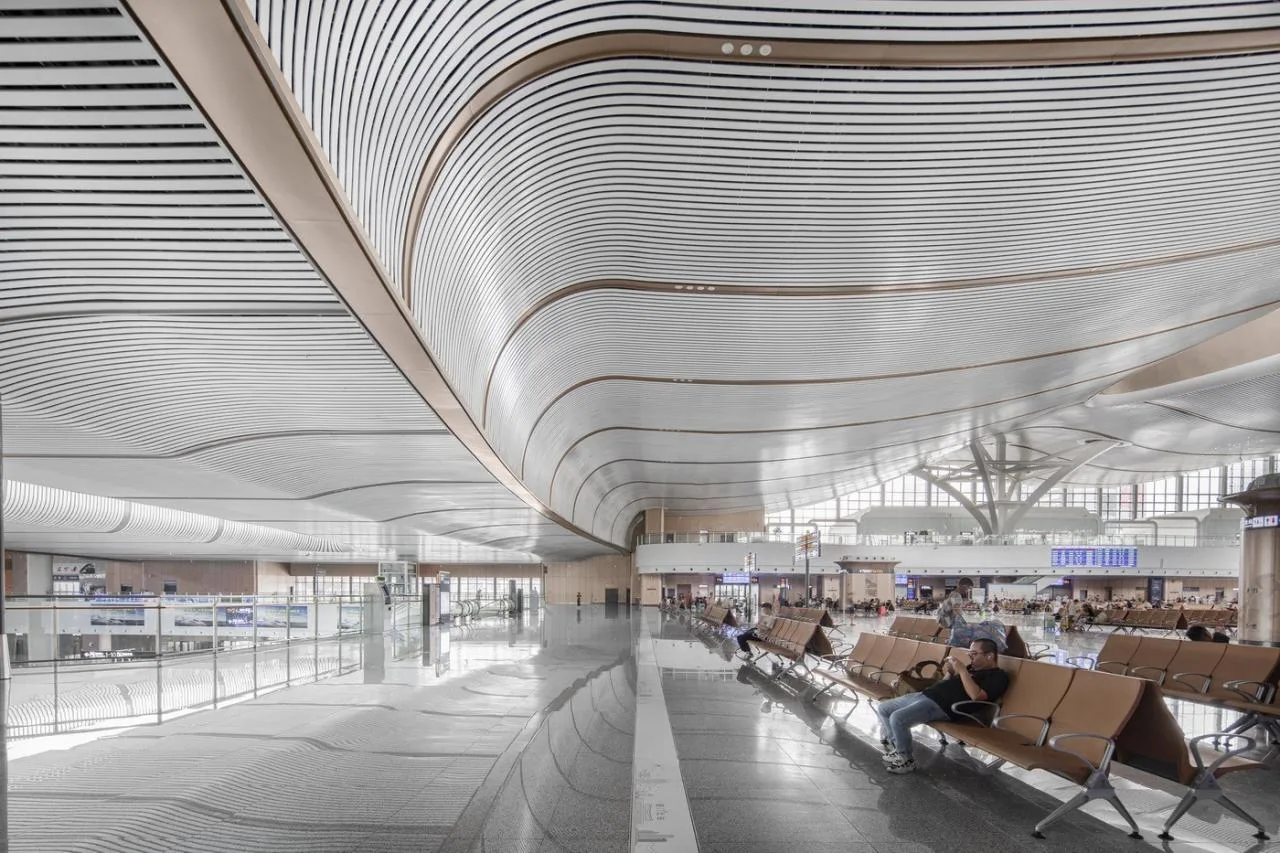
Transfer center connecting to the new station @ Lufei
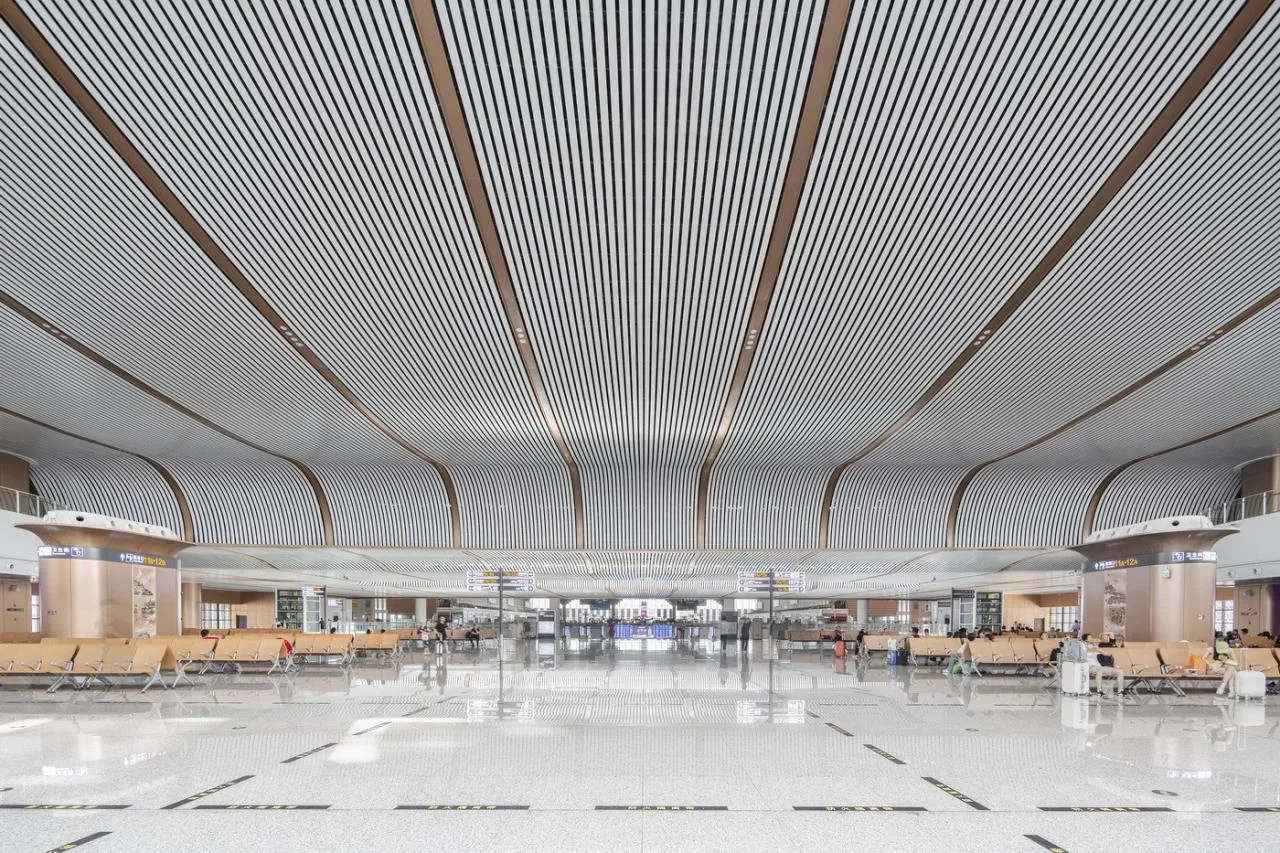
View from the new station towards the transfer center @ Lufei
To harmonize with the traditional bucket arch columns and grid ceiling of the old station, the interior incorporates window-grilled metal grids on the external facade of the existing building, enhancing the sense of hierarchy and creating a visual connection with the exterior.
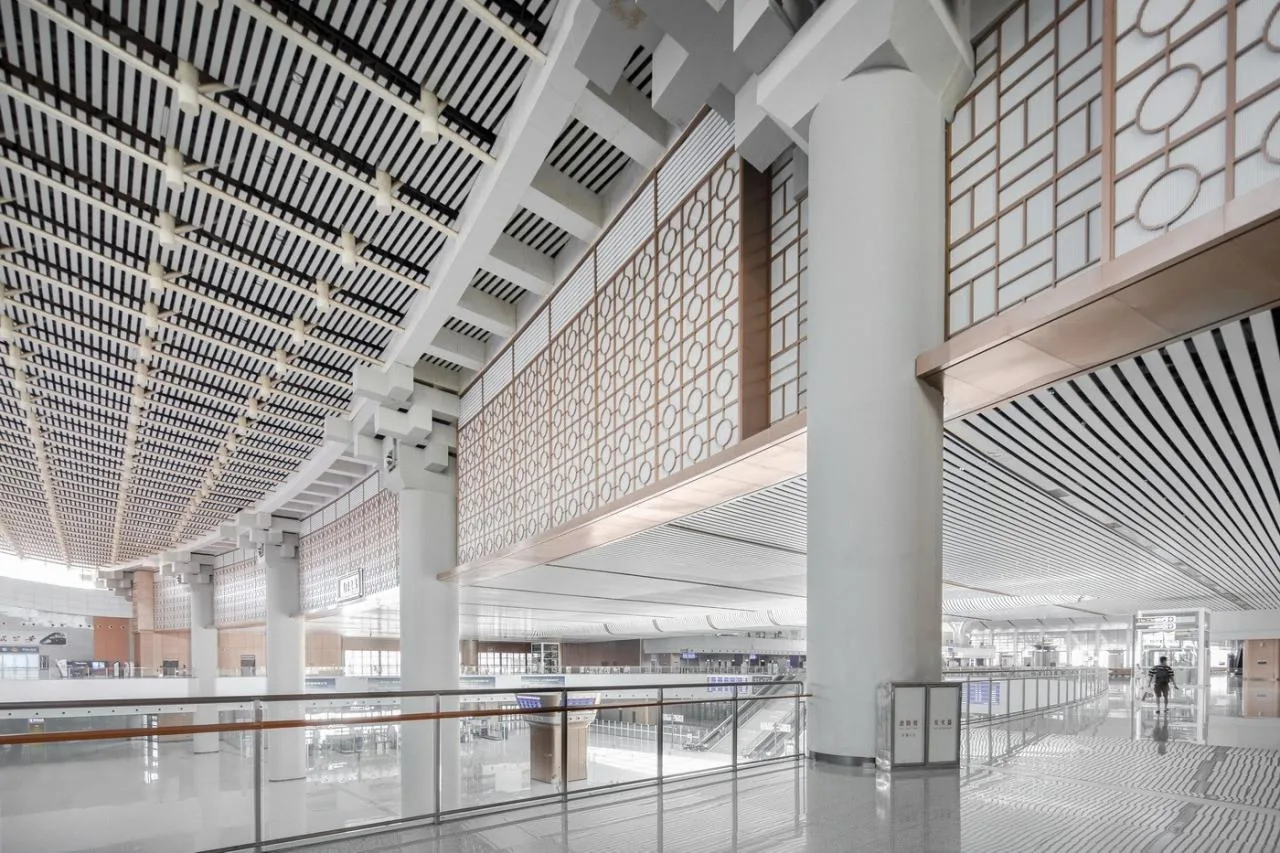
Transfer center and old station transfer area @ Lufei
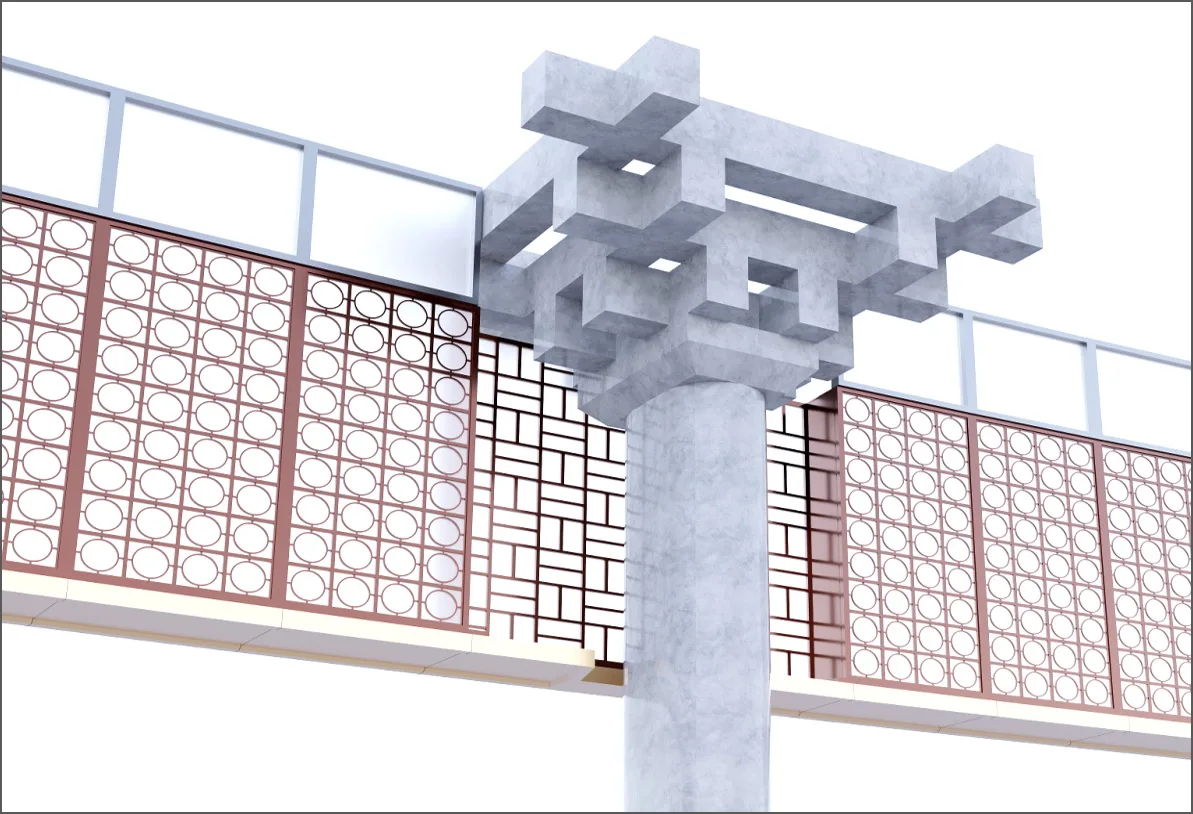
△ New window curtain wall and old station dougong column
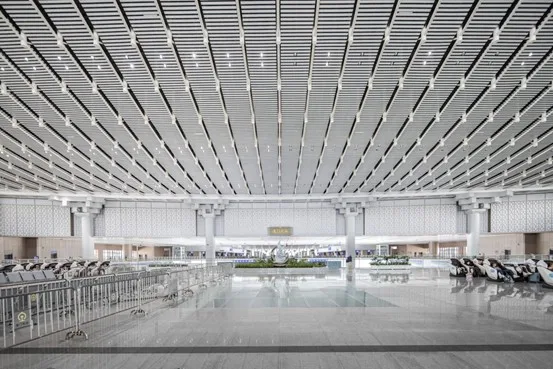
View from the waiting hall of the old station towards the transfer hall @ Lufei
The one-kilometer-long pedestrian walkway on the exit level was designed by interior designers to incorporate elements of Xiamen’s international architectural colonnades, pianos, and waves. These features blend with the original building structure, creating a unique and charming space that embodies sequence, local culture, and a vision of the future.
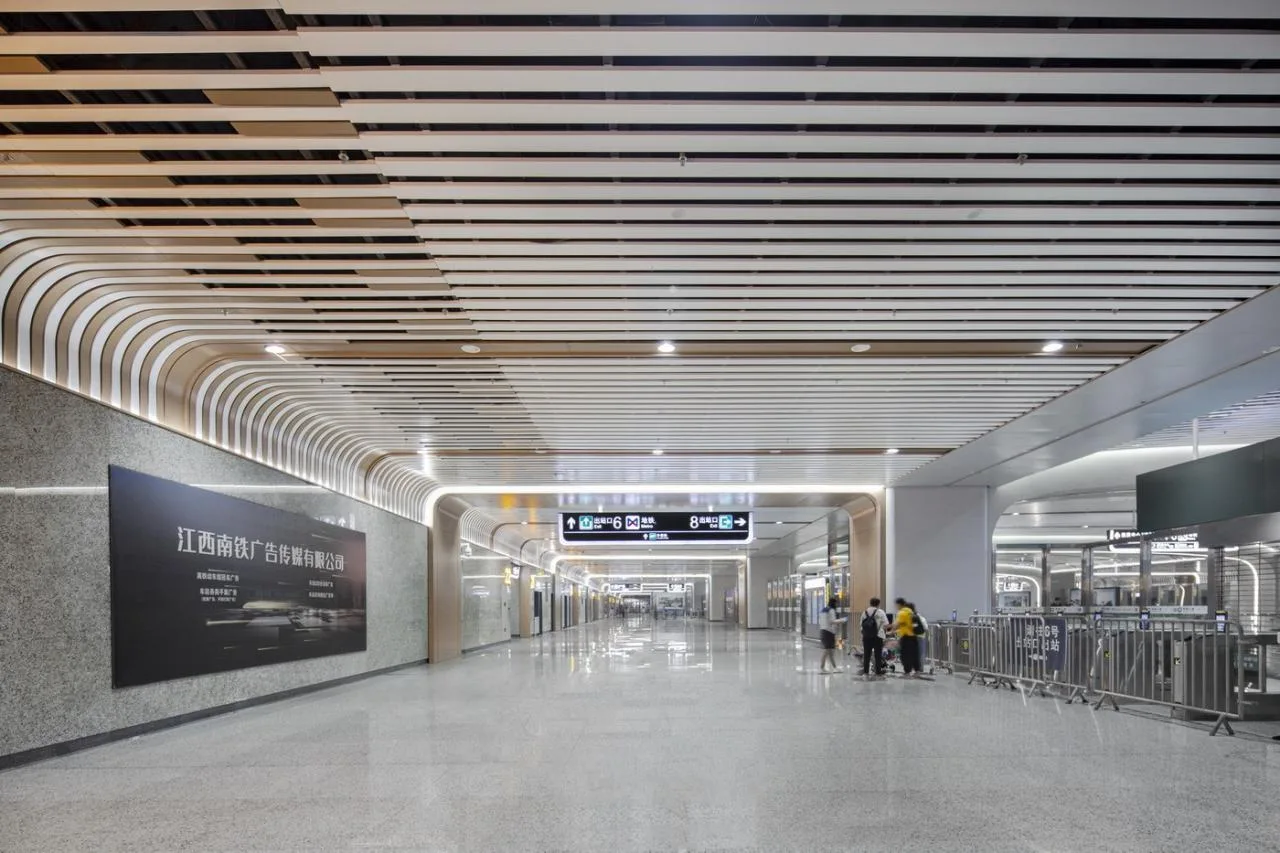
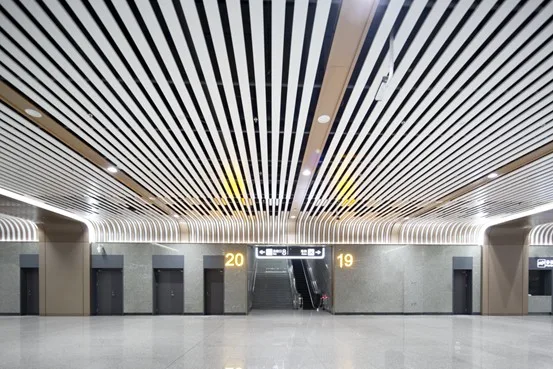
△ Exit corridor @ Lufei
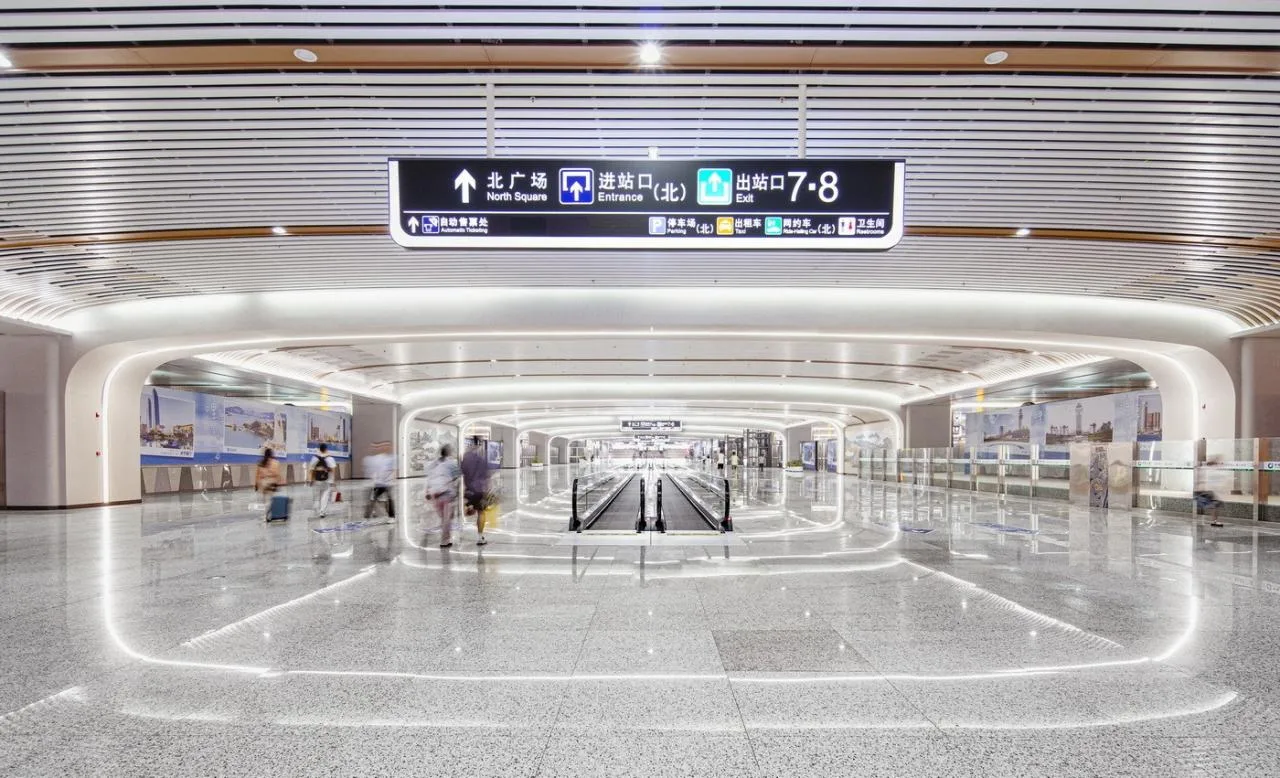
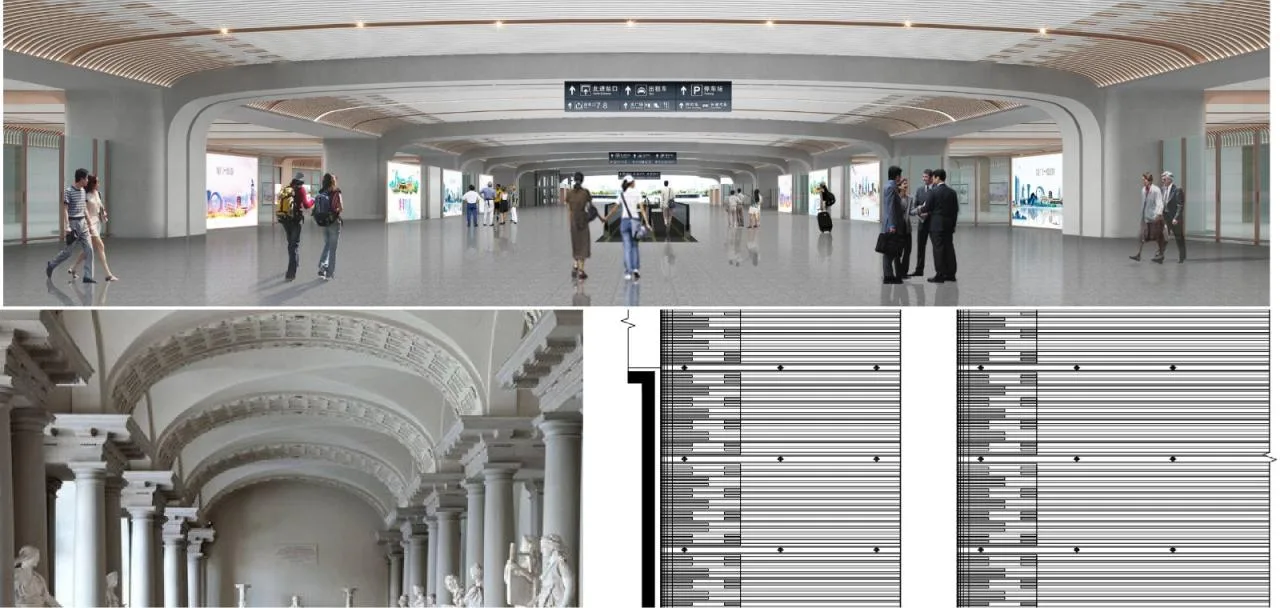
△ City Corridor @ Lufei
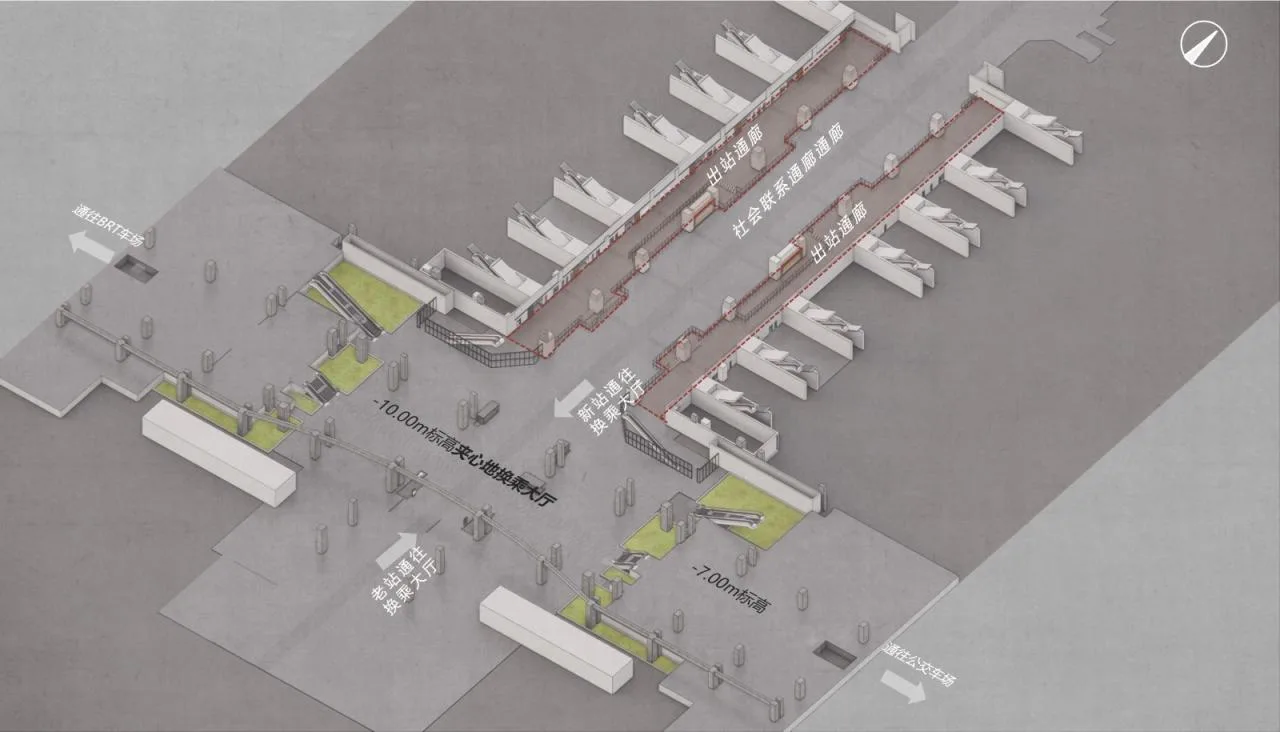
△ Outbound floor spatial axonometry
By employing cross-arch designs, the spatial perception transforms from flat to open, while guiding pedestrian flow through selective placement of these arches.
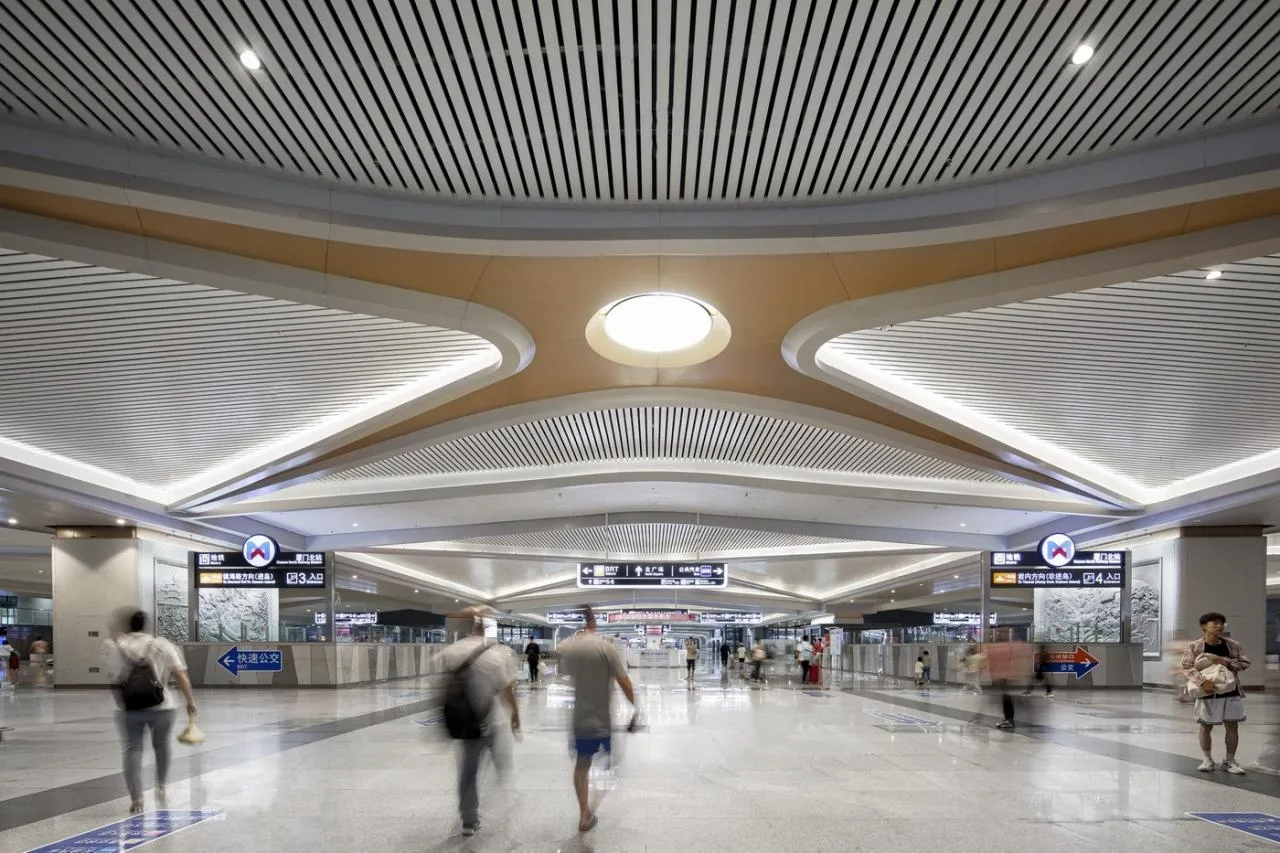

△ Underground Transfer Center @ Lufei
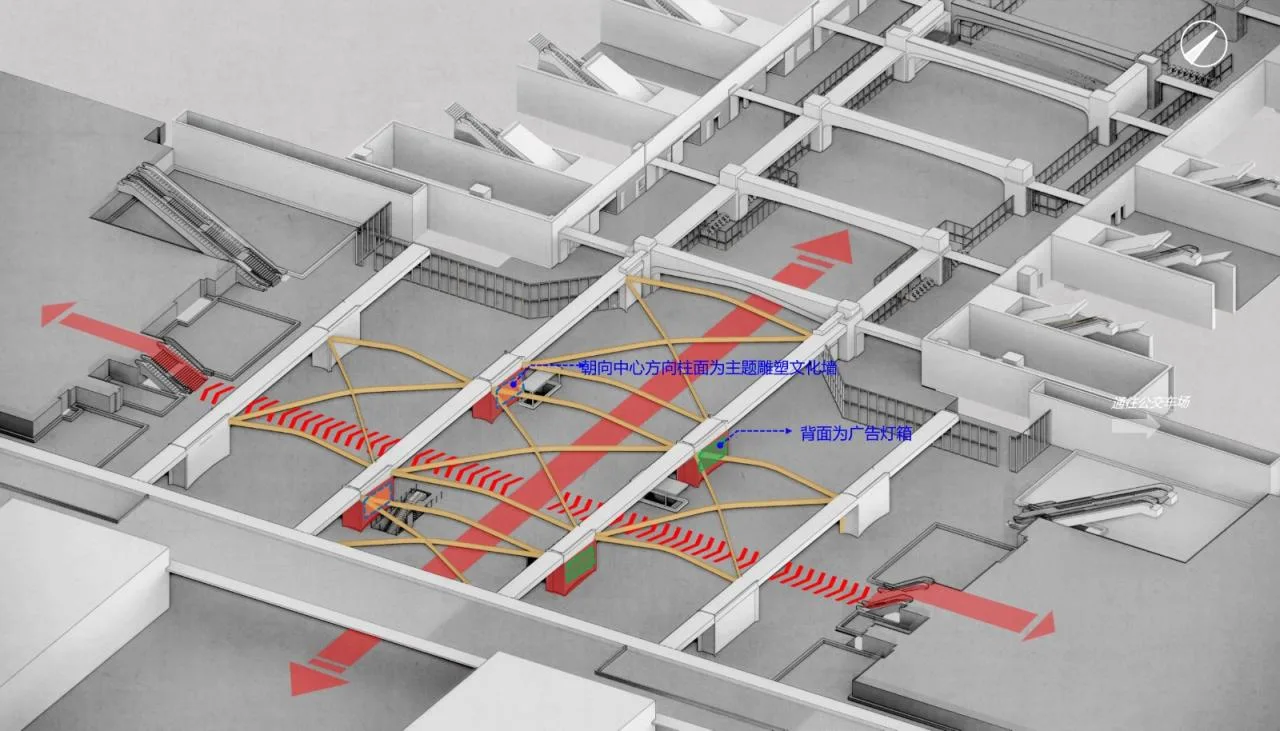
Analysis of Moving Lines at the Underground Transfer Center
The platform passenger area follows a “heavy structure, light decoration” concept, emphasizing the local beam grid pattern above the platform. The design balances safety, aesthetics, and sound absorption effectively.
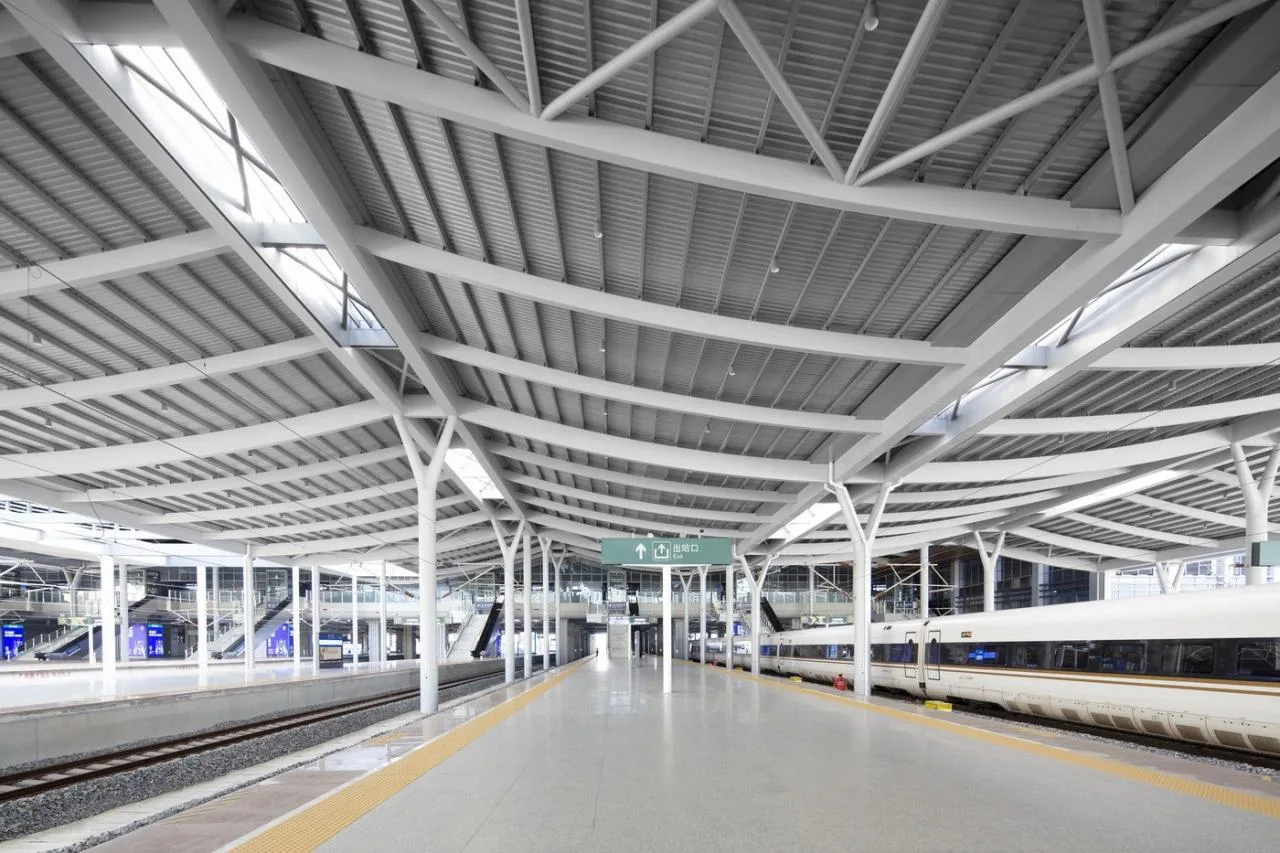
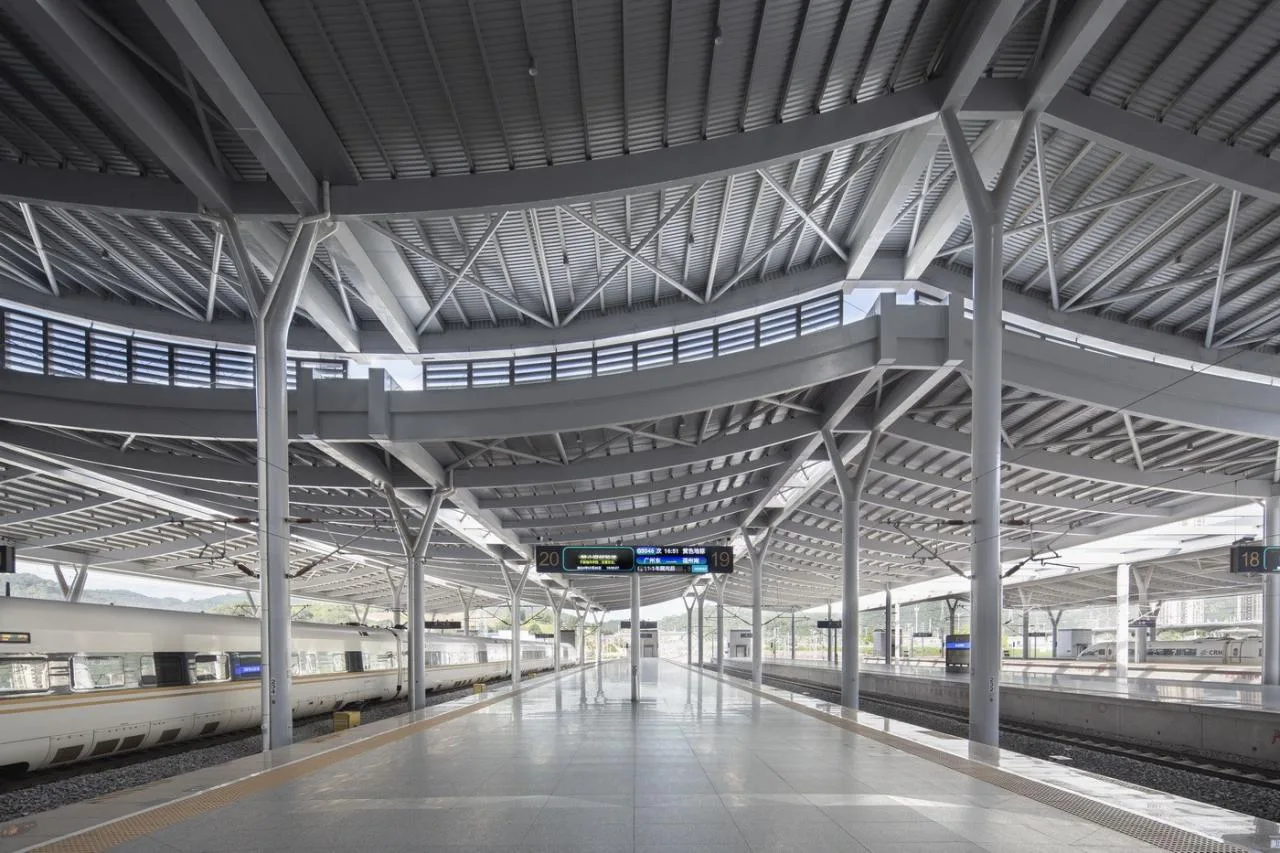
△ Platform awning
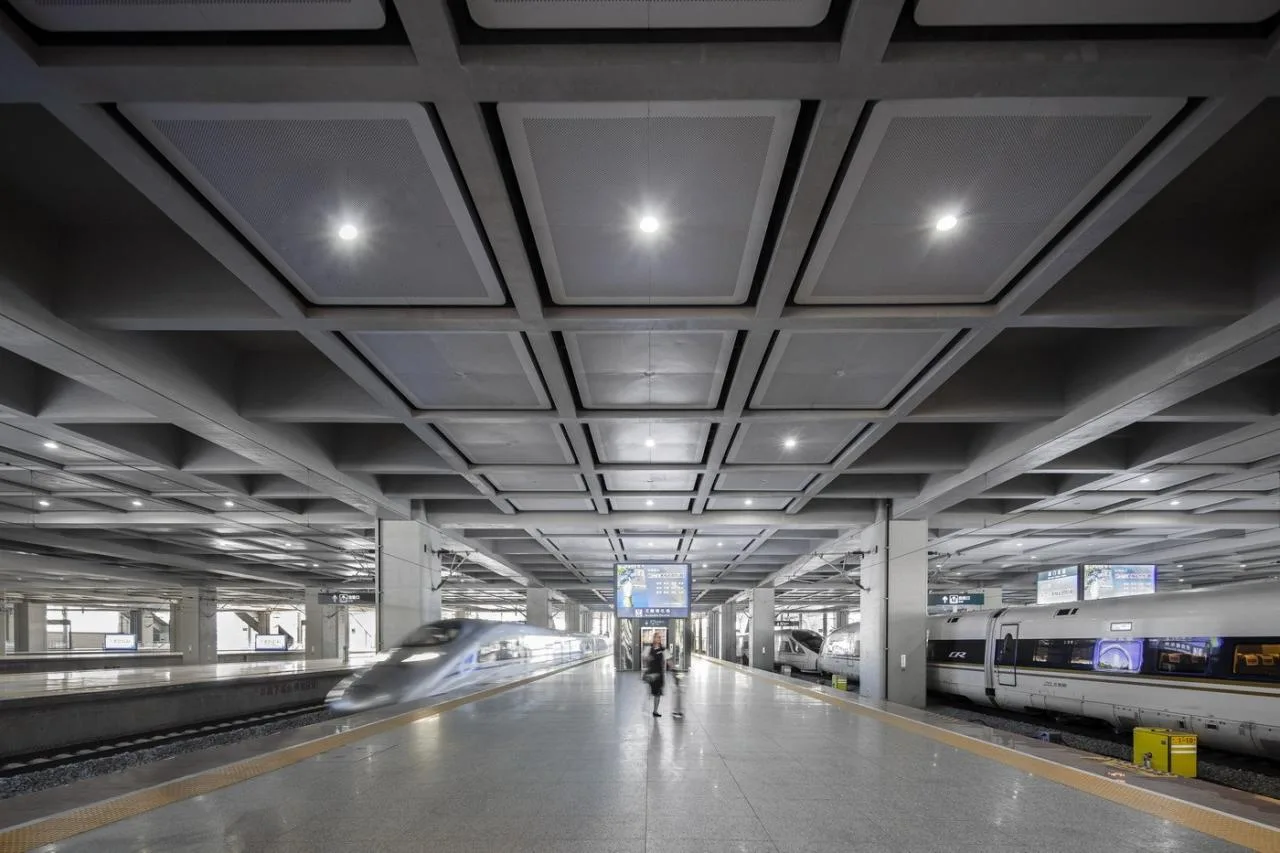
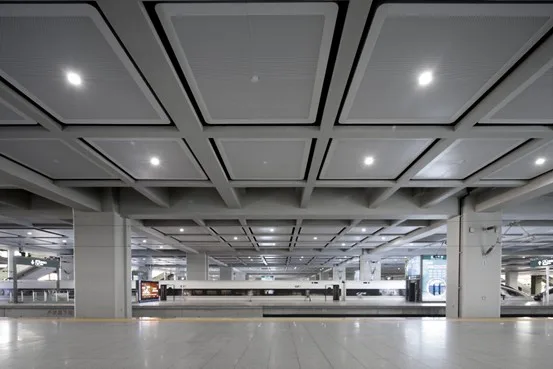
Elevated lower platform @ Lufei
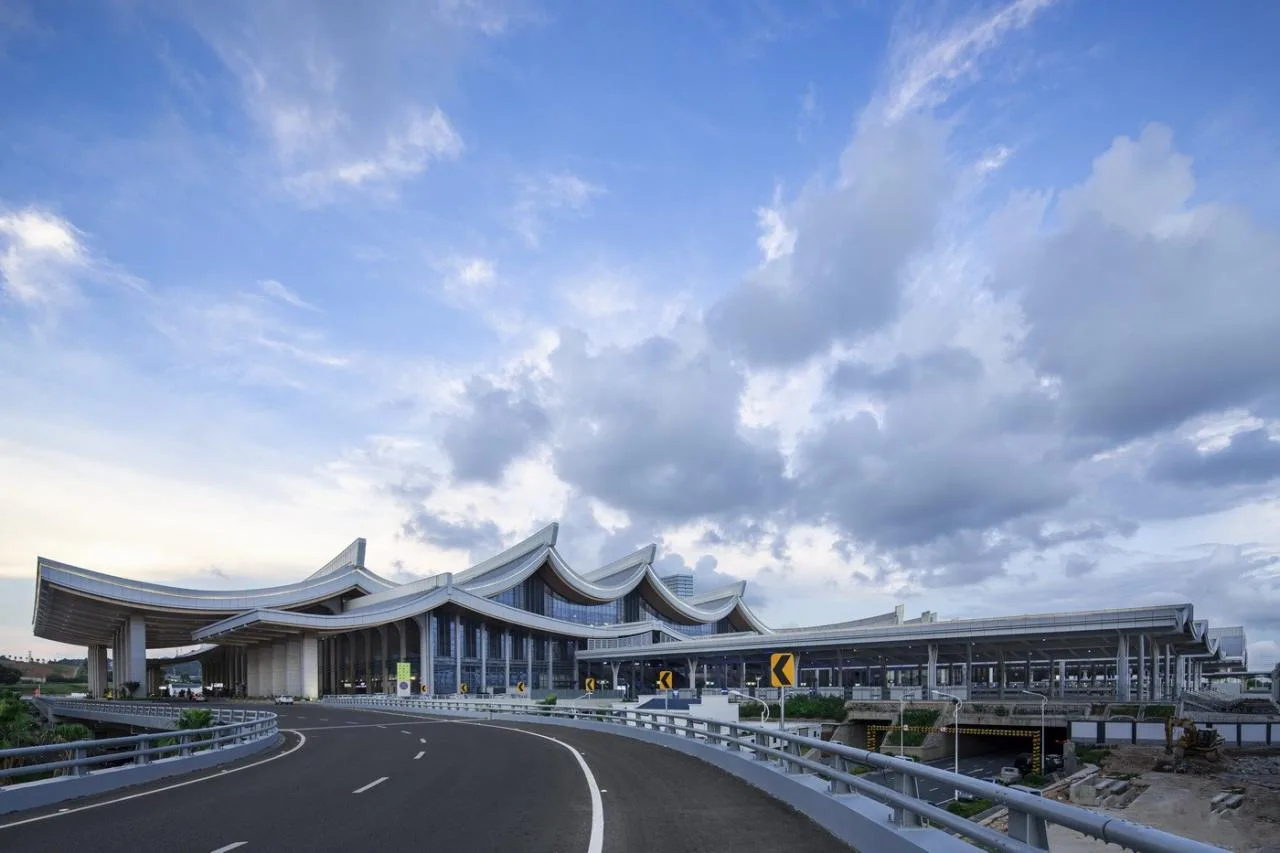
Exterior view of building appearance @ Lufei
The construction of high-speed railway stations often reflects the development pulse of an era and a city, becoming part of the city’s memory. The architecture and interior design of the newly built Xiamen North Station are modern and futuristic, demonstrating technological prowess while reflecting regional cultural characteristics. This project offers a sincere contribution to urban development.
Project drawings
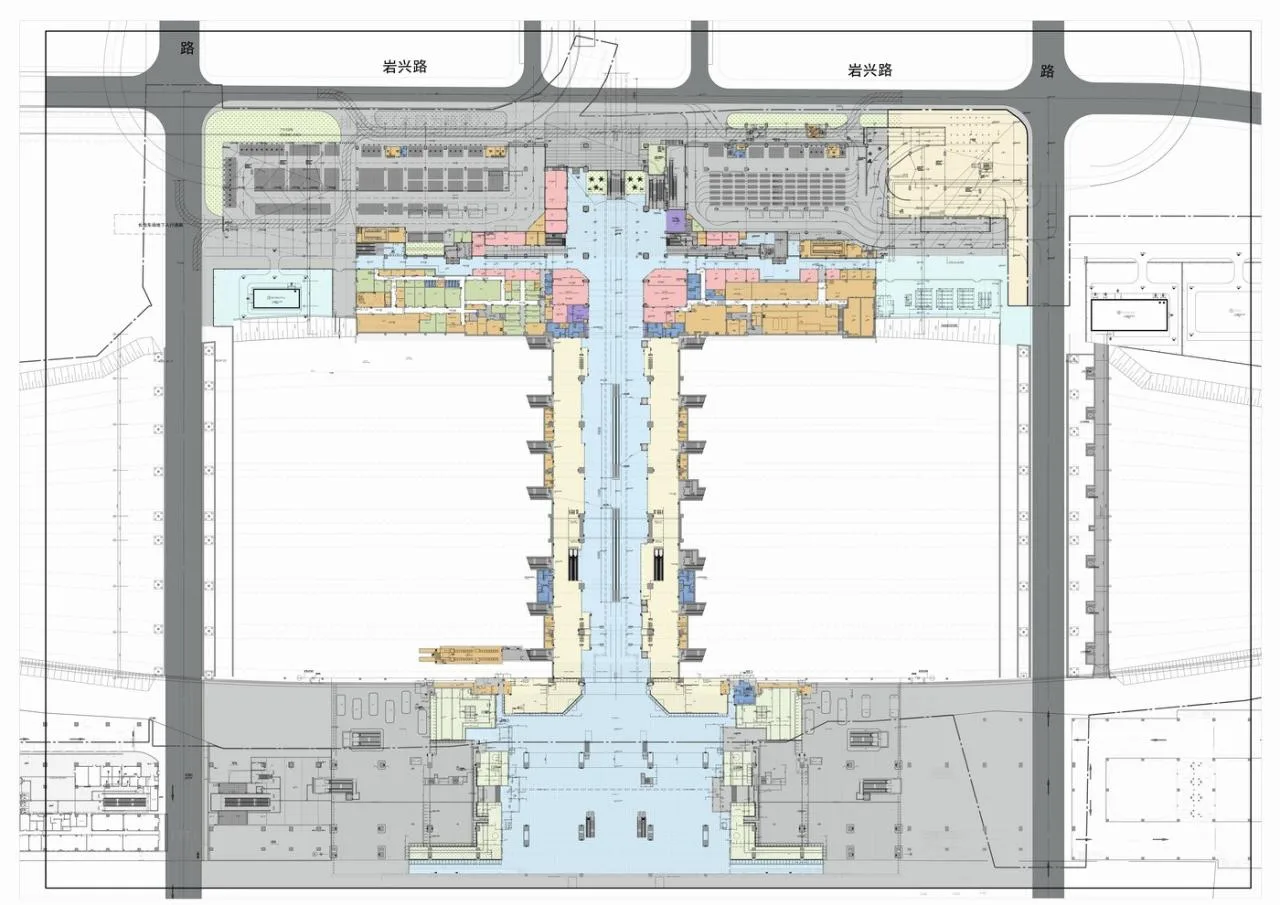
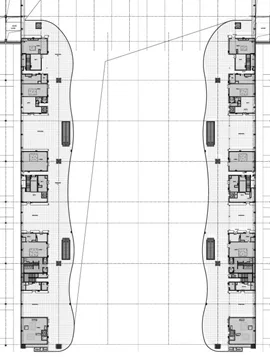
△ -10.00m Floor Plan
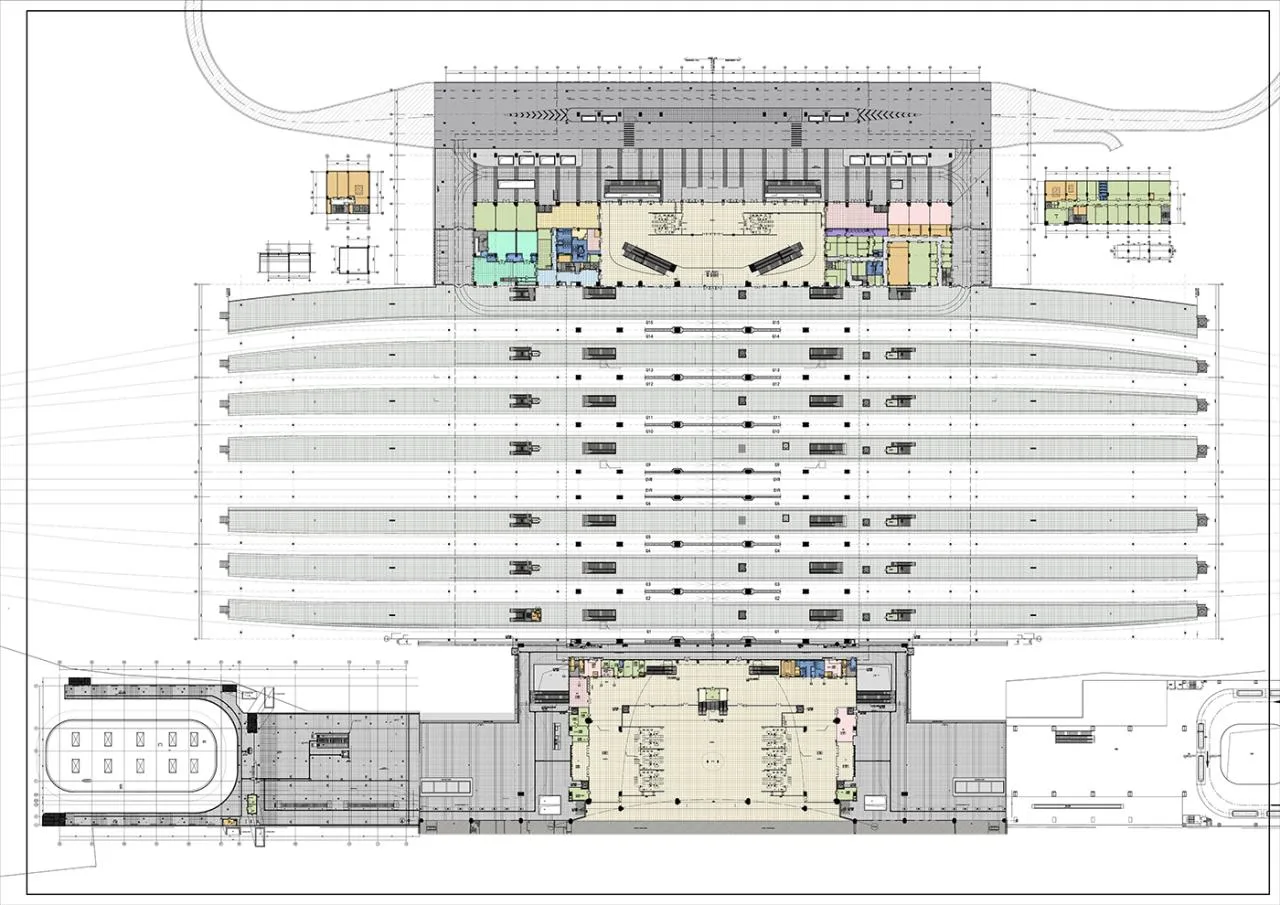
△ 0.00 meter floor plan
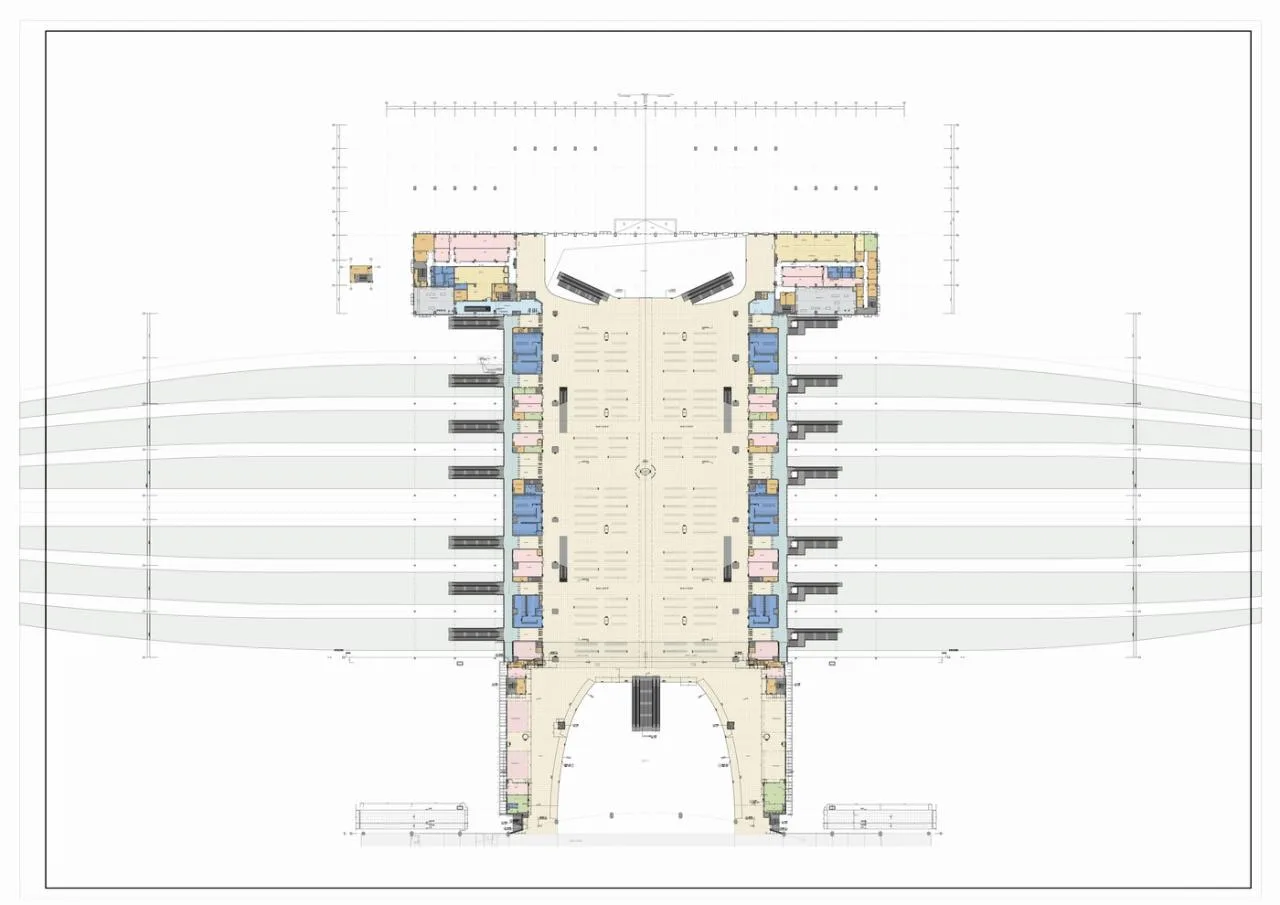
△ 9.00 meter floor plan
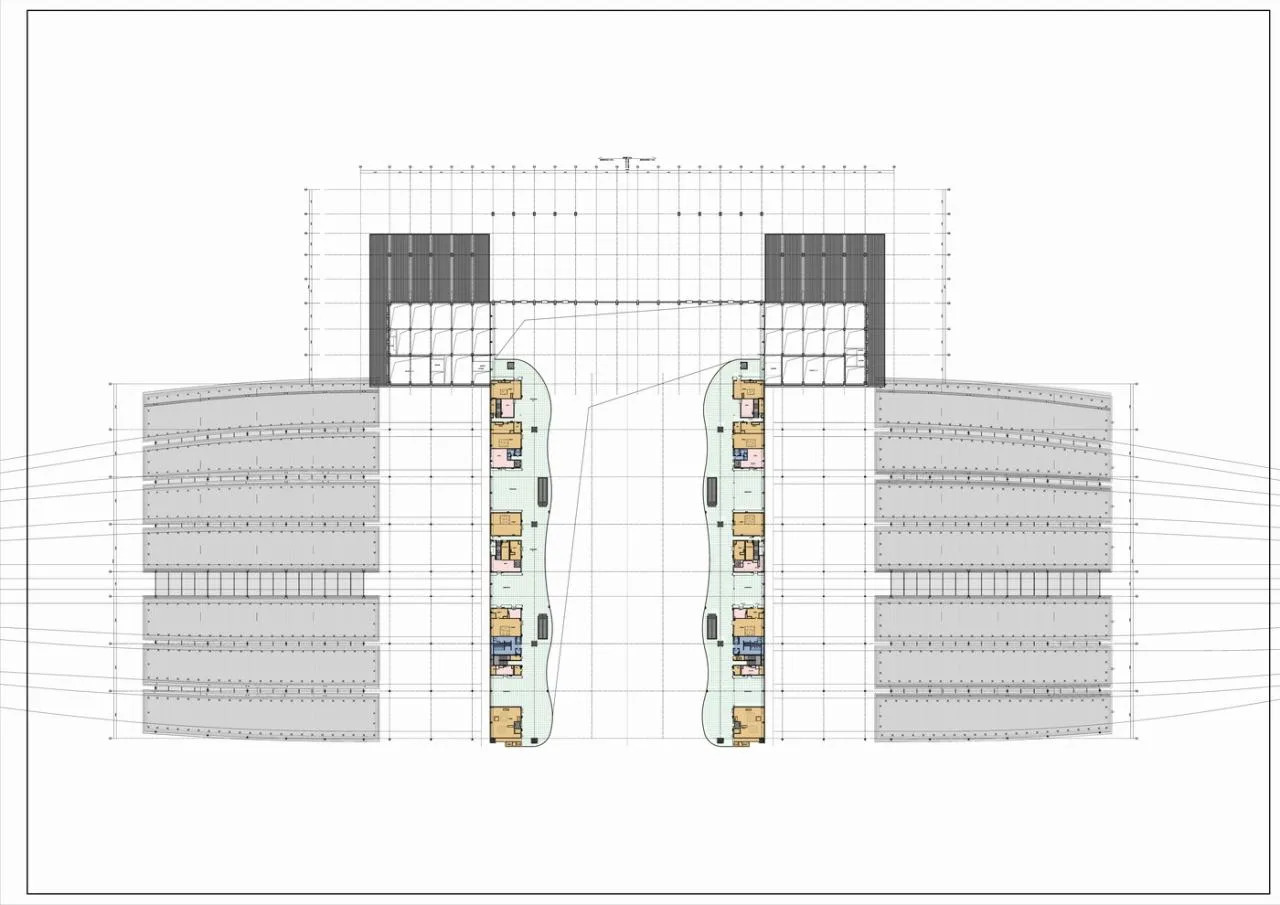
△ 16.50m Floor Plan
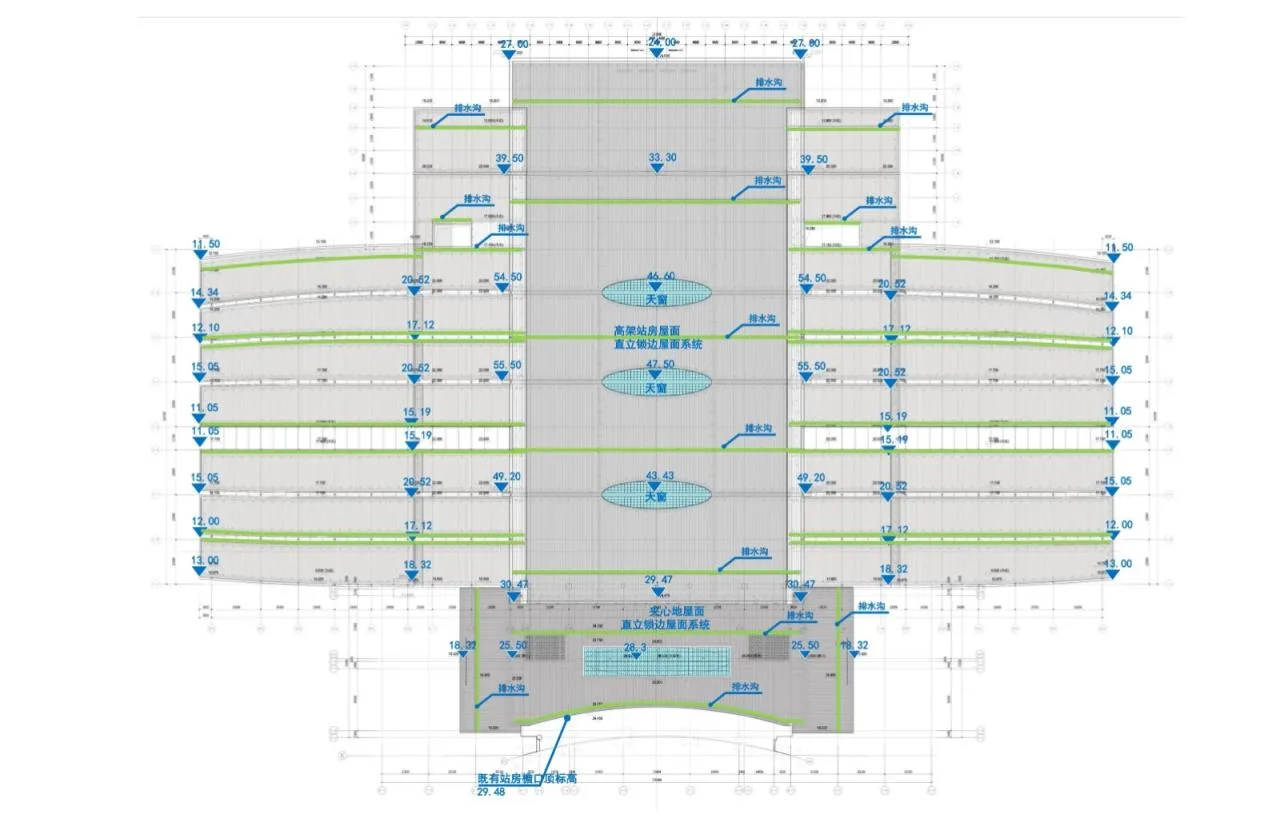
△ Roof Plan
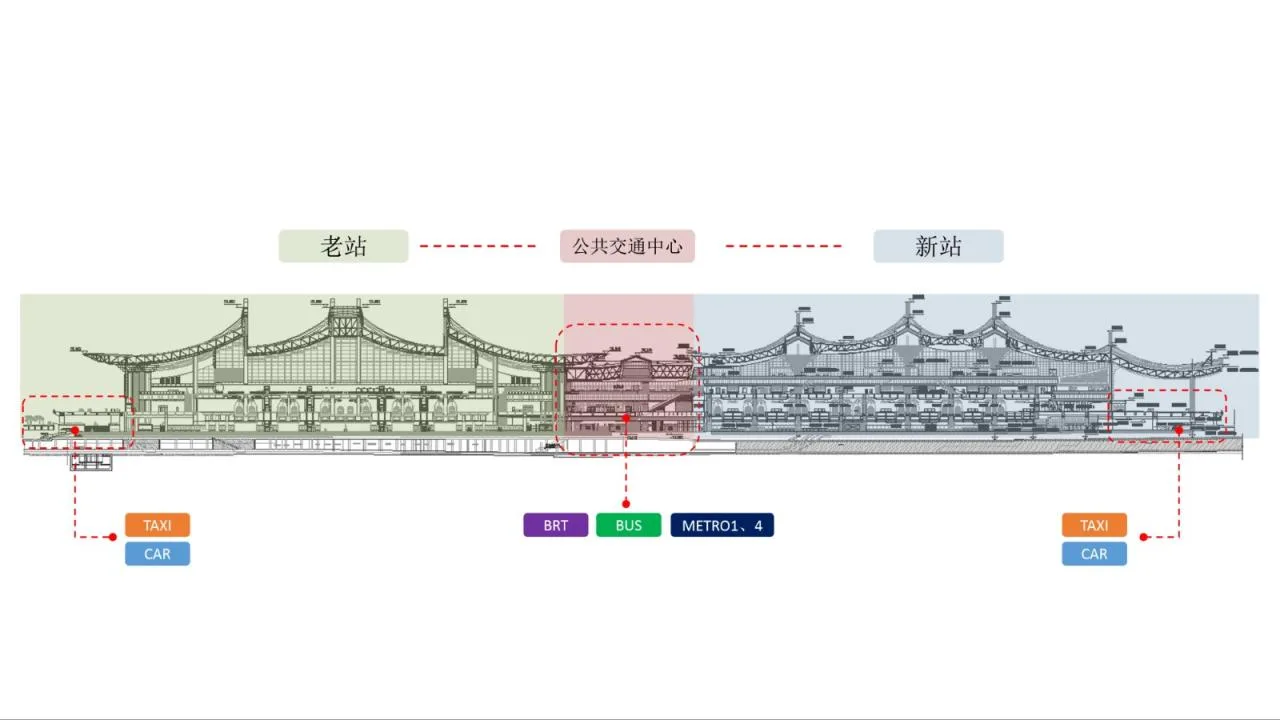
△ Sectional elevation view
Project Information
Project Name: Interior Design of Xiamen North Station Expansion Project of Fuzhou-Xiamen Railway
Building Area: 250,000 square meters
Interior Design Area: 55,900 square meters
Architectural Design Team: CCDI International Rail Transit Product Direct Architectural Team
Interior Design Team: CCDI International Beijing Interior Design Center
Company Website: www.ccdi.com.cn
Interior Design & Completion Time: February 2020 to September 2023
Interior Creator and Design Team
Design Director: Li Zhiyu
Indoor Creators: Wang Huan, Pu Yuzhen
Design Team: Zhang Zhouwen, Zhang Xinyu, Li Haitao, Wang Minghui
Project Address: Xiamen, Fujian, China
Photography Team: Lu Fei, Ren Enbin
Owner: Southeast Coastal Railway Fujian Co., Ltd.
Consortium Unit: China Railway Fourth Survey and Design Institute Group Co., Ltd.
Construction Unit: China Railway Construction Group















Must log in before commenting!
Sign Up