
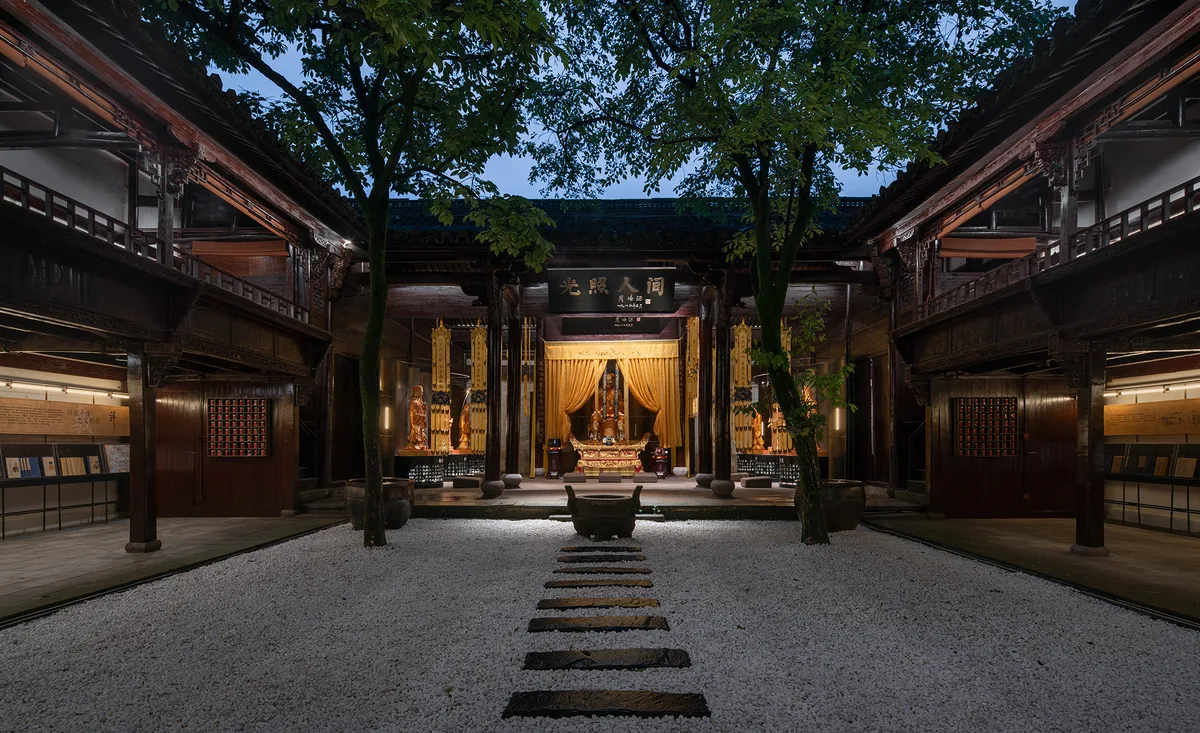
The rear hall shrouded in the darkness of night © Architecture Photography
01. Past and Present
This project is situated at No. 11, Ningshao Lane, Shuiting Gate, Quzhou, Zhejiang Province, within the historic Shennong Hall, also known as the Medicine King Temple. The Shennong Hall Lecture Hall was originally founded during the Yuan Dynasty (1271-1294) by medical professor Liu Guangda in Quzhou.
During the Ming Dynasty, it functioned as a health school dedicated to teaching medicine and fostering the exchange of medical knowledge. Over the Yuan, Ming, and Qing dynasties, the building underwent several repairs funded and supported by professionals from the pharmaceutical industry. The current structure was built with joint medical community funding in Quzhou during the 28th year of the Qianlong reign of the Qing Dynasty (1763) and was rebuilt again in the eleventh year of the Tongzhi reign (1872).
In the Republic of China era, specialists in medicinal herb management from Lanxi came to Quzhou and used Shennong Hall as the guild hall for the pharmaceutical industry association, leading to its alternate name, Lanxi Guild Hall. On the gods’ birthdays, the guild traditionally organized grand temple fairs to honor and entertain the deities.
Covering an area of 500 square meters, Shennong Hall features a rectangular layout with a courtyard-style brick and wood structure. The building comprises a front hall and a main hall, connected by a courtyard and wing rooms. In October 1993, it was officially listed as a municipal cultural relic protection building.
According to ancient Chinese legend, Shen Nong tasted hundreds of herbs to develop medicines that cured illnesses, and this hall enshrines a statue of the Shennong Yan Emperor, serving as a place of worship. Inside the hall, there are also bronze statues of renowned Quzhou doctors such as Yang Jizhou and Lei Feng.
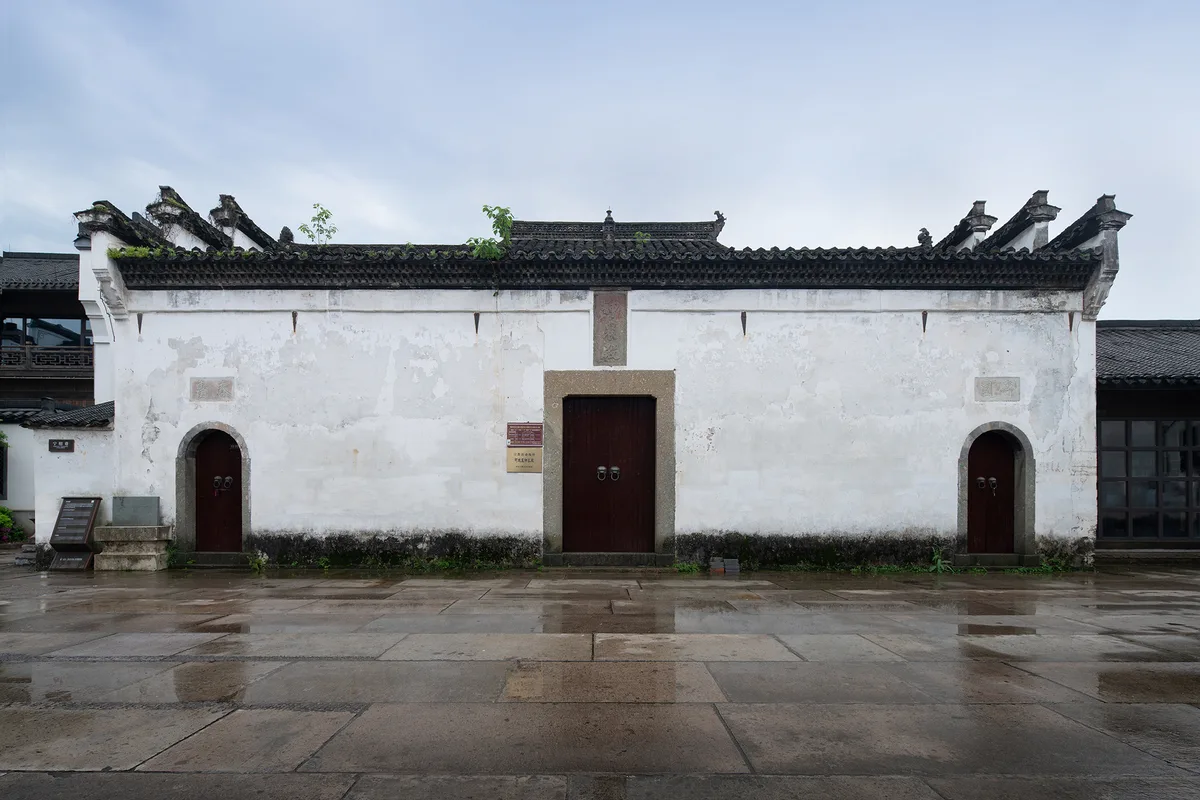
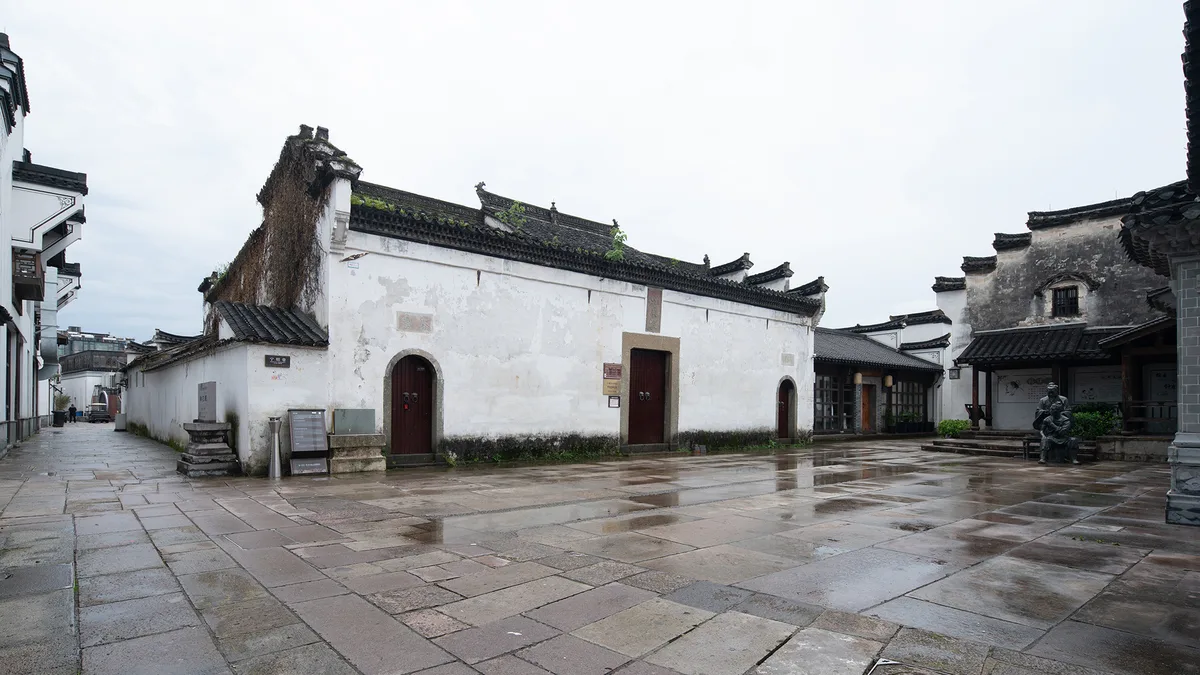
△ Restored exterior of Shennong Hall © Architecture Photography
Currently, although the space has been repaired, it remains idle and shows signs of slight deterioration. Later users subdivided the overall layout with glass and wooden window panels. The walls are adorned with murals and scattered statues along the rear hall. The wooden columns were altered with black paint, and the courtyard became overgrown with barren weeds.
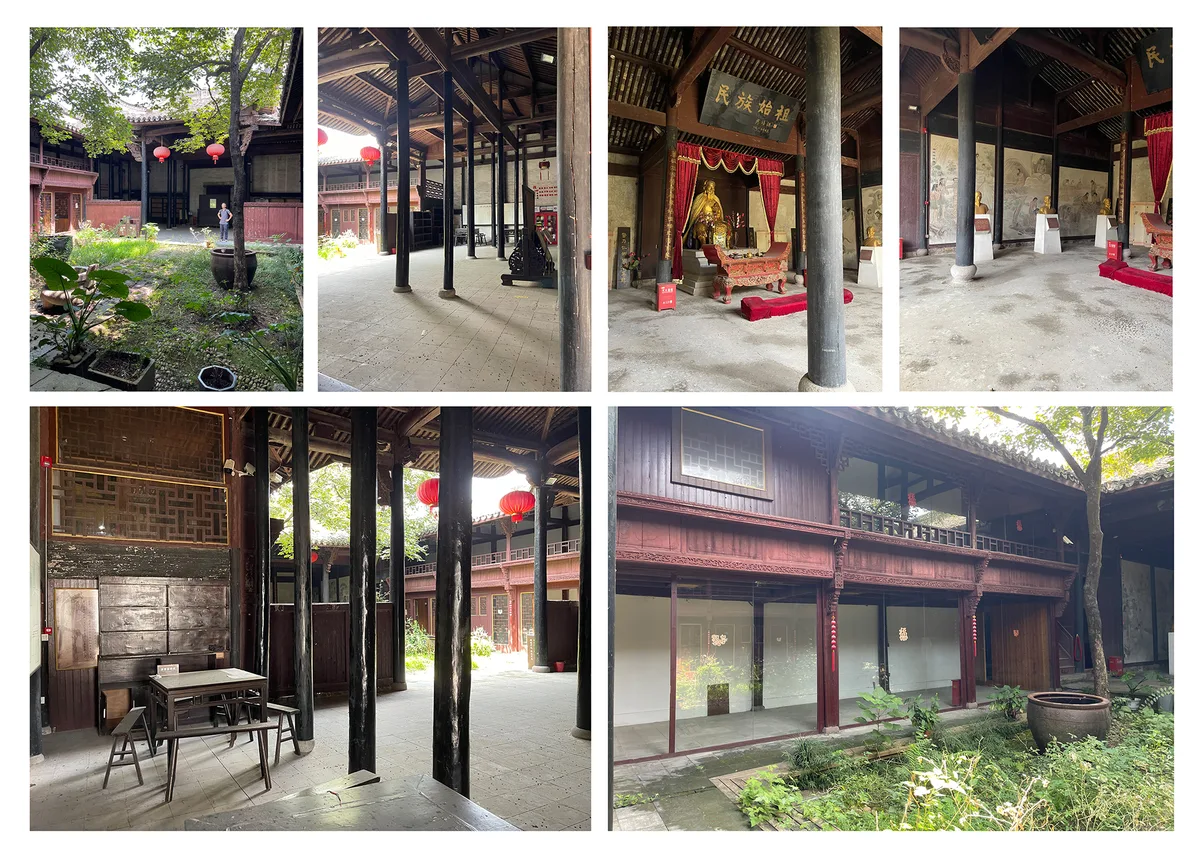
Condition of Shennong Hall before renovation © y.ad studio
02. Challenges and Necessities
The primary challenge for the design was adhering to the strict cultural relic protection regulations. Heritage buildings typically have stringent laws preventing any alteration to their exterior, structure, internal walls, floors, and even prohibit the use of nails on wooden beams or columns. These constraints initially frustrated the architects, limiting spatial modifications and even wall repairs.
The design had to strictly comply with these regulations, avoiding any damage or contact with the building’s original columns, walls, and other protected elements, while also fulfilling the owners’ current functional needs. Moreover, the design aimed to create a fresh spatial atmosphere and visual appeal, all within manageable costs.
The Courtyard as the Building’s Heart
To enhance functionality, the corridor that originally connected the front and rear halls—previously divided by glass and wooden panels—was reconsidered. Pedestrian access was limited to entering the rear hall through the open-air courtyard.
The design team removed the added partitions and glass, redefined the spatial flow, and thoroughly cleaned and reshaped the courtyard. The existing large trees and water tanks were preserved as the visual focal points, encouraging visitors to explore the courtyard freely.
The courtyard was transformed into a pure observation space, linking various areas and introducing lush greenery to breathe new life into the ancient architecture. Besides serving as the main passage between the front and rear halls, the side corridors were adapted to include exhibition spaces.
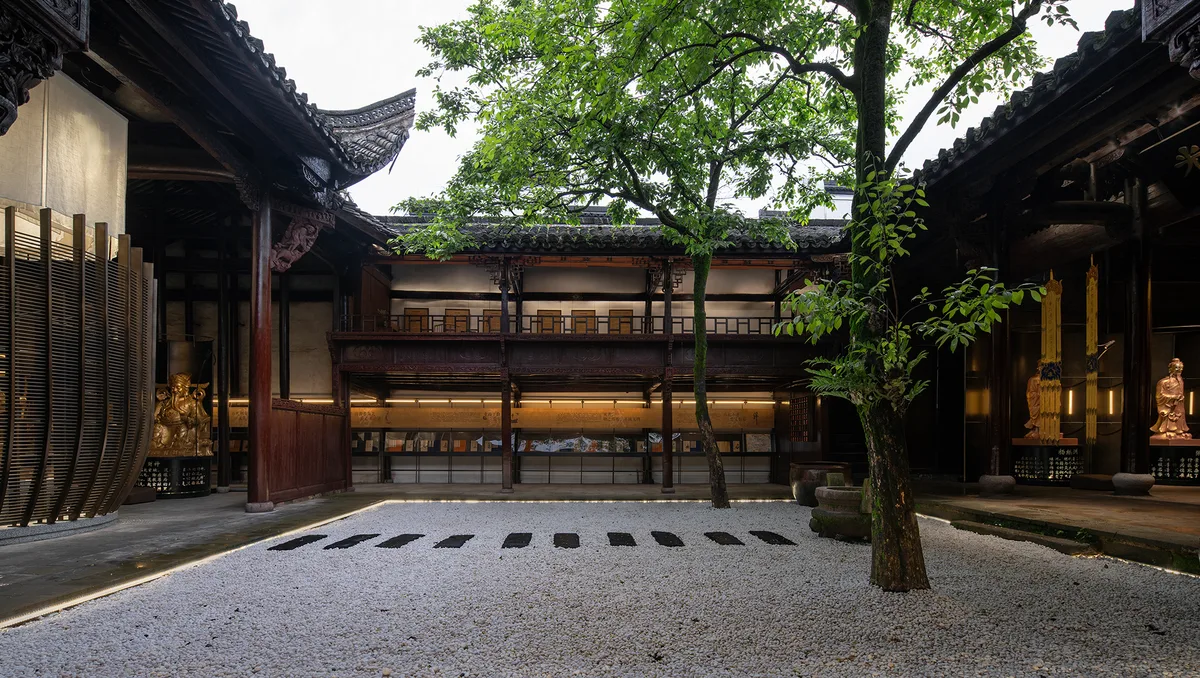
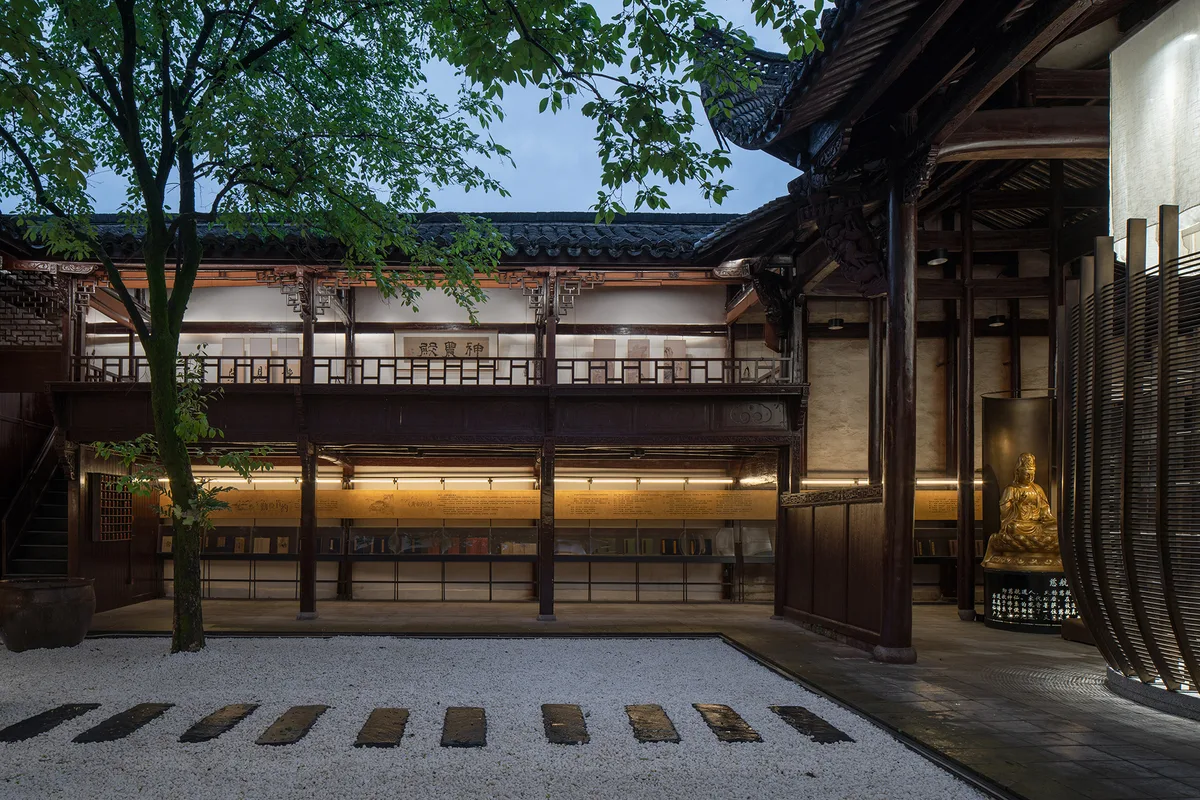
View toward the courtyard from the corridor © Architecture Photography
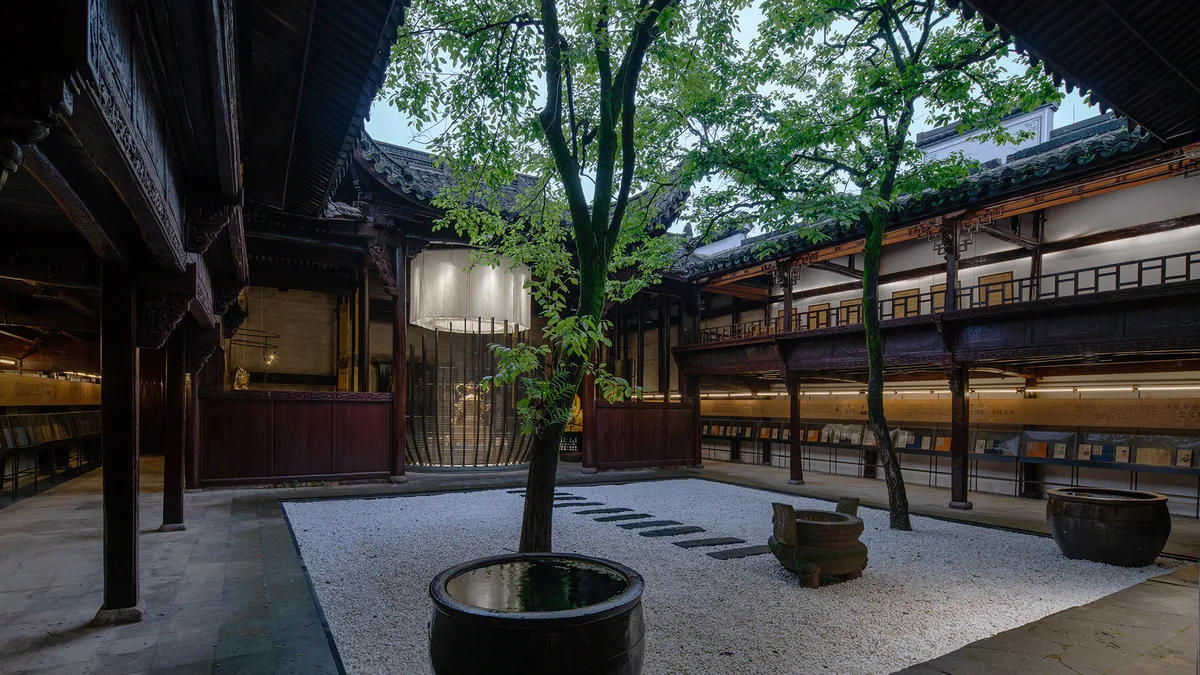
△ View back to the front hall from the rear hall © Architecture Photography
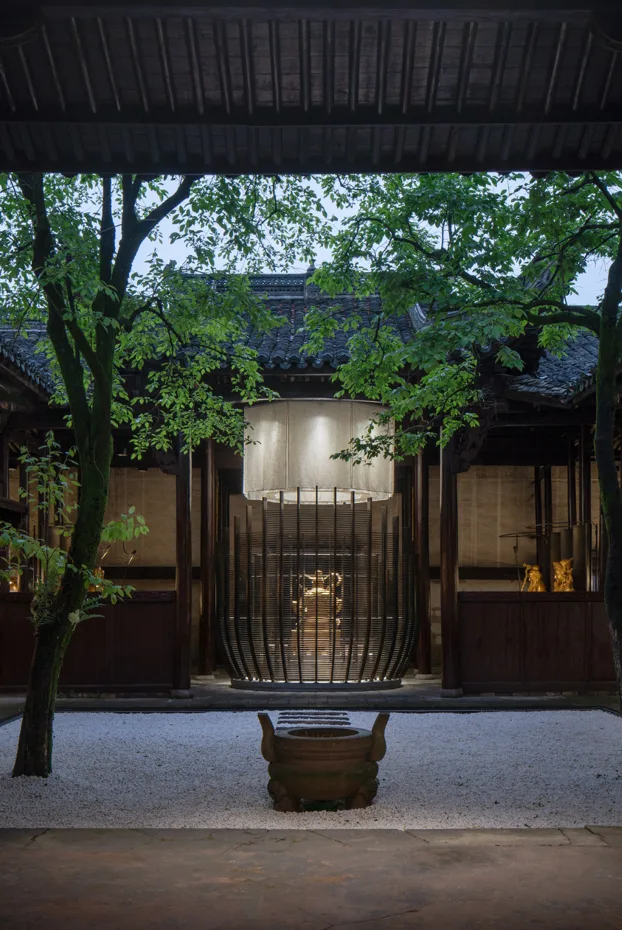
△ View back to the front hall from the rear hall © Architecture Photography
The rear hall in the darkness of night © Architecture Photography
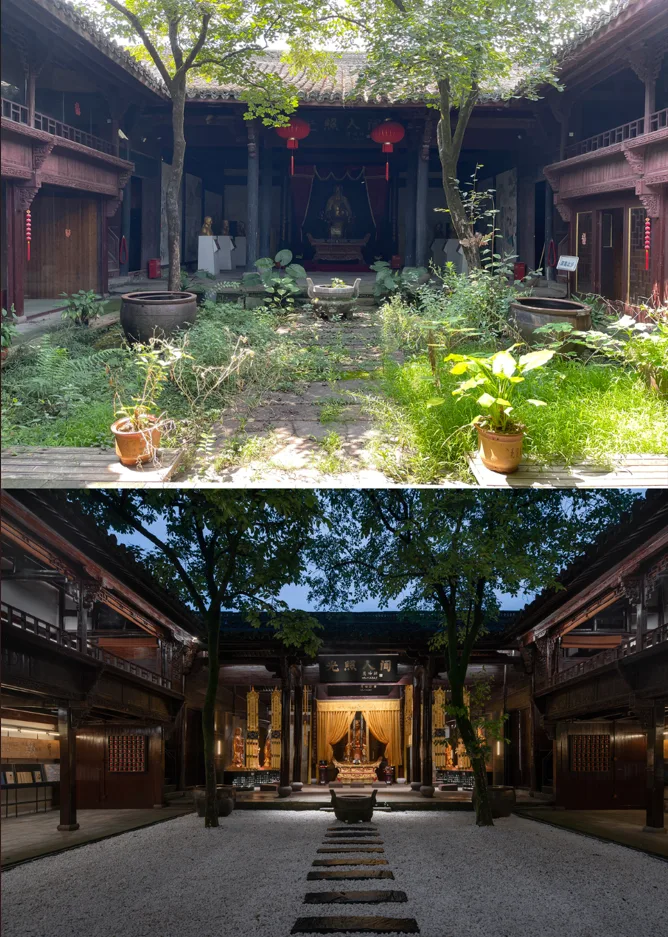
△ Before and after renovation comparison © y.ad studio & Architecture Photography
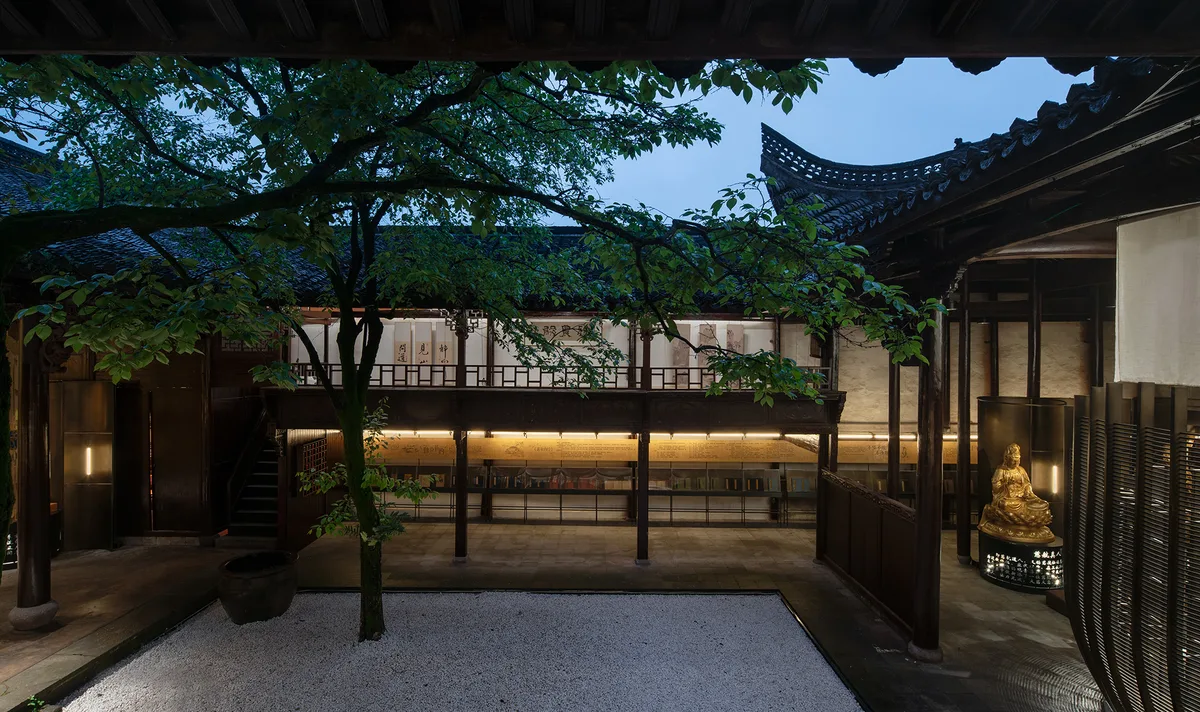
△ Overlooking the atrium © Architecture Photography
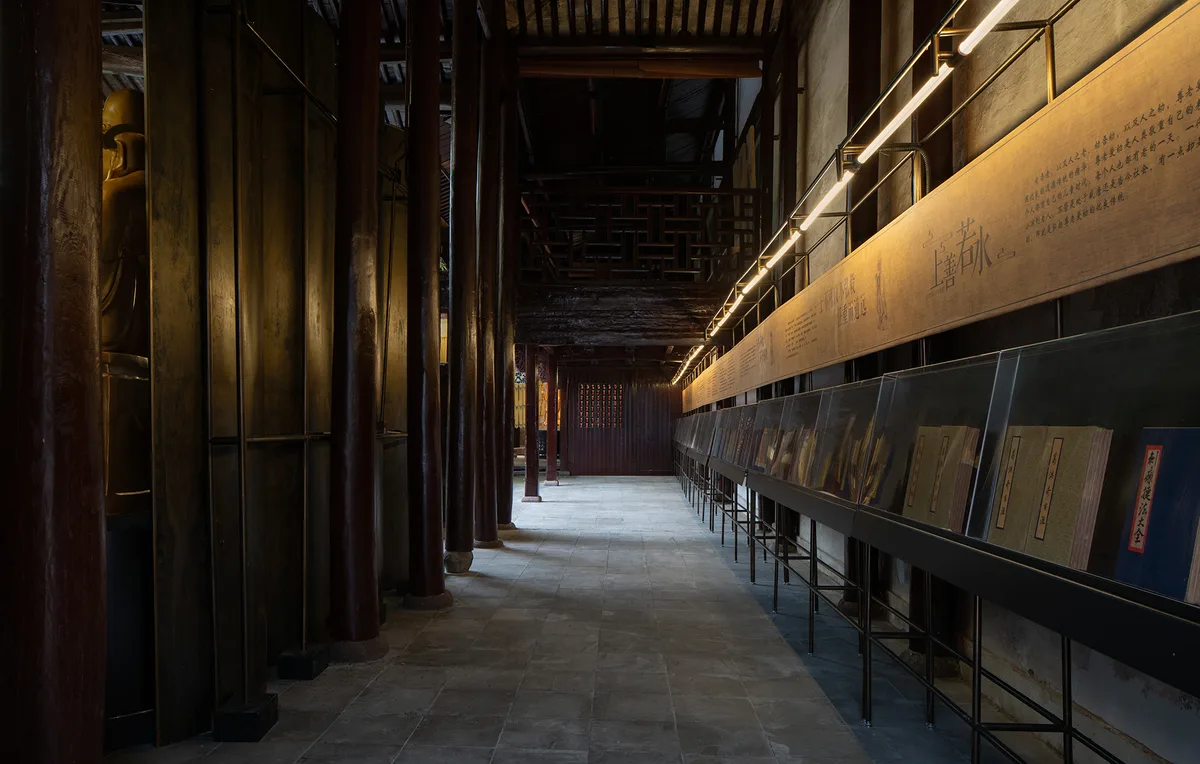
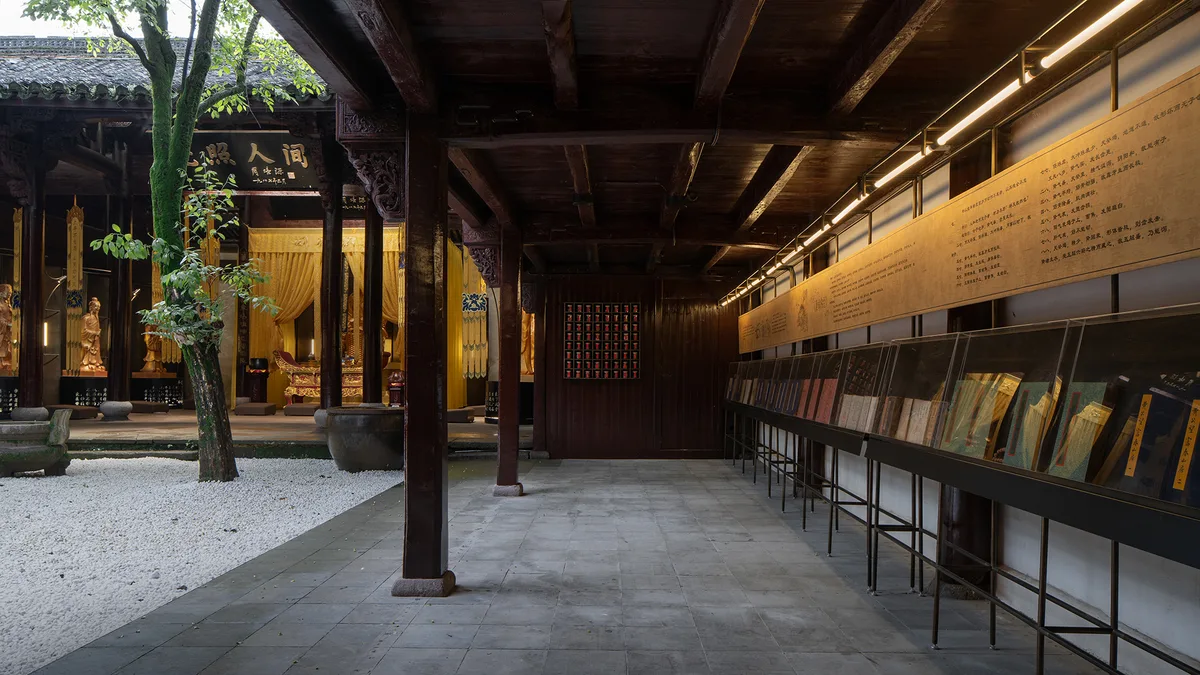
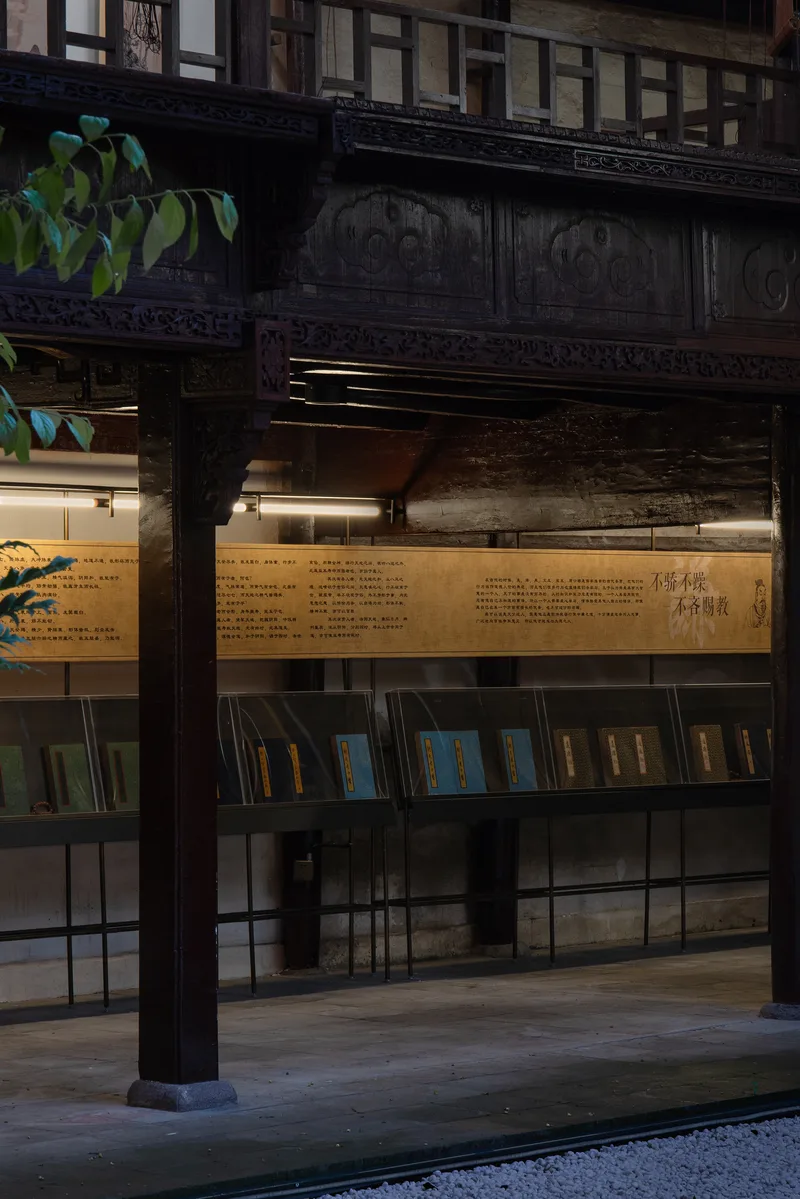
△ Corridor and cultural exhibition space © Architecture Photography
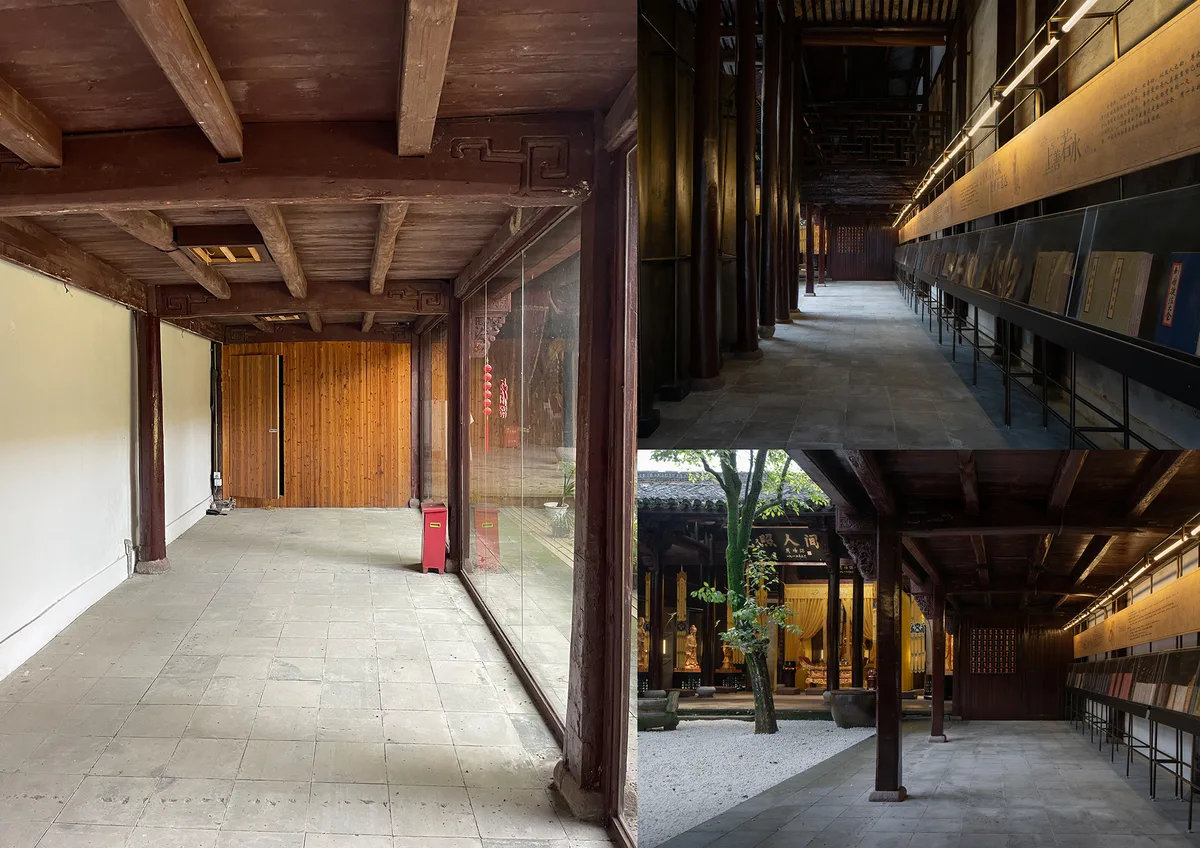
△ Before and after renovation comparison © y.ad studio & Architecture Photography
03. Fast, Affordable, and Effective
Given the constraints of cultural preservation laws, the design team opted for an approach akin to exhibition design, supplemented by carefully crafted lighting, as the primary strategy. This minimized direct contact with the original walls and columns, embracing a “repair first, then embed” renovation philosophy.
The walls of the front and rear halls, along with the damaged wooden window frames and black-painted beams and columns, were cleaned and restored to reflect the building’s original state—while deliberately preserving some signs of aging.
Rather than adding fixed walls or fixtures, the space was reconstructed using modular, movable assemblies combining statue bases, display racks, soft furnishings, and lighting elements. This strategy ensured the project was completed quickly, affordably, and effectively.
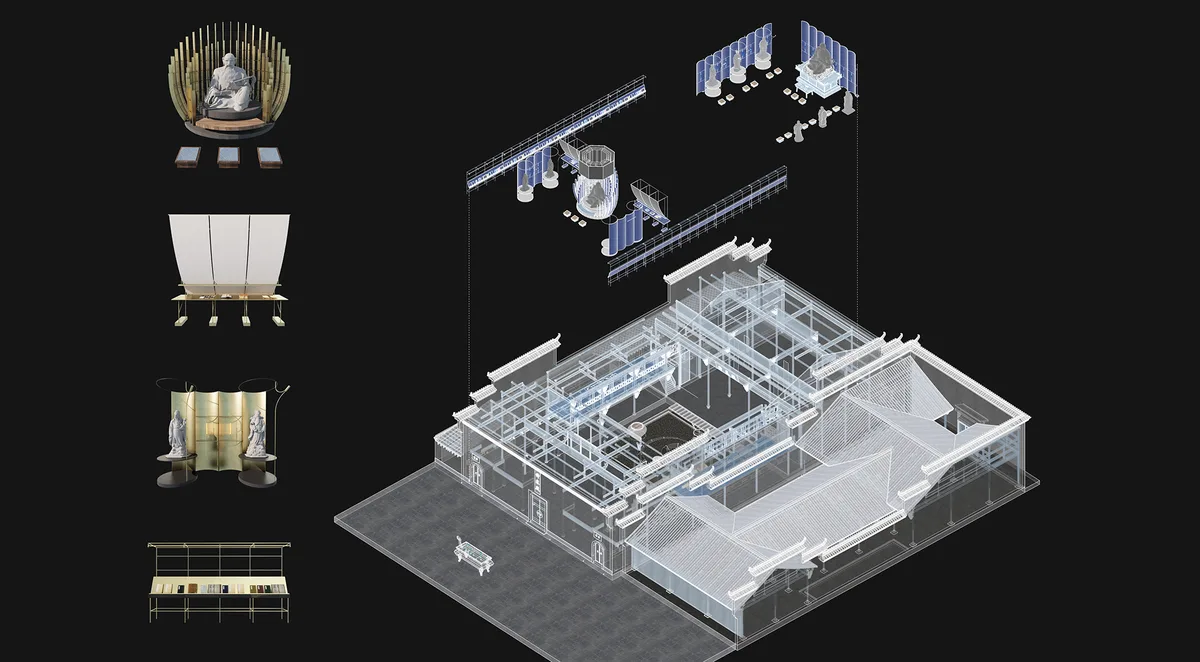
△ Analysis diagram © y.ad studio
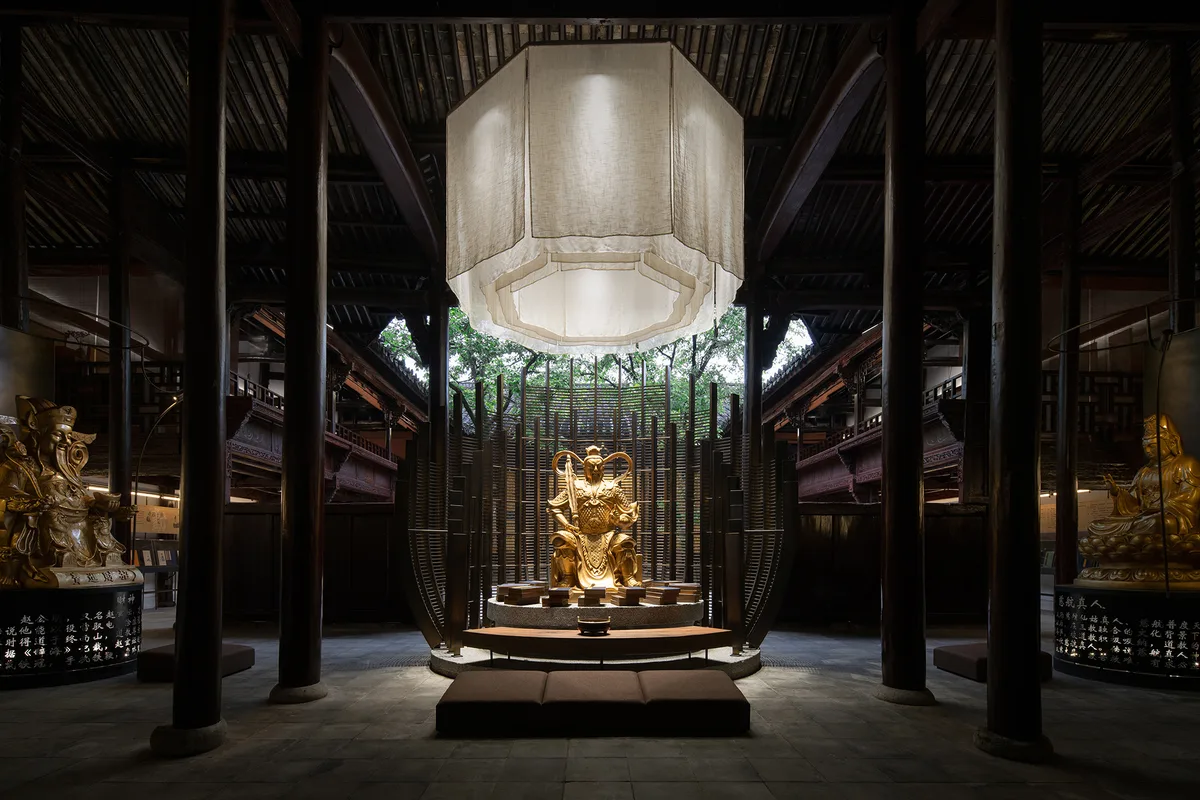
△ Entrance front hall © Architecture Photography
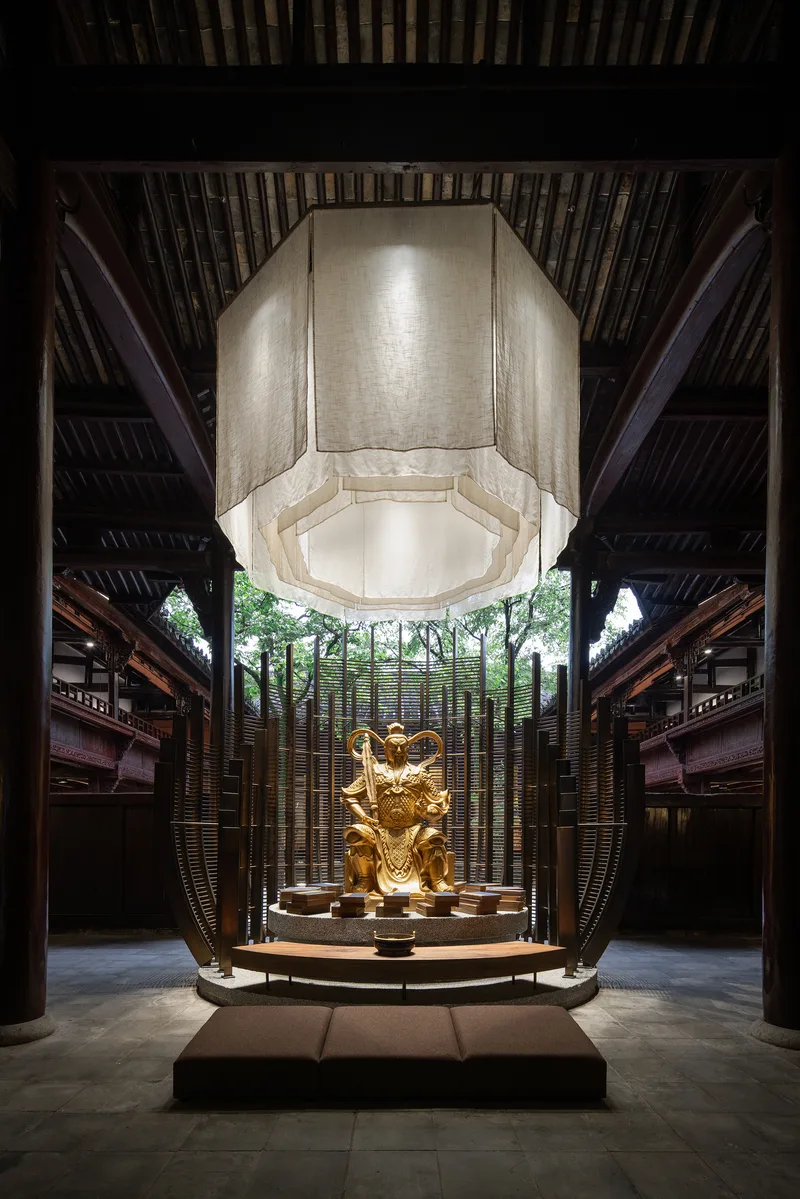
△ Statue combined with base and the top Eight Trigrams symbol © Architecture Photography
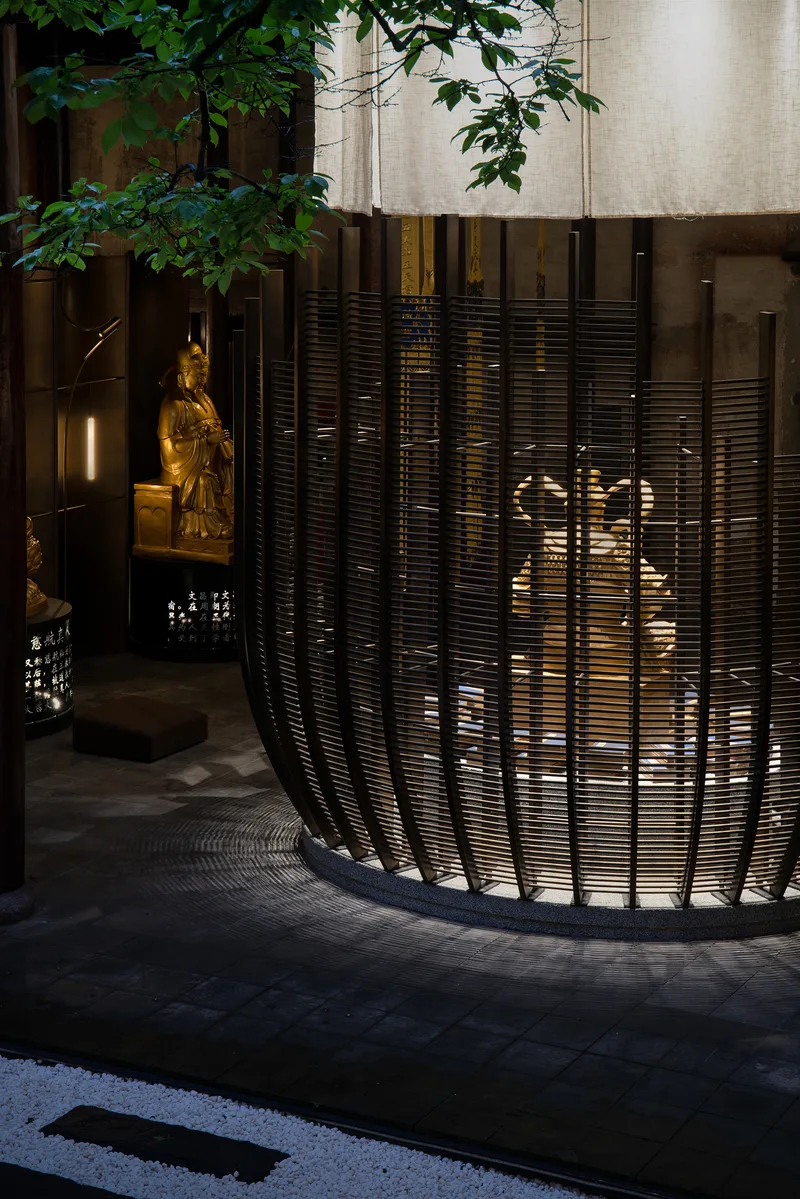
△ Rear view of the statue base © Architecture Photography
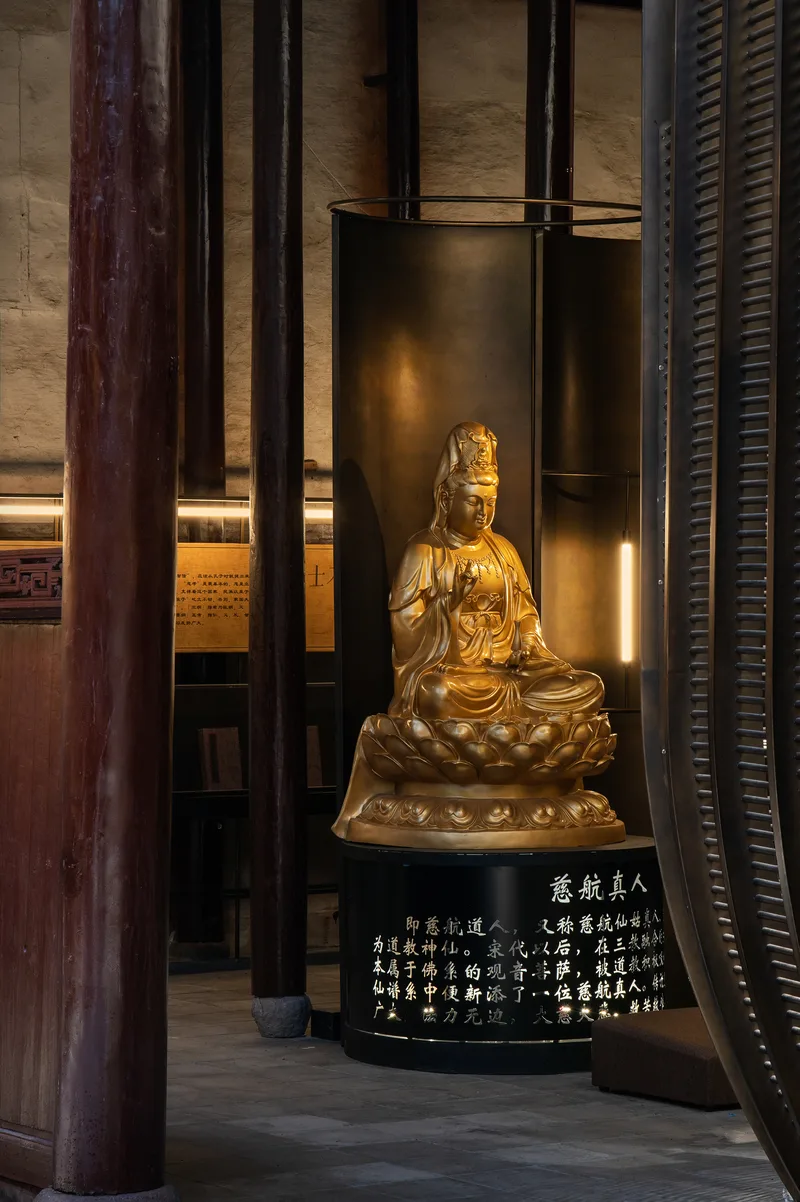
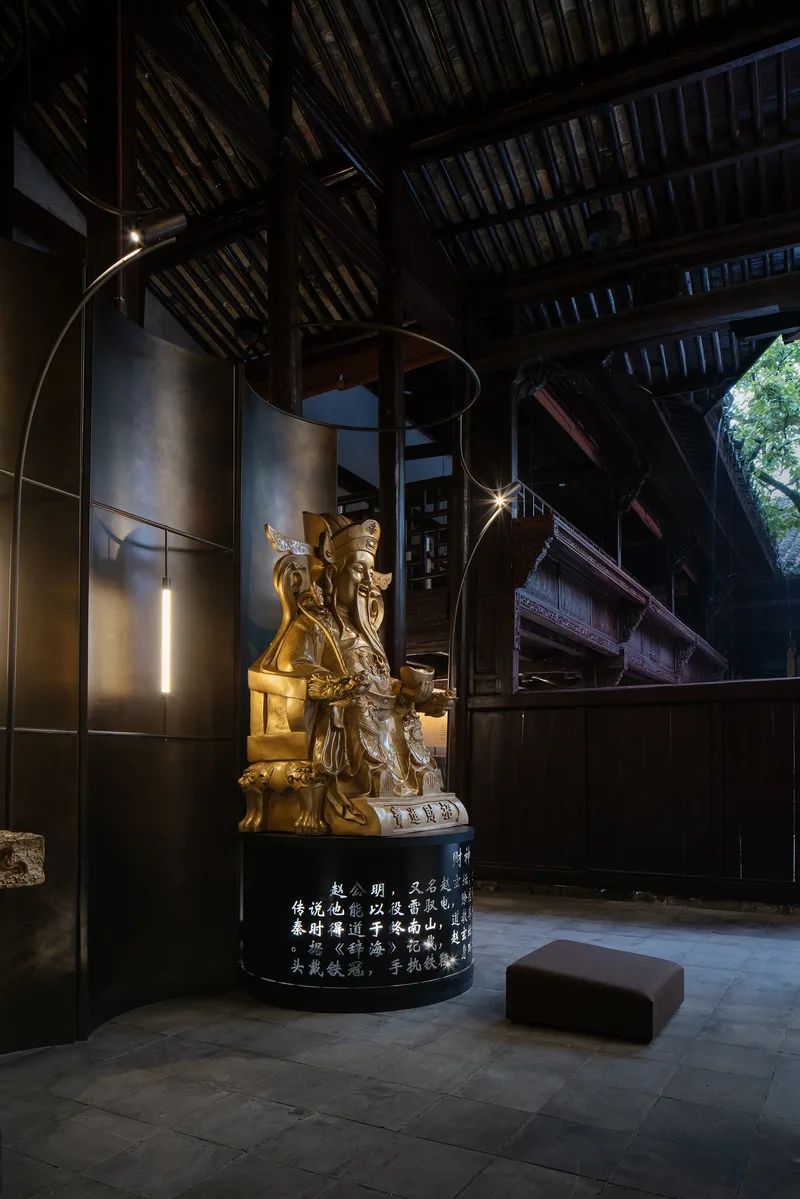
△ Integration of statue and base © Architecture Photography
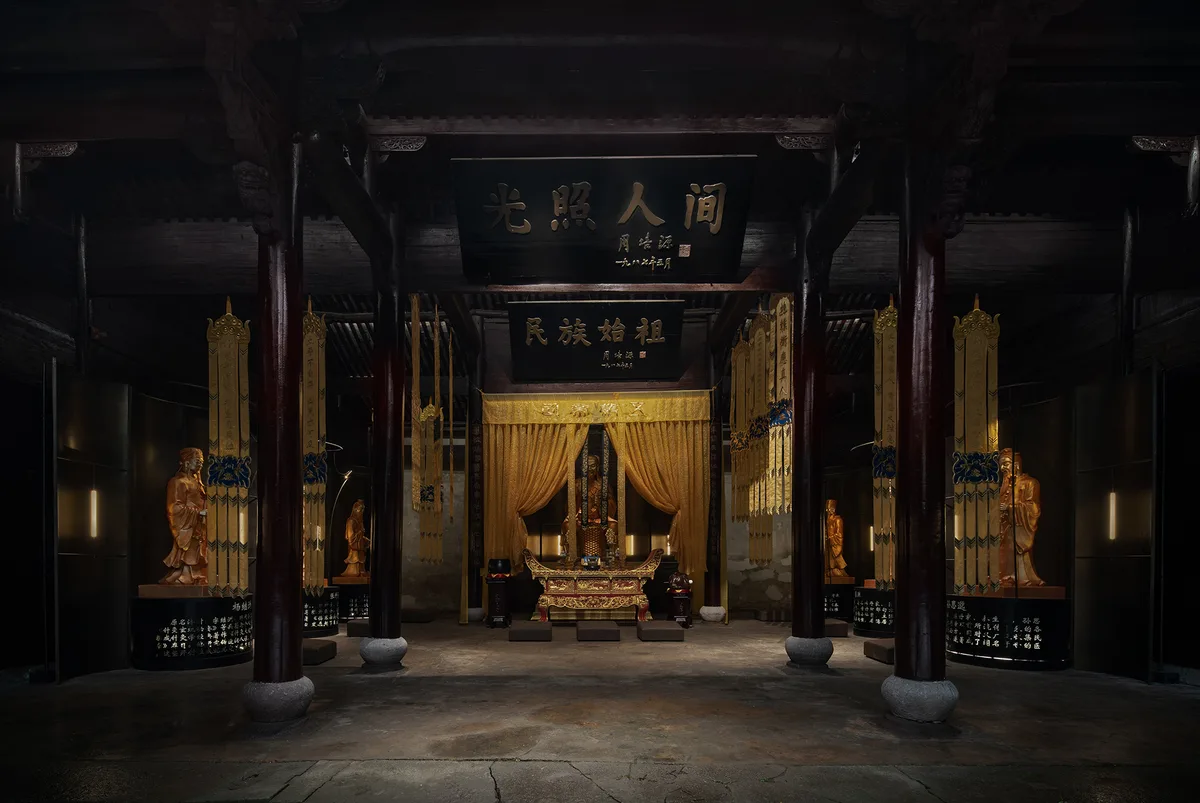
△ Rear hall space © Architecture Photography
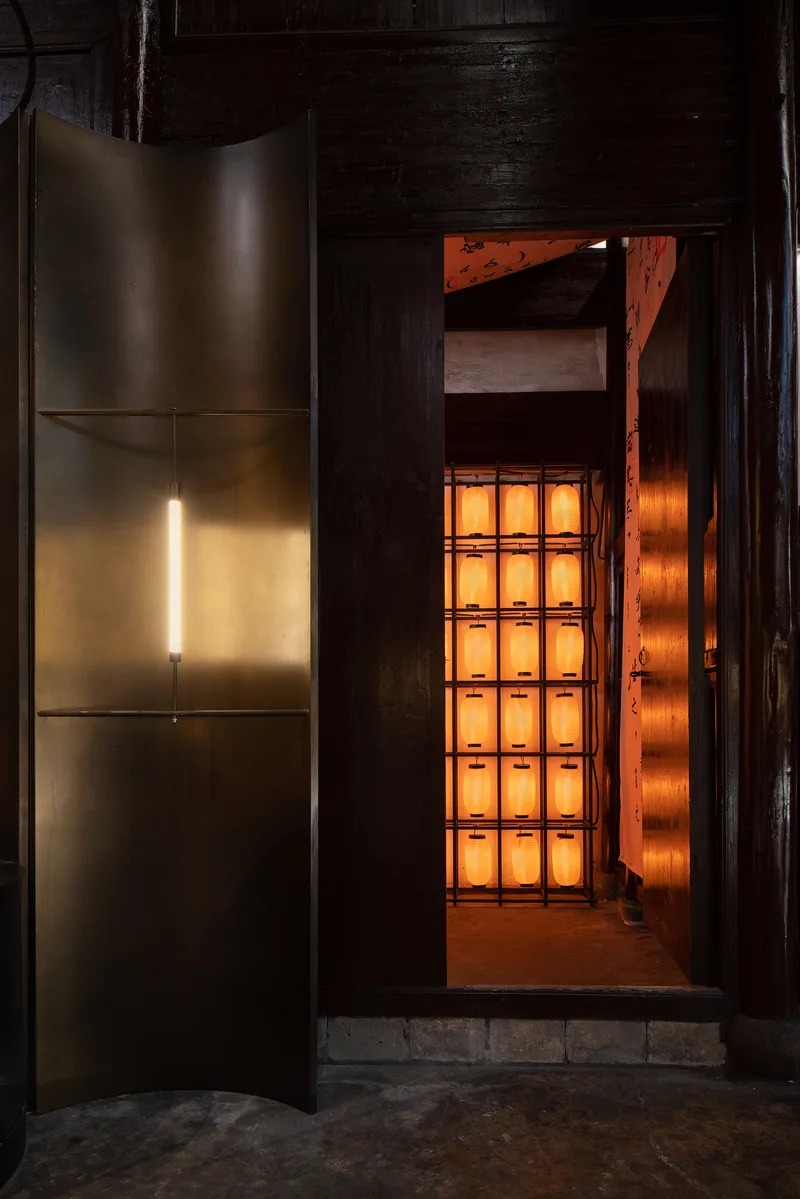
△ Rear hall lamp room © Architecture Photography
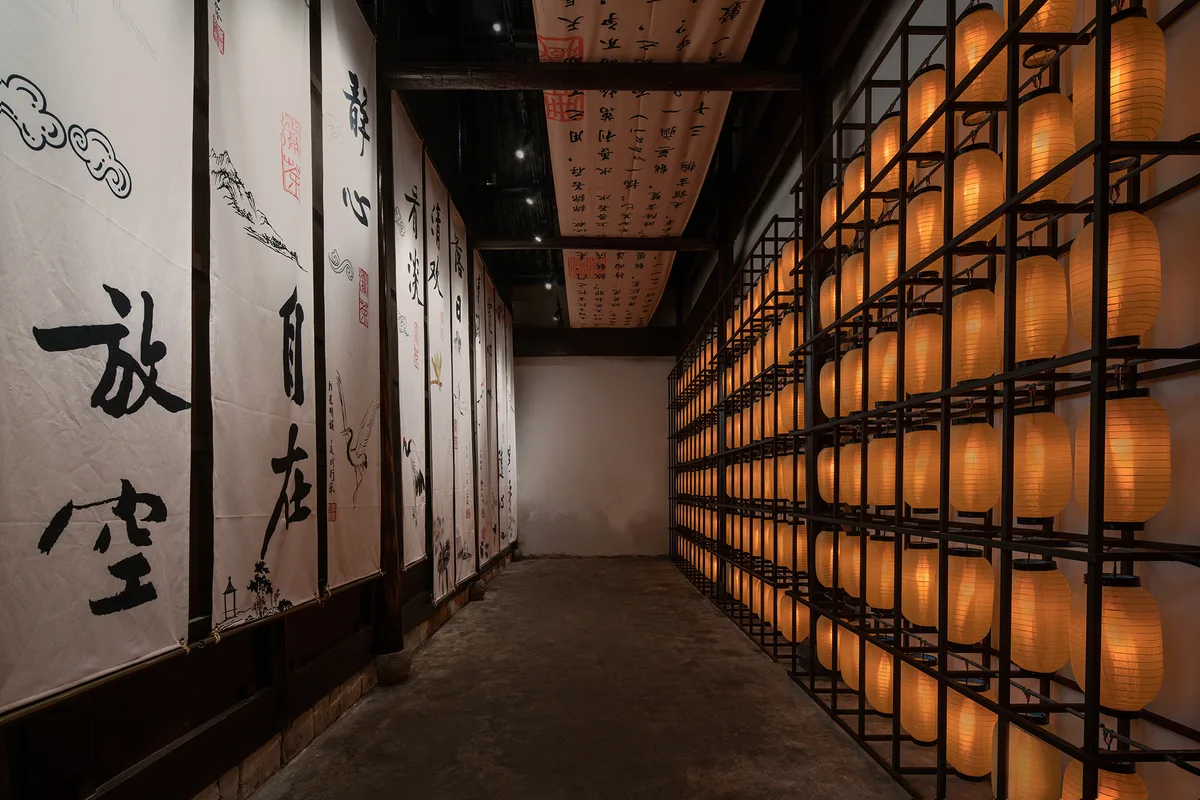
View towards the prayer lamp room from the rear hall © Architecture Photography
As a historically protected building, Shennong Hall’s renovation adhered to principles of minimal intervention, focusing on revitalizing the space while preserving its integrity. The design balanced practical feasibility, economic considerations, and the goal of activating the site with the simplest and most effective solutions.
Technical Drawings
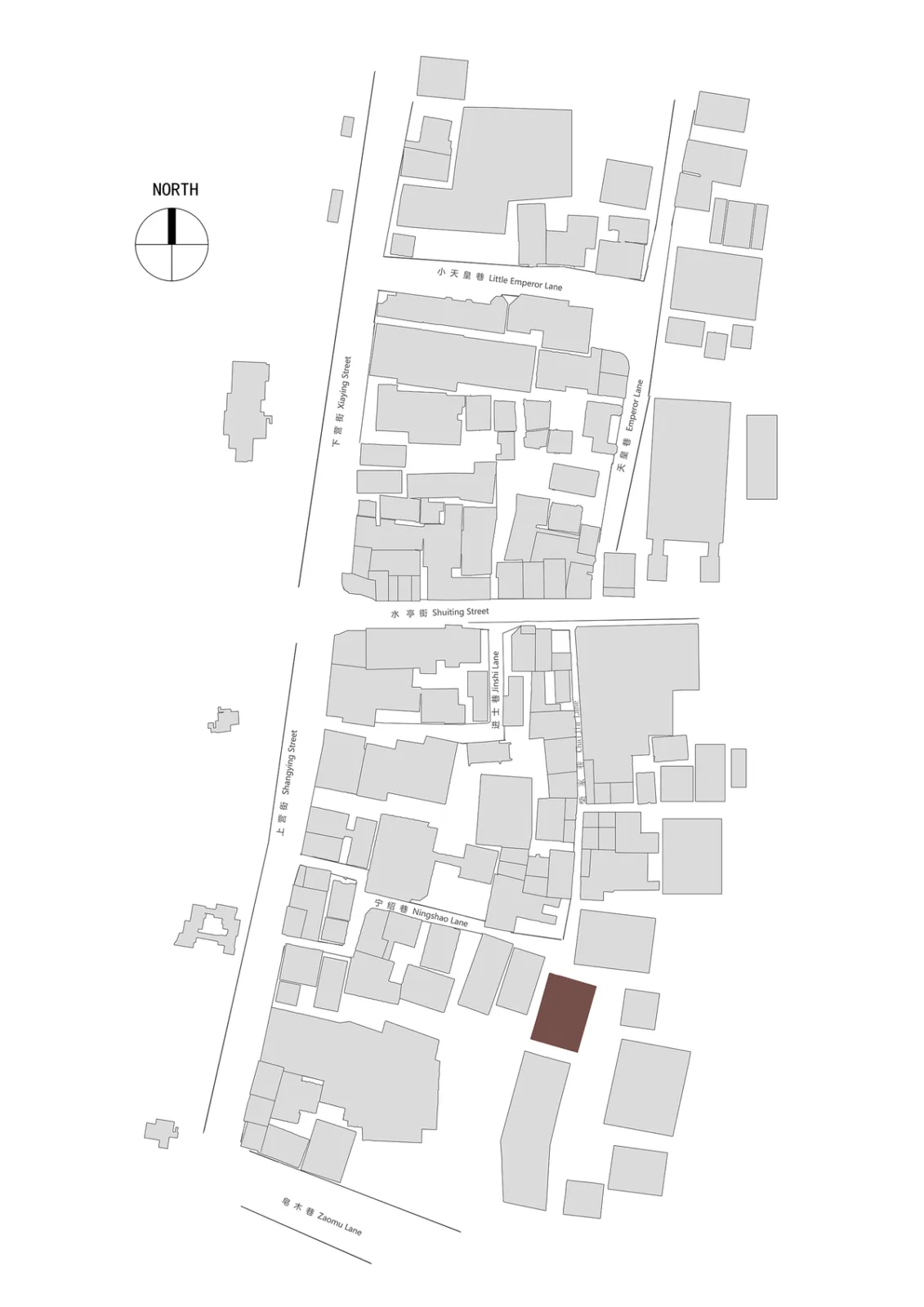
△ Regional general plan © y.ad studio
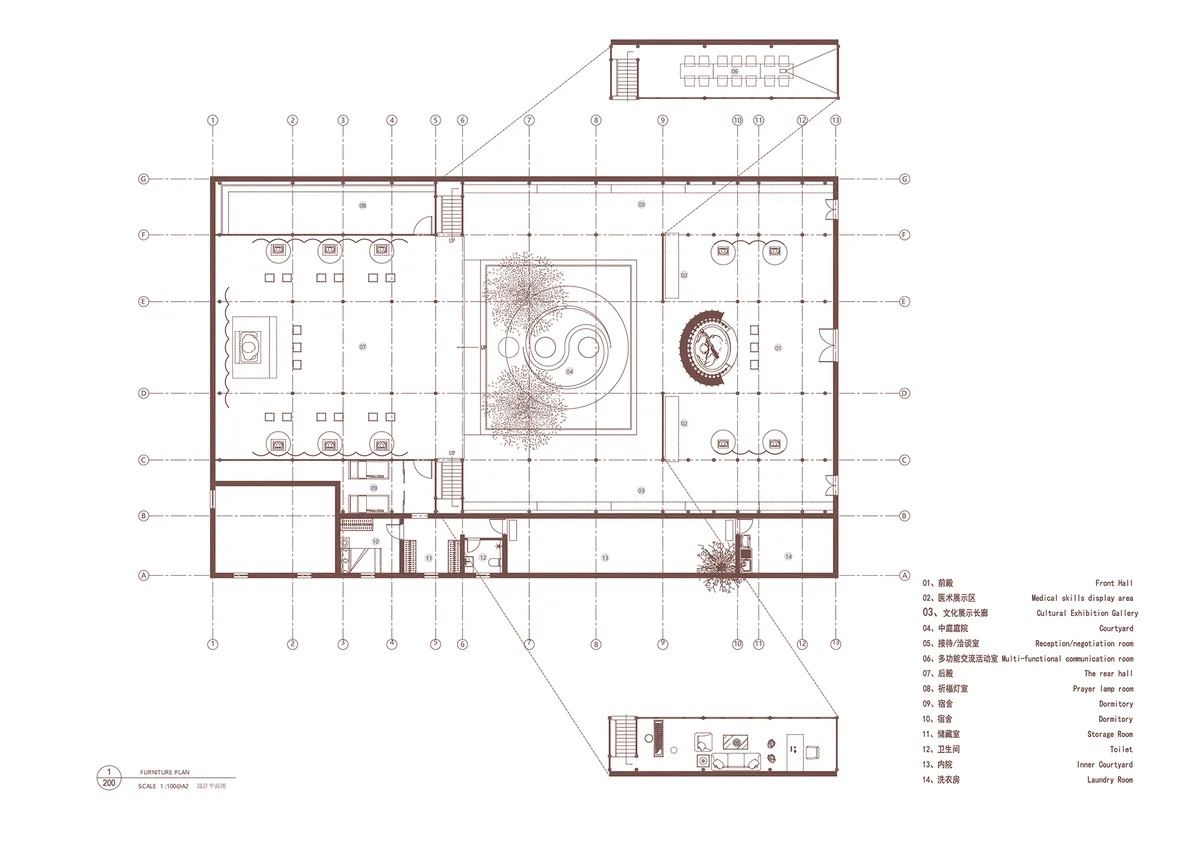
△ Architectural floor plan © y.ad studio
Project Information
Project Name: Quzhou Shennong Hall Micro Renovation and Restoration
Location: Quzhou City, Zhejiang Province
Construction Unit: Shennong Hall, Kecheng District, Quzhou City
Design Unit: y.ad studio | Shanghai Yan Yang Architectural Design Studio
Design Institute: Hangzhou Zhongya Architectural Design Co., Ltd.
Lead Architect: Yan Yang
Design Team: Zhao Siyuan, Yan Yu
Building Area: 500 square meters
Construction Contractor: Quzhou Yiqing Interior Decoration Engineering Co., Ltd.
Main Materials: Antique bronze stainless steel, washed stone, black iron components
Construction Period: July 2022 to August 2023
Photography Credits: Ziran Architecture Photography















Must log in before commenting!
Sign Up