
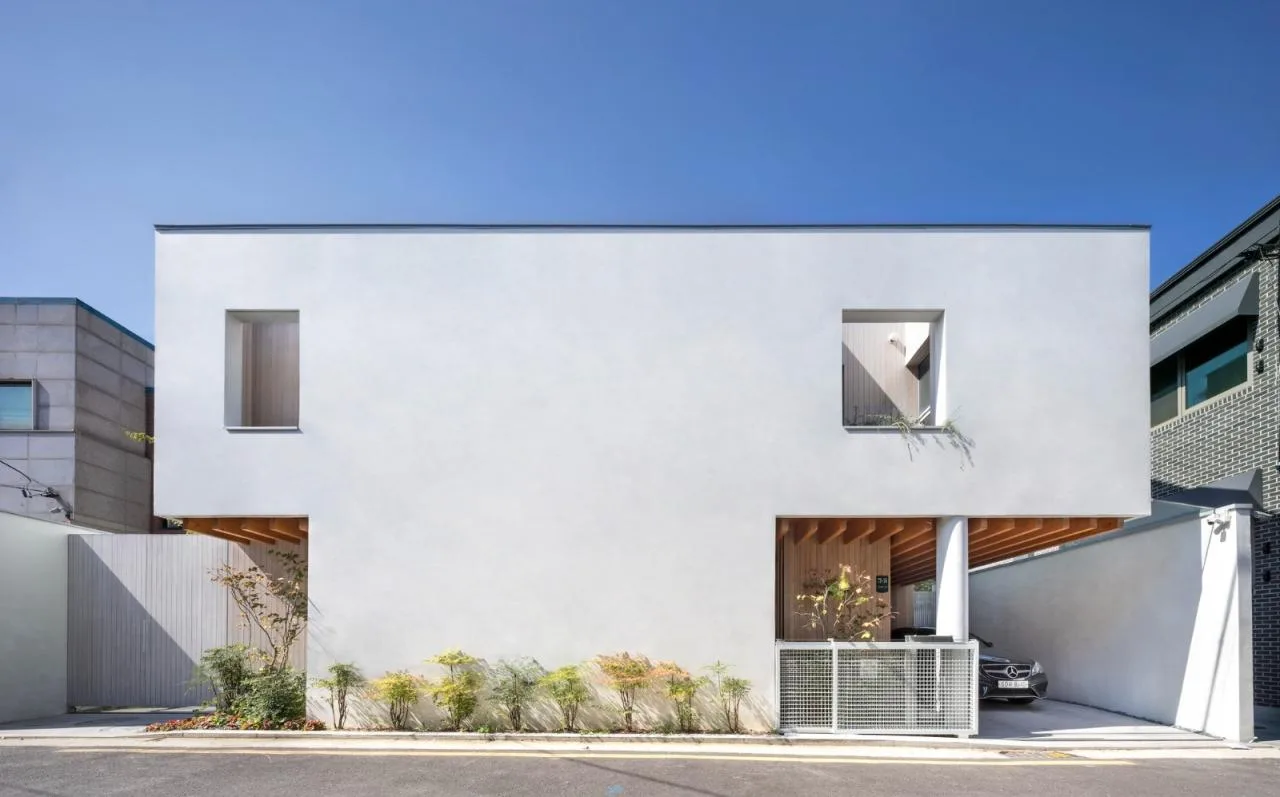
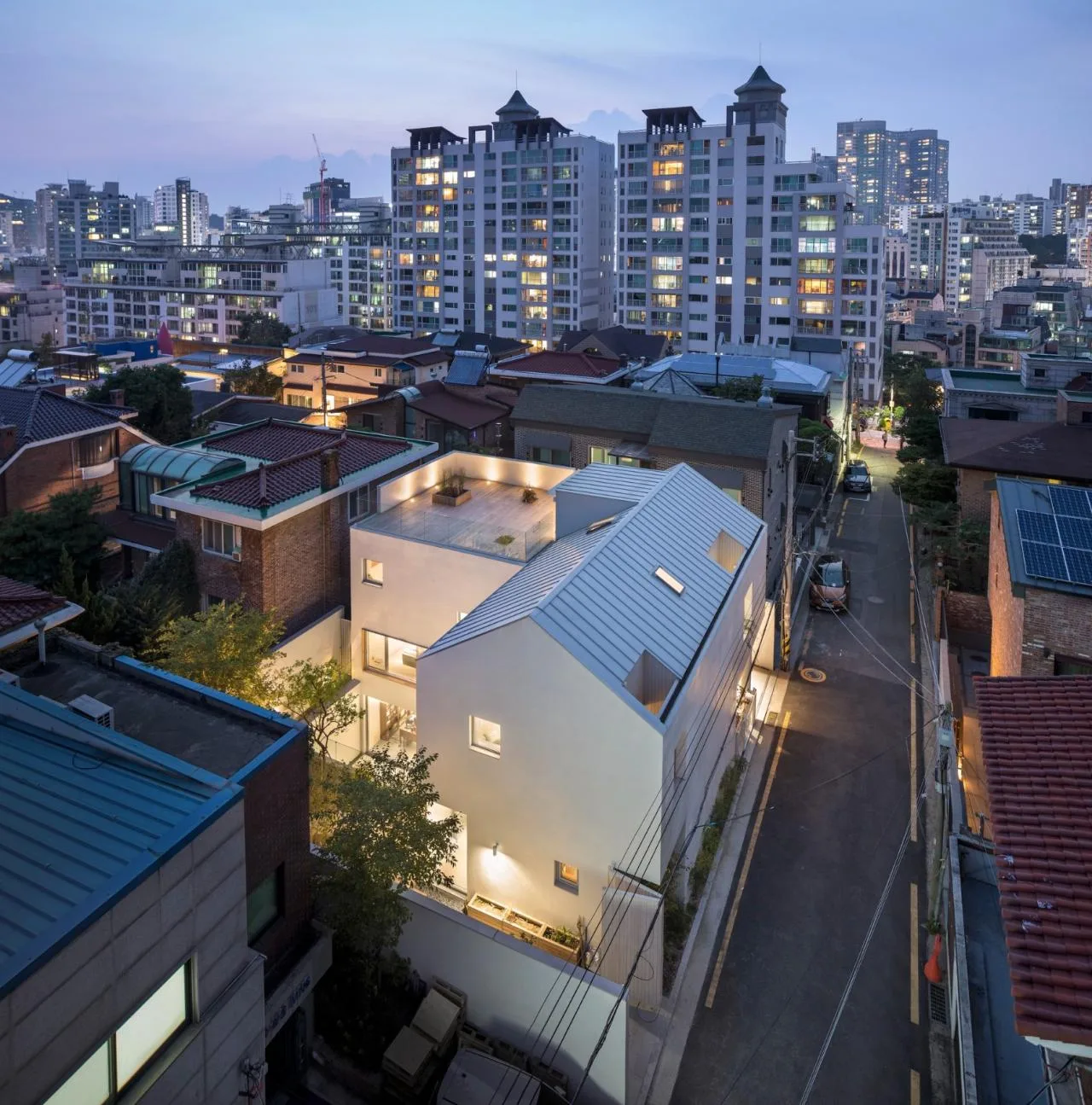
The Seoul Treehouse is situated in Ruicao-dong, a neighborhood named for its rich plant life. Nestled between Seoul National University of Education and the Gyeongbu Expressway, the site benefits from a stream flowing down from Mount Yeonpyeong. During the rainy season, the area often experiences heavy fog, creating a serene atmosphere. Unlike the predominantly apartment and mixed-use buildings in Jiangnan, the surrounding neighborhood is filled with single-family homes, adding to the peaceful environment.
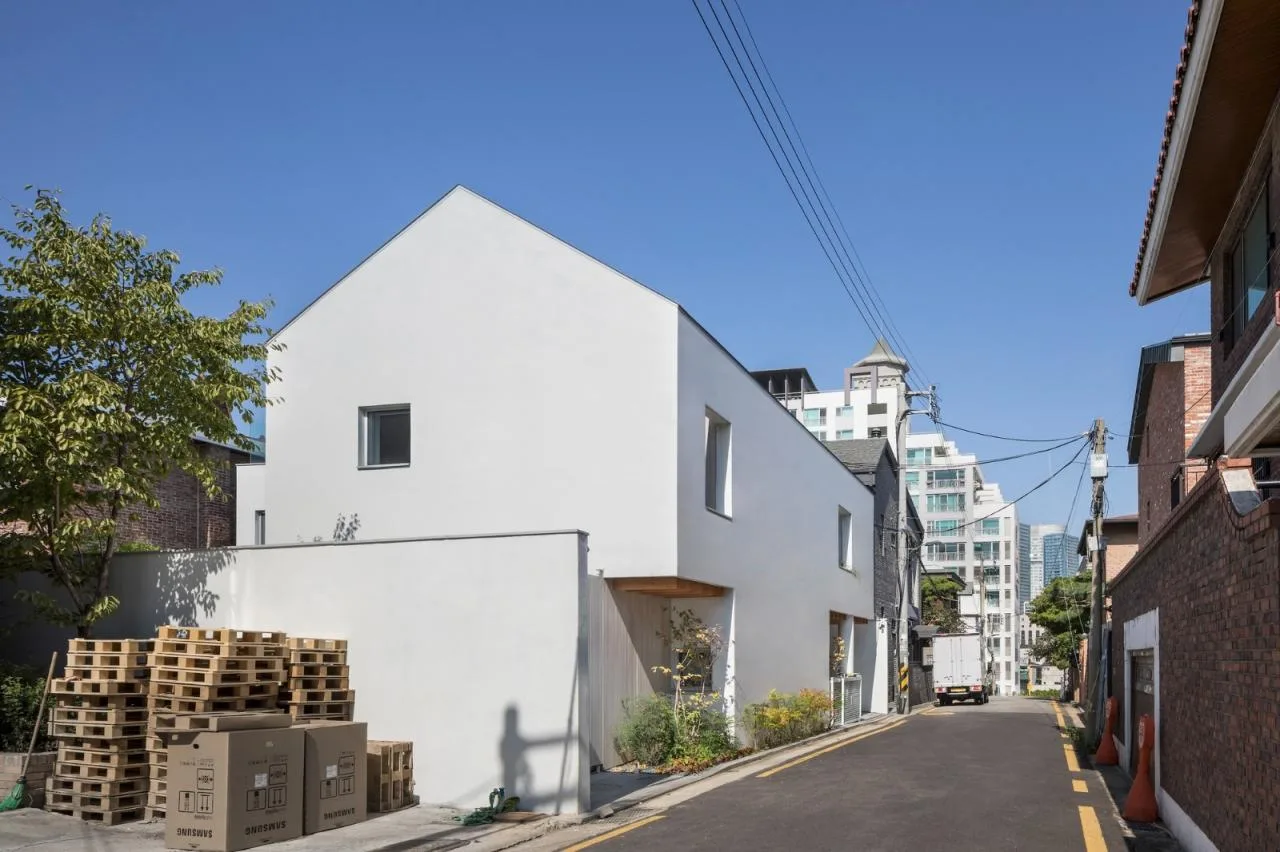
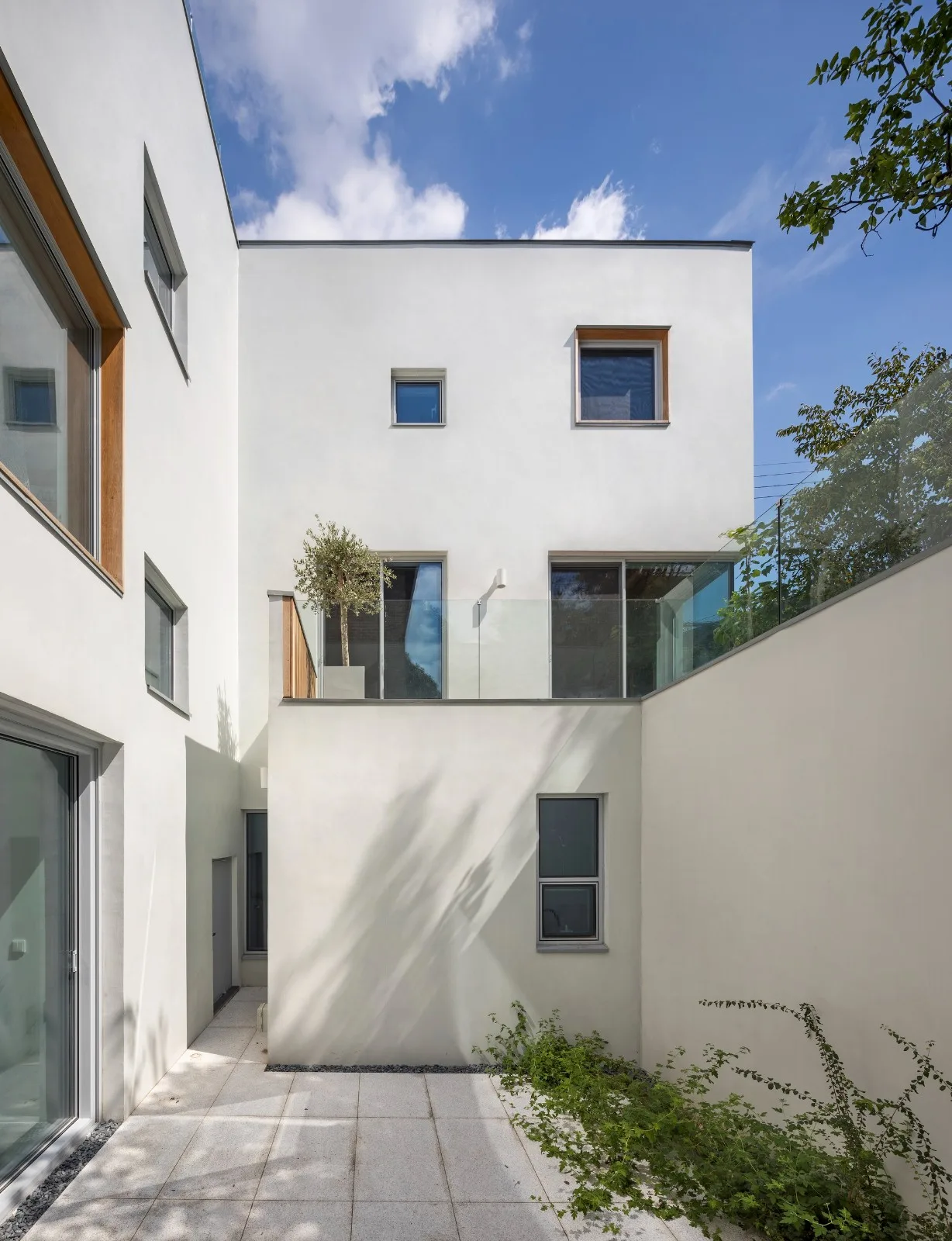
A house, as the smallest unit of a city, can be seen as a small city or even a universe in itself. Towns form through shared values, and cities through the gathering of towns. At the initial meeting, the client presented a cardboard model to communicate their vision. This model featured independent floors resembling vertically and horizontally stacked building blocks. The client’s explanation mirrored this concept, describing how the family lifestyle could be divided into separate, independent zones.
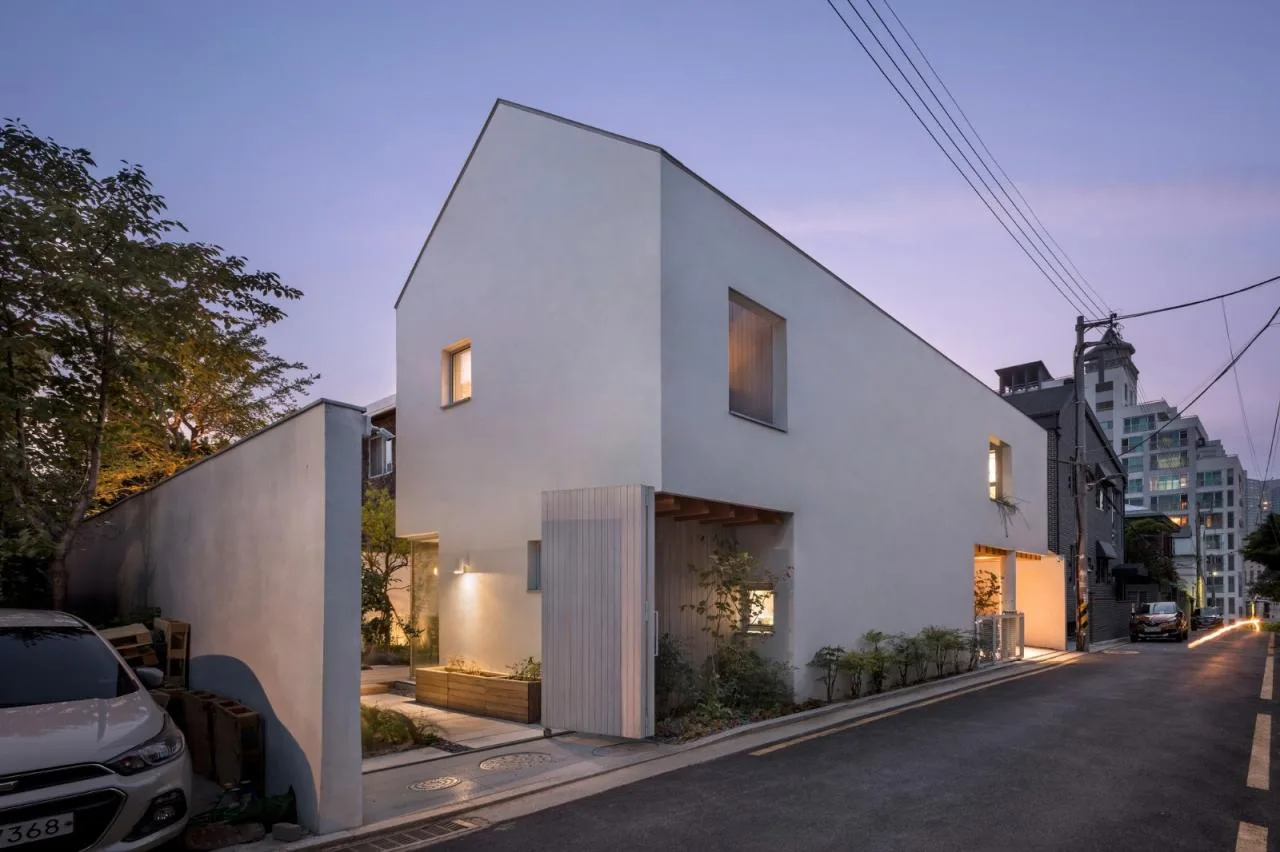
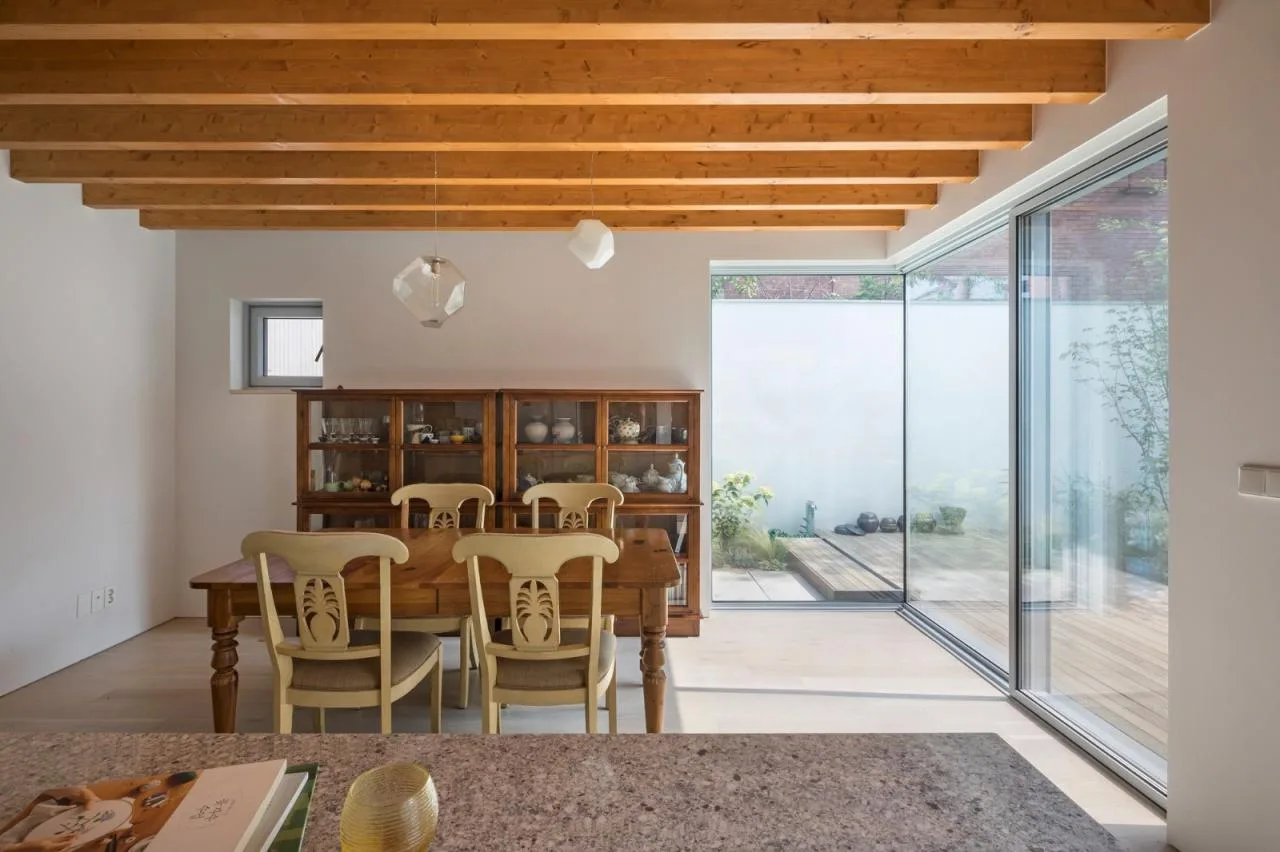
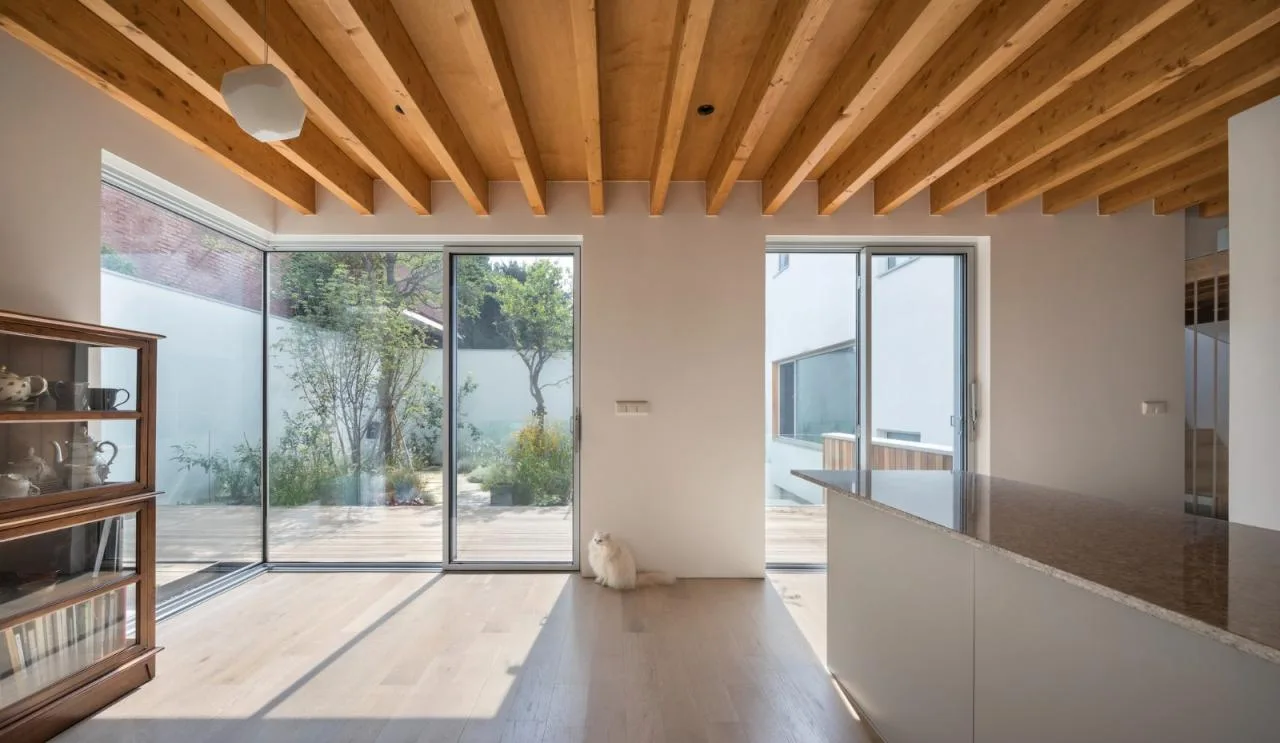
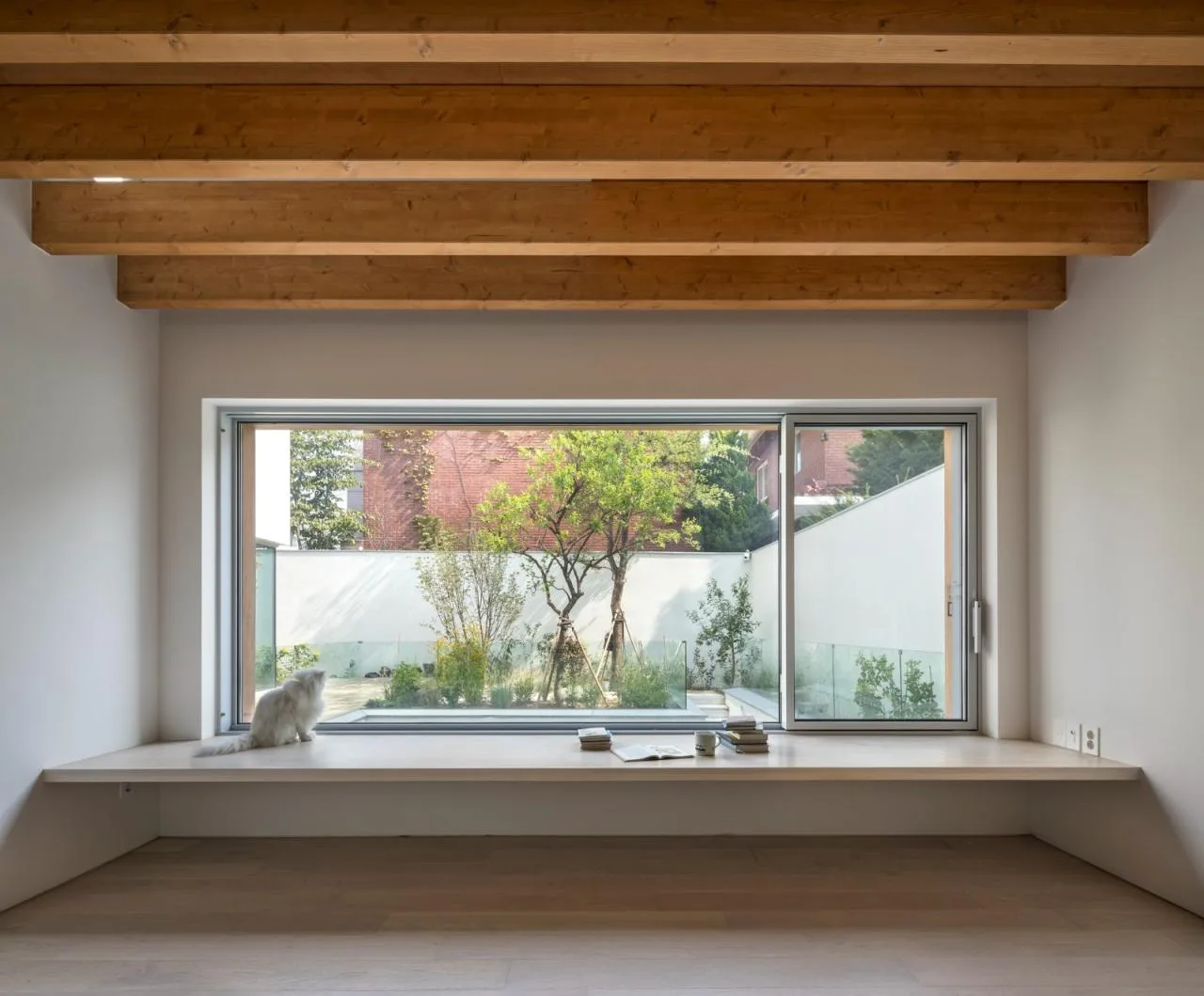
The design focuses on allocating independent zones and managing the density of connections between spaces. Instead of a traditional living room or central area, public spaces are divided into halls, libraries, and other distinct areas. This collection of interconnected yet segmented spaces forms the house, which in turn integrates harmoniously with the city fabric.
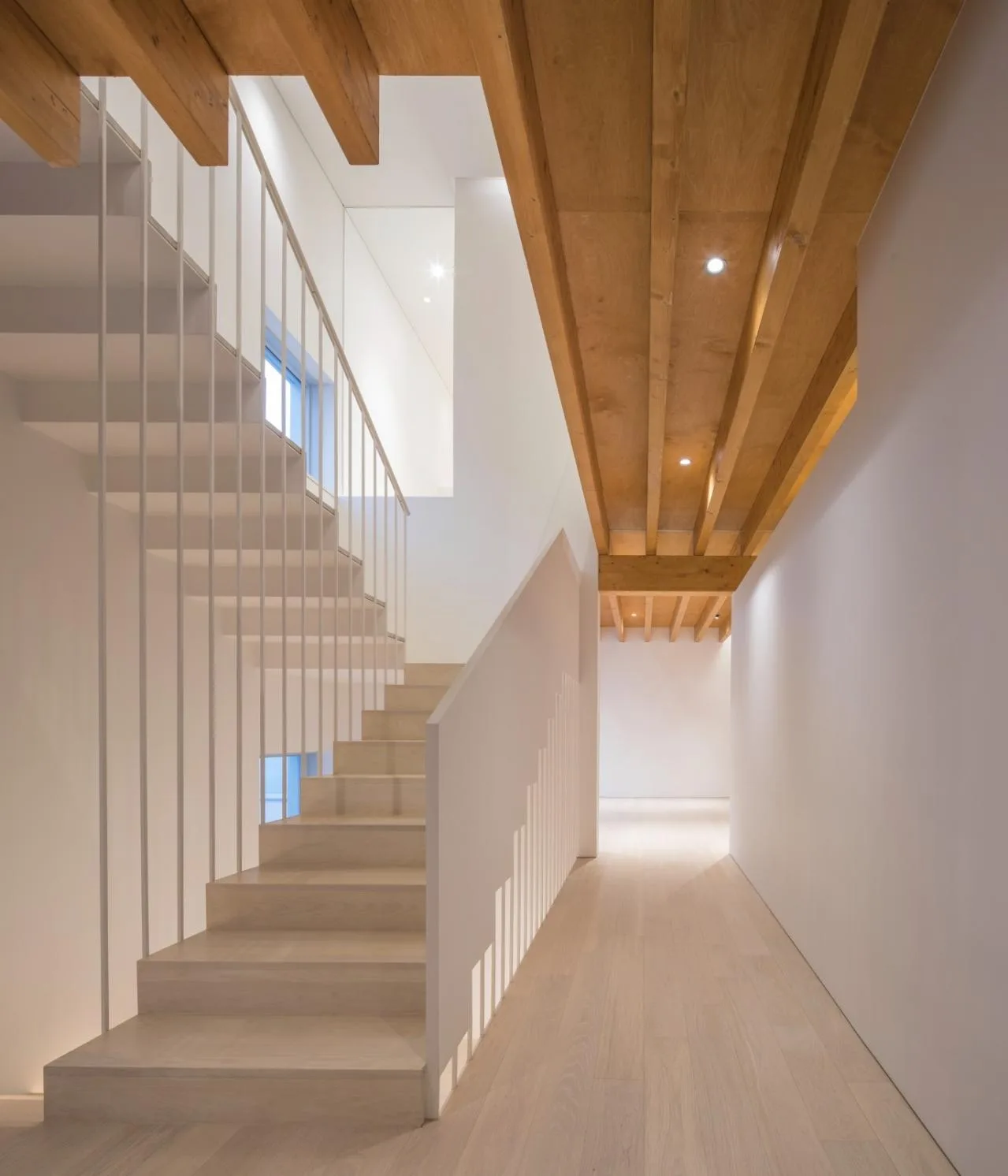
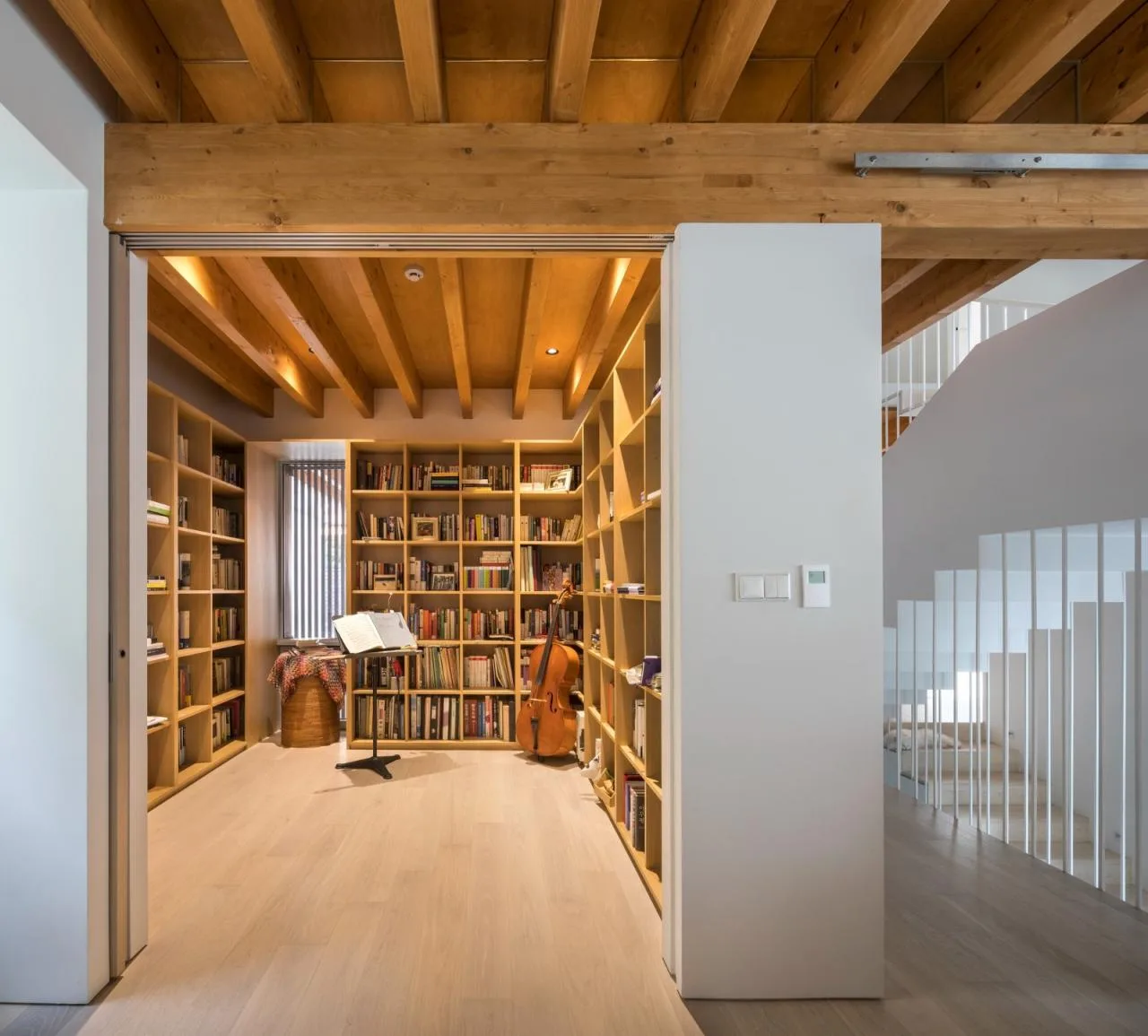
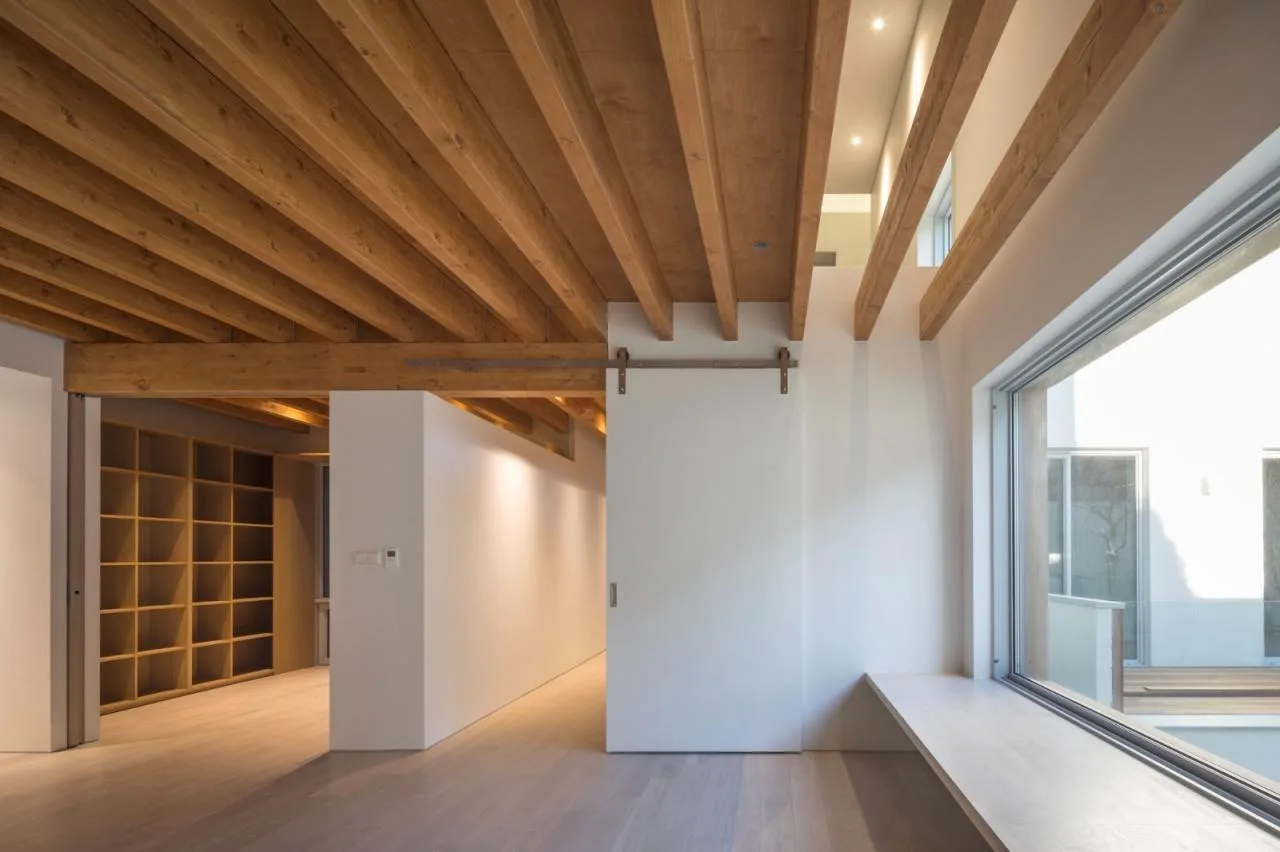
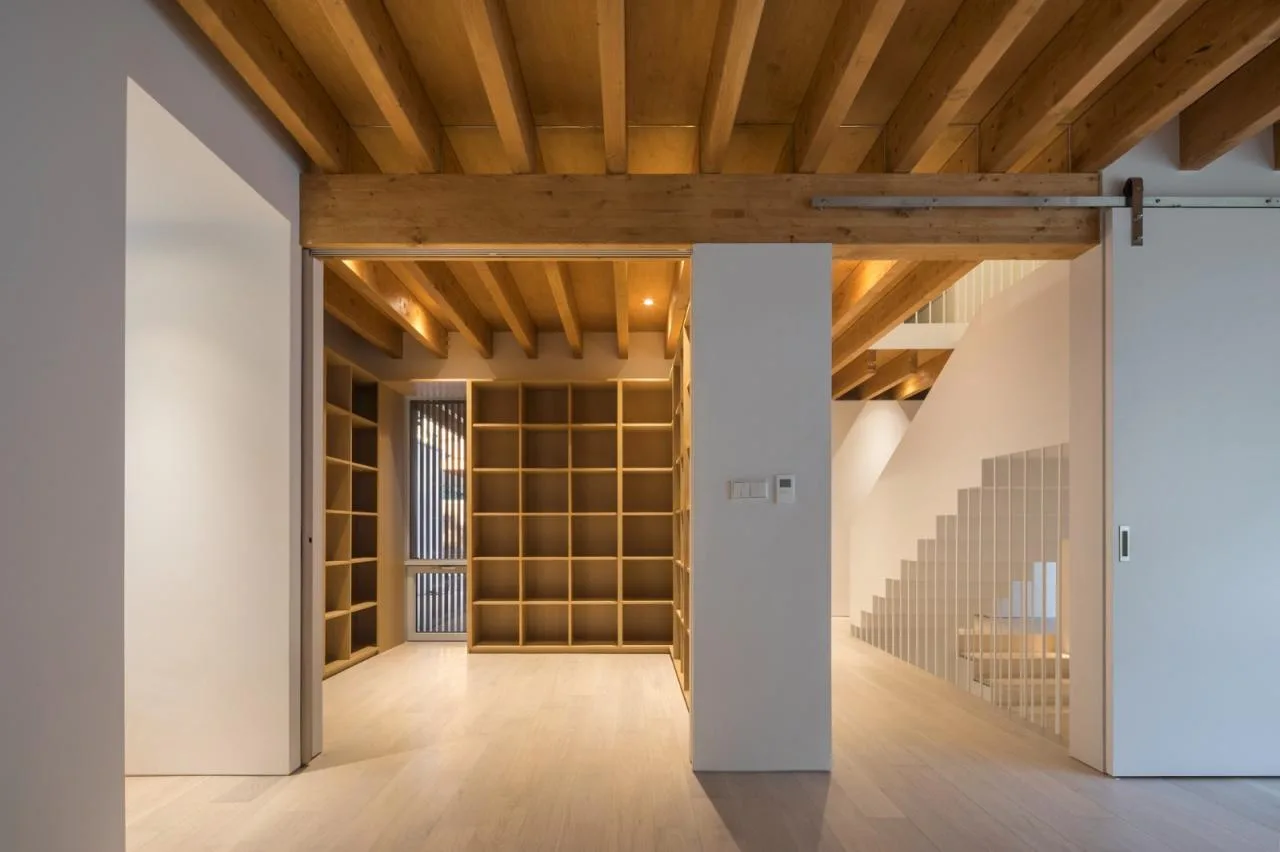
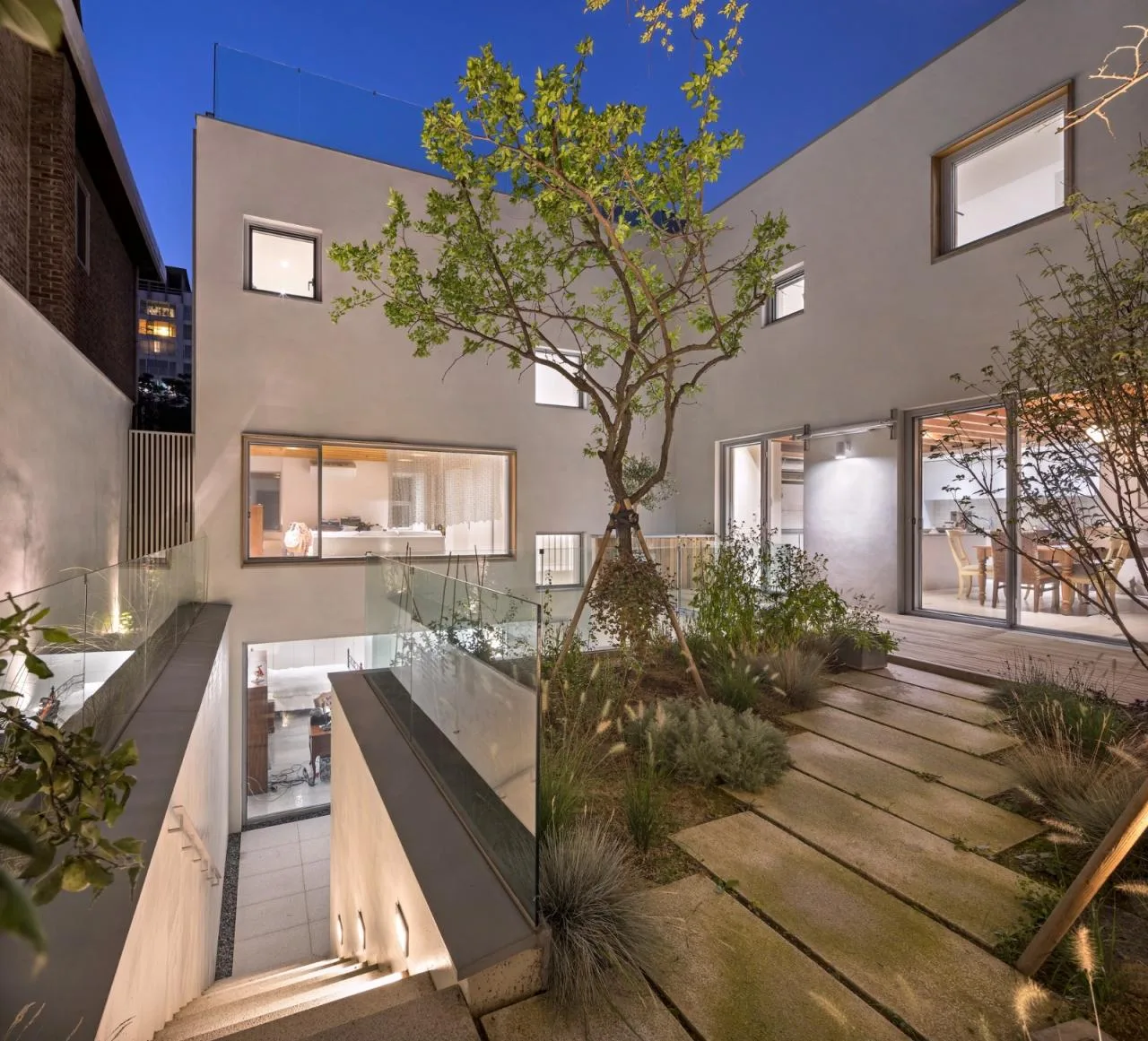
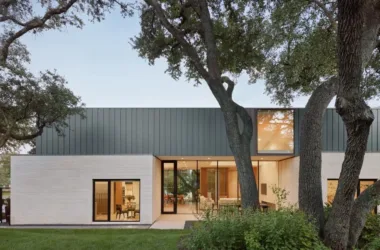
The house is designed in an L-shape, opening towards the southwest. Its high walls on the south and west sides evoke the feel and function of a traditional courtyard house. While the street-facing facade maintains a closed appearance, the exposed wooden structure and the garden behind it offer a glimpse into the interior, enlivening the streetscape.
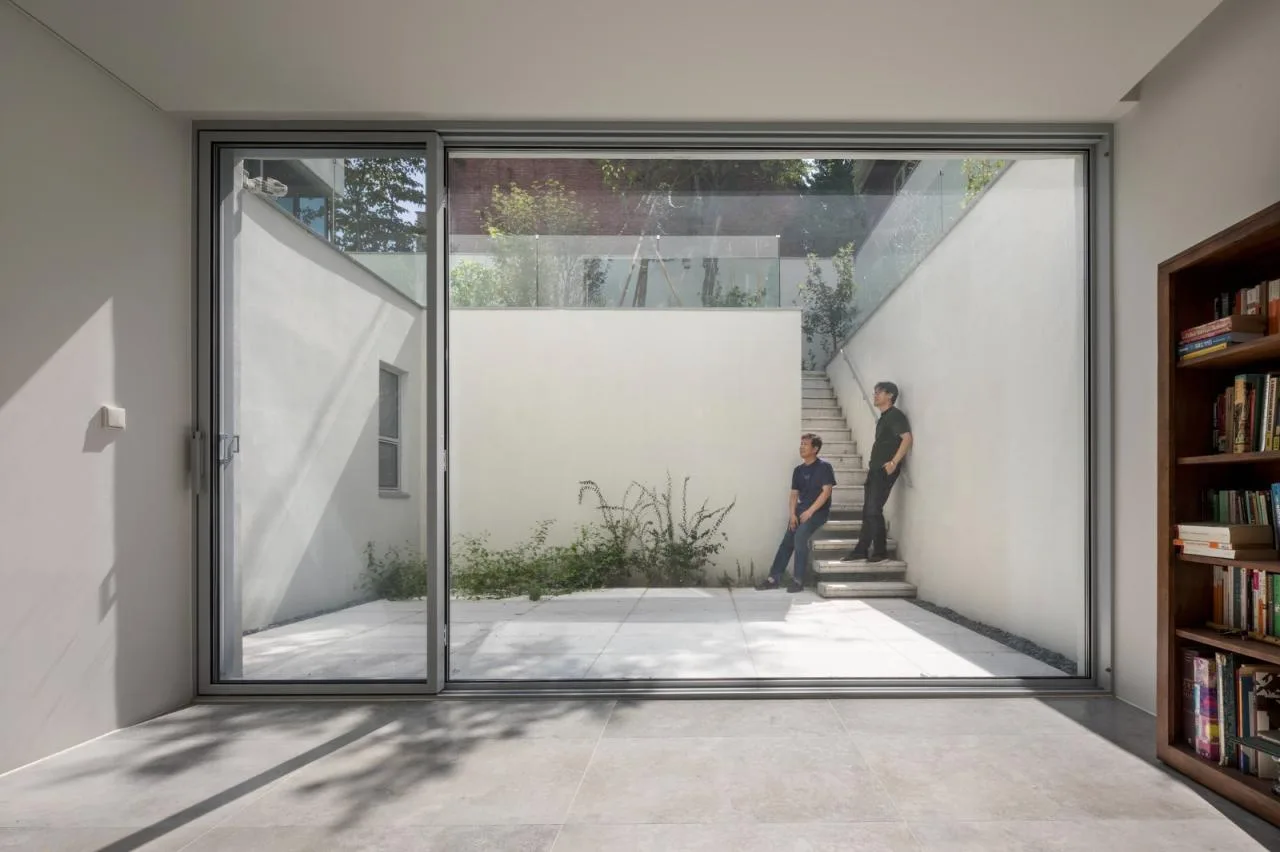
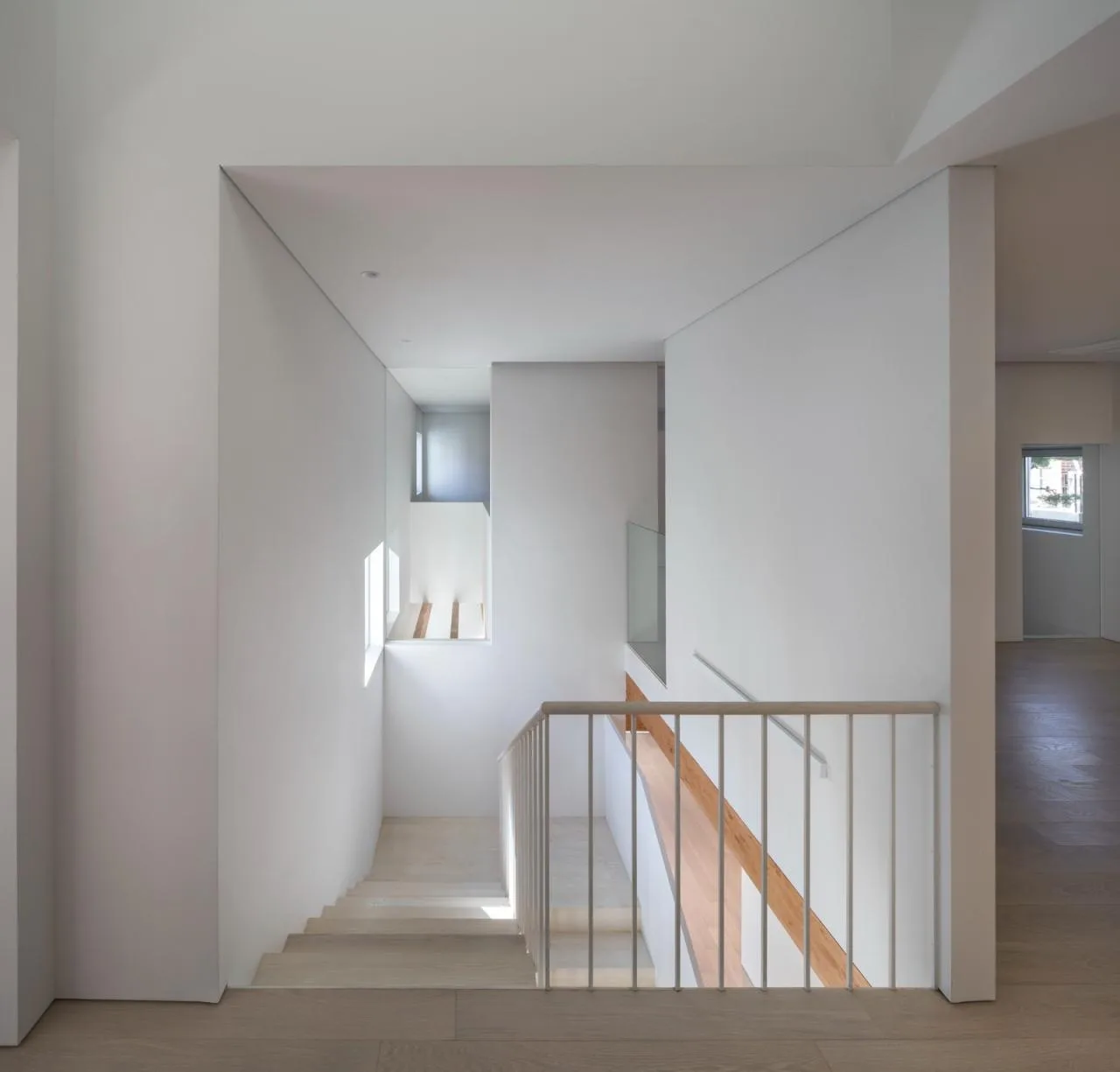
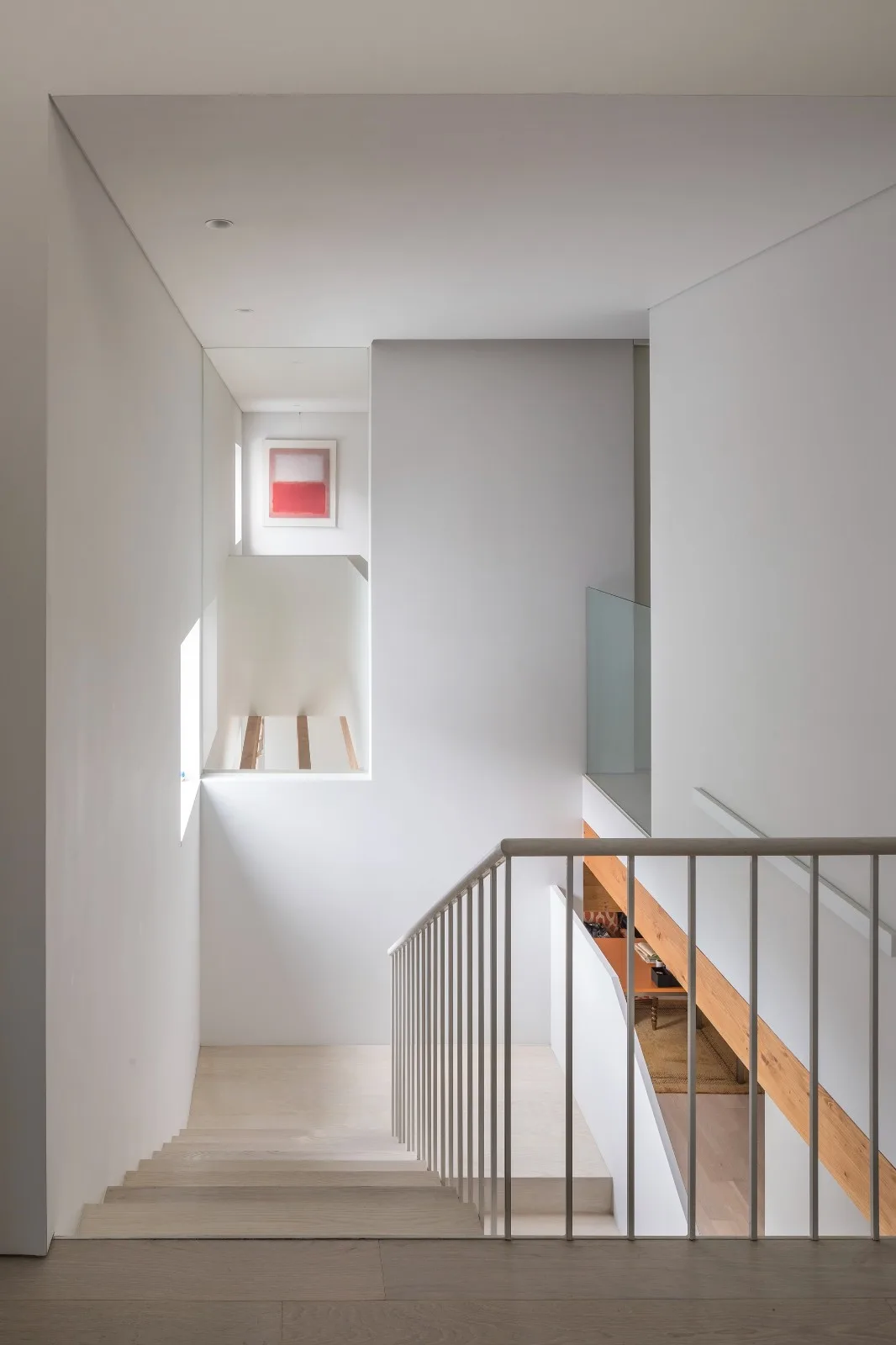
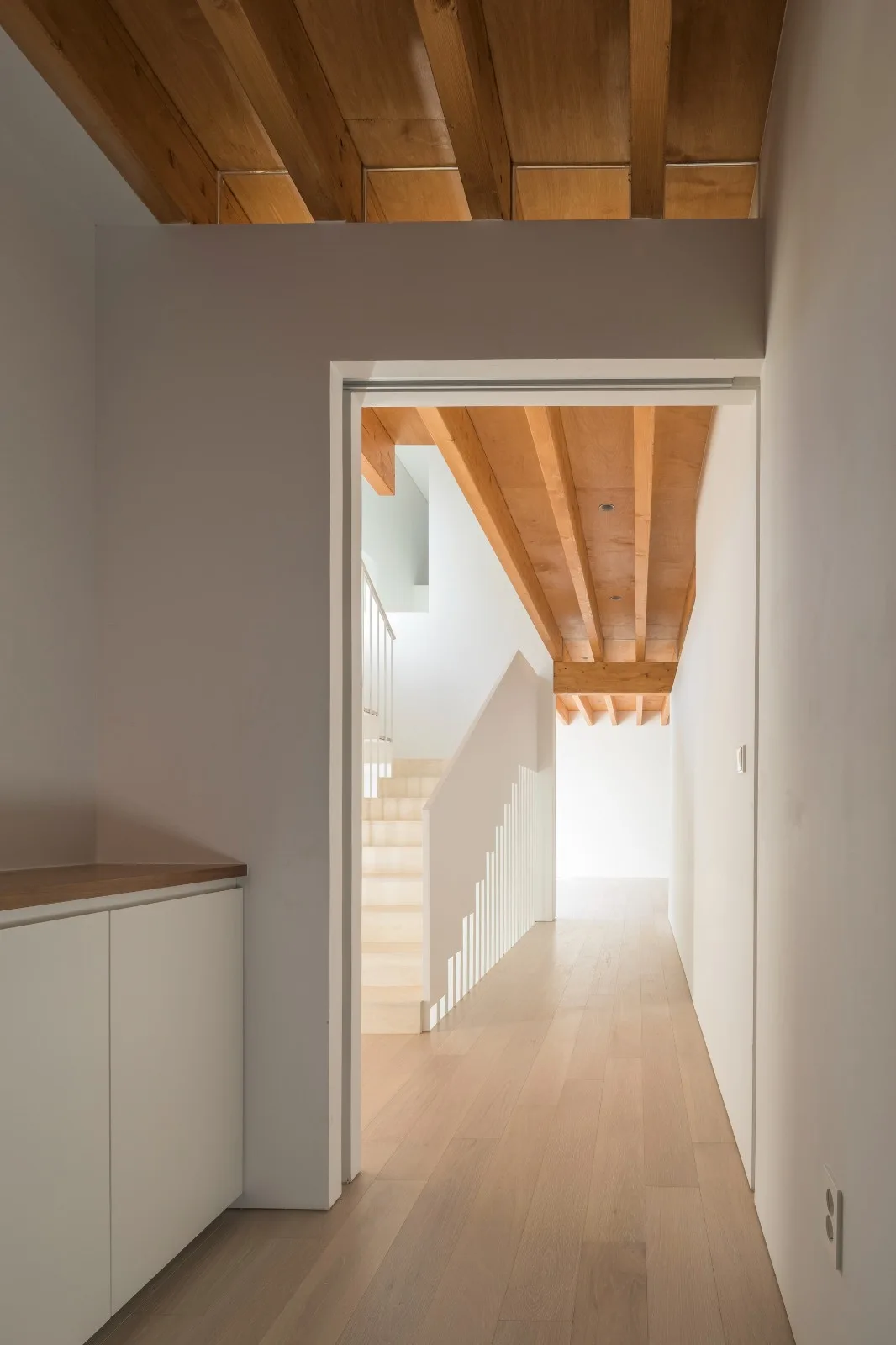
The concept embraces a free plan and free section, with stacked blocks designed to be rearranged like a puzzle if needed. This requires a flexible structural approach that can adapt to changing configurations. While the traditional axiom is that form follows function, this project explores how form and function can each influence the other. The Seoul Treehouse combines reinforced concrete (RC) and wood in a hybrid structure.
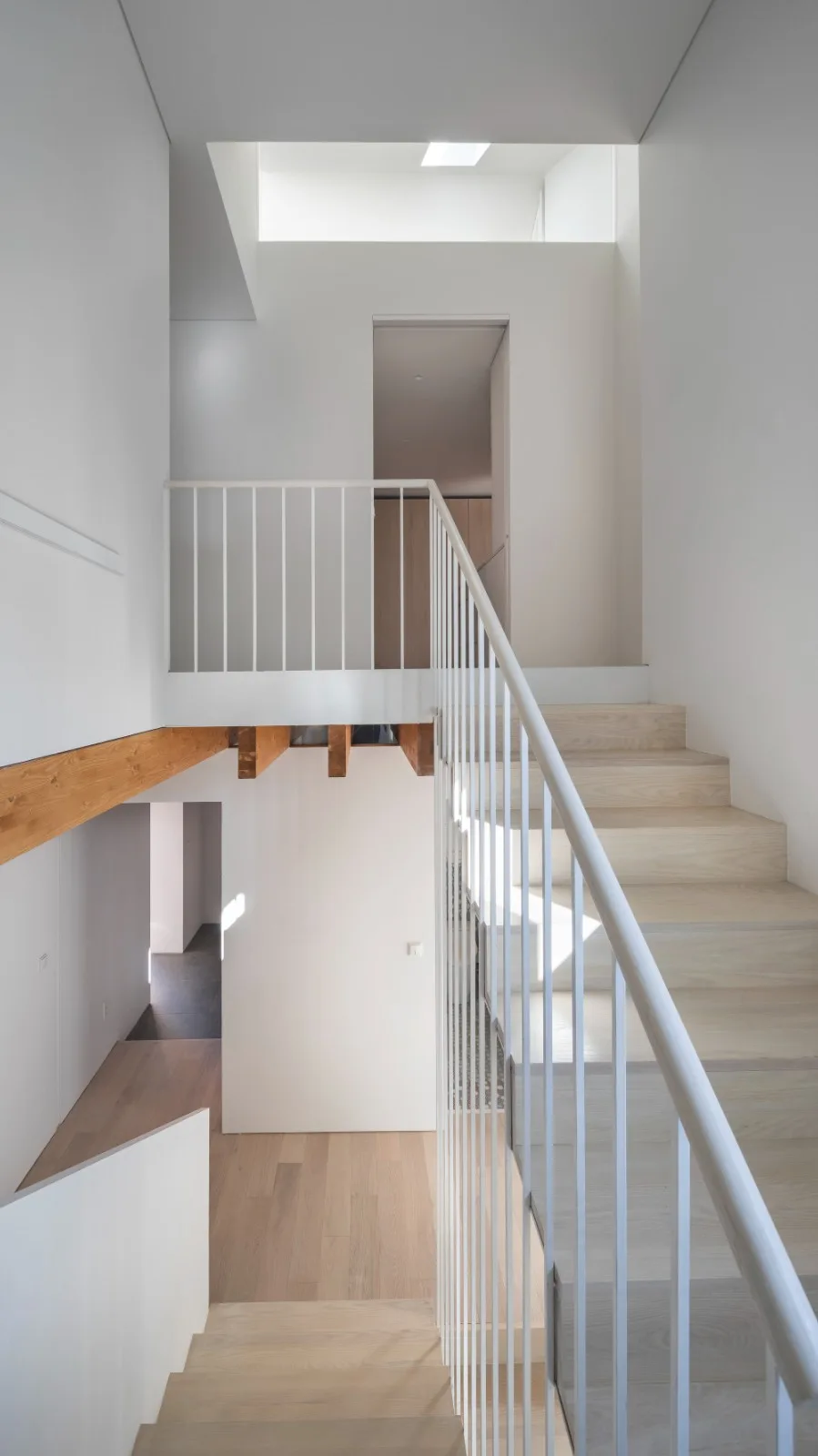
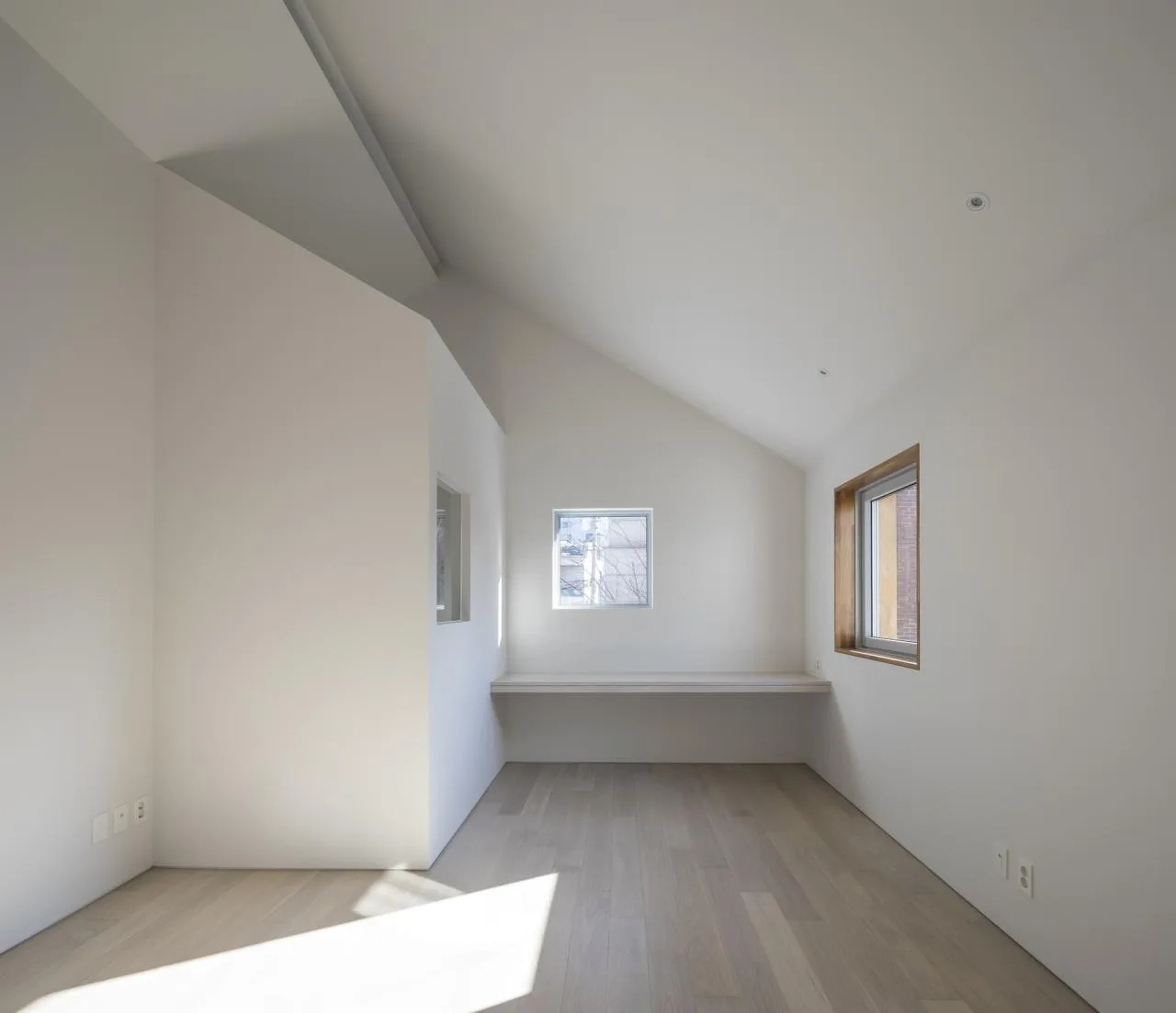
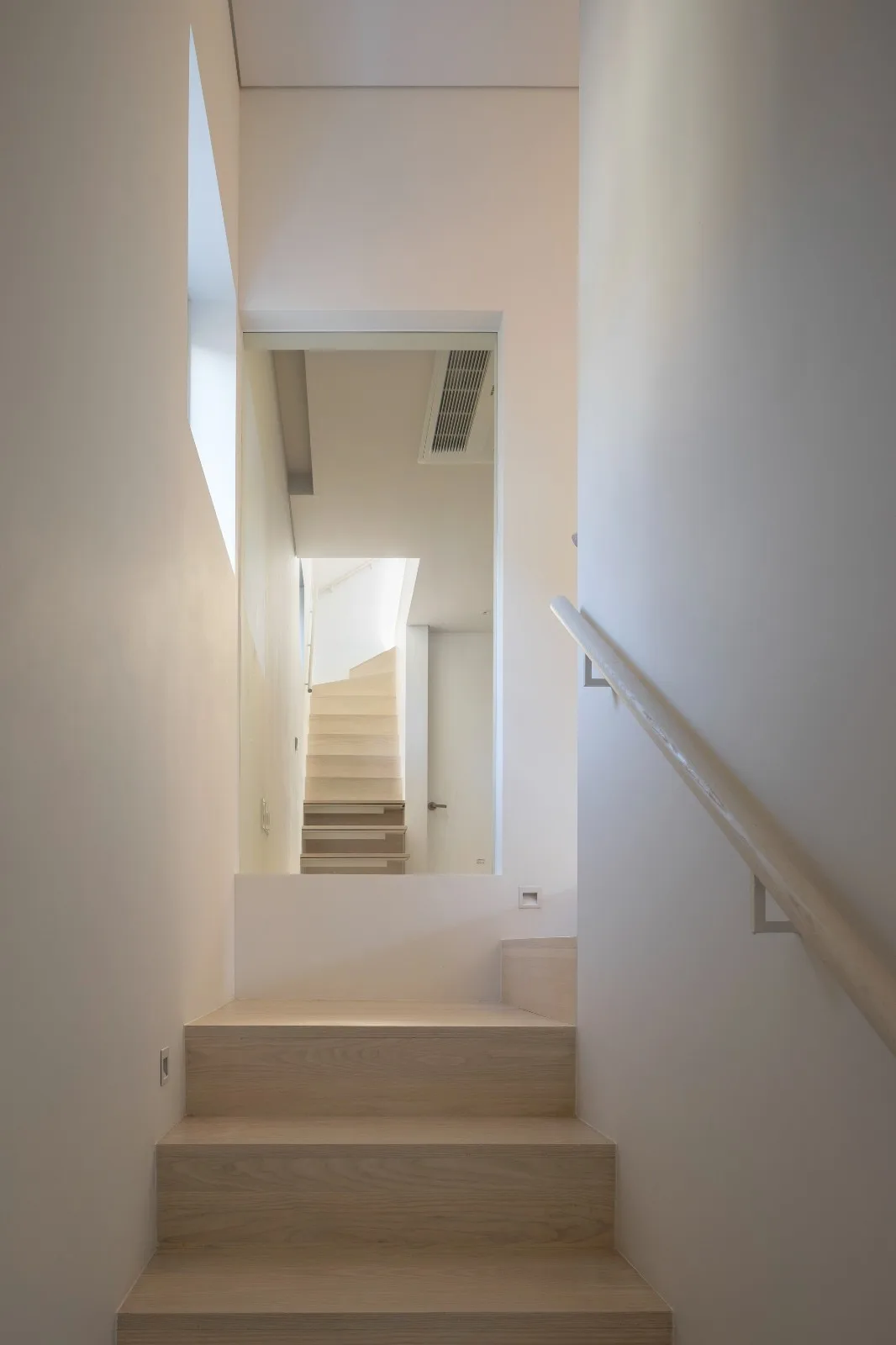
The construction process begins with a durable reinforced concrete shell treated with fluoropolymer, creating a hollow space that spans two stories. The next phase involves installing heavy wooden floor slabs for the second floor. Joists that span wall to wall provide a solid foundation for the open-plan design. Lightweight wooden frame walls on both floors are built according to current needs but can be modified whenever necessary. While floor slabs offer less flexibility than walls, they can still be adjusted in the future, allowing freedom in both plan and section design. This hybrid of RC and wood offers occupants flexible spaces and a unique combination of materials and structures.
Project Drawings
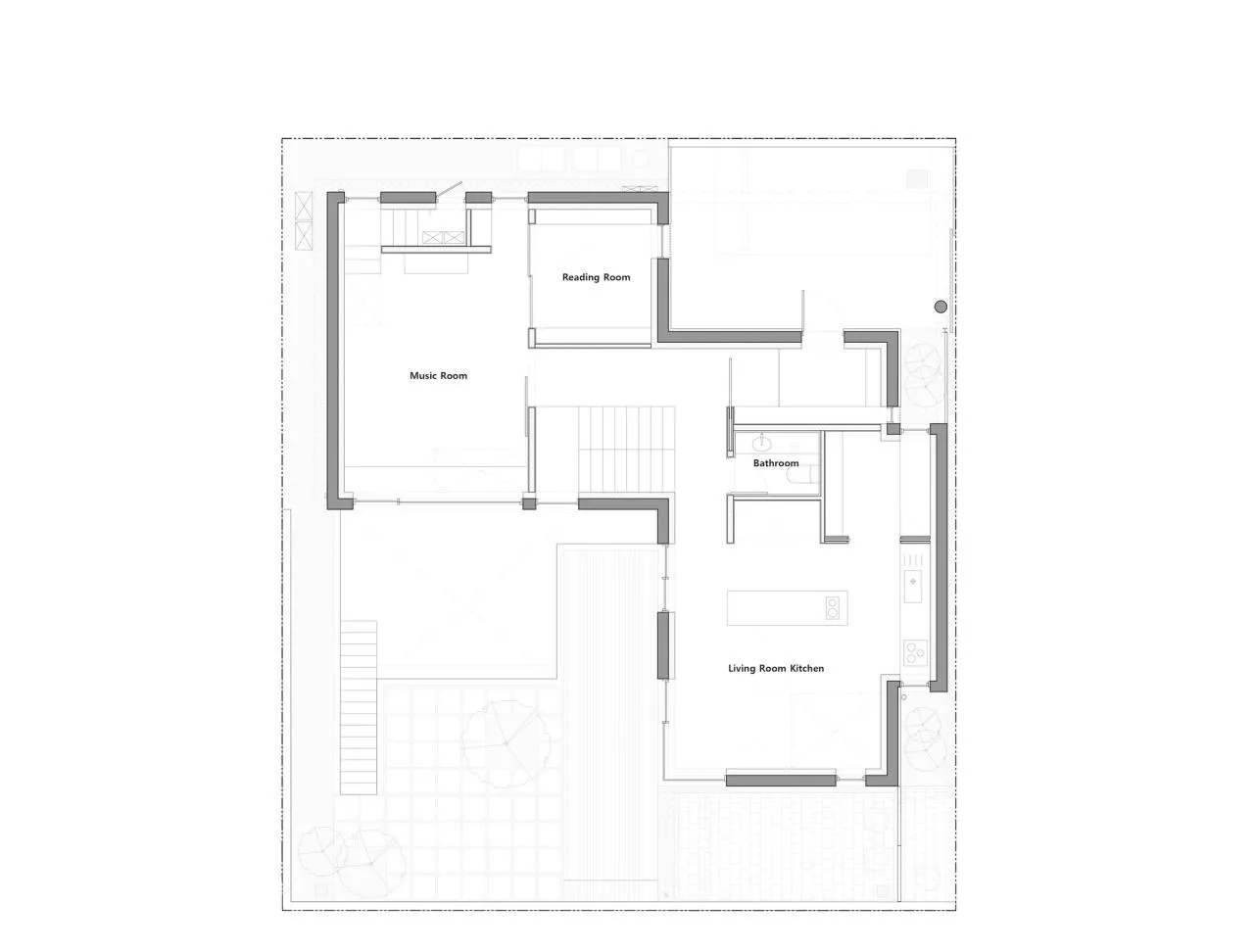
△ First Floor Plan
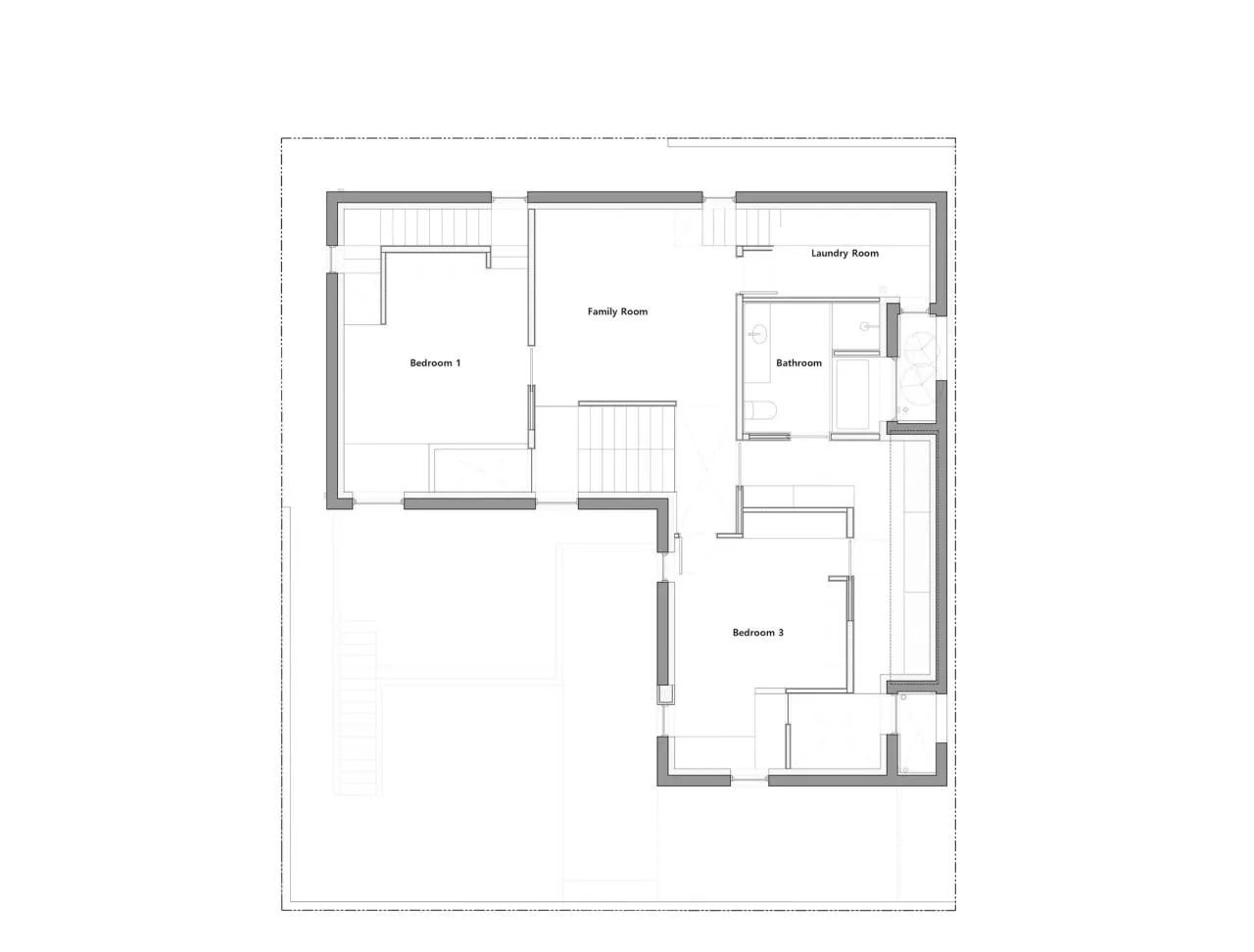
△ Second Floor Plan
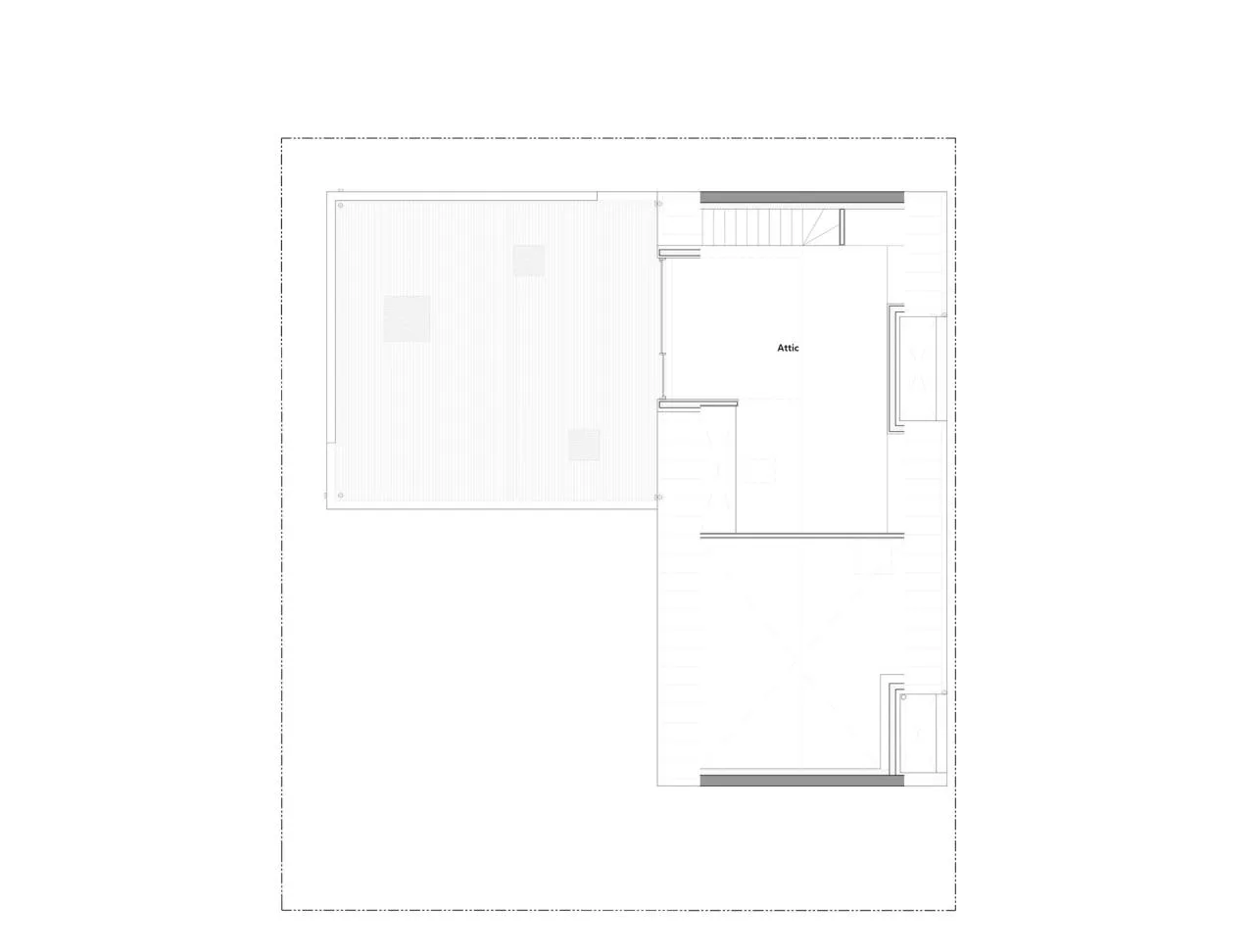
△ Third Floor Plan
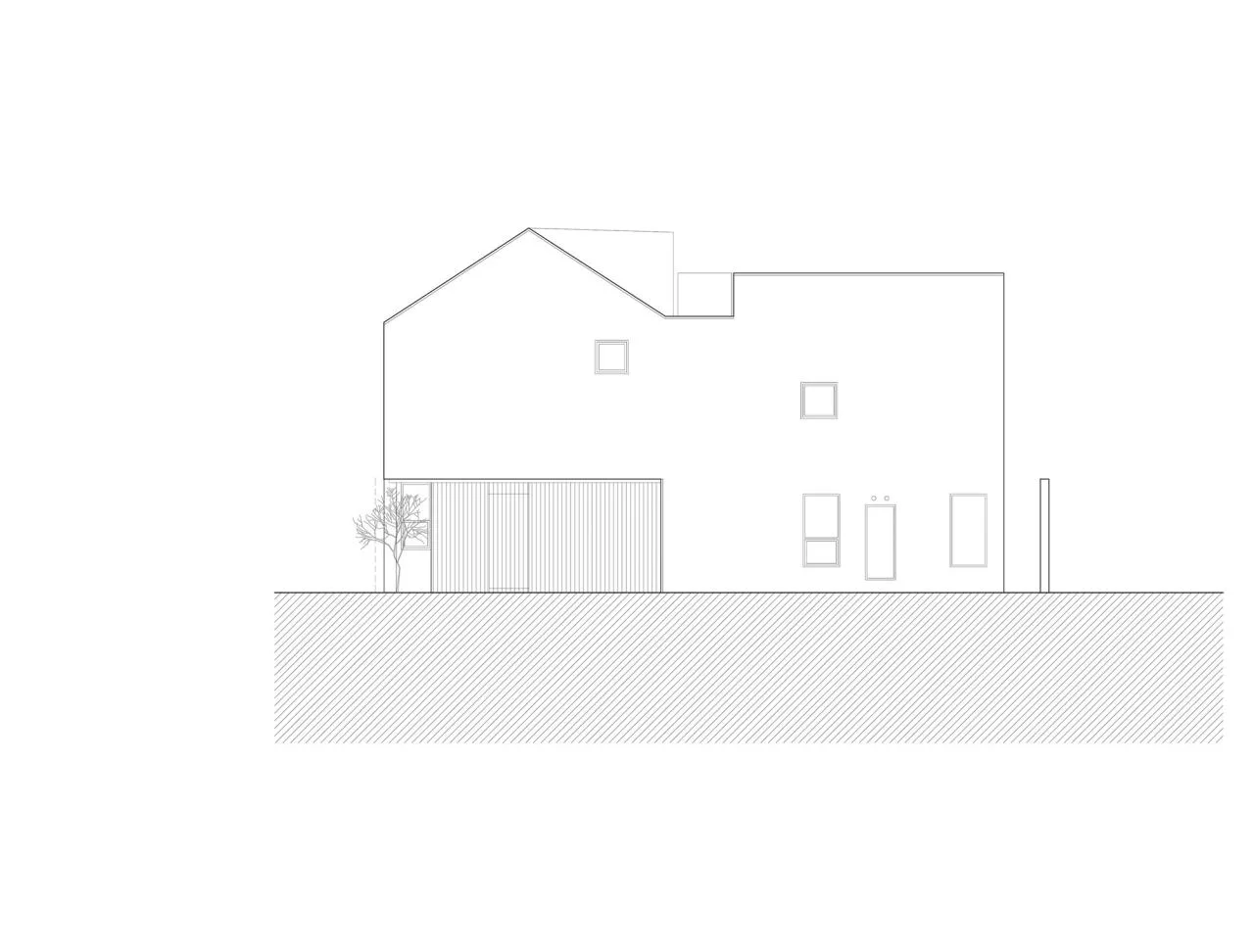
△ Elevation Drawing
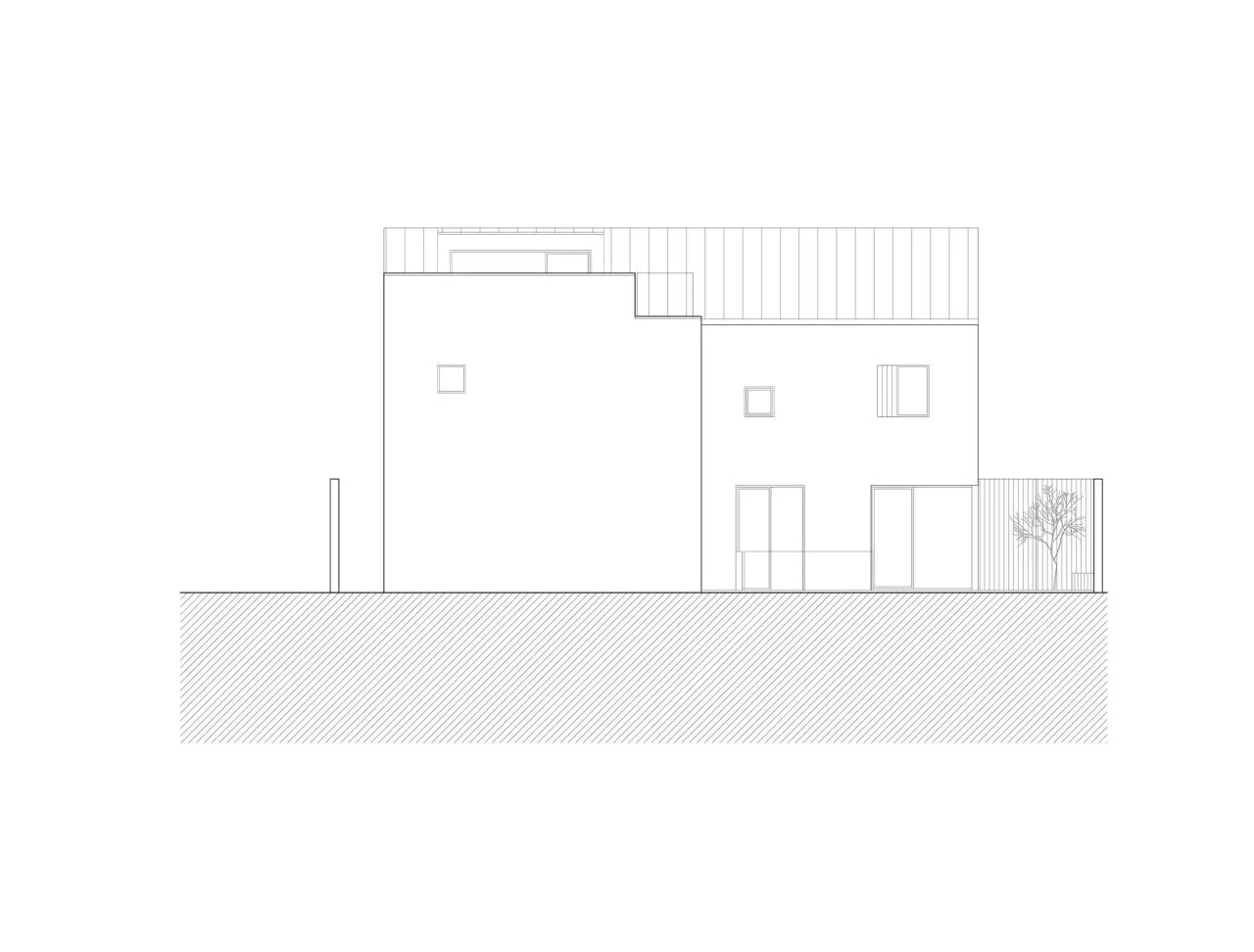
△ Elevation Drawing
△ Elevation Drawing
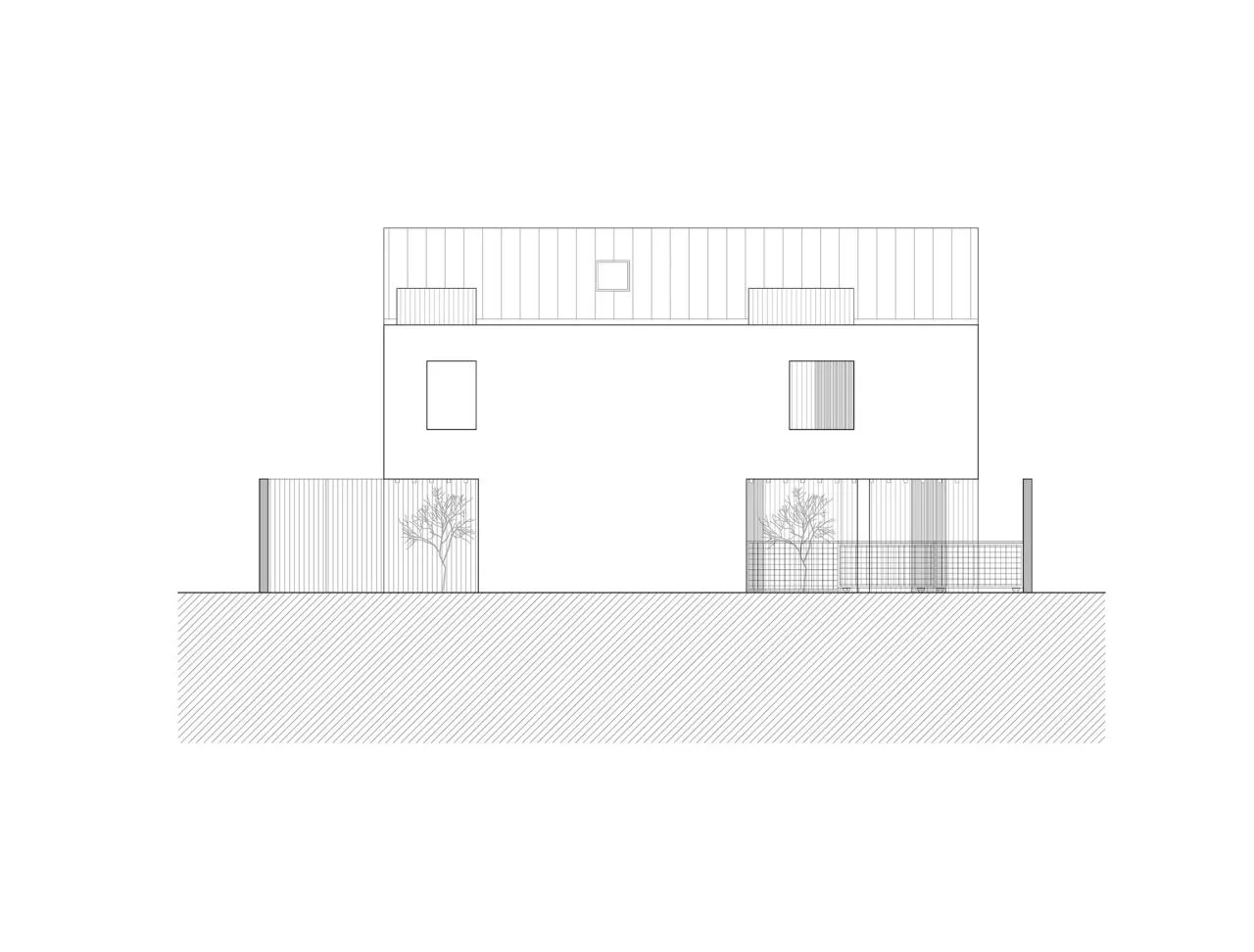
△ Elevation Drawing
Project Information
Architect: Soltozibin Architects
Area: 299 m²
Project Year: 2020
Photographer: Yoon Joonhwan
Lead Architect: Cho Namho
Structural Engineer: Doohang Structures & Consultants Co., Ltd.
Mechanical and Electrical Engineer: Codam Technical Group
Construction Contractor: JIUMJAE
Location: Ruicao District, South Korea












Must log in before commenting!
Sign Up