
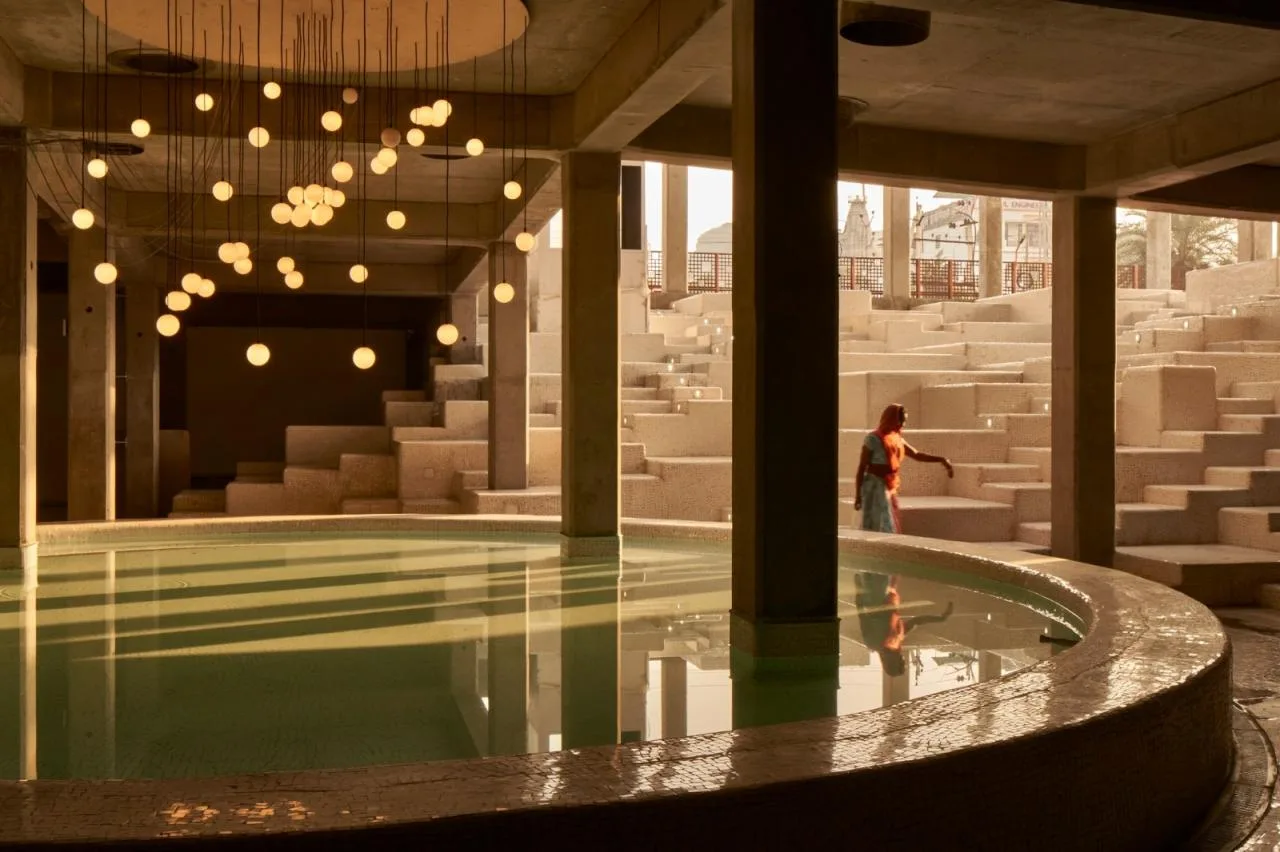
During the design process, we collaborated closely with Dharohar, a non-profit organization dedicated to realizing the vision of Udaipur’s Third Space — the city’s first learning and cultural center. Our mission was to create a place that extends beyond home or school, offering an accessible, open, and inclusive environment for all.
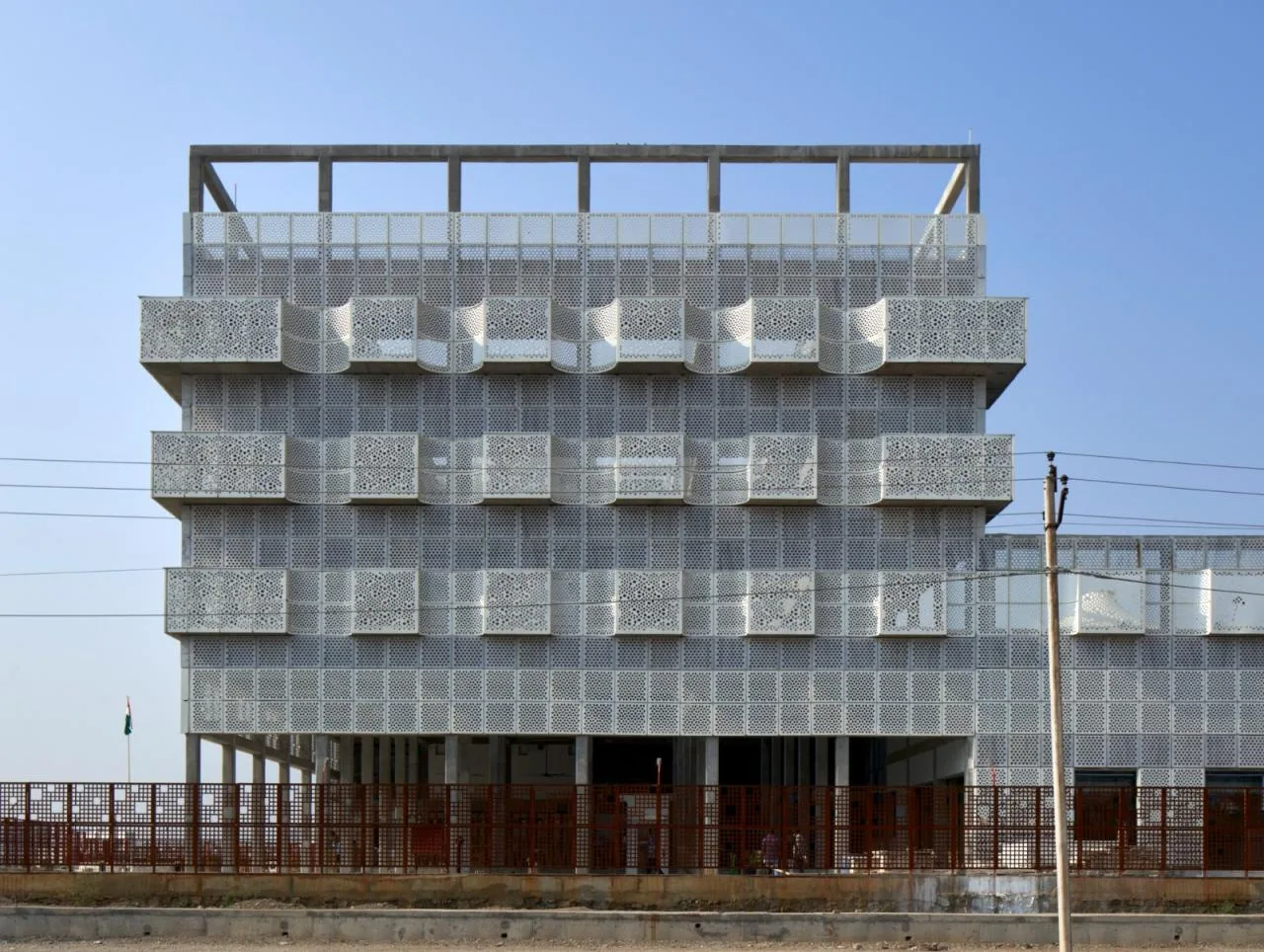
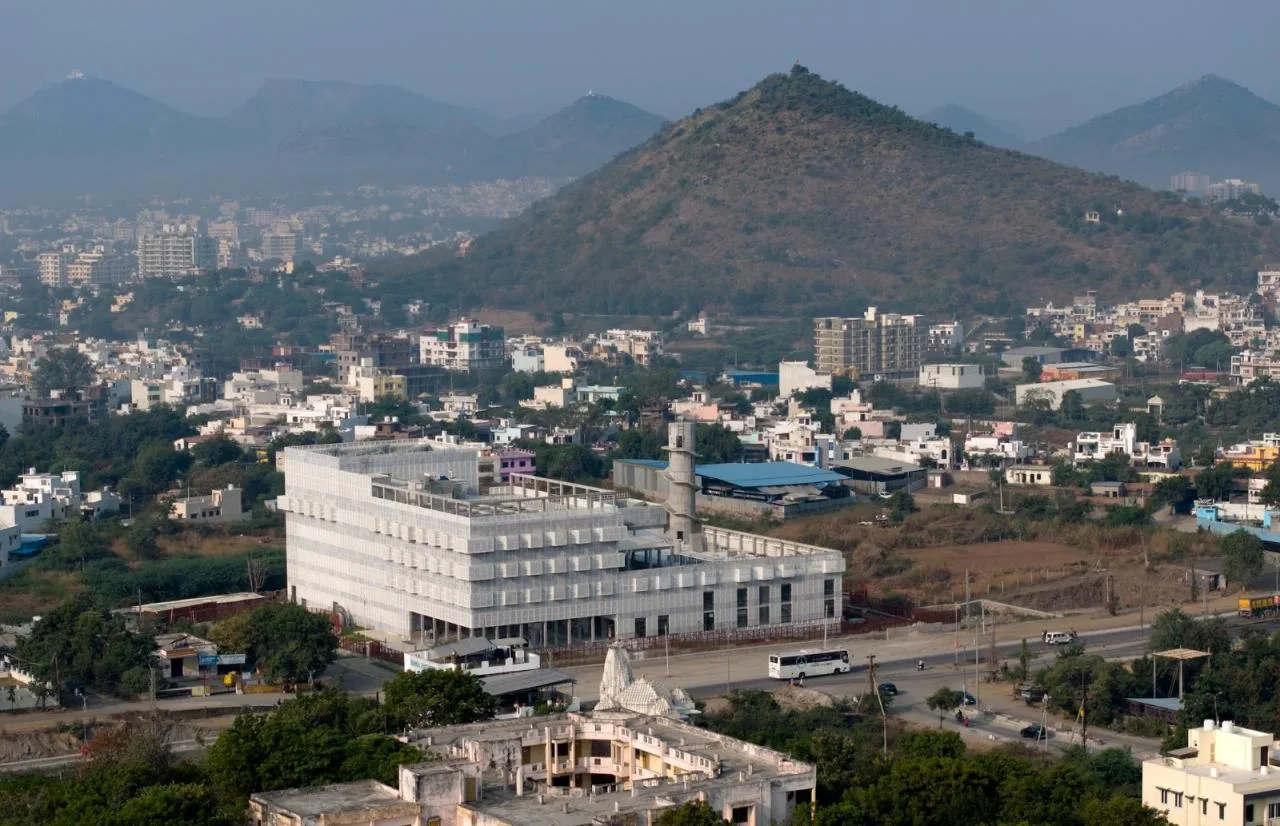
The Third Space functions as a hub for lifelong learners, where people gather to forge meaningful connections, explore new experiences, and pursue long-term hobbies. One of the main challenges was to accommodate a wide range of activities — from a museum and maker space to a cinema, performance area, and climbing wall. To address this, we arranged the primary functions around a windmill-shaped corridor that encircles the central courtyard.
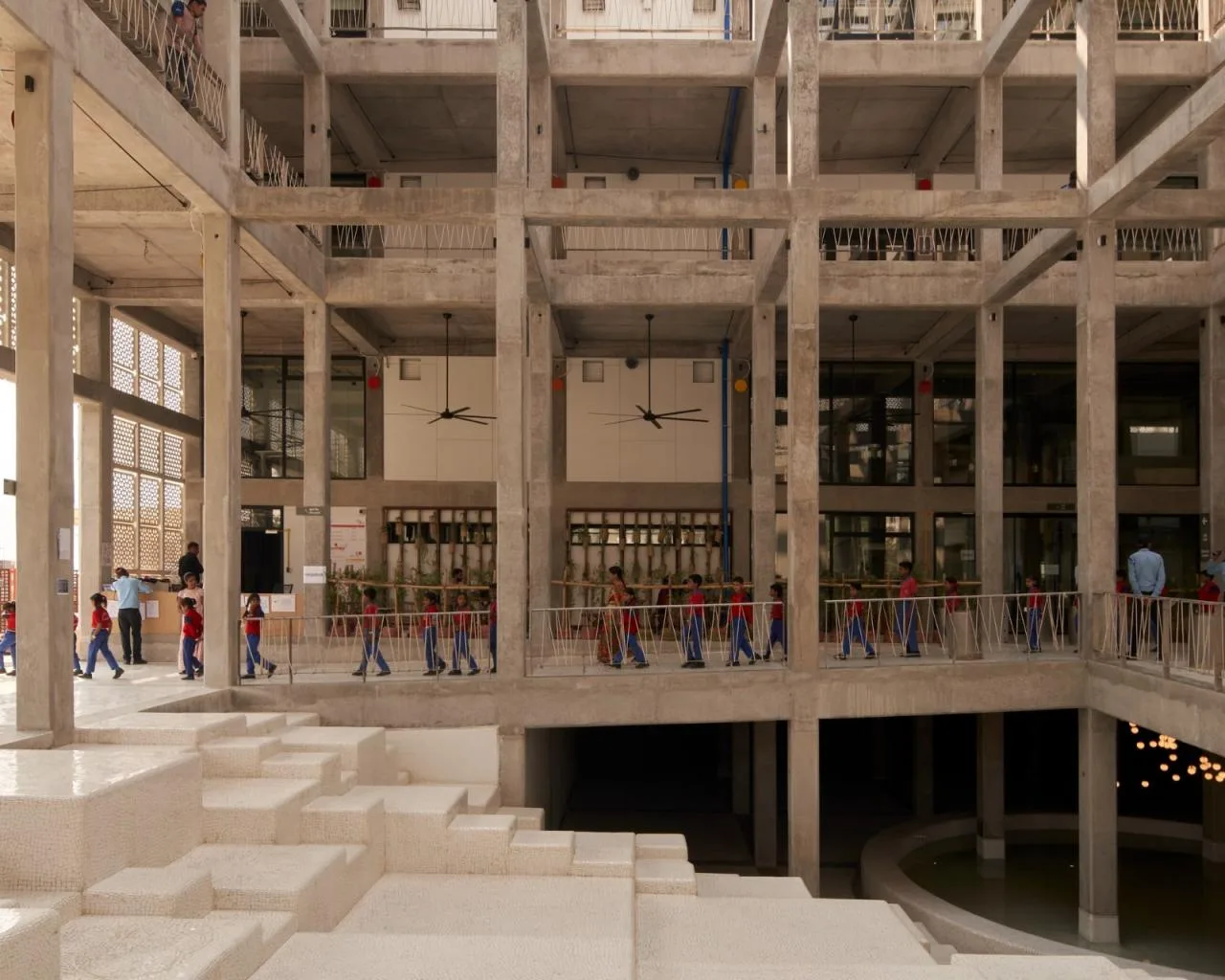
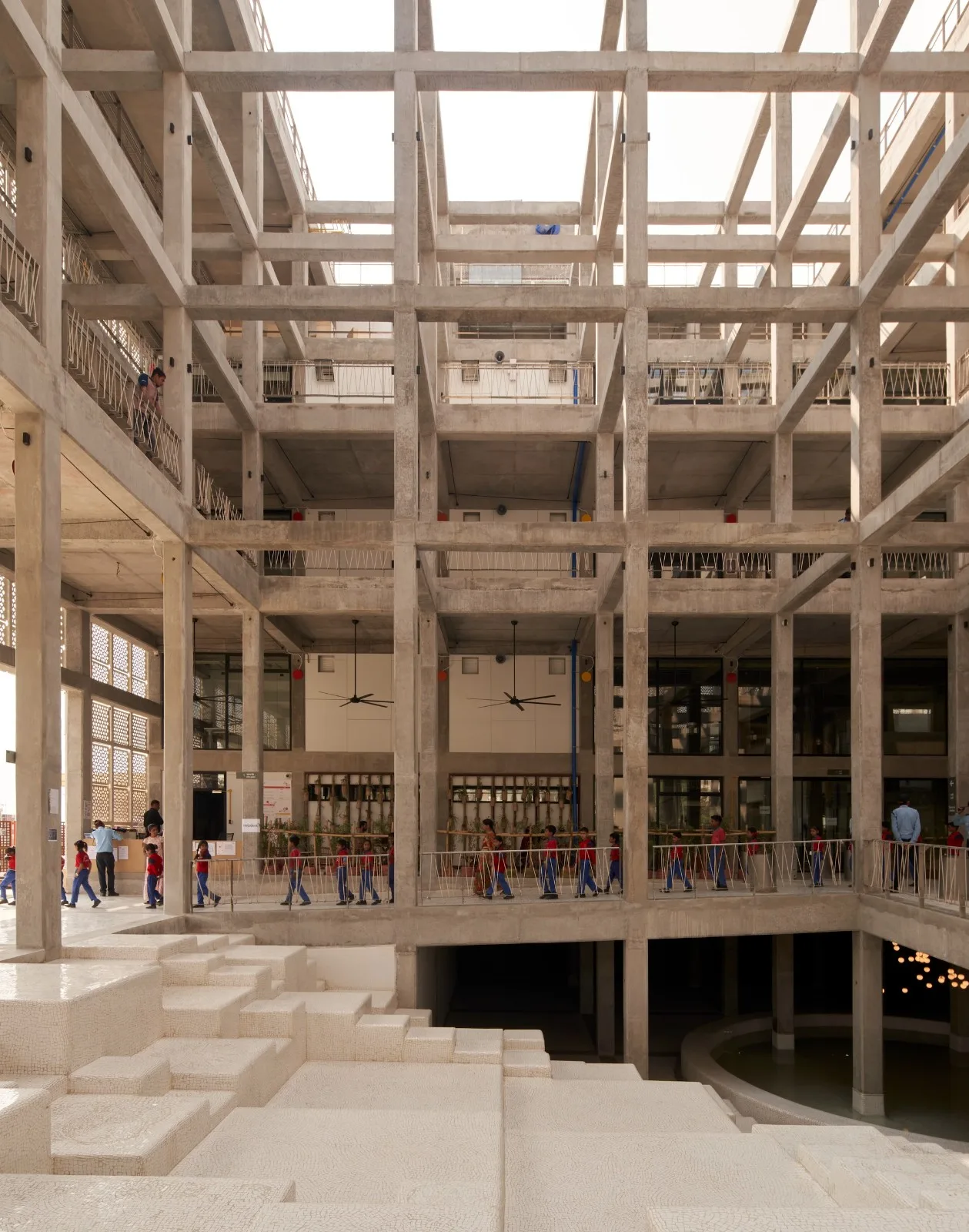
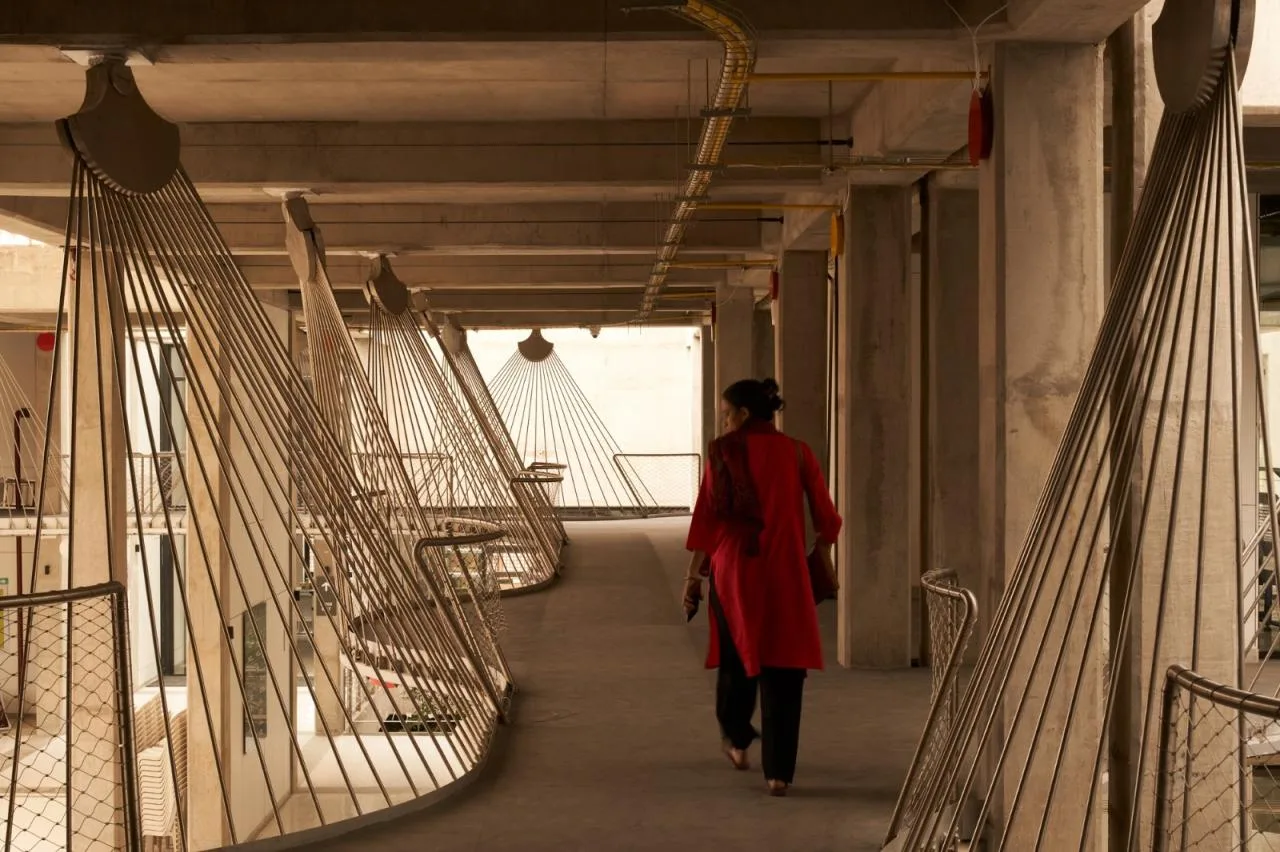
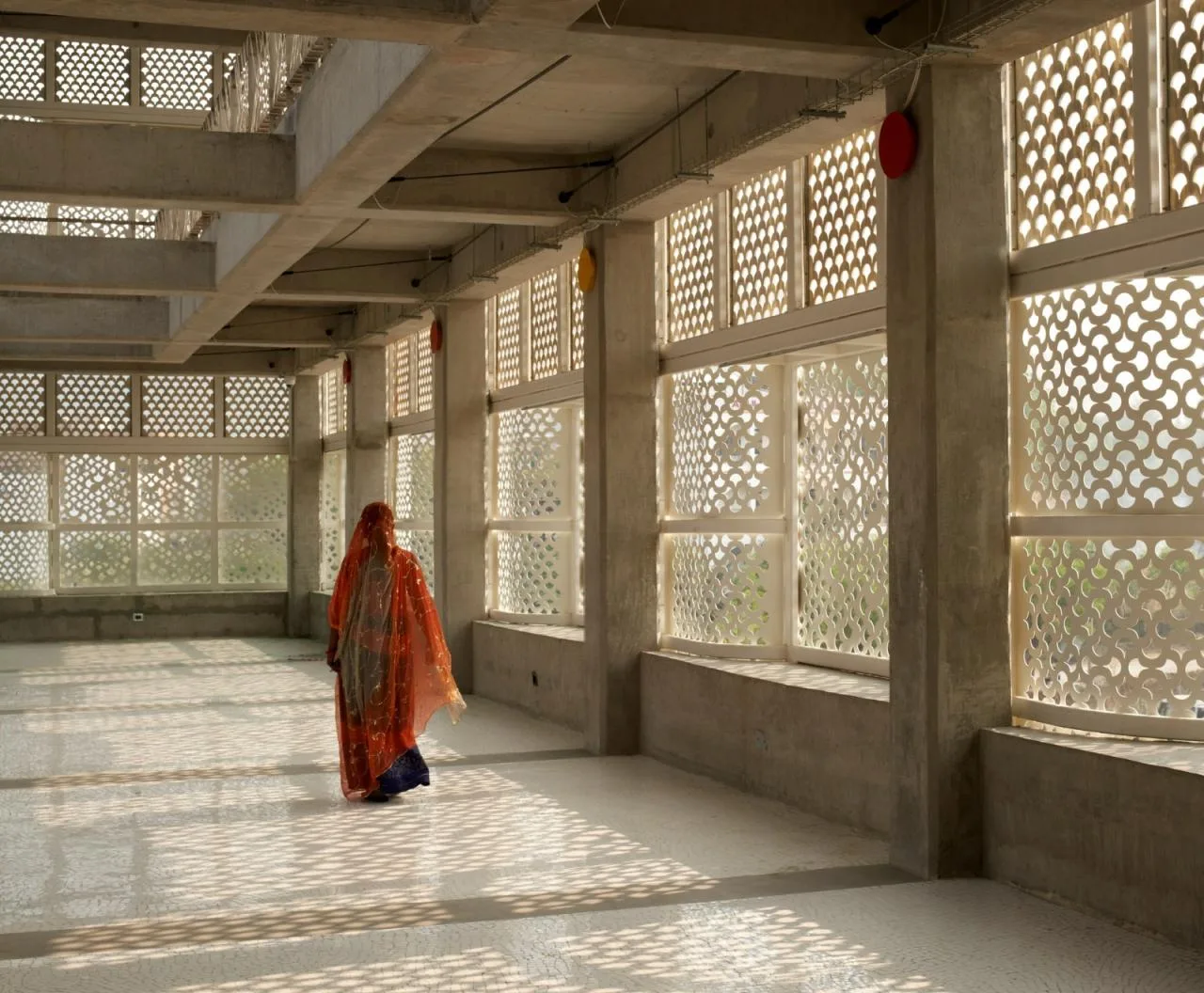
The greatest challenge was integrating multiple activities into a cohesive space. To tackle this, we placed the main community activities in the central courtyard. Additionally, traditionally overlooked areas such as entrances, corridors, and smaller courtyards were designed as flexible spaces for performances and community gatherings, enabling all activities to coexist under one roof.
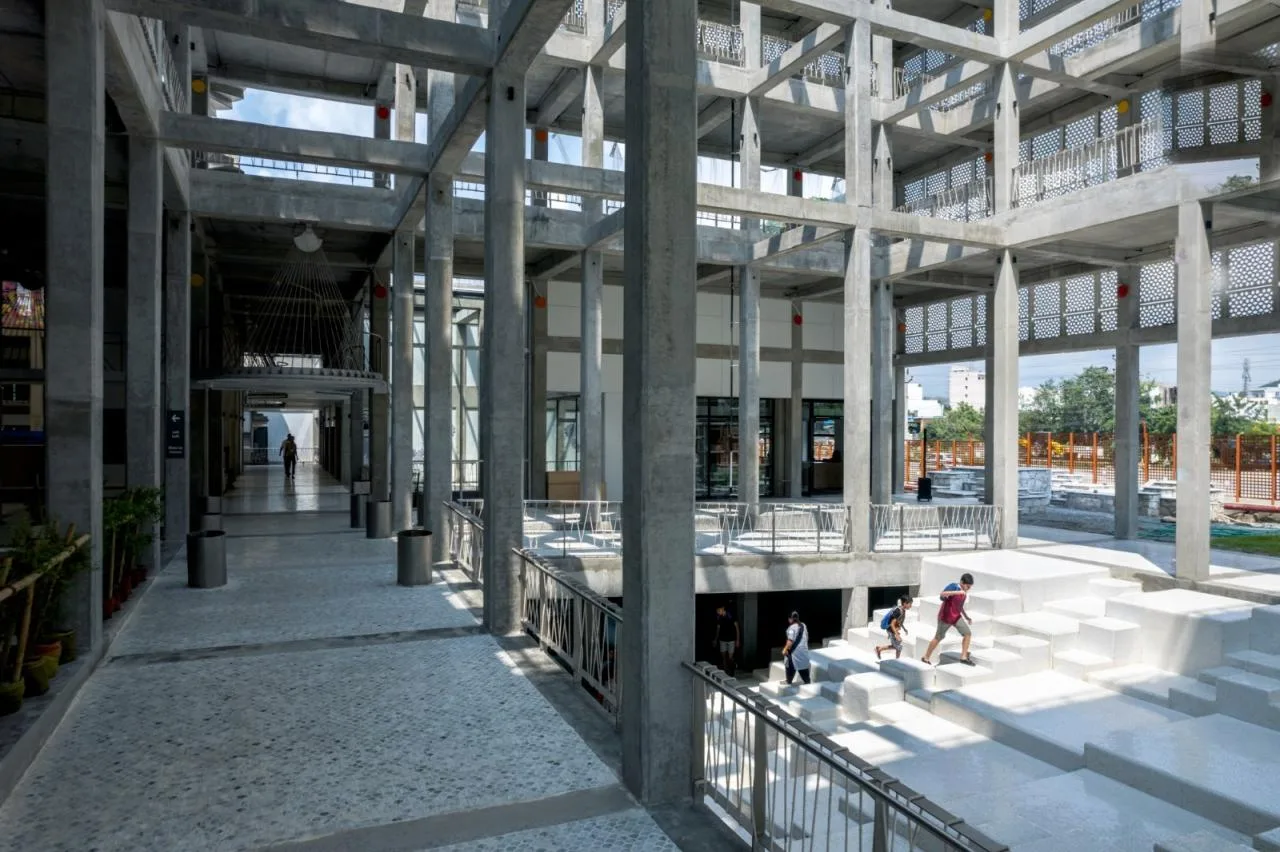
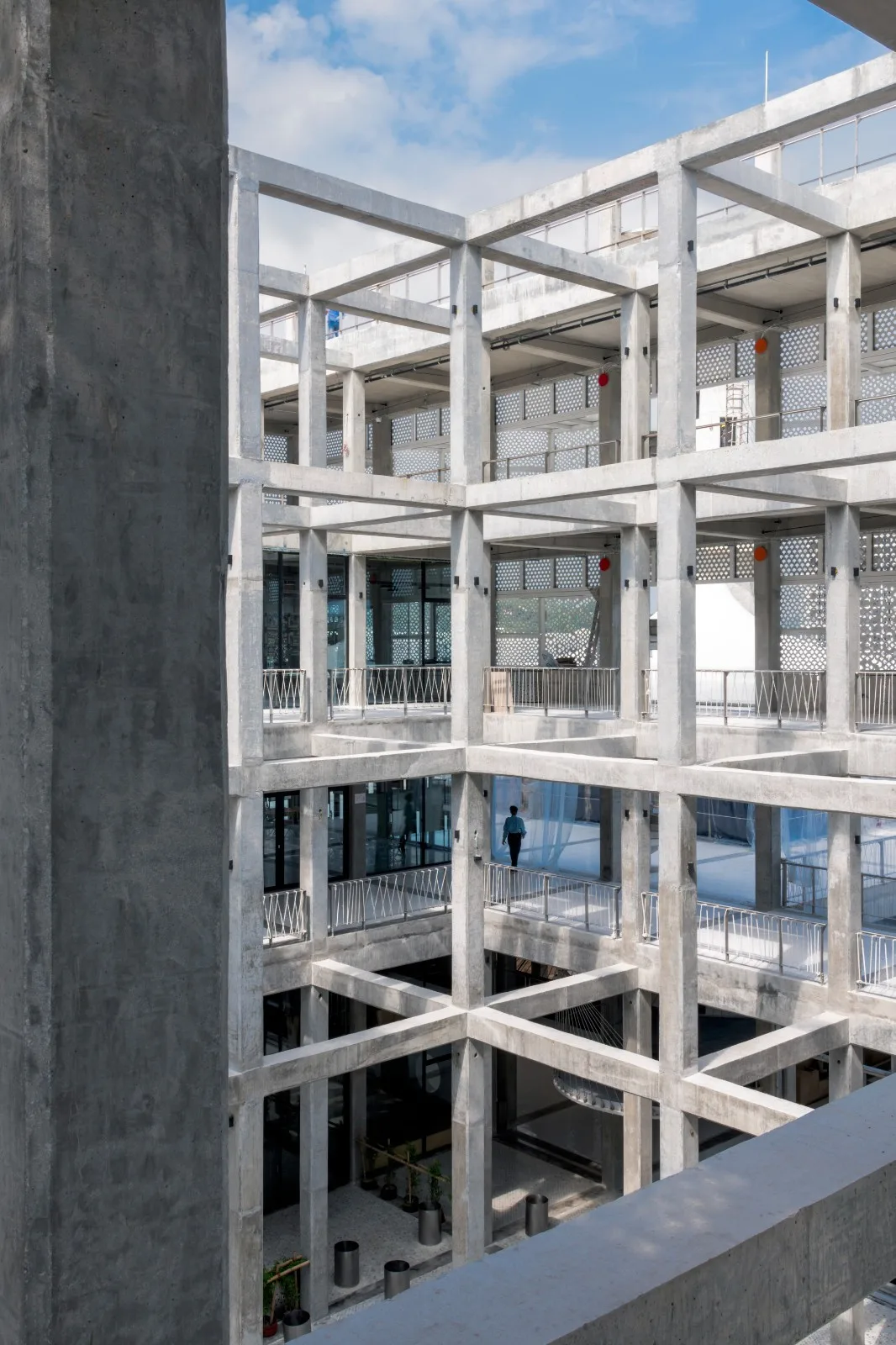
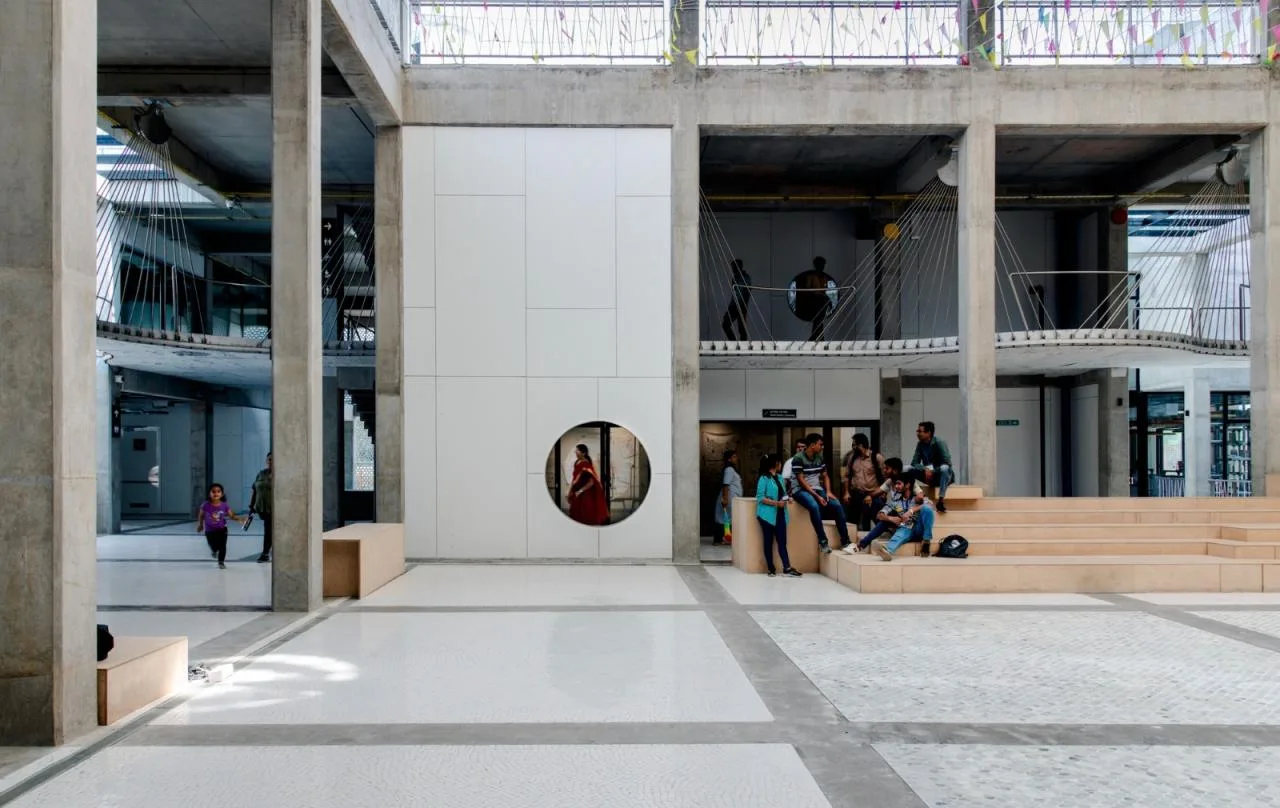
The integration of diverse activities into a unified space remains a core focus. By centralizing community events in the courtyard and utilizing entrances, corridors, and courtyards as adaptable venues, the design fosters a vibrant environment where multiple functions can thrive simultaneously.
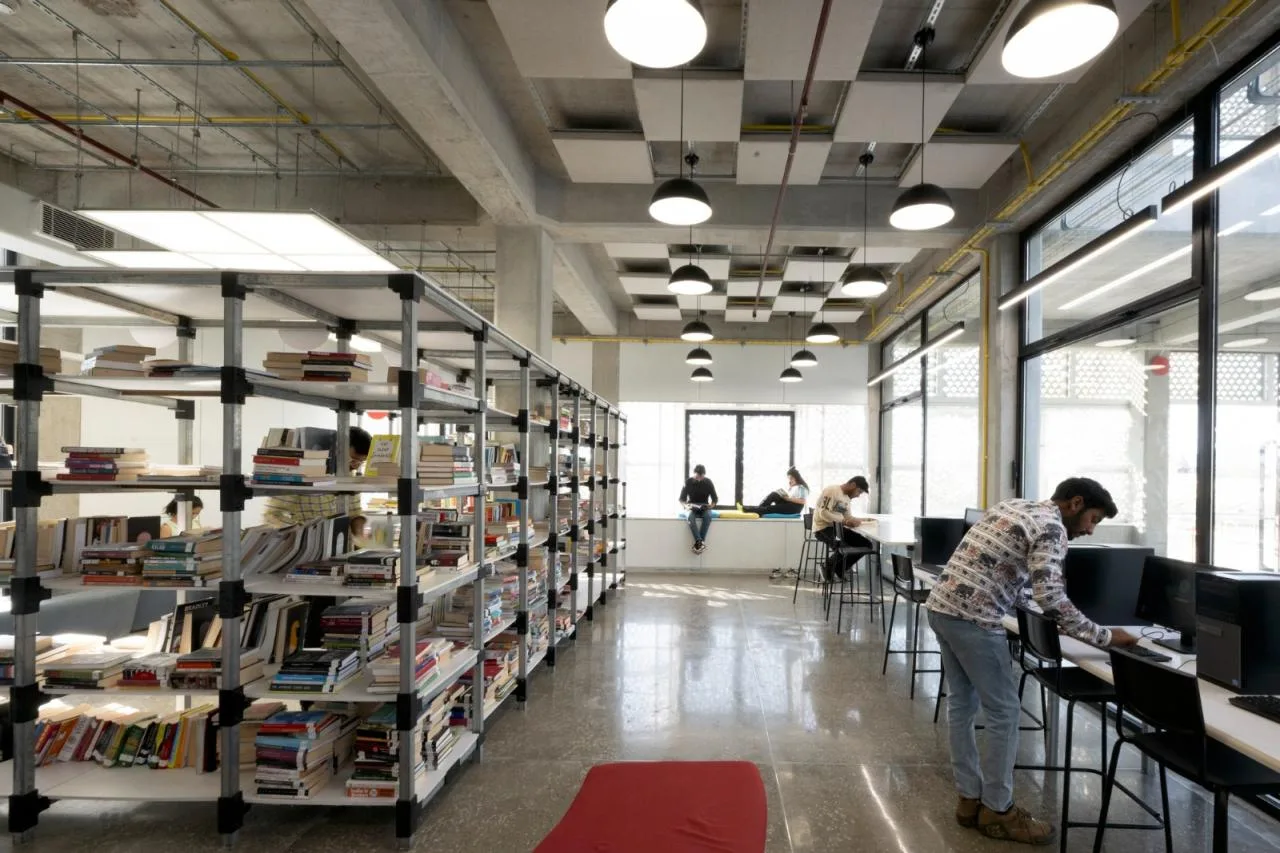
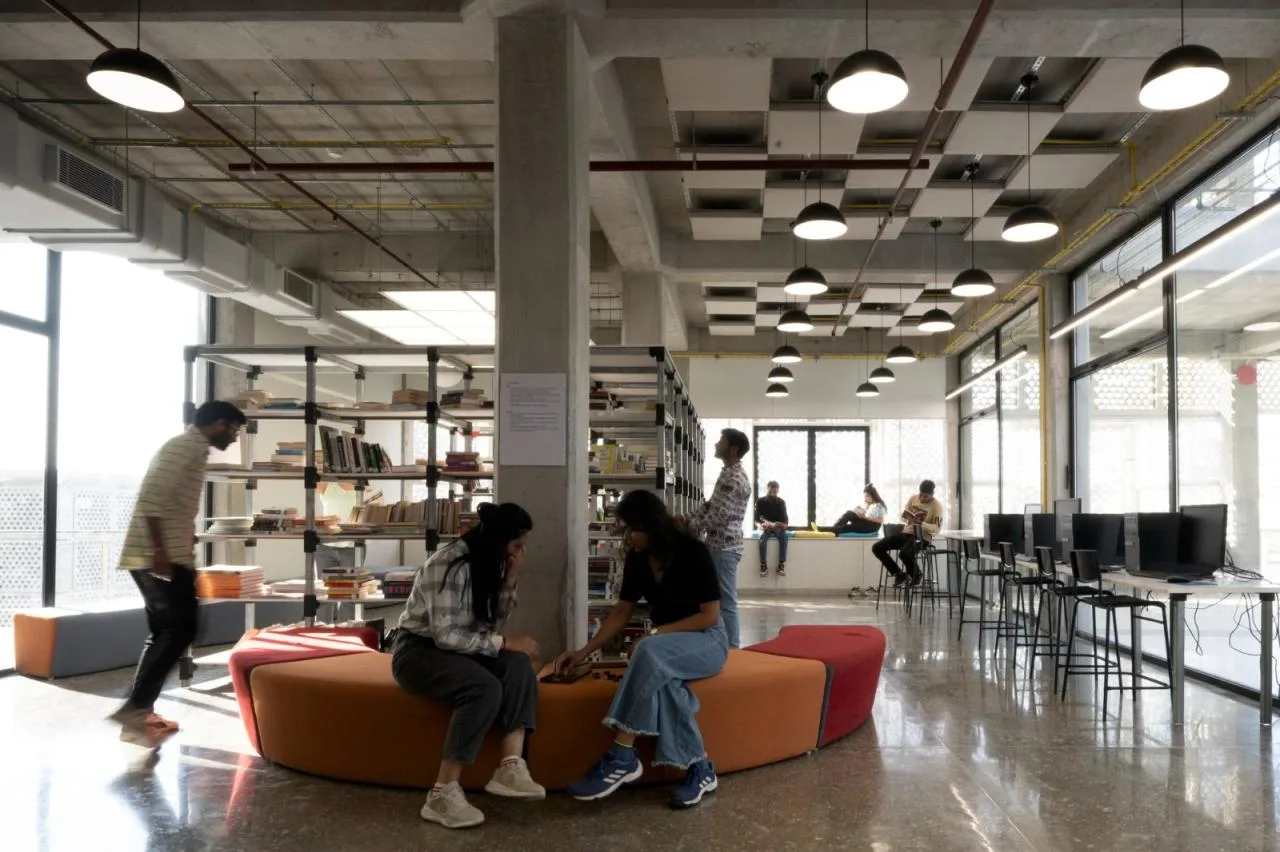
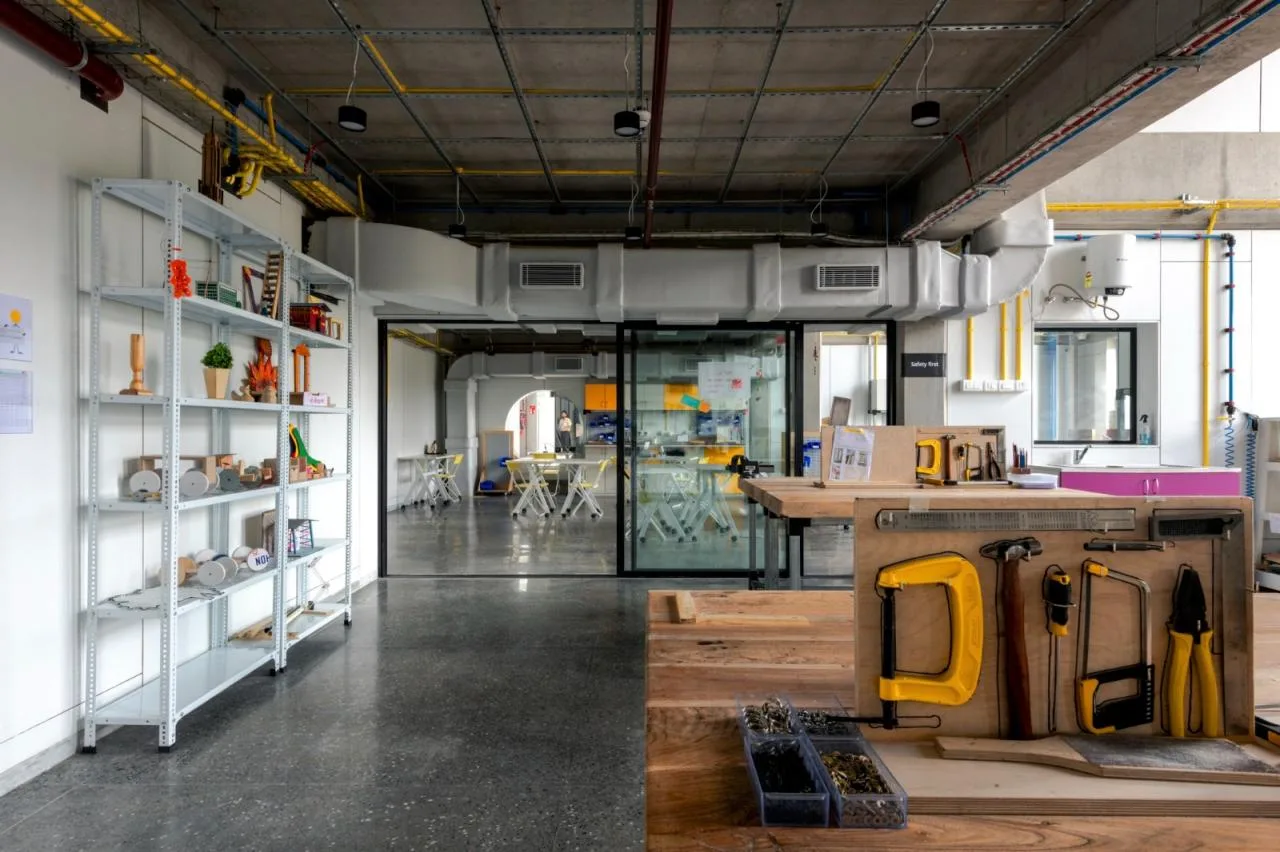
To ensure the Third Space serves multiple purposes effectively, we drew inspiration from Christopher Alexander’s The Language of Architectural Patterns. These patterns provide a framework that organizes the overall experience and brings harmony to the design.
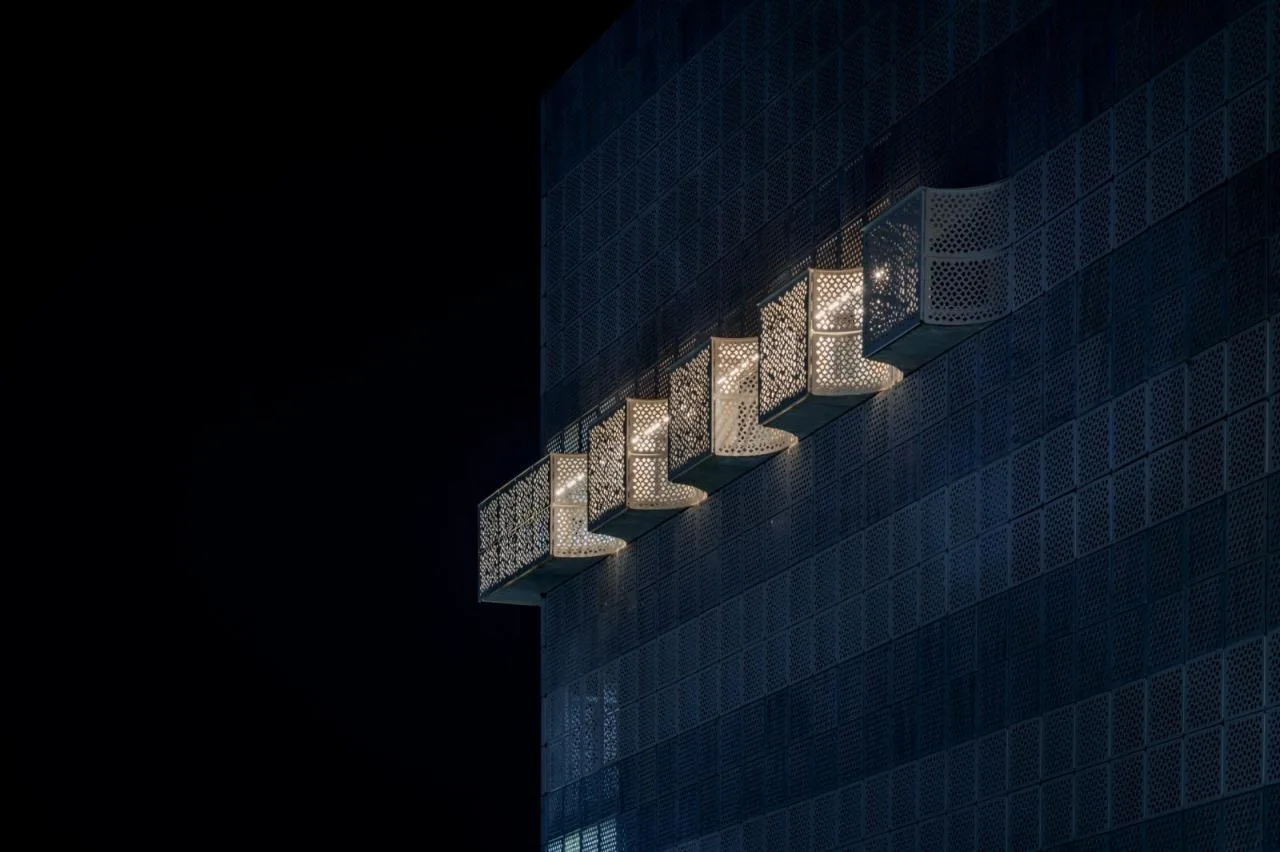
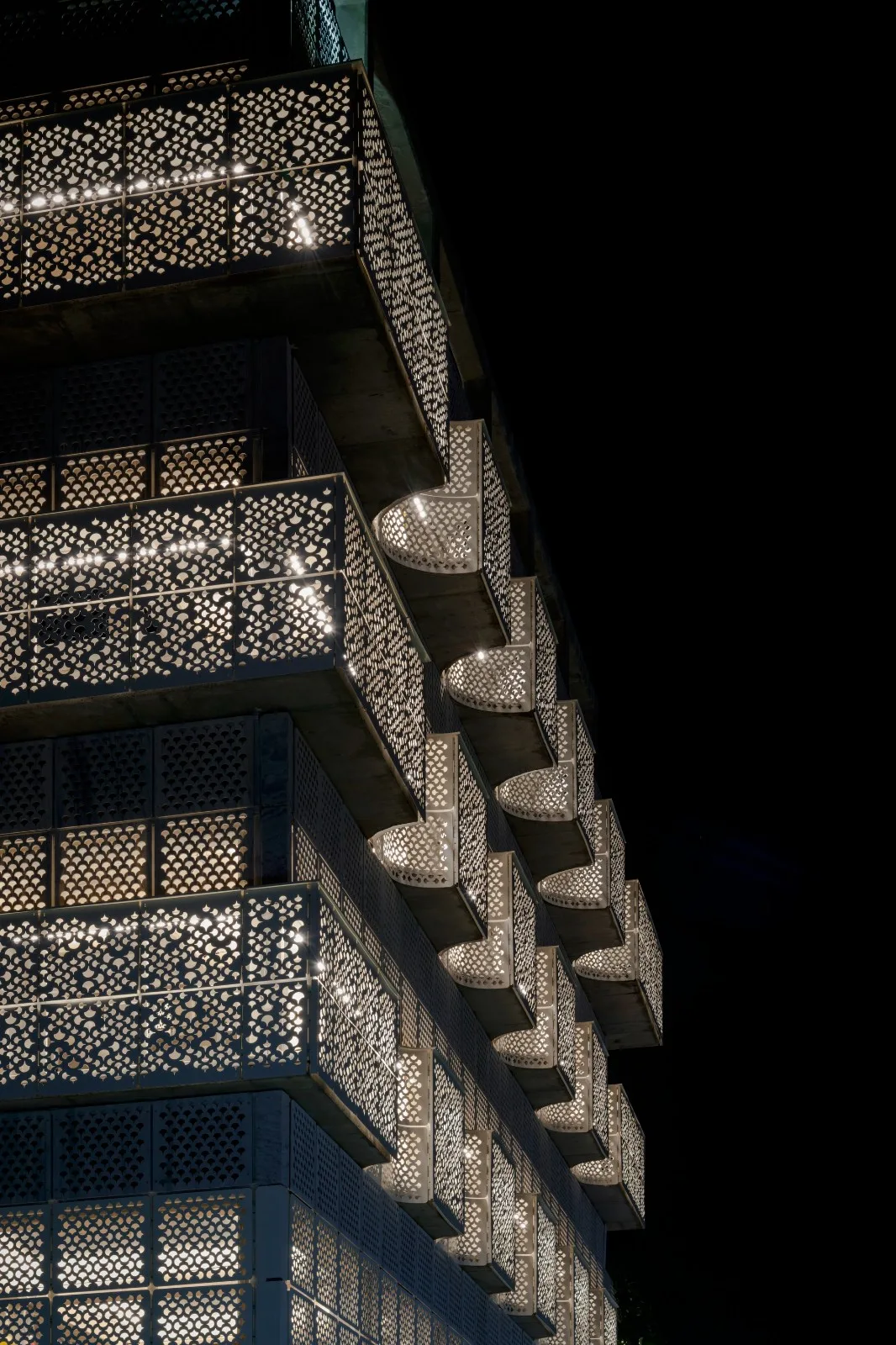
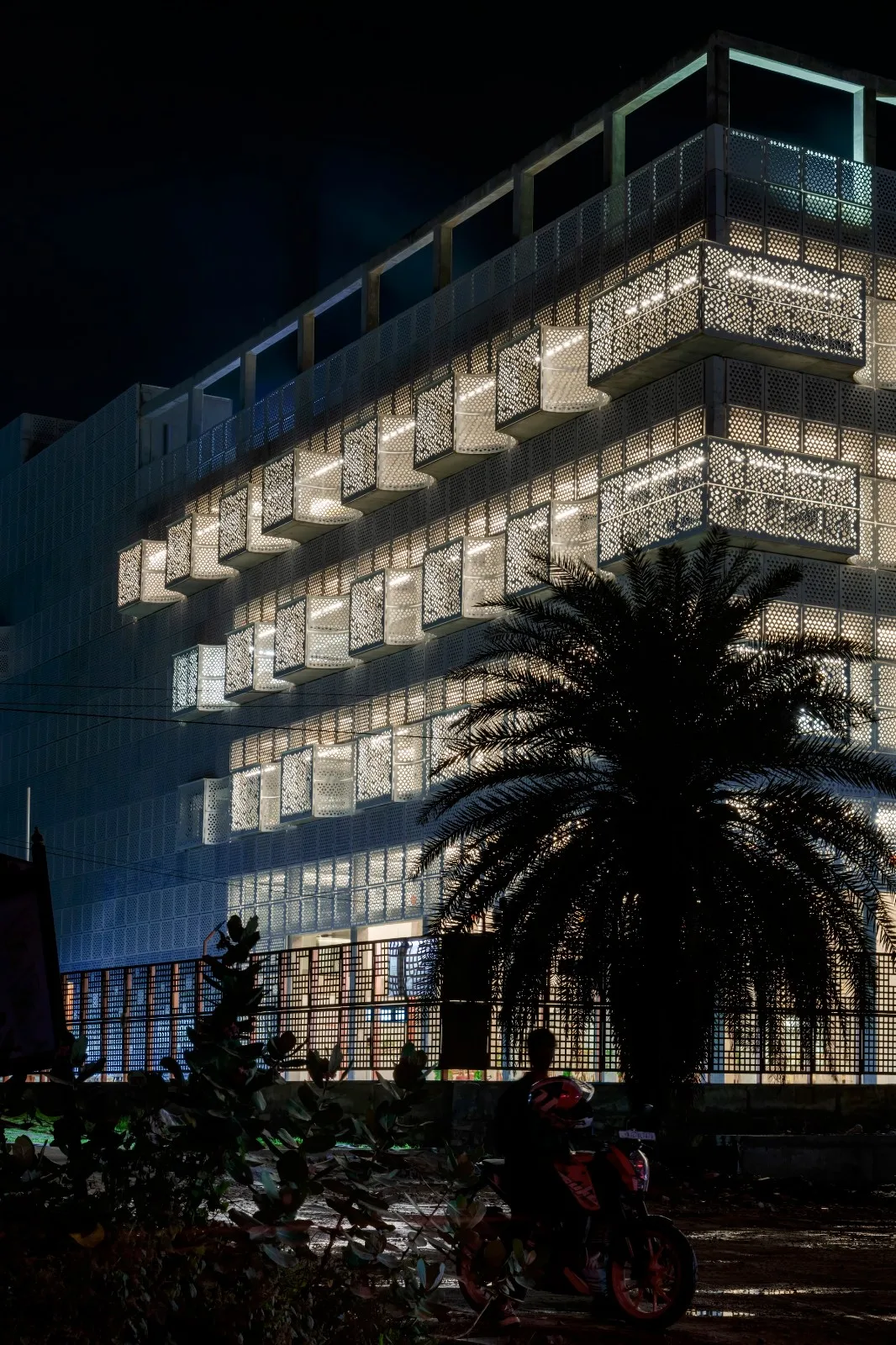
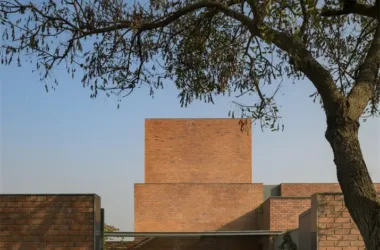
In building the Third Space, we prioritized the use of local materials suited to the region’s harsh climate, while also reducing carbon emissions from transportation. The masonry walls are built with discarded marble fragments and lime mortar sourced from nearby mines. Additionally, marble dust — a byproduct of the local marble industry — replaces cement in the concrete mix. This results in lighter-colored concrete that reflects sunlight and enhances natural ventilation within the buildings.
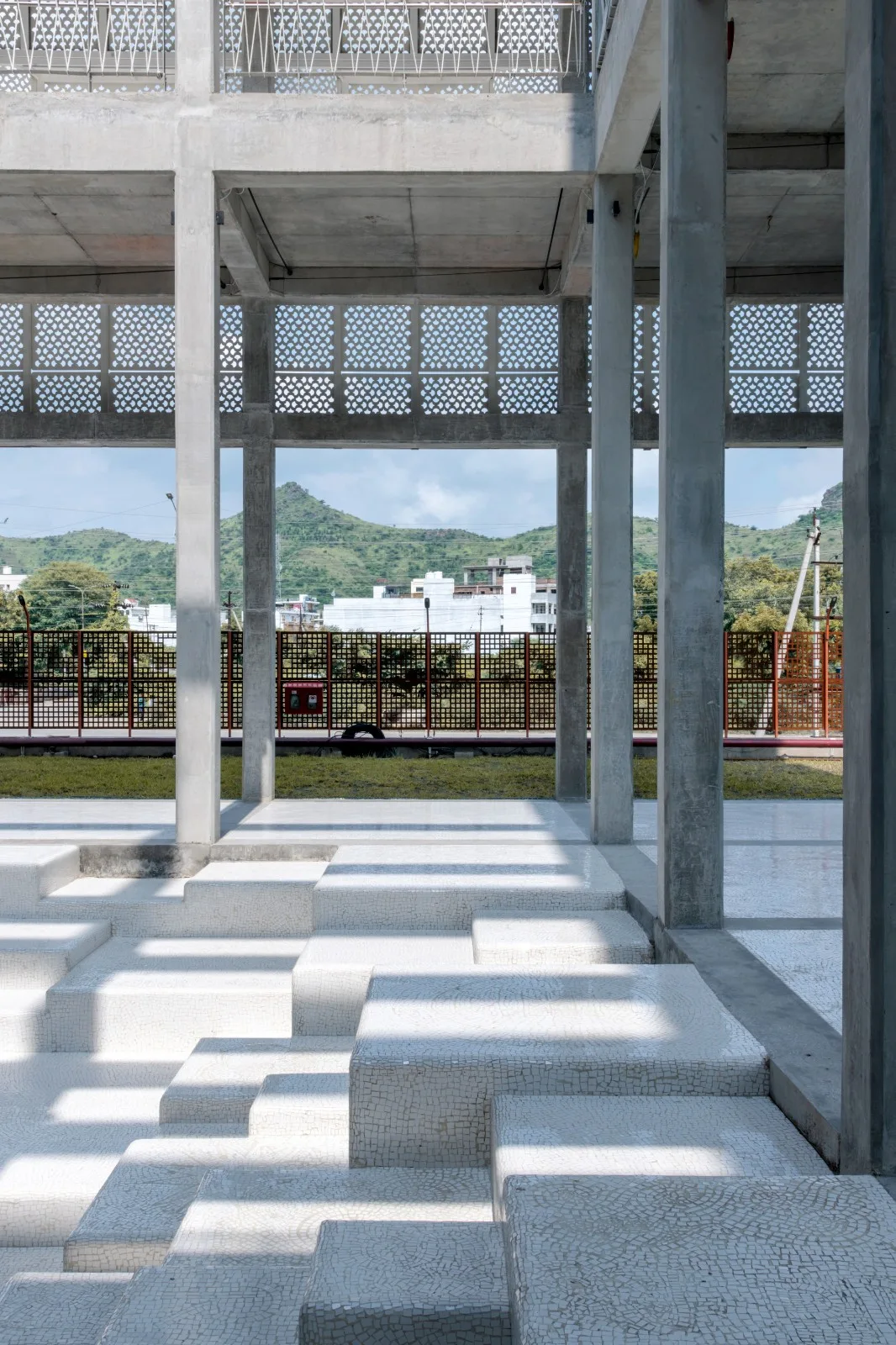
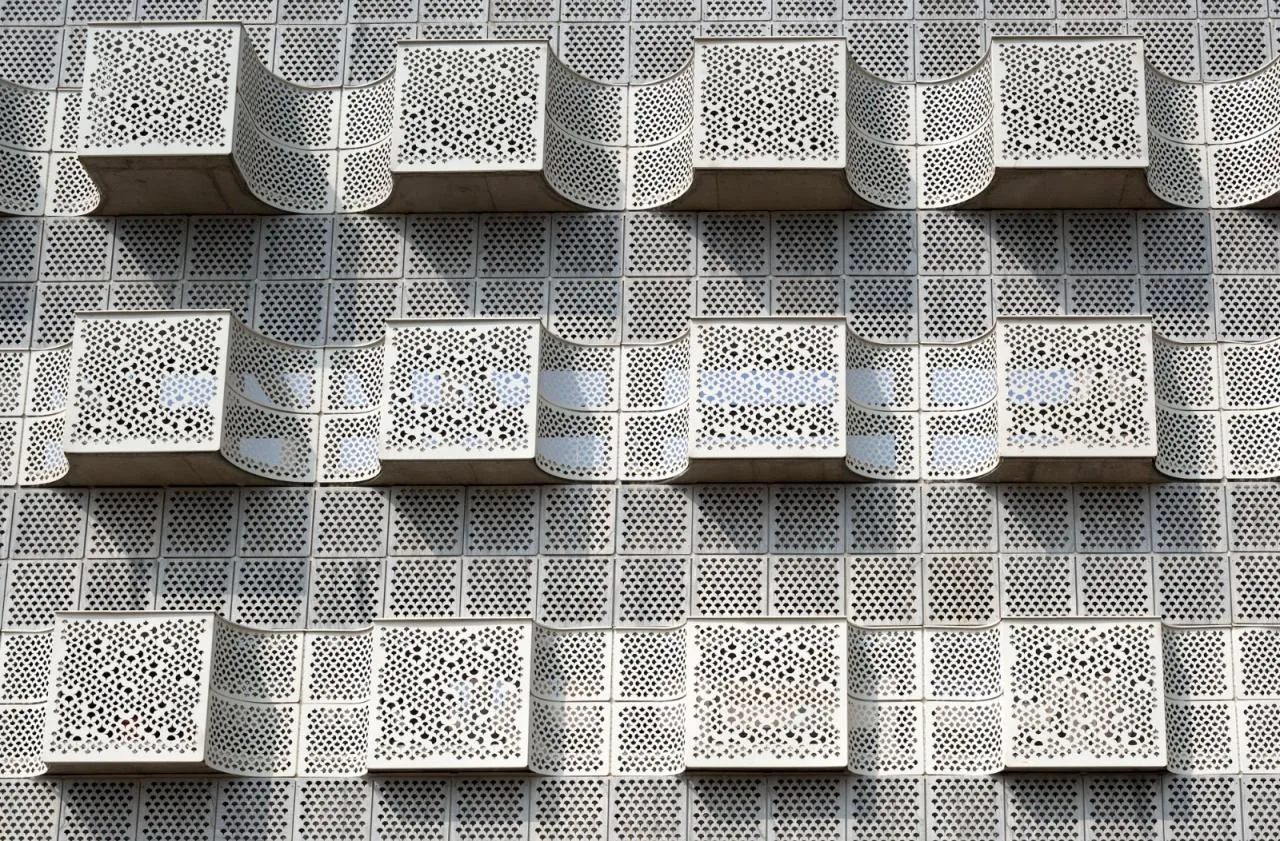
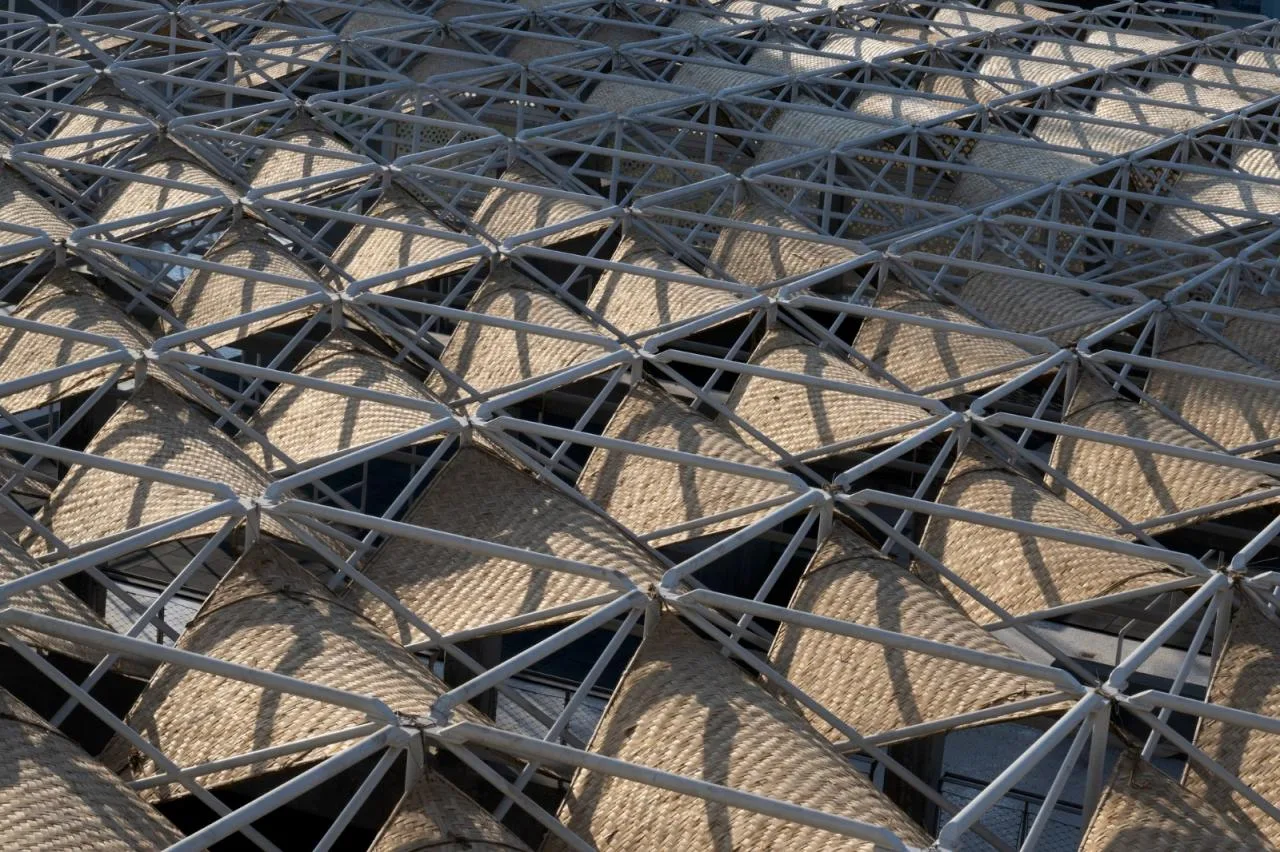
To minimize waste, marble cut from the exterior façade was repurposed as flooring material, and metal scraps were recycled into hinges for doors and partitions. The white marble used in the project is locally sourced, as are the ceramic roof tiles, which are crafted from pieced-together fragments. The roof is also outfitted with a bamboo woven sunshade, chosen over durable aluminum alternatives. Bamboo offers a low-carbon, economical, and biodegradable solution, making it more environmentally friendly than long-lasting but potentially harmful materials.
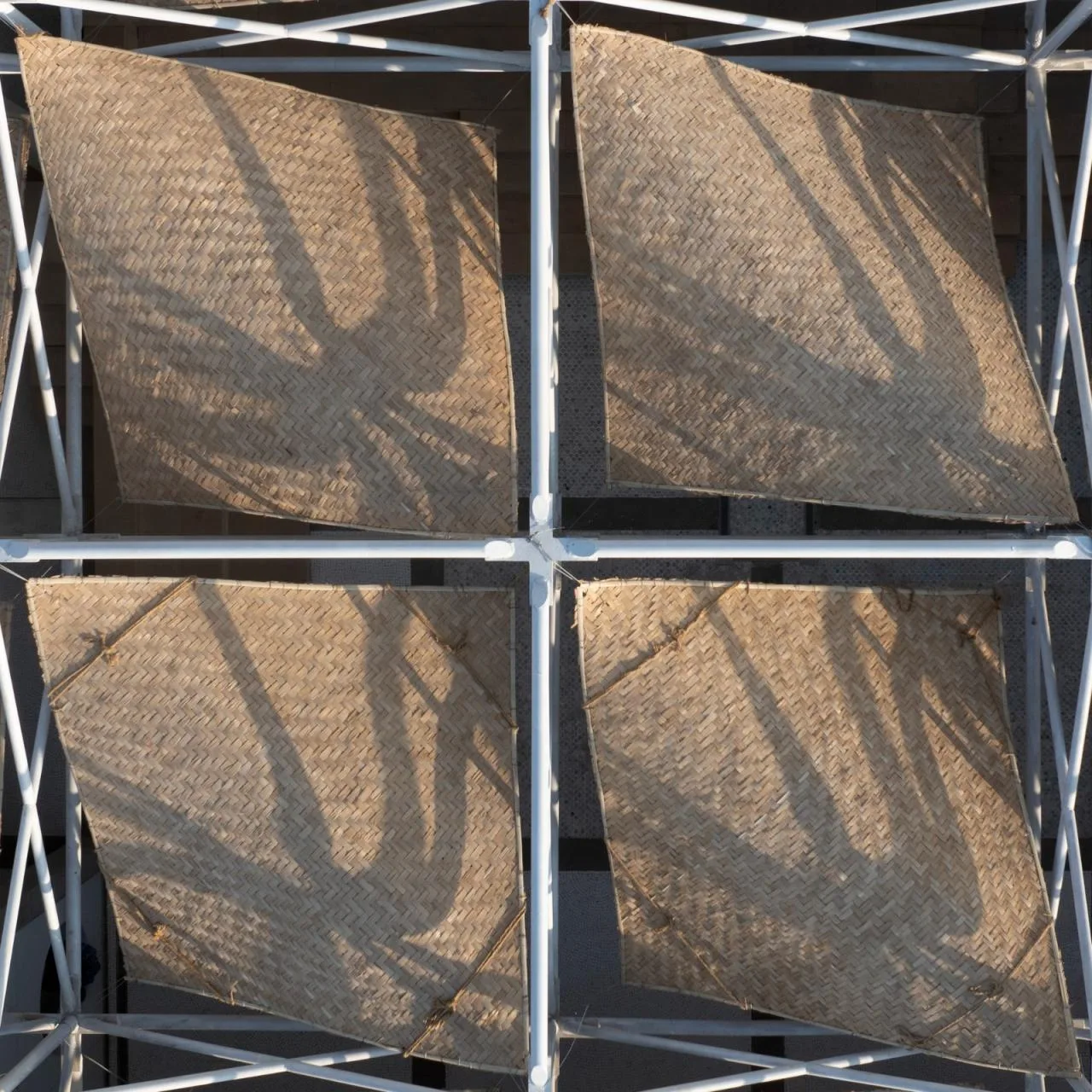
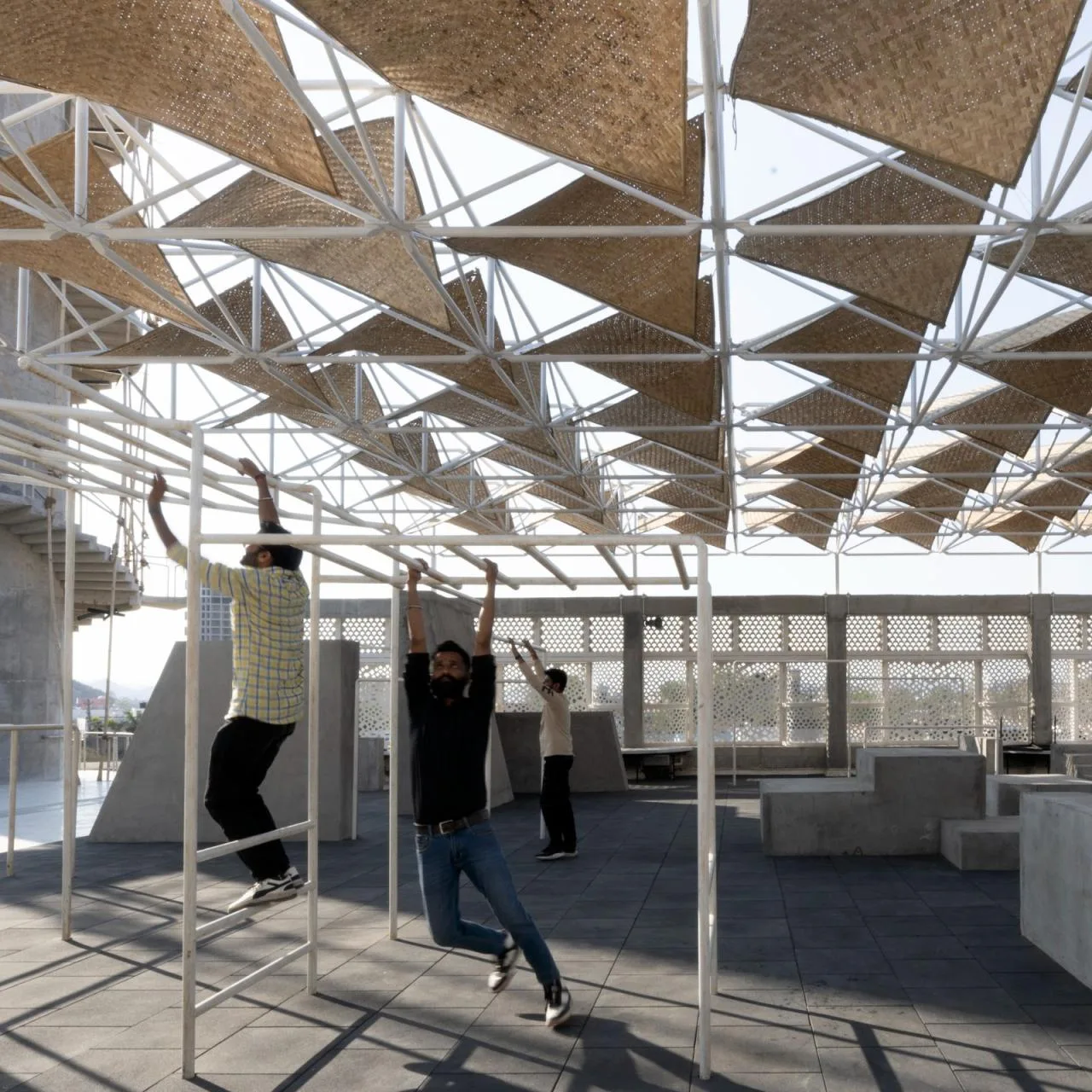
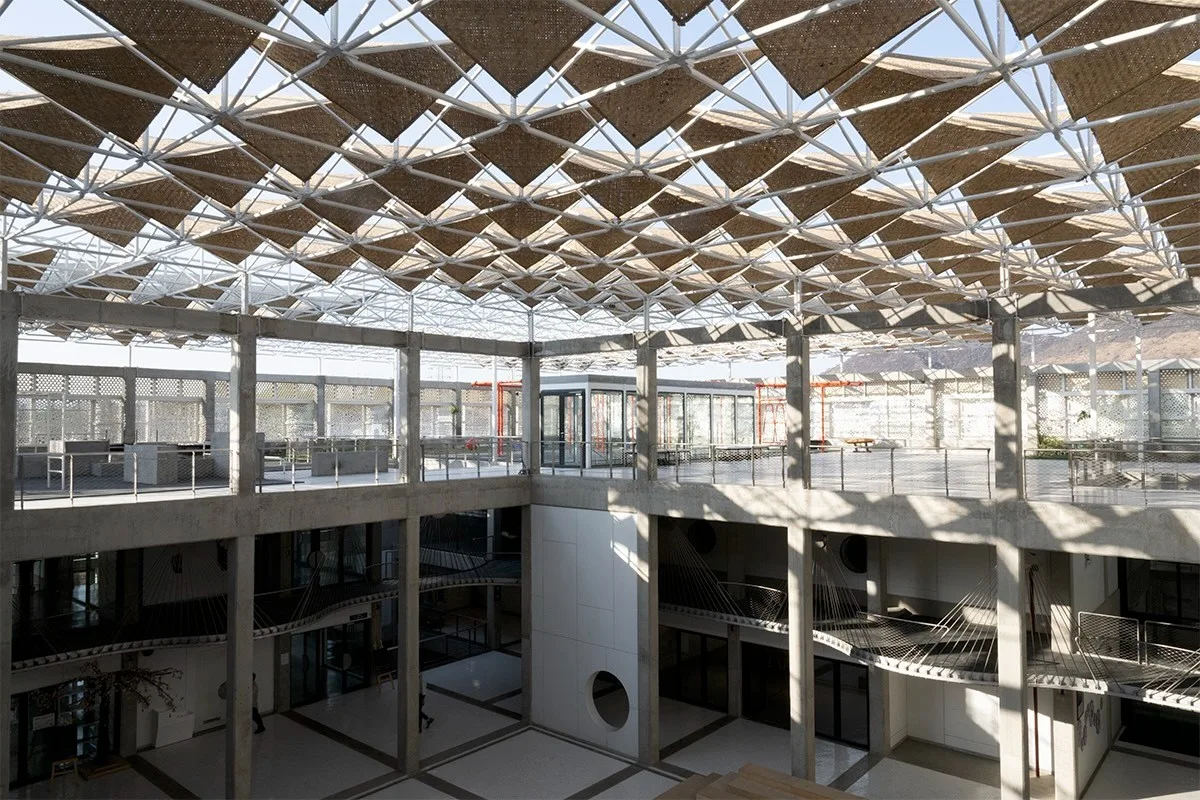
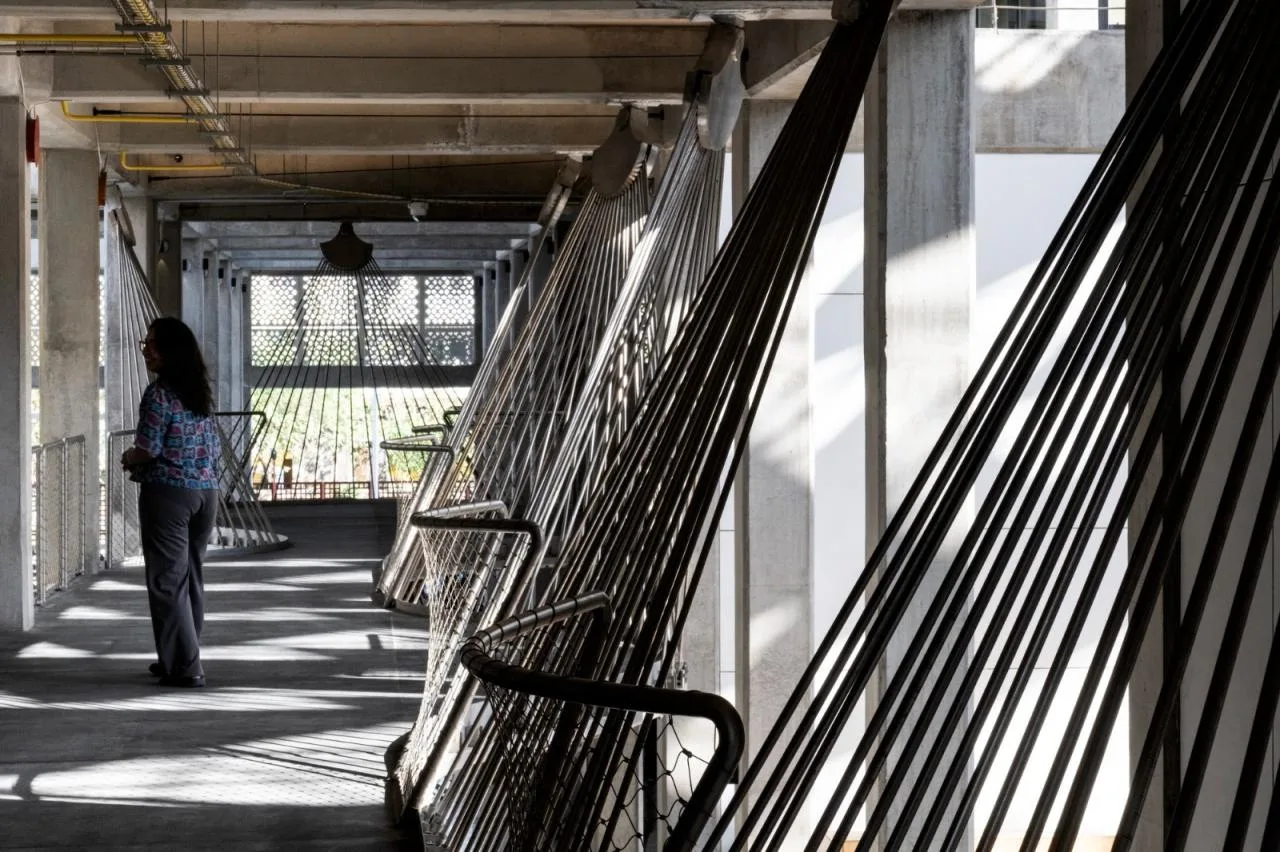
An essential takeaway from the Third Space project is the importance of collaboration. We co-developed many elements with our partners: from the building’s sunshade designed with Webb Yates Engineers, to the façade fixing system invented alongside Sarnar, and the seismic performance testing of the marble curtain wall. These examples highlight the value of teamwork in achieving innovative solutions.
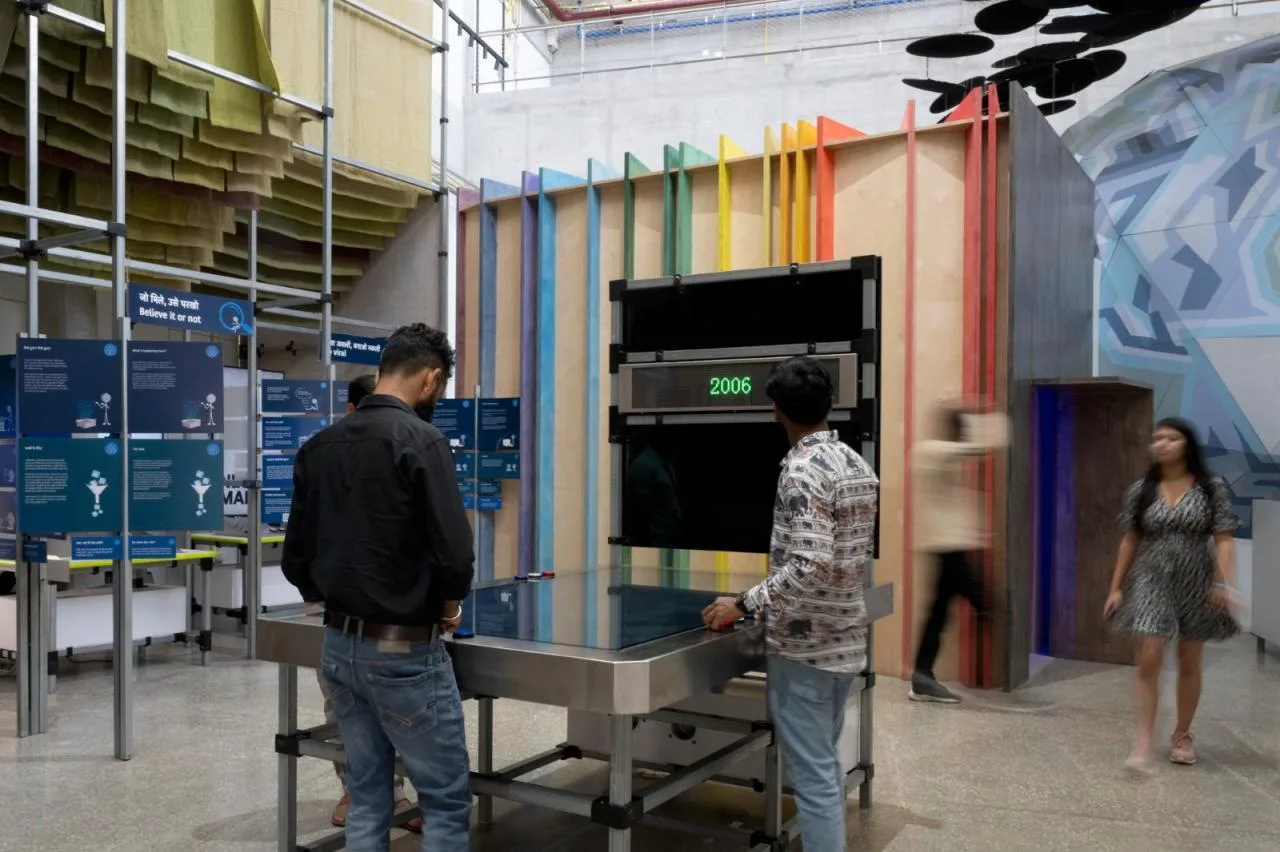
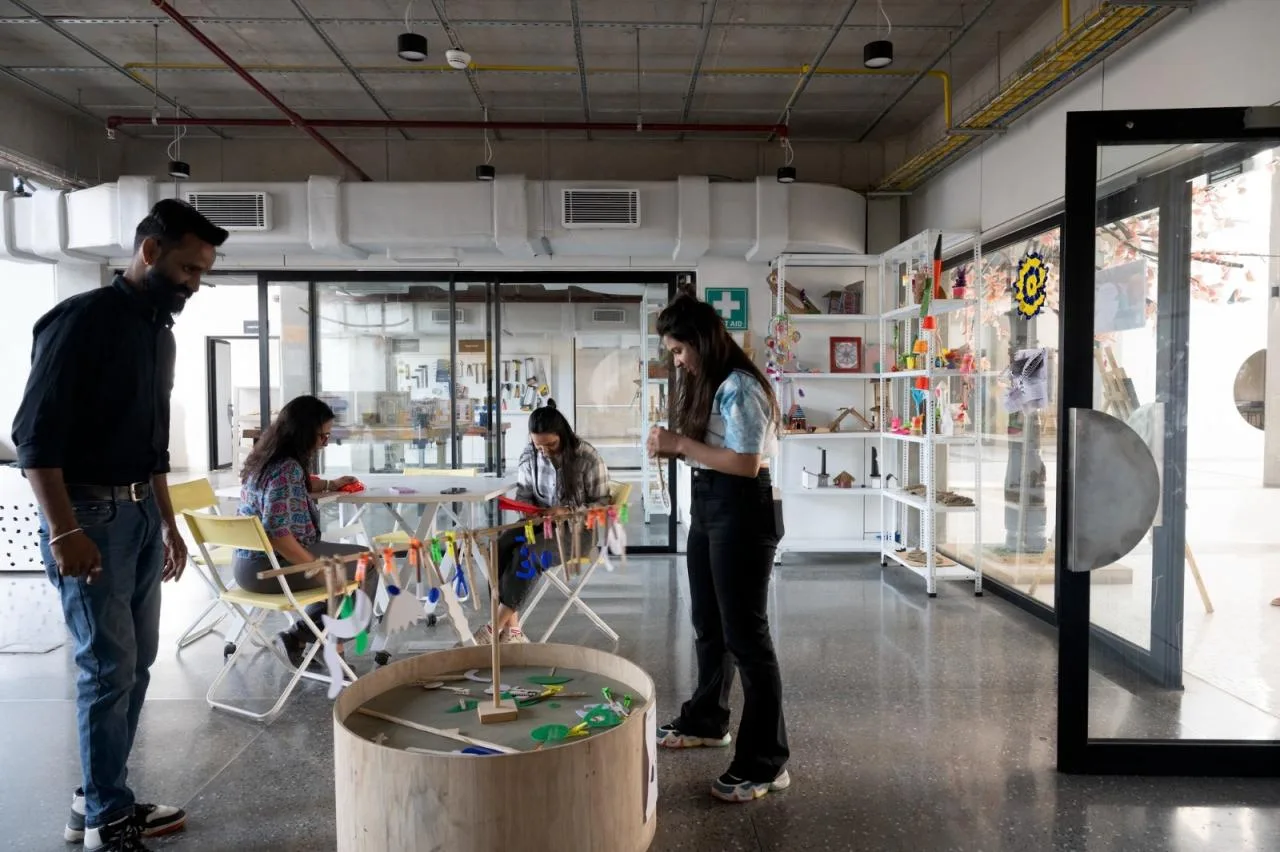
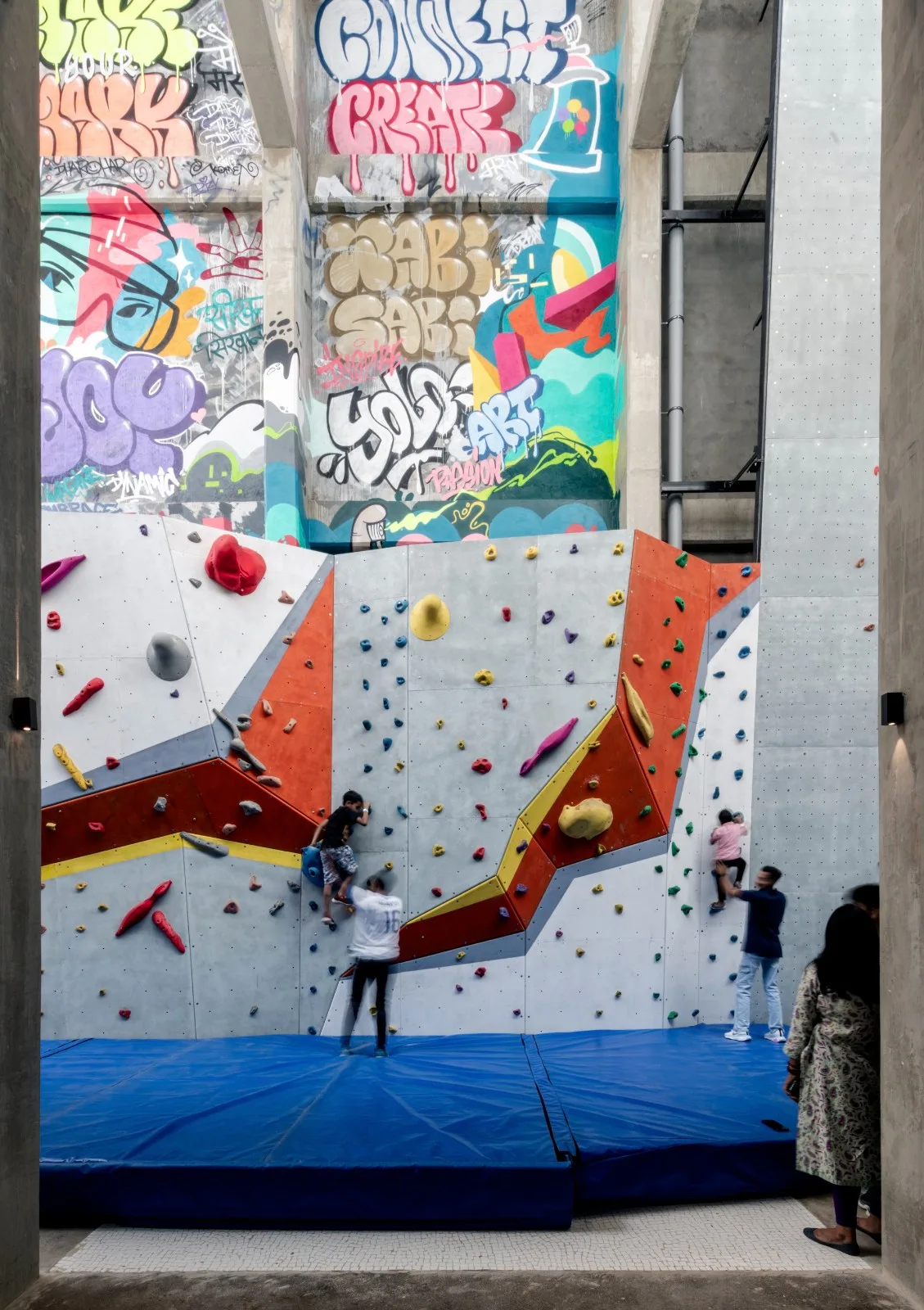
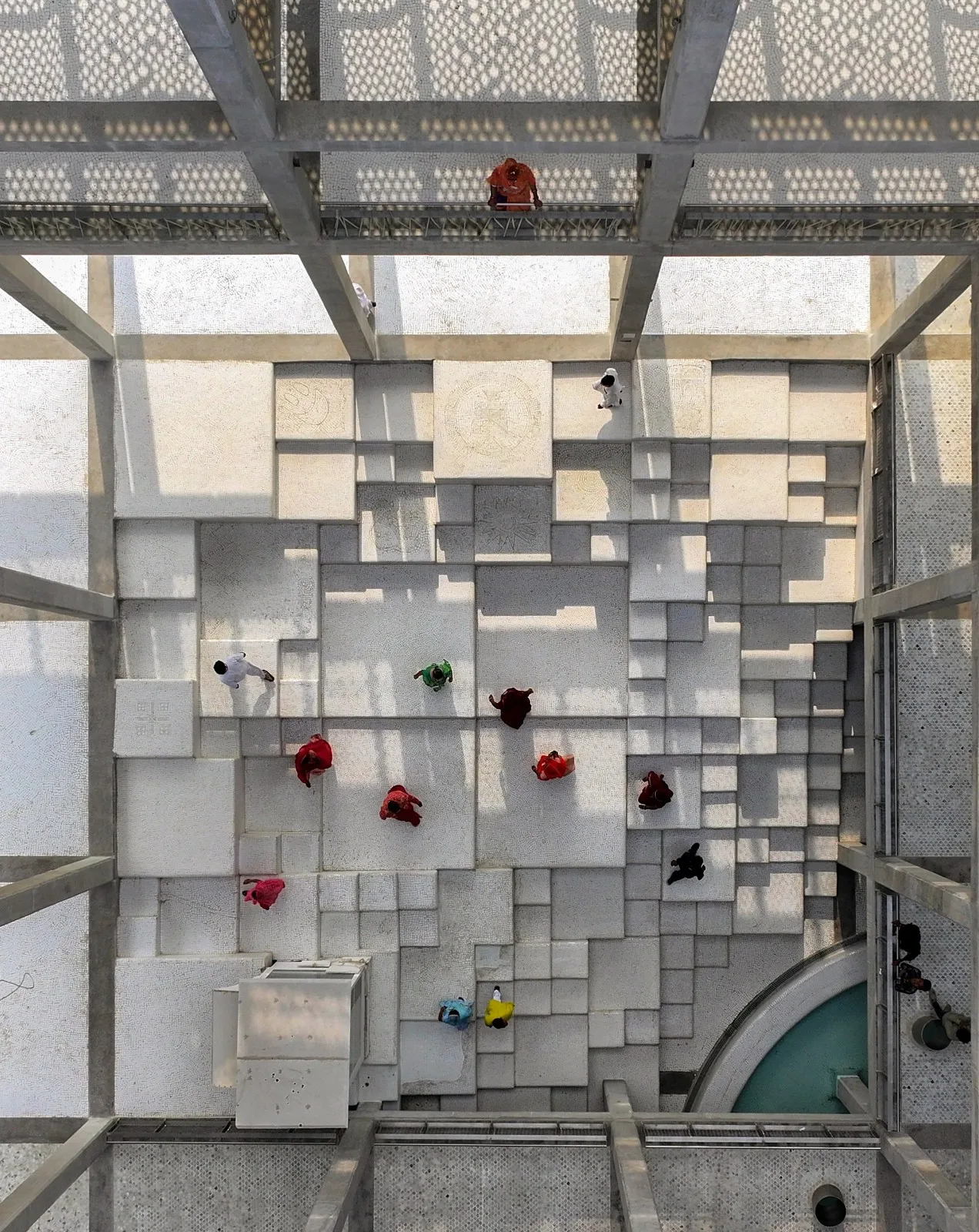
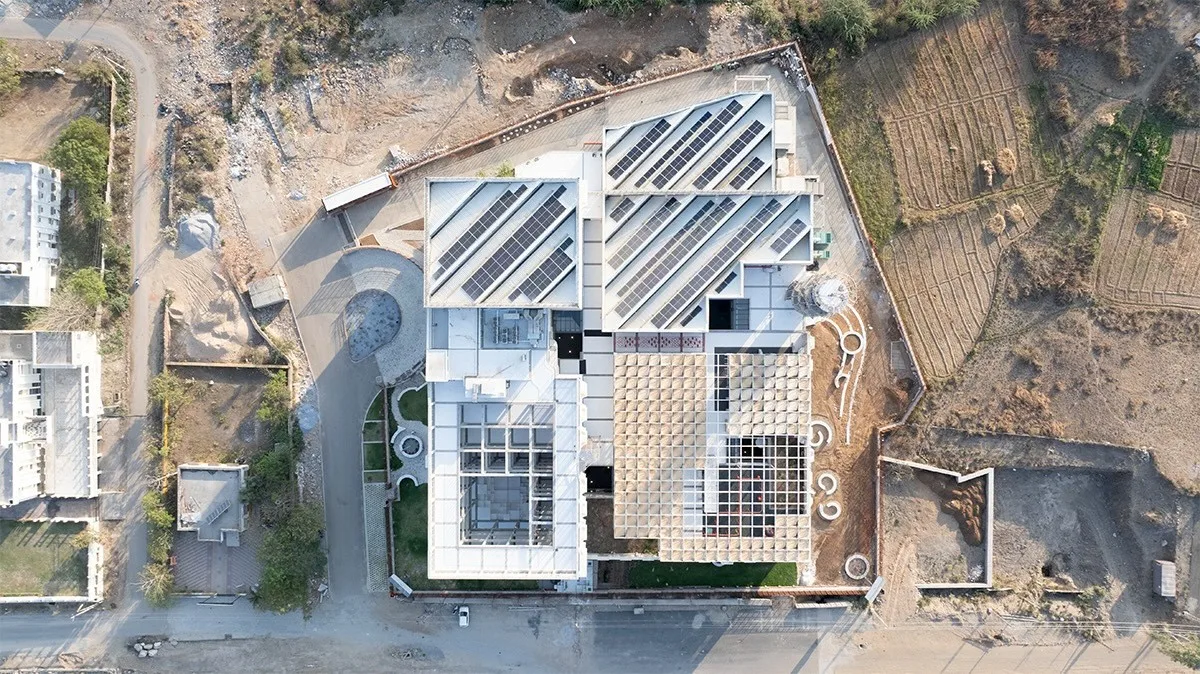
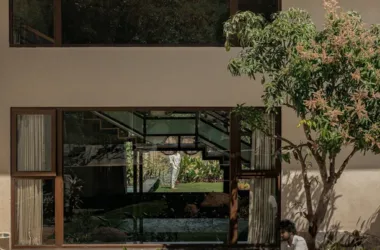
Architecturally, we drew inspiration from Rajasthan’s rich heritage, reinterpreting traditional forms in a contemporary context. The design integrates diverse functions within a unified building centered around a courtyard, inspired by the local Haveli style. This central courtyard acts as a versatile space for exhibitions, performances, and conferences, encircled by pathways that connect all learning and activity areas.
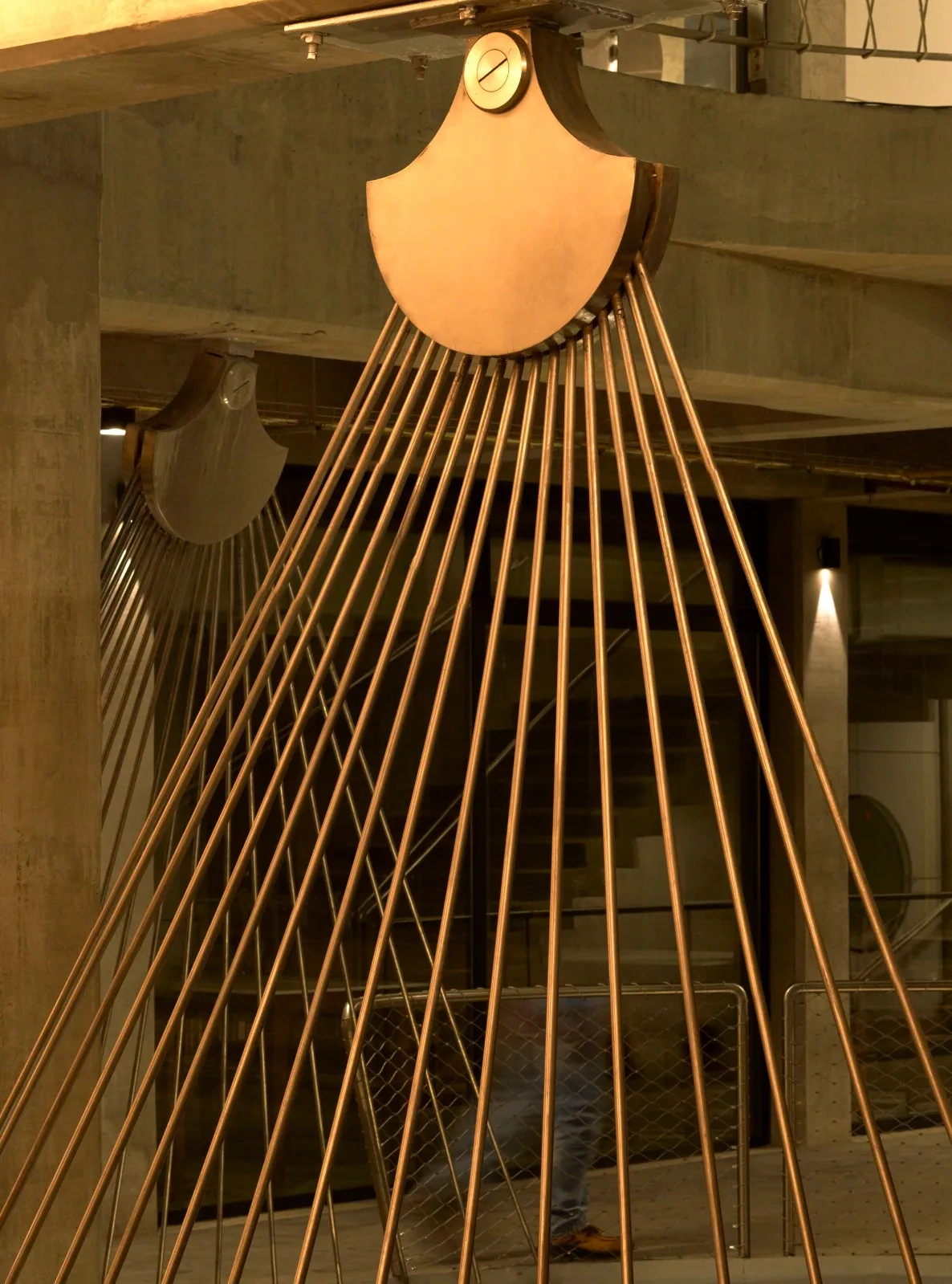
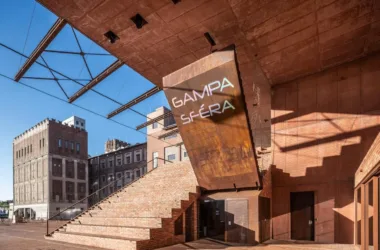
At the building’s entrance, visitors encounter the “Baori,” inspired by the iconic stairwells of Rajasthan and Gujarat. This expansive outdoor public area features seemingly random cubes that form steps for running, jumping, sitting, and relaxing, inviting playful interaction.
Project Drawings
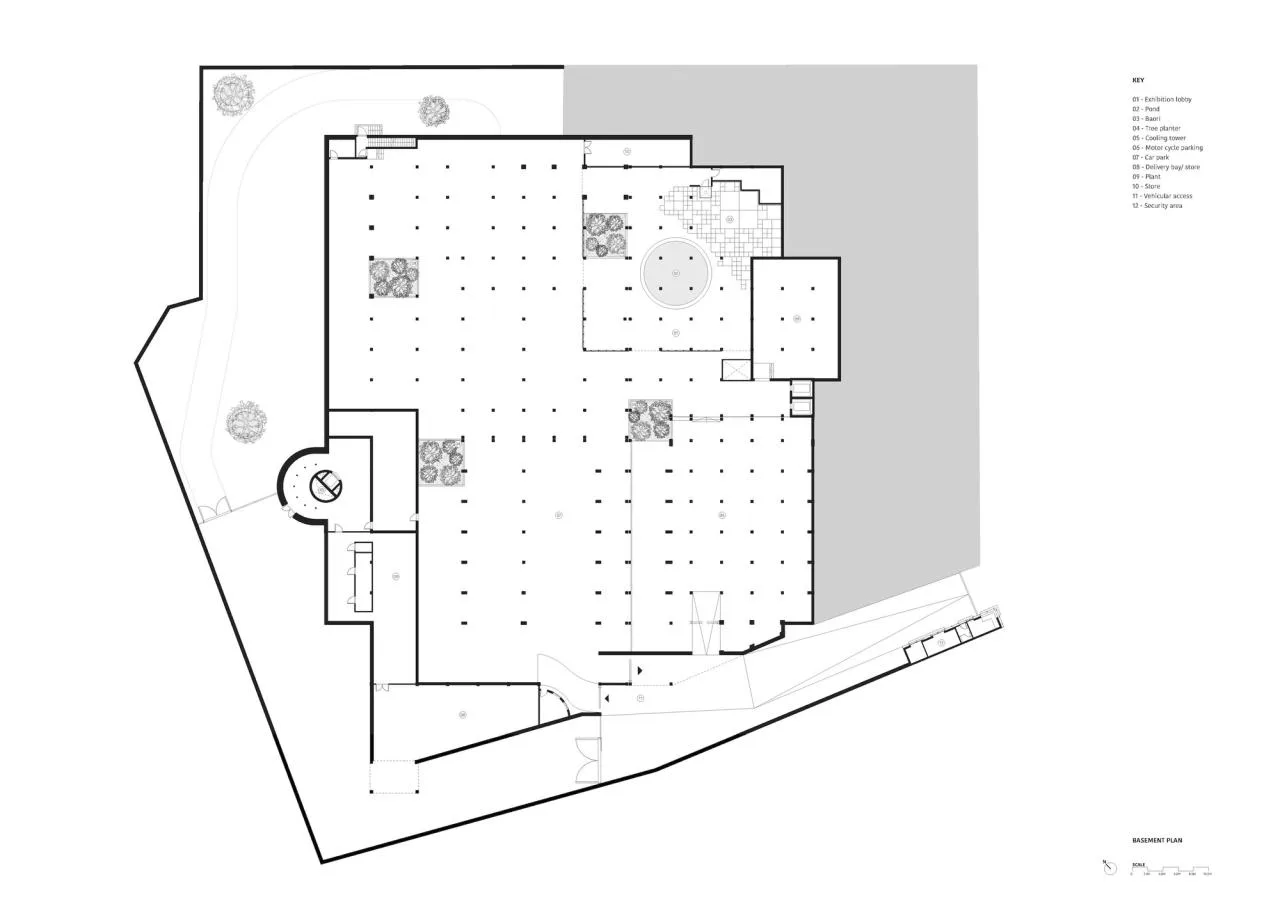
△ Negative Floor Plan
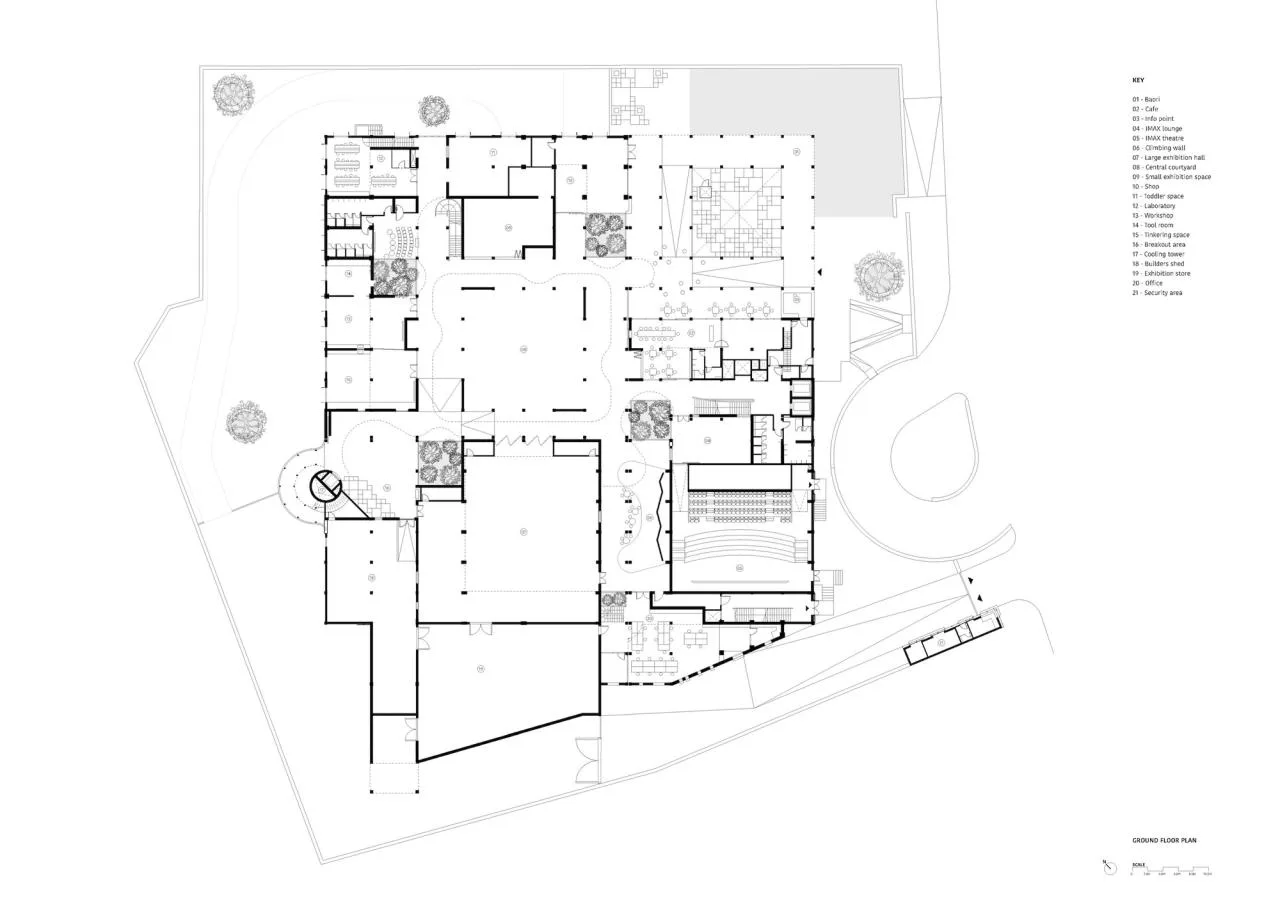
△ First Floor Plan
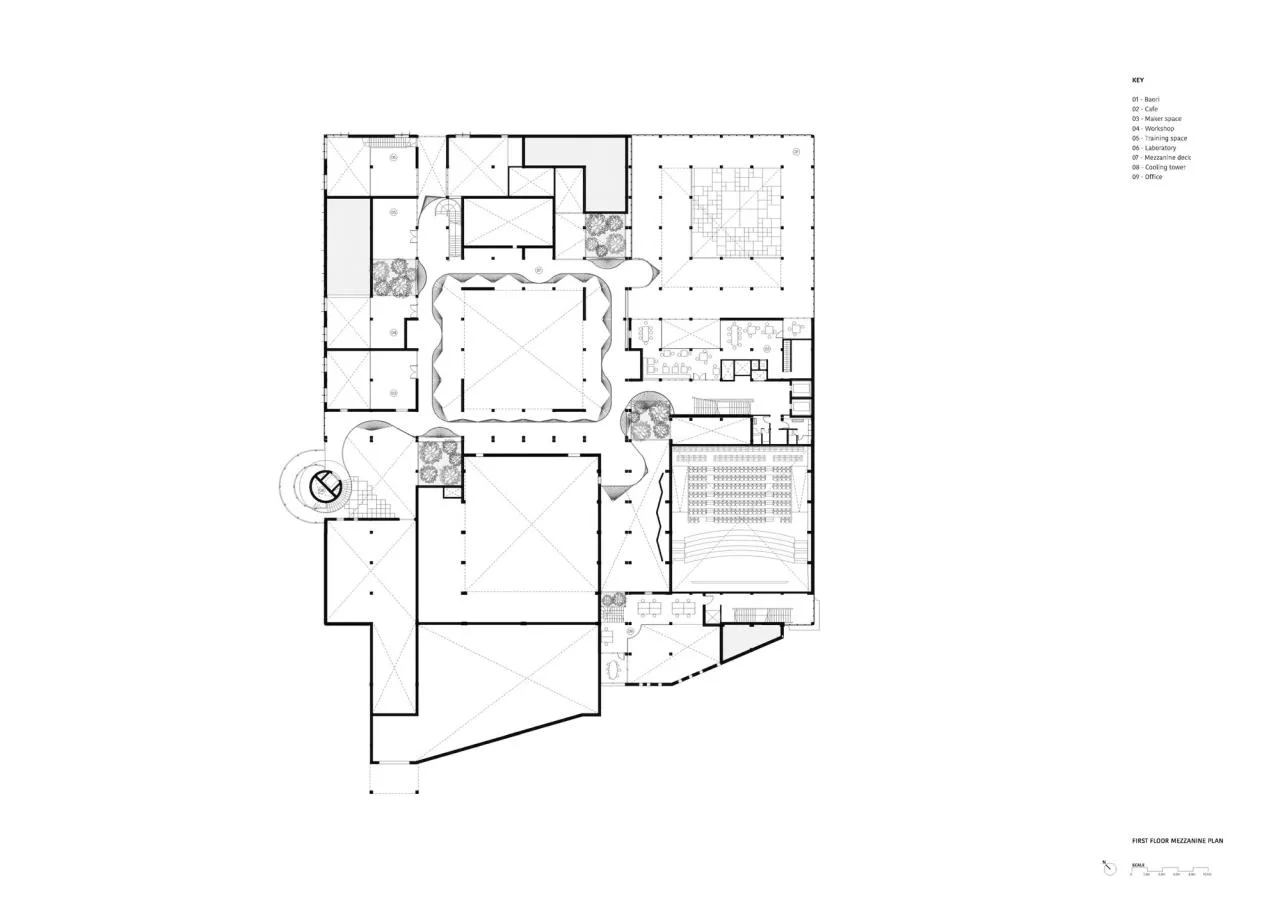
△ Second Floor Plan
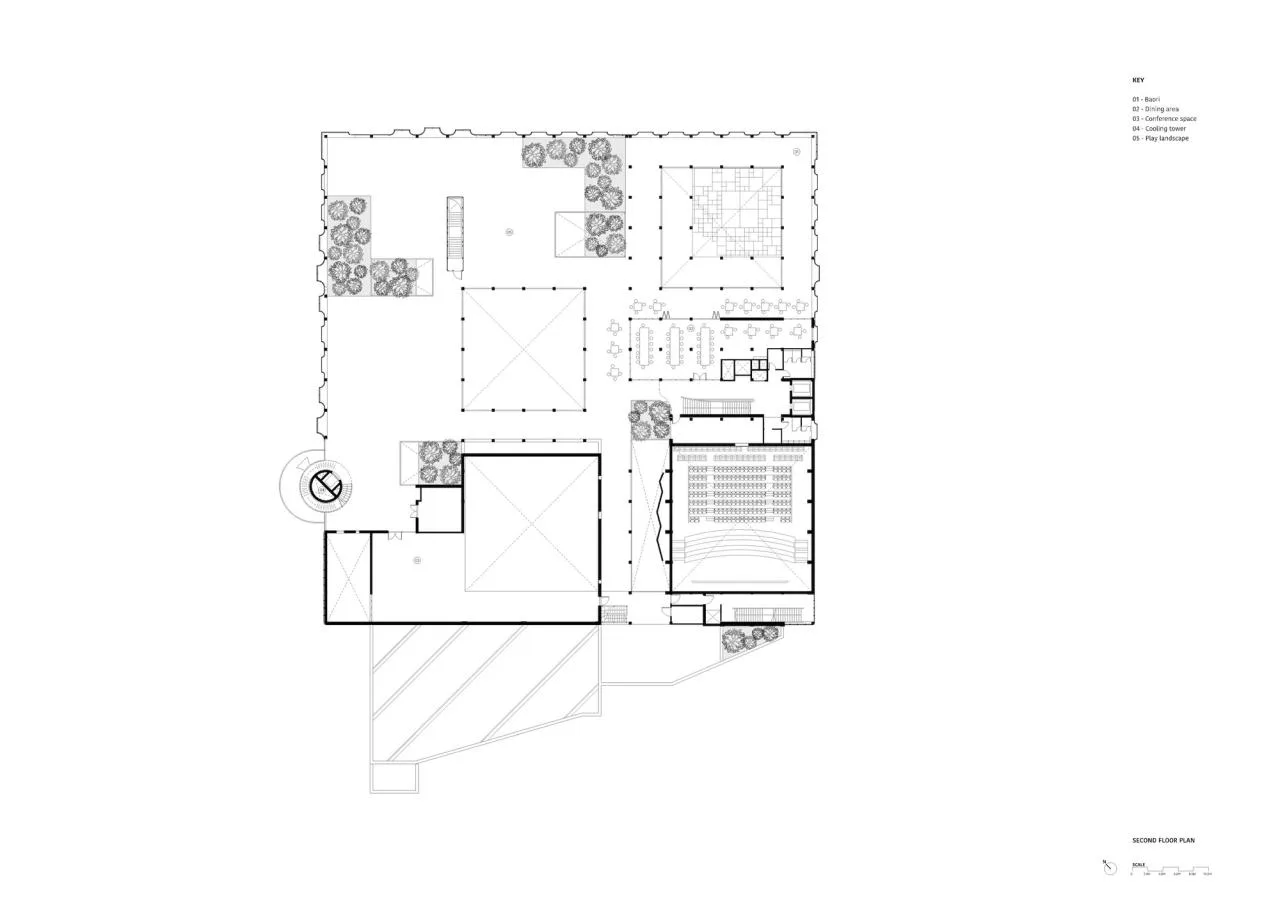
△ Third Floor Plan
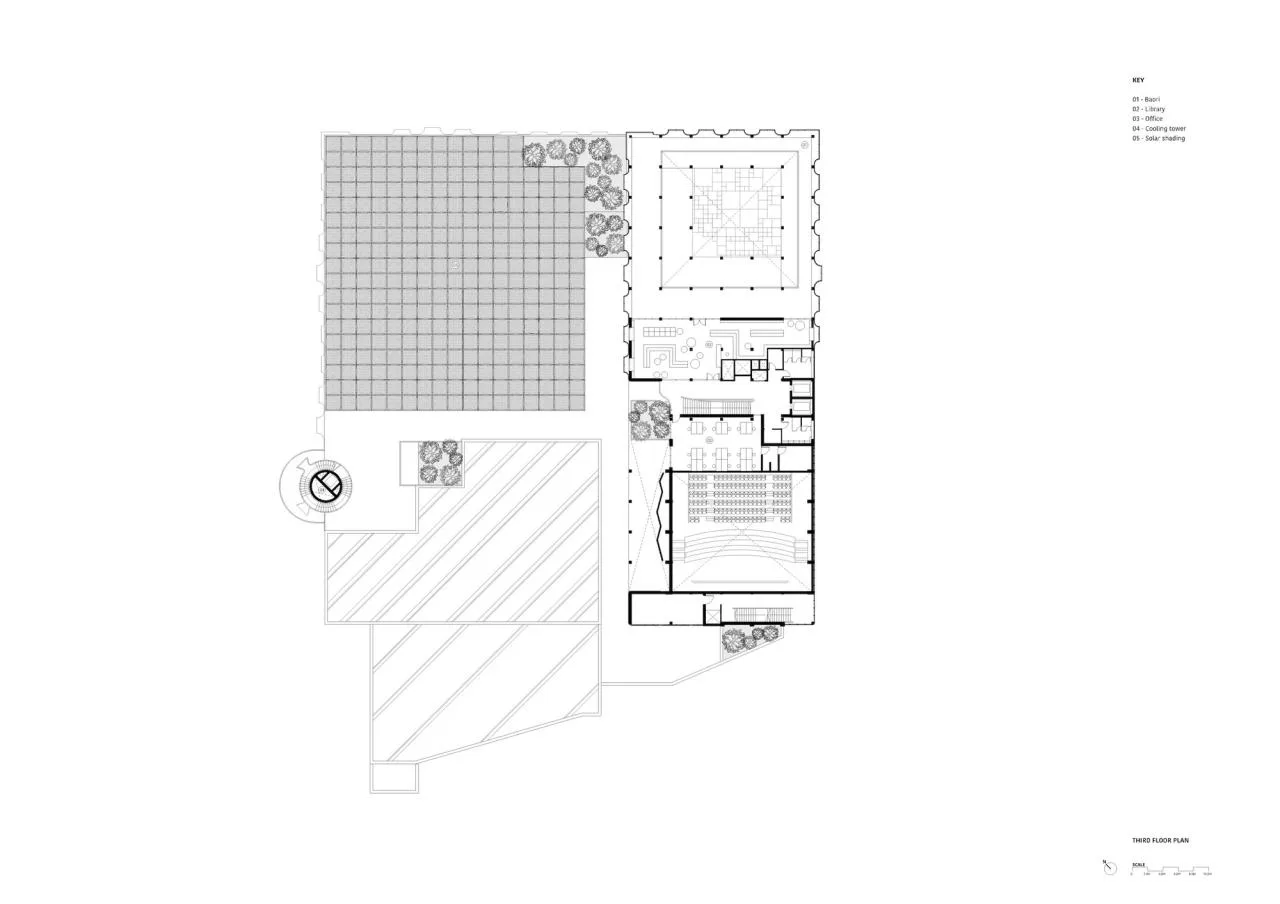
△ Fourth Floor Plan
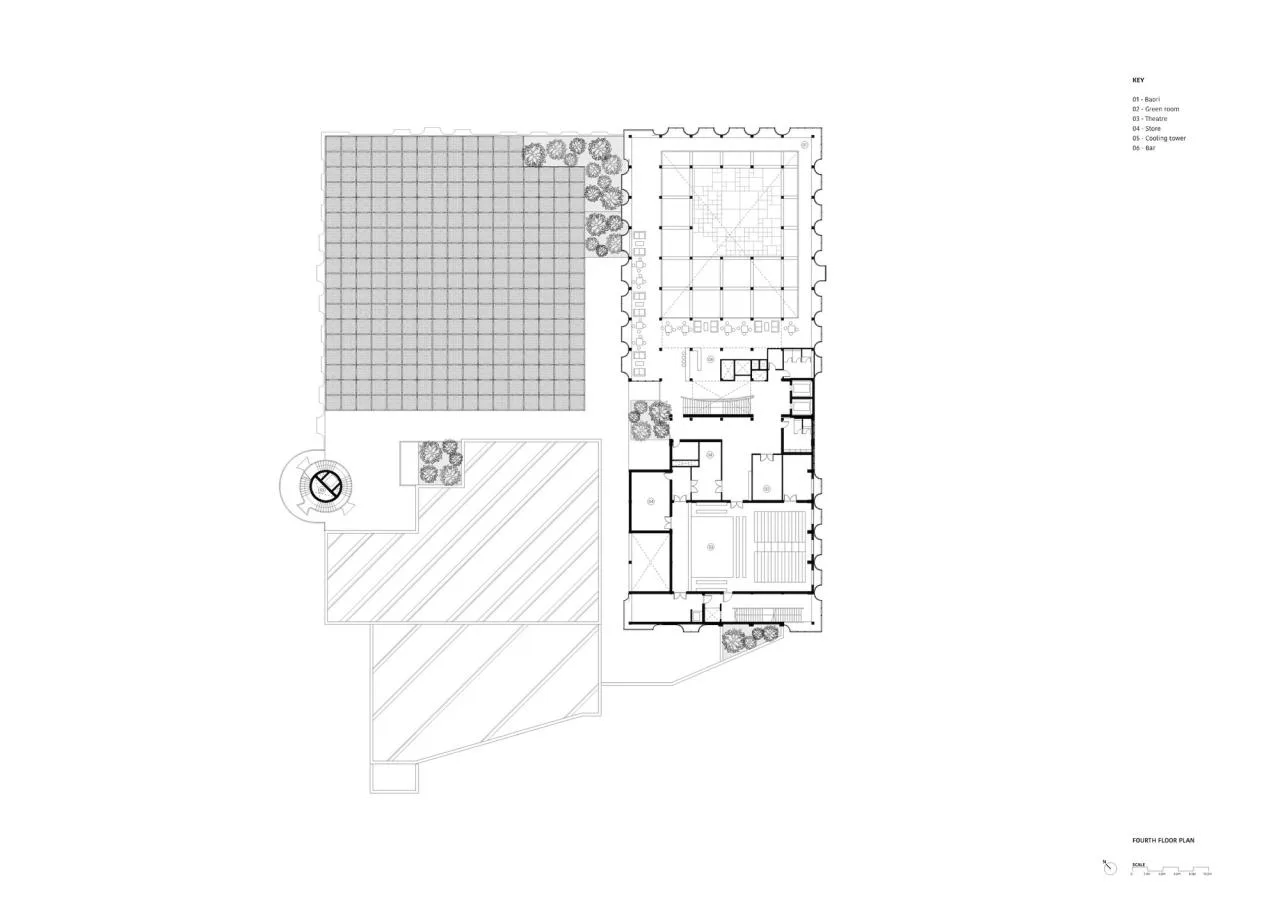
△ Fifth Floor Plan
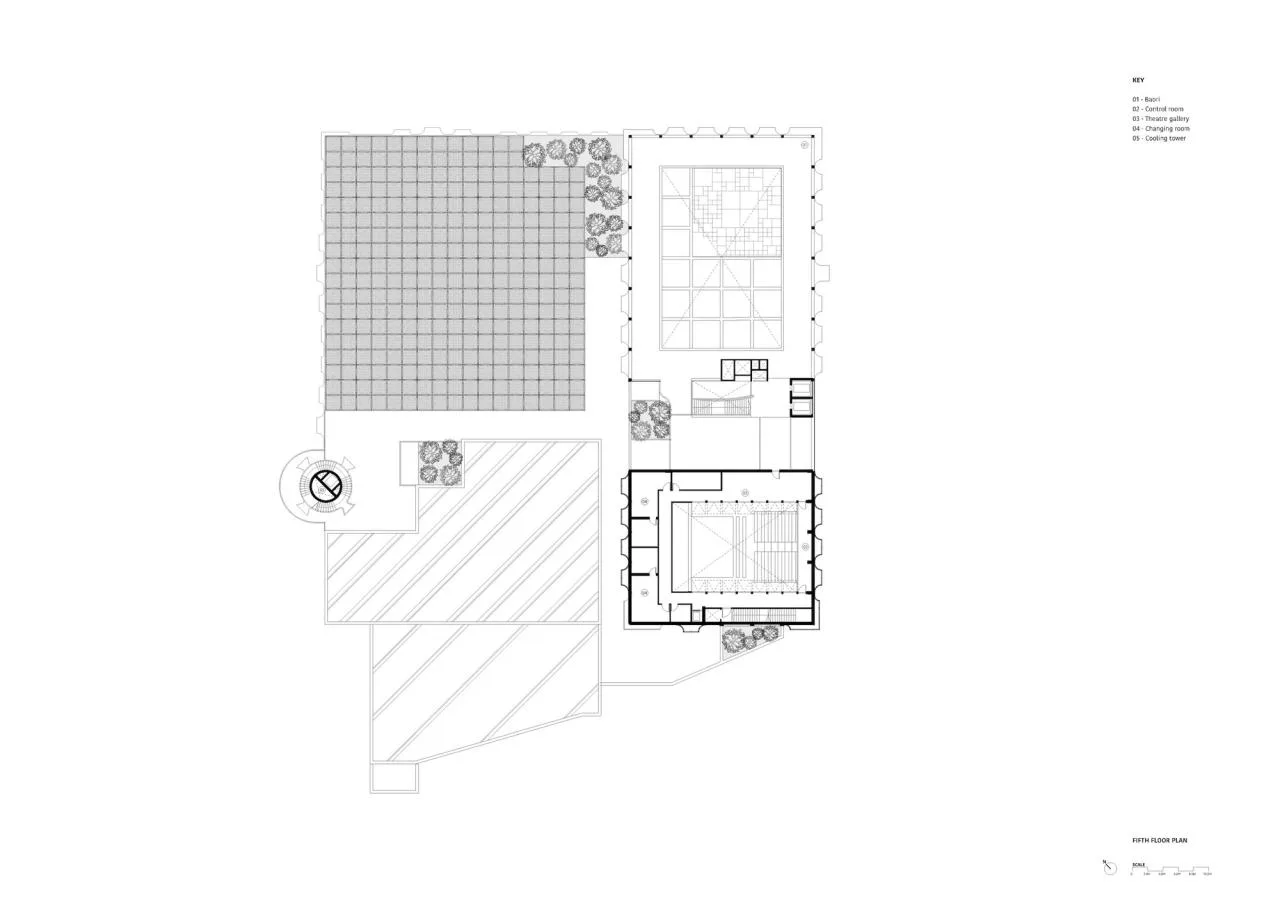
△ Sixth Floor Plan
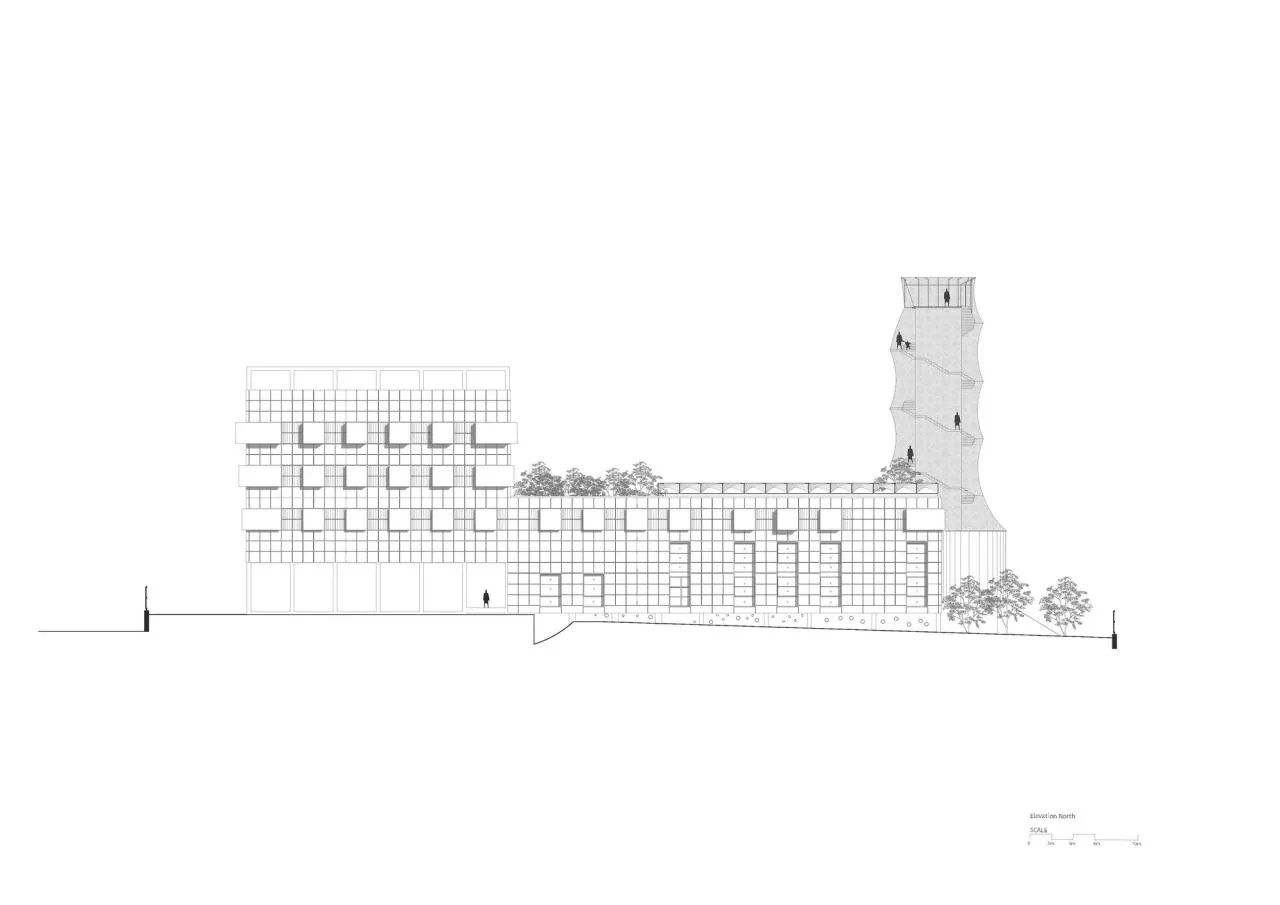
△ Elevation Drawing
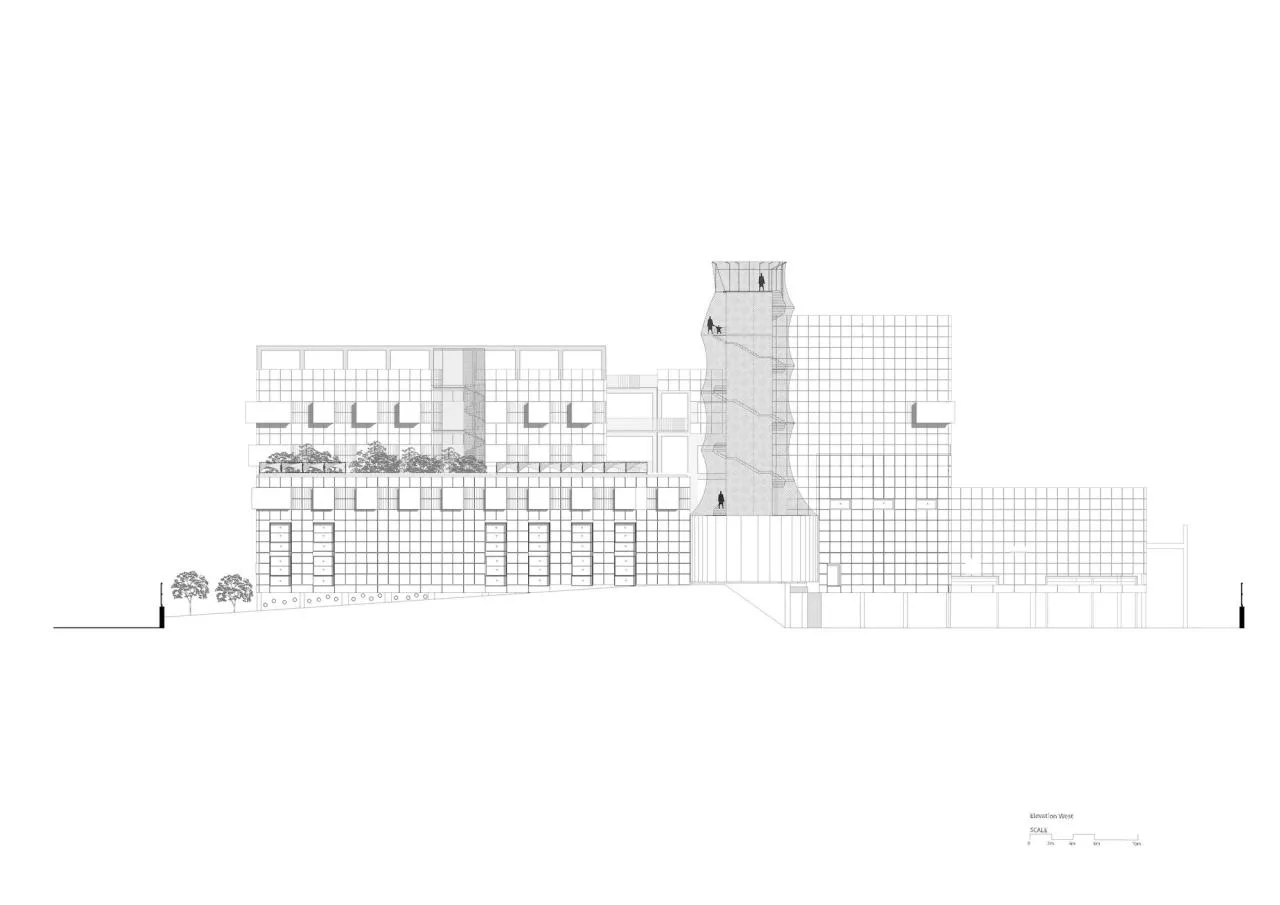
△ Elevation Drawing
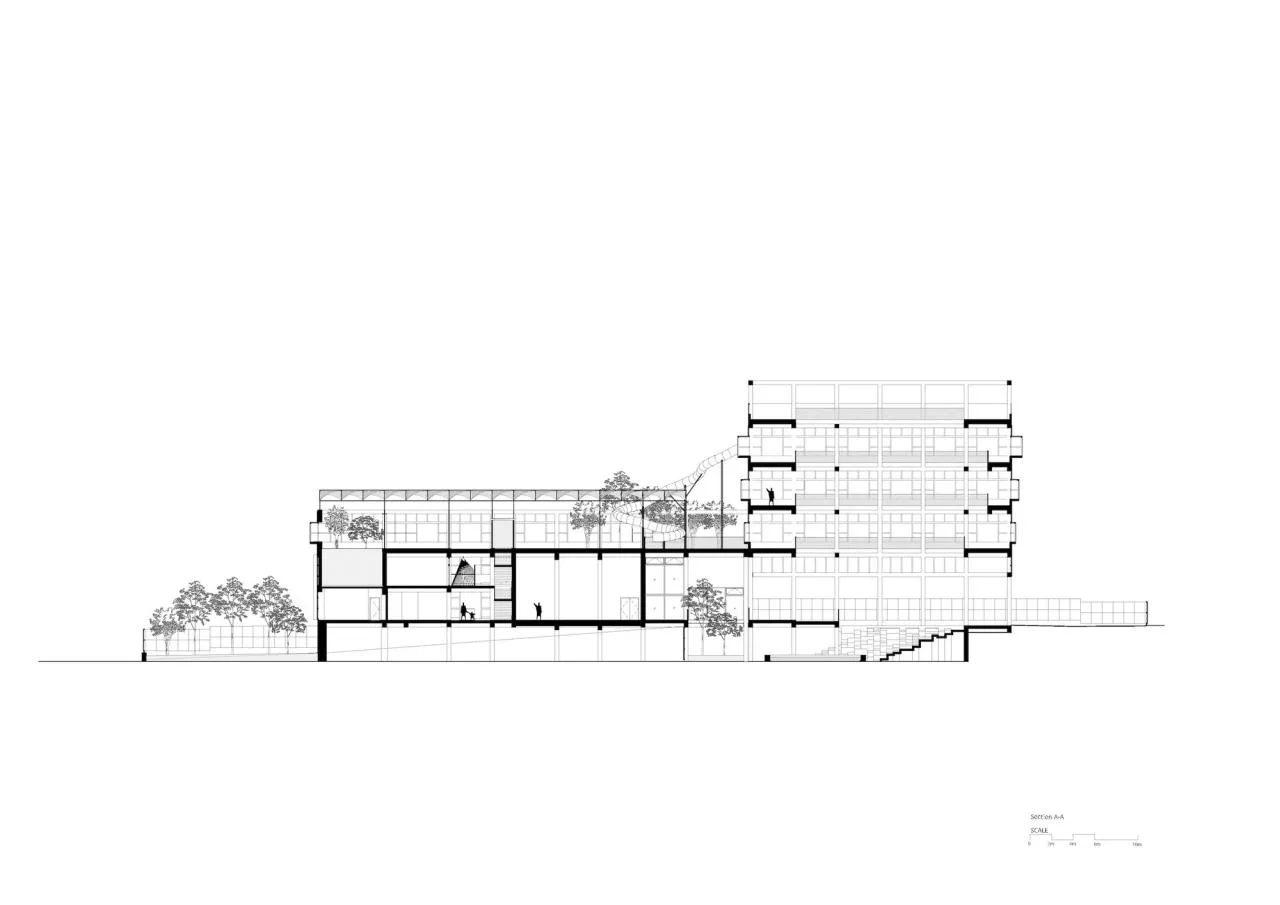
△ Section Diagram
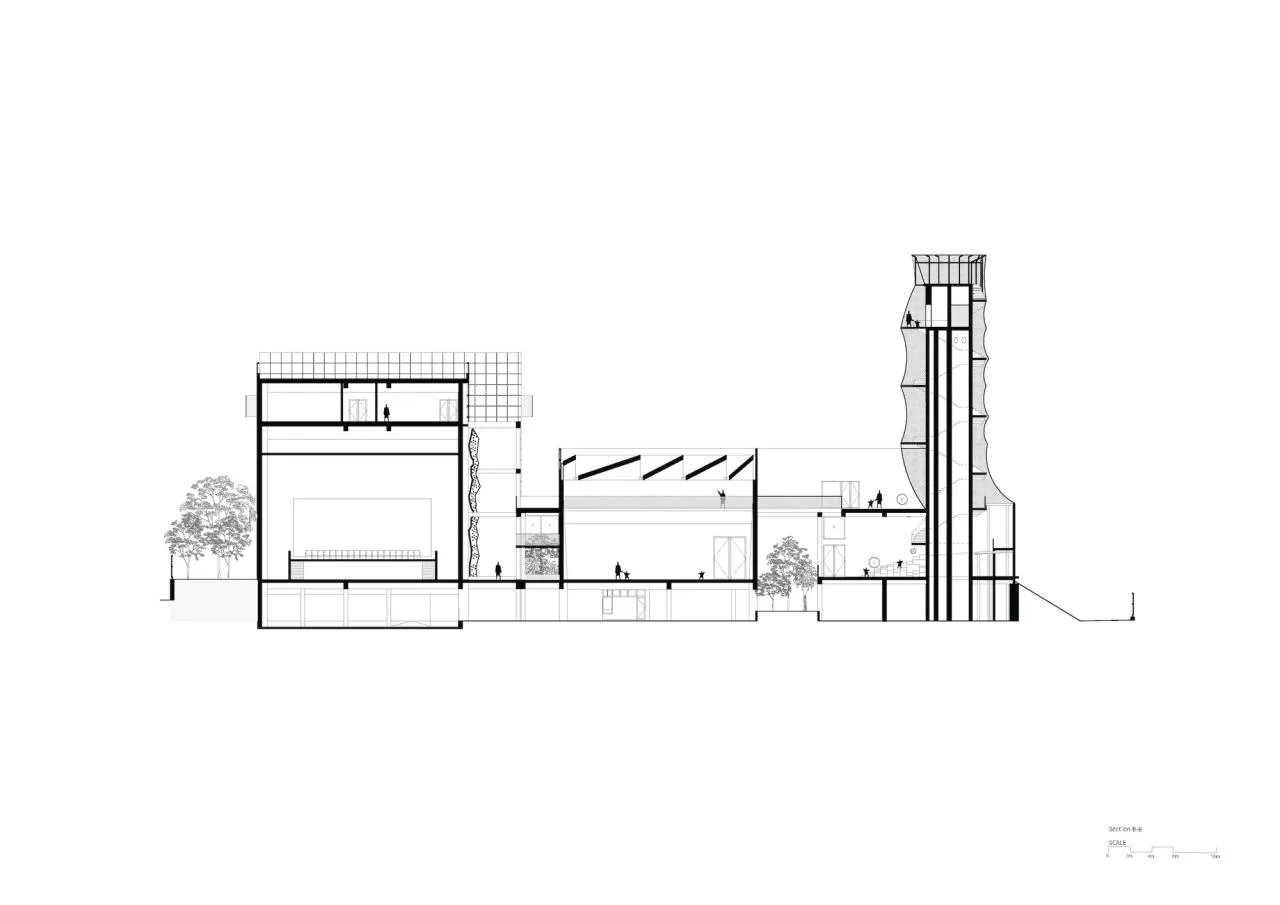
△ Section Diagram
Project Information
Architect: Studio Saar
Area: 20,100 m²
Project Year: 2023
Photographers: Edmund Sumner, Ankit Jain
Lead Architect: Ananya Singhal
Landscape Consultant: Studio Saar
Structural Engineers: Webb Yates Engineers, AMI Engineers
Power Consultant: Secure Meters Ltd
HVAC Engineer: Anjaria Associates
Main Contractor: Sarnar Buildtech
Location: Udaipur, India












Must log in before commenting!
Sign Up