
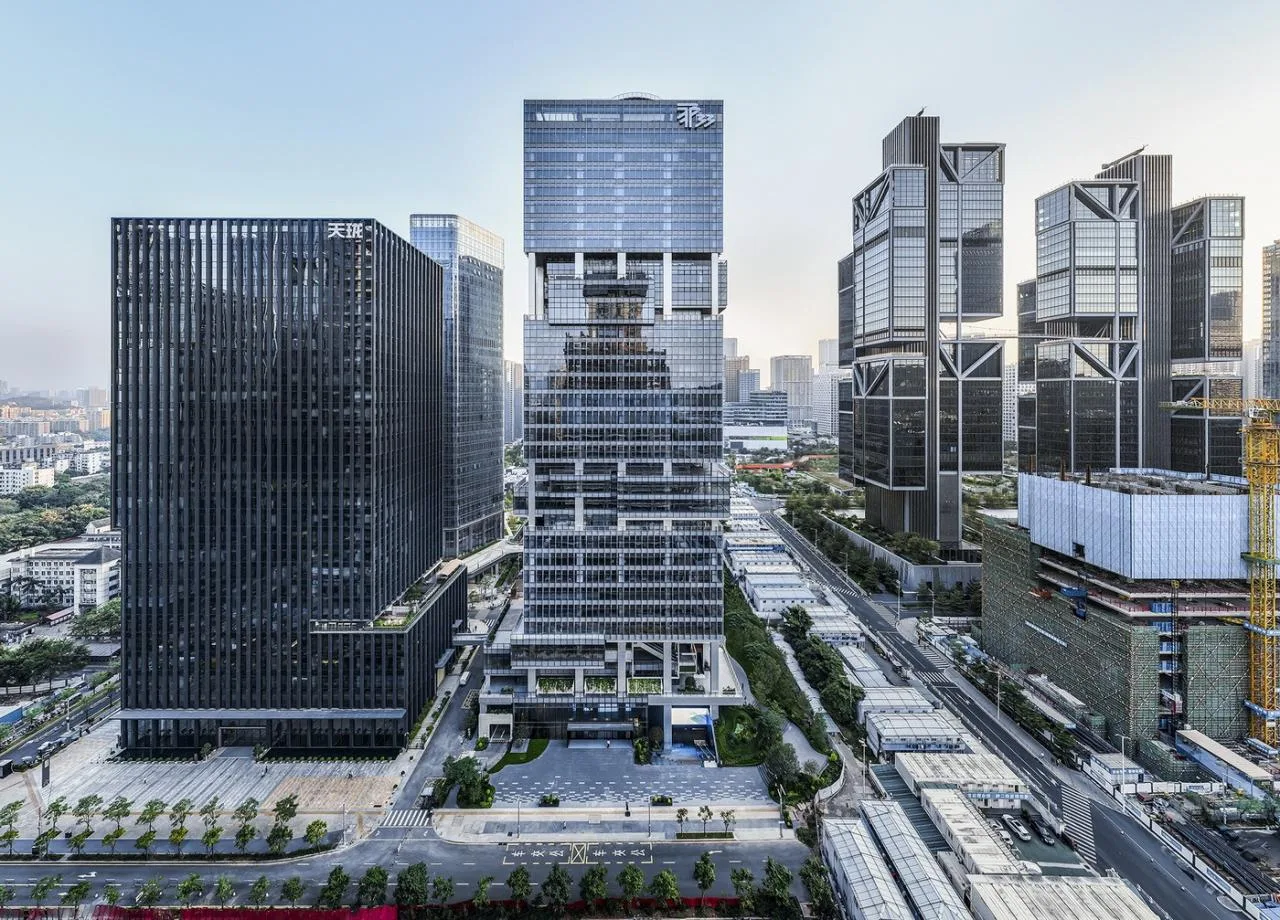
△ T33 Full Time Center Vision © Blackstation Pixel
What is the greatest luxury in modern urban life? It might just be sunshine, fresh air, and greenery. As modern lifestyles evolve and virtual spaces expand rapidly, people are increasingly distanced from nature. Yet, the longing for green spaces remains deeply embedded in our DNA.
Does technological advancement further separate us from nature, or does it help us reconnect with our most primal desires? How can future architecture redefine the relationship between humans, nature, and technology within densely populated cities?
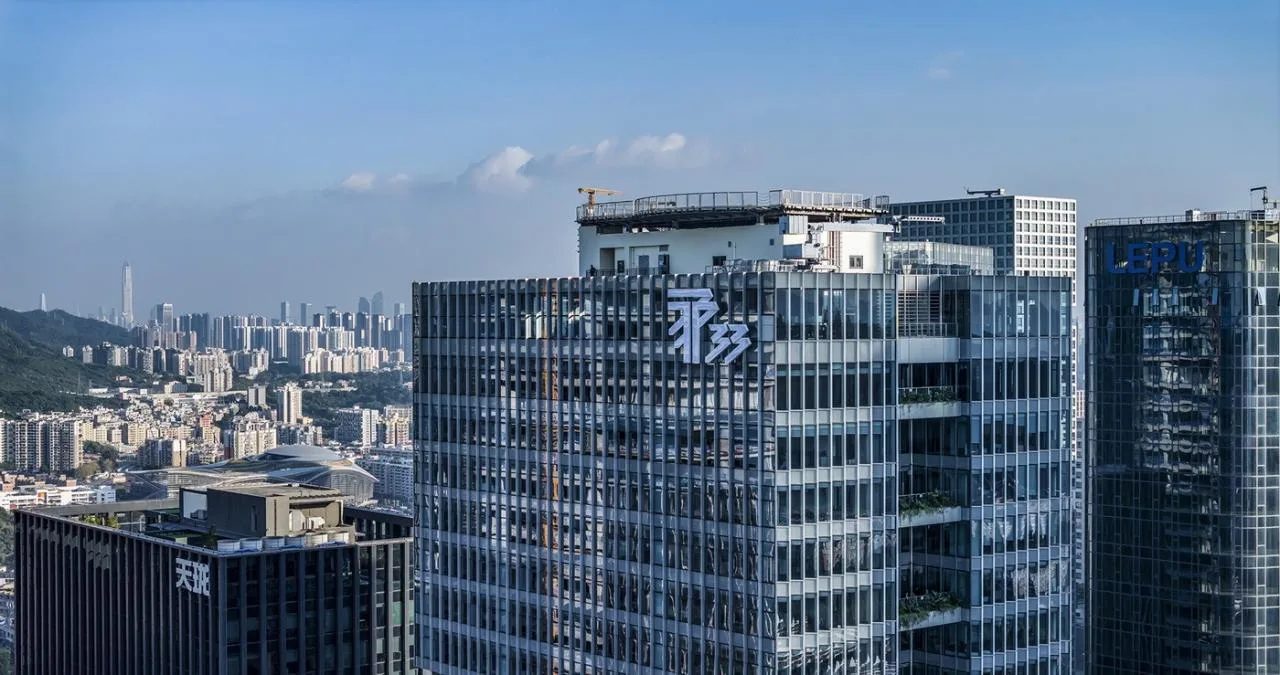
△ © Blackstation Pixel
At Shenzhen’s Liuxiandong headquarters base, a vertical swath of greenery rises against a skyline dominated by steel frameworks and glass curtain walls. It breathes life into the otherwise sealed environment, opening a window for natural air to flow. The T33 Full Time Center stands tall, embracing green openness and forward-thinking design to explore these questions.
△ Project video © Blackstation Pixel
01. How to Infuse Architecture with “Vitality”?
Recent high-rise developments—be they offices, malls, or residential complexes—have placed increasing emphasis on a building’s “green quotient” as a key indicator of environmental responsibility. This goes beyond the use of recycled materials, extending into the fusion of visionary architectural concepts with cutting-edge intelligent technologies. The goal is to create buildings that breathe and grow naturally, enhancing urban spaces and the lives of their inhabitants.
From the outset, the T33 Full Time Center, located in the heart of a technology innovation hub, avoided becoming just another conventional office tower. Instead, it thoughtfully considered the needs of the new generation of workers, crafting a unique office complex that offers flexibility, social interaction zones, digital intelligence, and sustainability.
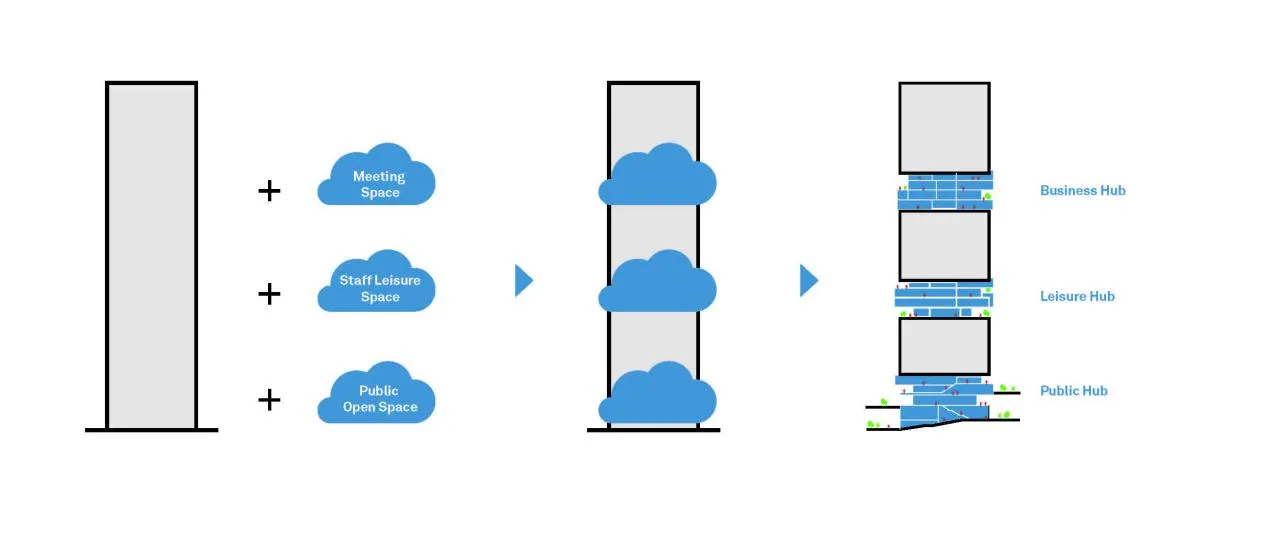
△ Design Concept – Cloud Core © Aedas
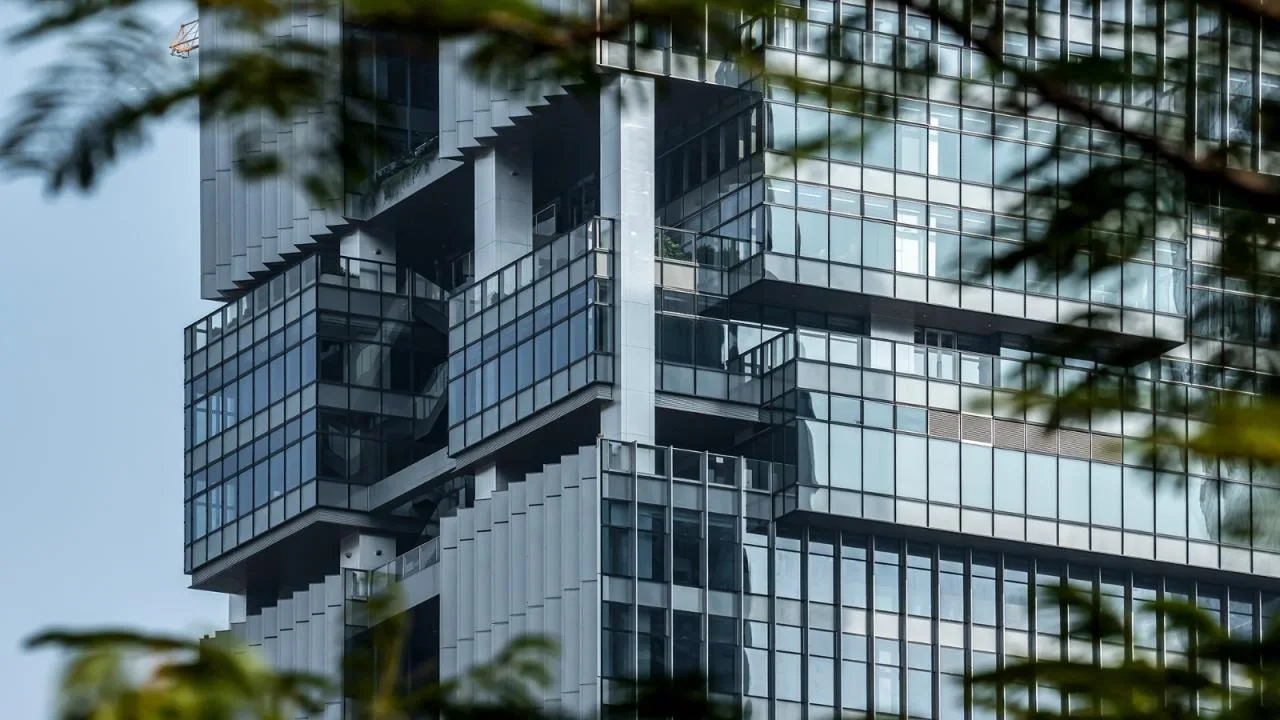
△ © Blackstation Pixel
Through a collaboration between Transsion, Aedas Architectural Design Firm, Shenzhen Academy of Building Sciences, and Hong Kong’s Zhengzhong Design Firm (CCD), the T33 Full Time Center embraces the “cloud core” concept. This integrates public and distinctive spaces into modular “cloud cores” distributed throughout the building, dismantling floor barriers and fostering greater interaction and communication.
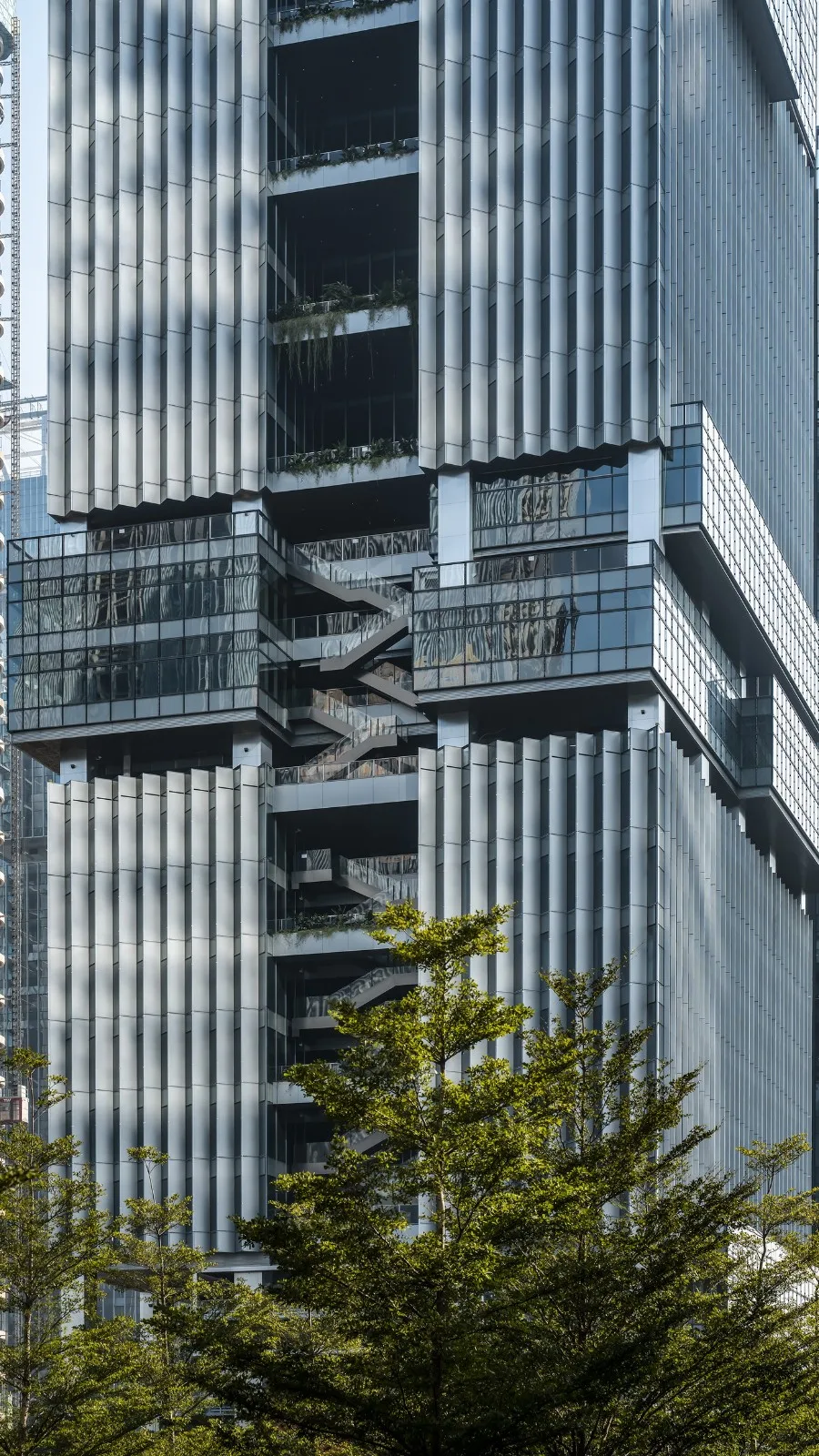
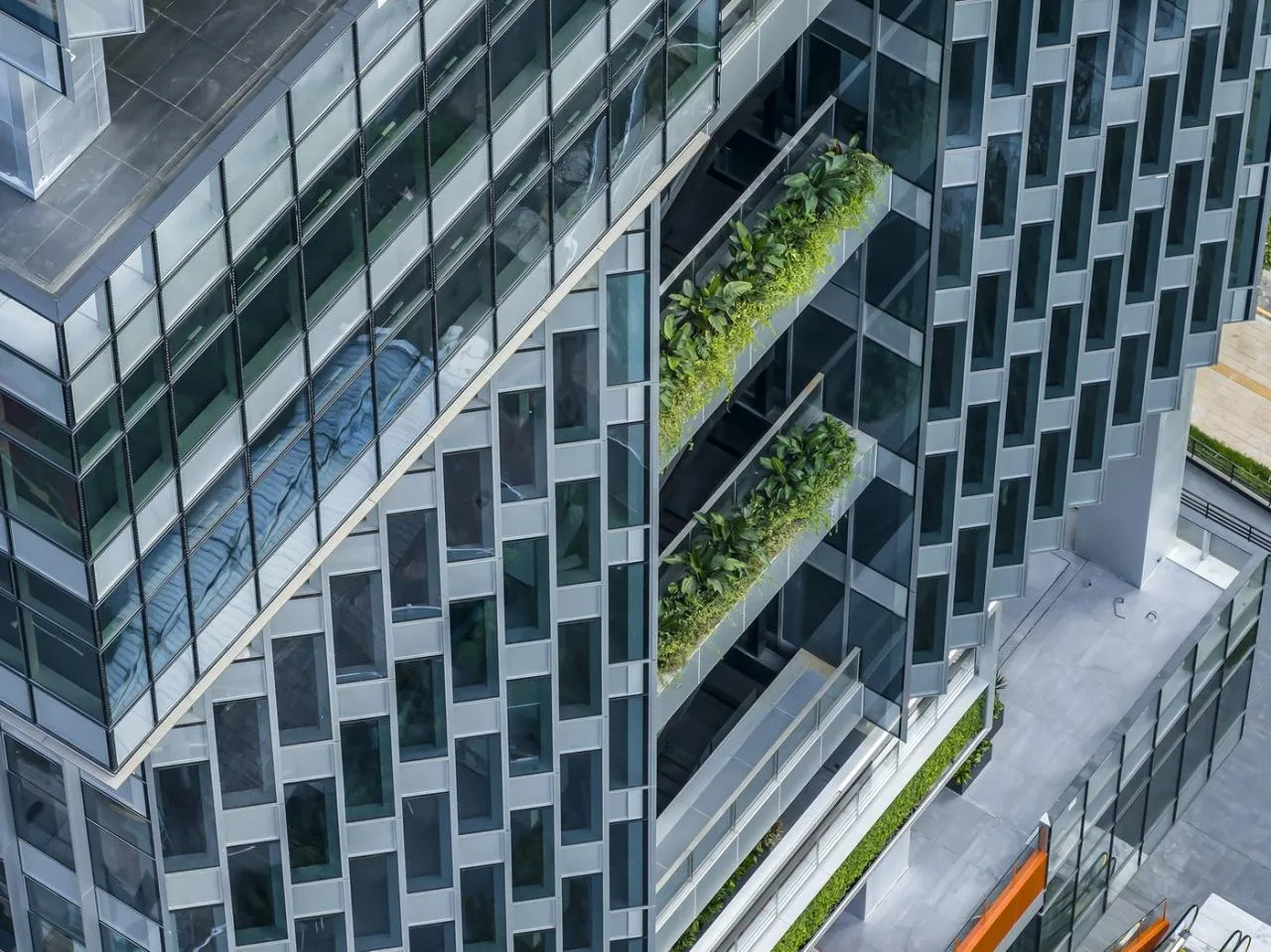
The project also creates a fully three-dimensional green office environment, providing shared natural spaces that connect people and nature. Energy-saving strategies include serrated curtain walls oriented east-west to block sunlight, reducing energy consumption and enhancing occupant comfort throughout the building’s life cycle.
△ © Blackstation Pixel
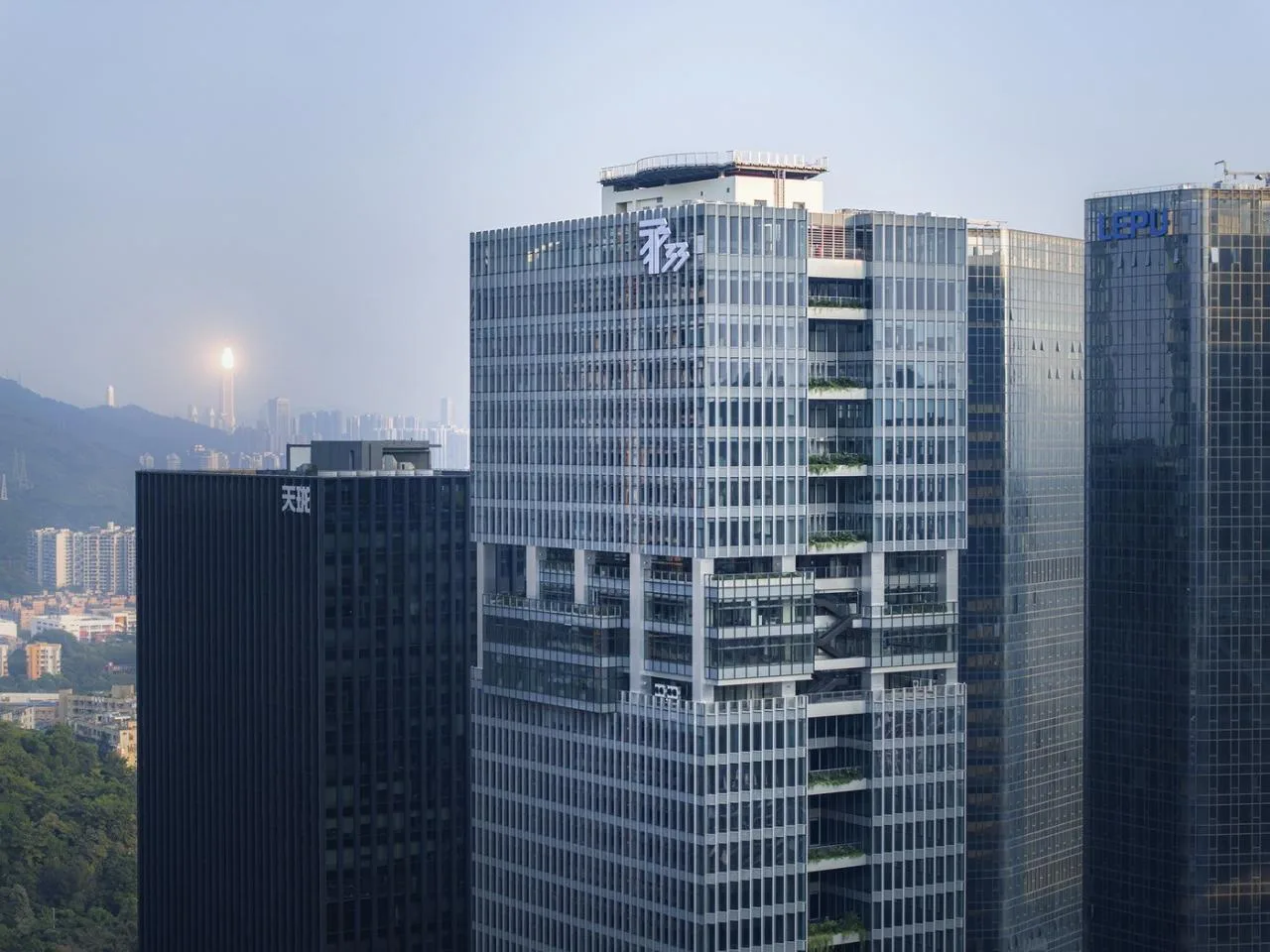
The building redefines office space beyond traditional glass curtain walls and floor divisions. It weaves together three major public function blocks with a vertical green ecosystem, creating an intelligent, efficient, harmonious, and unified urban complex. This design bridges living, working, and leisure, allowing occupants to experience a harmonious return to nature without escaping the urban fabric of steel and concrete.
△ © Blackstation Pixel
02. Where Can We Find Our ‘Oasis’?
Addressing the future of architecture, Liu Chenghui, chief architect of T33 and global design director at Aedas, explains, “Architectural design should follow nature. Buildings must evolve not only in spatial design but also through innovative technology and intelligent systems to enhance space quality and functionality. Future architecture will prioritize green, low-carbon, smart ecology, and technological innovation.”
In light of the challenges facing sustainable development worldwide, it is clear that architecture must begin with nature and ultimately return to it. T33 embodies this philosophy through its open and free design that connects seamlessly with natural surroundings—from architecture and landscape to interior spaces. This approach is more than a superficial green commitment; it aims to meet urban building functions while minimizing environmental impact and resource depletion, closing the gap between humanity and nature.
△ © Blackstation Pixel
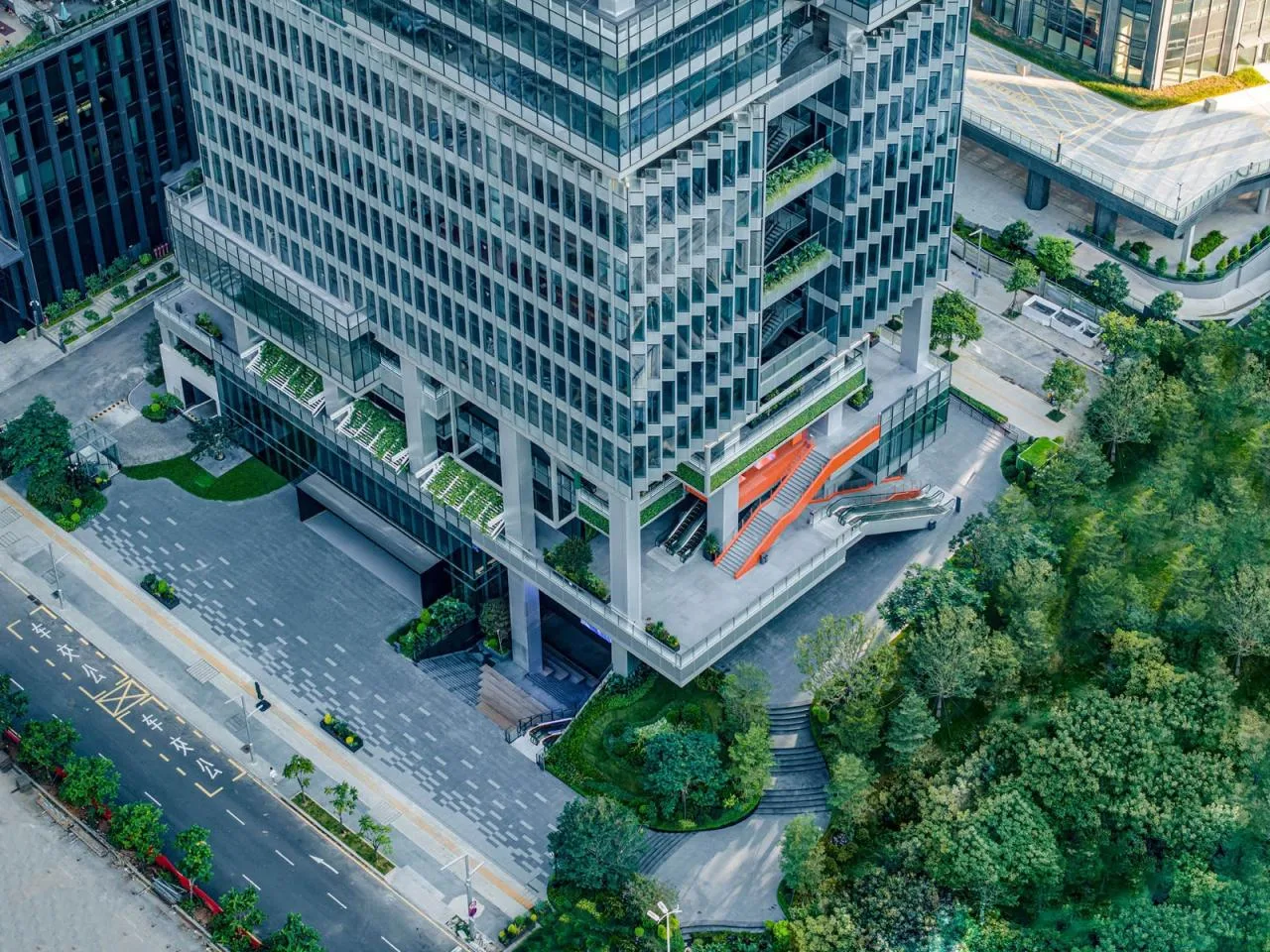
The building’s spatial layout respects the urban ecological environment while exploring how to reconnect people, nature, and technology. This is evident in how the building integrates with the surrounding park, cityscape, and the interplay of people, public spaces, and offices within.
Horizontally, pedestrian corridors on the lower floors connect to adjacent buildings, surrounded by dense greenery. This creates a lively, interconnected external environment, positioning T33 as a key urban hub and organic element of public space. From a broader city perspective, the design reflects Shenzhen’s spirit of innovation, ecology, openness, and inclusiveness.
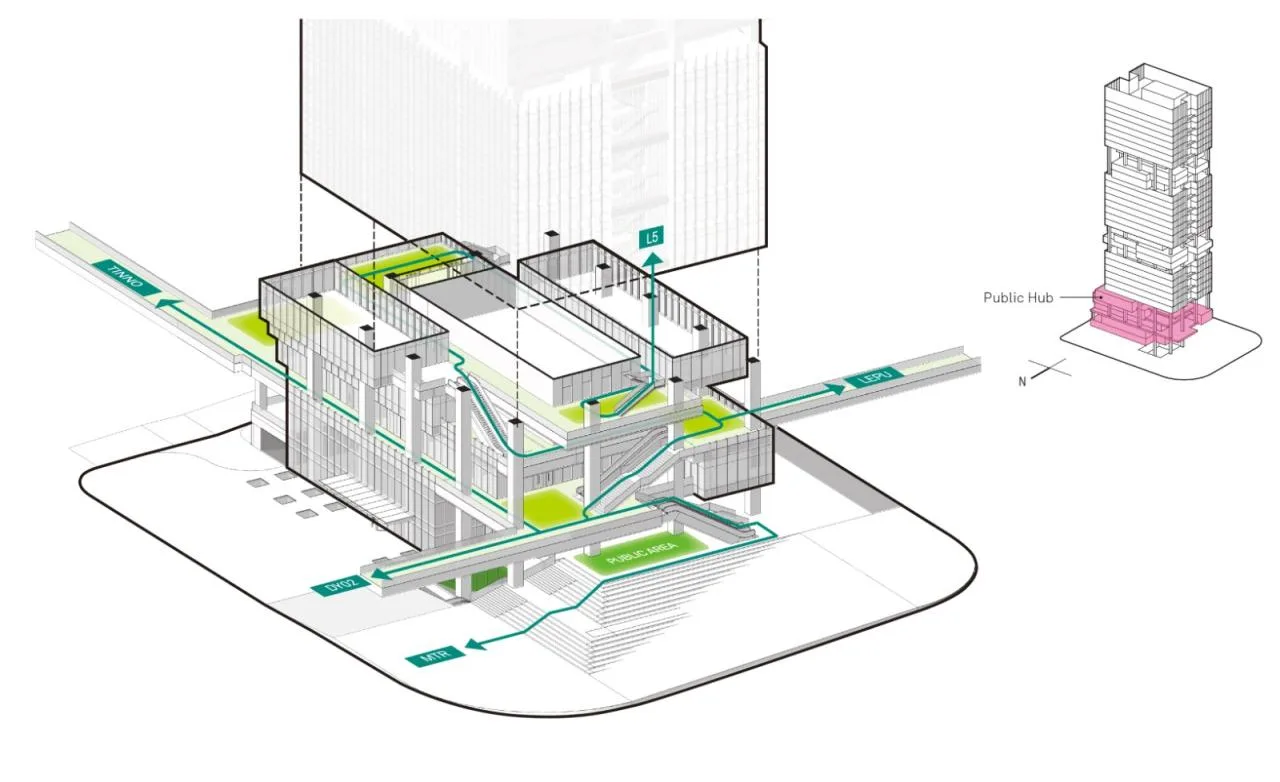
△ Internal and External Flow Separation © Aedas
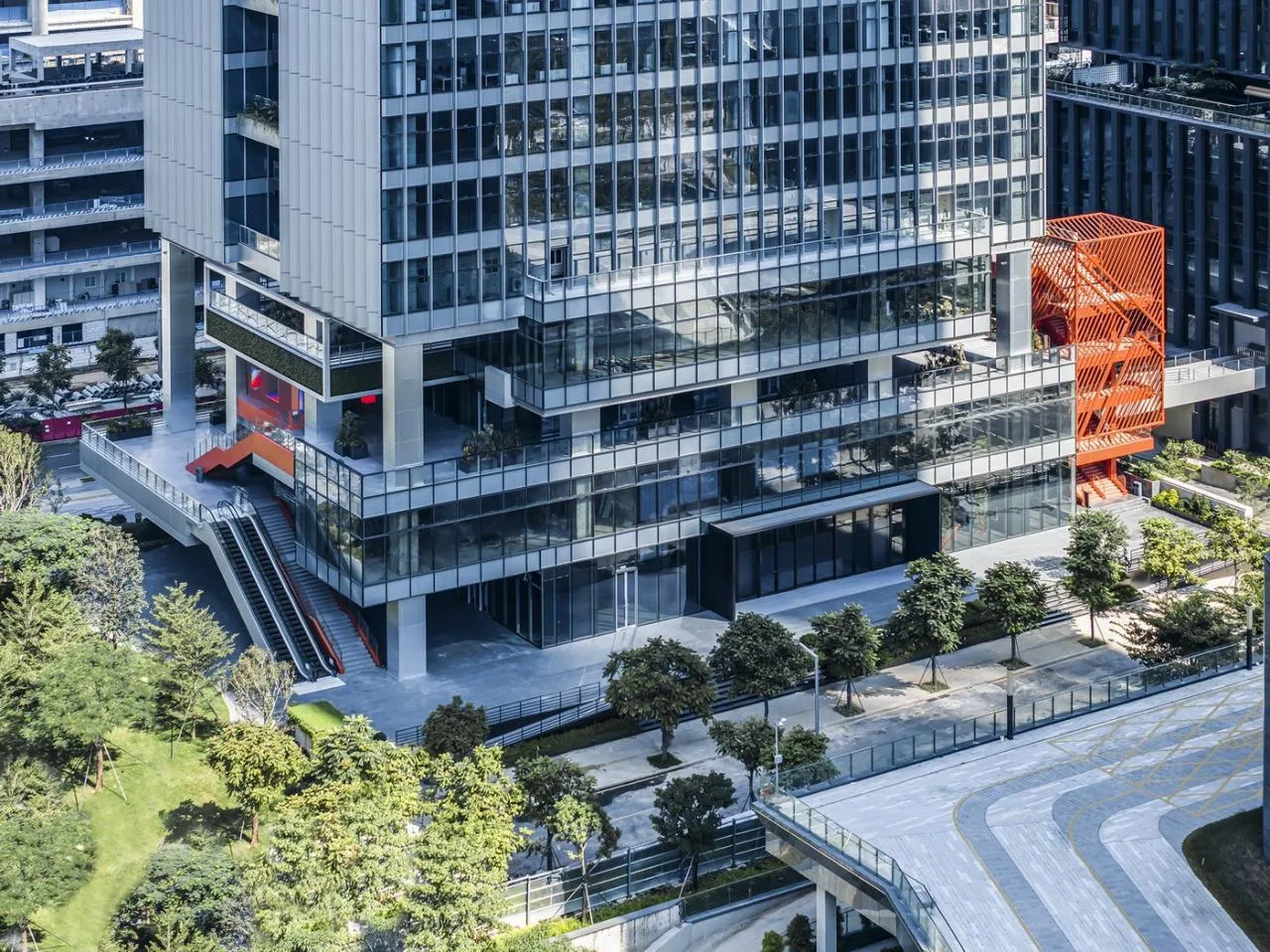
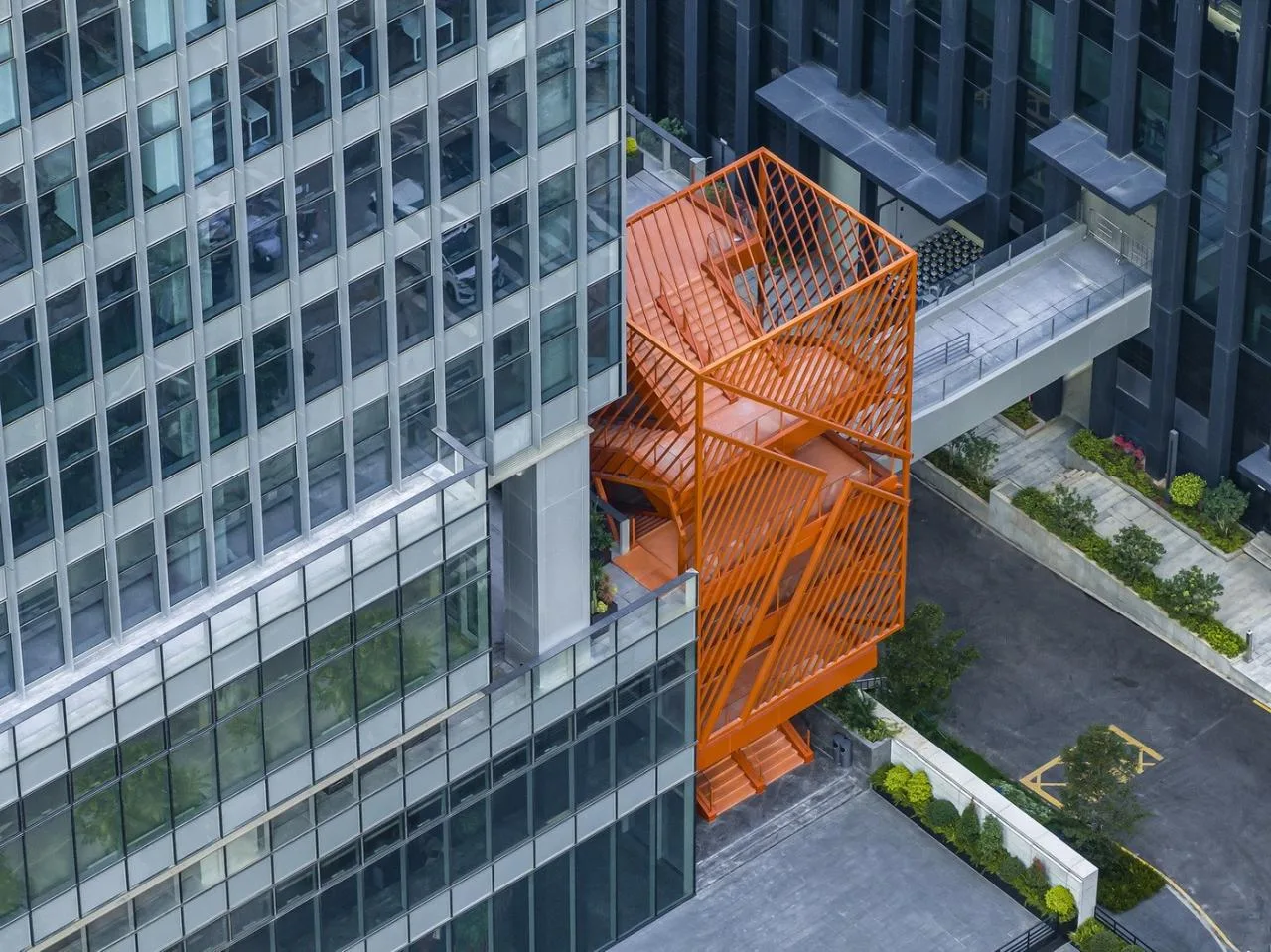
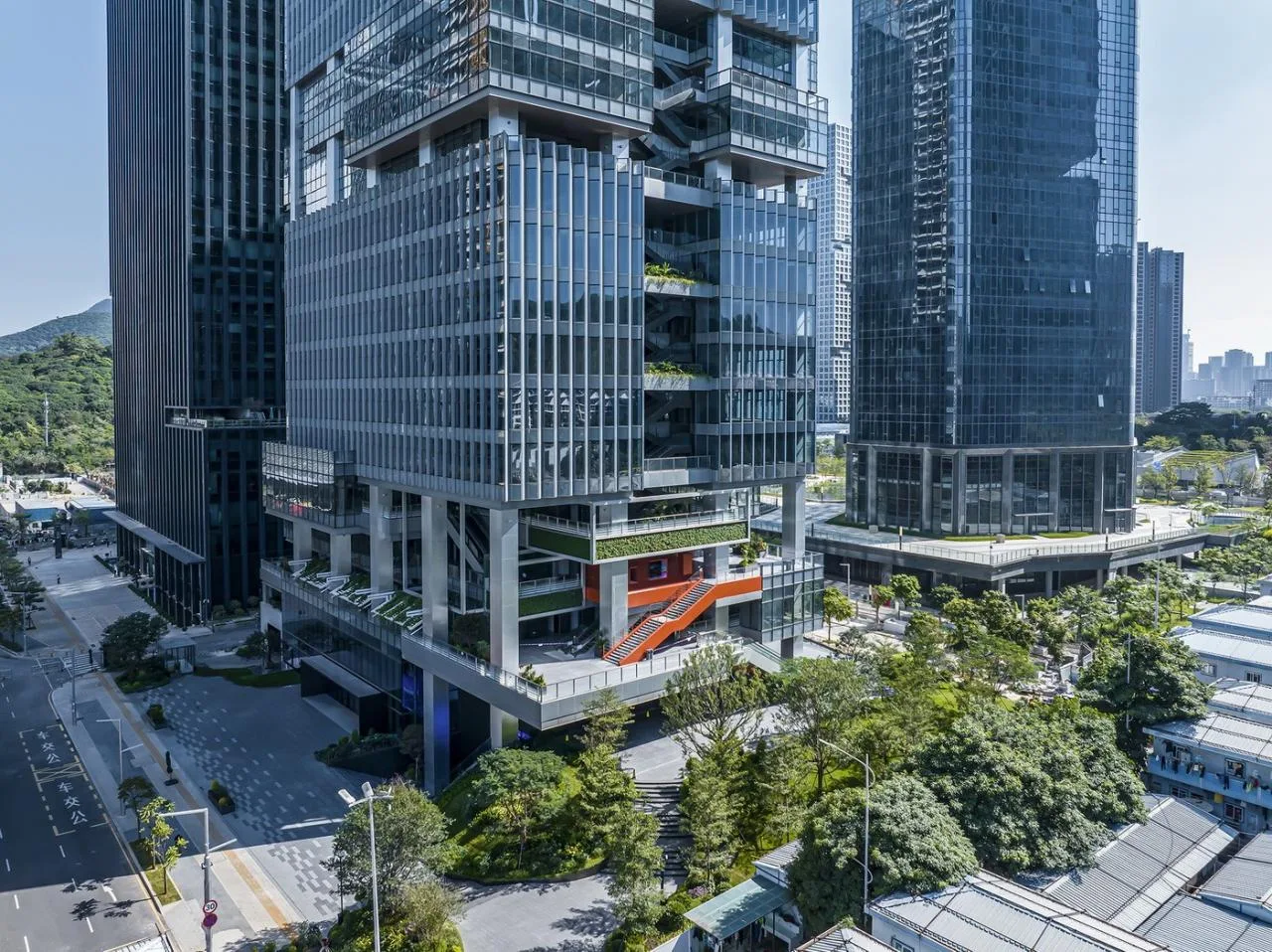
△ © Blackstation Pixel
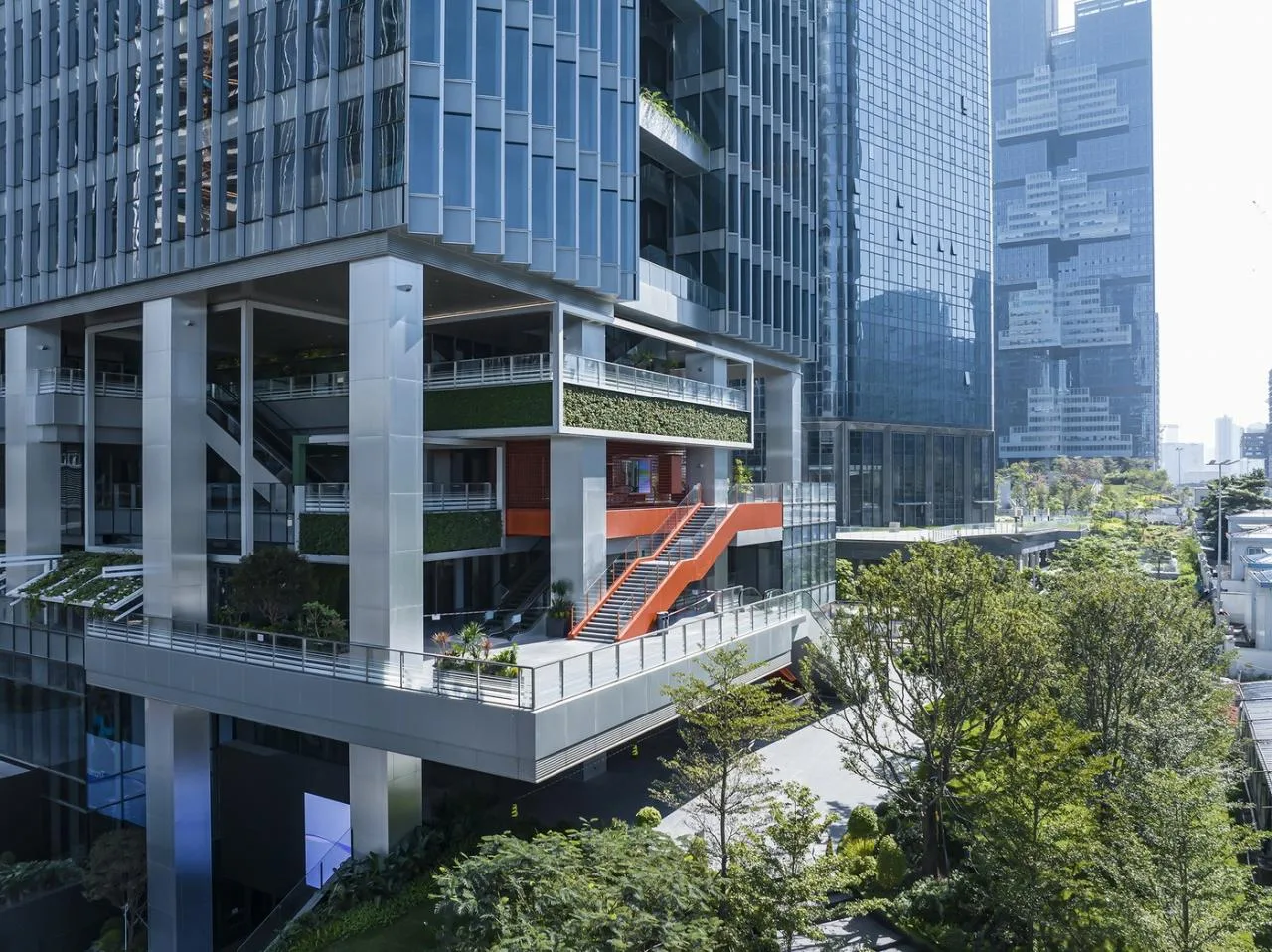
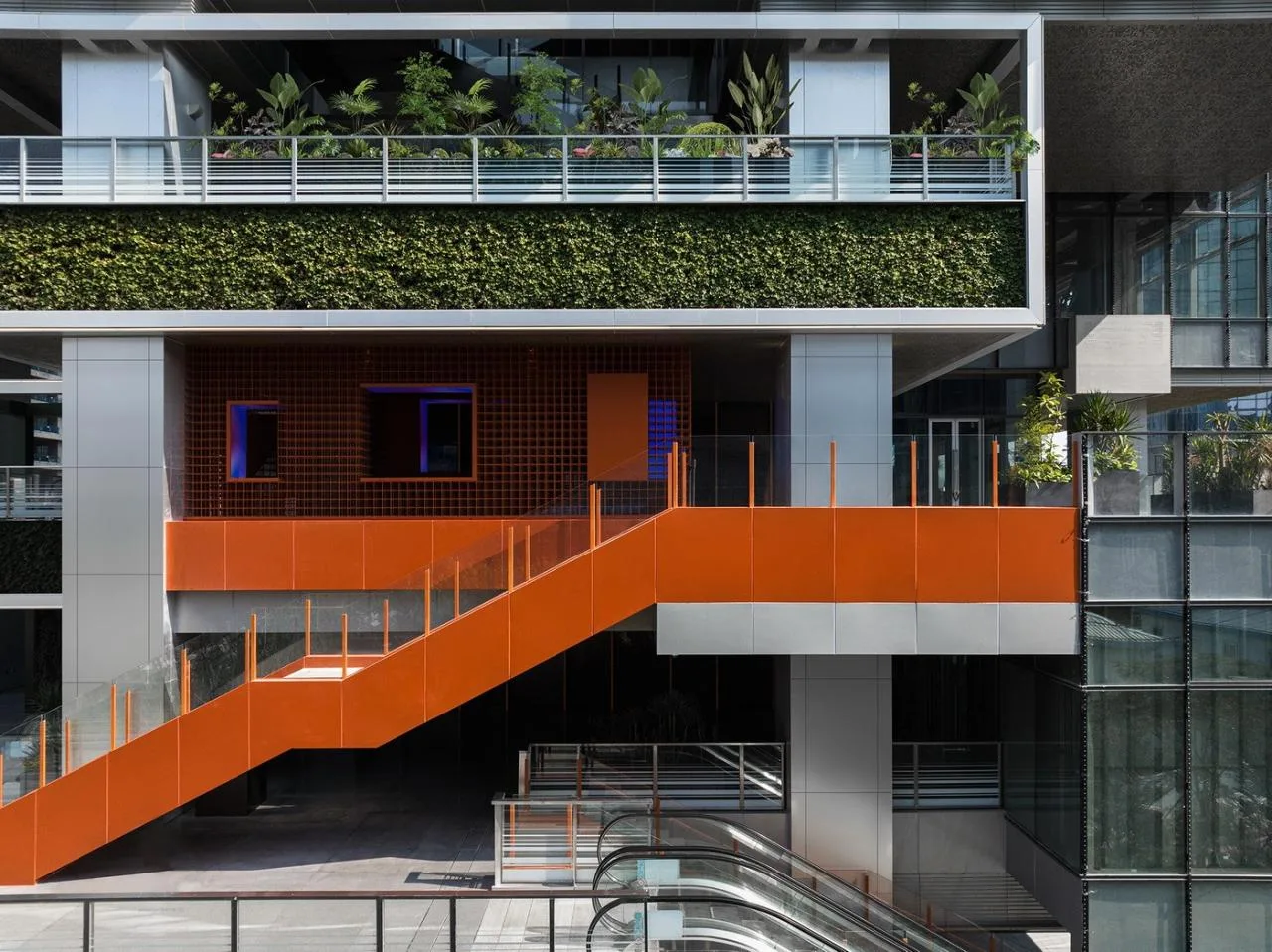
Vertically, the building features three irregular transparent glass boxes, a three-story public outdoor terrace, and connecting vertical staircases. These elements break the monotony of the glass curtain wall, dissolve spatial barriers between floors, and connect platforms and shared spaces. This design fosters a dynamic, cohesive environment that encourages exploration, communication, collaboration, and creativity within the building’s core functions.
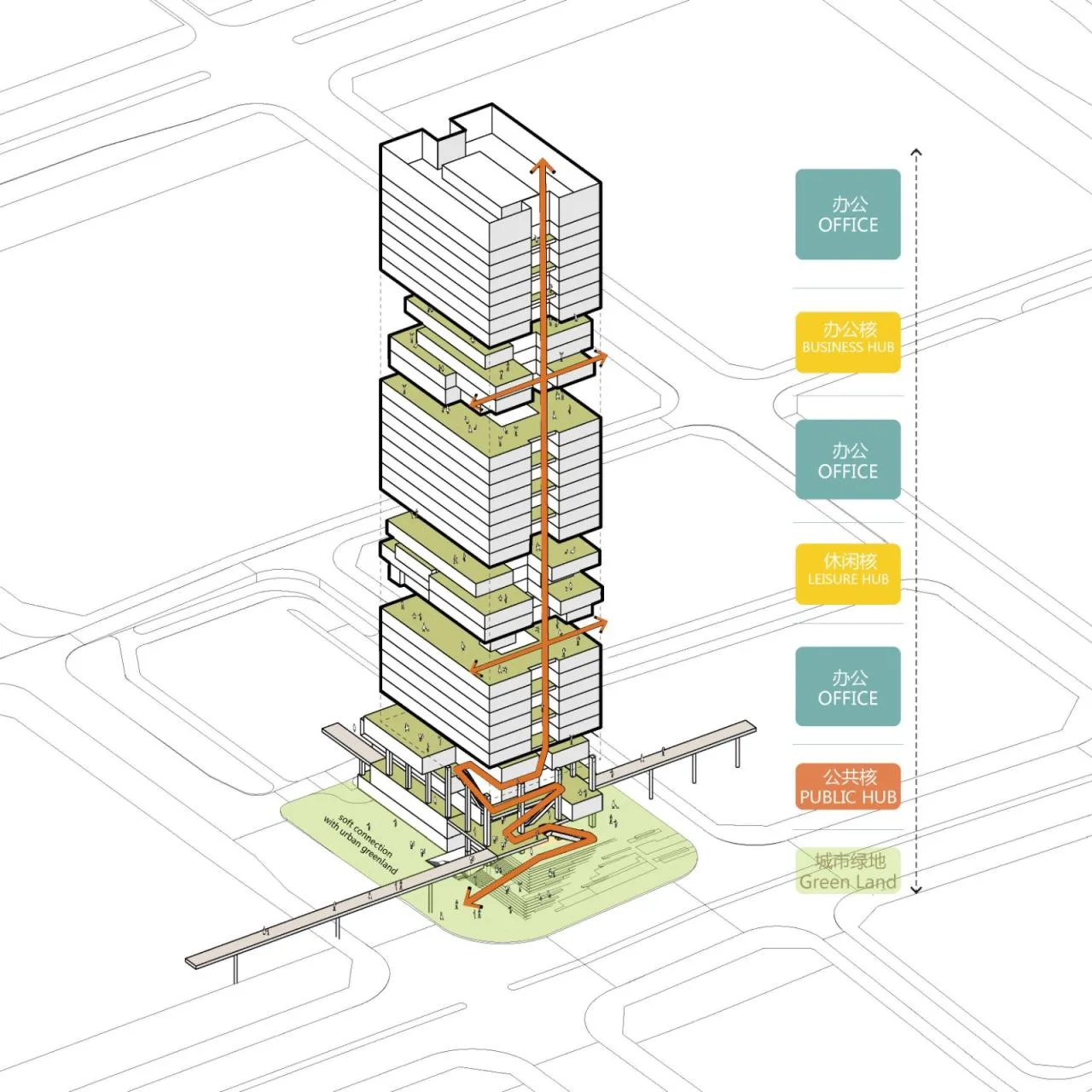
△ Public Core Partition © Aedas
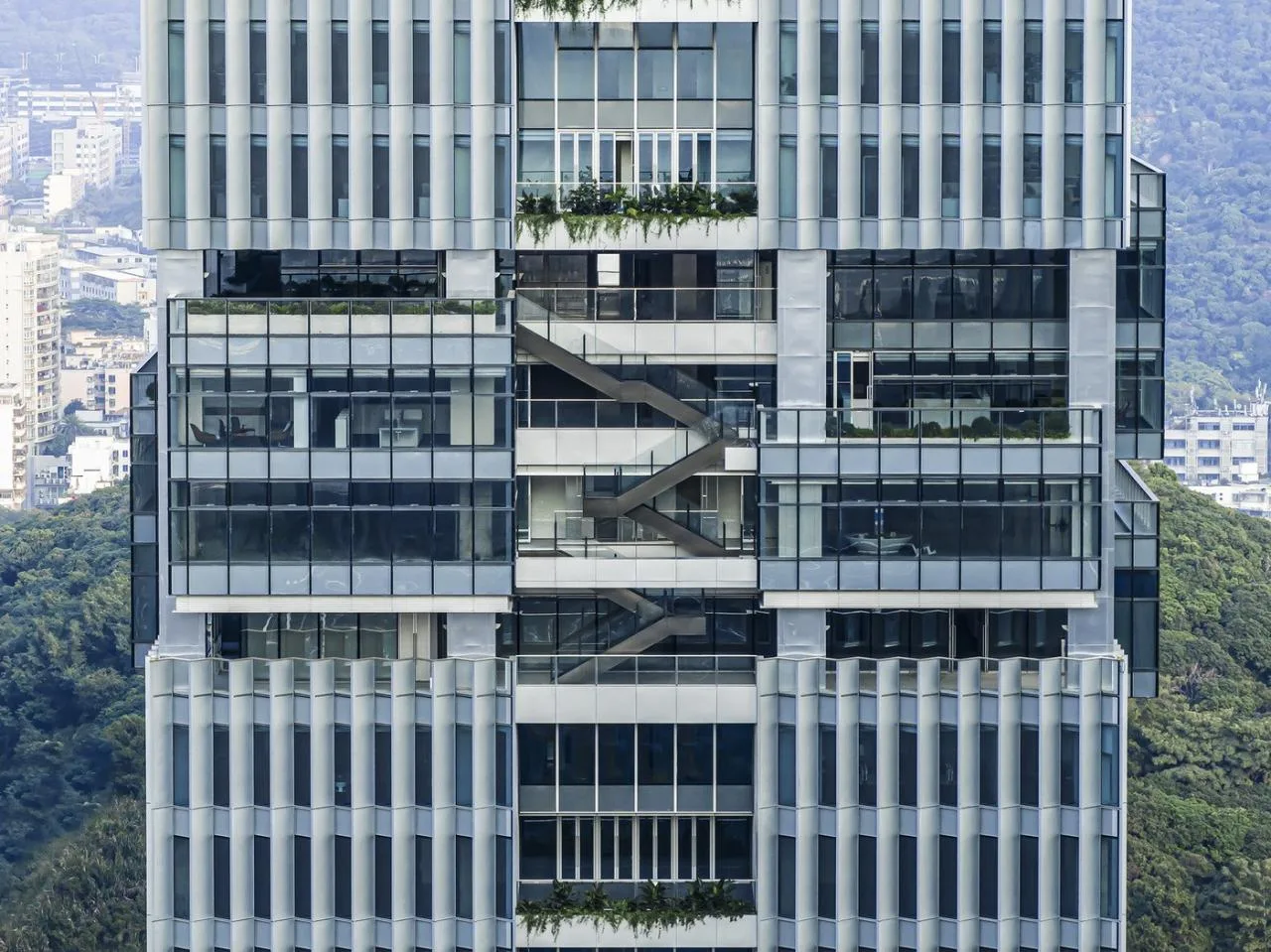
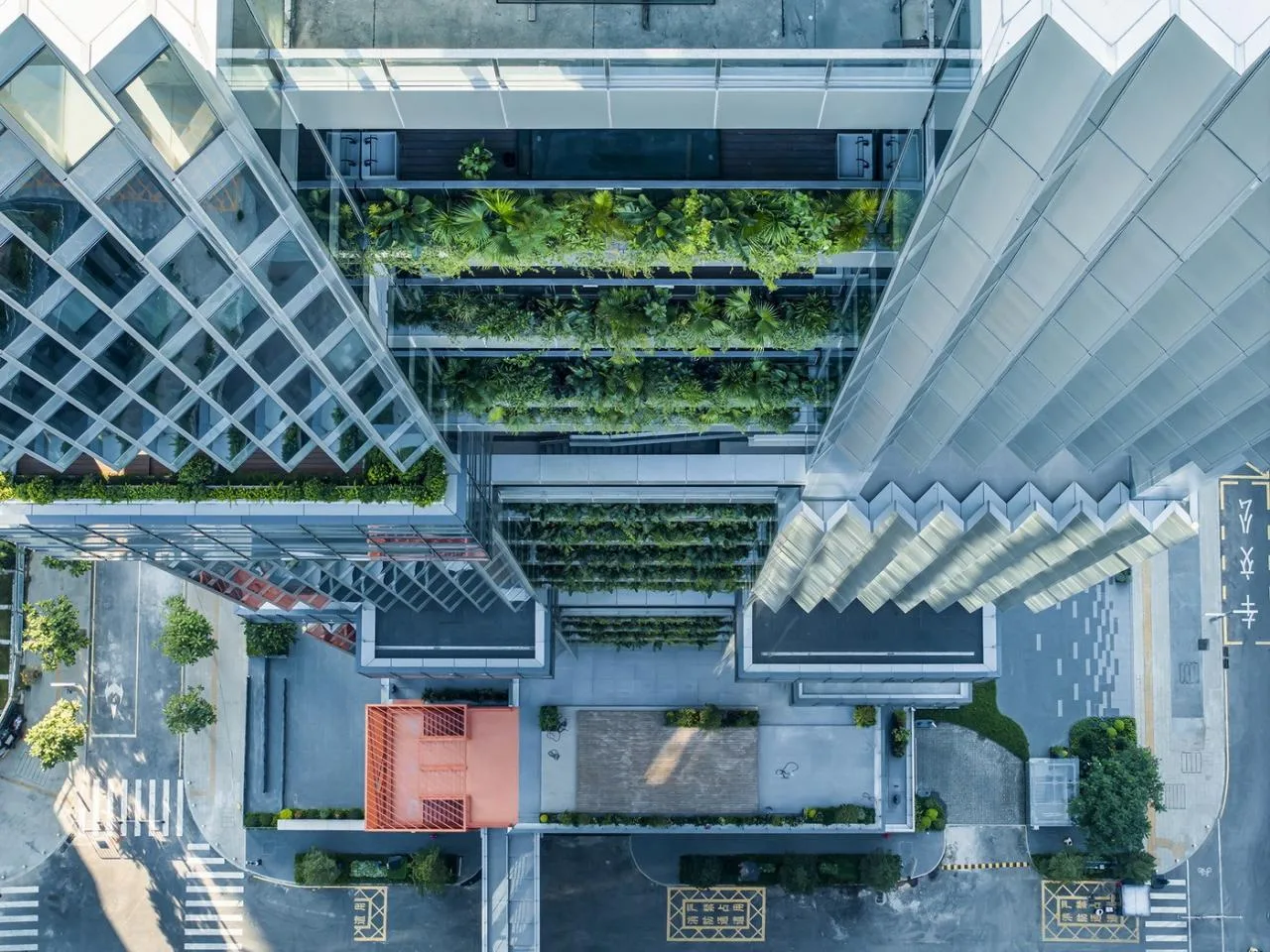
△ © Blackstation Pixel
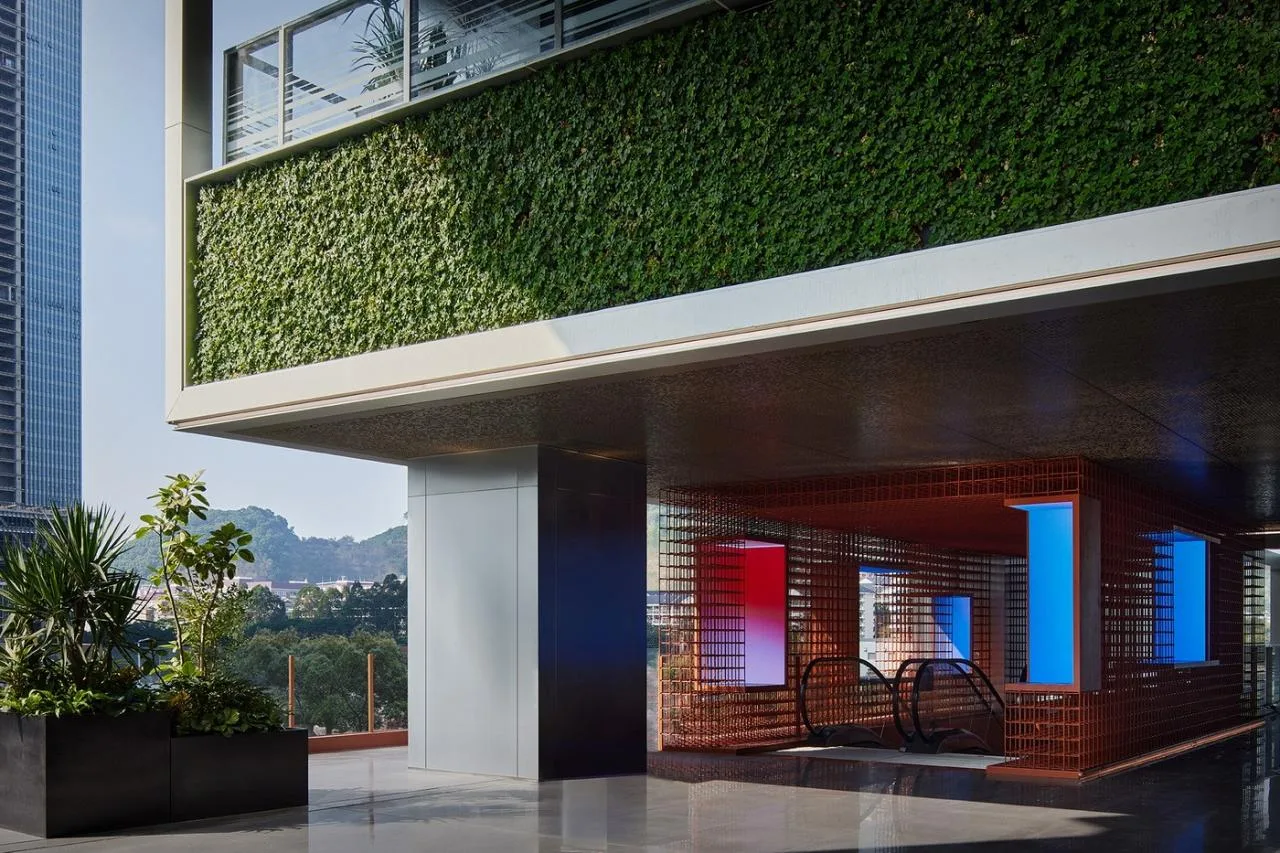
Notably, this layered design allows vertical greenery, suited to the southern humid climate, to connect with external floral landscapes on public terraces. Over time, these plants will flourish, enhancing T33’s ecological presence and blending the building harmoniously with nature.
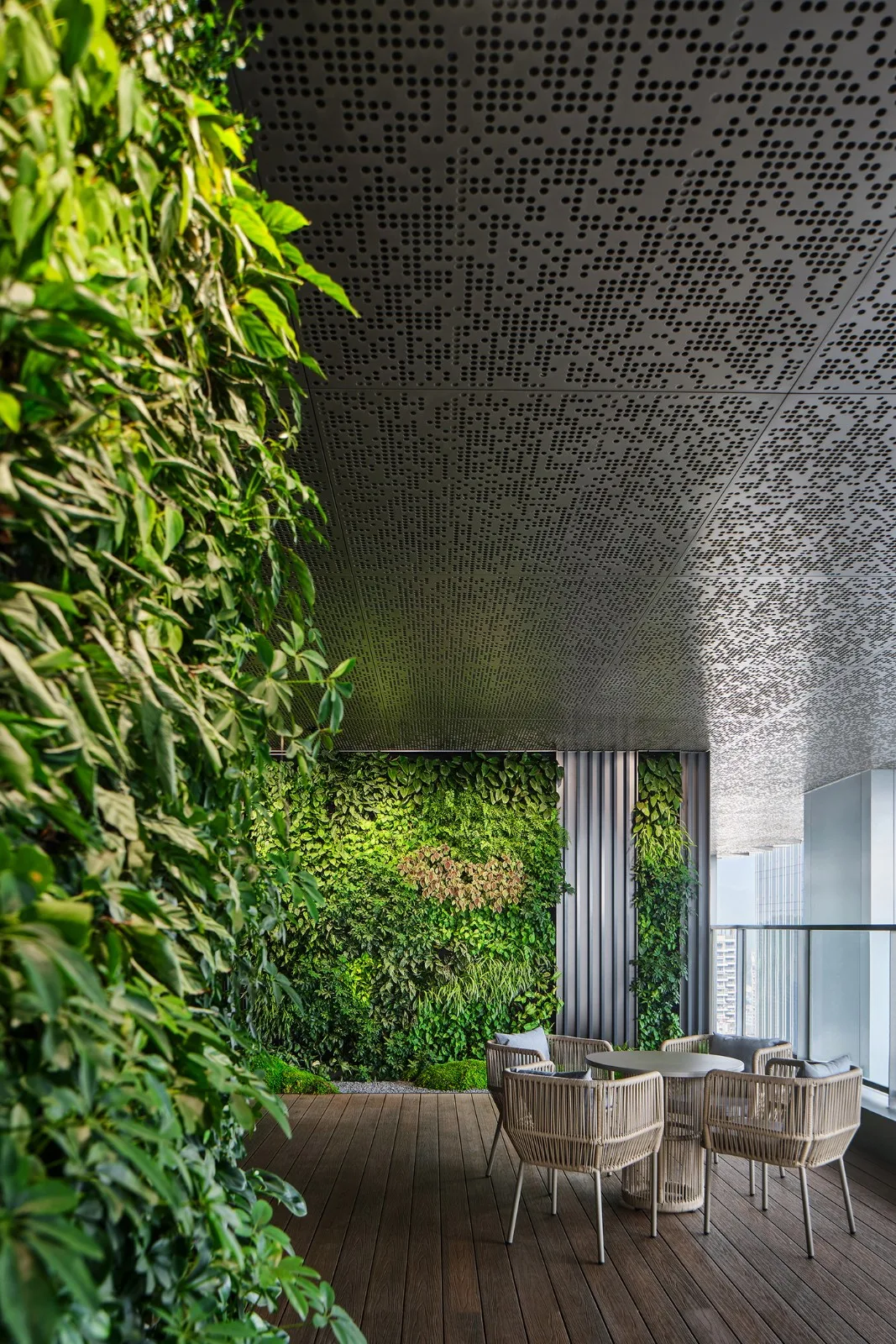
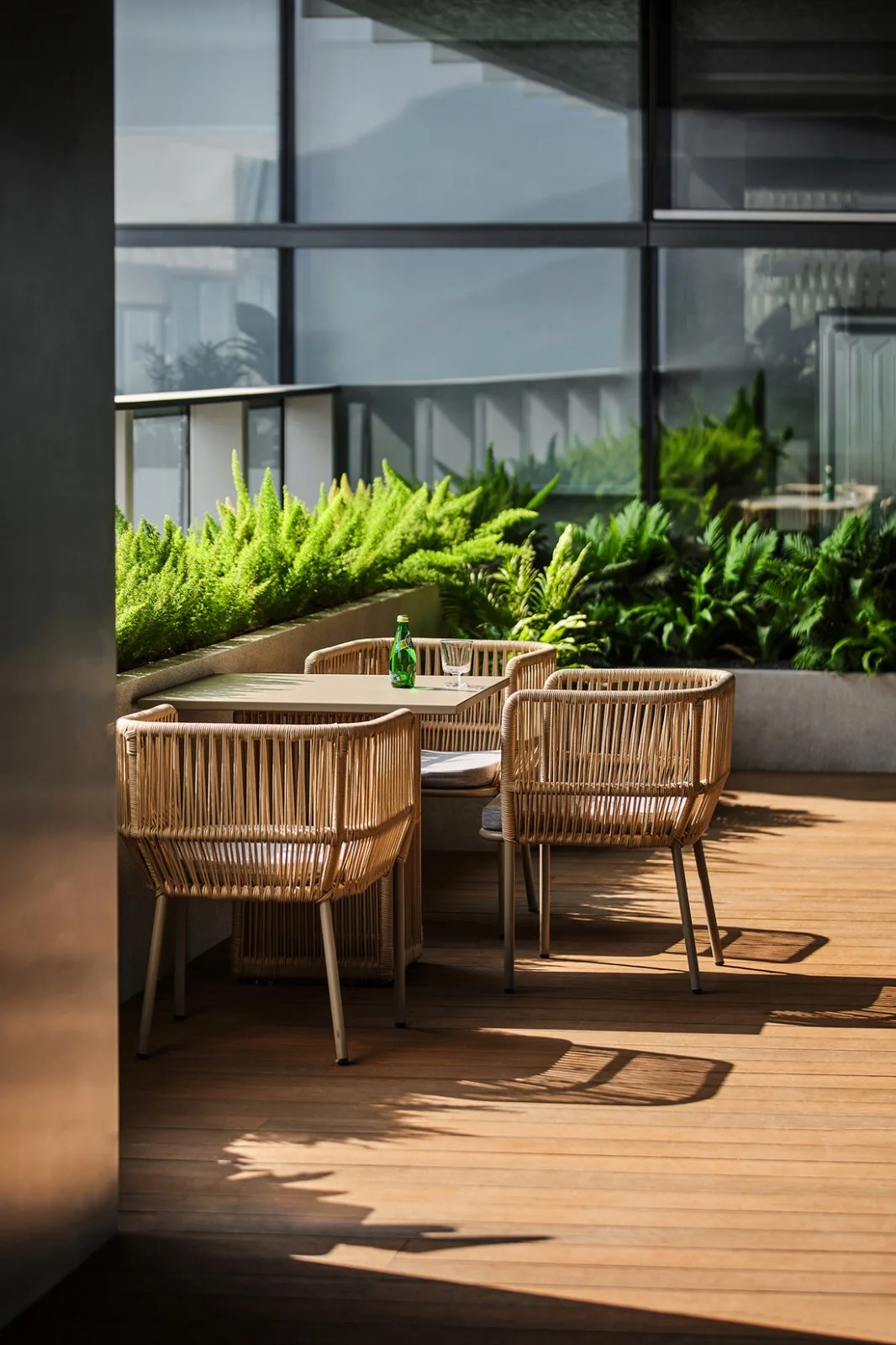
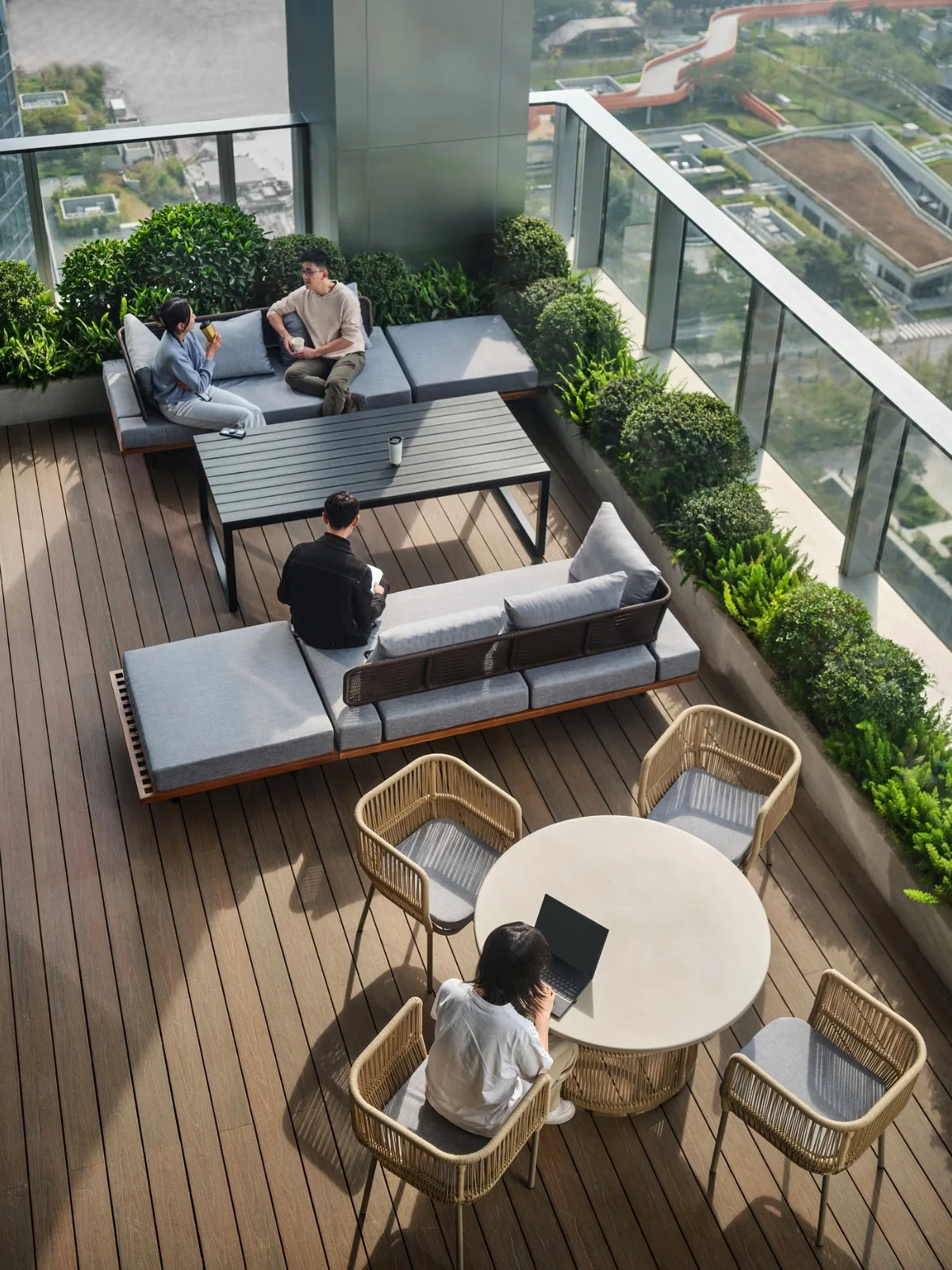
△ © Qiwen Photography – ACT STUDIO
Indoors, CCD’s design team introduces greenery into public terraces with innovative layouts, blurring the boundaries between indoor and outdoor spaces. This seamless transition brings people closer to nature and extends green zones throughout office and public areas. The “cloud-based” social spaces surprise and inspire, fostering a deep connection between environment, emotion, and productivity.
The vibrant, open office environment embraces greenery, offering flexible spaces that allow individuals to choose between private, independent, or shared settings. This design supports focused individual work, outdoor breaks, and collaborative brainstorming sessions.
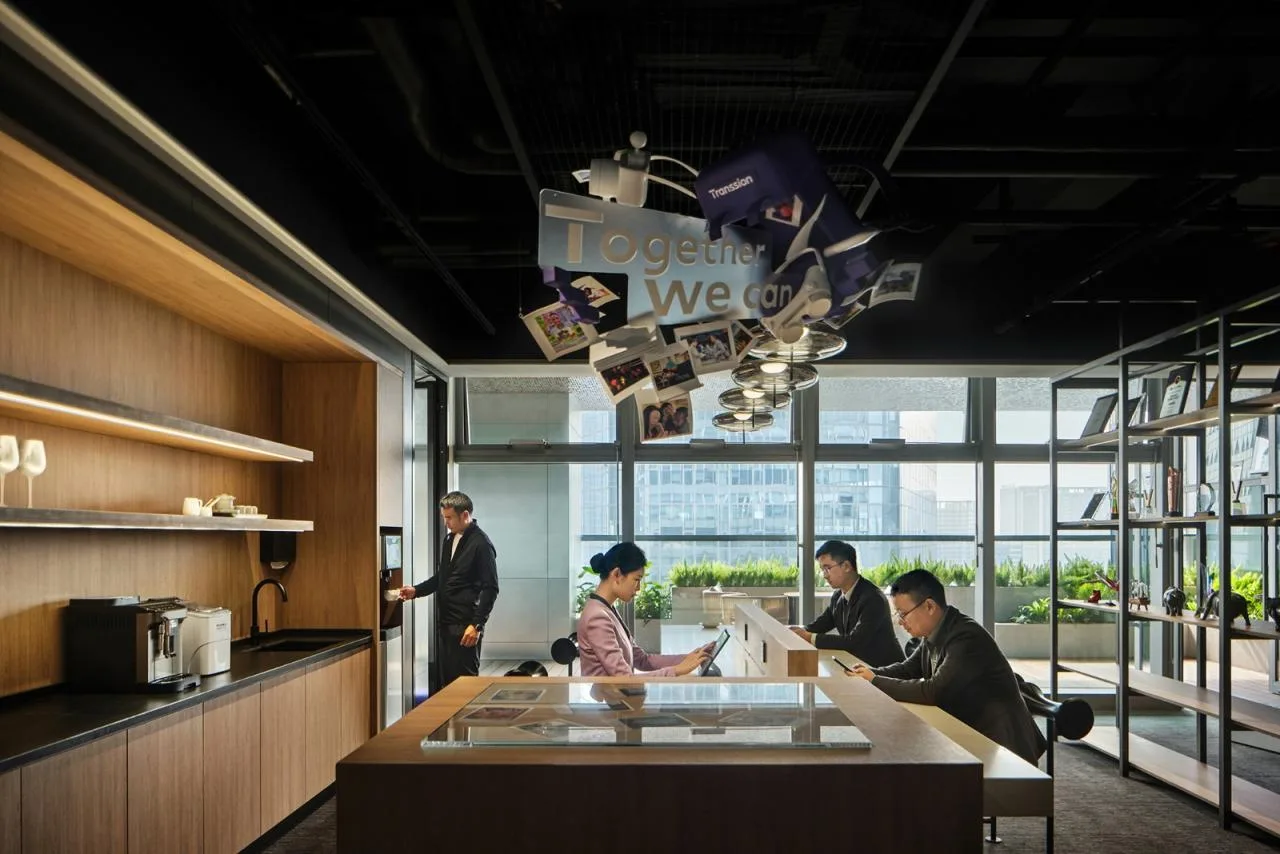
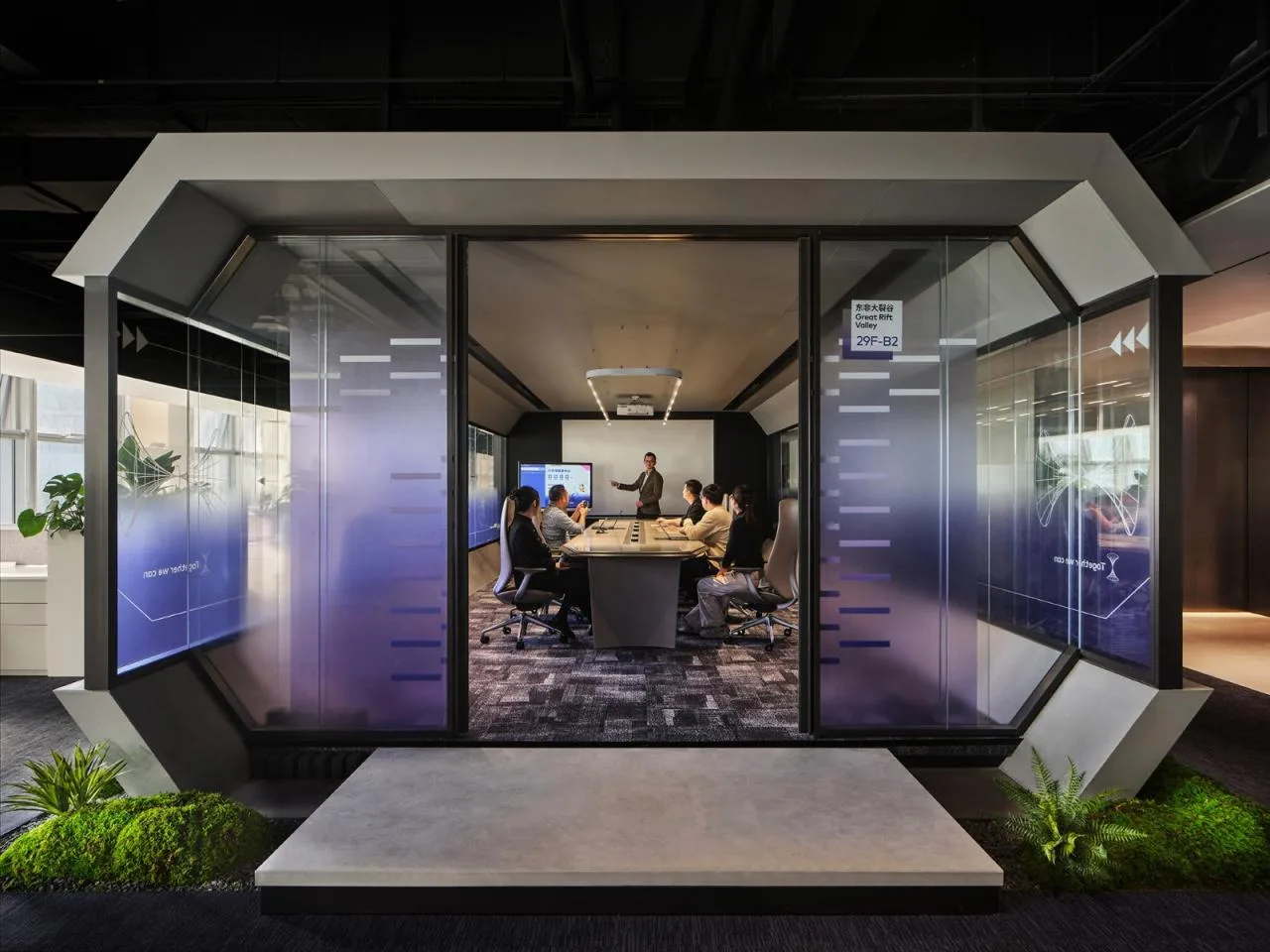
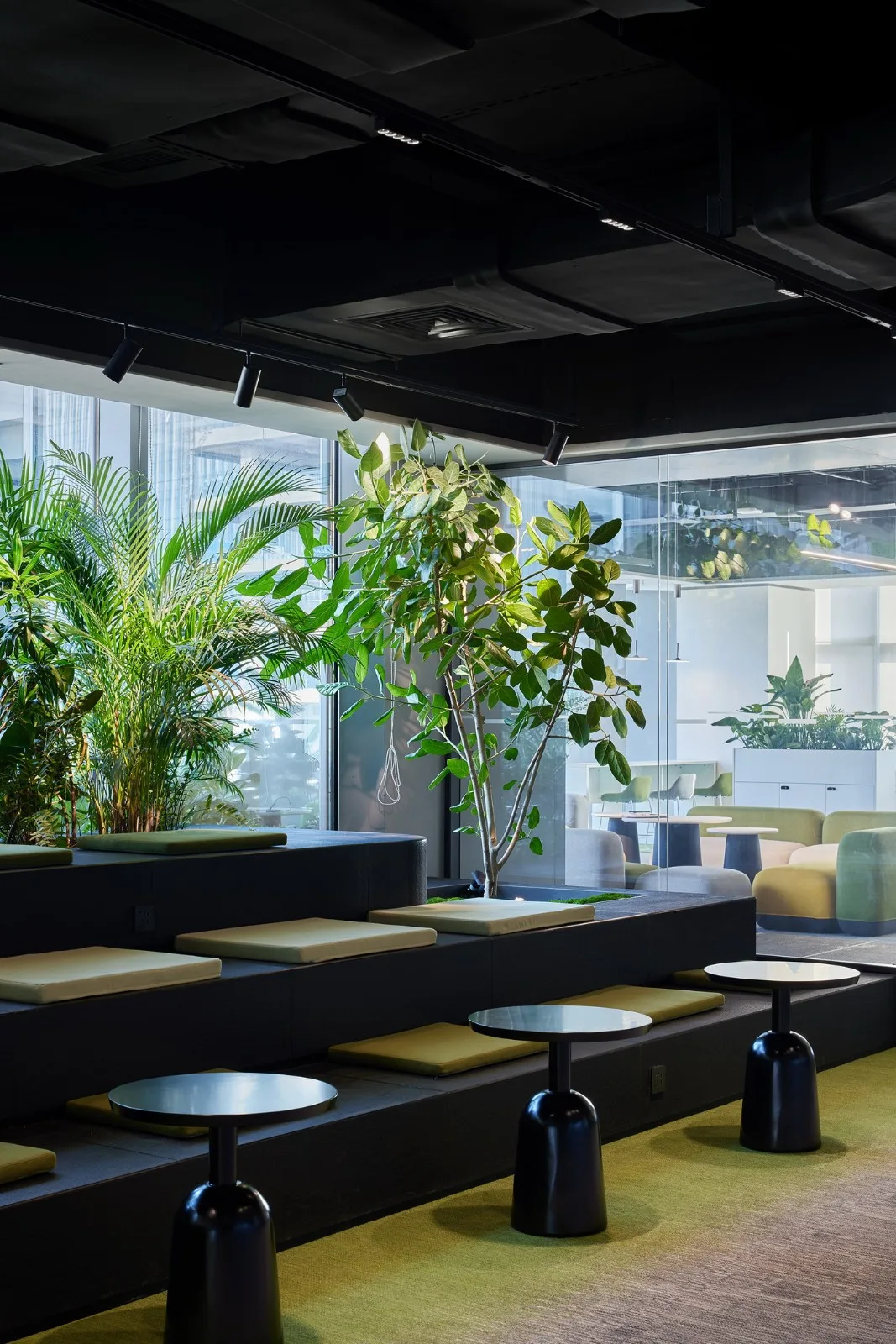
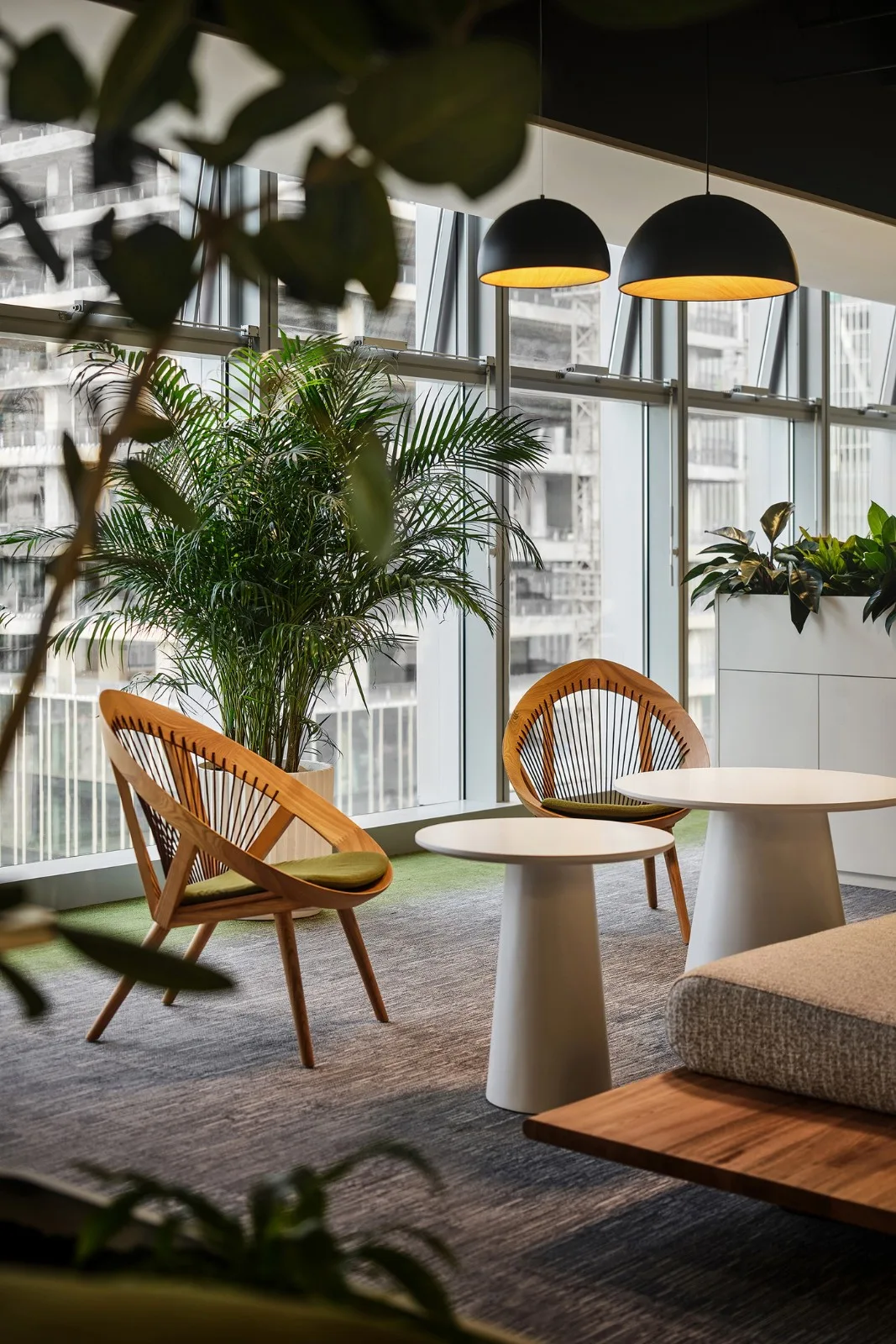
△ © Qiwen Photography – ACT STUDIO
Thanks to interconnected staircases, well-planned lighting, and ventilation in elevator lobbies and cores, the building creates a harmonious, natural ecological space reminiscent of a lush urban oasis. Such a setting is rare in dense metropolitan areas filled with skyscrapers. Outside, the curtain wall reveals the clear “Shenzhen Blue” sky; inside, it frames serene greenery bathed in sunshine. This intermingling best expresses the relationship between humans and nature.
Moreover, the facade strategy reflects green environmental principles through intelligent technology. The serrated curtain wall’s dynamic form, combined with precise intelligent control systems, maximizes ultra-low energy consumption for sun shading and cooling. This facade design plays a vital role in reducing the building’s overall energy use.
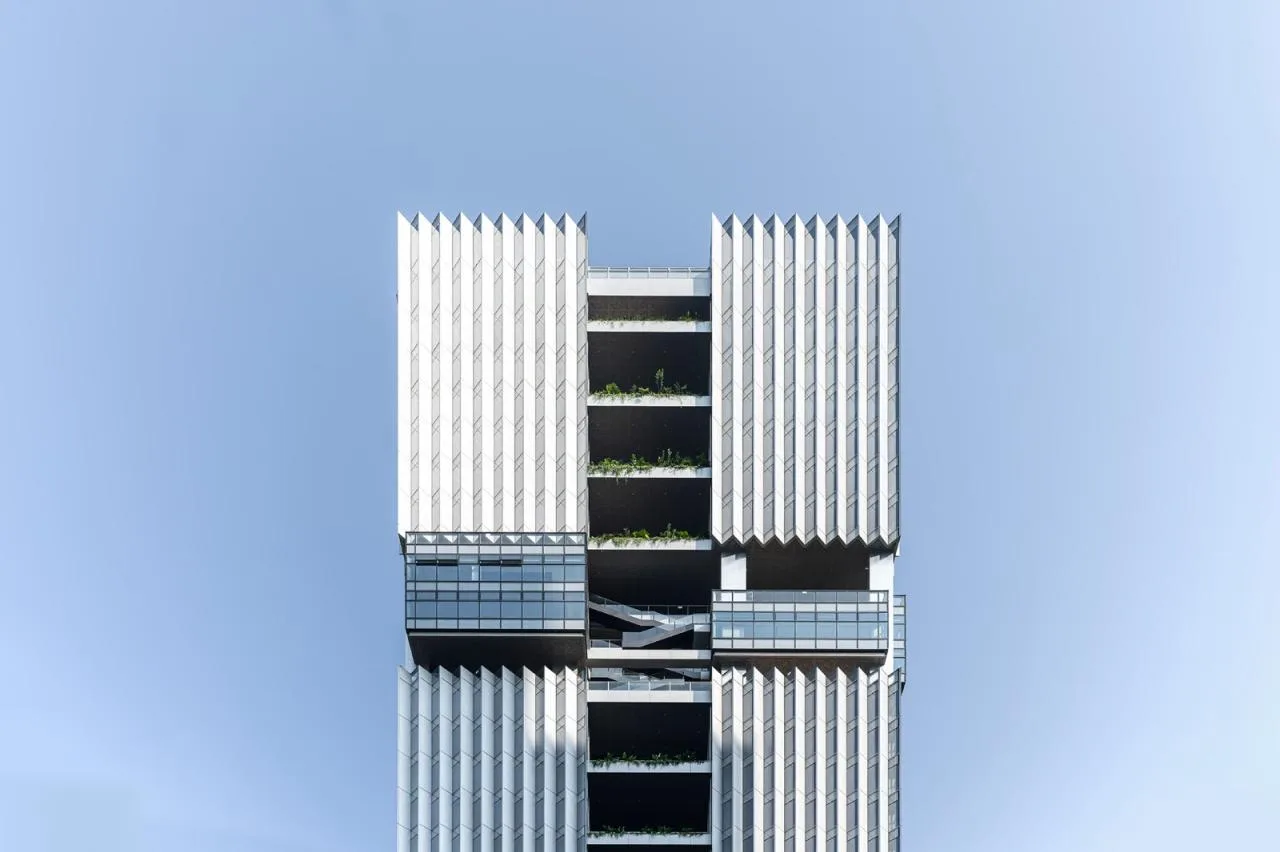
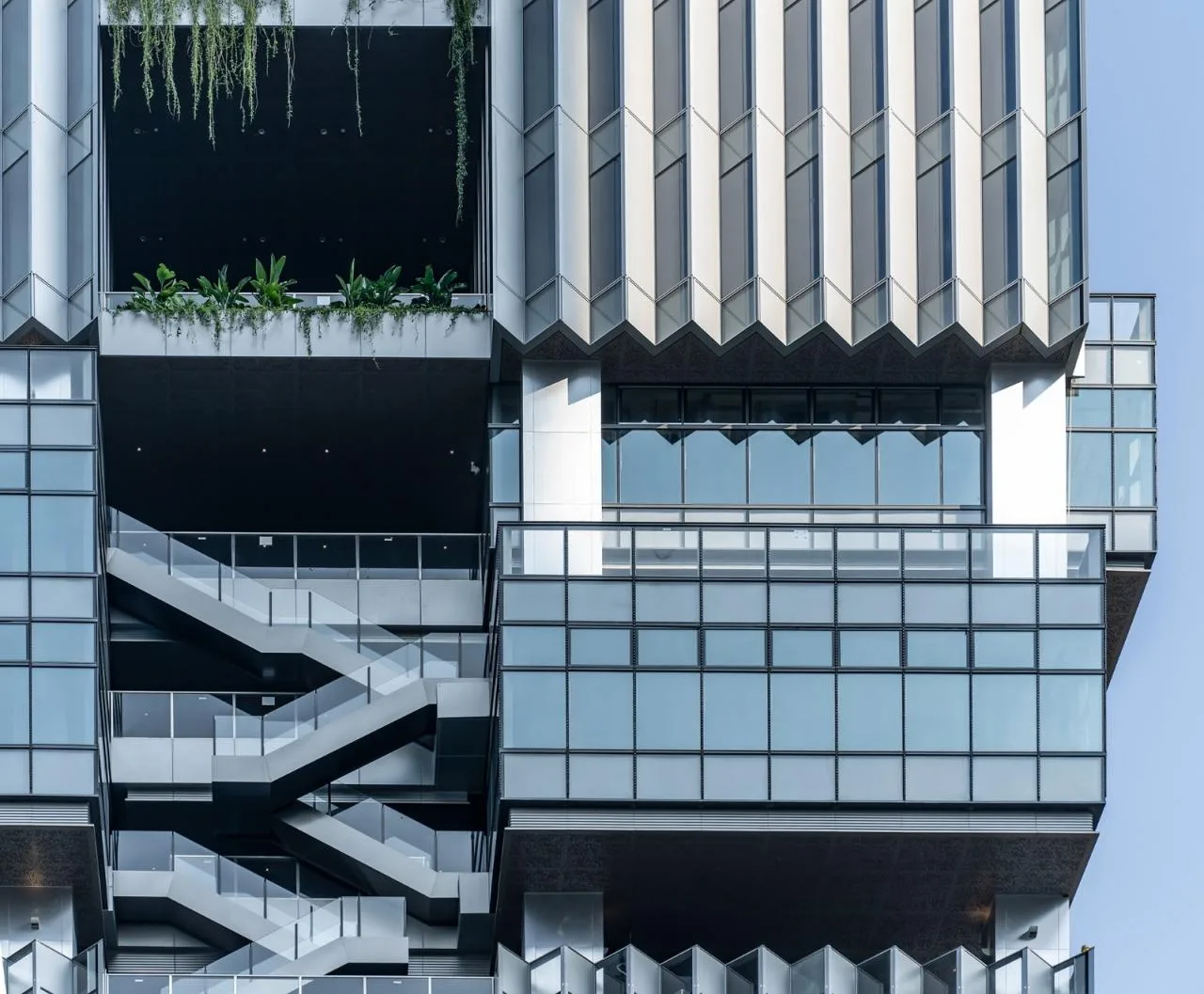
△ © Blackstation Pixel
03. How Can Creative Inspiration Grow Freely?
Our bodies yearn for nature, yet our lives rely on the convenience of technology and imagination. At T33, technology, humanity, and nature intertwine symbiotically—not only in physical space but also in the experiences offered.
Building on the “cloud core” architectural concept and the complementary nature of nearby community businesses, T33 Full Time Center introduces “cloud boxes” for its three main public function cores. These modular, varied interactive spaces break free from typical commercial complex monotony, emphasizing connections between people, technology, and nature. The result is a textured urban environment that balances rationality with sensitivity and vitality.
△ © Blackstation Pixel
△ © Qiwen Photography – ACT STUDIO
Spanning 33 stories, this vertical building centers its content management on “youth, wisdom, and creativity.” It integrates a multi-dimensional spatial experience within the framework, creating a 24-hour interconnected urban ecosystem. This includes six distinct spaces: a sensory lobby, urban living room (T-Space), commercial square (T-Lax), unique cloud core, shared center, and apron. Commercial vibrancy and social engagement blend seamlessly, providing an ideal environment for productive work and relaxed living.
△ © Qiwen Photography – ACT STUDIO
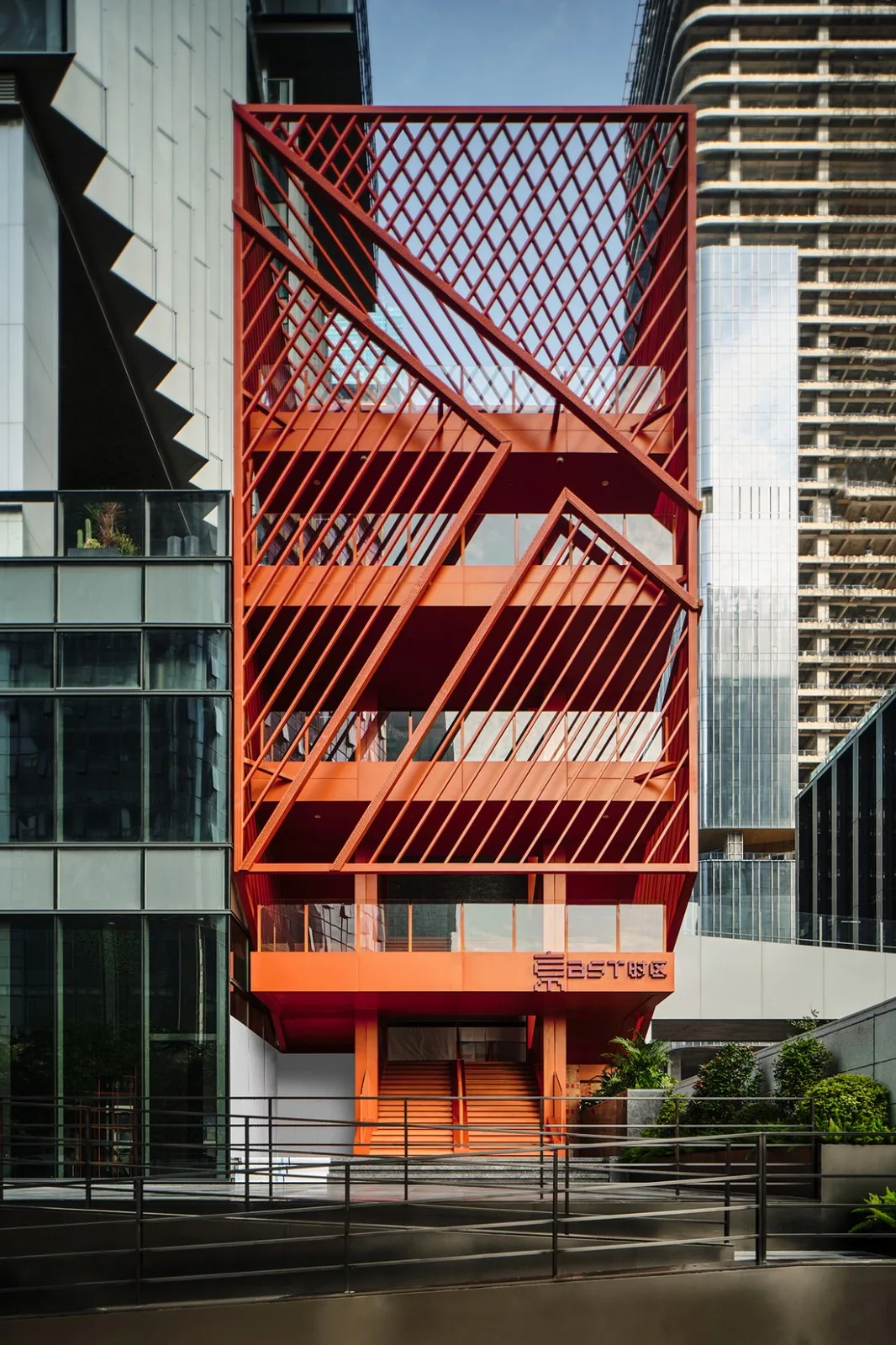
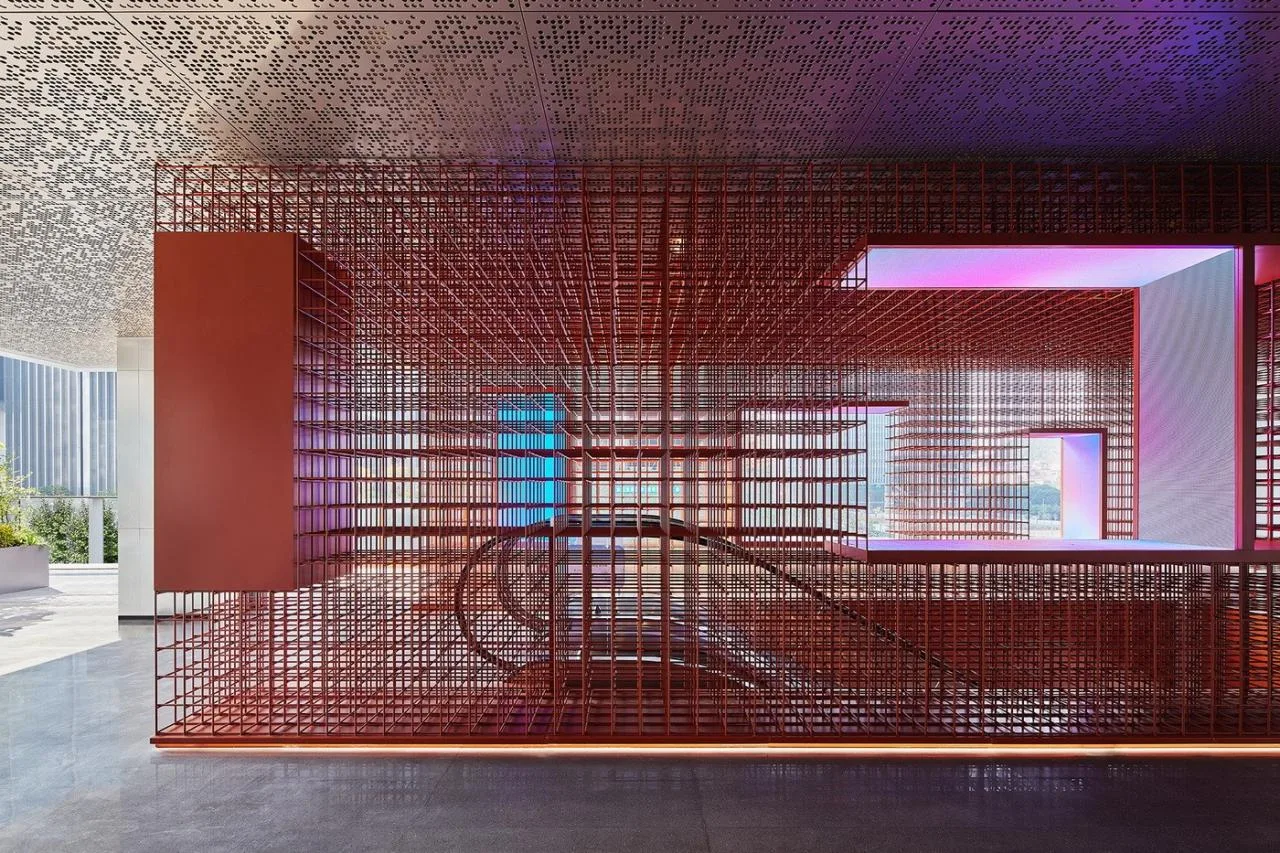
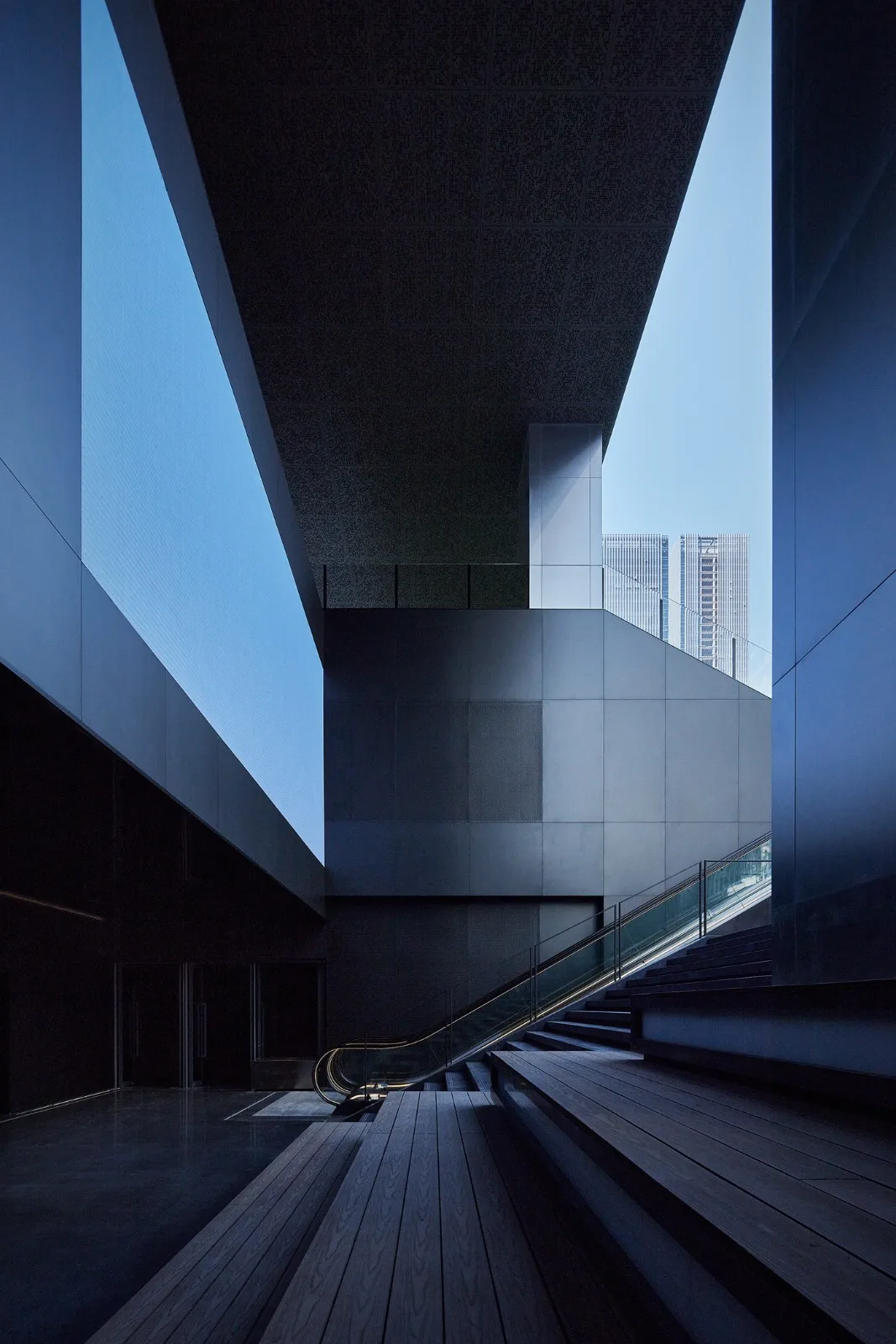
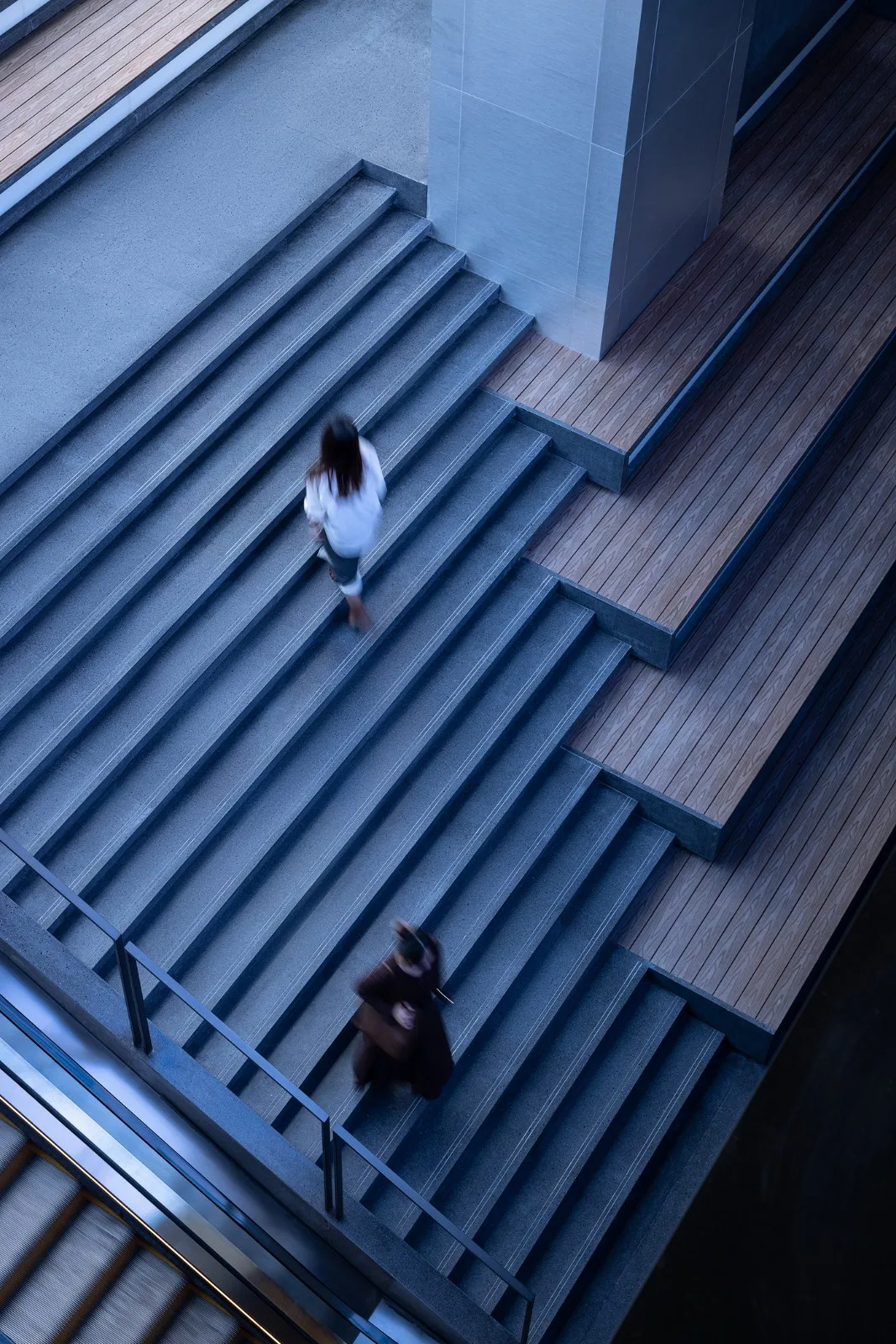
Externally, a vibrant orange square box with interlacing geometry cuts through the six-story commercial square, breaking away from traditional grid-like spaces. A sunken staircase connects to the outside, creating a shared passageway for pedestrians and escalators above. This space will host art exhibitions, creative flash mobs, and cutting-edge forums, fostering free expression and idea exchange, while blending humanistic art and digital creativity into the architecture.
△ © Qiwen Photography – ACT STUDIO
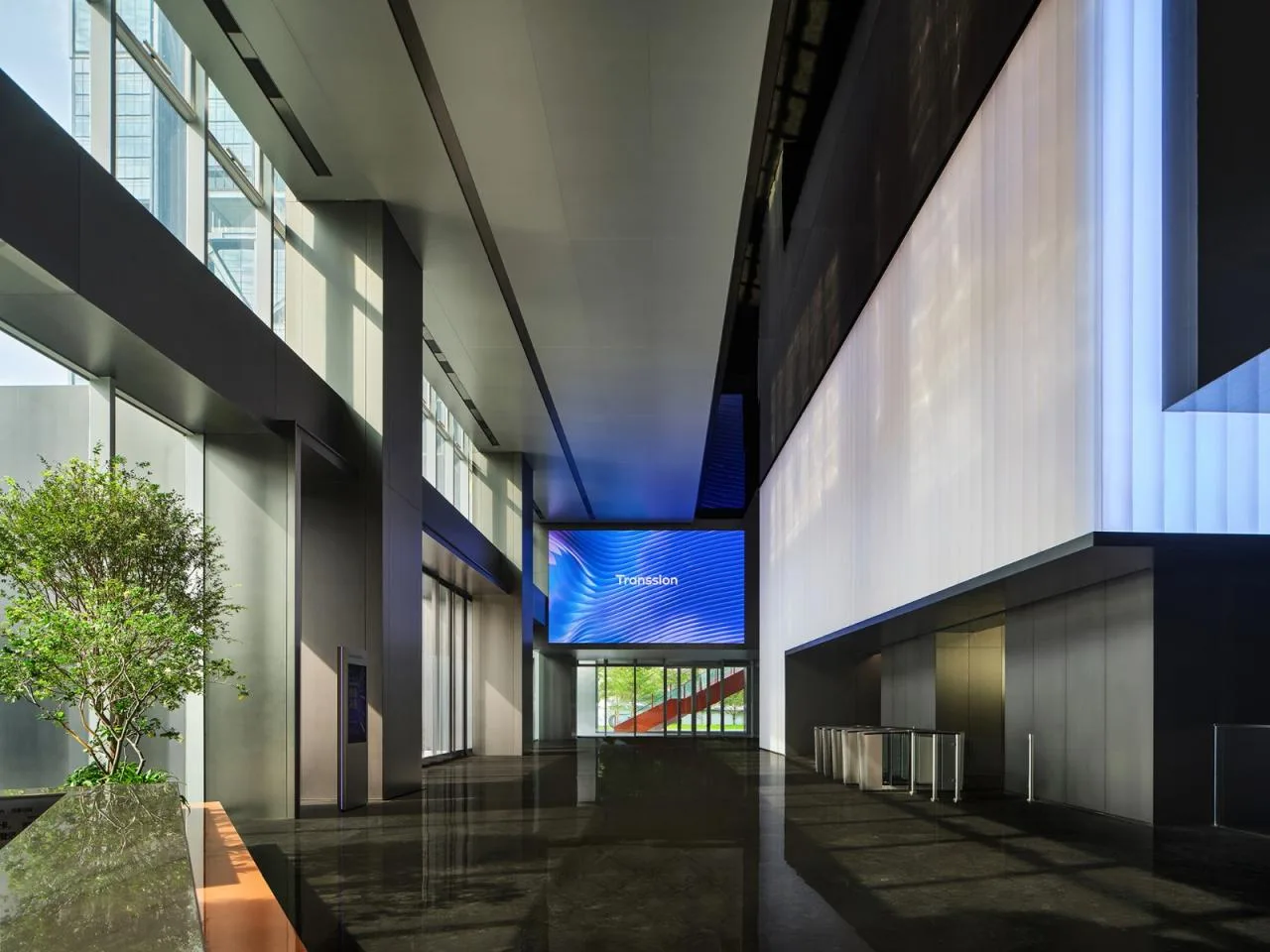
Serving as the energy core of T33’s external image and “cloud box,” the double-height lobby features north-south dual entrances and ultra-high glass curtain walls. They flood the interior with natural light, immersing occupants in vertical landscapes and warm sunshine while they work or relax.
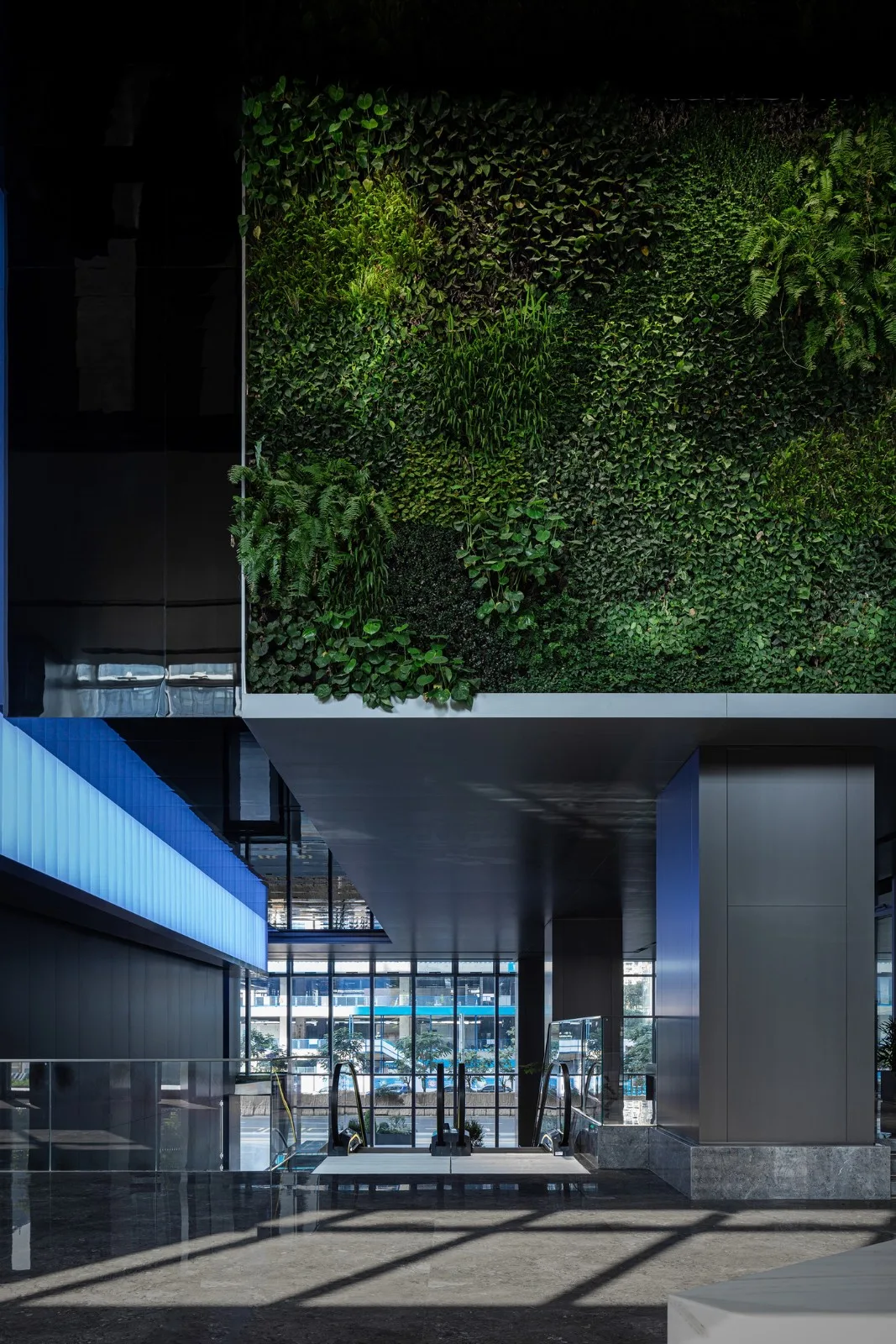
△ © Qiwen Photography – ACT STUDIO
The lobby also features a digital artistic extension: an intelligent rotating square screen and interactive device showcasing “Poetry in Nature,” a permanent digital artwork by Taiwan’s Three Style Ultra Combo new media team. This piece visualizes seasonal changes linked to Earth’s latitude, responding dynamically to the presence and touch of passersby, creating a living green poetry in motion.
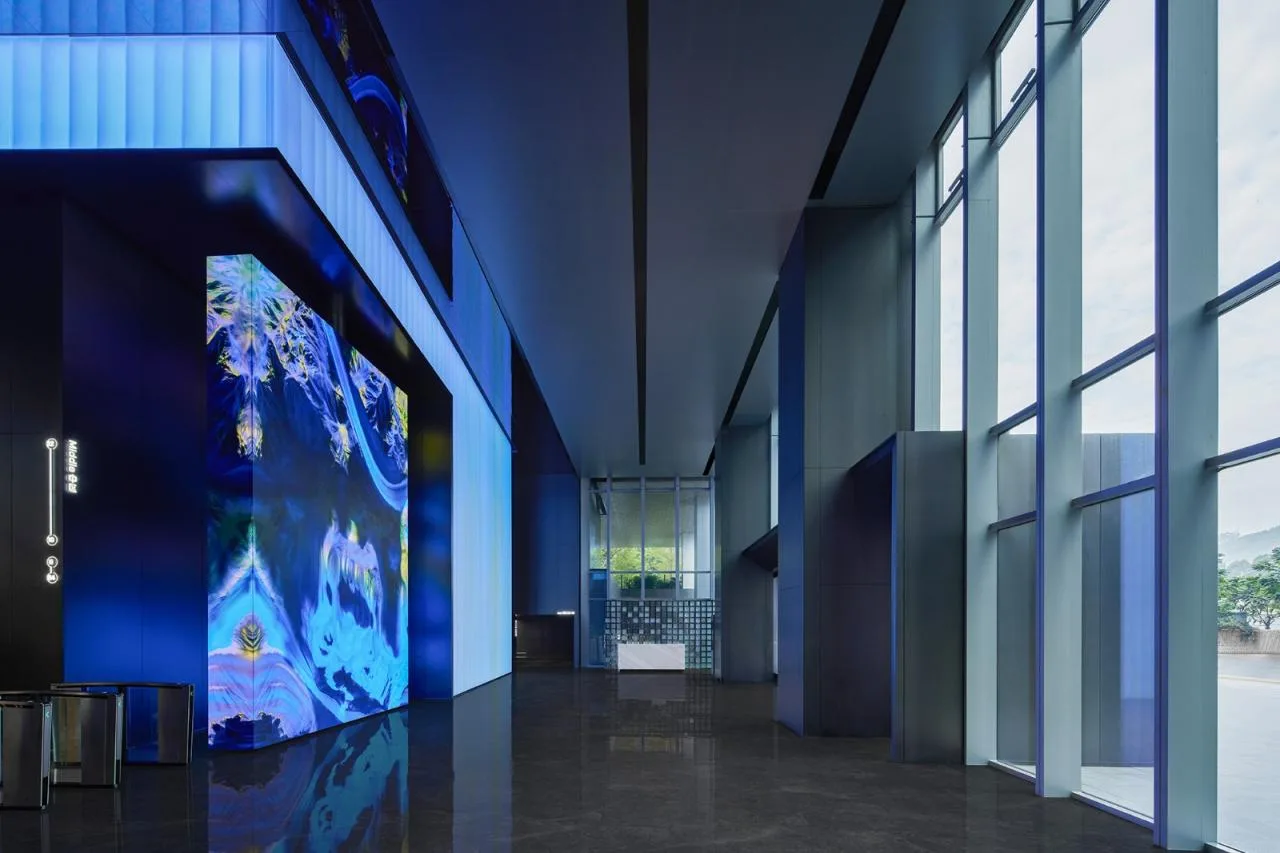
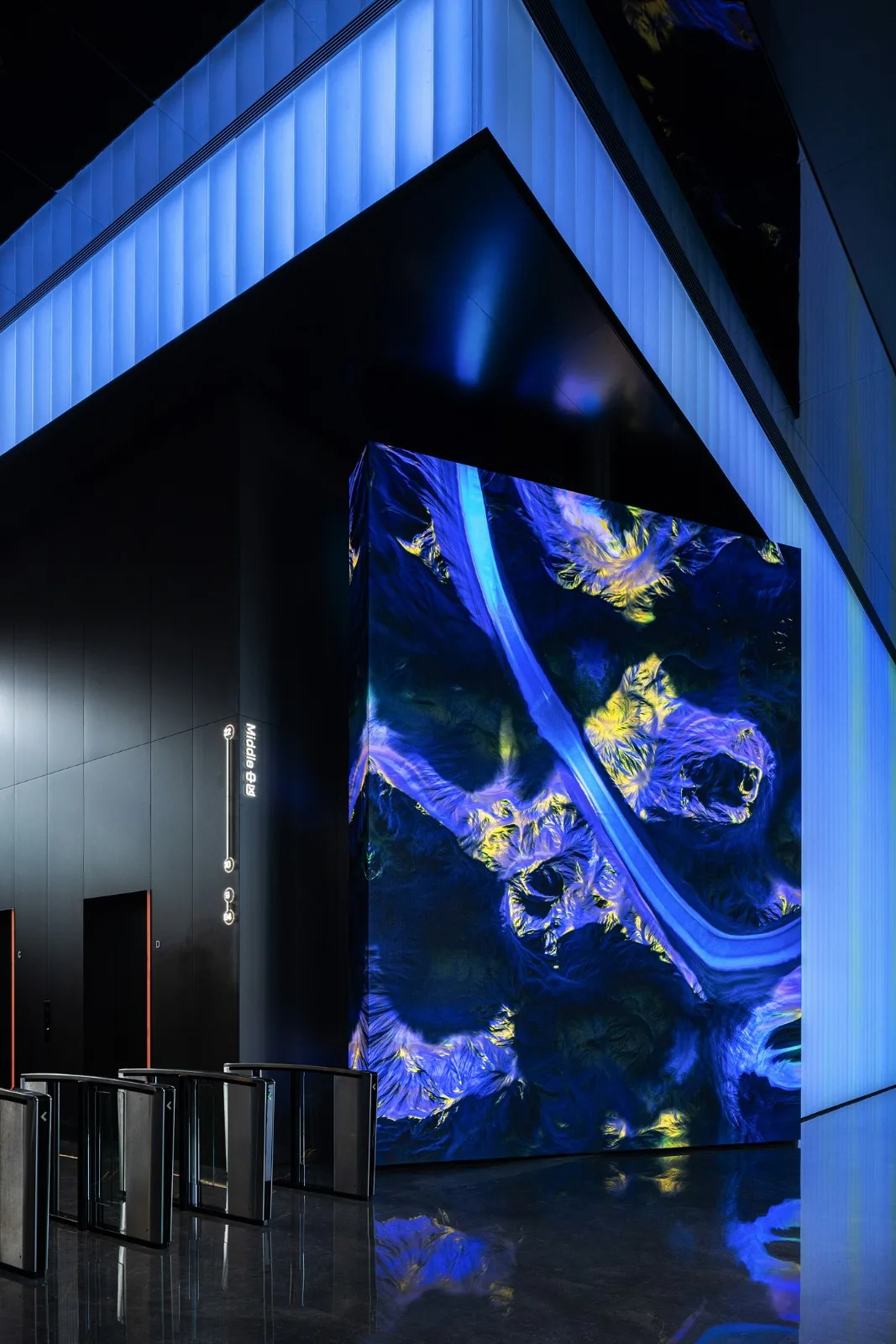
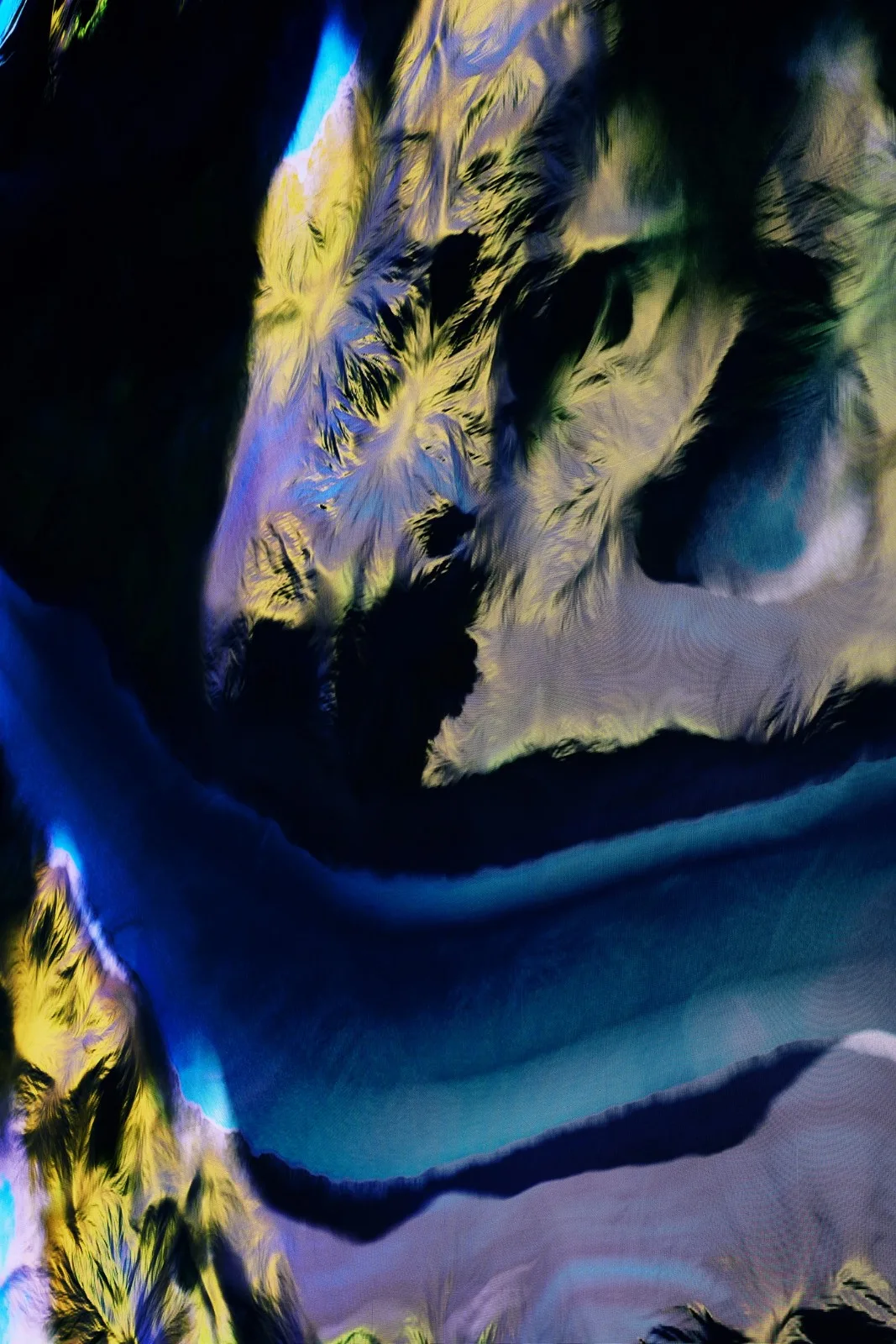
△ © Qiwen Photography – ACT STUDIO
This artistic innovation extends into humanistic art visualization. Late last year, T33 hosted the “Supersensory Park · Art Visualization” exhibition, pushing the boundaries of traditional art venues. There were no barriers protecting exhibits, no text panels, no fixed routes or check-in points. Visitors encountered giant sculptures coexisting with trees, dynamic digital art, and audio-visual installations blending music, creativity, technology, and nature throughout the space.
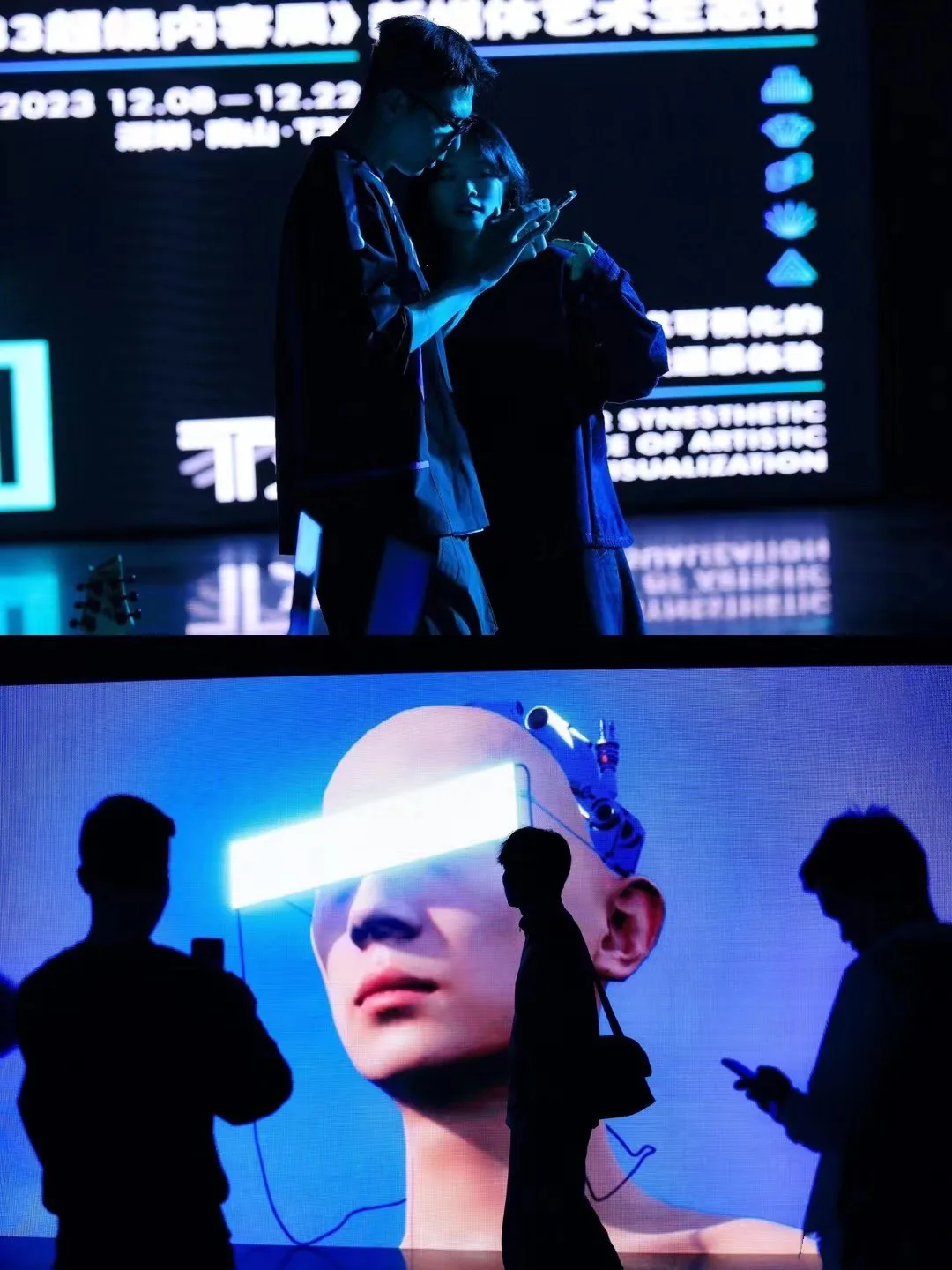
△ Creative Exhibition “Supersensory Park · Art Visualization” © T33 & FREEWAY
Rather than simply serving as office space in a technology innovation district, T33 is a vibrant hub of multi-sensory experiences and functions, radiating creativity and vitality.
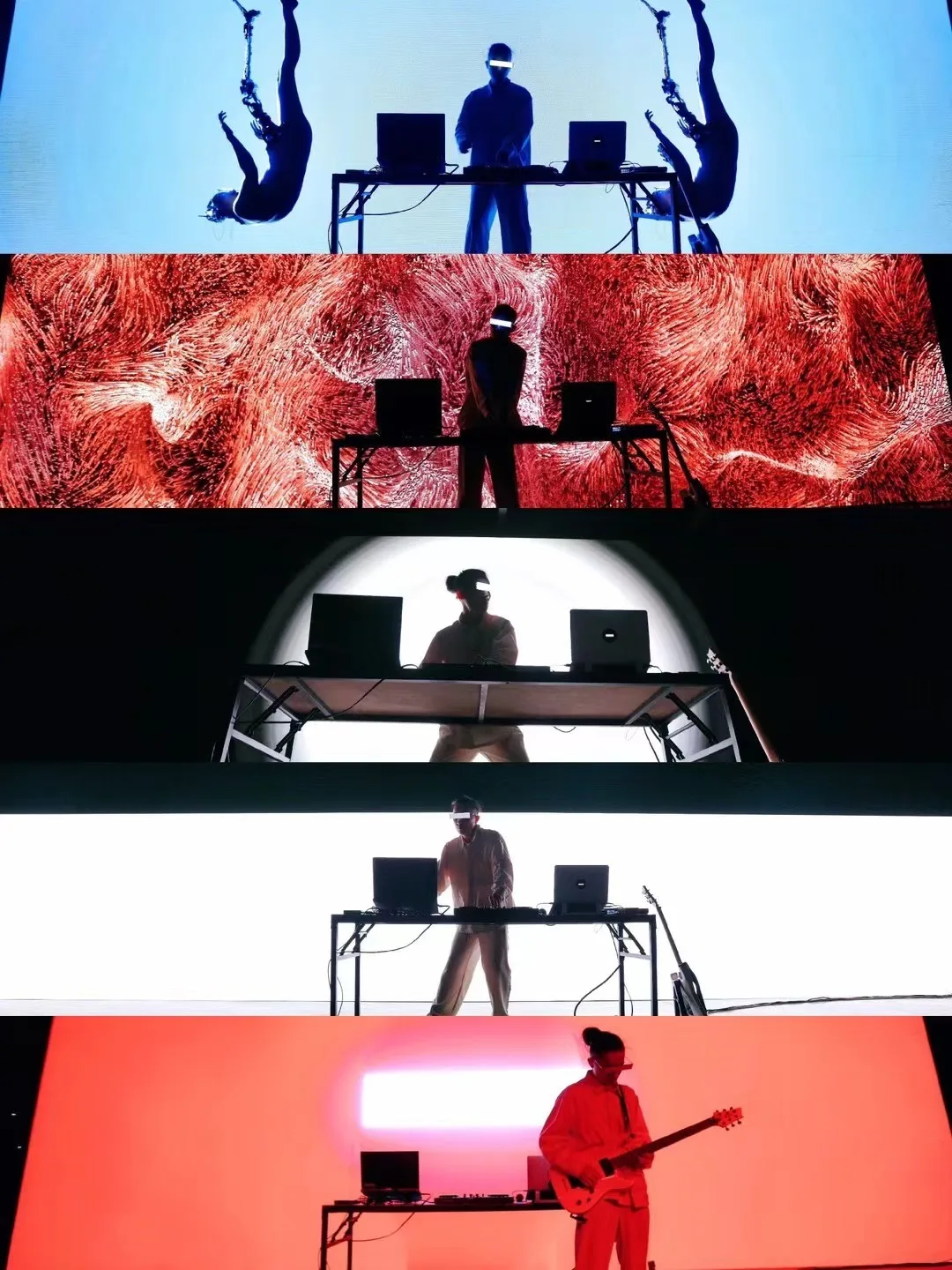
△ Creative Exhibition “Supersensory Park · Art Visualization” © T33 & FREEWAY
A decade ago, there was silence. Today, a living, breathing city rises among the clouds.
The T33 Full Time Center embraces sustainability with humility and respect for urban ecology. Through innovative design, it rebuilds the human-nature-technology connection, fostering a youthful, intelligent, and diverse community that balances work and life, labor and rest, inspiring a future full of imagination and possibility.
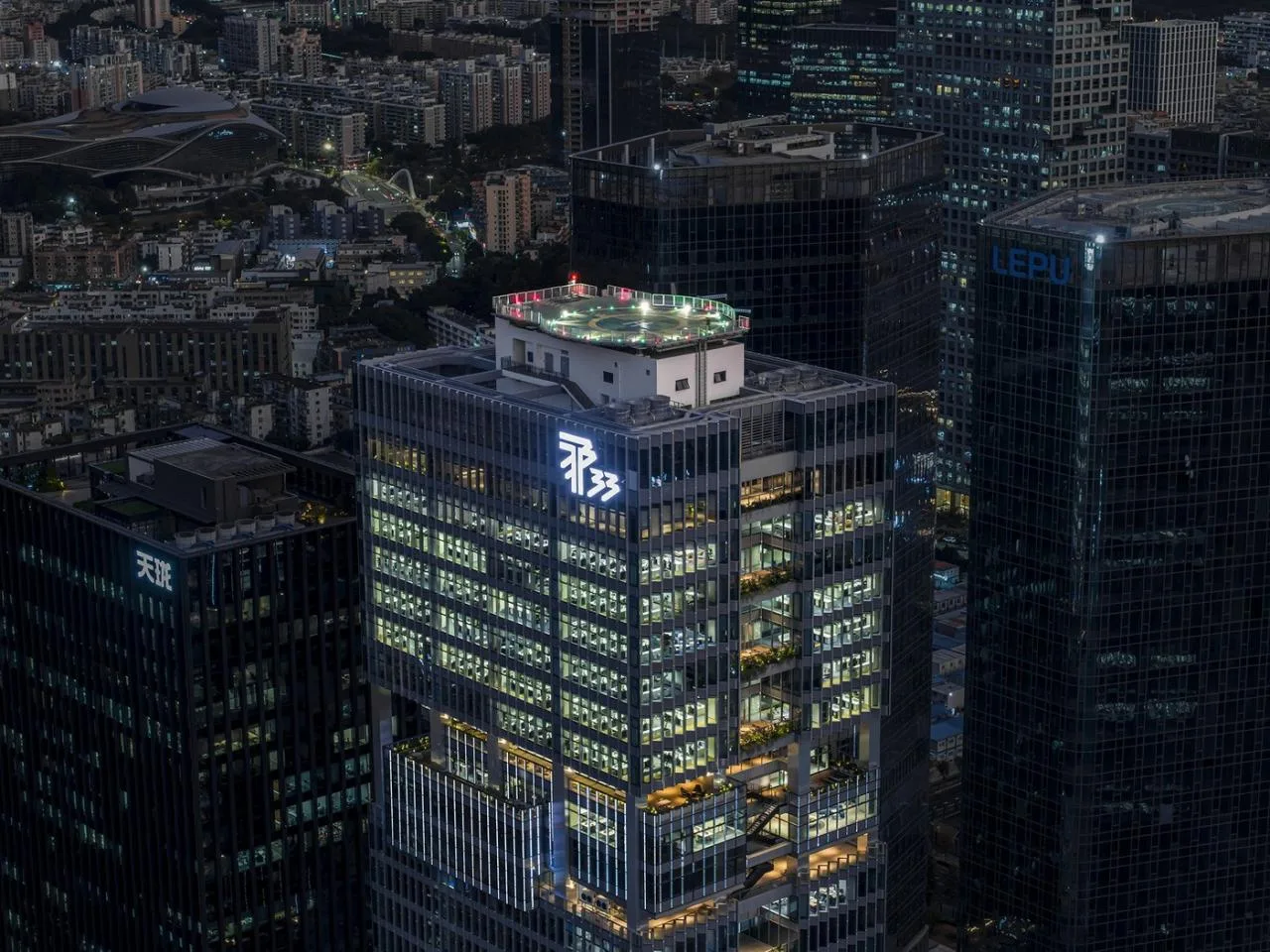
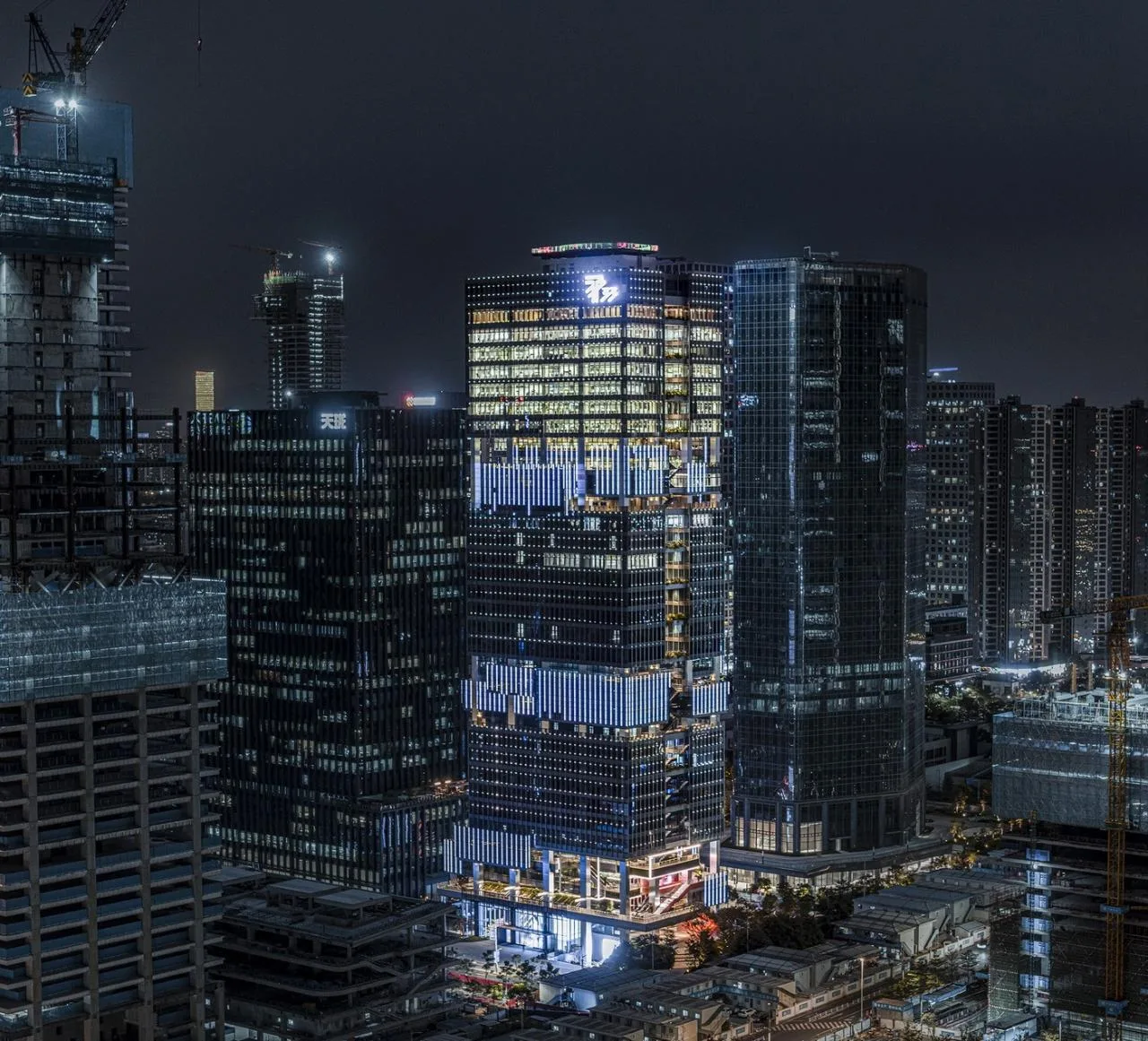
△ © Blackstation Pixel
Project Information
Project Name: T33 Full Time Center
Project Owner: Transsion Holdings
Project Type: Headquarters Office
Location: No. 8 Xiandong Road, Xili Street, Nanshan District, Shenzhen
Land Area: 4,998.04 m²
Building Area: 77,296.96 m²
Architectural Design: Kaida Global Co., Ltd. (www.aedas.com)
Interior Design: Shenzhen Zhengzhong Design Co., Ltd. (www.ccd.com.hk)
Investment Center Design: Shenzhen Jieen Creative Design Co., Ltd. (www.jaid.cn)
Planning: Shenzhen Academy of Building Sciences Co., Ltd., Shenzhen Zhongjian Dakang Construction Engineering Co., Ltd.
Architecture: Kaida Global Co., Ltd.
Structure: Shenzhen Academy of Building Sciences Co., Ltd.
Landscape: Shenzhen Zhengzhong Design Co., Ltd.
Interior: Shenzhen Zhengzhong Design Co., Ltd., Shenzhen Jieen Creative Design Co., Ltd.
Lighting: Shenzhen Zhengzhong Design Co., Ltd.
Construction: Shenzhen Zhengzhong Design Co., Ltd., Suzhou Jintanglang Building Decoration Co., Ltd.
Materials: NSK Japan imported anodized aluminum plate; Milliken eco-friendly office carpet; Italian LALEGNO wooden flooring; Spiralis office partition system.
Photographers: Blackstation Pixel, Qiwen Photography – ACT STUDIO















Must log in before commenting!
Sign Up