
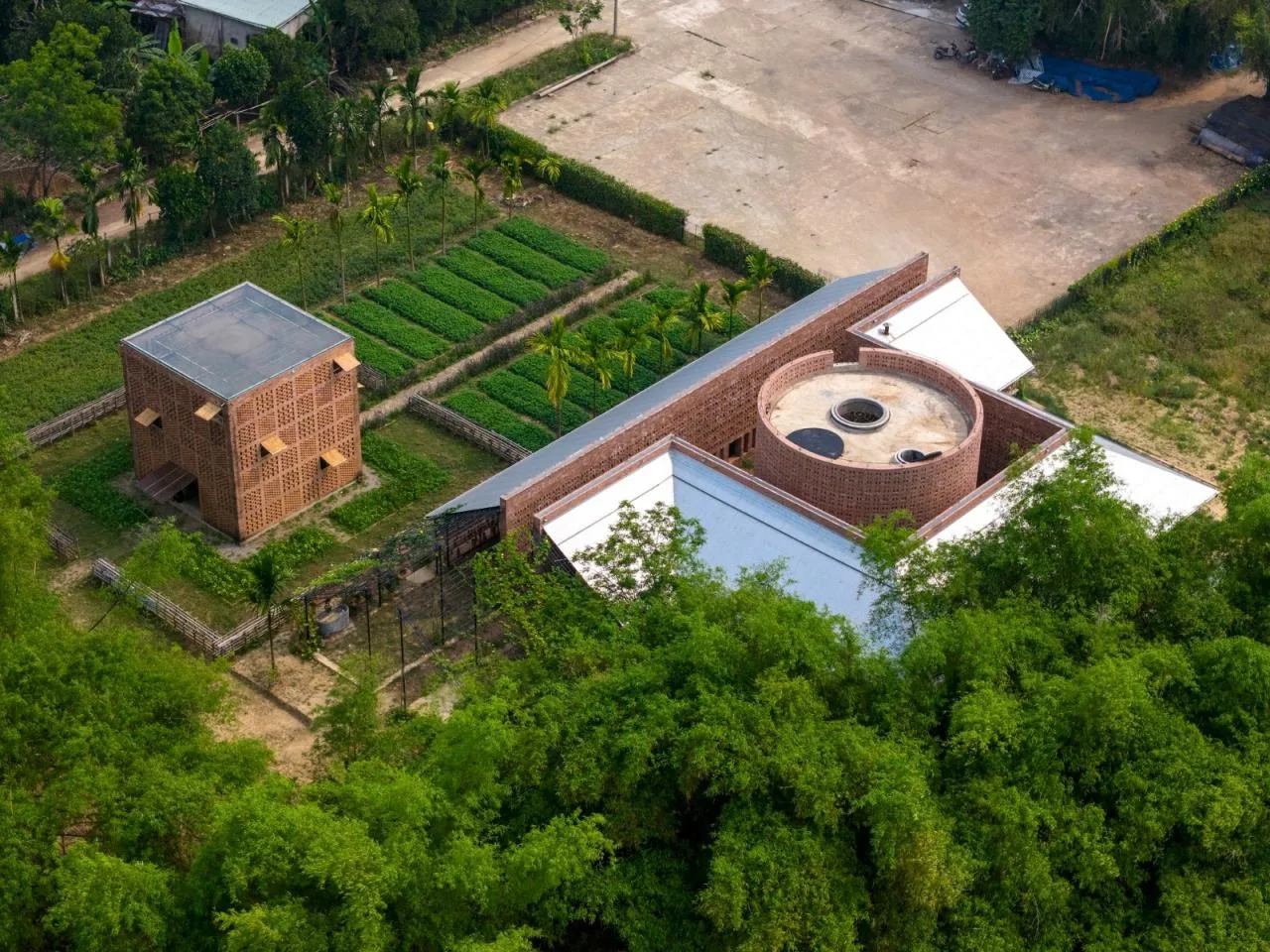
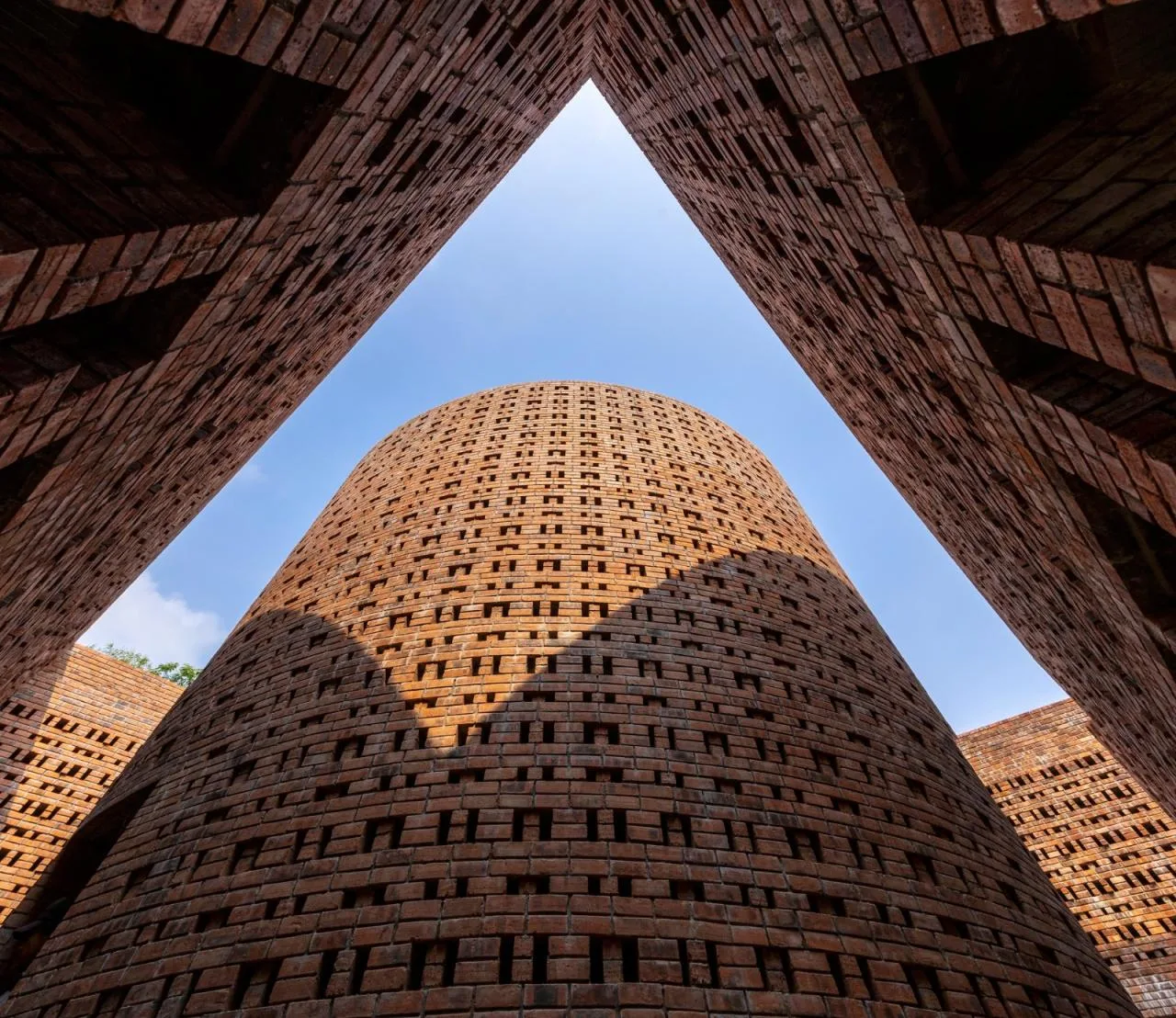
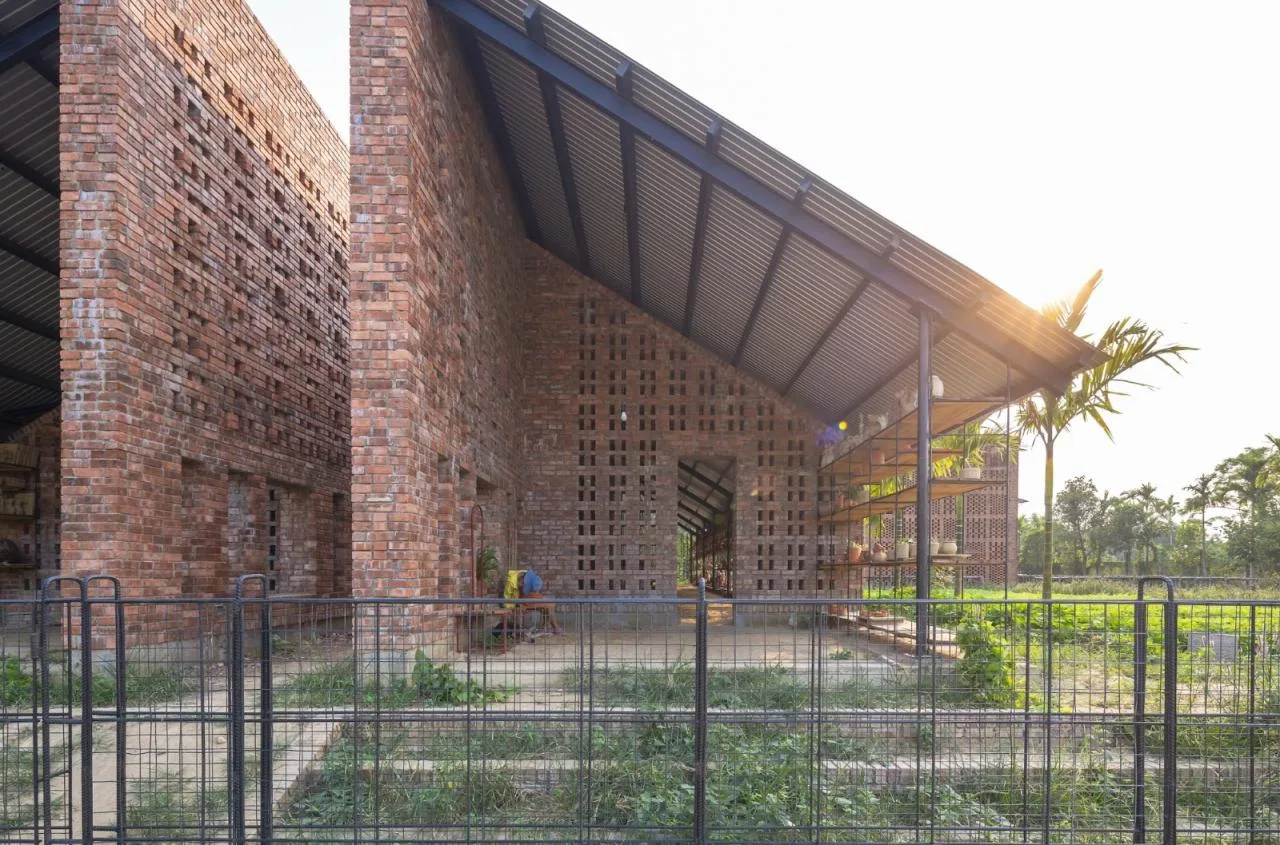
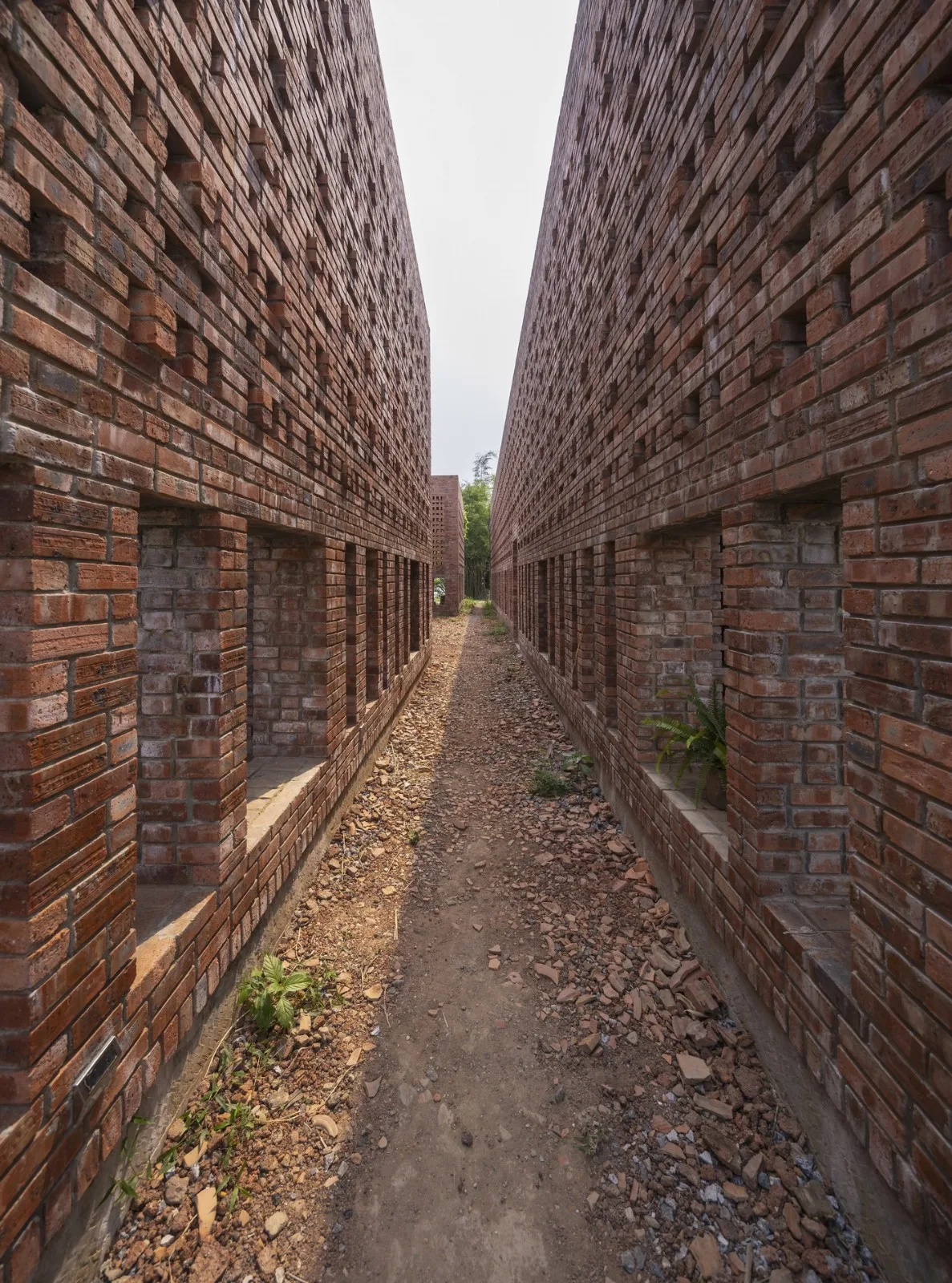
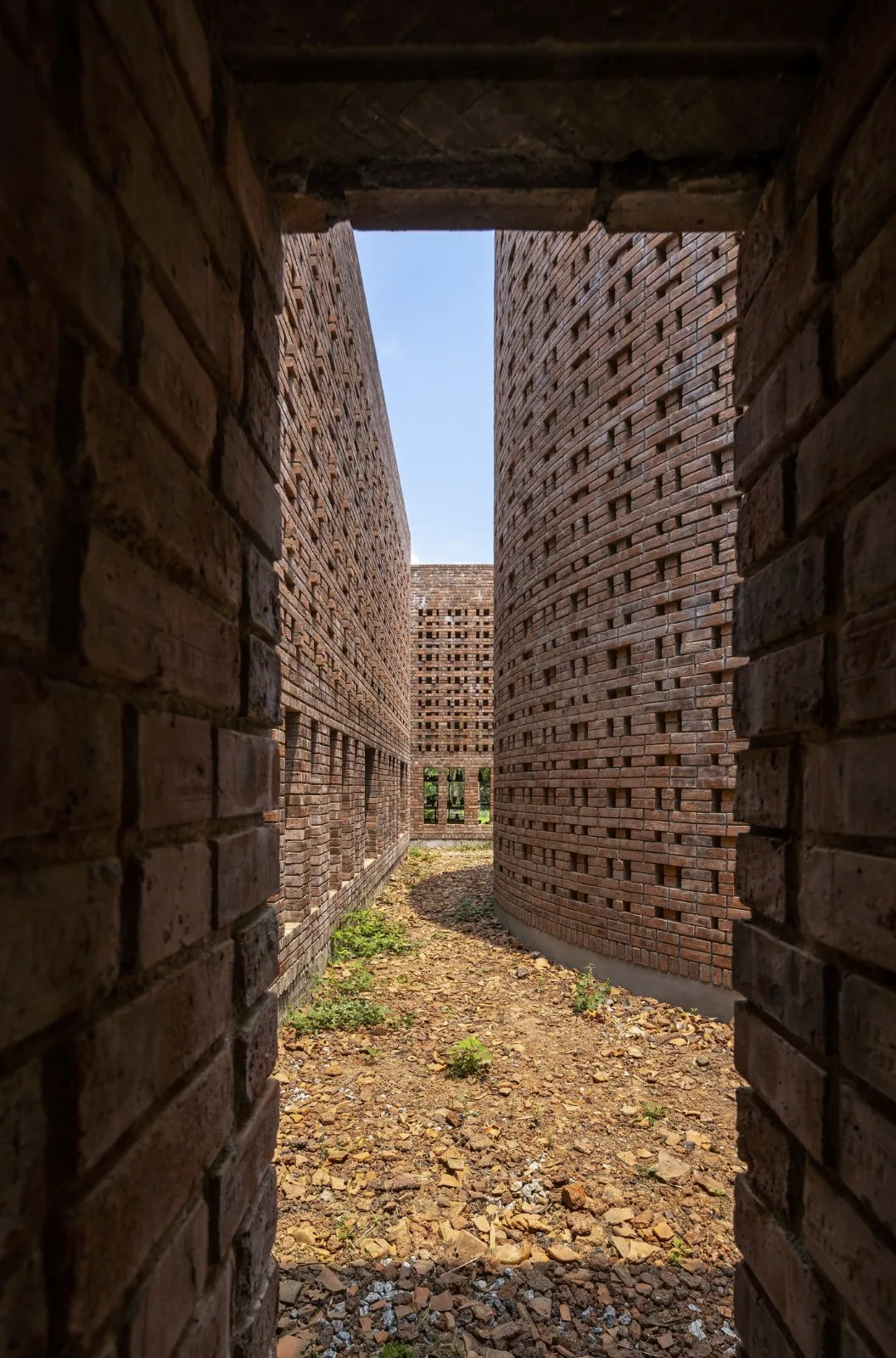
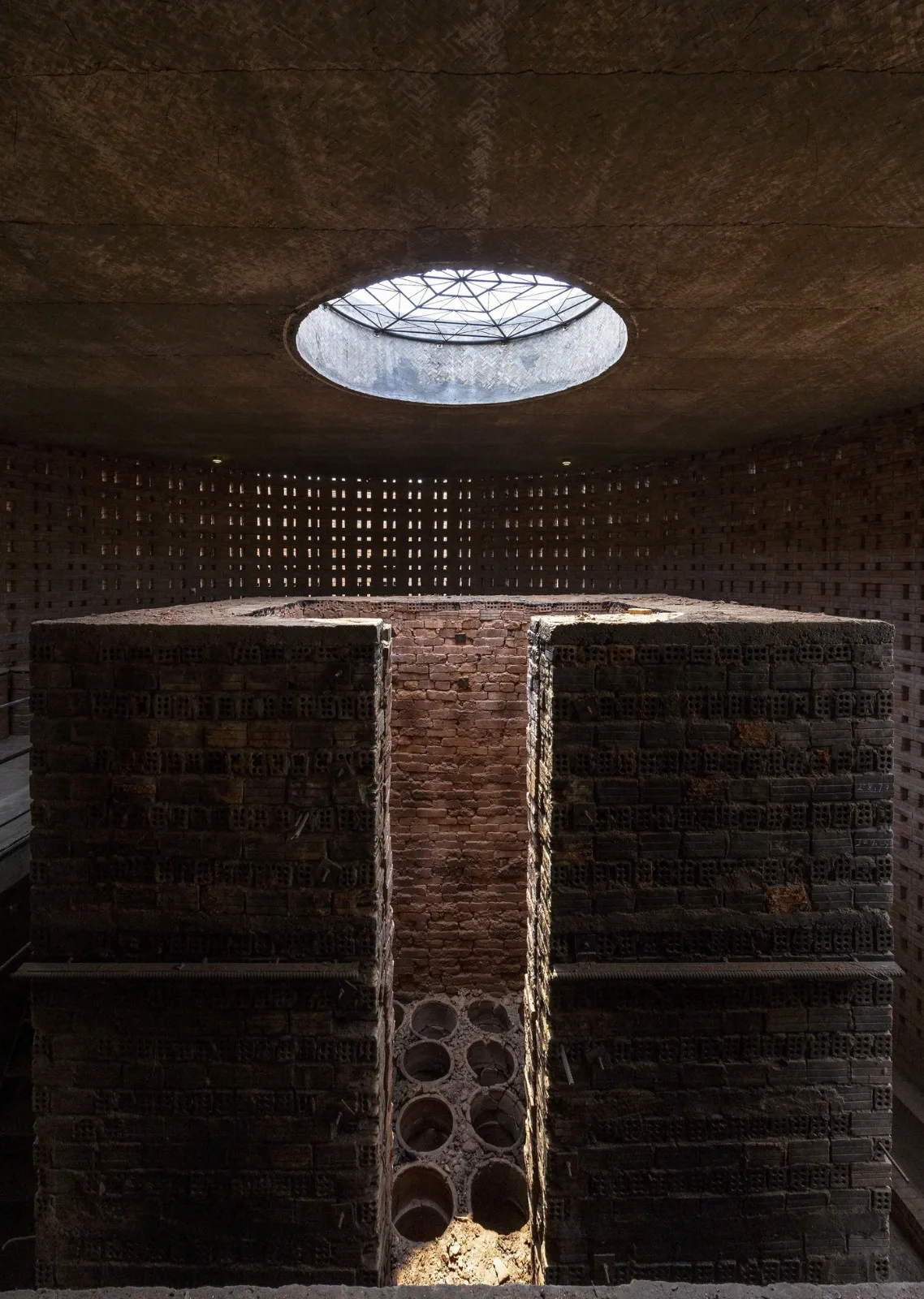
The Terracotta Warriors Studio is a unique space defined by brick walls—two long folding walls and a circular wall that encloses the original brick kiln. This building, more than 20 years old, has been preserved and now forms the core of the new studio.
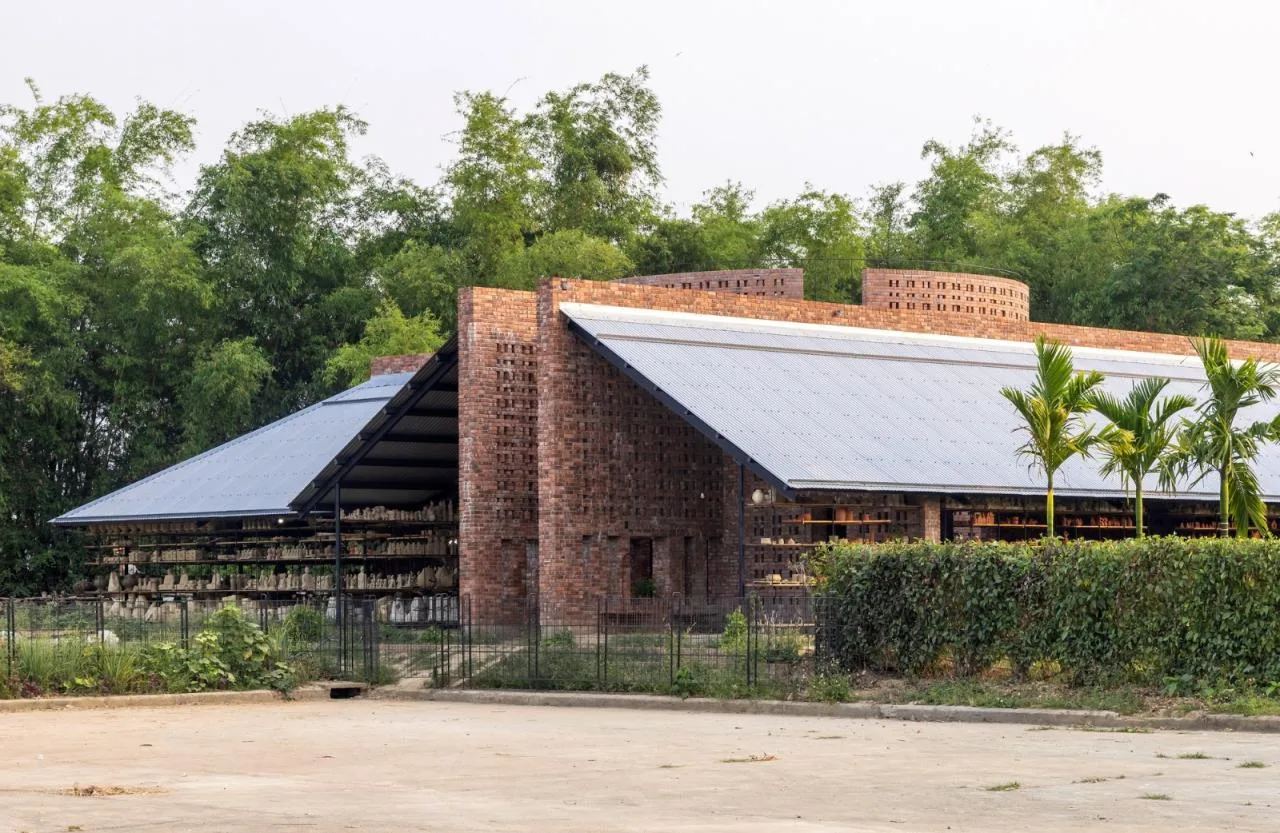
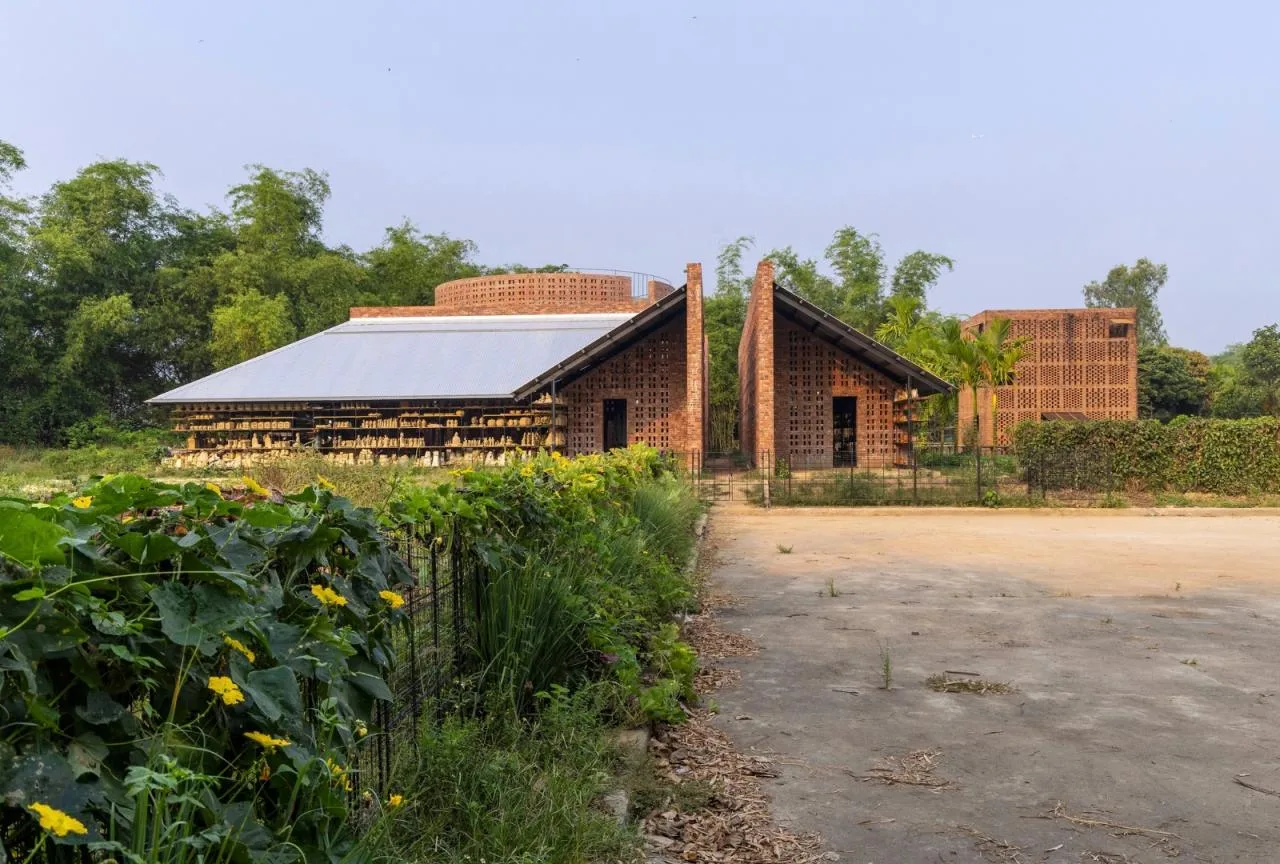
The daily routines of the craftsmen have been maintained from the previous workshop. The new architecture evolved through careful observation of natural elements such as light, wind direction, footsteps, sitting posture, and movement, all aimed at finding the ideal lighting for sculpting. These activities have been thoughtfully condensed and organized within a simple geometric space.
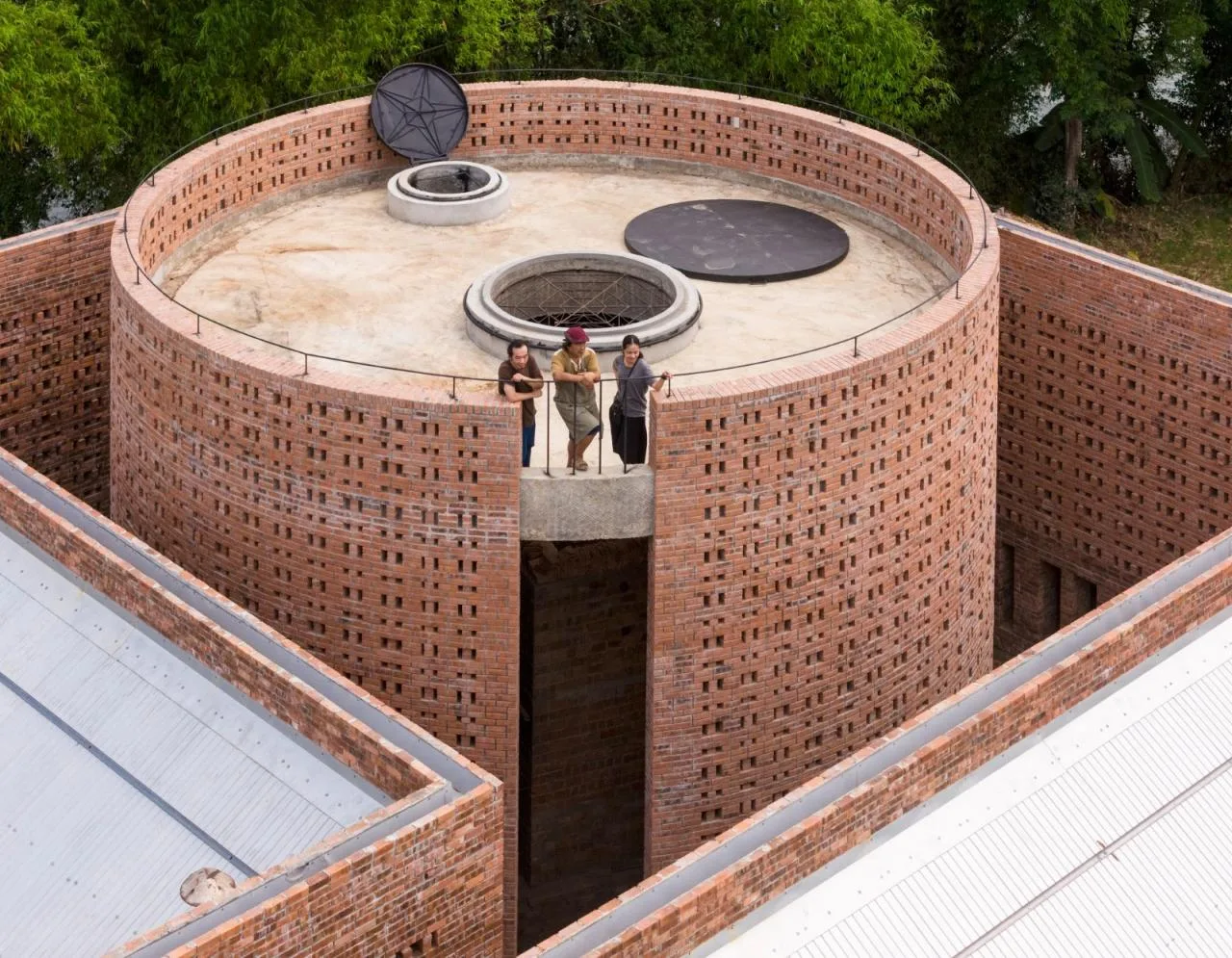
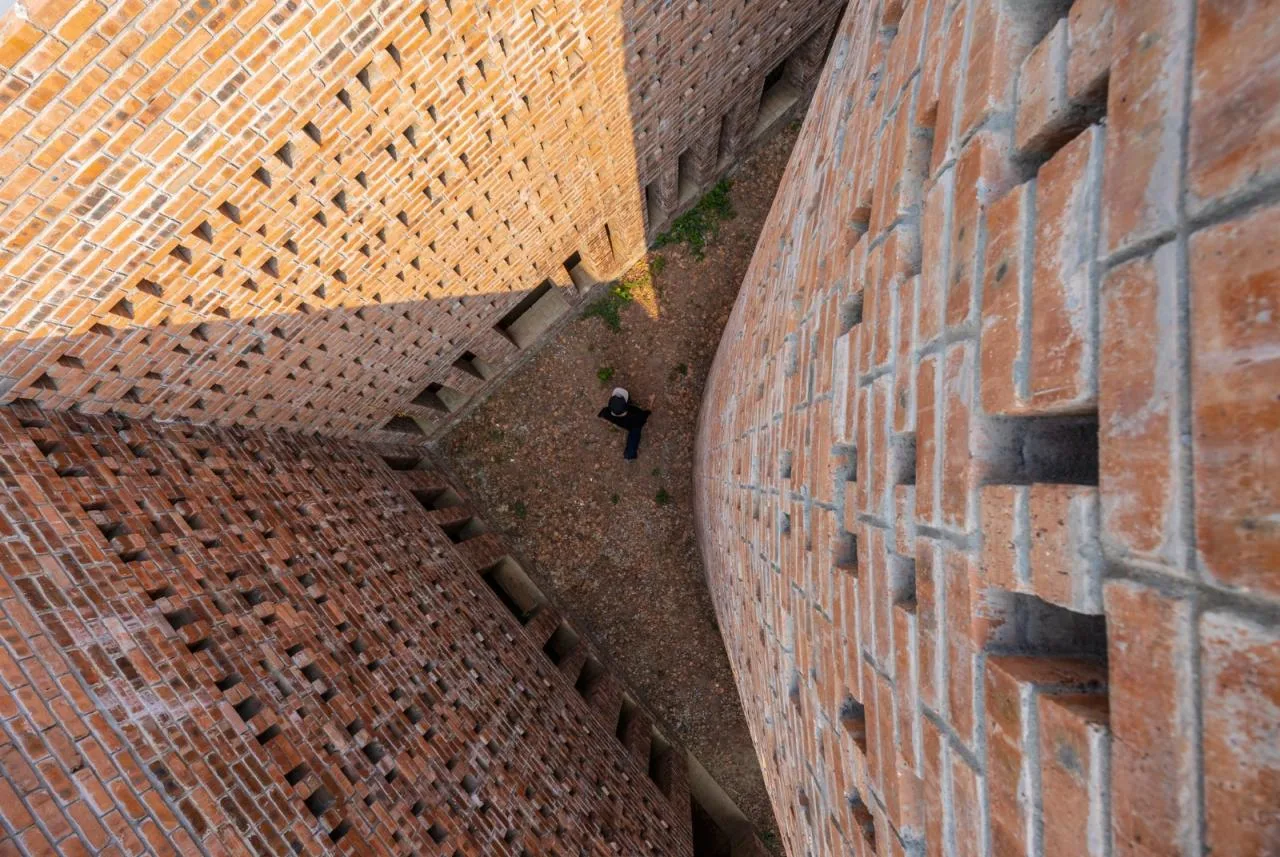
Two brick walls, each 5.4 meters high, divide the activity area into three main zones:
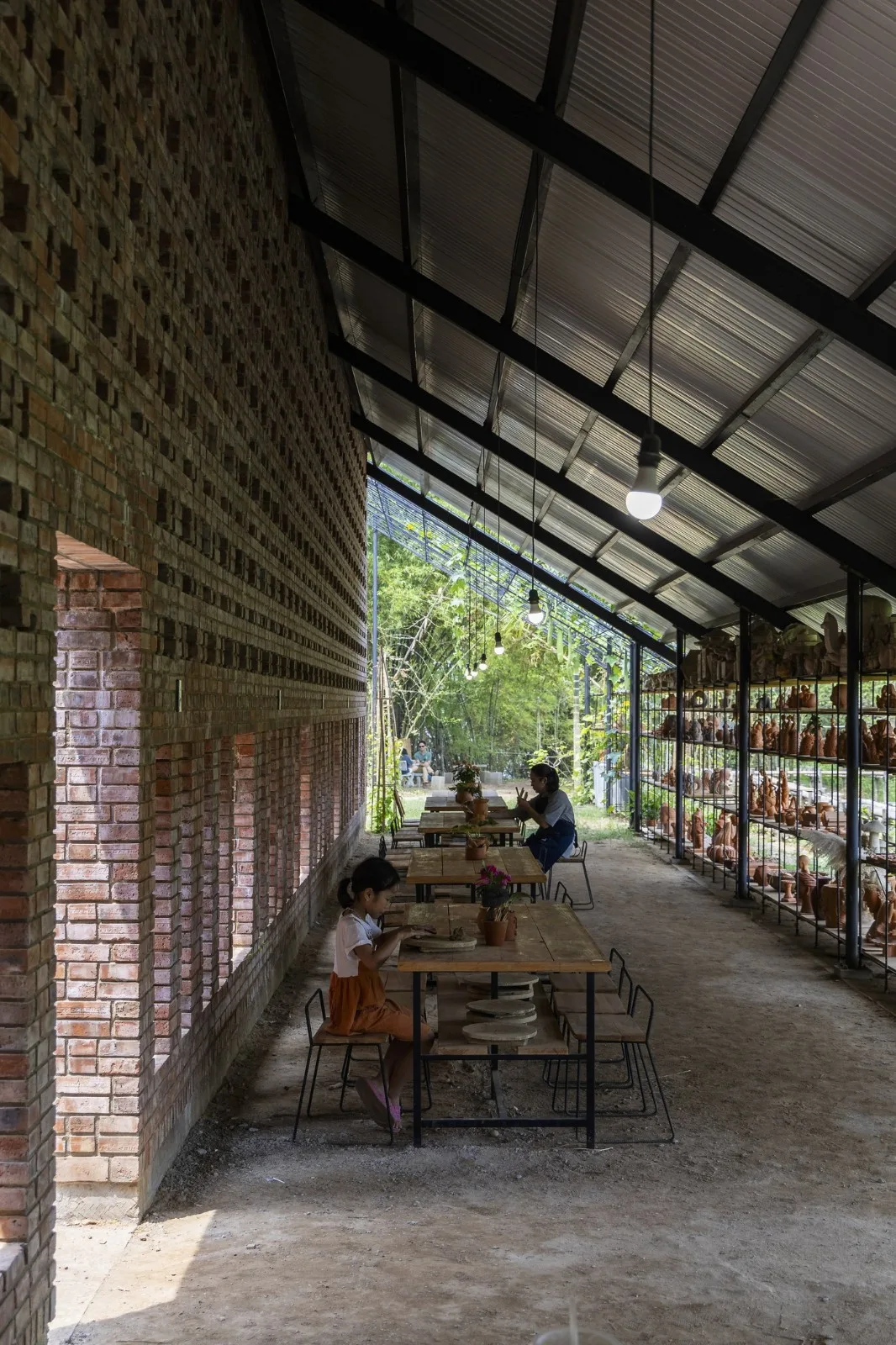
- Tourist Experience Area: Located outside along the long brick wall, this space connects to the Terracotta Warriors Studio through an outdoor passageway. Visitors can engage in hands-on activities like “touching clay,” creating souvenirs, and listening to craftsmen’s stories.
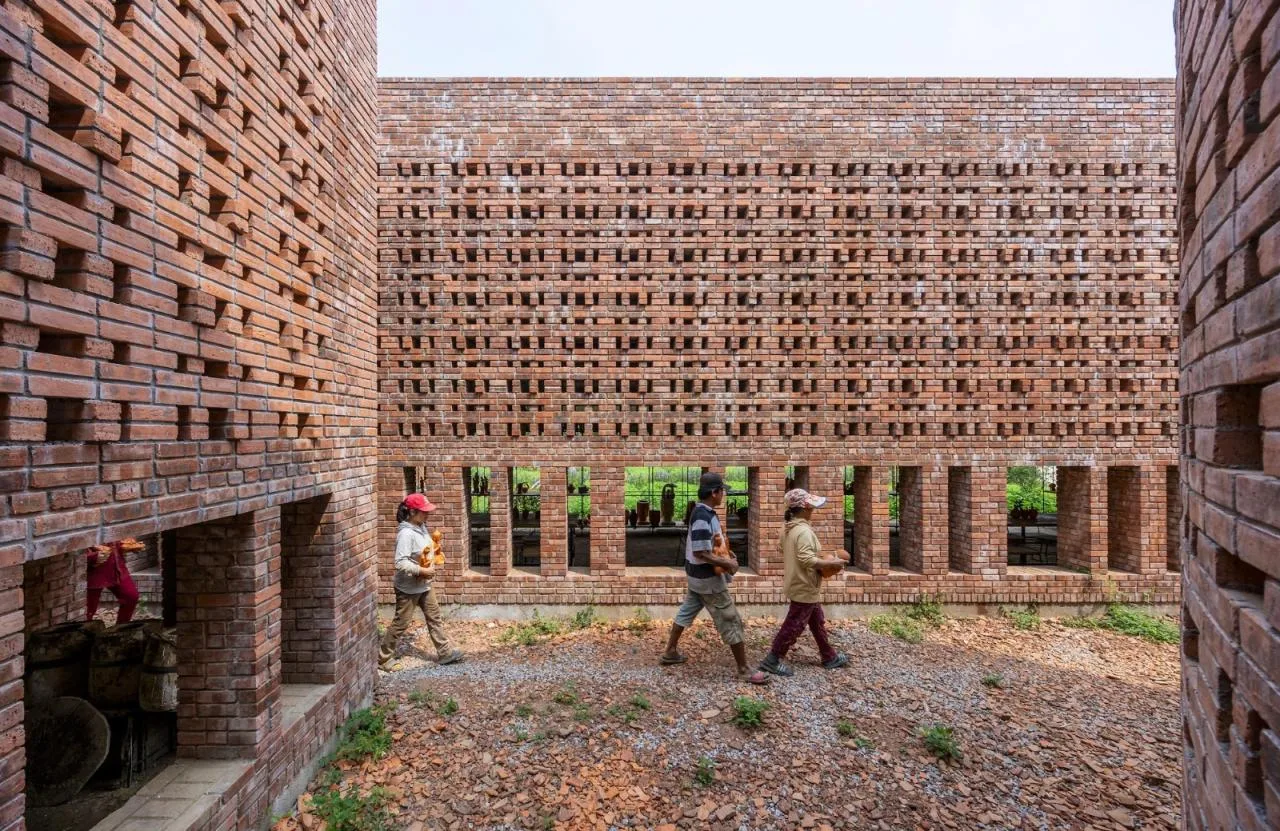
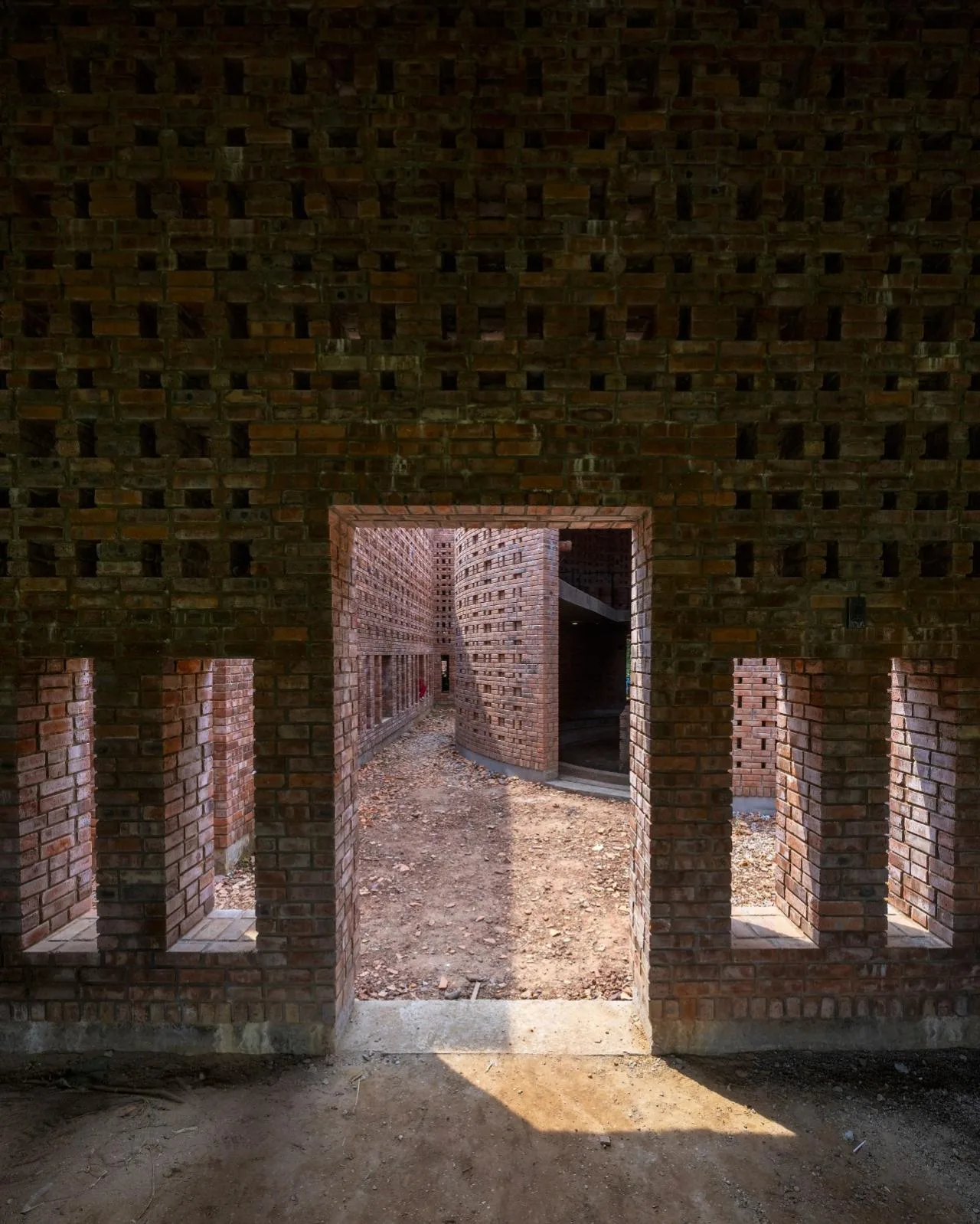
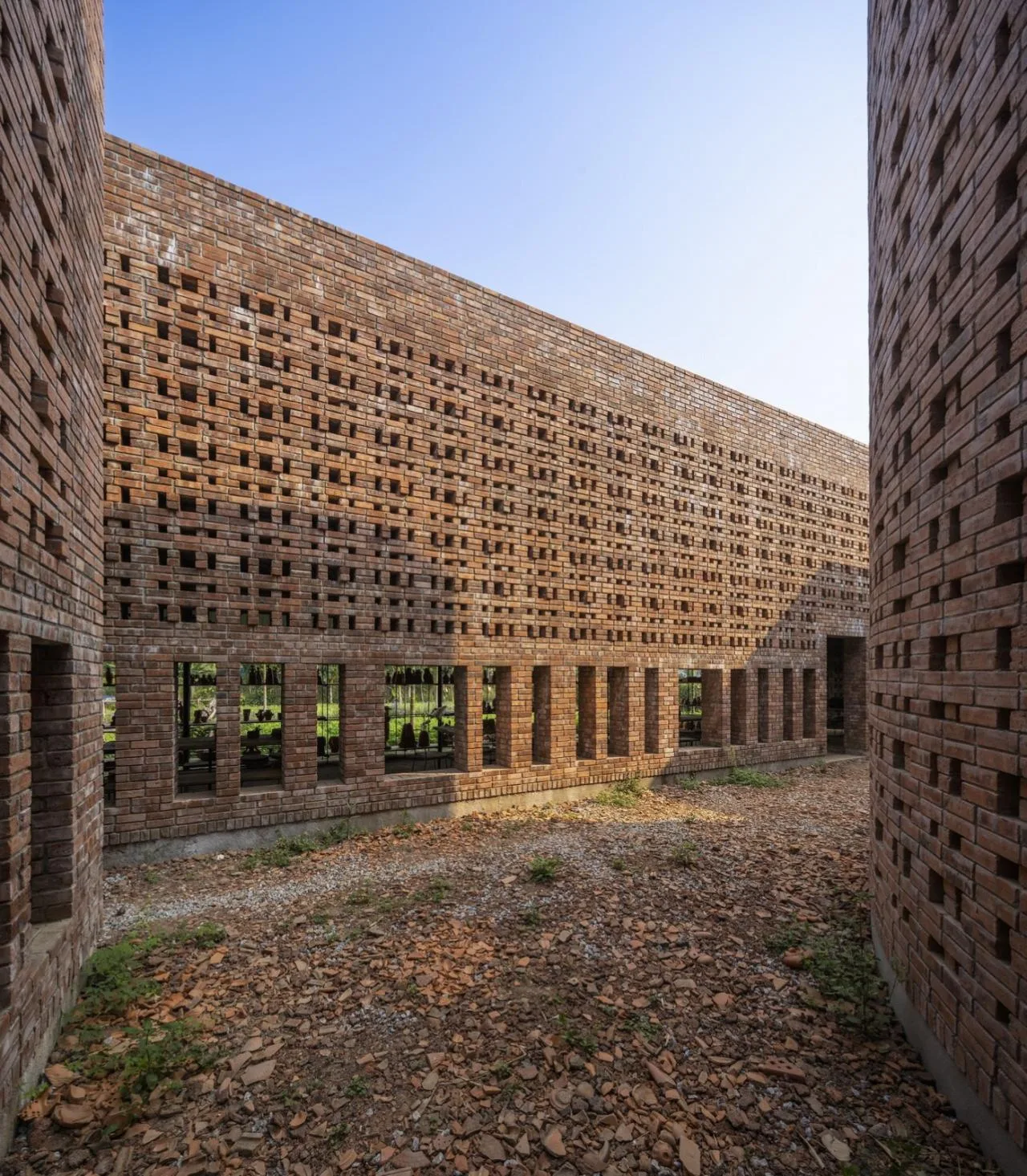
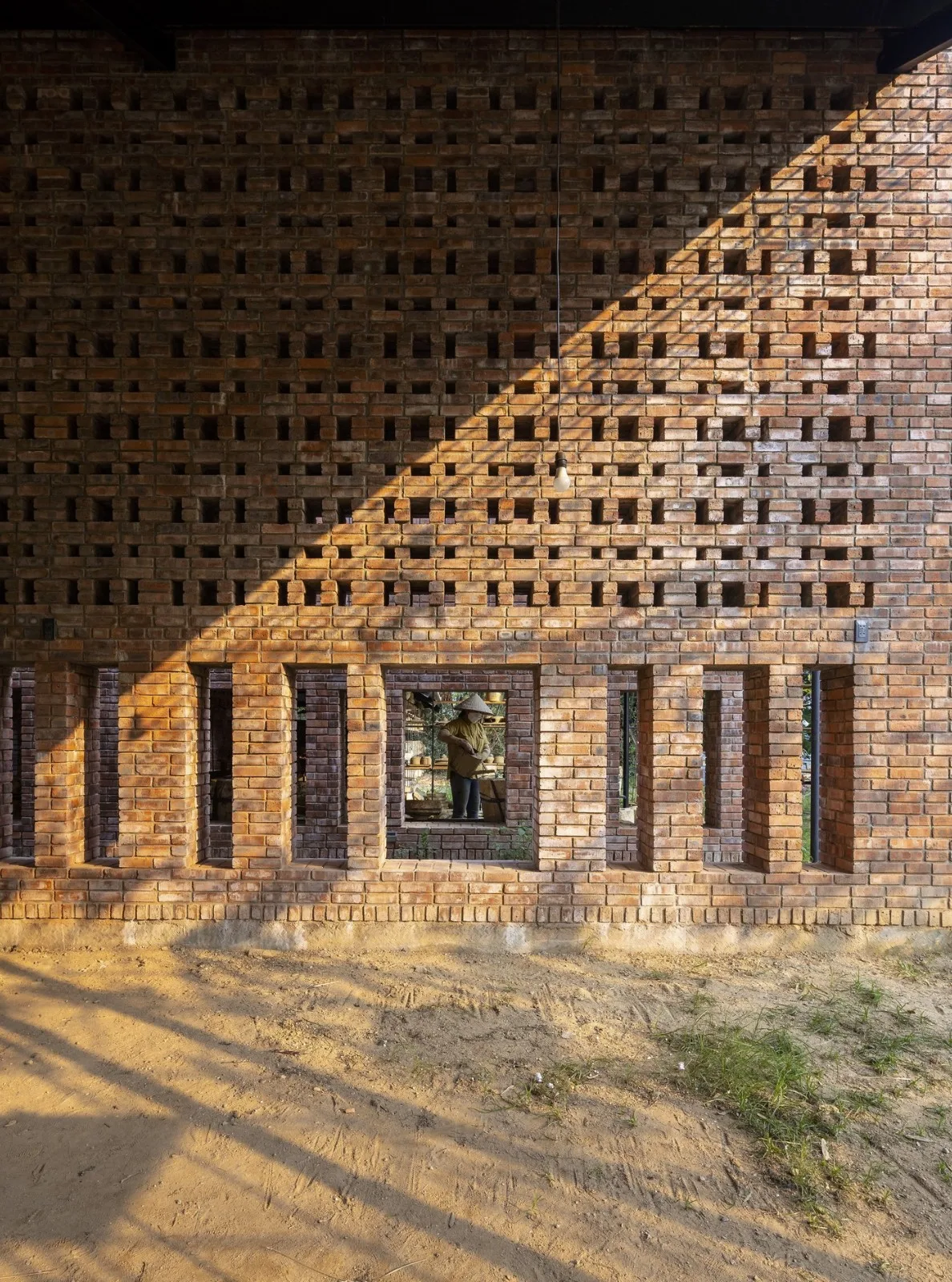
- Craftsmen’s Daily Work Area: Situated on one side of the riverbank, along the folding wall, this area features rammed earth flooring—a traditional Vietnamese construction technique—and hollow brick walls. These elements maintain natural humidity and create a seamless connection between the outdoors and the workspace.
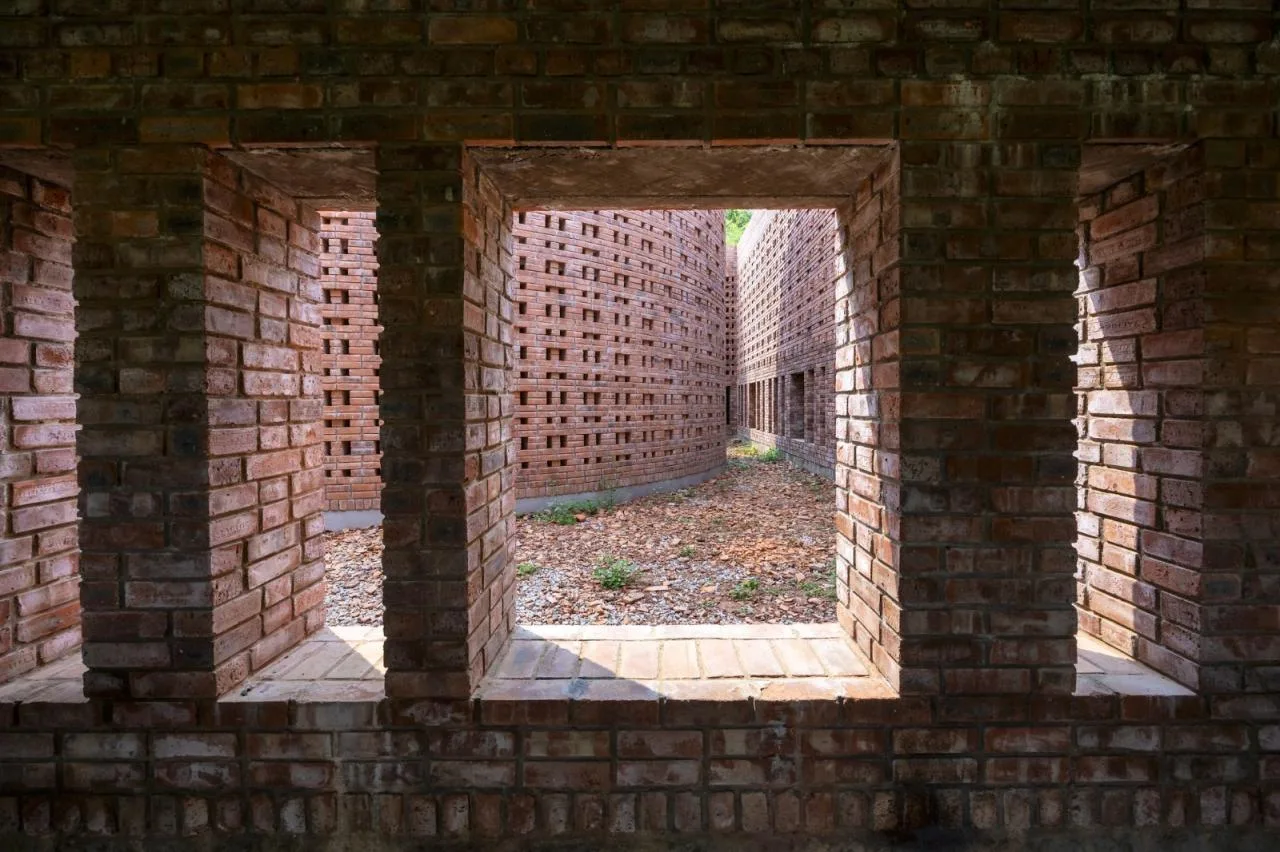
- Corridor and Kiln Space: Between the two zones lies a long corridor and the main kiln. Crushed brick slag, leftover products, and firing residues are repurposed as a decorative surface covering the courtyard, allowing visitors to hear the subtle sounds of clay beneath their feet. This area offers a unique sensory introduction to the workshop, bridging the raw material experience with the finished, carefully arranged sculptures. Scattered fragments of decorative statues remind visitors of the ongoing creative process.
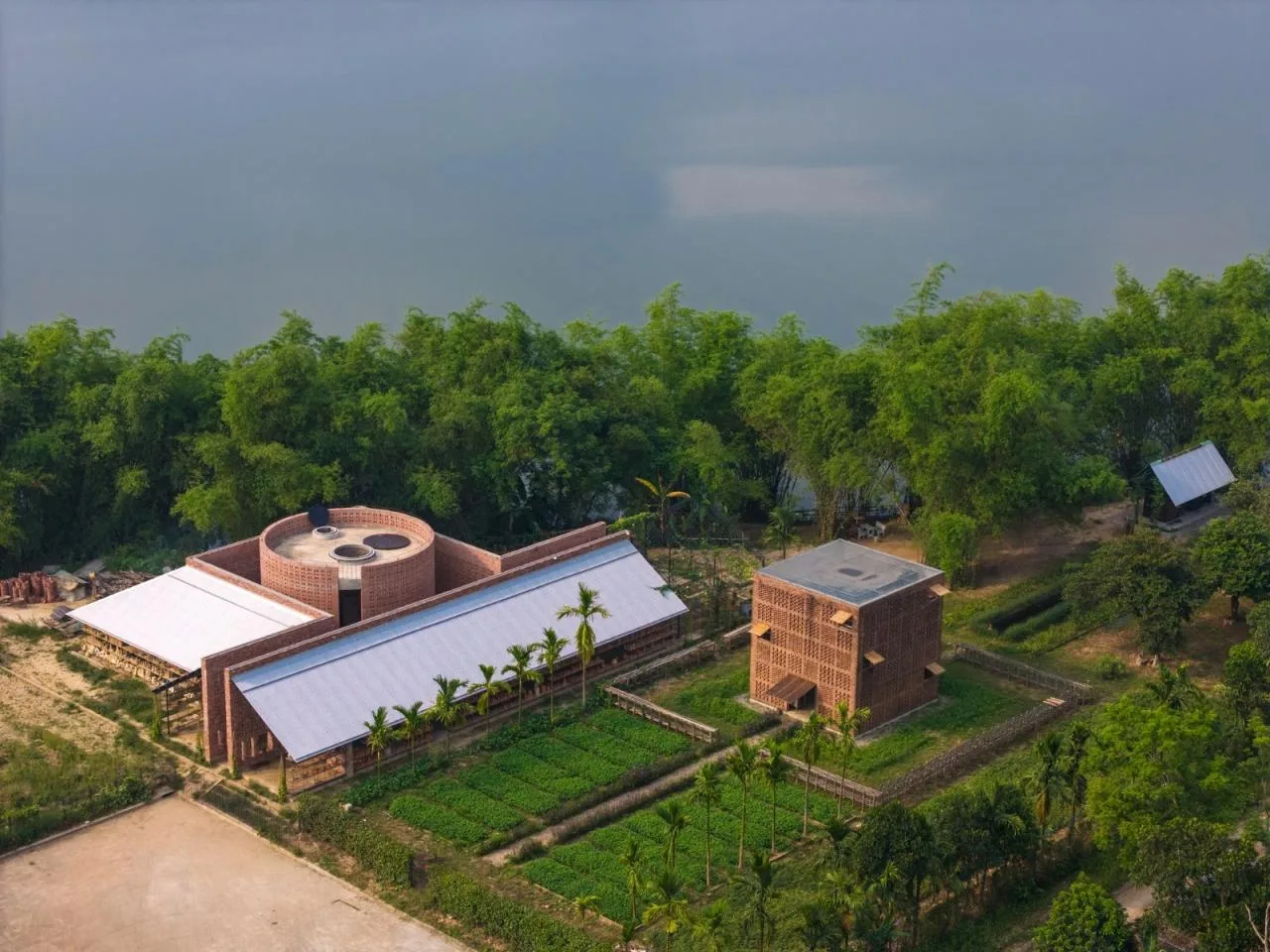
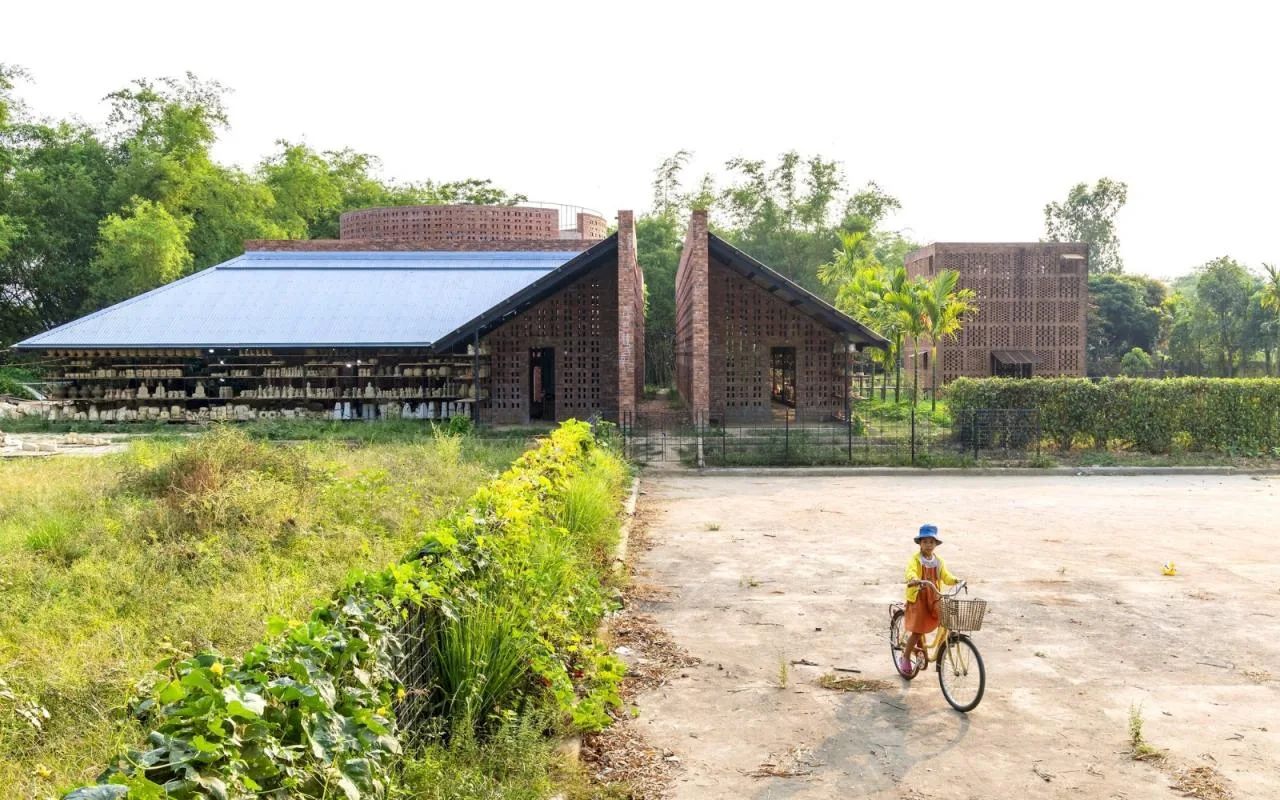
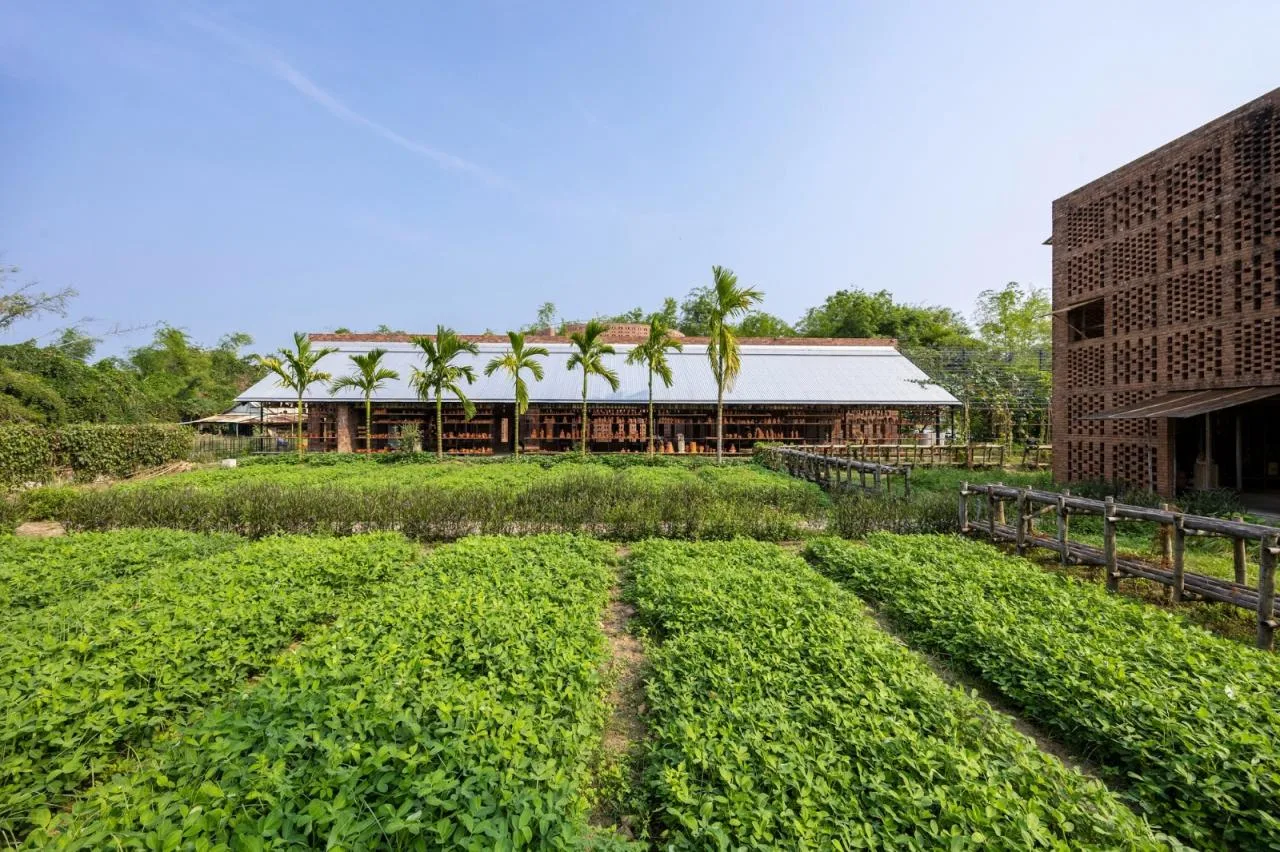
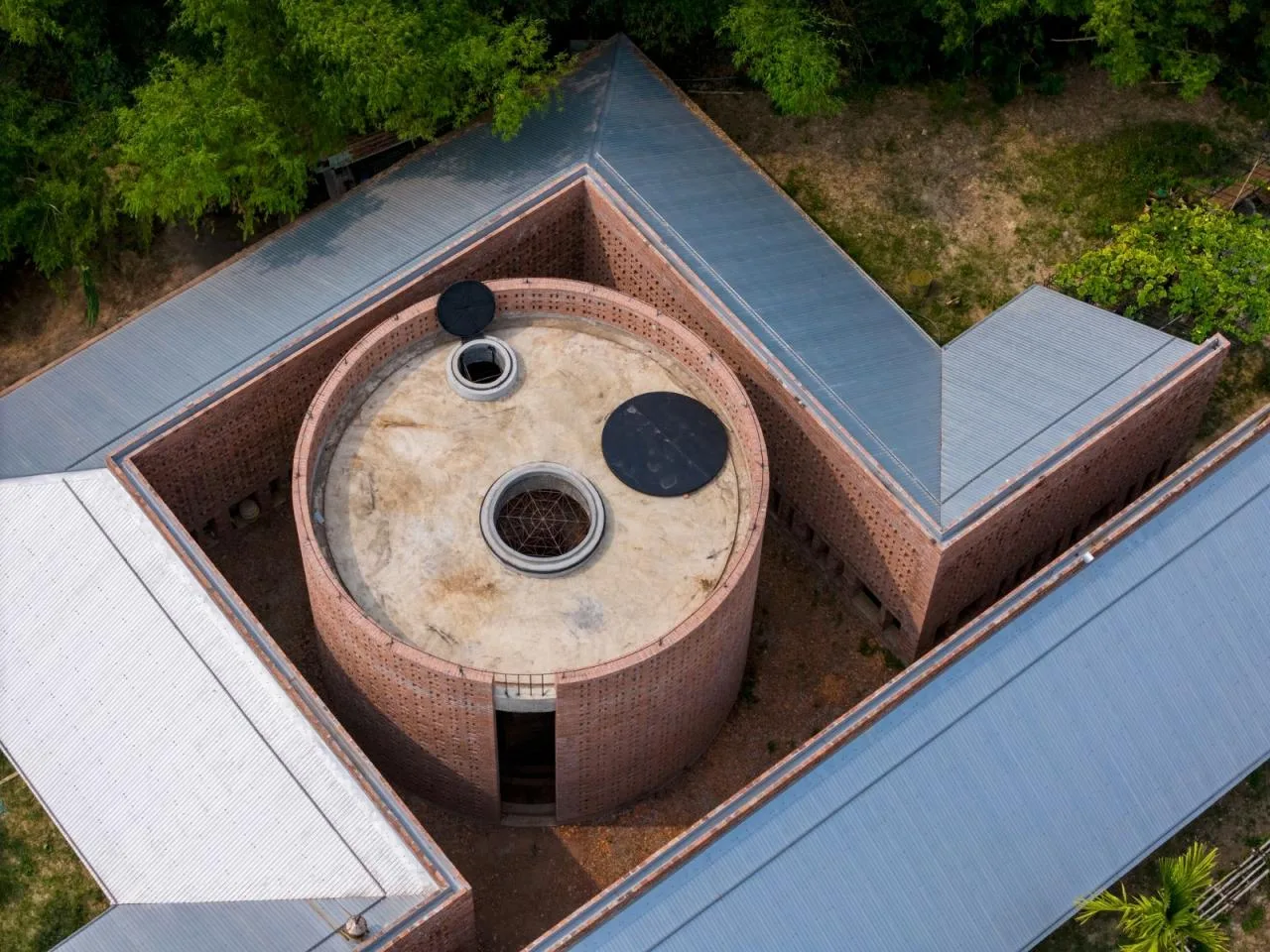
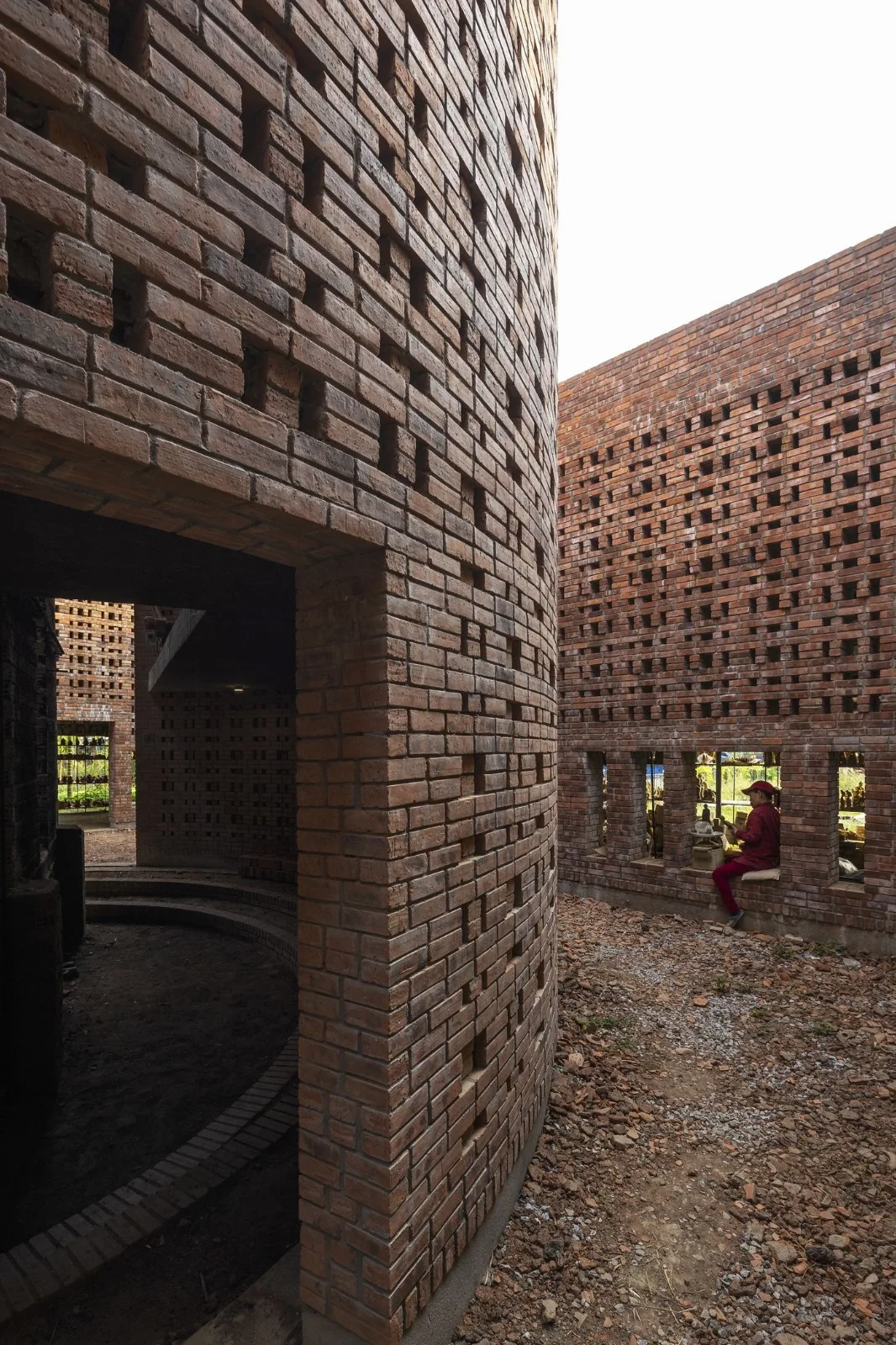
The brick walls provide shade and promote airflow, while a row of low windows restricts the angle of sunlight entering the space. These walls not only divide the areas but also connect different parts of the building. When seated, visitors can look through the low openings aligned with their eye level, allowing them to observe various corners of the pottery workshop. This visual connection extends beyond the studio to the surrounding landscape, gardens, clay studios, and bamboo groves along the river.
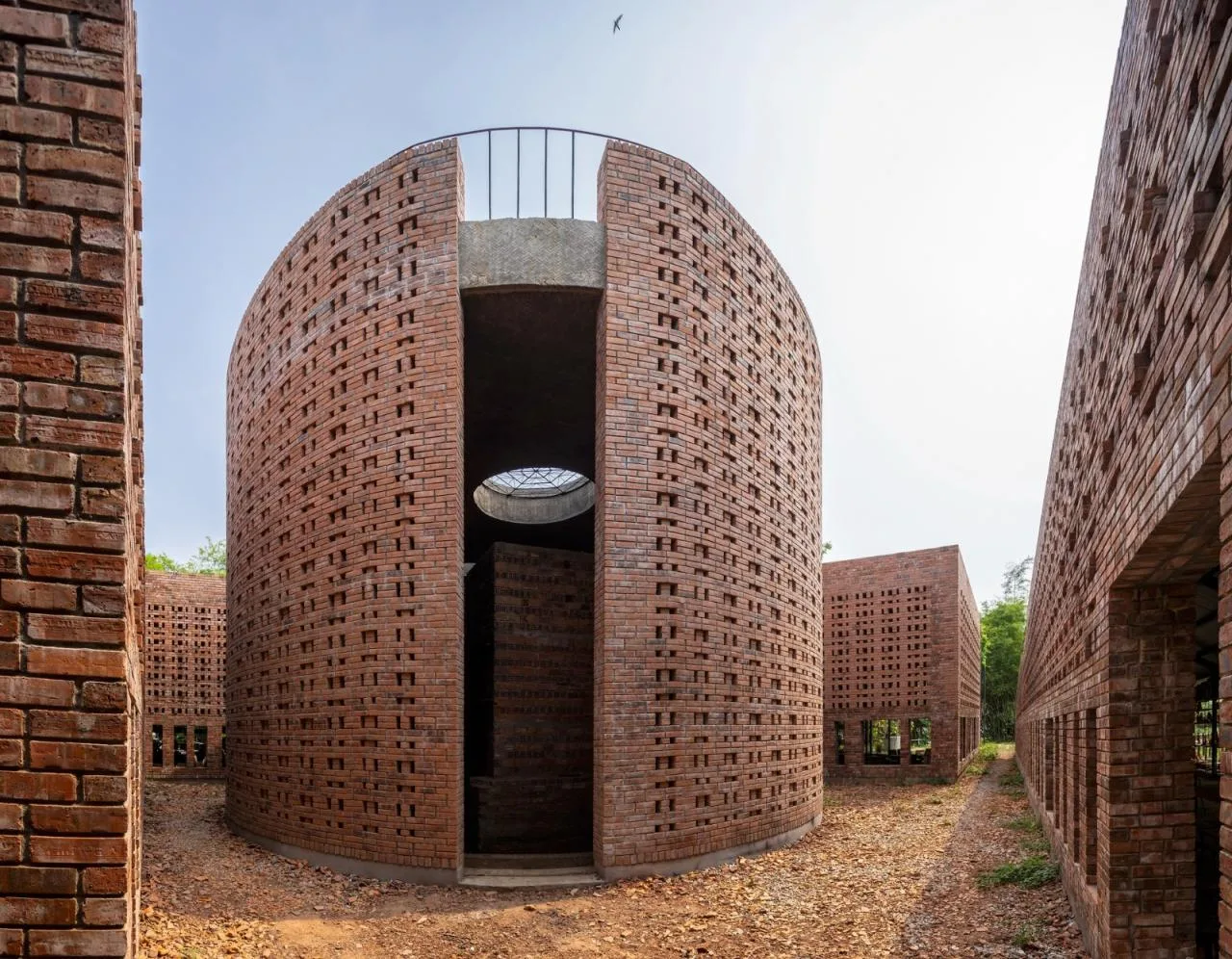
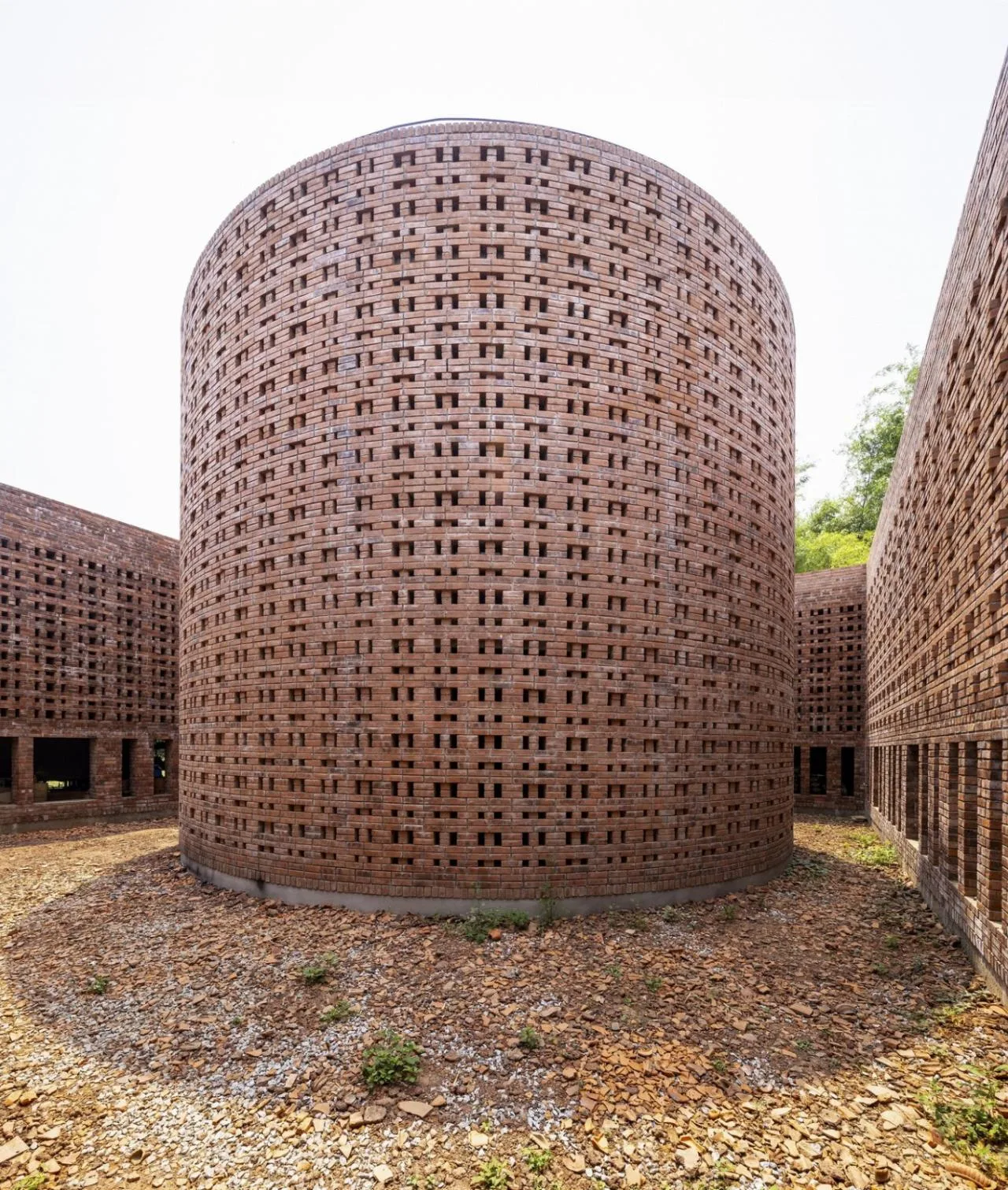
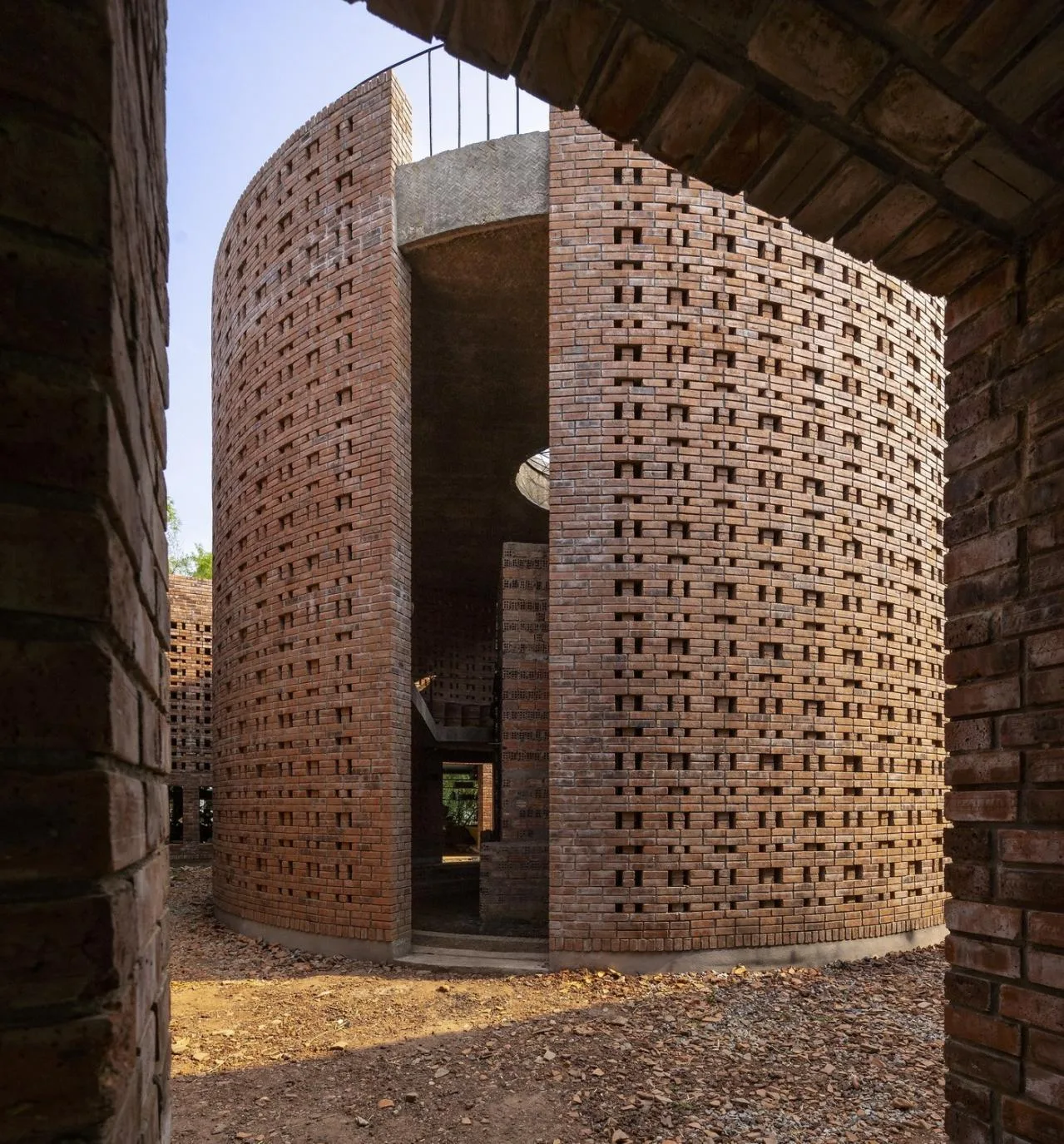
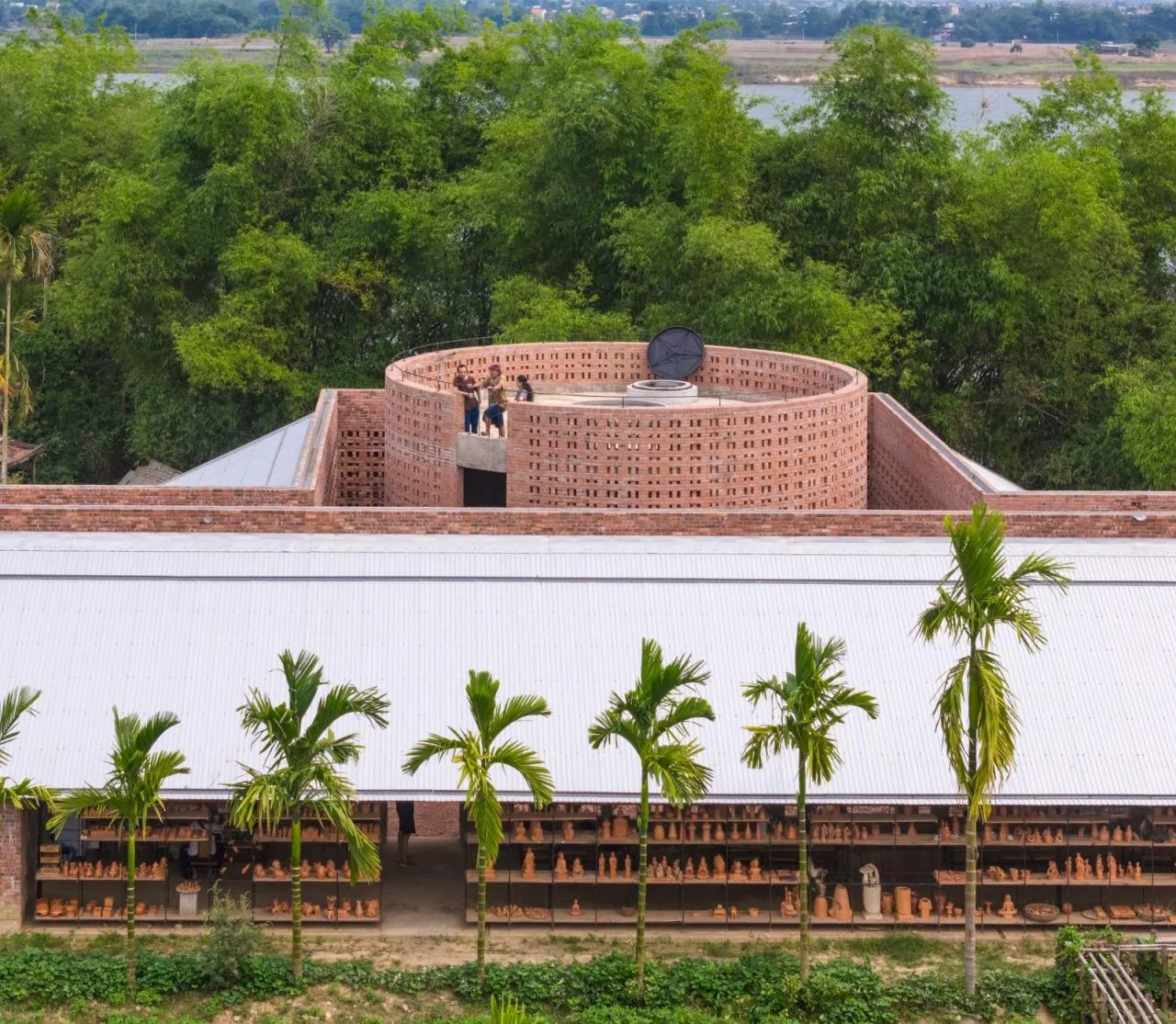
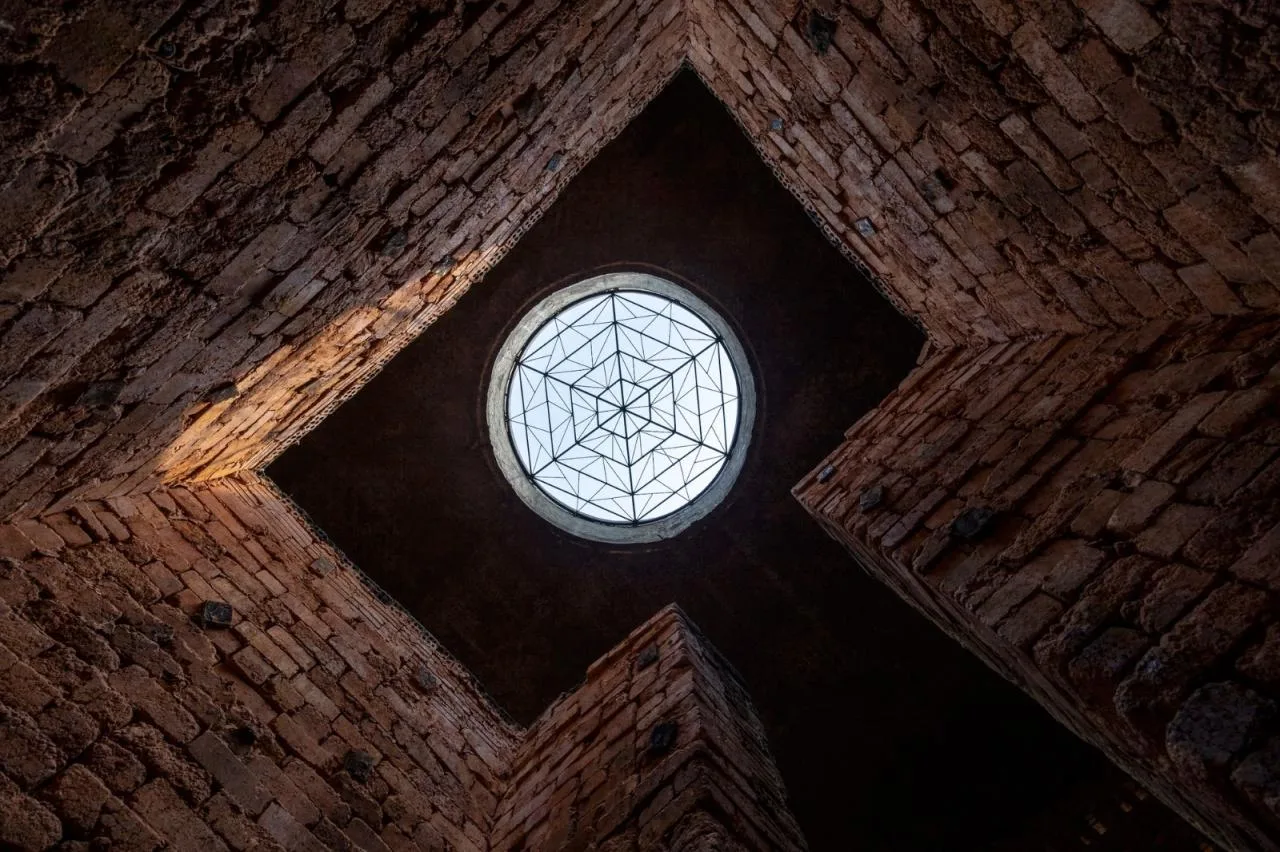
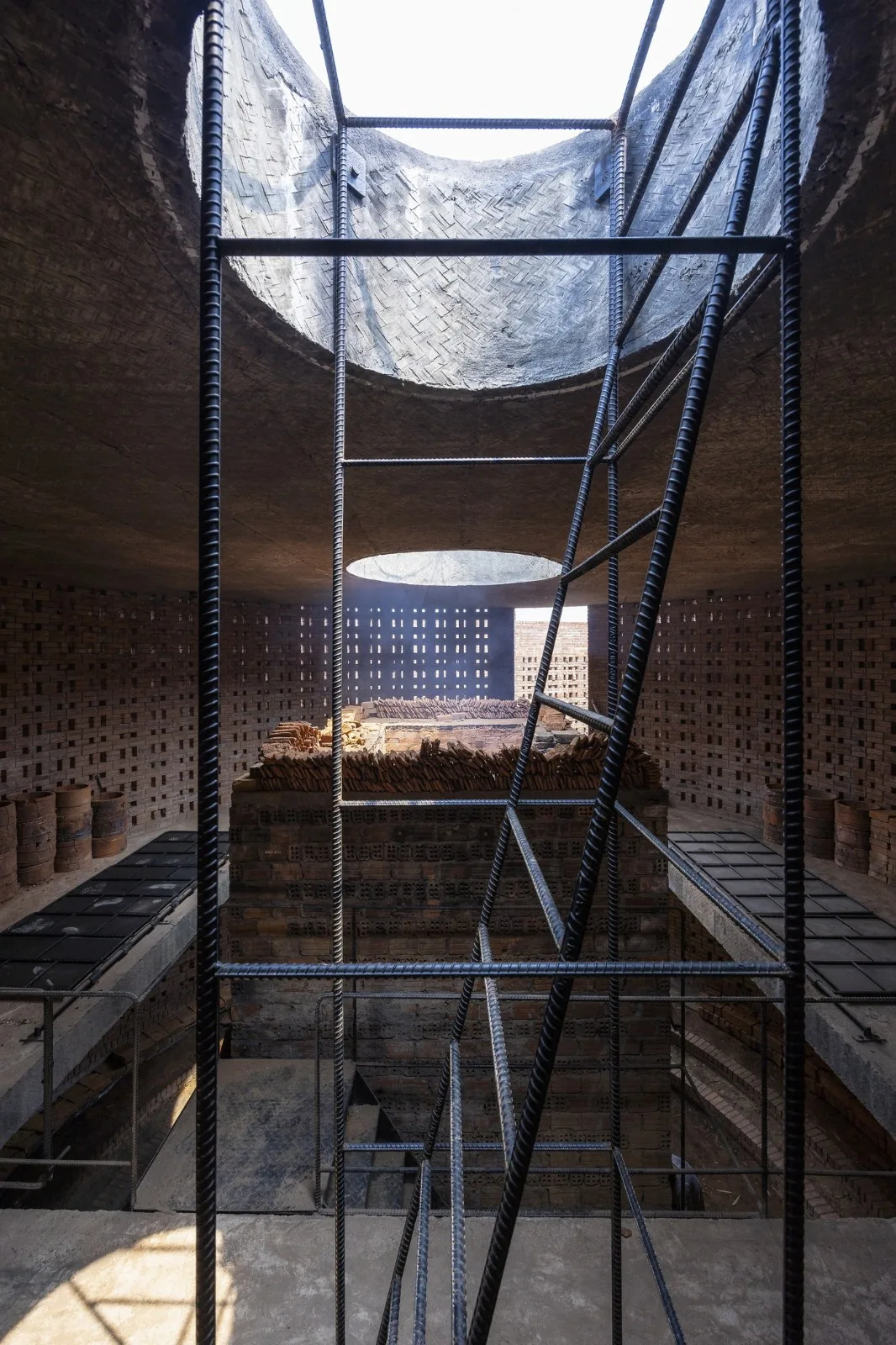
Circular walls enclose the old cave dwellings, creating a simple, cohesive block seamlessly integrated with the surrounding flat walls. Inside the kiln, the architectural space offers a chance to showcase activities that were previously hidden. The structure narrates the journey of clay from its first step—moving clay pieces into the kiln—to adding firewood and charcoal, observing white smoke escaping through the skylight during firing, and finally witnessing the transformation into the finished product.
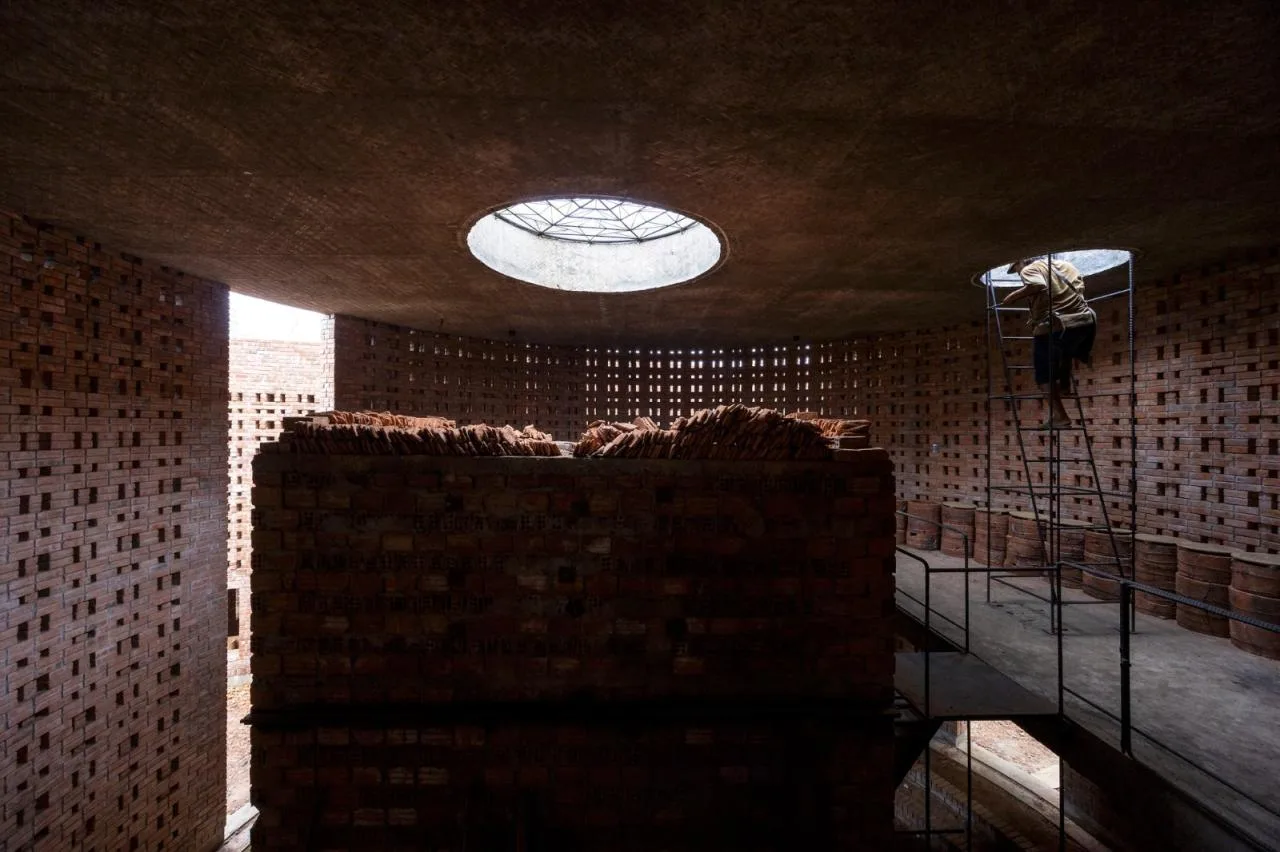
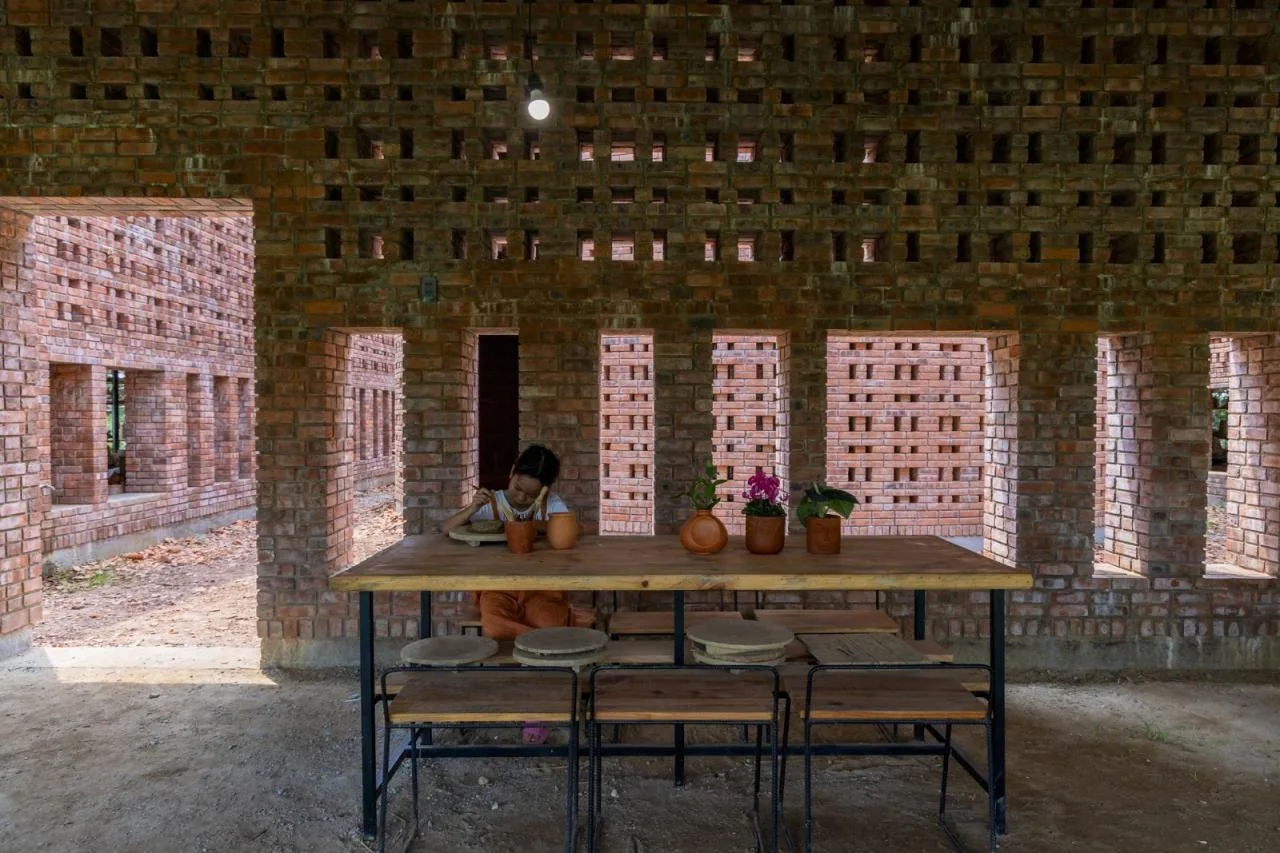
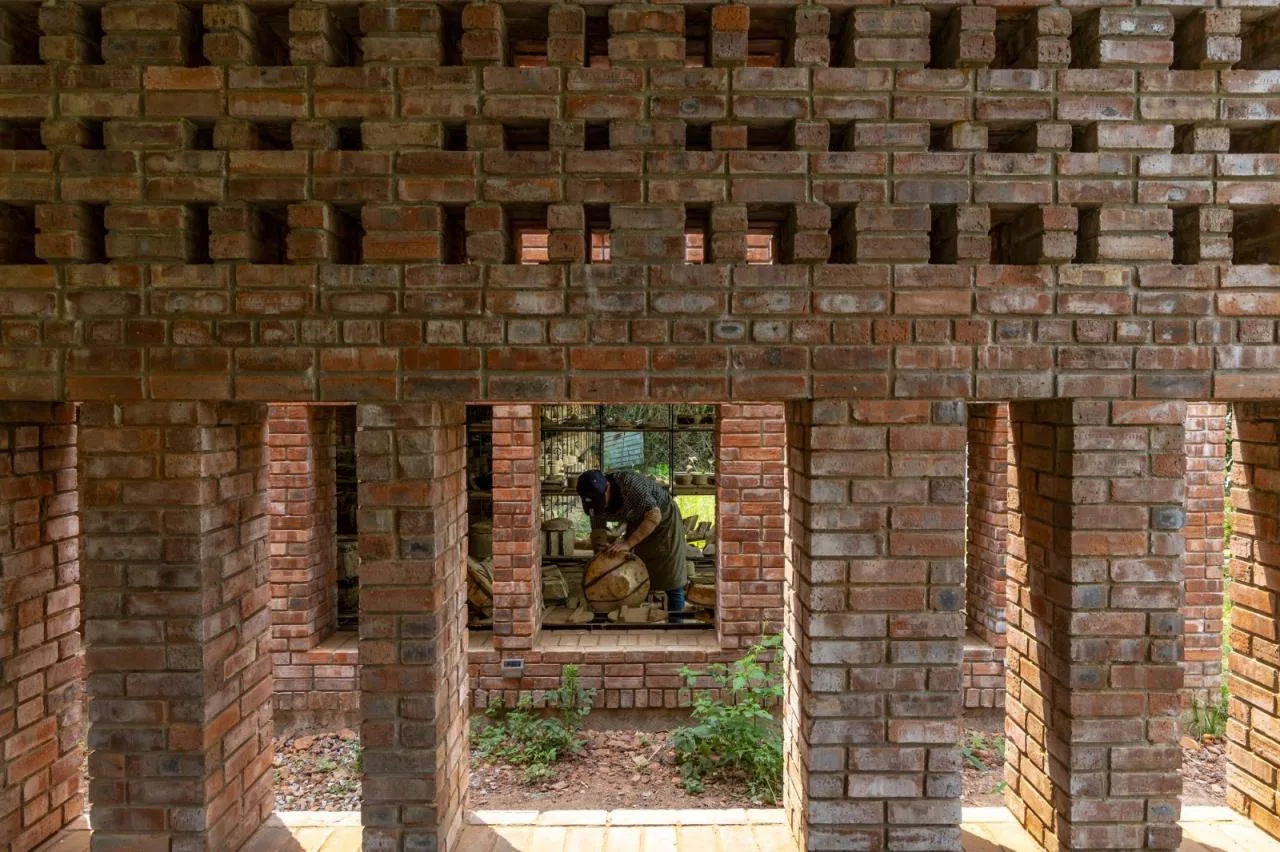
Architecture here has become an “organic” part of the daily workshop activities and the surrounding environment.
Project Drawings
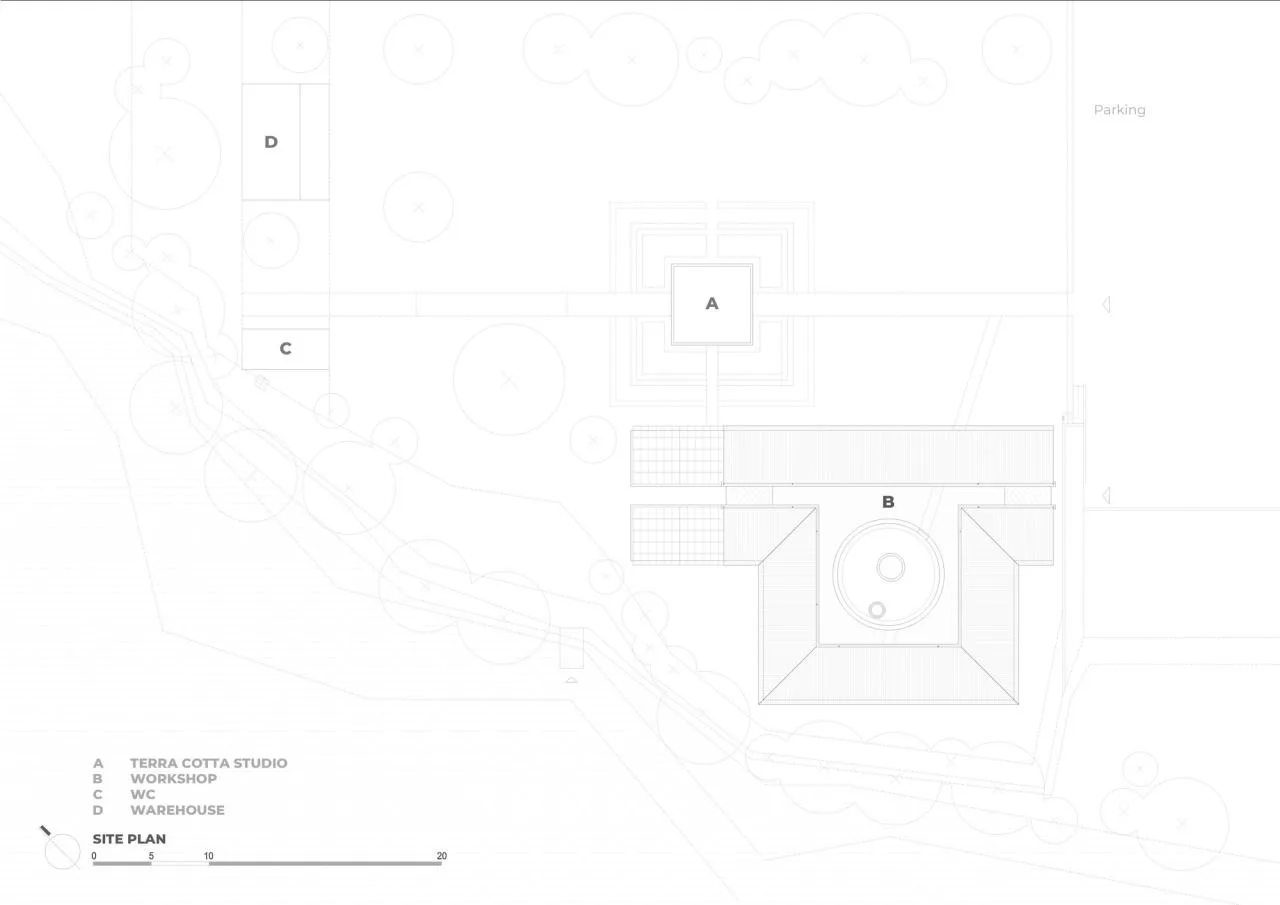
△ General Layout Plan
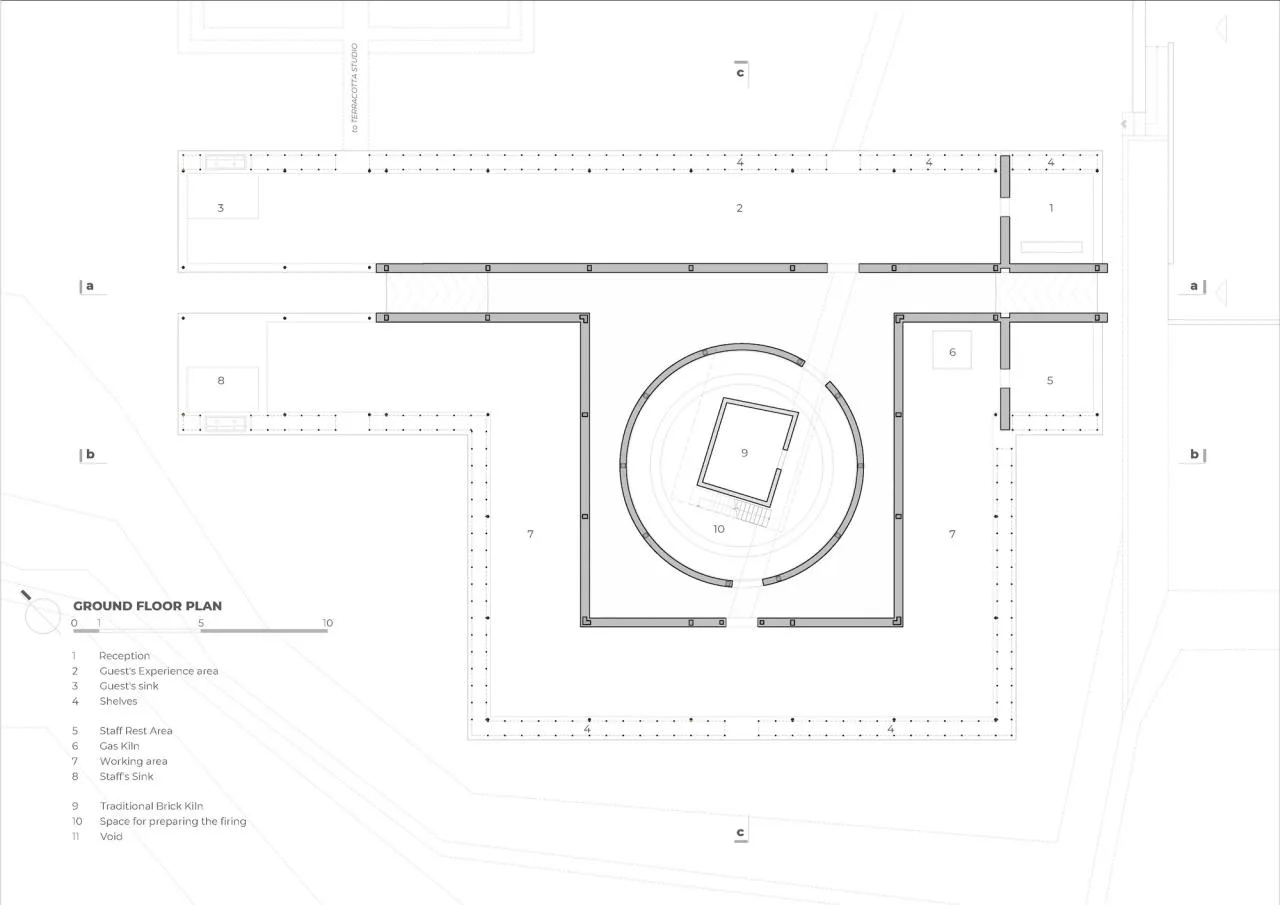
△ First Floor Plan
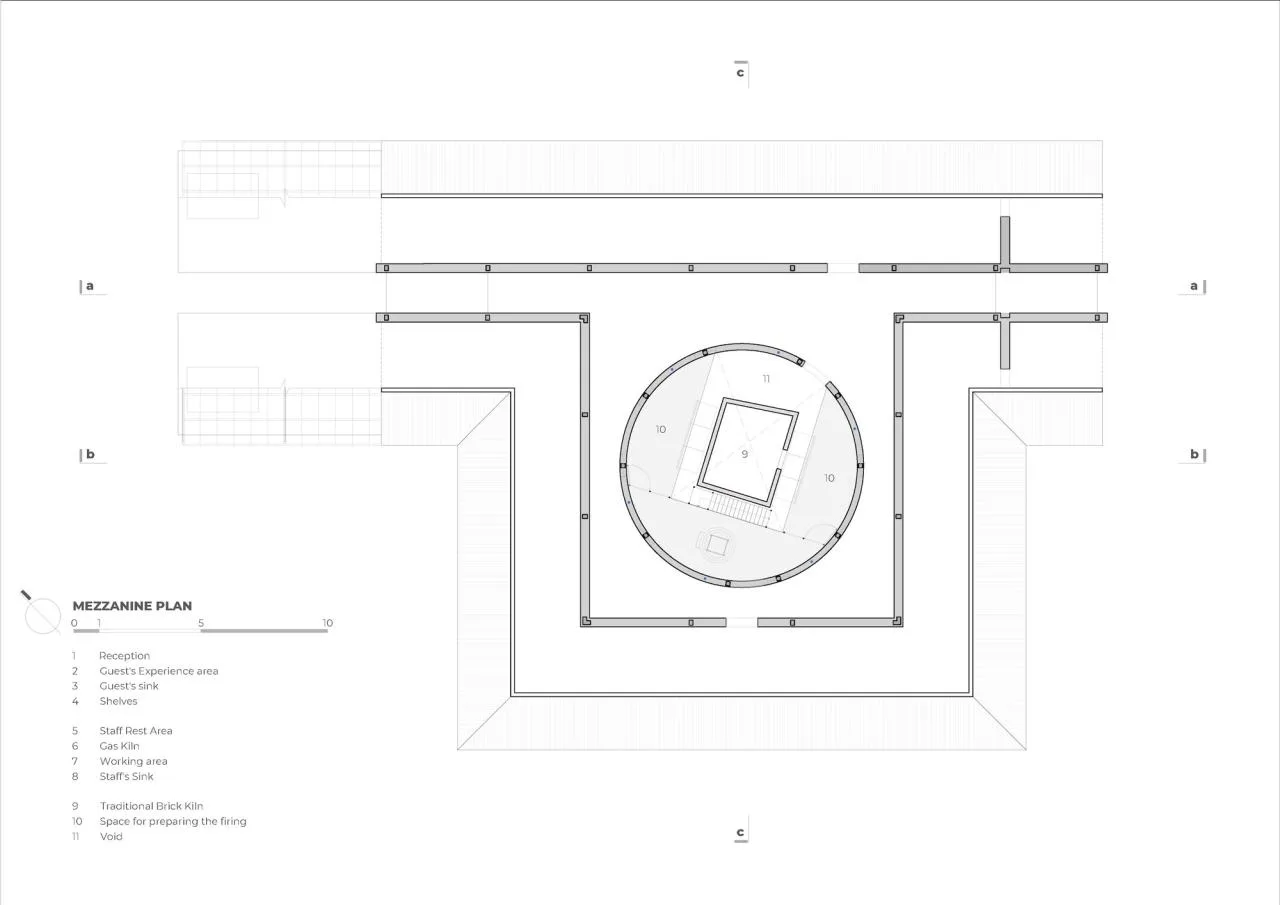
△ Mezzanine Plan
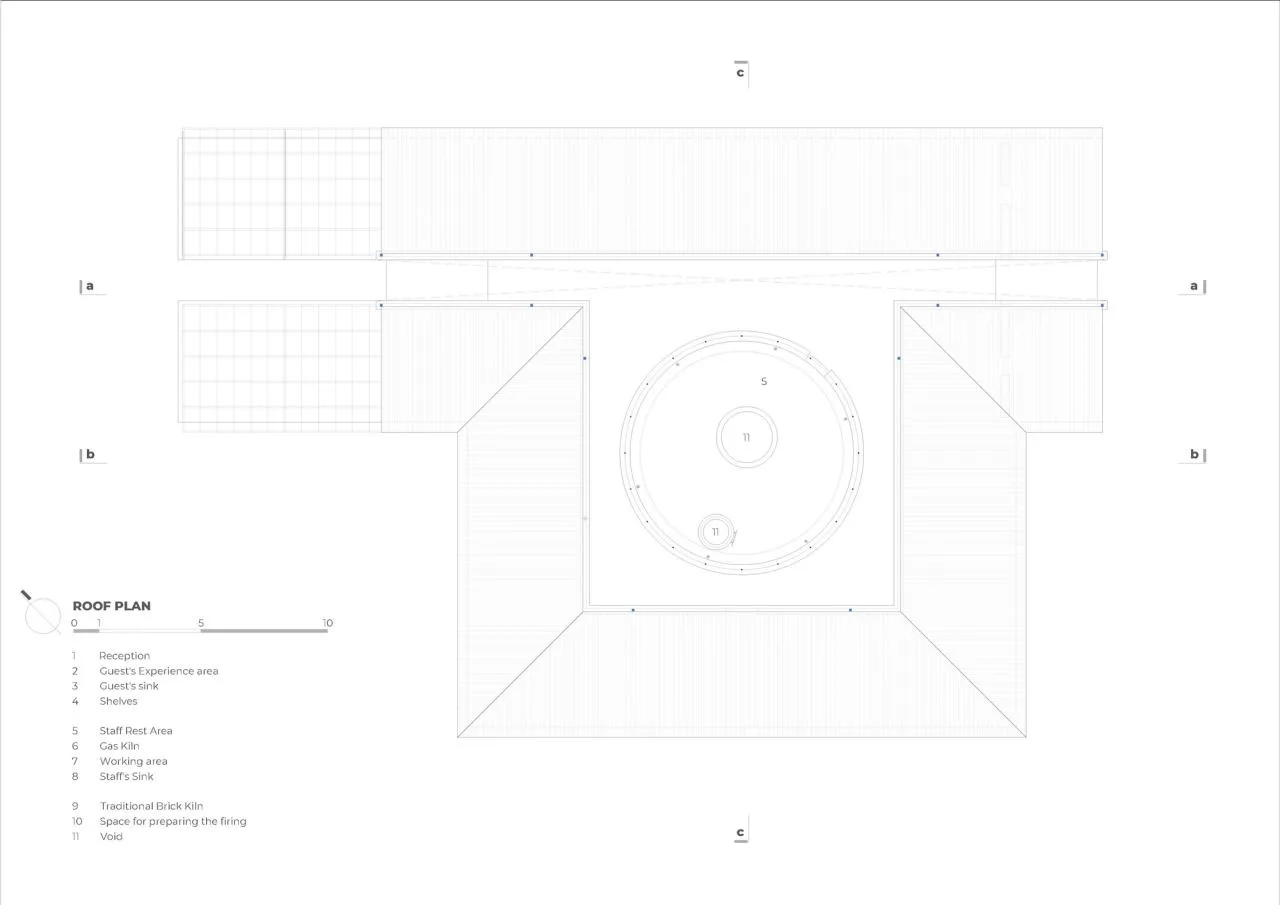
△ Roof Plan
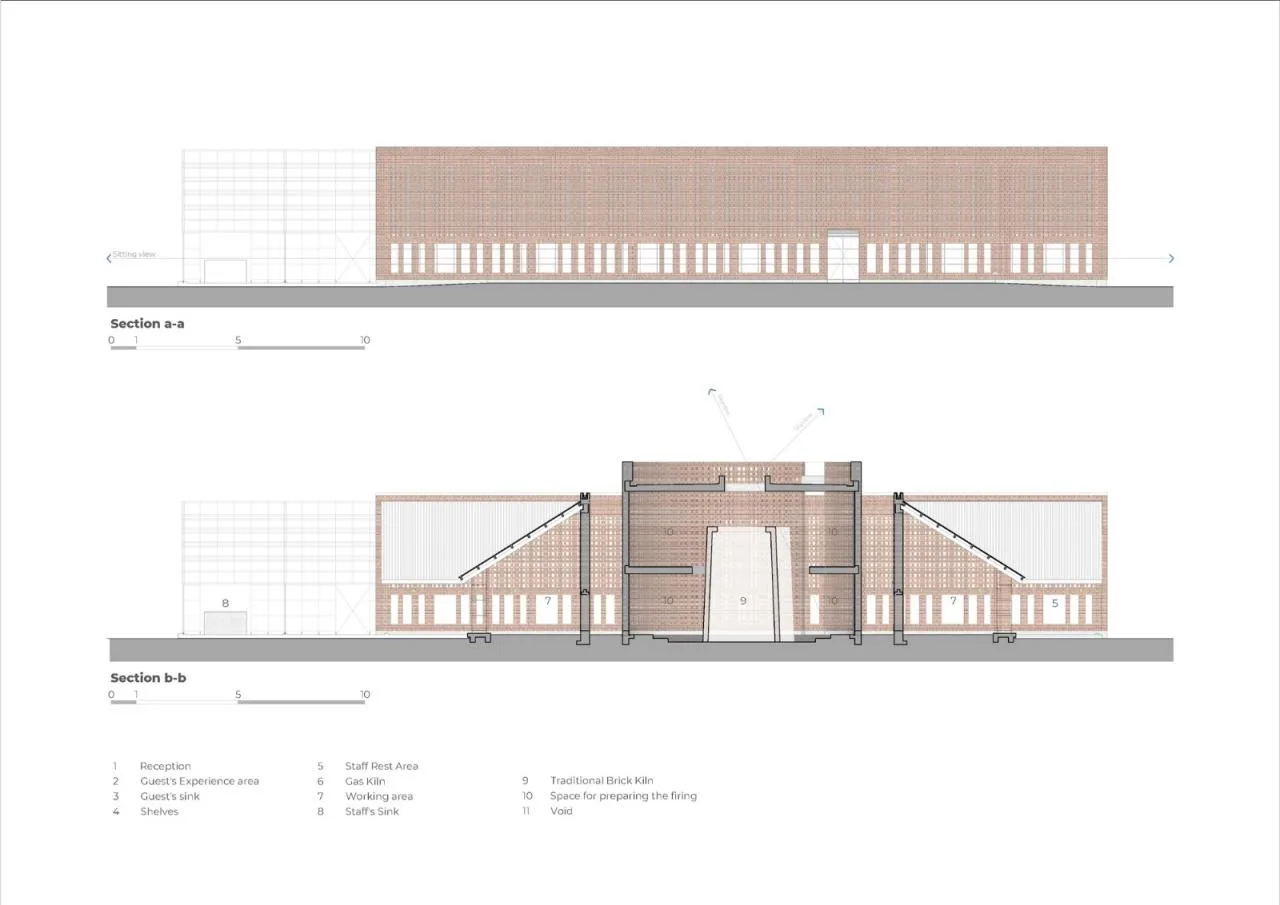
△ Section Diagram
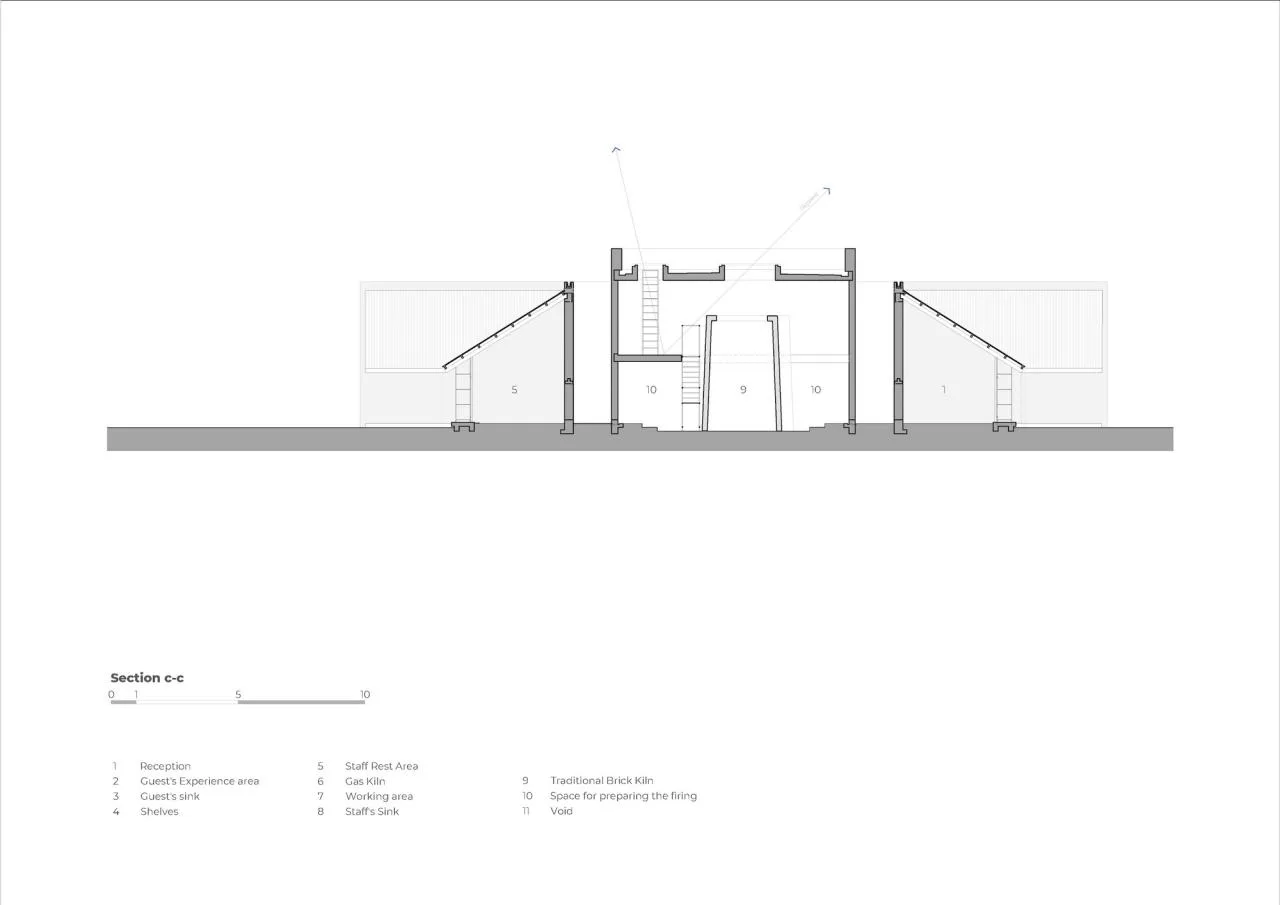
△ Section Diagram
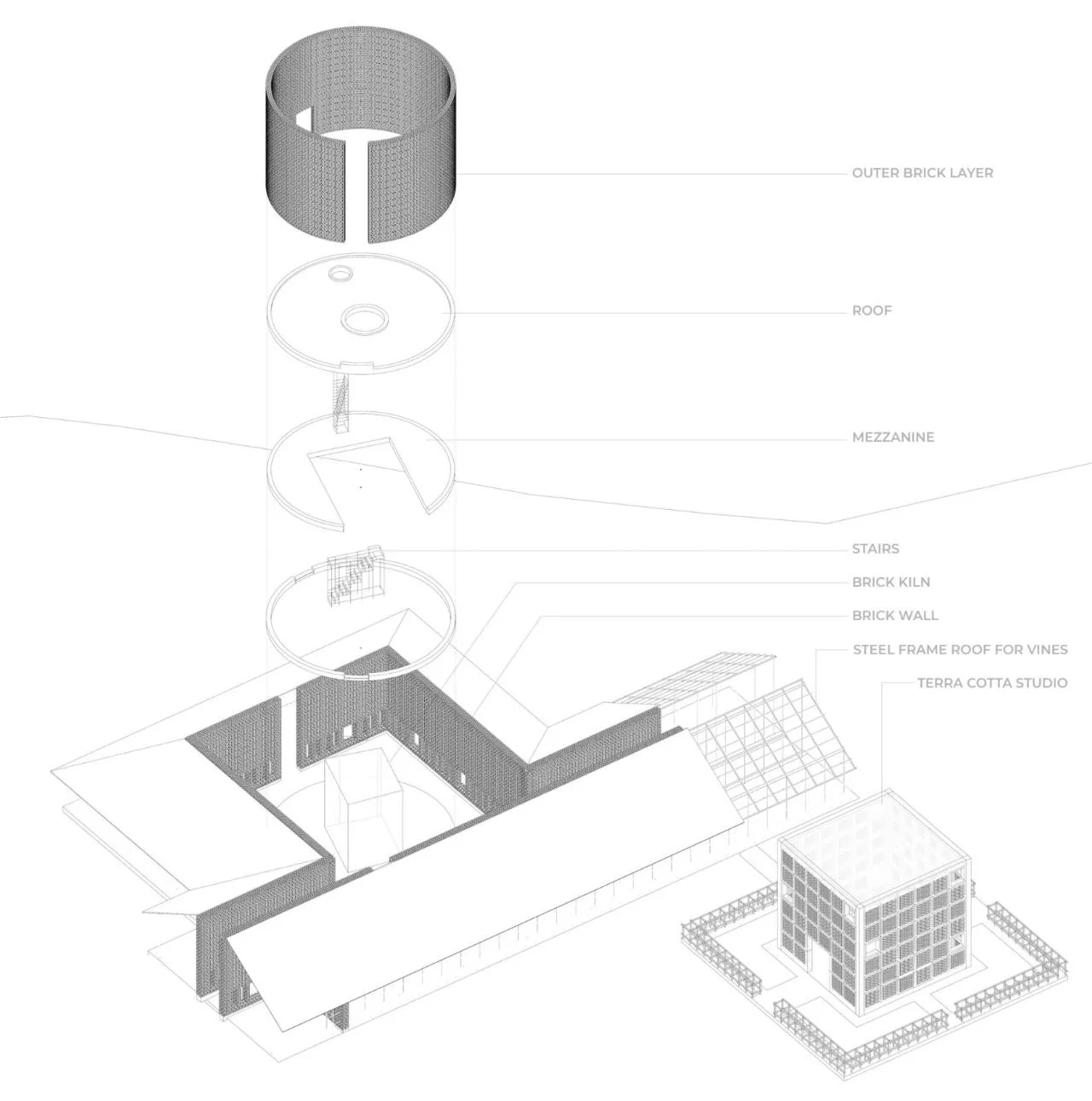
△ Exploded Diagram
Project Information
Architect: Tropical Space
Area: 682 m²
Year: 2023
Photographer: Trieu Chien
Engineer: Bach Ngoc Hoang
Location: Hoi An, Vietnam













Must log in before commenting!
Sign Up