
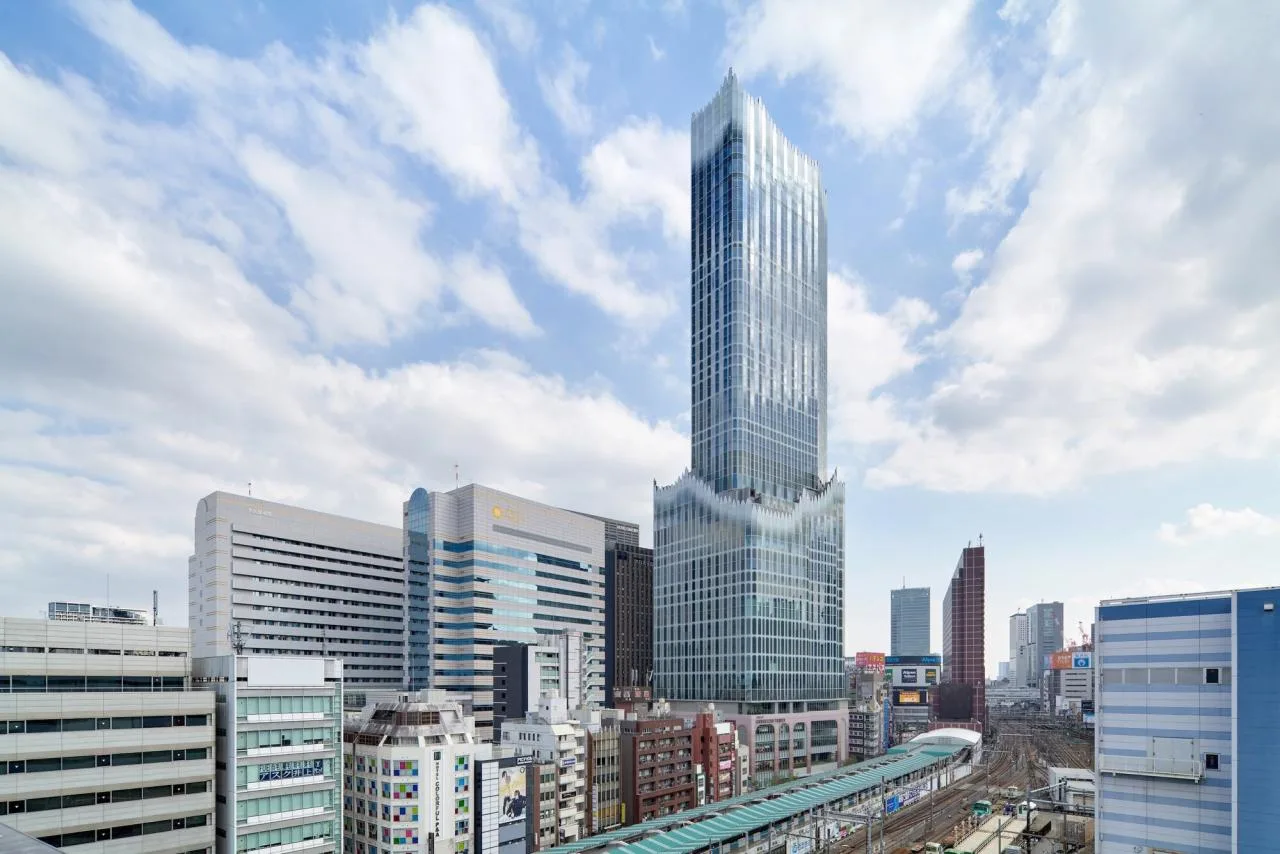
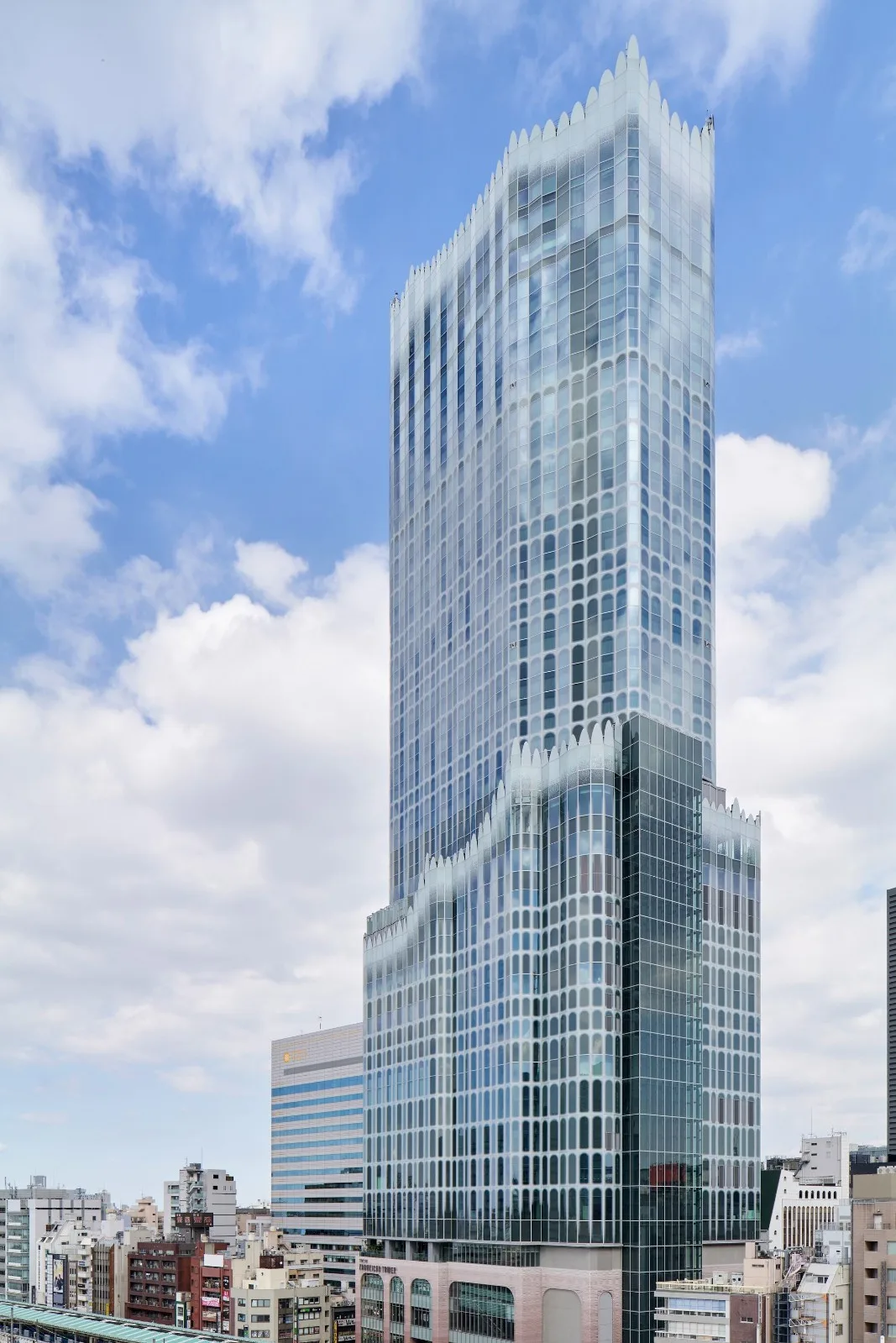
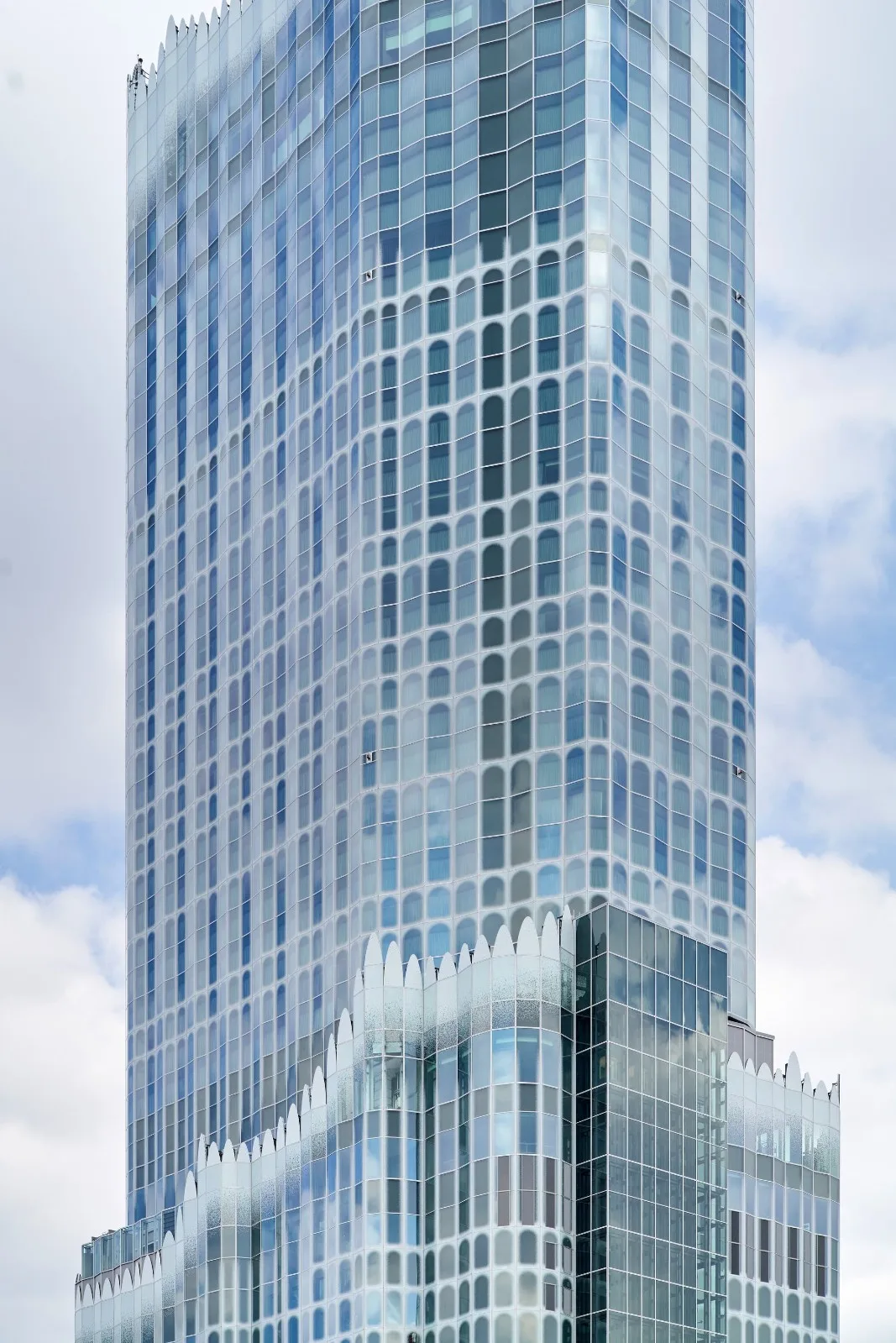
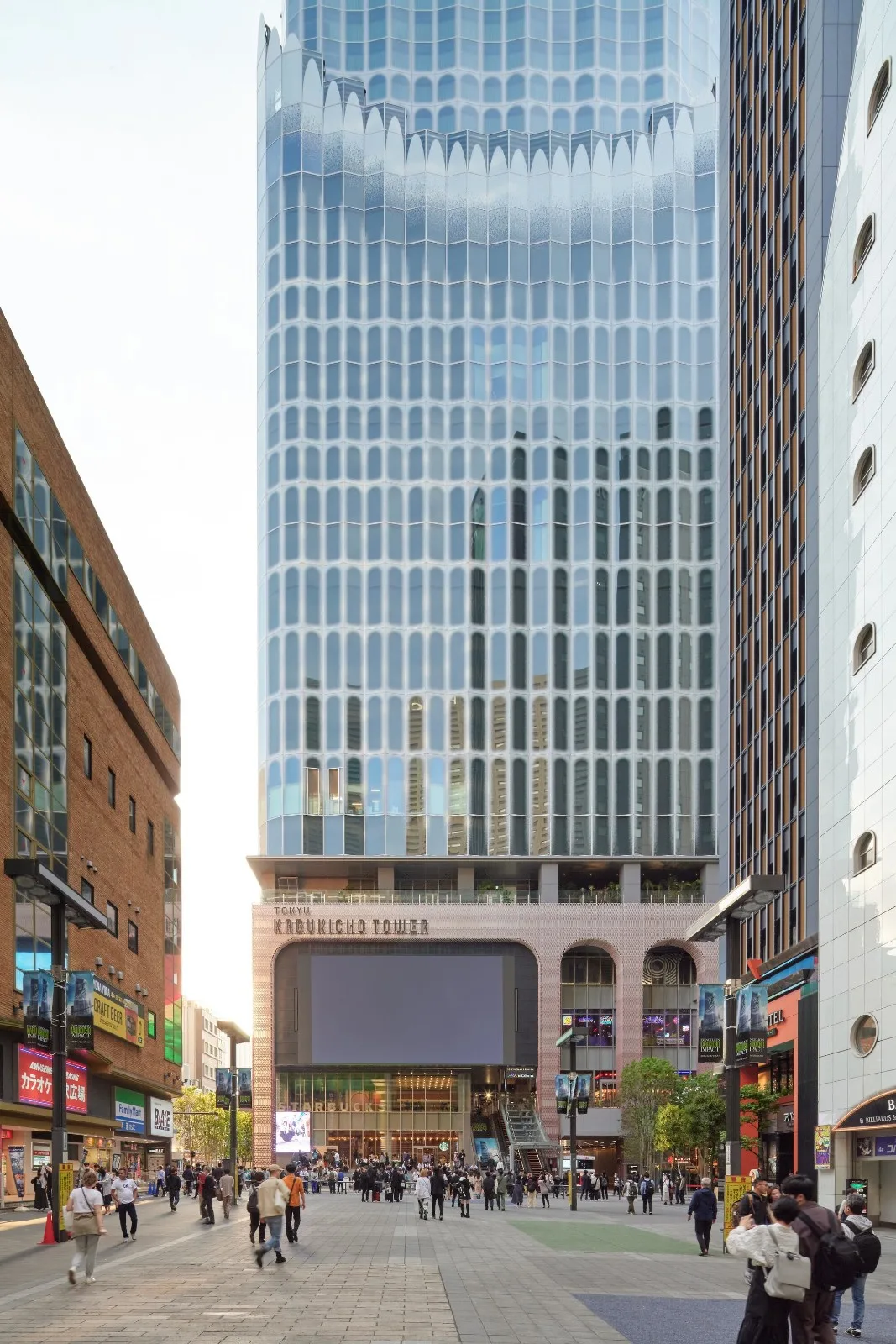
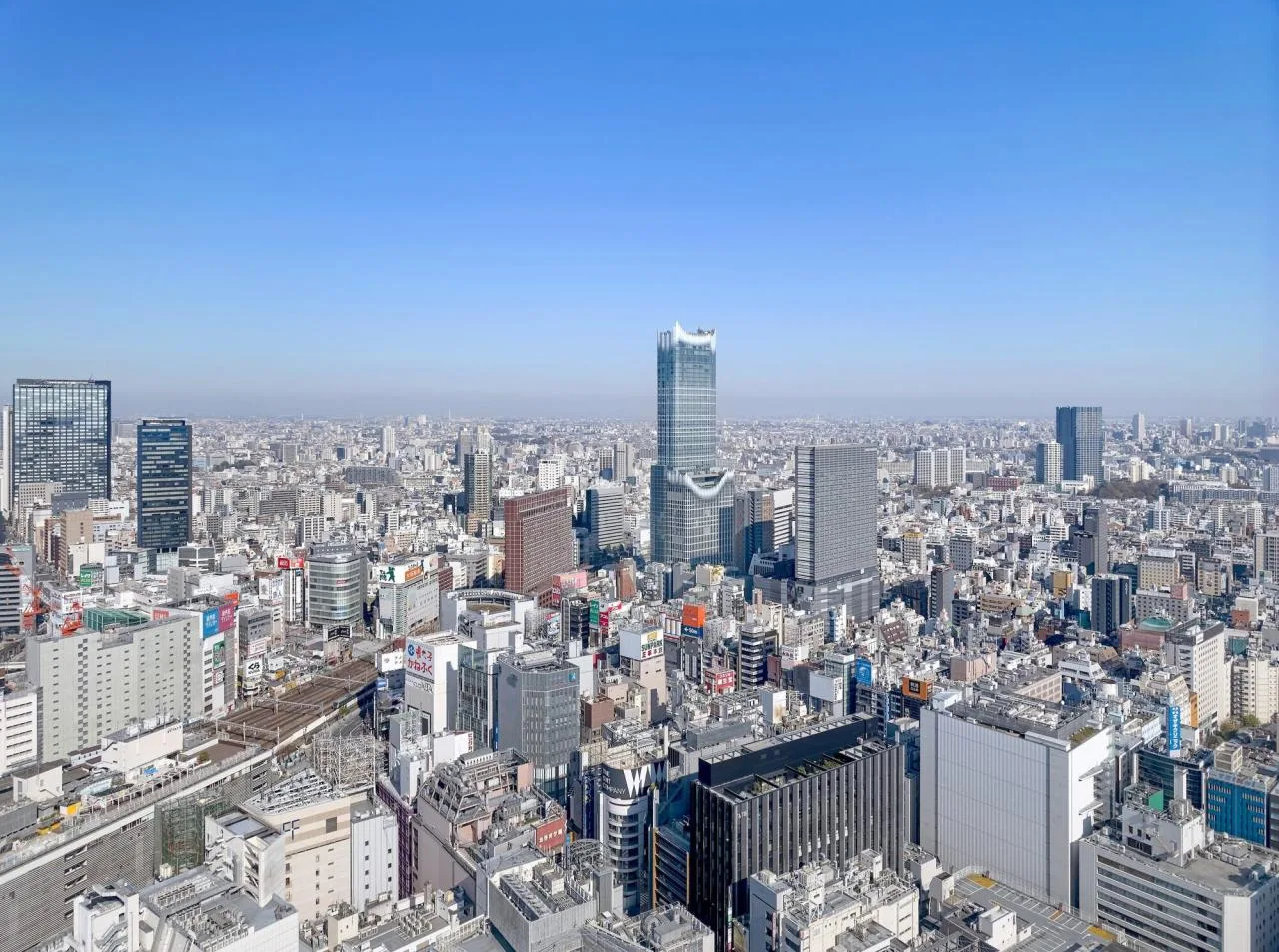
Yuko Nagayama designed the exterior of the Tokyu Kabukicho Building by printing over 4,000 glass panels on its surface, depicting the image of the former fountain. This super high-rise tower stands in Kabukicho, Tokyo, near Shinjuku Station, featuring 5 underground floors and 48 above-ground floors, with a total construction area of approximately 87,400 square meters.
As Japan’s largest entertainment complex, the building houses a cinema, theater, live performance venues, and various other facilities. Our team contributed to both the exterior and some aspects of the interior design.
Kabukicho is one of the world’s busiest nightlife districts. After World War II, private organizations envisioned creating an entertainment area to uplift the spirits of local residents—a place where people could freely enjoy and relax. The area was later chosen as the site for a cultural exposition. Following the World Expo, Kabukicho was transformed into a thriving entertainment district, representing a rare example of private sector initiative in Japan’s post-war reconstruction.
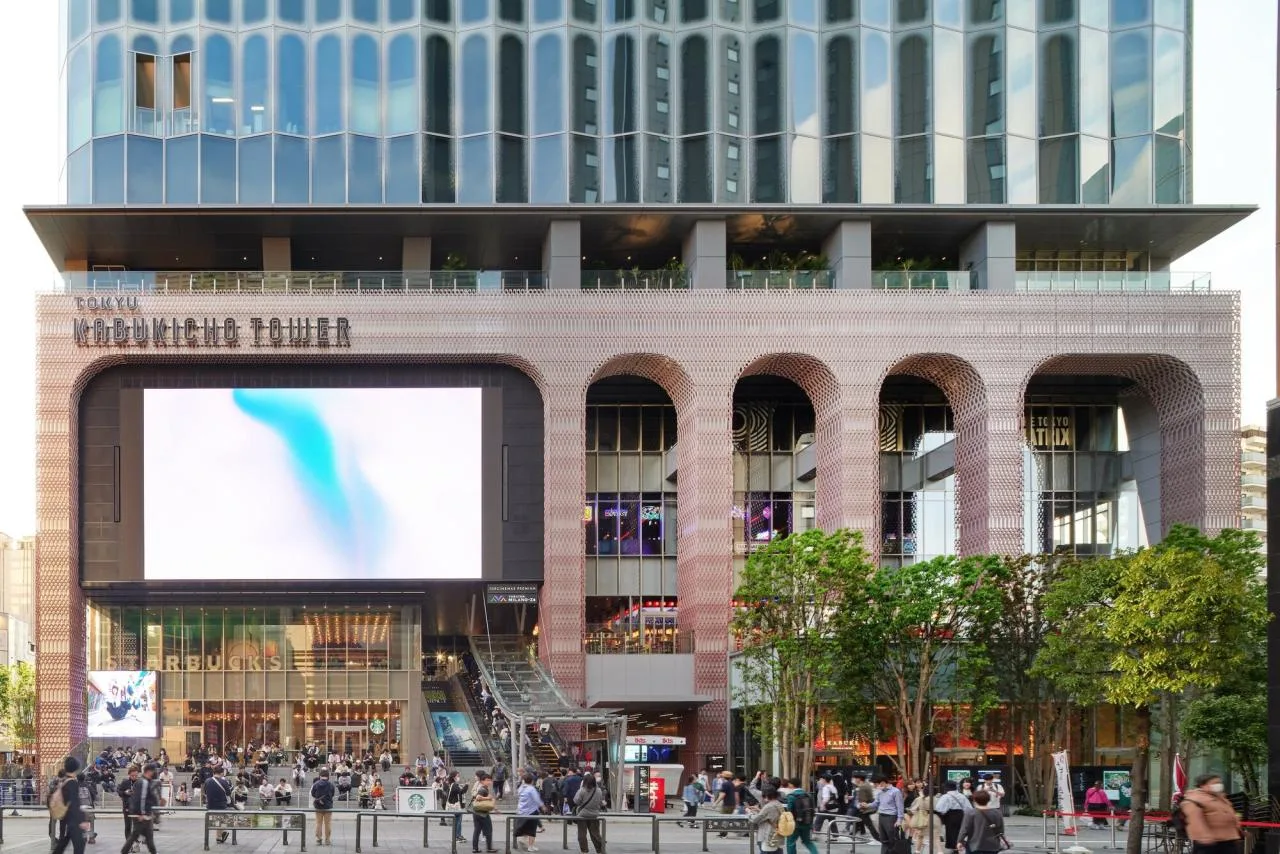
Taking Kabukicho’s history into account, we avoided designing a building that would express traditional authority or power like typical skyscrapers. Because of the fountain located in the square in front of the building, we incorporated this motif to symbolize the vitality and energy of the Kabukicho community.
A fountain is intangible—without a power source beneath, it ceases to exist. This fleeting and wavering form has become a new symbol for the Kabukicho area.
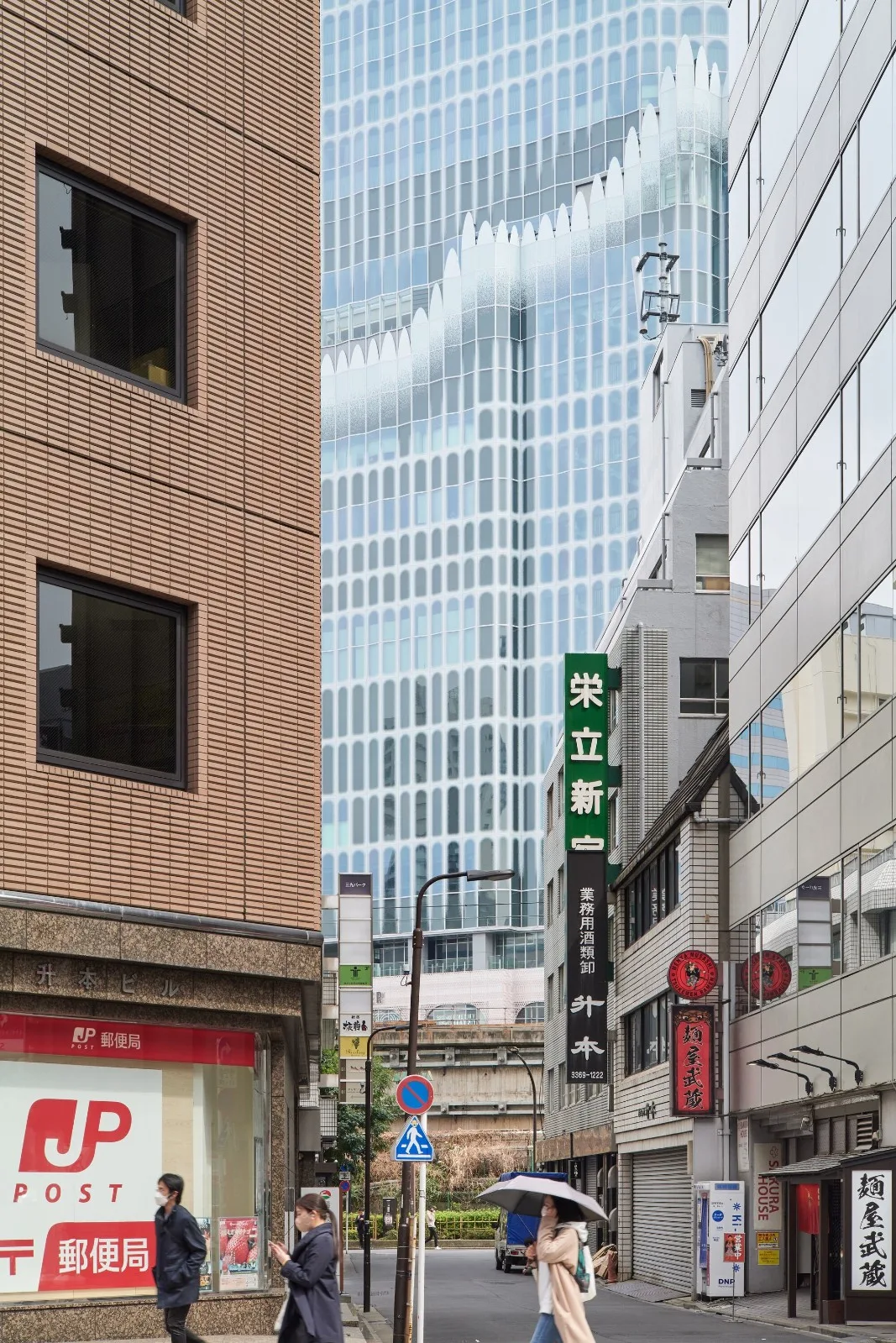
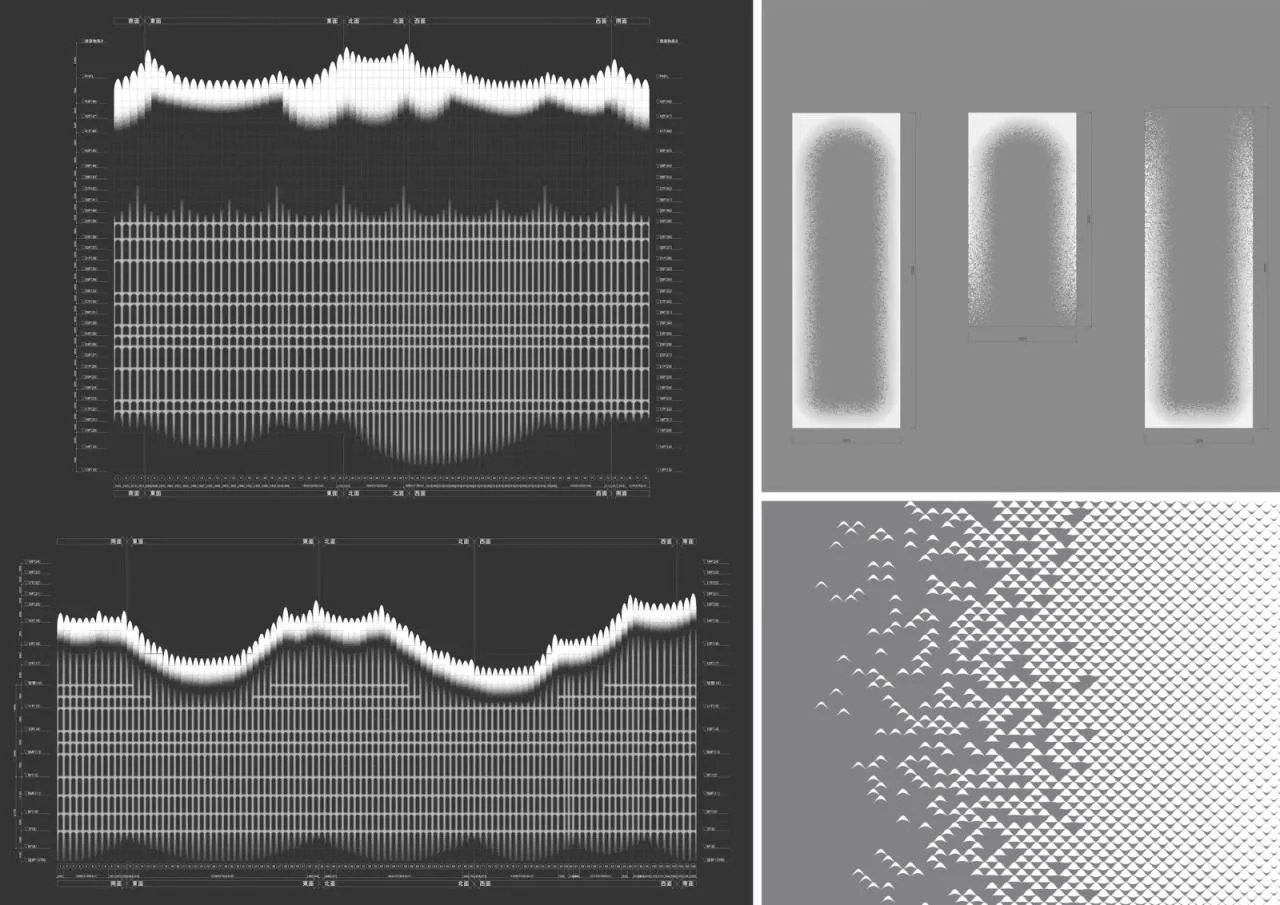
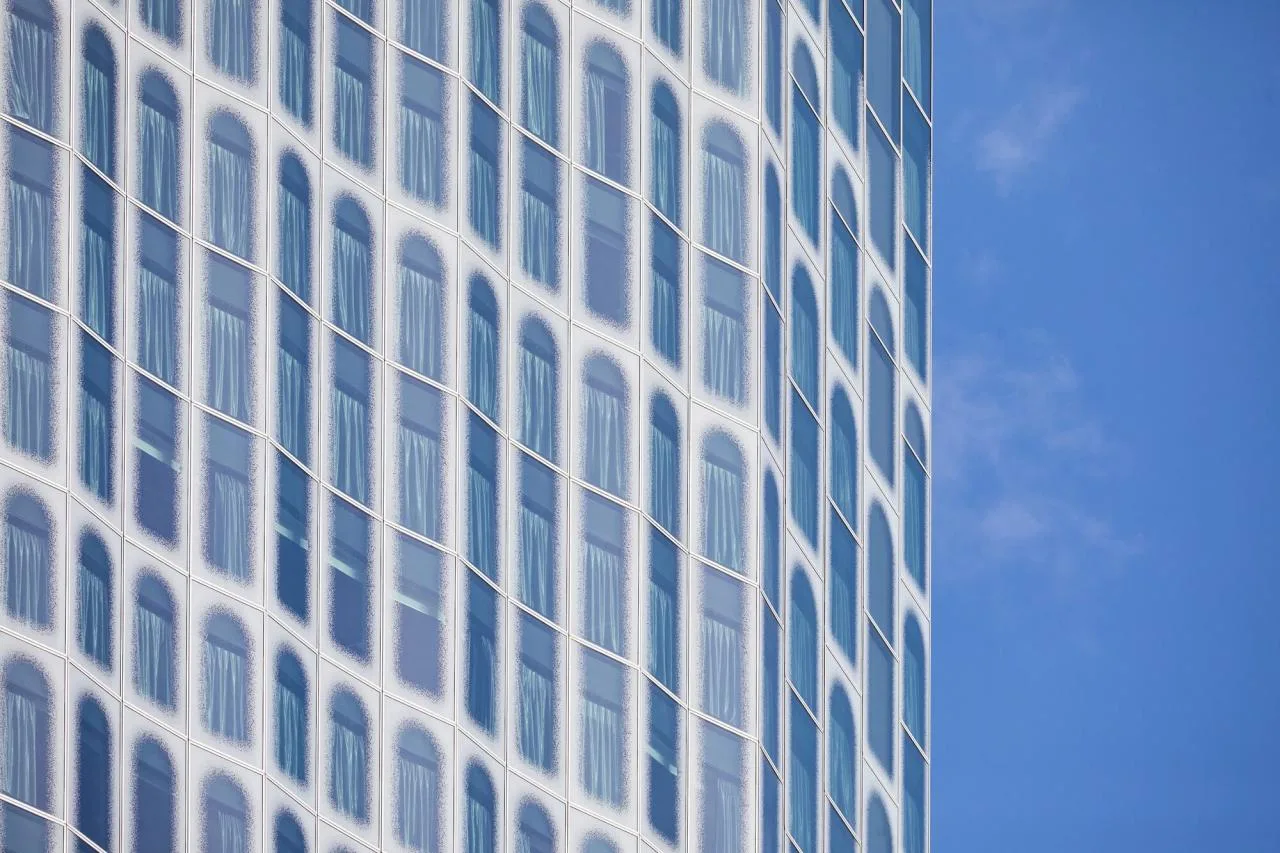
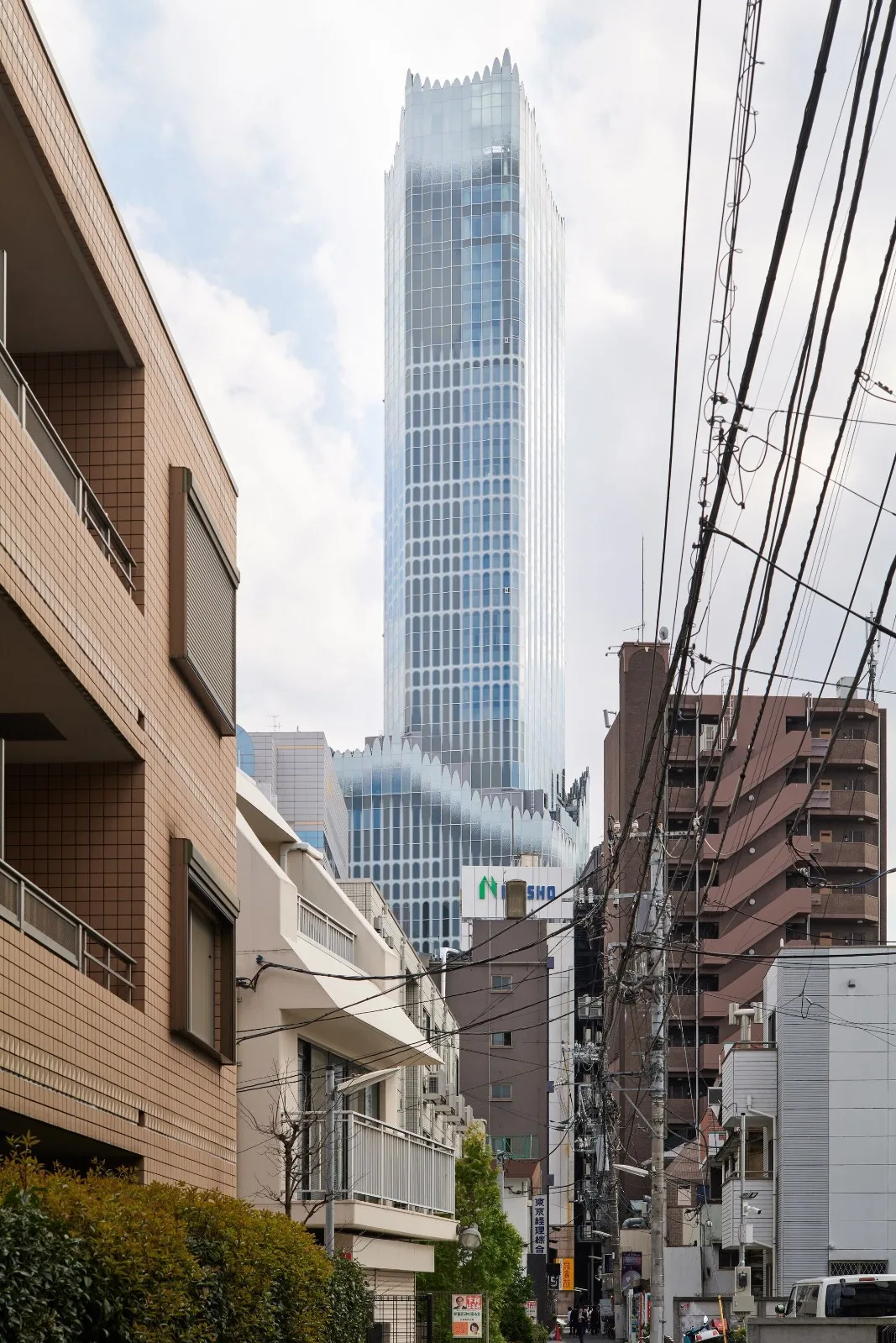
The building’s upper facade is made of glass, featuring ceramic dot patterns that represent the spray of fountain water. Beneath these patterns, intricate ceramic waves decorate the glass surface, while arches with gradient shadows along the windows depict the dynamic motion of spraying water.
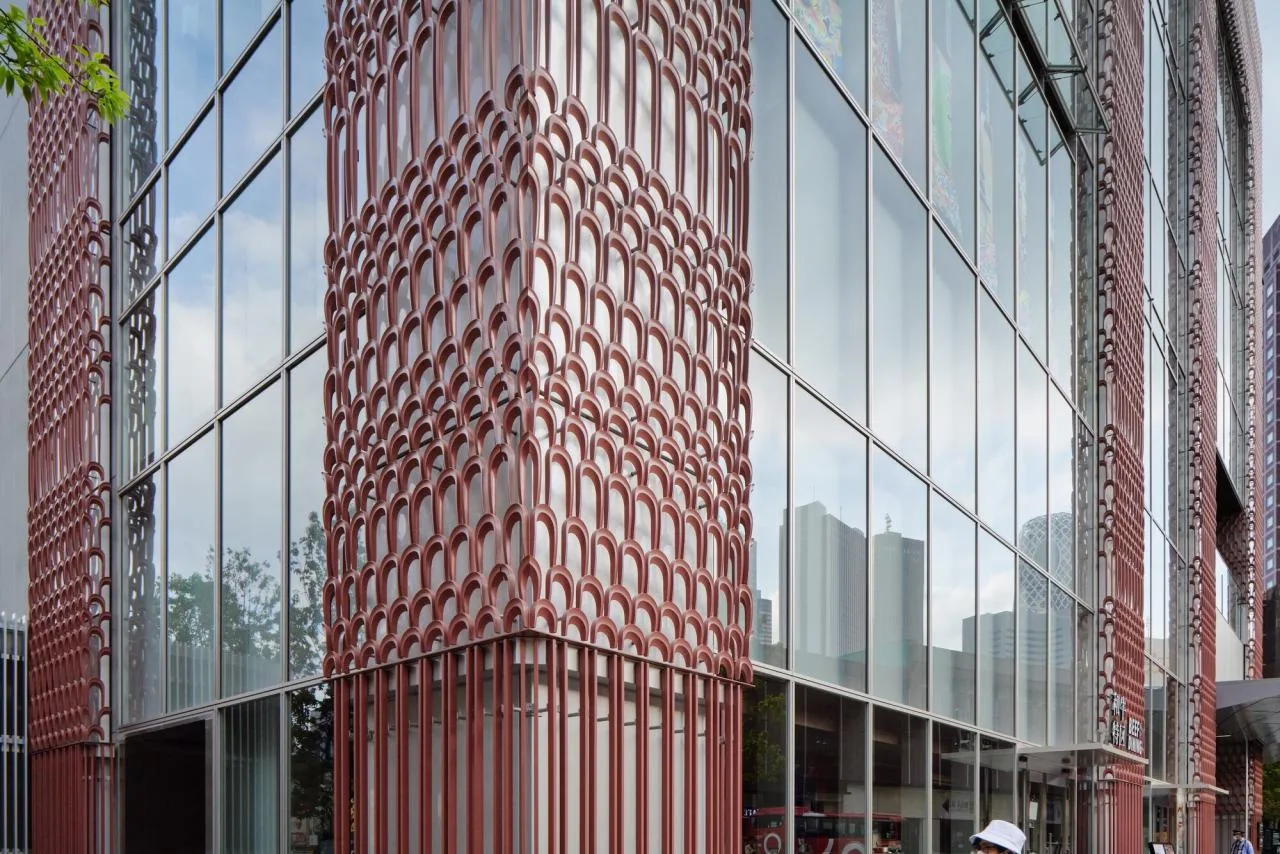
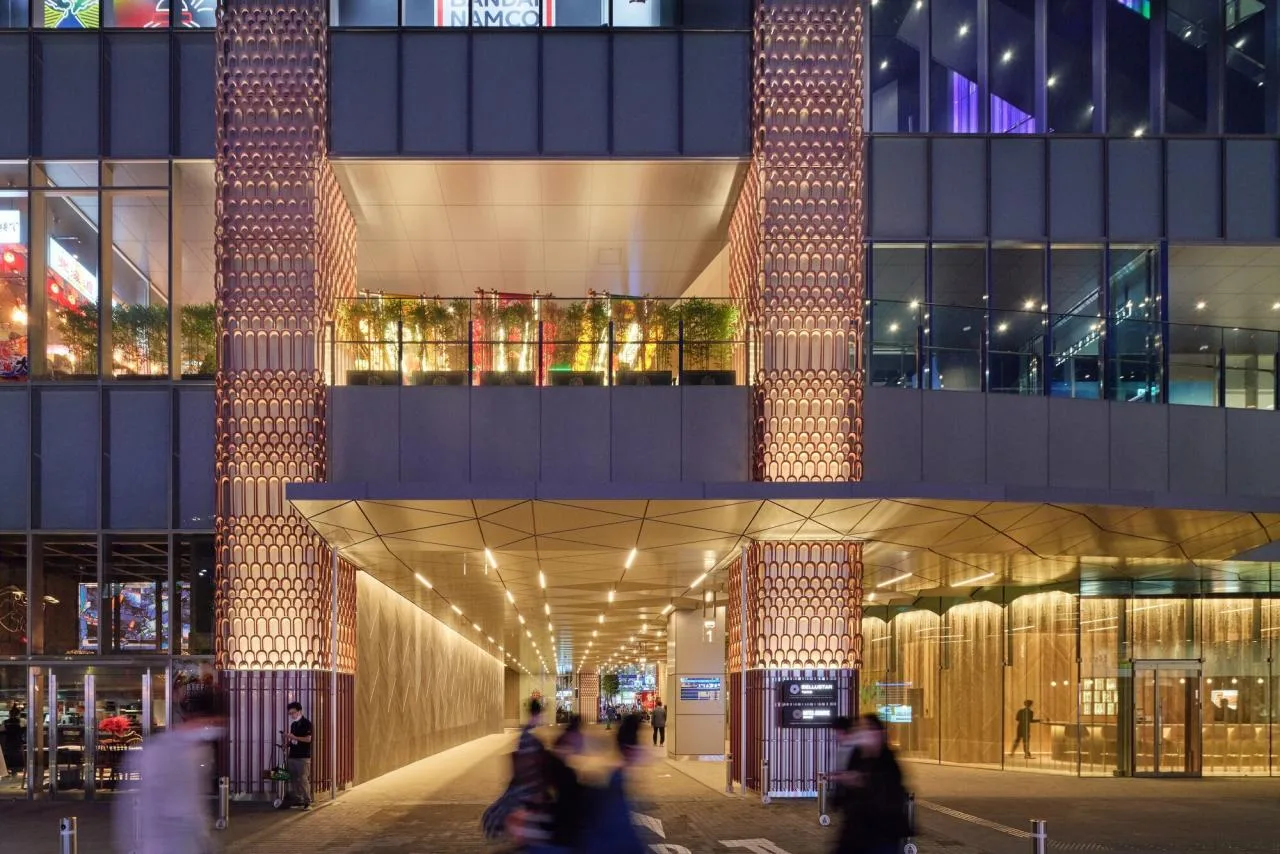
Whether viewed from afar or up close, the design conveys a sense of scale and fluidity. The lower half of the facade is crafted from cast aluminum, incorporating traditional Japanese wave patterns into a lace-like semi-transparent design.
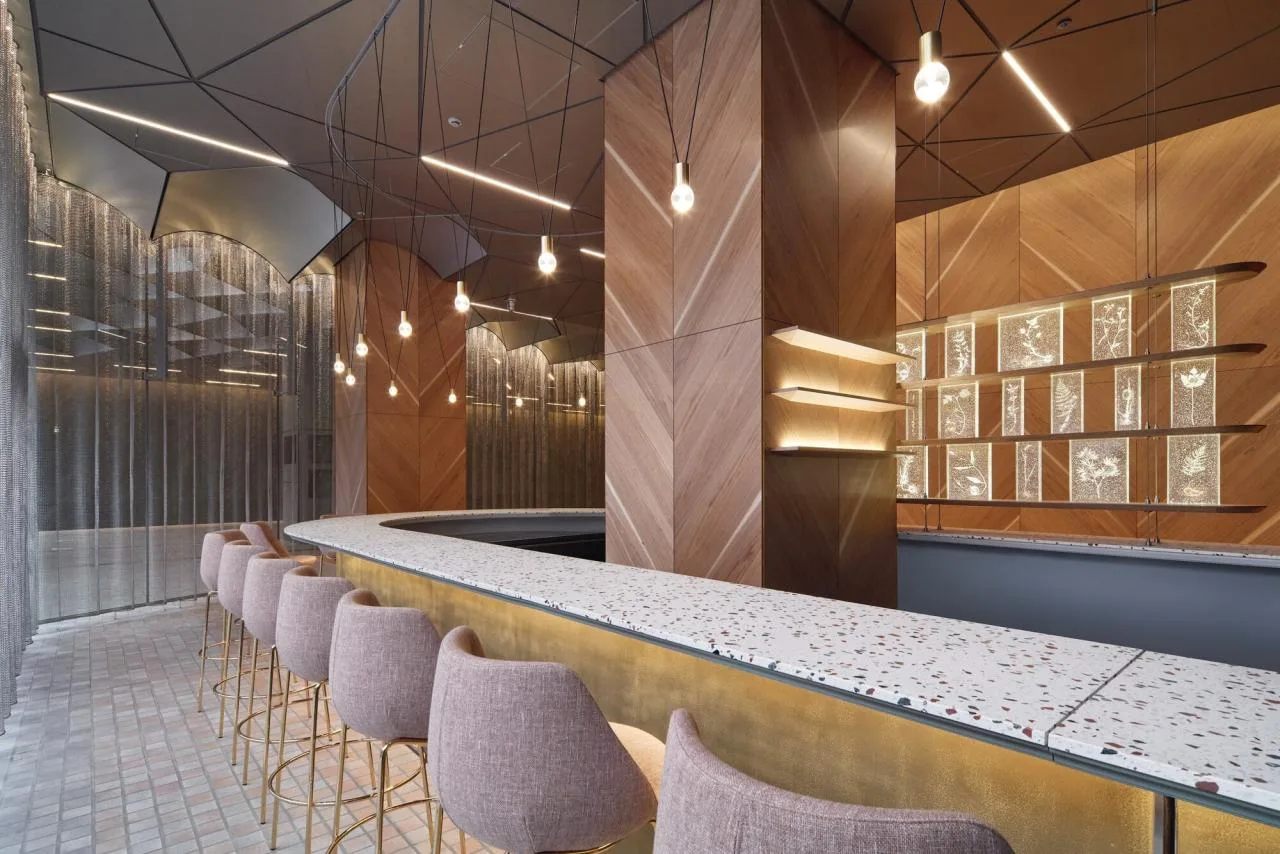
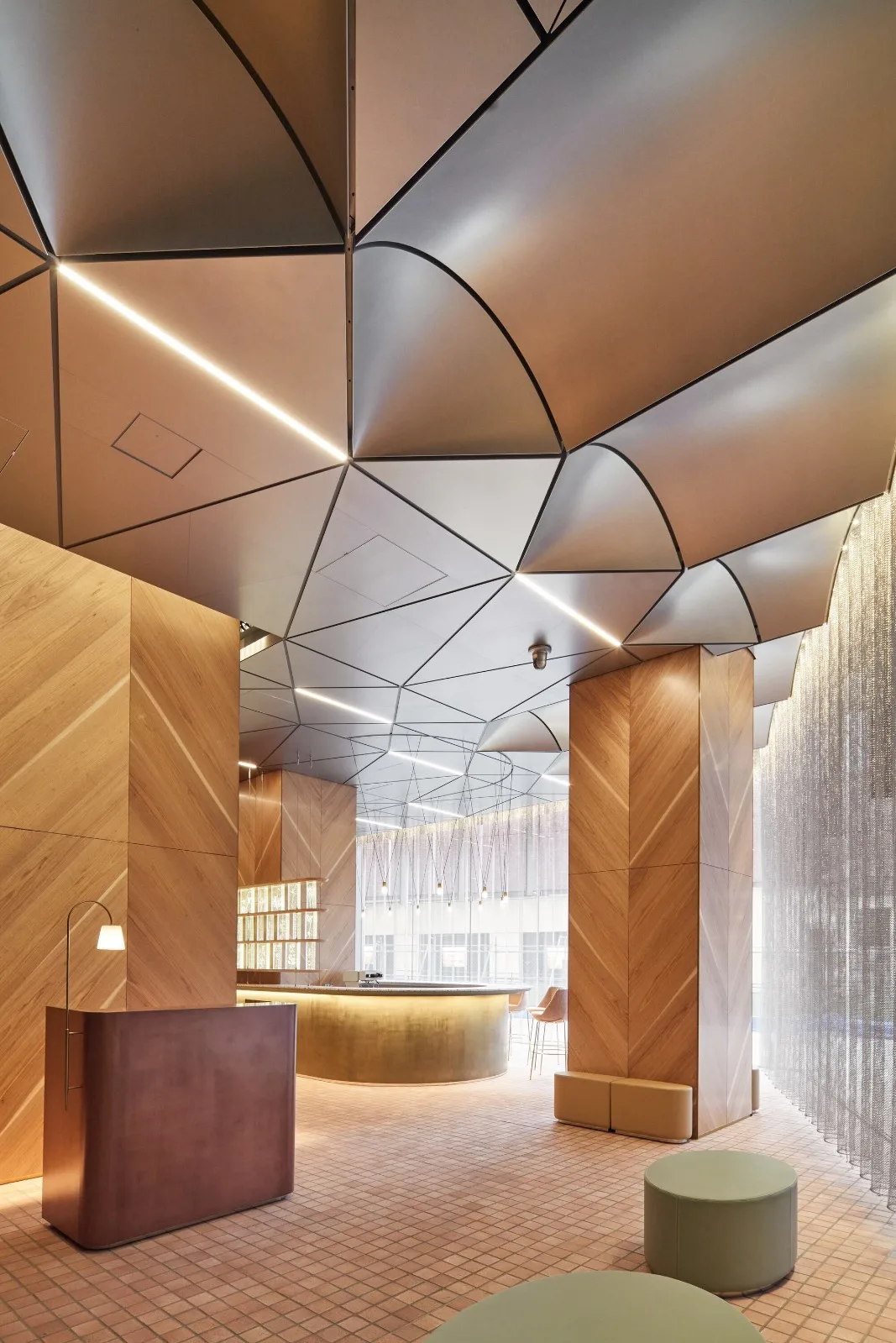
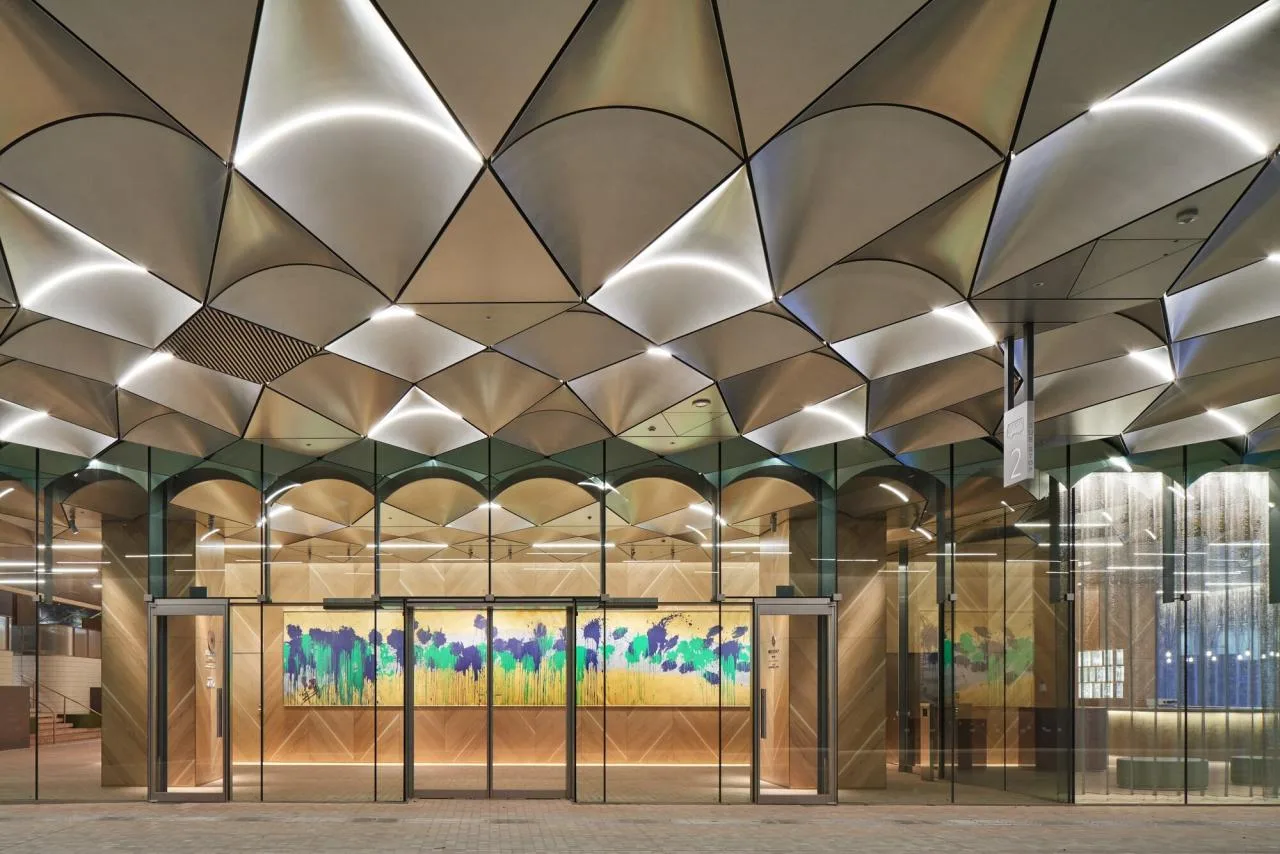
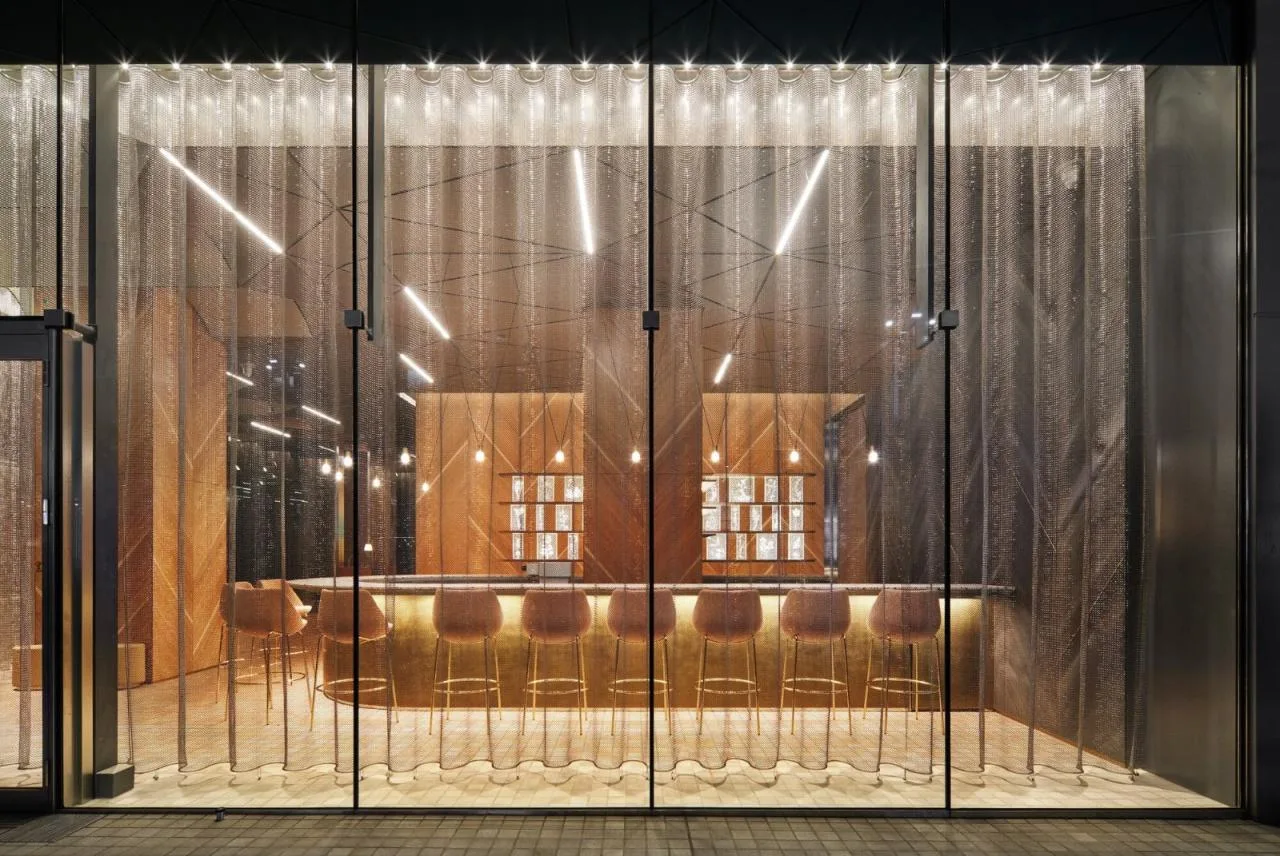
Our interior design work includes the first-floor passageway and entrance, the first-floor lounge of the Tokyo Bellustar Hotel, as well as the entrance hall and bar of the Milan za Theater, located between the sixth and ninth floors. The ceiling of the passage features undulating waves, while the lounge windows evoke flowing water through chain-link fences.
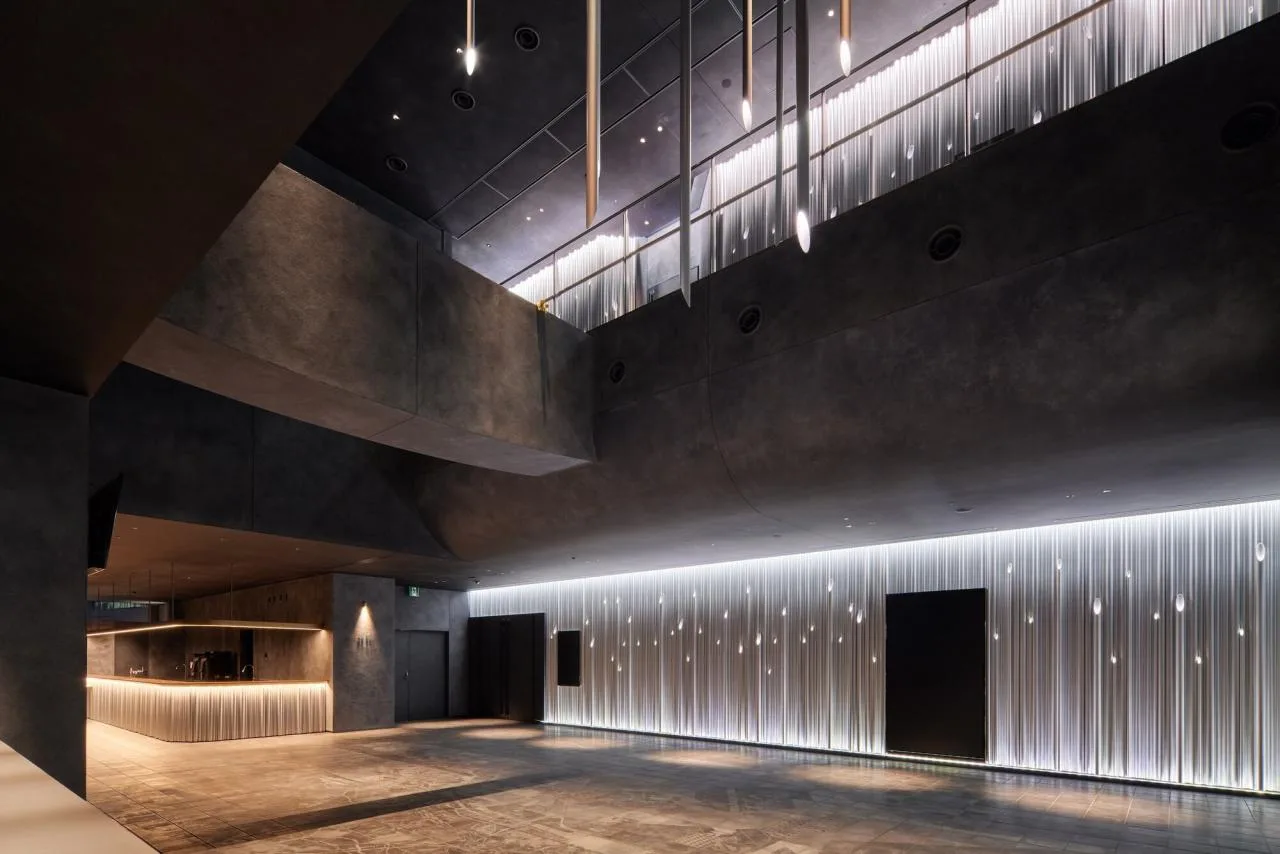
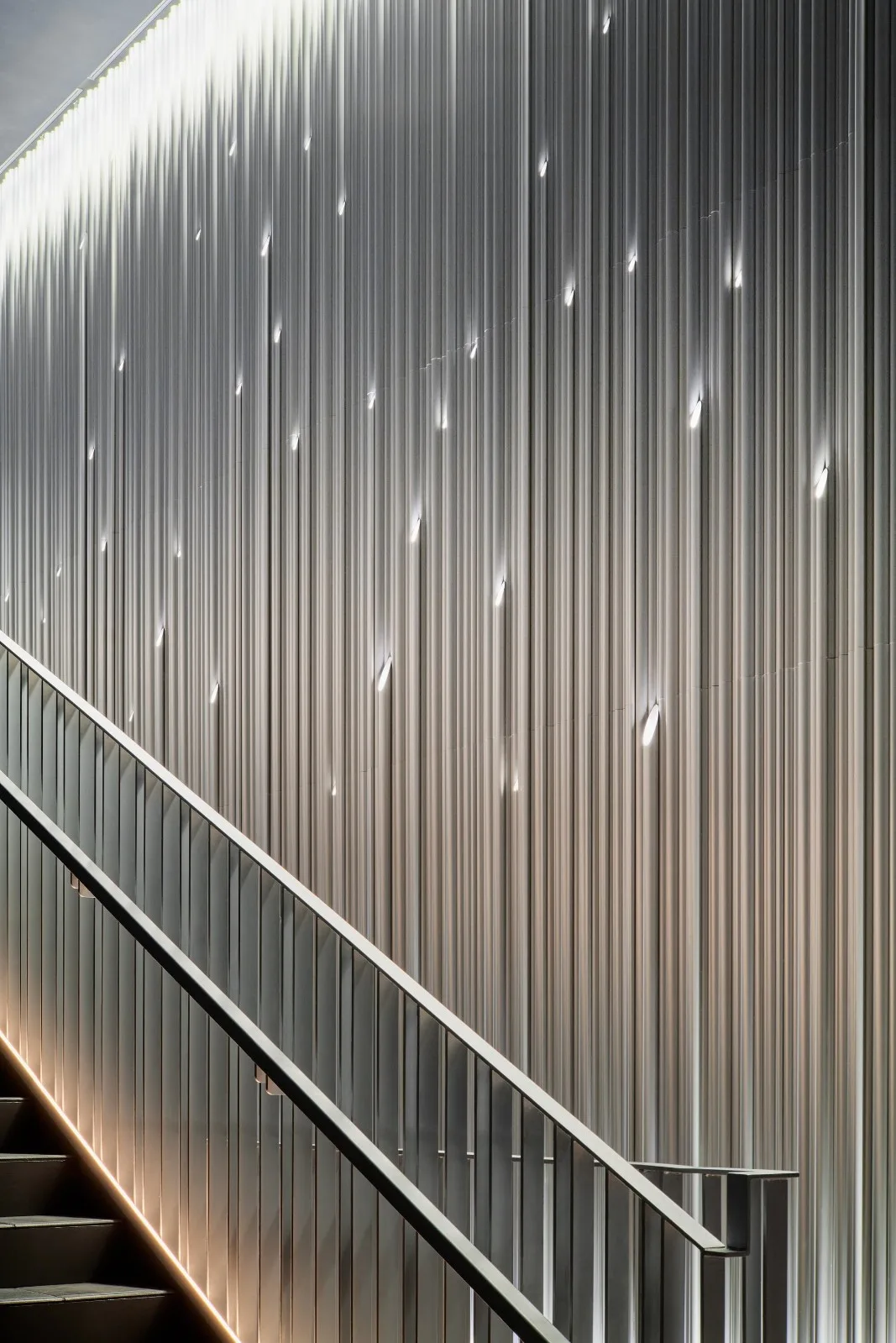
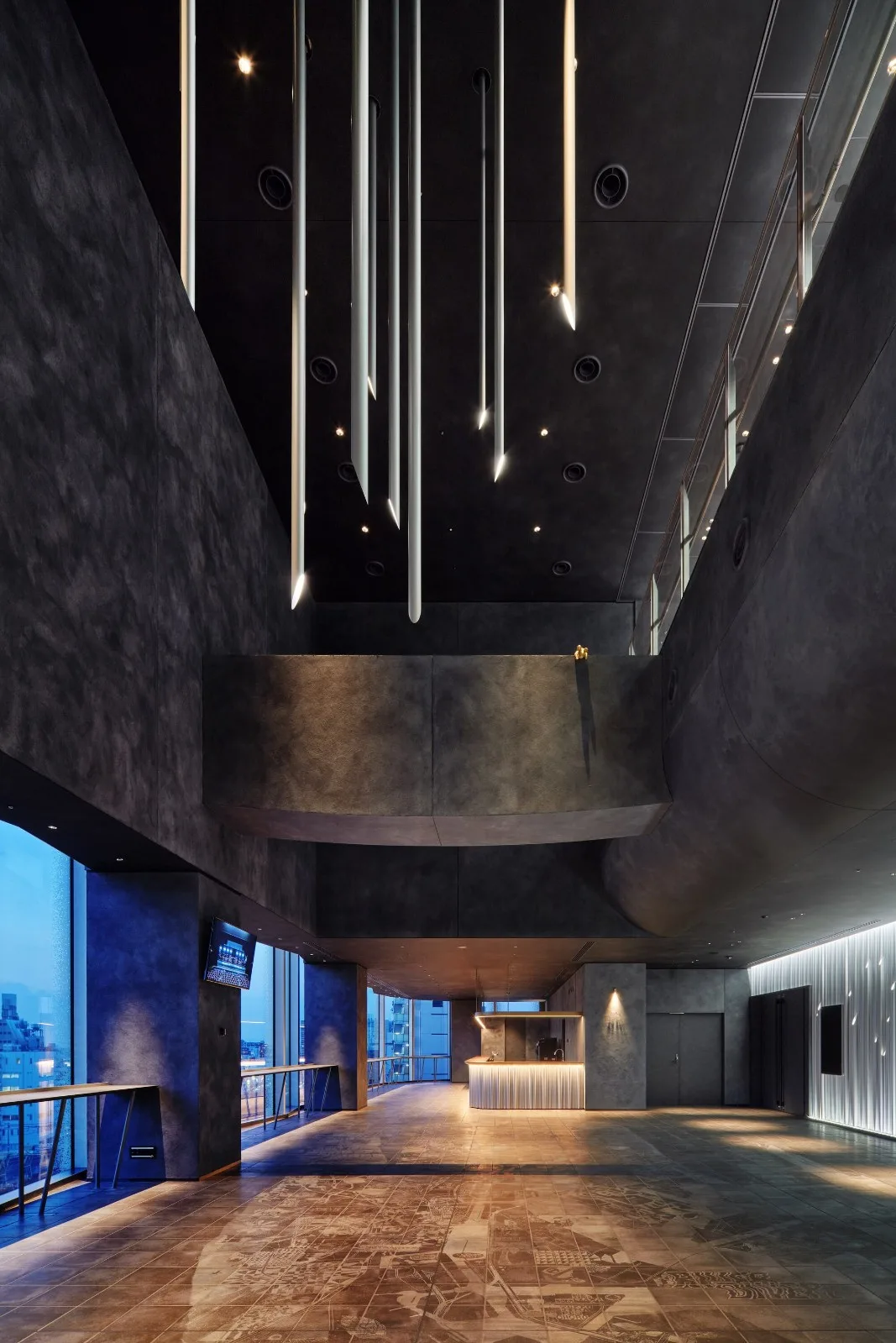
The theater lobby walls are clad with tubular aluminum sheets, reinforcing the fountain motif and creating a serene environment that offers a respite from the city’s bustle for theatergoers.
Additionally, the interior showcases artwork created in collaboration with various artists. Decorations in the lounge, paintings and photographs on the walls, and original floor artworks in the lobby all breathe life into the space.
We hope that this new symbol of Kabukicho—with its ethereal, cloud-like form that sometimes appears as a phantom—will help preserve the enduring spirit of the district for years to come.
Project Information
Architects: KUME SEKKEI Co., Tokyu Design, Yuko Nagayama Architectural Design
Area: 87,400 m²
Project Year: 2023
Photographers: Daici Ano, Tomoyuki Kusunose
Client: Tokyu Corporation and Tokyu Recreation Co., Ltd.
Interior Design: Yuko Nagayama & Associates
Contractors: Shimizu Corporation, Tokyu Construction Co., Ltd.
Location: Tokyo, Japan












Must log in before commenting!
Sign Up