
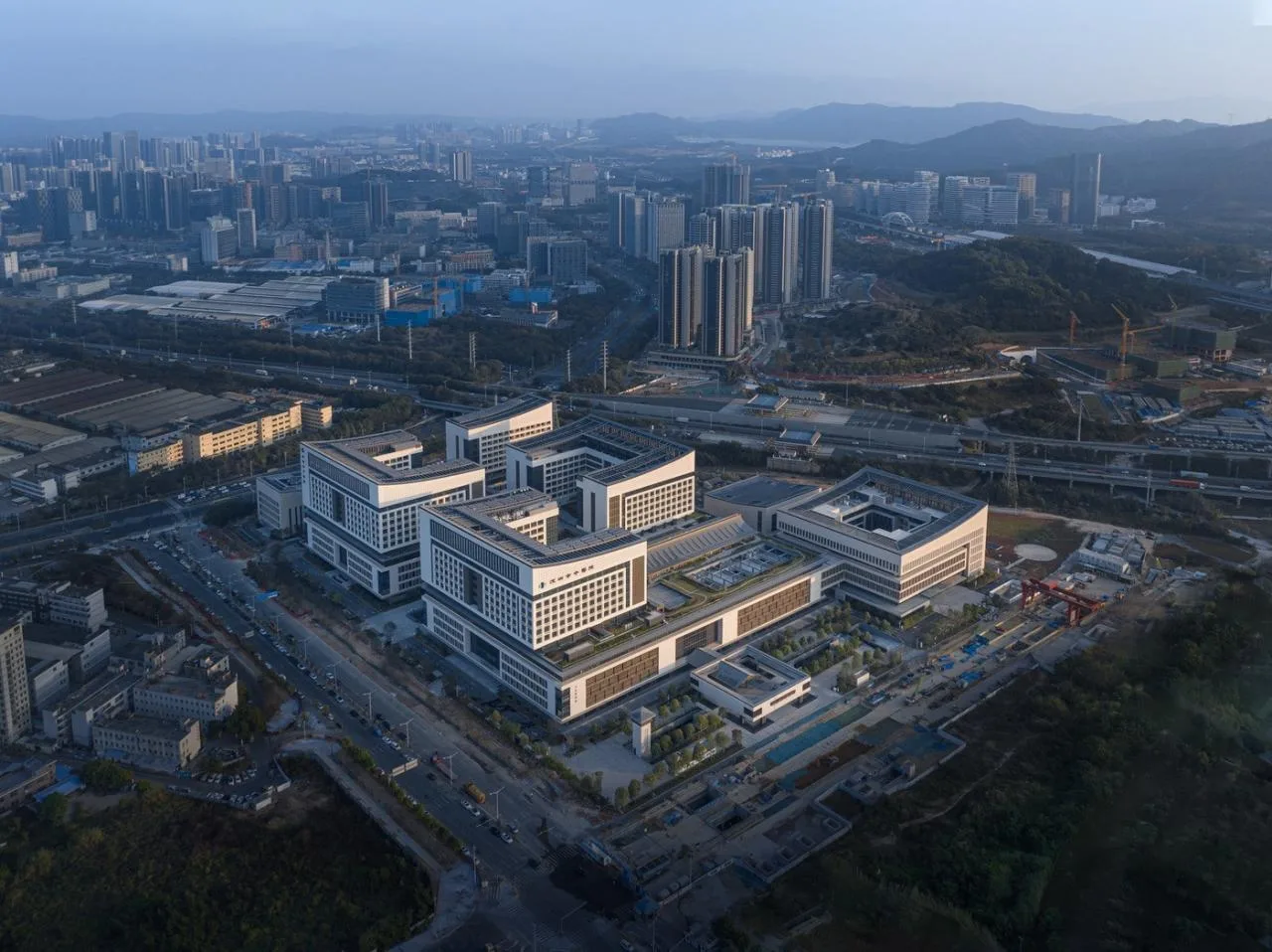
The design of the Guangming Campus of Shenzhen Traditional Chinese Medicine Hospital is guided by two key principles: firstly, a rational approach to addressing complex planning and technical challenges, and secondly, the expression of architectural culture that integrates traditional Chinese medicine with Chinese cultural heritage.
From a planning and technical perspective, the project faces three major challenges:
- The site presents numerous obstacles, including municipal roads and flood control channels intersecting the area, as well as noise disturbances from the Longda Expressway, all significantly impacting planning and layout strategies.
- The hospital must be built in phases, with each phase functioning independently yet interconnected. Achieving a balanced distribution of overall and phased medical resources is a complex design requirement.
- Large hospitals create substantial urban traffic demands. Enhancing peak traffic efficiency and providing a user-friendly travel experience are critical factors in the hospital’s planning and design.
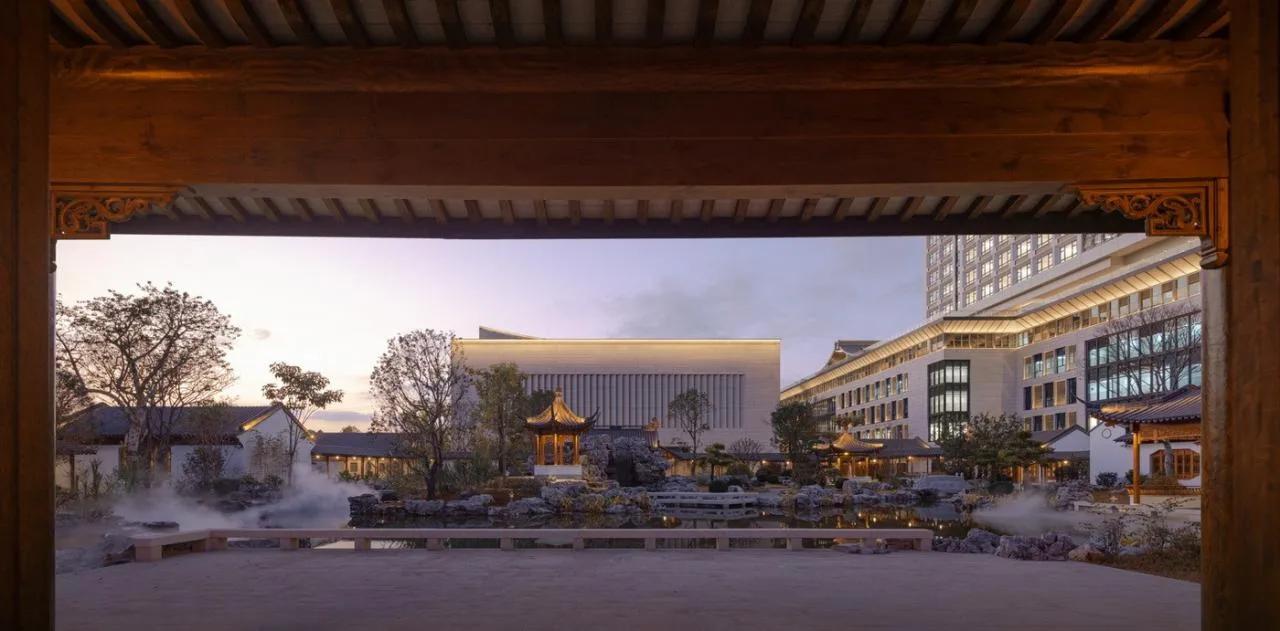
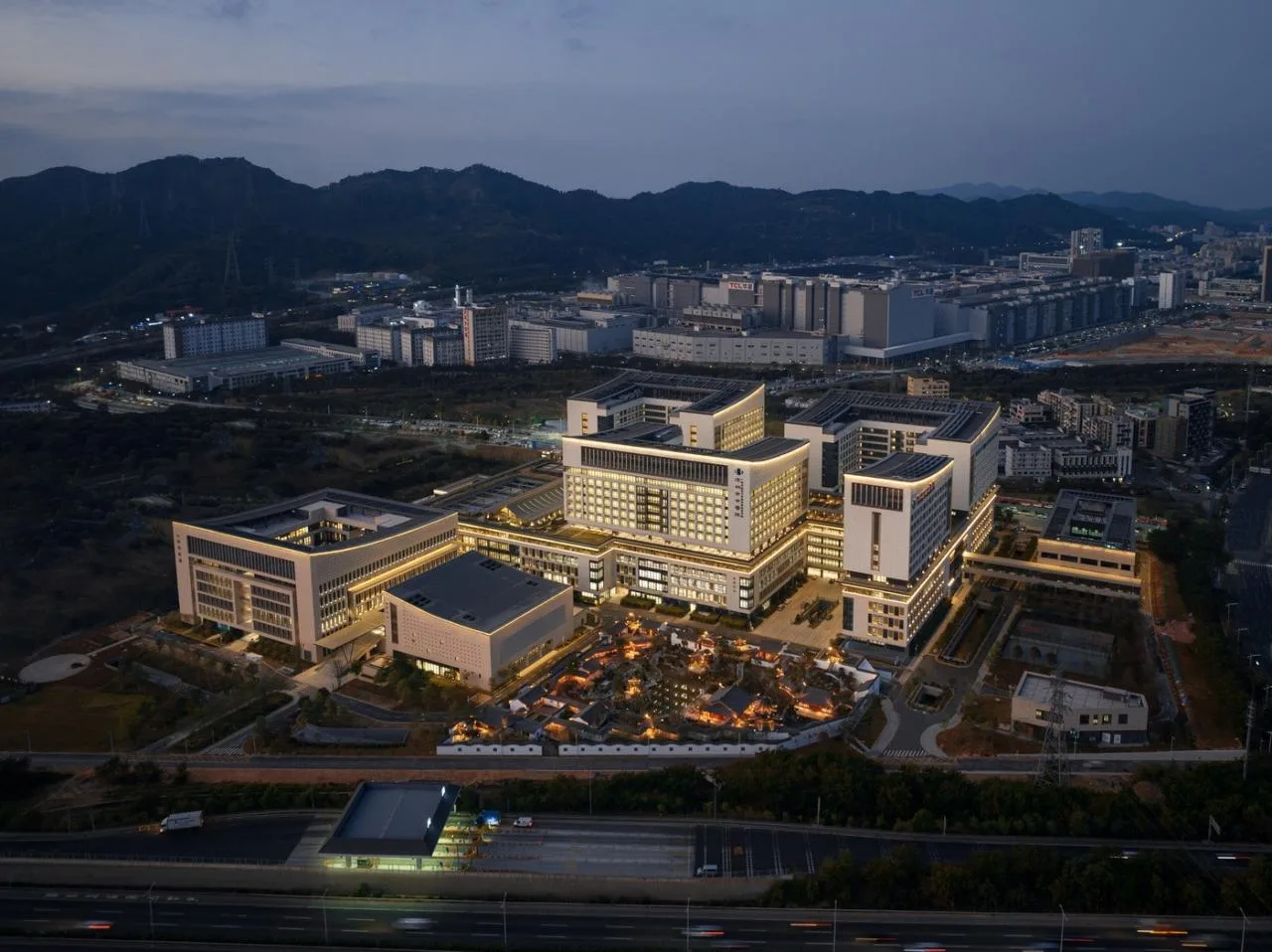
- In terms of planning strategy, key buildings are situated along the west and south edges of the site to minimize highway noise interference. A traditional Chinese garden is planned for the east side. Flood control channels and traffic routes are thoughtfully integrated, transforming the constraints posed by rivers and municipal roads into advantages for hospital planning and layout.
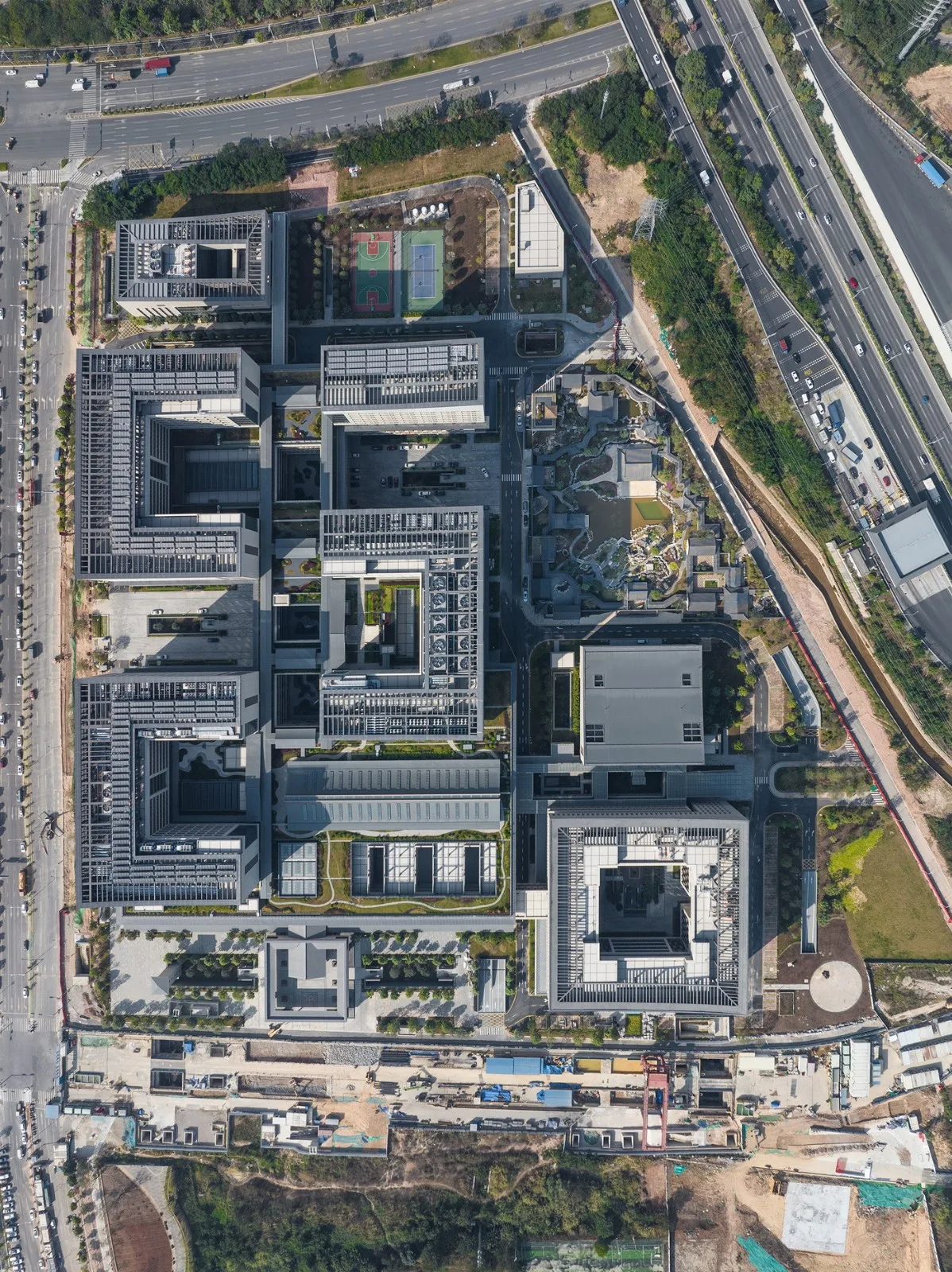
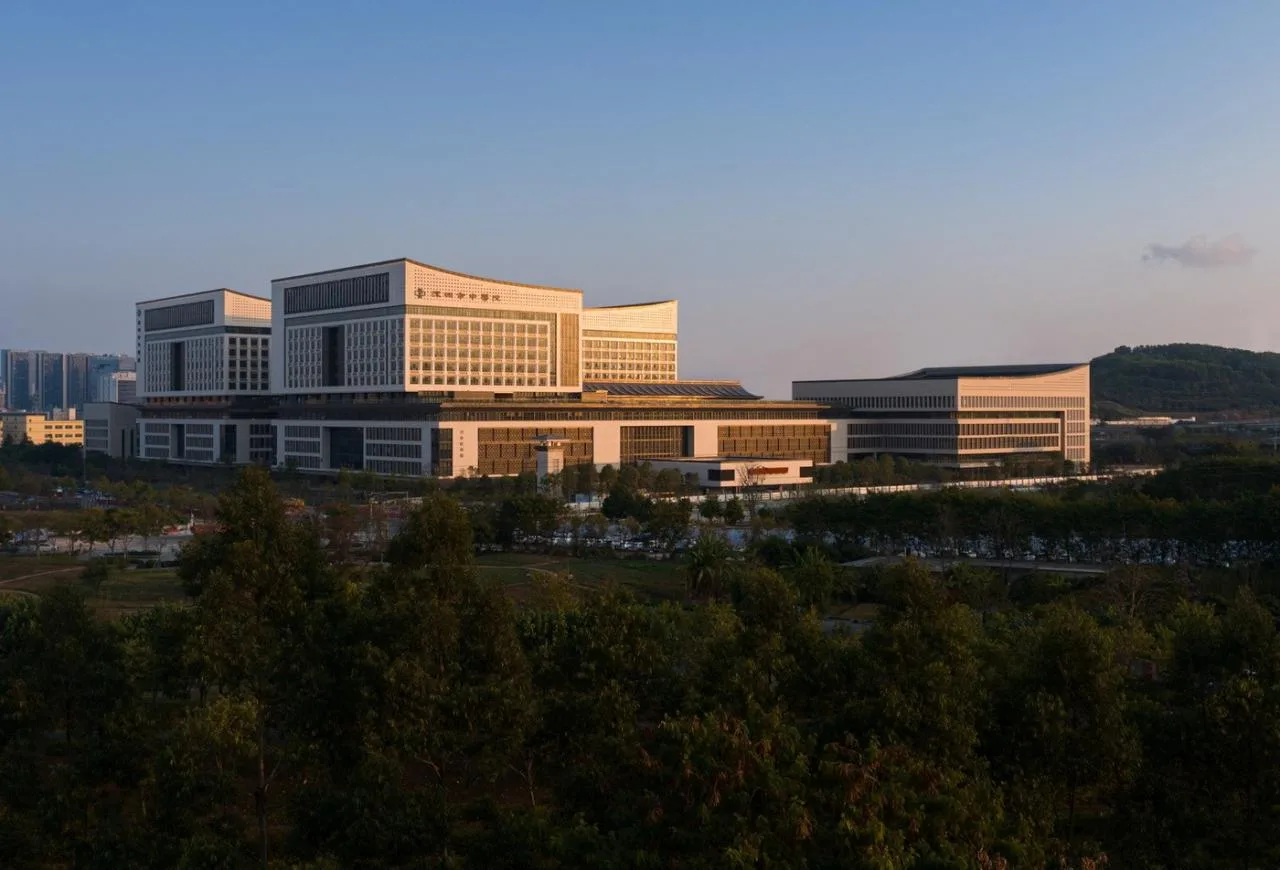
The design employs a combination of a medical street concept and modular design to create a versatile, expandable functional system tailored for a growing hospital. Future expansions can be seamlessly integrated into the existing framework, forming a cohesive system.
One innovative feature is a user-friendly, three-dimensional transportation system located underground beneath the inpatient street along the hospital’s main axis. This system accommodates taxis, ride-hailing, and other stop-and-go vehicles for efficient patient pick-up and drop-off, serving emergency, outpatient, and inpatient needs.
This approach not only reduces traffic congestion on surrounding urban roads caused by roadside drop-offs but also shortens patient walking distances, ensuring a sheltered, weather-protected medical environment.
On the cultural side, the design strives to embody traditional Chinese medicine and architectural culture while projecting the future vision of this medical tradition. This is achieved through a comprehensive approach addressing planning layout, functional structure, spatial hierarchy, and façade design, highlighting the unique cultural identity of the new traditional Chinese medicine hospital architecture.
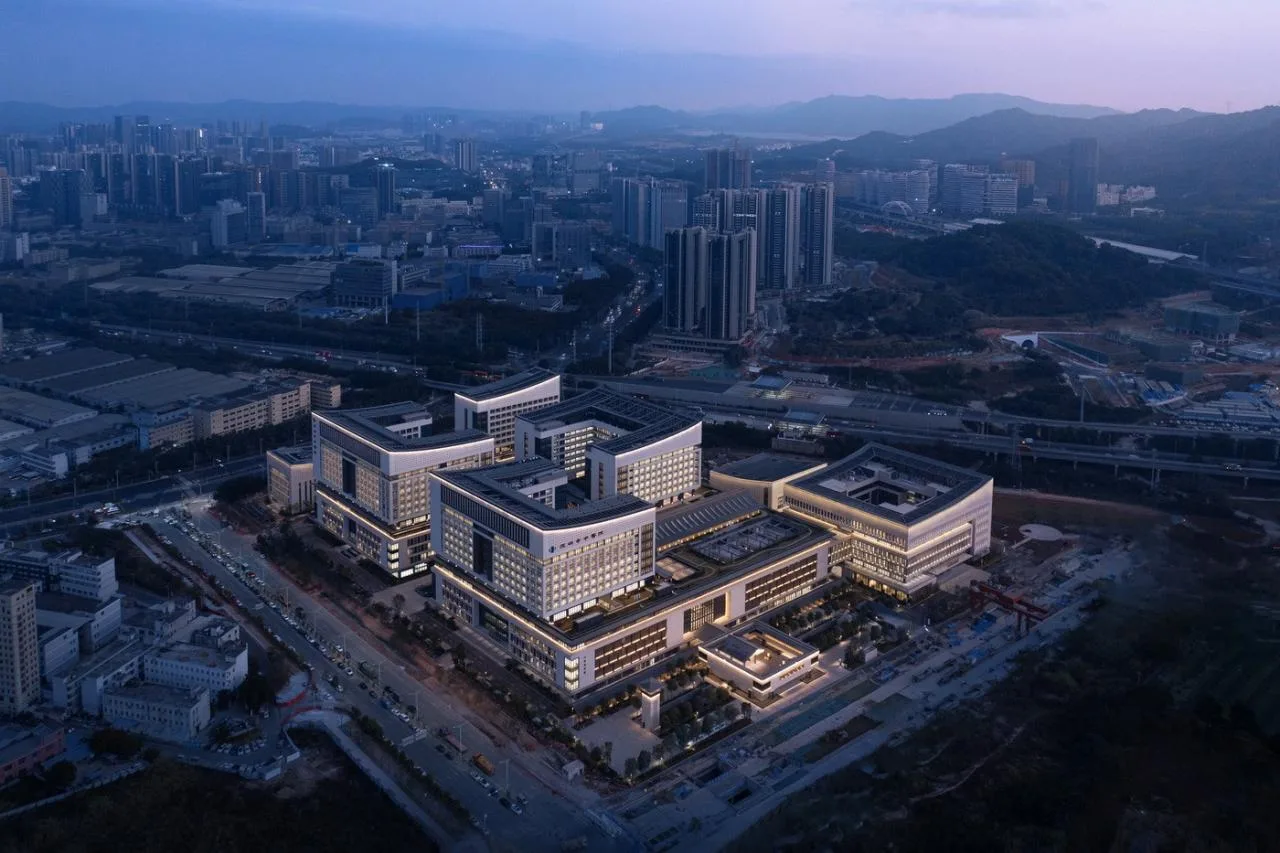
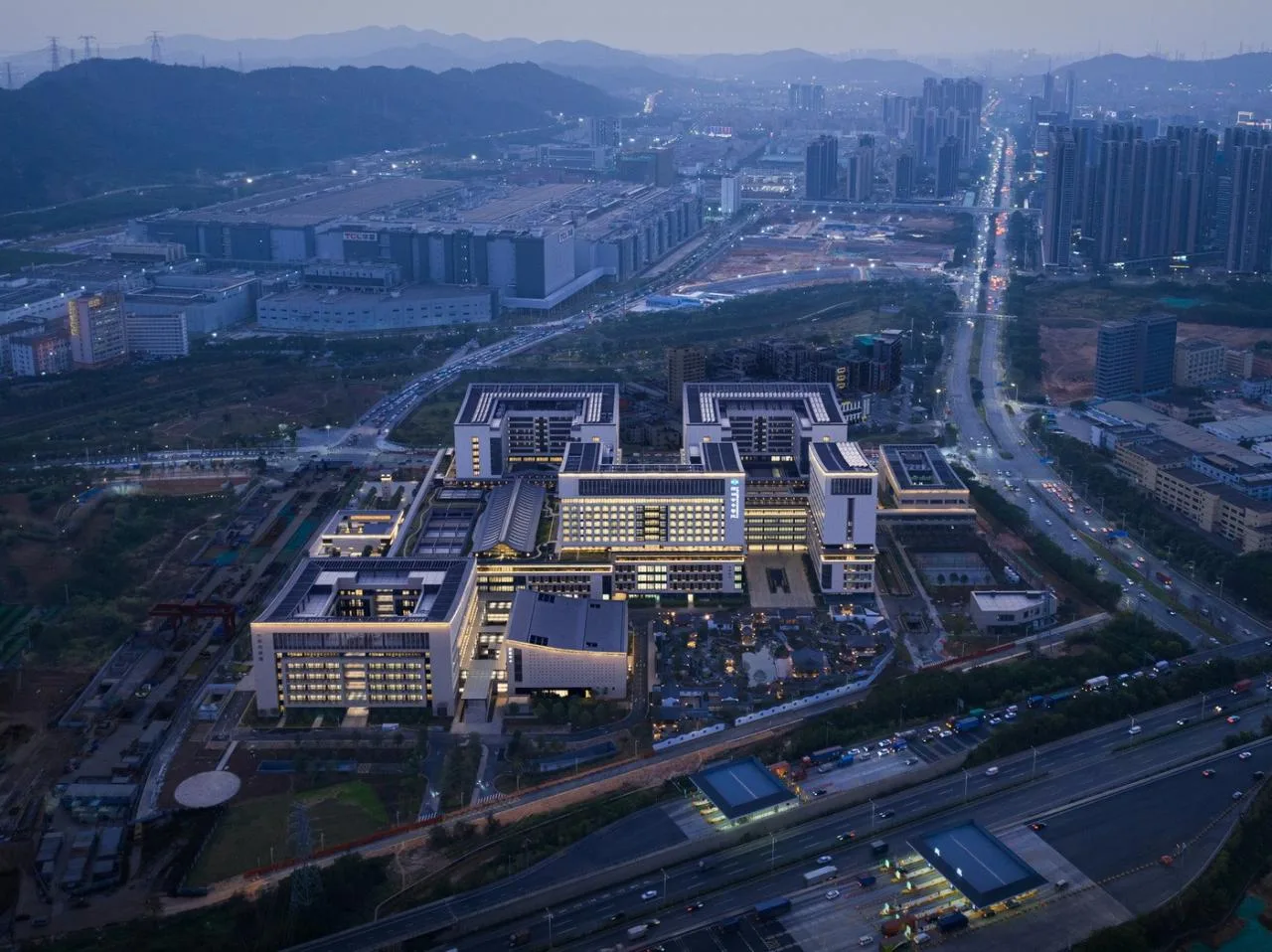
The concept of “a garden within a garden, and a courtyard within a garden” is central to the design, reflecting the harmonious coexistence of Chinese architecture and garden landscapes.
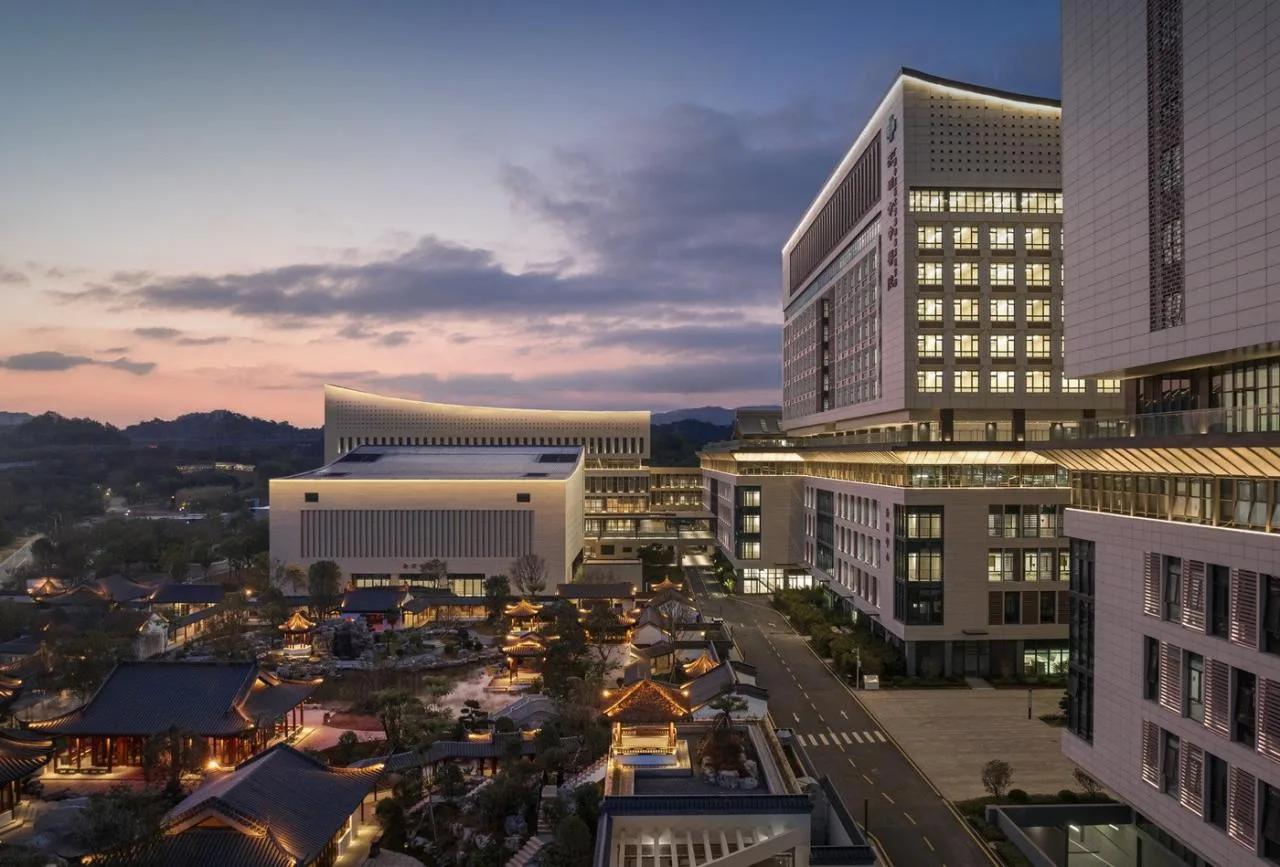
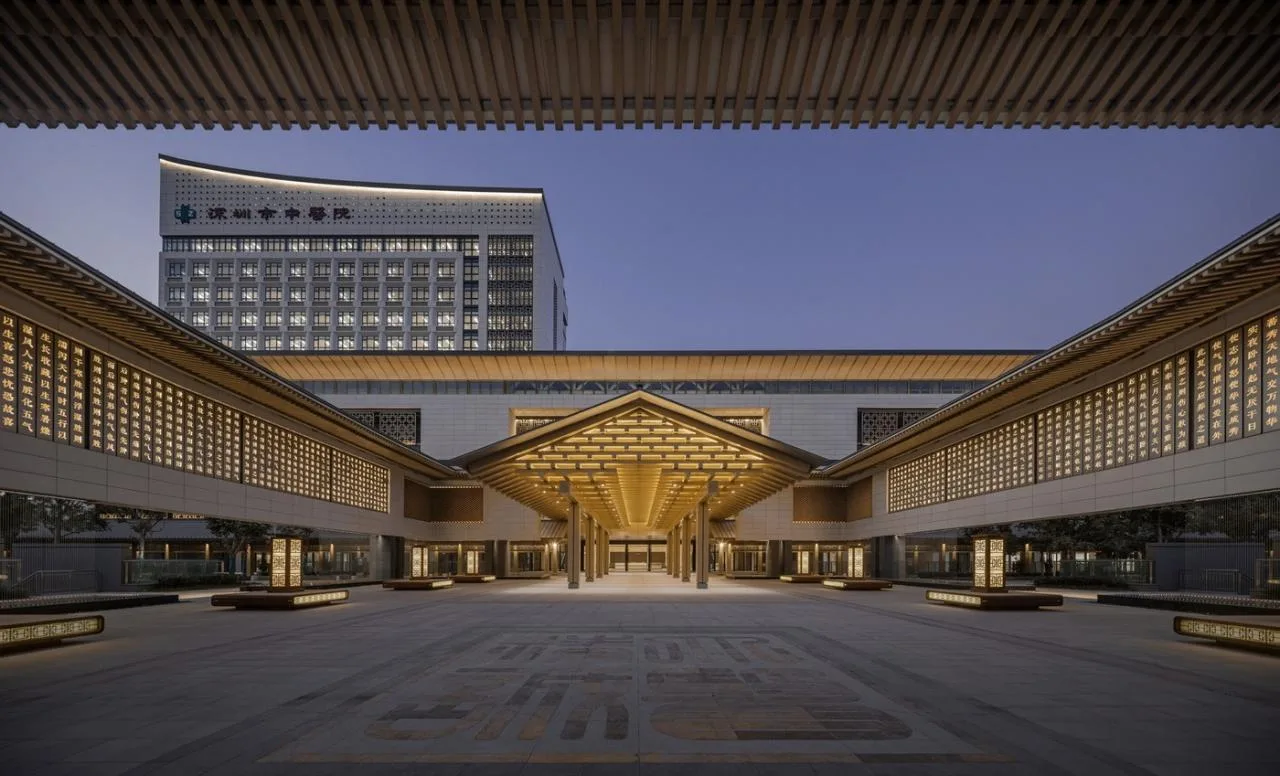
The buildings are arranged along the site’s perimeter, with a garden system placed strategically on the east side. The architectural theme revolves around a “concave” form, featuring a series of shifting concave shapes that create a continuous, dynamic, semi-enclosed spatial experience.
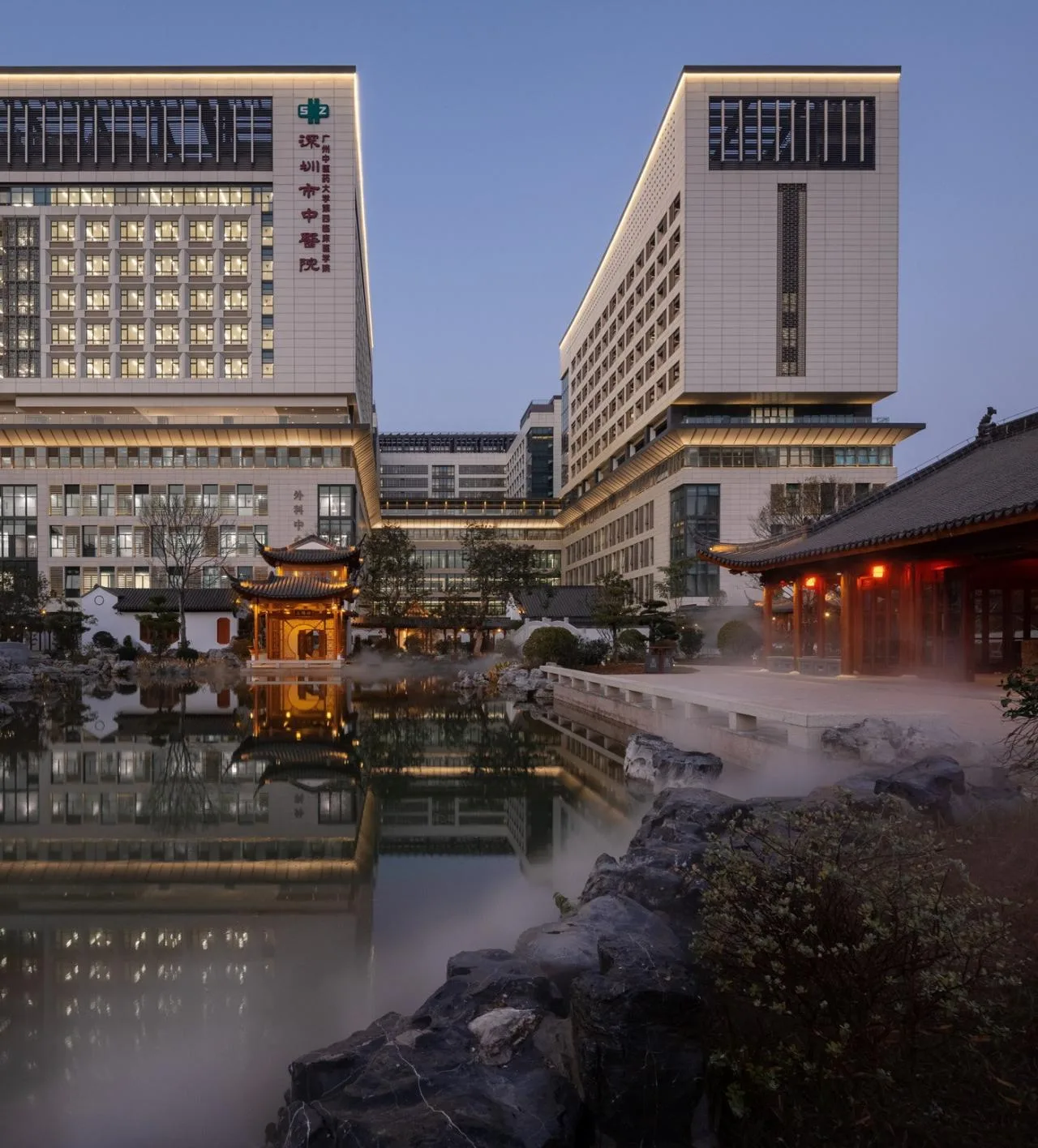
This design integrates multiple layers of gardens and courtyards, resulting in a Feng Shui-inspired pattern that balances reality and imagination, and embraces the principles of yin and yang.
2. Layered Meridian Network
Meridians are the channels through which qi and blood circulate in the human body, connecting organs, the body surface, and various parts. The design uses a “ten” shaped axis as the main “meridian” running vertically, linking internal and external elements.
The internal road network of each unit forms a layered “network” that unfolds in complexity. The dual “ten” axes extend along Changzhen Road and Guangbu Road, creating a spatial progression unique to Chinese design.
The medical functional axis organizes outpatient and medical technology areas, including elevated plazas, courtyards, self-service zones, health lecture halls, and more.
The inpatient life axis supports hospitalization, medical care, and rehabilitation, featuring courtyard-style main entrances, outpatient halls, art galleries, traditional Chinese medicine lecture halls, and additional courtyards.
Multiple supporting and shared service facilities are embedded throughout to provide comprehensive high-quality care.
3. Integration of Reality and Virtuality
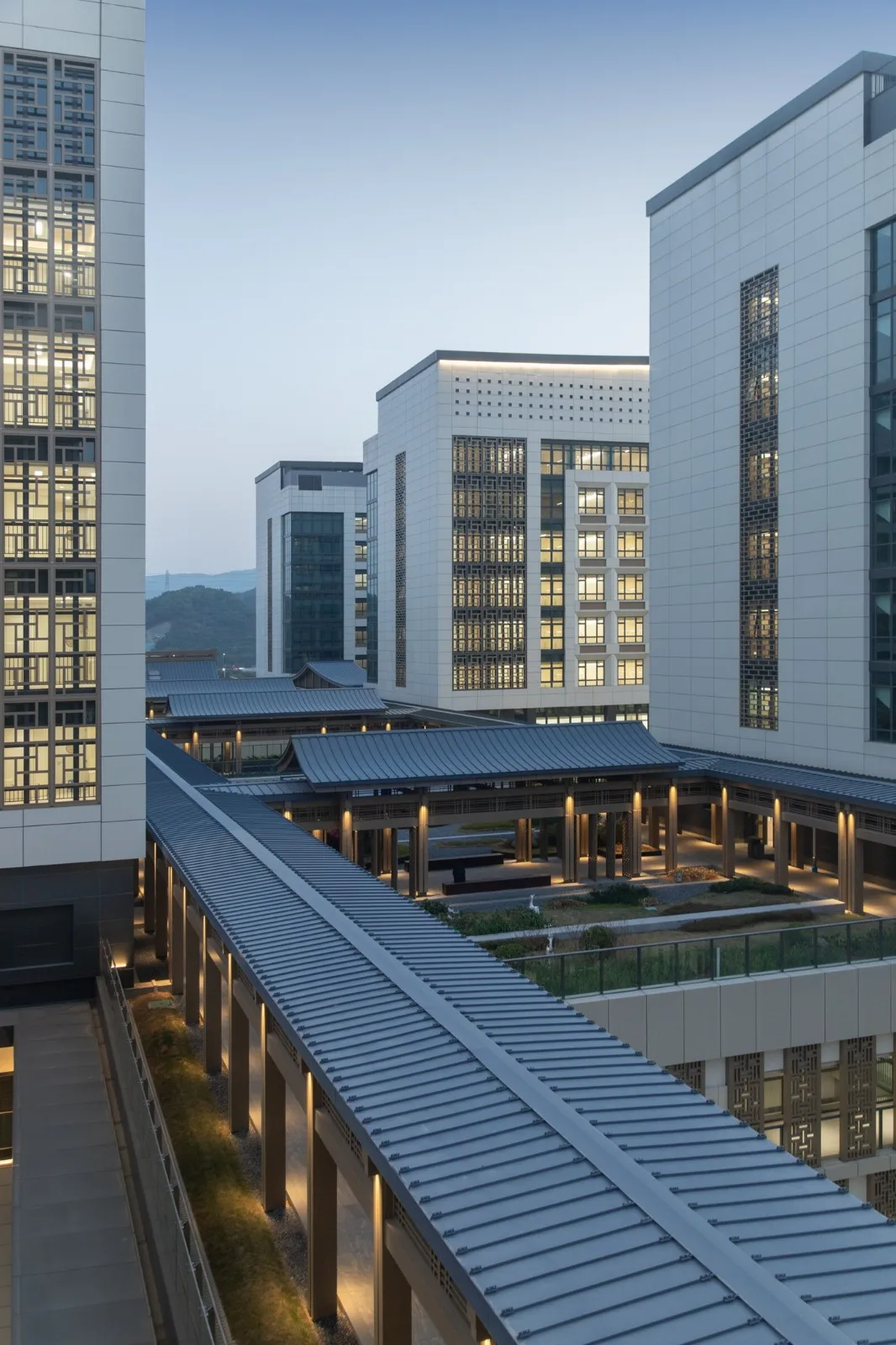
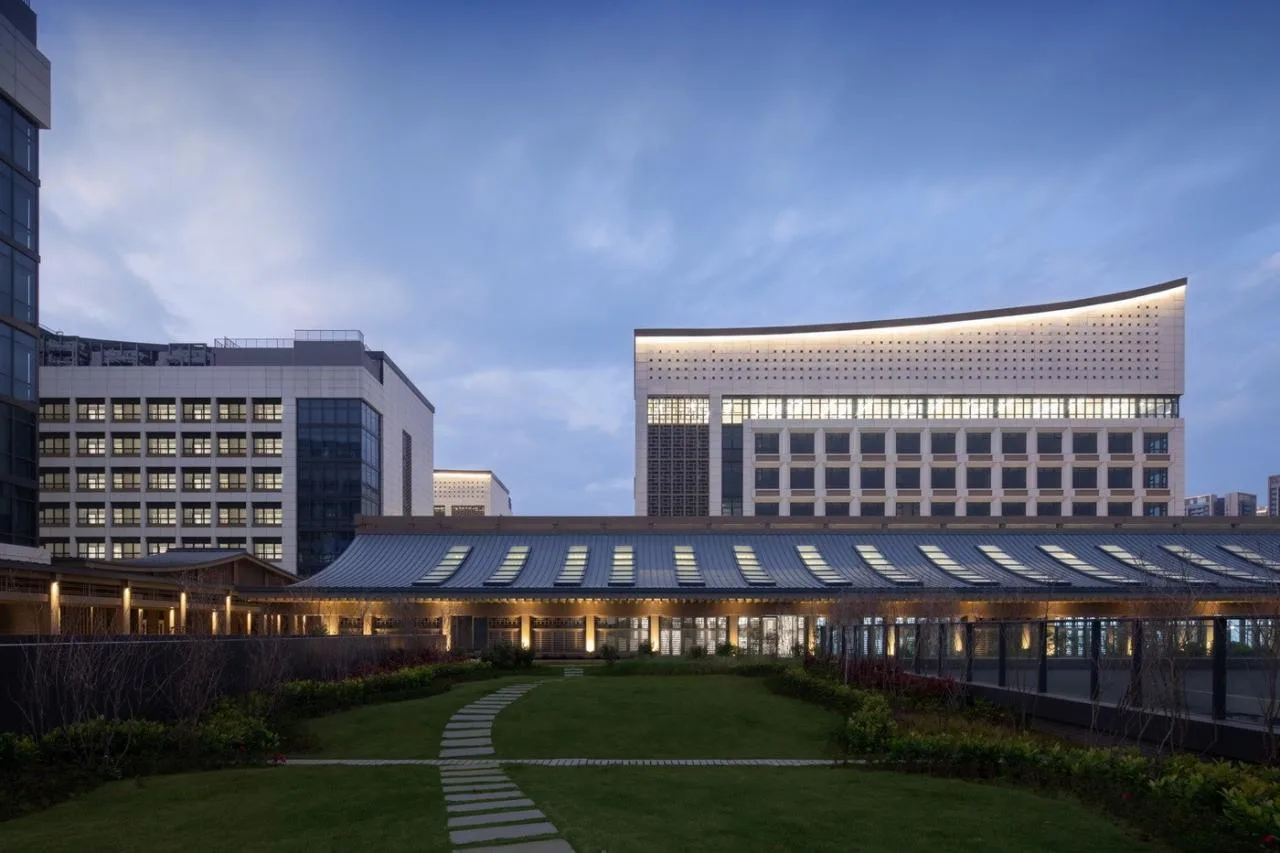
The building’s design is divided into upper and lower sections by an elevated roof garden. The upper portion is a three-sided enclosed residential block housing functions like hospitalization and elderly care.
The lower section contains outpatient and medical technology spaces arranged in a broad, flat layout.
The plan seamlessly integrates ground-level and rooftop garden systems through elevated courtyards, fostering interconnected indoor and outdoor environments that respond to Shenzhen’s oceanic climate.
With abundant greenery, the architecture harmonizes with nature, creating a poetic and immersive space enveloped by natural elements.
4. Heritage and Modernity in Roof Design
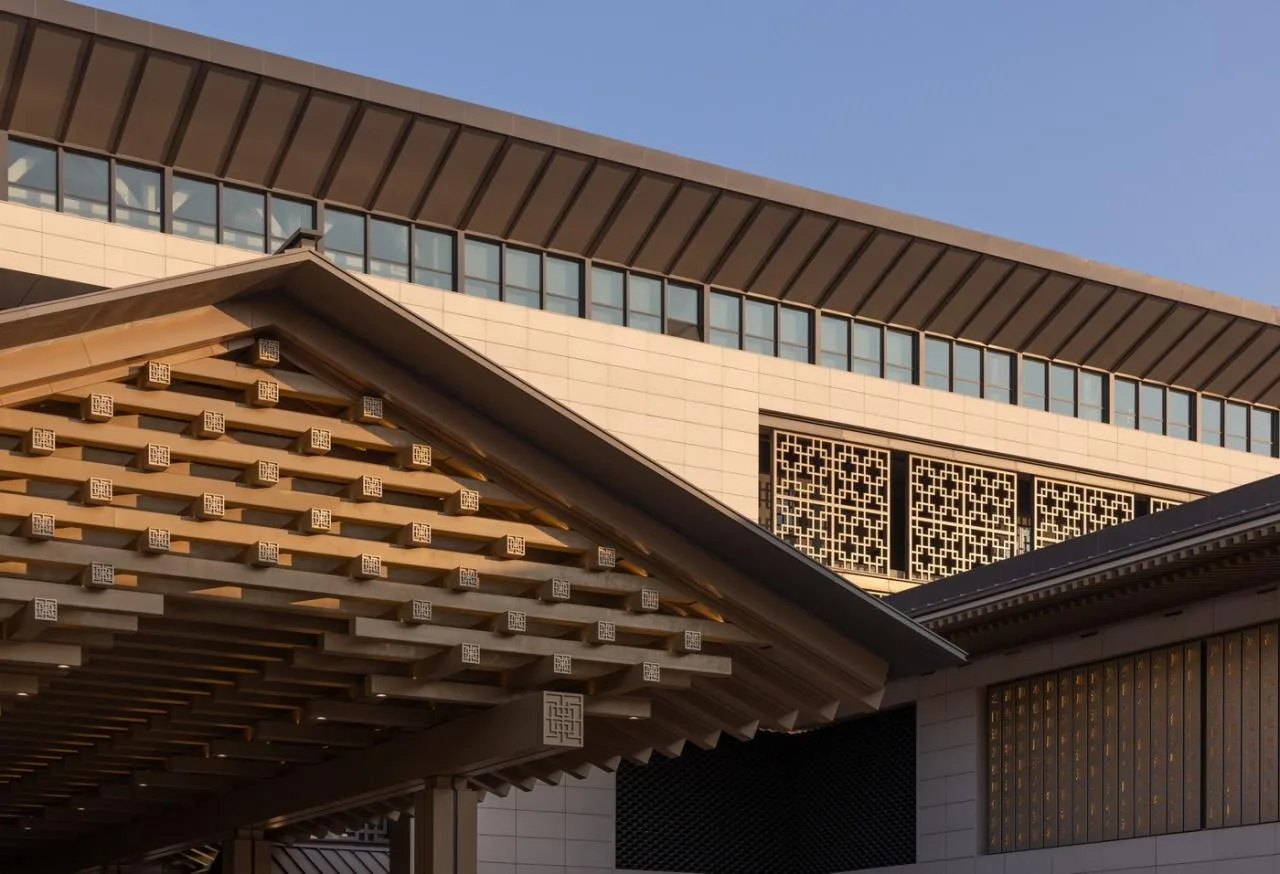
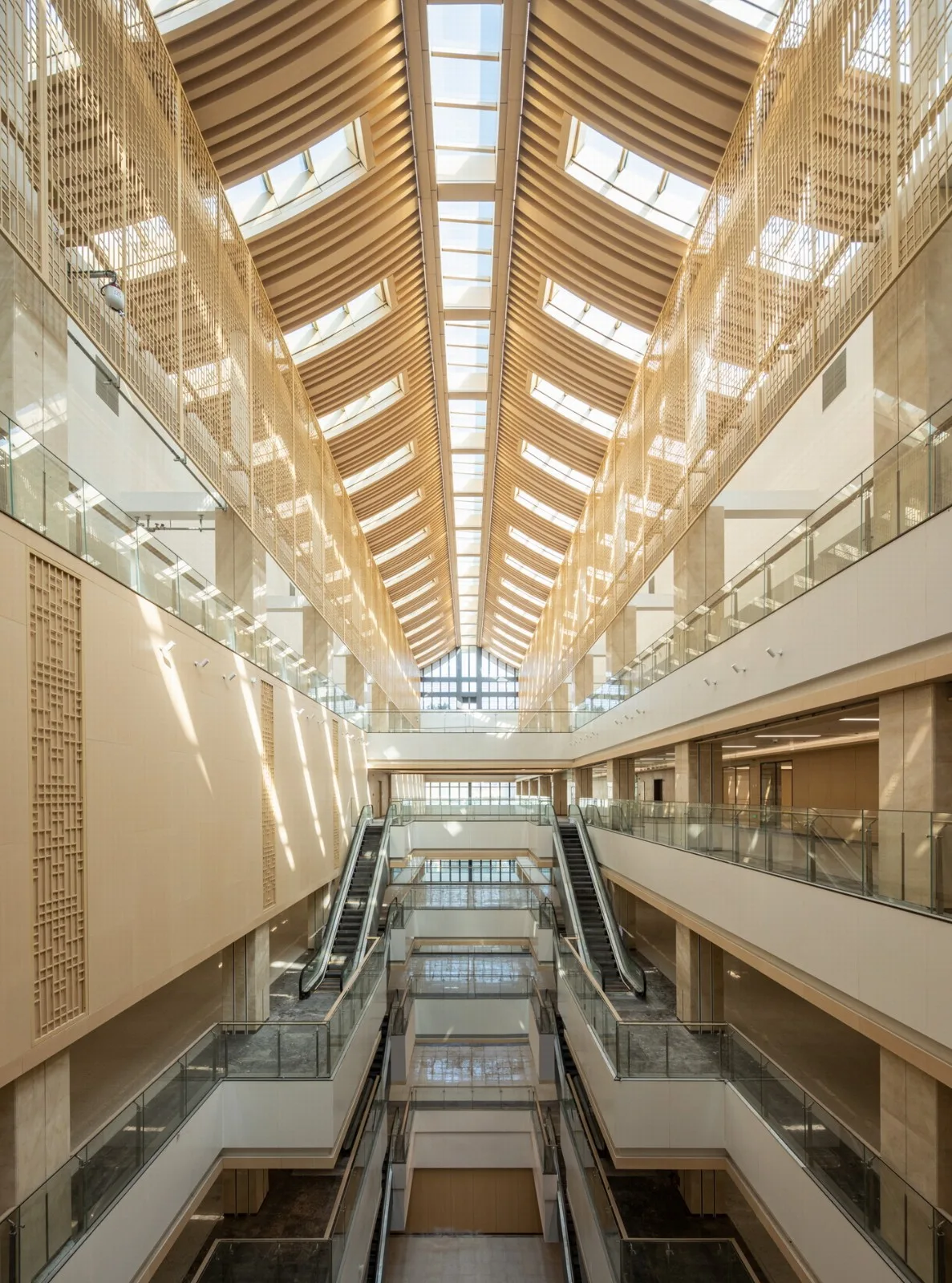
The design inherits and transforms traditional curved sloping roofs, facing the building’s central axis, evoking a landscape of flying eaves, upturned corners, and water flowing back to the hall.
The façade draws inspiration from the unique “grid fan through flower” texture, reinterpreted with modern materials and technology to create a contemporary oriental aesthetic characterized by elongated horizontal lines.
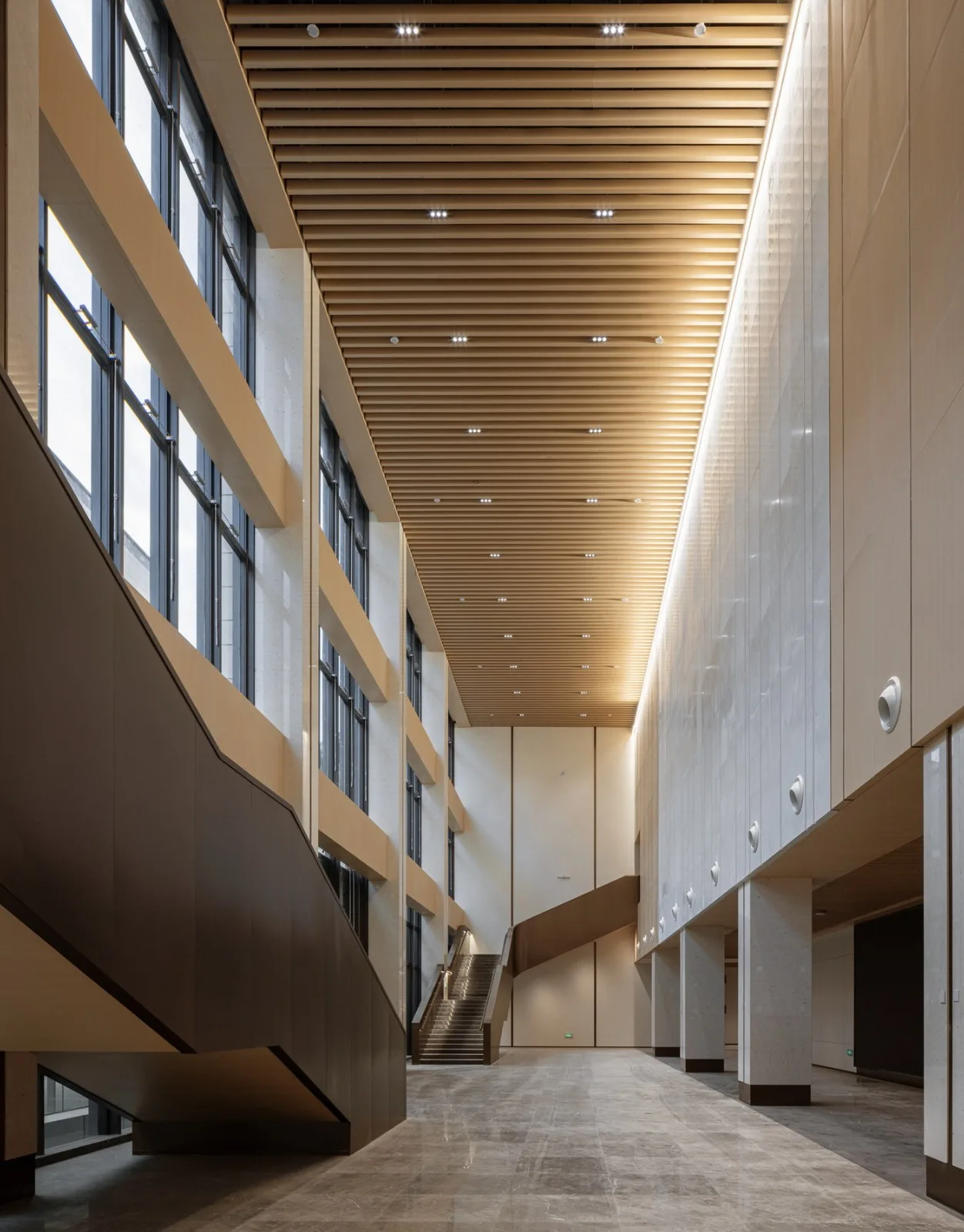
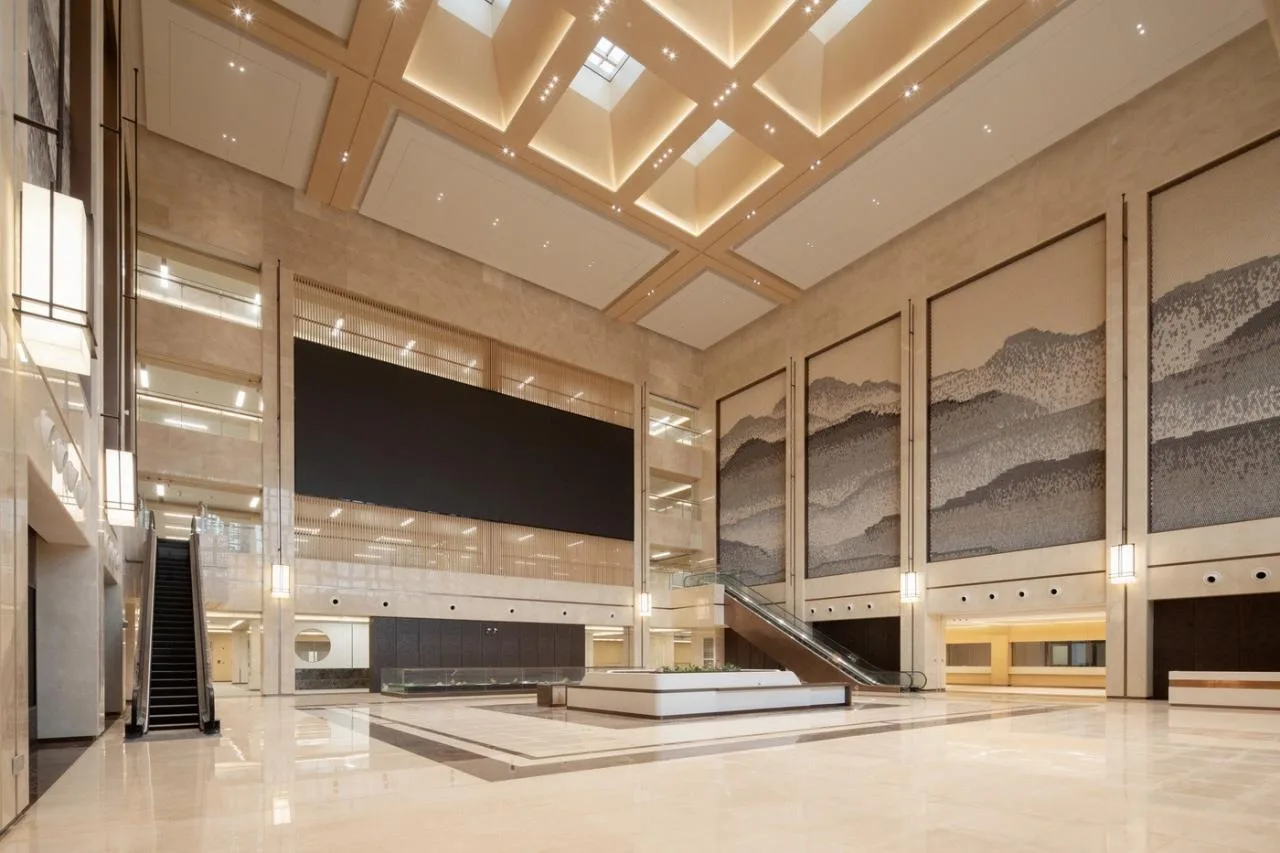
Through careful manipulation of space, texture, scale, and color, the design achieves a harmonious, subtle, and delightful spatial order, resulting in a hospital that blends tradition with modernity.
Project Drawings
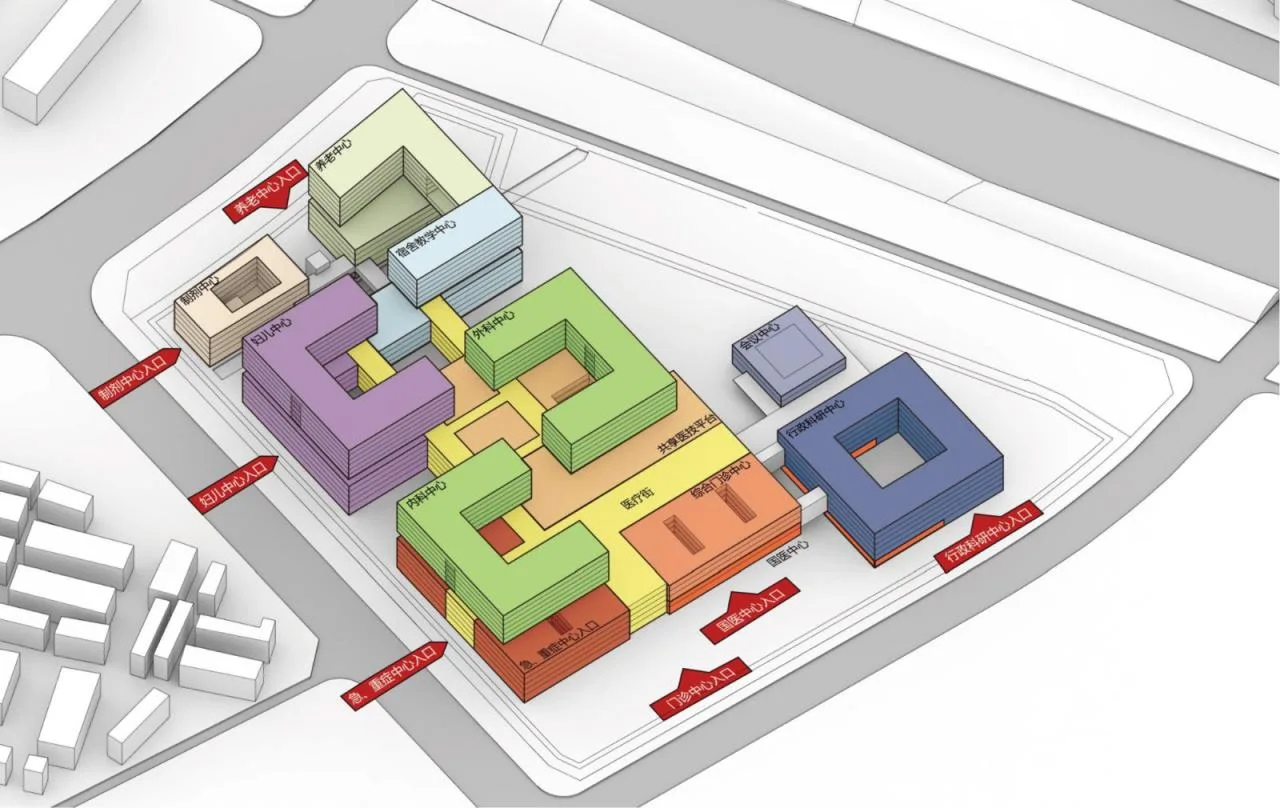
△ Functional Zoning
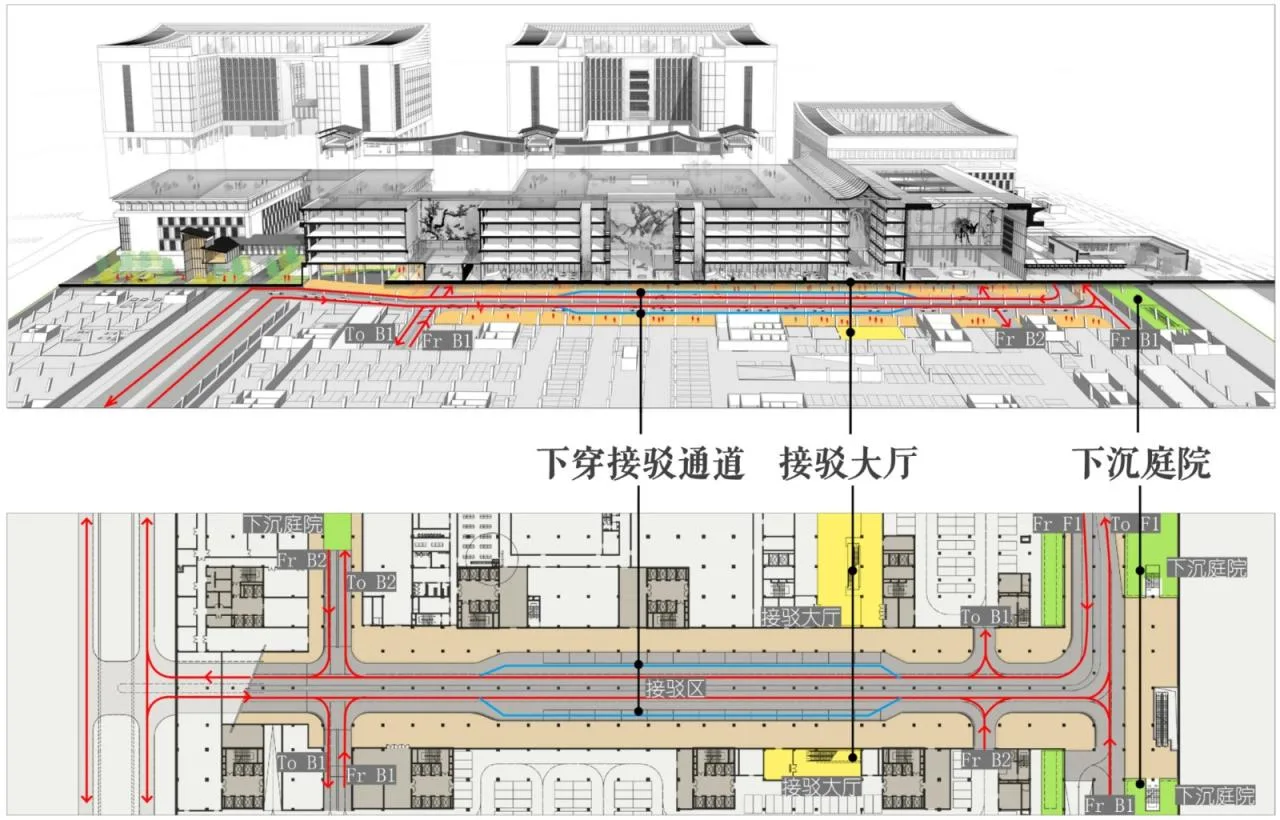
△ Streamline Analysis
Project Information
Architect: Meng Jianmin’s Team
Area: 440,000 square meters
Project Year: 2023
Photographers: Ziran Architecture Photography, Yuan Xiaoyi
Manufacturers: Xinyi, Ruigao, Jinba
Main Creative Designers: Meng Jianmin, Xing Lihua
Design Team: Liu Ruiping, Fu Yongxian, Tang Jinshun, Xie Limin, Yu Miaoling, Huang Zhangen, Gao Wen’an, Li Jintao
Landscape Design: Architectural Landscape Design Institute of Shenzhen General Hospital
Structural Design: Architectural Landscape Design Institute of Shenzhen General Hospital
Interior Design: Shenzhen Jieen Creative Design Co., Ltd
BIM Design: Digital Architecture Research Institute of Shenzhen General Hospital
Owners: Shenzhen Municipal Engineering Bureau, Shenzhen Traditional Chinese Medicine Hospital
Location: Shenzhen















Must log in before commenting!
Sign Up