
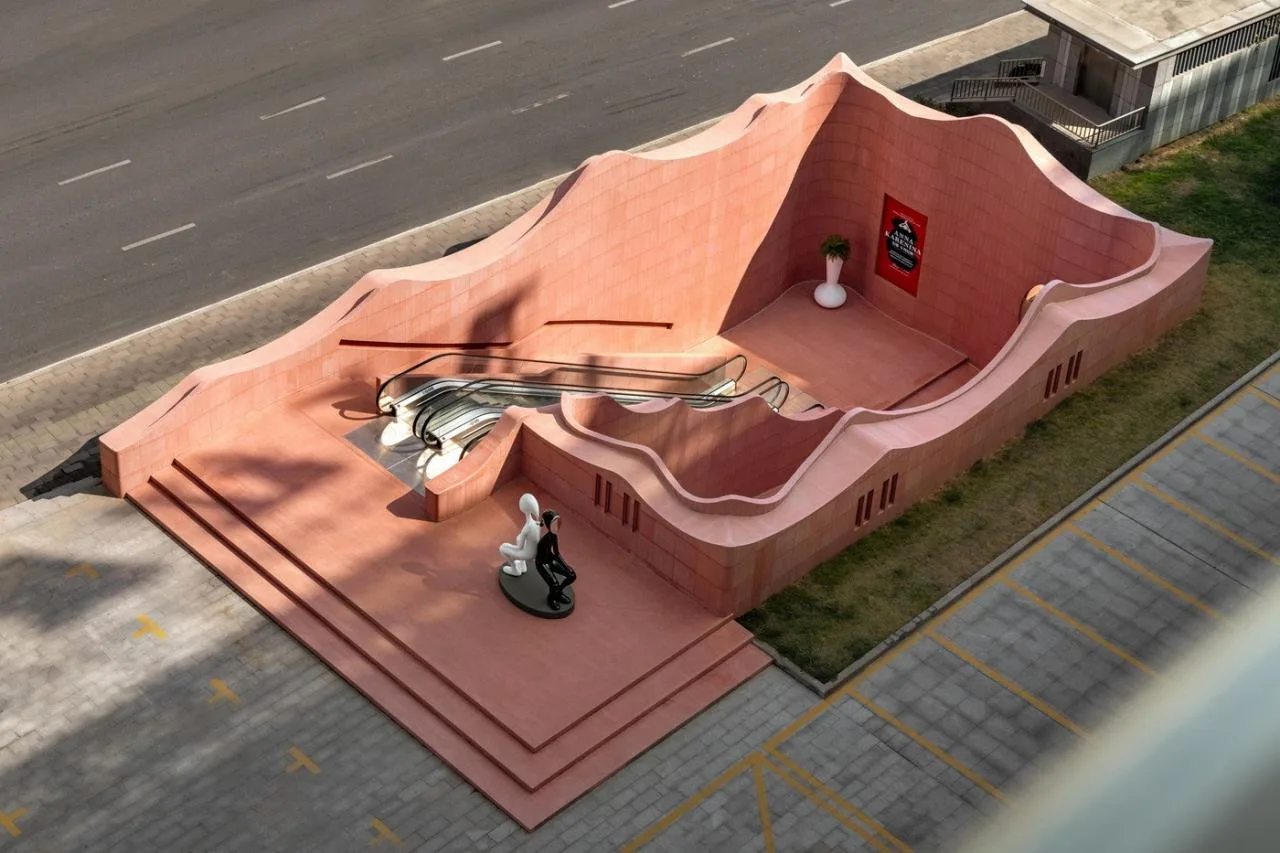
The subway station serves as a crucial spatial node within the city, acting as a theater where daily urban journeys begin and end. Commuters transition between underground and surface spaces as they travel from home to work, social venues, and shopping areas. This point, connecting the start and end of a day, is more than just a transit hub—it is a dynamic stage continuously narrating stories.
Space here is not merely functional; it carries rich narratives and expressions. Beyond reflecting local culture, the station fosters interactions and connections among people and between individuals and their surroundings, generating new stories and cultural experiences.
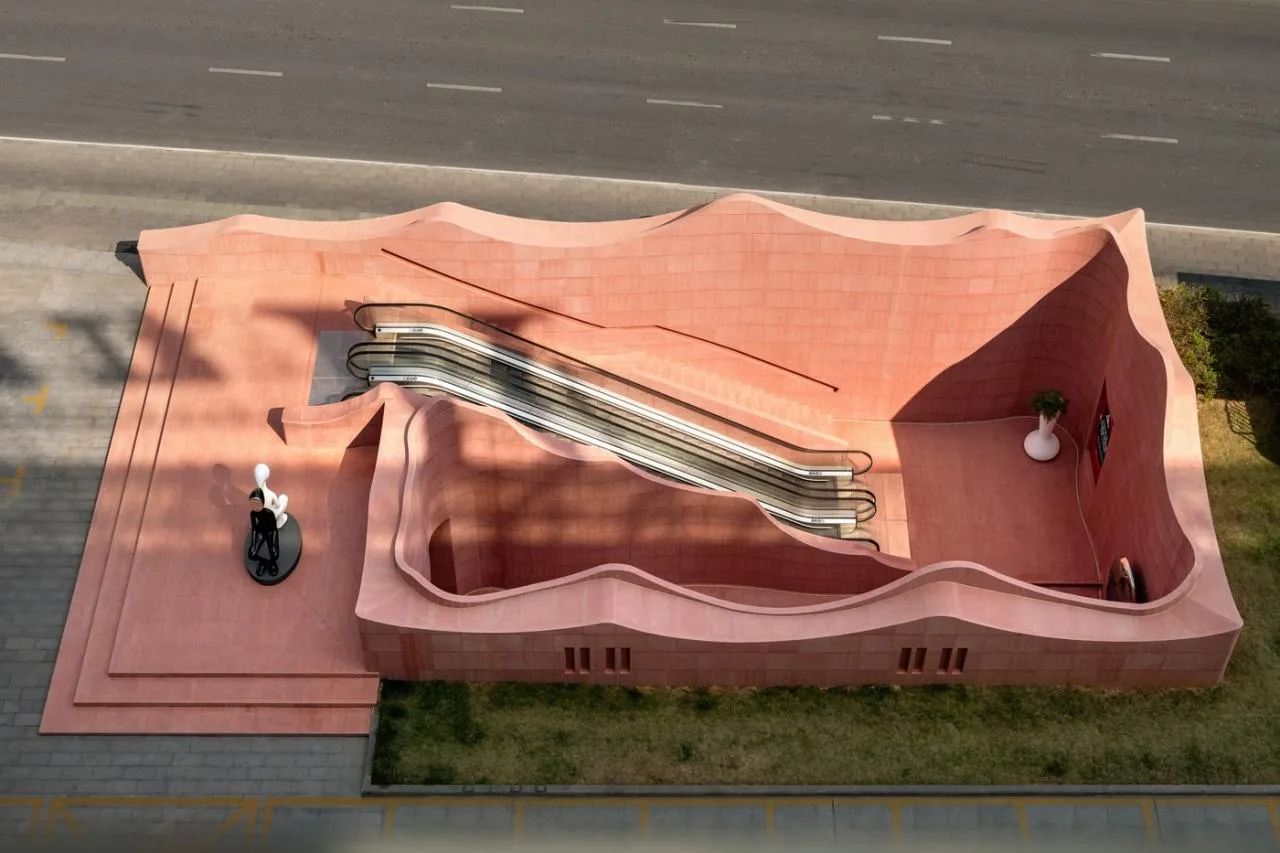
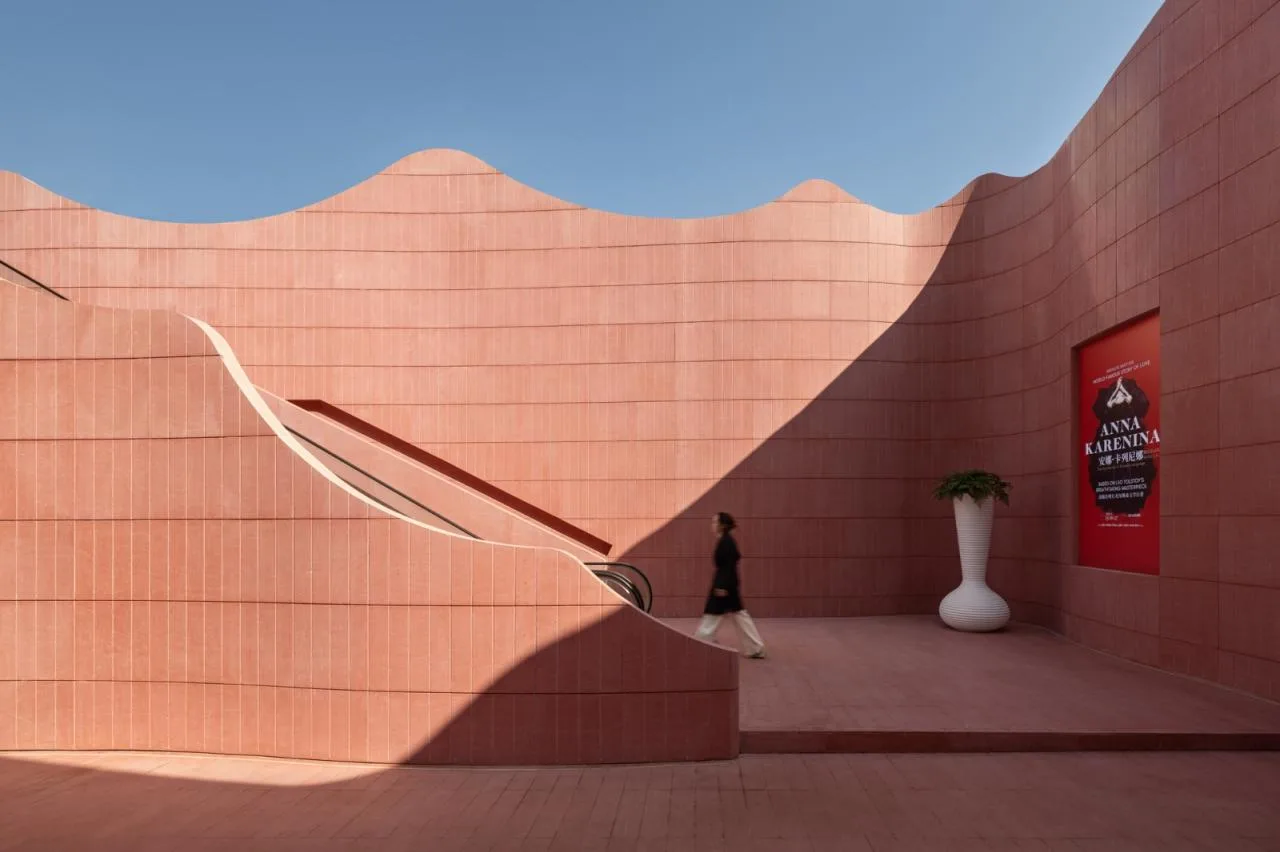
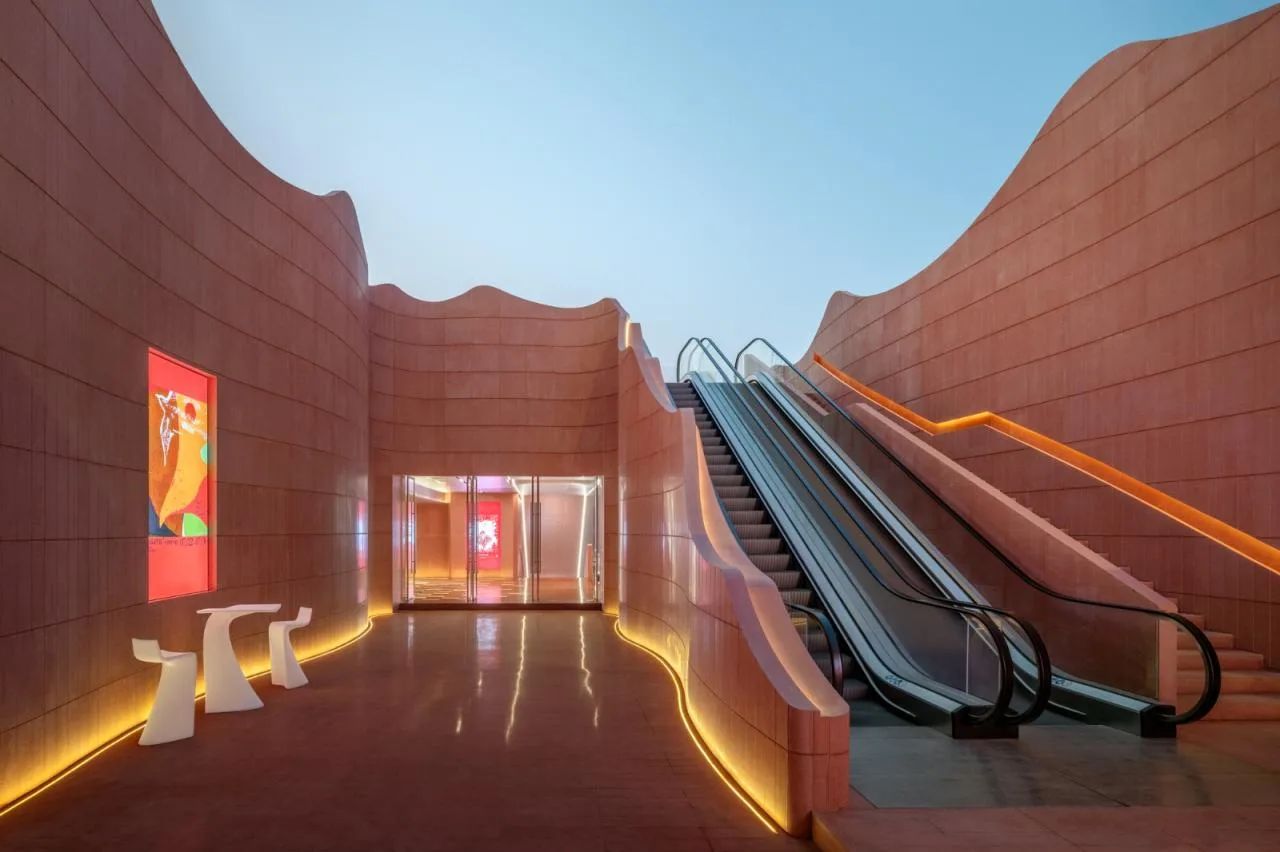
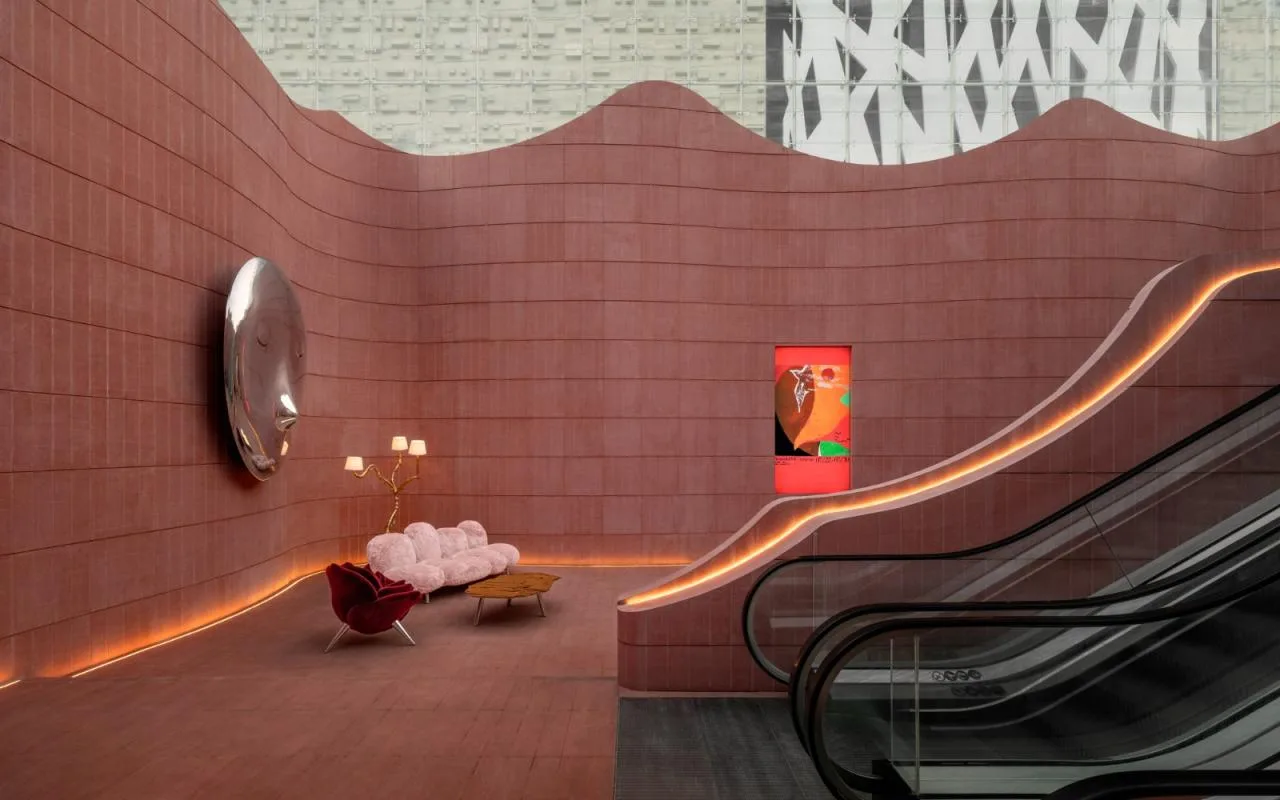
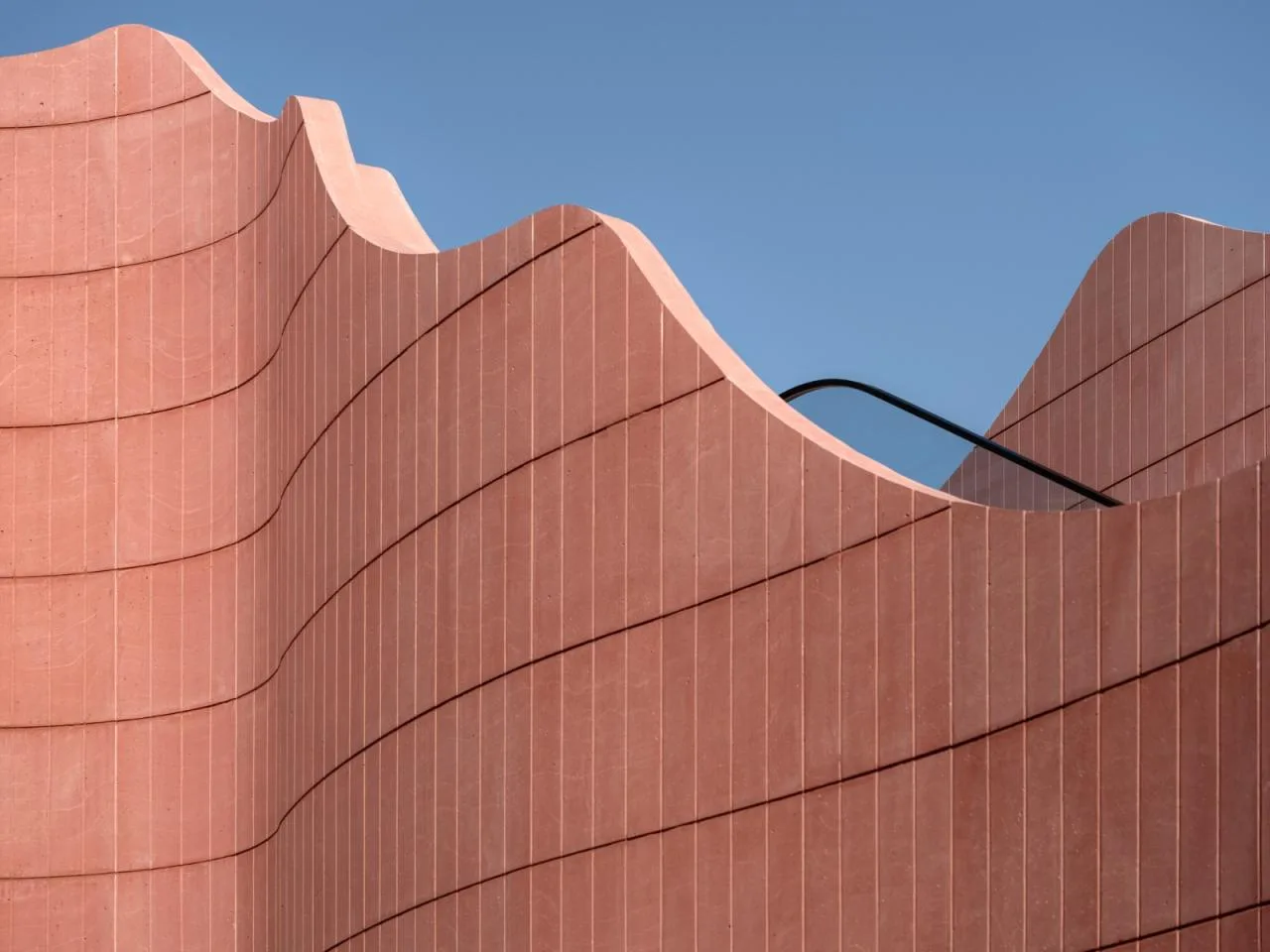
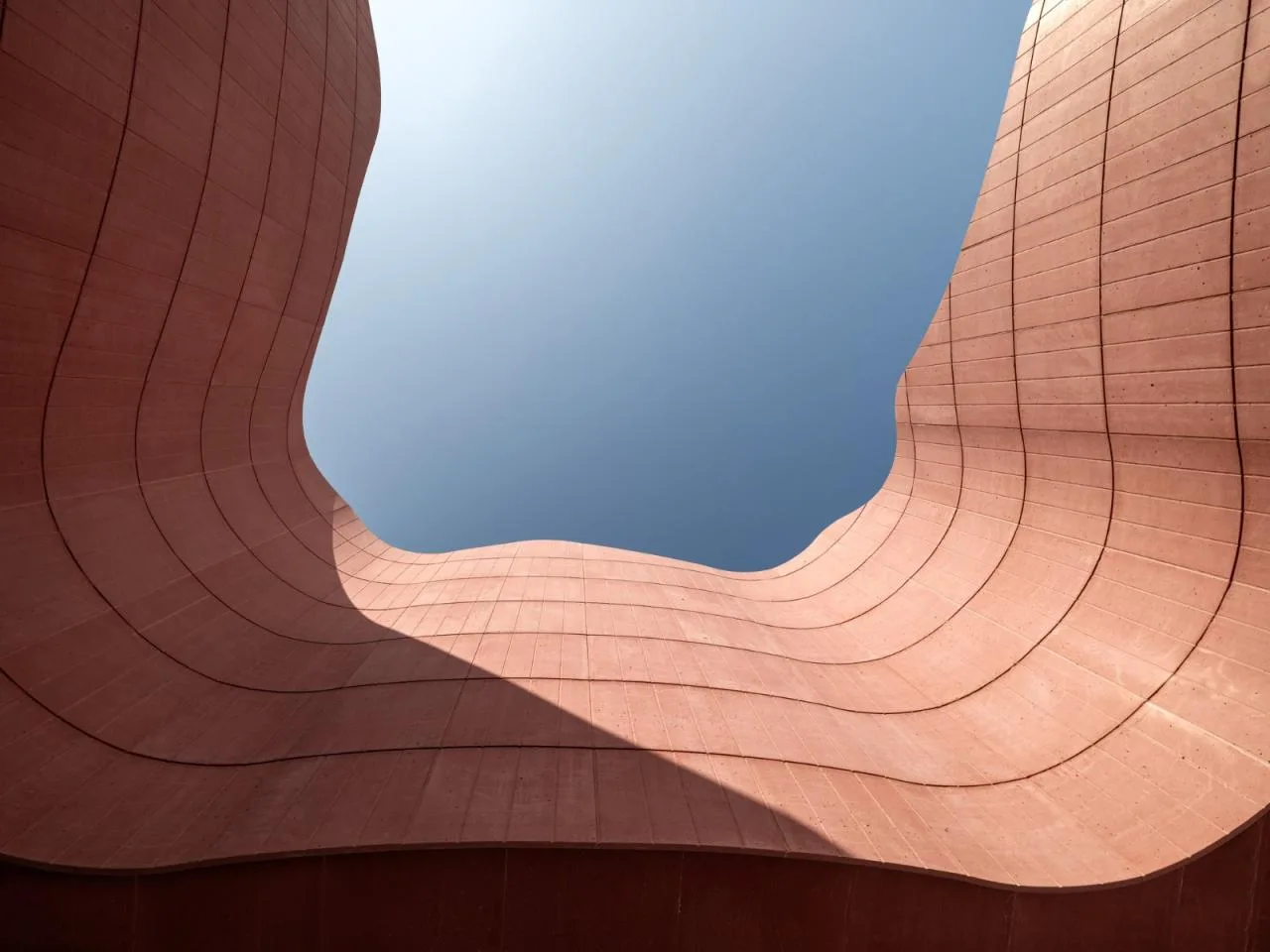
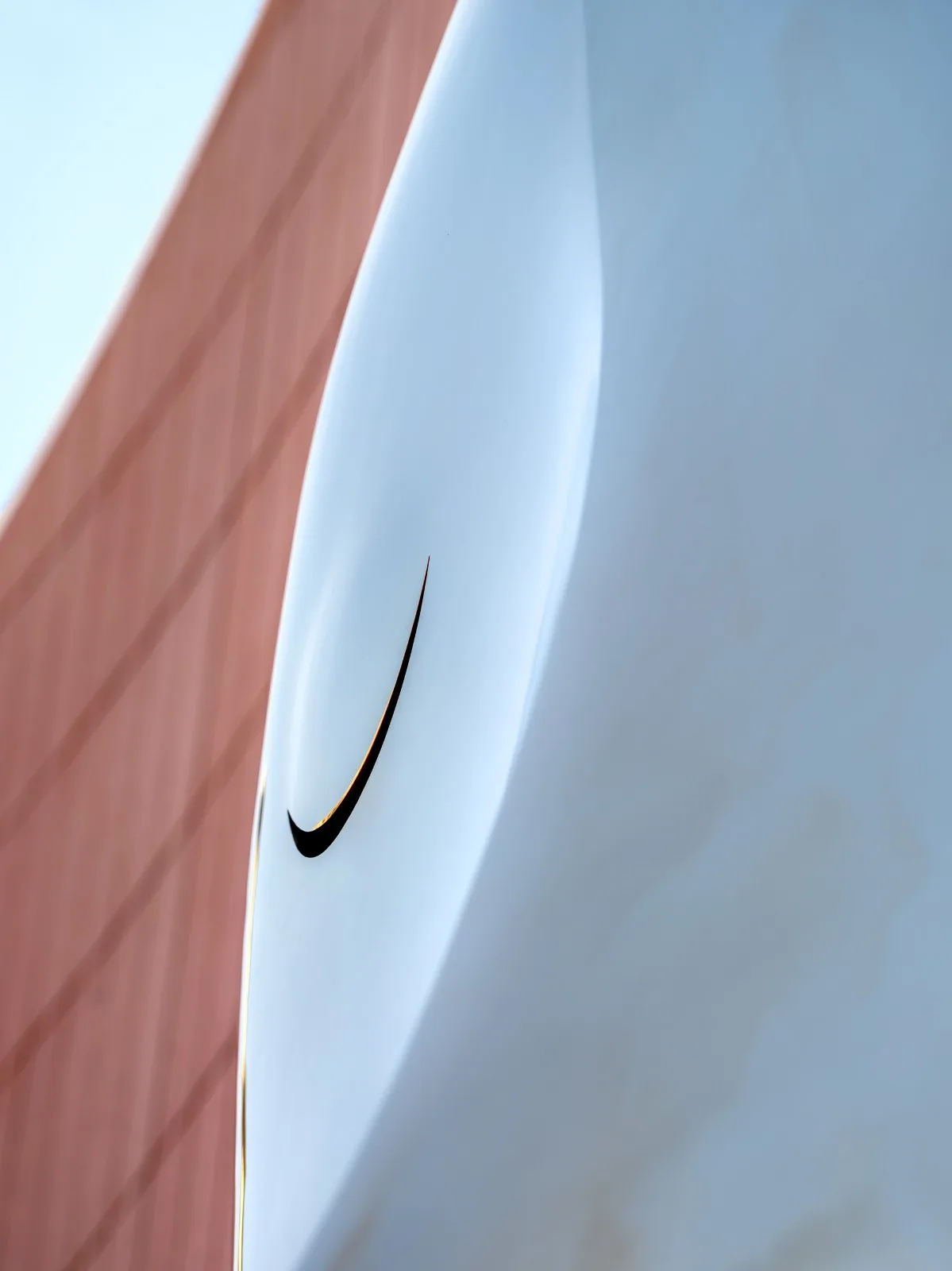
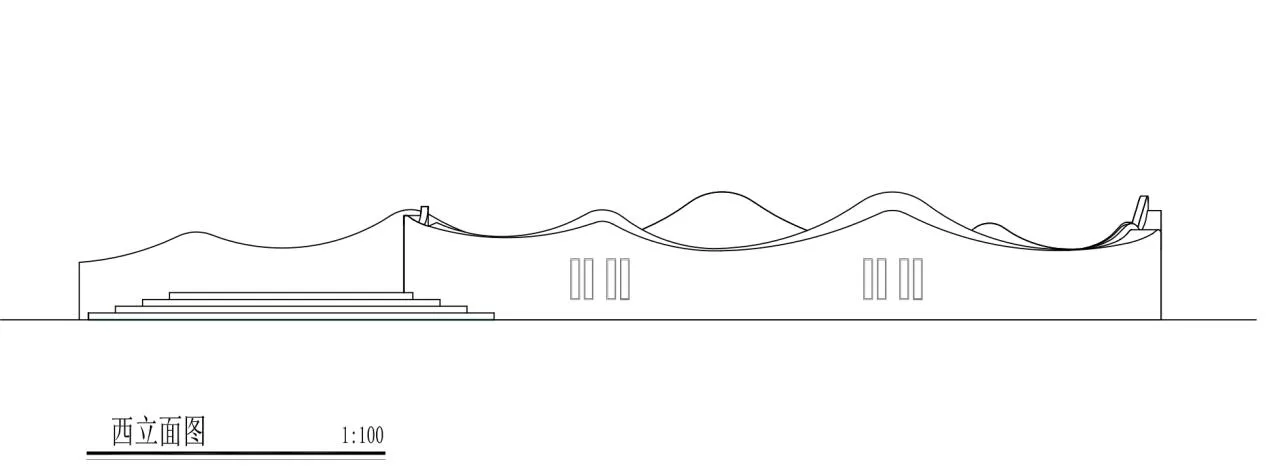
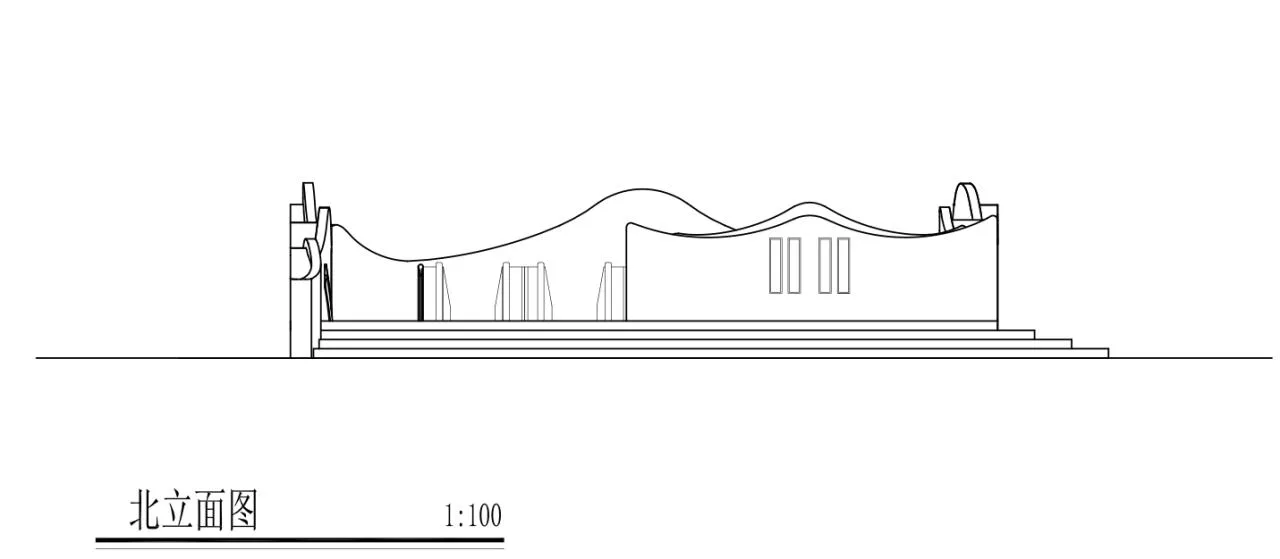
Inspired by the distinctive red brick architecture of southern Fujian, the design reinterprets local elements through a contemporary and dramatic lens. This transformation reflects the characteristics of the bay area, evoking the imagery of continuous waves and red rapids.
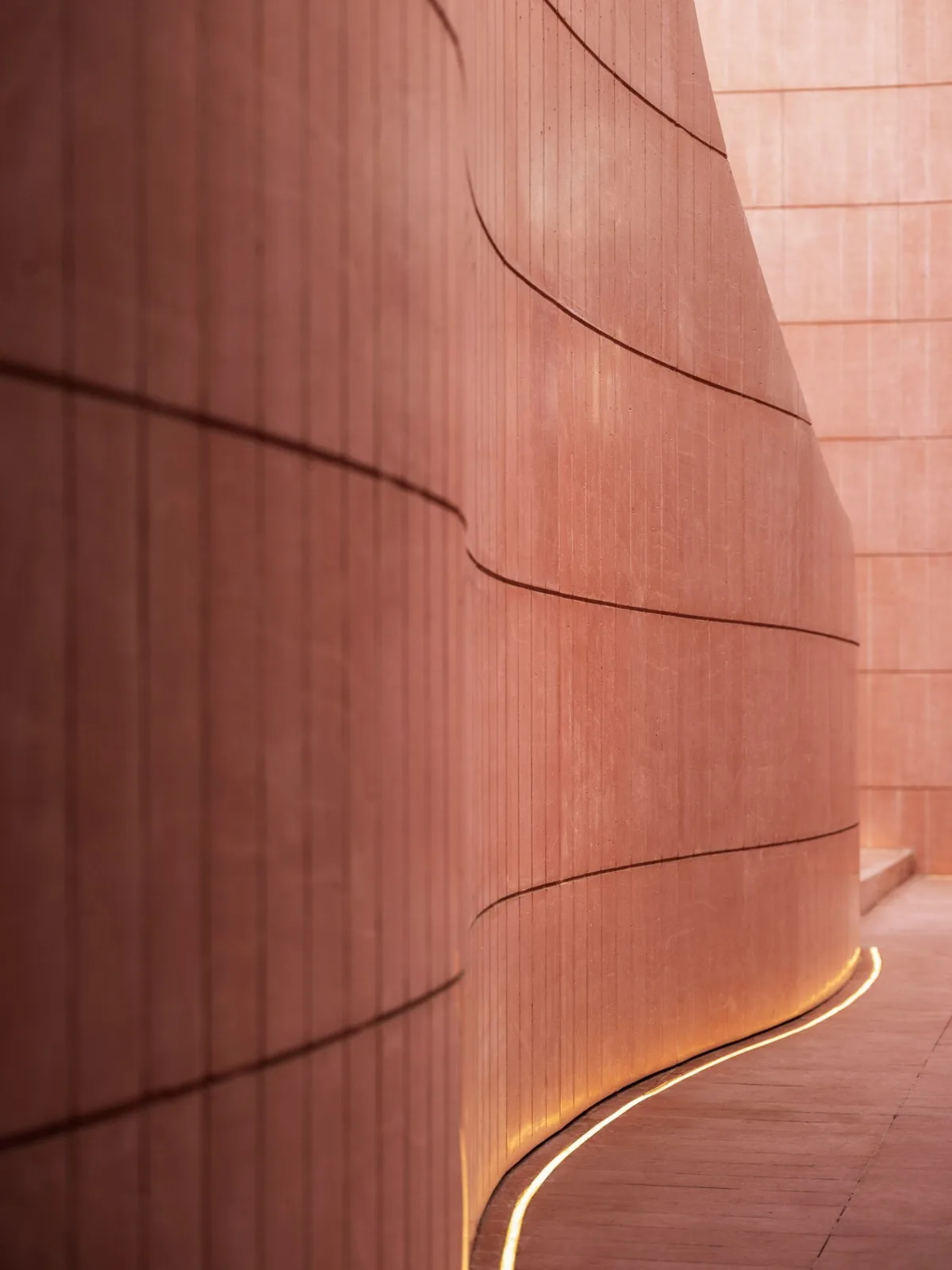
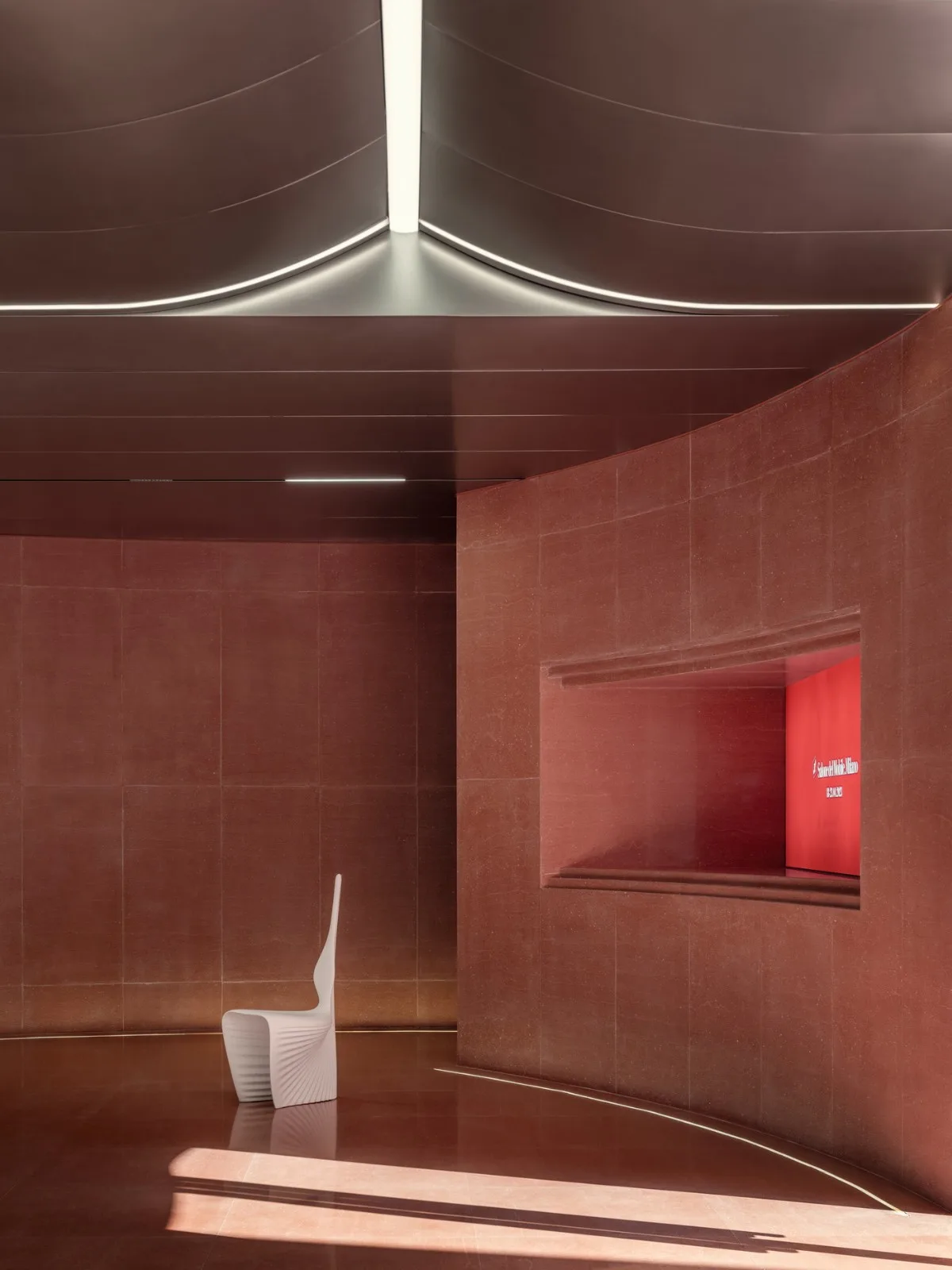
The materials depart from traditional natural stone or classic red bricks, instead using a novel red clear water board. Its color has been specially adjusted, blending modern aesthetics with local heritage. The design emphasizes simplicity in form and modeling language, presenting a refined and understated expression.
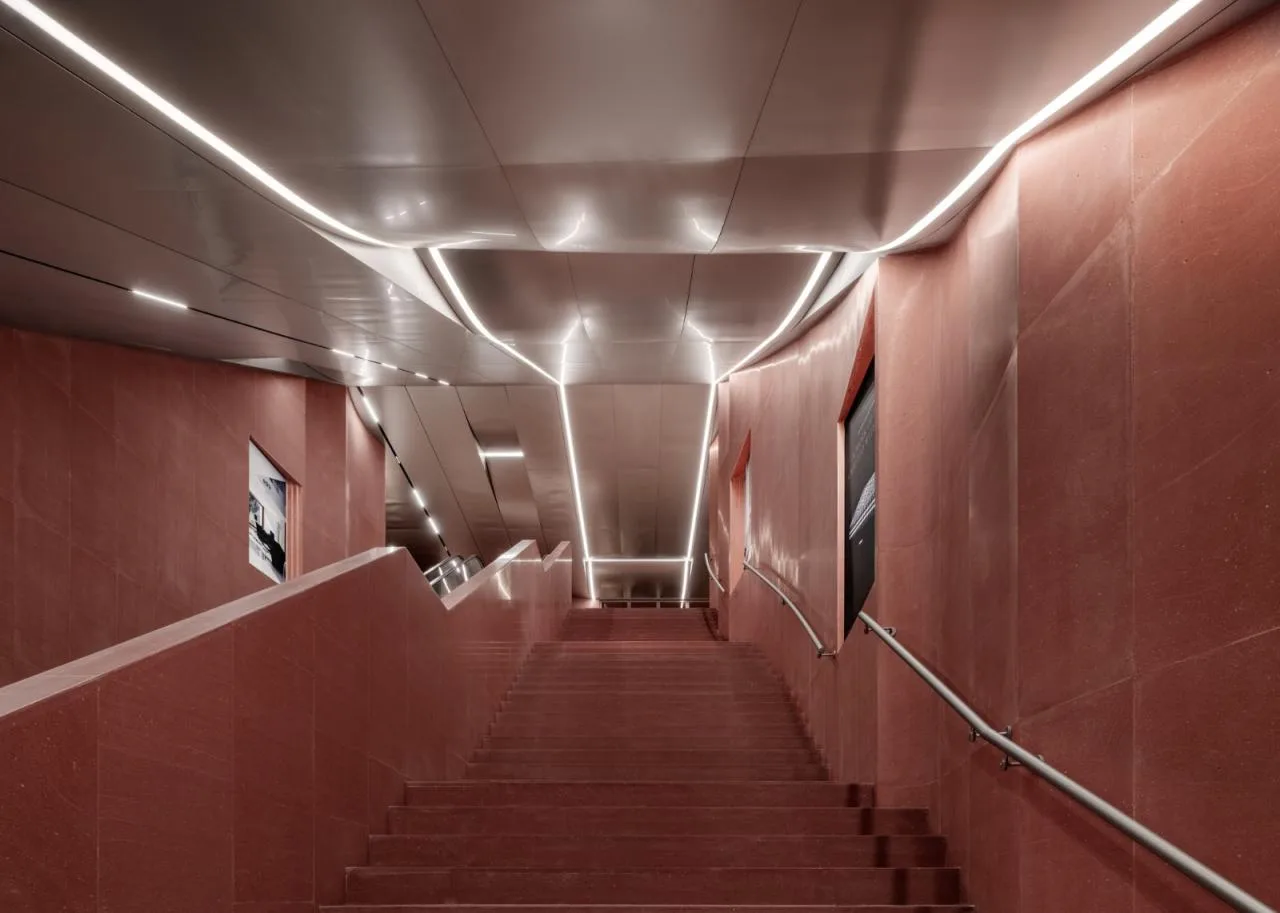
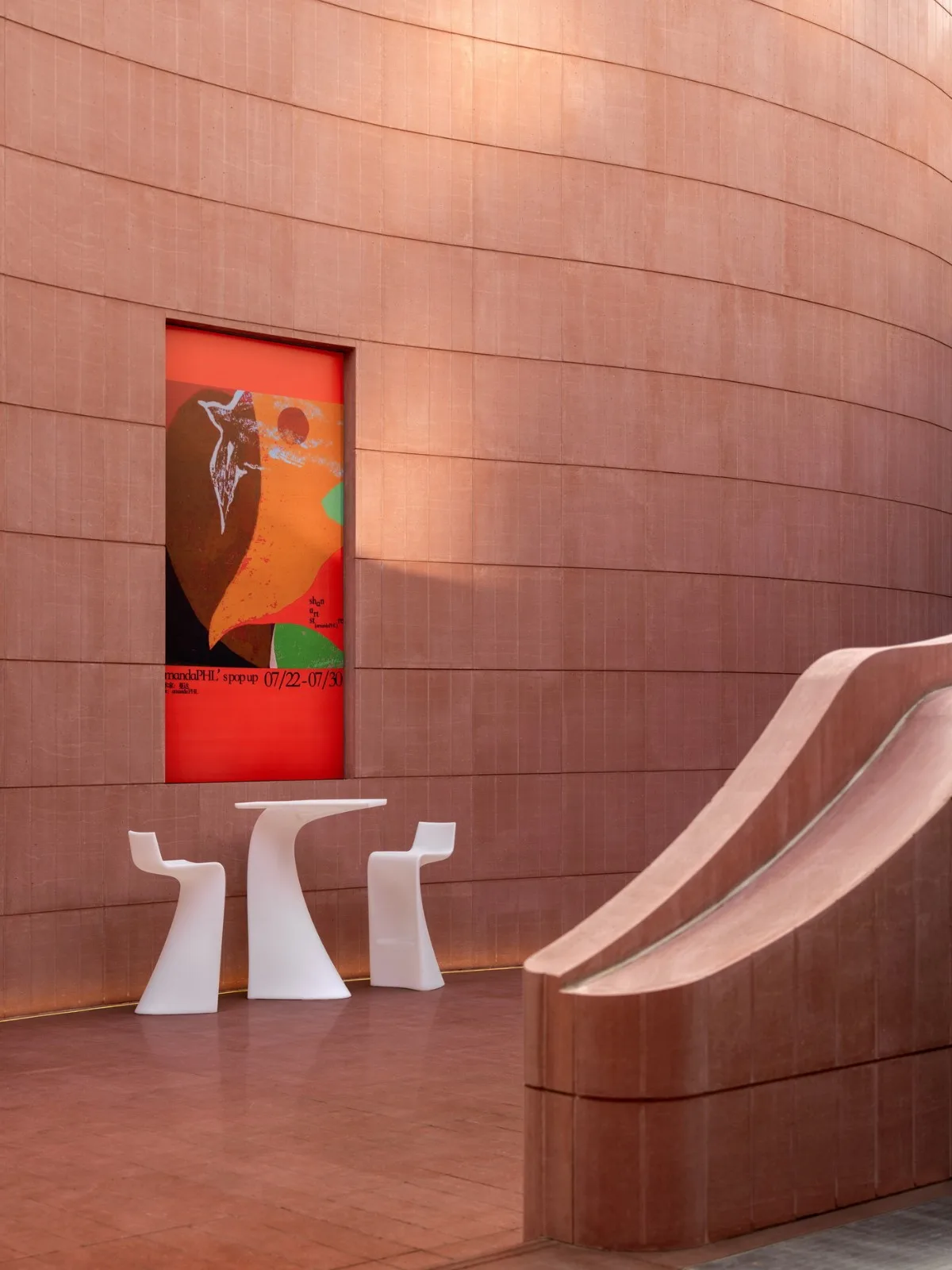
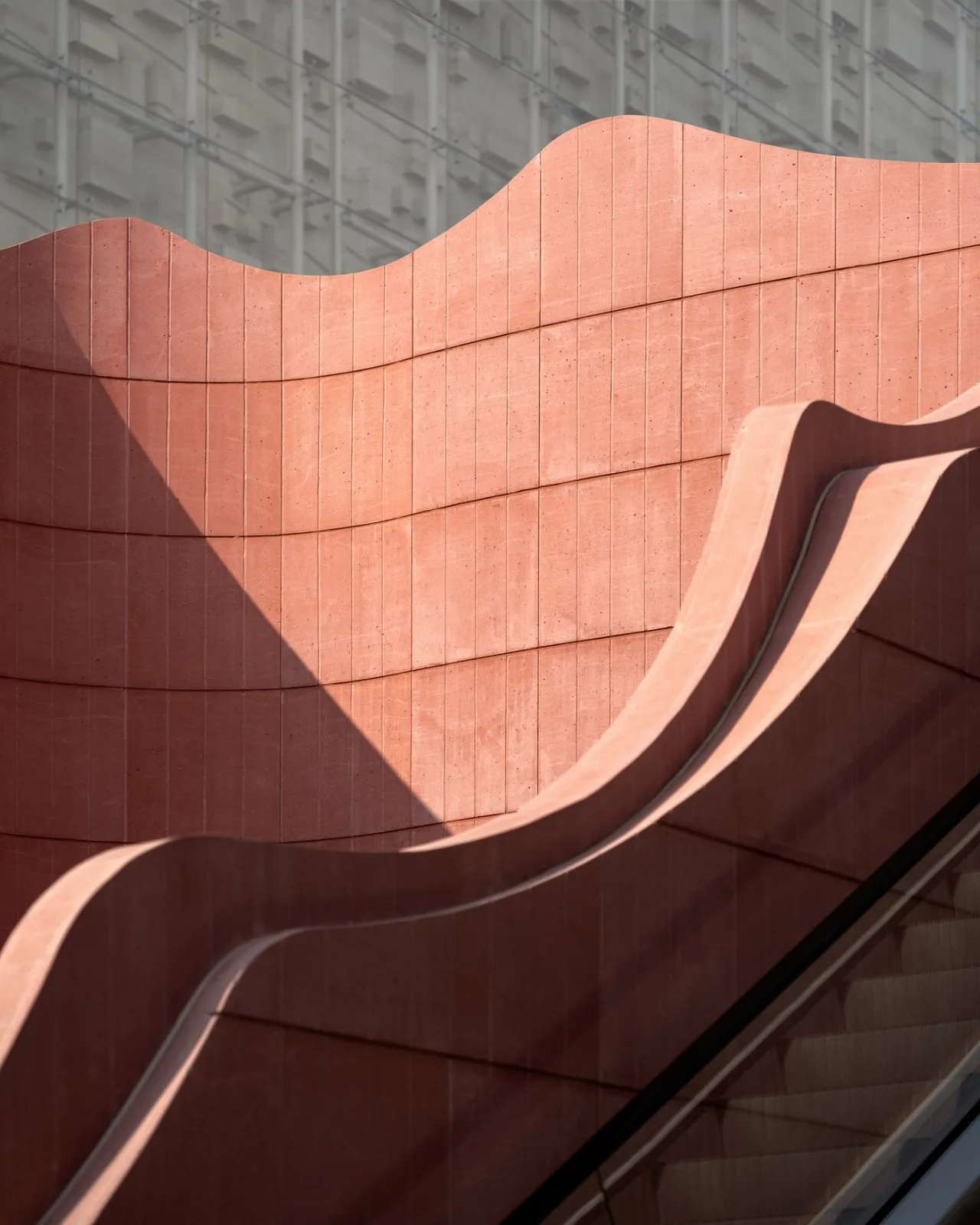
Using stone in this design posed significant engineering challenges. To address cost and construction feasibility, 3D modeling technology was employed to modularize the flat and vertical surfaces of the wave-shaped clear water board.
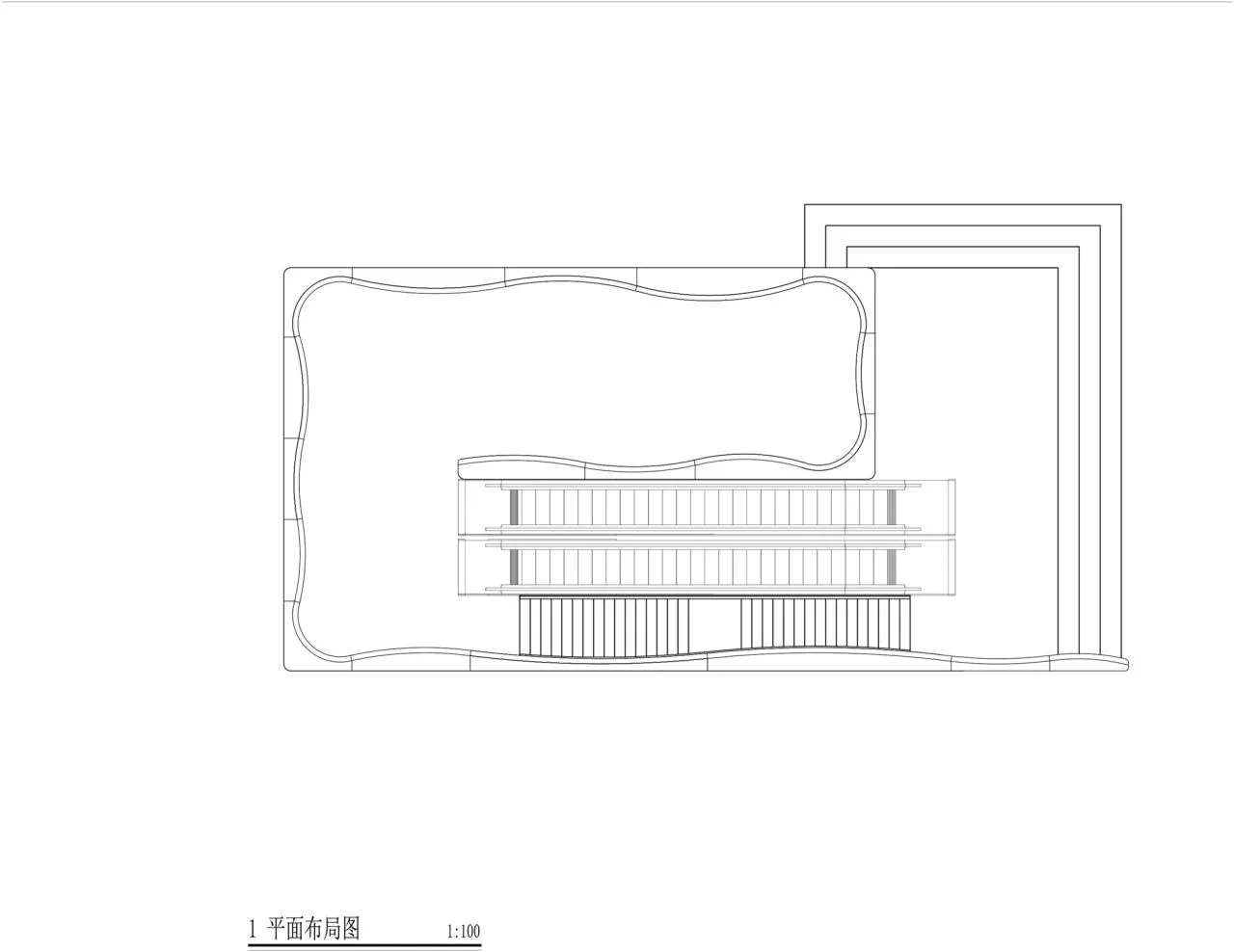
Although the shapes are freeform, they follow calculated curves with three different specifications and curvatures, enabling modular installation. The assembly of these rigid units results in seamless curved surfaces that create an artistic and fluid architectural expression.
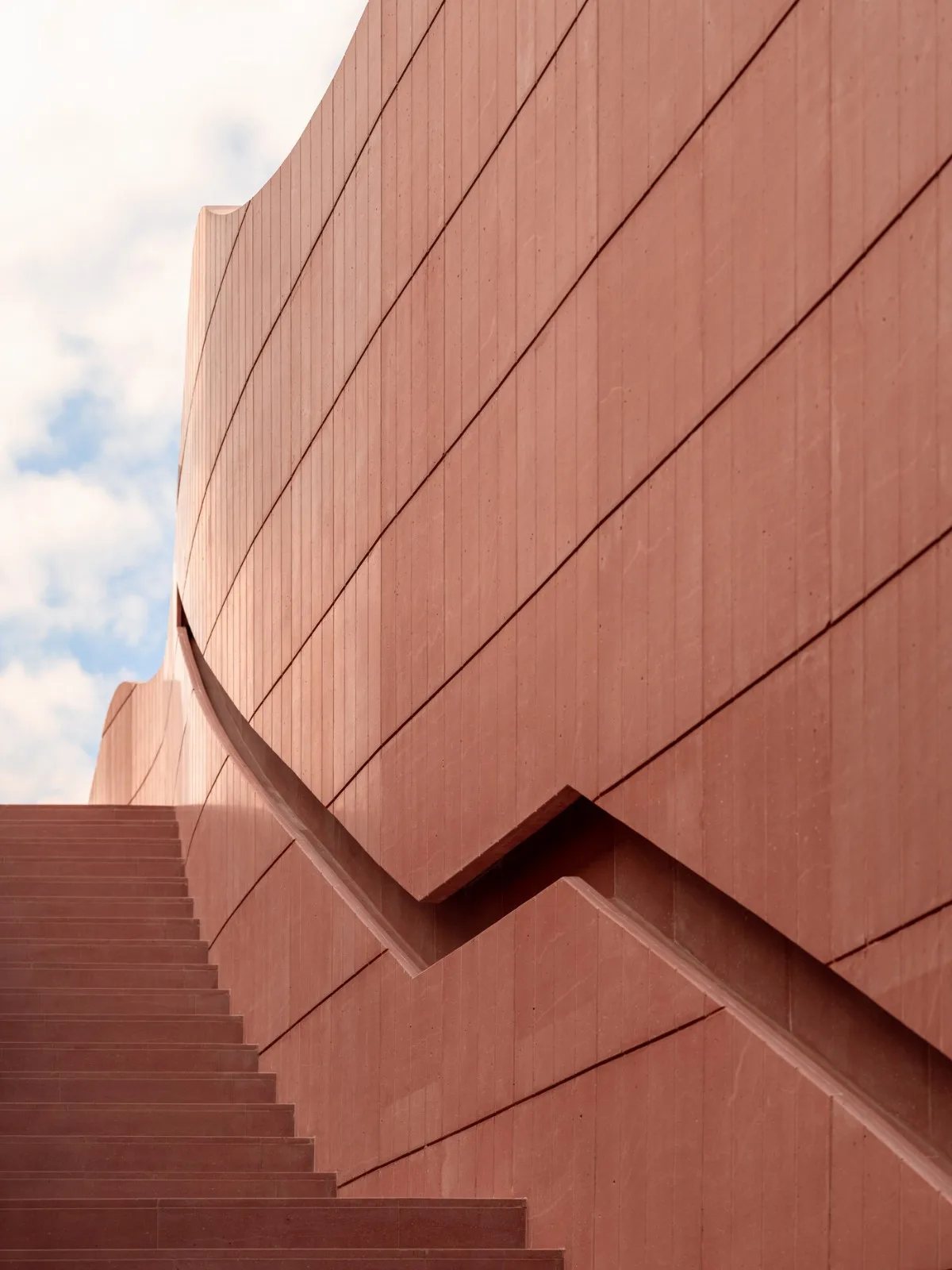
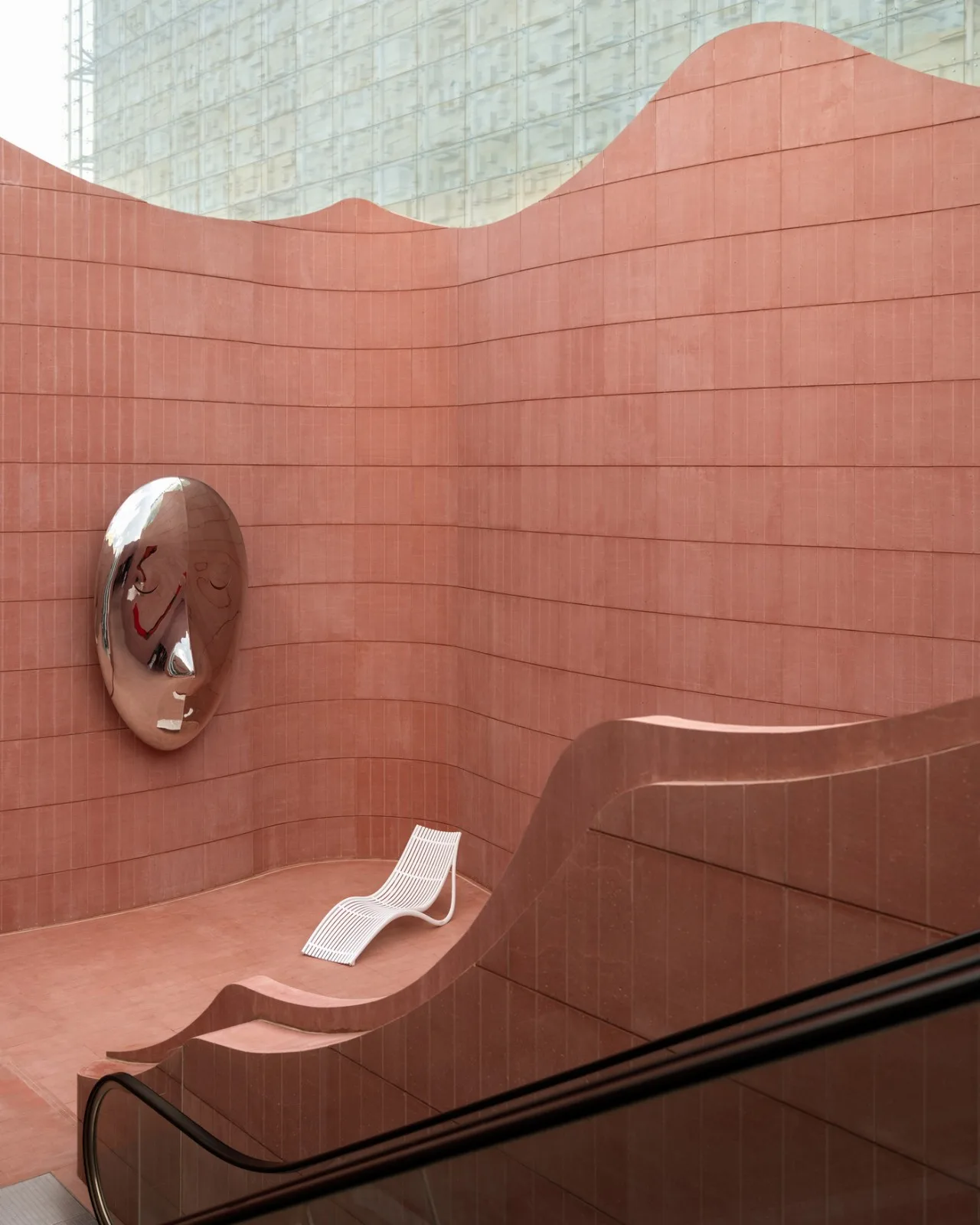
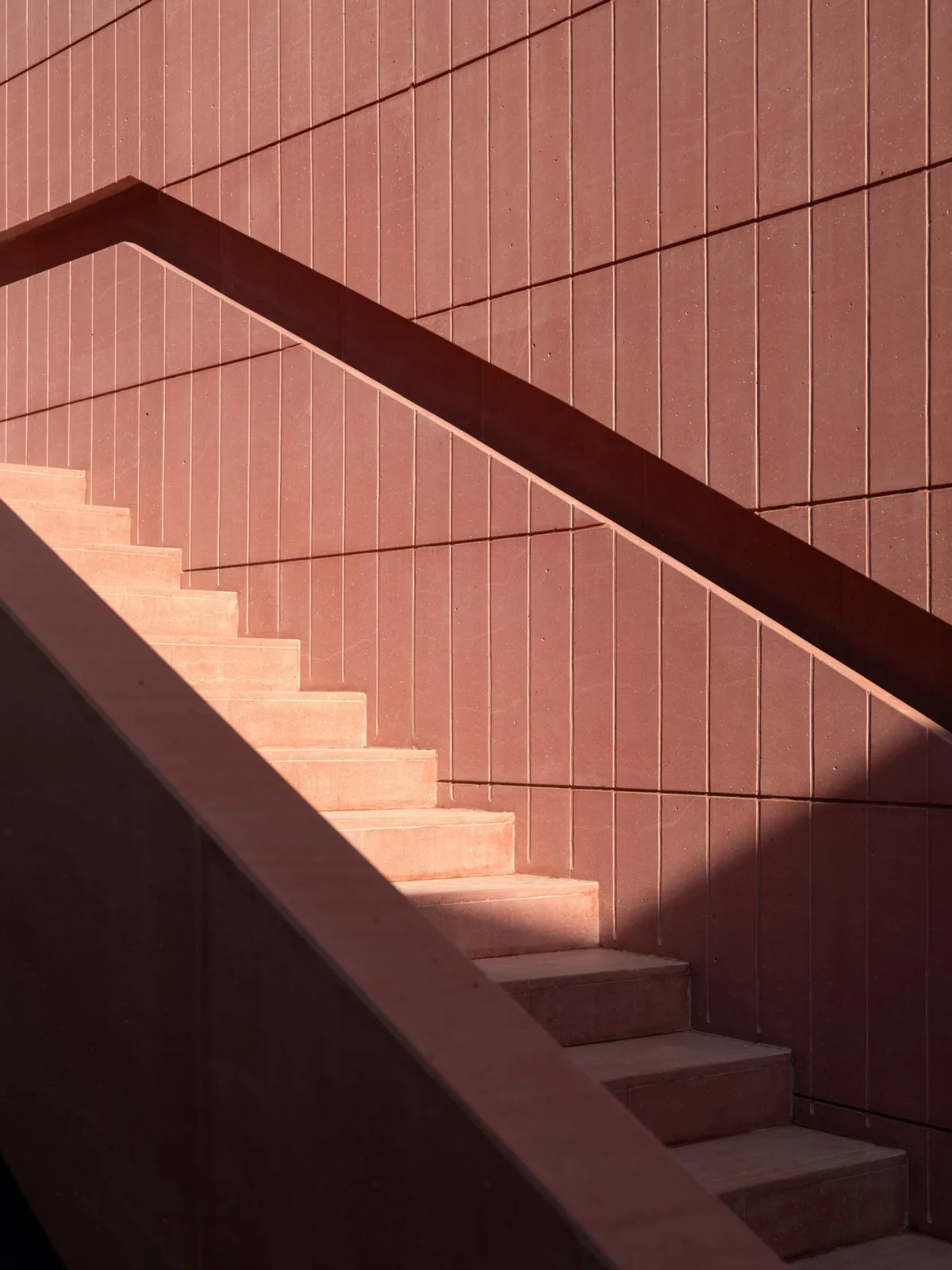
The architectural curves crafted for this public subway entrance demonstrate how spatial design can inspire product design philosophies, merging functionality with artistic vision.
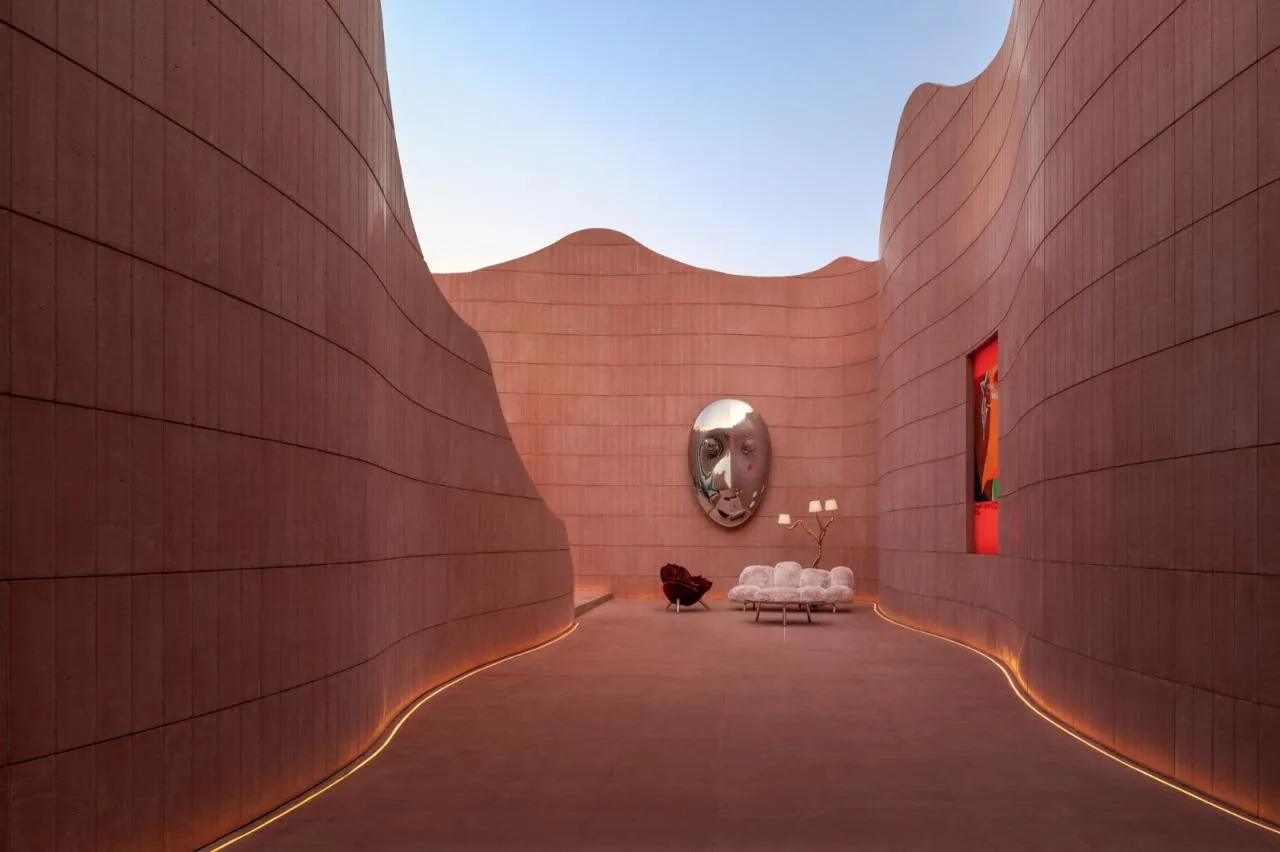
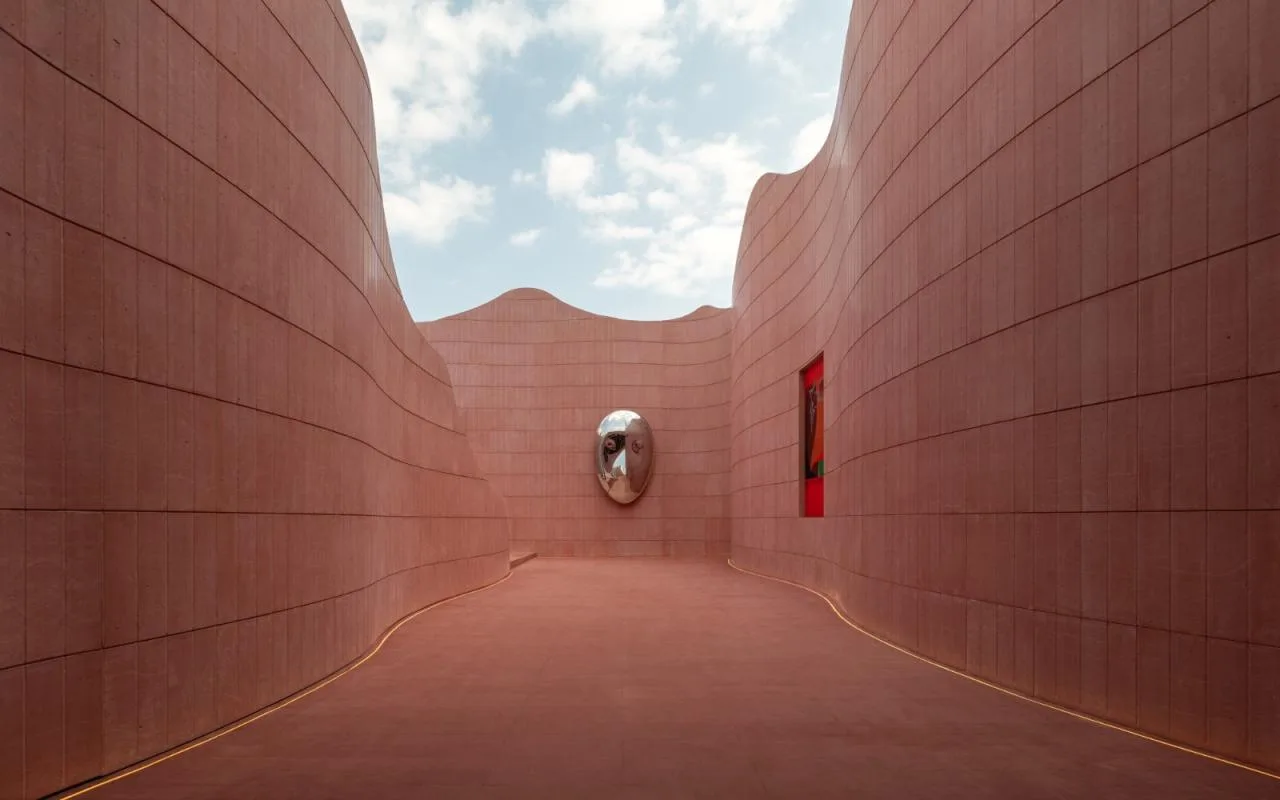
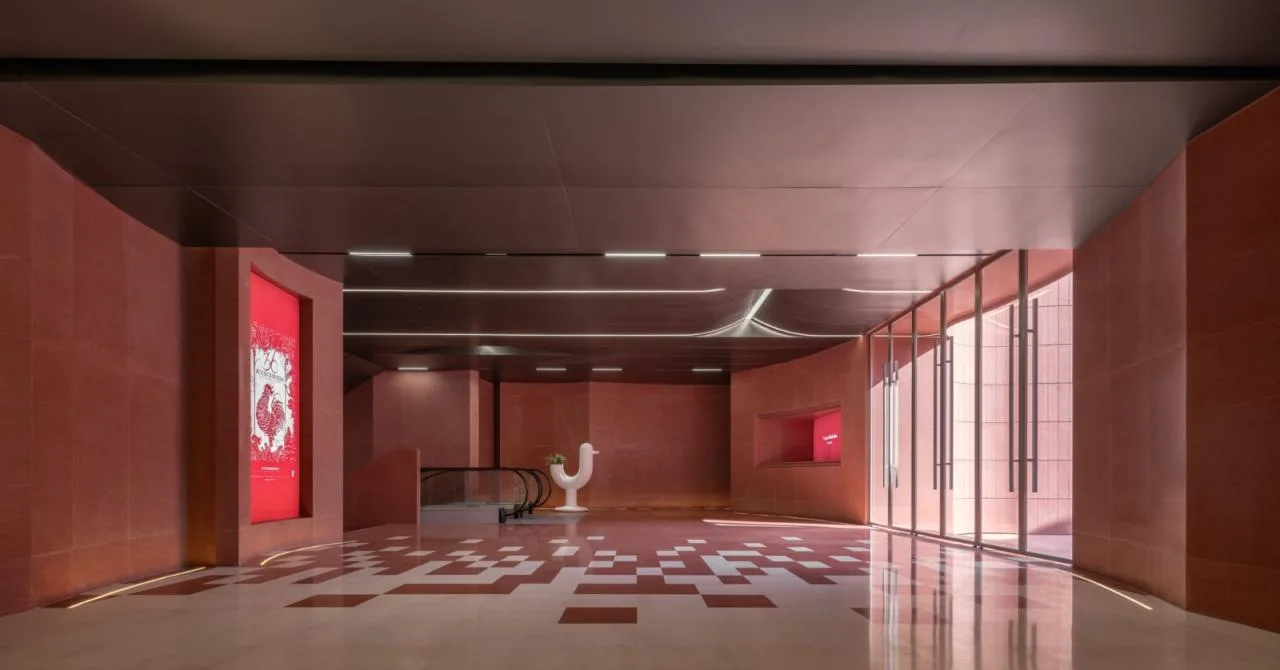
The artistic centerpiece of the design features the mask series sculpture by artist Su Wu. In the daily commute, urban dwellers encounter countless faces that are both distinct and collective, real yet indistinct—much like masks.
These masks symbolize the subtle interplay between individuals and groups, serving as both fixed images and reflections of their environment and the passing crowd. As the environment changes, new impressions and images emerge, resonating deeply with the design concept.
The black and white clowns turning left and right depict the fluid dynamics of subway relationships—though the environment and people might appear constant, they are in continuous flux.
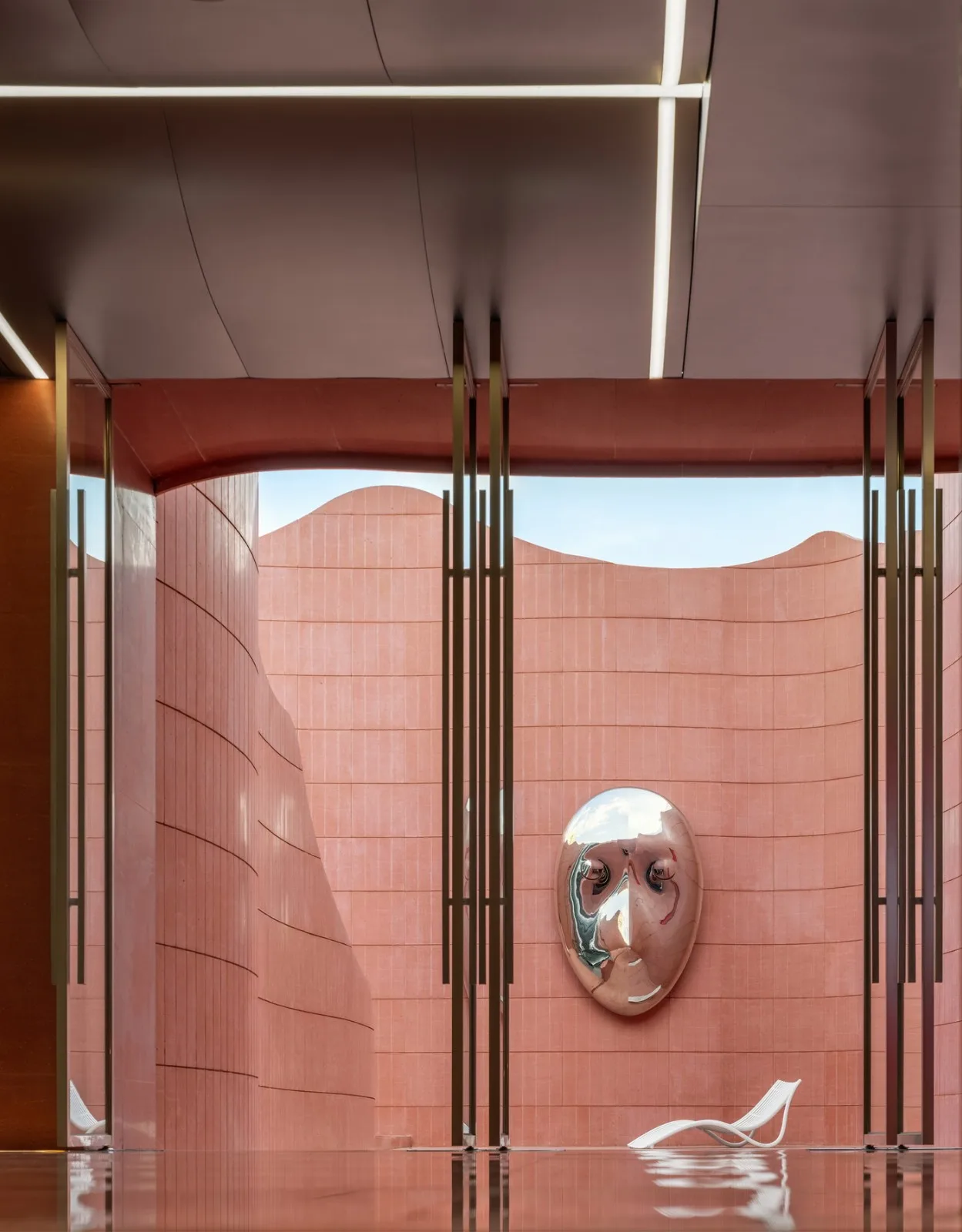
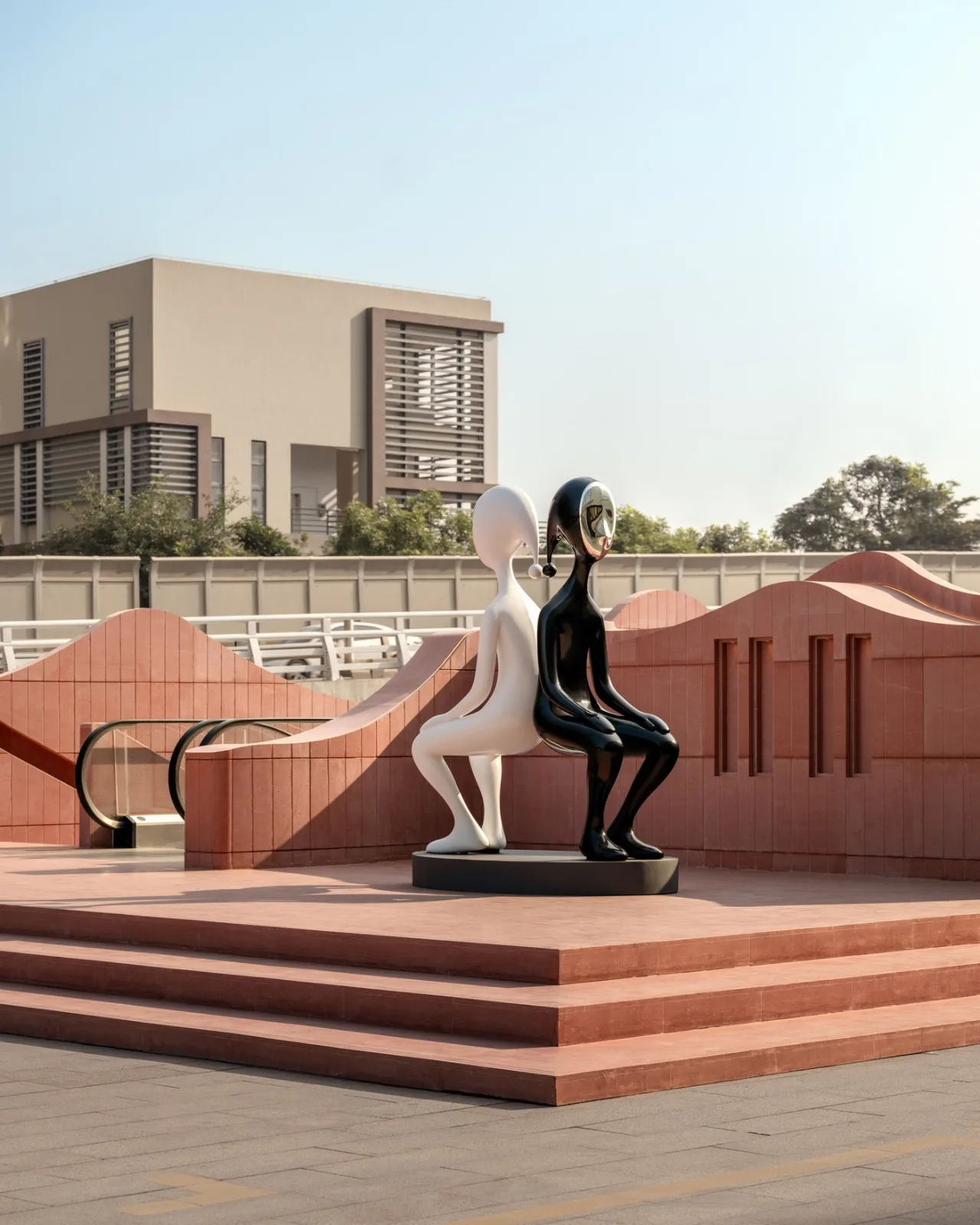
Designer Sun Jianhua emphasizes the importance of exploring local contemporary values in every project. For this renovation, the goal was to break away from the traditional image of urban subway entrances while creating a scene that reflects the local home life.
This approach establishes a meaningful connection with Wuyuanwan Station’s unique characteristics, offering a deeper reflection and exploration of local cultural value.
Project Drawings
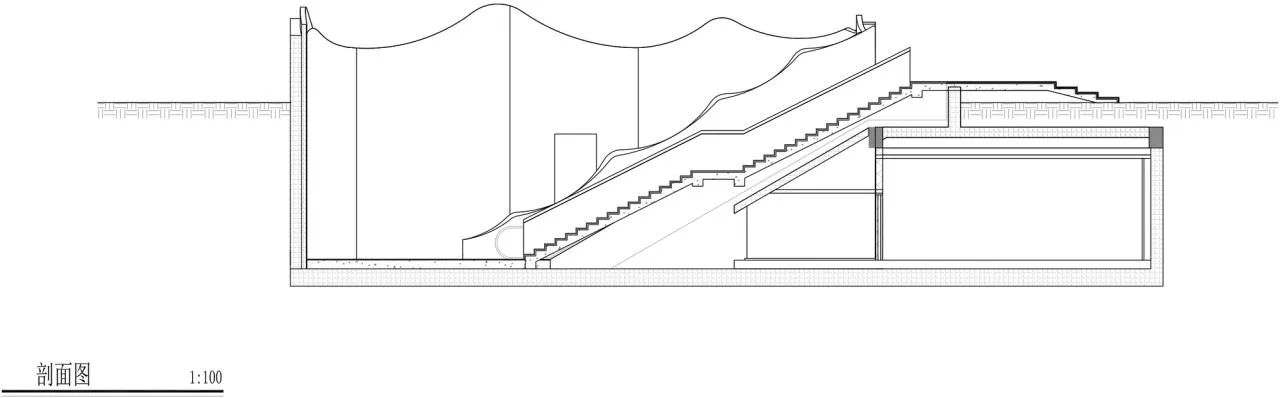
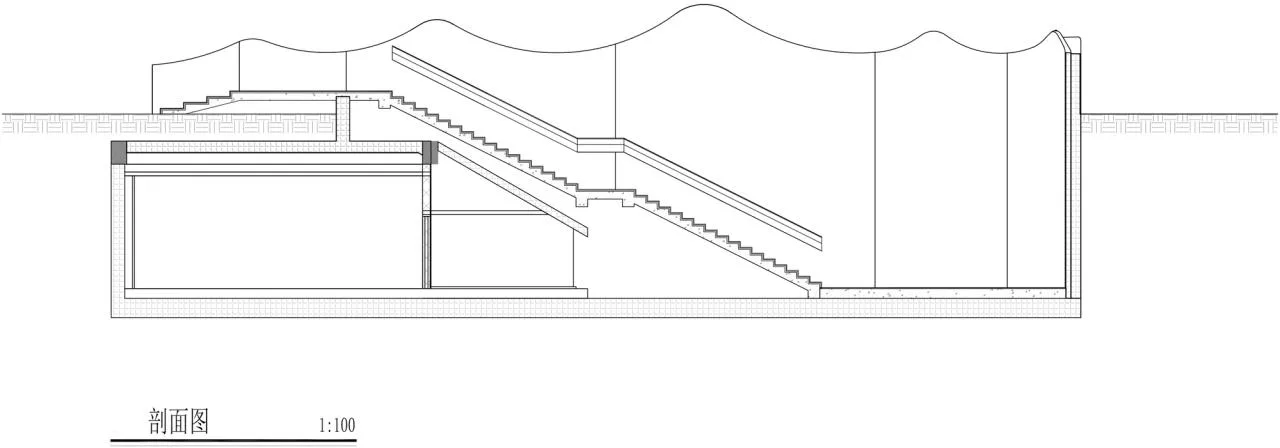
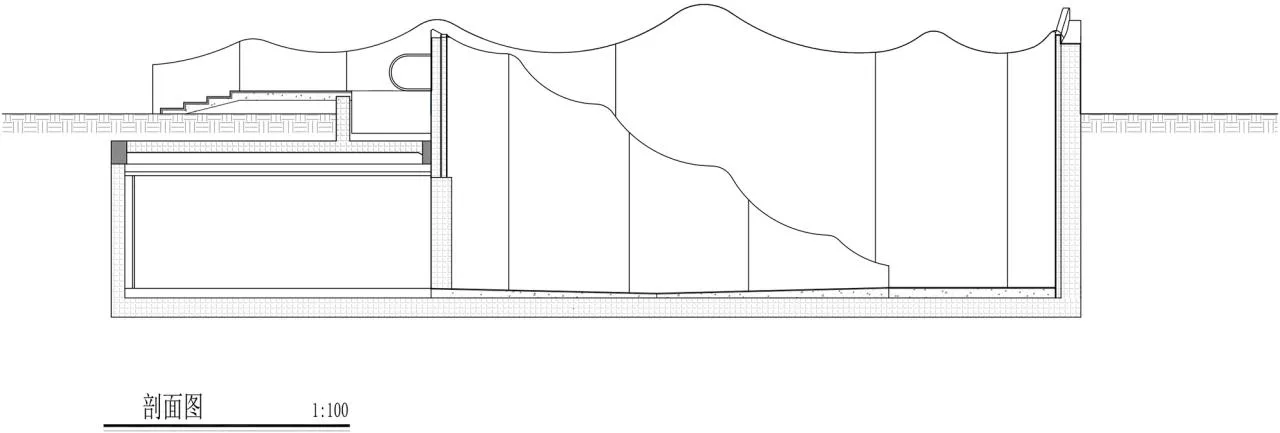
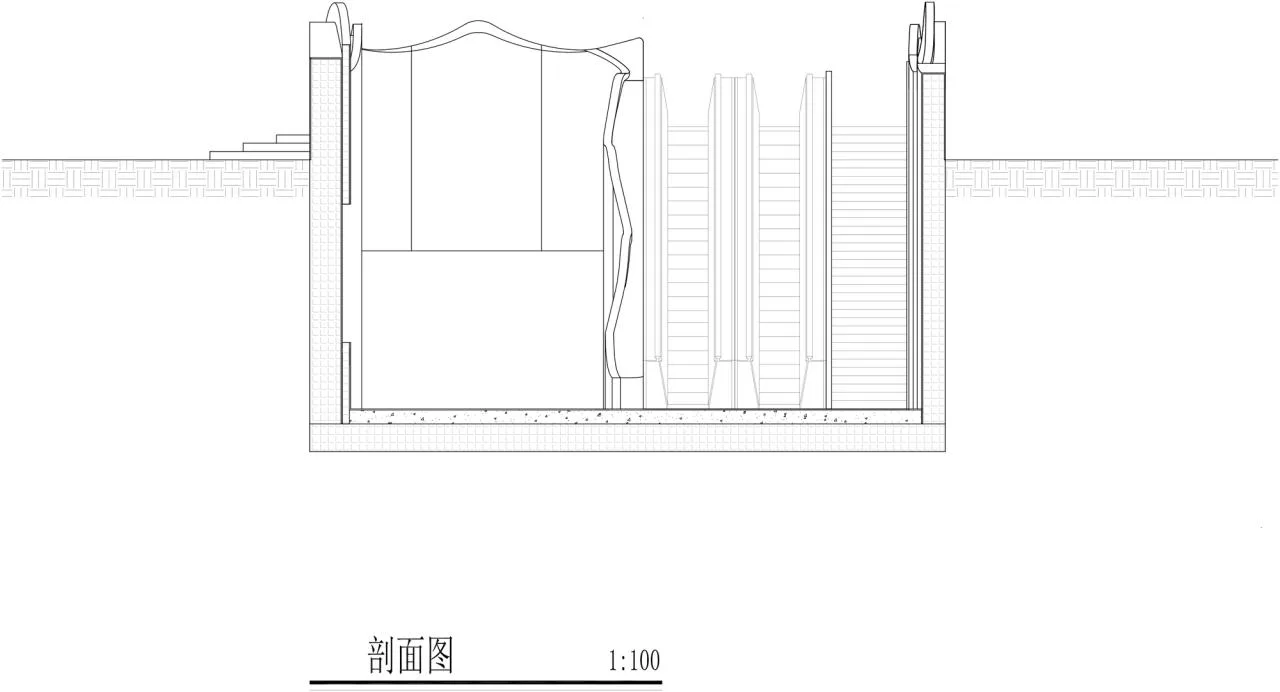
Project Information
Architect: ATENO
Area: 471 m²
Project Year: 2023
Material: Red Fair-faced Concrete
Principal Architect: Sun Jianhua
Design Team: Cao Keqin, Zhu Chenni, Ma Zhipan
Client: Xiamen Donghua Haitian Investment Co., Ltd
Location: Xiamen















Must log in before commenting!
Sign Up