
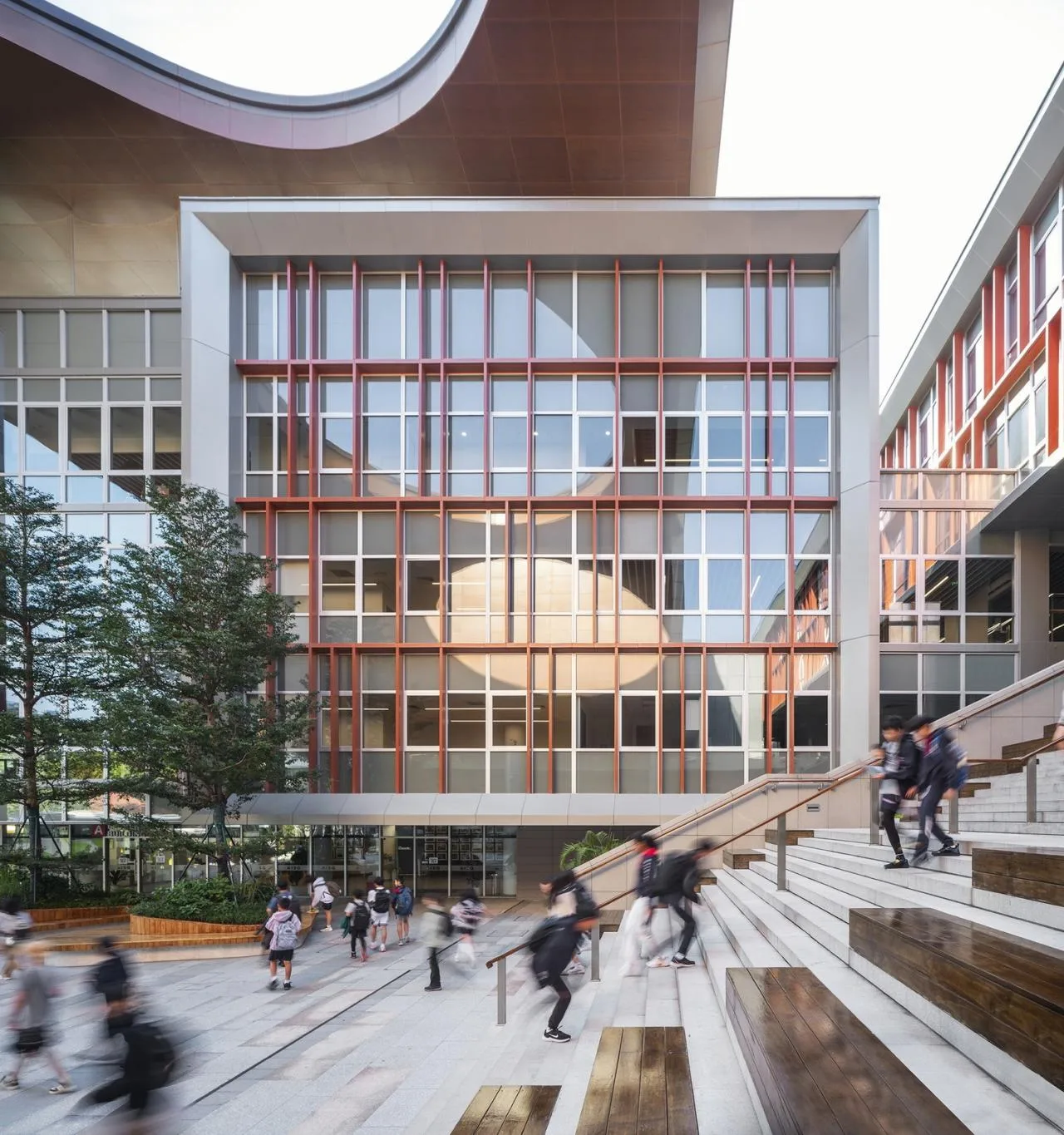
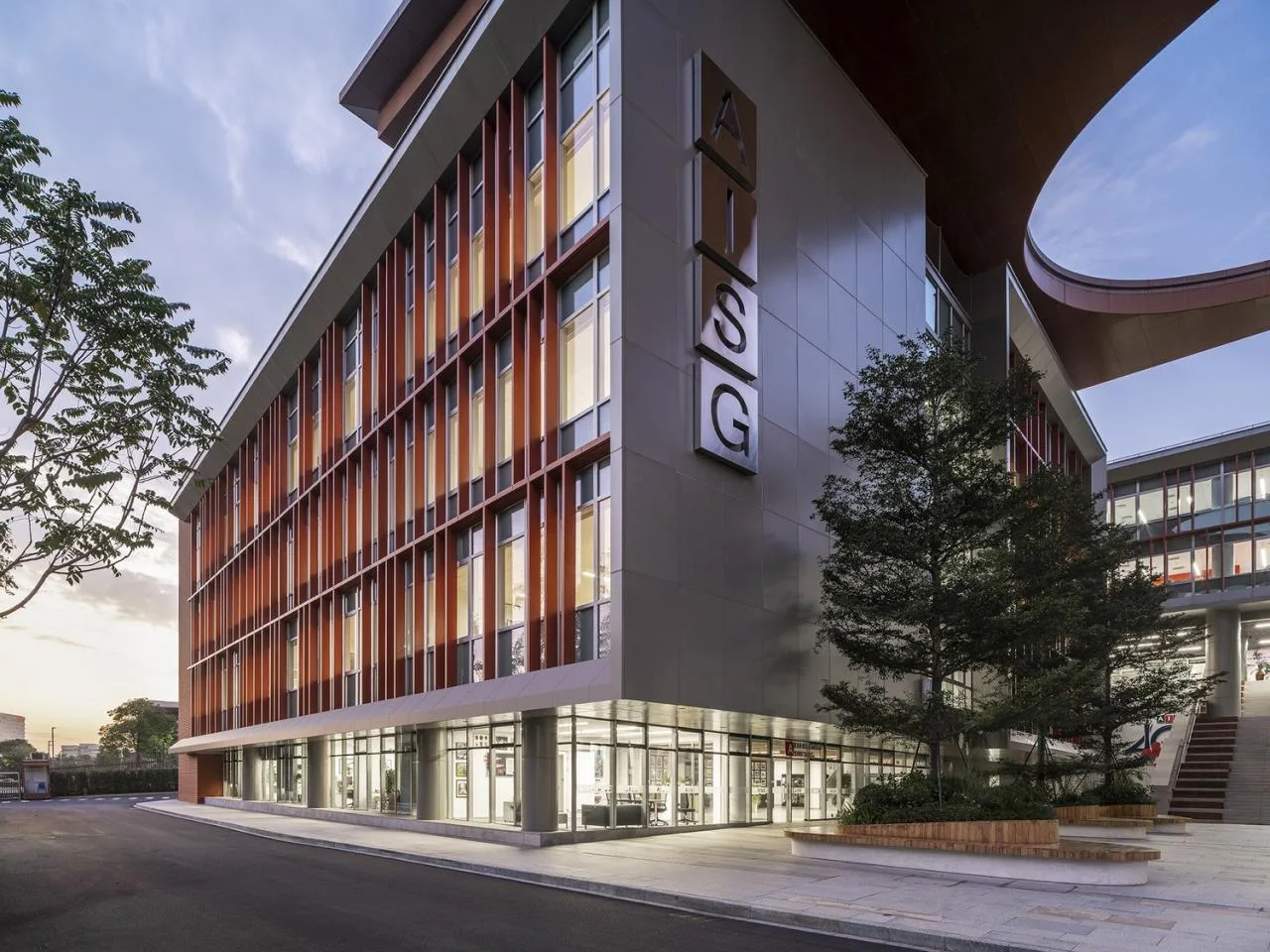
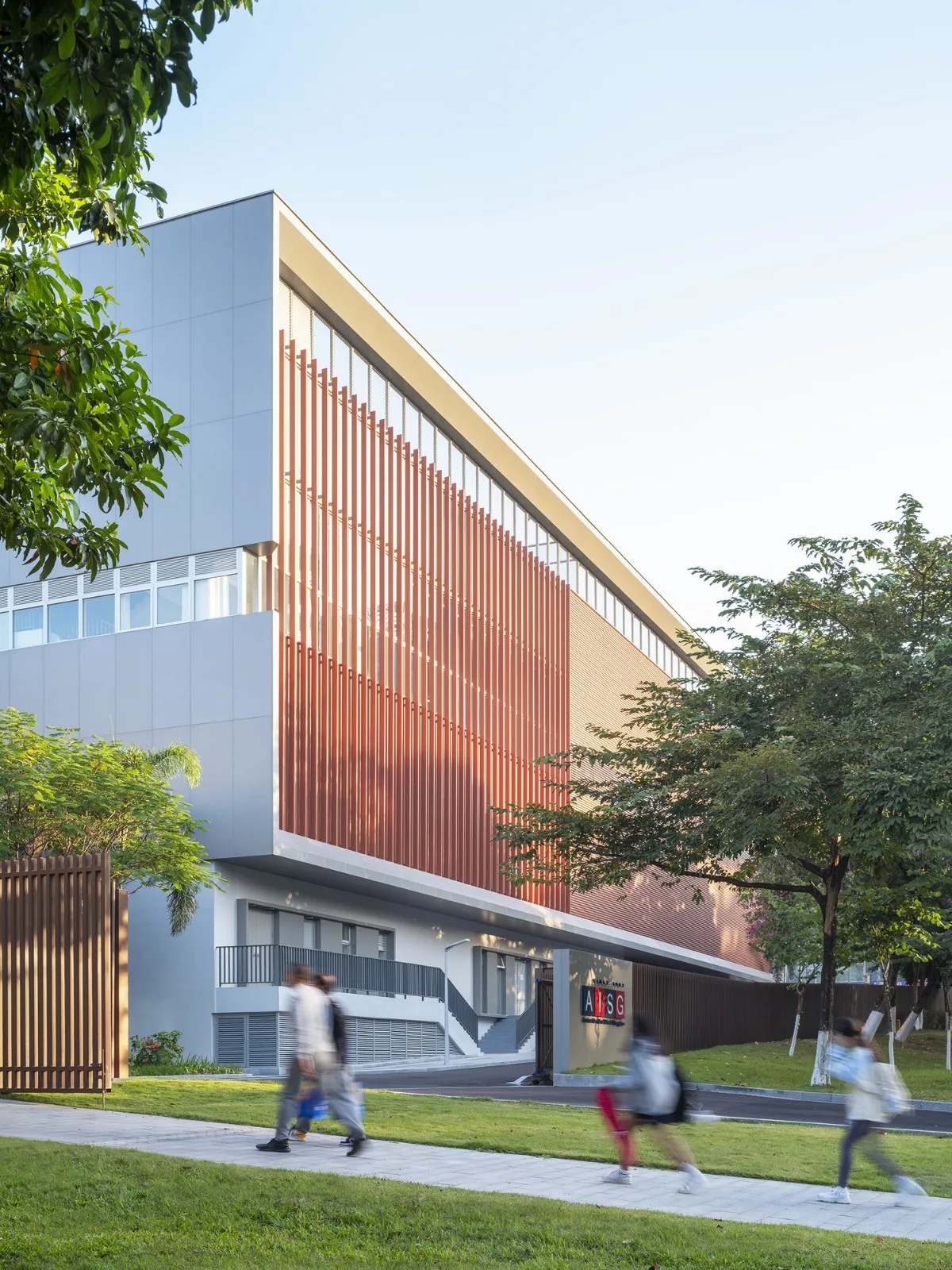
The American International School of Guangzhou (AISG), a leading international school in southern China, has completed one of its largest projects to date: the upgrade and renovation of its Science City campus. Focusing on interdisciplinary, personalized, and practical learning for the future, the project expands the potential of familiar spaces while innovatively overcoming significant site constraints. This comprehensive transformation brings dynamic movement and an unobtrusive presence for students and faculty alike.
“This is a future-oriented campus planning project connecting the Science City and Ersha Island campuses, turning them into world-class learning environments.” – Kevin Baker, Principal, AISG
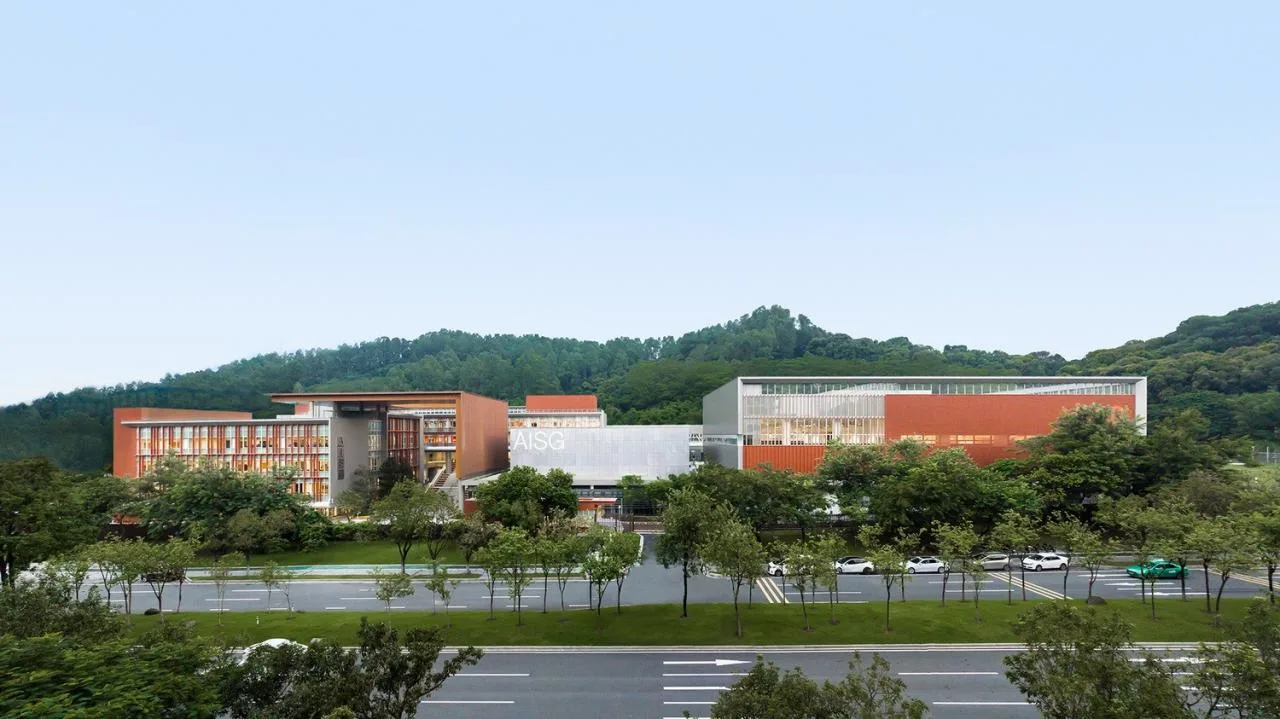
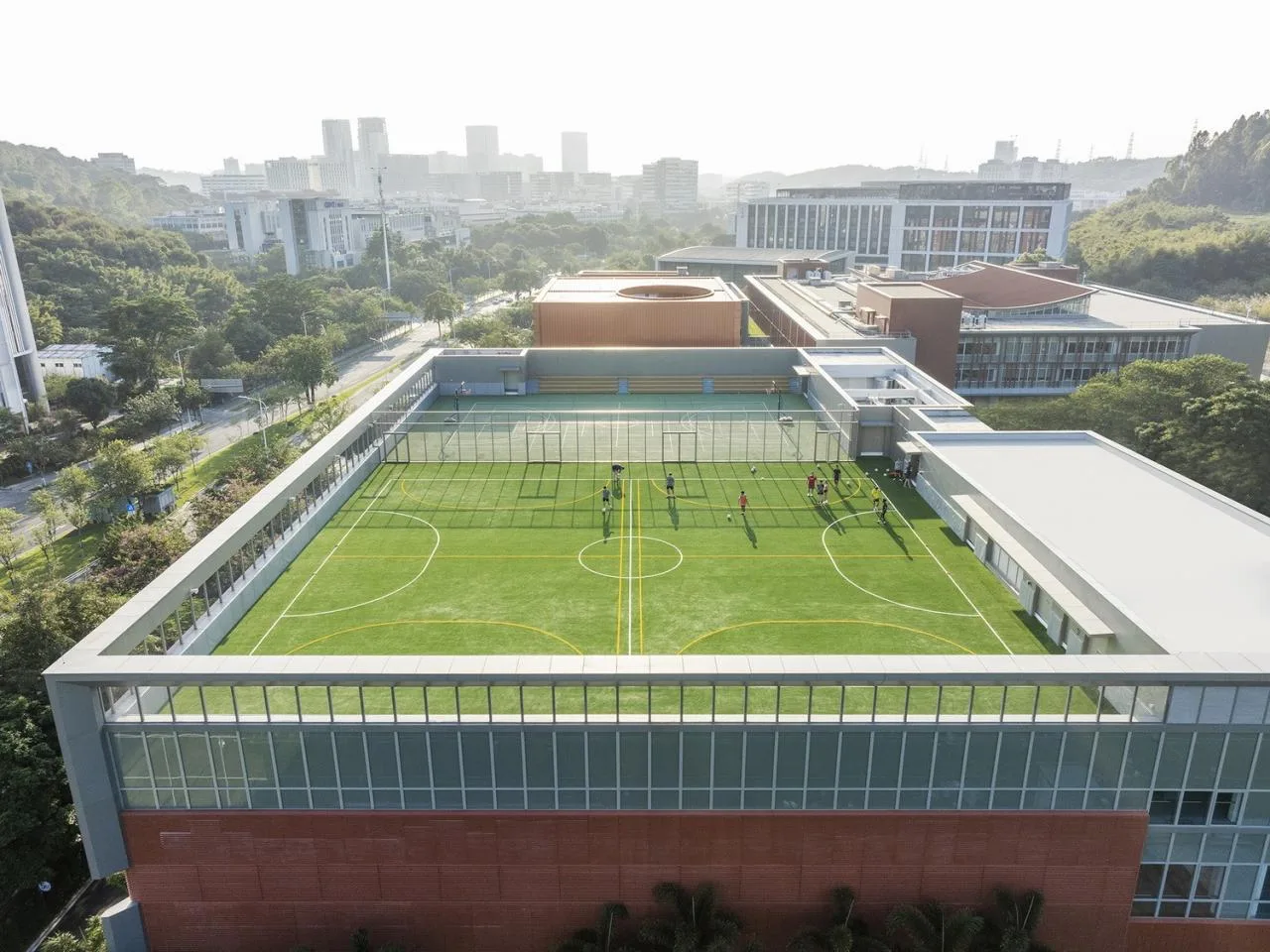
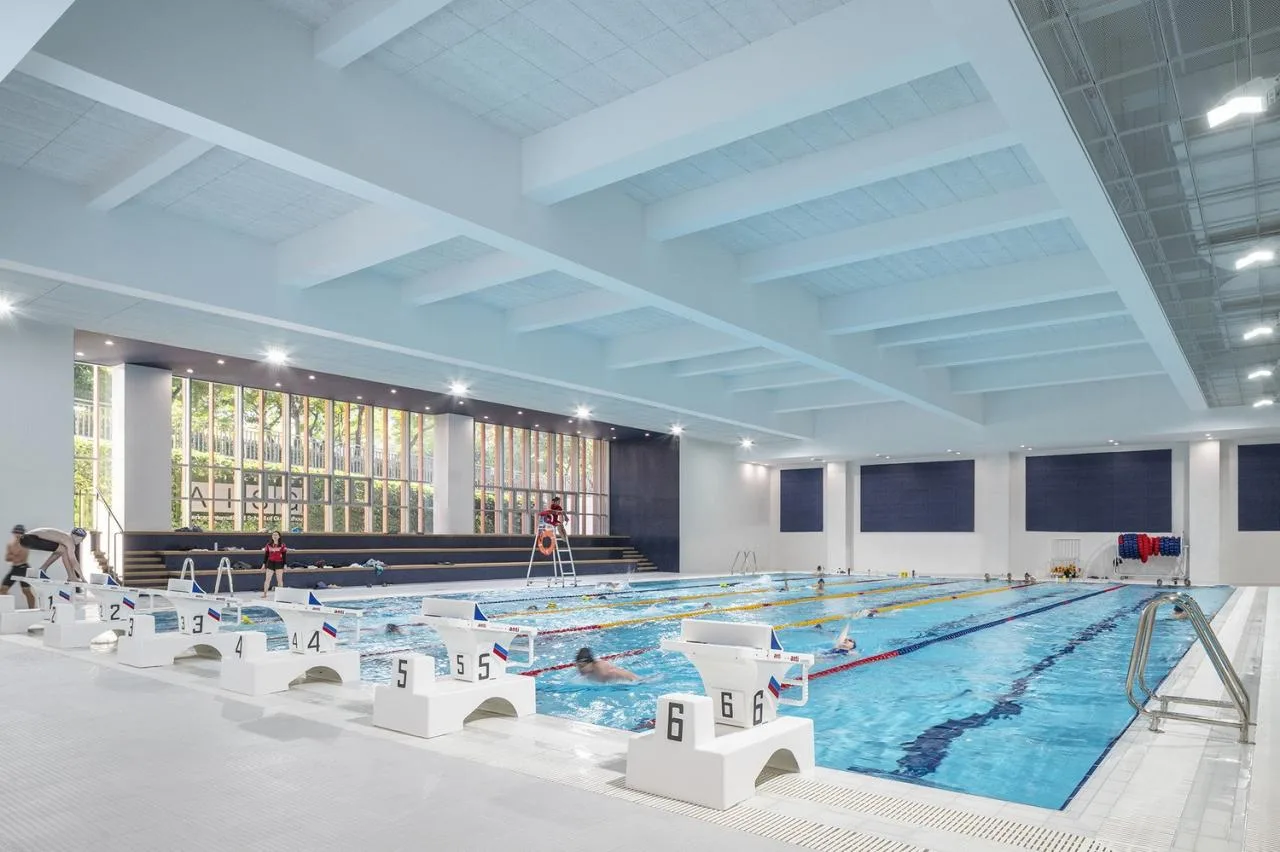
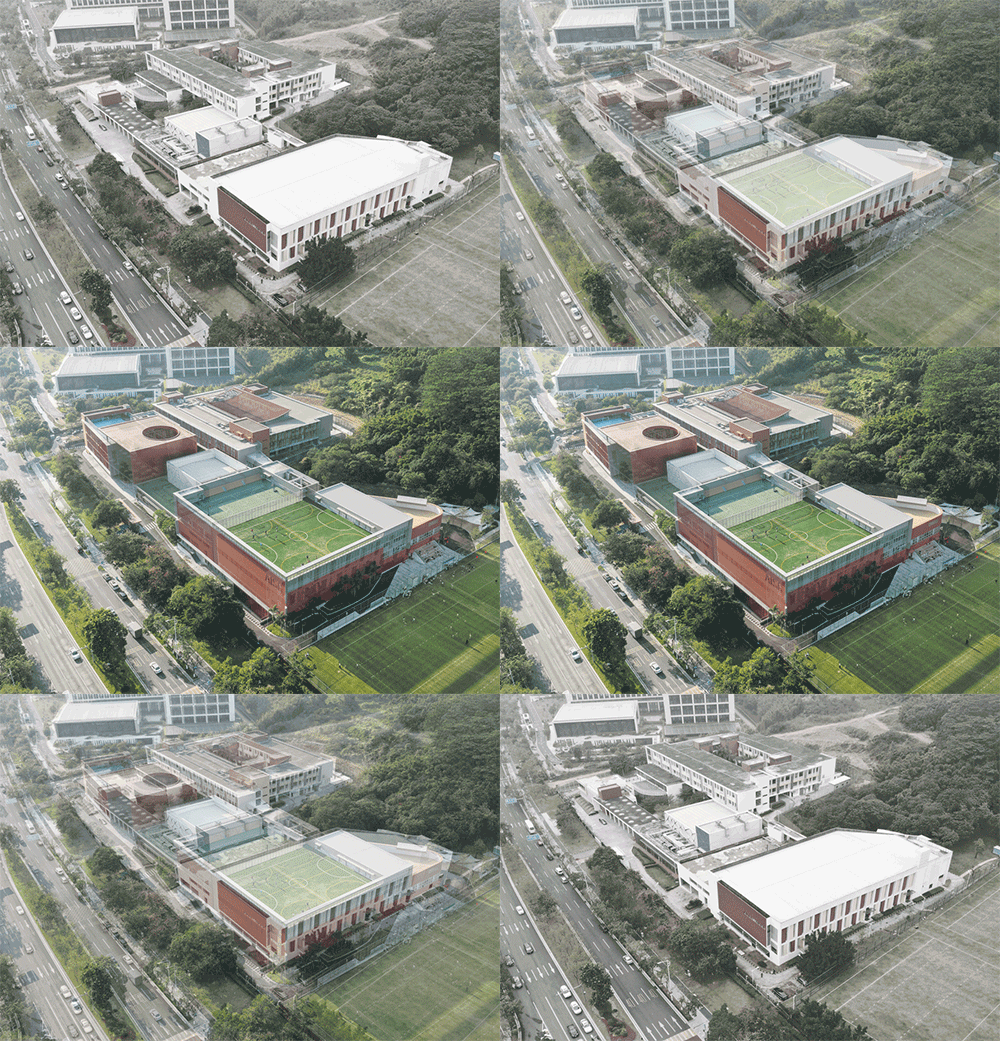
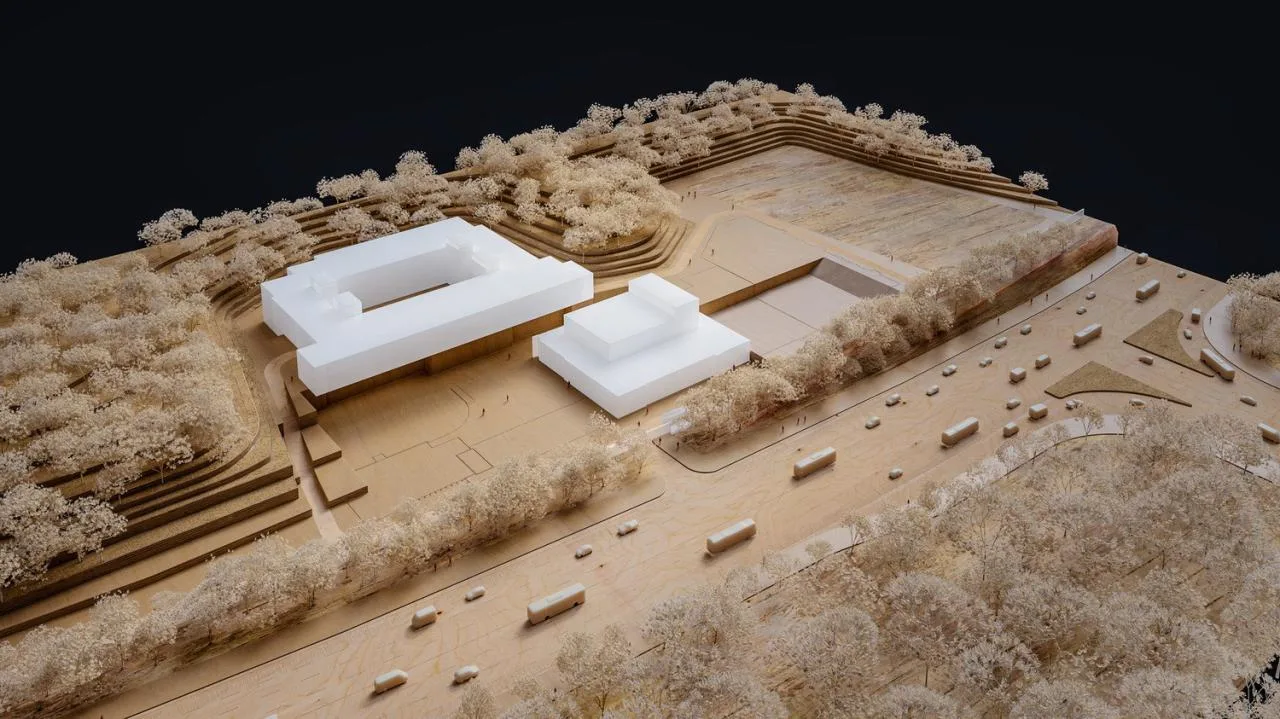
According to AISG’s visionary plan, the renovation includes the addition of an indoor running track, three sports fields, a tennis court, a 25-meter swimming pool, a rooftop sports field, and an underground parking lot, all within the limited 2.9-hectare site. Simultaneously, campus facilities such as classrooms, media centers, and dining areas are enhanced. The new campus layout is organized into three integrated complexes—teaching, arts and culture, and sports and leisure—connected efficiently by an aerial corridor that ensures seamless integration and easy access between clusters.
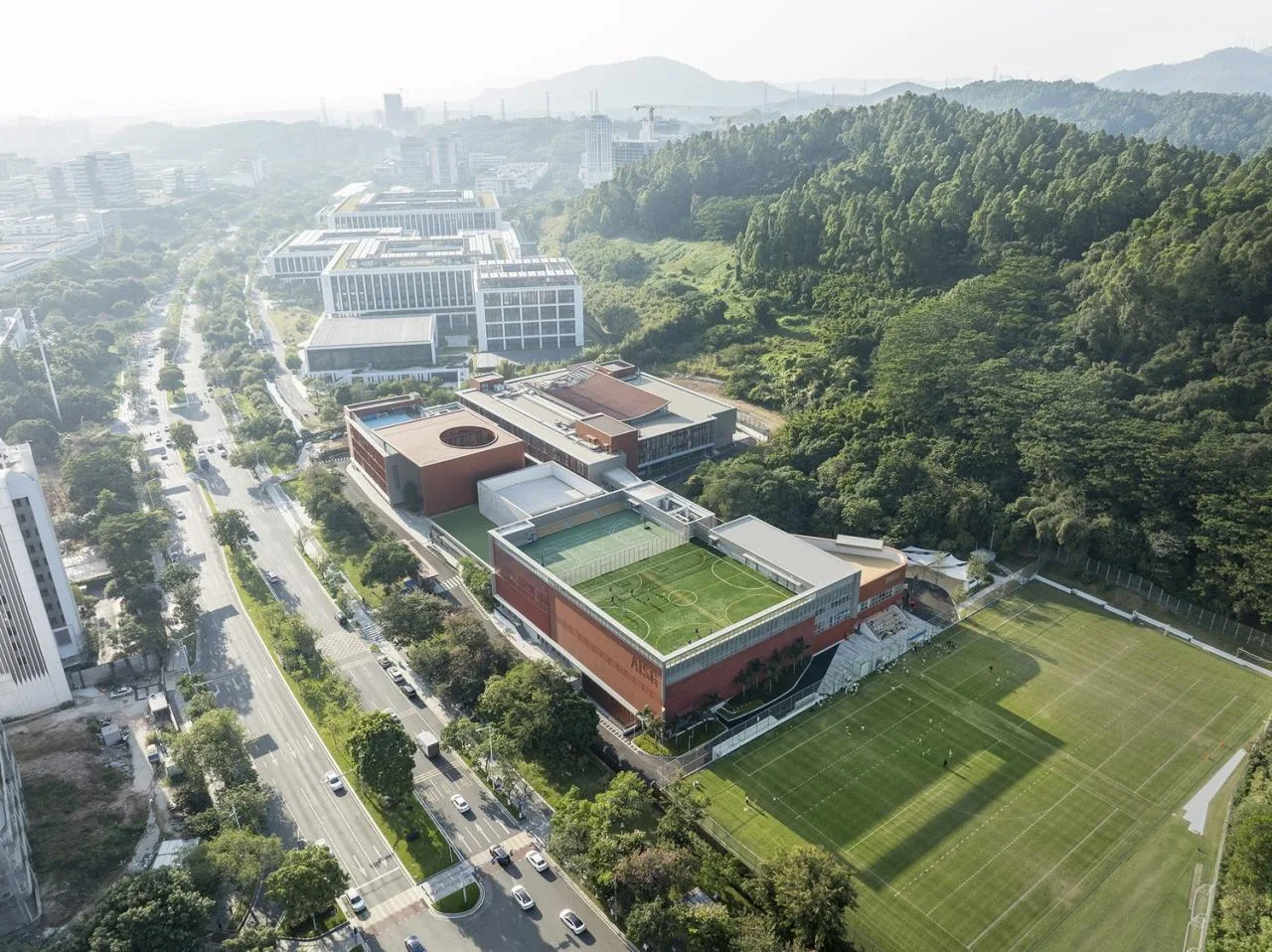
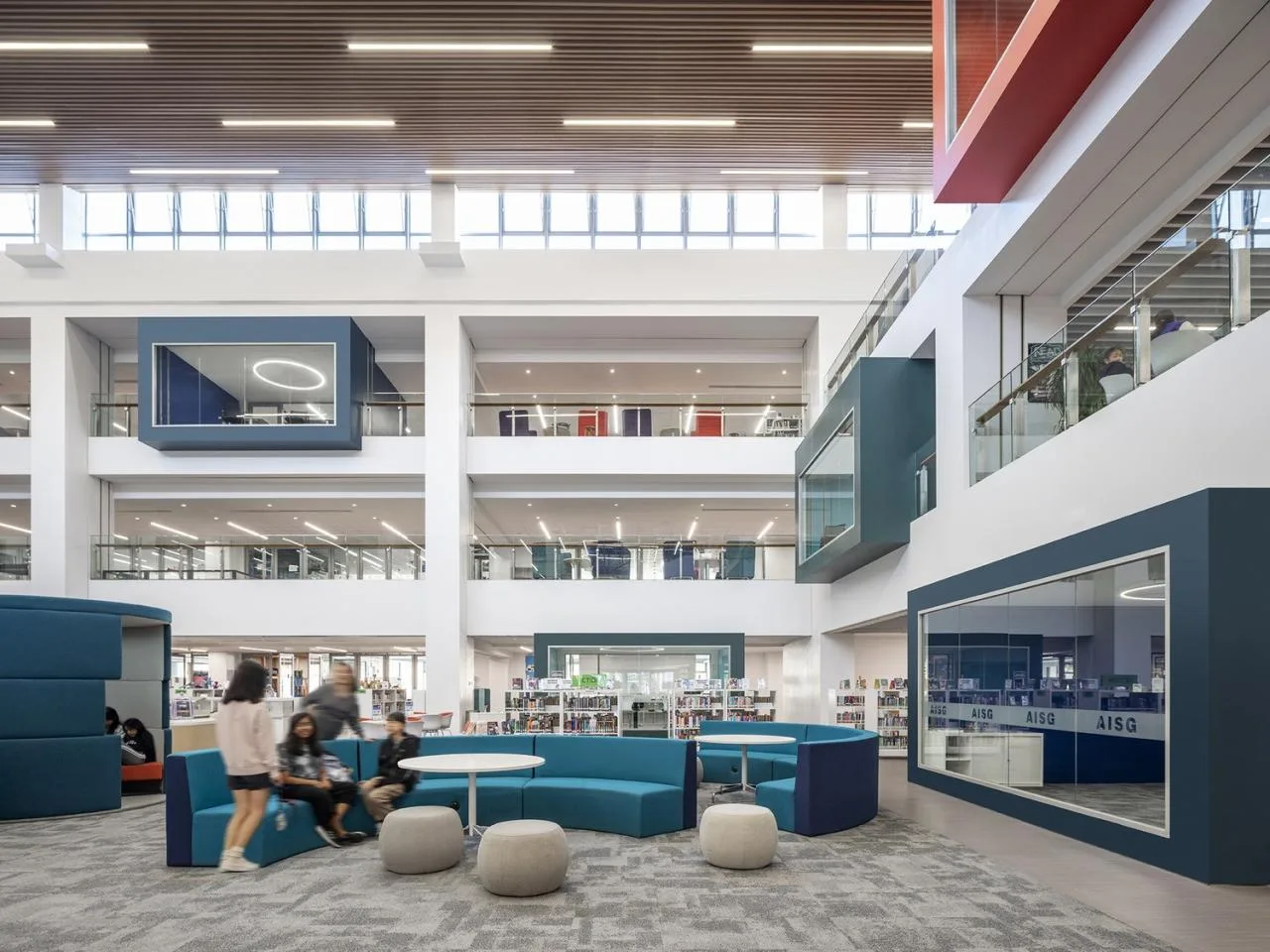
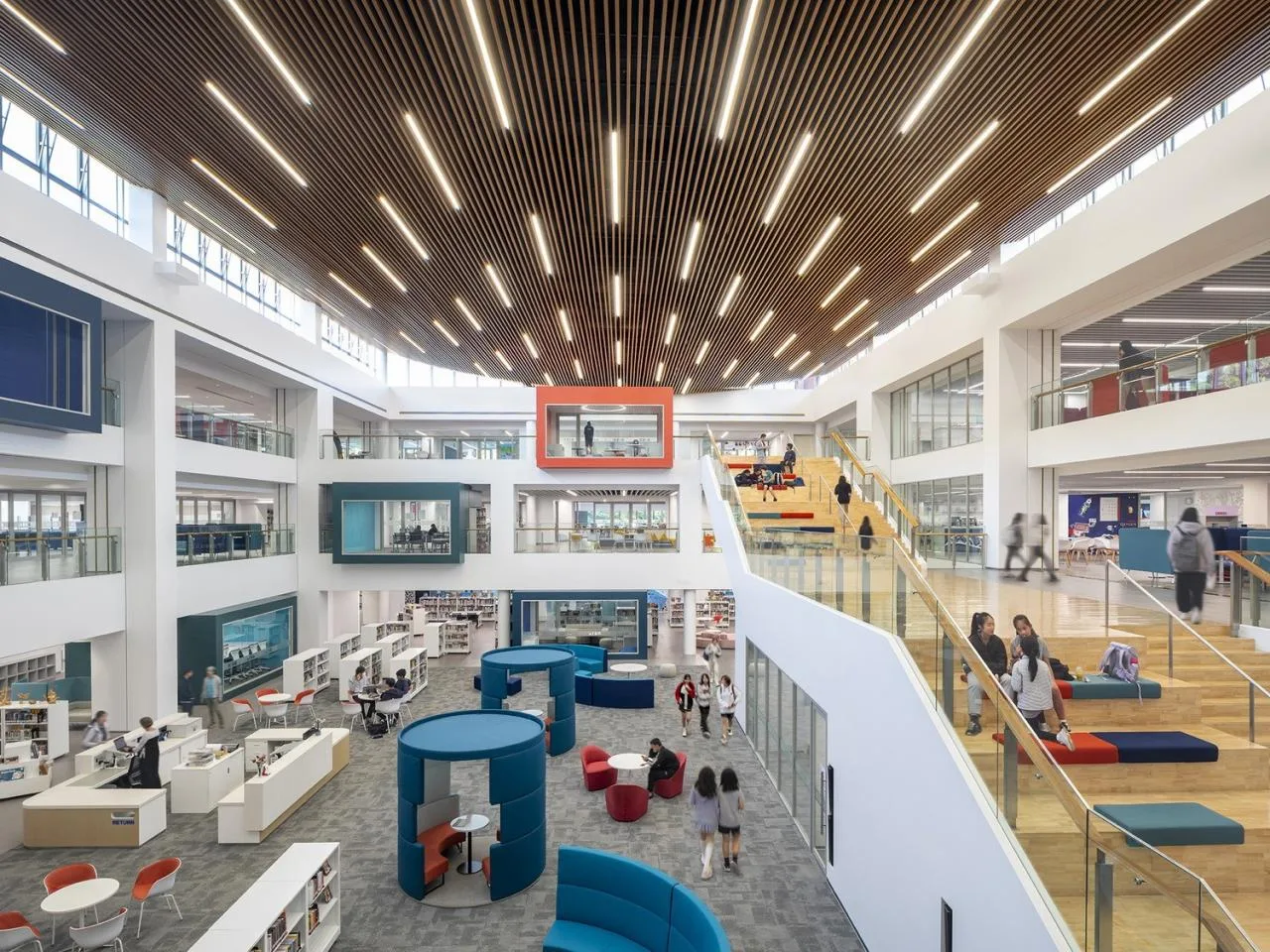
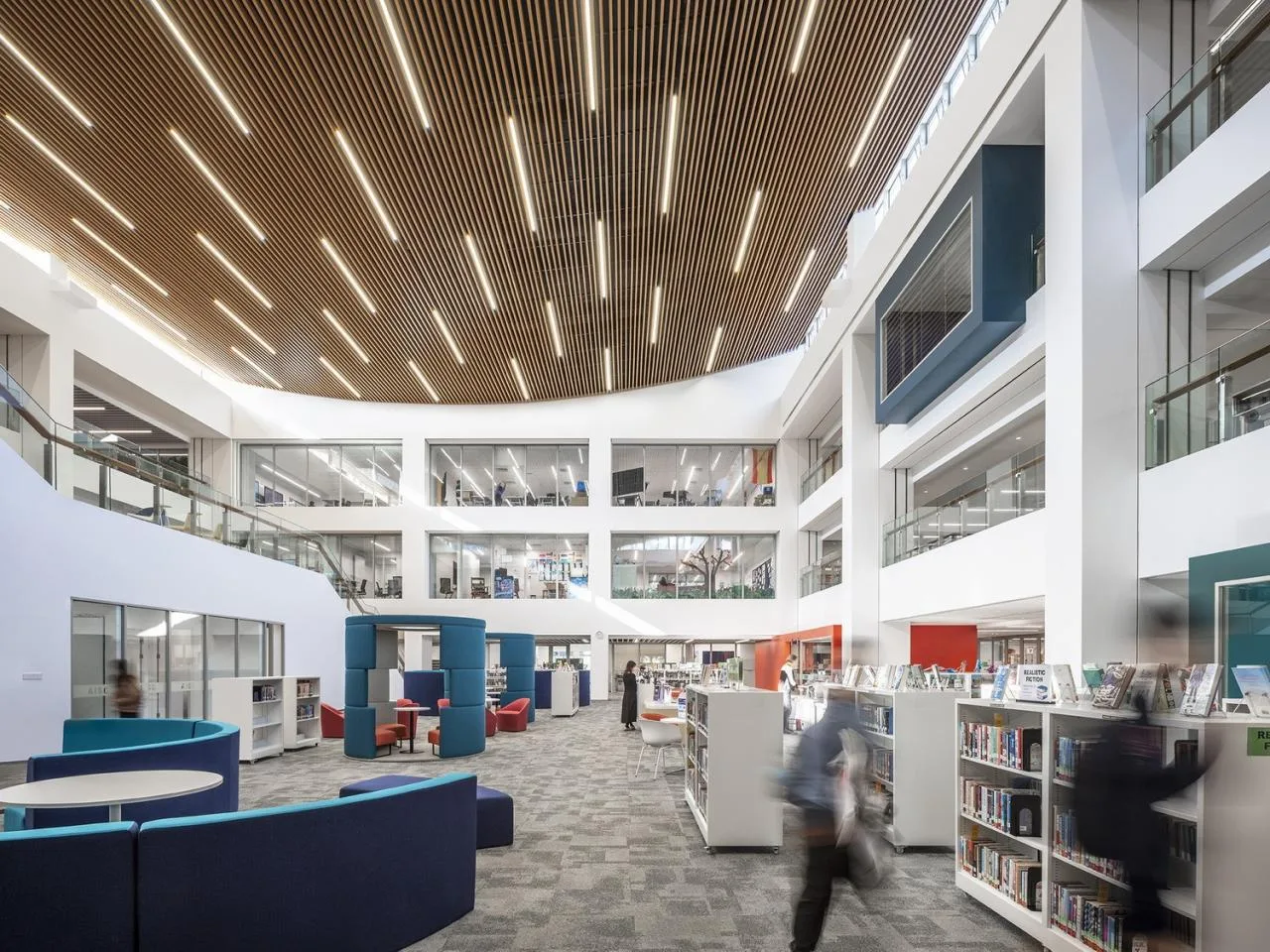
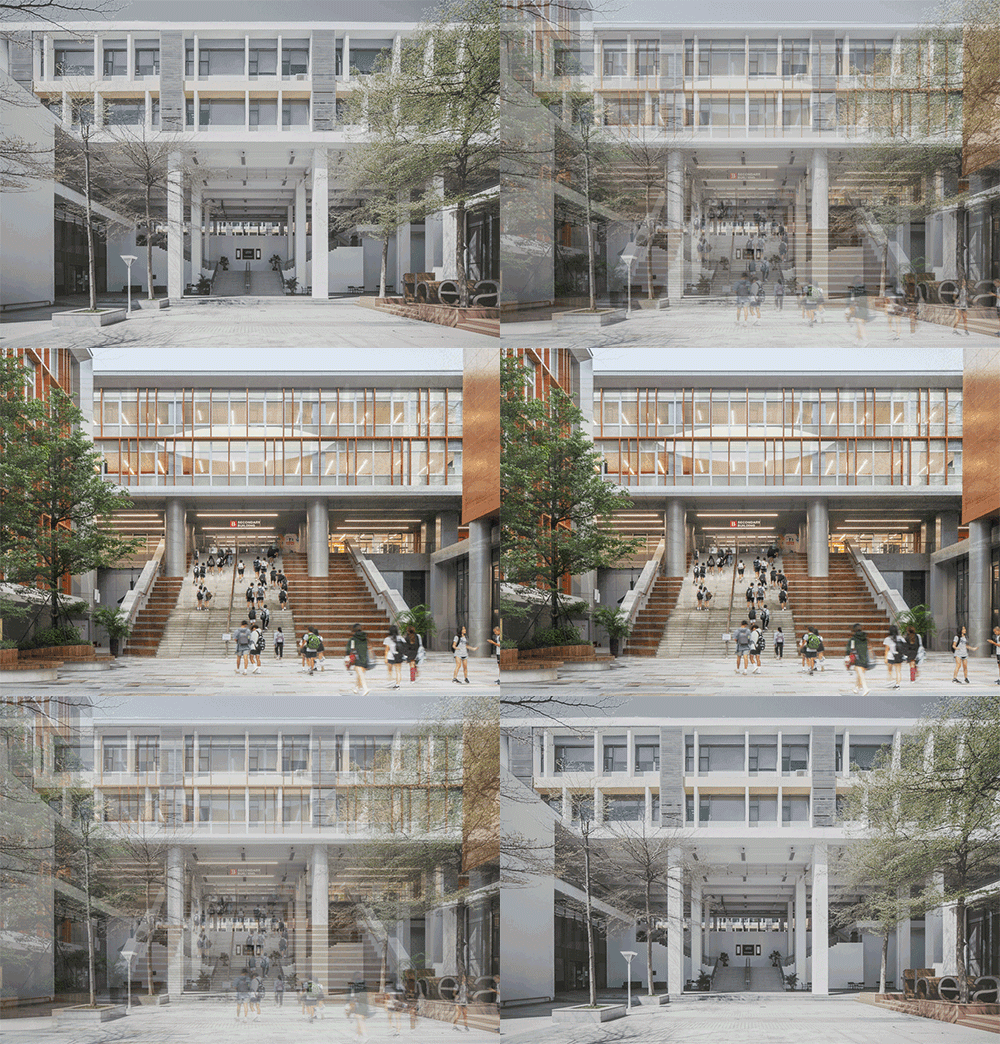
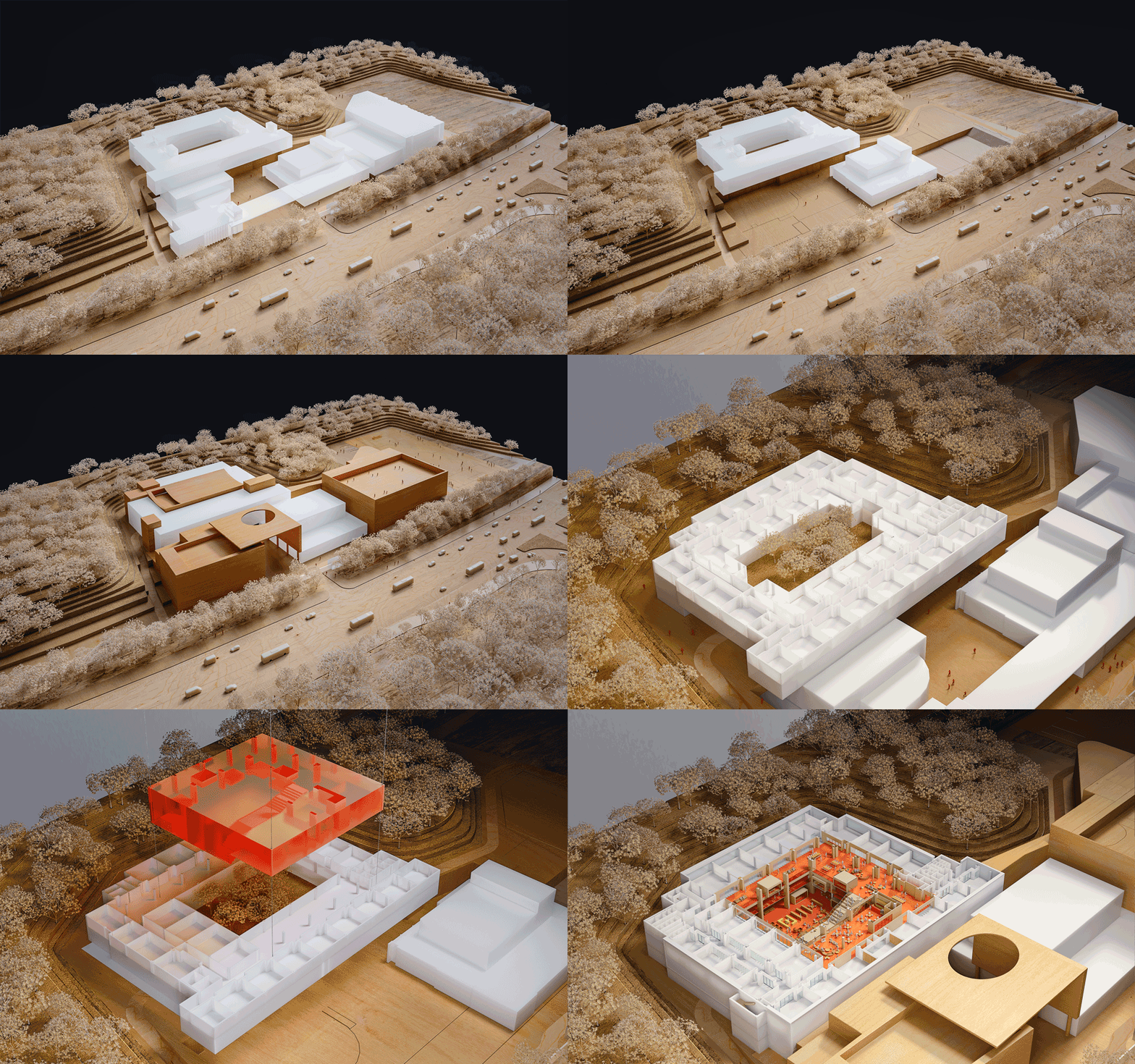
The original teaching building featured a relatively closed and monotonous public space, arranged around an outdoor courtyard in a “back”-shaped layout, with poor circulation between areas. Central to the renovation is converting this outdoor courtyard into an indoor atrium, unlocking three key potentials. First, it becomes a state-of-the-art library multimedia center, integrating recording studios, green screen rooms, group discussion spaces, and digital media production facilities. This transformation shifts the library from a single-function, passive reading area into a dynamic cultural creation hub.
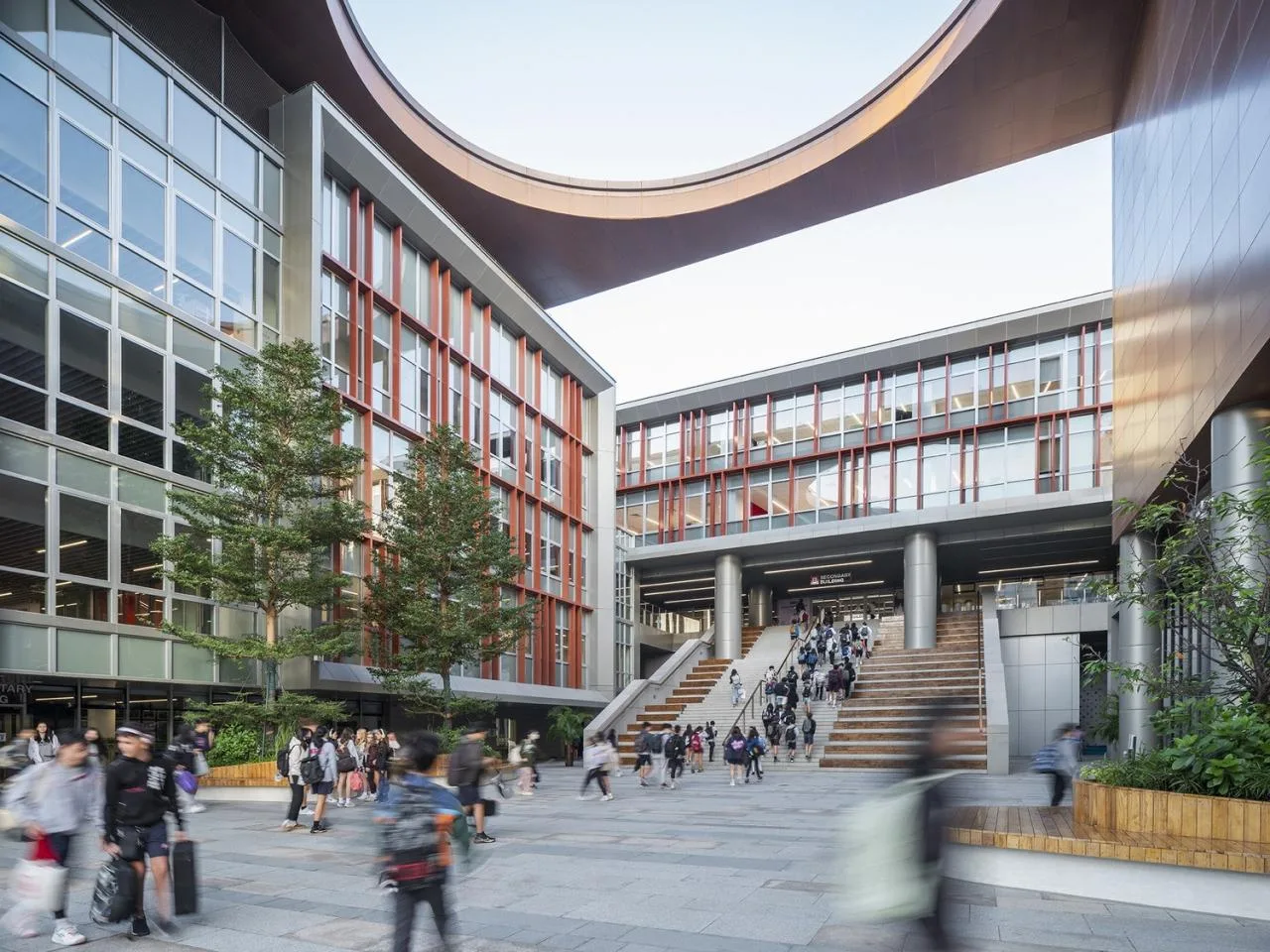
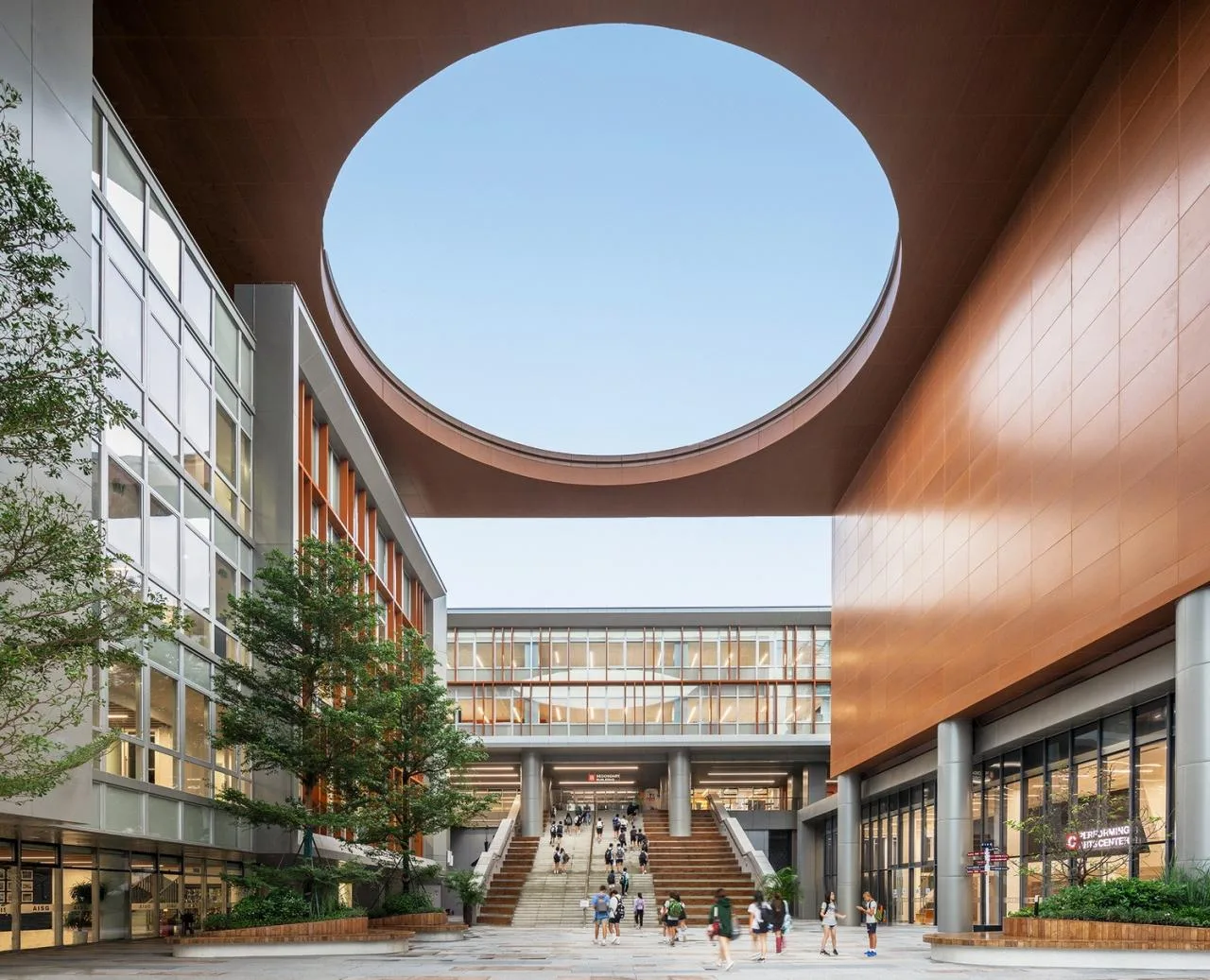
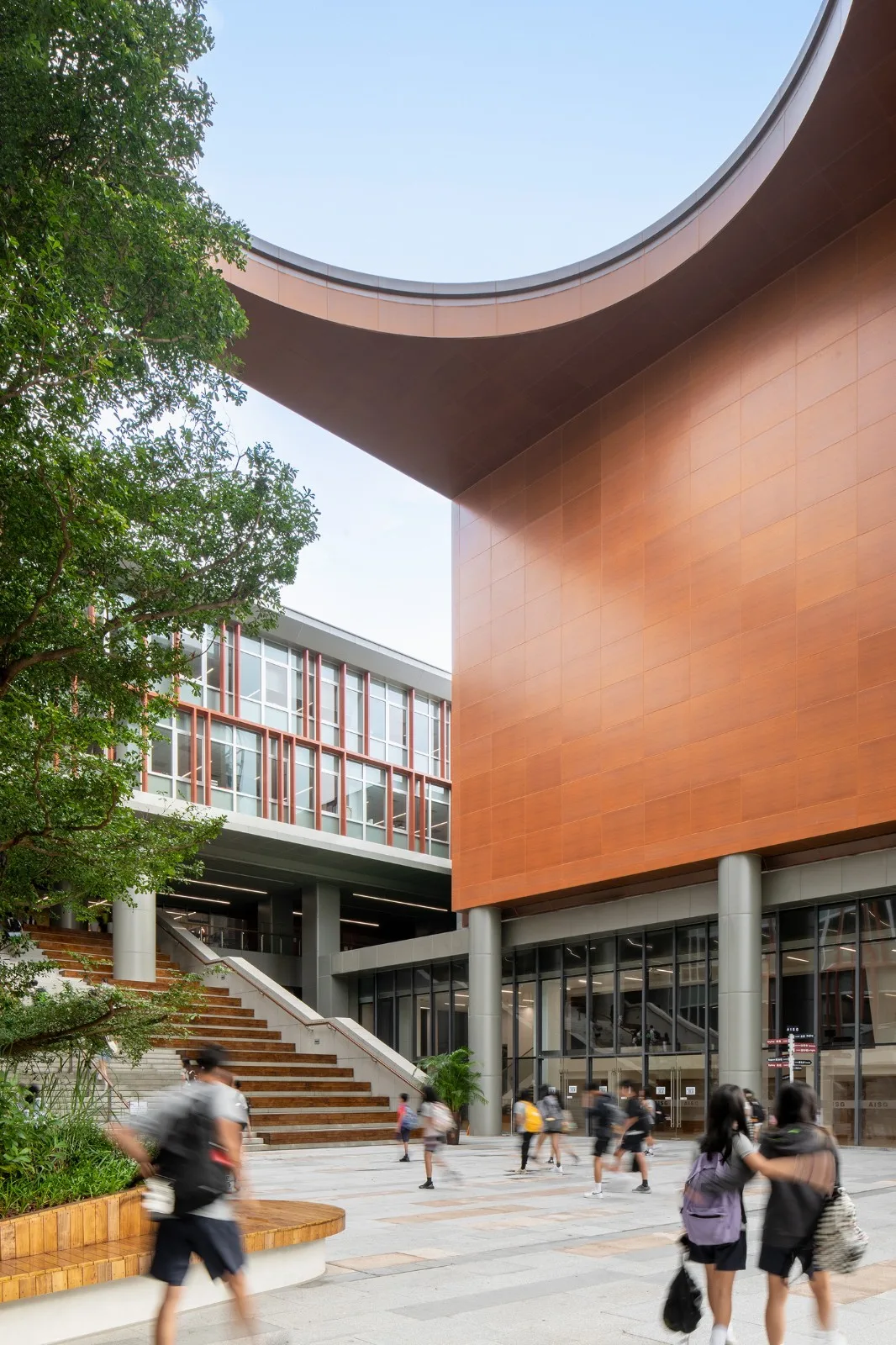
Second, the open and transparent shared atrium fosters spatial interaction and interdisciplinary integration, encouraging students to become collaborative and innovative learners. Additionally, the atrium enhances circulation by linking key campus functions—such as classrooms, cafeteria, and sports facilities—horizontally and vertically. With access from all directions, the library truly serves as a central ‘learning hub’ and a vibrant space for communication among students, teachers, and parents.
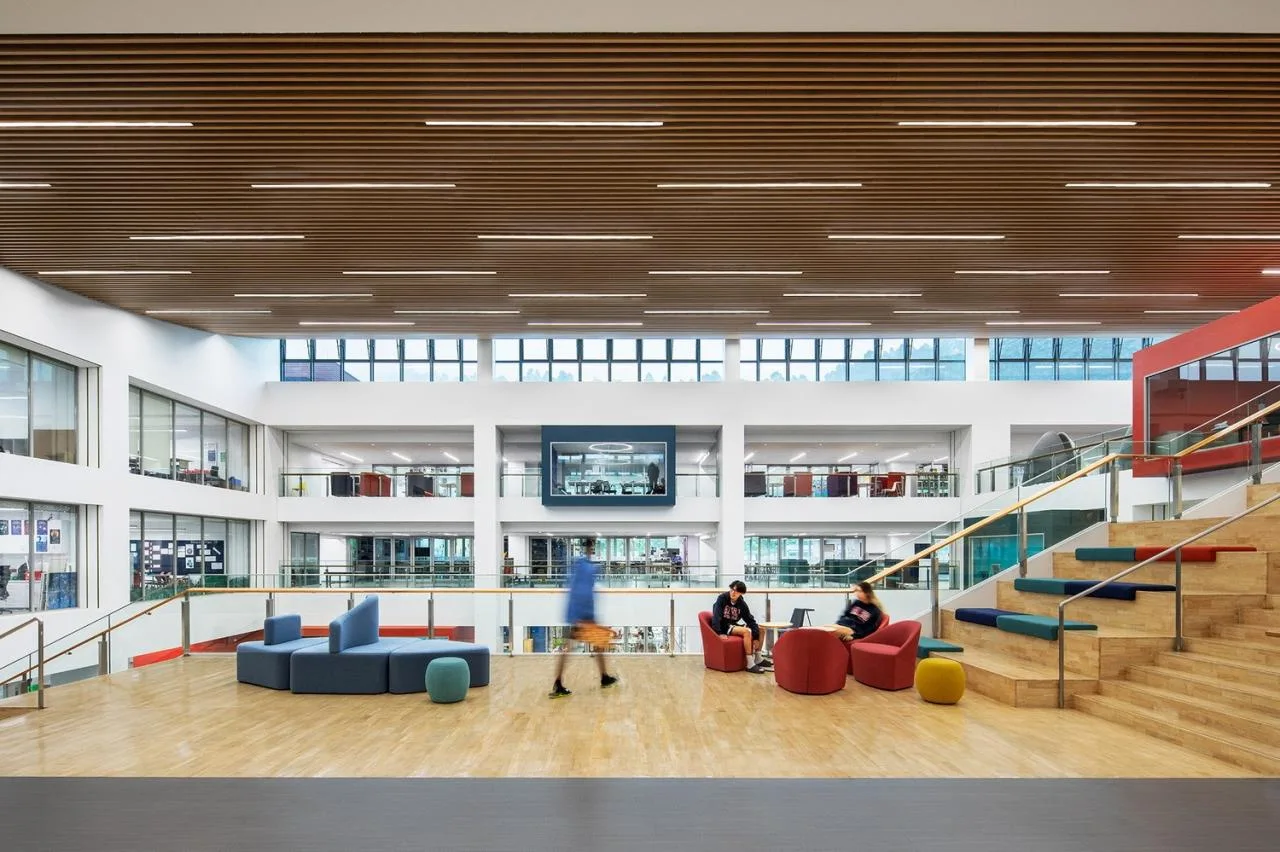
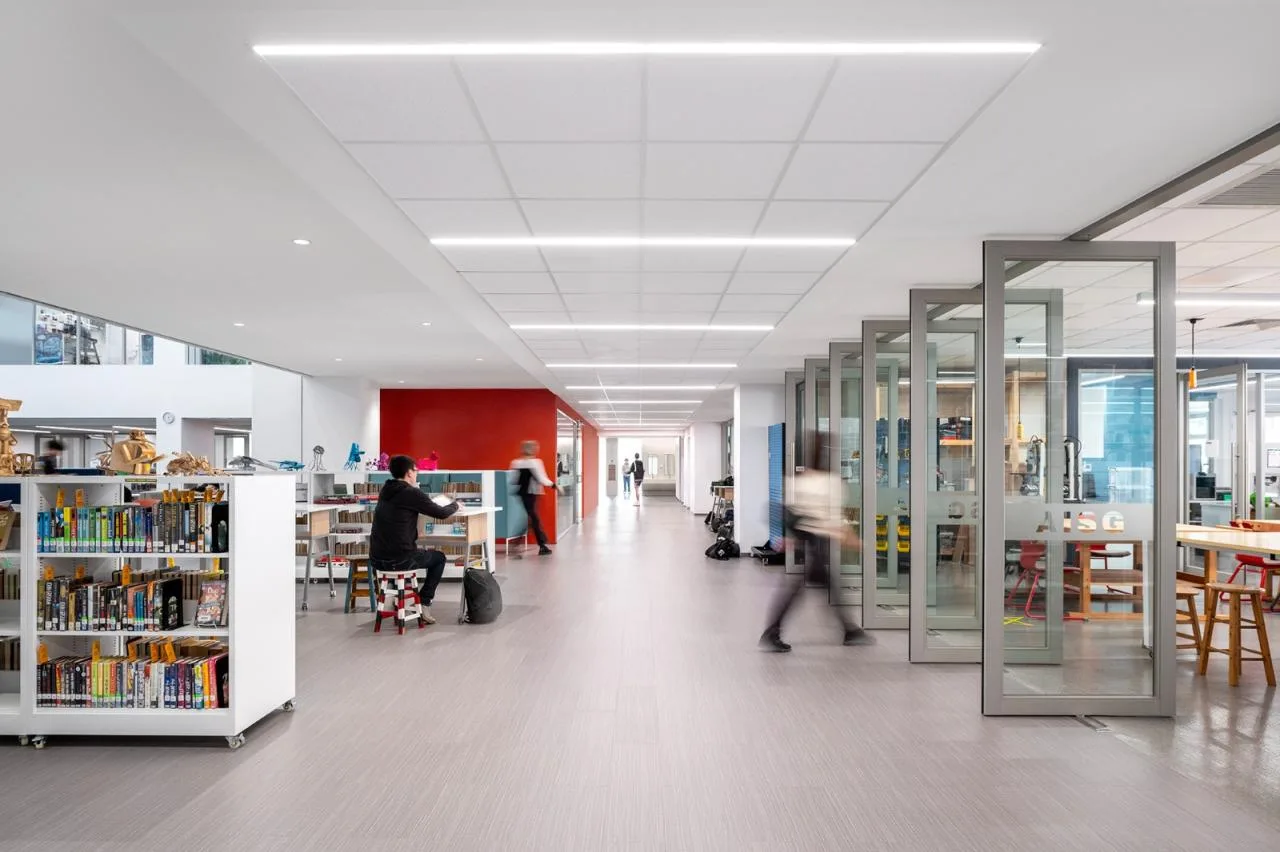
The teaching spaces have been designed with flexibility to accommodate diverse instructional needs and maximize efficient use. Interior classroom walls are equipped with foldable partitions that open to create larger spaces. With movable furniture, limited areas can be transformed to support various learning scenarios. Classrooms extend outward, incorporating corridors into learning zones, thus transforming what was once purely circulation space into active educational environments.
This flexible transition between “inside” and “outside” the classroom supports a variety of learning approaches, including roundtable discussions, group projects, self-directed study, and campus presentations. The adaptable spatial design framework empowers teachers and students to creatively explore new possibilities within the environment.
Situated in a dense urban grid with limited space and active teaching schedules, AISG’s renovation was carefully phased into three stages. Construction and academic activities were staggered both spatially and temporally to optimize site use and minimize disruption. This approach allowed the campus to transform seamlessly for students and teachers.
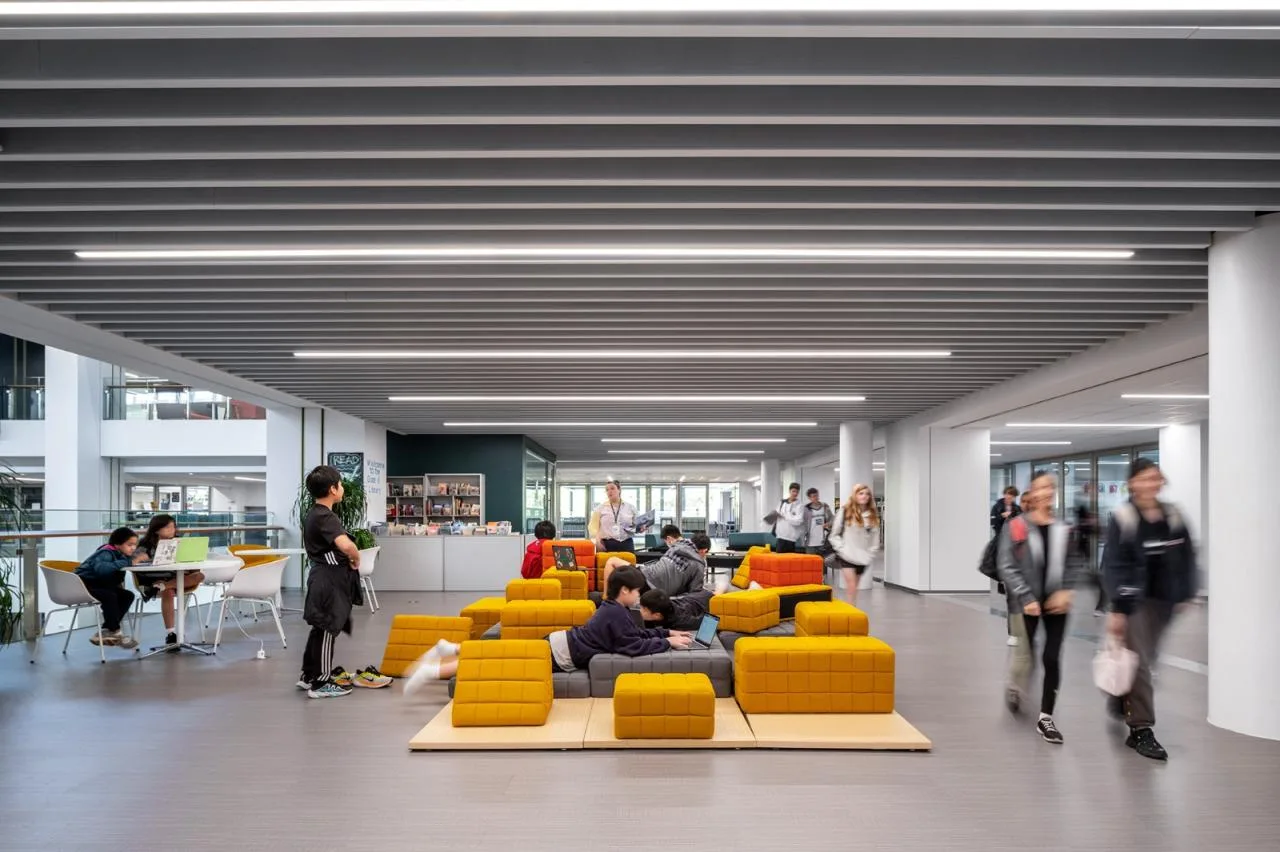
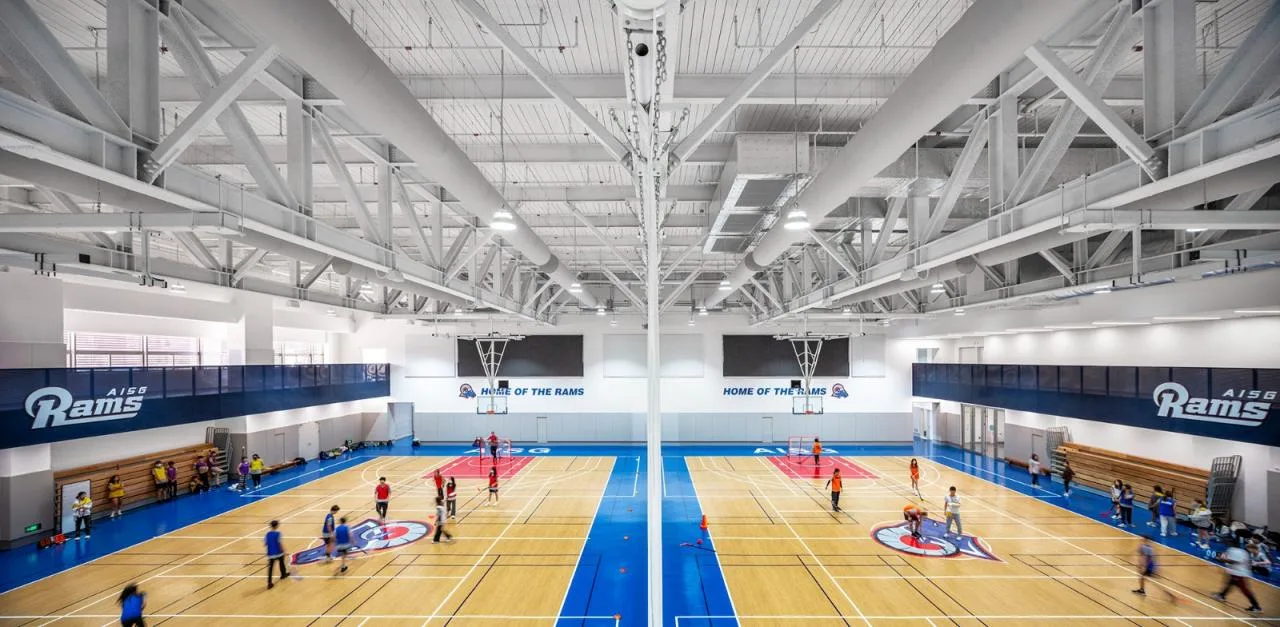
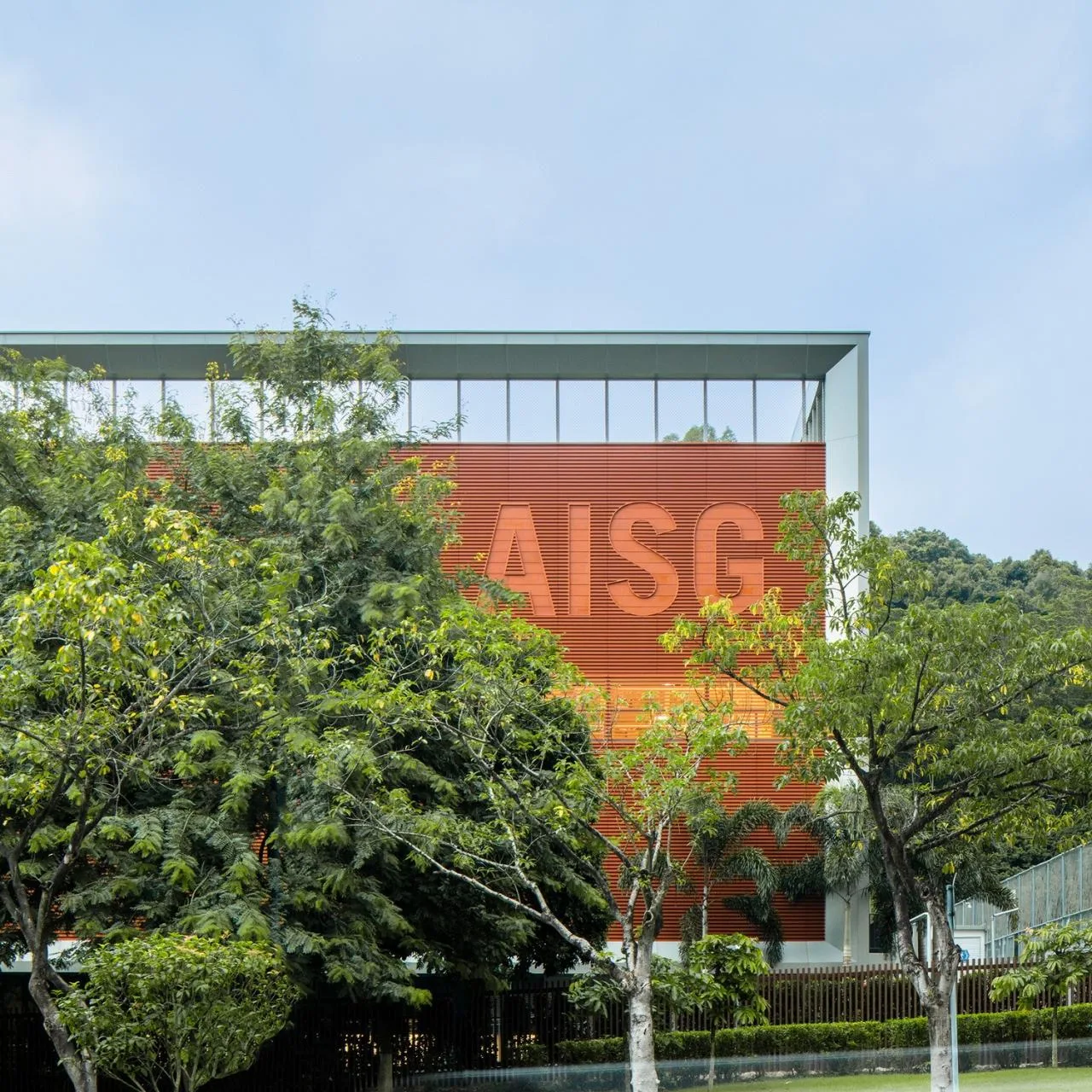
The building’s exterior features a warm, soft orange hue that creates a welcoming atmosphere, conveying a sense of humanistic care to arriving students. Inside, the predominant white color is accented with vibrant tones that stimulate perception and spatial imagination while enhancing the building’s identity. Surrounded by natural lychee forests and mountains, the design minimizes corridors and optimizes window placement to maximize natural light and ventilation, offering students refreshing green views.
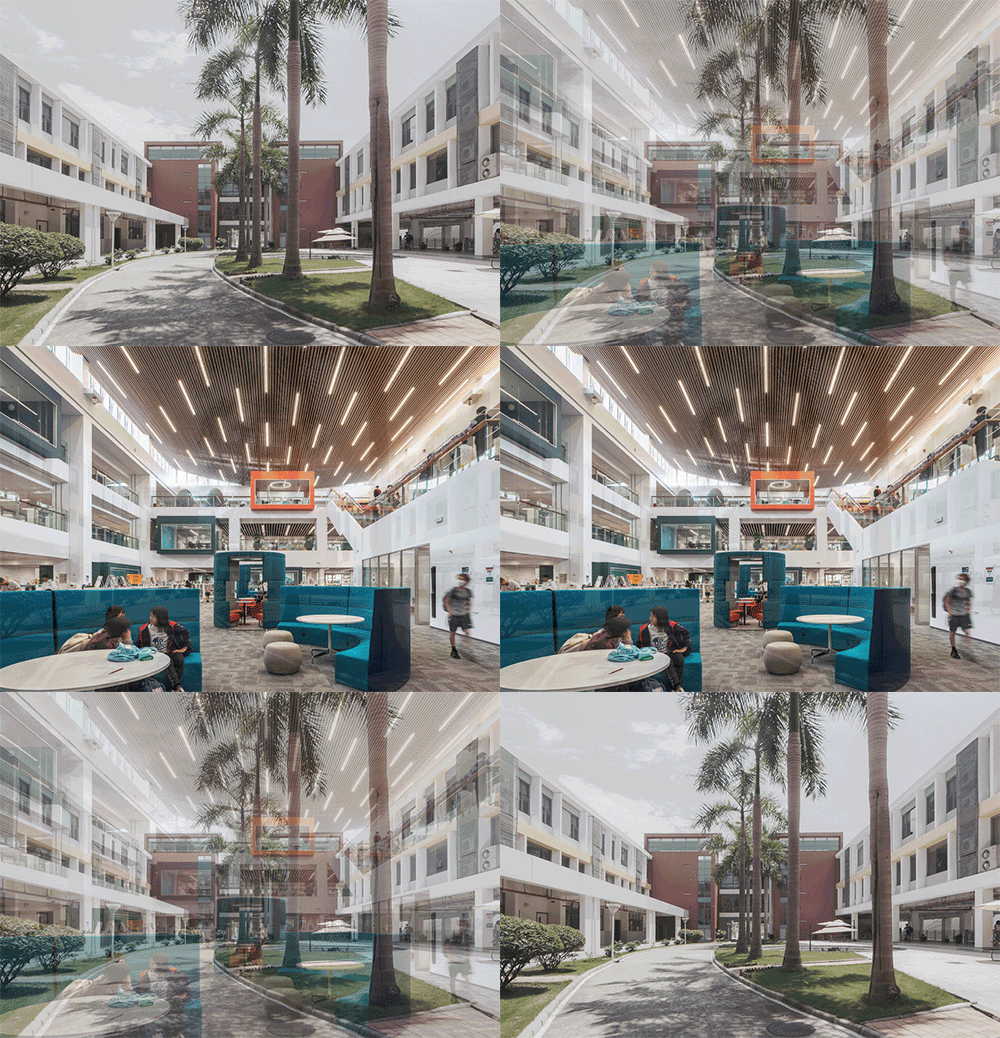
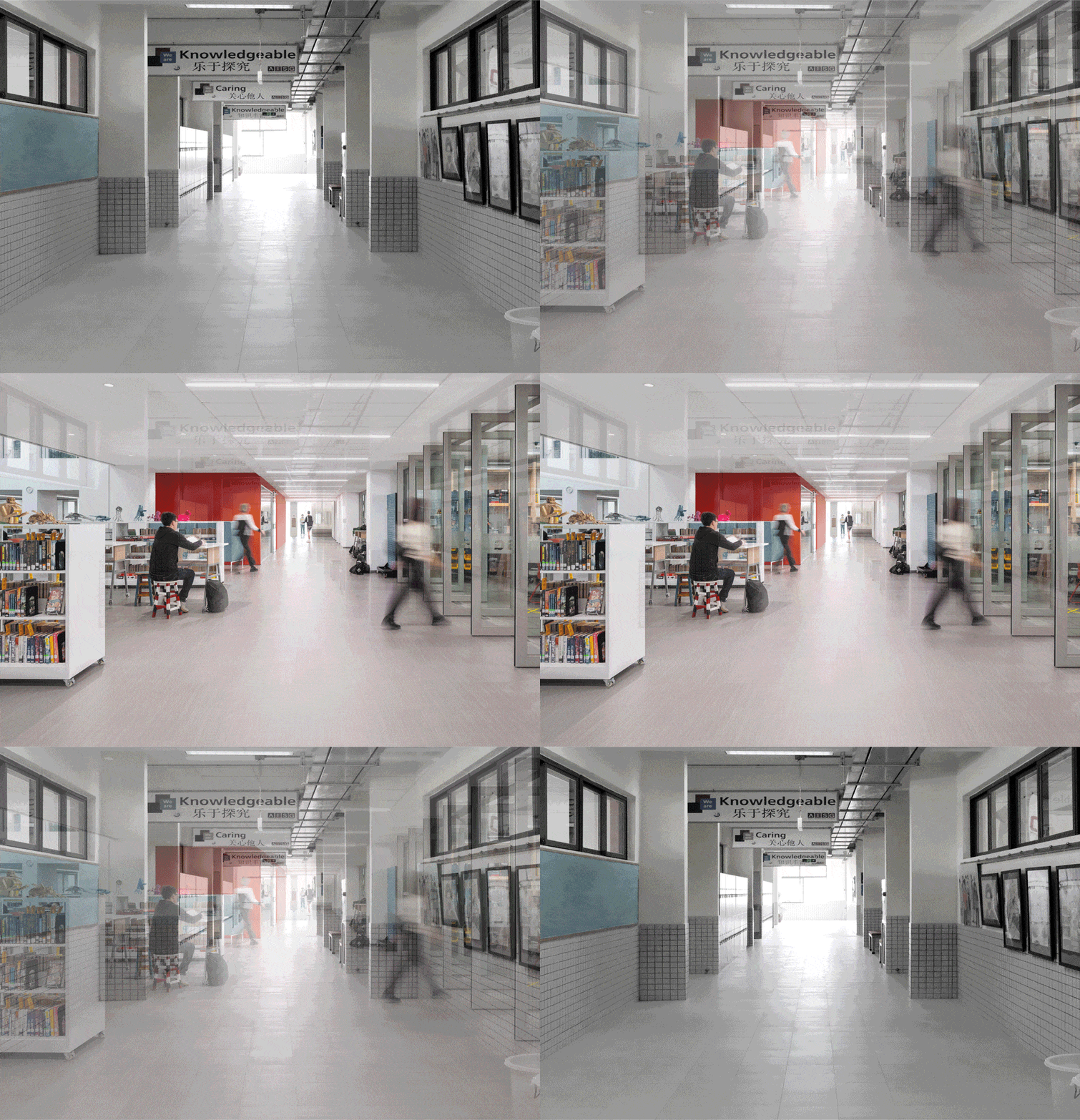
Project Drawings
△ Model Diagram
△ Model Diagram
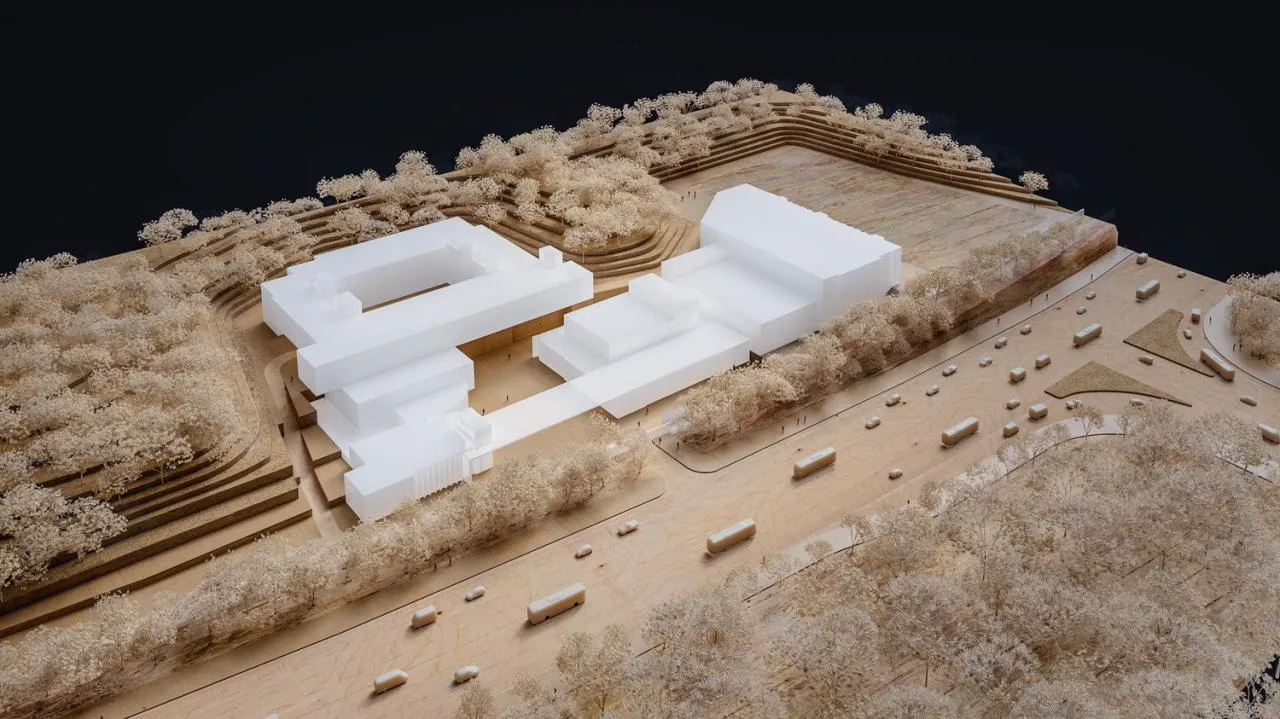
△ Model Diagram
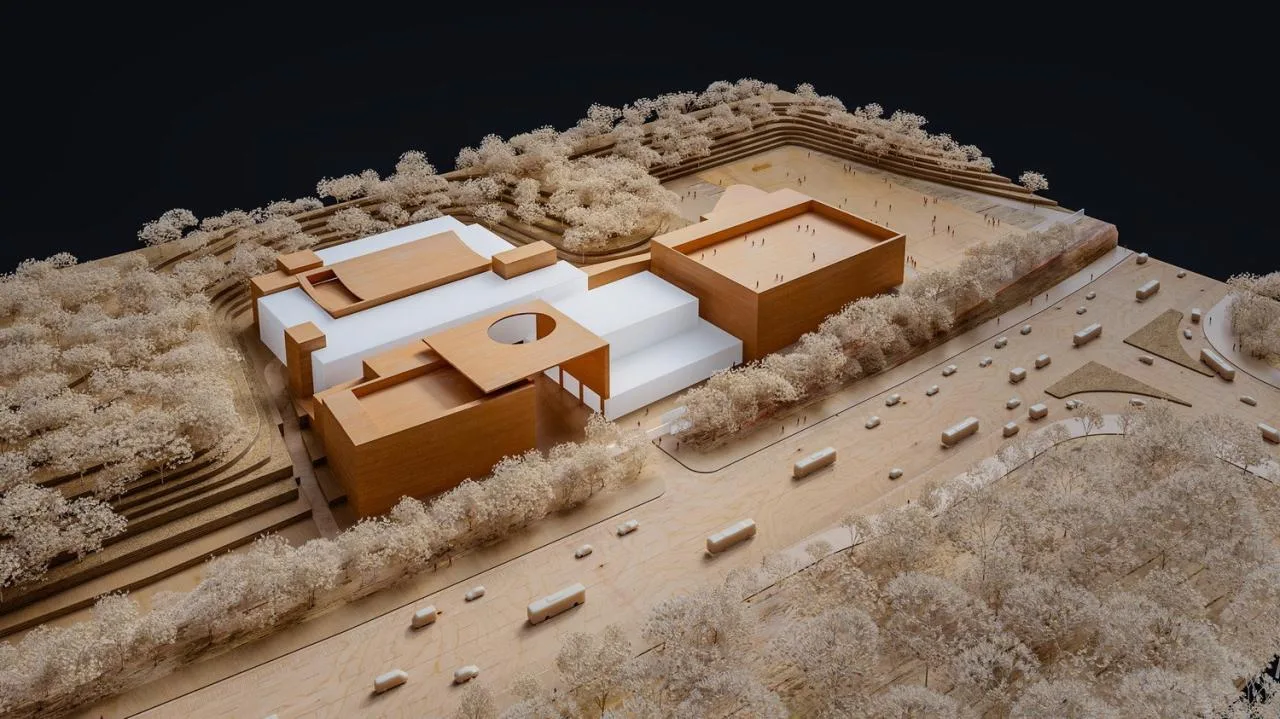
△ Model Diagram
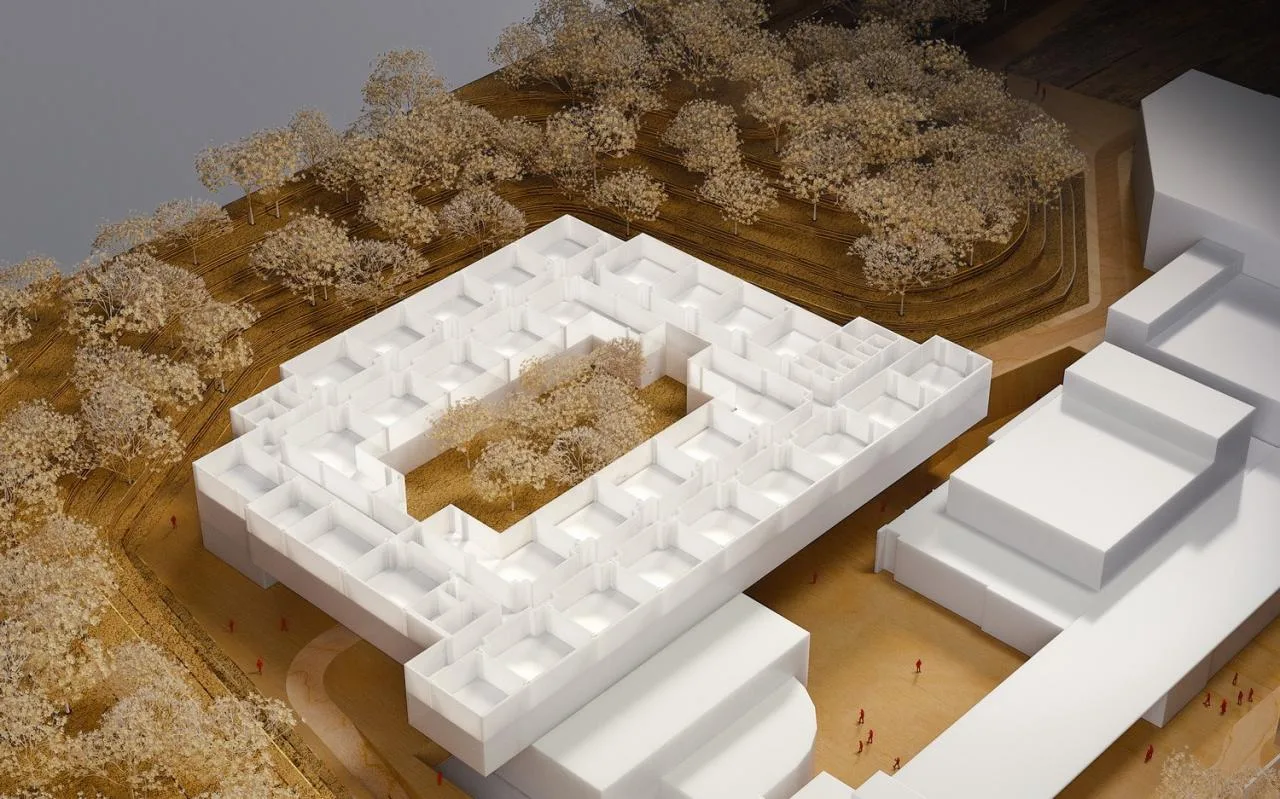
△ Model Diagram
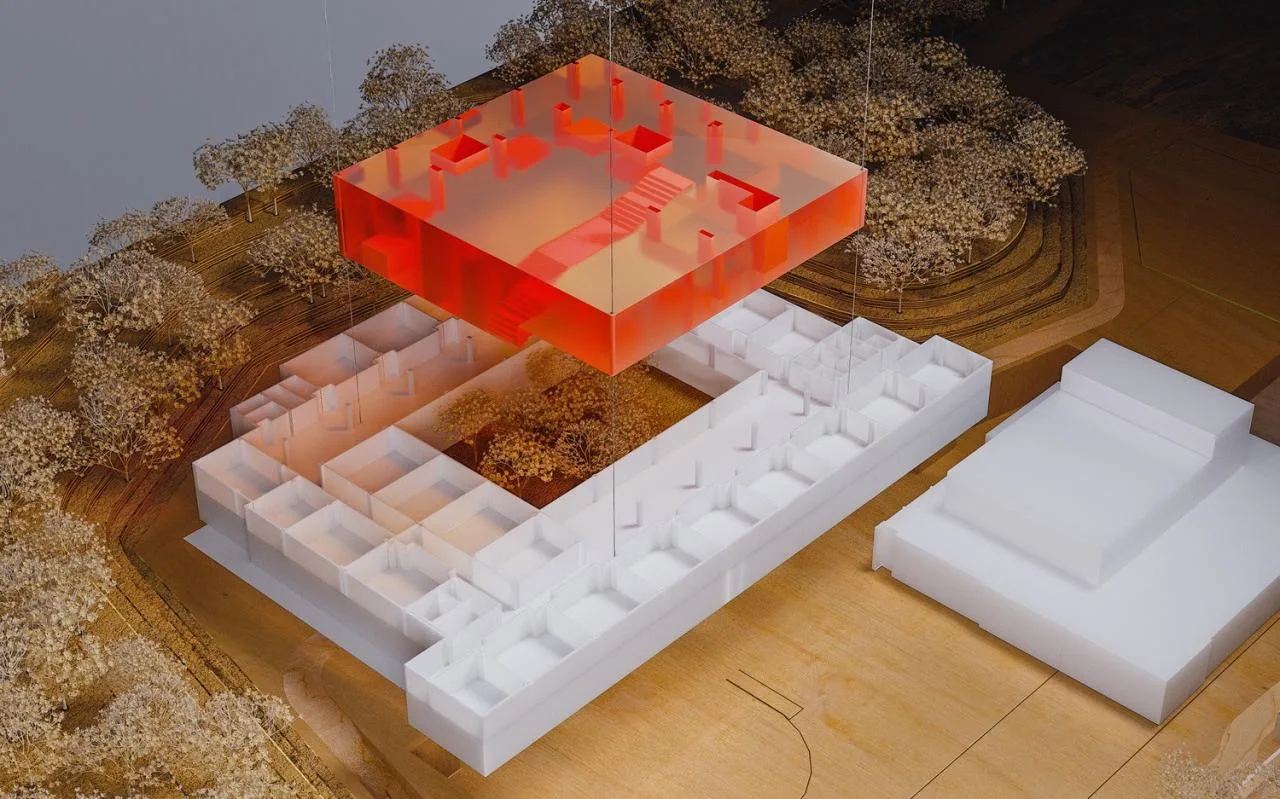
△ Model Diagram
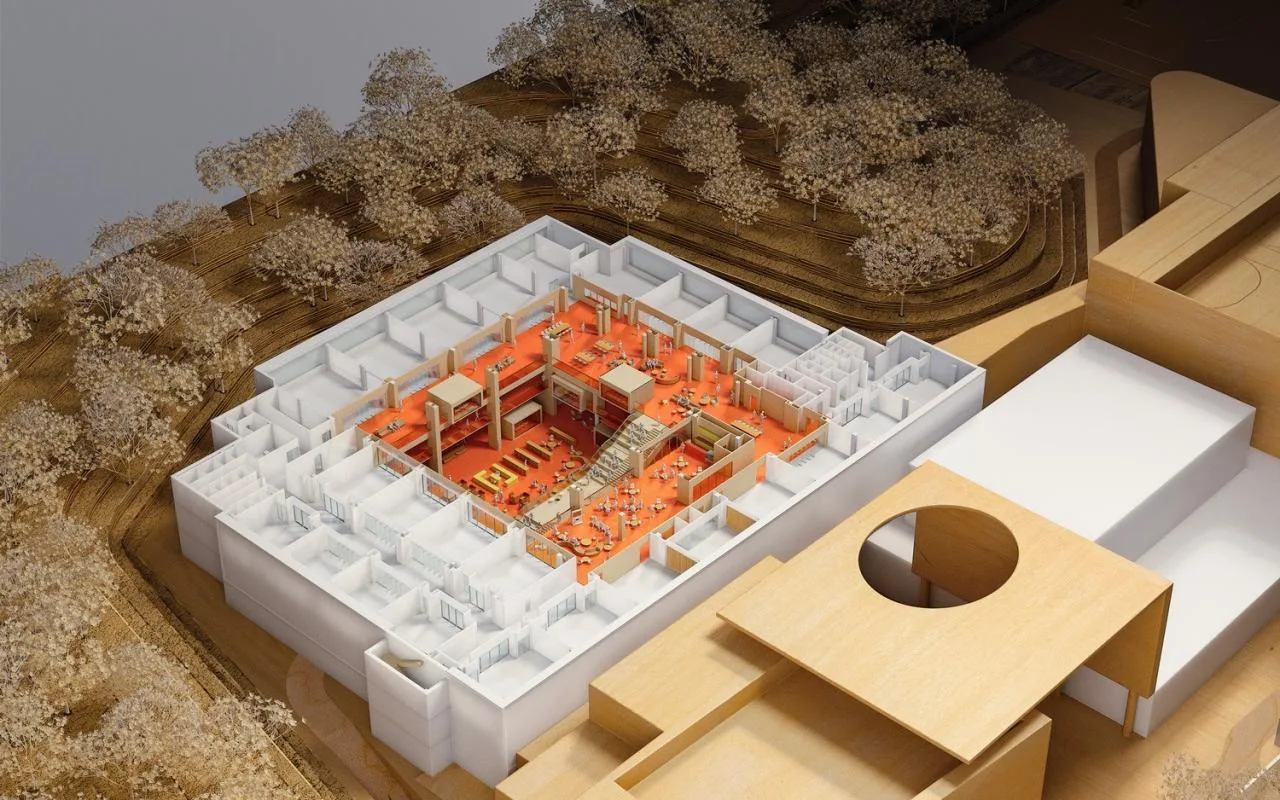
△ Model Diagram
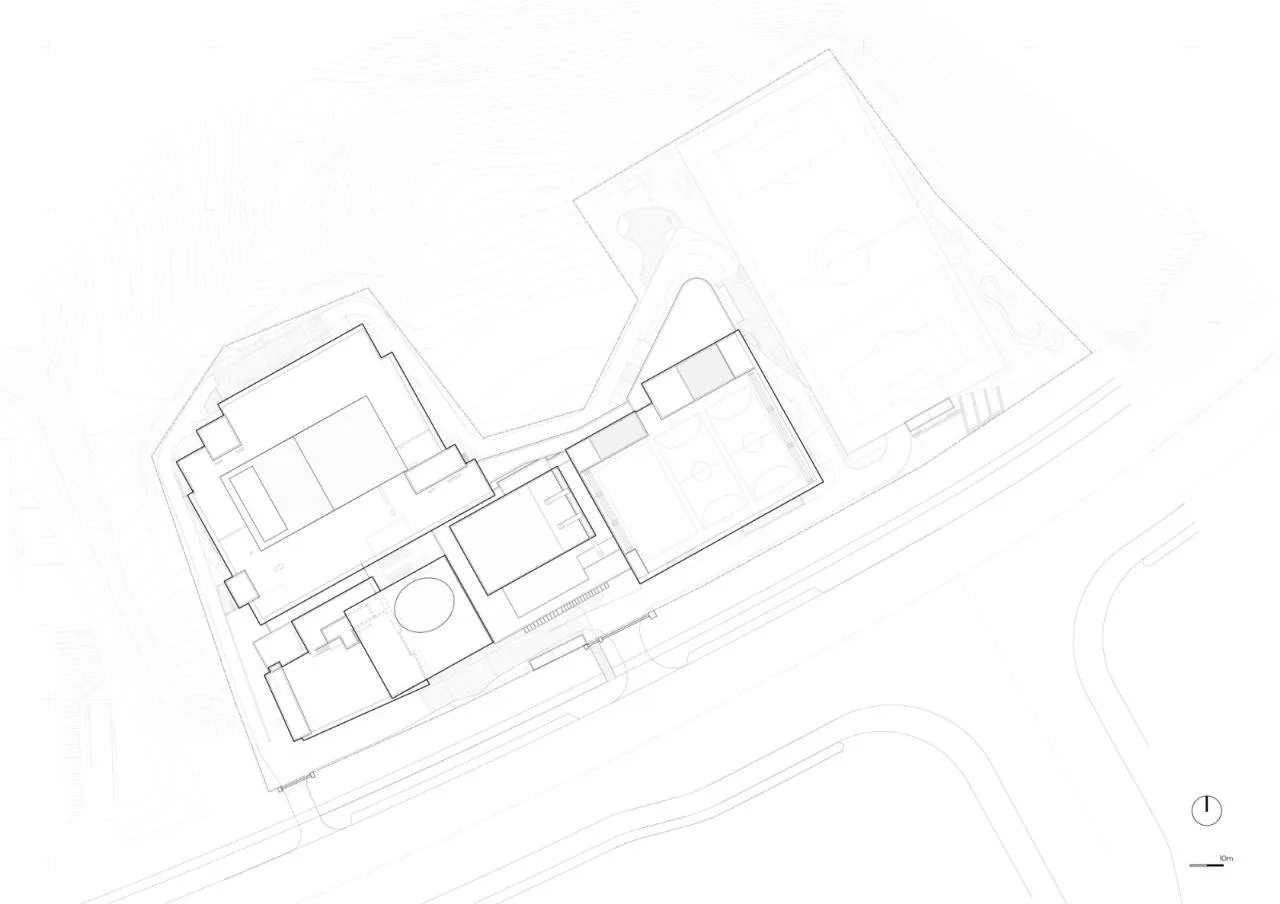
△ General Layout Plan
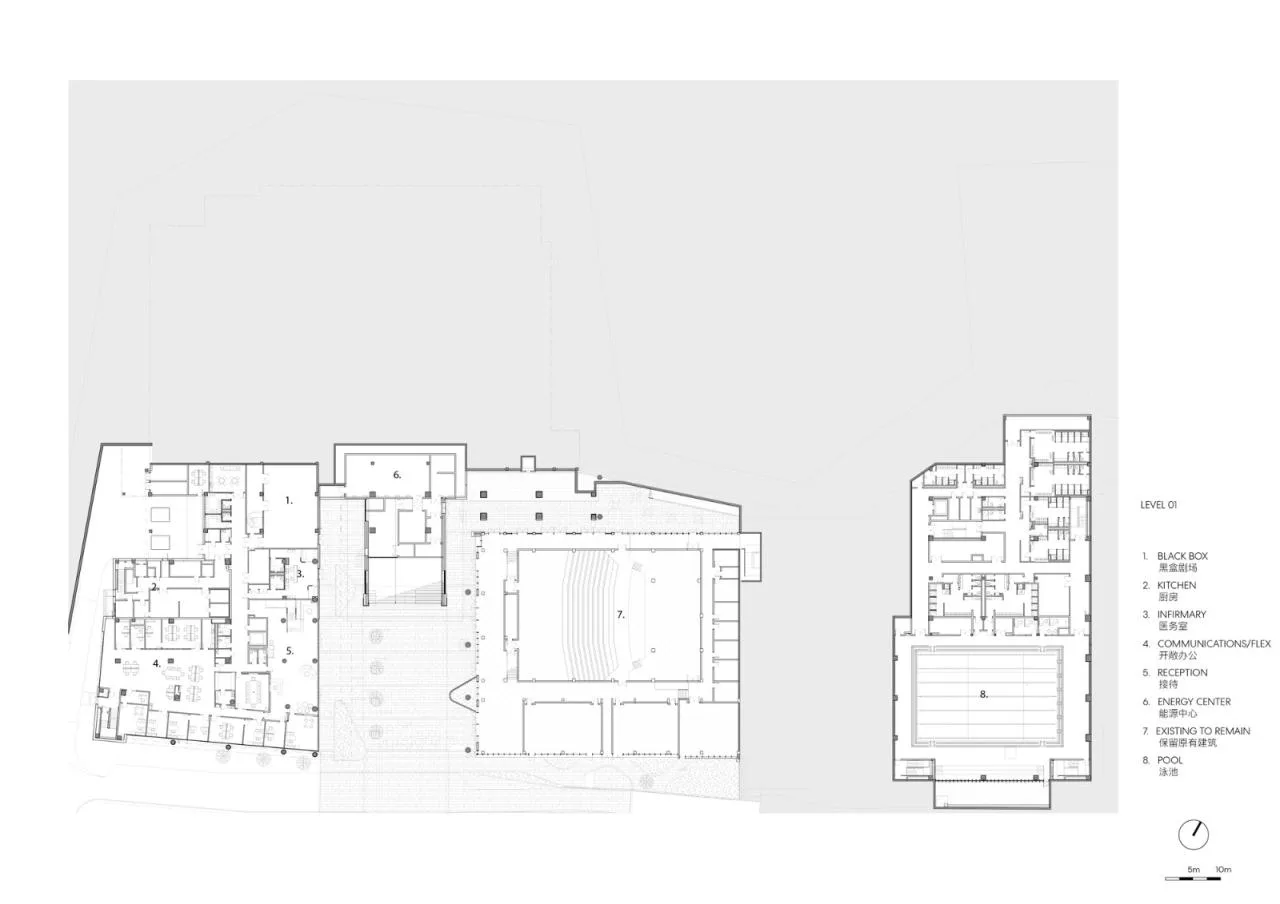
△ First Floor Plan
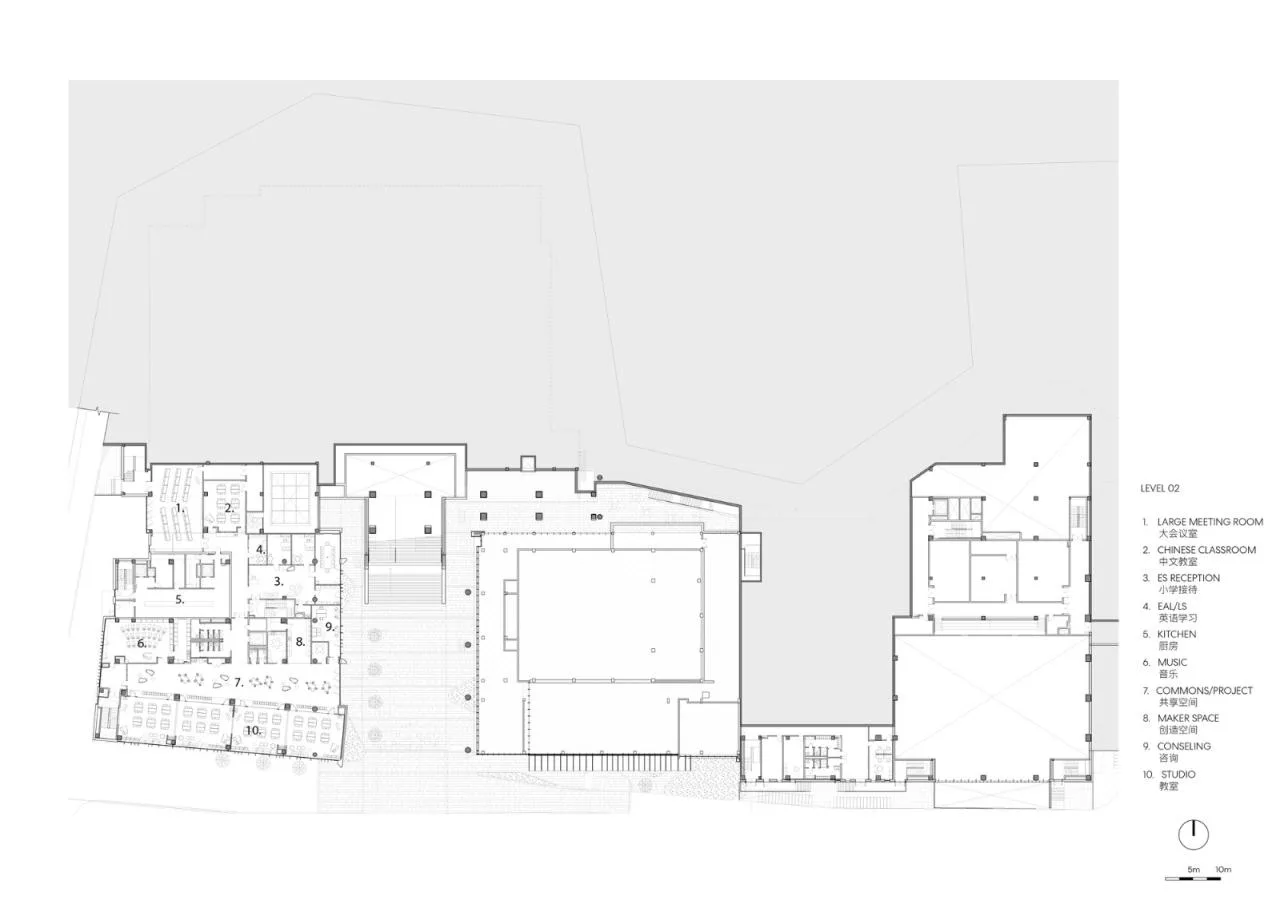
△ Second Floor Plan
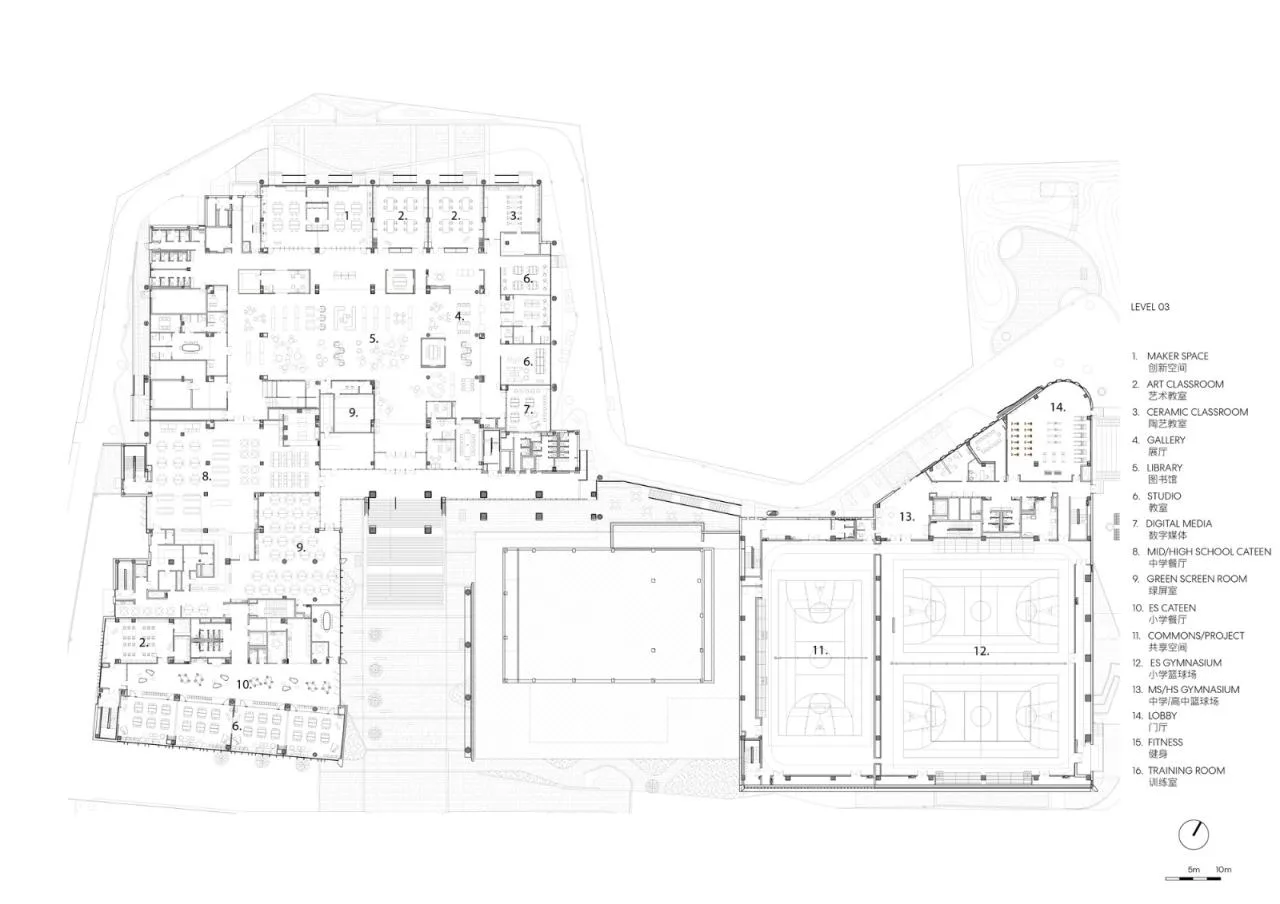
△ Third Floor Plan
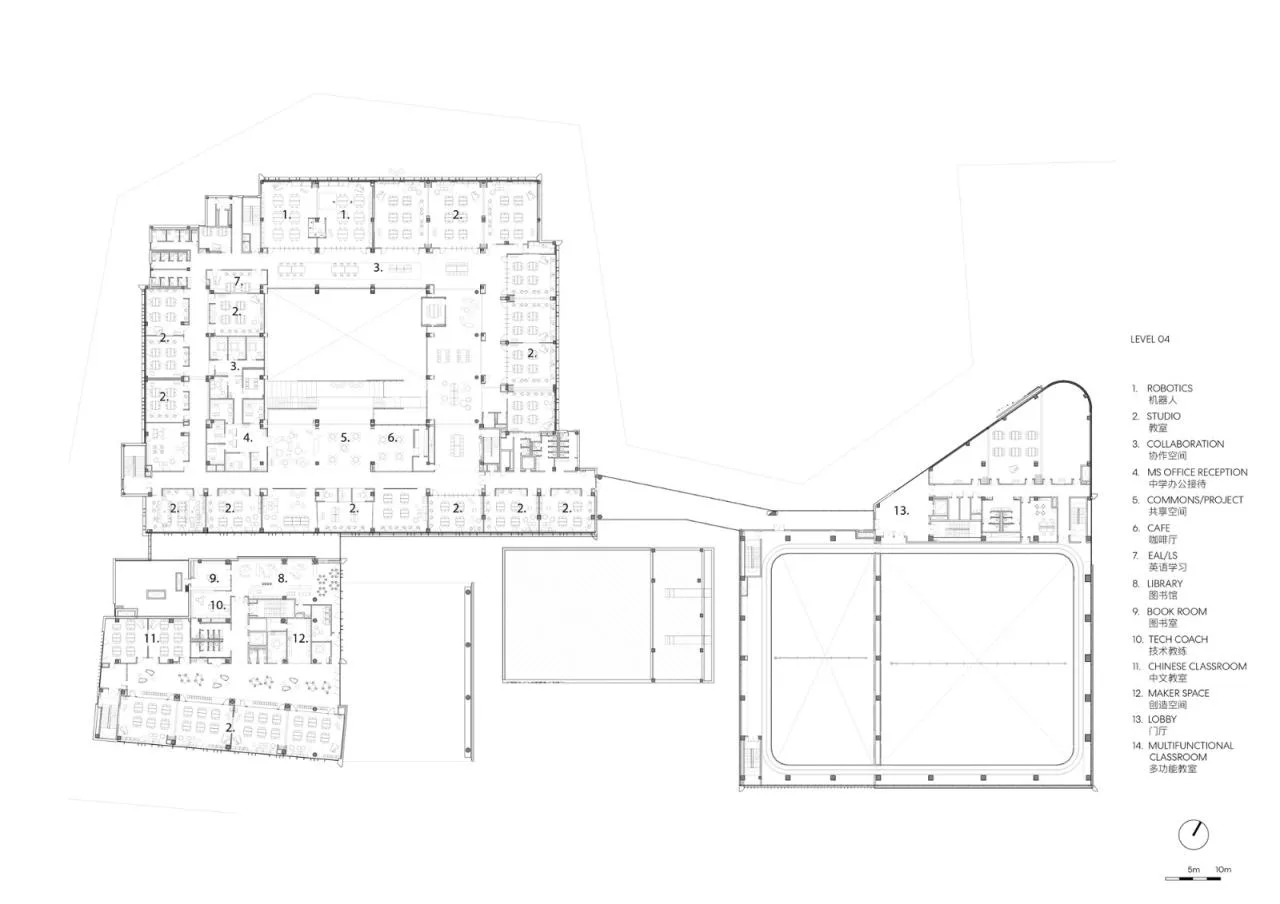
△ Fourth Floor Plan
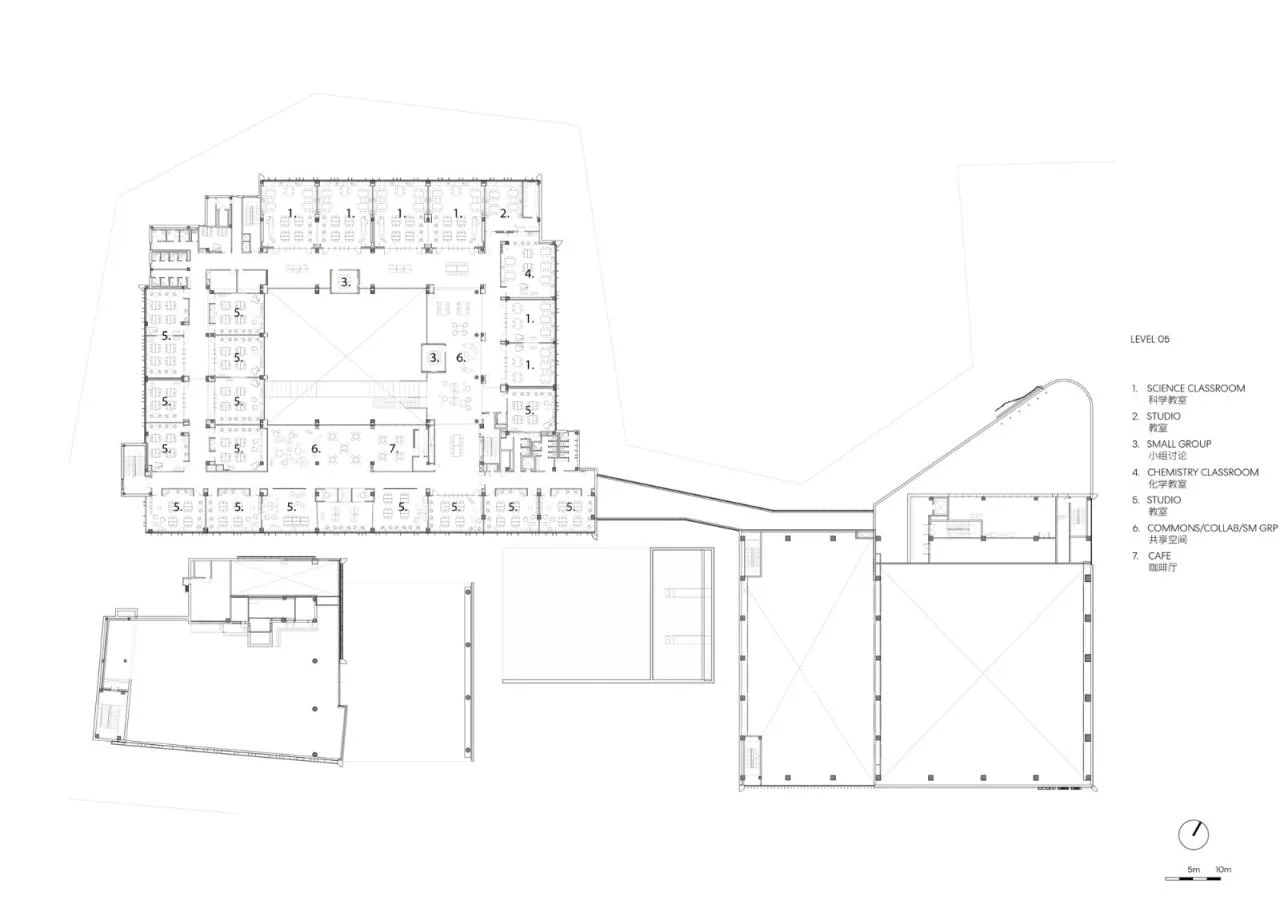
△ Fifth Floor Plan
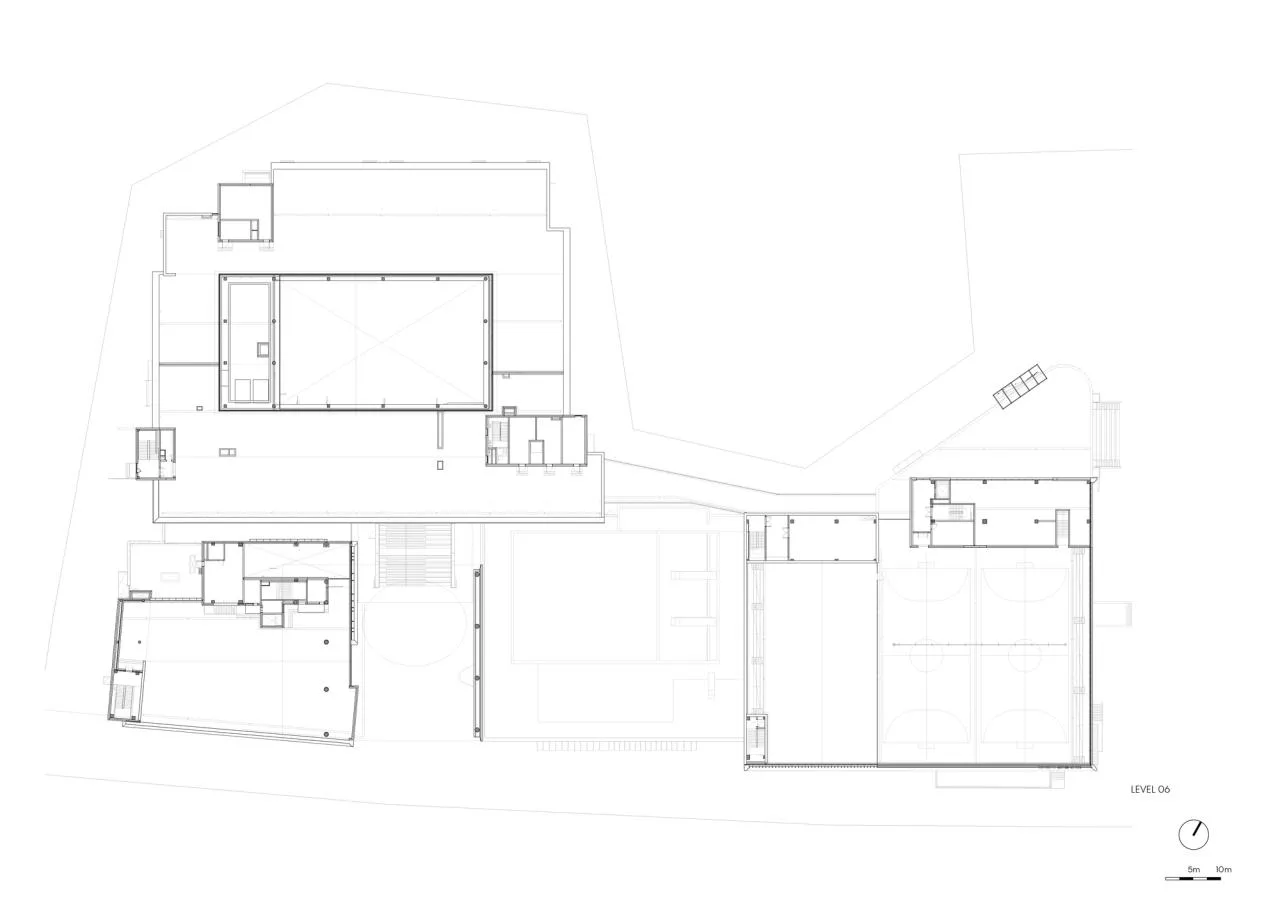
△ Sixth Floor Plan
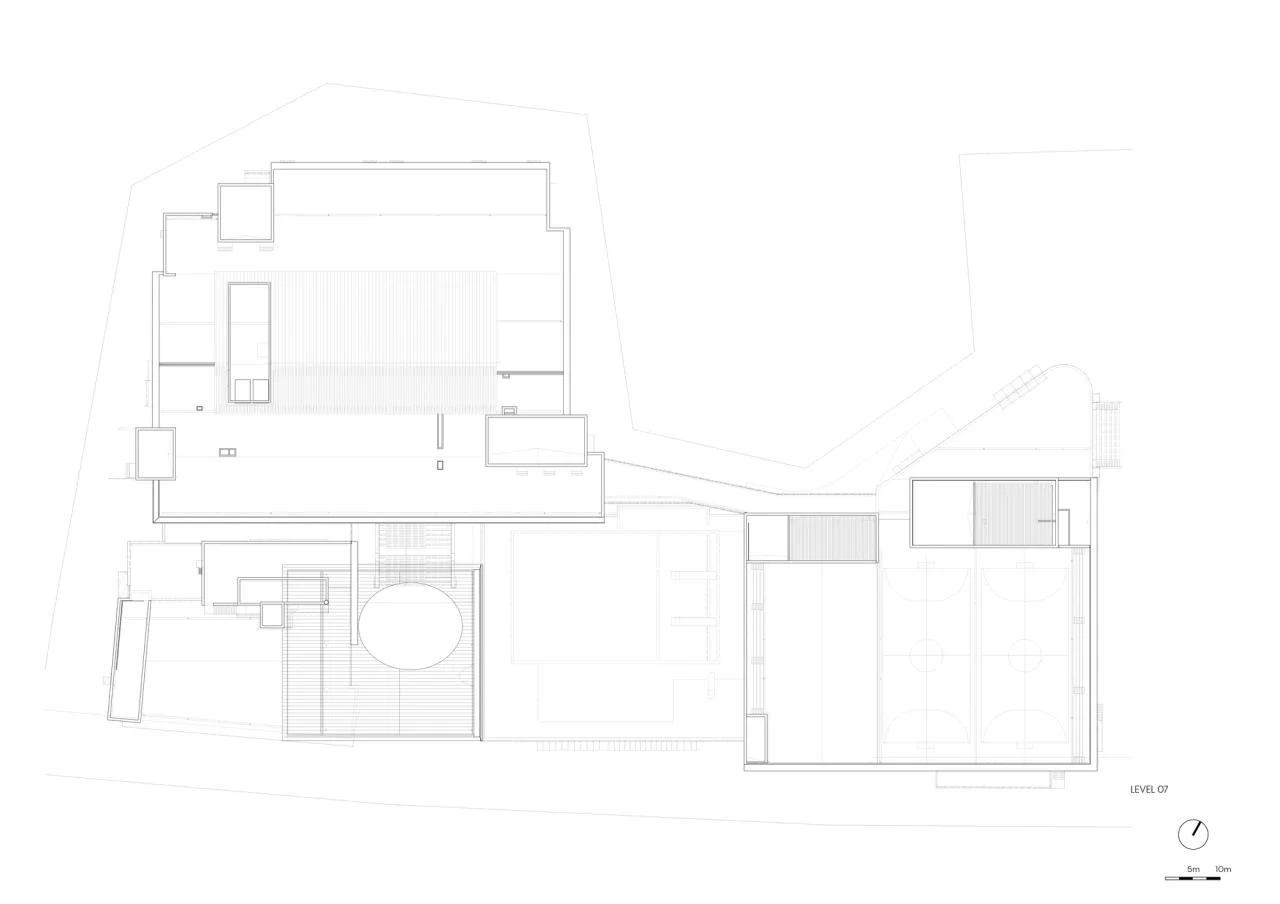
△ Seventh Floor Plan
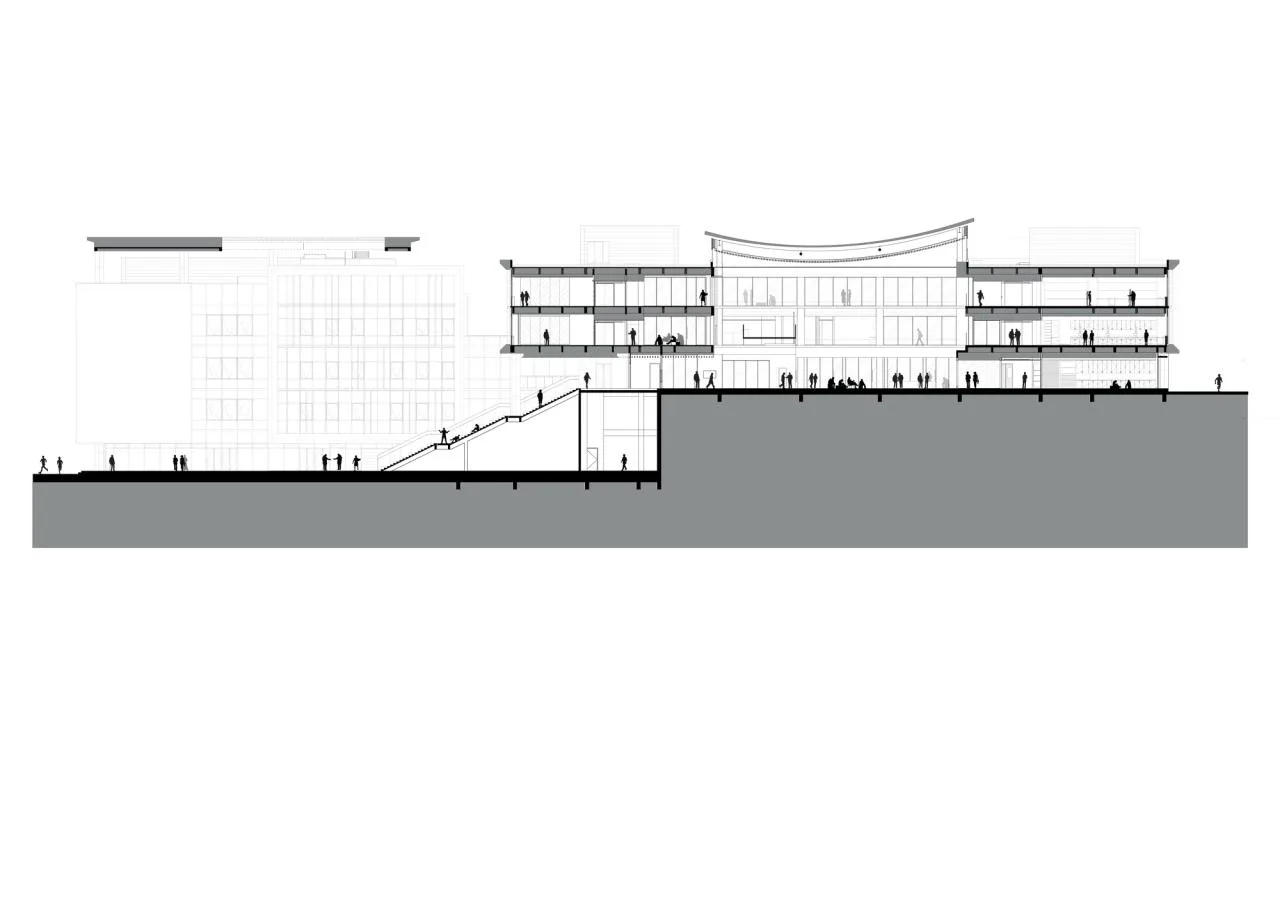
△ Section Diagram
Project Information
Architect: Perkins& Will
Area: 38,823 m²
Year: 2023
Photographer: Tian Fang, RAWVISION Studio
Manufacturers: F ó rmica, Novalis, PARALLEL
Design Team: James Lu, Aimee Eckmann, Paul Rice, Qi Chen, Zhou Fang, Nick Perry, Daniel Rollet, Chenjian Zheng, Bingchi Sung, Yanfang Sun, Zhechen Yu, Jianmin Fan, Corey Nissenberg, Kate Dailey, Chao Wang, Kun Xiao, Xiaoyu Wu, Mengyue Zhou
Construction Drawing Design: Guangzhou Design Institute Group Co., Ltd
Client: Guangzhou American Foreign Children’s School
Function: Educational building renovation and expansion
Structural Consultant: Kuande Engineering Design Consulting (Shanghai) Co., Ltd
Facade Consultant: Xumilin Energy Technology (Shanghai) Co., Ltd
Kitchen Consultant: Tengka Interior Design (Shanghai) Co., Ltd
Location: Guangzhou, China















Must log in before commenting!
Sign Up