
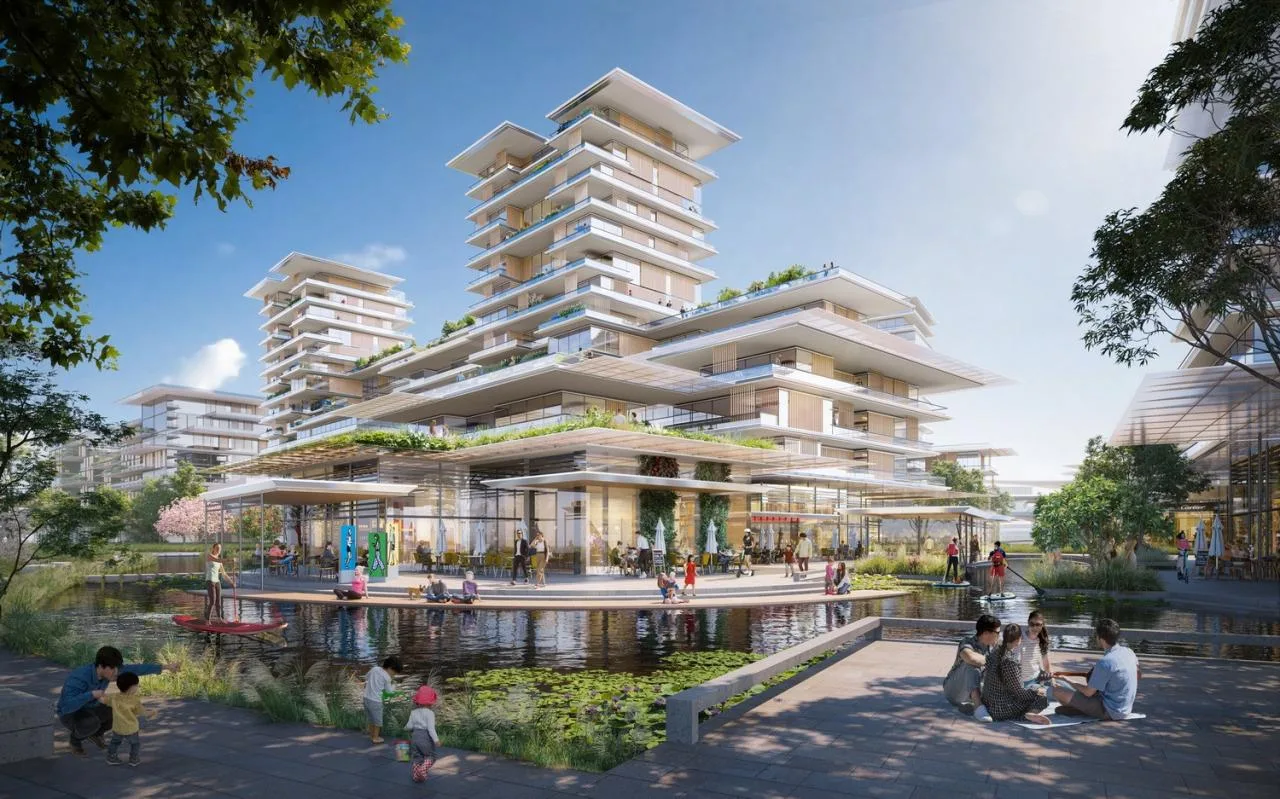
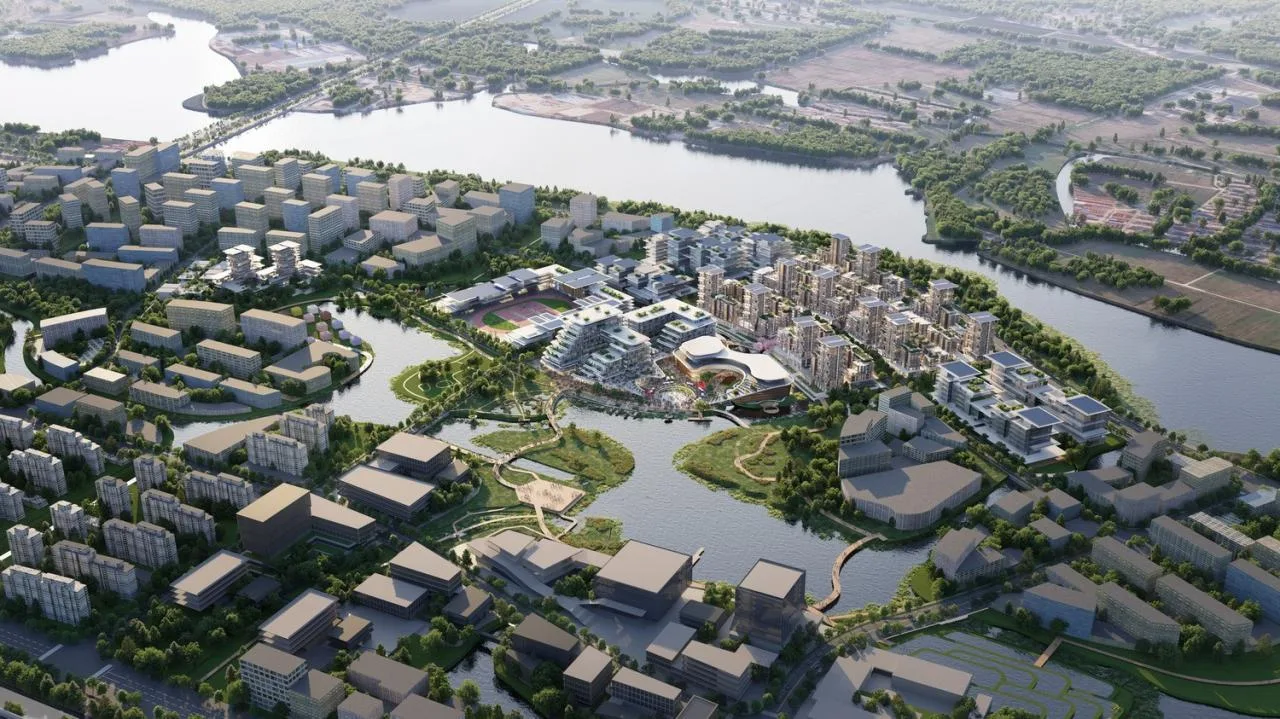
The Xicen Science and Technology Innovation Center, designed by Foster+Partners, is a major development located in the heart of the Yangtze River Delta. Positioned along the development axis connecting Shanghai and Hunan, the site benefits from convenient high-speed rail access. Embracing the region’s rich water town heritage, the center harmoniously integrates newly constructed waterways with the existing ones, creating a sustainable waterfront community designed for living, working, and leisure.
“We are thrilled to have won the design competition for the Xicen Science and Technology Innovation Center,” said Gerard Evenden, head of Foster+Partners.
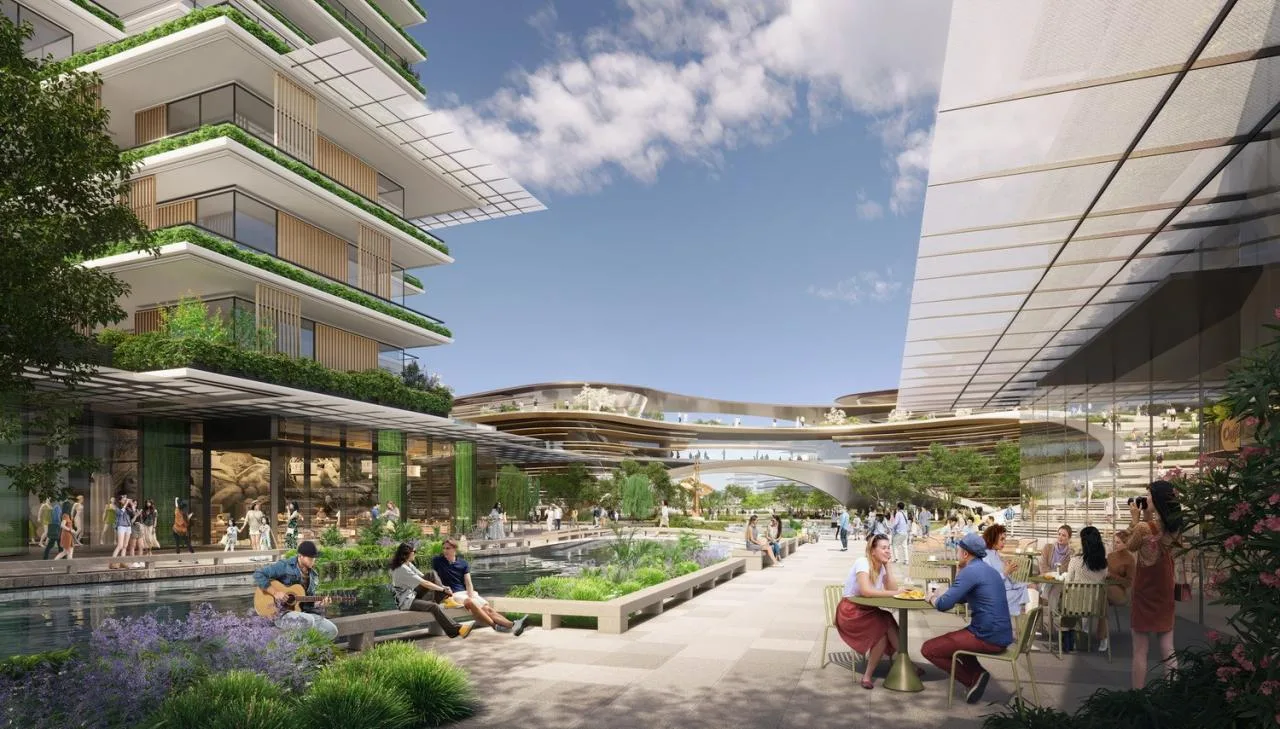
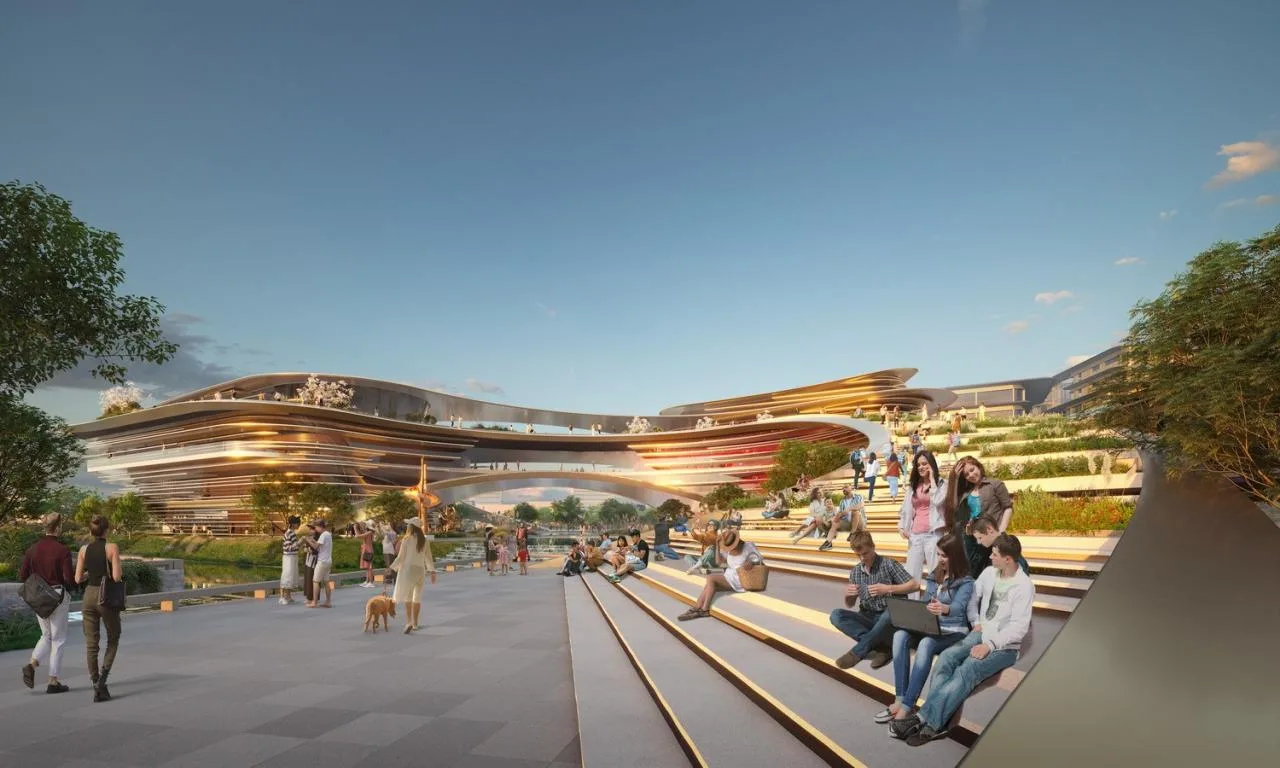
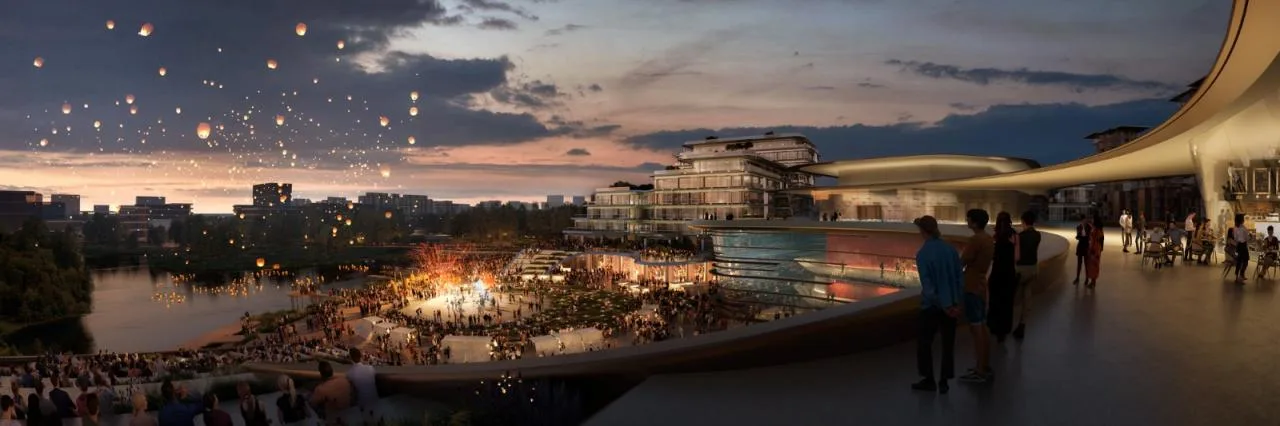
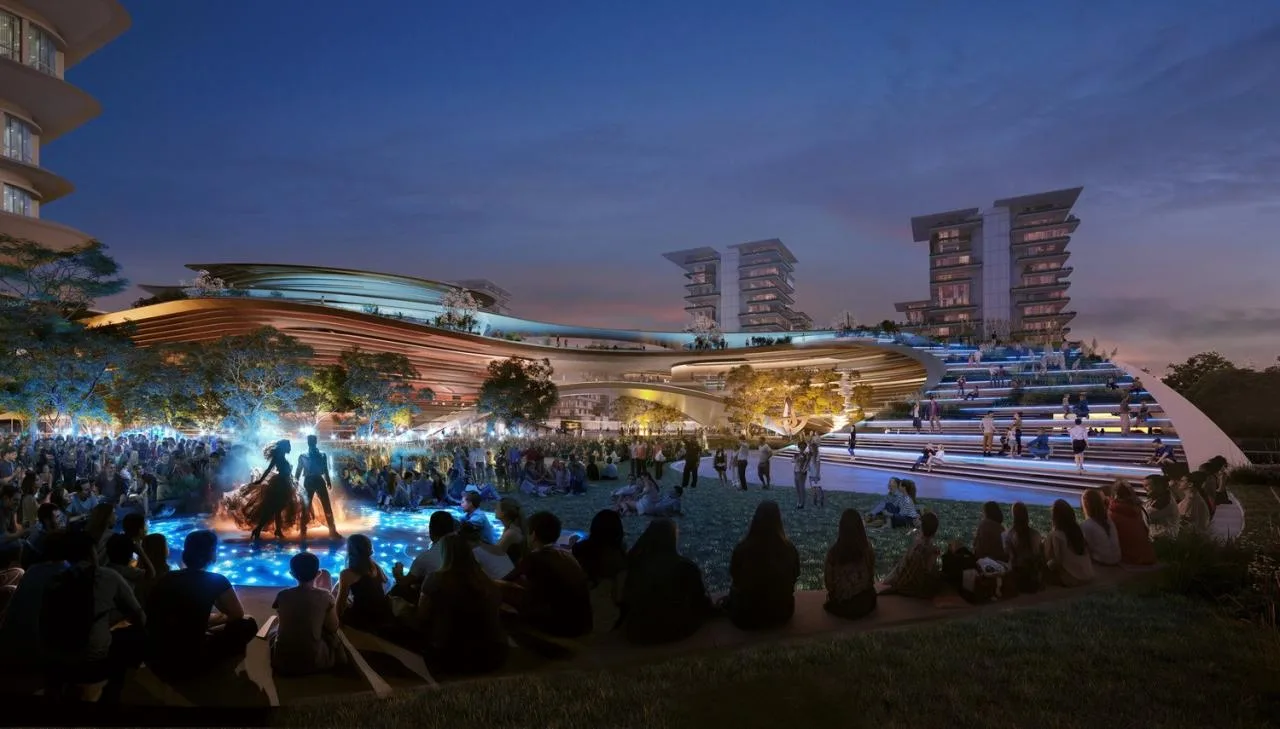
The project encompasses a cultural center featuring a learning center, theater, and exhibition spaces, alongside office, retail, and residential areas. A new water street runs north to south through the development’s core, directing visitors toward the cultural center and an adjacent green plaza. Lined with trees, the street is enlivened by cafes, shops, and restaurants, creating a vibrant city atmosphere.
This design establishes a series of outdoor public spaces that capitalize on the unique waterfront setting, including floating bridges, tea rooms on the water, and rowing zones. During the design process, sustainable transportation options such as water taxis and electric scooters were also explored to enhance eco-friendly mobility within the development.
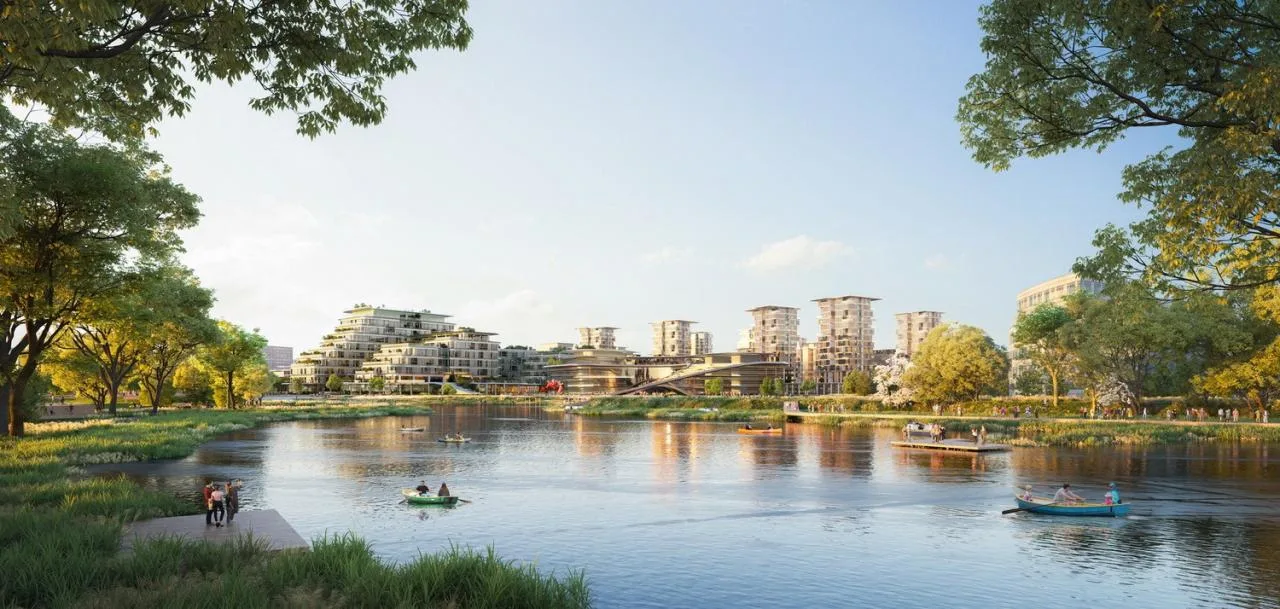
The cultural center serves as the project’s focal point, with a roof designed to resemble a garden bridge. This element marries the beauty of gardens with the symbolic meaning of a bridge, enhancing internal connectivity throughout the development. The east wing houses three levels of theater spaces, while the west wing features two levels of learning spaces topped by an exhibition area.
The Green Shadow Garden Bridge spans the new Water Street, offering visitors breathtaking views of the entire development.
Green spaces and water features will cover 35% of the residential areas, providing residents with private outdoor terraces and significant ecological benefits. The office area is conveniently adjacent to the residential zone, sharing facilities and public spaces to foster community interaction. The lakeside office district boasts a prime location and spacious design, aiming to attract major institutional tenants.
The project preserves existing wetlands and implements a sponge city strategy to capture and store rainwater efficiently. During hot summer months, the integrated water systems and green spaces offer natural cooling effects. The development targets China’s two-star green building certification and a three-star rating for the cultural center, following Chinese ecological zoning standards.














Must log in before commenting!
Sign Up