
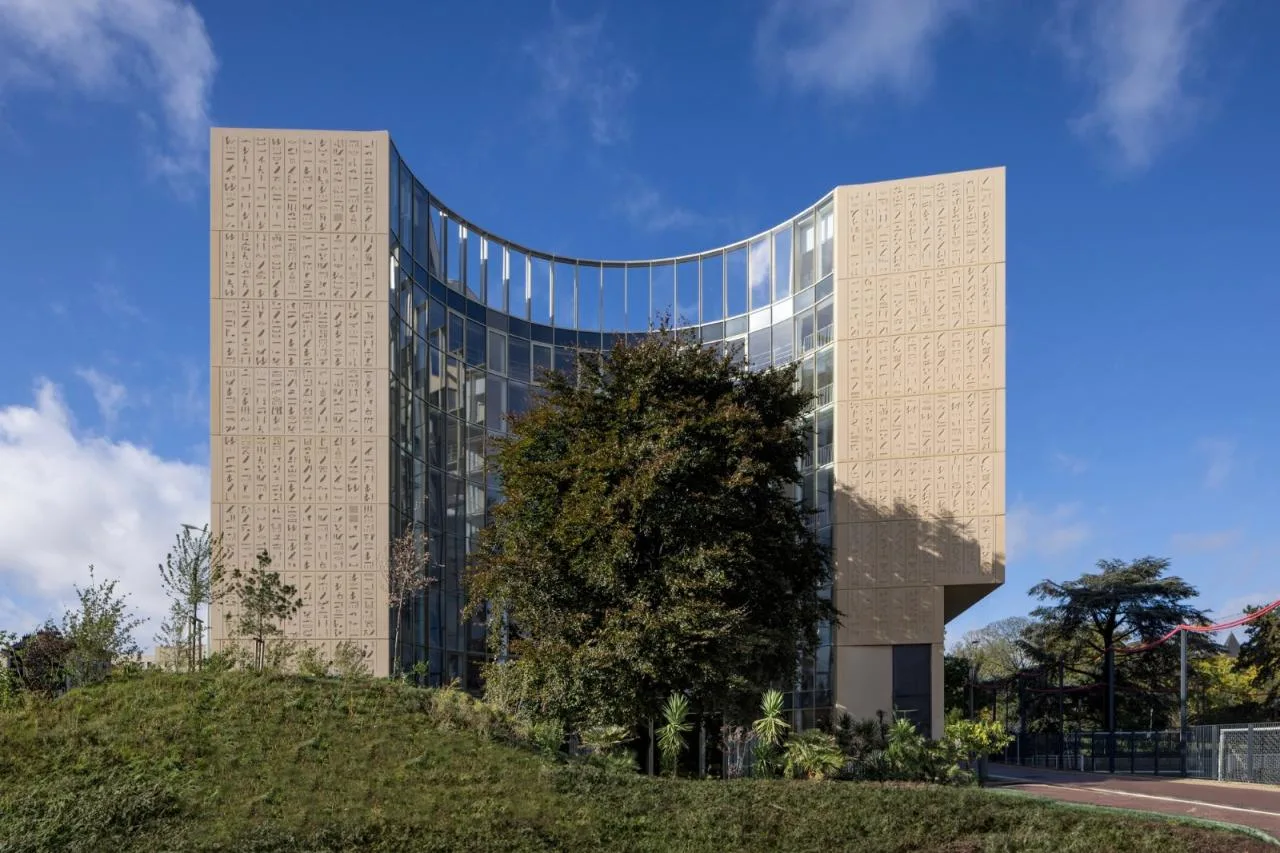
Egypt House is a project that seeks to reconnect with the essence of Egyptian architecture, infused with the unique Parisian charm. Located in the International University City of Paris, an area renowned for its early modernist buildings such as Le Corbusier’s Swiss Foundation (1933) and Brazil House (1957), this dormitory is designed to be more than just a place to live. It aims to serve as a true home away from home for Egyptian and international students in the heart of Paris.
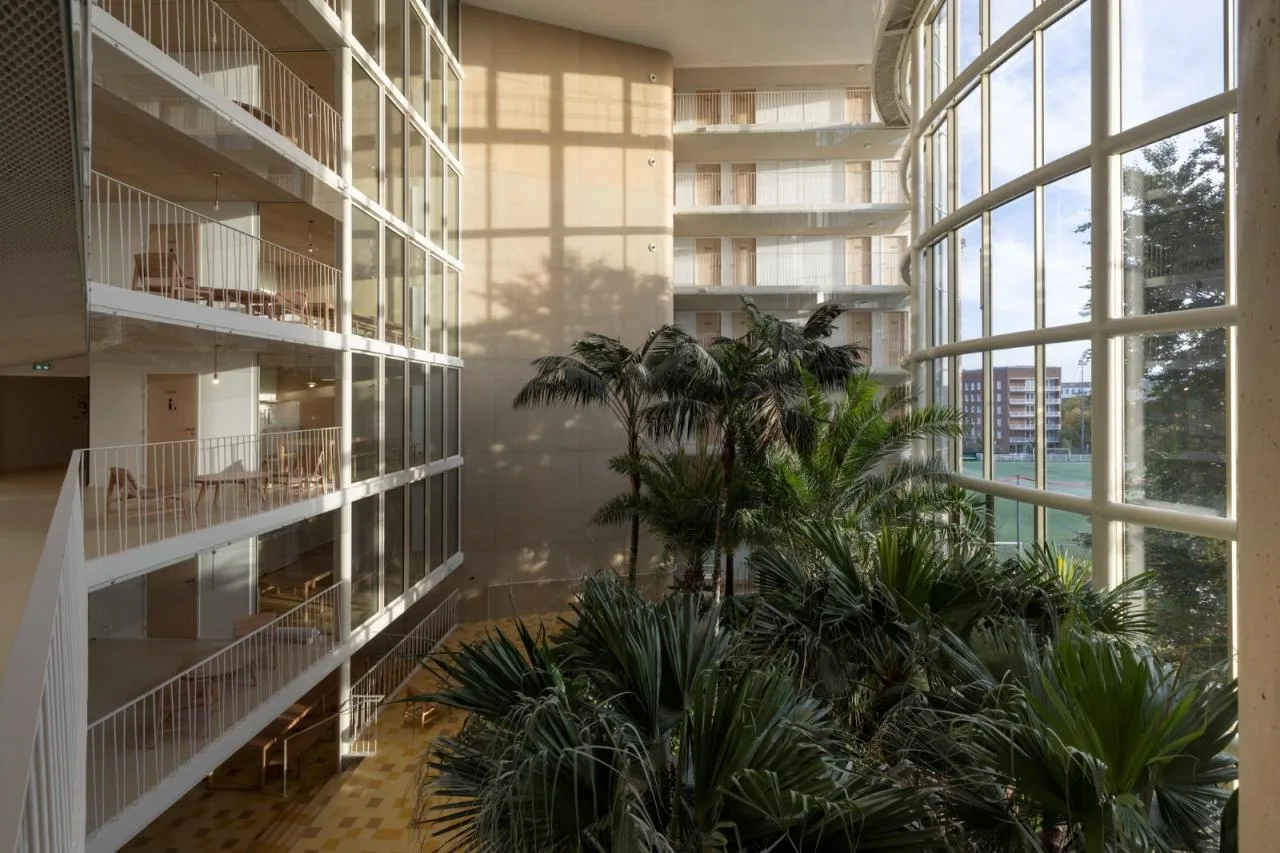
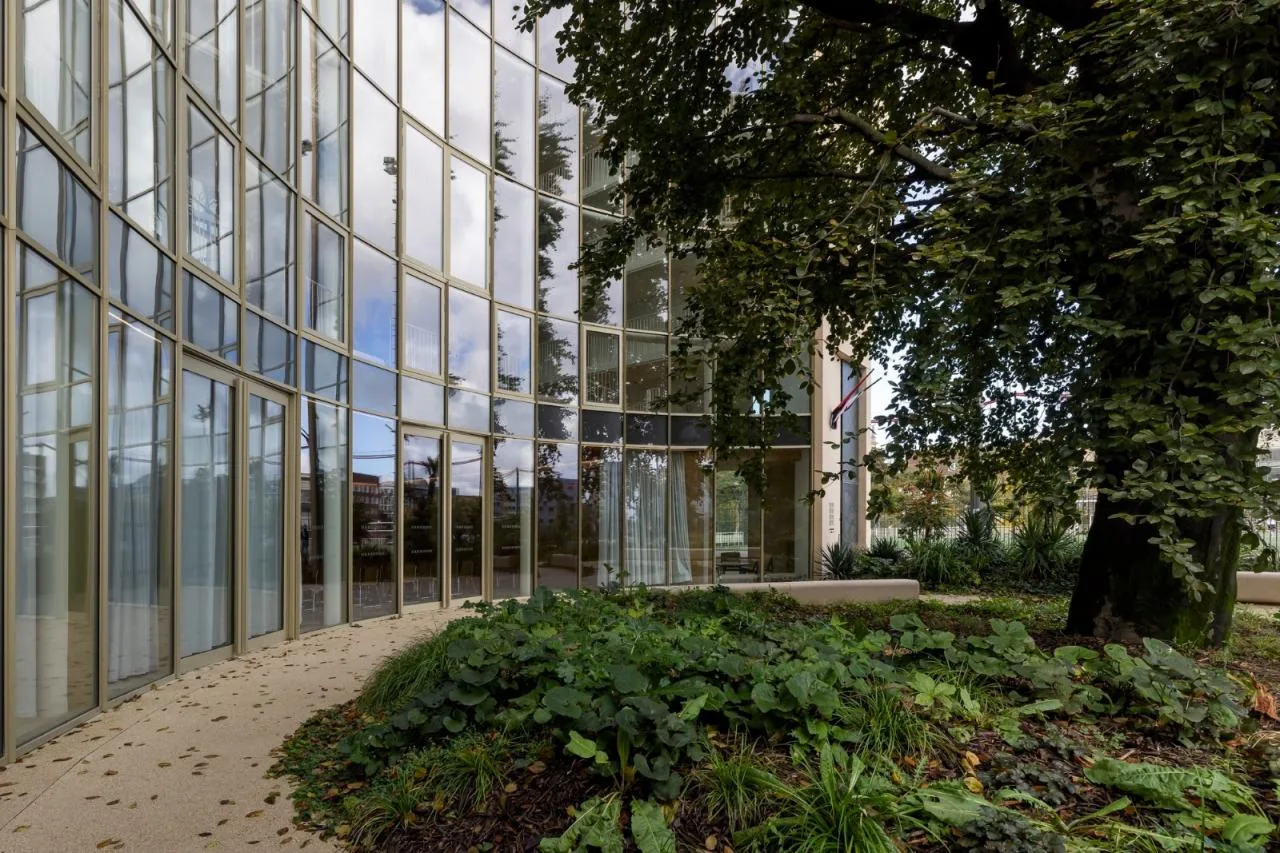
The fundamental question posed by this project is: what transforms a house into a home, and what specifically defines an Egyptian home? The answer lies in fulfilling the conditions of tranquility, comfort, safety, and security—only then does a house become a home. Beyond this, the design strives to balance familiarity with novelty, commonality with individuality, and public with private spaces.
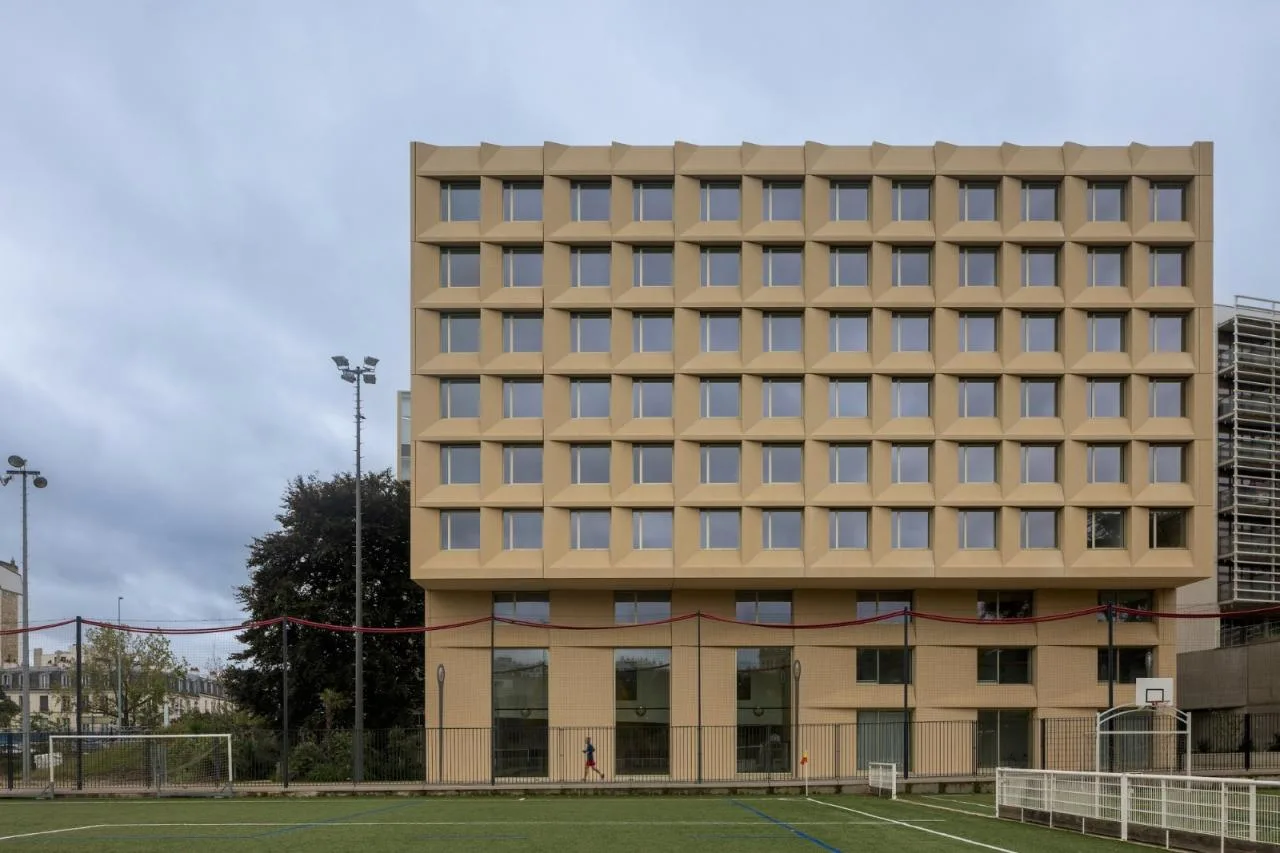
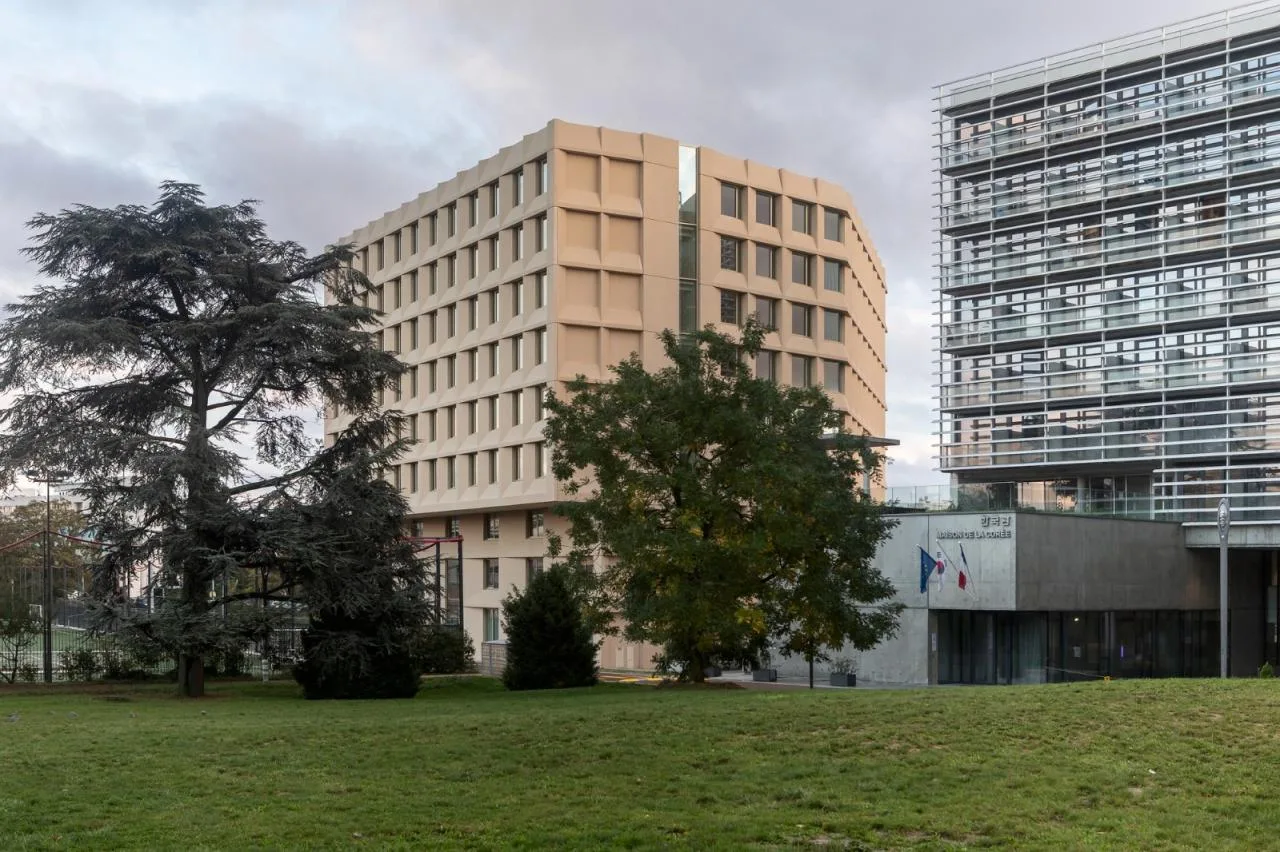
When warmth and light fill both body and mind, the space truly becomes the ‘home of Egypt.’ Like Egypt itself, the building embodies a proud and strong character while maintaining sincere dialogue and full respect for its urban surroundings. The design finds common ground between the core principles of Egyptian and Parisian architecture, particularly in form, materials, spatial layout, and organization.
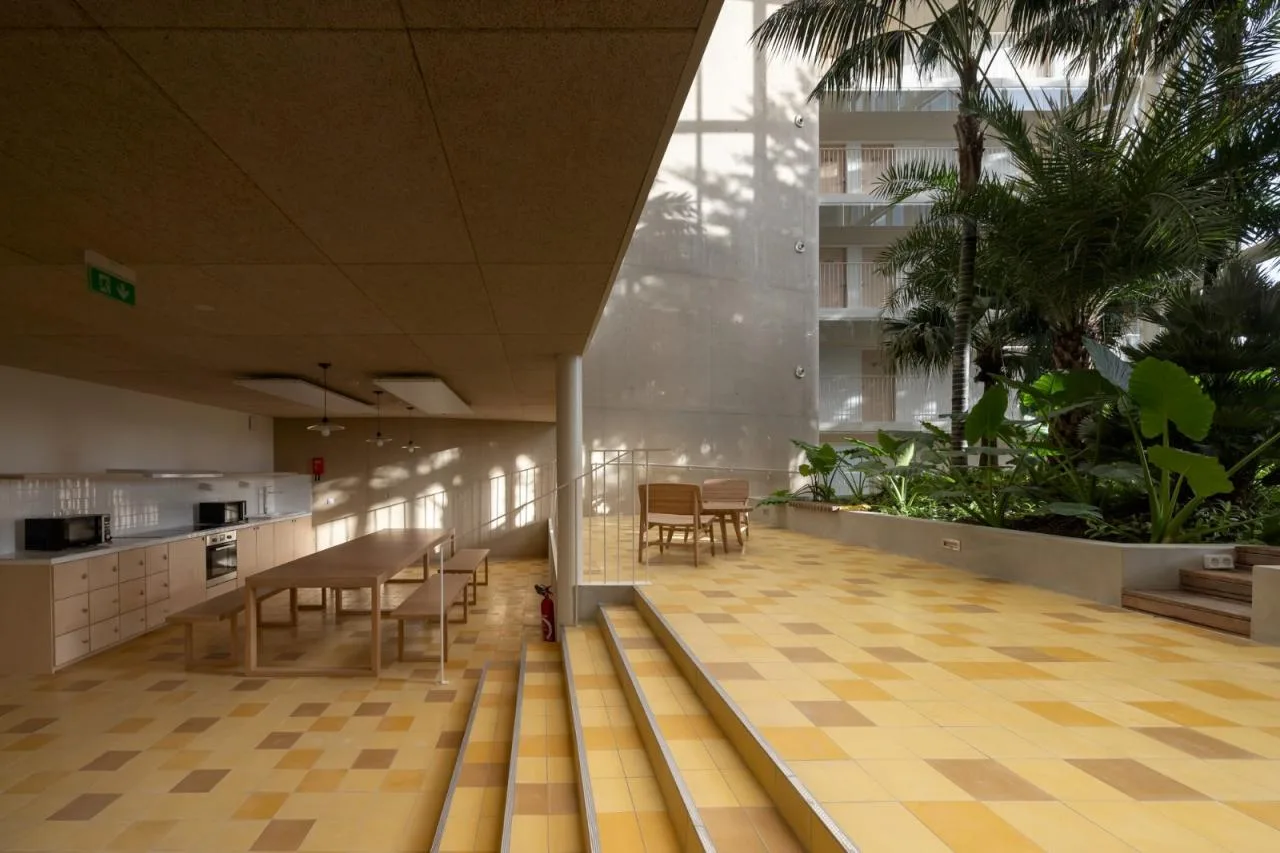
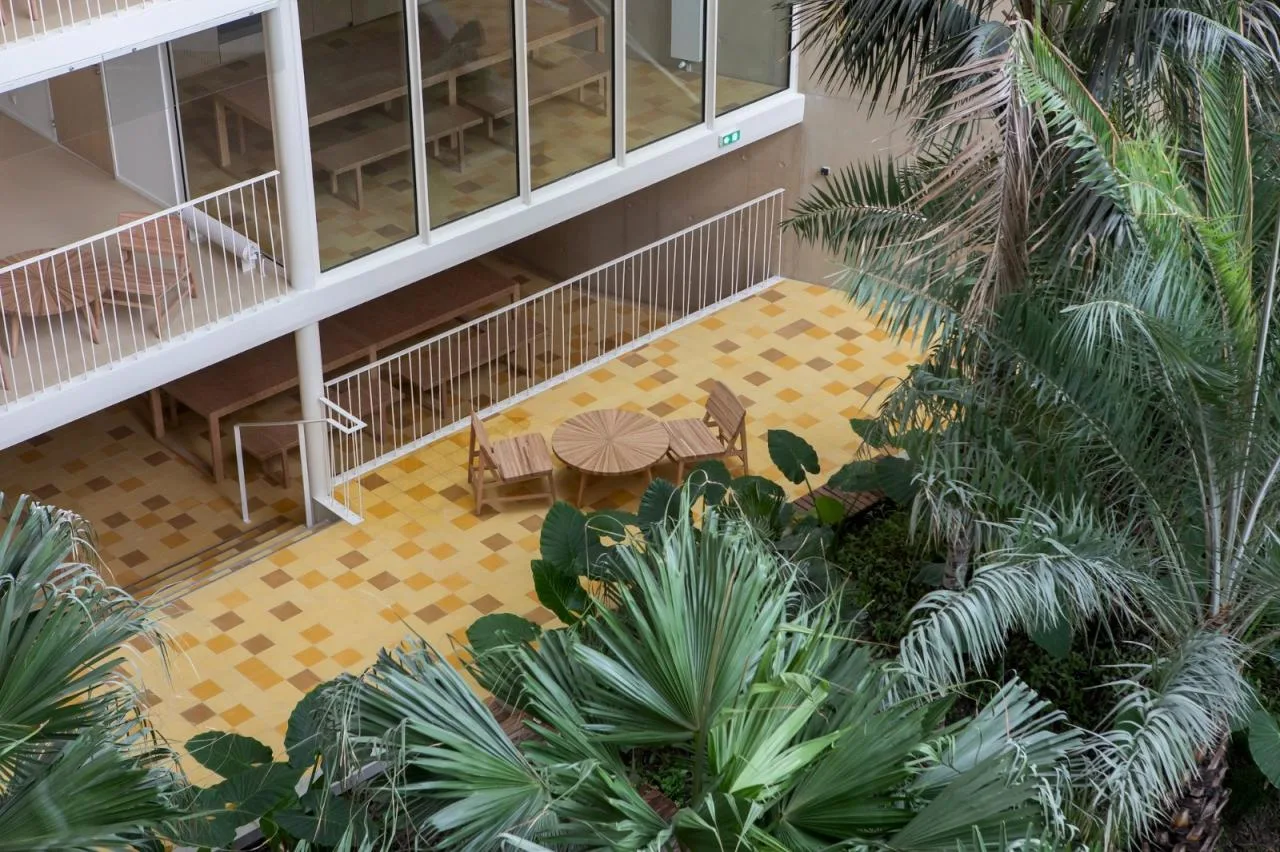
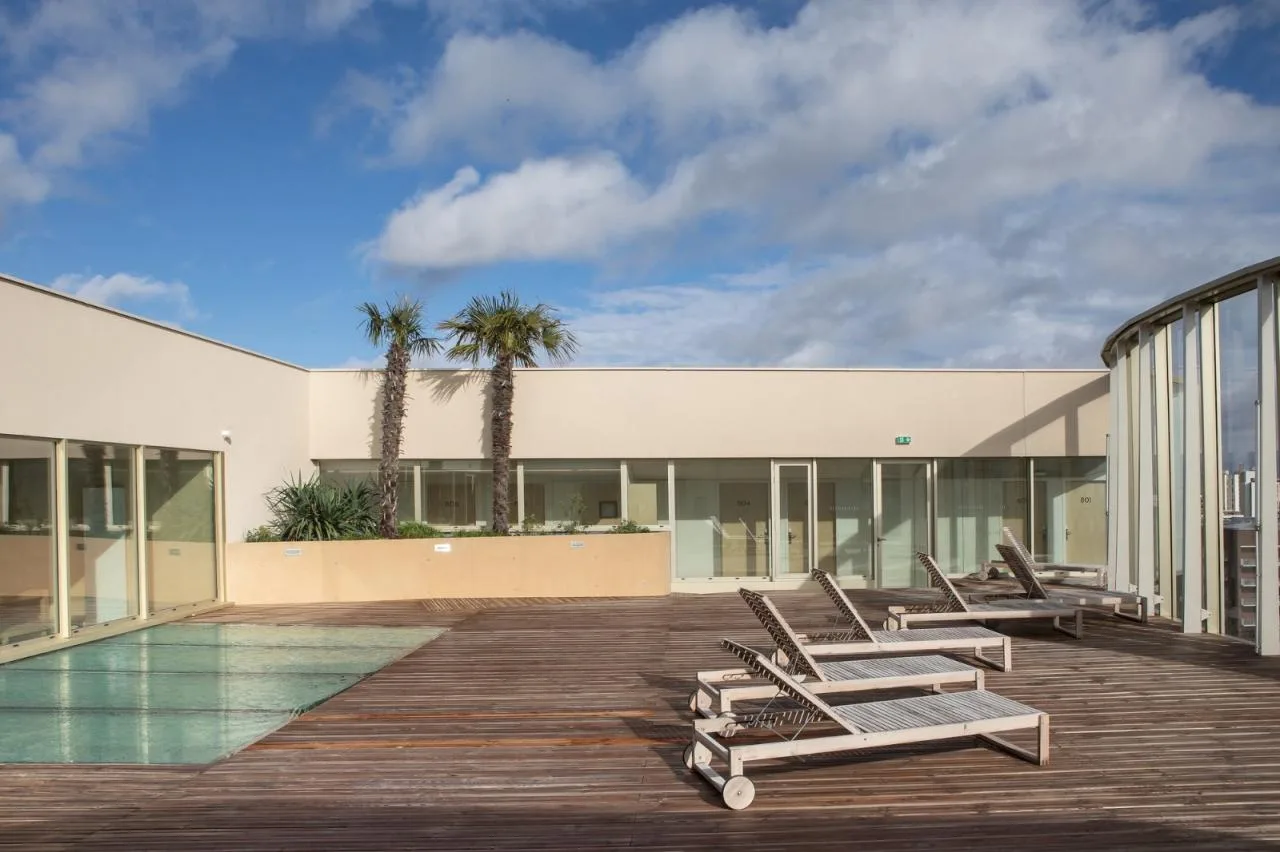
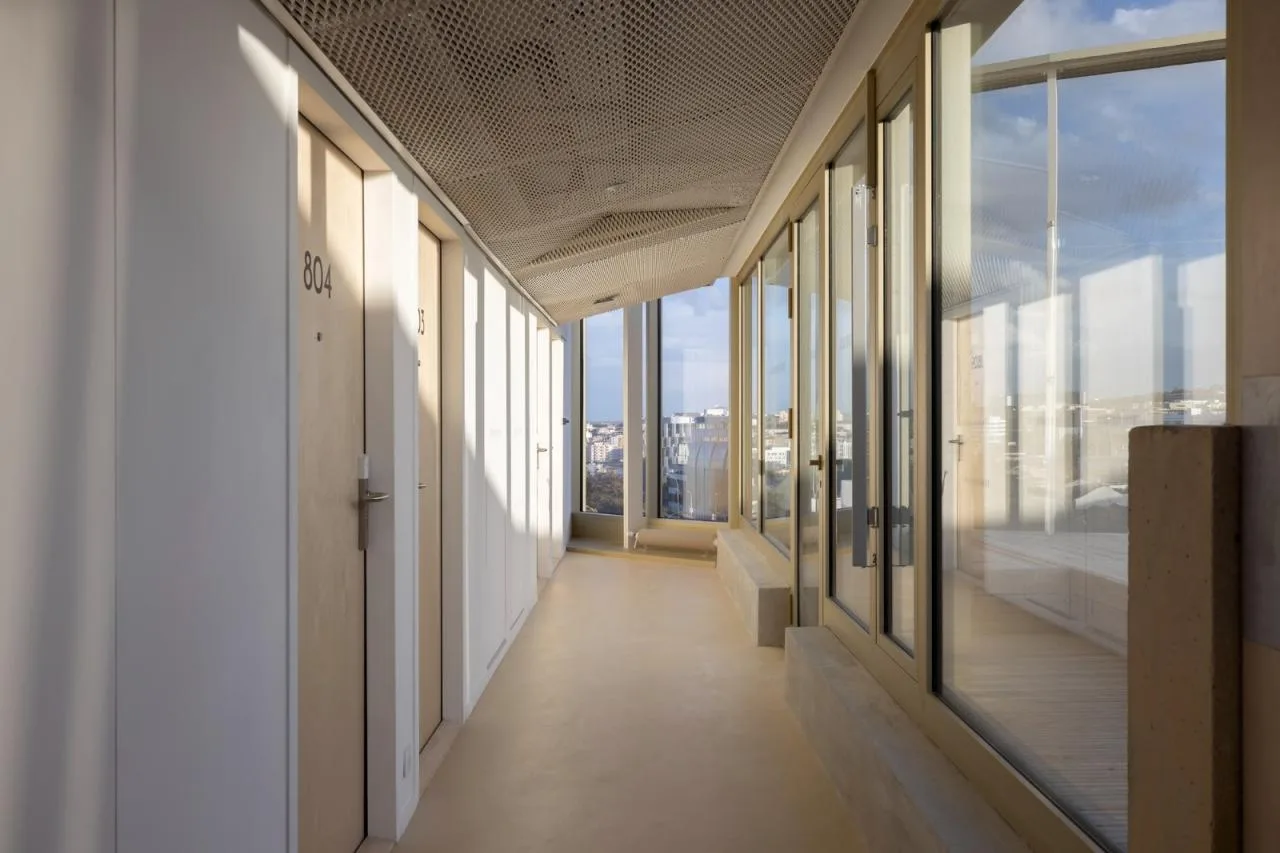
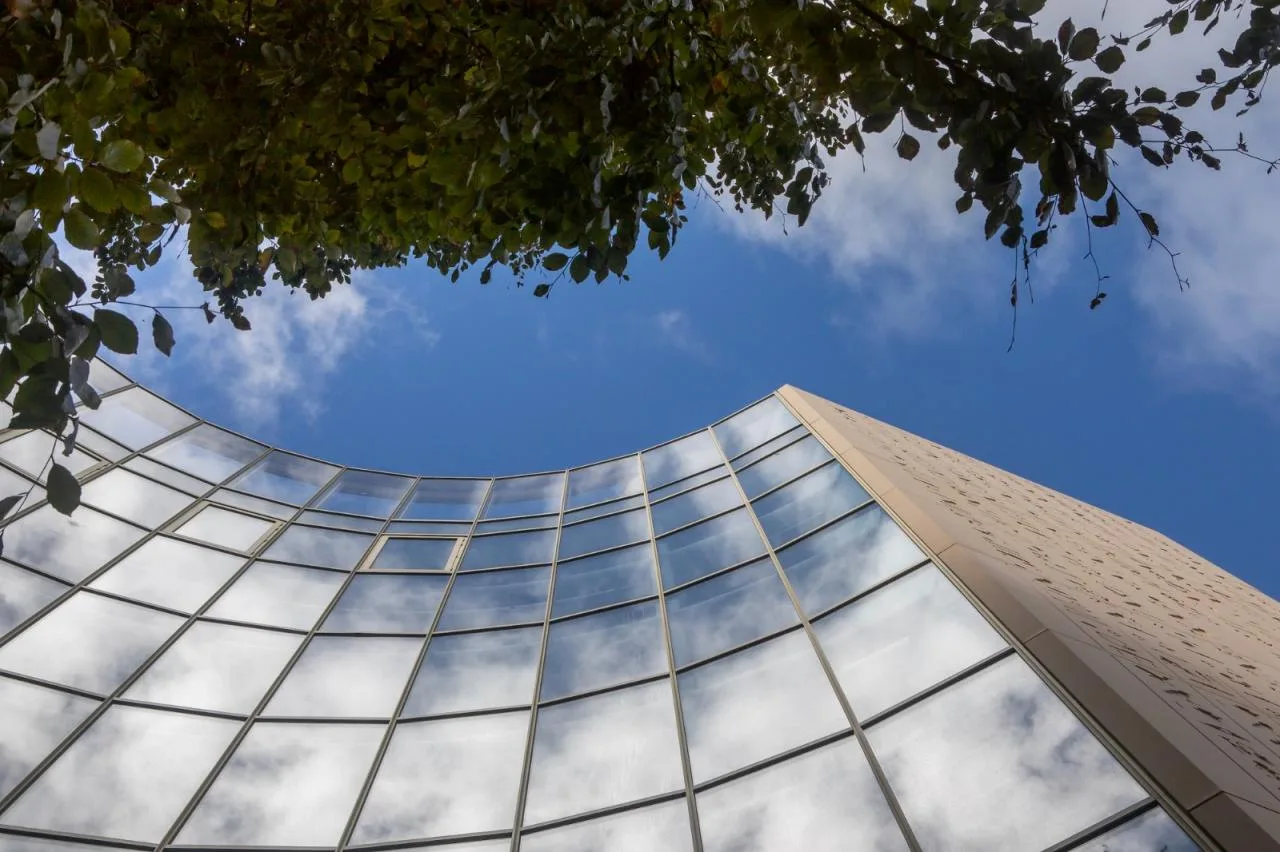
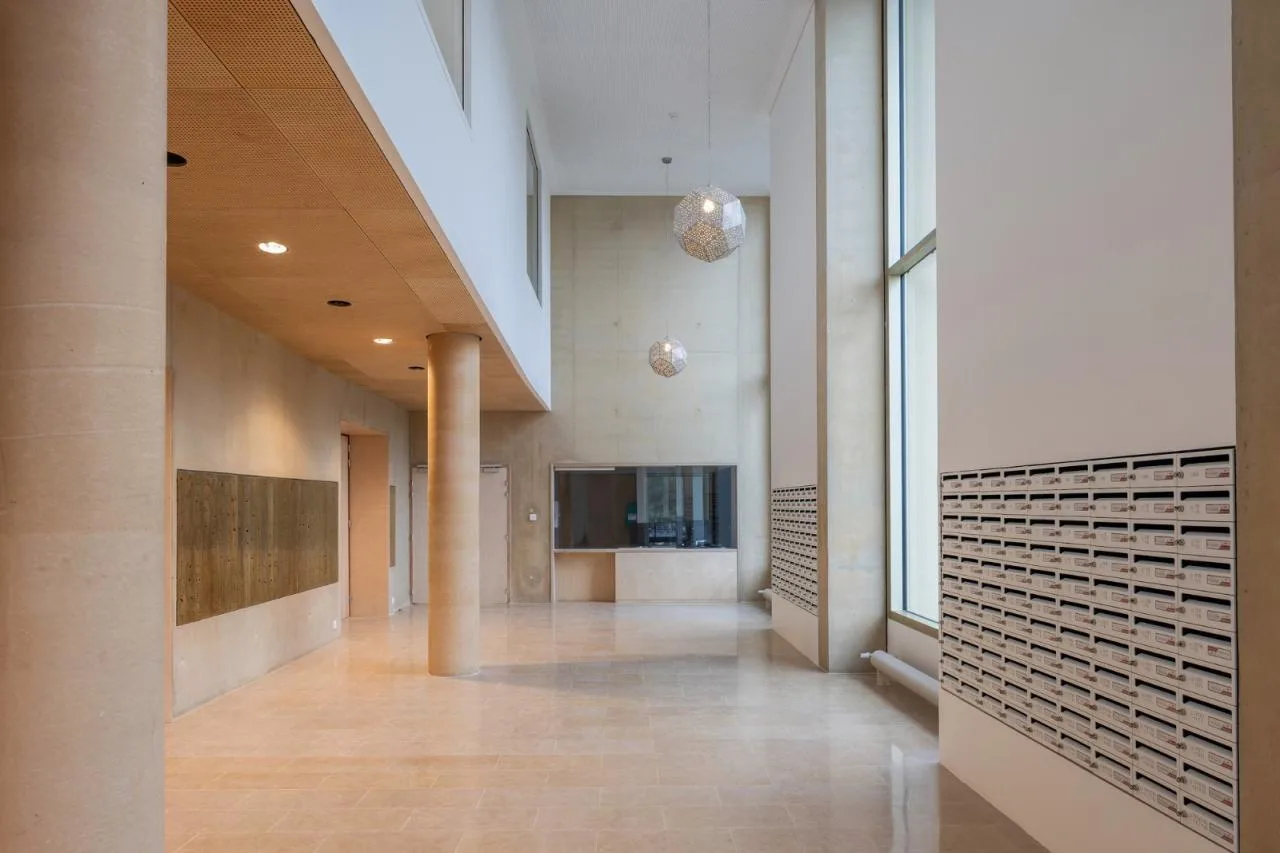
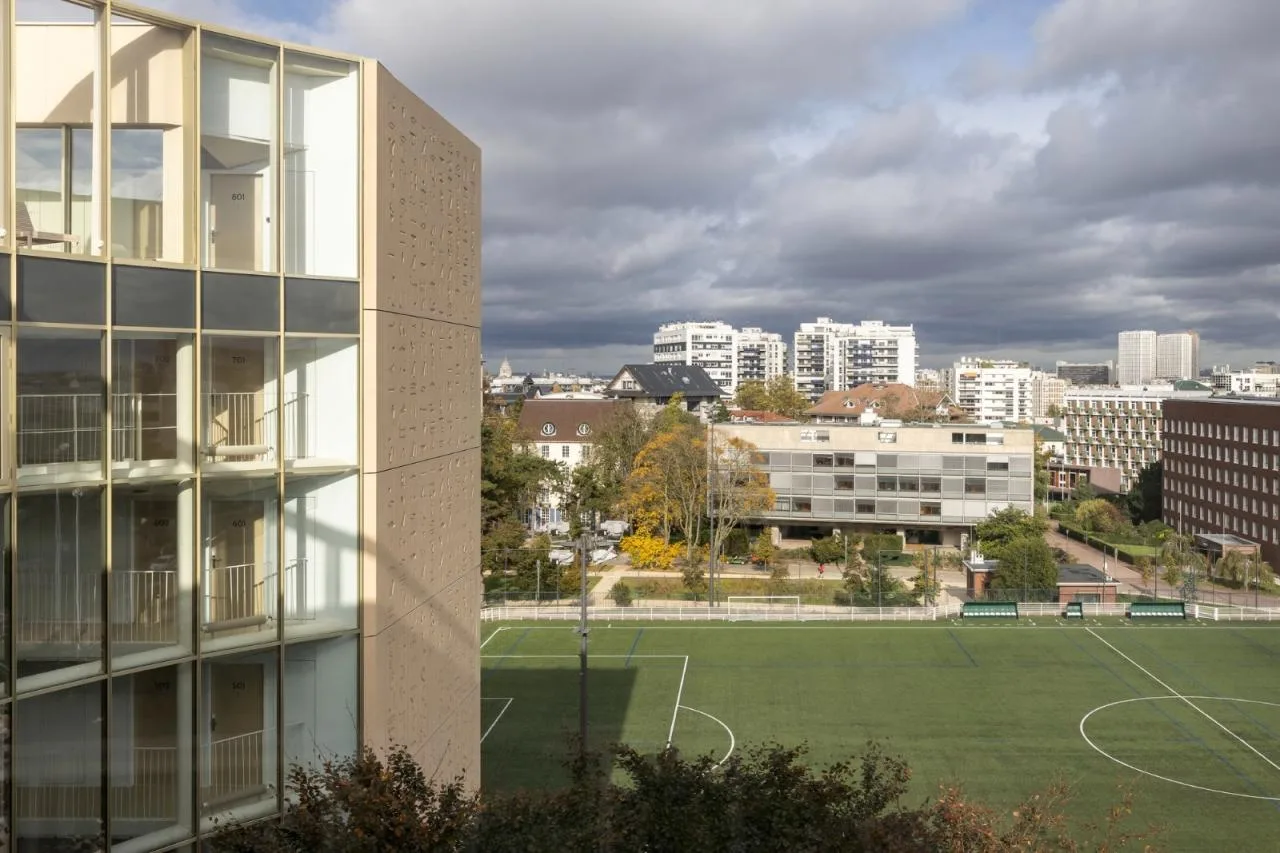
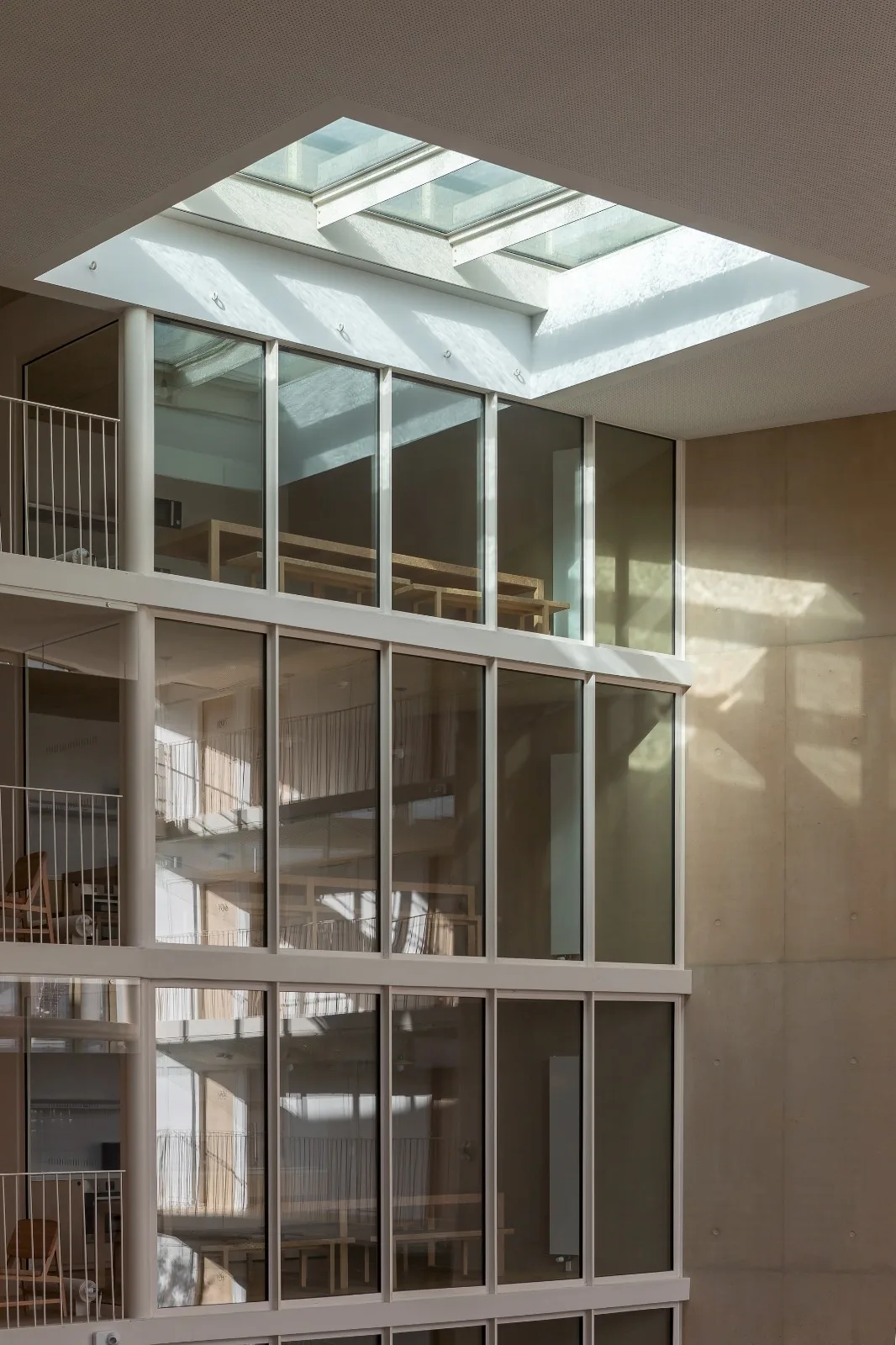
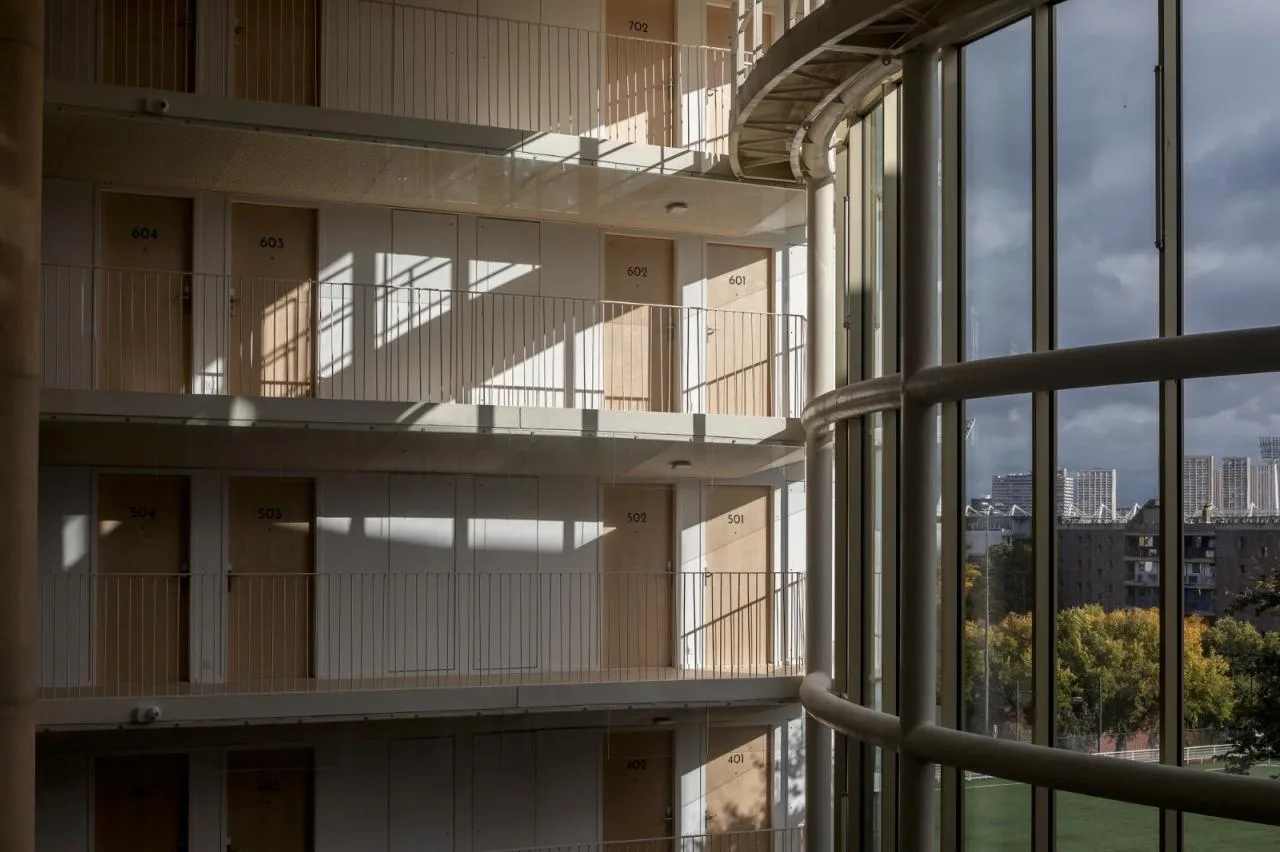
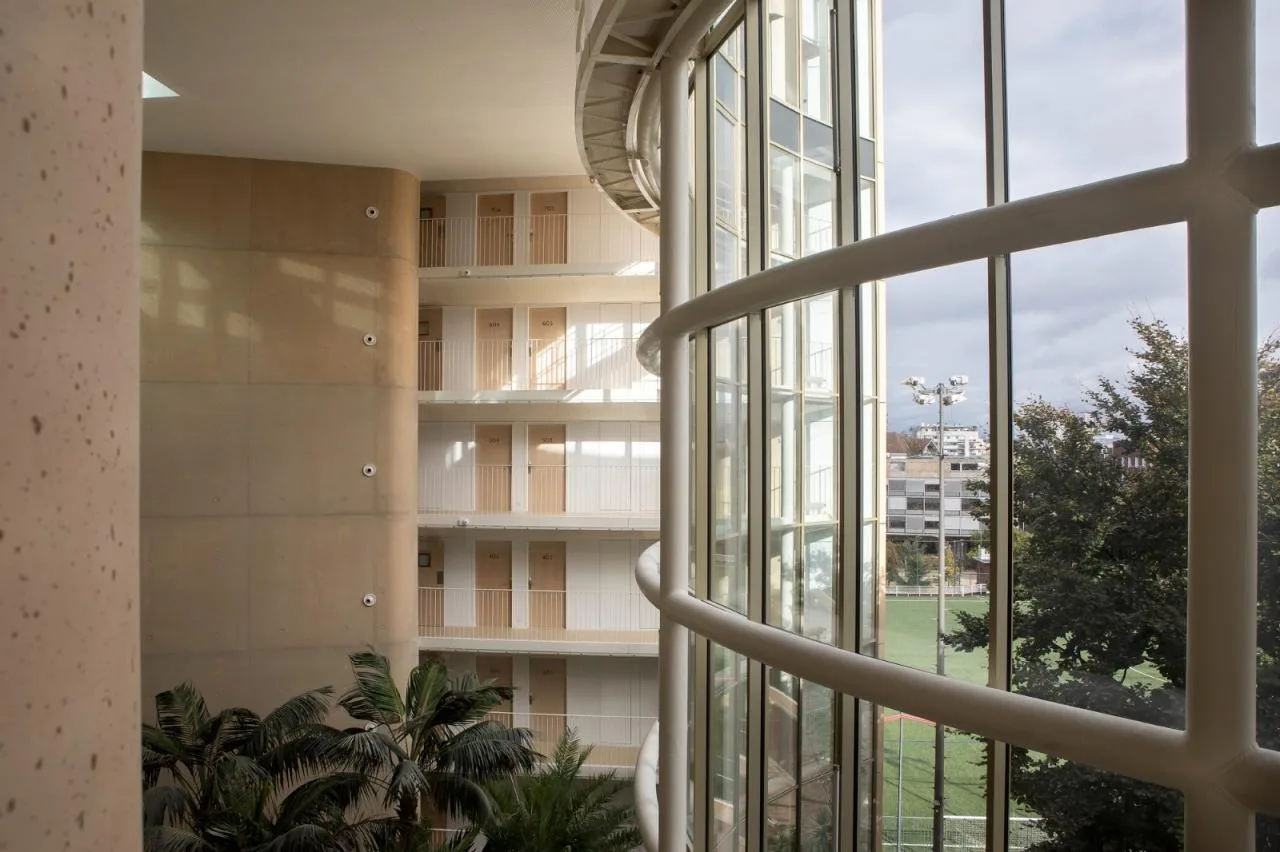
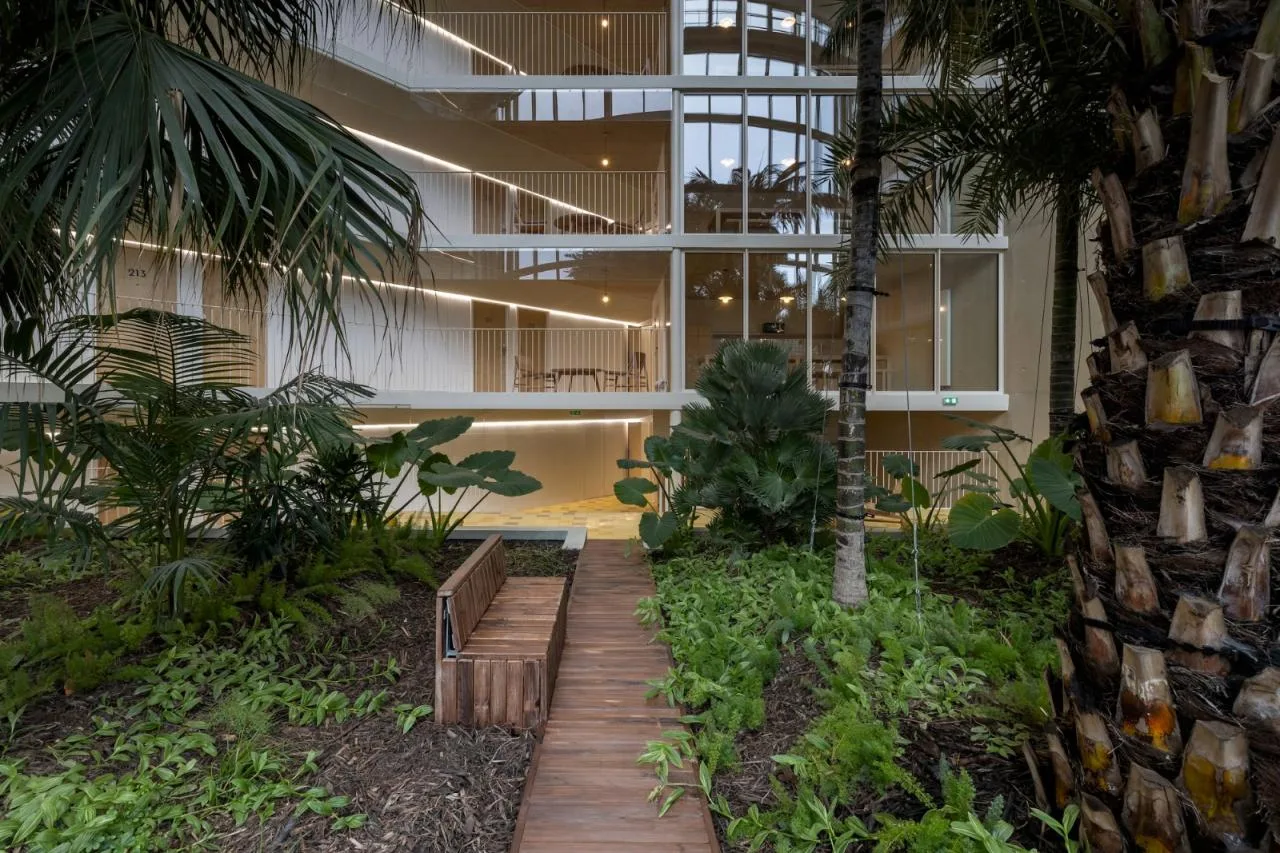
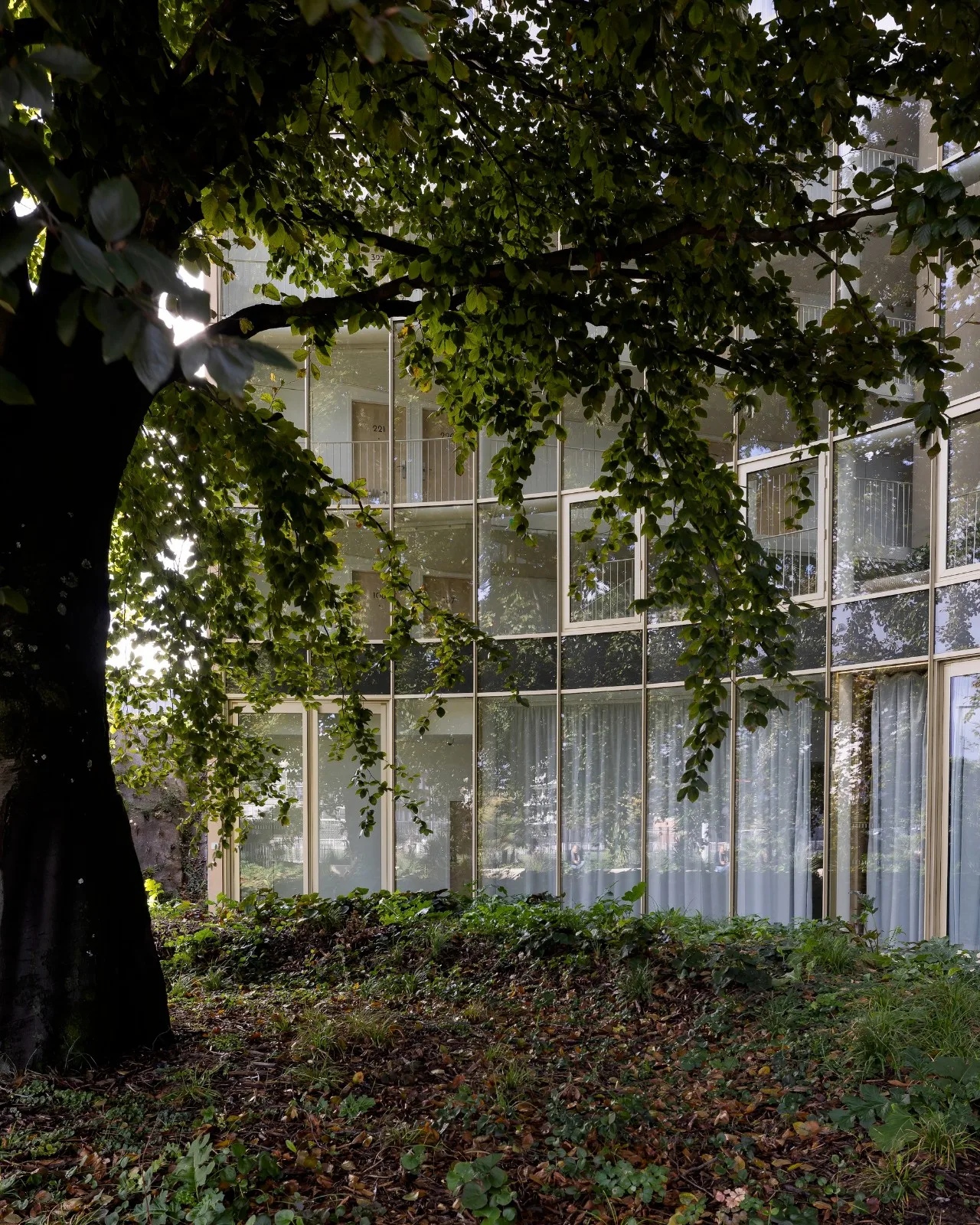
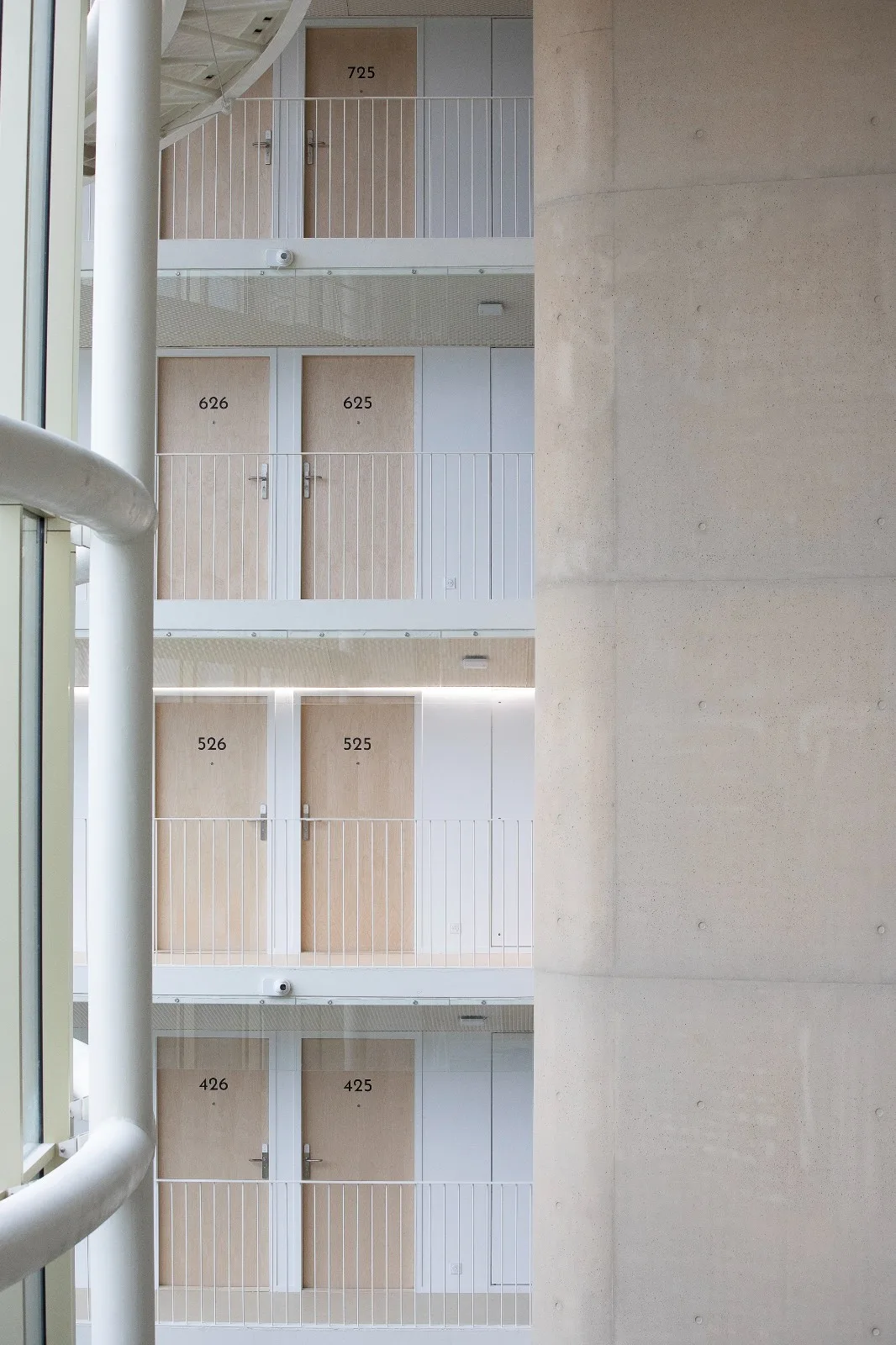
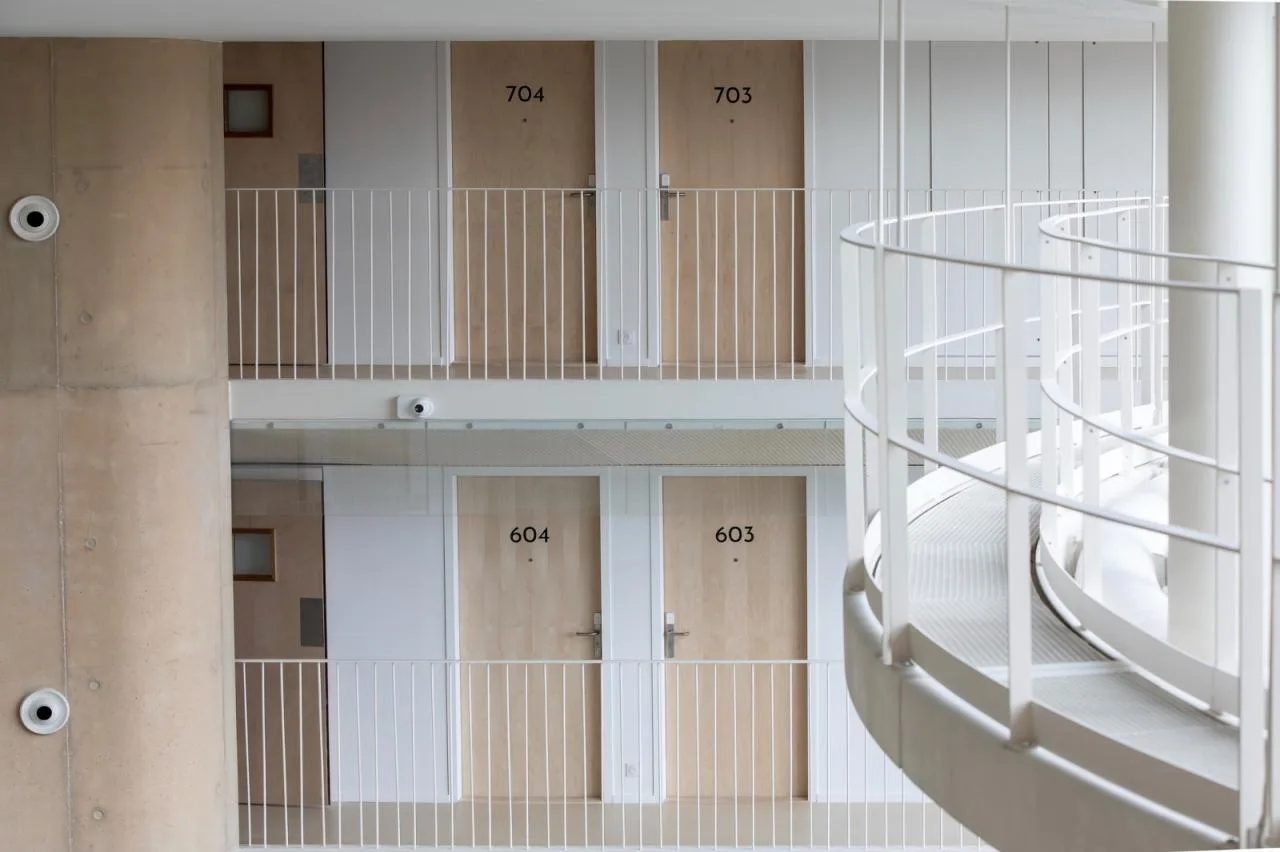
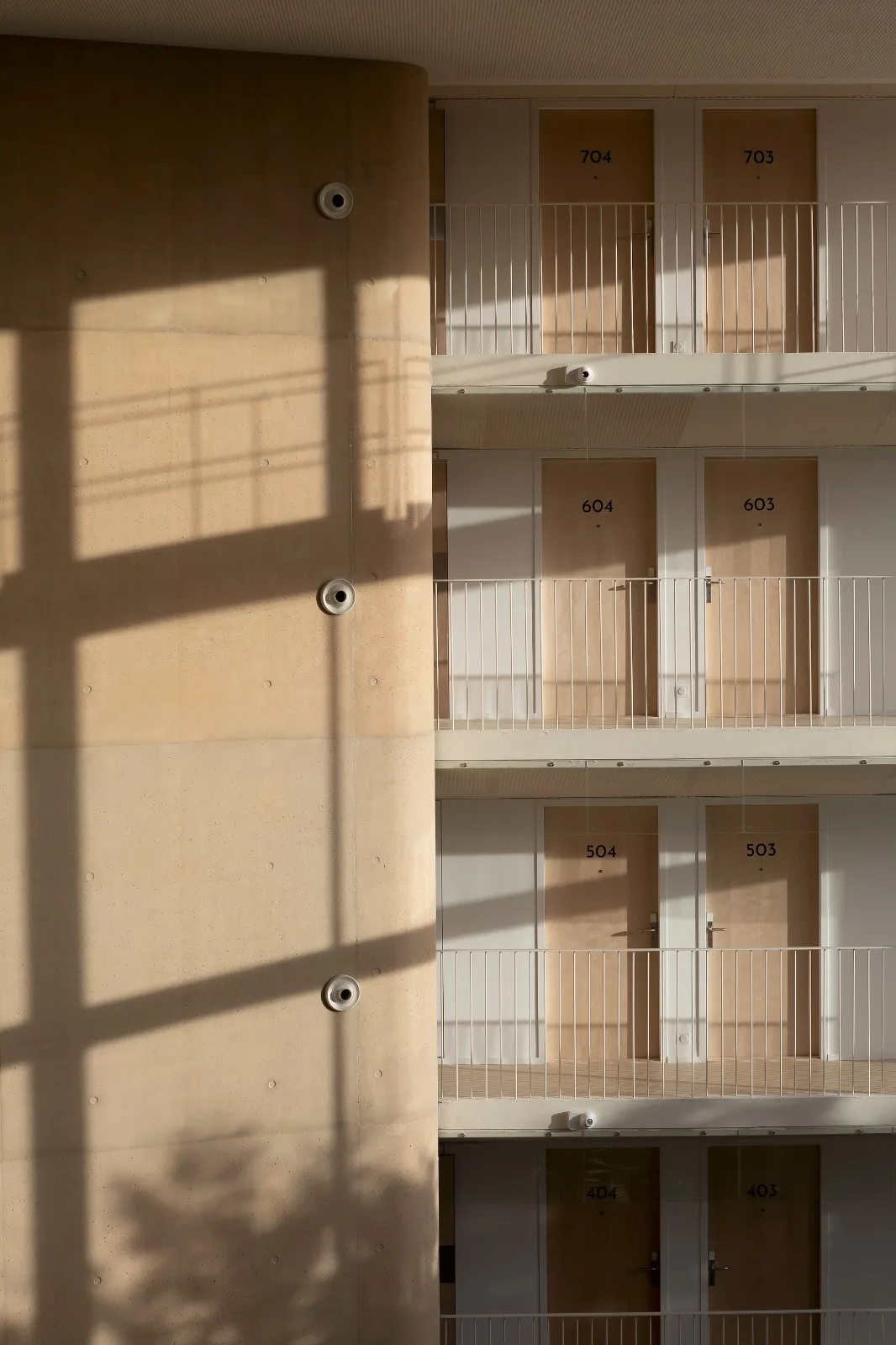
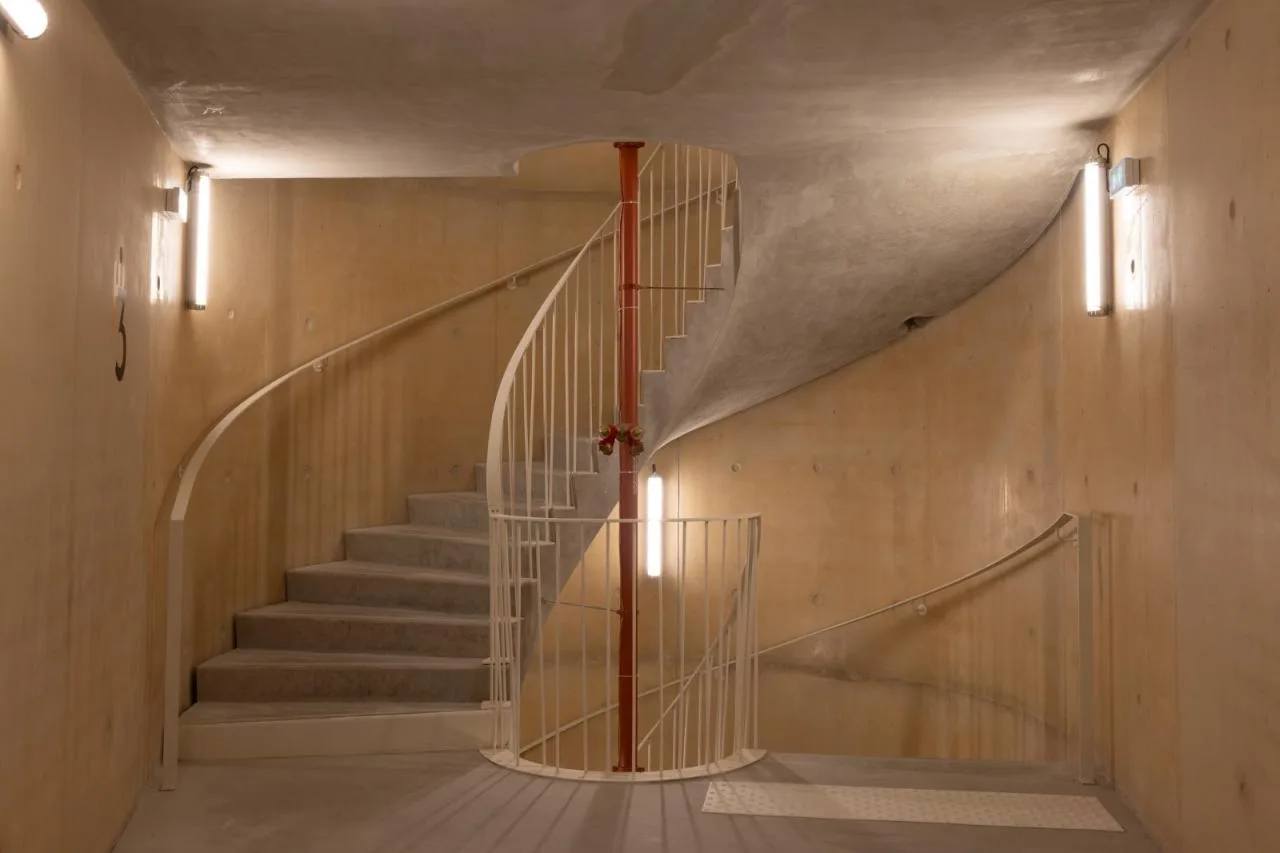
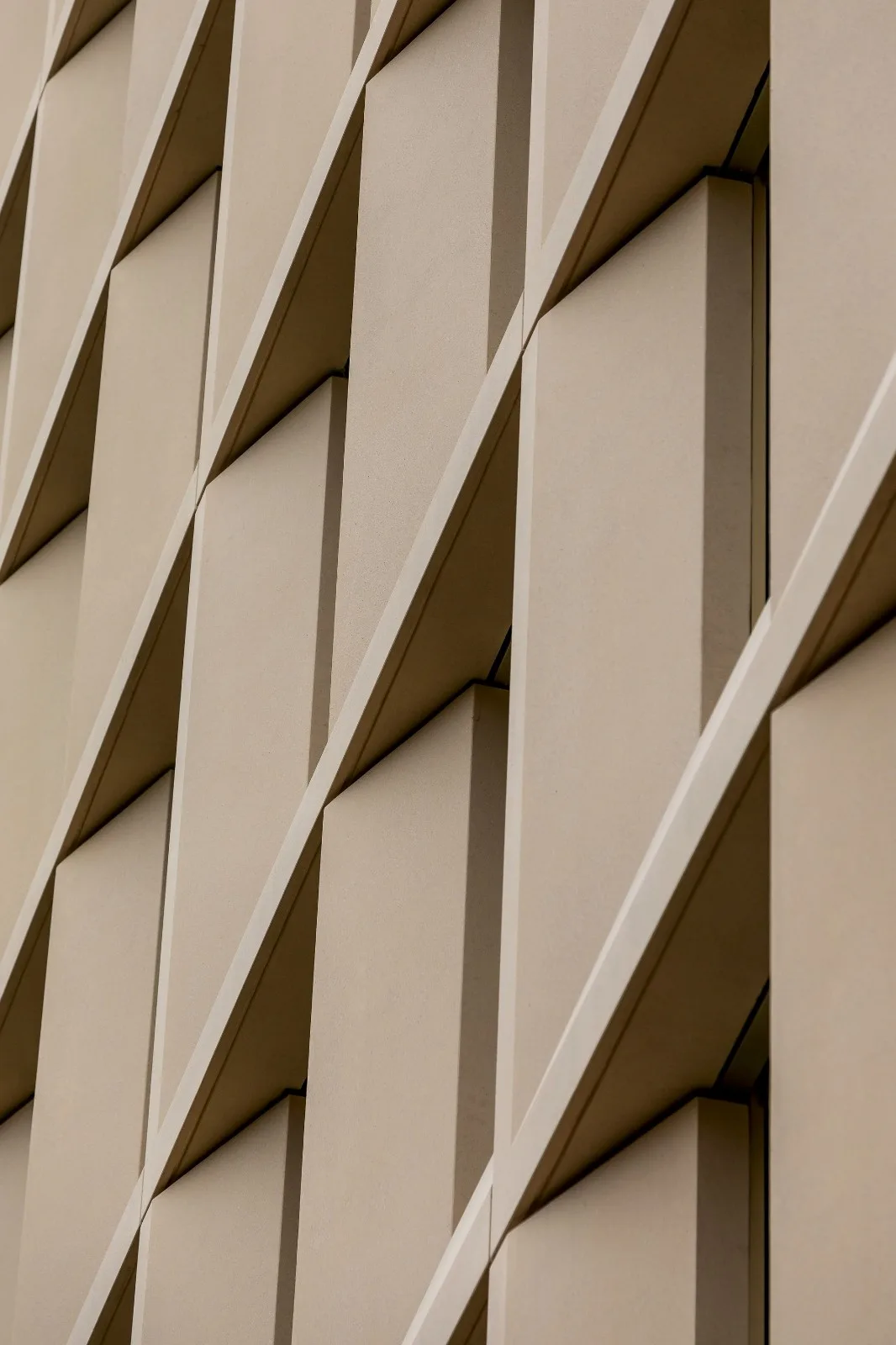
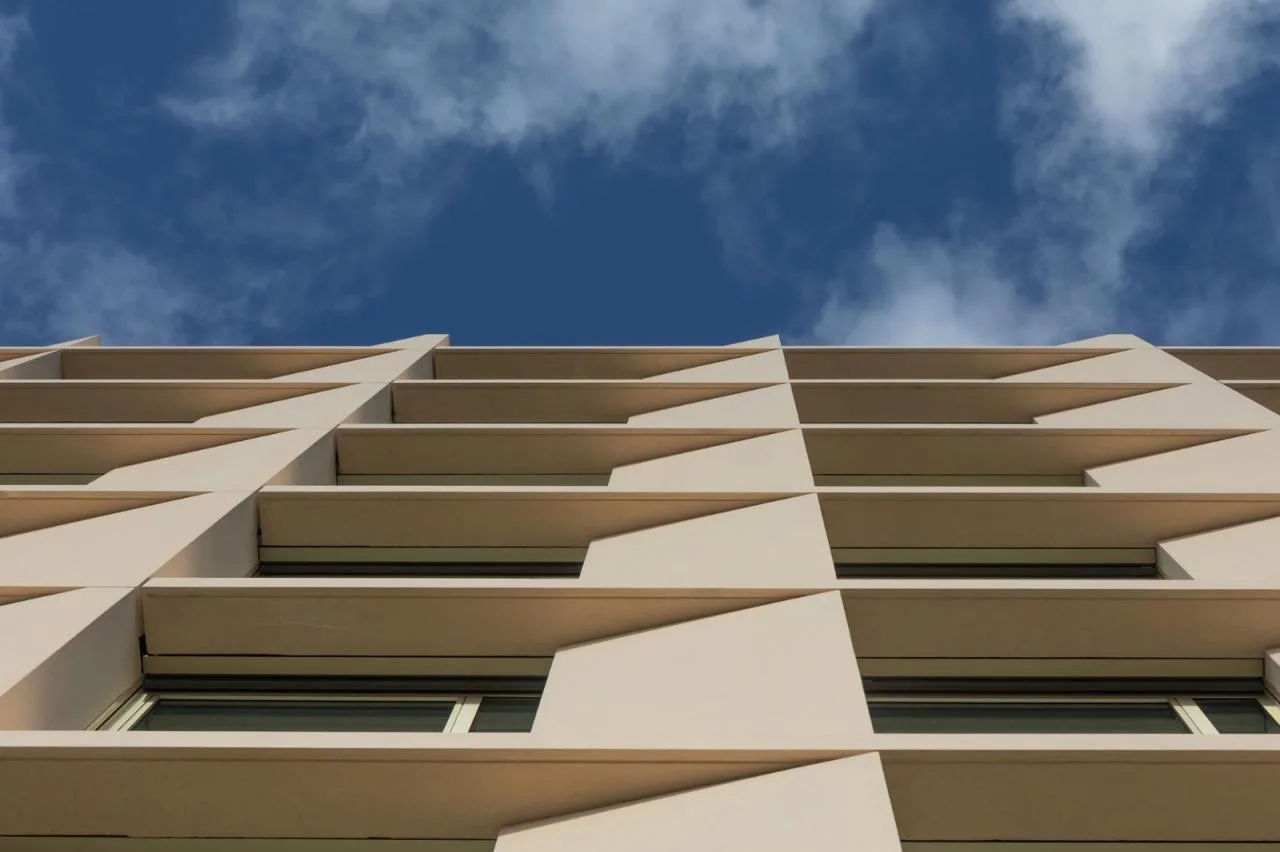
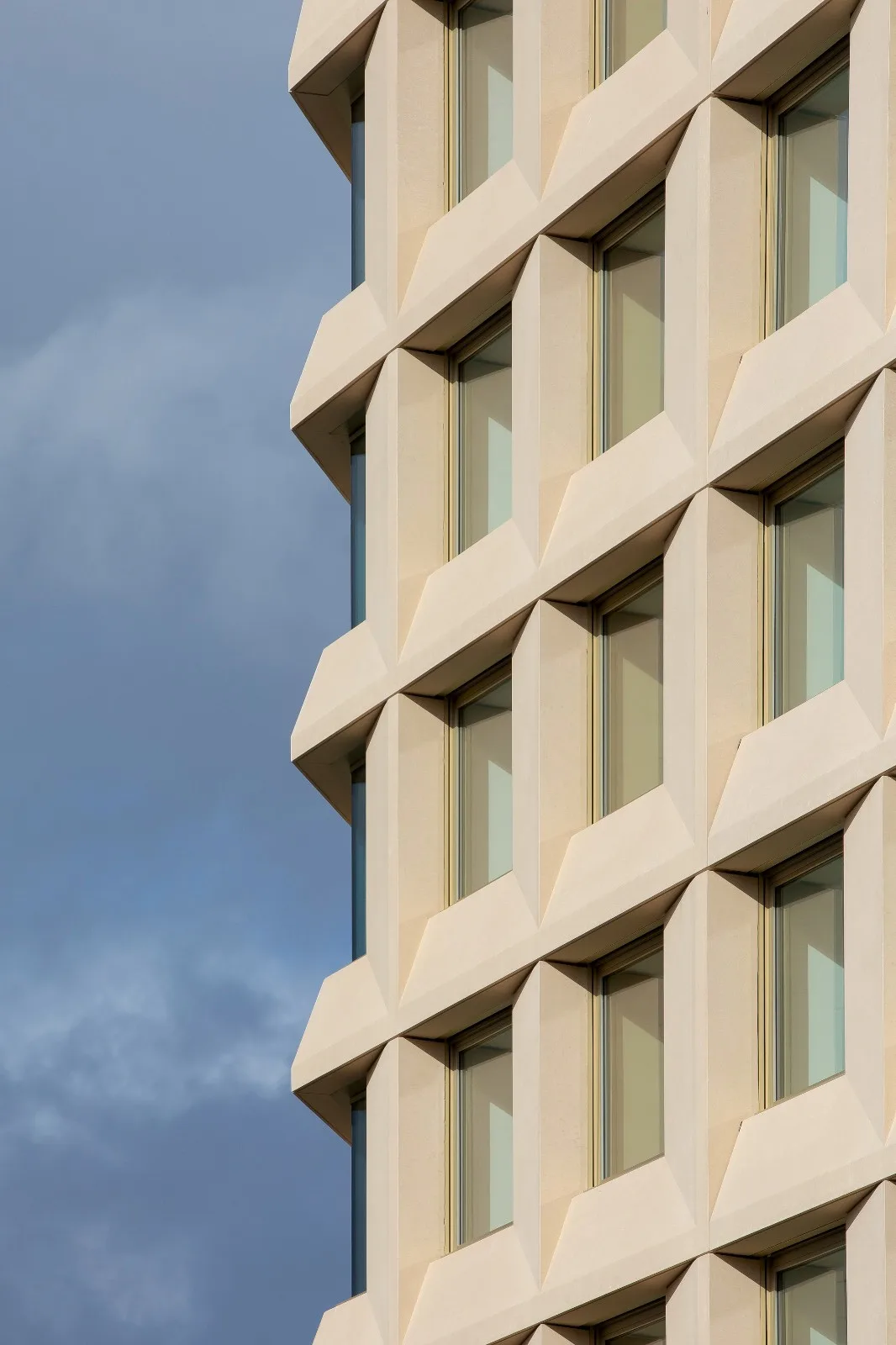
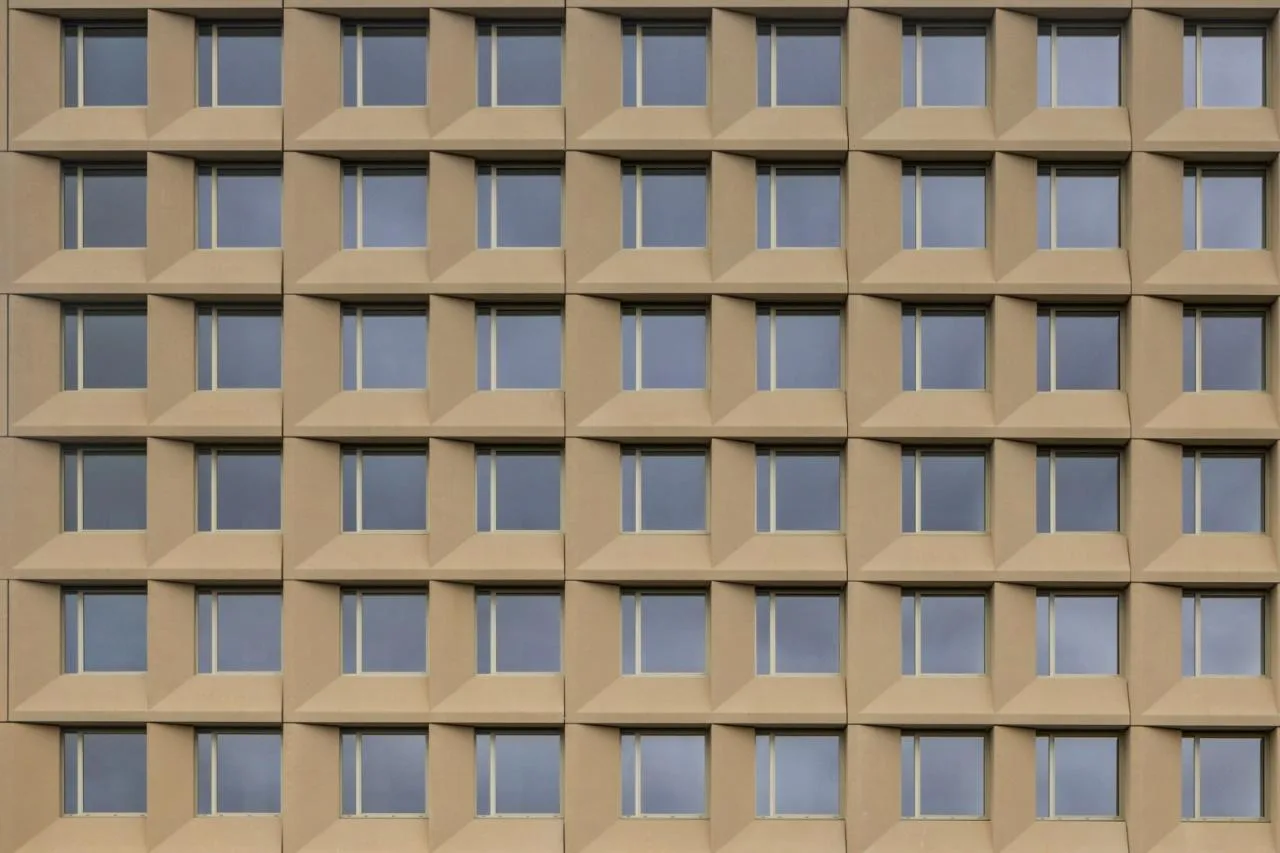
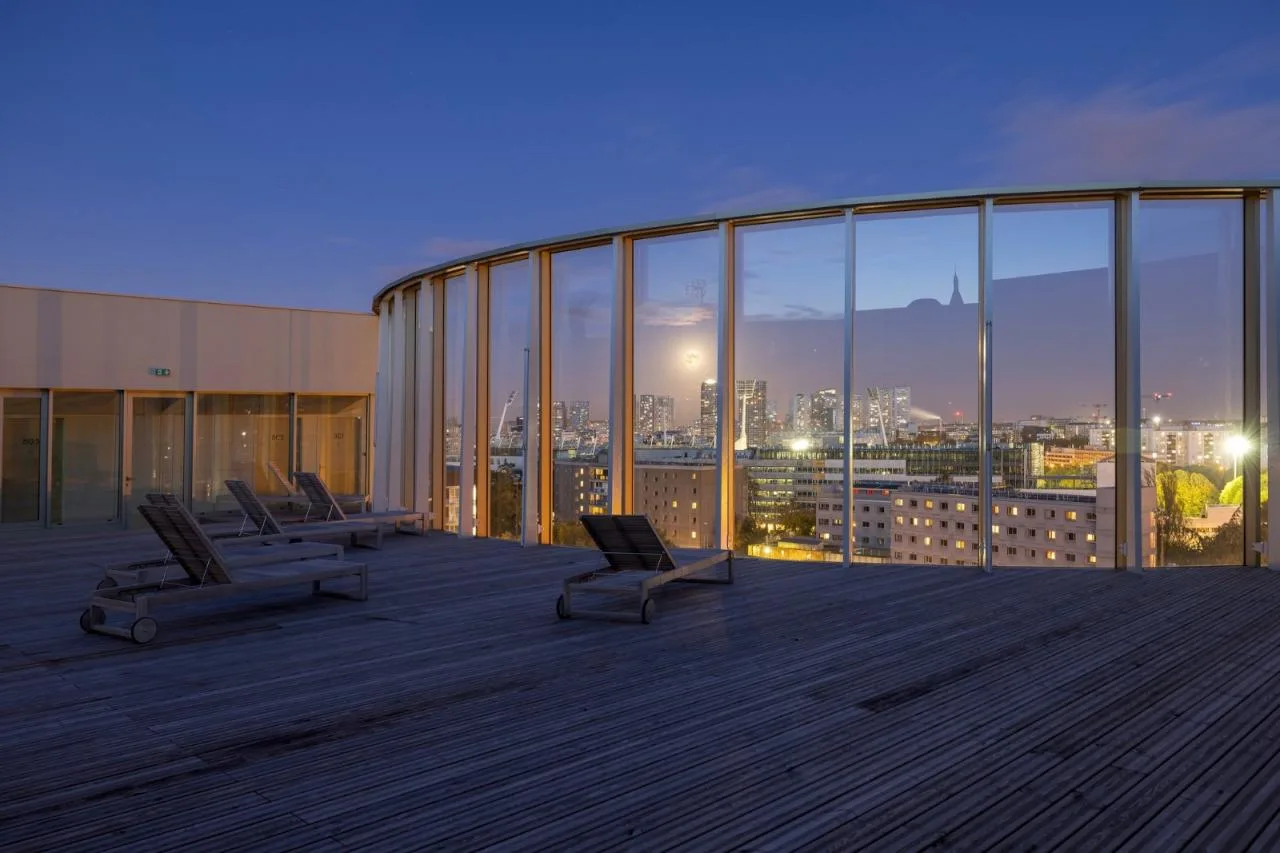
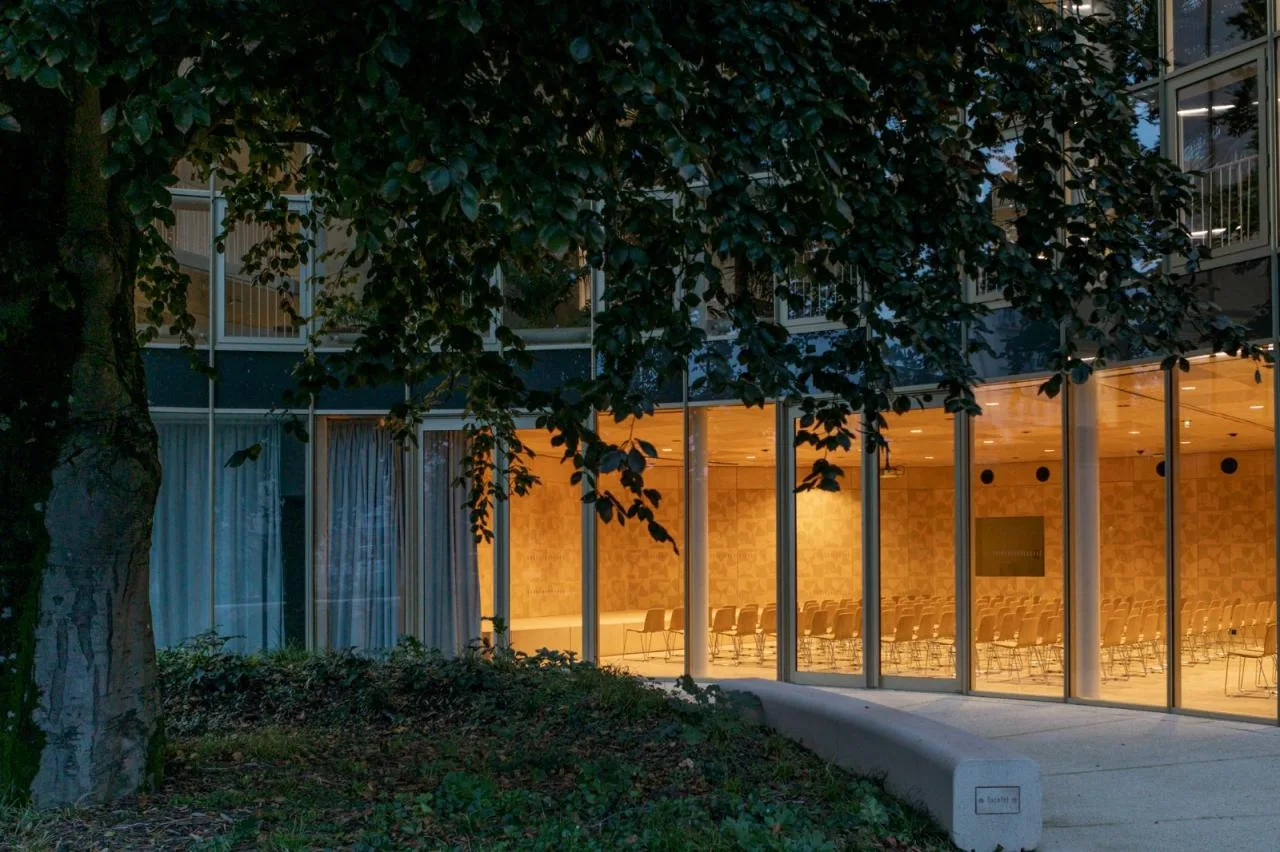
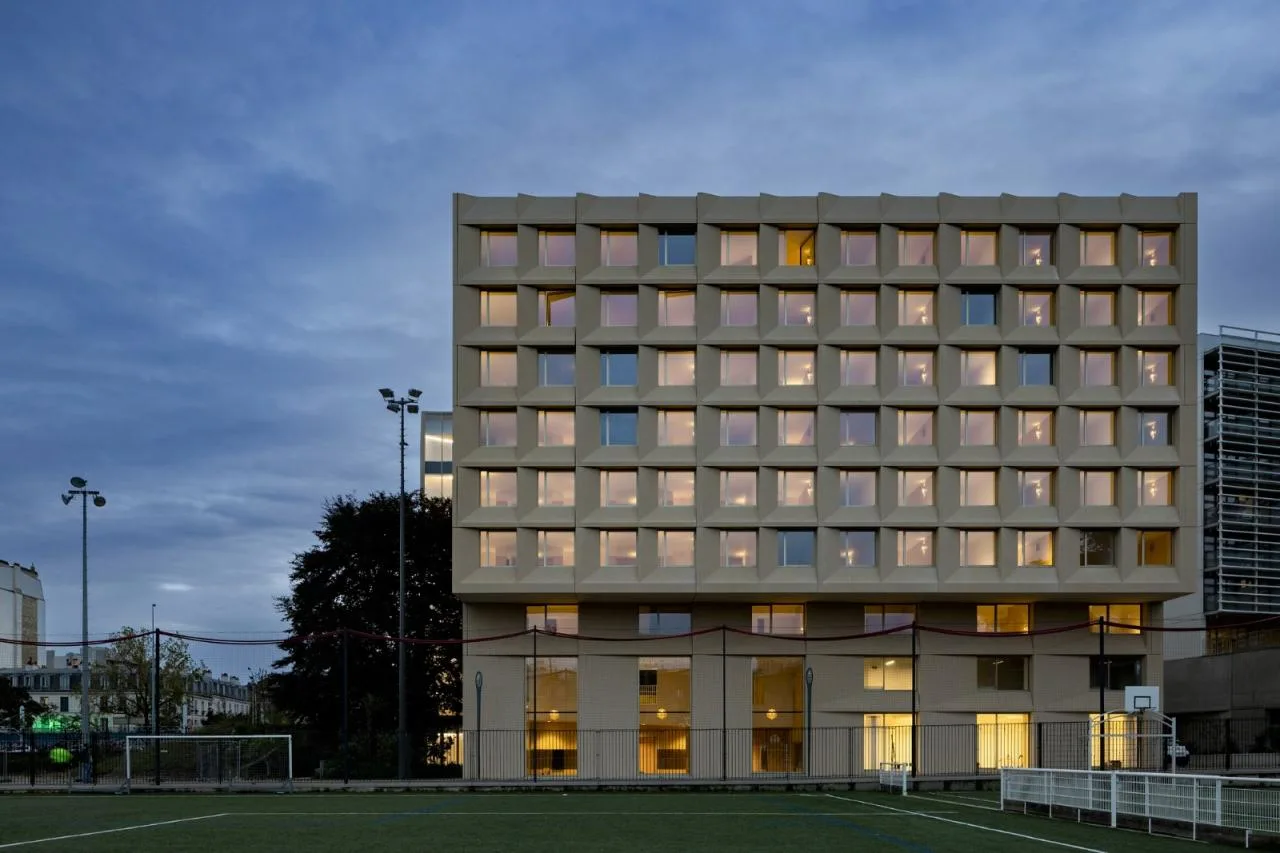
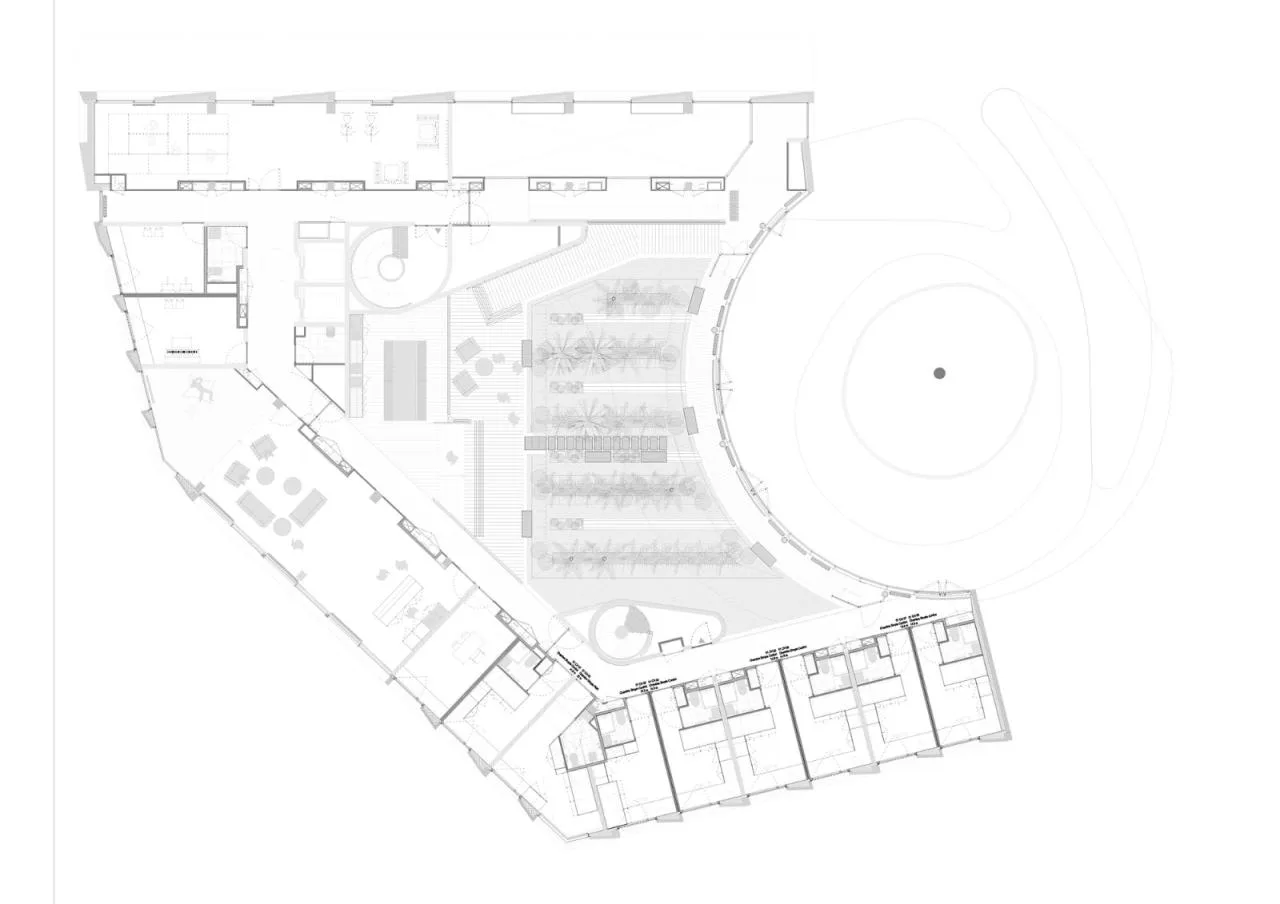
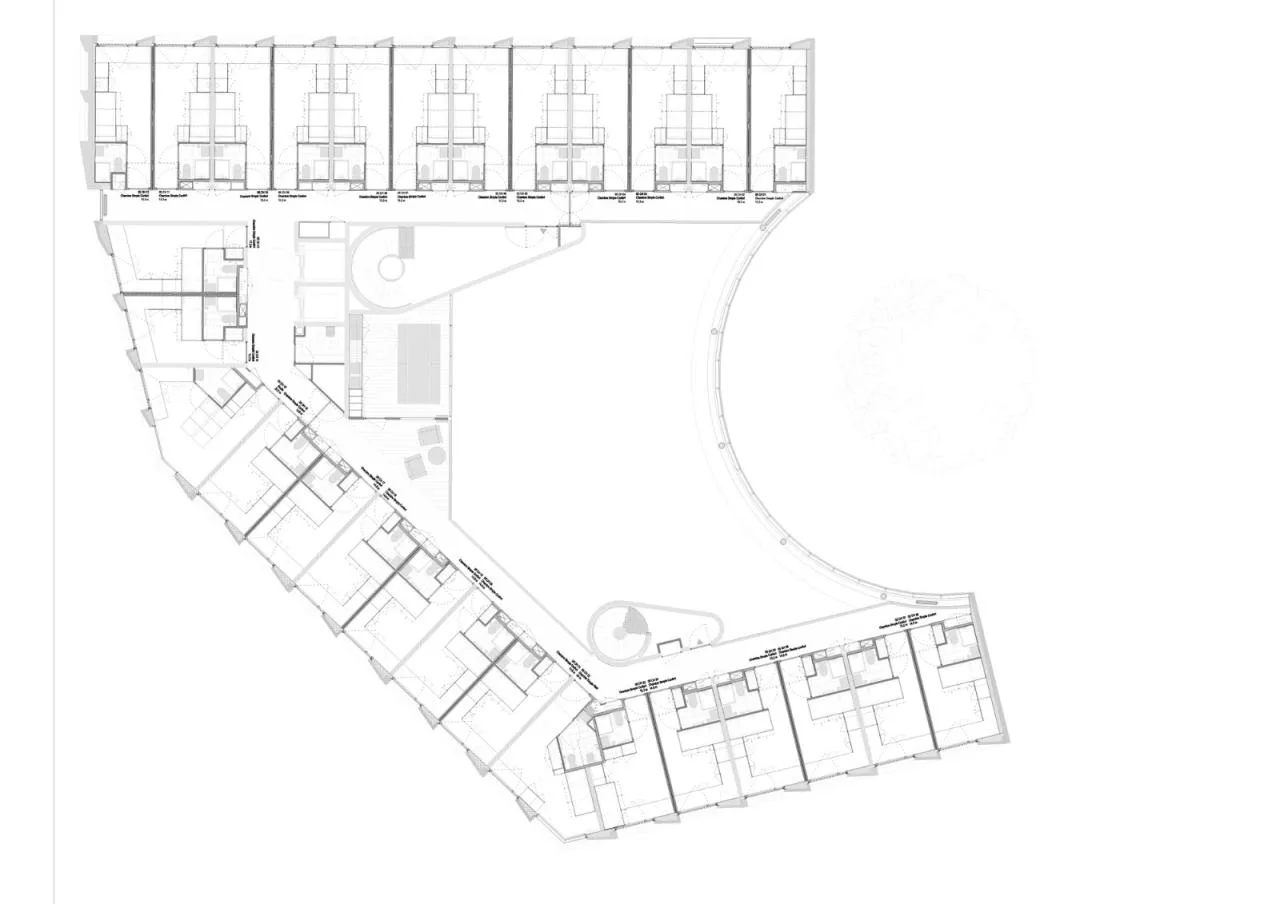
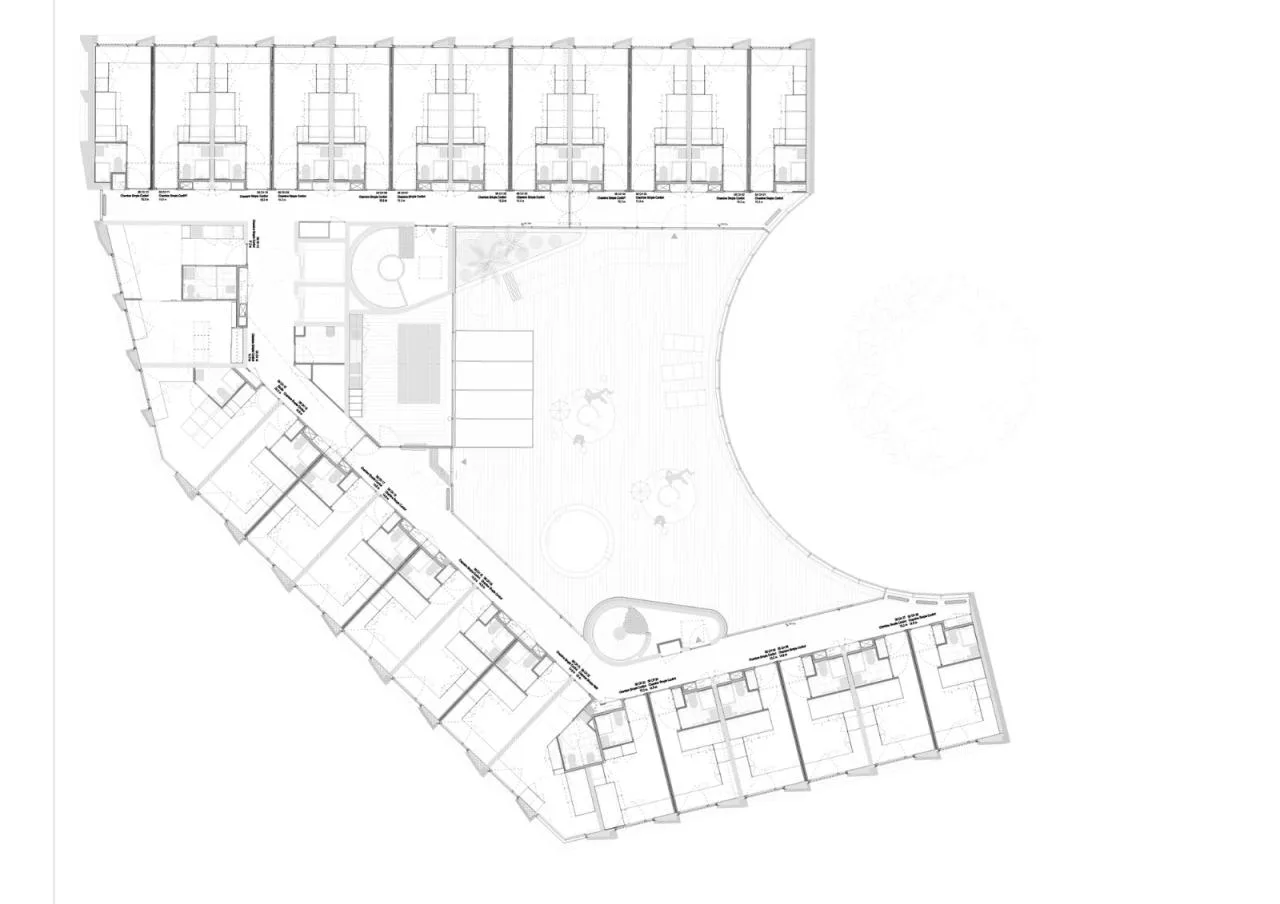
The building’s design features a timeless form crafted from self-cleaning colored concrete that envelops a protected ancient red oak tree. Facing north and south, the structure includes a nine-story transparent glass curtain wall, behind which sits an eight-story atrium. This design allows abundant natural light to flood the interior, with all rooms arranged along a single-story corridor overlooking the atrium. The atrium’s ground floor hosts an indoor garden filled with Egyptian plants, while the top floor serves as an eight-story outdoor sunroom offering stunning views of the Parisian skyline.
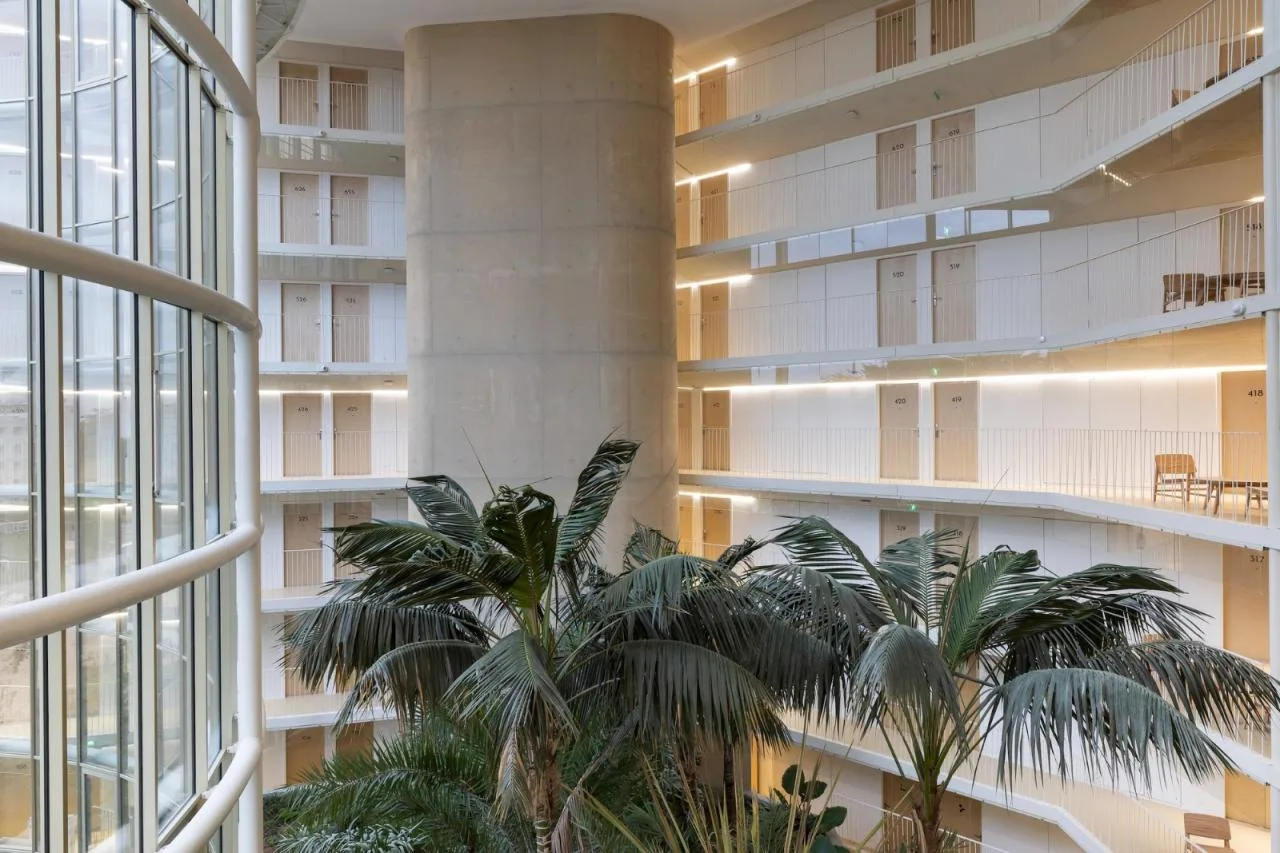
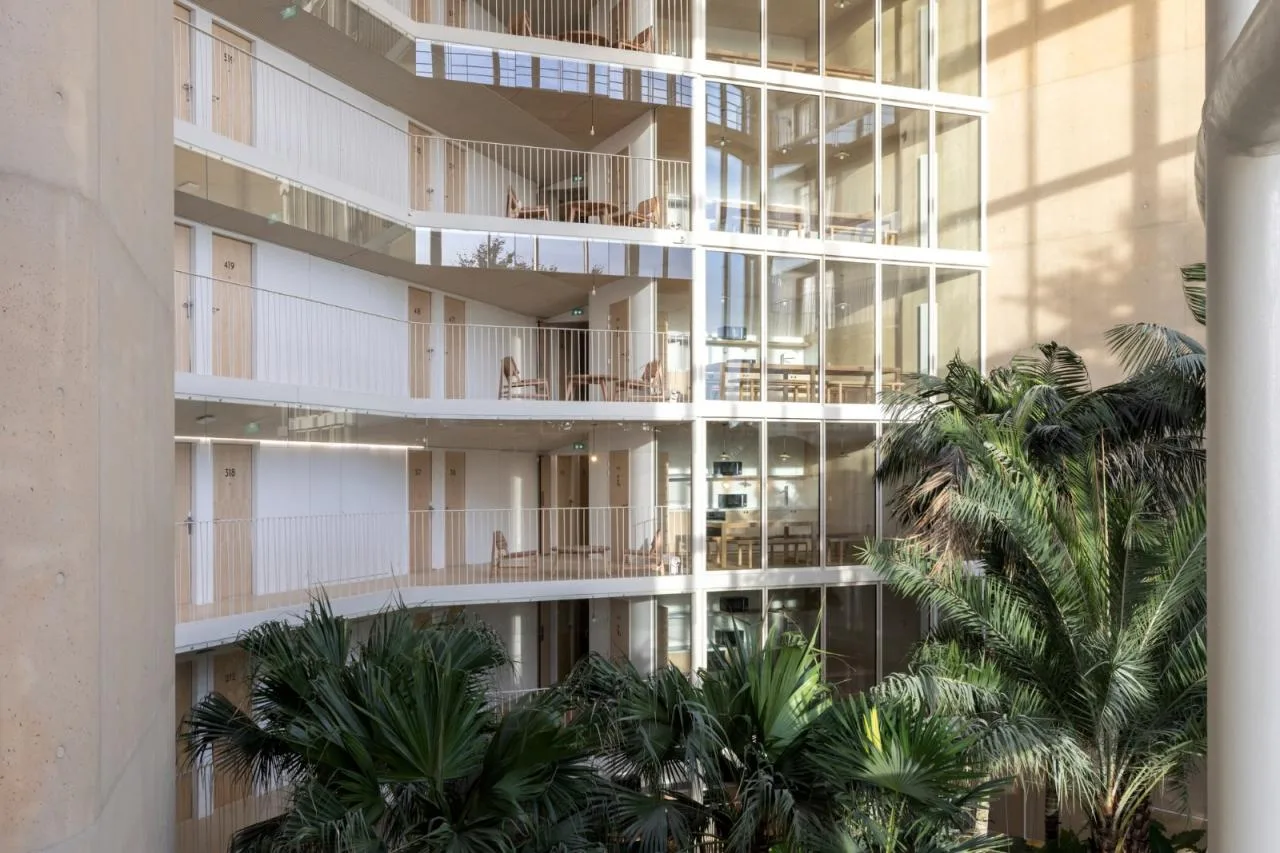
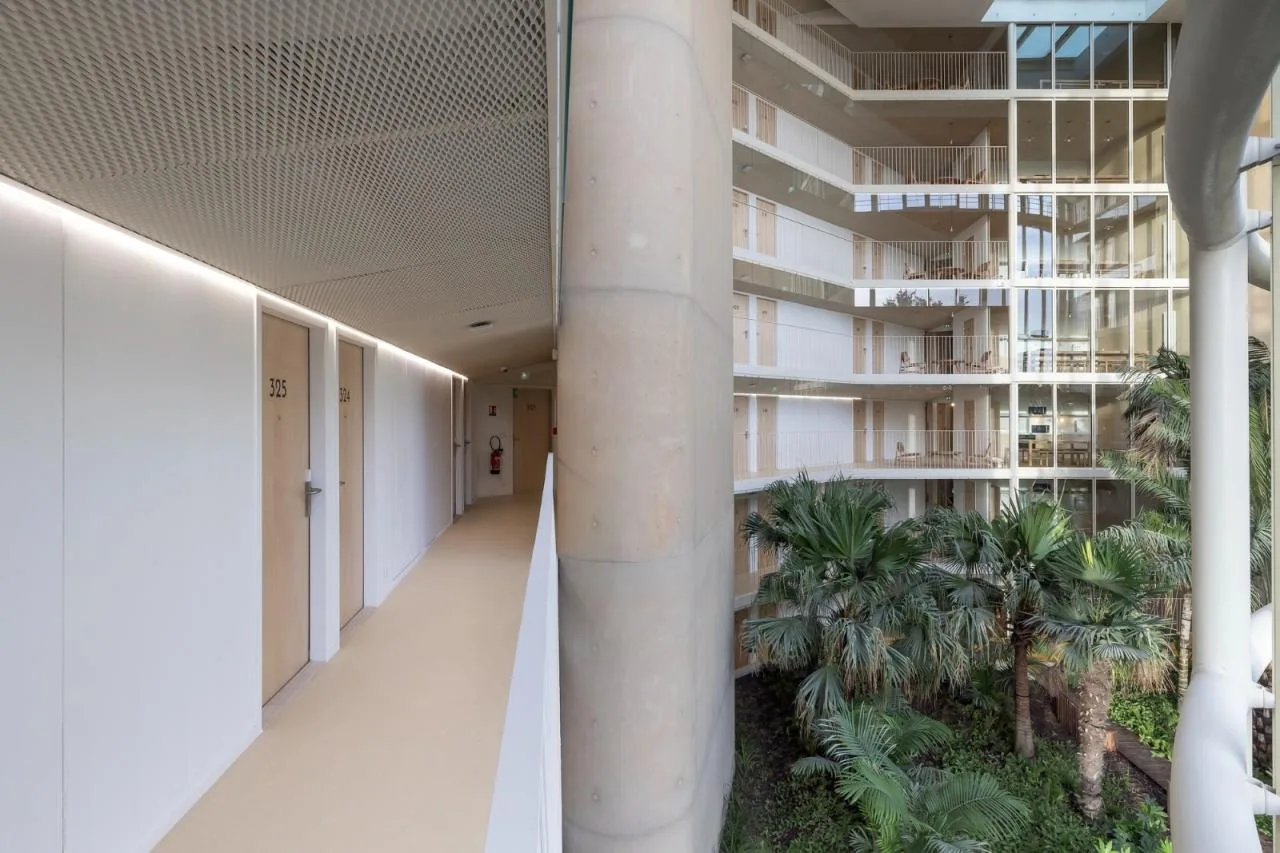
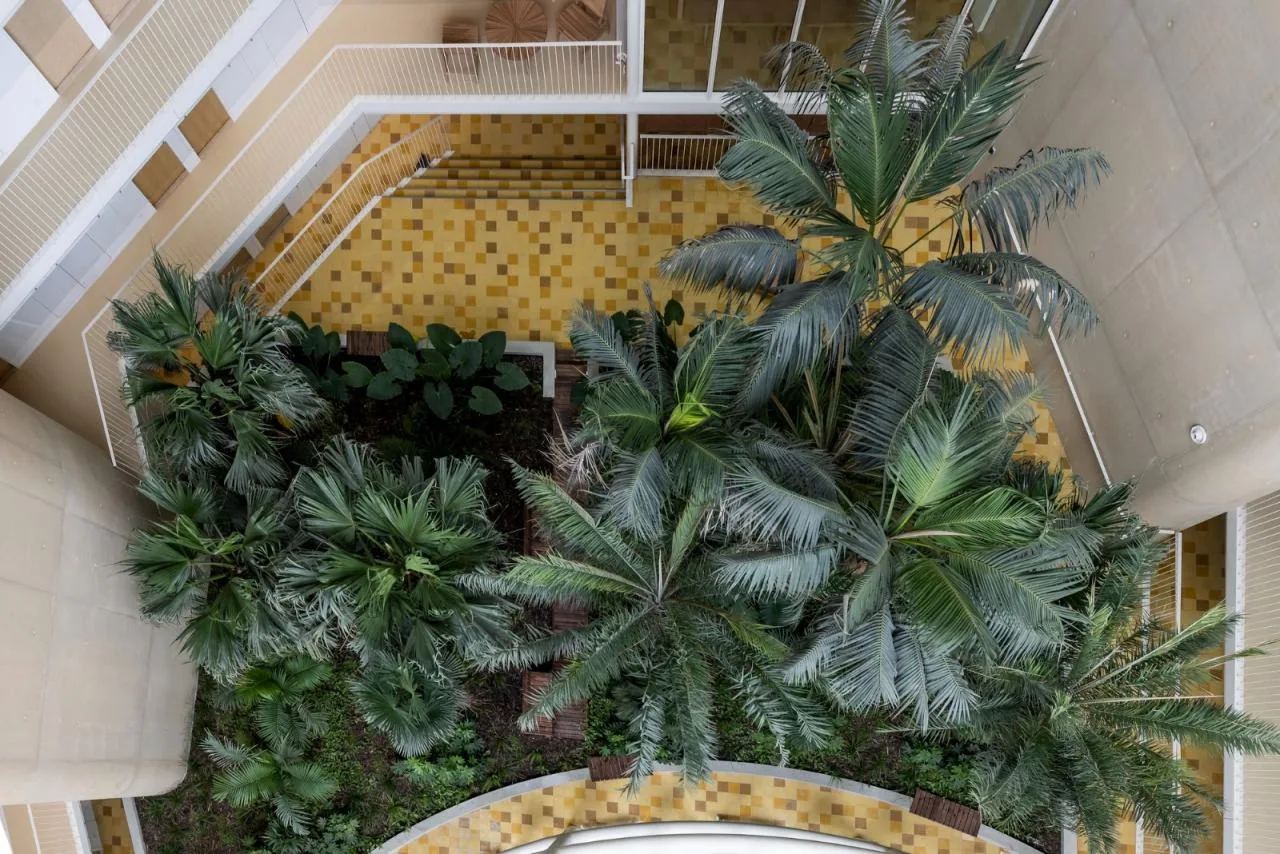
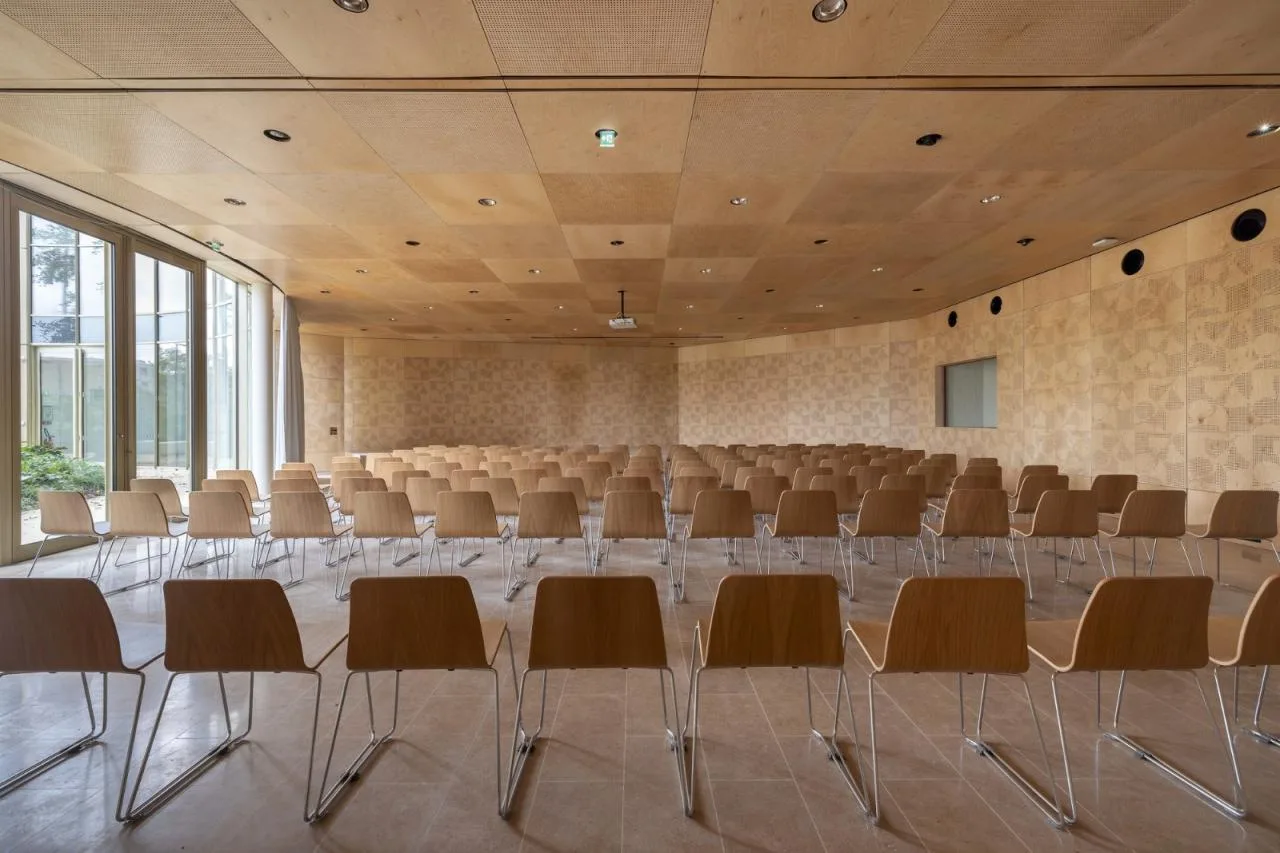
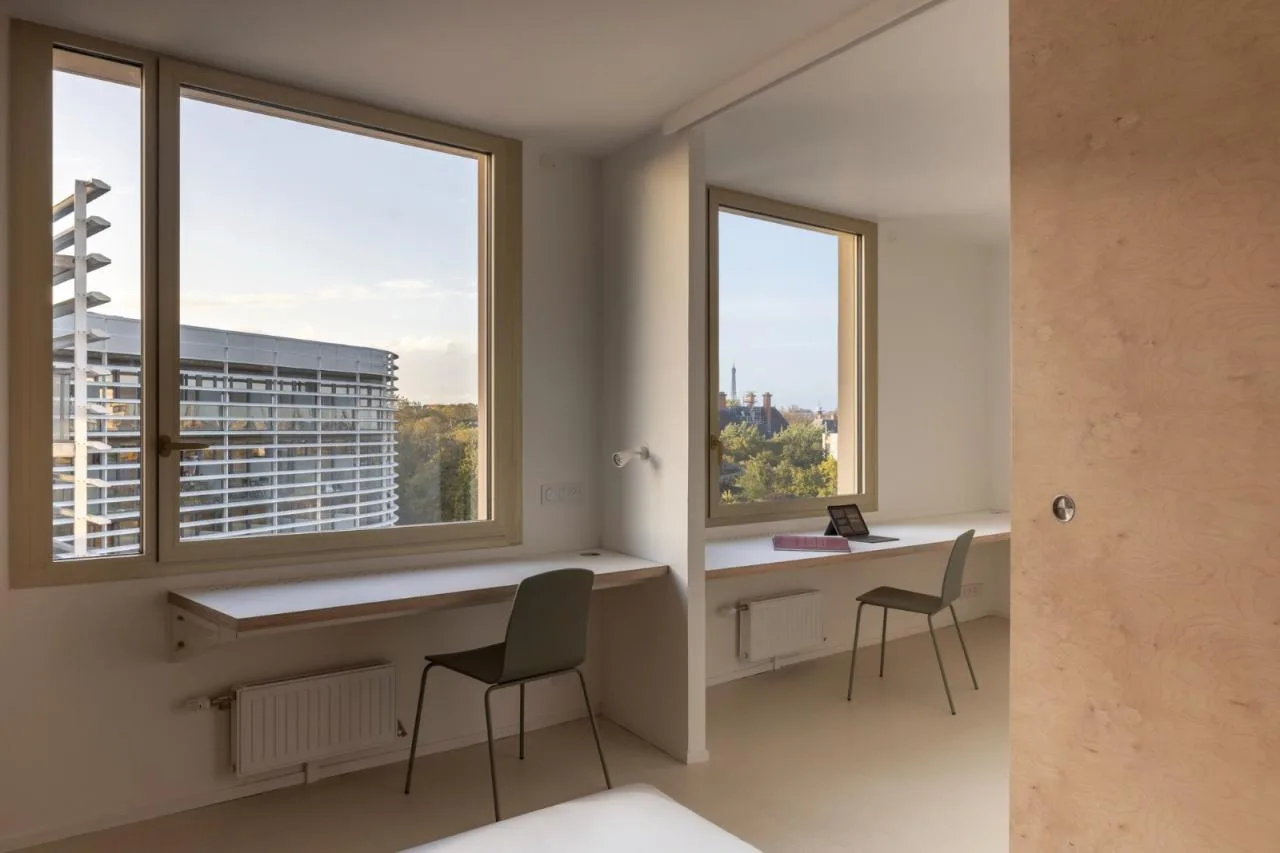
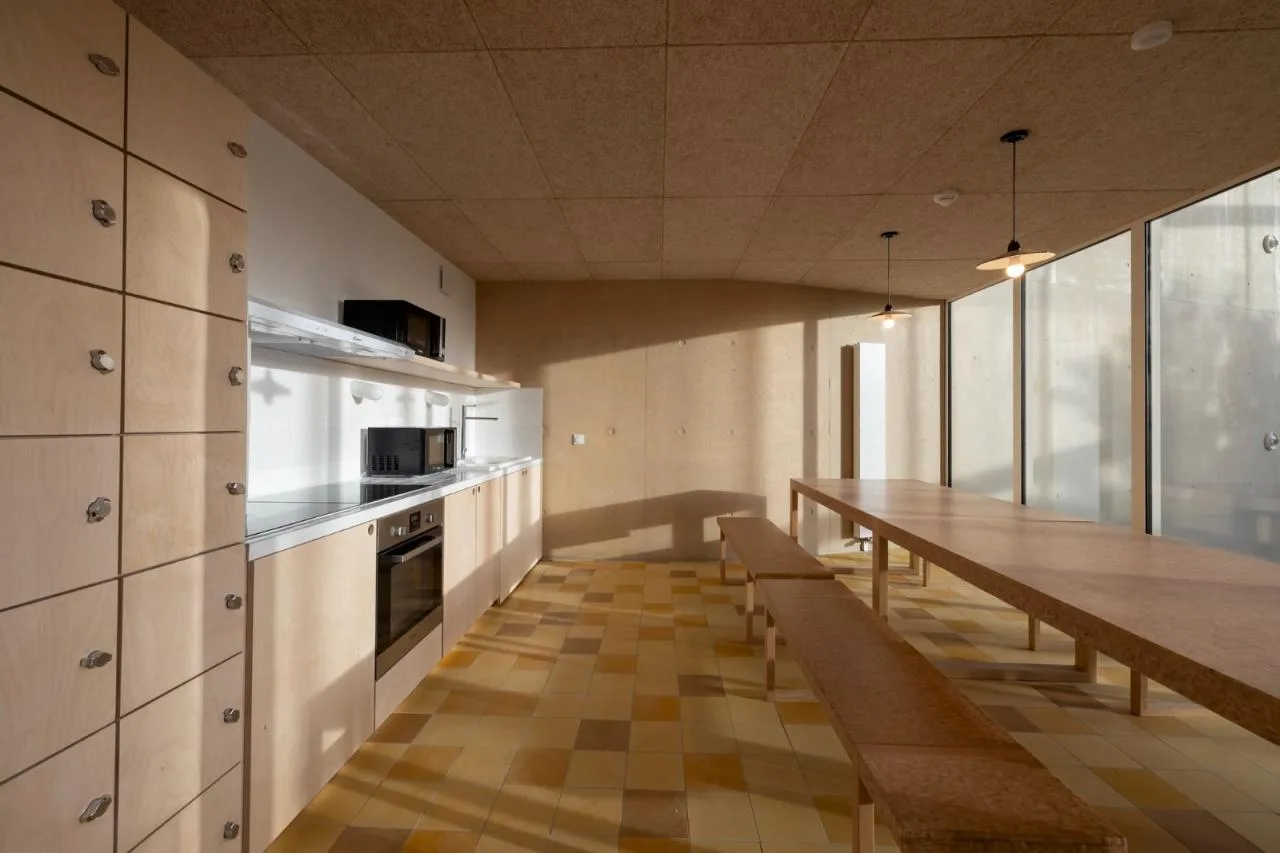
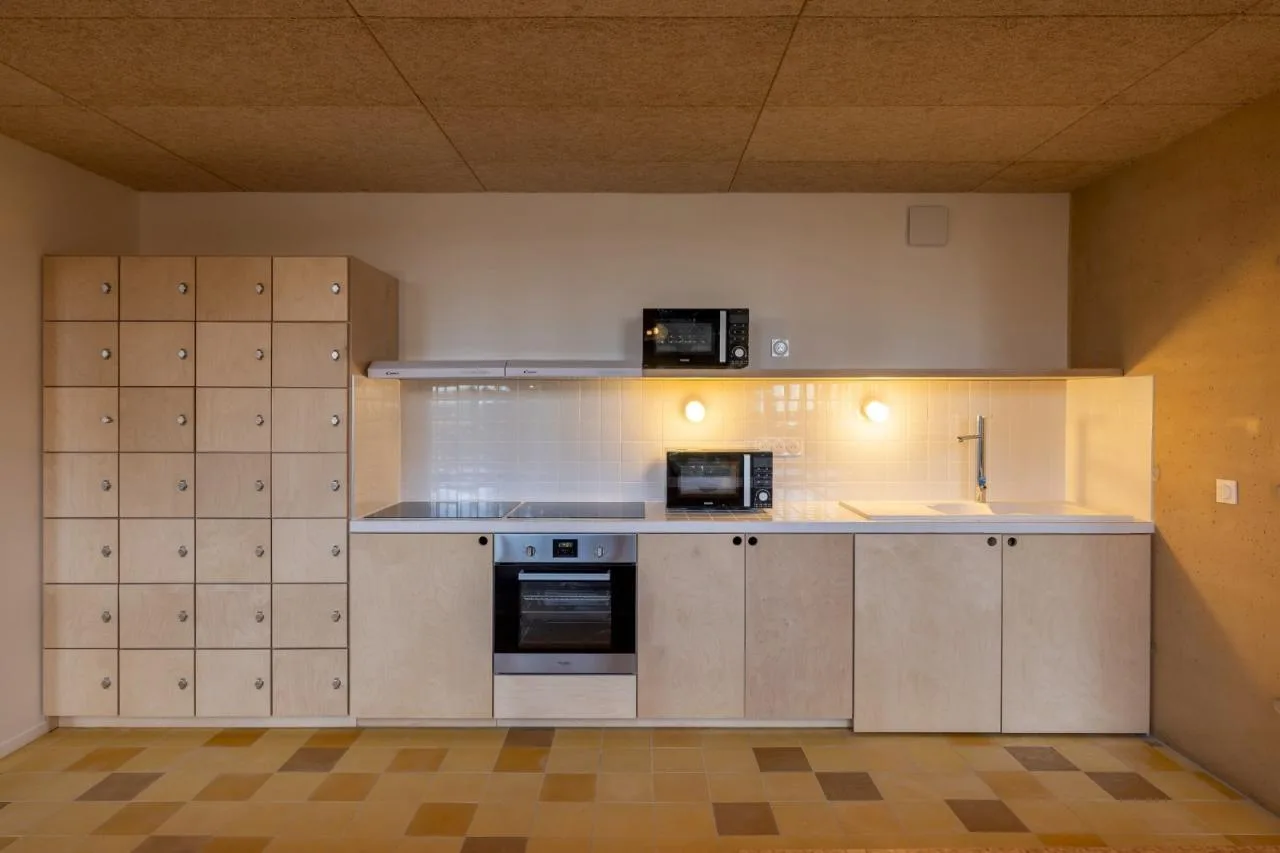
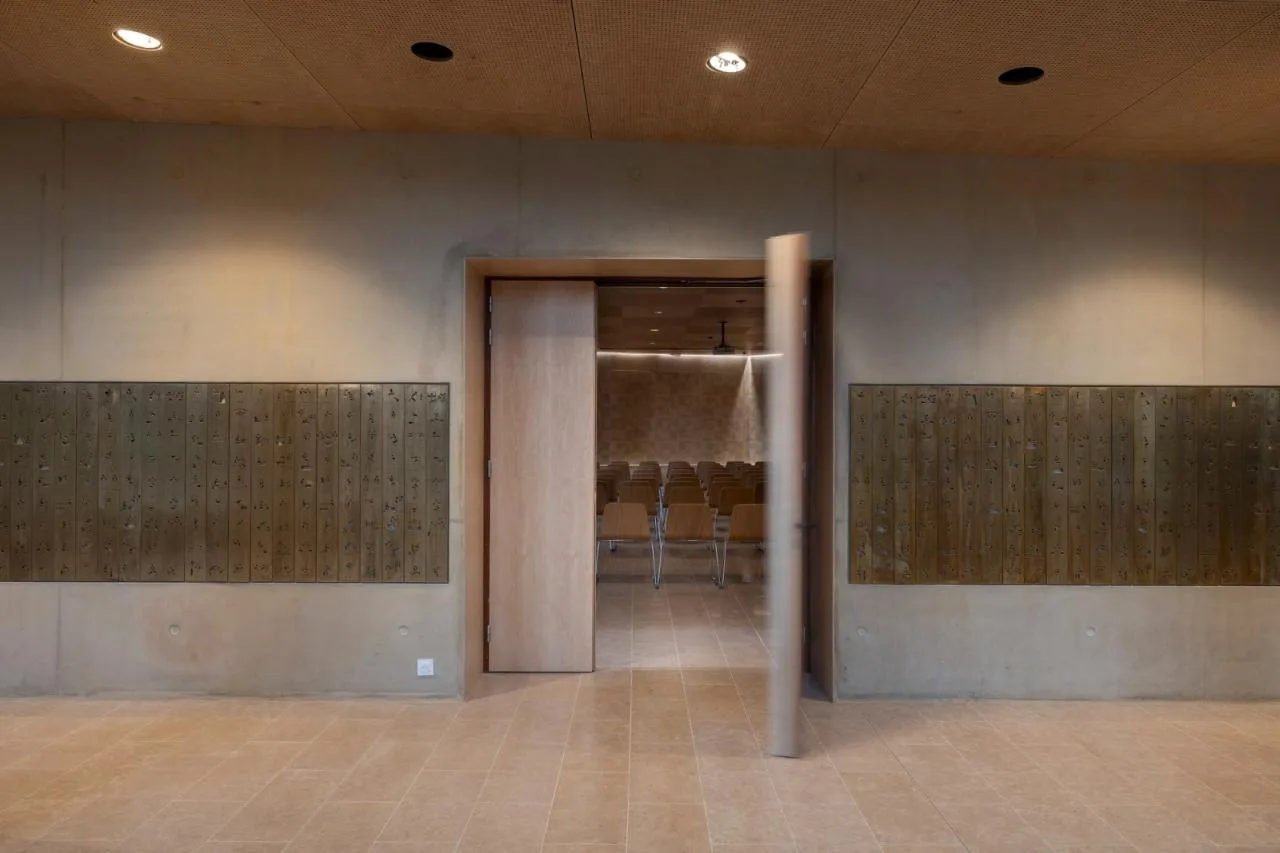
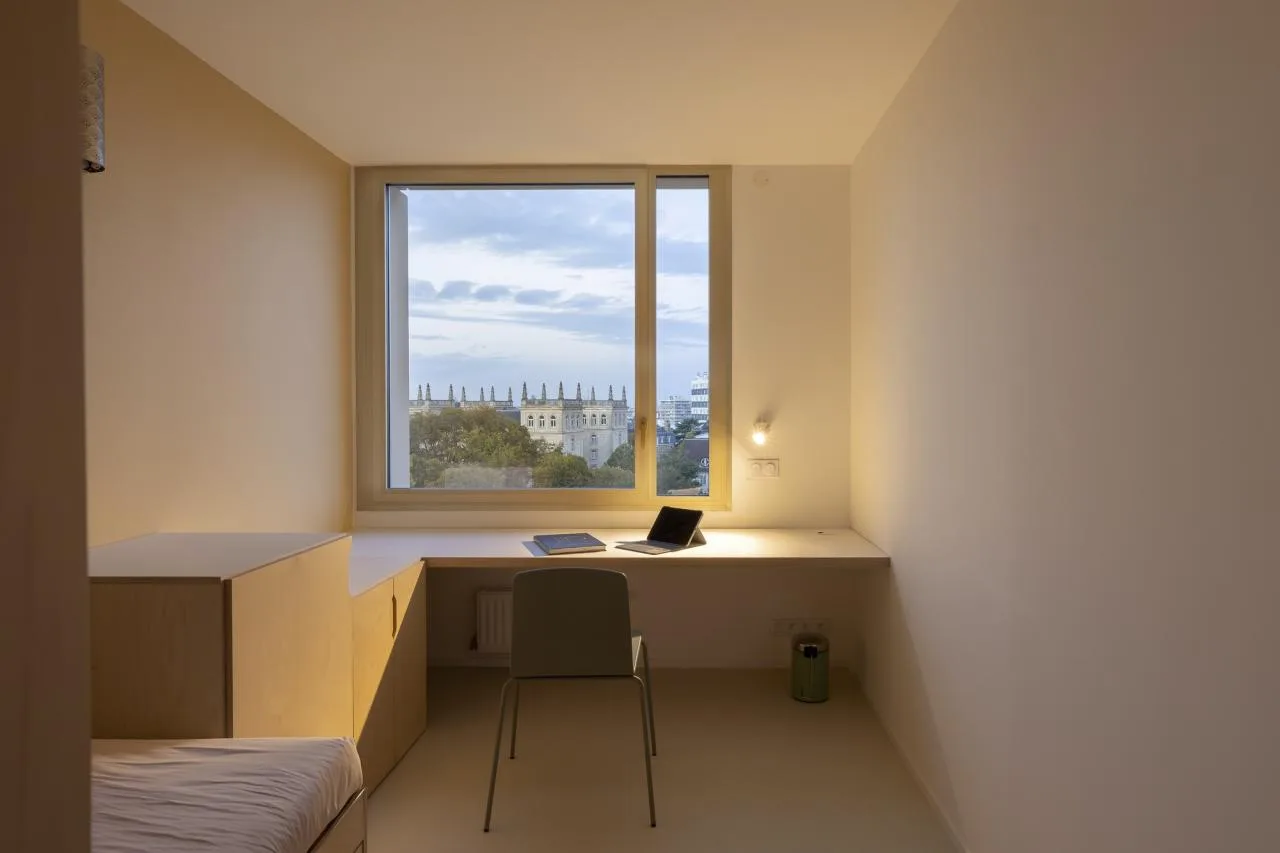
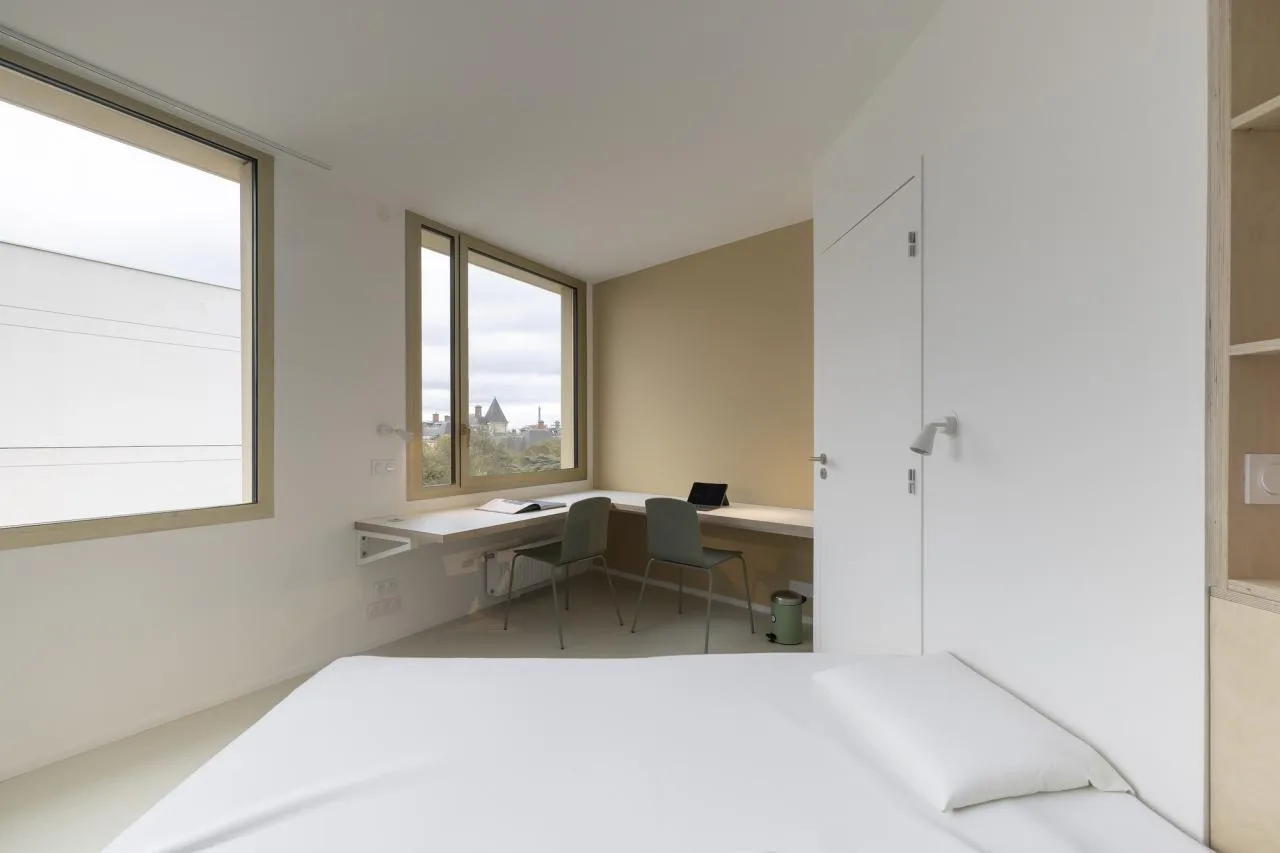
Egypt House spans 1,915 square meters and includes 195 student rooms: 177 standard rooms, 15 rooms sized 15 to 21 square meters, and 3 suites of 33 square meters. Except for the standard rooms, all are equipped with accessible facilities. The building also houses a 200 square meter multipurpose hall, a 60 square meter gym, a 60 square meter TV room, an 85 square meter lounge, a conference room, study room, music room, kitchens, and restaurants on each floor. Additional amenities include administrative offices, laundry facilities, large storage areas, and two 90 square meter apartments—one for the housing manager and another for occasional VIP guests. The roof is outfitted with solar panels that supply 15% of the building’s energy needs.
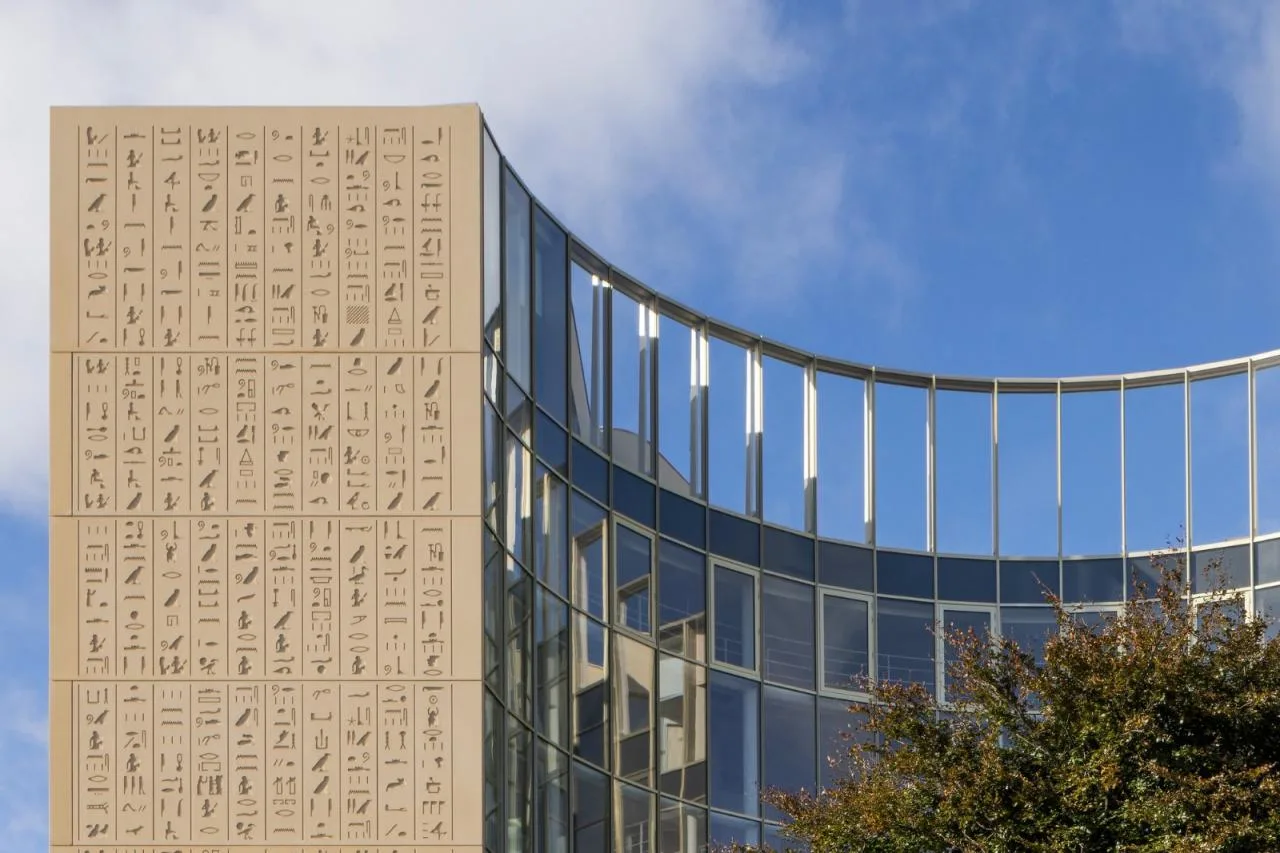
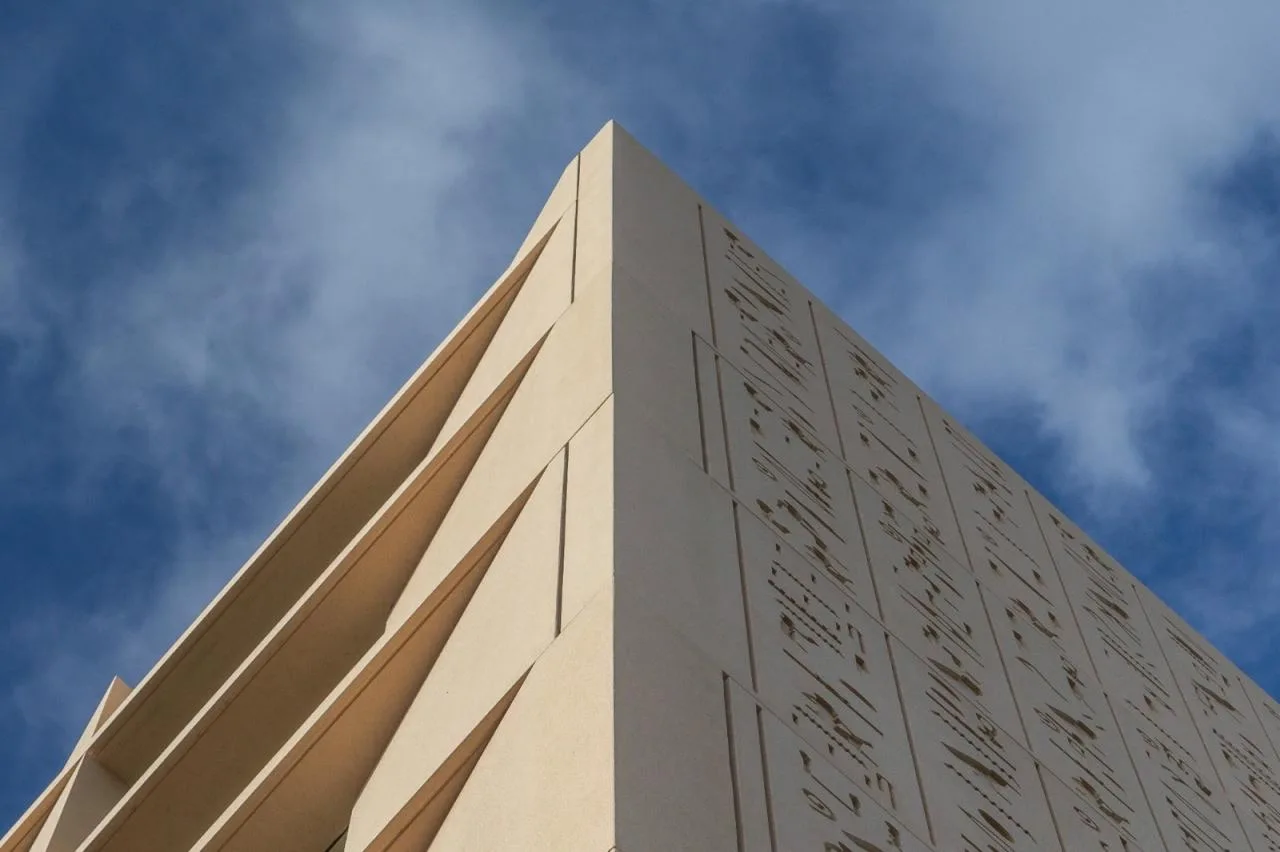
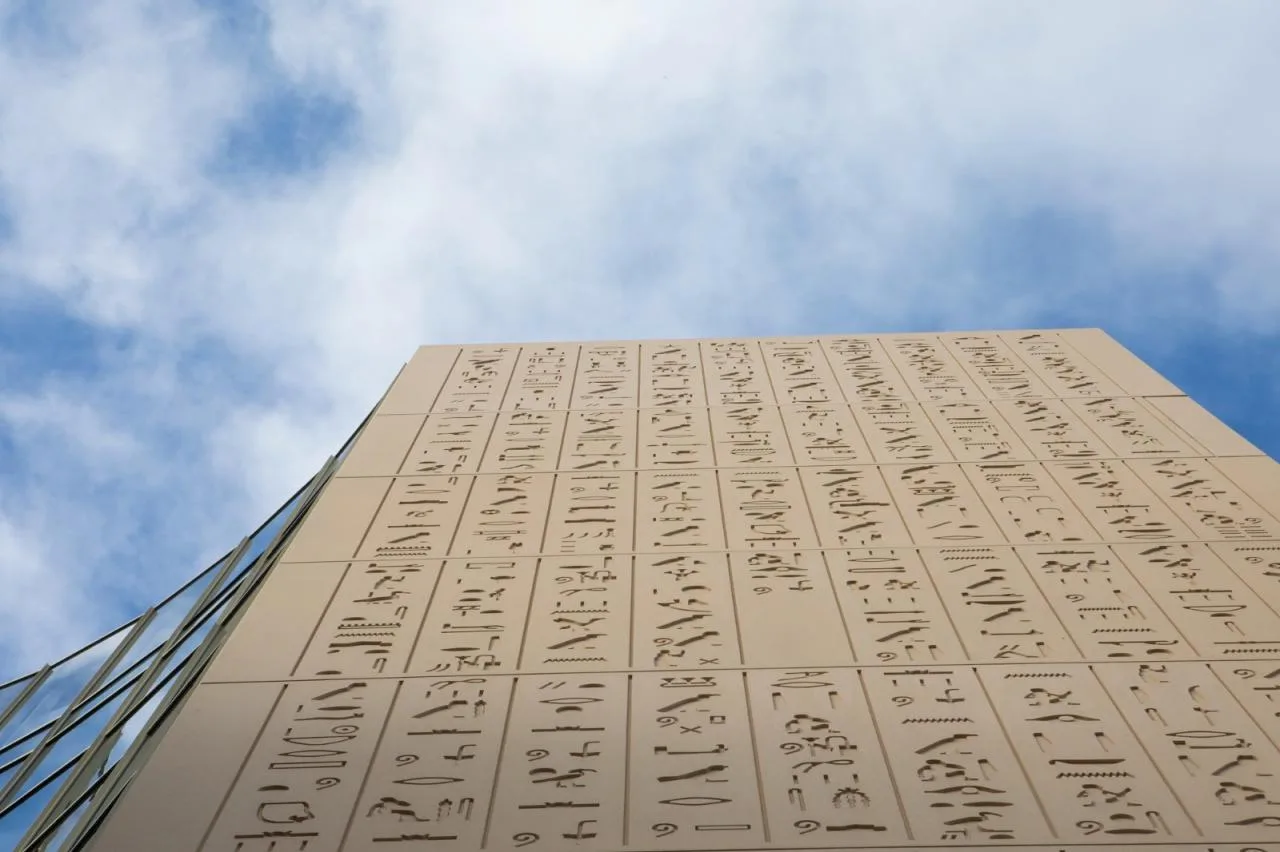
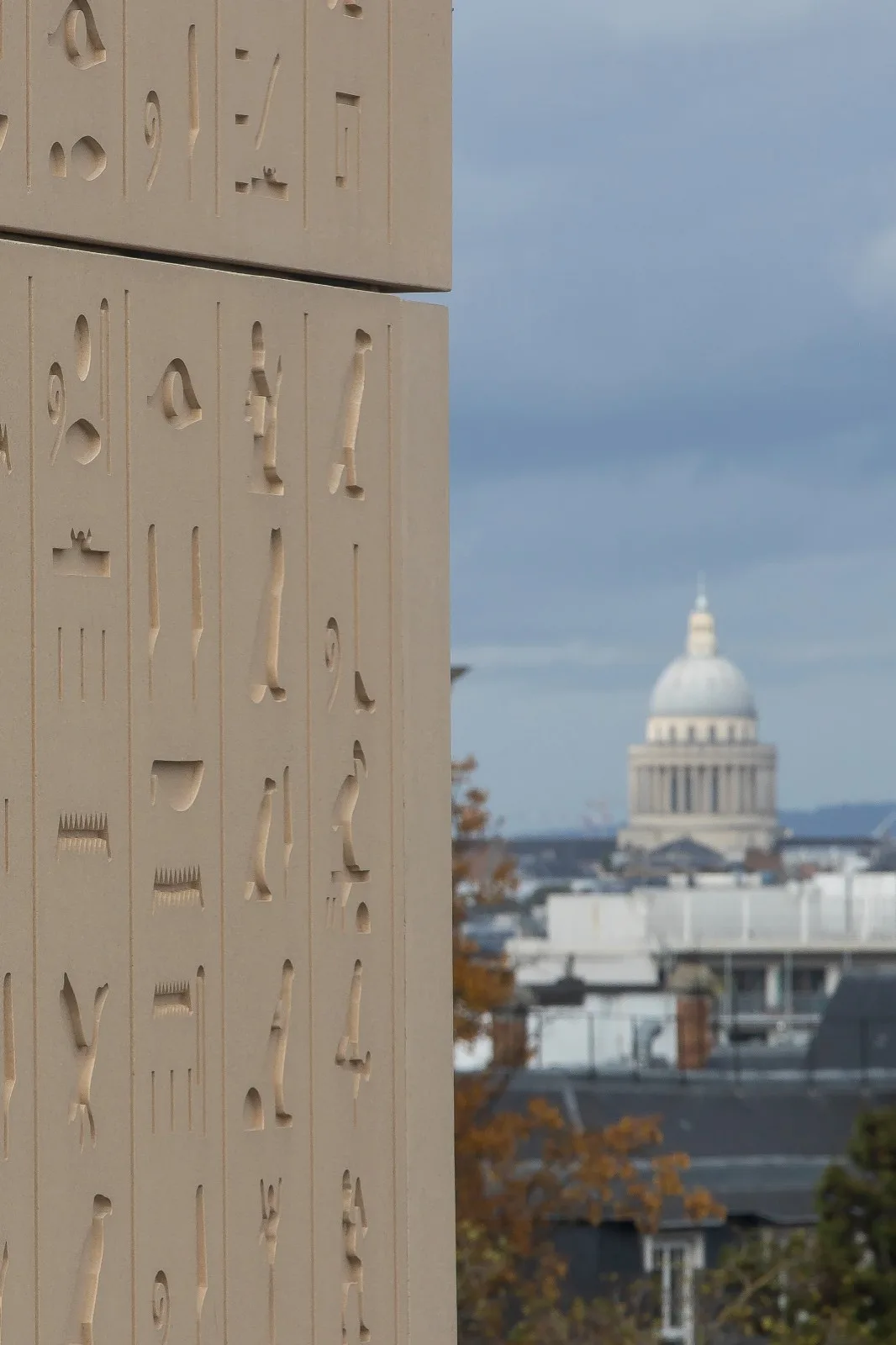
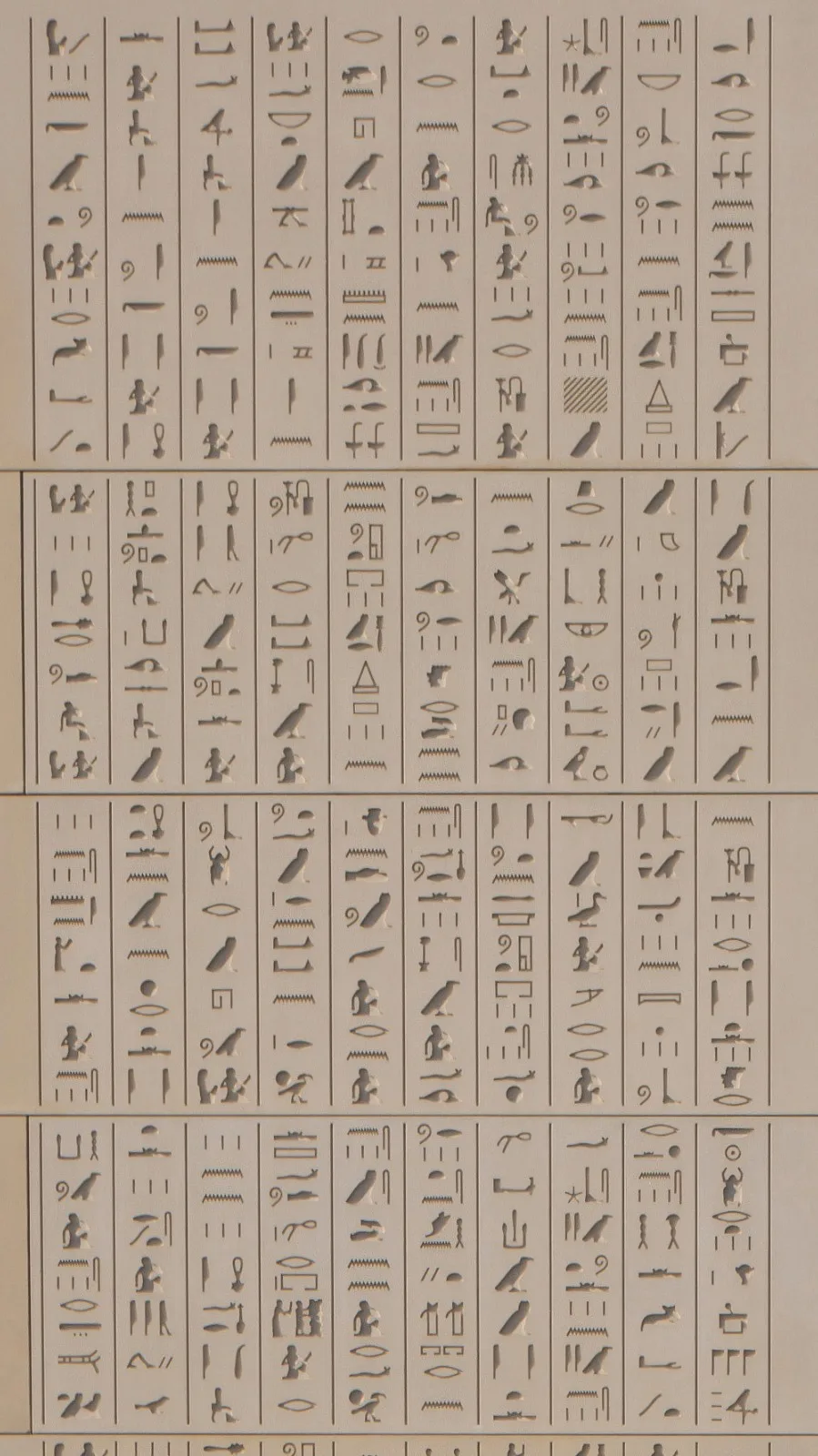
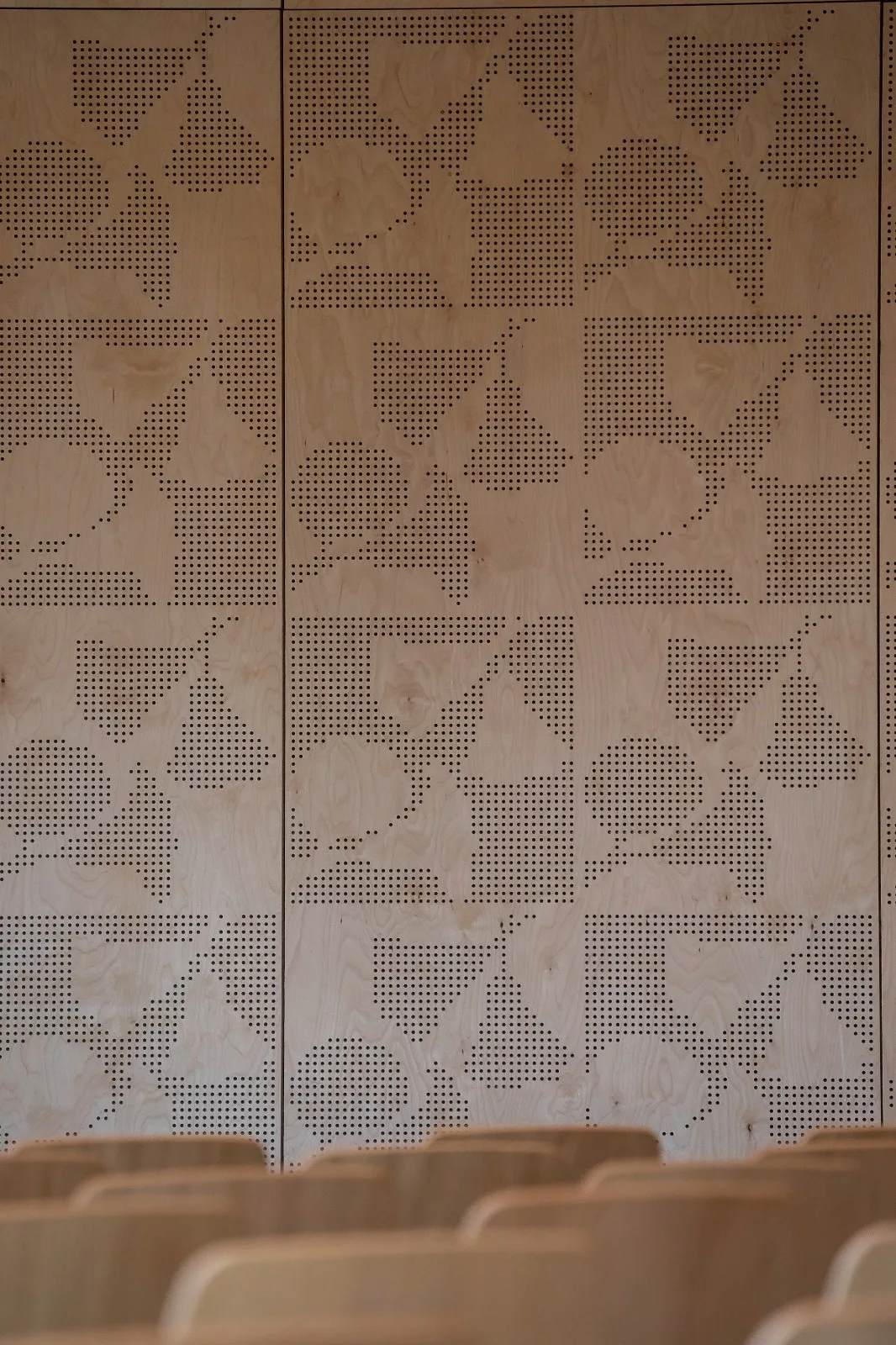
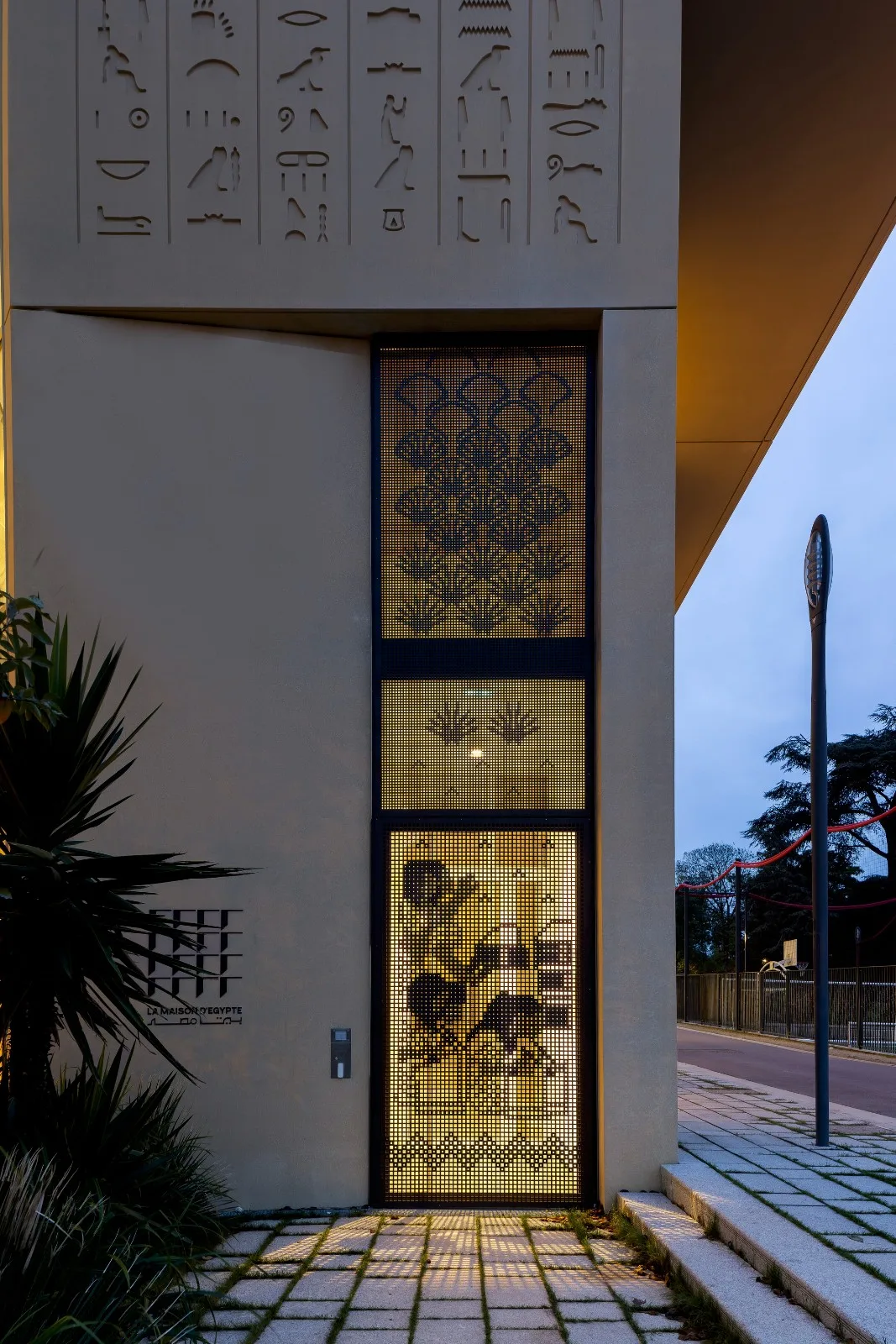
Architect Waleed Arafa incorporated ancient Egyptian scripts symbolizing the power of etiquette and knowledge passed down to students in ancient Egypt. With the collaboration of renowned Egyptologists Salima Ikram and Anne Claire Salmas, these inscriptions were printed on the building’s main facade, serving as a distinctive Egyptian statement within the entire Cite.
Project Drawings
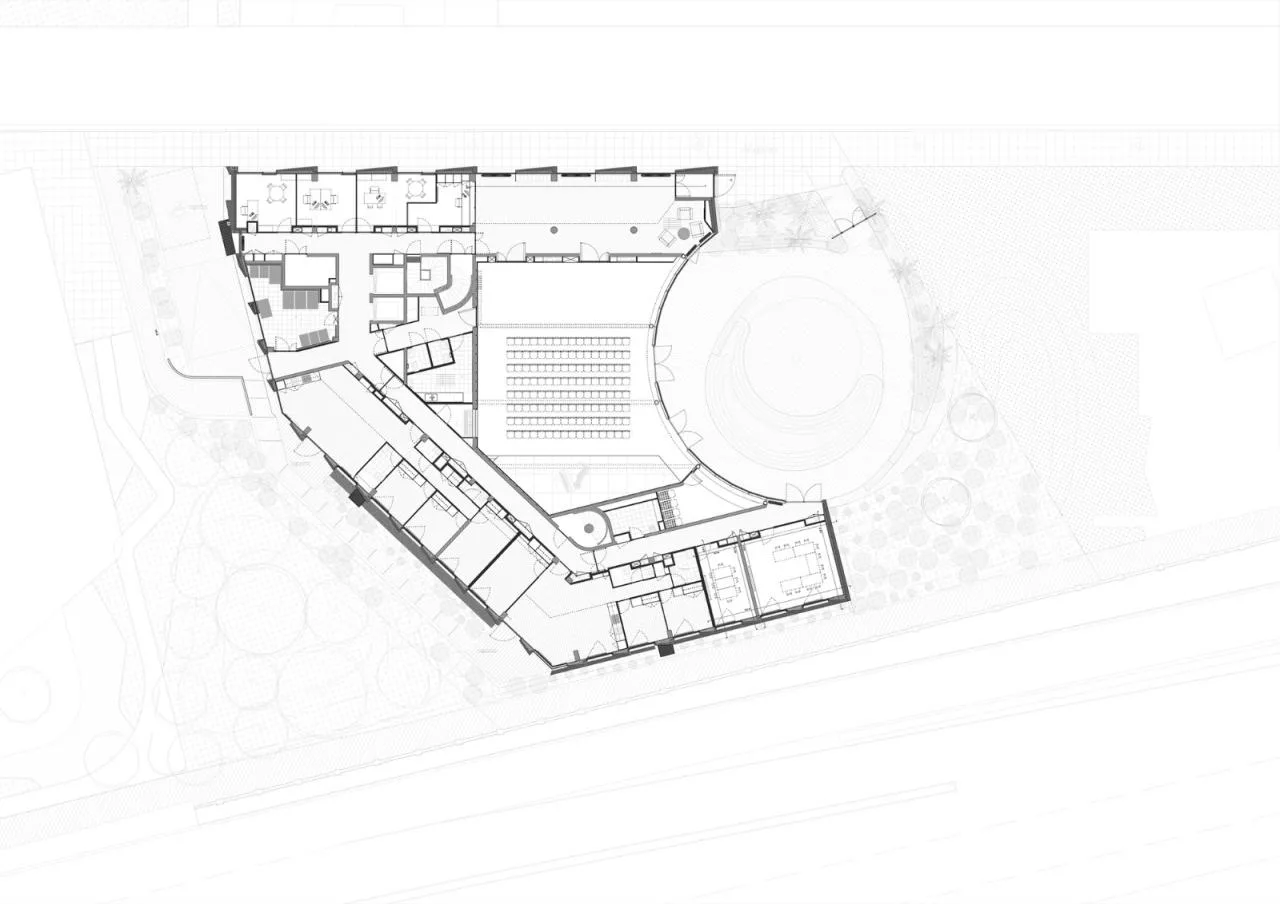
△ First Floor Plan
△ Second Floor Plan
△ Sixth Floor Plan
△ Ninth Floor Plan
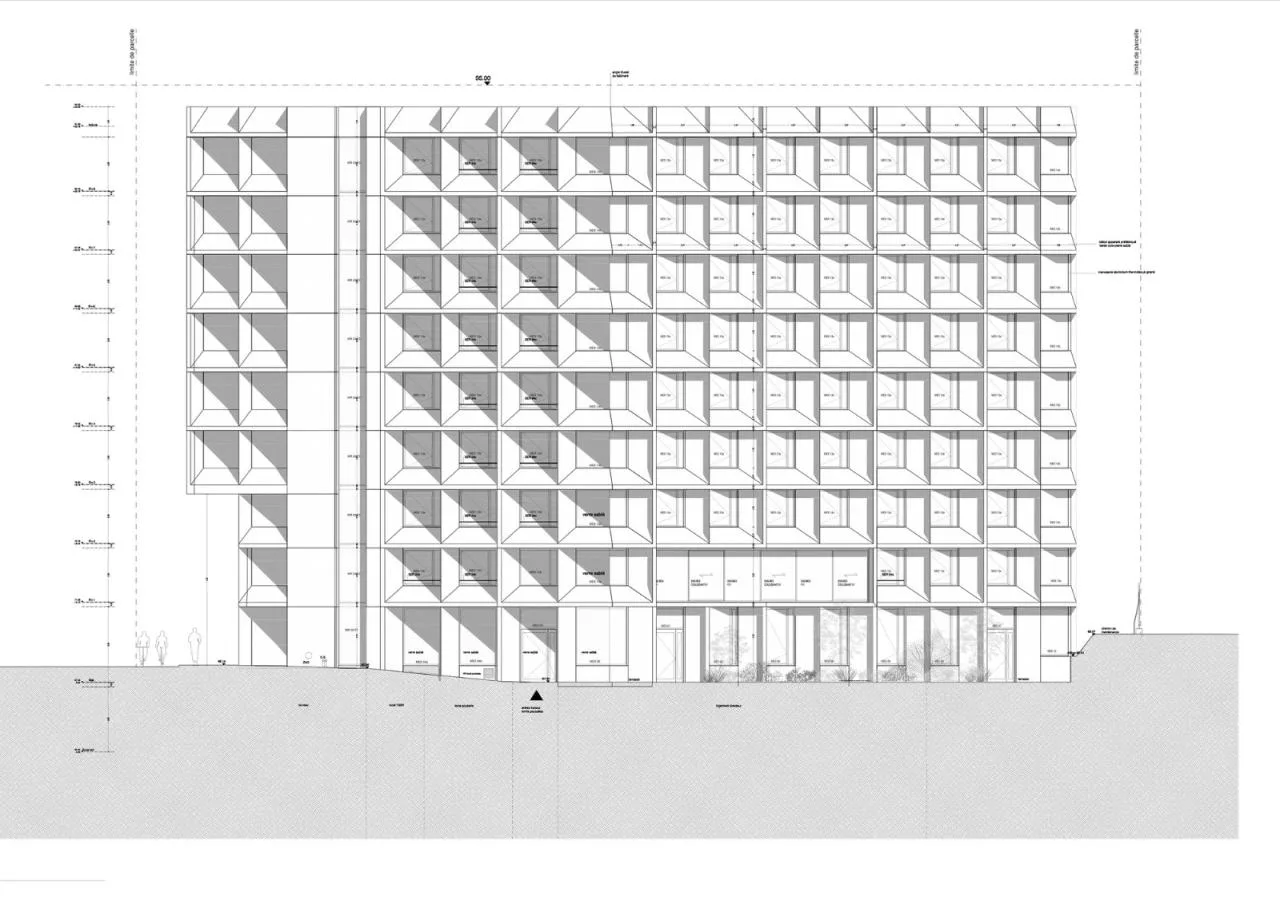
△ Elevation Drawing
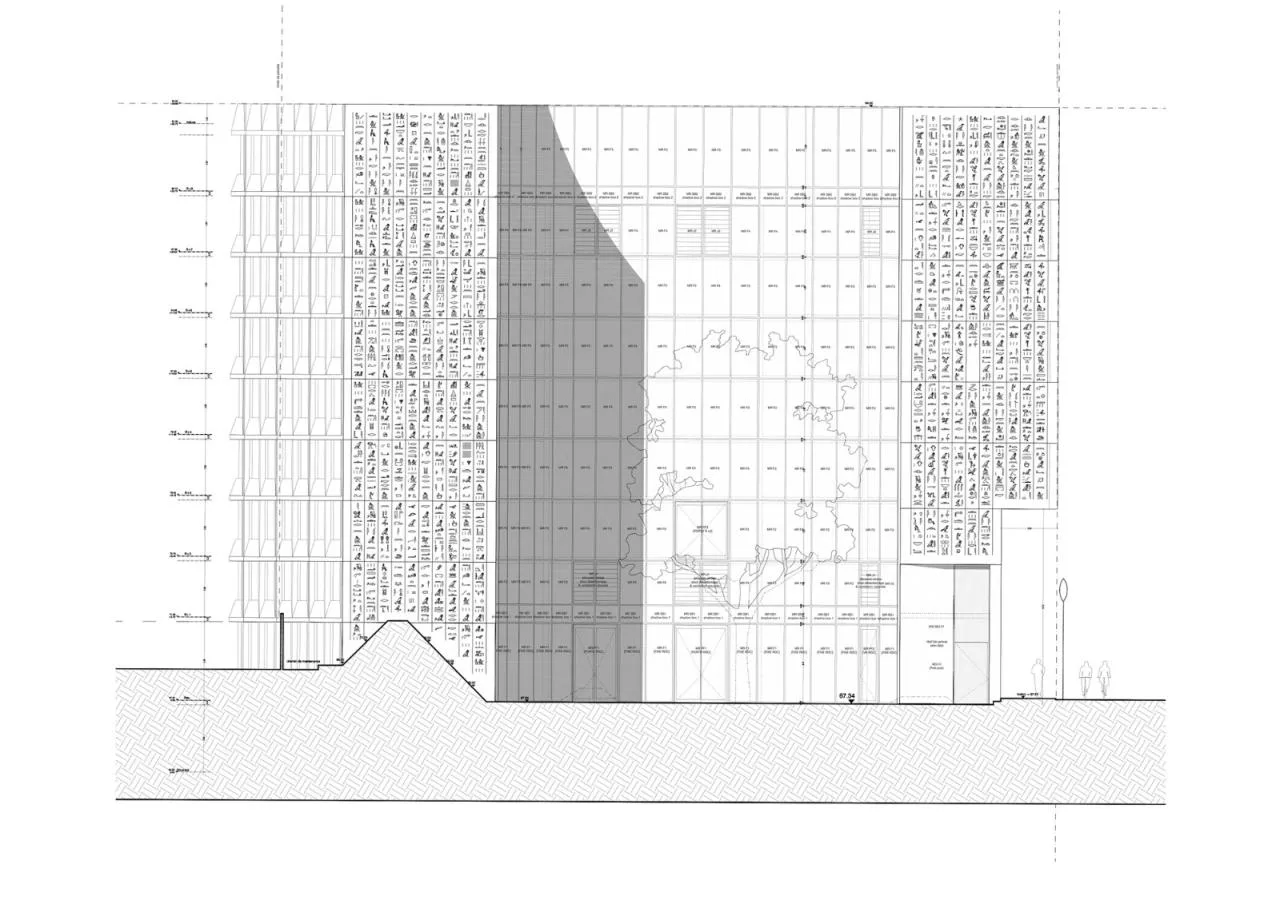
△ Elevation Drawing
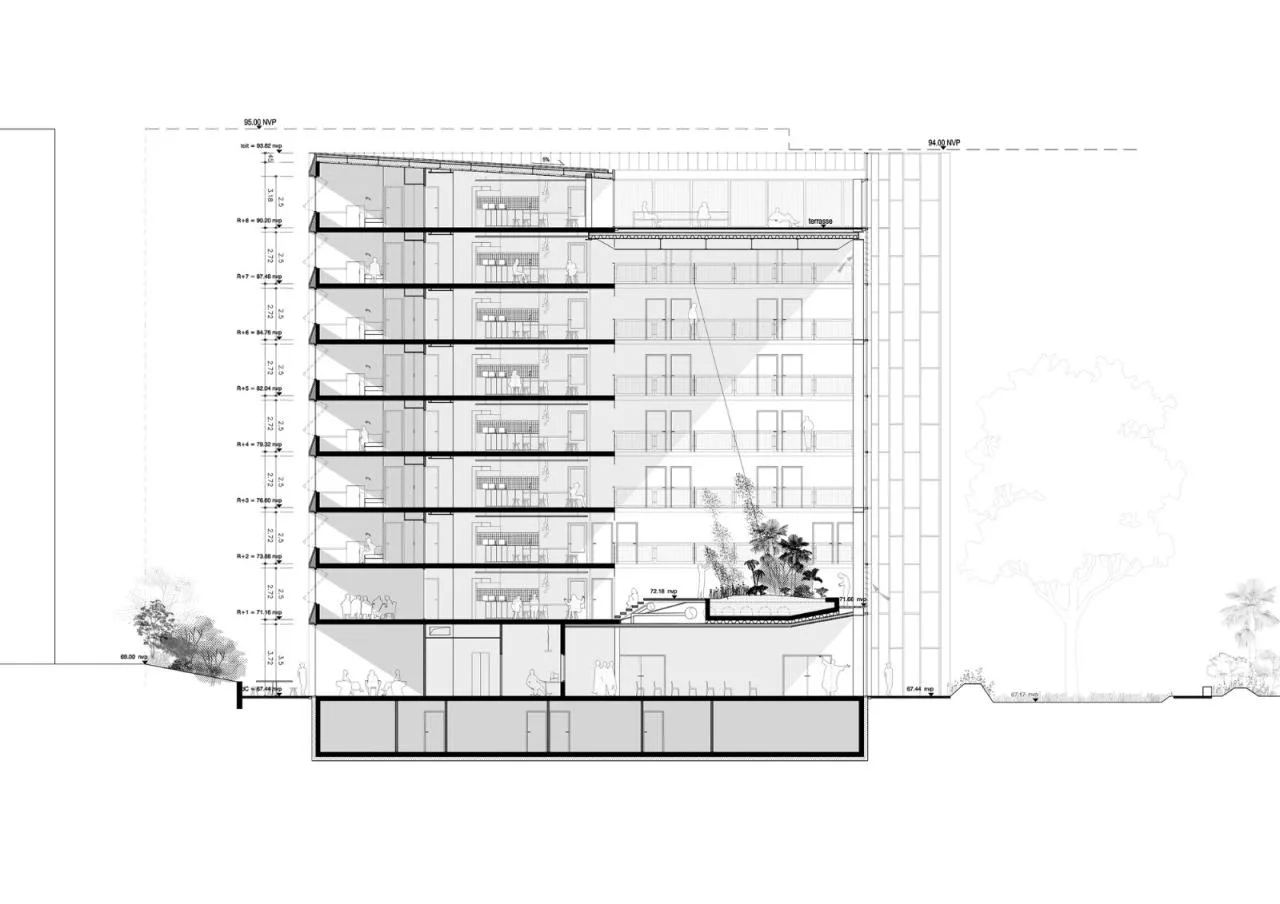
△ Section Diagram
Project Information
Architects: Dar Arafa Architecture, SAM Architecture
Area: 4,310 m²
Project Year: 2023
Photographer: The GS Studio
Manufacturers: Decomo, Mubun Furniture, Nadim Group, Randa Fahmy
Design and Supervision: Waleed Arafa, Boris Schneider
Design and Graphic Design: Bassem Abdelshahid
Site Architects: Lucas Eydoux, Morganne Leclercq
Architectural Facade Design: Rania El Dakrouny
Modern Font Design: Nourhane Elkady
Architects: Manal Amr, Shahd Osman
Egyptian Scholars: Salima Ikram, Anne Claire Salmas
Landscape Designer: EMMA BLANC Paysage
Structural Consultant: Batisef
MEP Consultant: BET Louis Choulet
Acoustic Consultant: Altia
Economist: Ecallard Economist
Project Management: Oskaprod
General Contractor: Sicra Ile de France
Location: Paris, France












Must log in before commenting!
Sign Up