
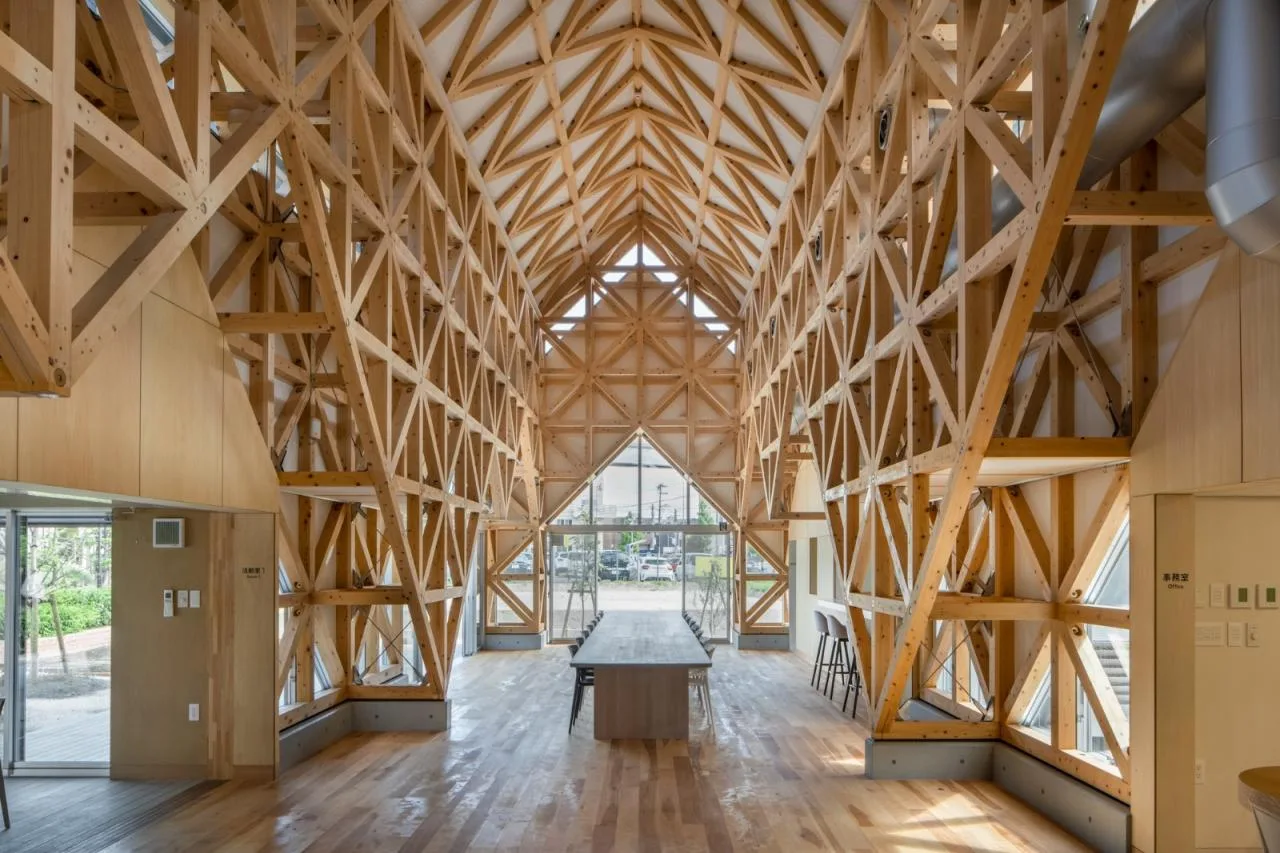
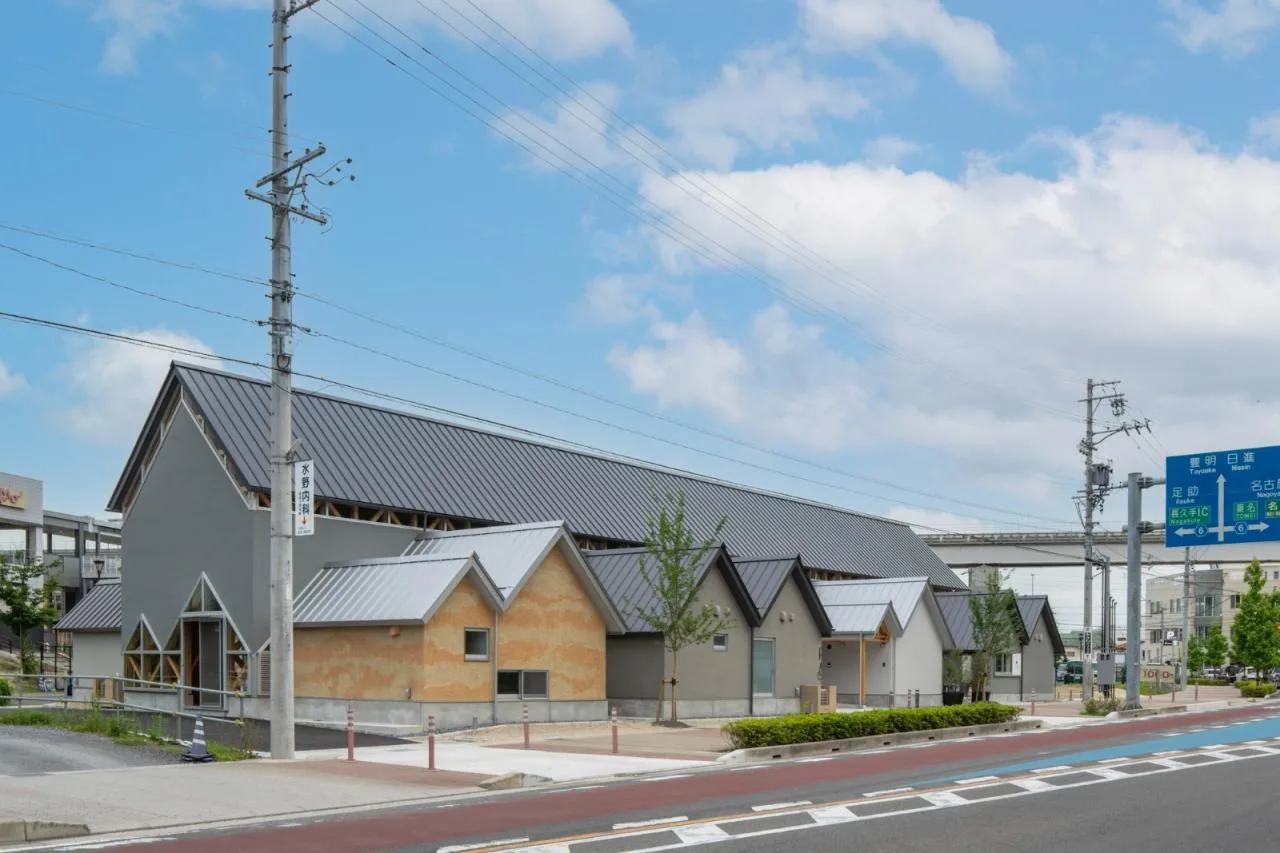
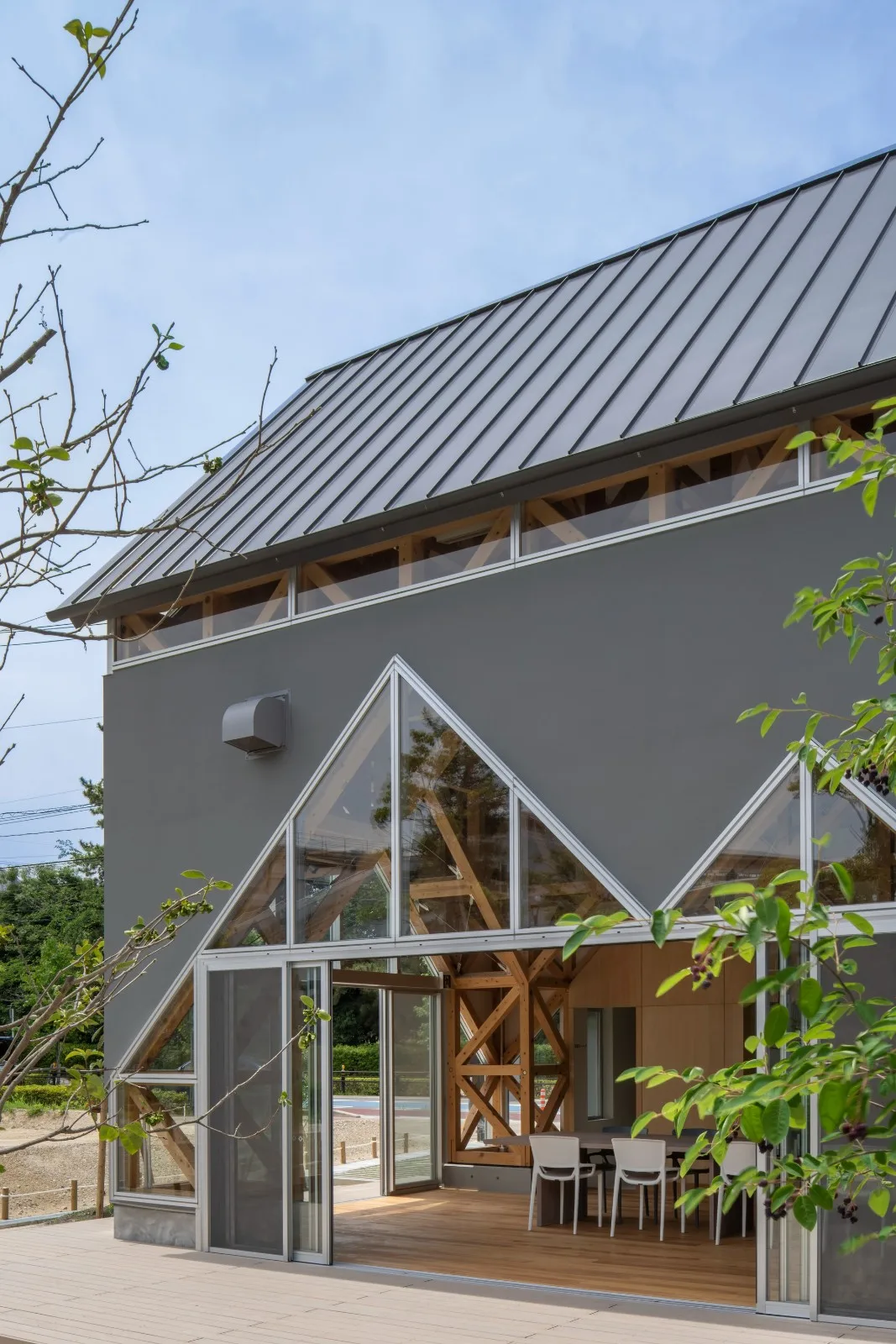
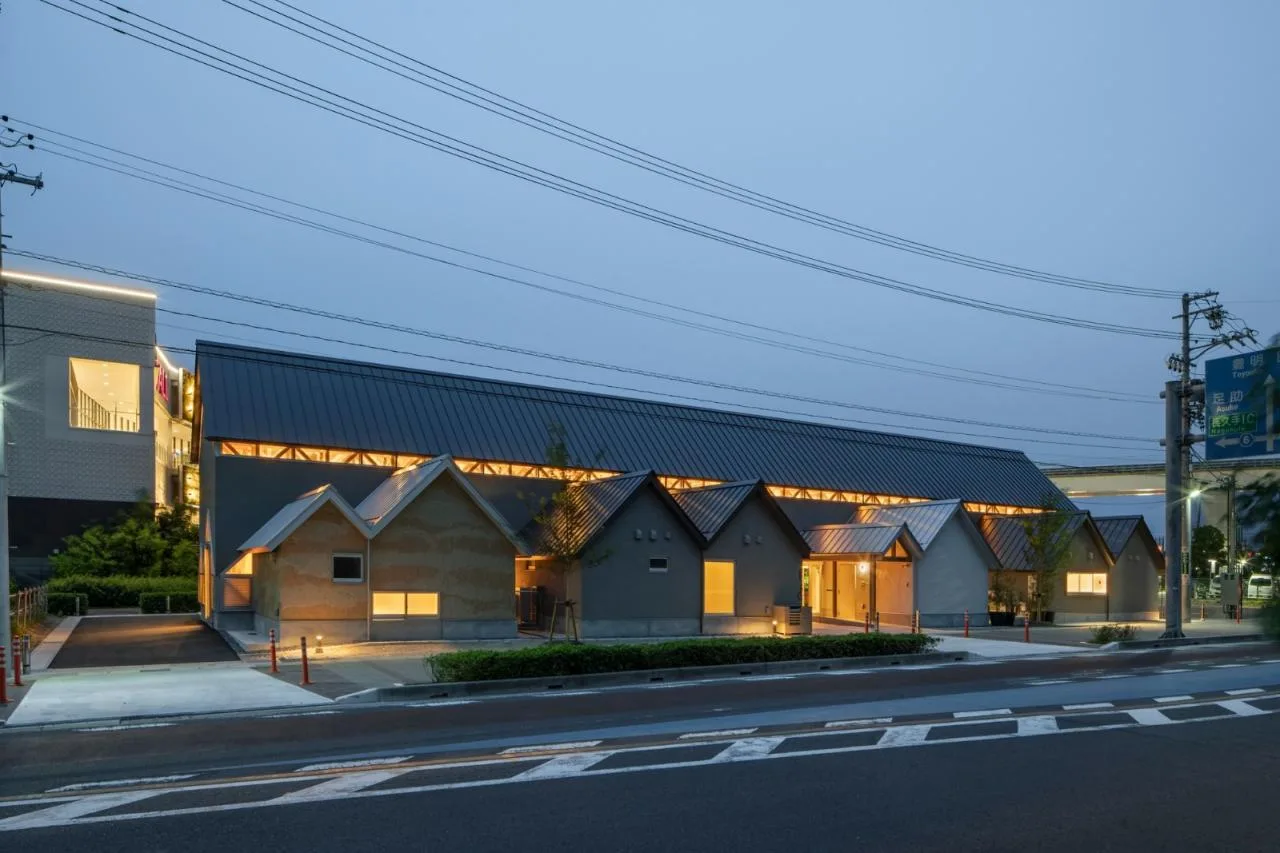
As of 2016, the average age of the building is 38.6 years. This public facility serves both public and private functions without a specific designated purpose. Located in Nagakute City, Aichi Prefecture—the youngest city in Japan—the project was designed around the concept of “creating new connected spaces.”
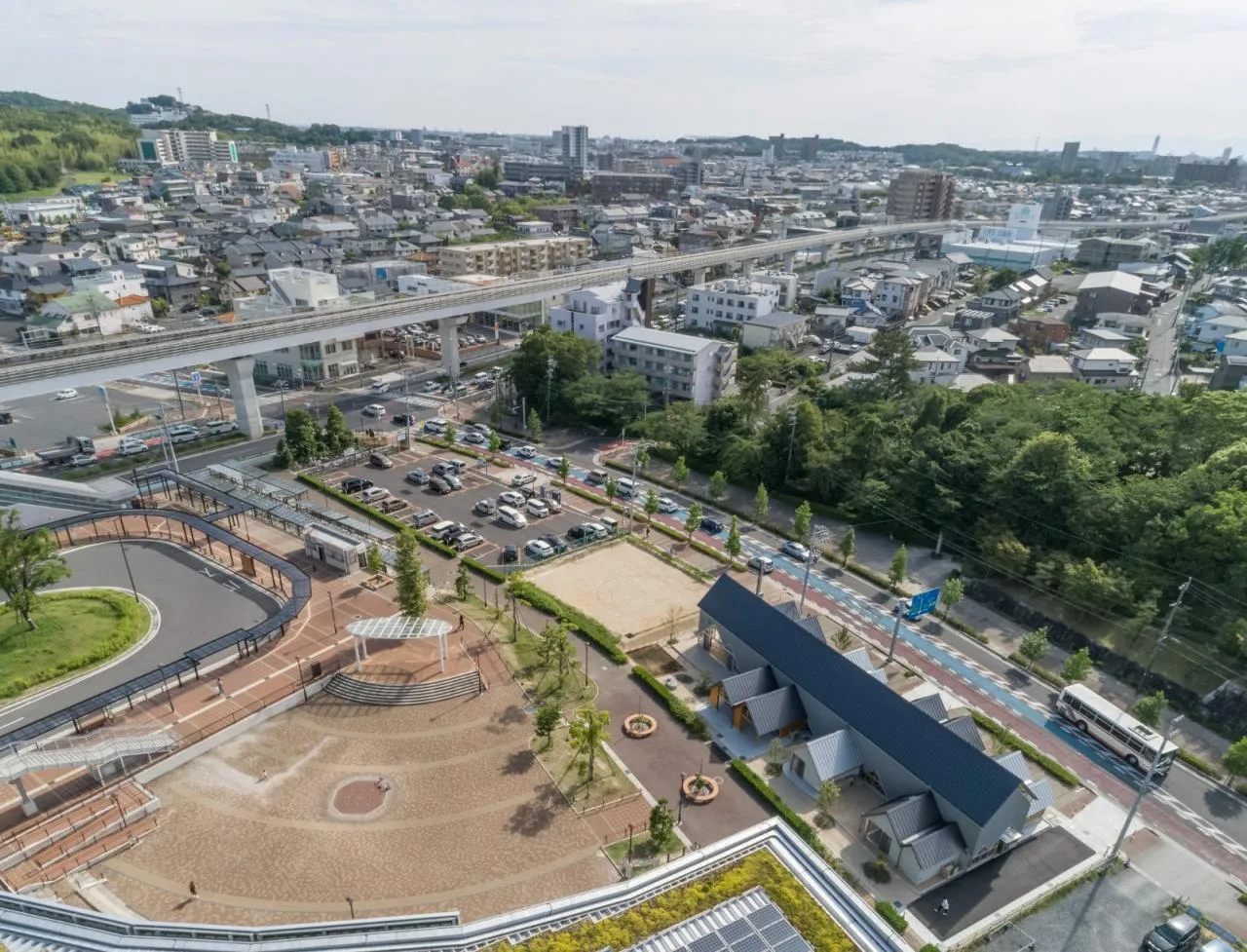
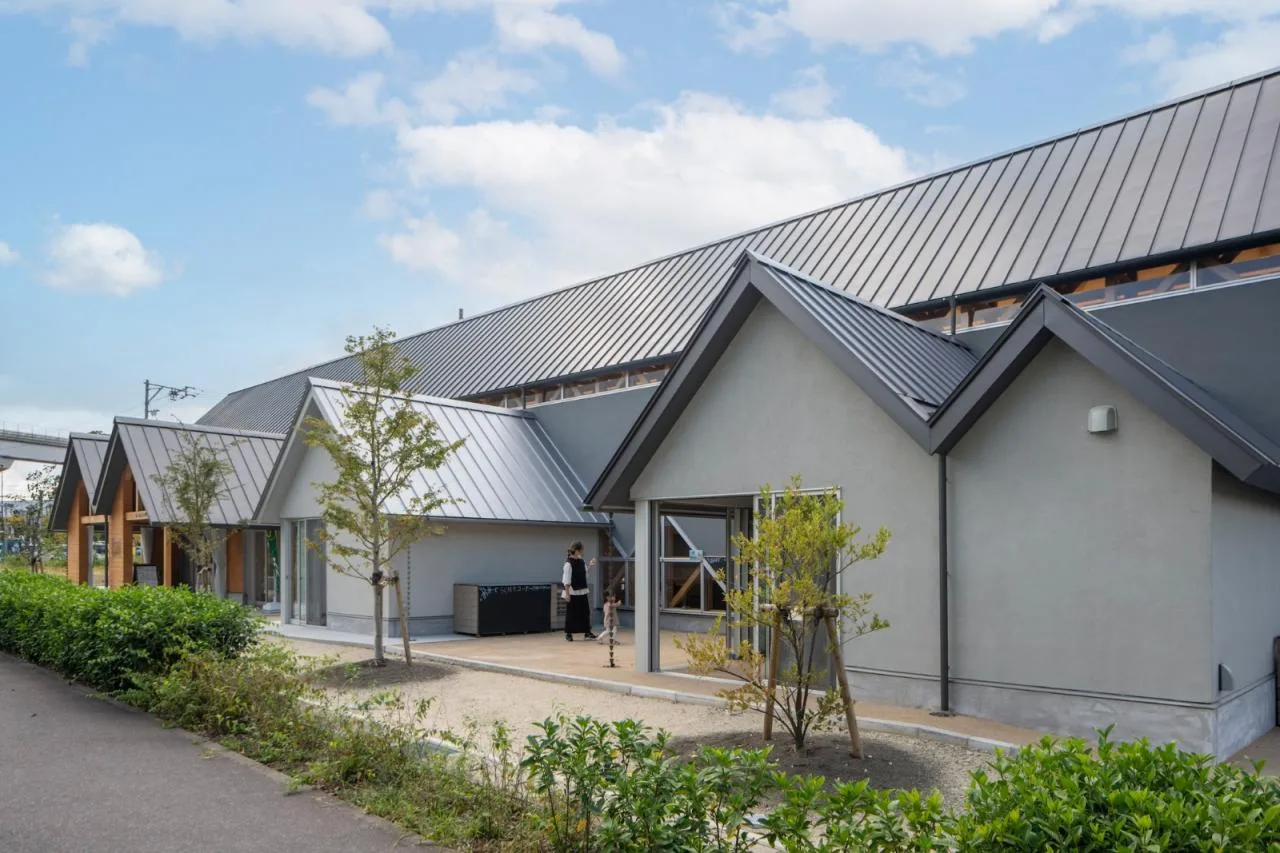
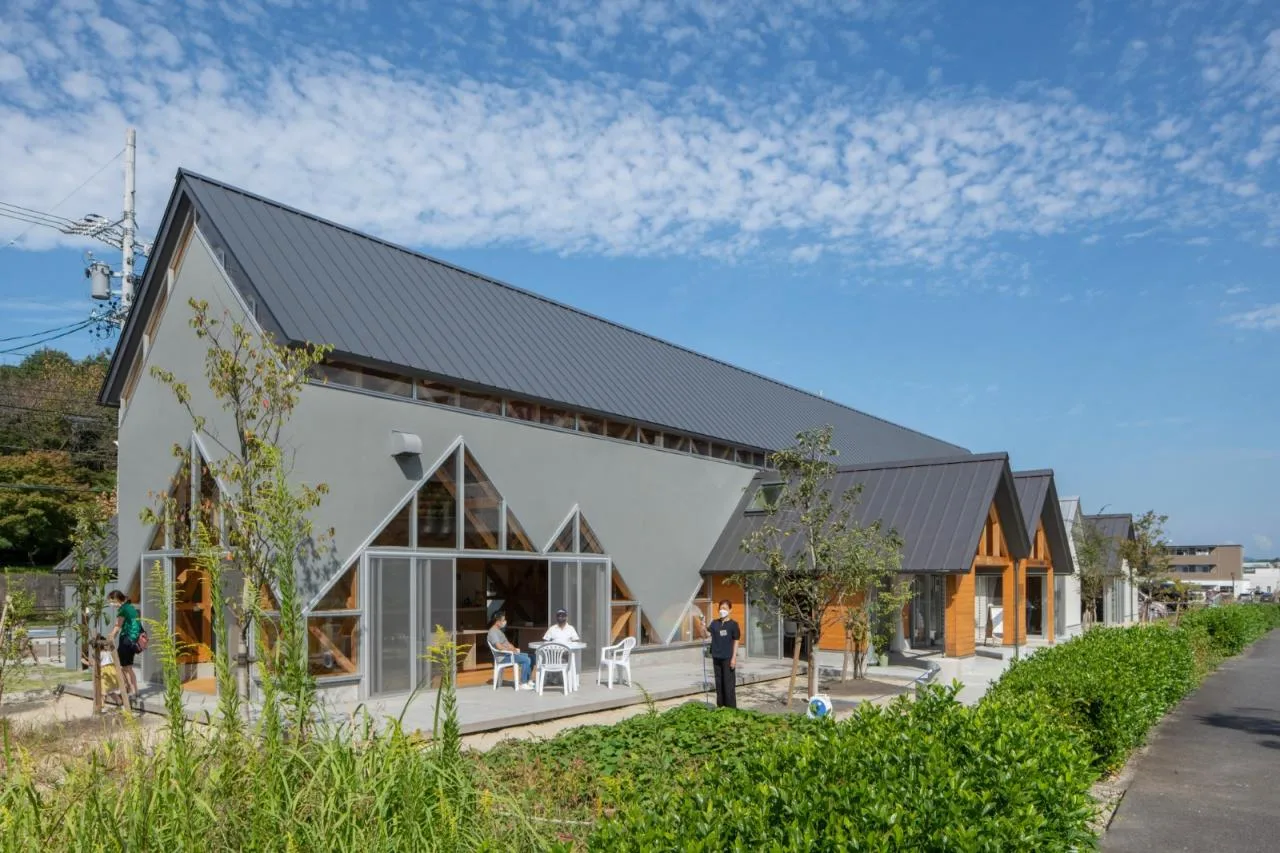
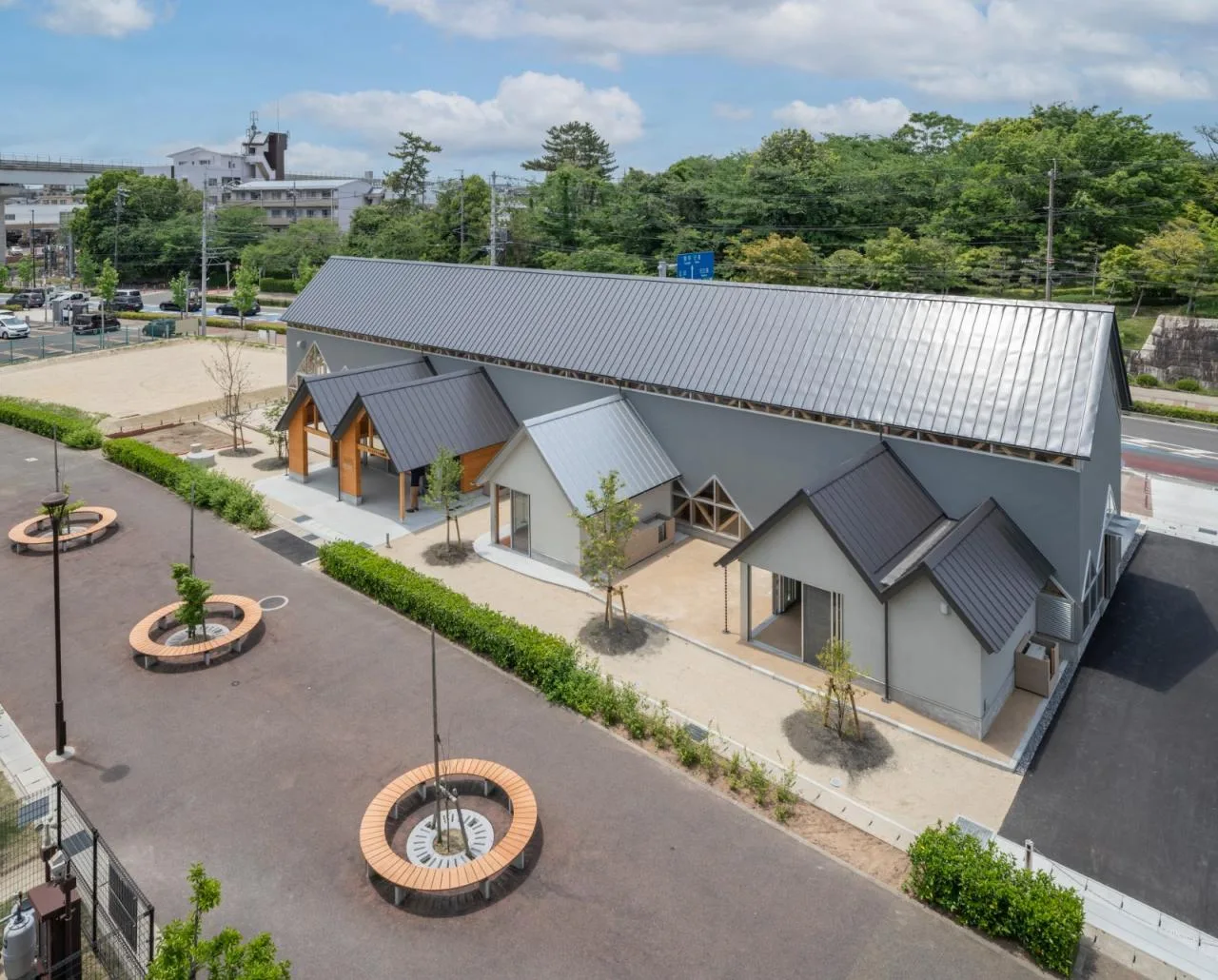
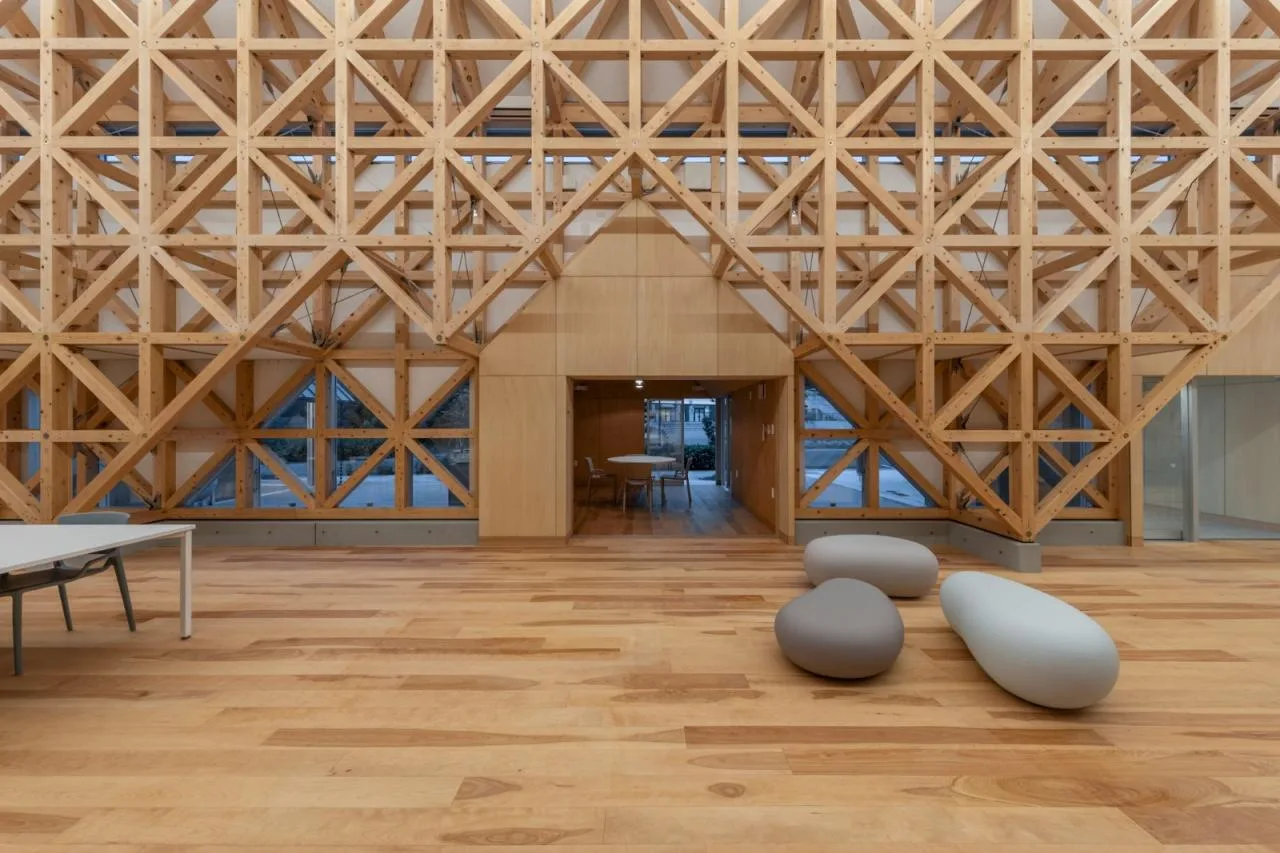
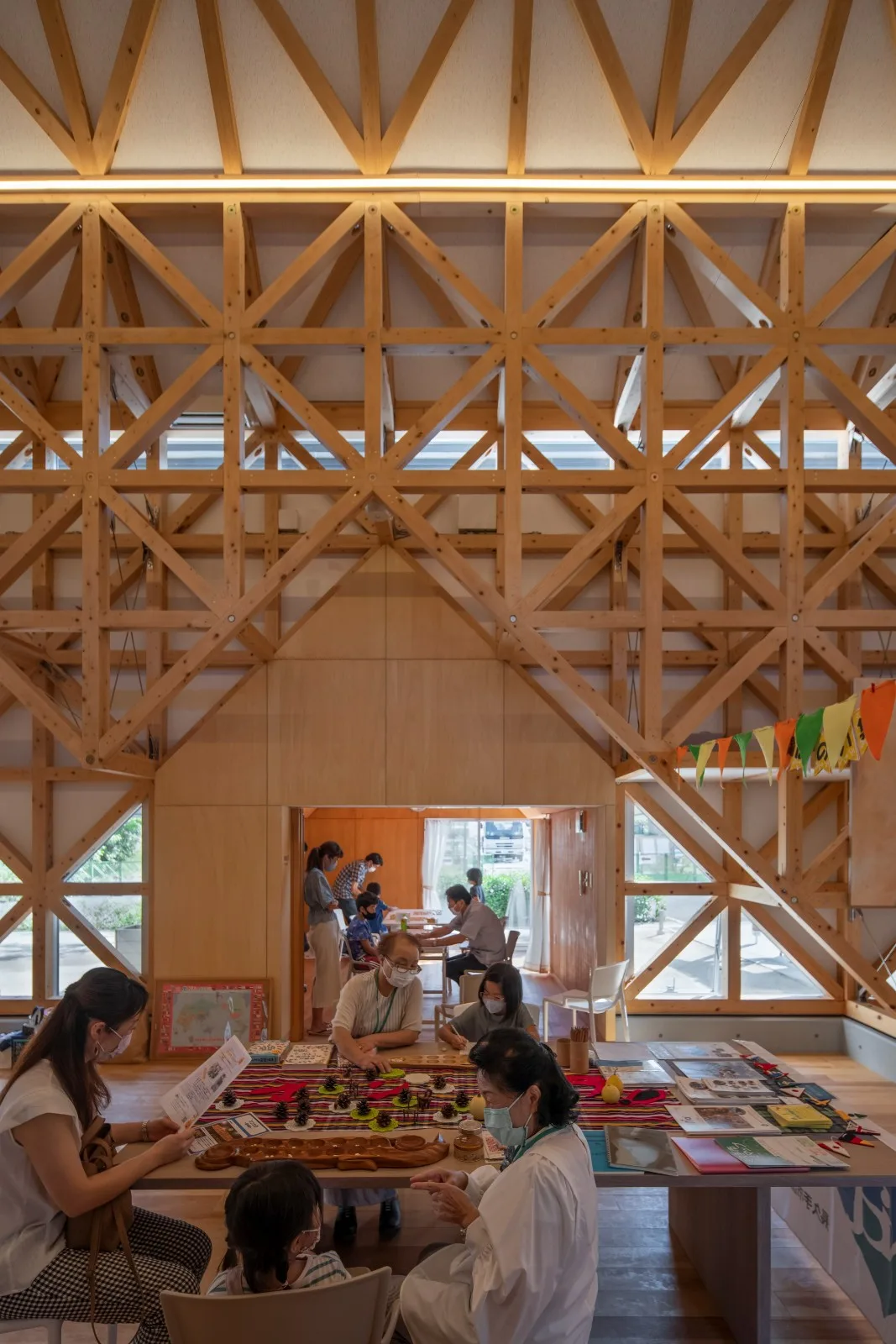
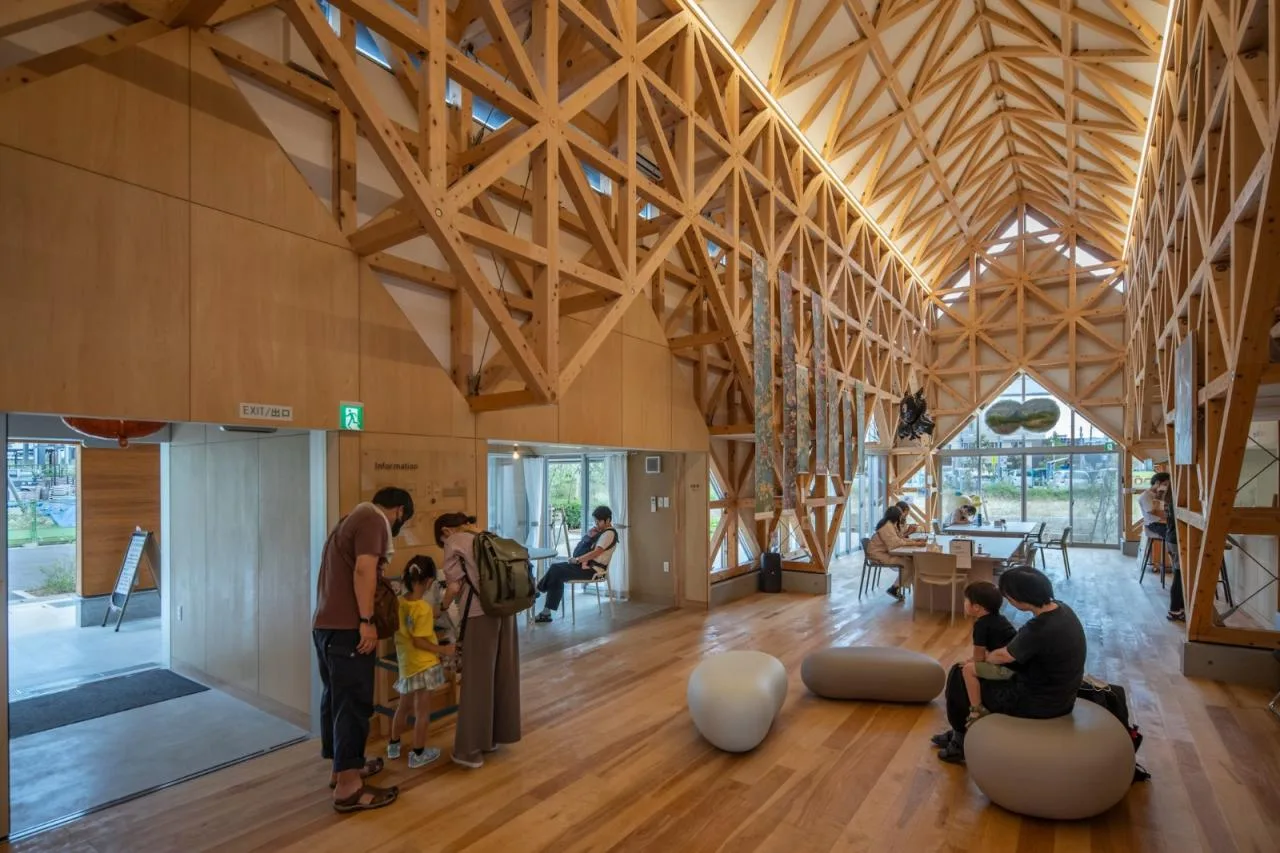
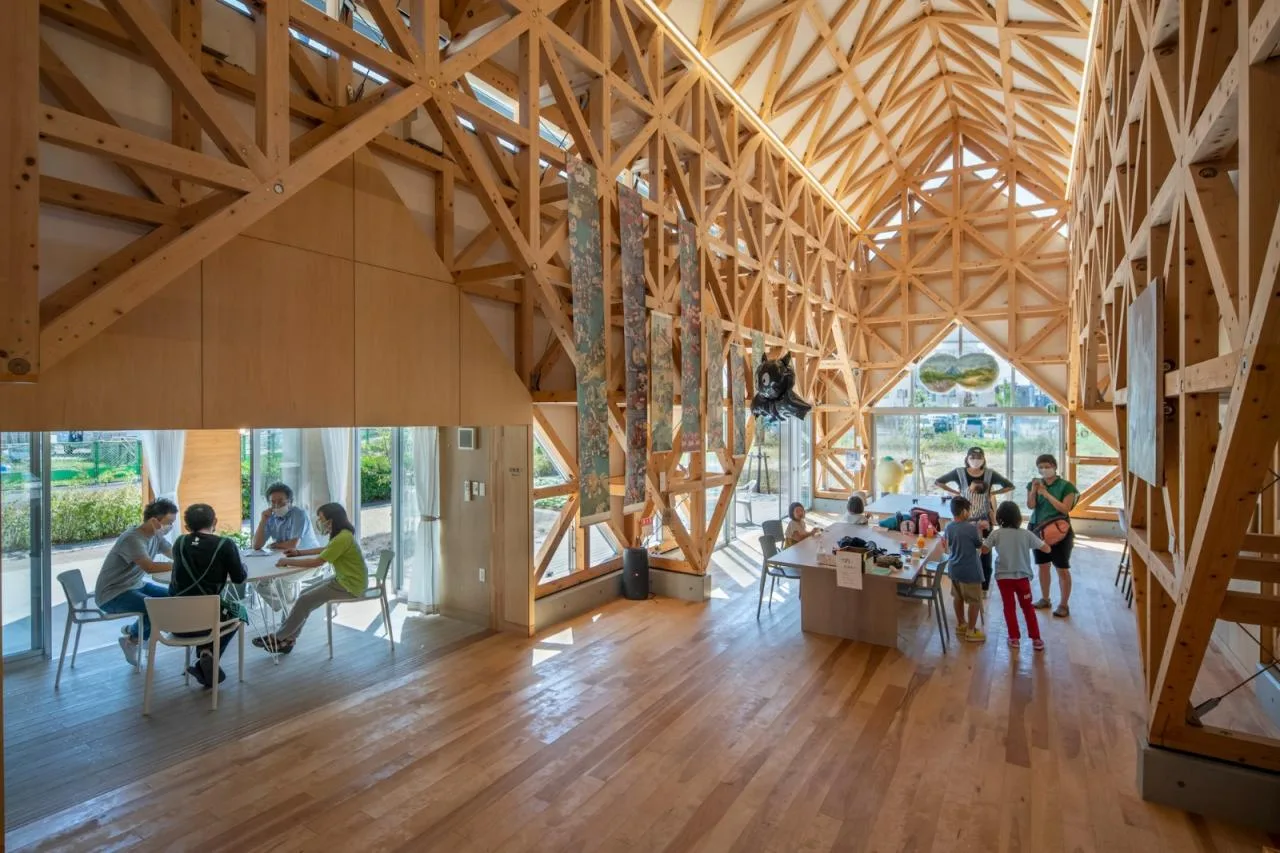
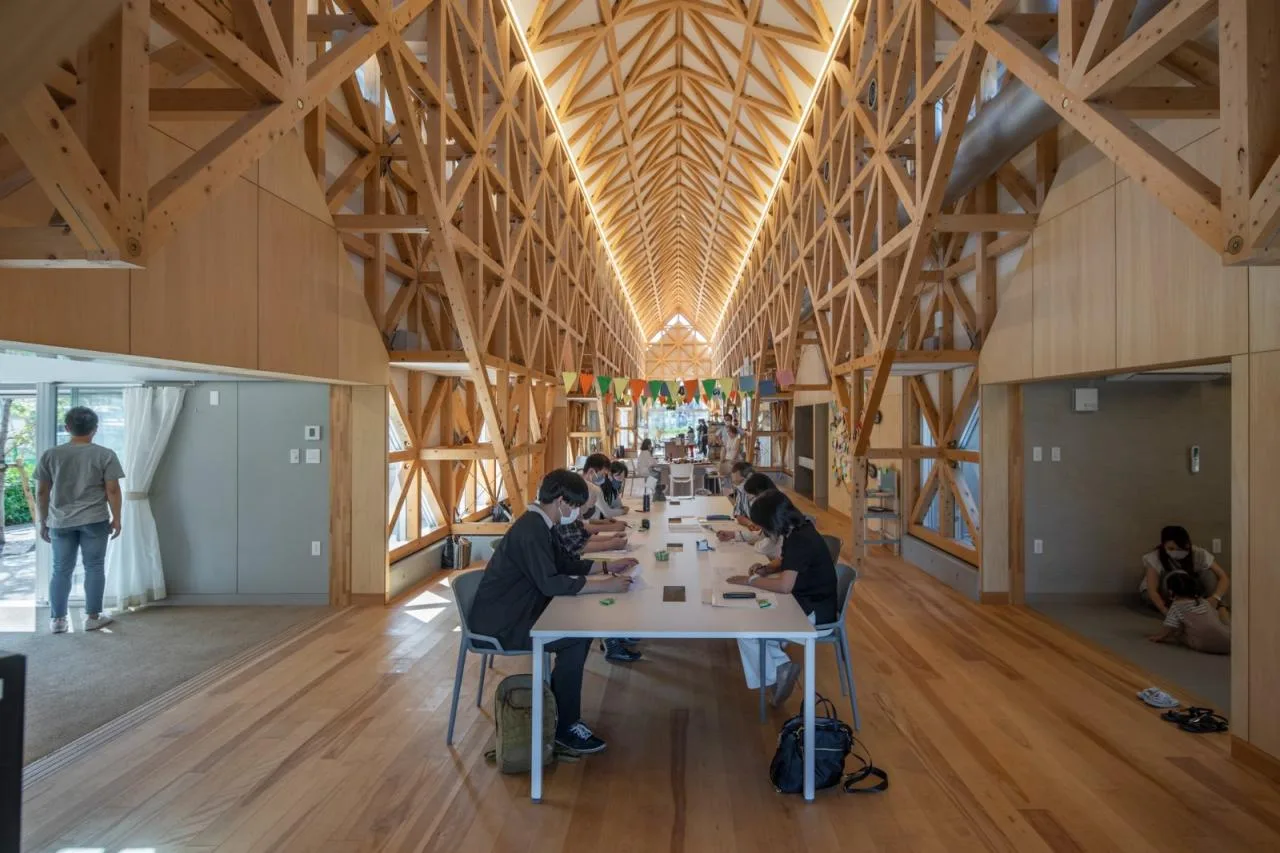
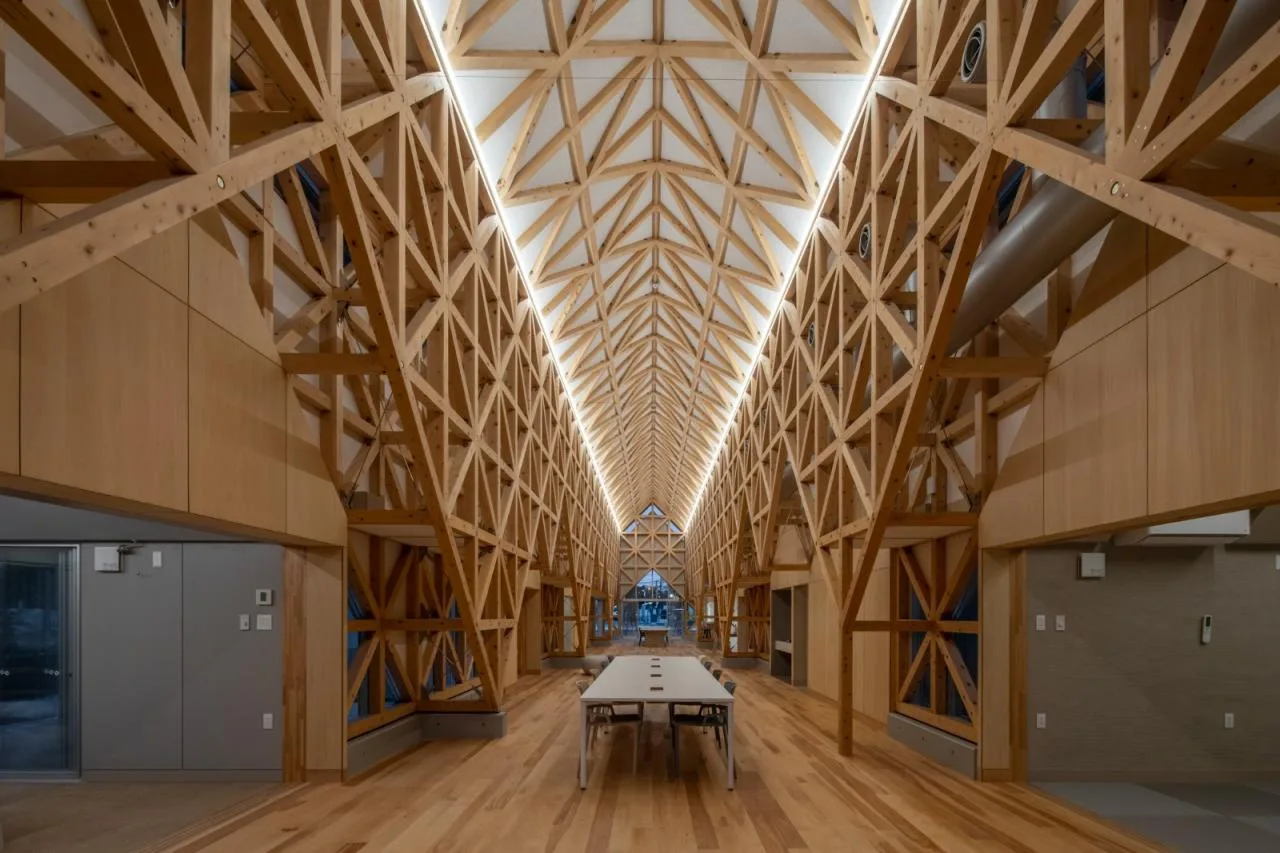
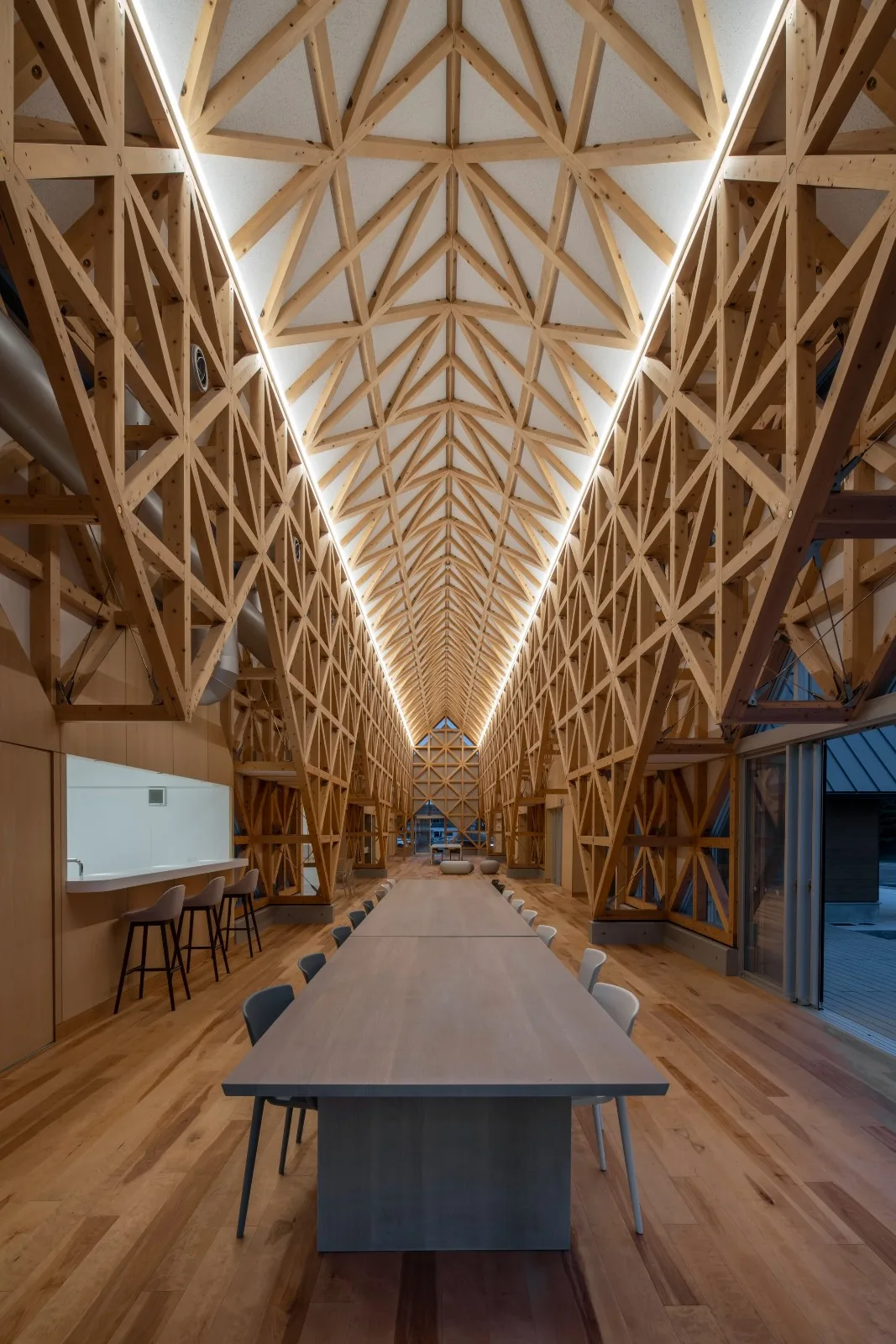
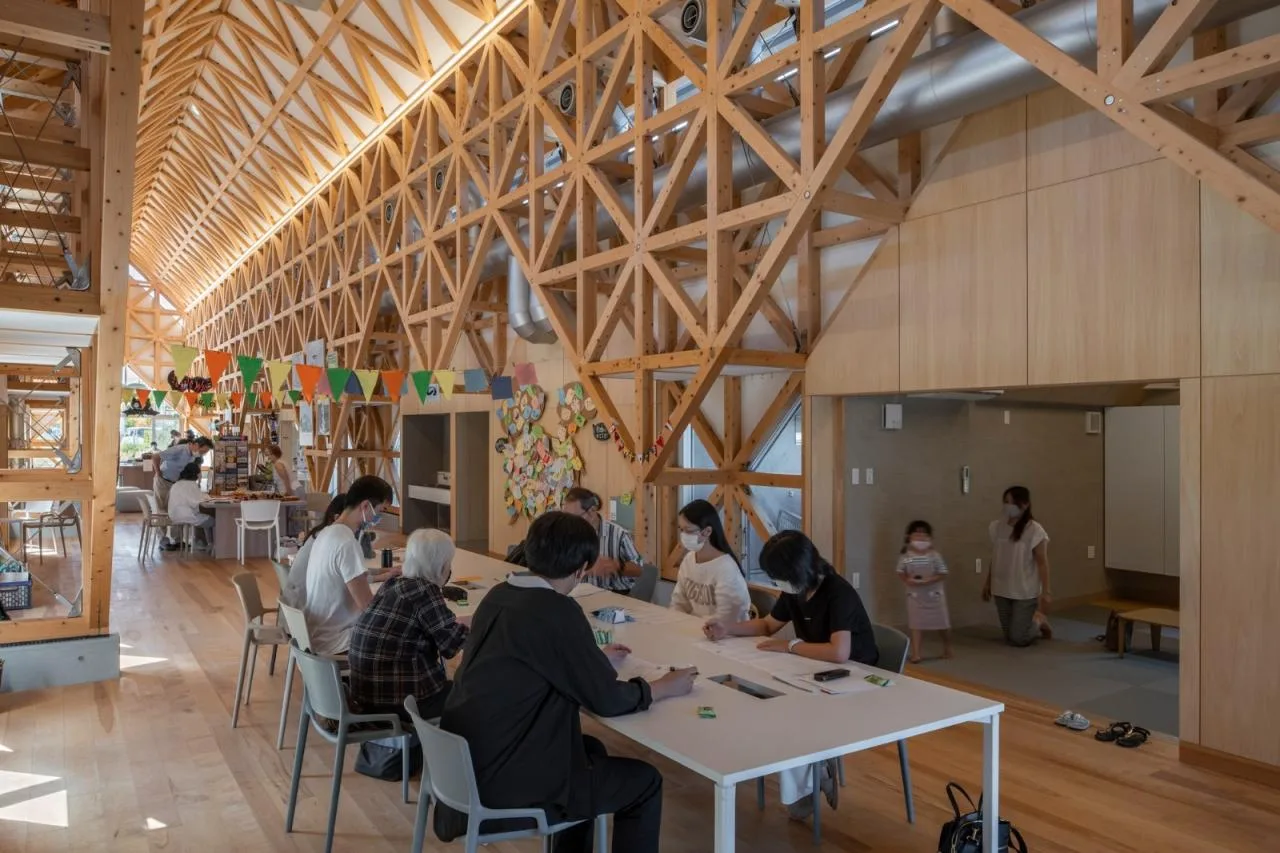
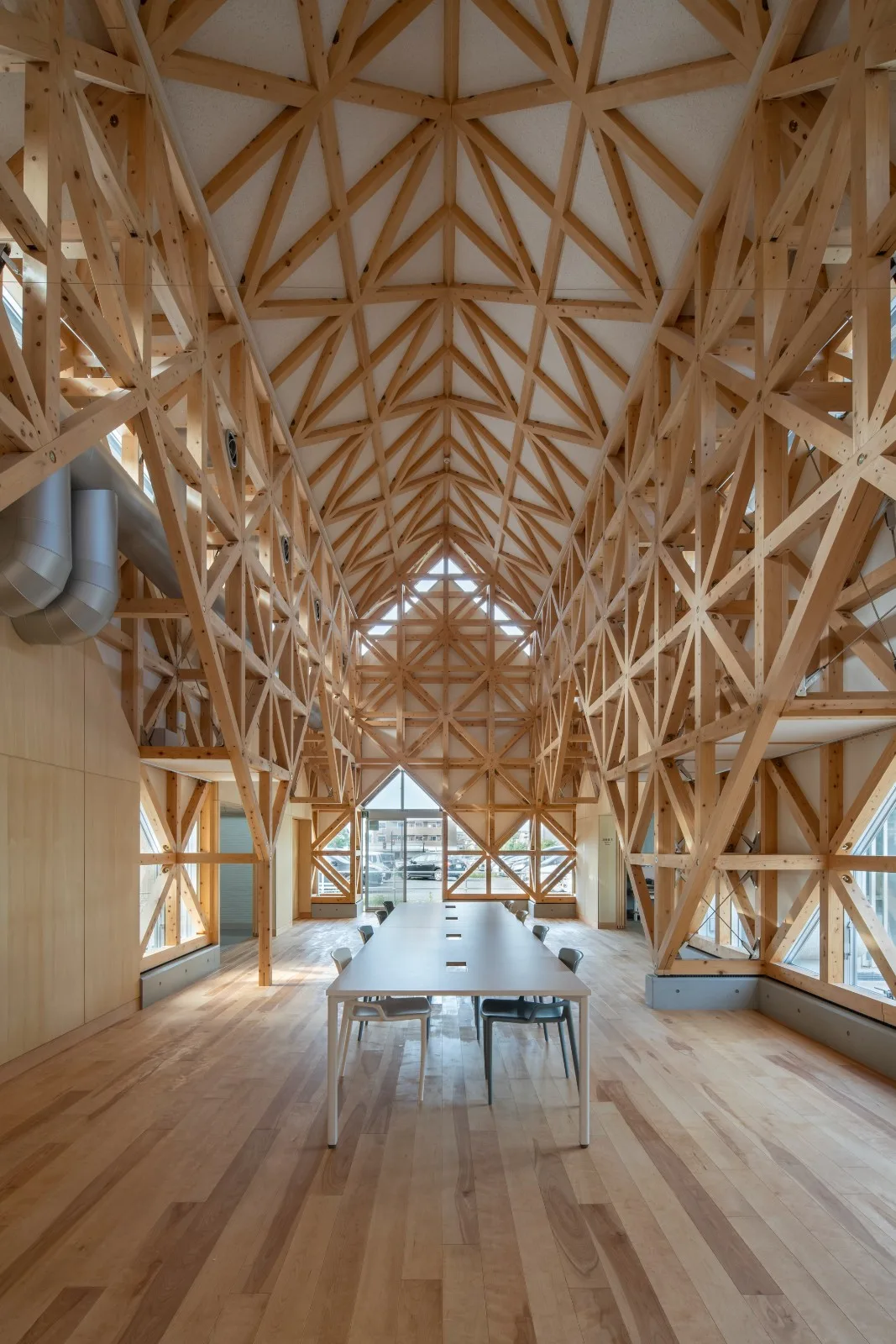
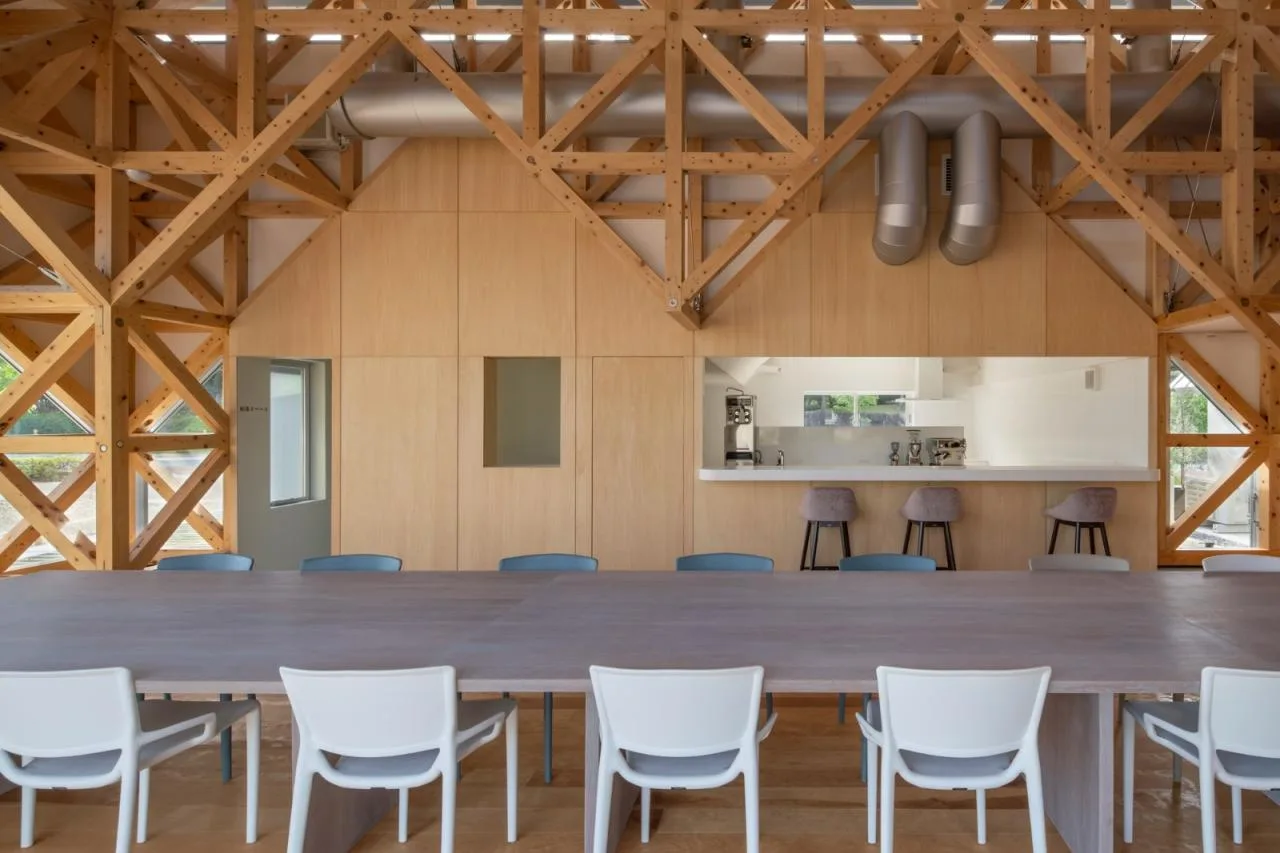
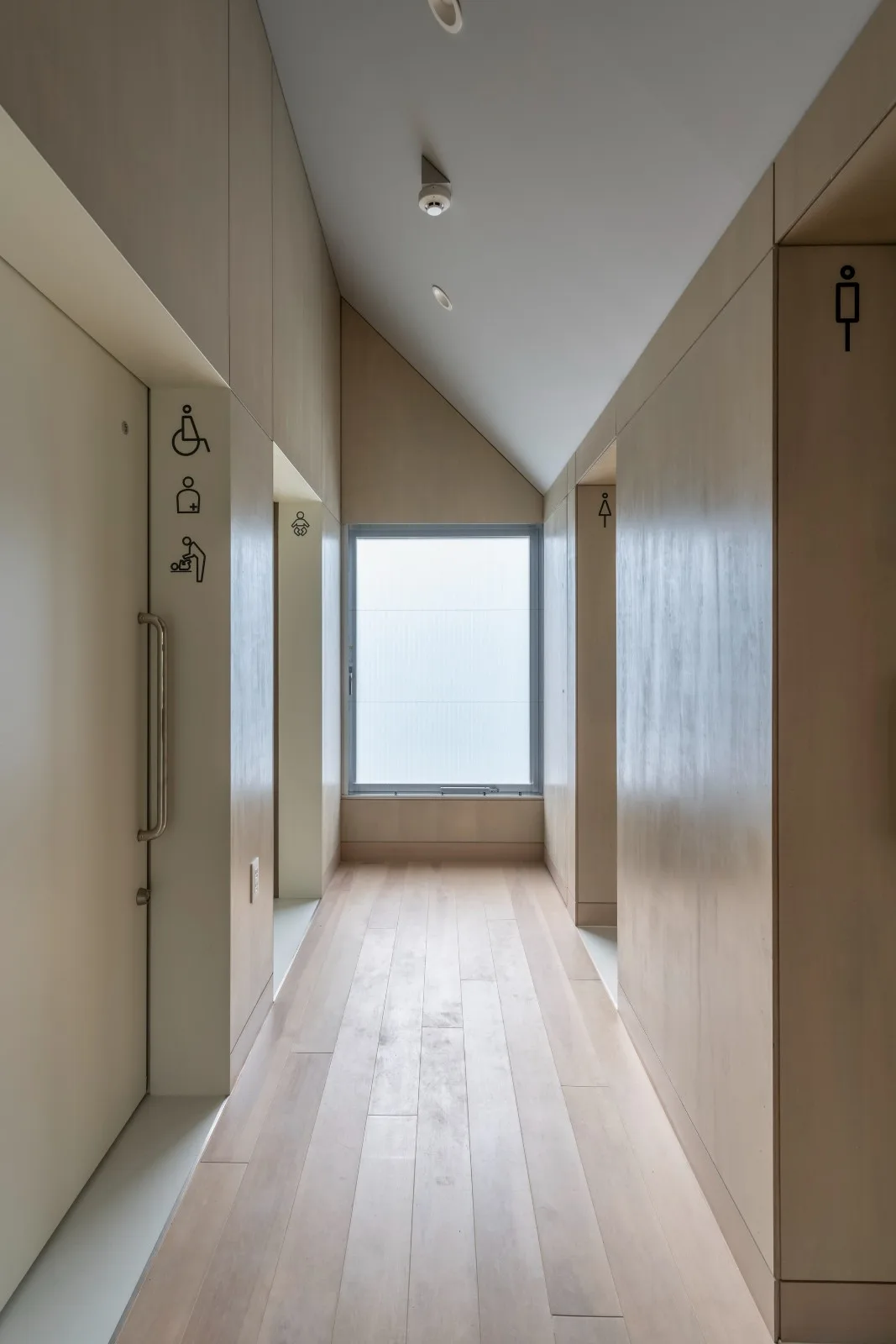
The interplay between the wide corridors and the smaller rooms exemplifies how thoughtful architectural design can inspire new activities and foster connections. The main corridor, adorned with small wooden frames, is spacious and inviting, encouraging visitors to stop by and explore. It has been a long time since such an environment was available—a place where one can see and hear their surroundings while engaging in various simultaneous activities. Visitors can relax at cafés, enjoy art exhibitions in galleries, or listen to intimate concerts, all contributing to an atmosphere that invites exploration and participation.
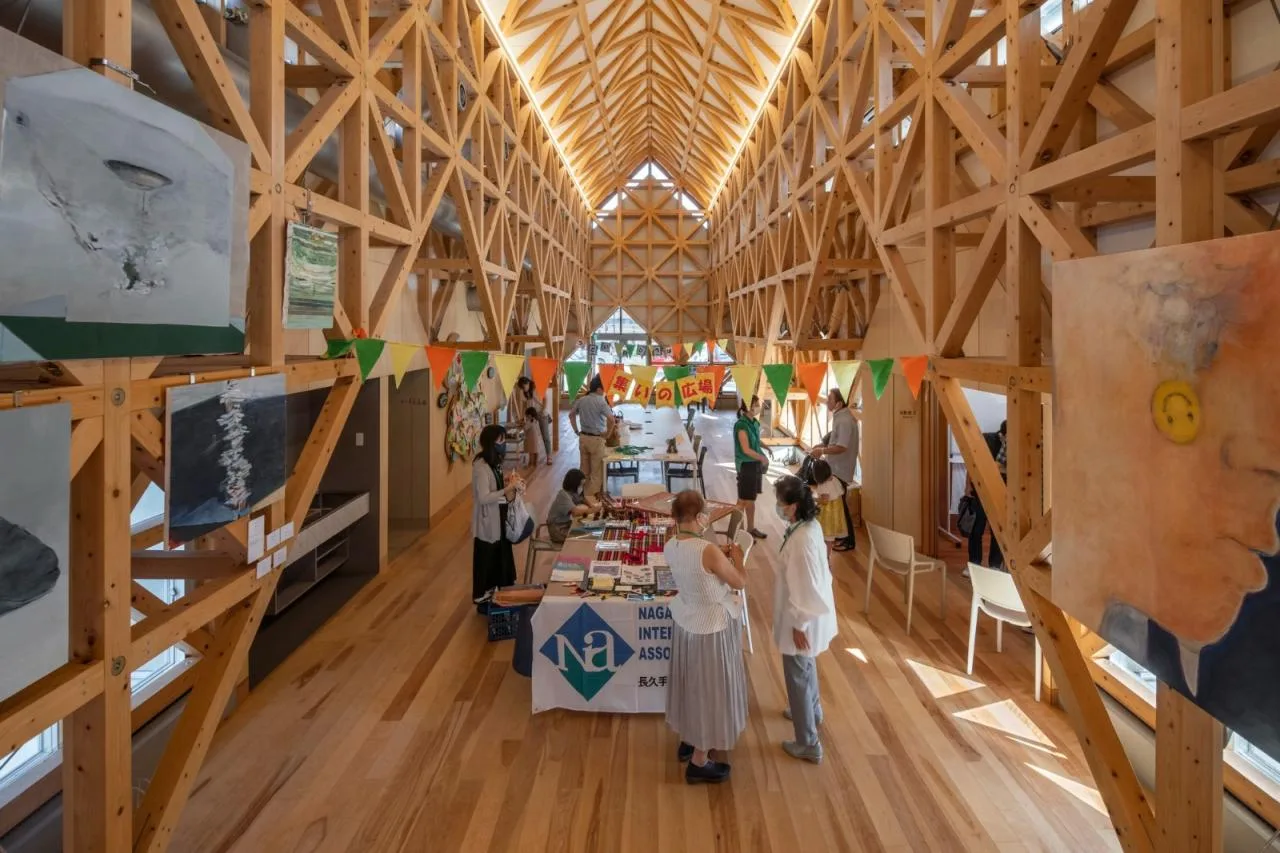
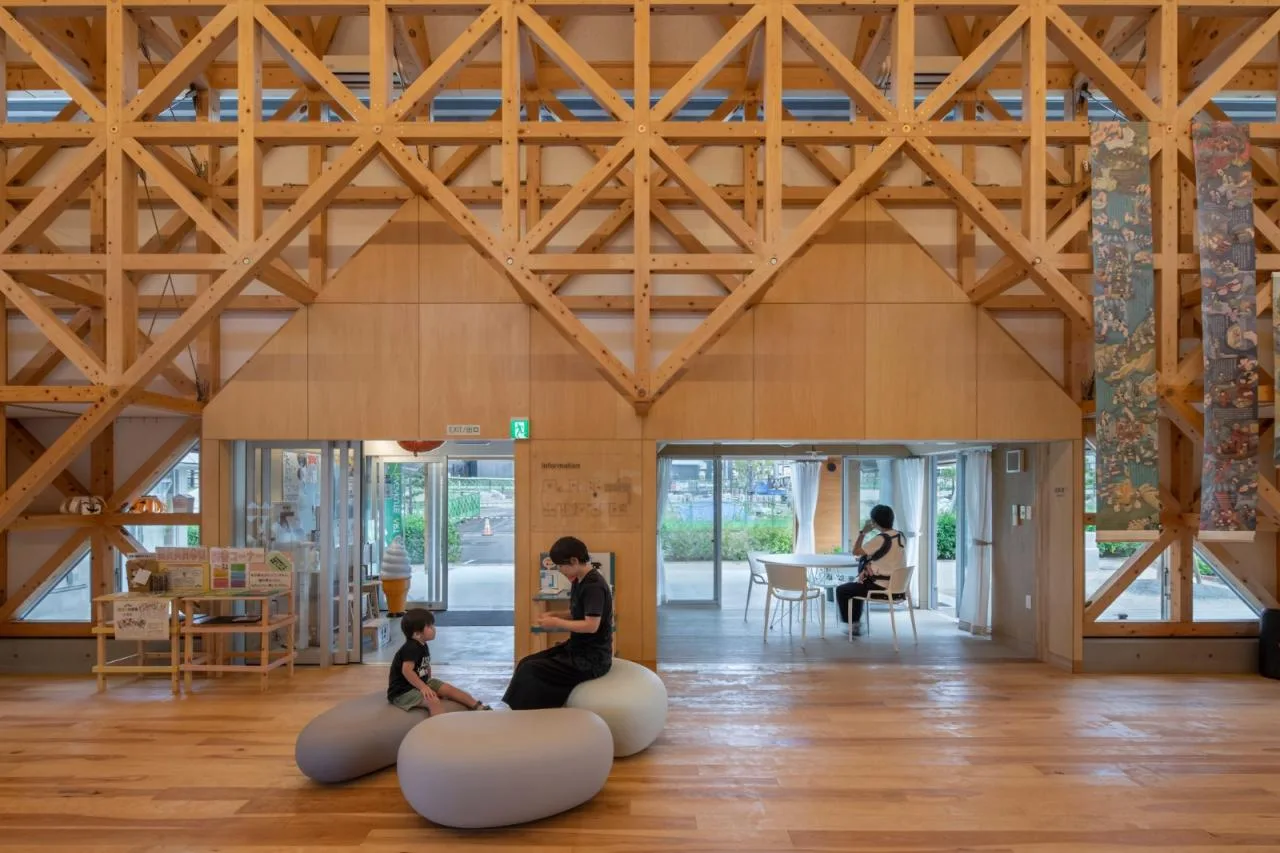
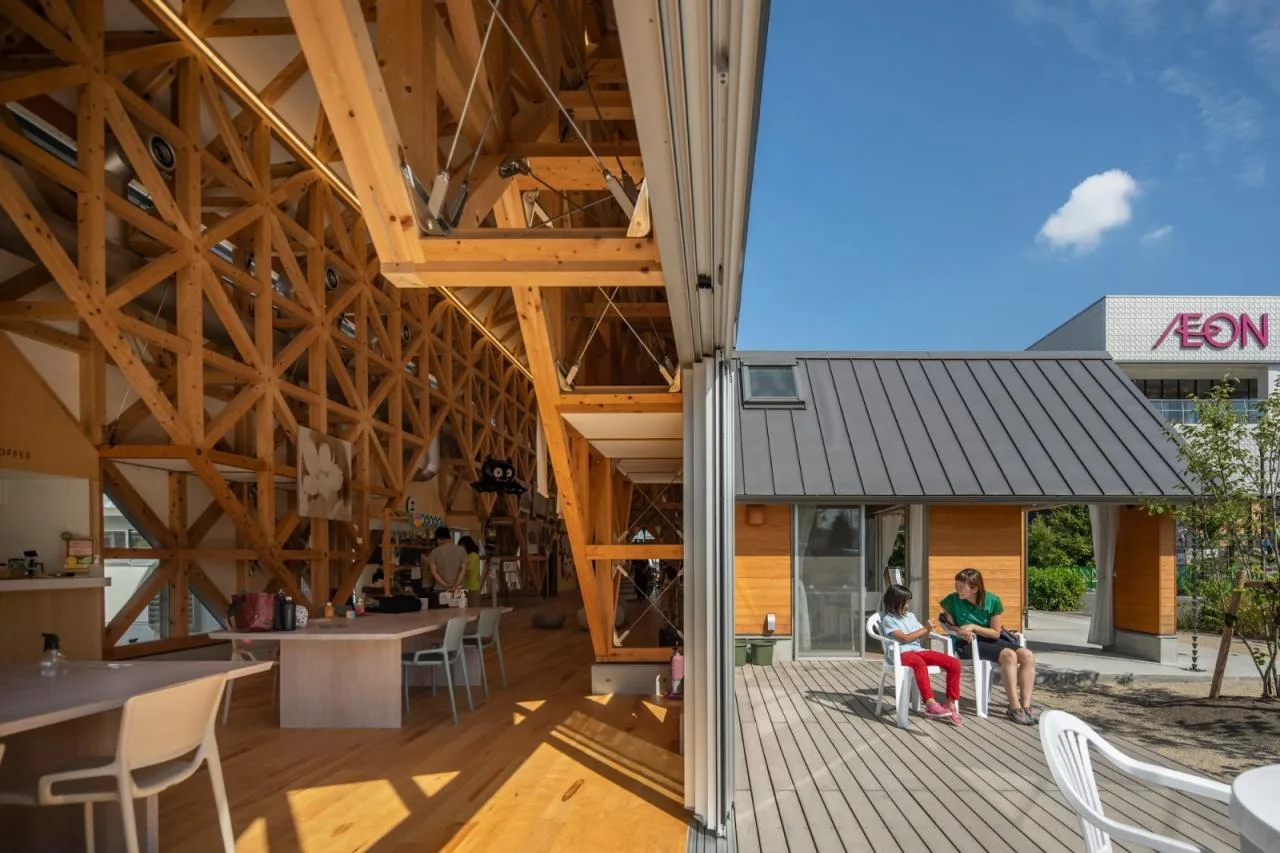
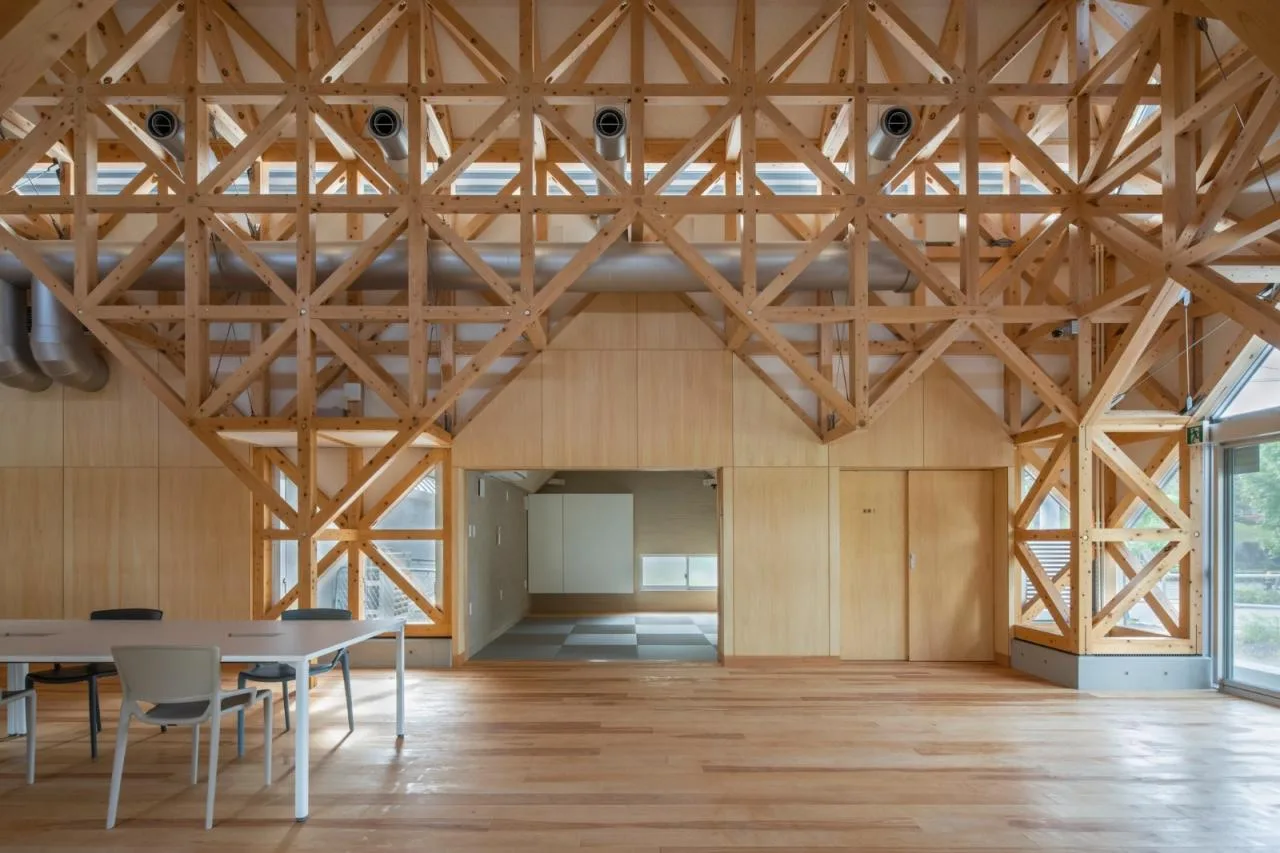
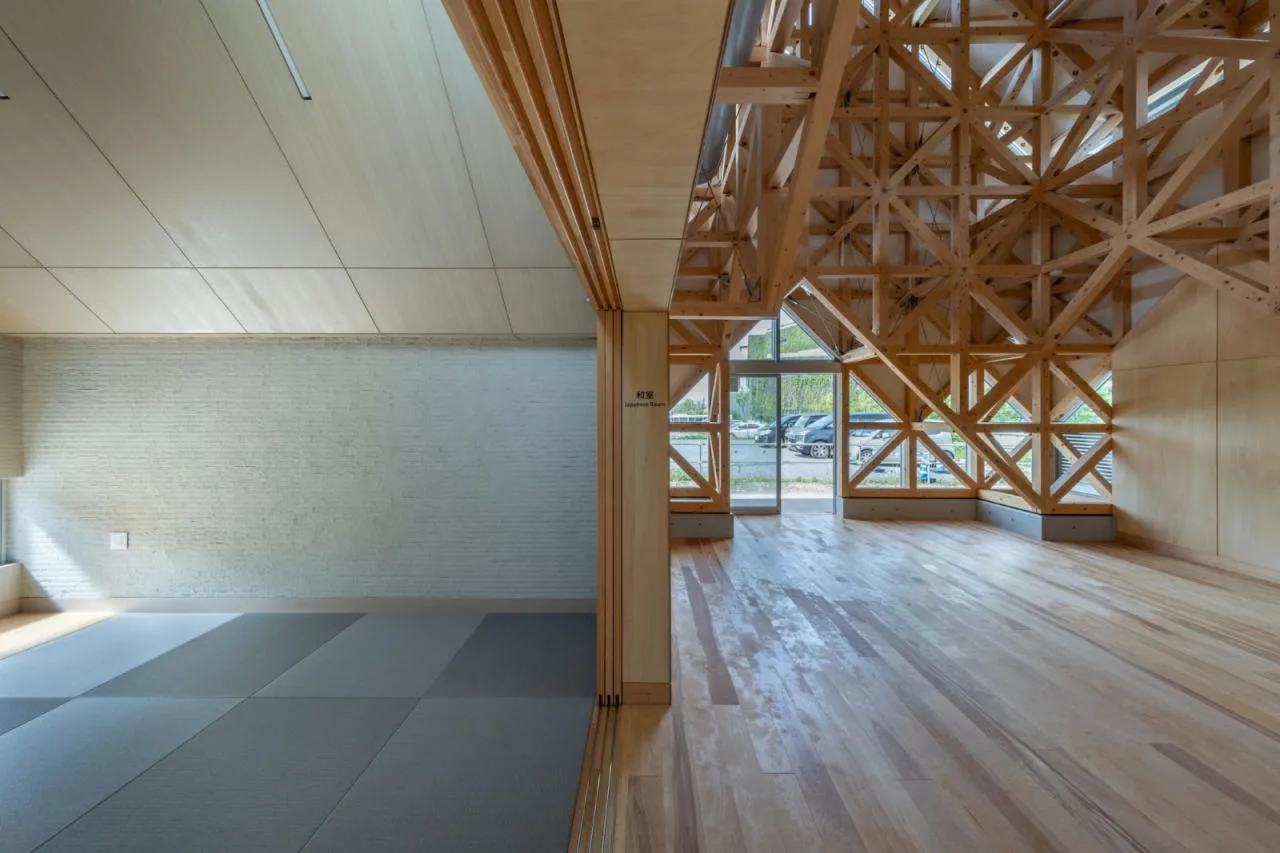
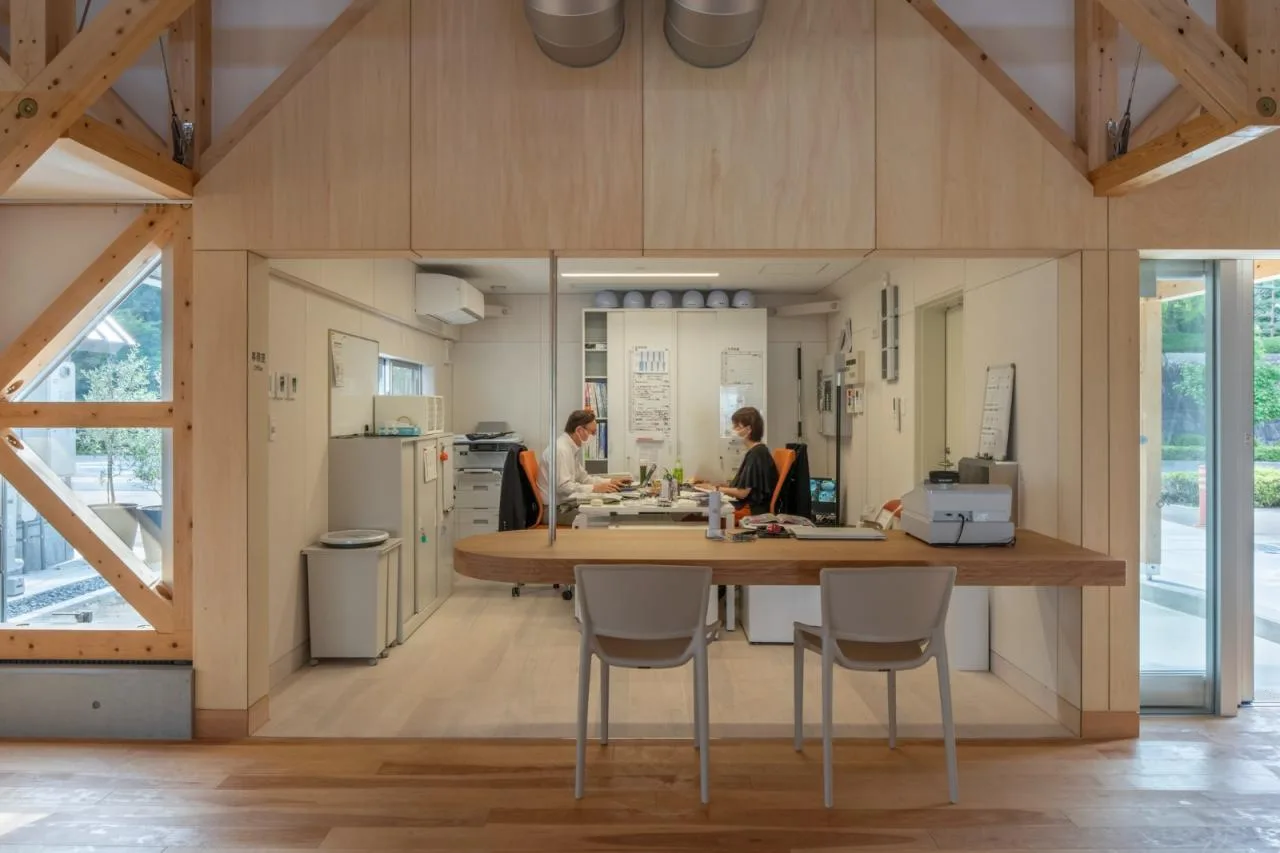
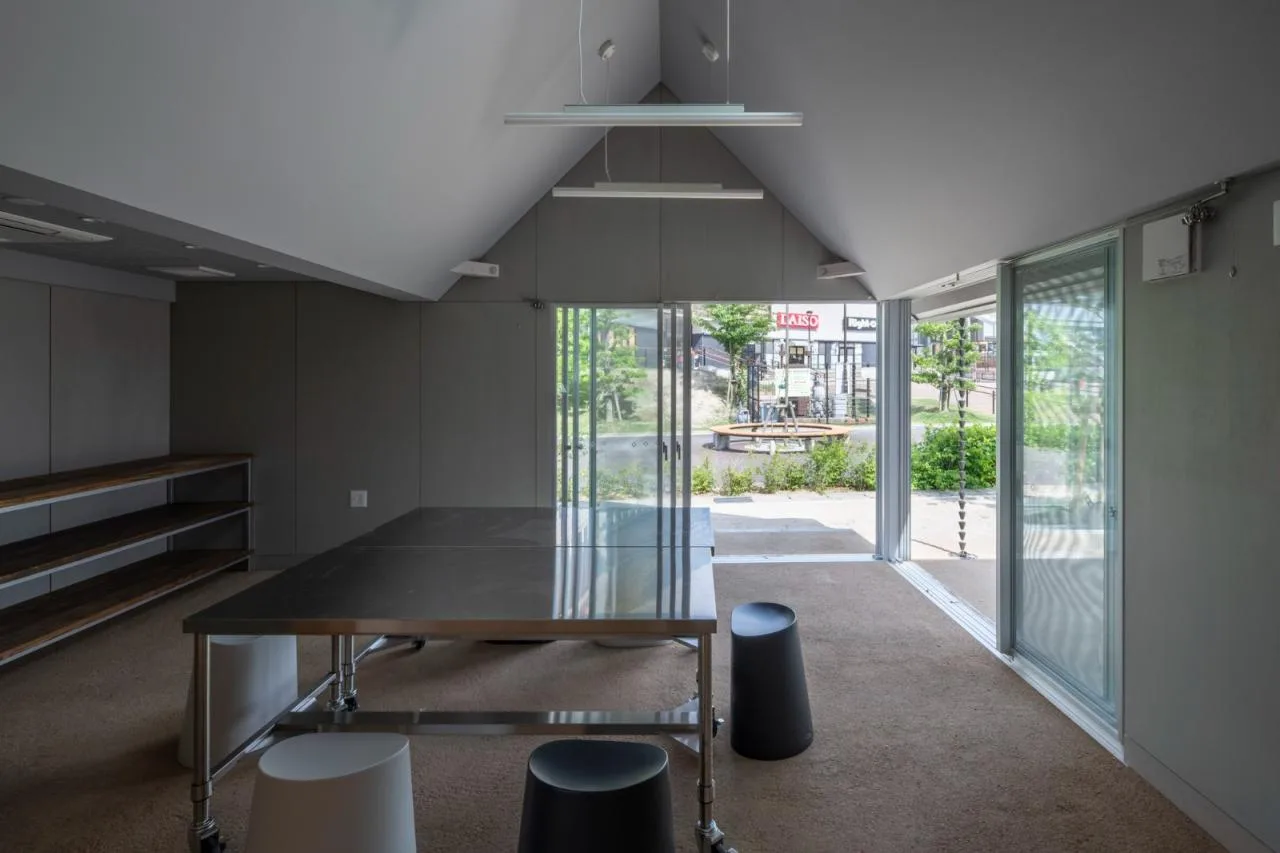
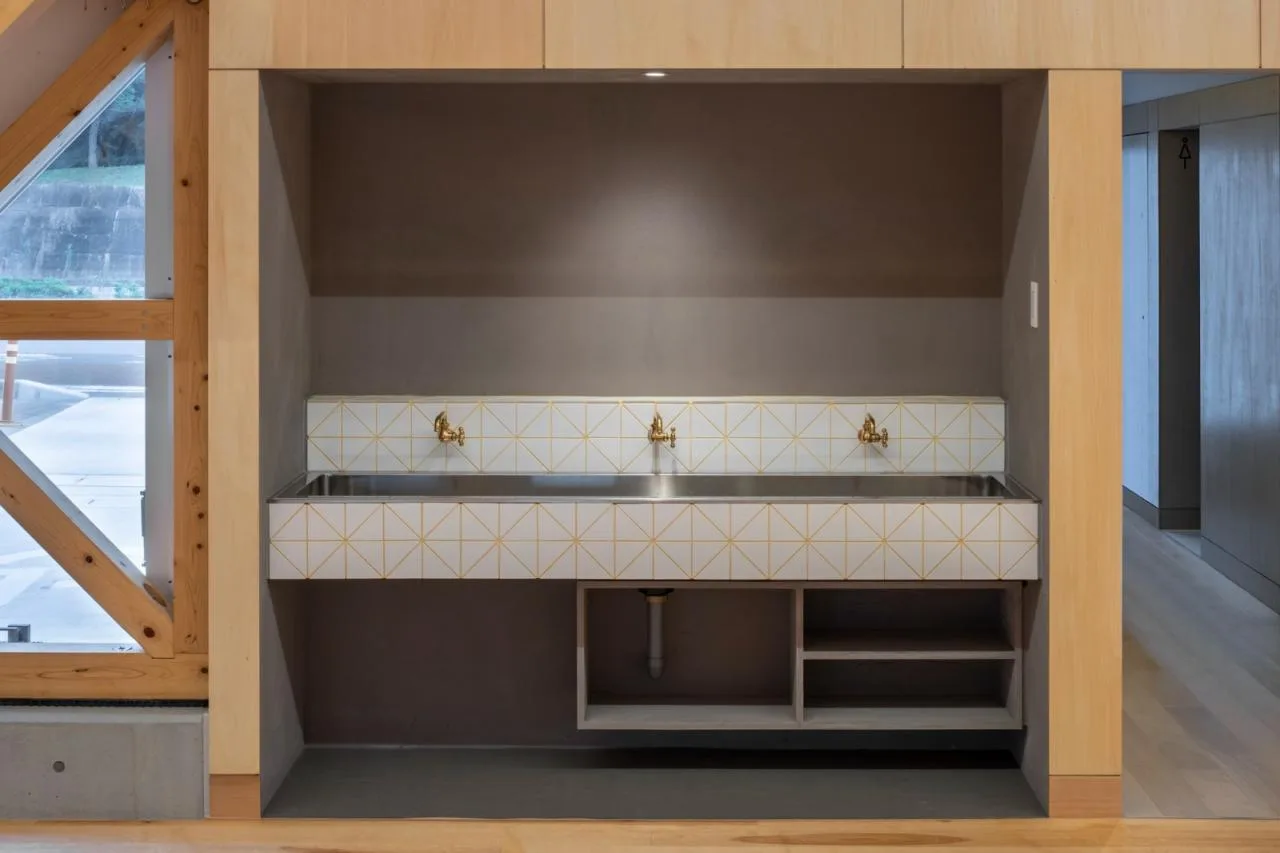
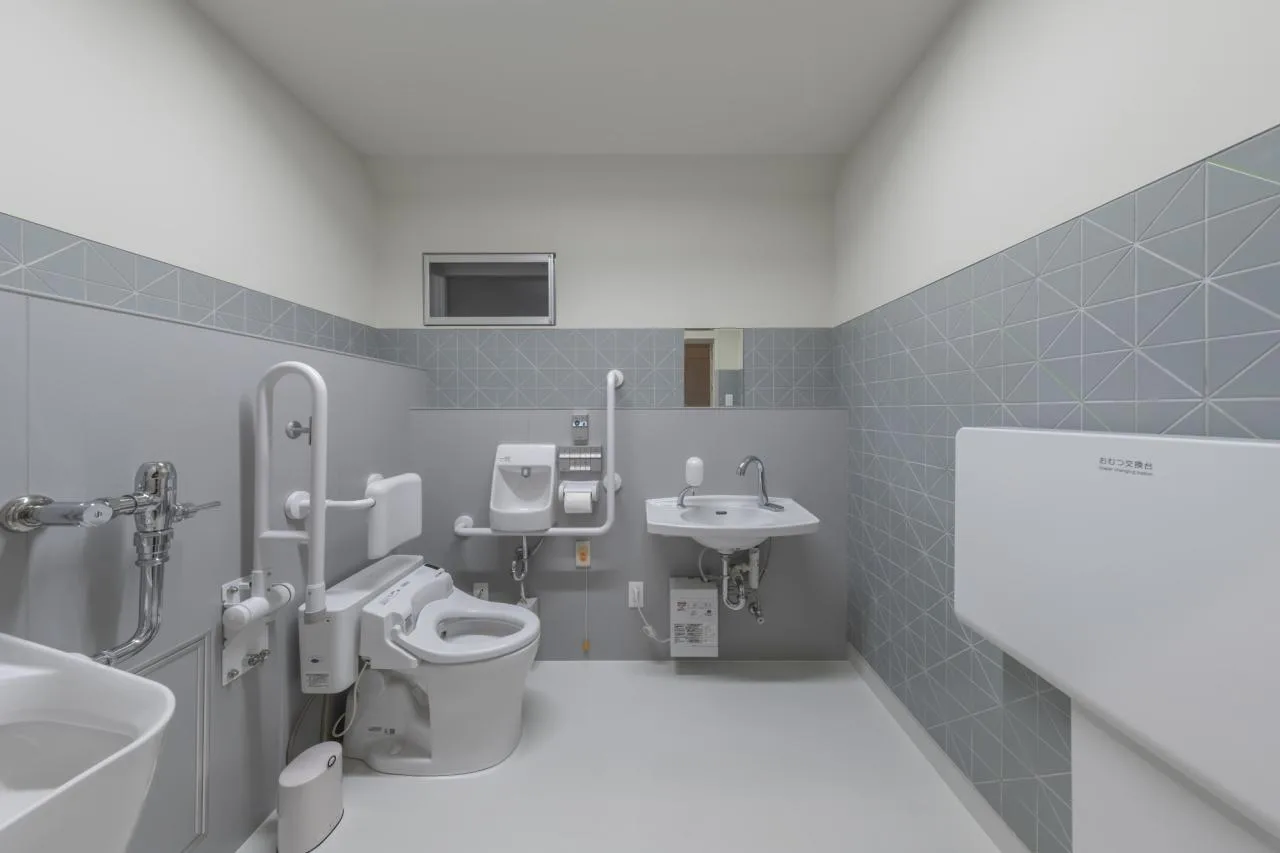
Each small room features unique interior designs, allowing visitors to select a space that suits their preferred activities. The wooden fittings between the corridors provide a relaxed environment where people can engage in various pastimes—whether it’s playing chess, experimenting with musical instruments, or crafting while reading aloud.
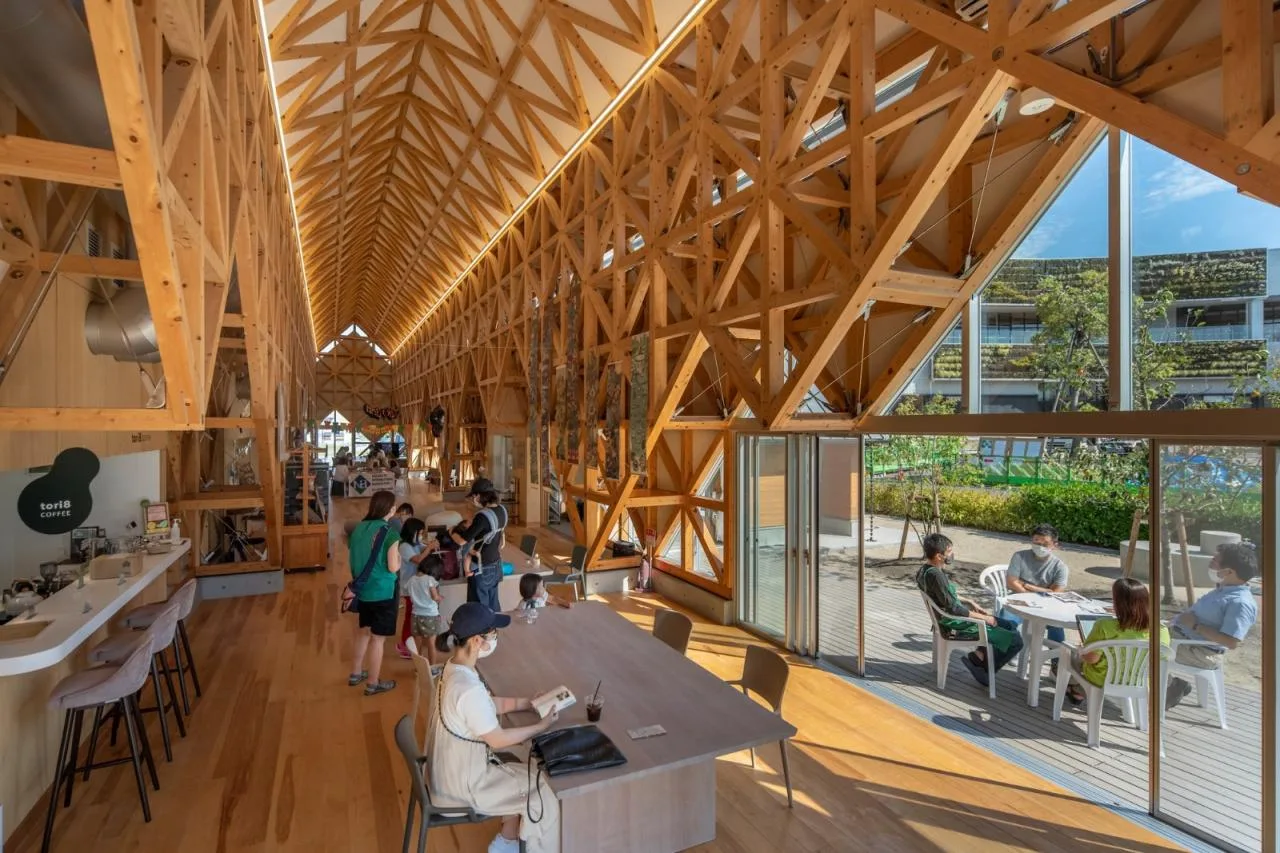
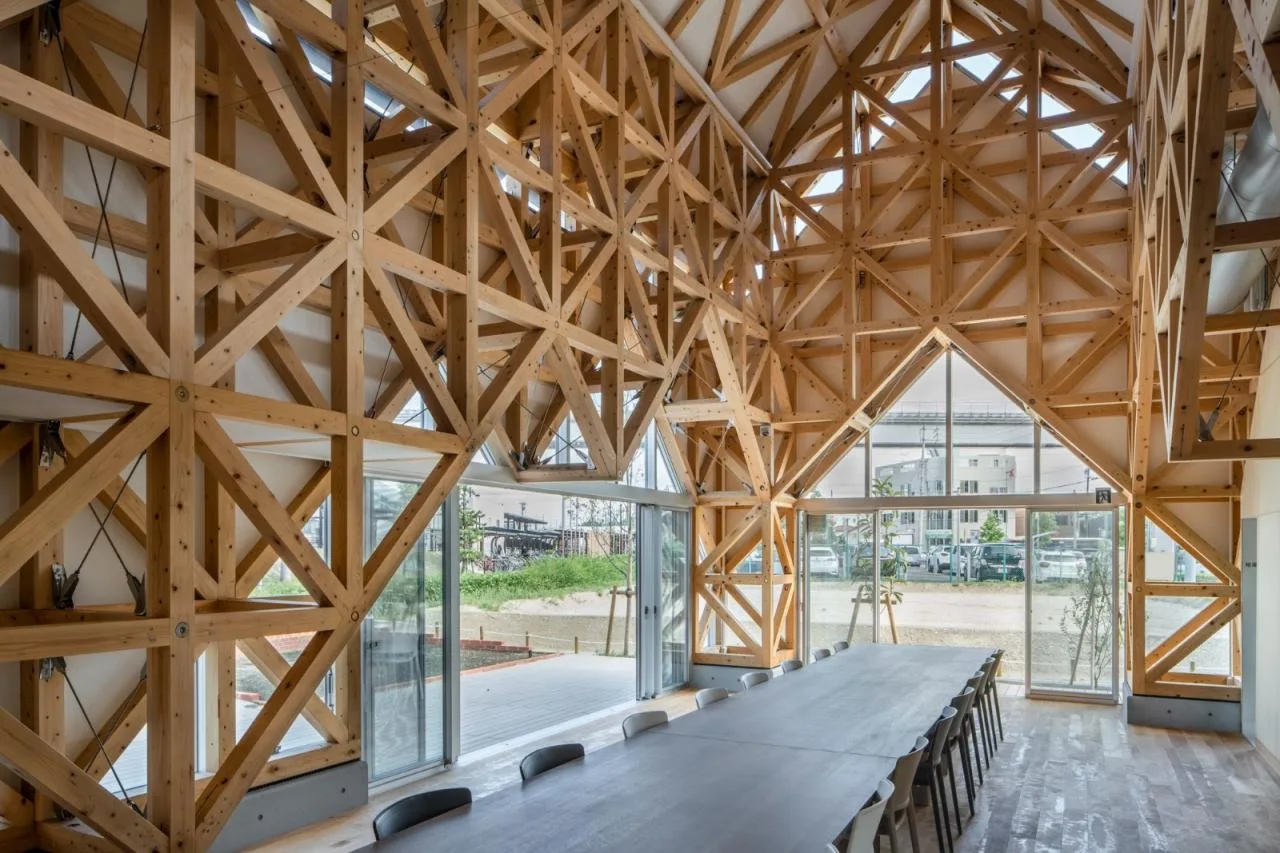
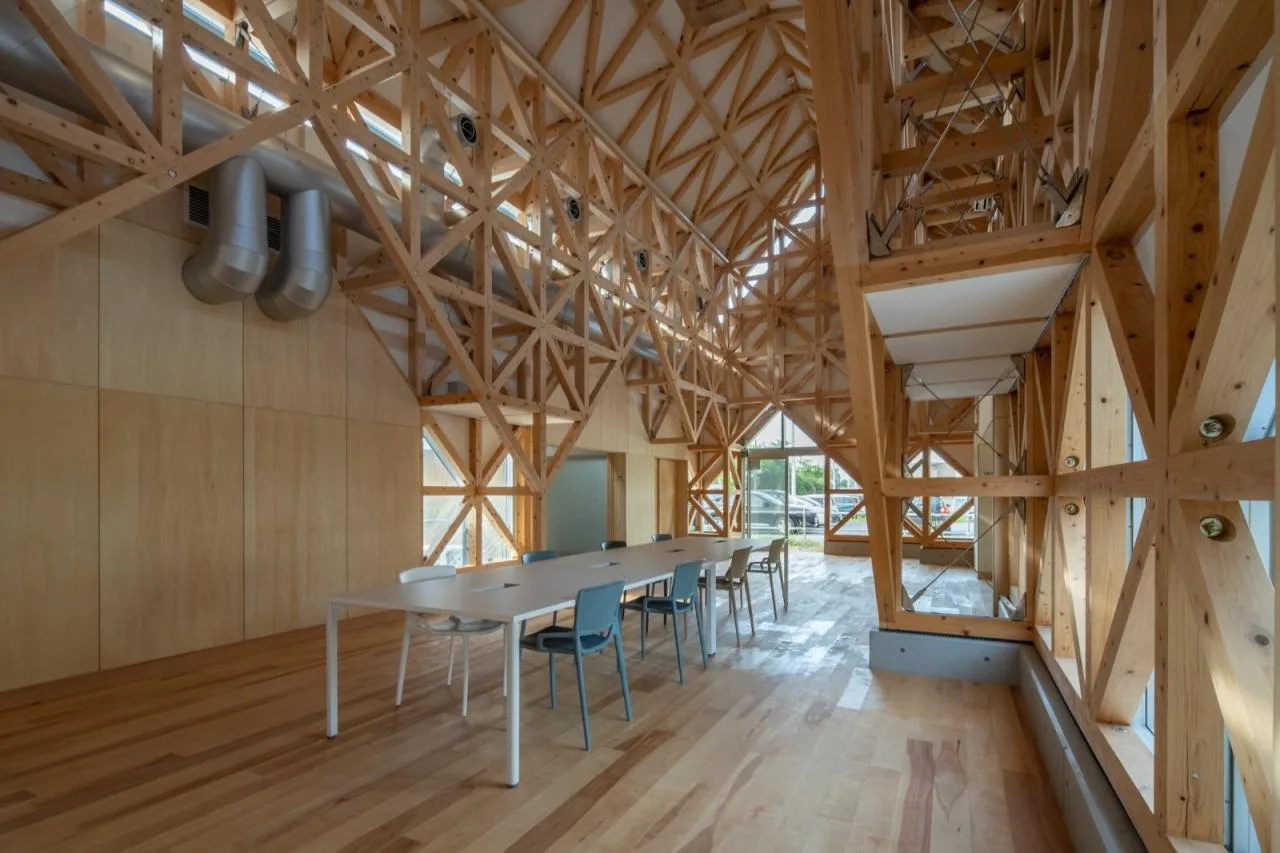
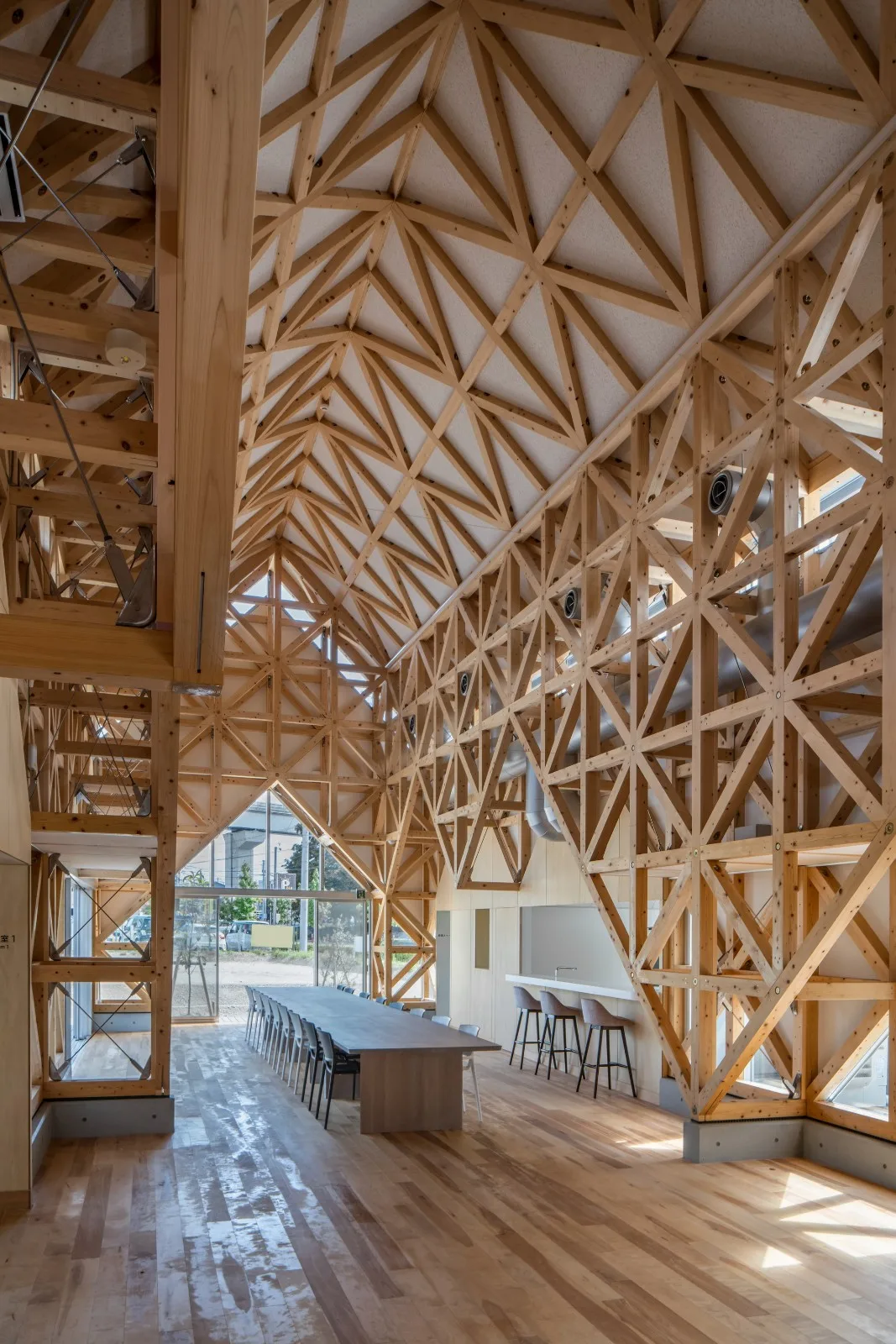
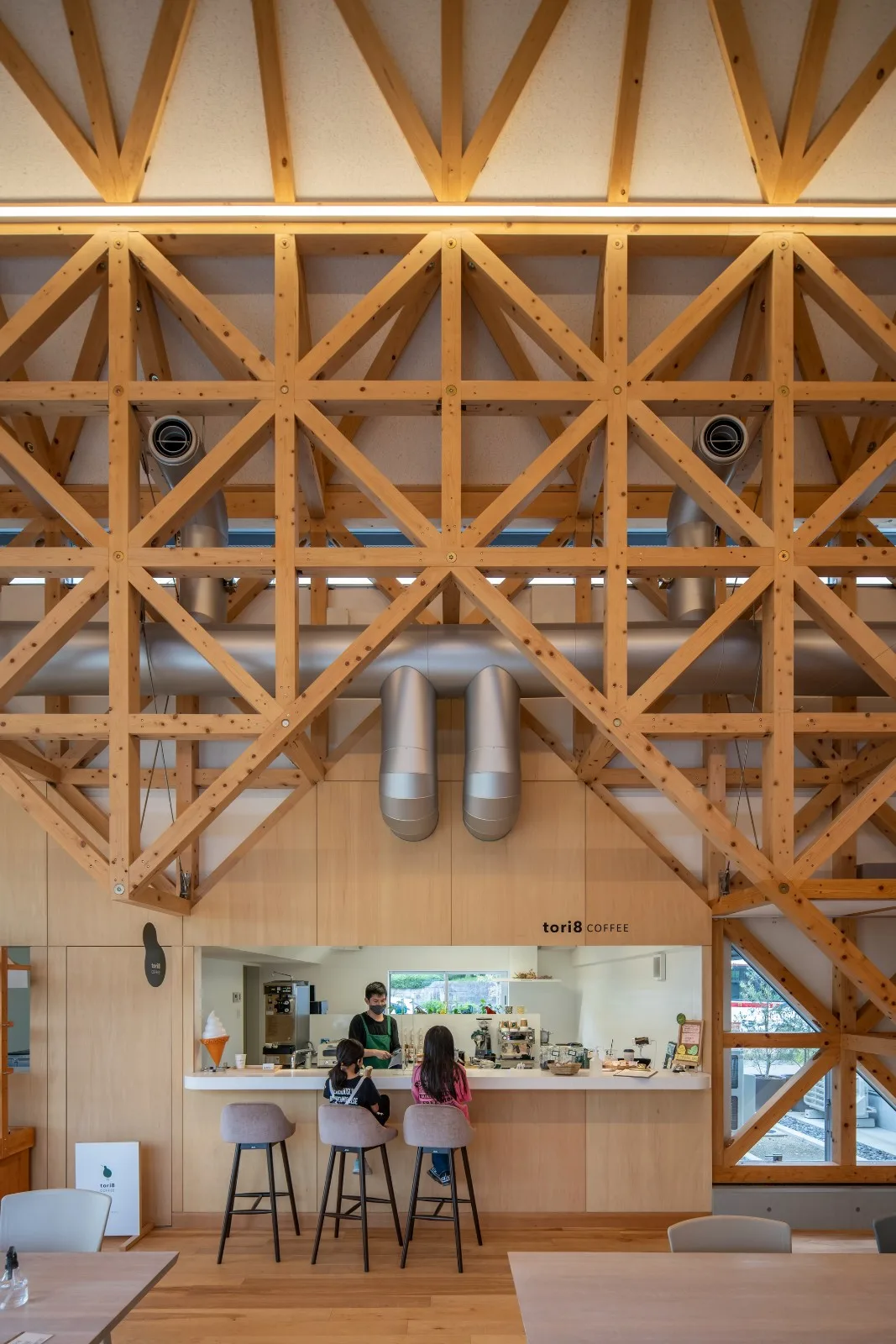
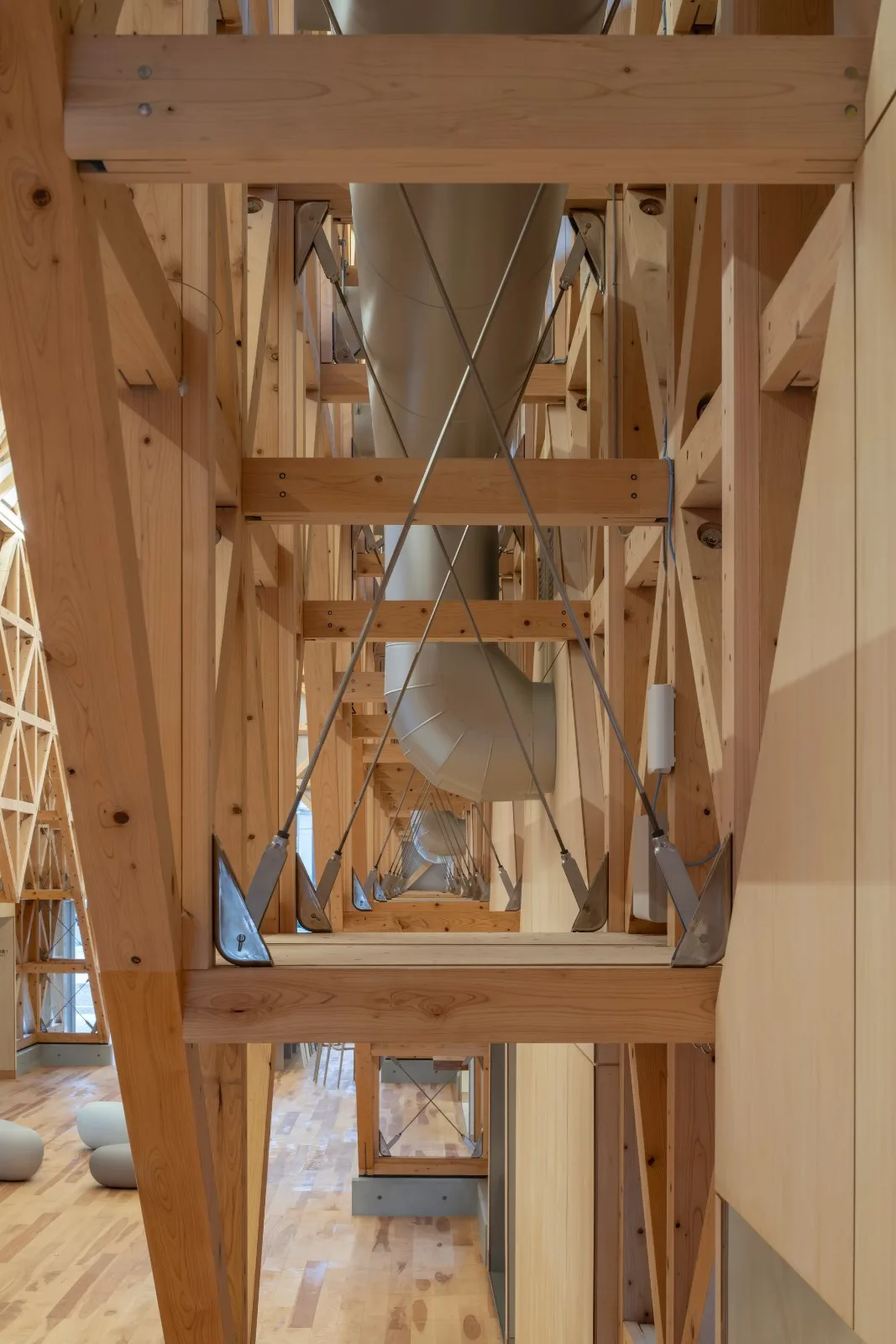
To create a column-free space, the design avoids installing wooden frames only in inaccessible ceiling areas. Instead, 105mm square local timber was used to give residents a familiar sense of scale and encourage interaction with the space. While a single-row grid frame with internal buttresses along the main corridor would be ideal, Tohata Architects proposed a double-row structure to address thrust and other structural considerations.
This design represents the culmination of the firm’s architectural expertise. Although the buttresses could be positioned both inside and outside the rooms, placing them inside creates new spatial experiences. These buttresses serve functional roles for equipment and structure but also establish a physical and conceptual boundary between the main corridor and smaller rooms, inspiring users’ imagination.
Though largely hidden, these structural elements enrich the users’ experience by blending hard architectural features with soft human interactions, enhancing the facility’s role in fostering encounters and community engagement.
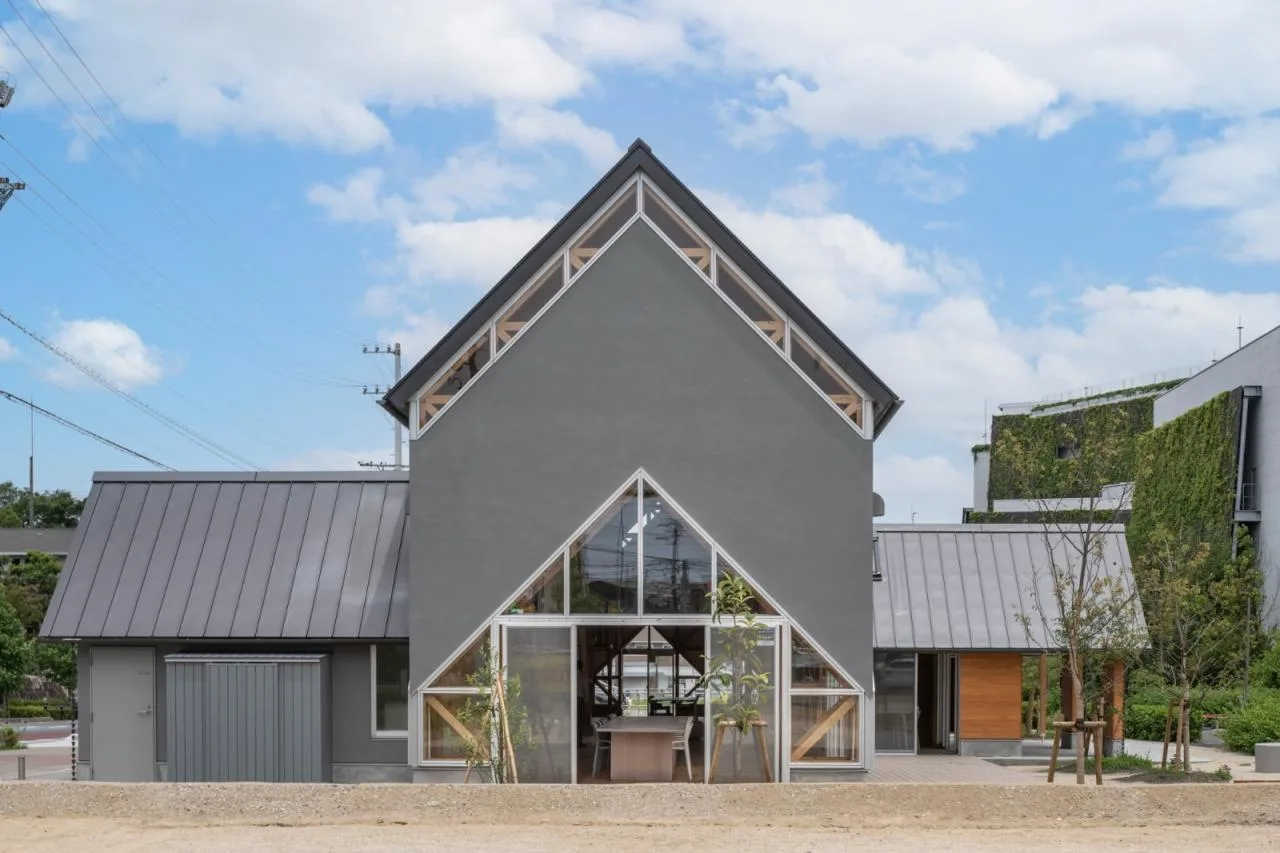
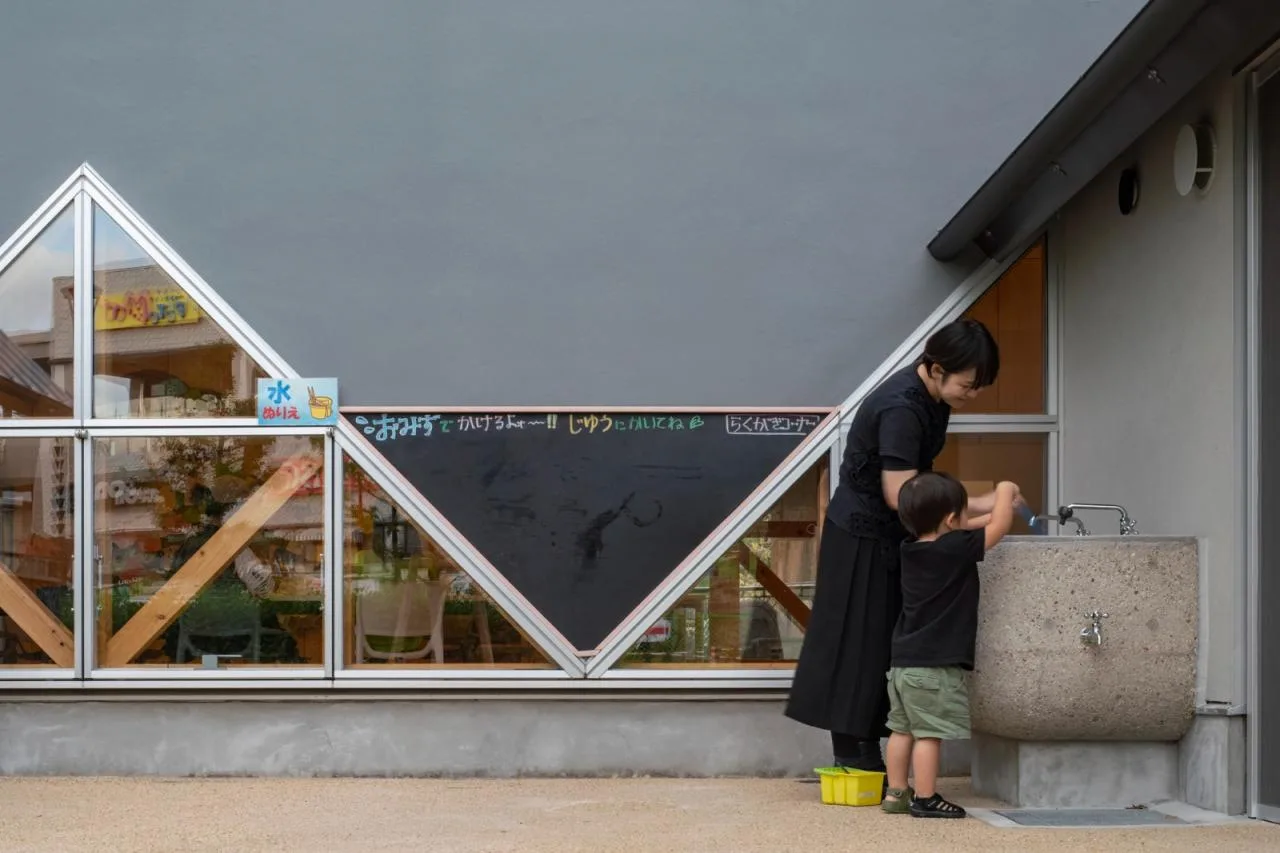
Although several potential names have been considered for the rooms and facilities, no nickname has been finalized even two years after the opening of Linimo Terrace Public Facilities. Since its inauguration, a variety of activities have taken place, highlighting that how the space will be used and what kinds of connections it will foster remain open-ended and evolving.
Project Drawings
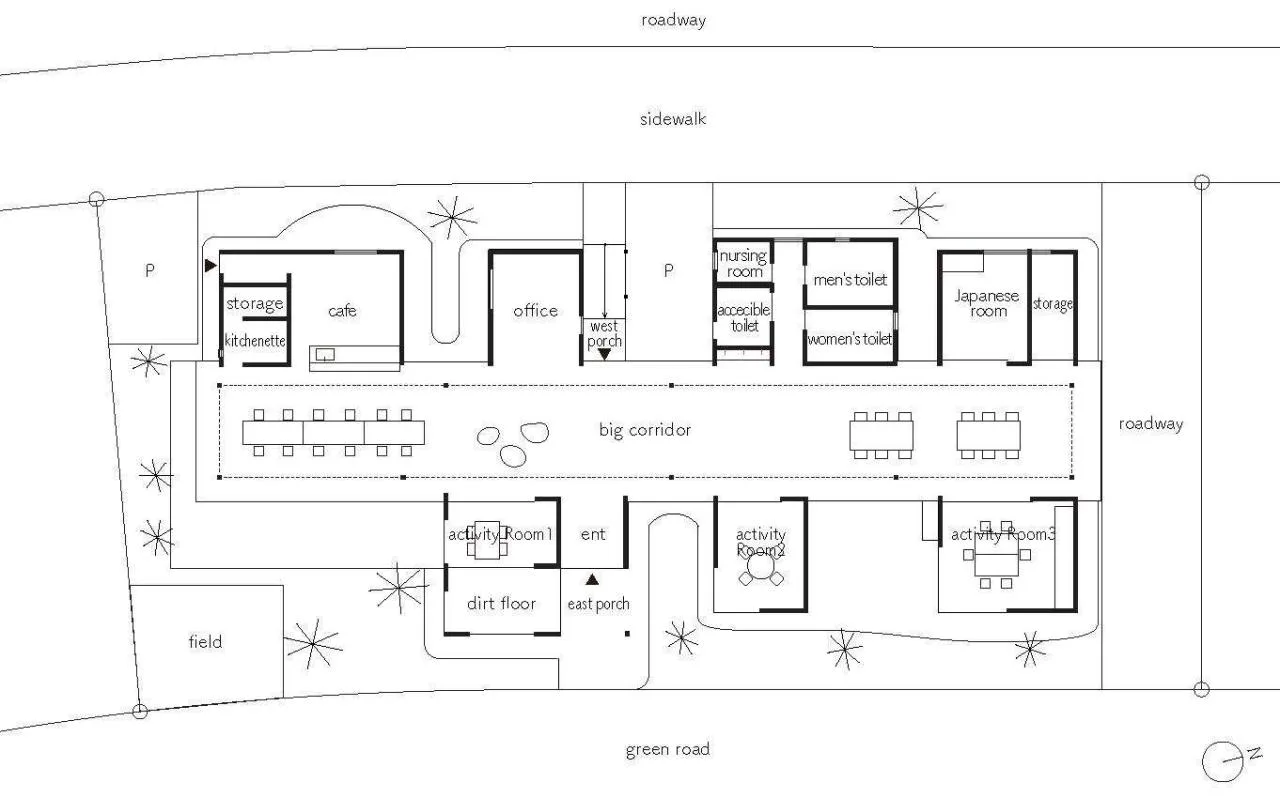
△ Plan View
Project Information
Architects: Tohata Architects, Nano Architecture
Area: 399 square meters
Year: 2021
Photographer: ToLoLo Studio
Lead Architects: Hisashi Kubo, Koichi Takagi (TOHATA ARCHITECTS & ENGINEERS); Atsumi Nonaka, Yuki Mitani (Nano Architecture)
Function: Office, Shop (Coffee Shop)
Location: Nagakute, Japan












Must log in before commenting!
Sign Up