
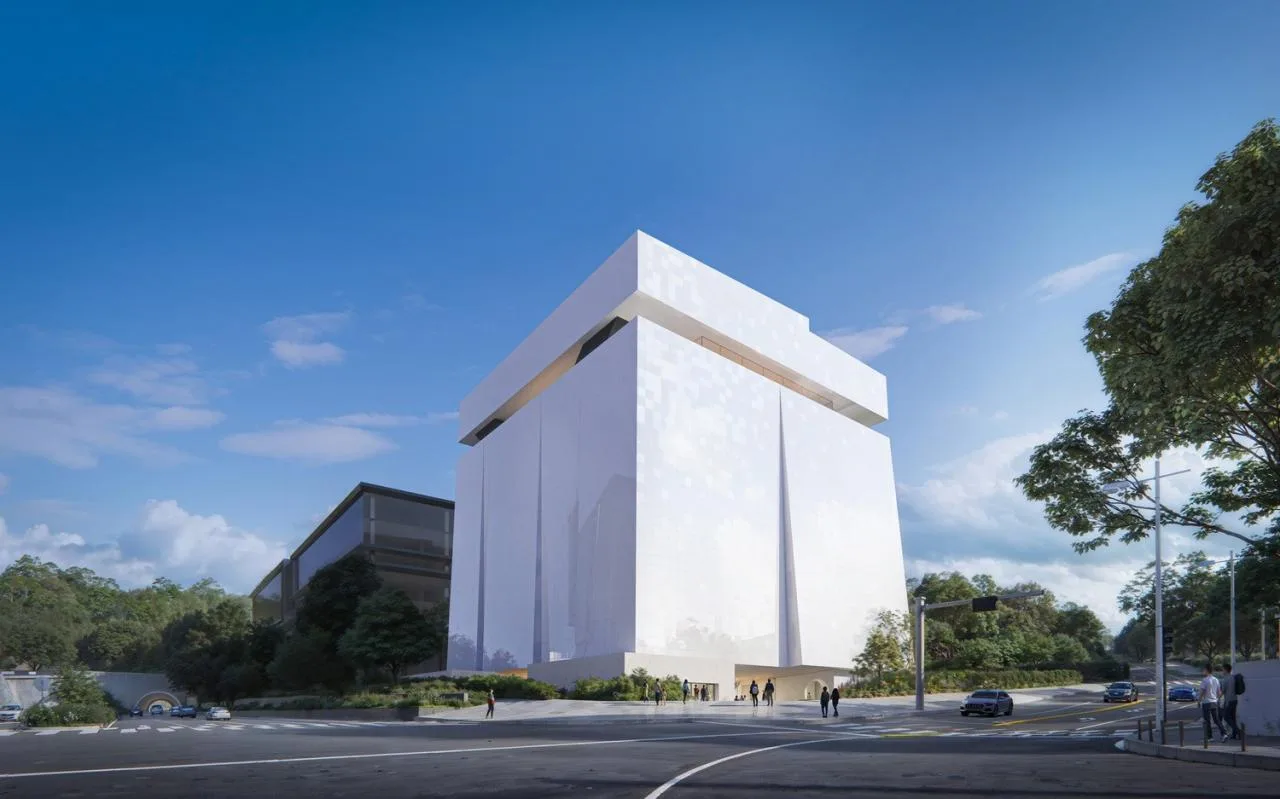
Herzog & de Meuron have revealed their design proposal for the Seoul Open Art Warehouse, a shared archival space serving three museums in Seoul: the Seoul Museum of Art, the Seoul Museum of Arts and Crafts, and the Seoul Museum of History. Beyond serving as an archive, the project envisions opening the building to the public, transforming the warehouse into an engaging cultural destination.
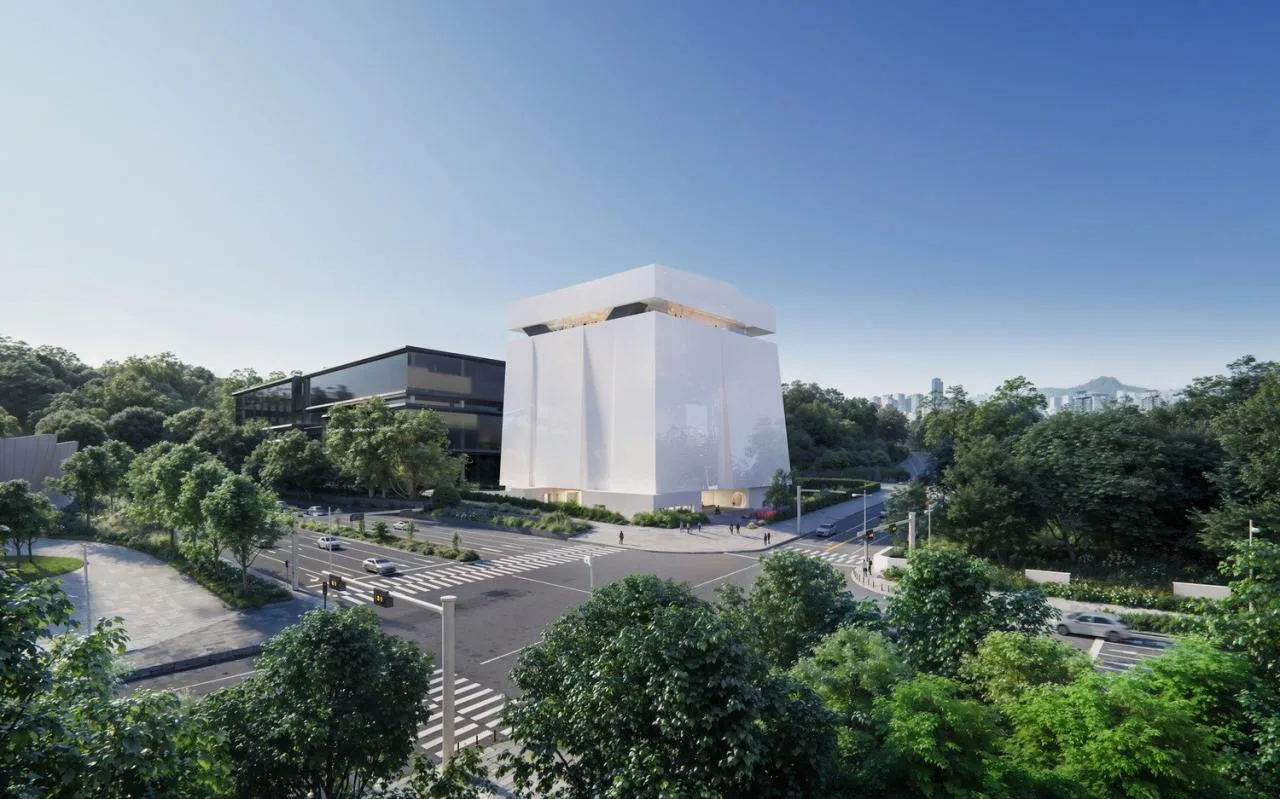
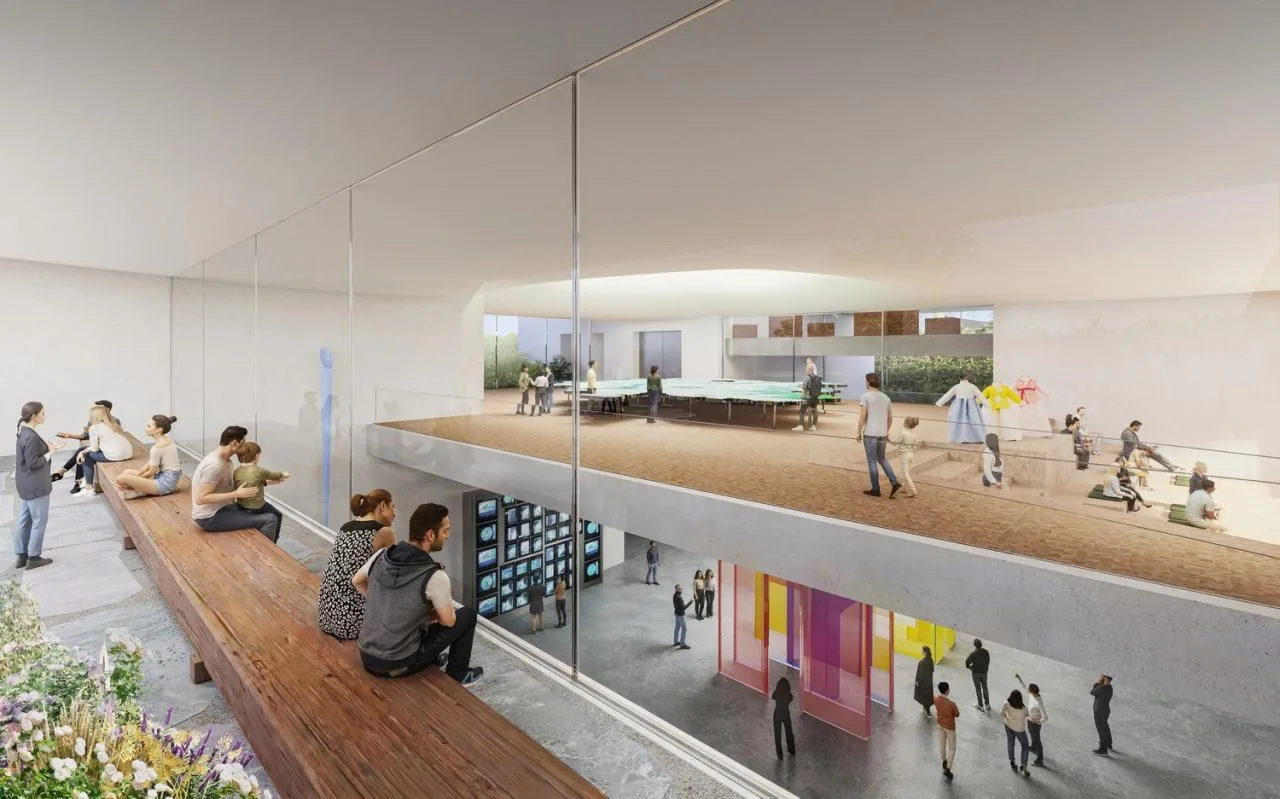
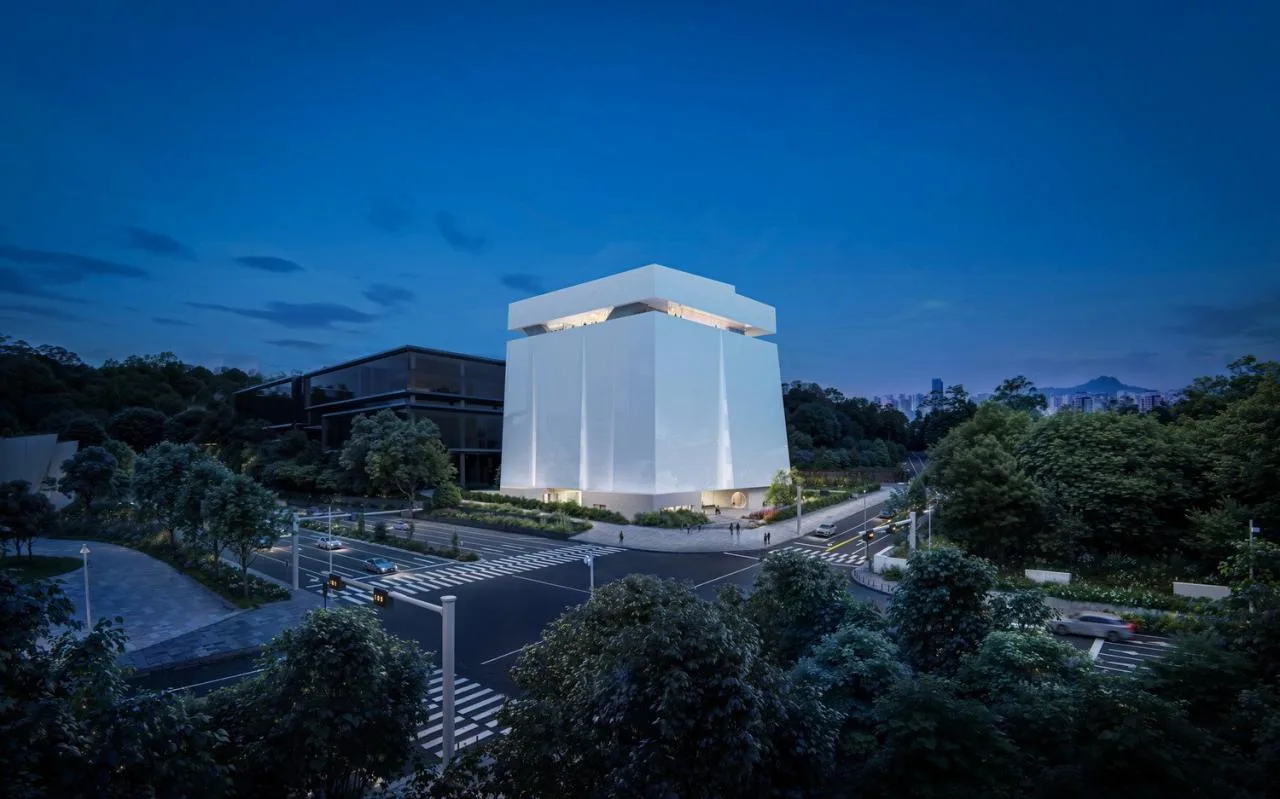
Situated at the eastern edge of Seoul Park, the building features a distinctive pyramid-shaped glass structure nestled within a garden, creating a hidden outdoor space for visitors to enjoy alongside the archive and museum facilities.
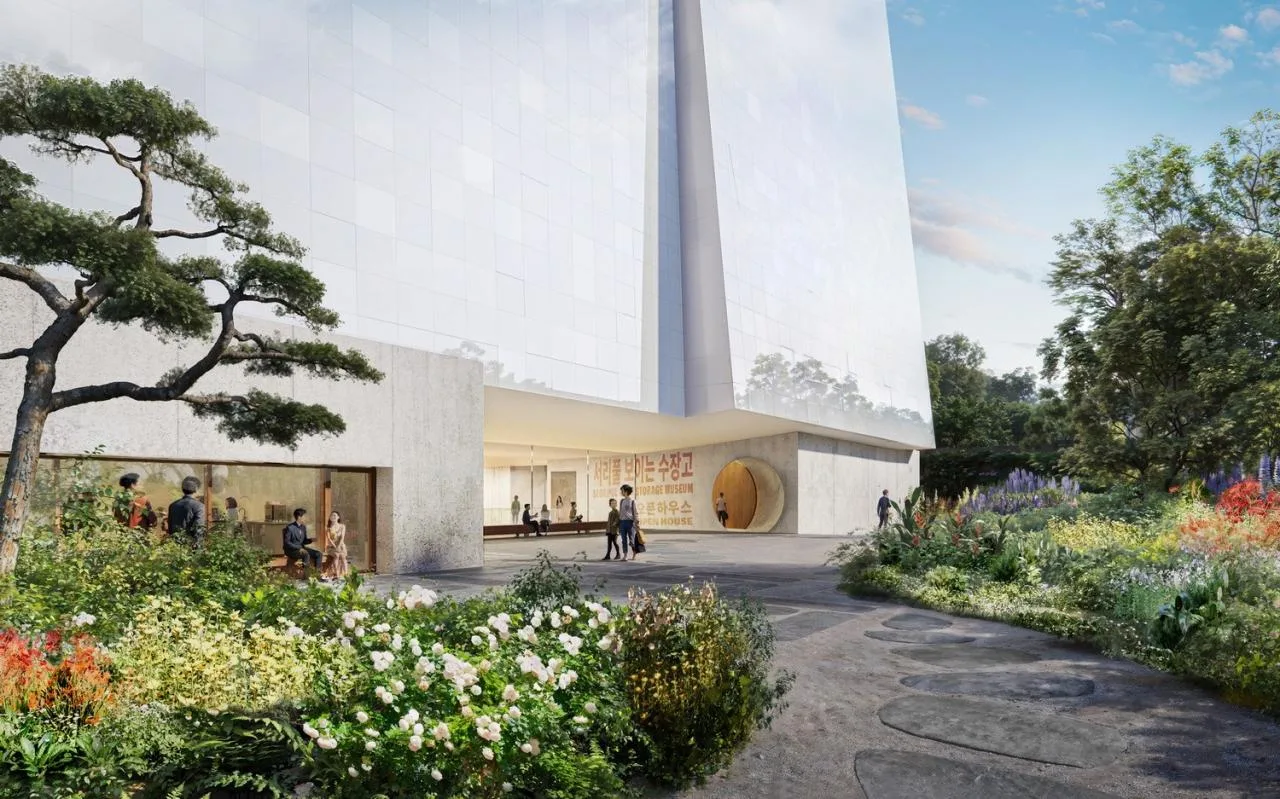
The design incorporates architectural elements tailored to specific functions such as cafes, libraries, art transportation, and preservation processes. These components are embodied as mineral blocks that anchor the pyramid-shaped glass volume housing the archive. A horizontal gap near the top of the glass enclosure accommodates the administrative offices and a restaurant, while the uppermost level is dedicated to the art preservation studio.
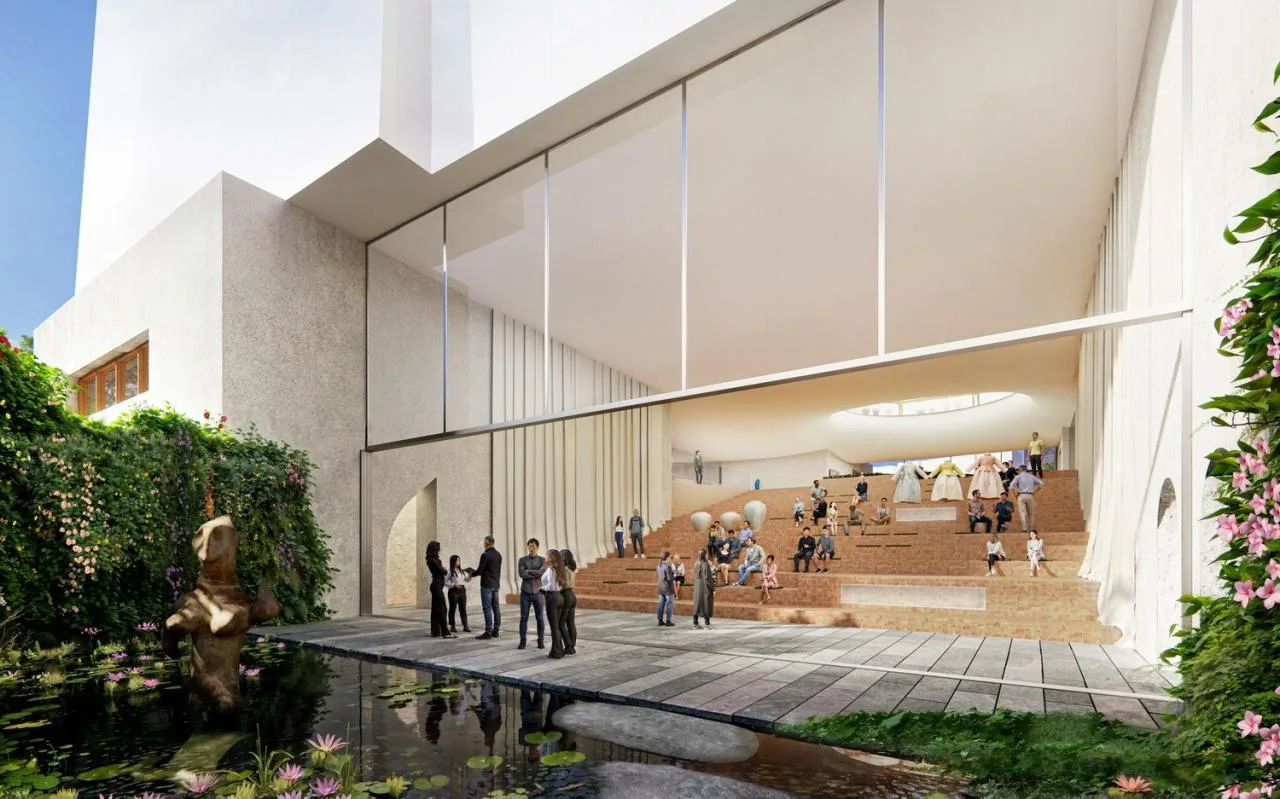
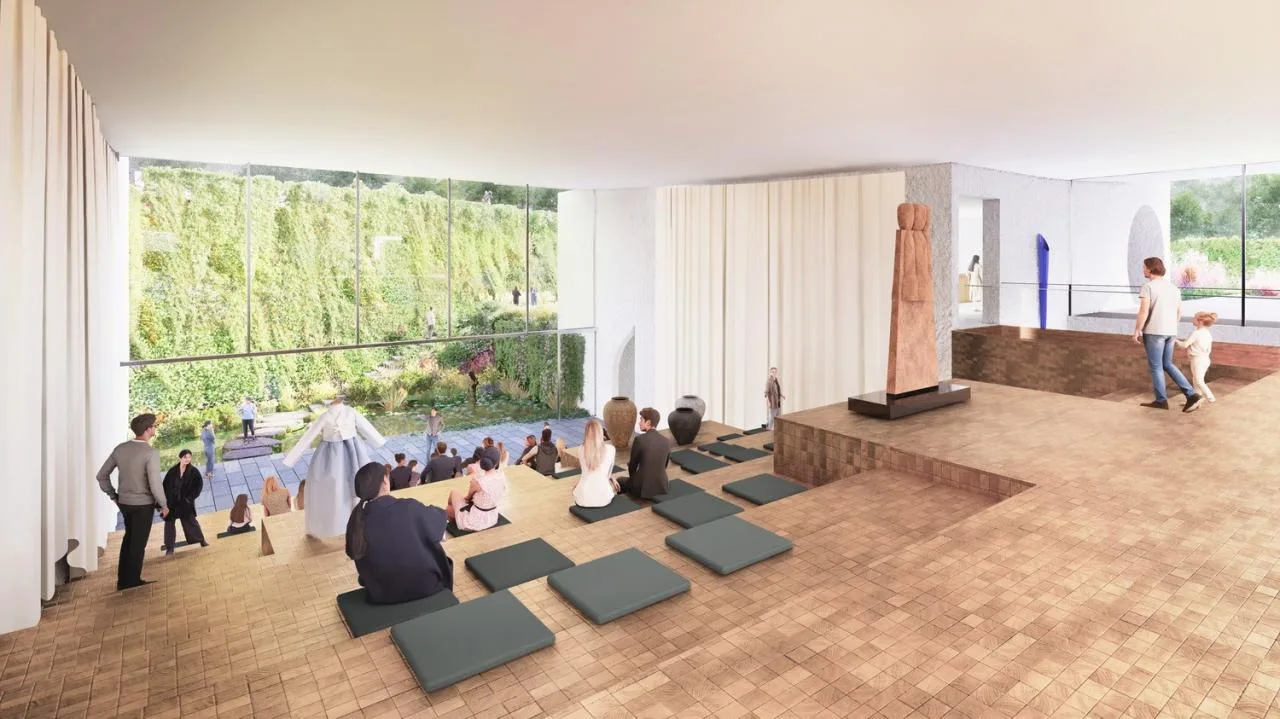
The surrounding terrain is transformed into a terraced landscape inspired by traditional Korean garden principles. The four mineral buildings not only maximize views of the surrounding “borrowed scenery,” but also address the specific needs of the projects related to the environment. Nestled between these volumes is a dedicated special exhibition space, serving as a platform for showcasing archival artifacts.
The pyramid section encompasses art storage from the 2nd to the 5th floors. Artworks are organized based on material and preservation requirements instead of their originating museum, ensuring optimal climatic conditions for each collection. Each floor is divided into four categories: comprehensive materials and large-scale artworks; pottery, metalwork, glass, jade, and stone; wood, paper, calligraphy, and ivory/bone; and textiles, painting, and media art. The building’s south side houses vertical circulation, art processing, and technical systems along a functional axis, allowing the rest of the floor plans to remain flexible and adaptable to various curatorial concepts.
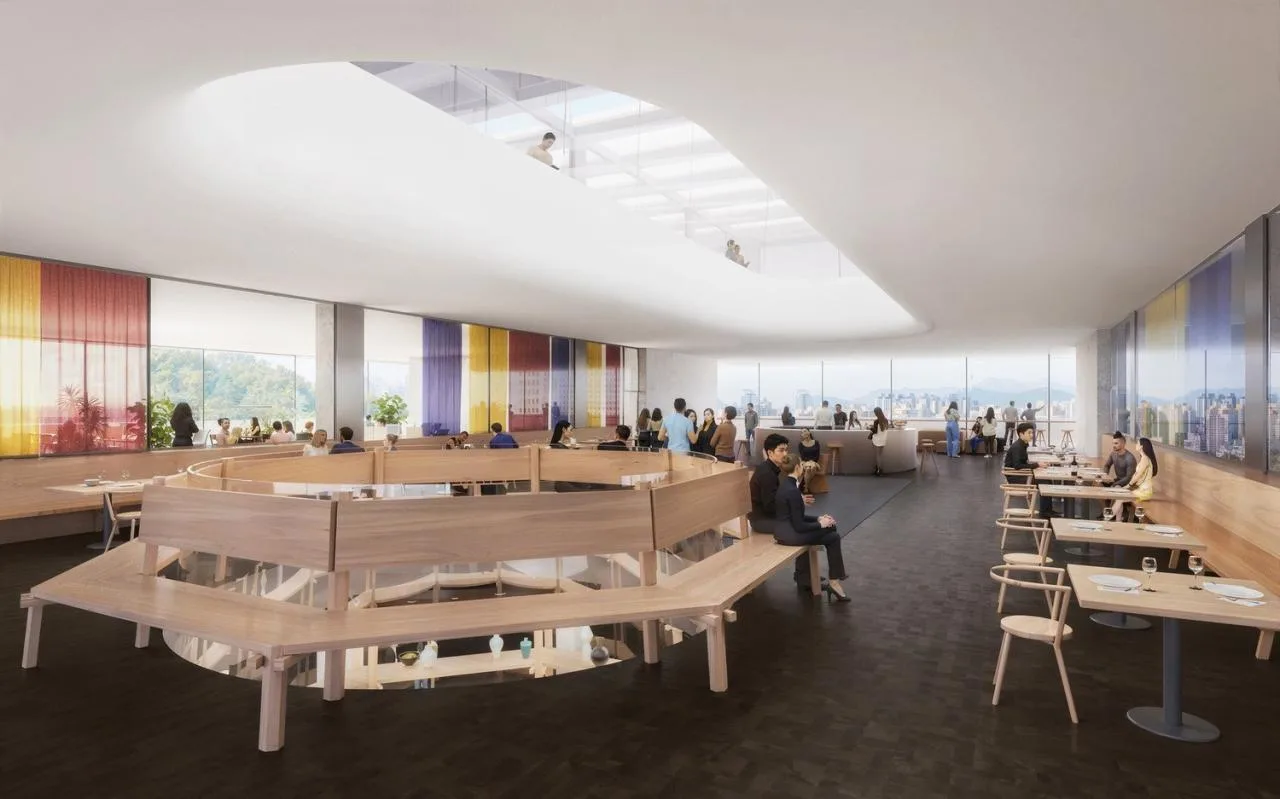
The gap on the sixth floor offers panoramic views in all directions, while the restaurant provides a relaxing spot for visitors. The long atrium visually connects with the art preservation studio above. The project aims for carbon neutrality through five key strategies: use of high-recycled-content concrete, passive design measures like limited window openings and enhanced insulation to reduce energy demand, sustainable energy from ground source heat pumps, photovoltaic panels generating electricity, and rainwater harvesting for building-wide use.
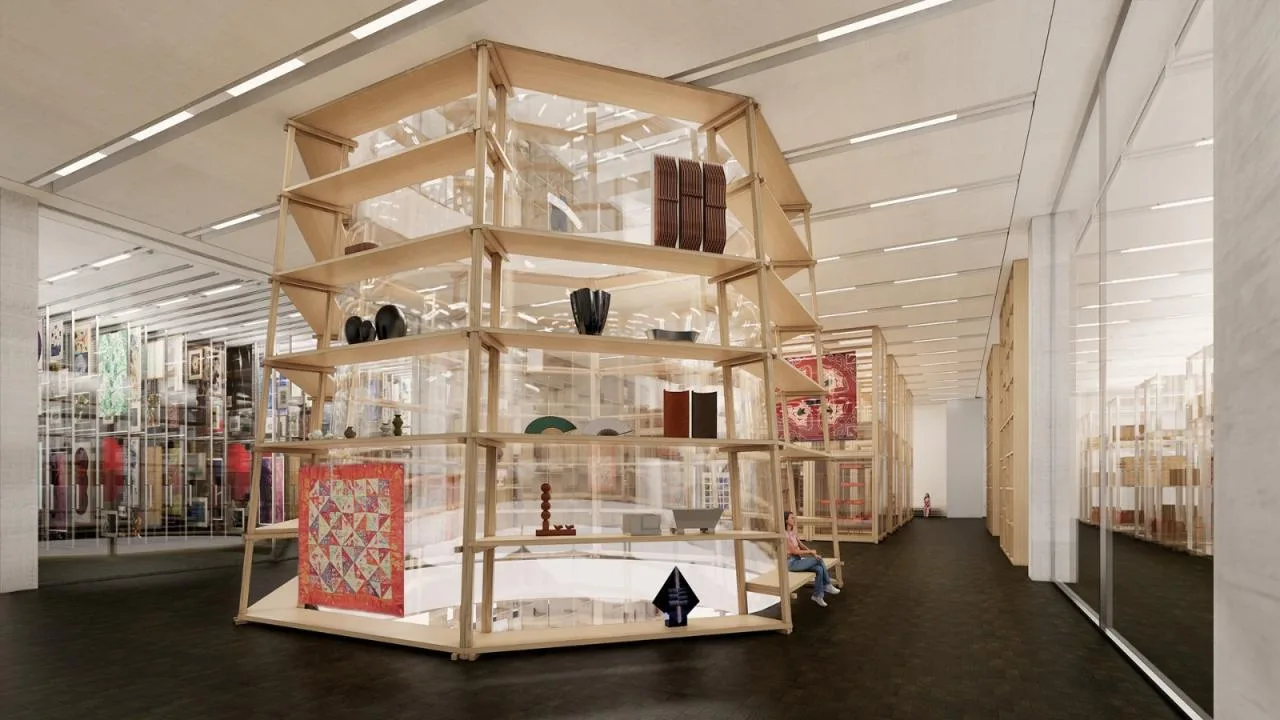
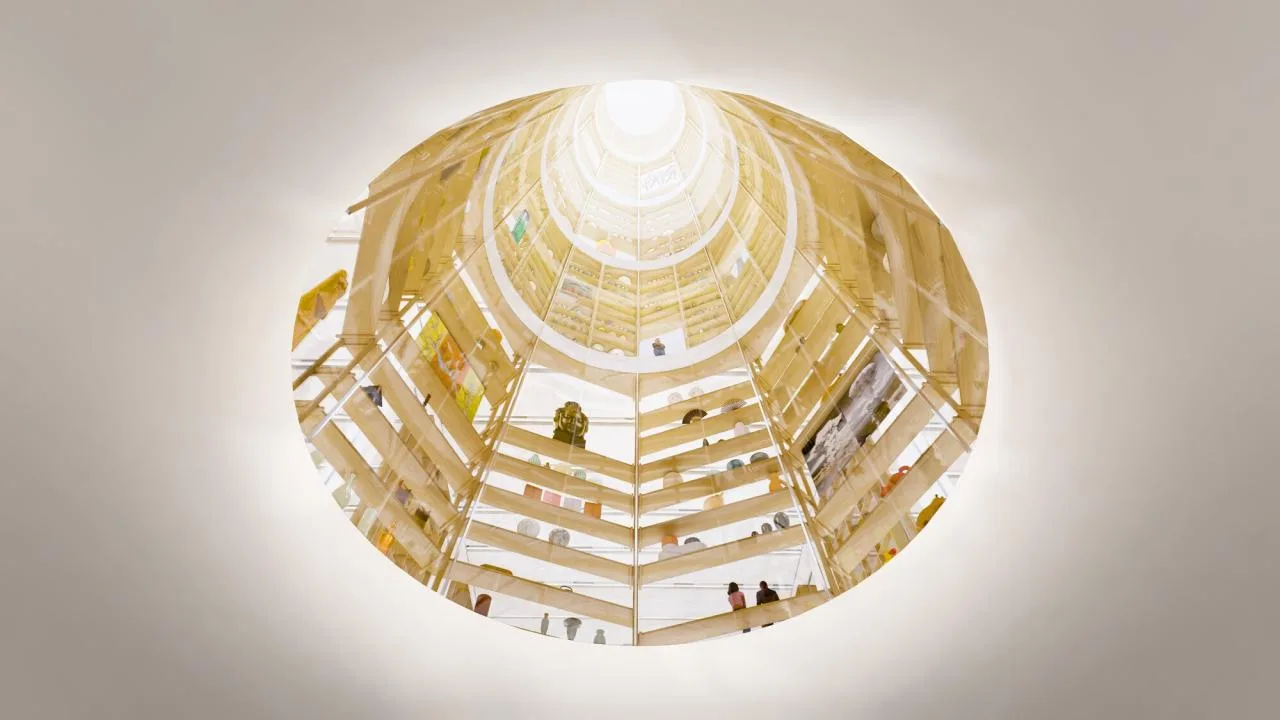
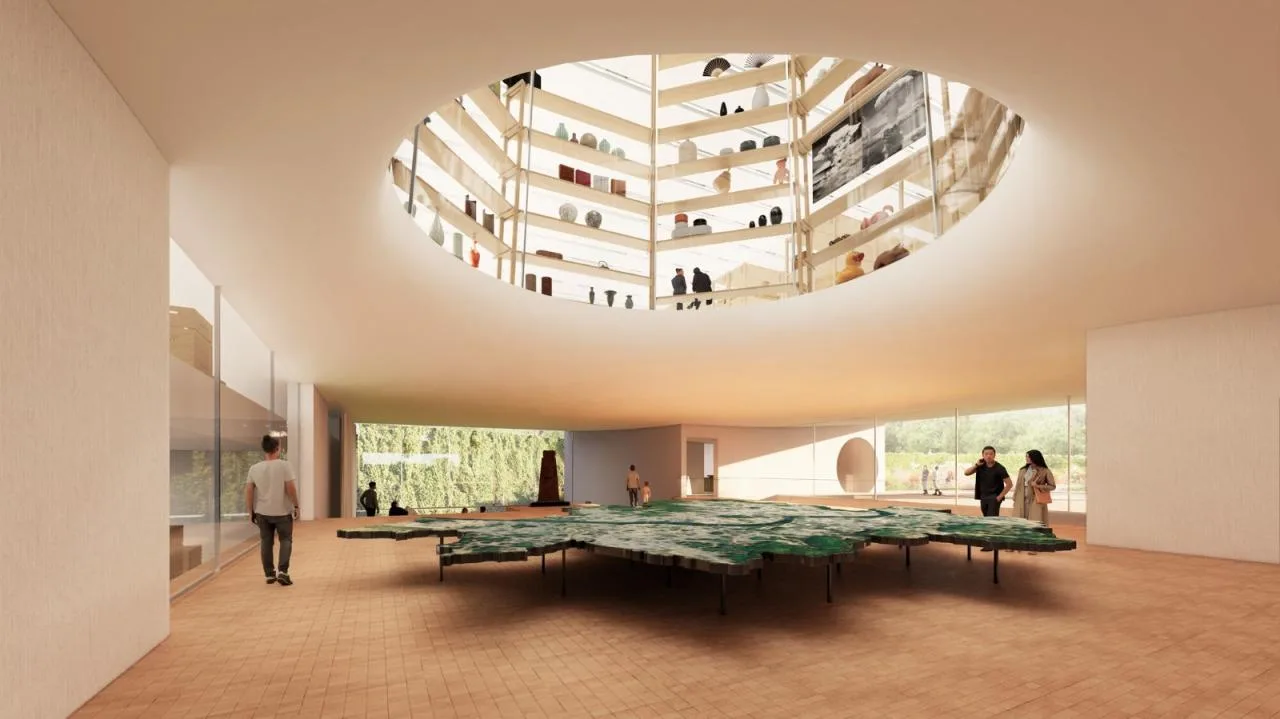
The concept of open art storage is relatively new in architecture. Notable among early examples is MVRDV’s Rotterdam Boijmans Van Beuningen Museum, which redefines the archive experience by inviting visitors to explore the storage spaces and preservation studios up close.
Project Drawings
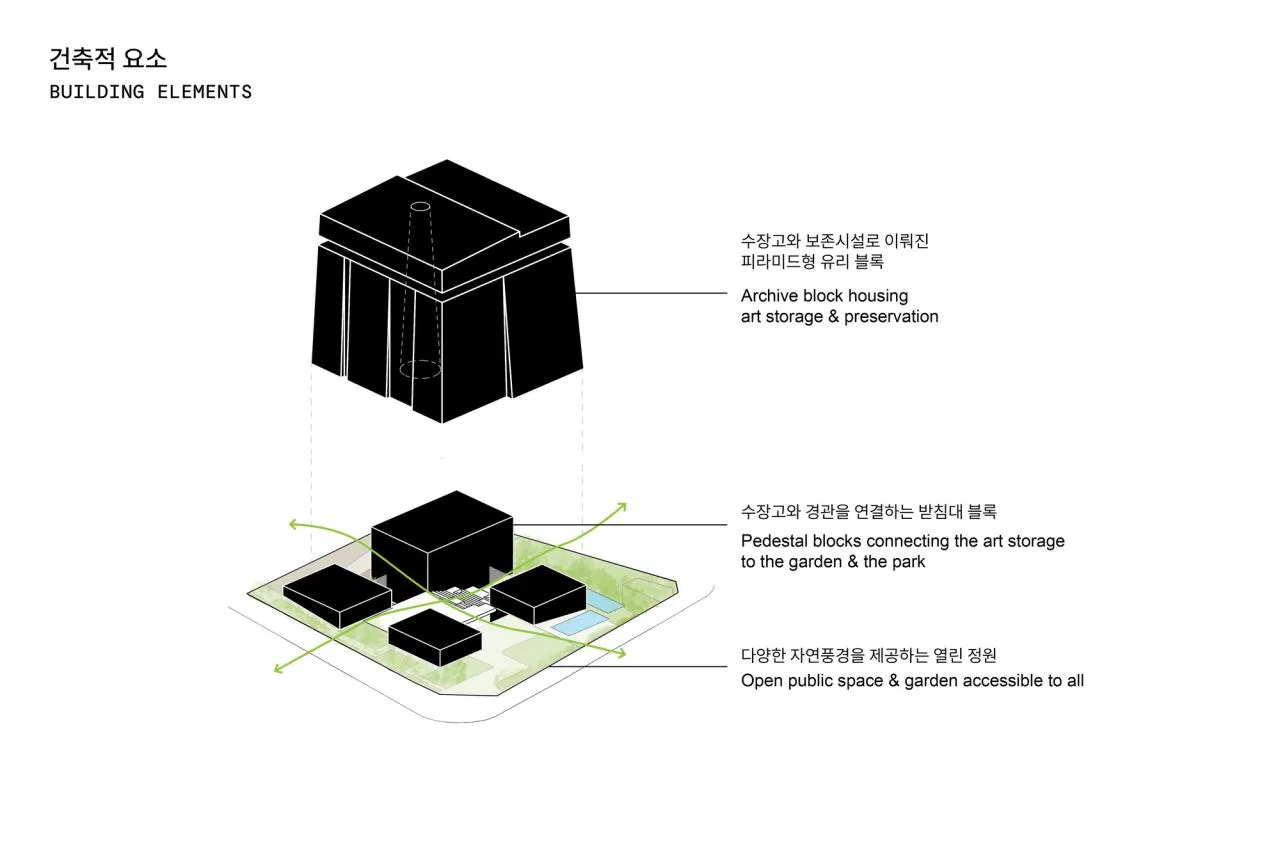
△ Design Concept Diagram
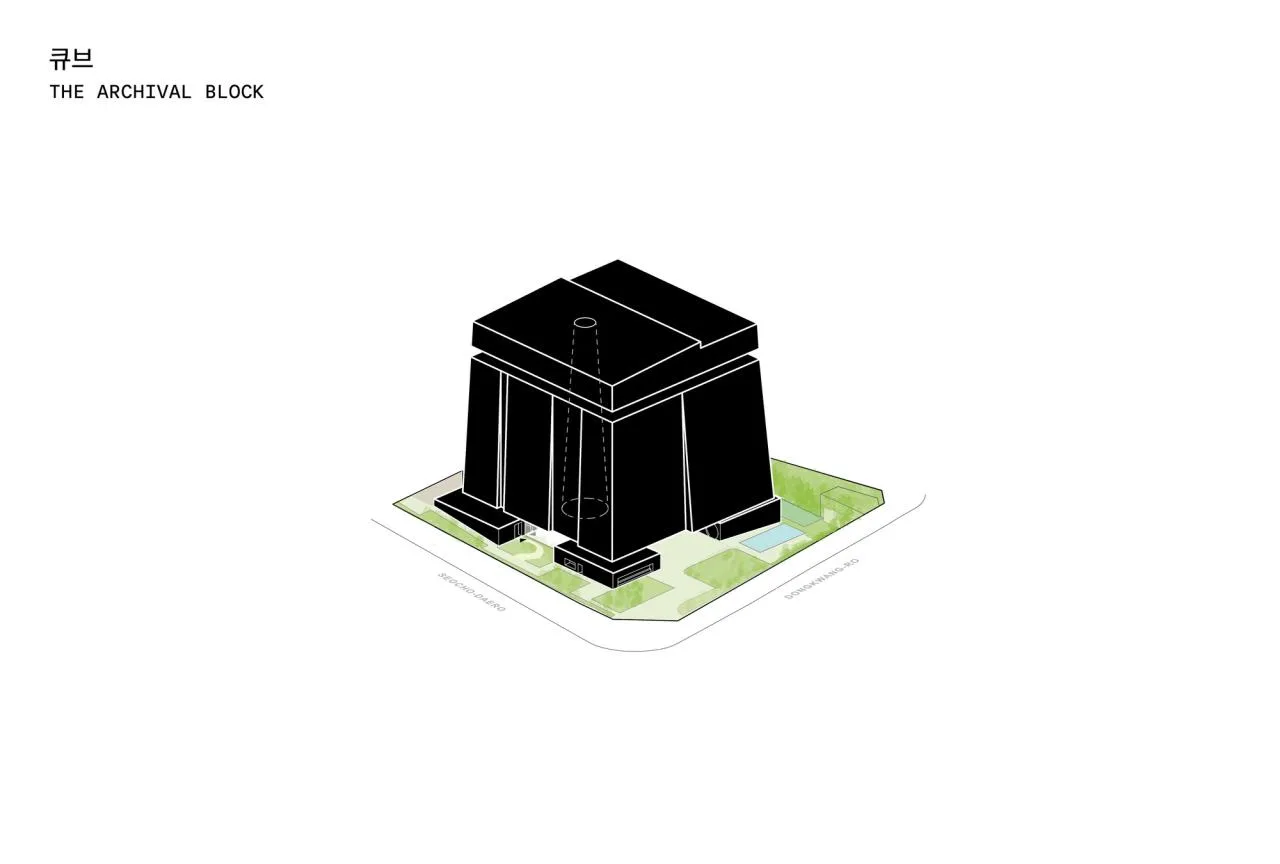
△ Design Concept Diagram
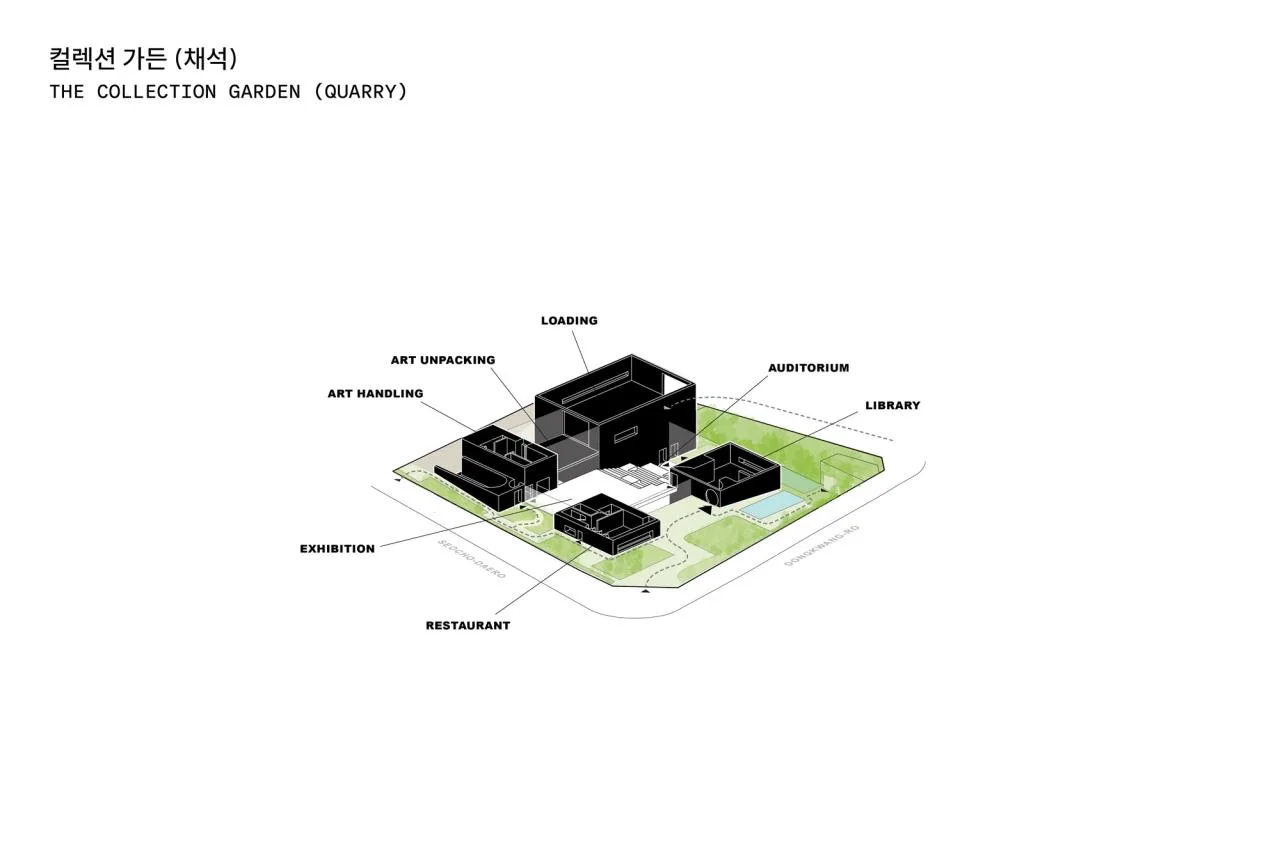
△ Functional Zoning Diagram
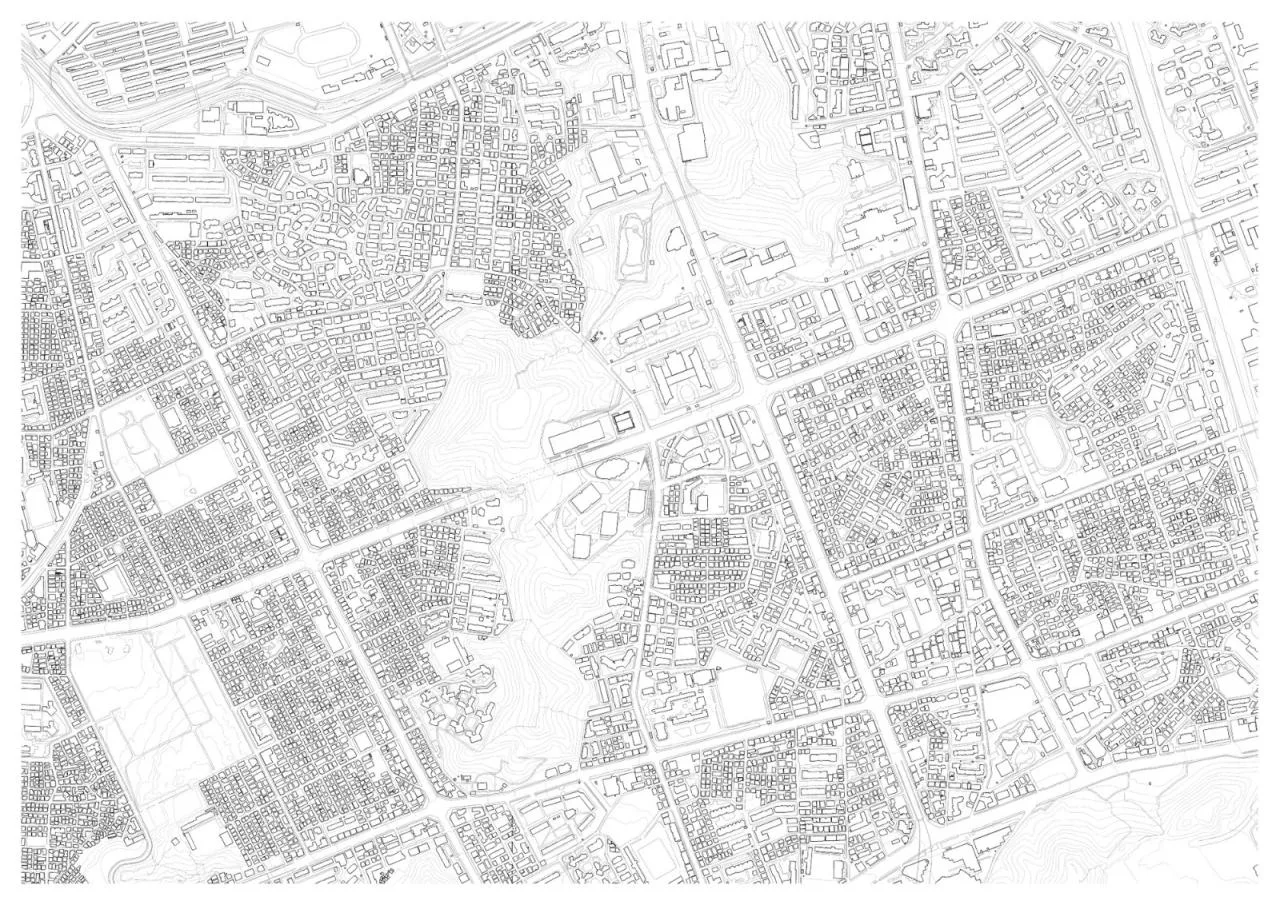
△ Urban Texture Map
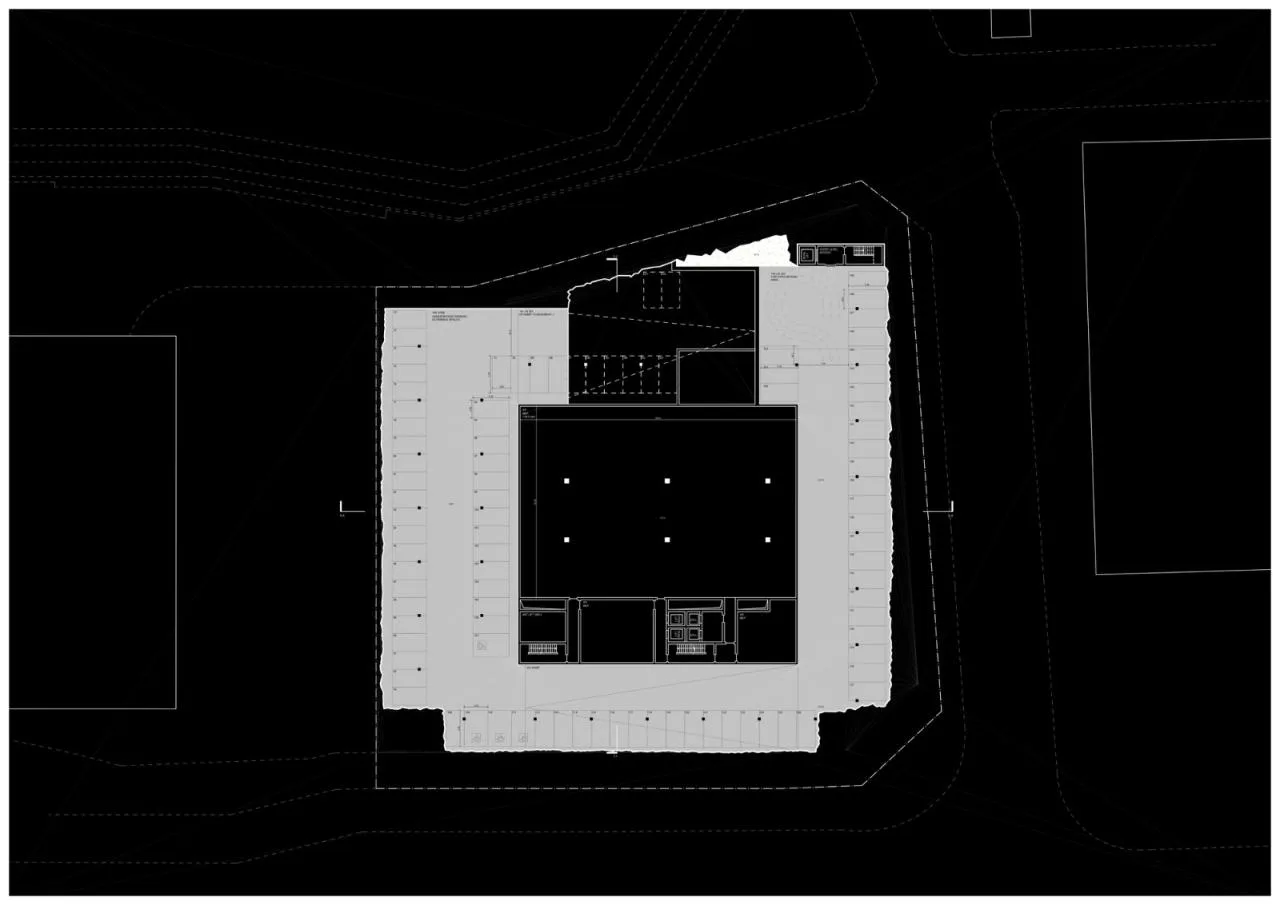
△ Underground Second Floor Plan
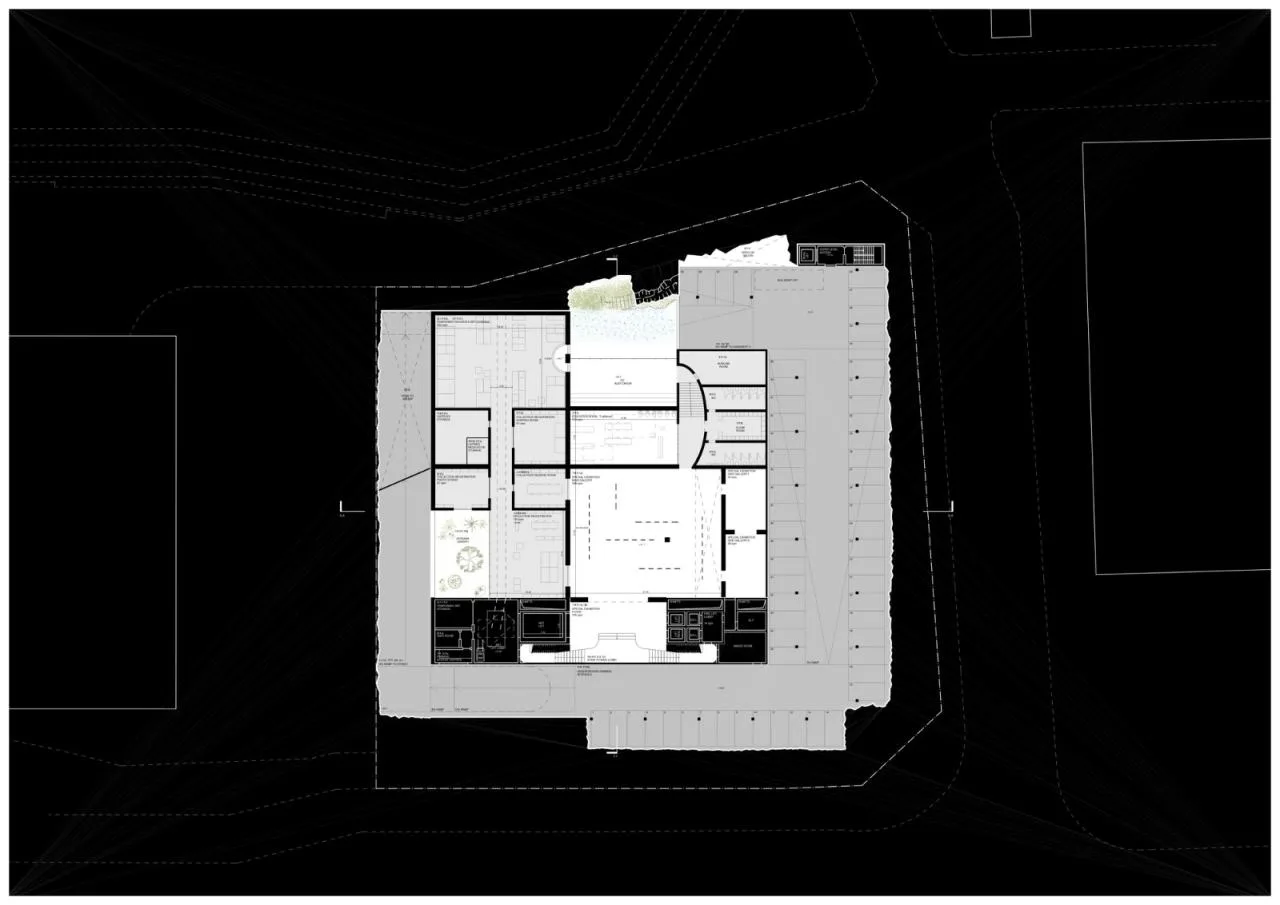
△ Underground Floor Plan
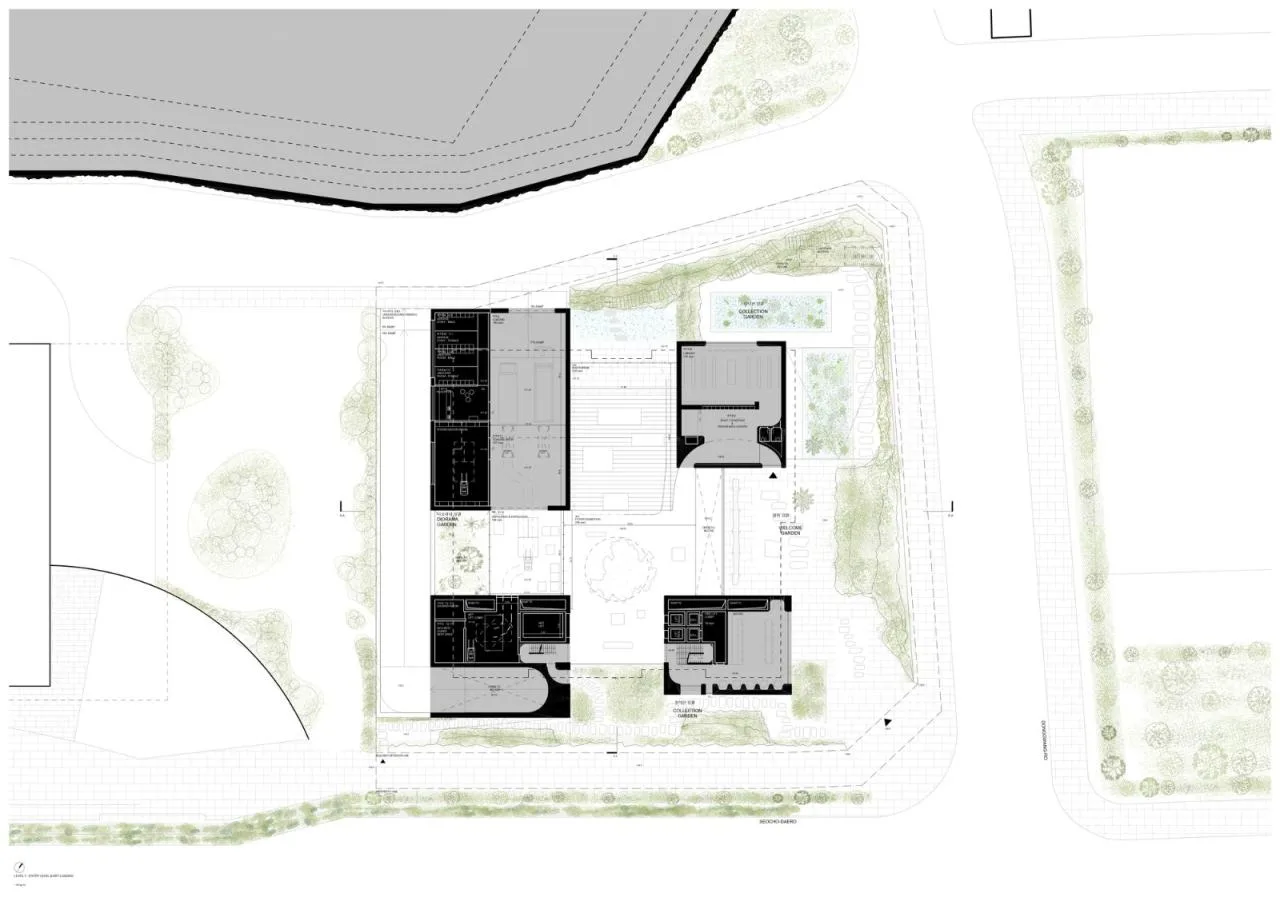
△ First Floor Plan
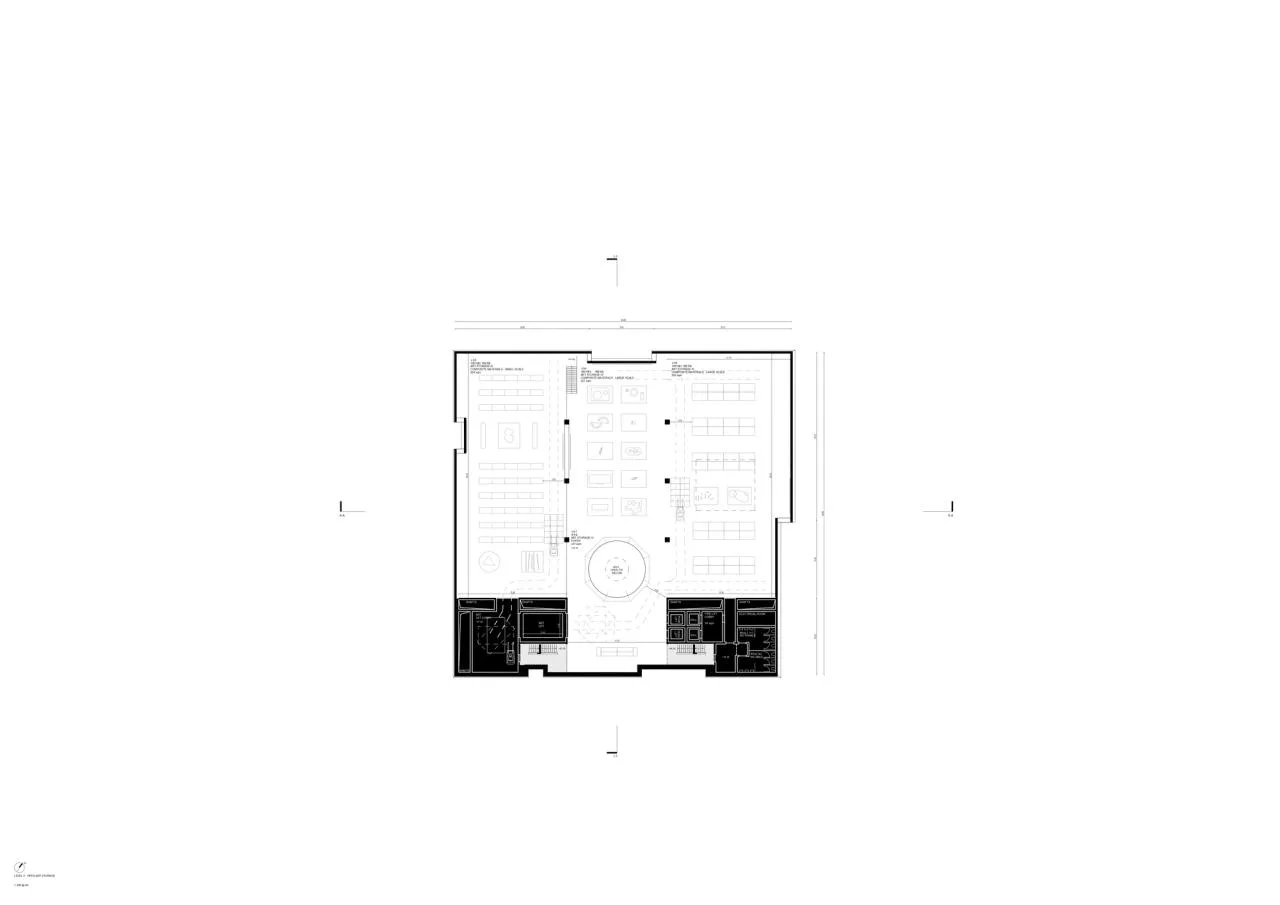
△ Second Floor Plan
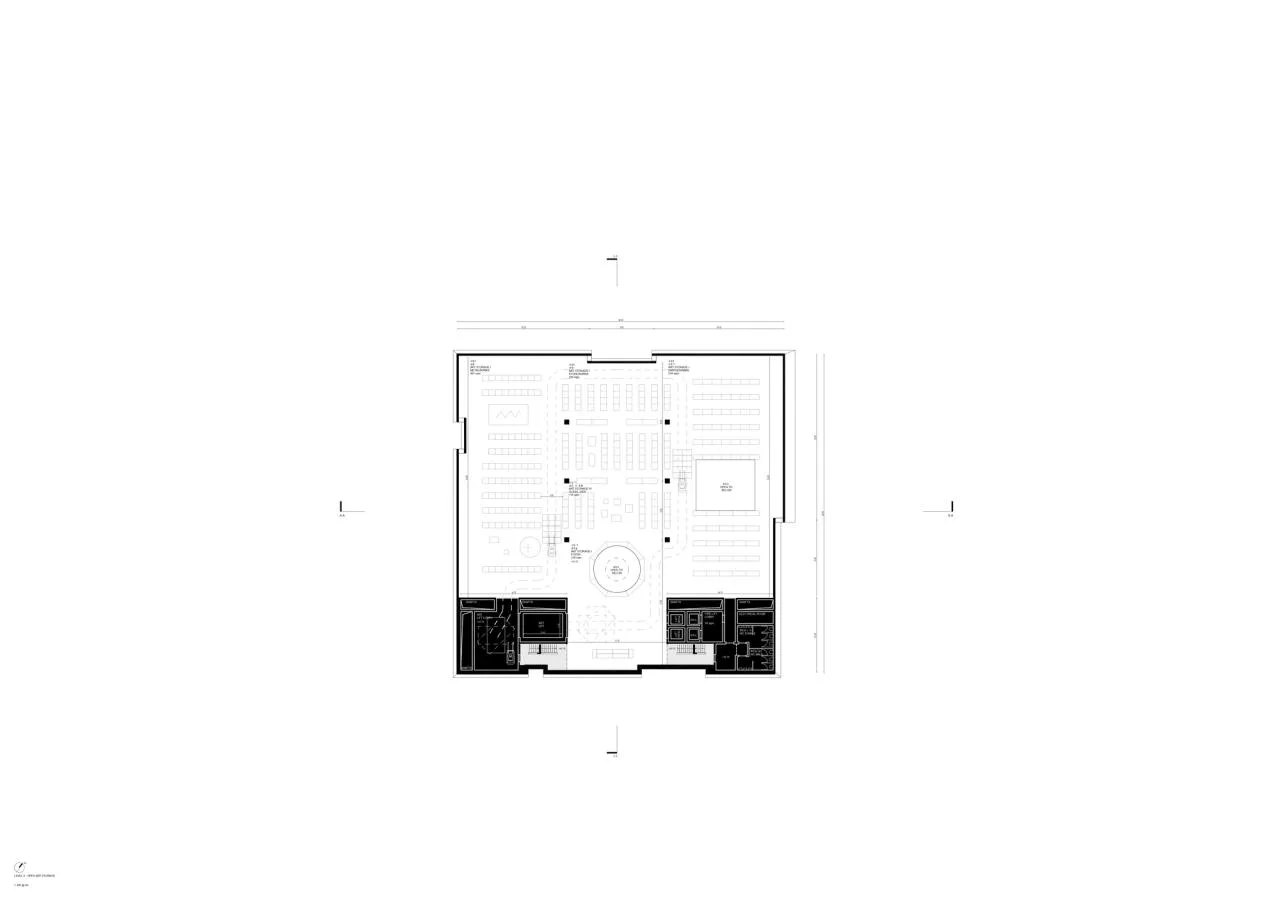
△ Third Floor Plan
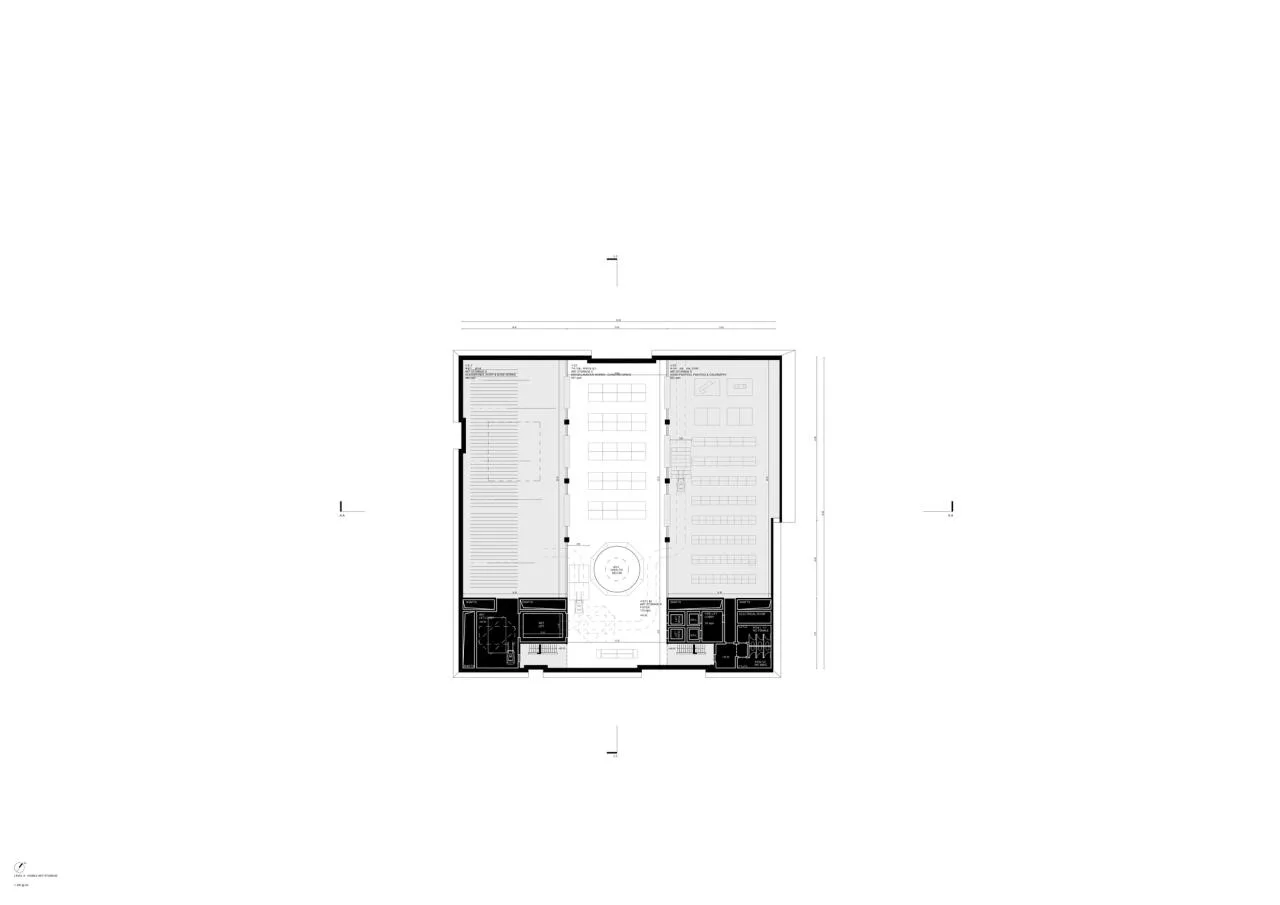
△ Fourth Floor Plan
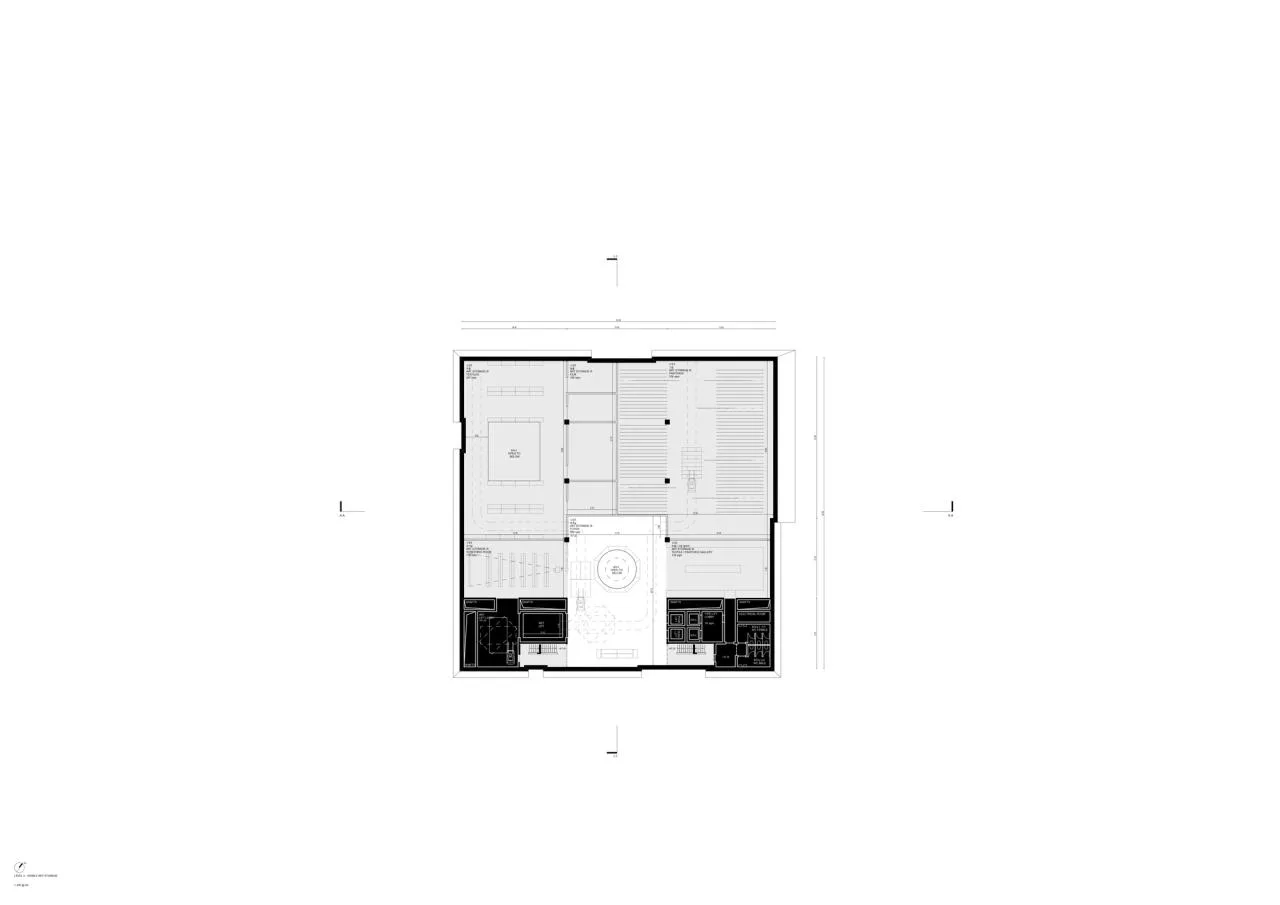
△ Fifth Floor Plan
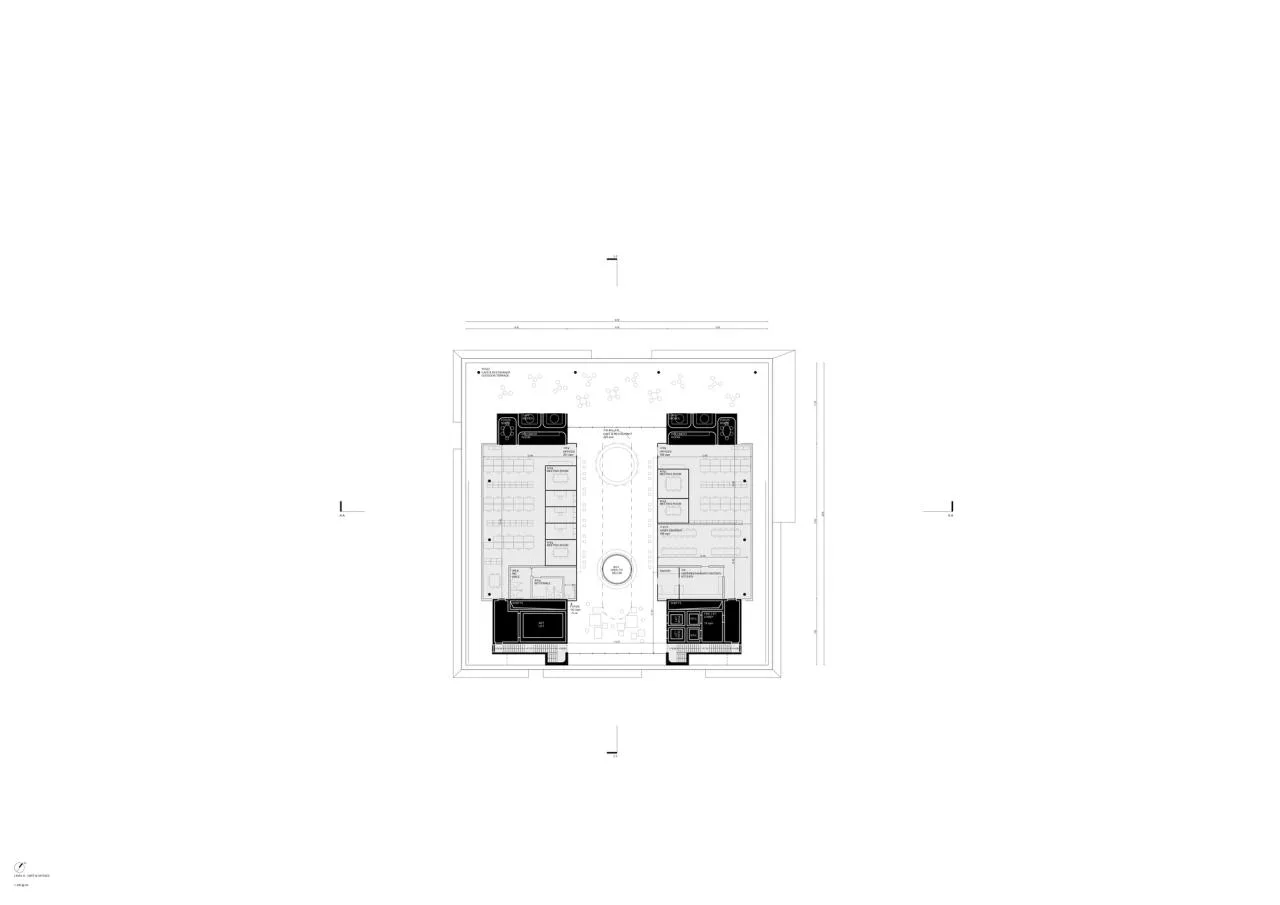
△ Sixth Floor Plan
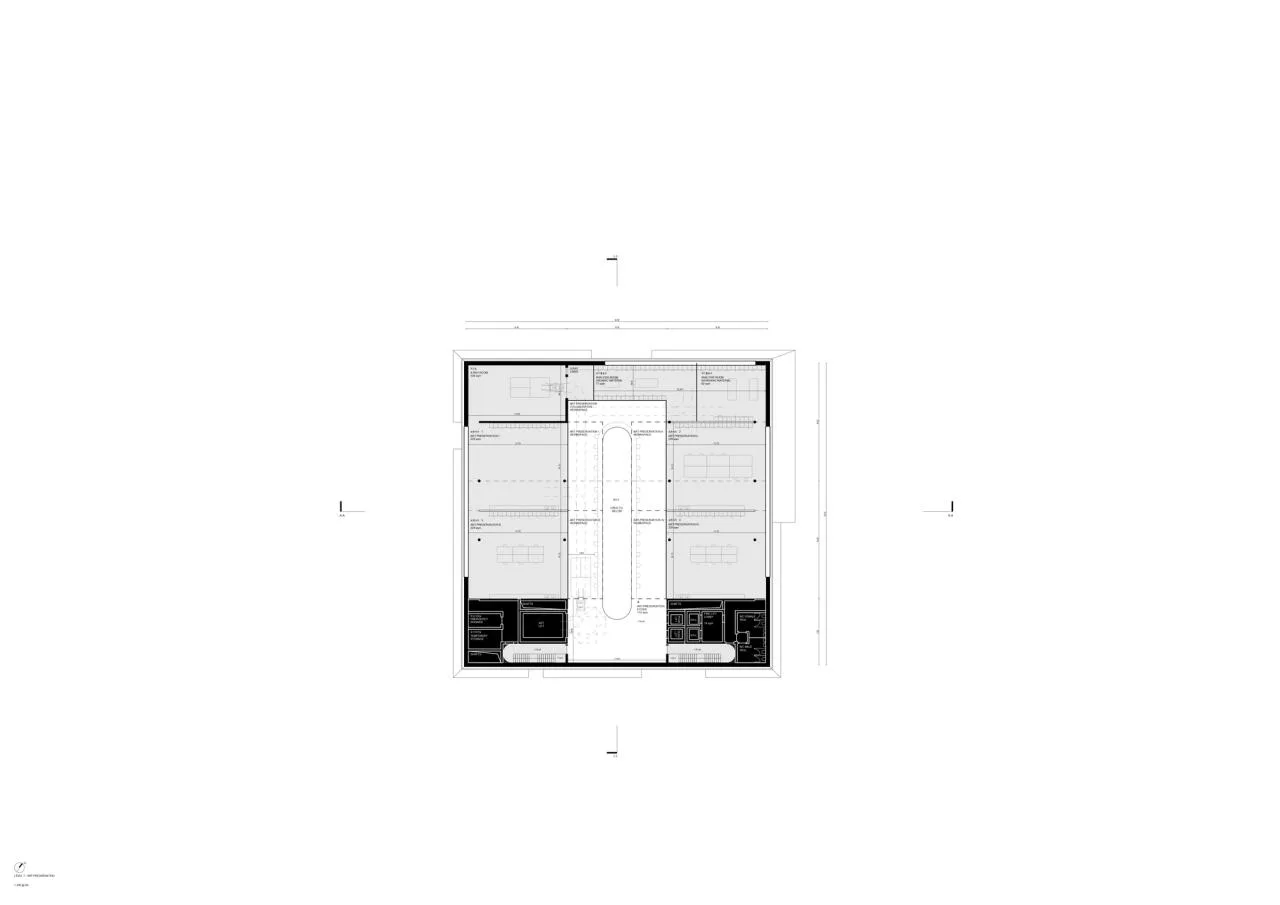
△ Seventh Floor Plan
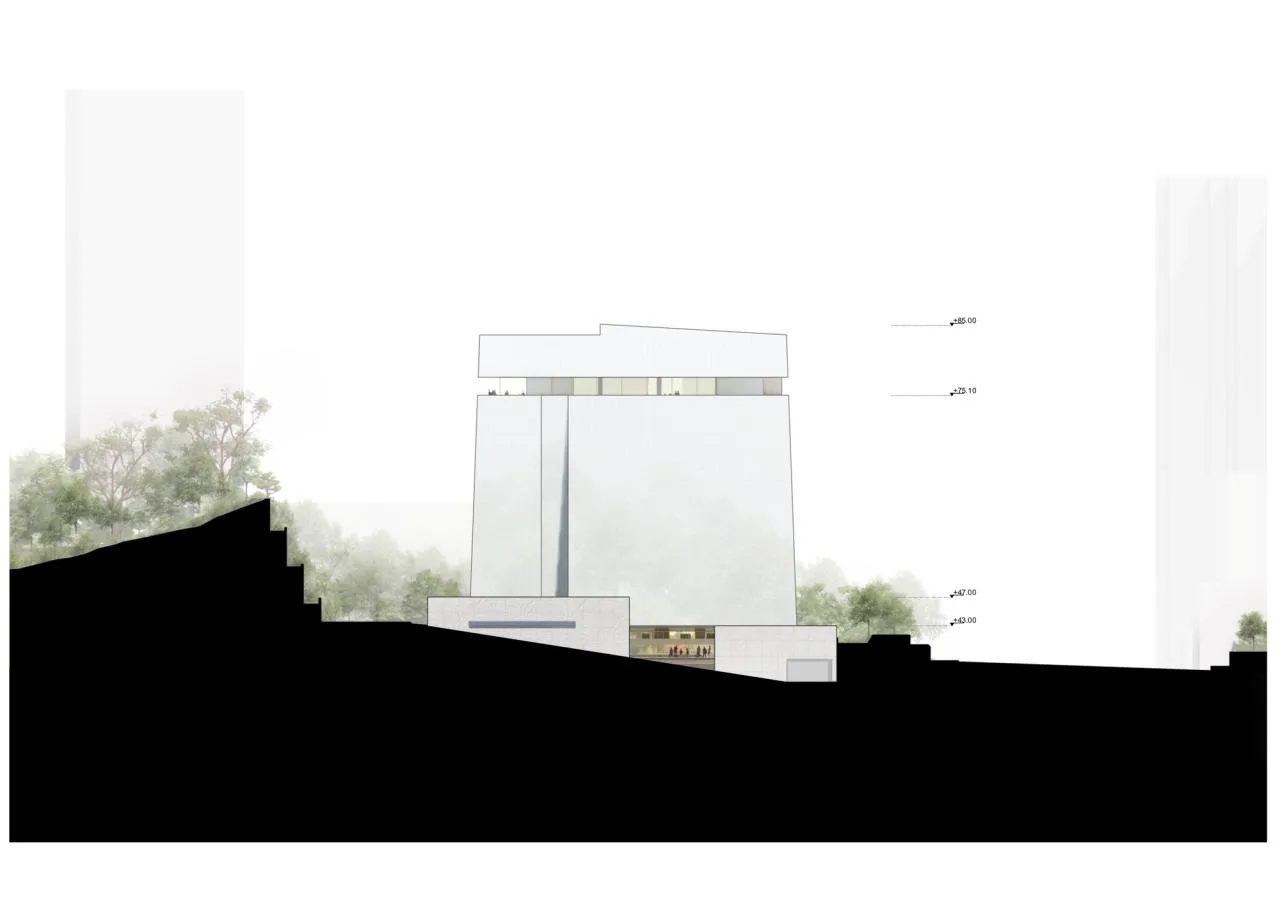
△ Elevation Drawing
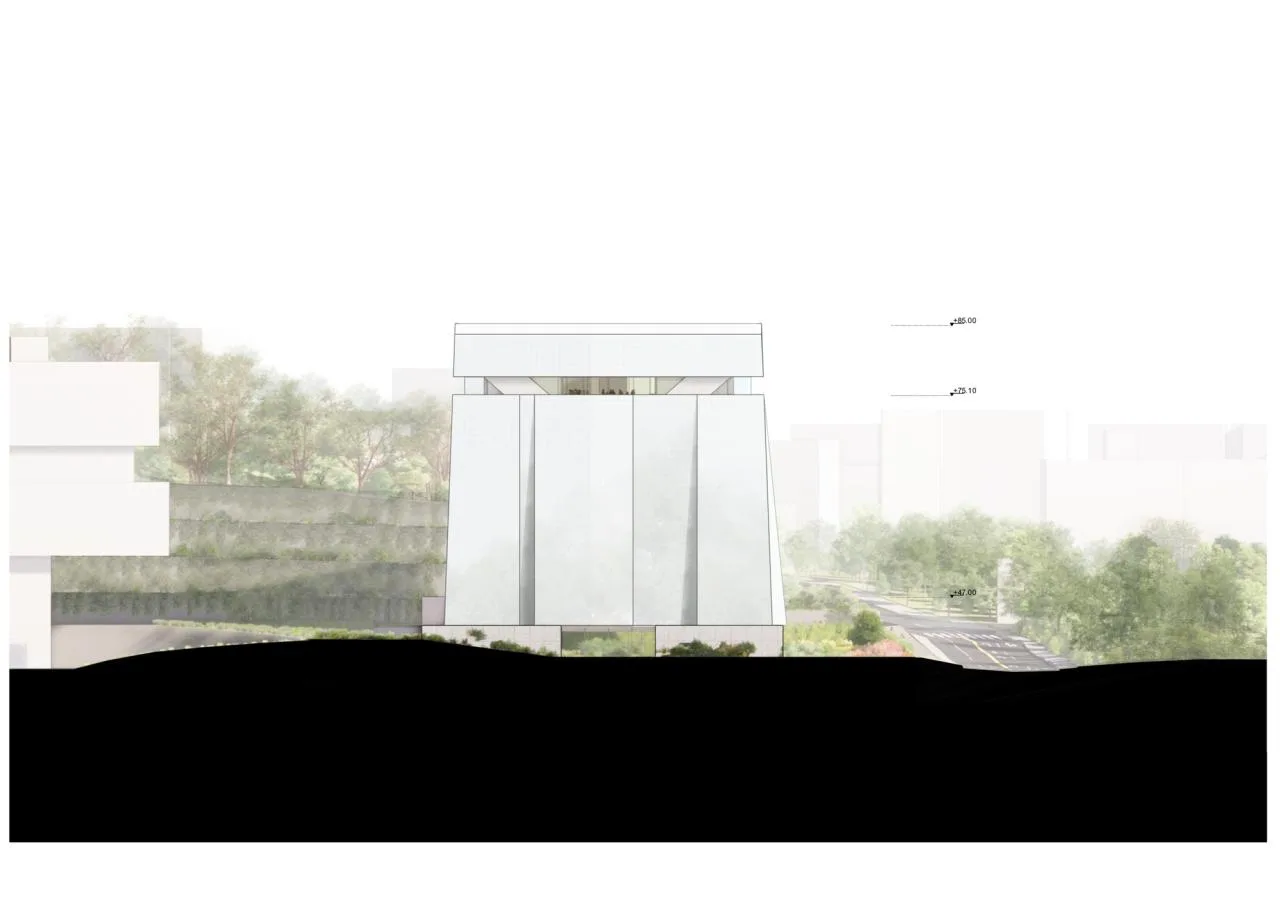
△ Elevation Drawing
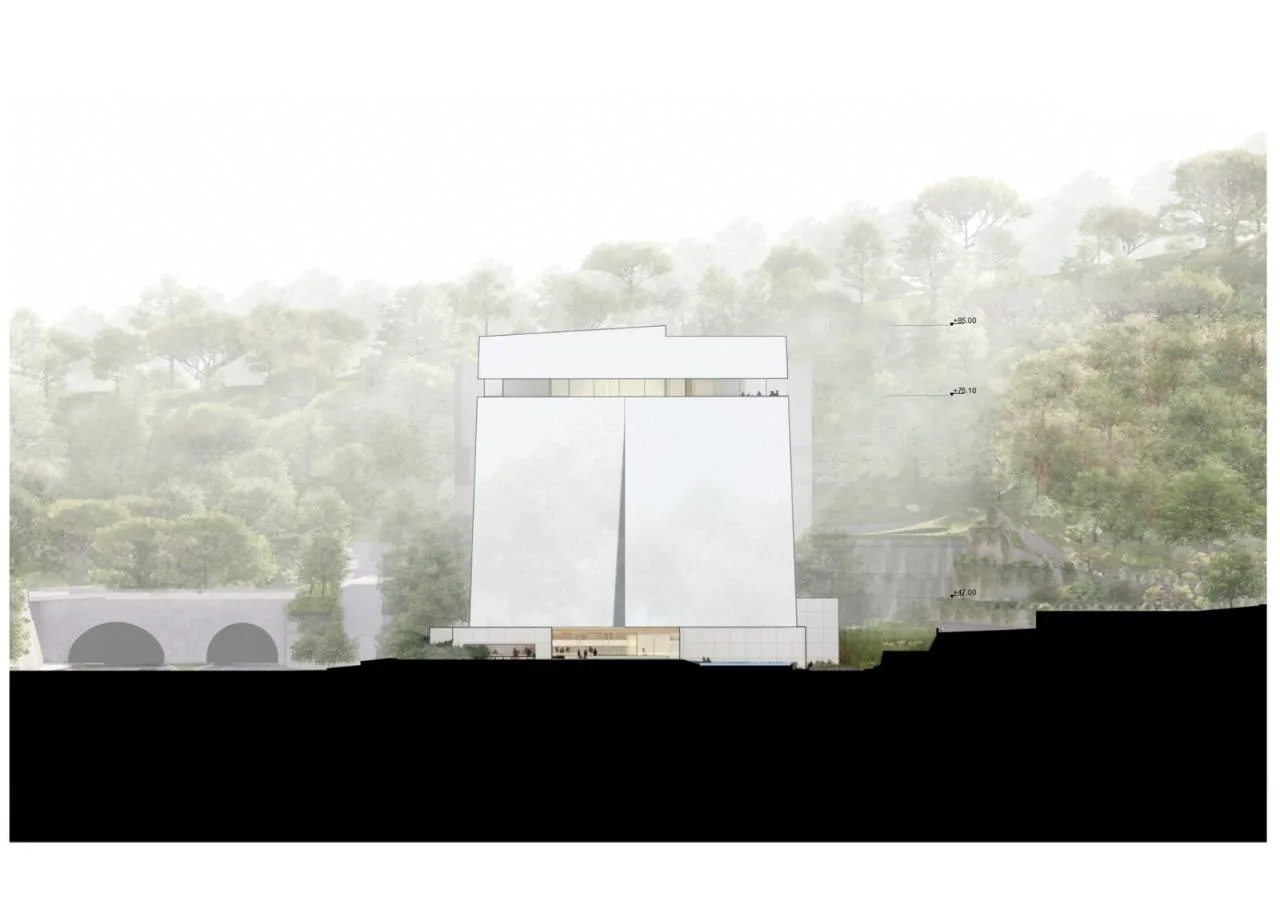
△ Elevation Drawing
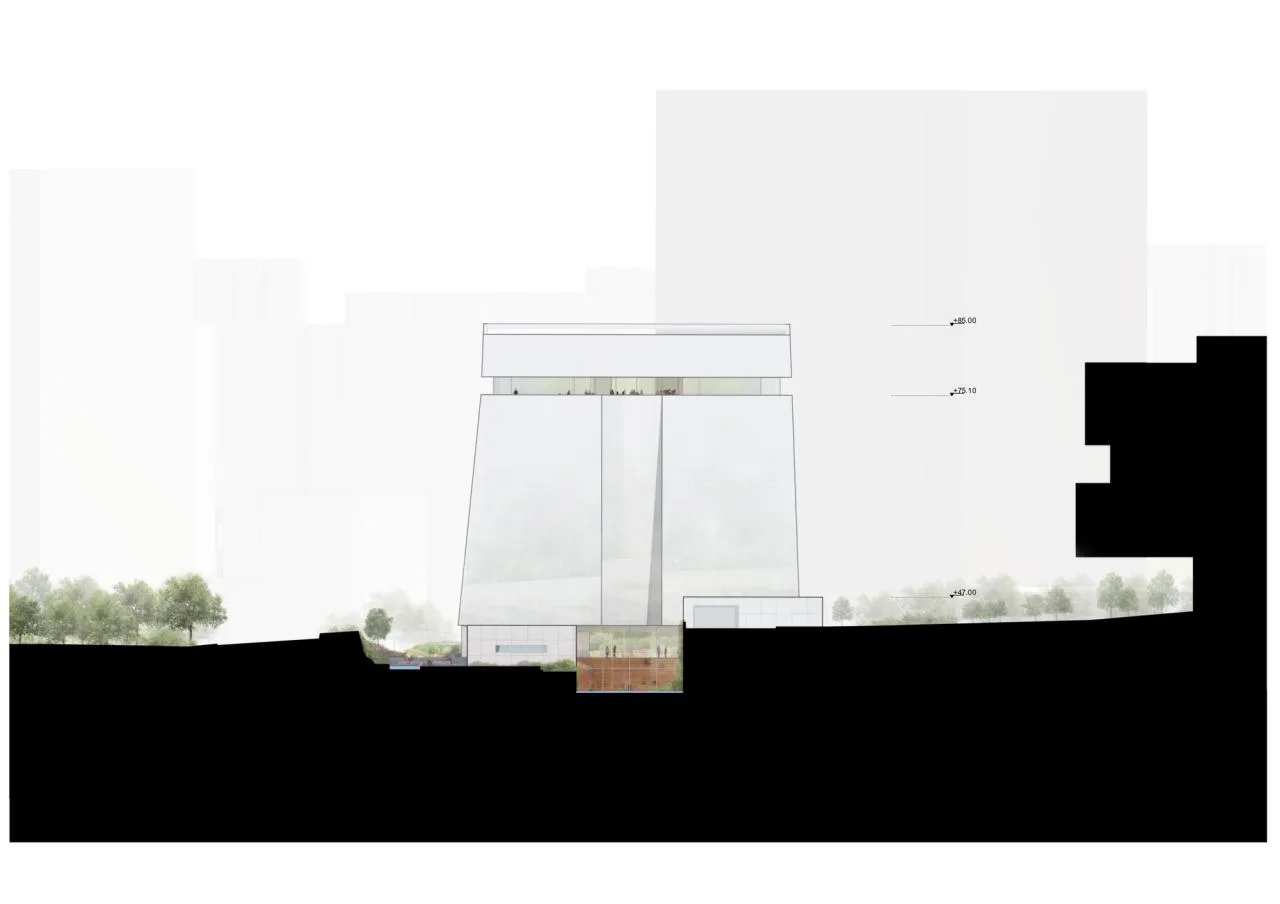
△ Elevation Drawing
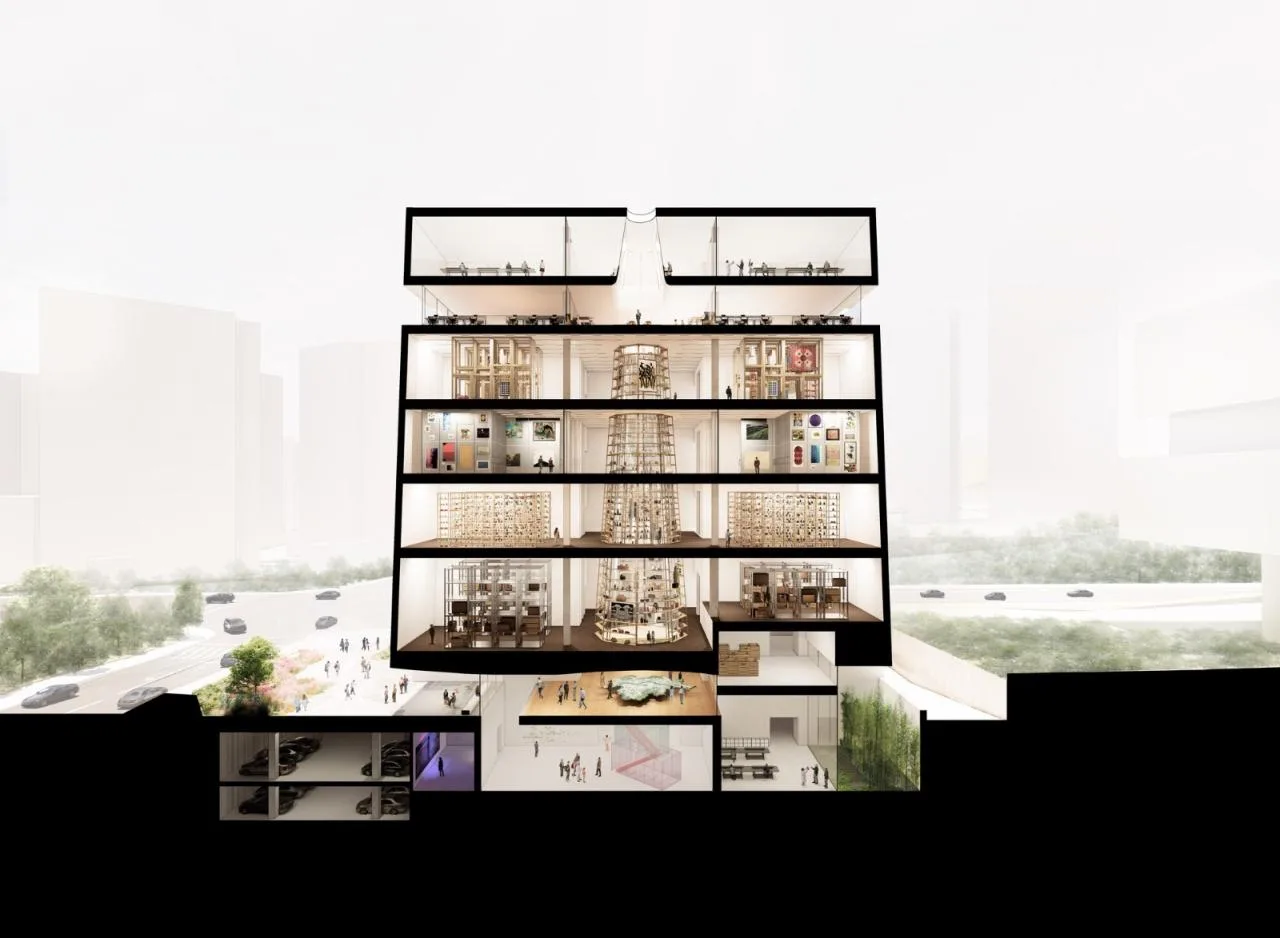
△ Section Diagram
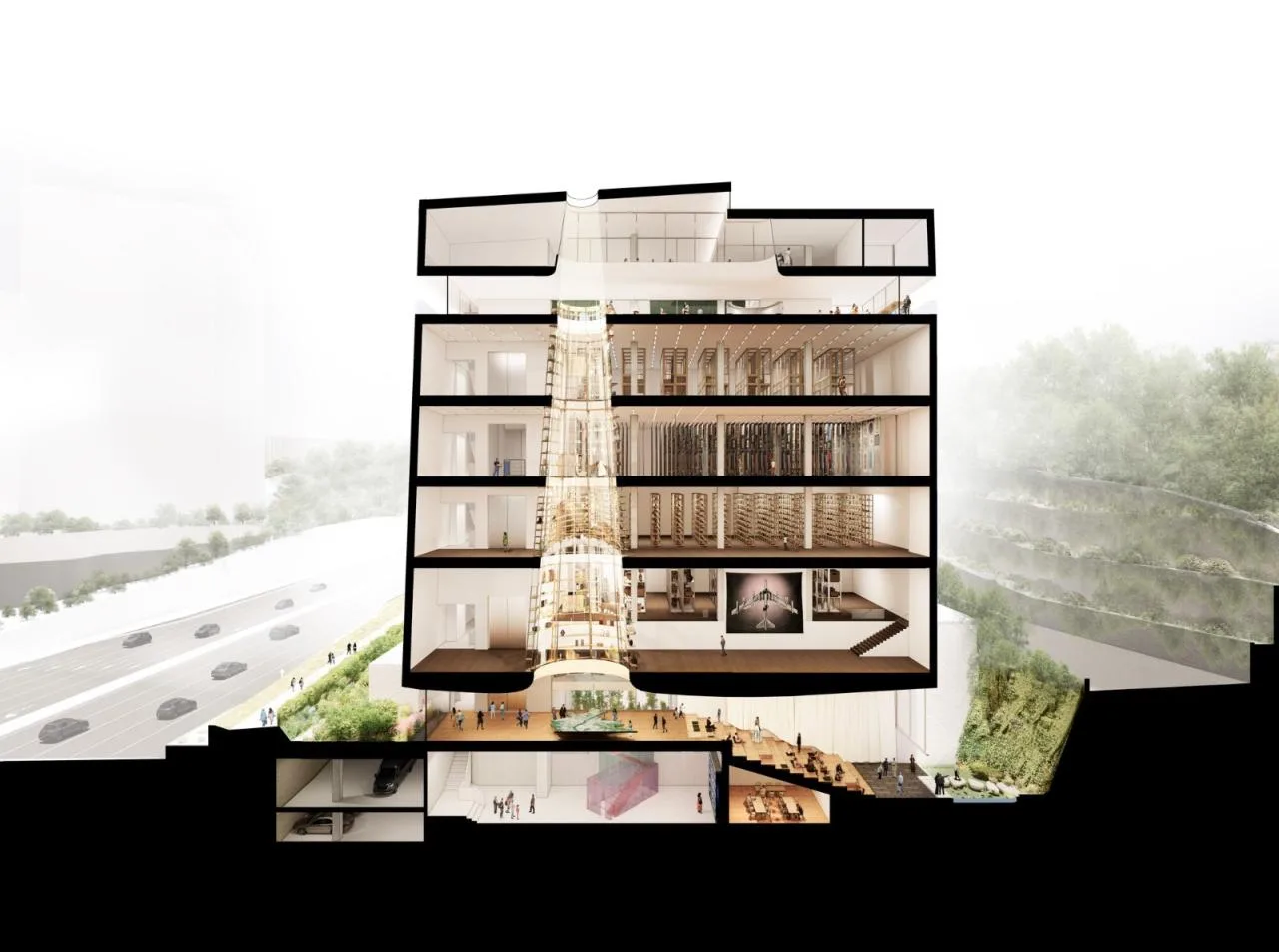
△ Section Diagram












Must log in before commenting!
Sign Up