
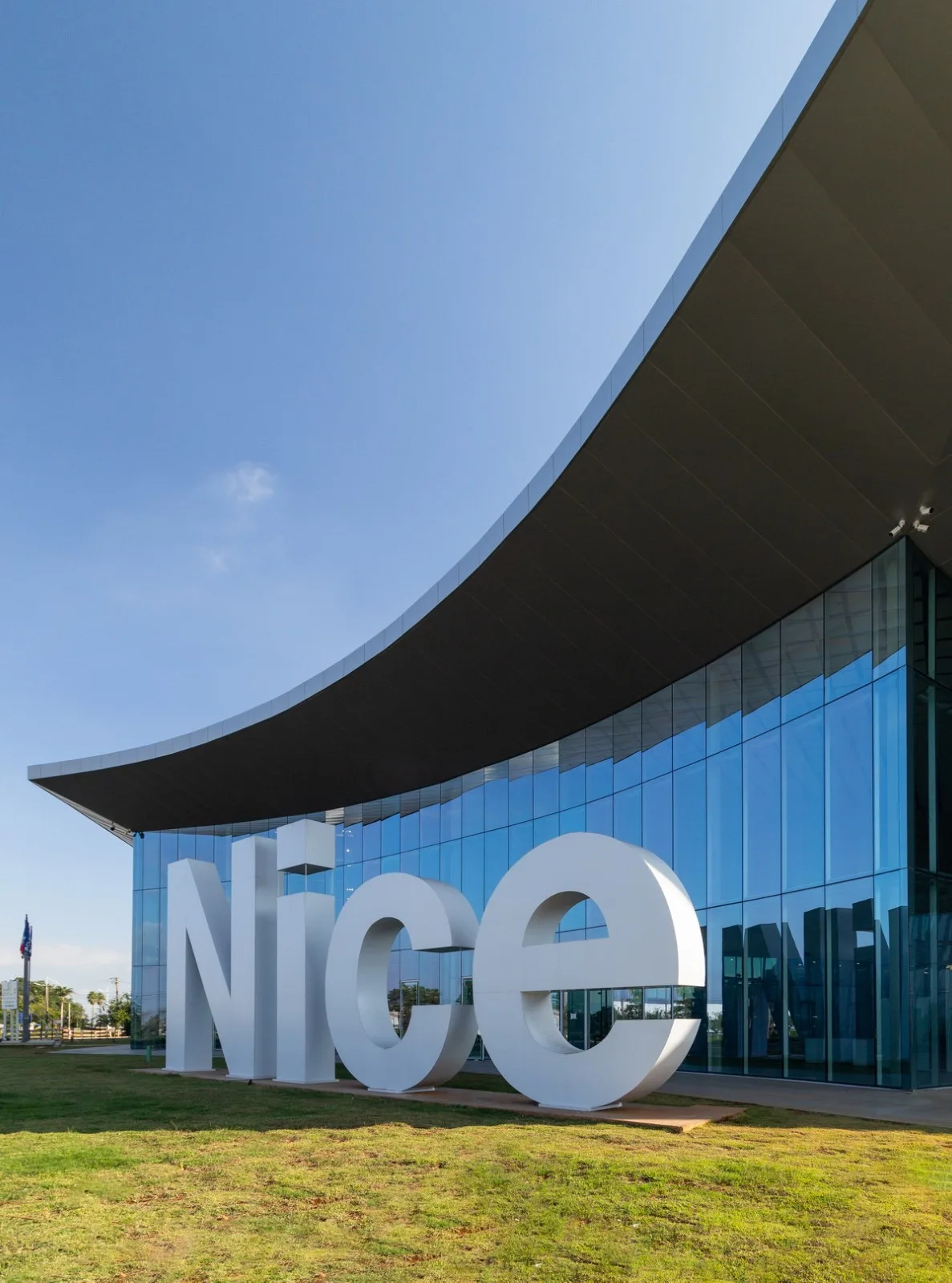
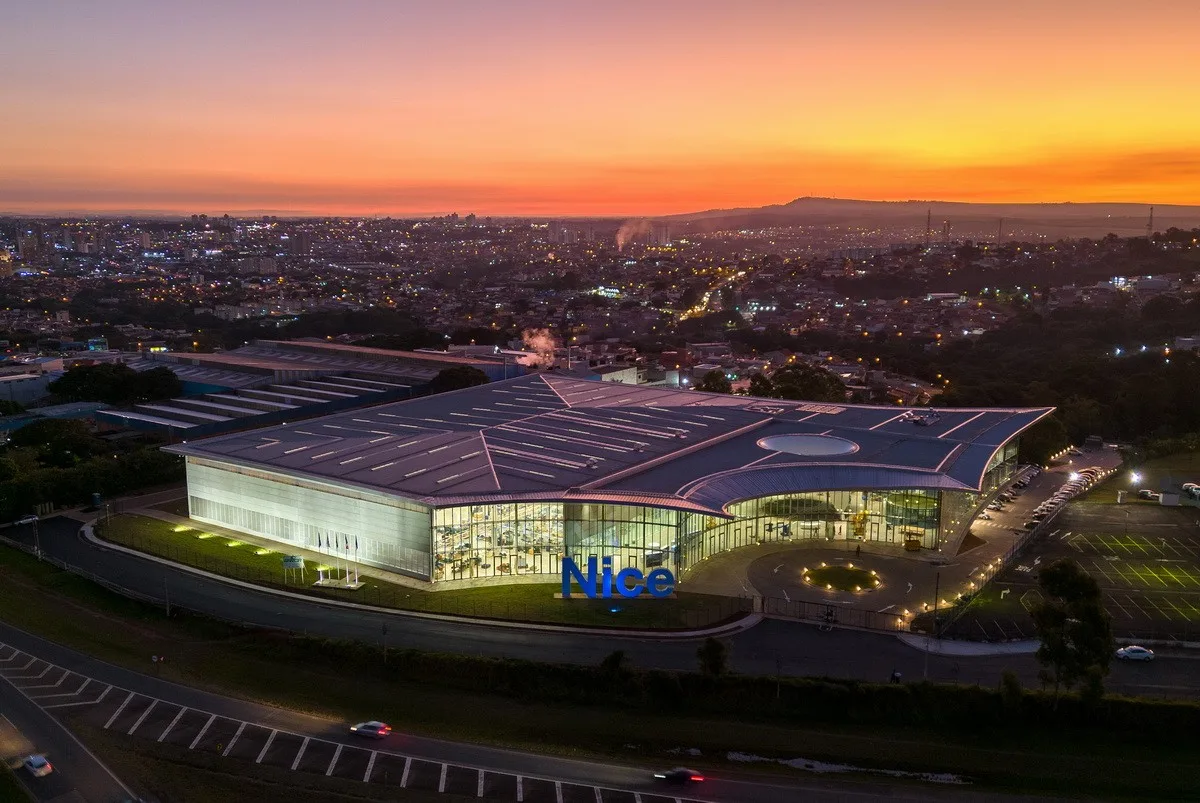
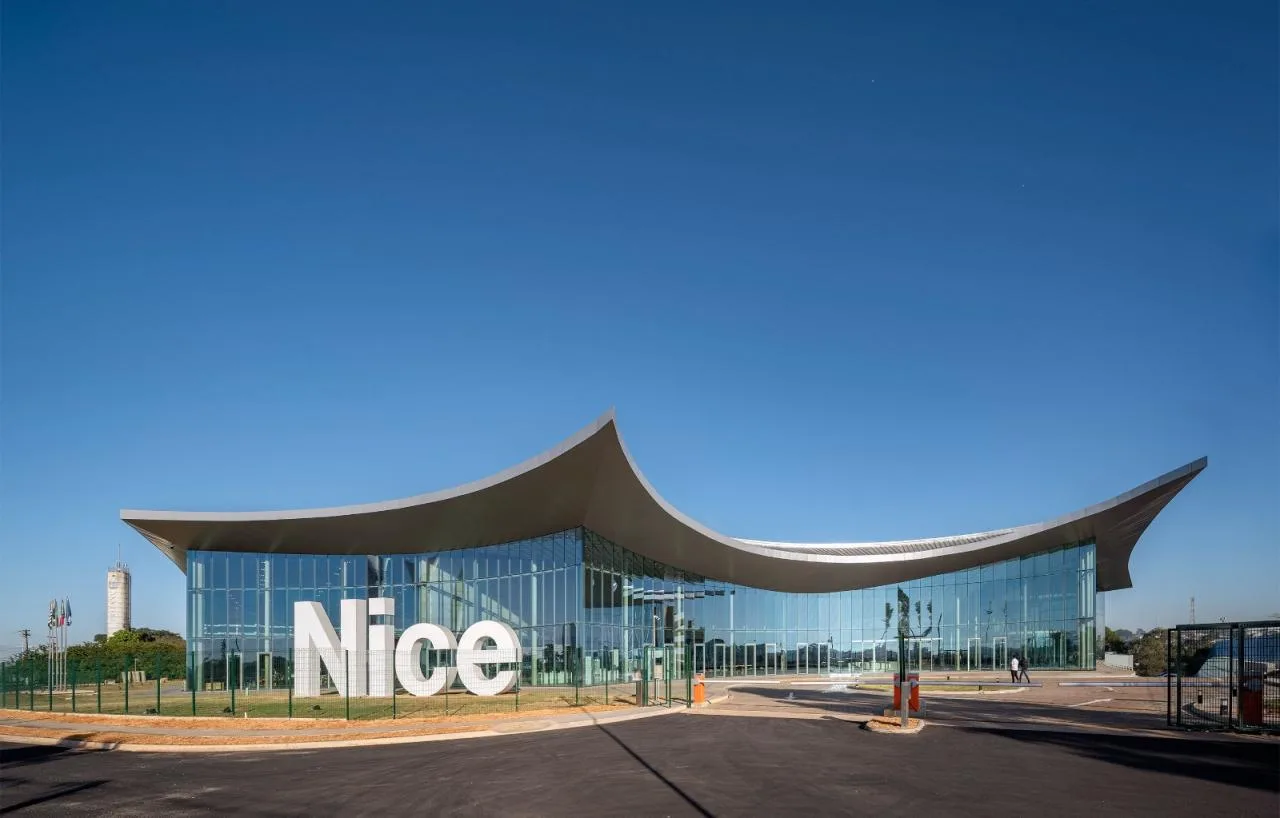
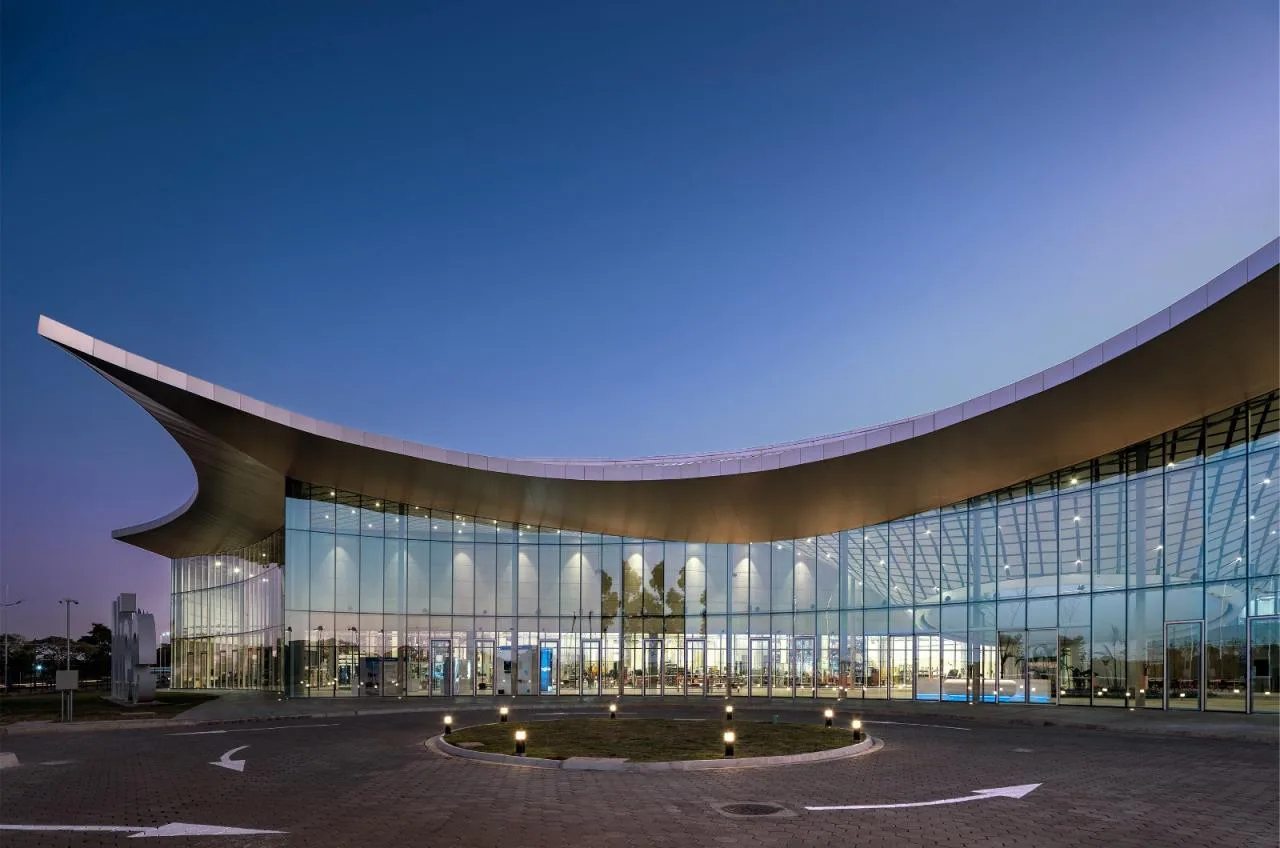
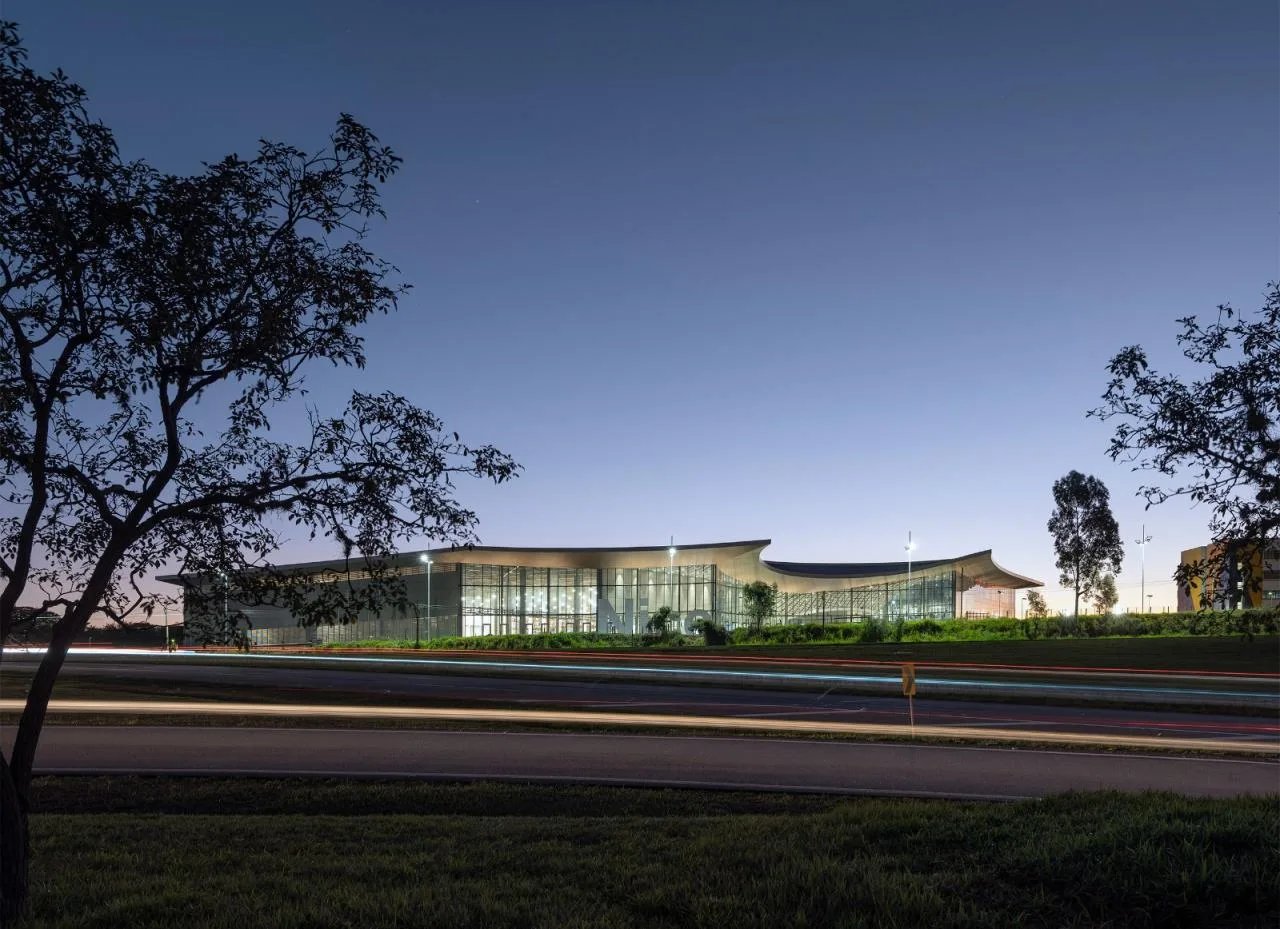
Resembling a giant leaf gently resting on a slender pillar, the building stands harmoniously beside nature.
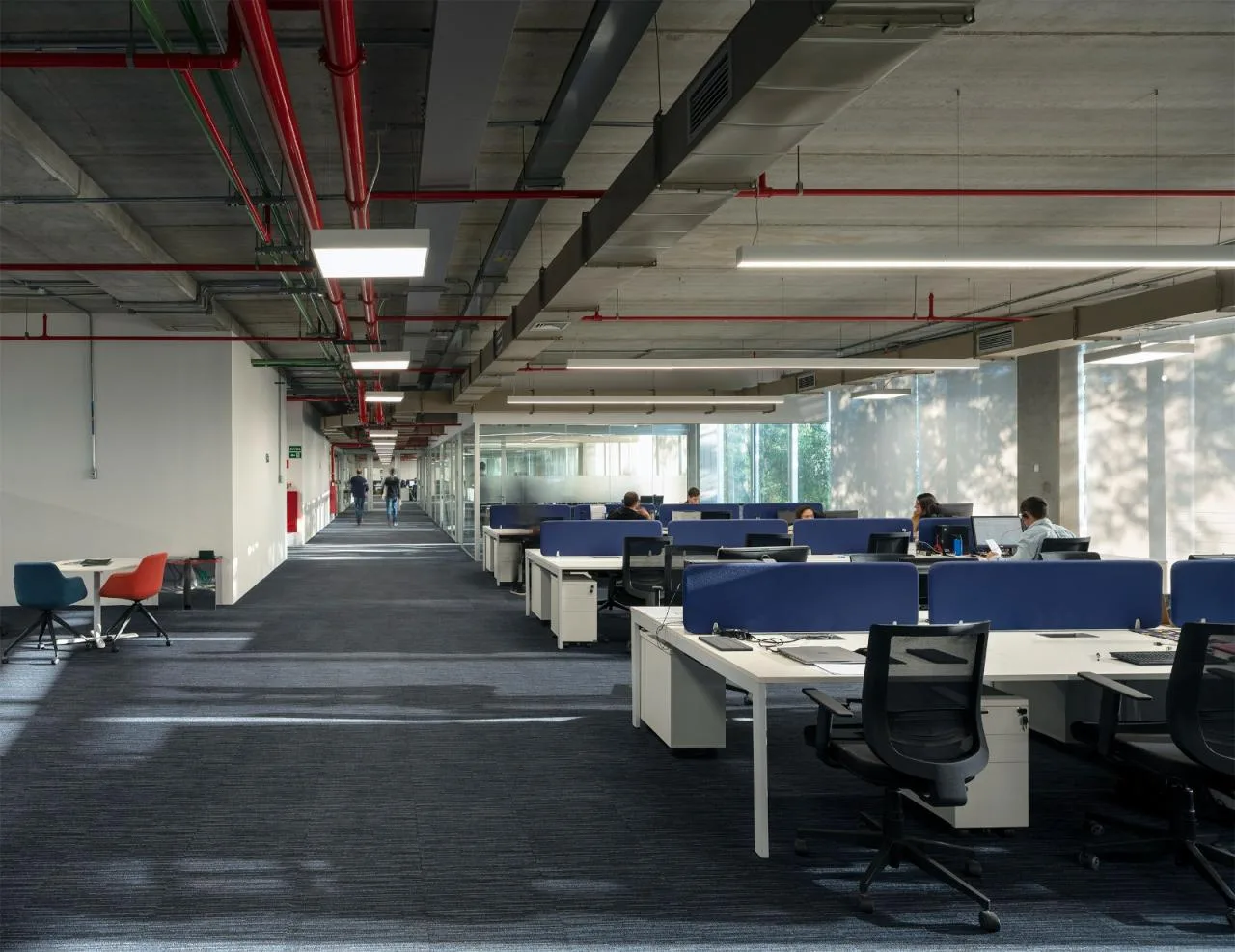
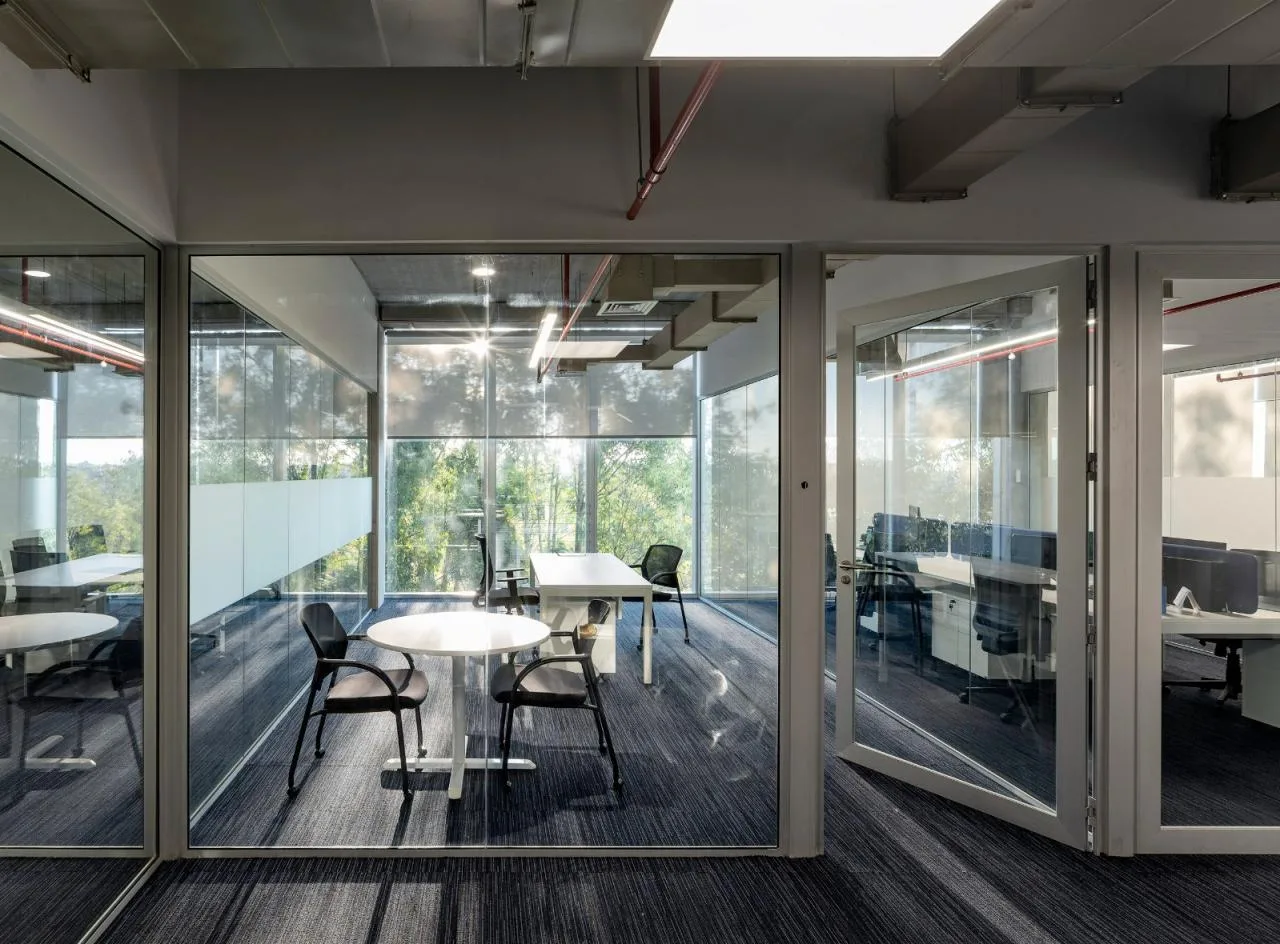
Its design incorporates elements like open walkways, metal frames, concrete floors, and an industrial style, enriching the overall aesthetic.
The glass curtain walls invite the beauty of all four seasons inside, creating a fresh and natural atmosphere throughout the space.
This is the new headquarters of Nice Group in Brazil—an innovative, sustainable industrial complex designed with smart technology at its core.
Nice is an Italian multinational company specializing in building management, safety, automation, and smart home solutions.
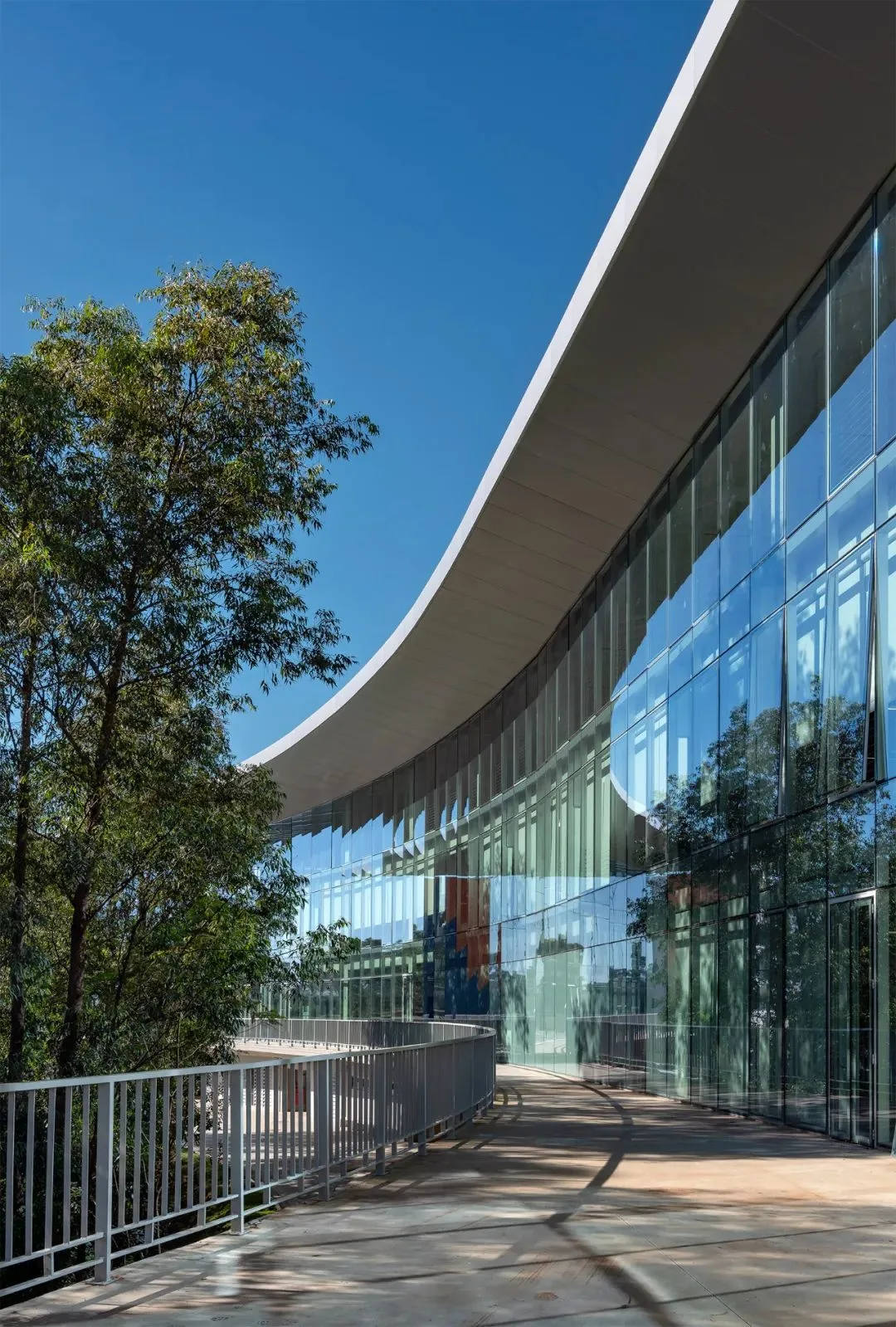
The MCA design redefines sustainable industrial architecture by engaging thoughtfully with its environment and community. It combines passive and active strategies to reduce energy consumption, enhance building efficiency, and improve both work and life quality.
Meeting LEED Gold certification standards, it sets a benchmark for sustainable development in Brazilian architecture.
Symbiosis with Nature
This project challenges traditional perceptions of industrial spaces by replacing closed, compact designs with openness and permeability. It fosters meaningful connections with the local social and cultural context.
By interacting with the surrounding landscape and reinterpreting traditional Brazilian architectural elements, the design encourages users to embrace energy-saving practices and fosters a symbiotic relationship between building and nature.
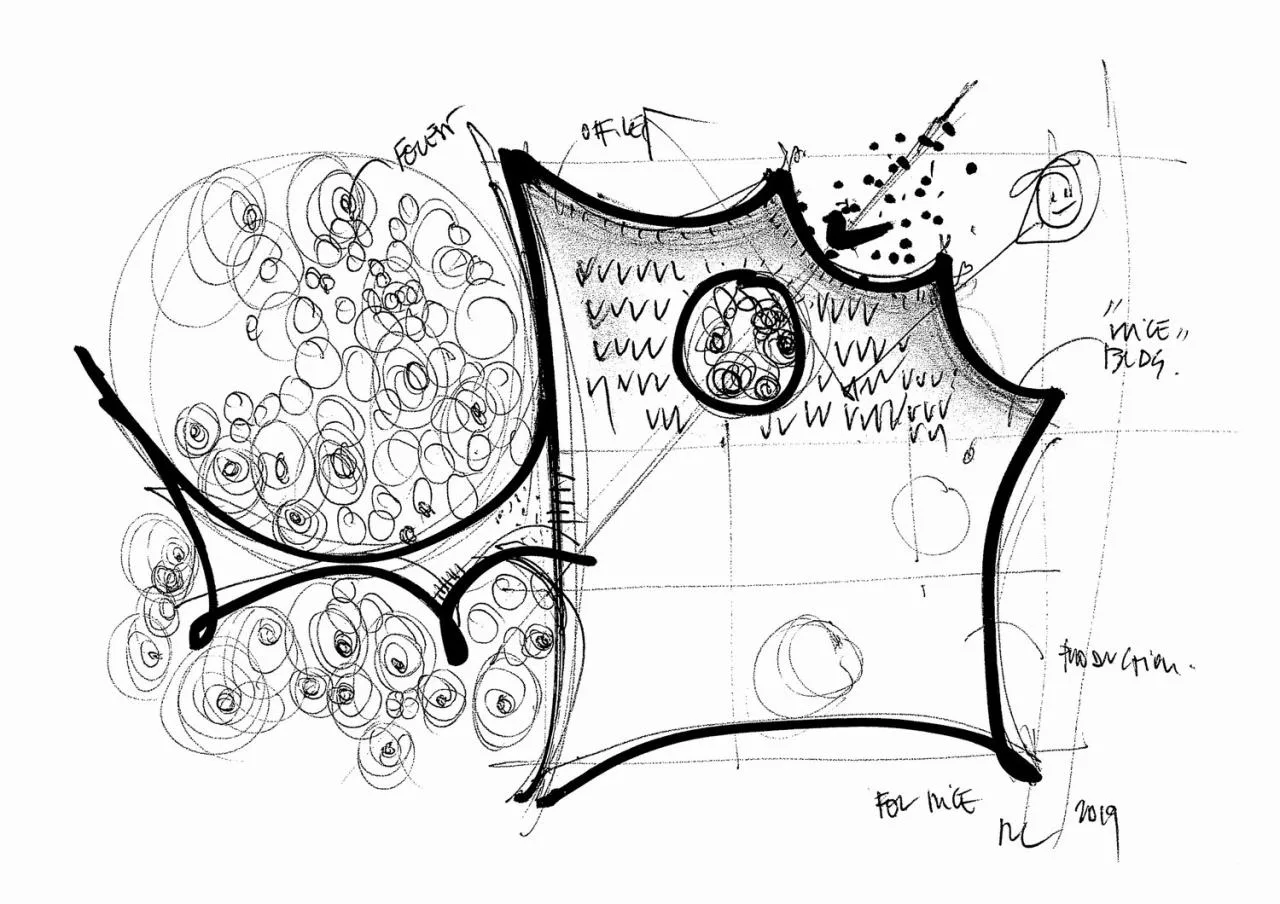
Architectural Space
The building integrates multiple functions, including corporate offices, exhibition halls, manufacturing areas, and employee accommodations.
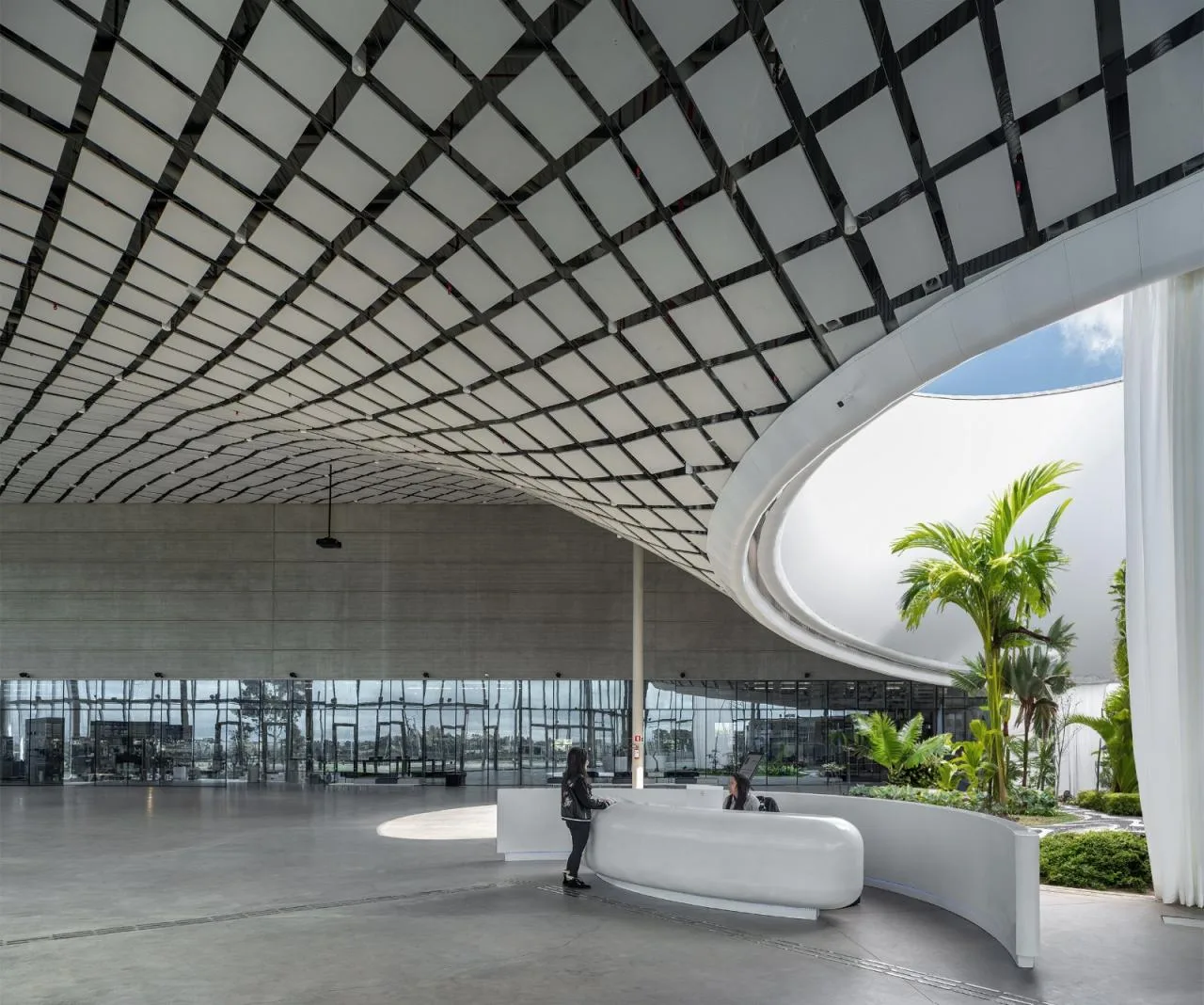
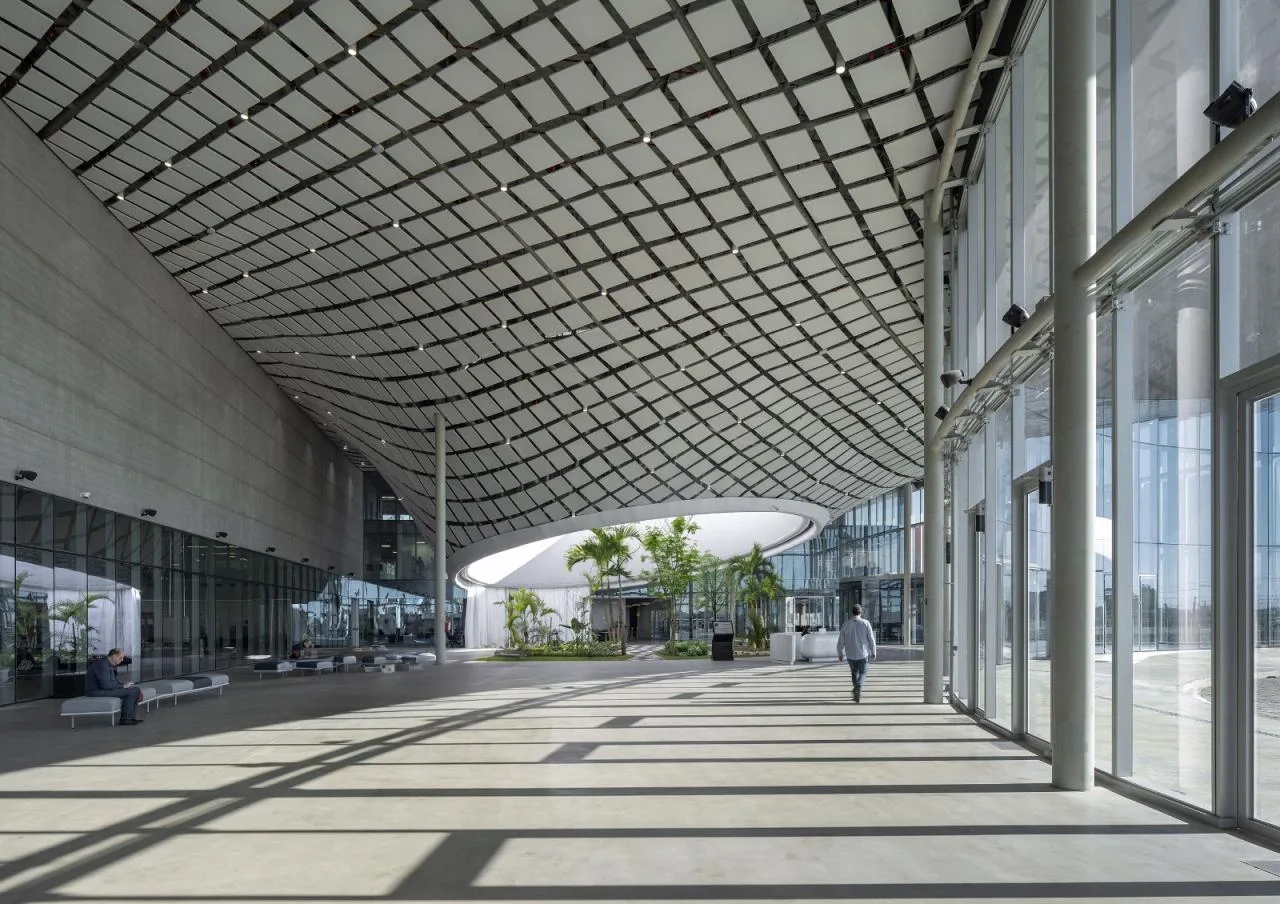
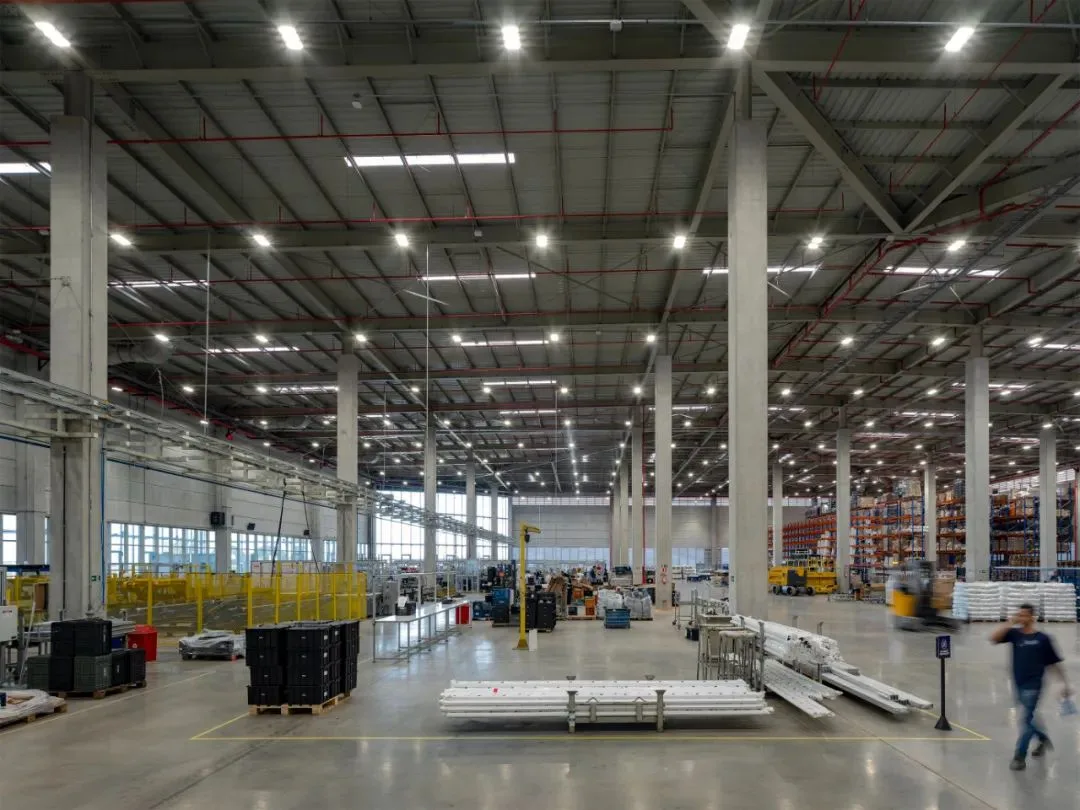
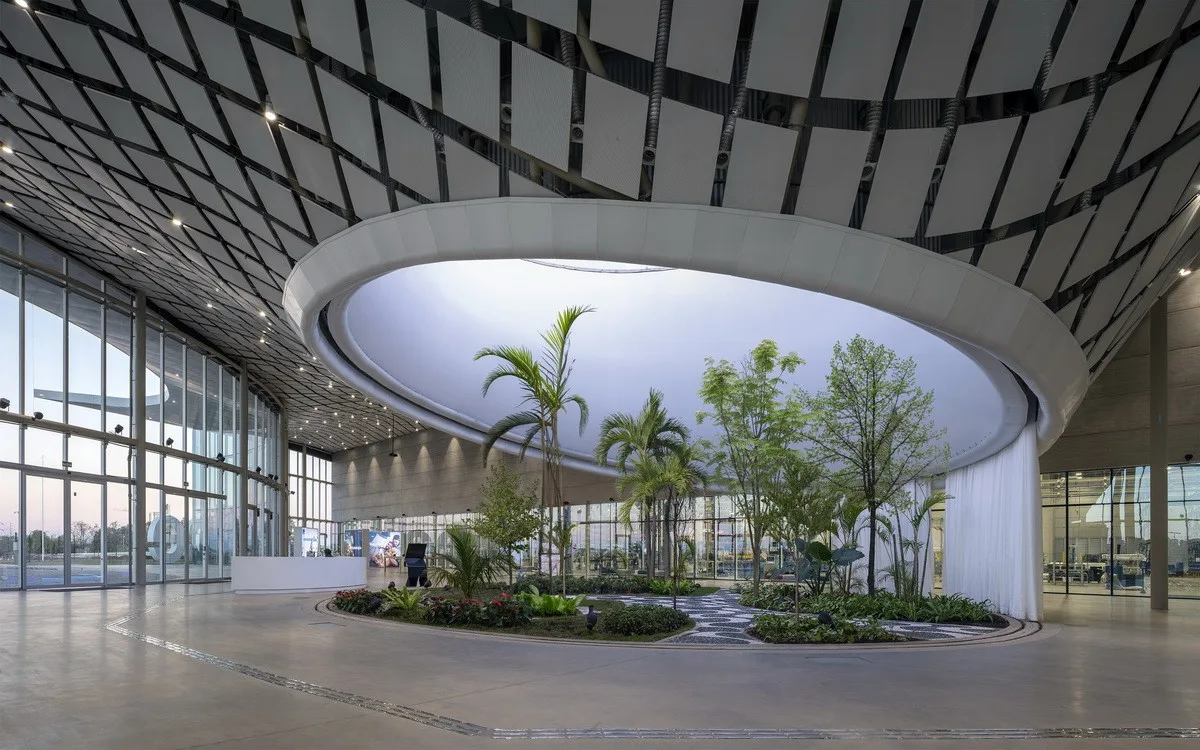
The main facade features a glass curtain wall that floods the interiors with natural light. Inside, the industrial production area coexists with two office levels, public spaces, training rooms, exhibition halls, and a garden atrium.
Through the stunning floor-to-ceiling glass facing the atrium, visitors can observe the production process as if touring an open factory.
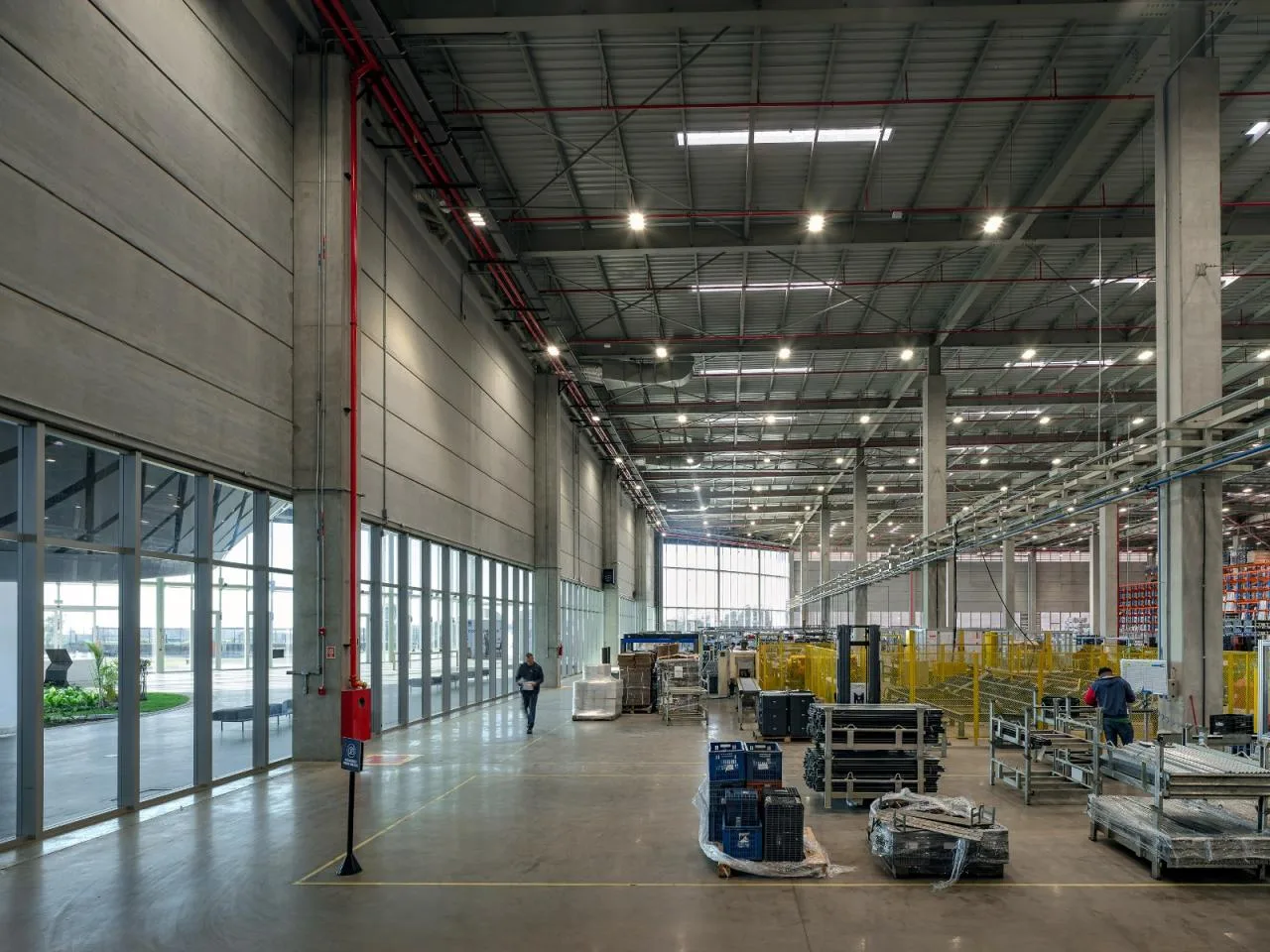
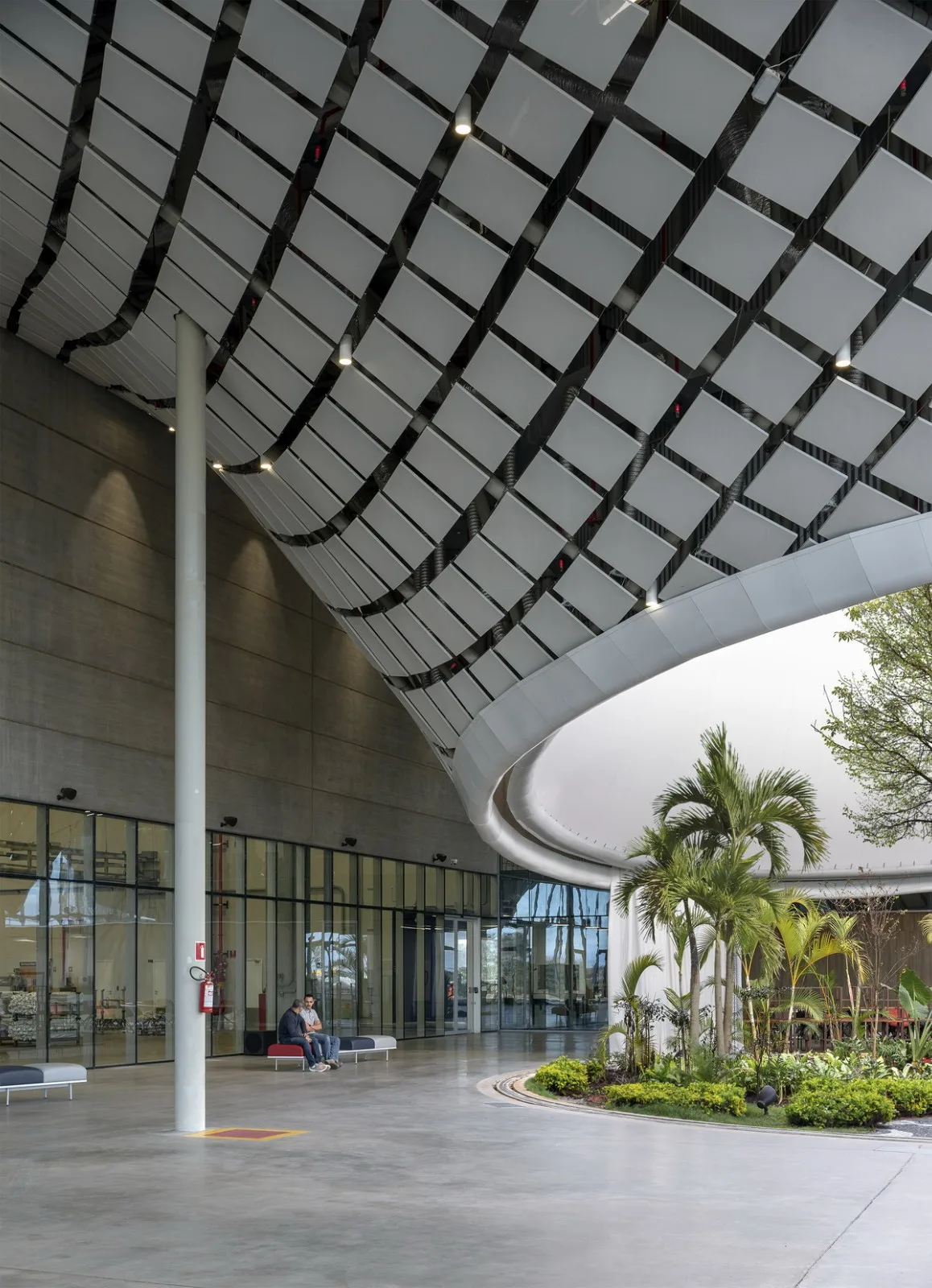
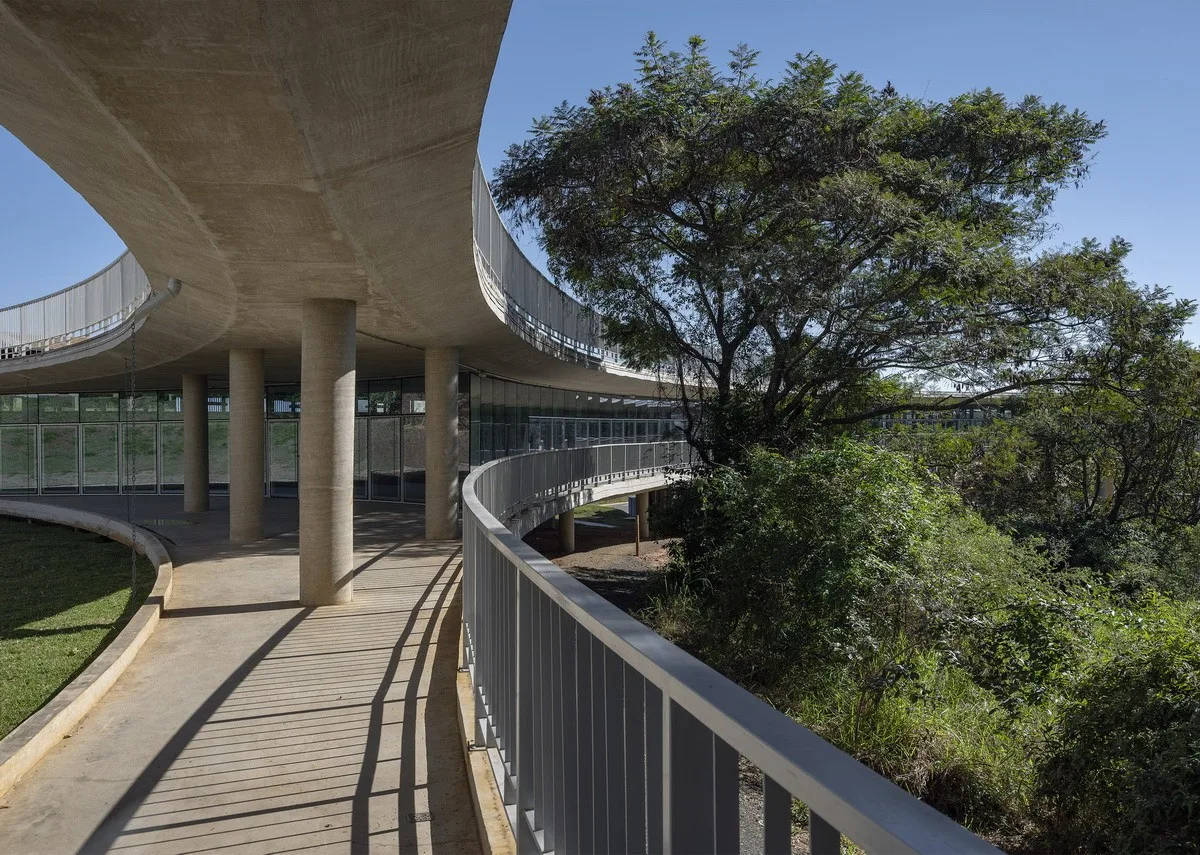
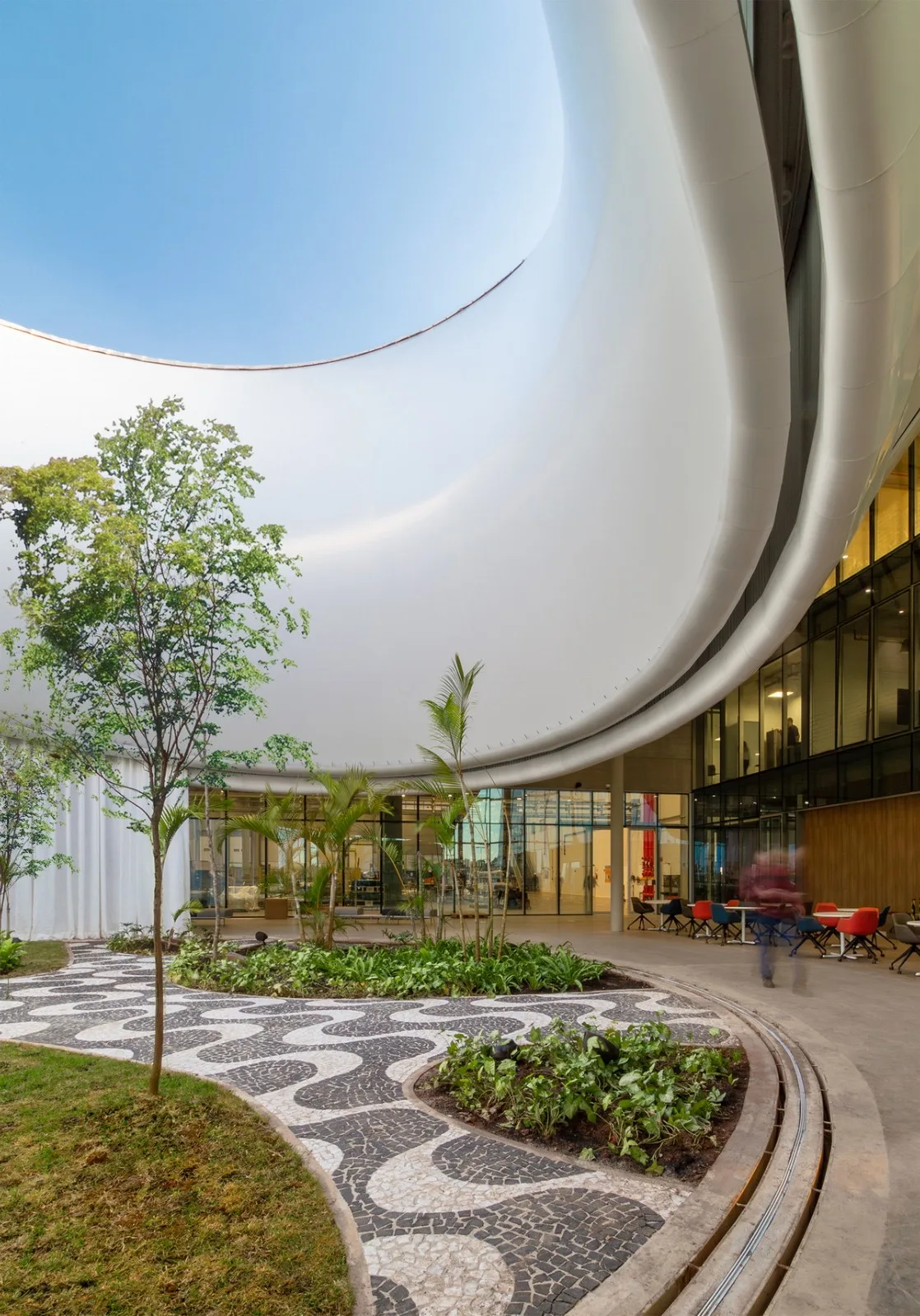
A large forest garden connects the site to the nearby Escorpião Infestação Park. The northern section forms a “U”-shaped garden that blends indoor and outdoor spaces, blurring the boundary between the building and the landscape.
Abundant greenery introduces the natural seasonal changes indoors while mitigating the potential light pollution caused by the glass facade. This environment invites users to not only admire the scenery but to become an integral part of it.
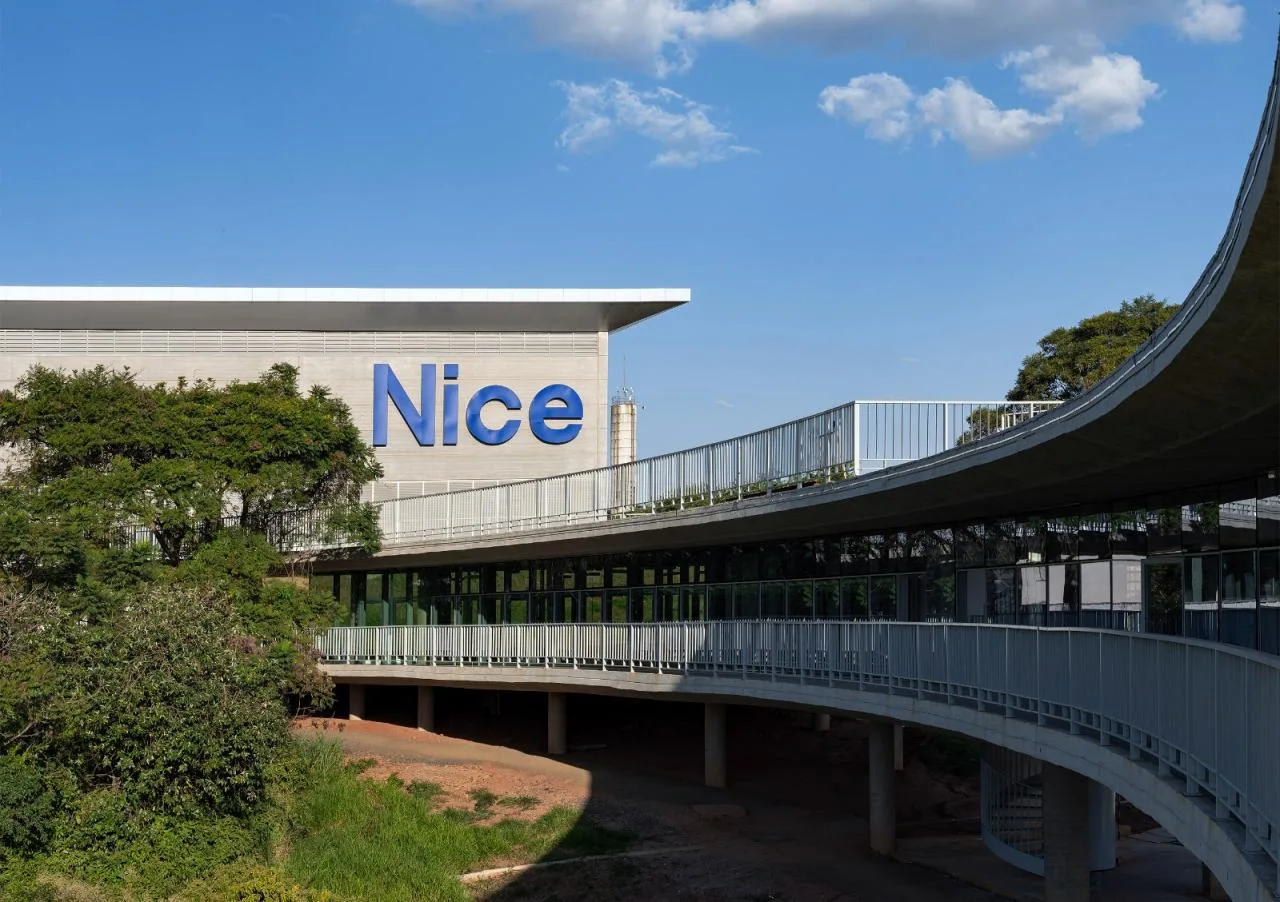
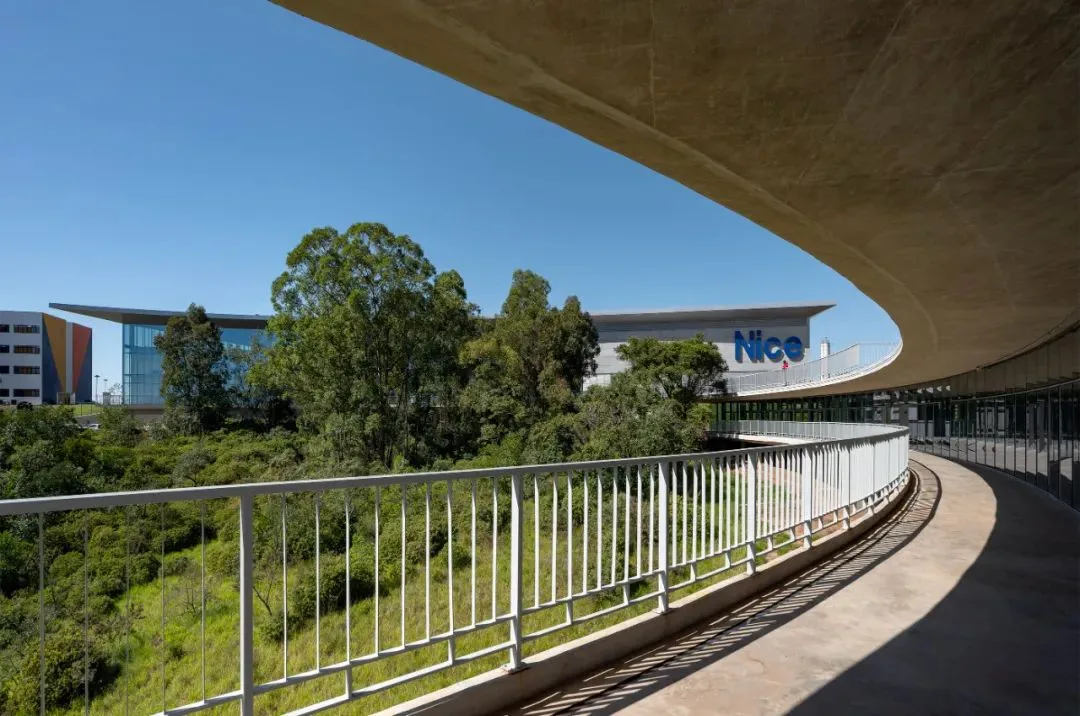
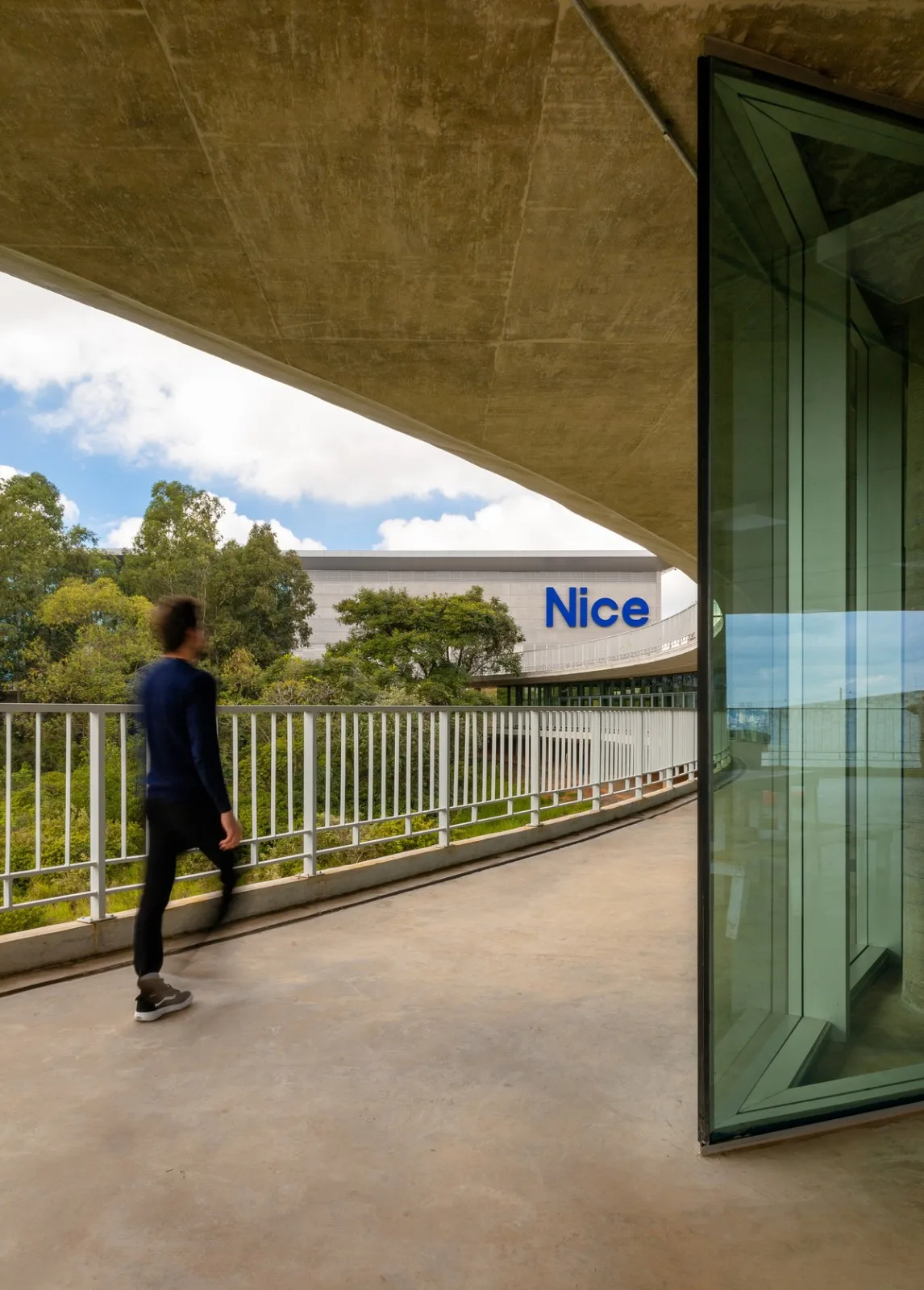
An aerial corridor encircles the garden, leading to the building’s extension, which provides employee amenities including a gym, multipurpose activity space, and an outdoor kitchen designed for making traditional Brazilian pancakes.
Iconic Roof
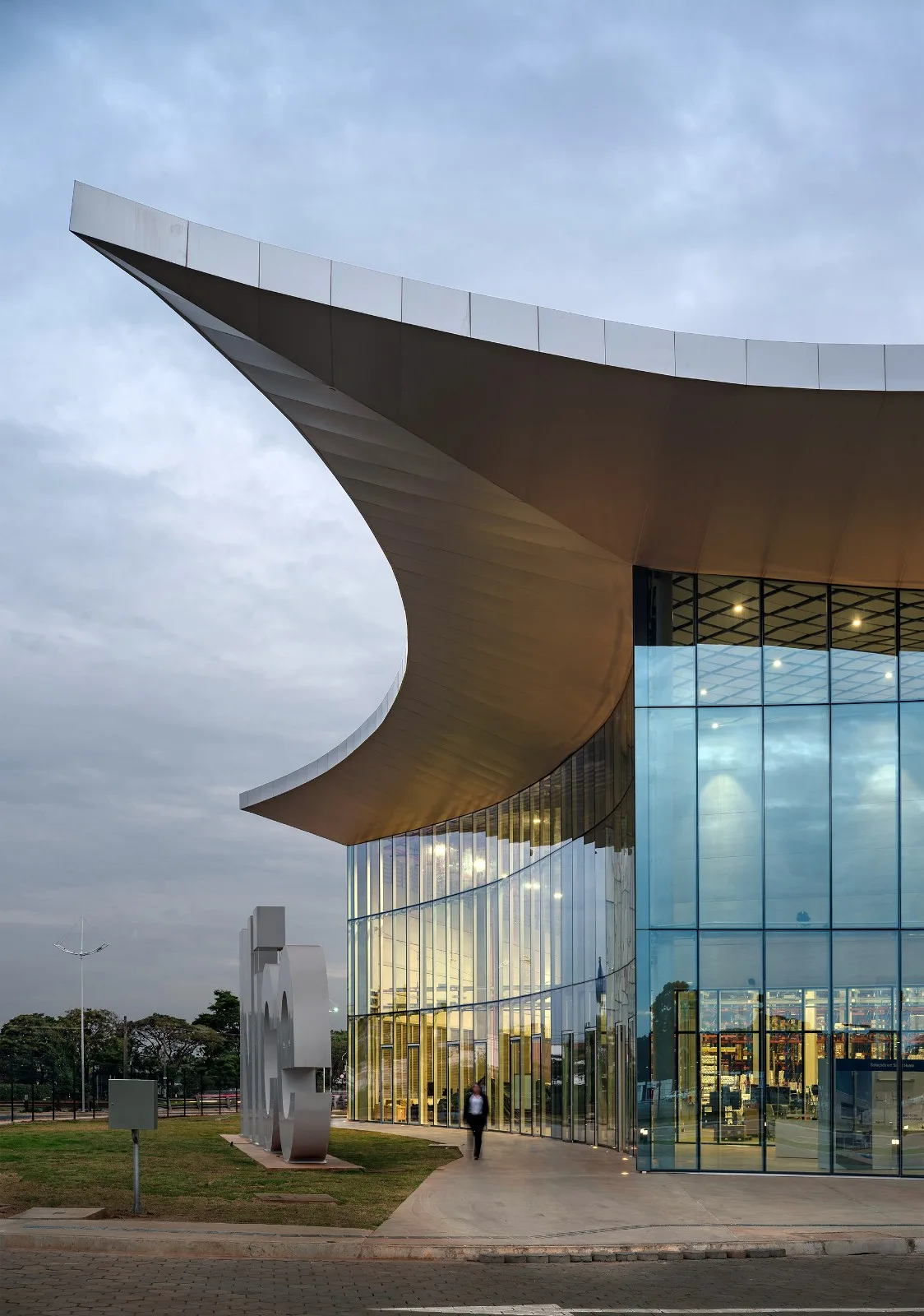
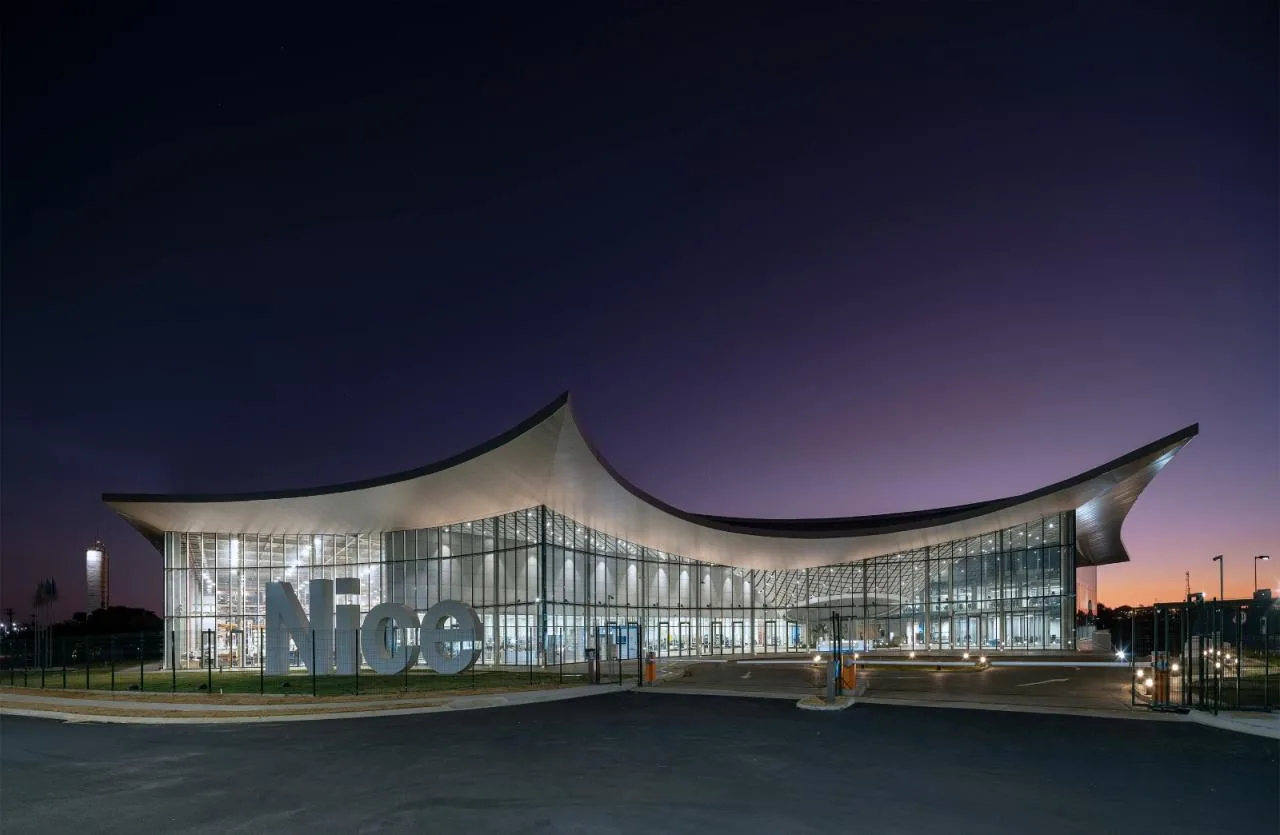
The cantilevered roof design draws inspiration from tropical plant leaves. This distinctive form serves not only as an architectural feature but also as an effective passive environmental control.
During the hottest months, the extended roof shields the building’s exterior from direct sunlight, reducing radiant heat by nearly 47% and preventing overheating. Simultaneously, it allows natural daylight to enter without glare, enhancing indoor comfort.
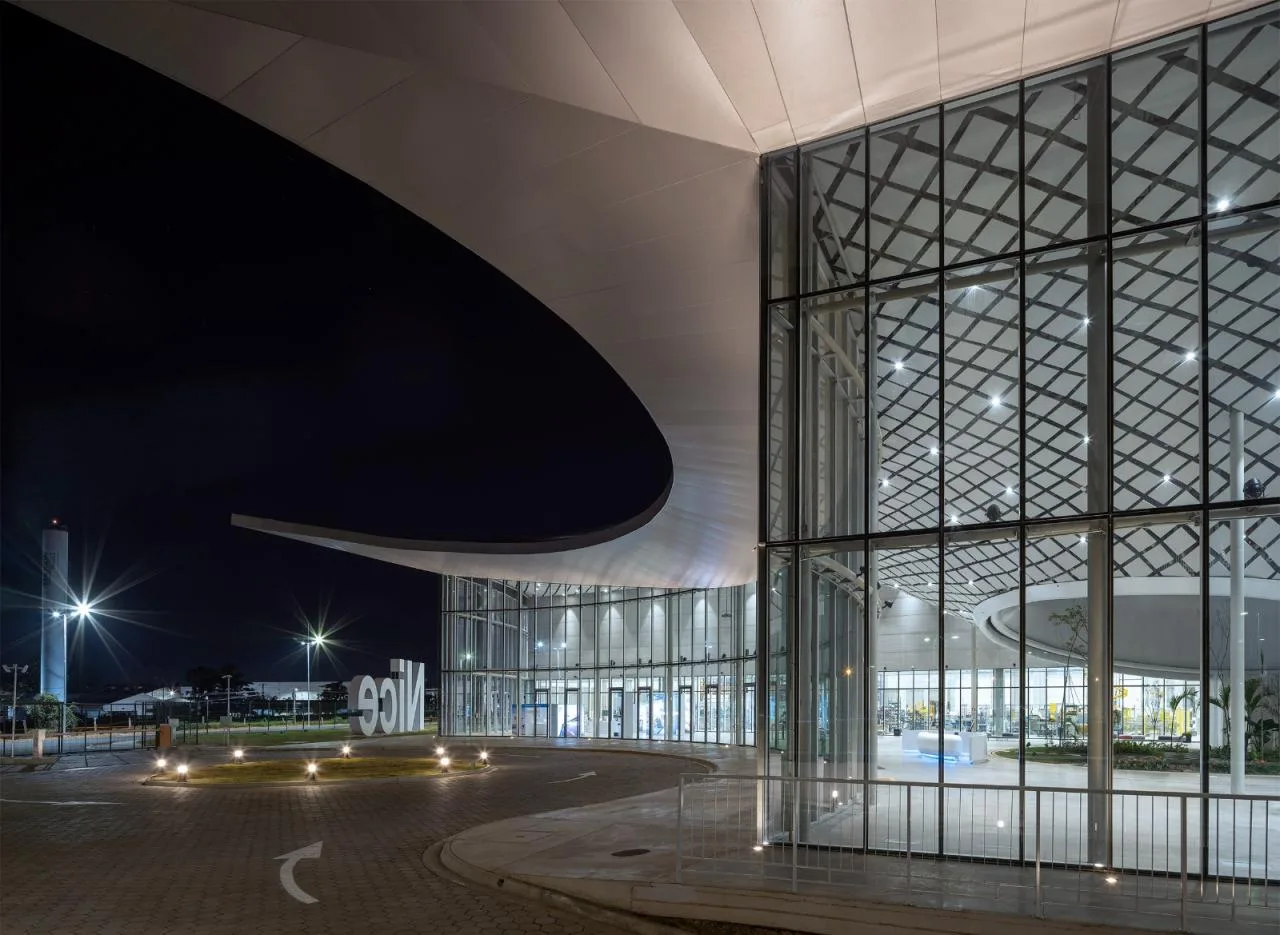
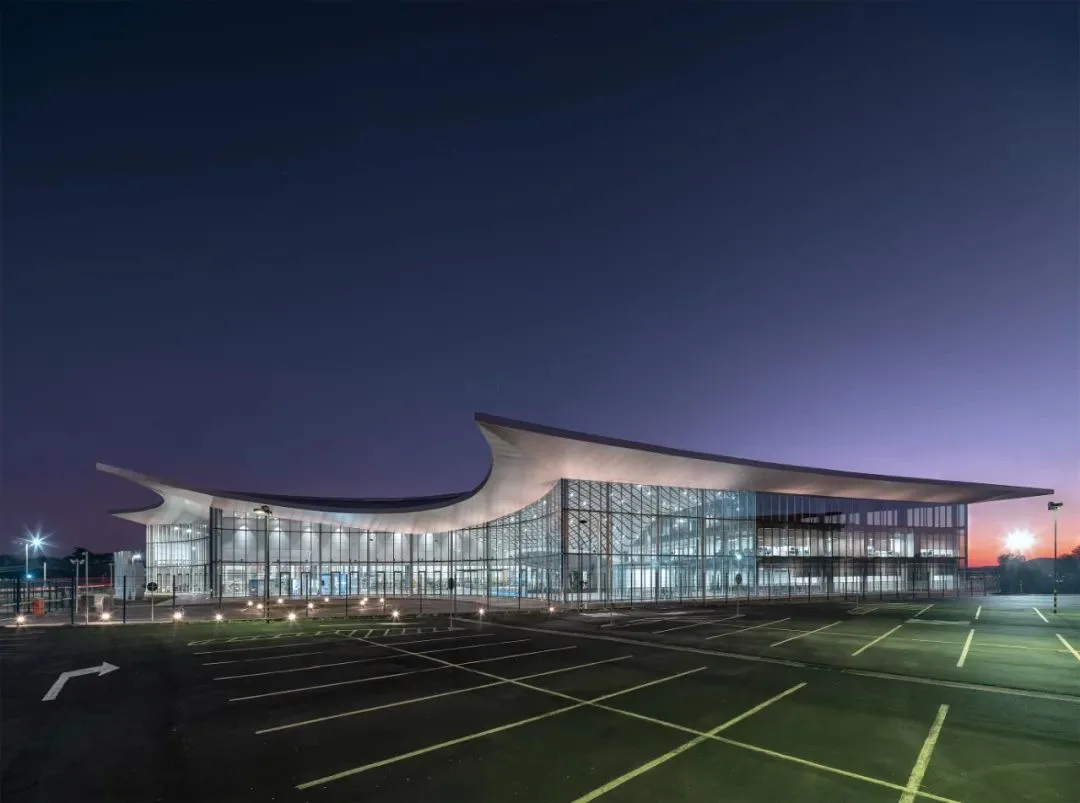
Considered the building’s fifth facade, the roof introduces natural light into the interior and atrium spaces, enhancing visual comfort and creating a strong connection with the outdoors.
Functioning as a climate buffer, it forms transitional semi-outdoor spaces that regulate the indoor and outdoor microclimates, ensuring optimal thermal comfort for occupants.
Industry 4.0 Smart Factory
Beyond the headquarters, the complex includes an international research and development center spanning nearly 20,000 square meters. This facility embodies a smart factory designed according to Industry 4.0 principles, serving as a model for sustainable industrial architecture.
Industry 4.0 integrates Internet of Things (IoT), cloud computing, Cyber-Physical Systems (CPS), and cognitive computing to create optimal working conditions, foster sustainable business models, and enhance factory efficiency and product quality.
Bringing architecture to life and fostering genuine dialogue with the environment and nature is becoming increasingly vital.
While this relationship has long been recognized, it is only recently that its importance has been fully appreciated.
“I believe Nice will serve as a catalyst in this respect—working in harmony with the environment, engaging in dialogue with nature, and minimizing environmental impact.” — Mario Cucinella
Zero Carbon Strategy
The construction of Nice Group’s new headquarters in Brazil follows strict guidelines aimed at improving energy efficiency and environmental awareness across all operations, including building management, employee mobility, and product development. These align with the company’s global energy policies.
Since assessing the company’s carbon footprint in 2021, Nice has developed a clear sustainability roadmap: reducing carbon emissions by 50% by 2025 and achieving net-zero carbon emissions by 2030. This strategy aligns with international goals to keep global temperature rise below 2°C.
The design emphasizes the local climate, making it a truly bioclimatic building. It leverages favorable climate conditions, maximizes environmental integration, combines active and passive energy-saving measures, and incorporates renewable energy sources. A portion of the building can operate independently of the urban power grid for up to a year, achieving significant energy savings.
Thanks to superior thermal performance, natural ventilation, and advanced ventilation systems, the building maintains high comfort standards, enabling active heating or cooling in production zones. The roof and operable facade reduce direct sunlight exposure while meeting indoor lighting and ventilation needs, allowing natural ventilation for two-thirds of the year.
Landscape Design
Working in harmony with the environment, the landscape design explores the relationship between the building and local flora within the Brazilian tropical Cerrado biome, ranging from grasslands to savannas and forested areas.
This approach enhances regional biodiversity and incorporates ecological reservoirs and depression landscapes to reduce rainwater runoff by collecting, storing, purifying, and reusing water in underground tanks.
Project Drawings
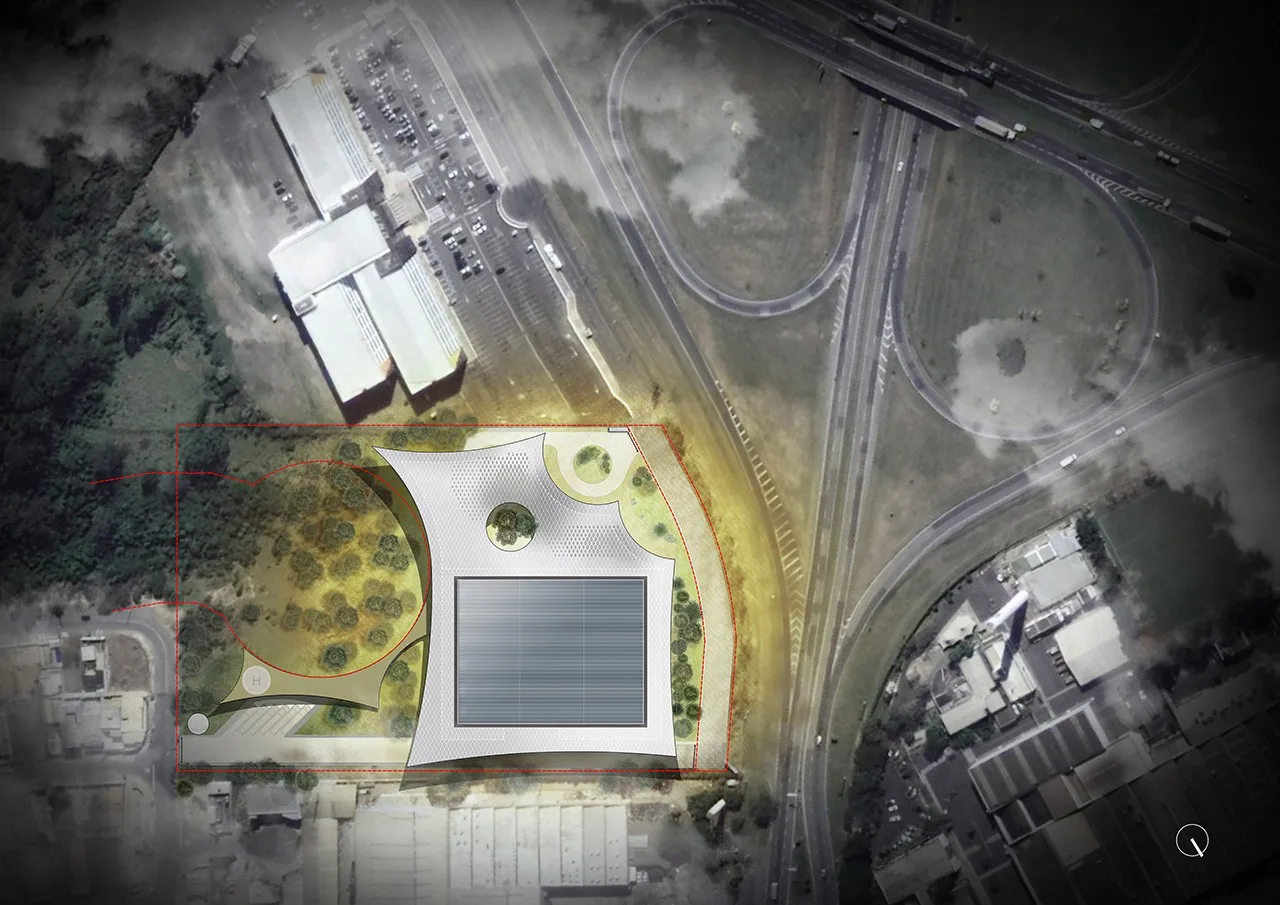
△ General Layout Plan
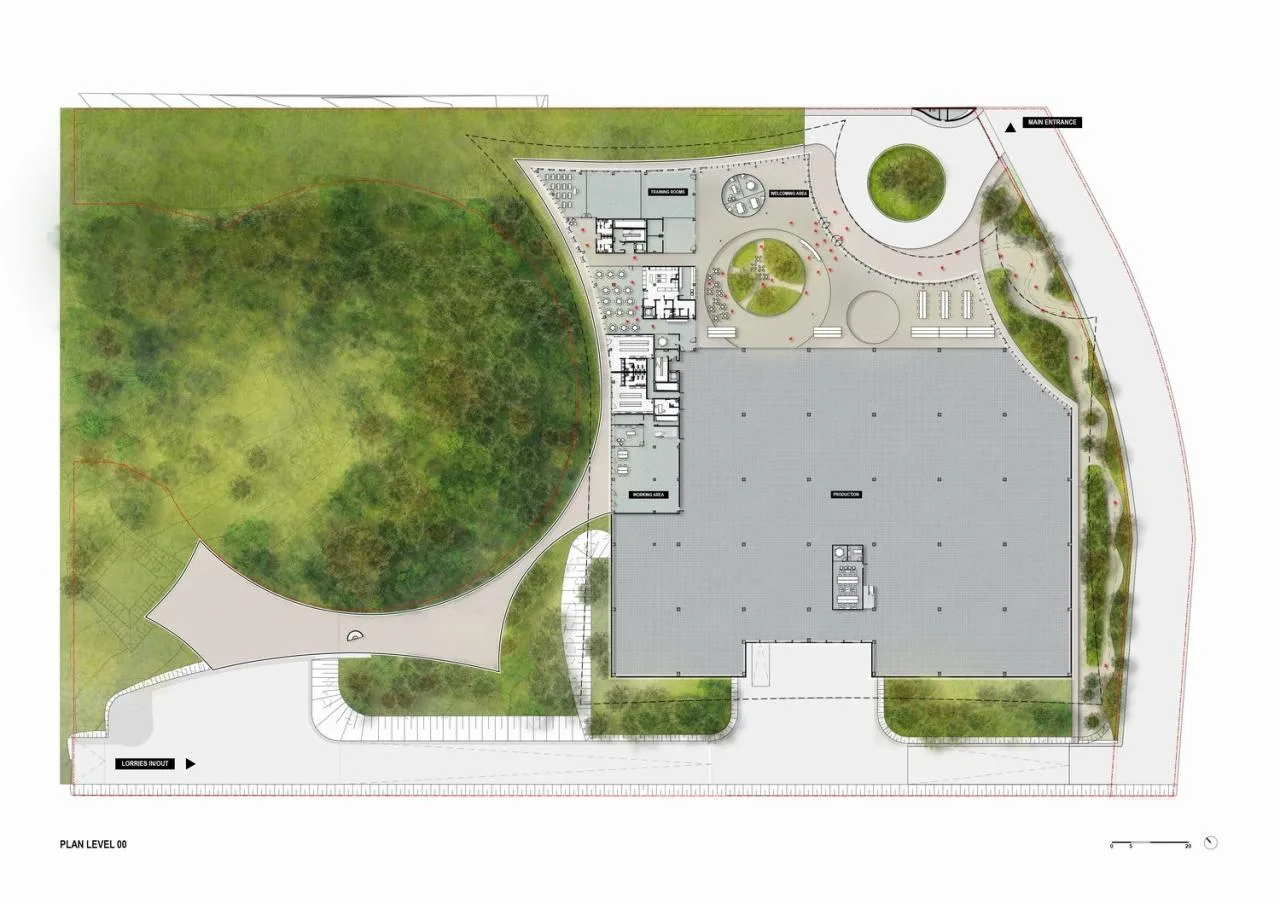
△ Floor Plan
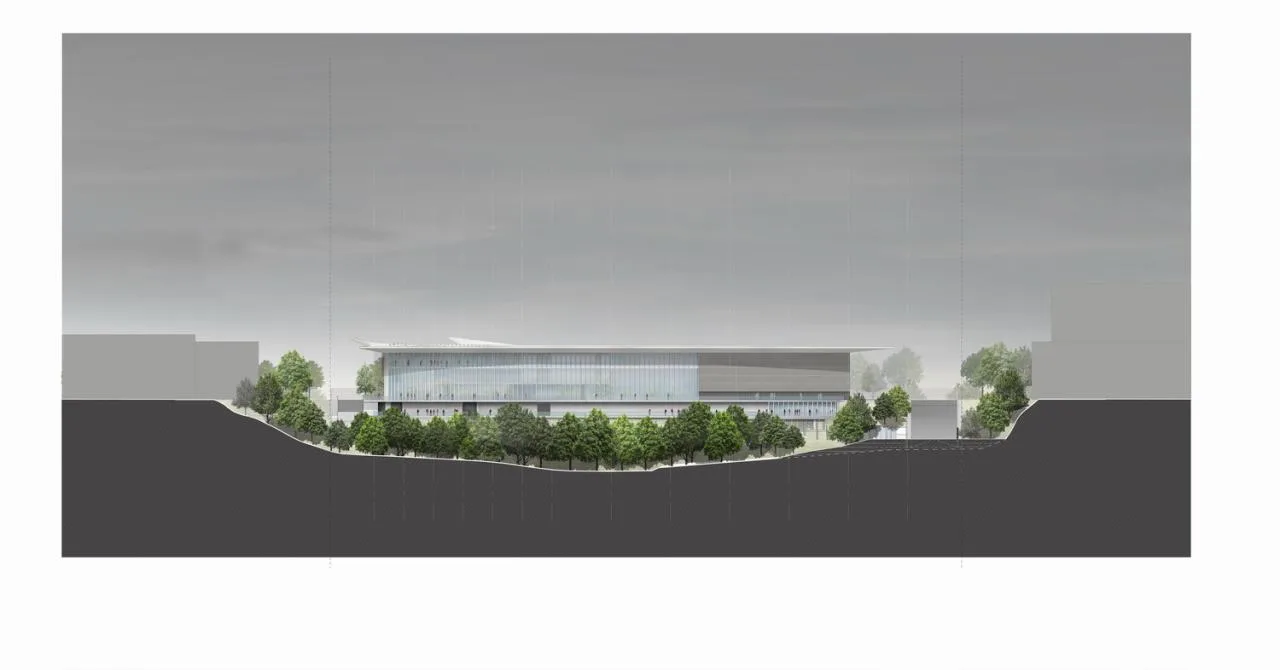
△ Elevation Drawing
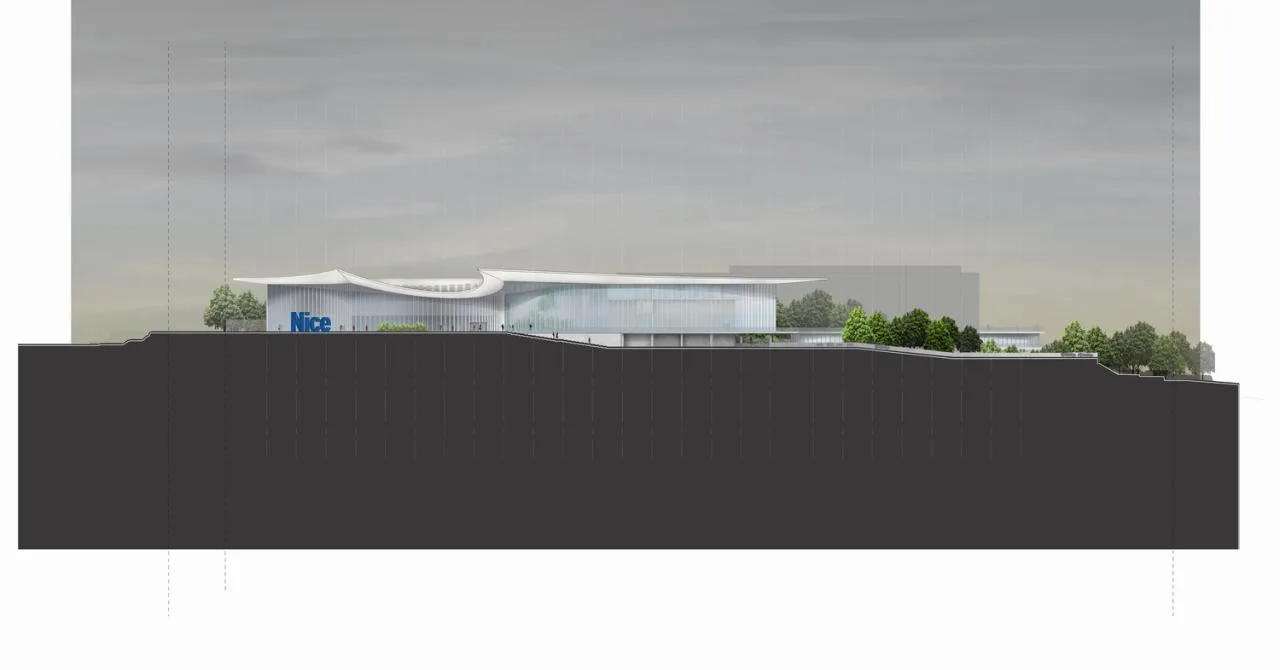
△ Elevation Drawing
Project Information
Location: Limeira, Brazil
Duration: 2019–2023
Area: 20,000 square meters
Design Team: Mario Cucinella, Andrea Rossi, Michel Olivierli, Elena Biasen, Maria Pazaria, Valerio Vincioni, MariAngela Toscano, Angelo Angarelli, Alessio Nadoni, Augusta Zanzilo, Yuri Costantini, Andrea Ginovisi
Rendering: Alessia Monacelli, Guglielmo Barbie, Sebastian Beldean
Structural Engineering: MF Minerbo Fuchs Engenharia SA
Mechanical and Electrical Engineering: MF Minerbo Fuchs Engenharia SA
Landscape Design: Balmori Associates
Photography: Du Qiao Maraganba, Adriano Pacelli












Must log in before commenting!
Sign Up