
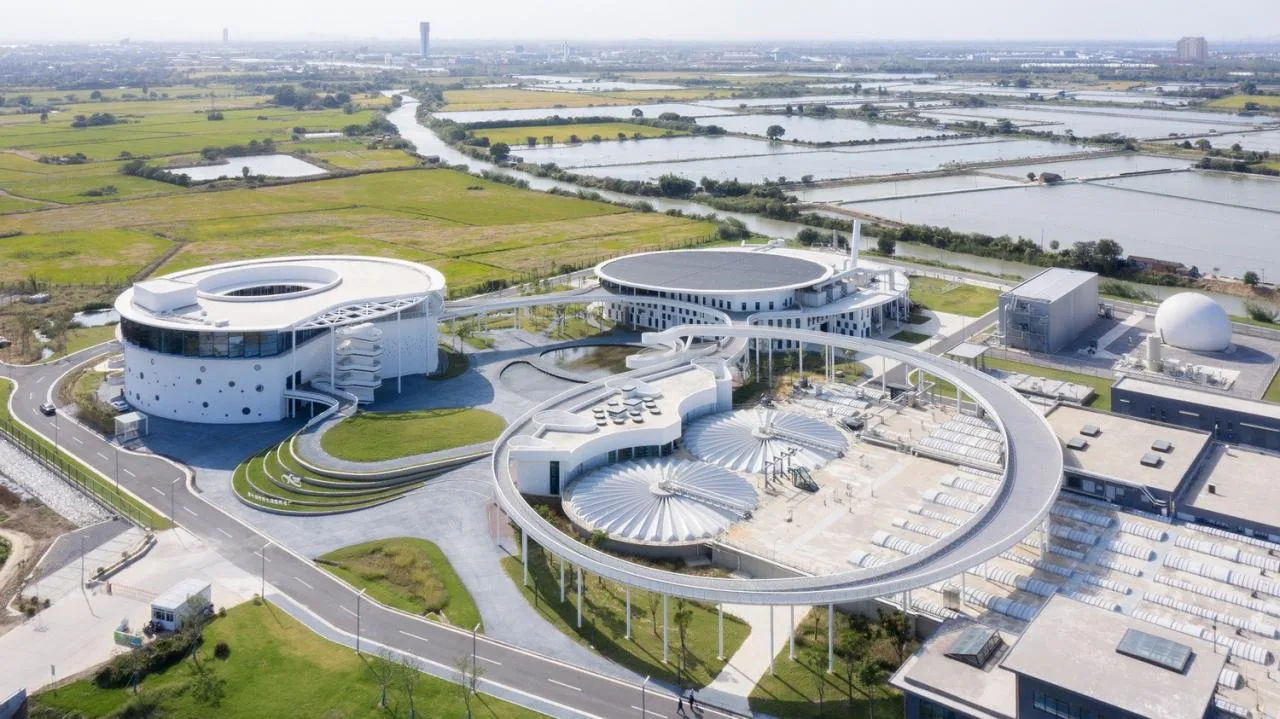
The Yixing Urban Sewage Resource Concept Factory represents a groundbreaking initiative to transform traditional sewage treatment plants into resource recycling centers. Its goal is to mitigate the negative perceptions often associated with sewage plants by replacing closed, pollution-focused facilities with environmentally friendly, publicly accessible infrastructures. These modern factories are designed to blend seamlessly with their surroundings while promoting environmental education and sustainable development.
Since 2013, the Expert Committee of China Urban Sewage Treatment Concept Plant has advocated for a “future-oriented concept plant” for urban sewage treatment in China. This vision emphasizes four core principles: sustainable water quality, energy self-sufficiency, resource recycling, and environmental friendliness.
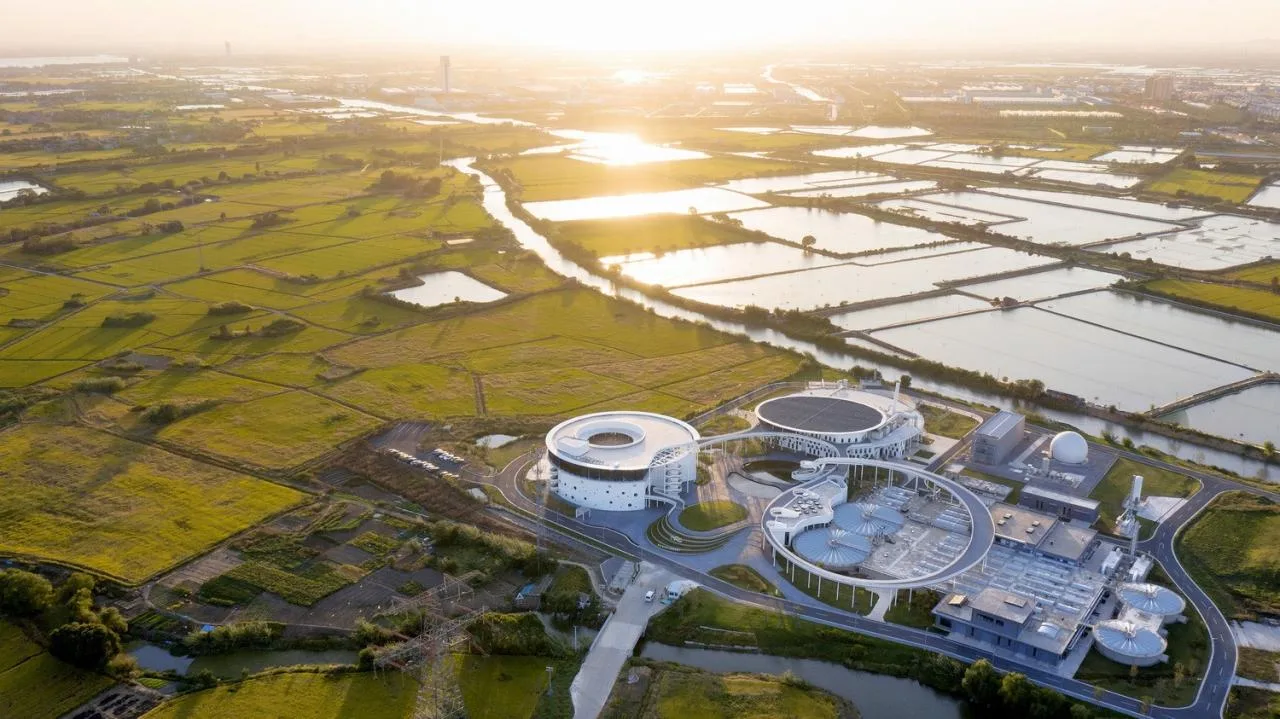
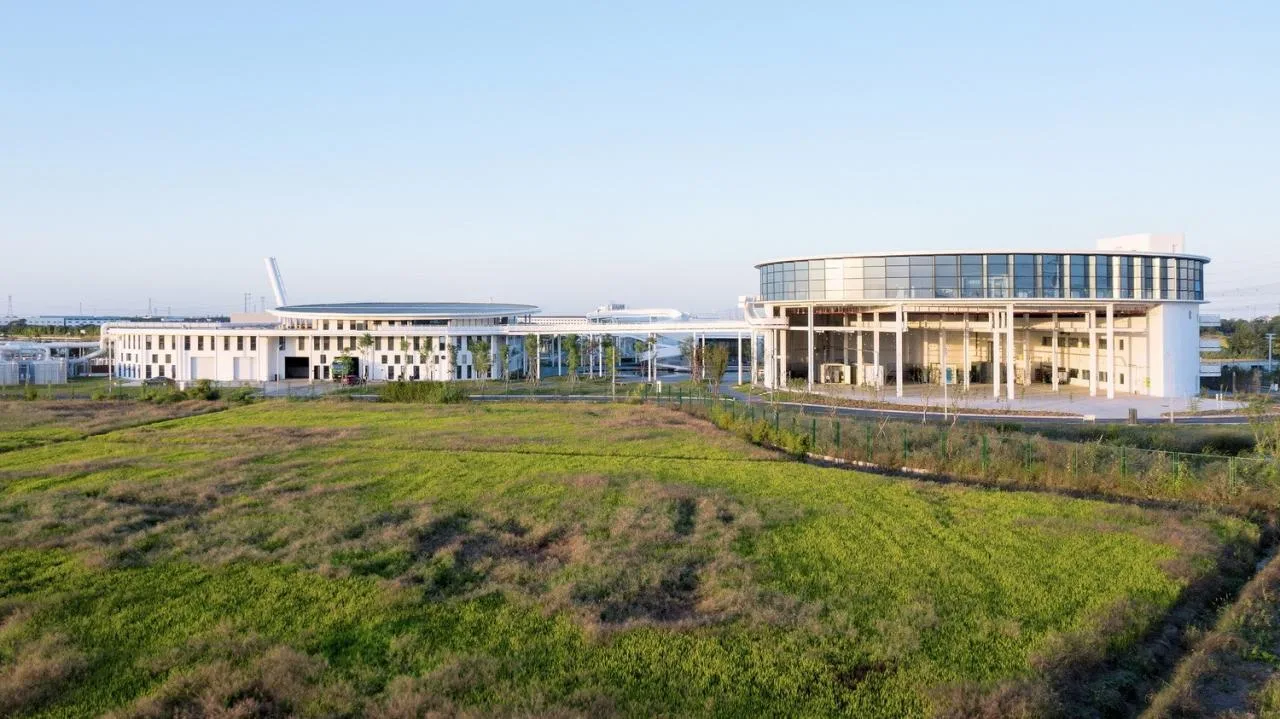
The entire facility includes several key components: a sewage treatment plant with a capacity of 20,000 tons per day, a sludge and organic matter treatment center that handles 100 tons daily, a scientific management center covering 5,234 square meters, and an experimental pilot area. The total built-up area is approximately 33,000 square meters, situated within an 8-hectare site.
Planning priorities focus on four main aspects: efficient spatial layout and intensive land use; transitioning from traditional waste management to resource recycling; integrated landscape and architectural design; and comprehensive sustainability encompassing environmental, social, and cultural dimensions.
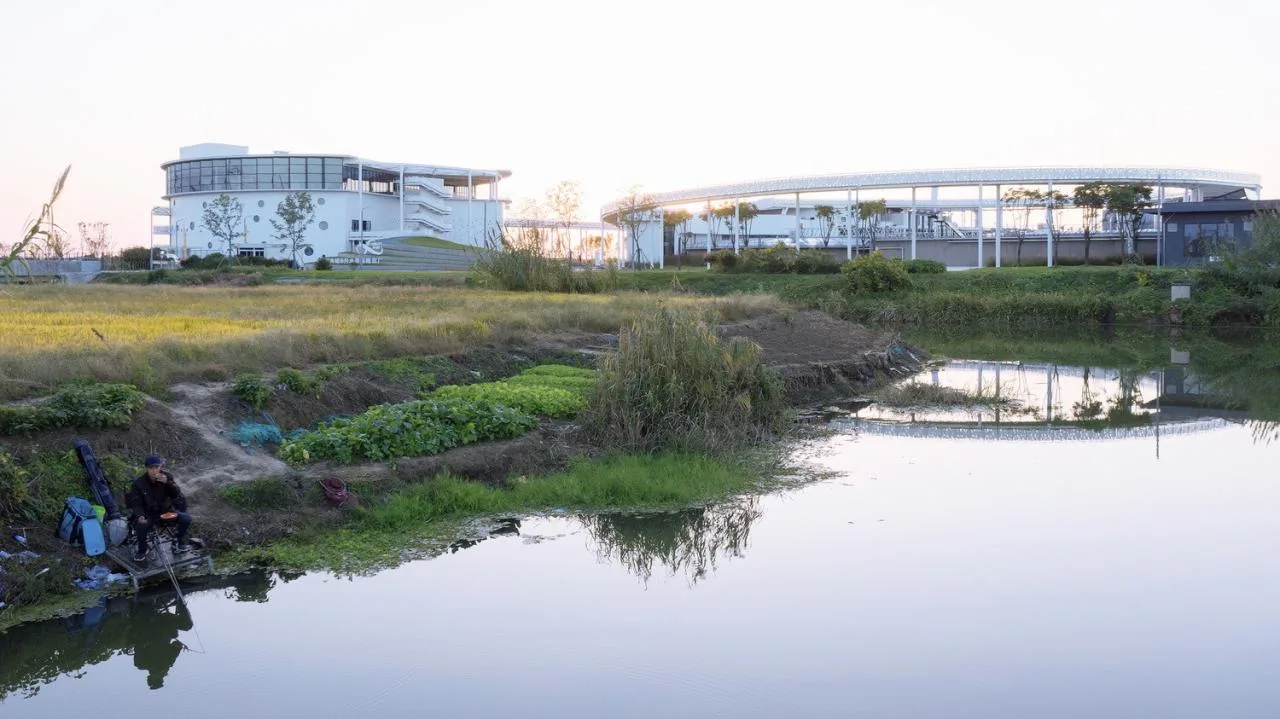
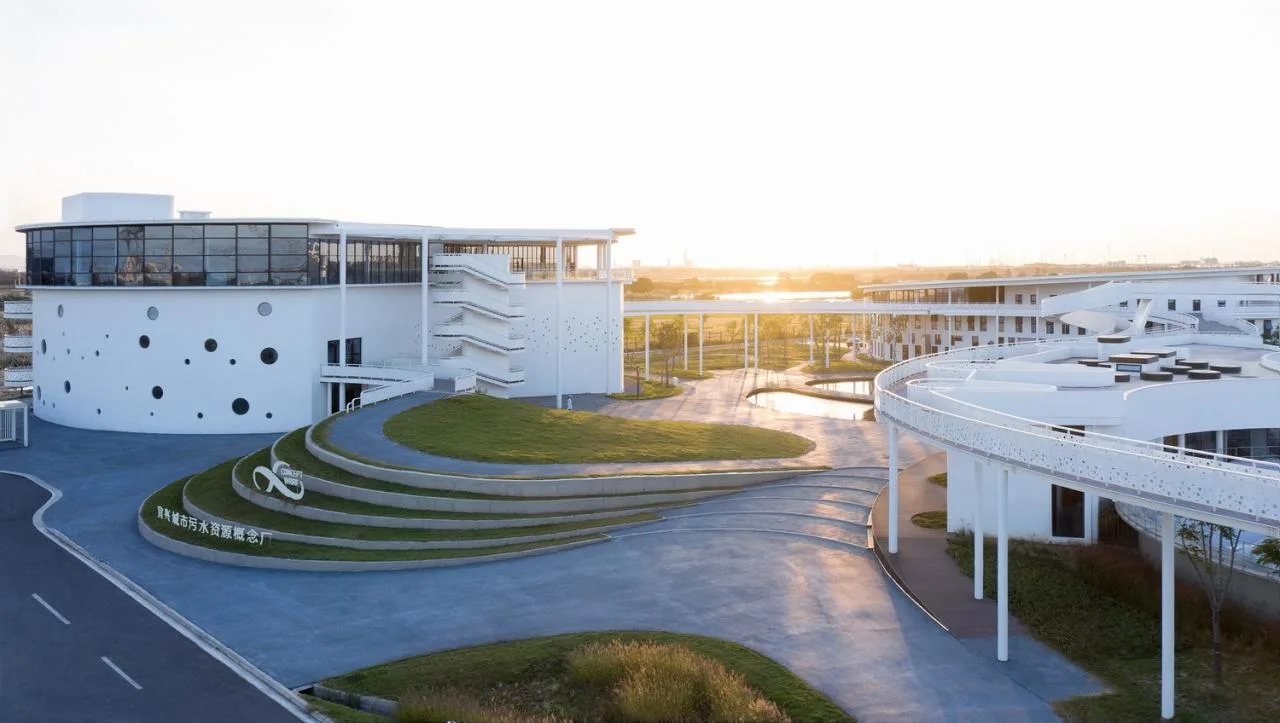
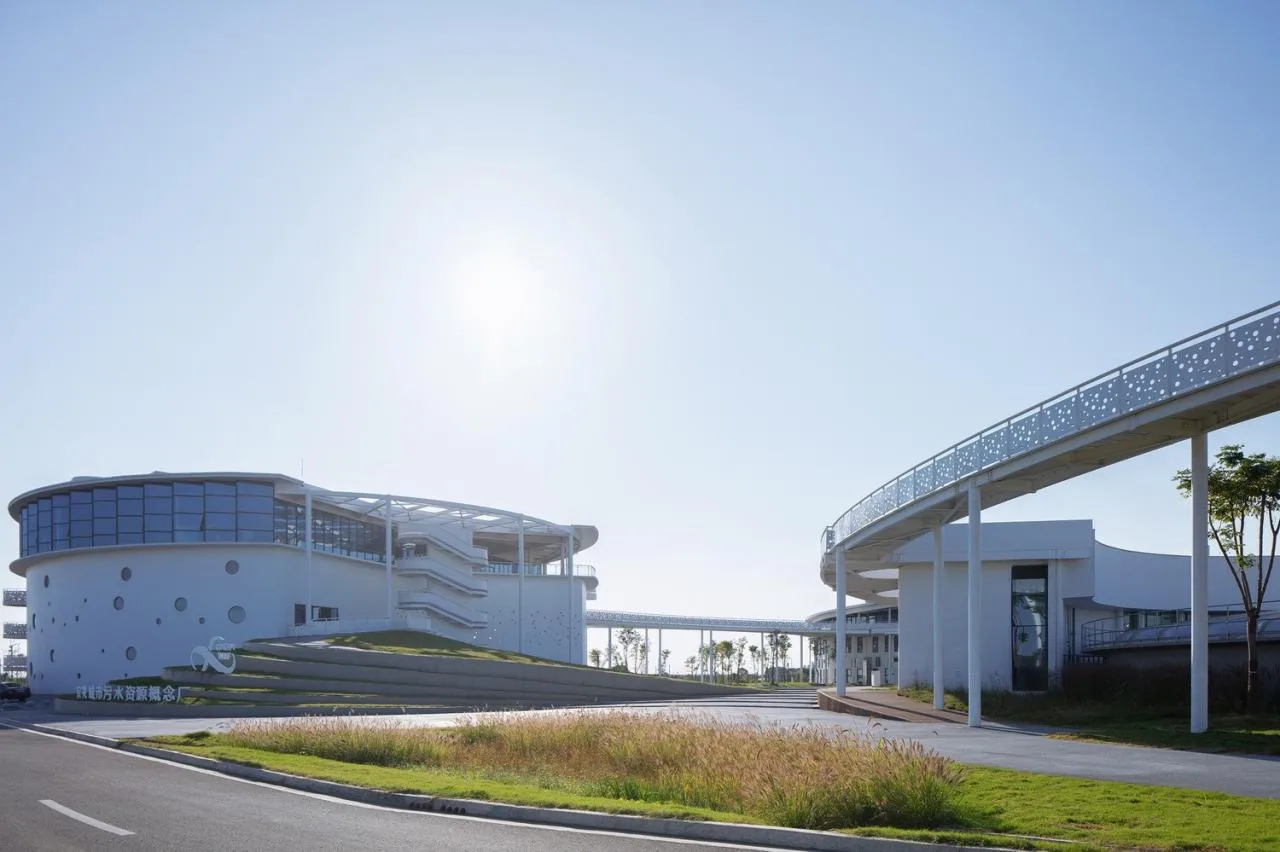
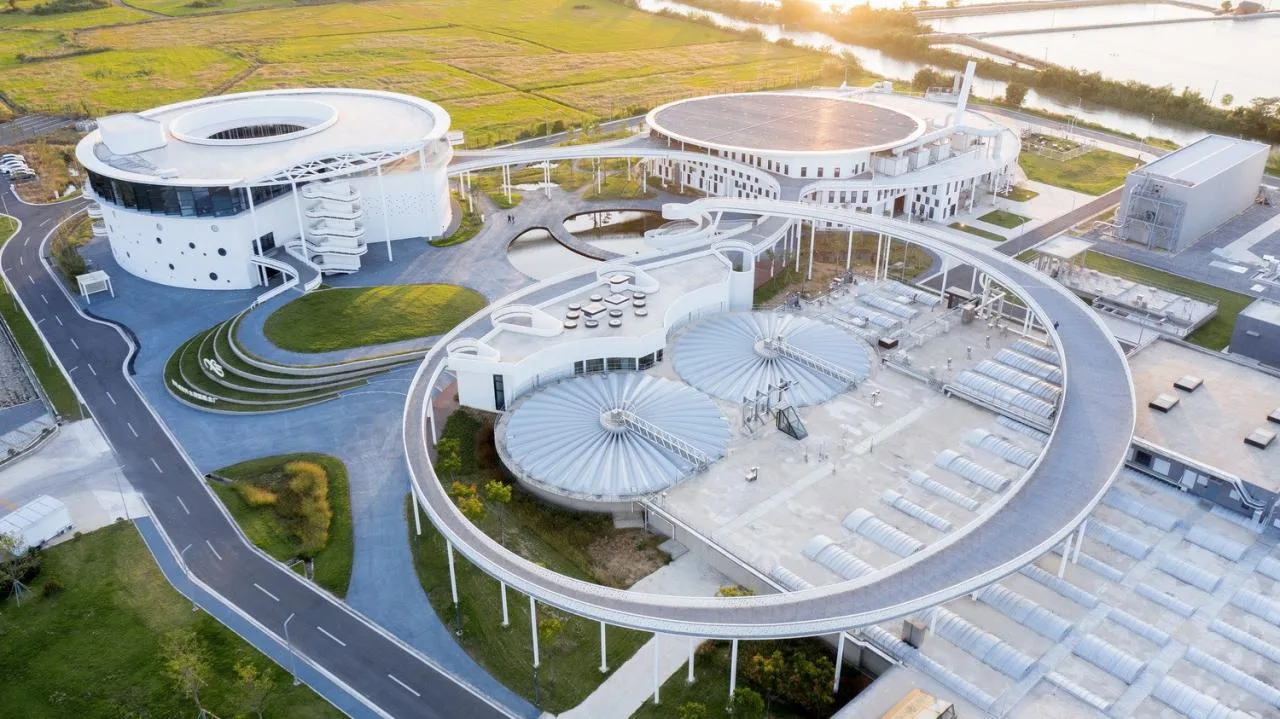
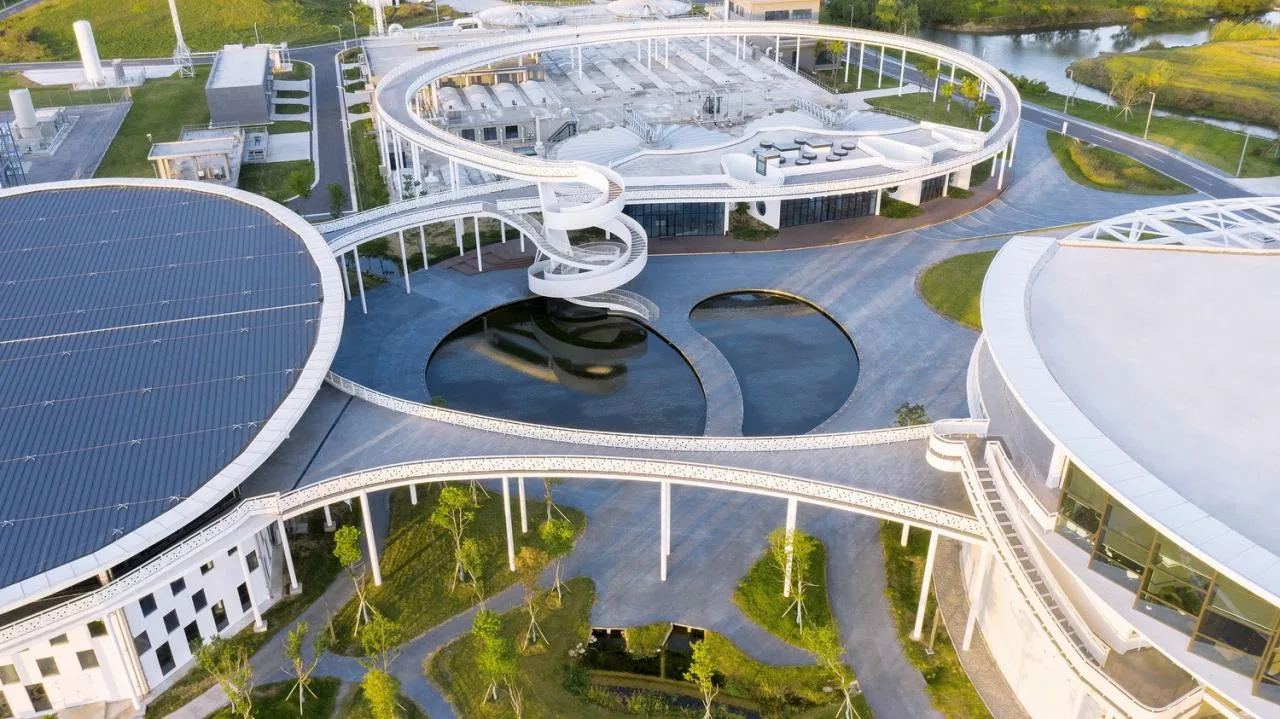
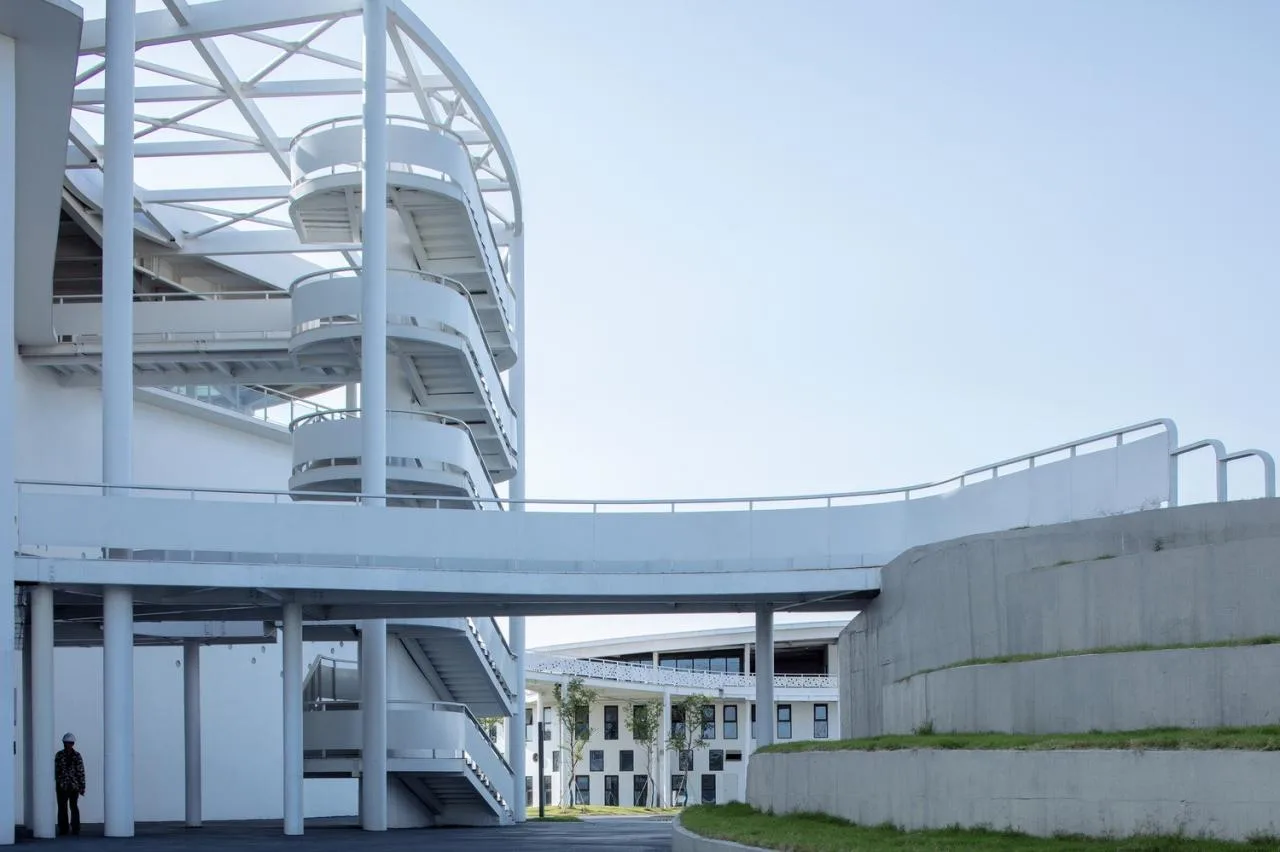
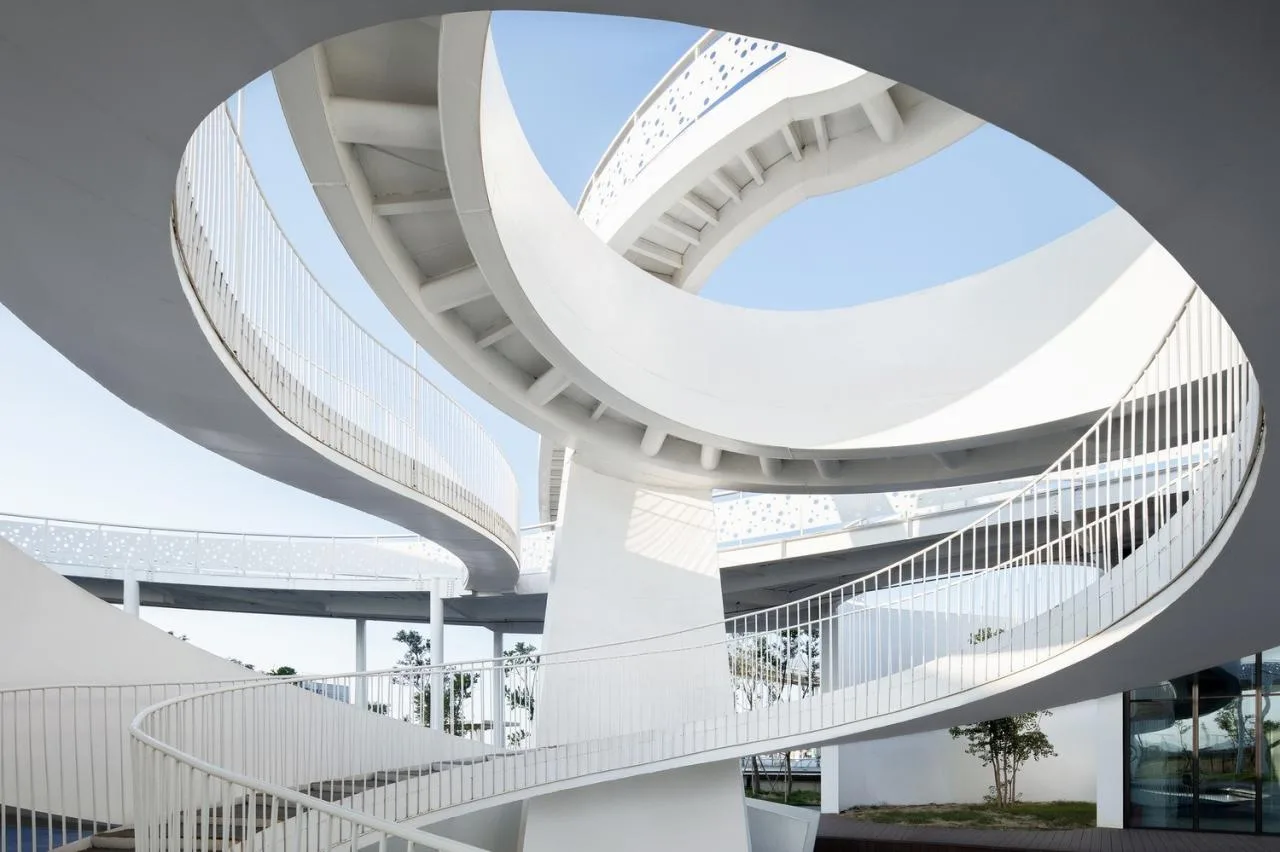
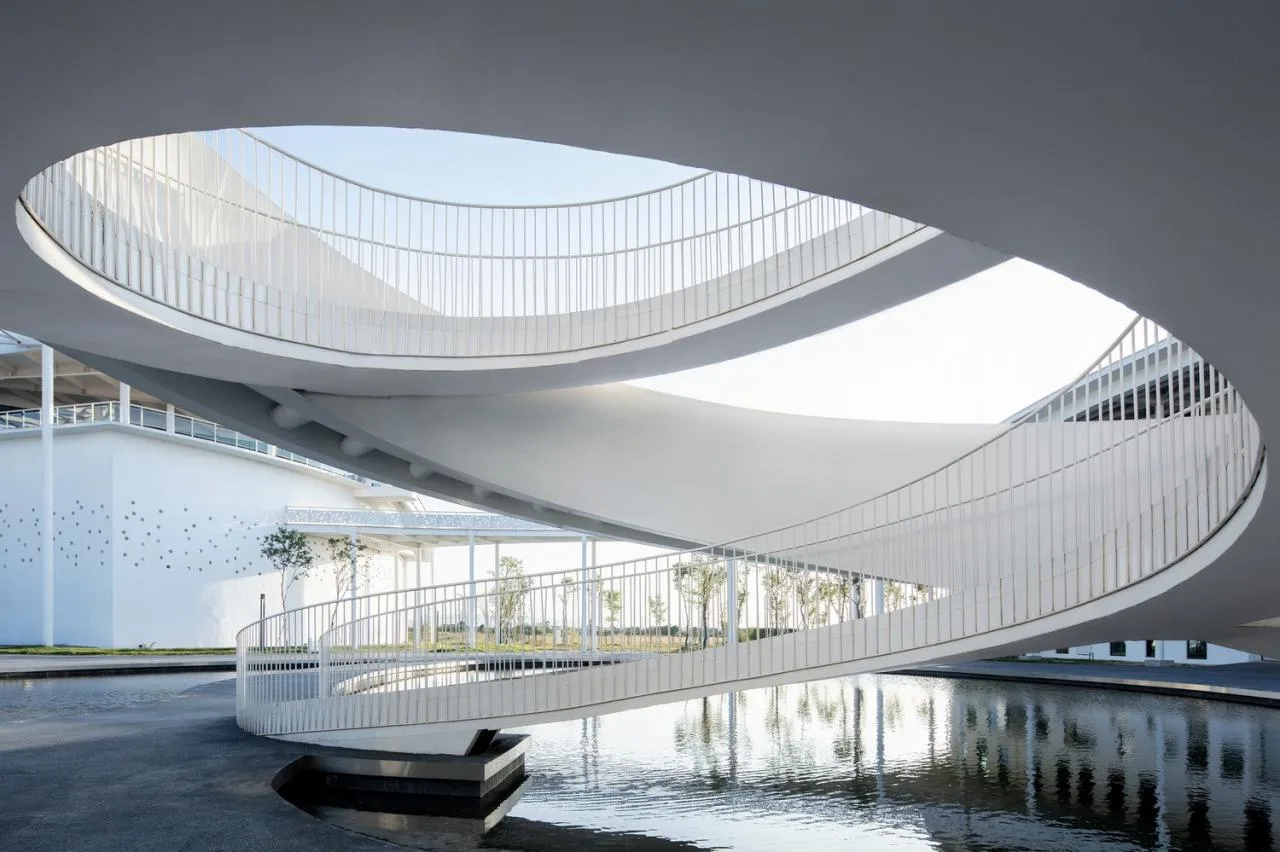
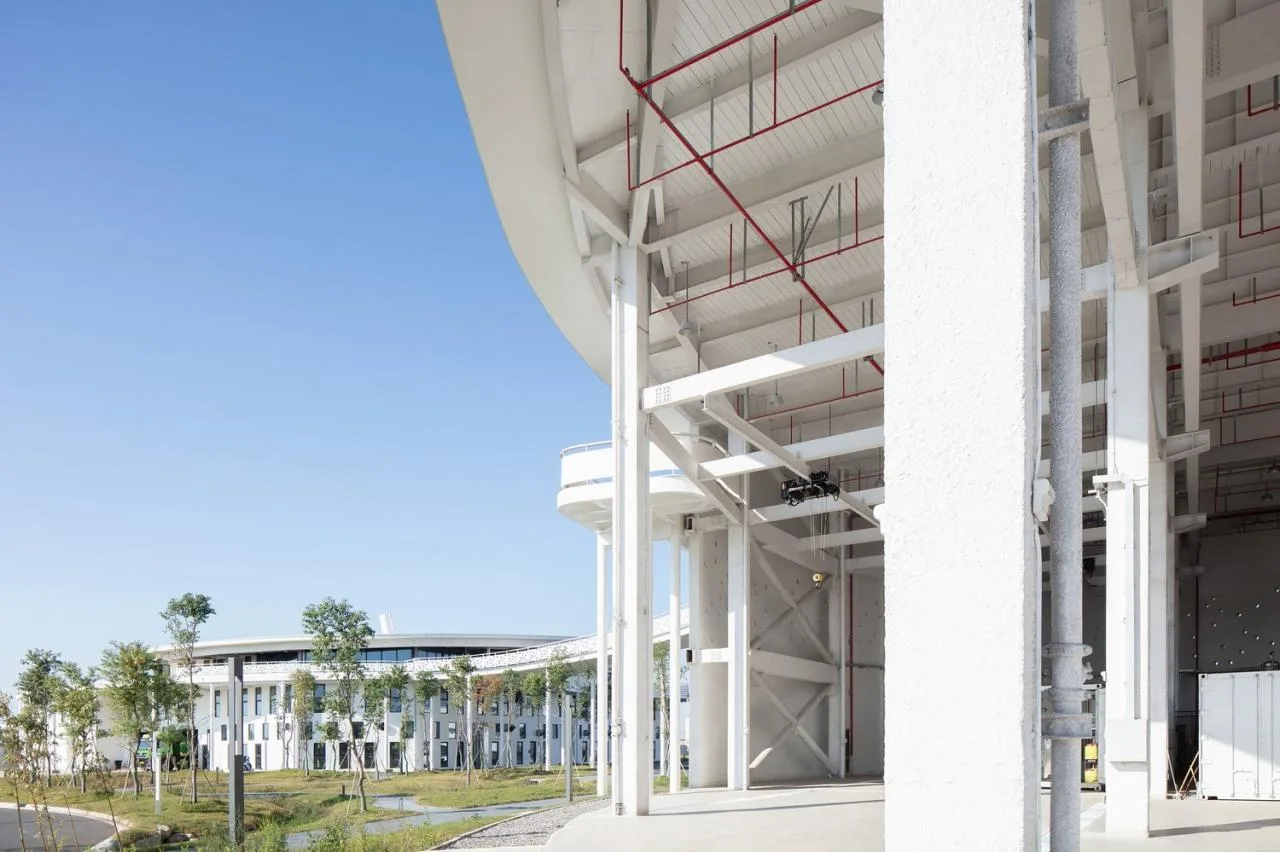
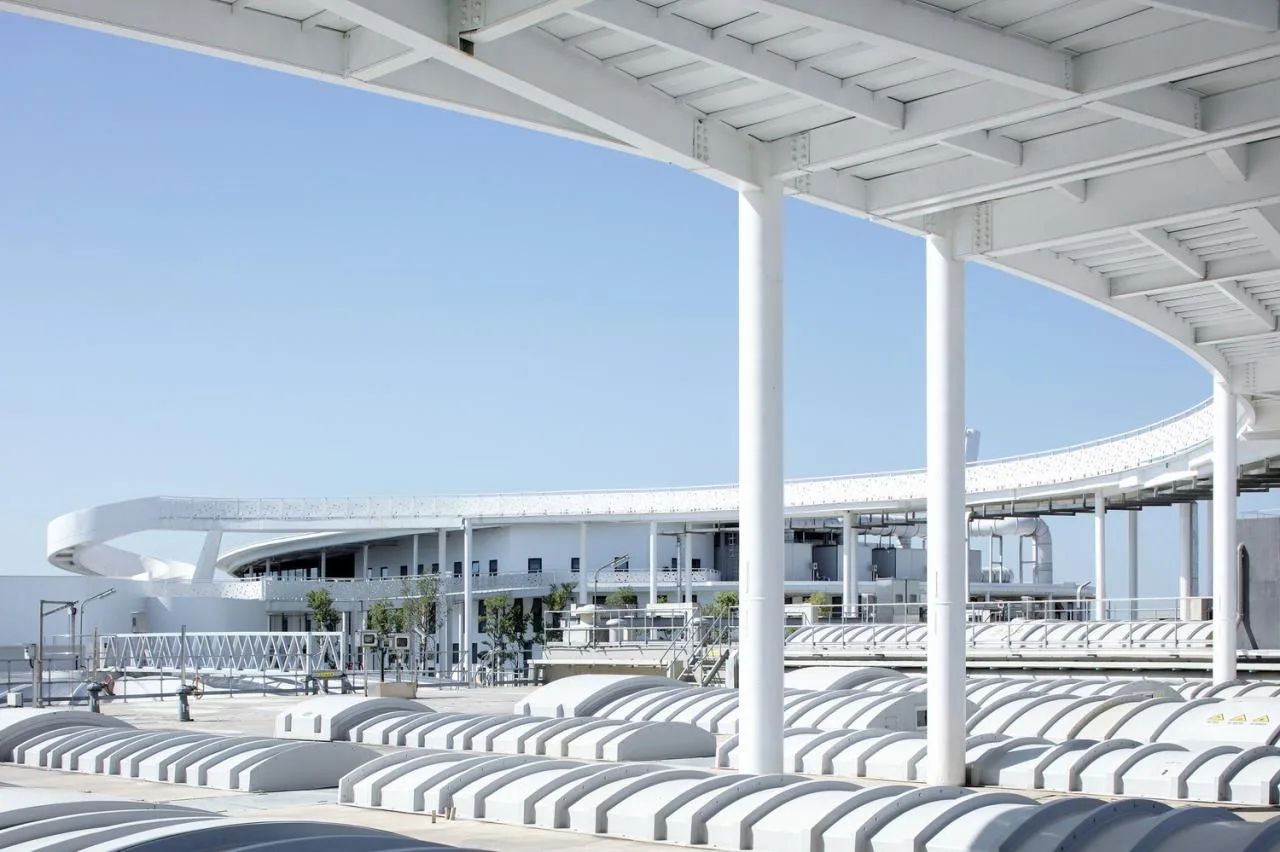
The facility is organized into three distinct clusters: the northern water treatment area, the western sludge and organic matter treatment zone, and the southeastern research and development office complex. Each cluster has its own separate entrances and forecourts. These are connected by a visitor bridge that encircles a central water garden, linking the three areas into a cohesive whole. This bridge not only offers visitors a comprehensive, three-dimensional understanding of the plant but also spatially separates the clusters to minimize interference and enhance the architectural landscape integration.
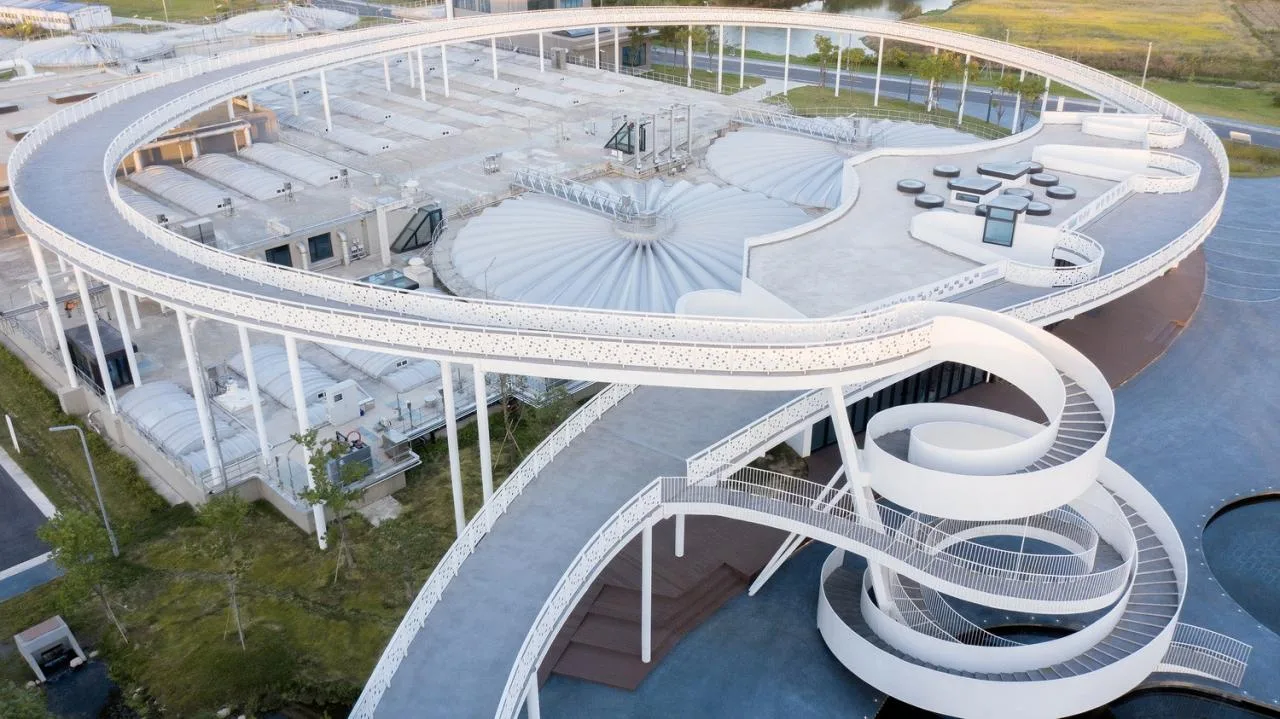
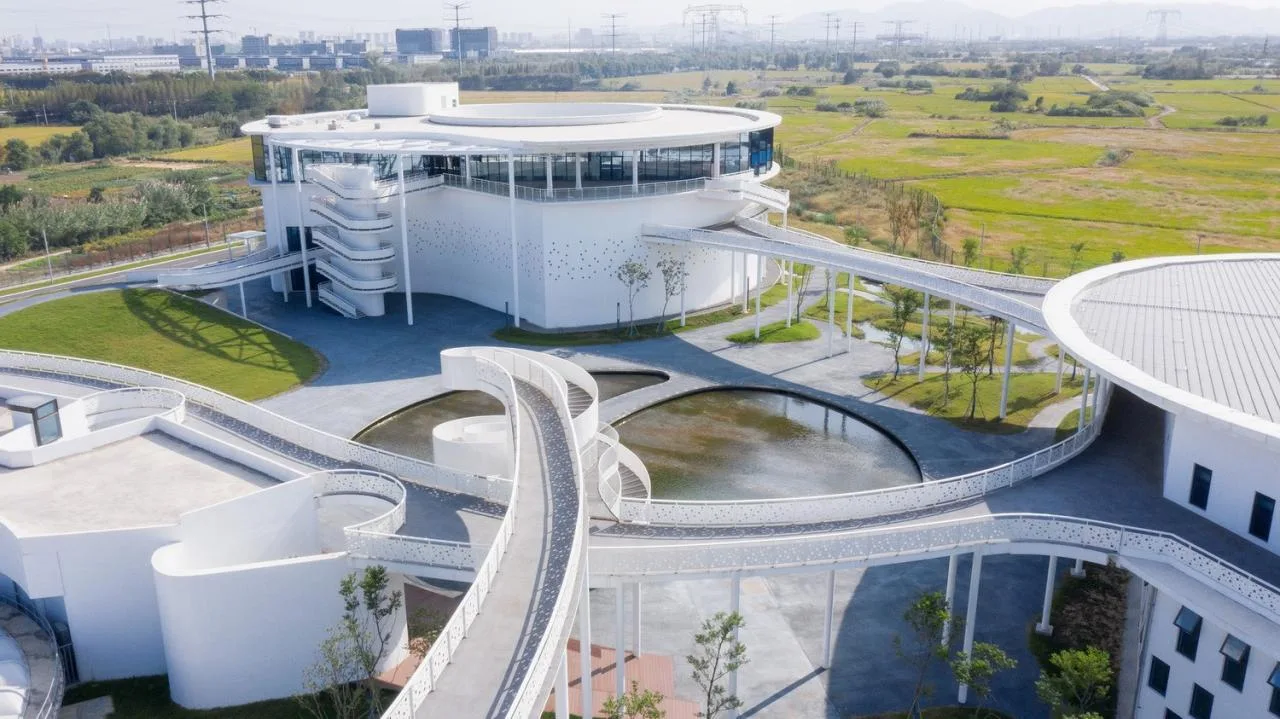
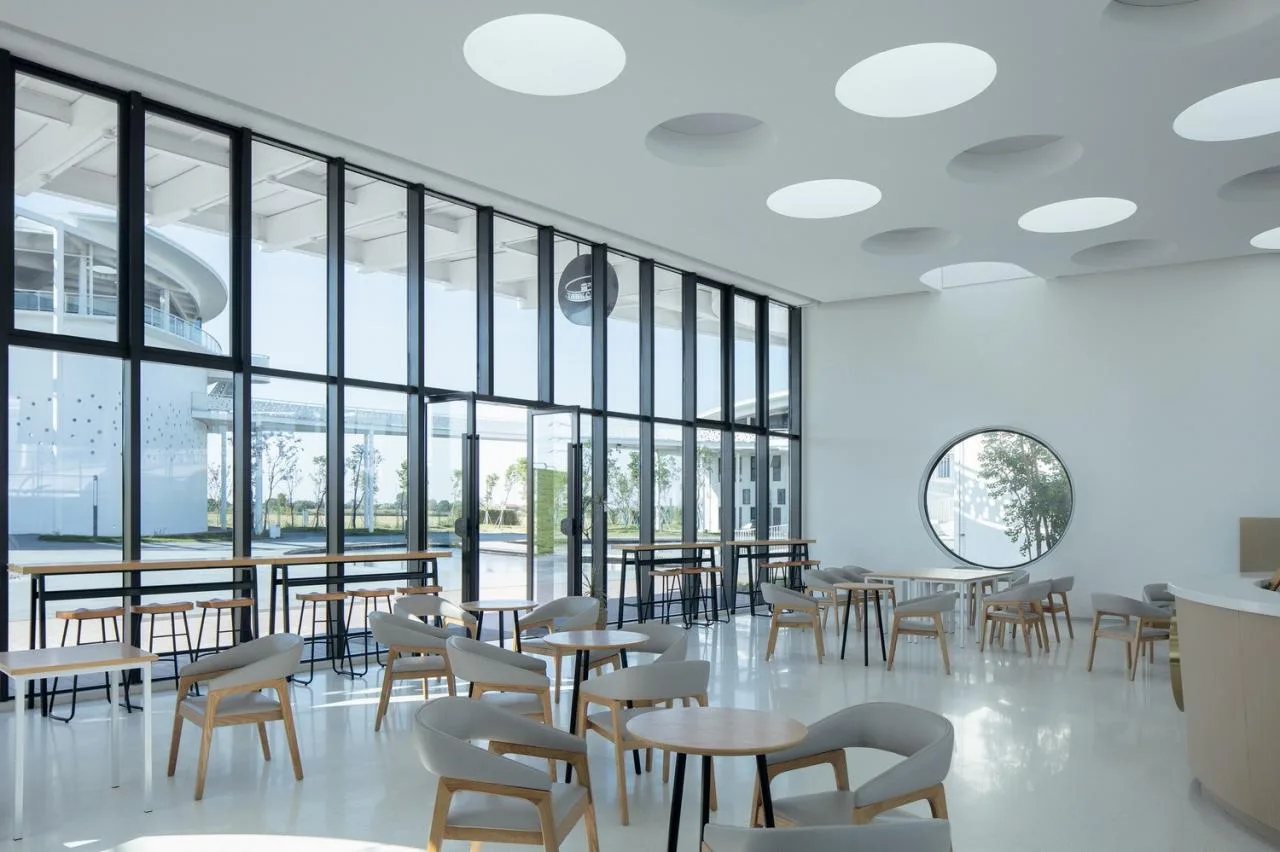
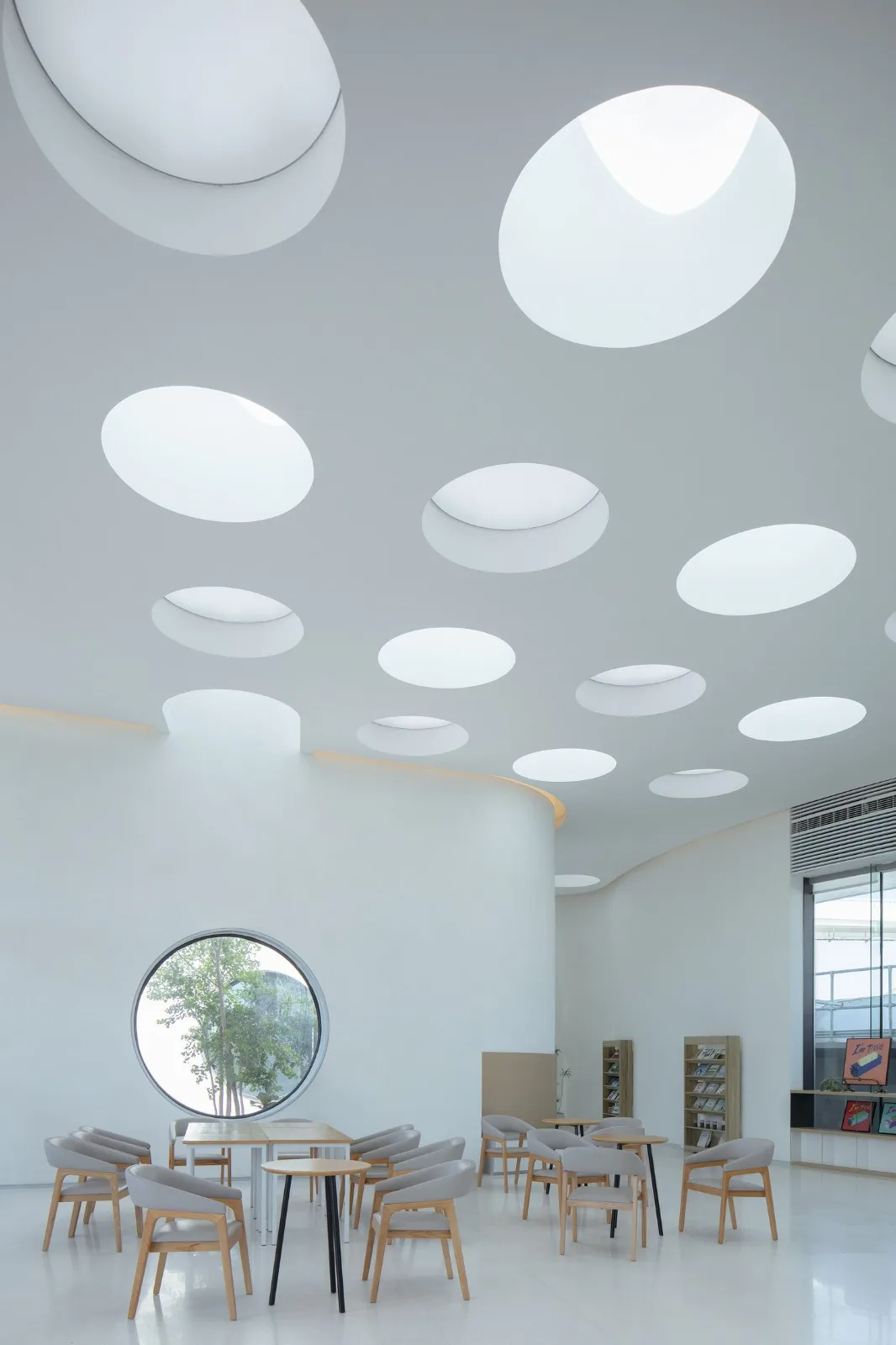
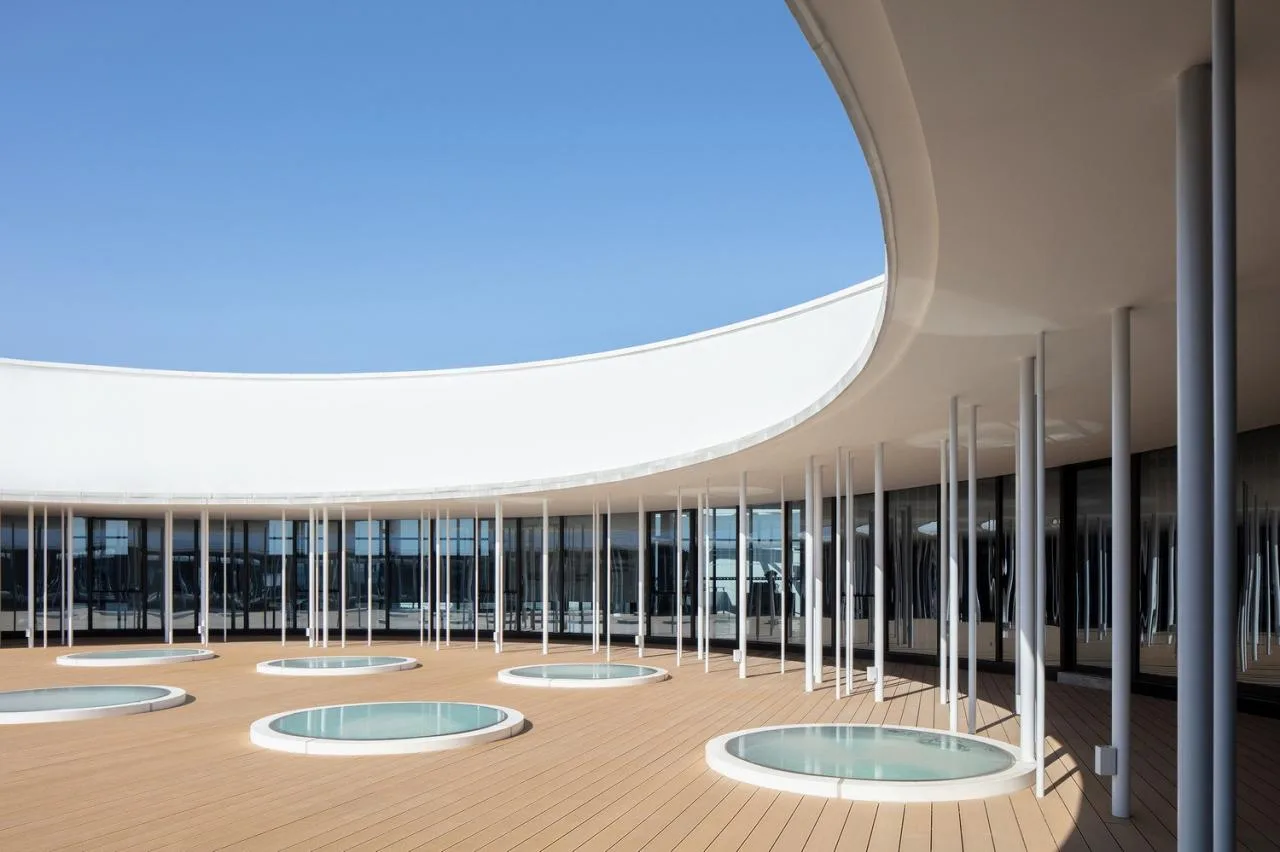
The water treatment area is highlighted by a linear sequence space next to the southern edge of the secondary sedimentation tank, featuring a poolside café and a central control exhibition hall. This space elegantly integrates with the sedimentation tank’s structure and showcases a unified design approach combining architecture, landscape, interior design, and lighting. The café offers a column-free environment adaptable to various uses throughout the day, including educational workshops, academic forums, and casual dining.
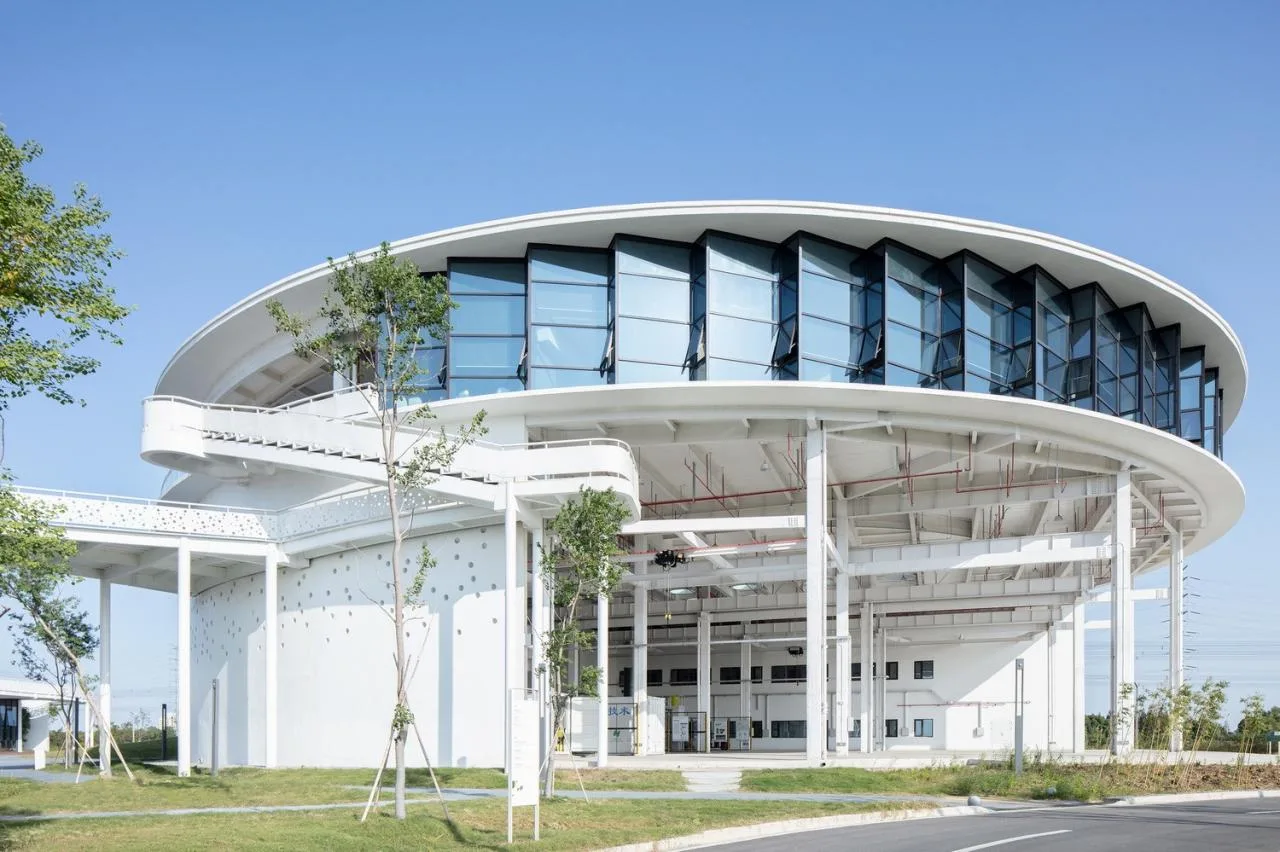
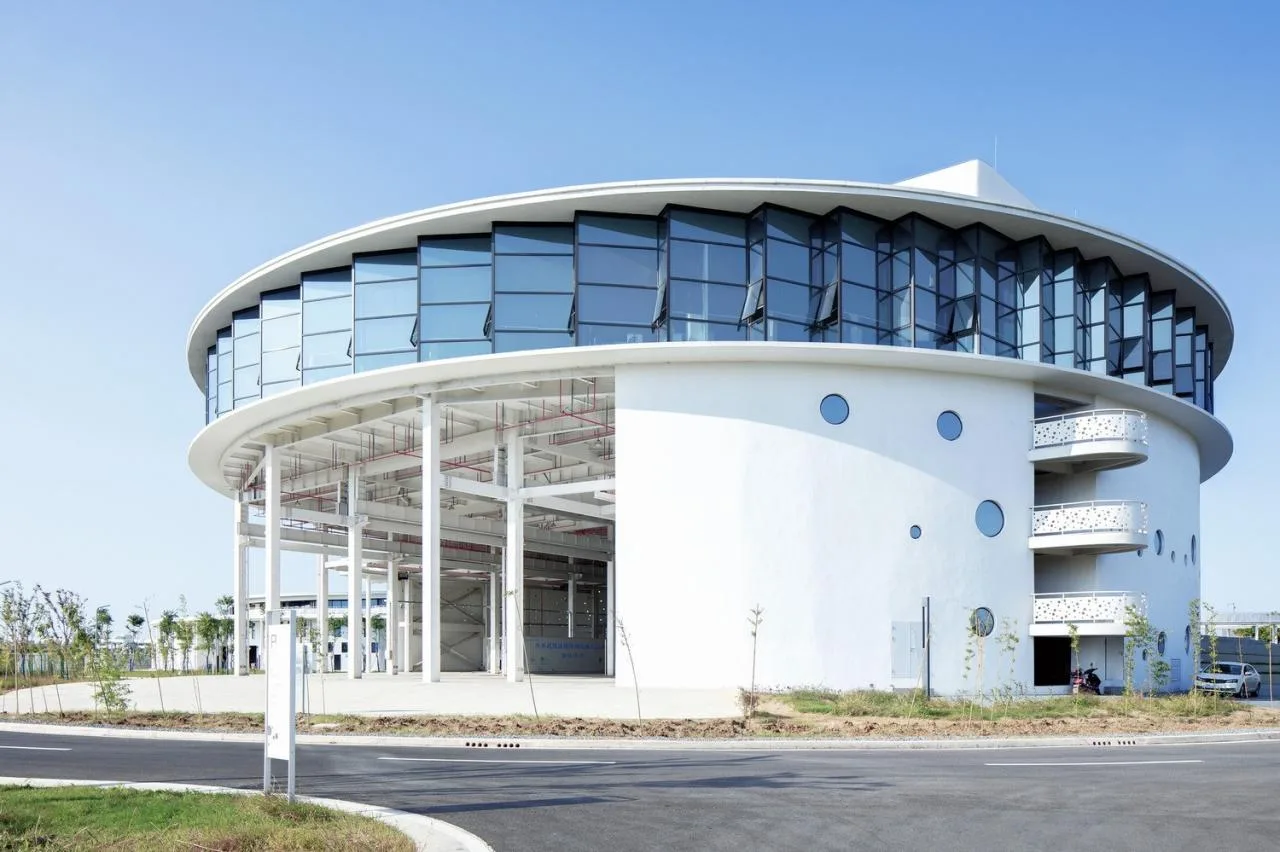
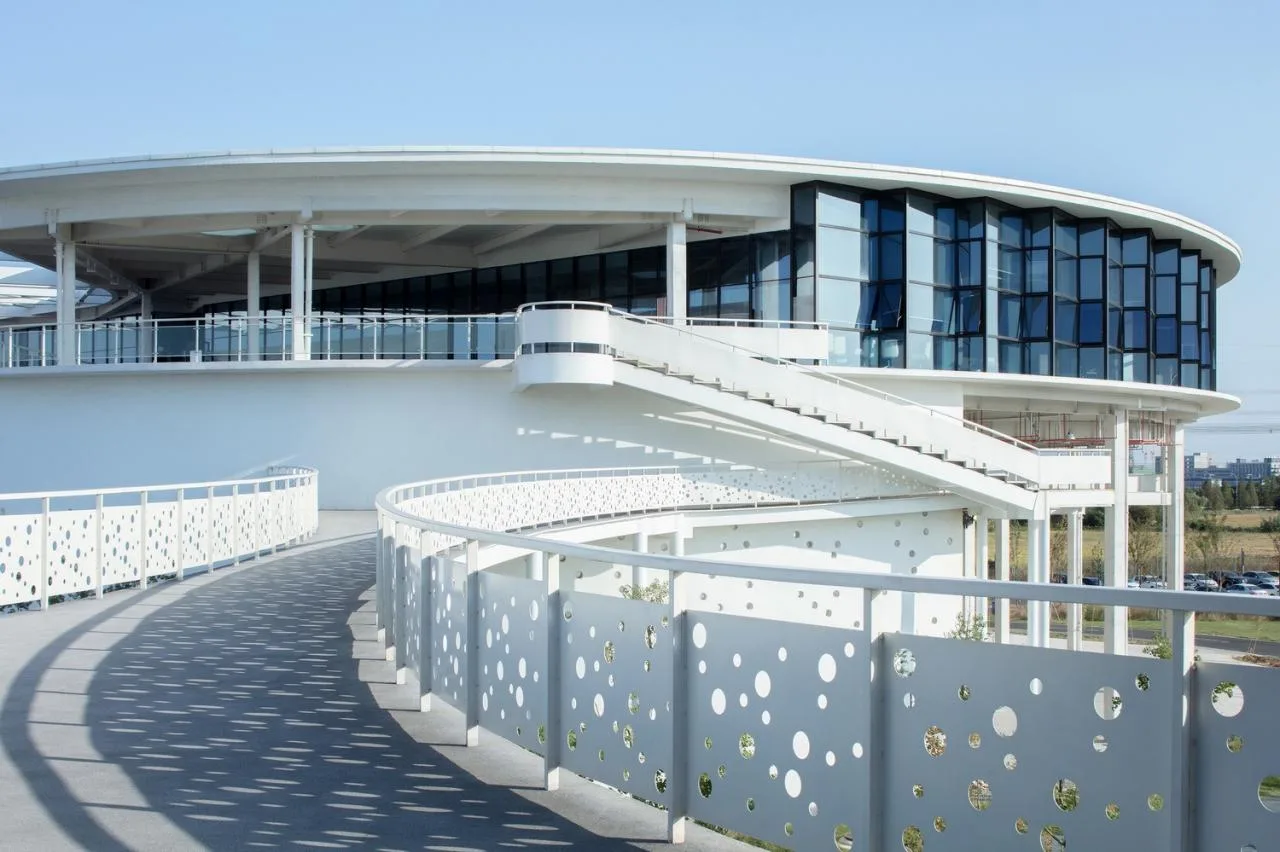
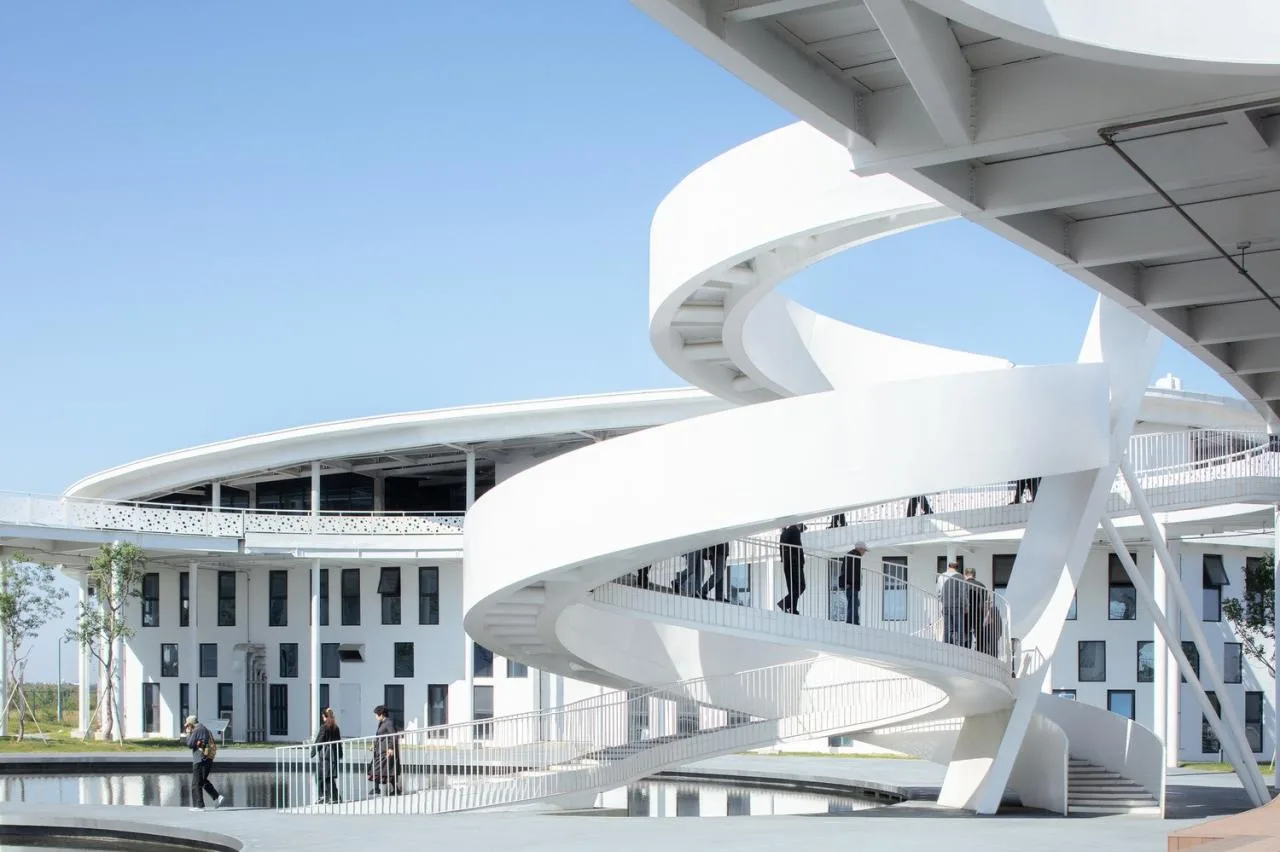
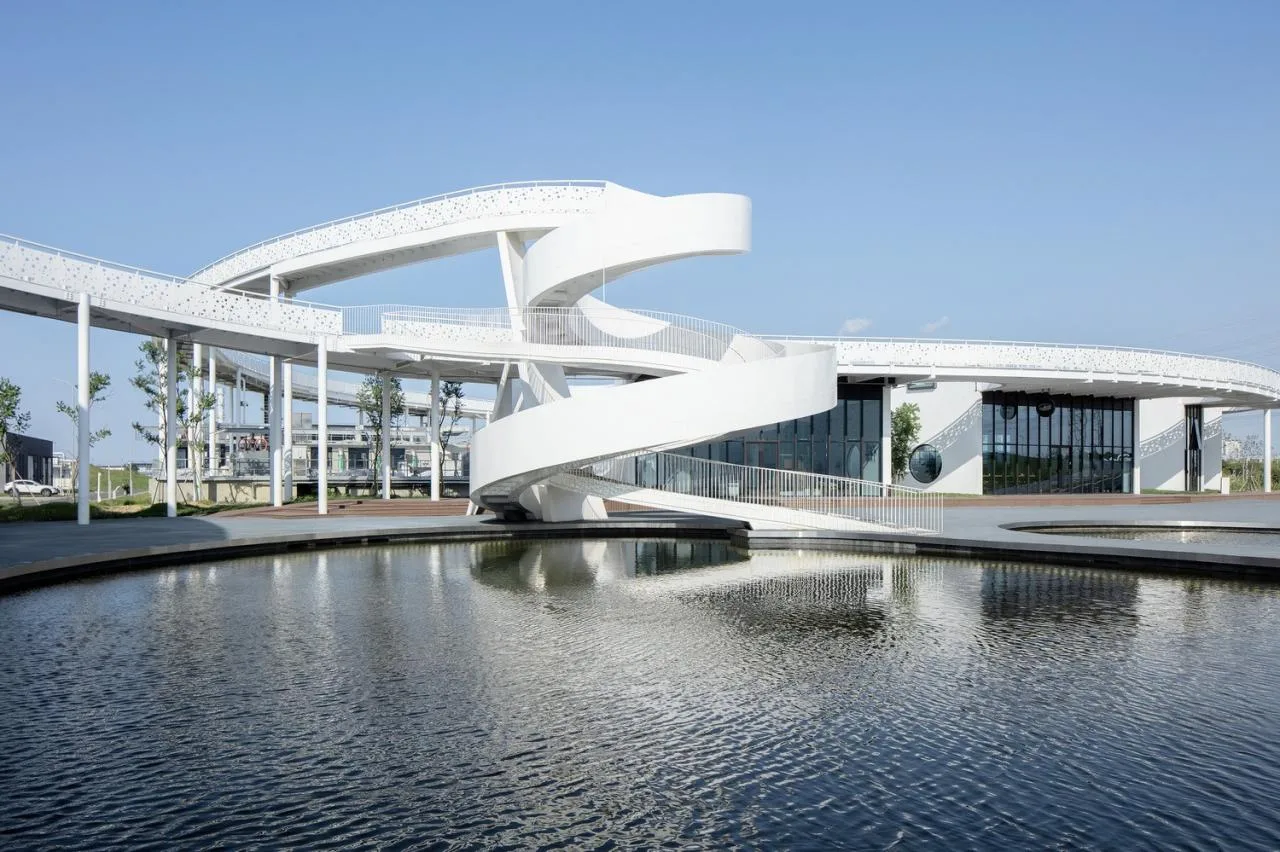
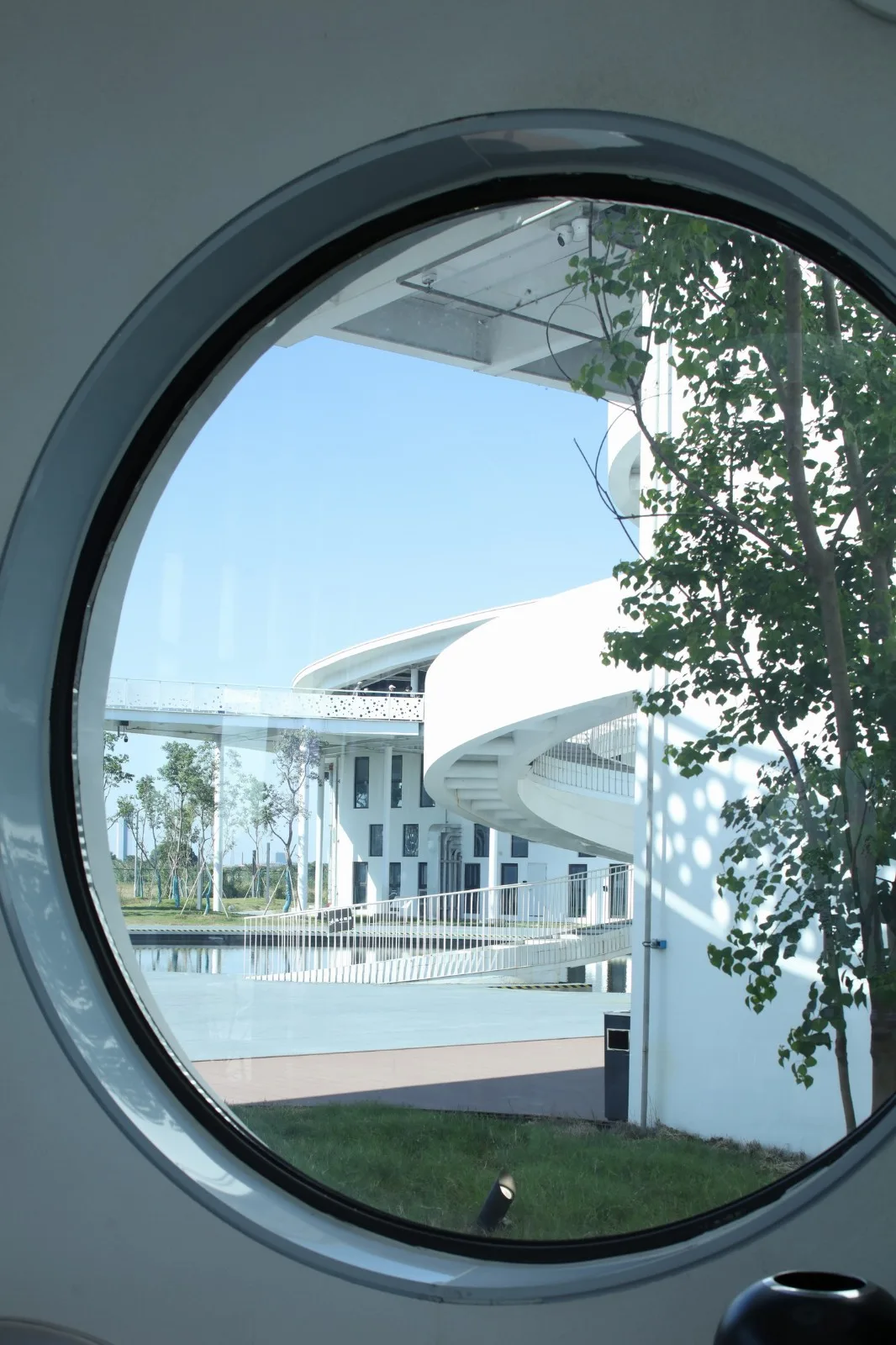
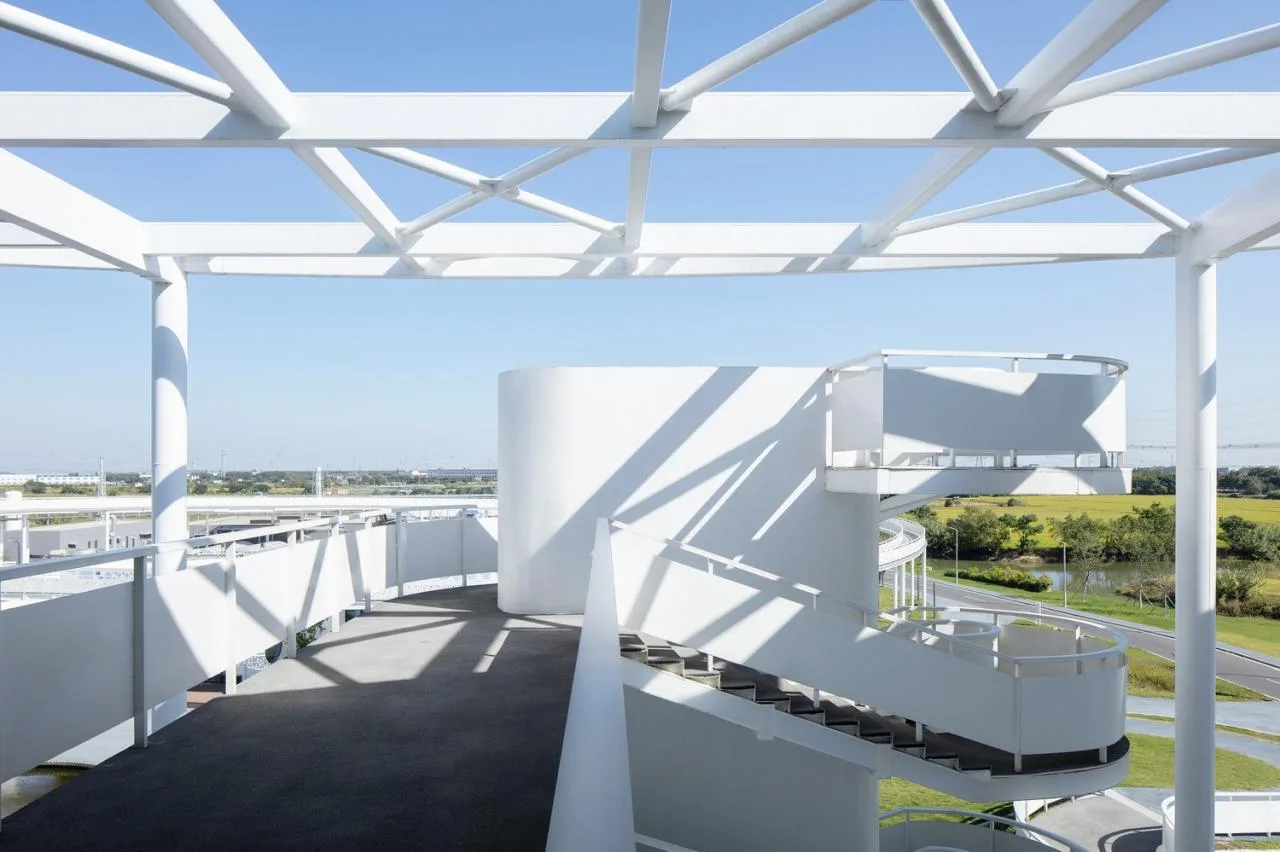
The three-dimensional public tour begins at the grassy slope of the main square and concludes at the double spiral ramp surrounding the central water pool. This pathway encircles the office research, sewage treatment, and organic matter treatment areas, forming an abstract “clover” shape. The design ensures a clear separation between public access and daily factory operations, allowing visitors to closely observe treatment processes without compromising safety or operational efficiency.
By incorporating outdoor plazas, grassy slopes, and landscaped pools, the site supports a variety of community events such as music festivals, cultural weeks, and outdoor weddings, fostering greater public engagement with the facility.
Urban sewage undergoes a series of purification processes to meet hygiene standards, enabling its reuse as an ecological supplement for nearby farmland and fish ponds, thus promoting water resource cycling within the local environment. Phosphorus extracted during treatment is repurposed as raw material for agricultural fertilizers.
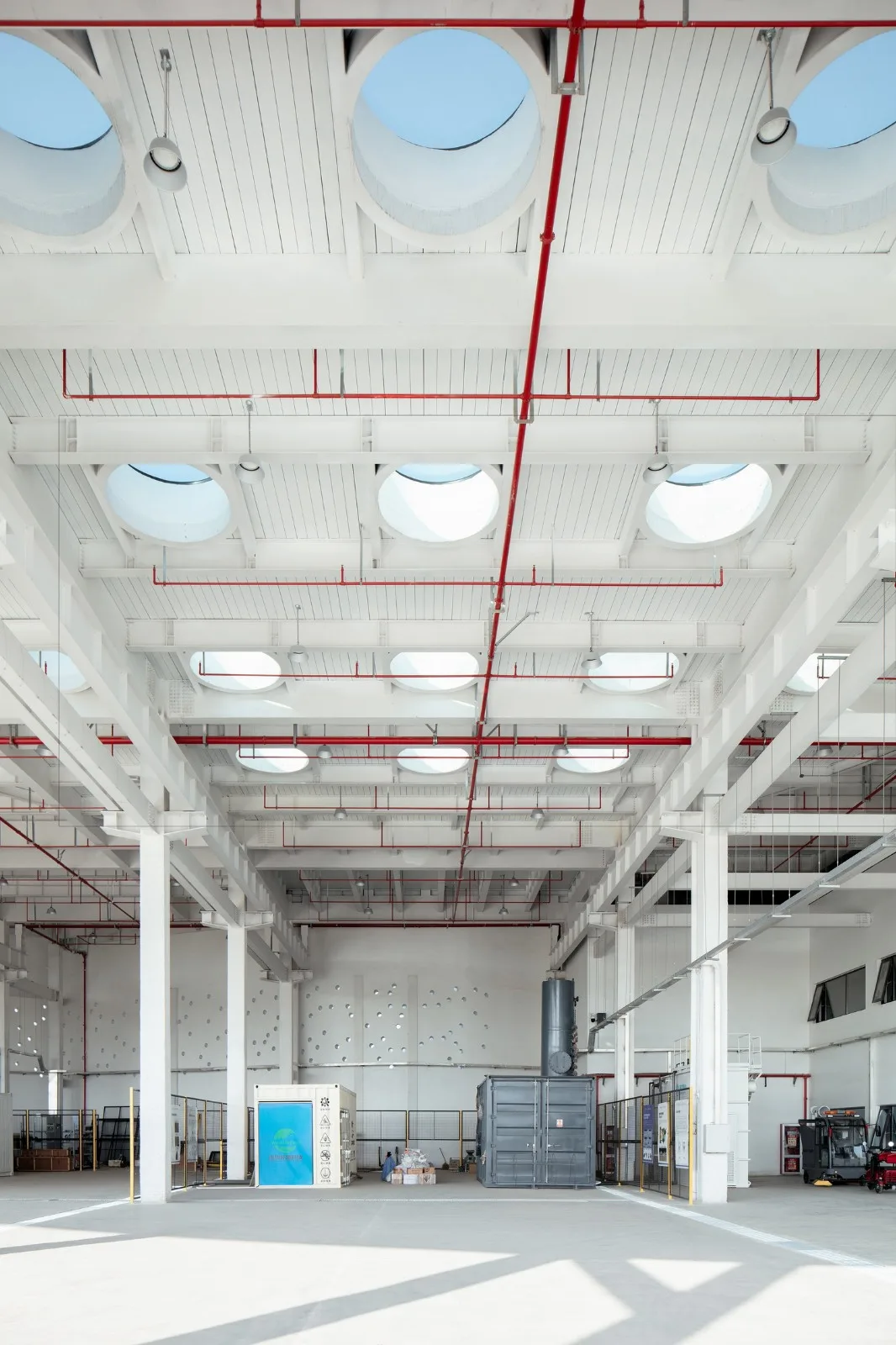
The separated sludge is combined with organic waste such as kitchen scraps collected from urban areas and agricultural residues like straw and livestock manure from rural surroundings. Through specialized treatment, these materials generate biogas and organic fertilizers. The biogas powers electricity generation and supplies energy for the facility, while the organic fertilizers enrich soil quality, creating a sustainable cycle of urban and rural resource utilization.
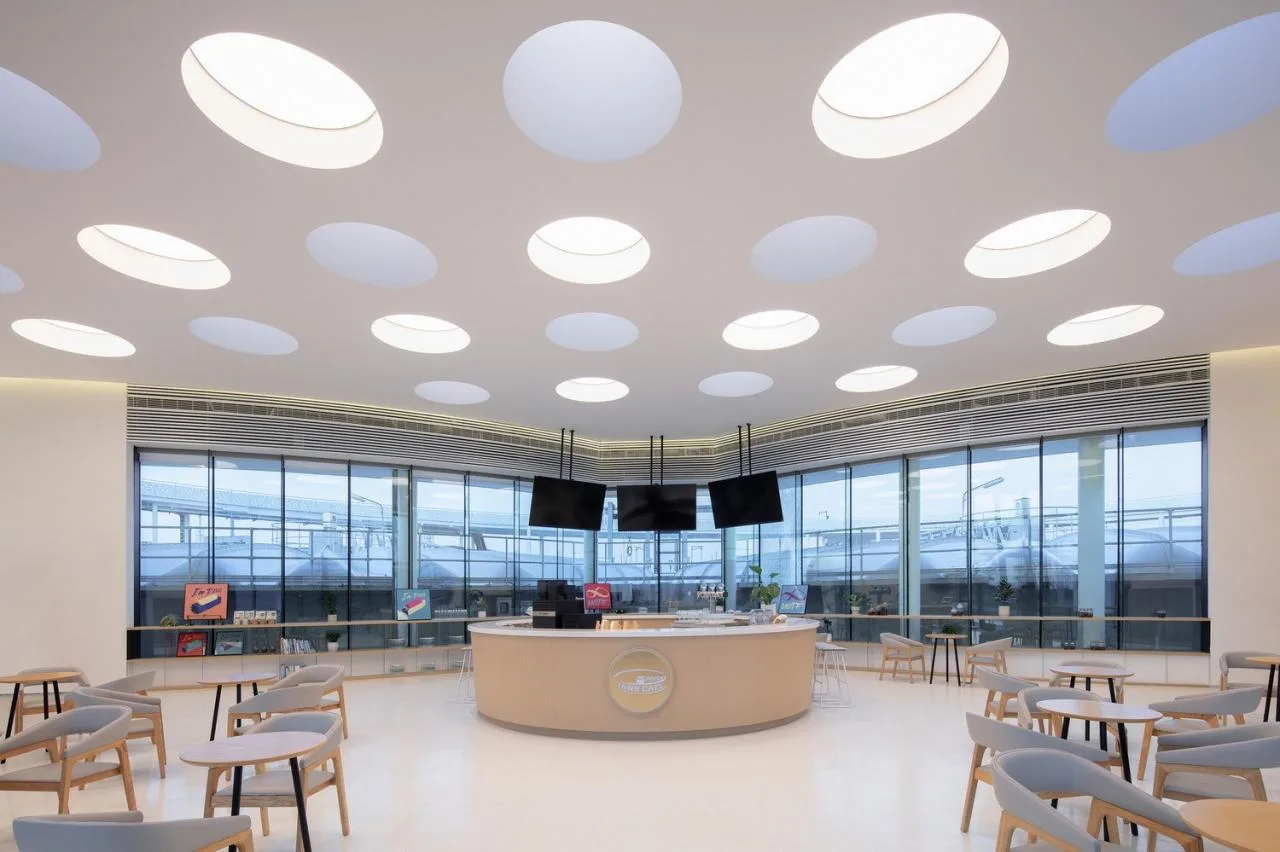
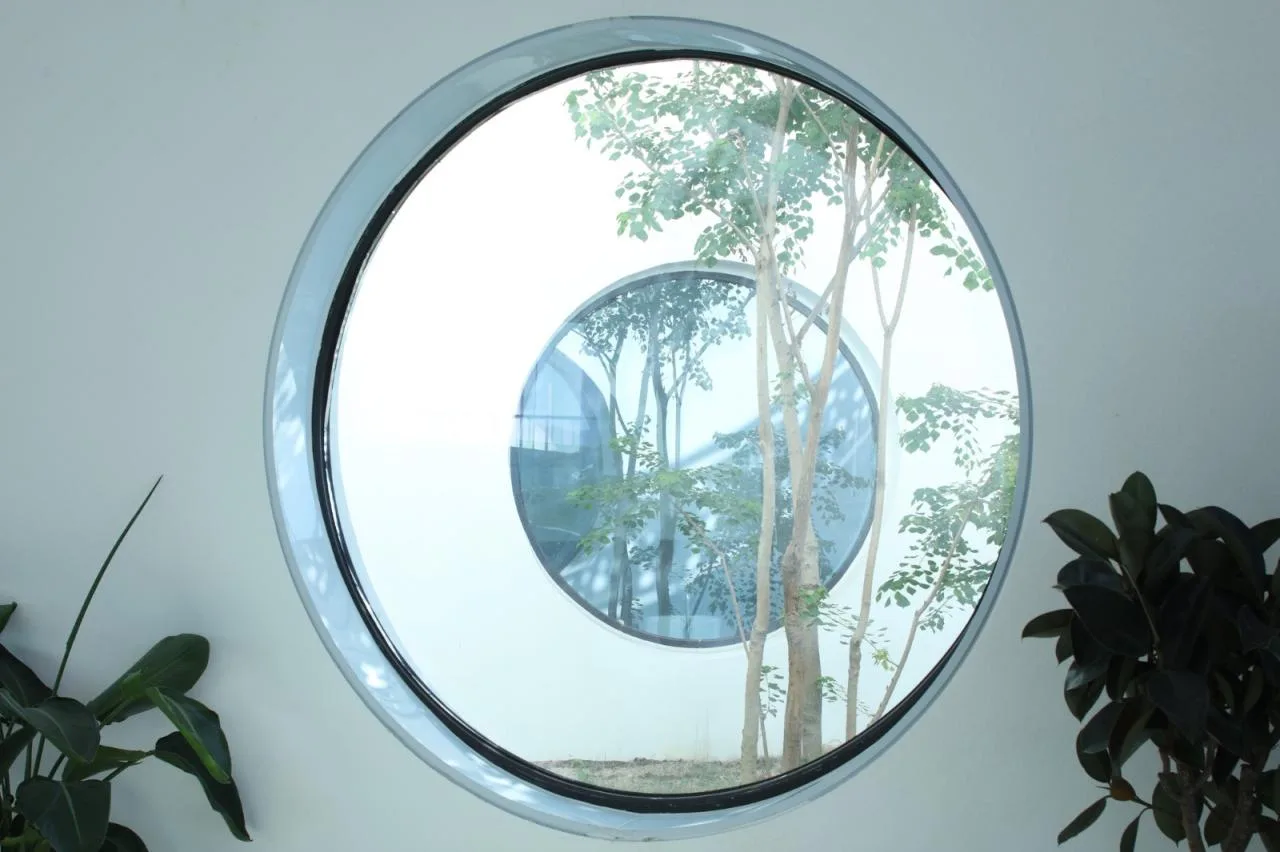
Since its completion, the project has garnered international attention and discussion among experts from diverse fields. Through comprehensive architectural and spatial design, the hidden value of sewage treatment as a resource is visually highlighted, encouraging the public to recognize environmental infrastructure as a vital and positive component of urban-rural resource cycles and city life.
Project Drawings
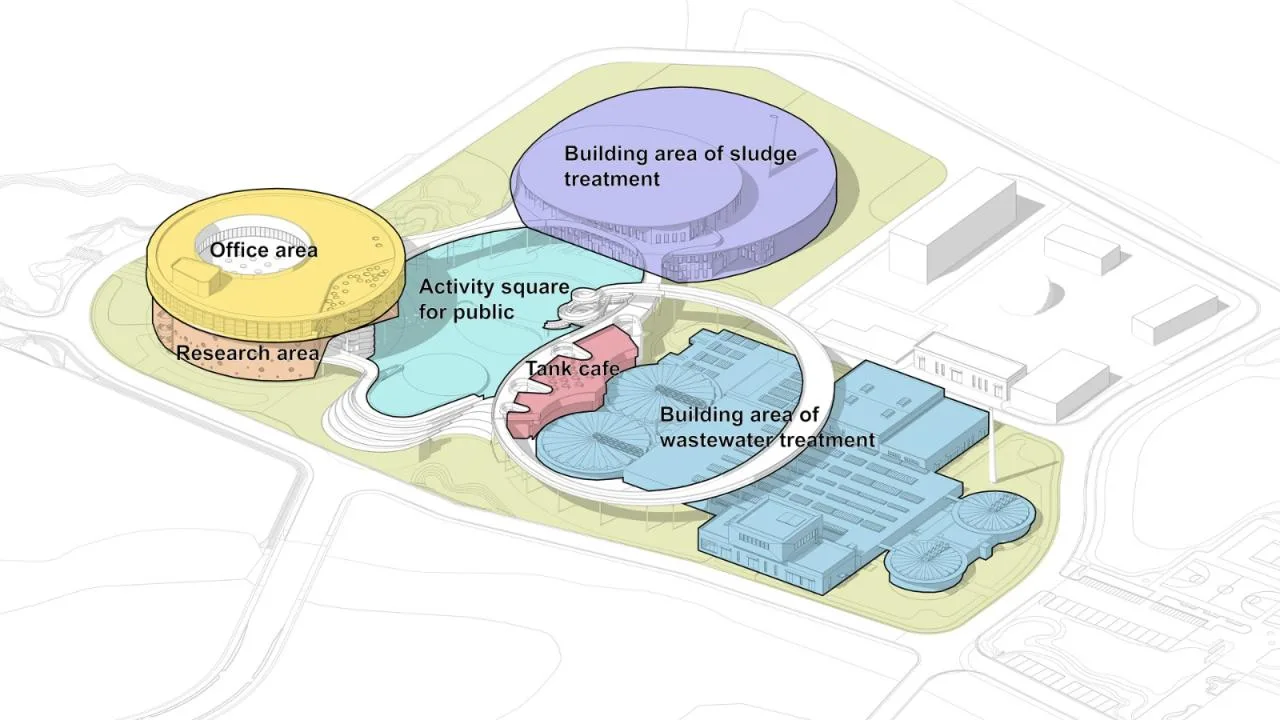
△ Functional Zoning Diagram
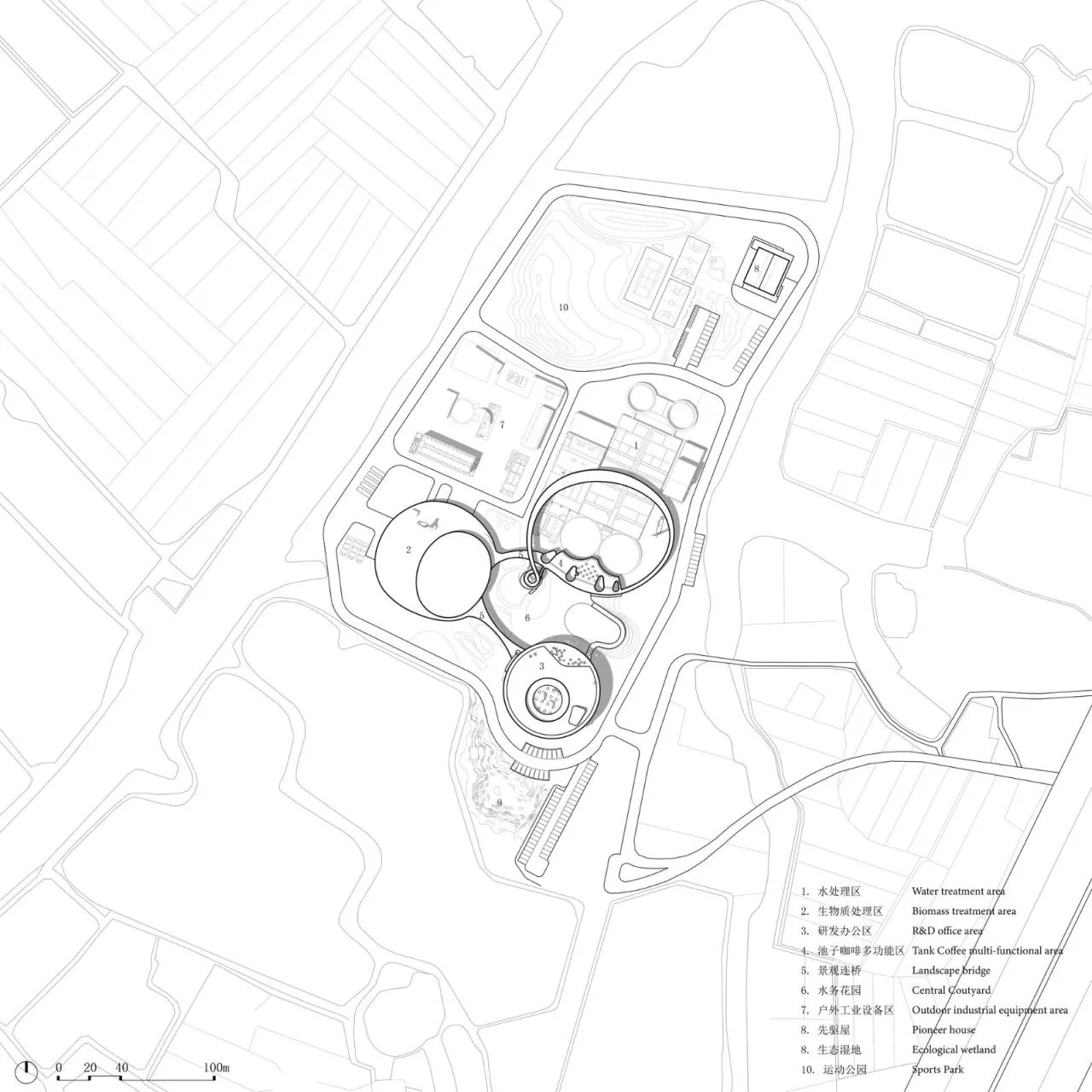
△ General Layout Plan
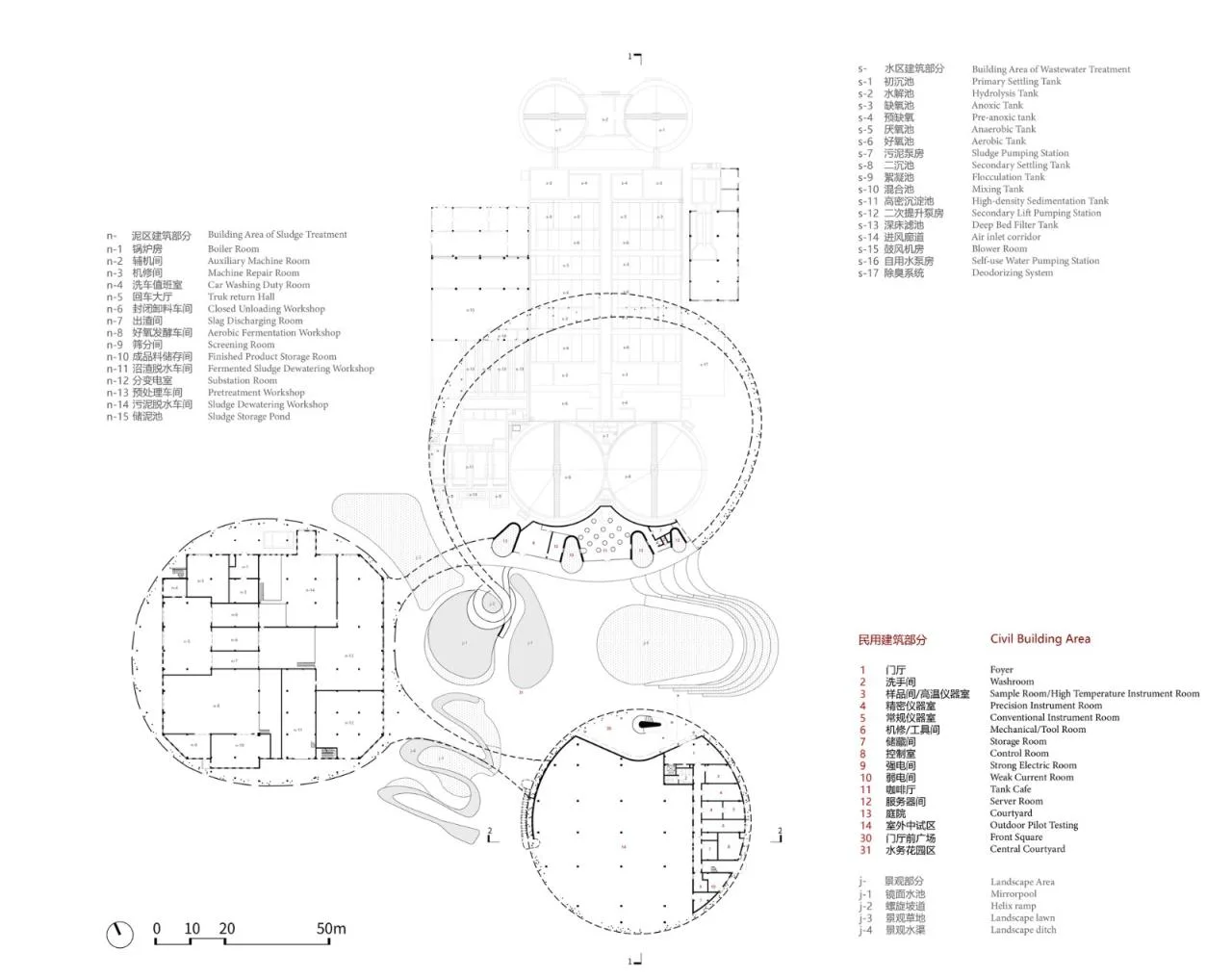
△ A Plan View
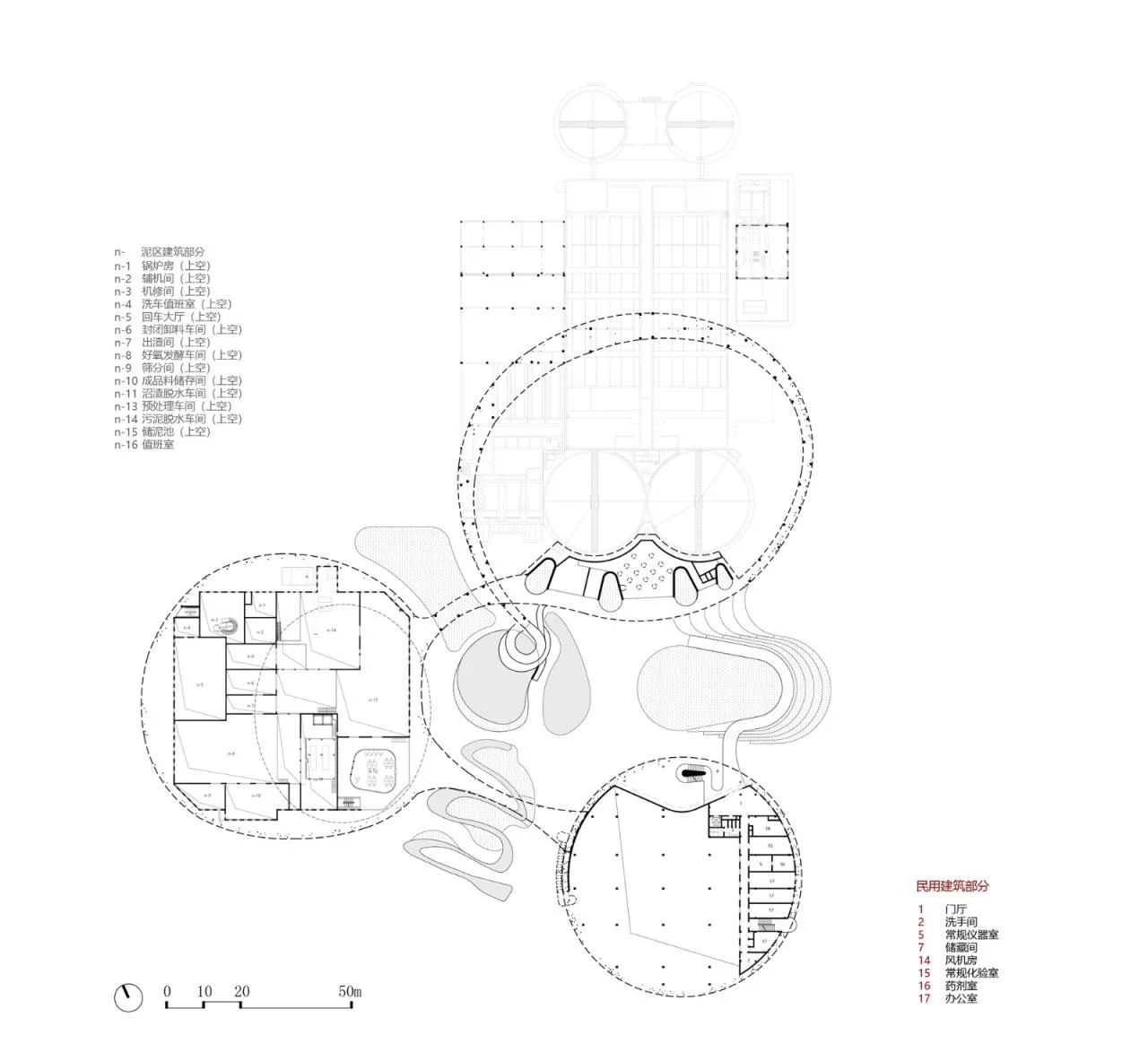
△ Second Floor Plan
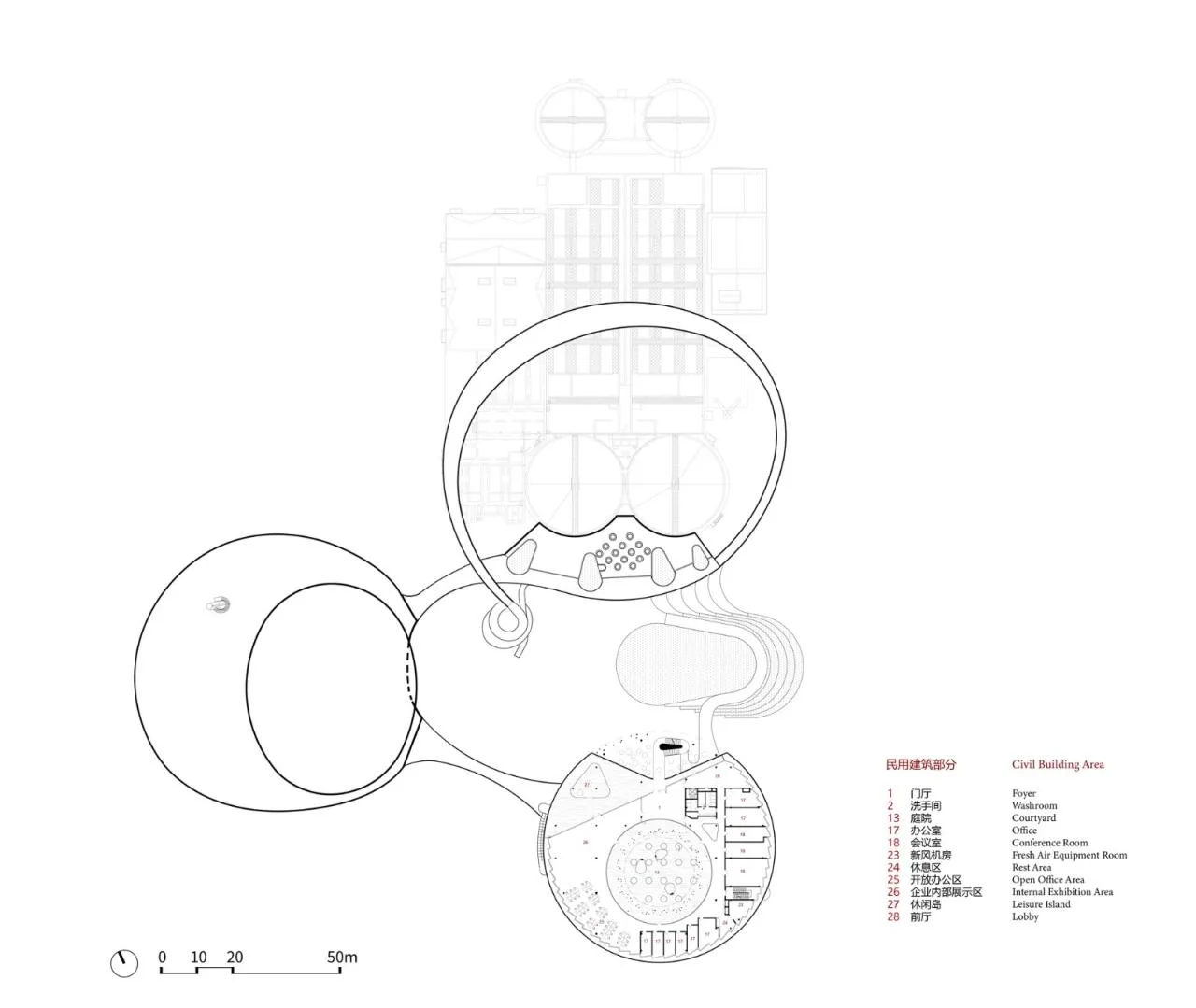
△ Third Floor Plan

△ Section Diagram
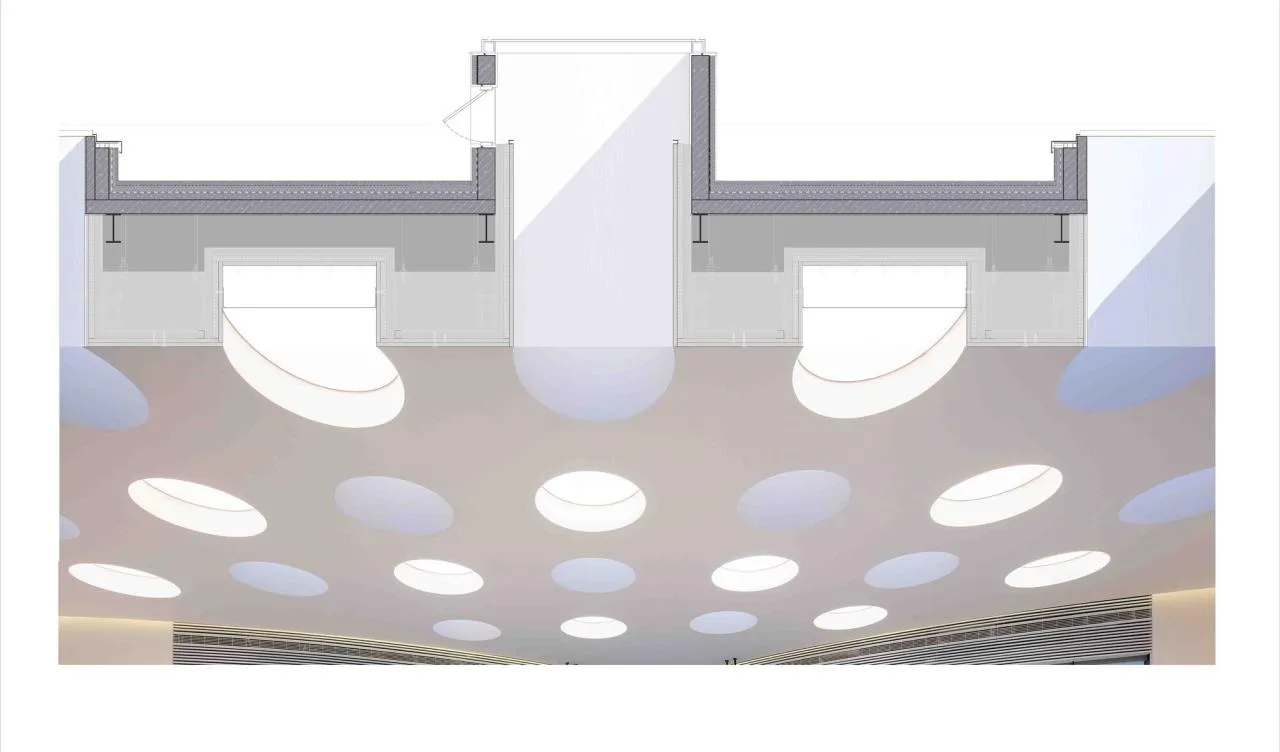
△ Sectional Perspective
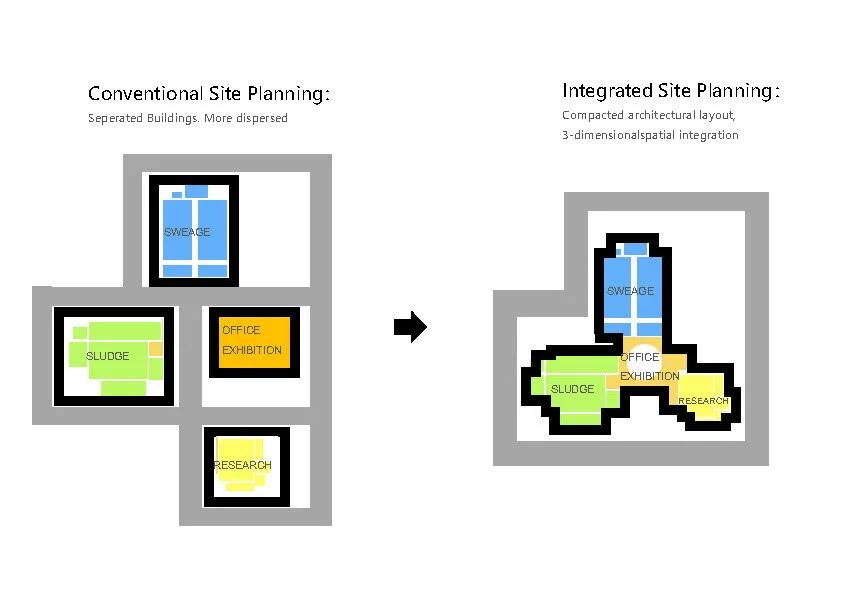
△ Analysis Chart
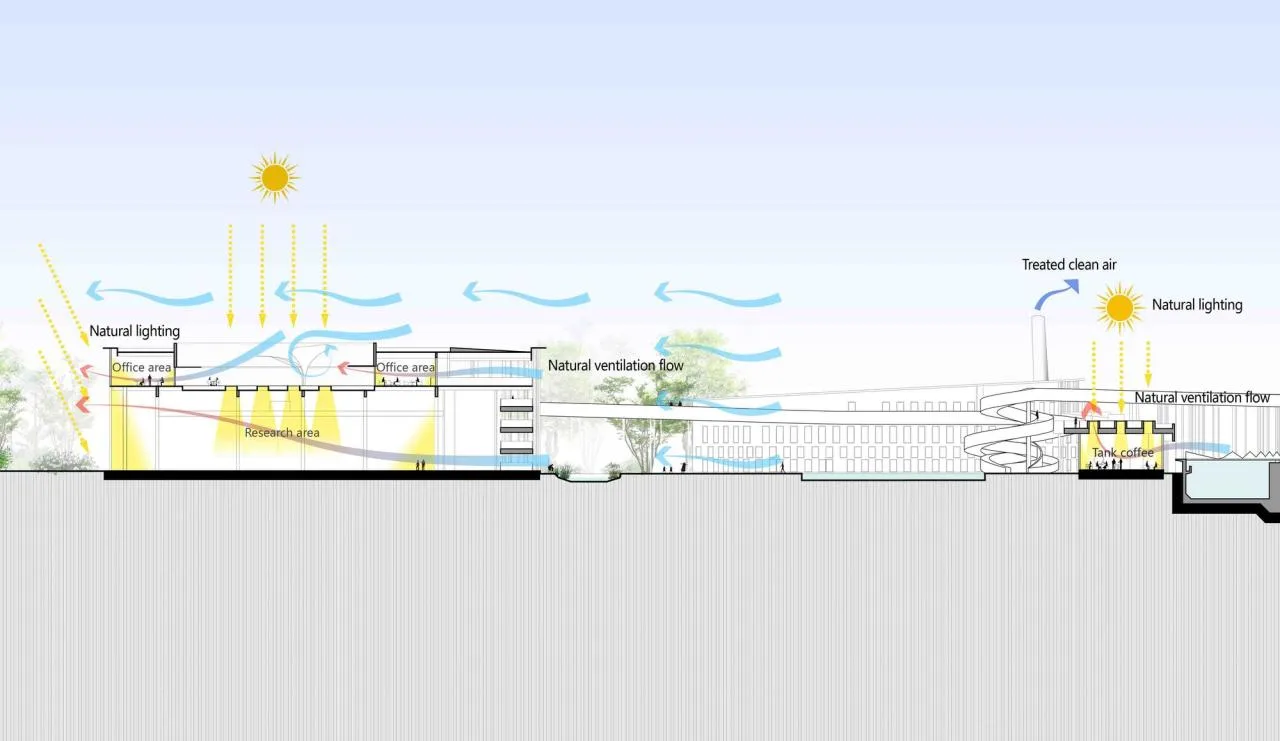
△ Analysis Chart
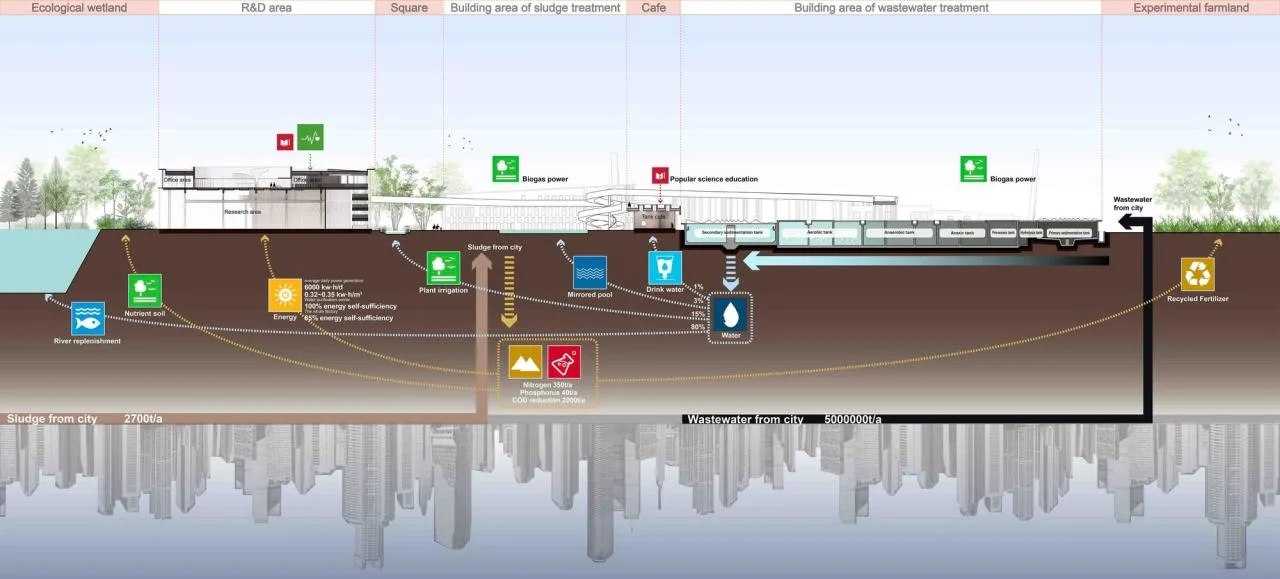
△ Analysis Chart
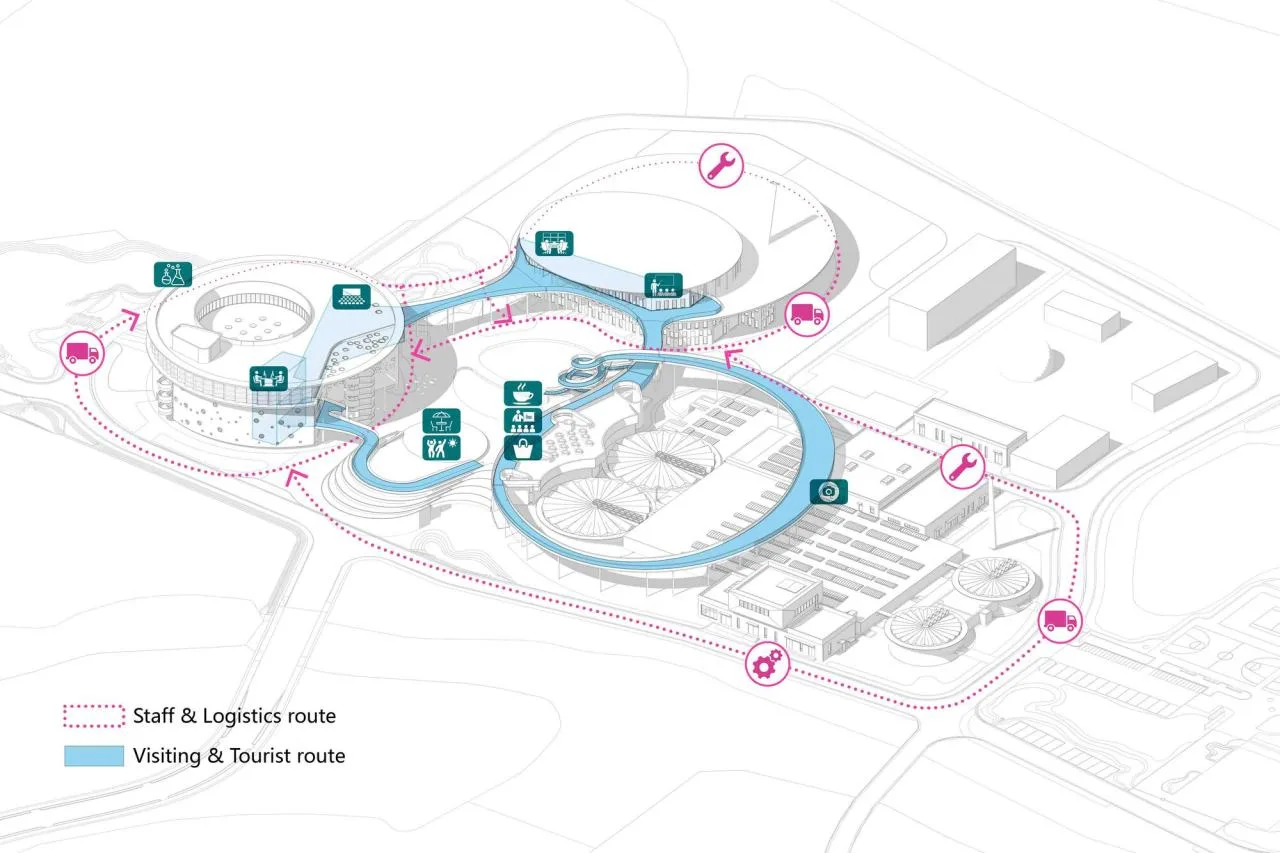
Project Information
Architect: Su Pu Architecture Studio, Tsinghua University Architectural Design and Research Institute
Area: 33,484 m²
Project Year: 2021
Photographer: Summer Solstice
Lead Architects: Song Yehao, Sun Jingfen
Architectural Design Team: Jie Dan (Professional Leader), Shi Lei, Chen Xiaojuan, Chu Yingnan, Lv Huixin
Interns: Liu Mengjia, Ouyang Yang, Wang Xidian, Lin Dali, Huai Zeyu, Liu Hu
Civil Engineering Design Team: Wen Yachen, Shu Tao, Zhang Yanhong, Zhang Jin, Zhang Yue, Guo Yi, Tian Ying, Yin Dapeng, Wang Peng
Civil Building Construction Drawing Design: Tsinghua Tongheng Planning and Design Institute Co., Ltd
Industrial Building Construction Drawings and Process Design: Beijing Municipal Engineering Design and Research Institute Co., Ltd
Landscape Double Spiral Staircase Structure Design: Zhang Zhun and Zhang Chongchong from Hezuo Structural Architecture Research Institute
Owner: Zhongchi New Concept Environmental Development Yixing Co., Ltd
Design Period: August 2018 – June 2020
Construction Period: April 2020 – September 2021
Land Area: 80,302.5 m²
Project Category: Industrial and Infrastructure
Location: Yixing















Must log in before commenting!
Sign Up