
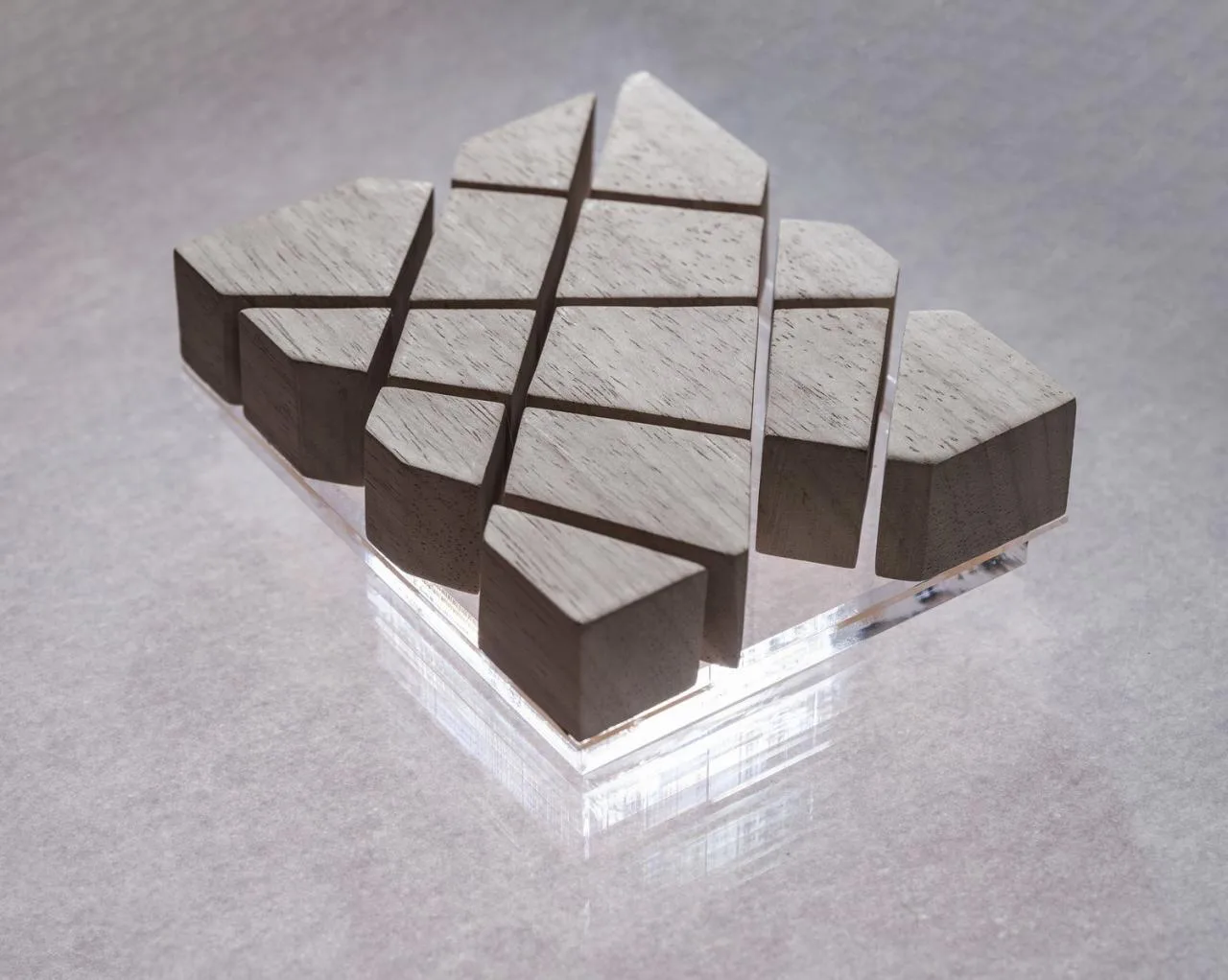
Everything has cracks, and that is precisely where the light shines through. Both people and objects have their flaws and imperfections, but it is through these very cracks that light enters life, allowing us to envision a brighter world. The challenges facing modern cities are not an end, but rather a new beginning. To progress, we must analyze and seek opportunities at the most fundamental level, take proactive steps, and continuously move forward to create a better future.
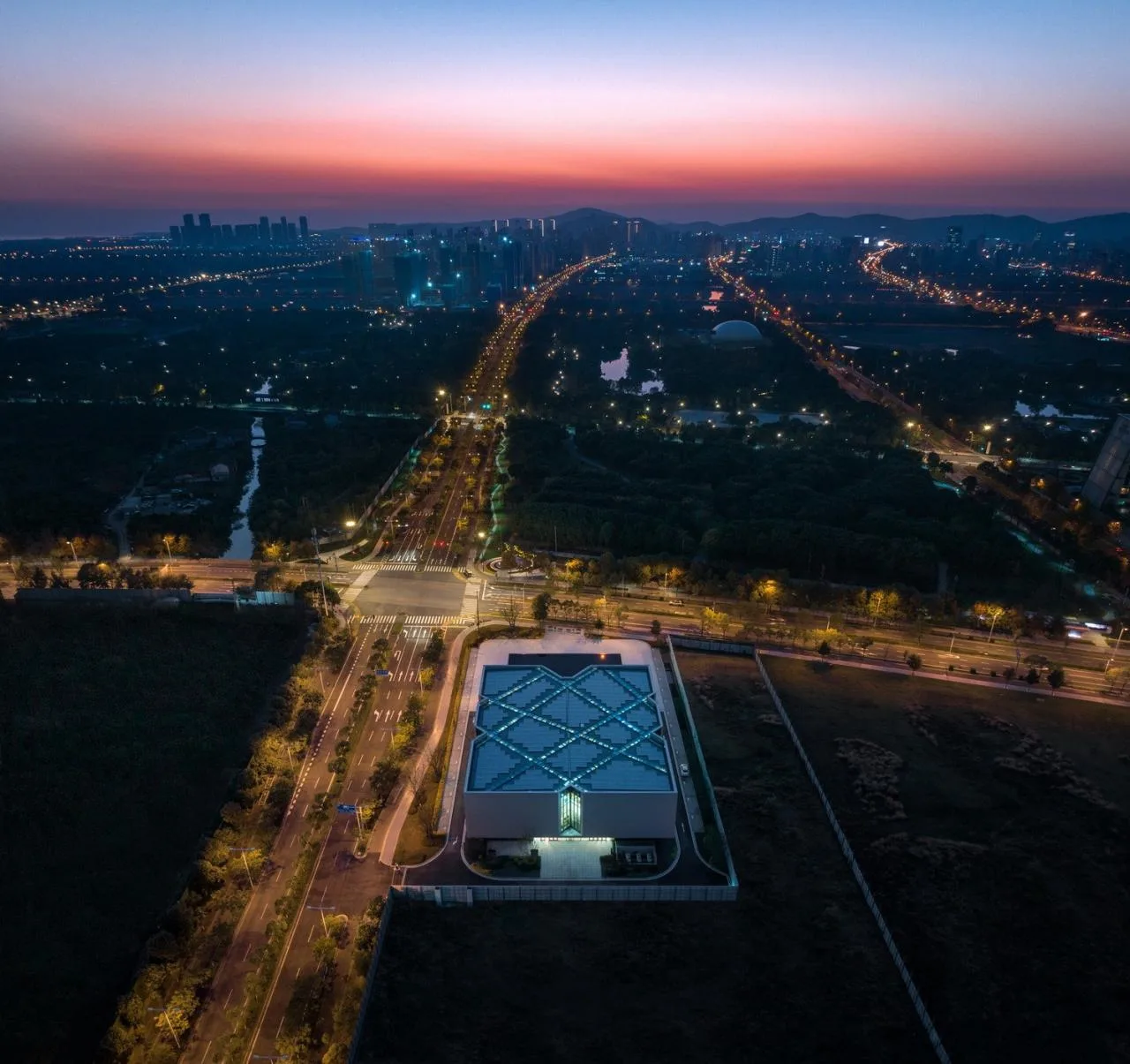
In September 2020, China announced its commitment to peak carbon emissions by 2030 and achieve carbon neutrality by 2060. This “dual carbon” strategy promotes a green, environmentally friendly, and low-carbon lifestyle. In architecture, this translates to the creation of “zero carbon buildings” and “zero carbon communities,” where all implicit carbon emissions during construction and operation are accounted for from the design phase, aiming for zero emissions throughout the building’s entire lifecycle.
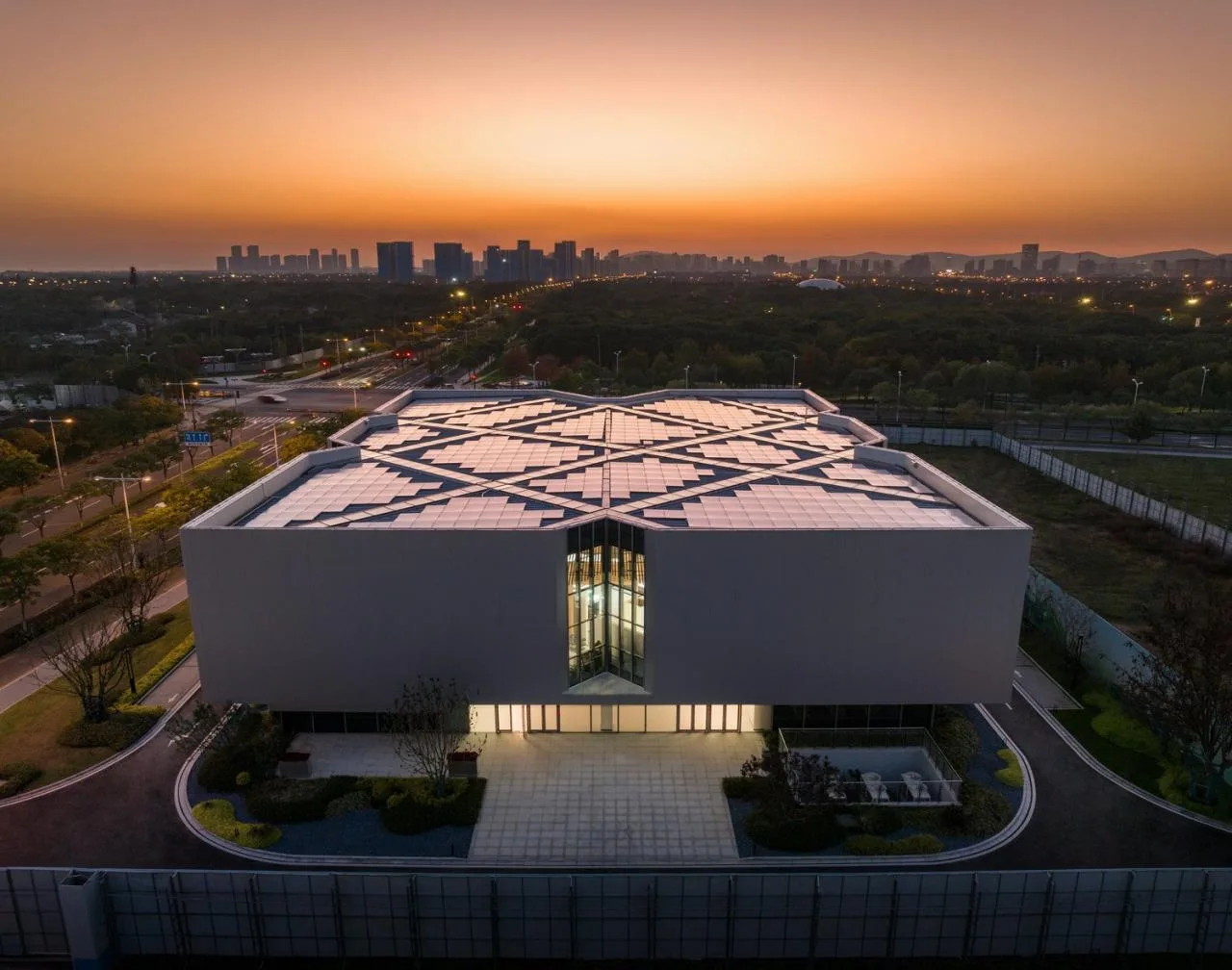
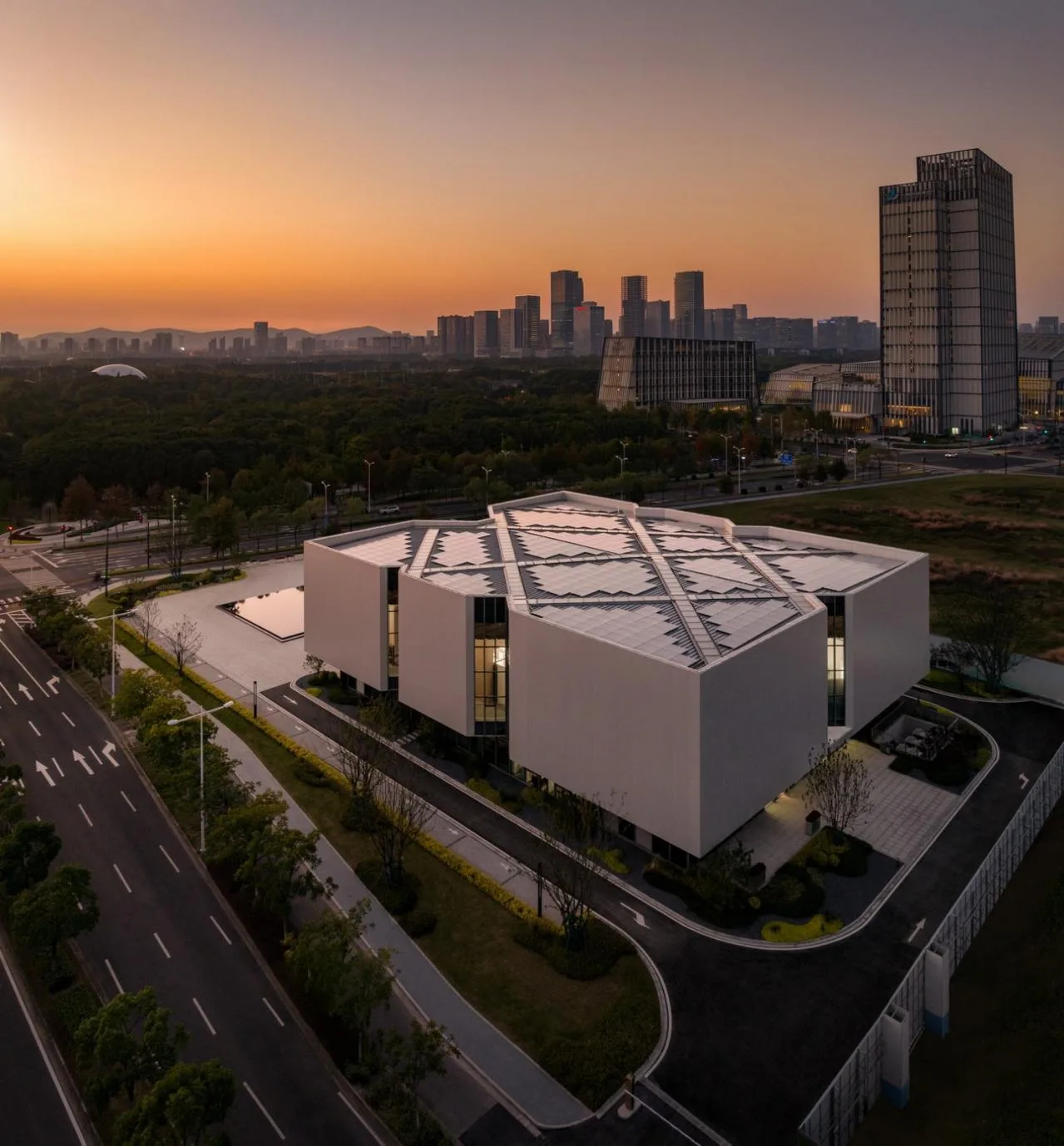
The Wuxi Zhongrui Low Carbon Ecological City Project is situated in the heart of Taihu Lake New City, the emerging urban center of Wuxi. This initiative uses urban construction as a breakthrough to address global climate change, exploring ecological economy, human settlements, culture, and environment. It aims to discover the future path for Chinese cities and pioneer new sustainable development and construction models through addressing current urban challenges.
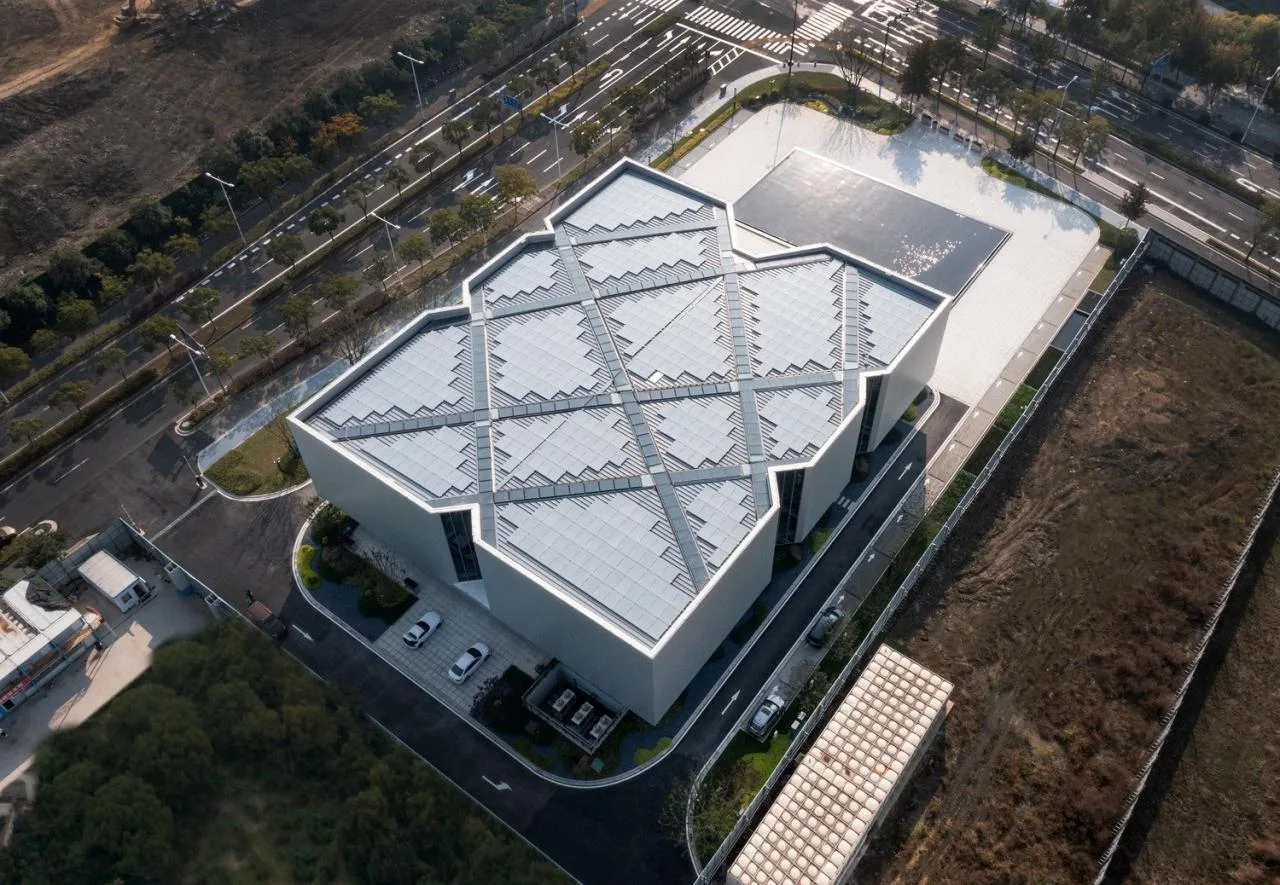
After nearly a decade of exploration and practice, Zhongrui Low Carbon Ecological City has begun to take form, completing key projects such as distributed photovoltaic systems, distributed energy systems, and a zero carbon campus. The “Low Carbon Technology Innovation Promotion Center” serves as a centralized platform showcasing the development progress, green construction concepts, achievements, and modern low-carbon technologies of the China-Switzerland Low Carbon Ecological City. It also provides a technical demonstration space for partner enterprises, international collaborators, and resident companies. This center integrates diverse low-carbon ecological technologies and establishes technical benchmarks for future regional construction.
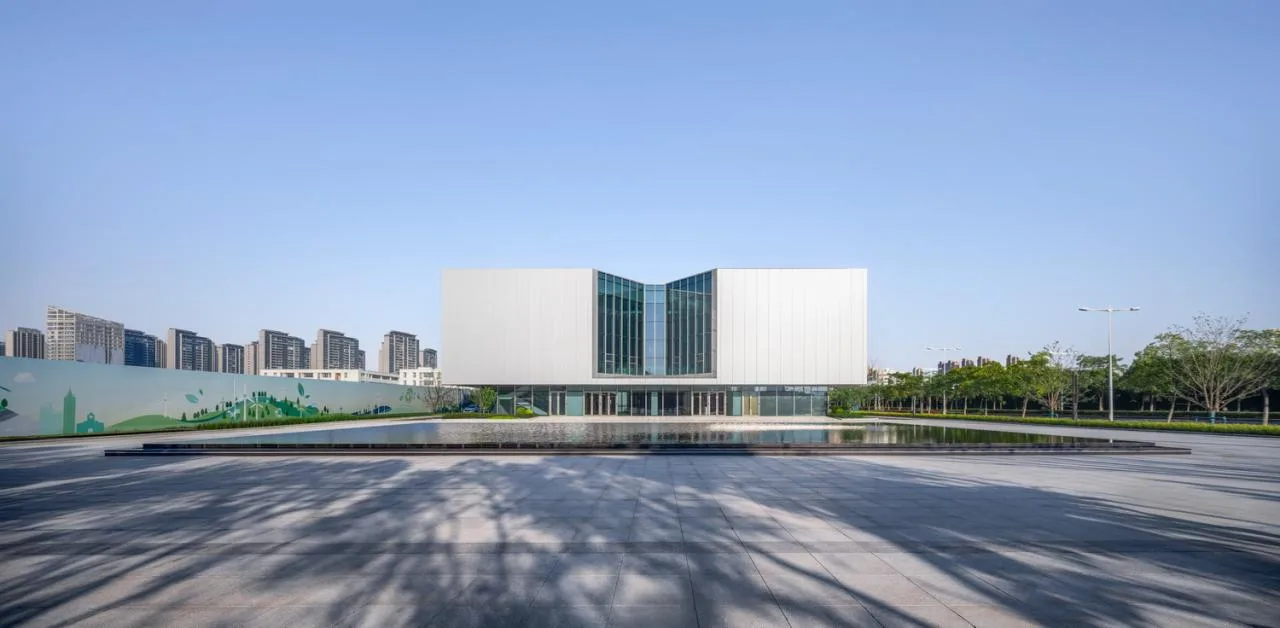
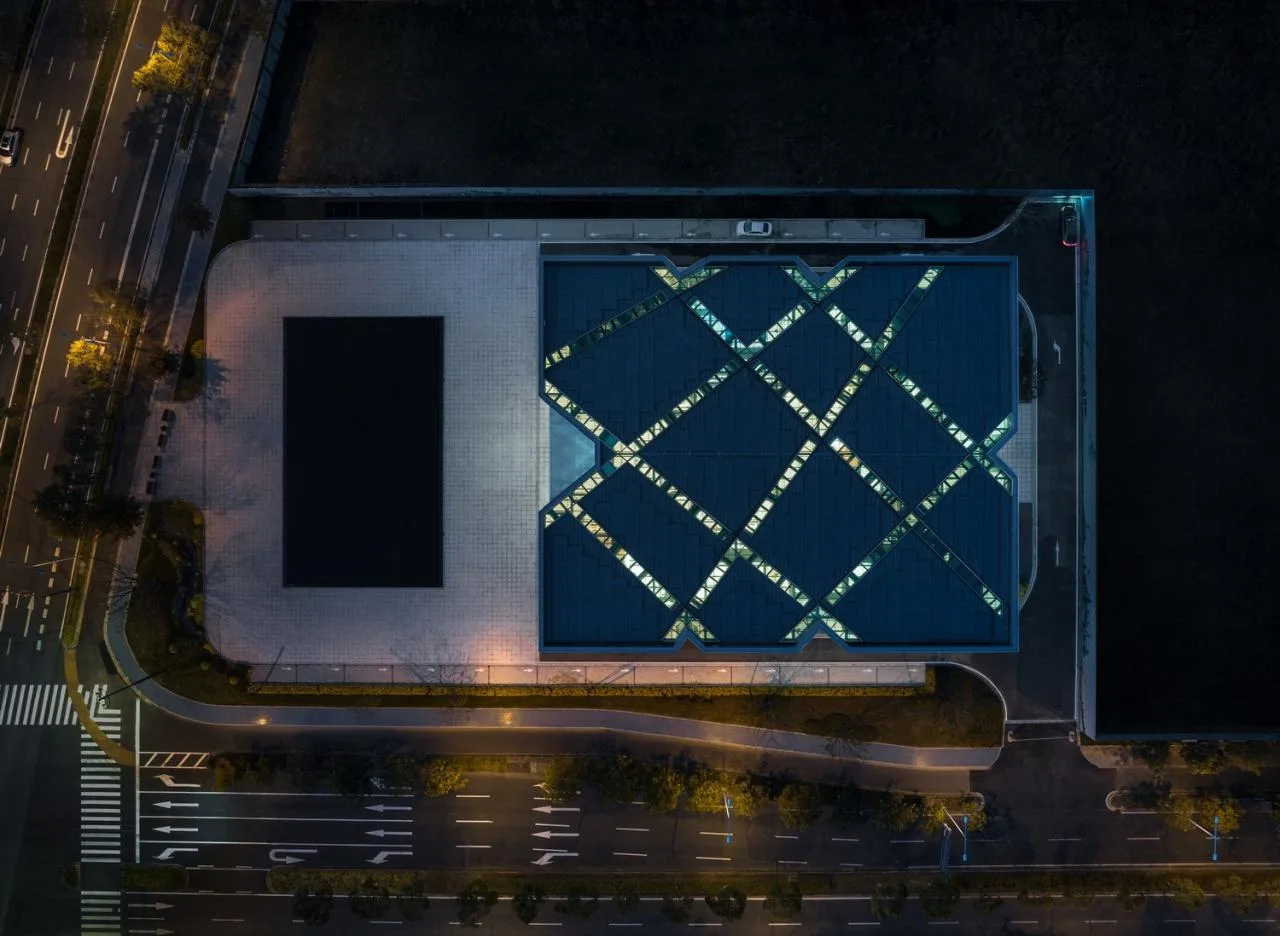
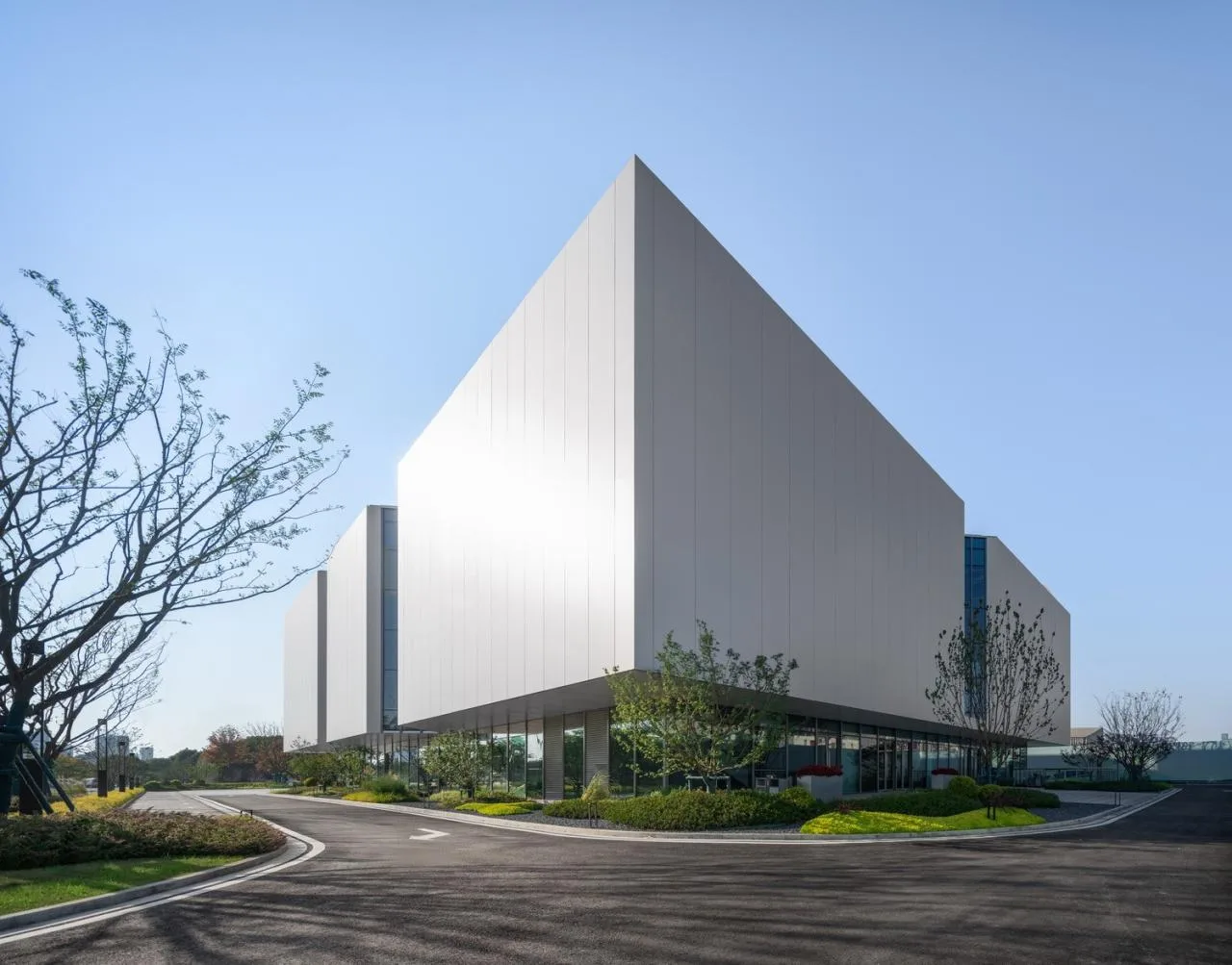
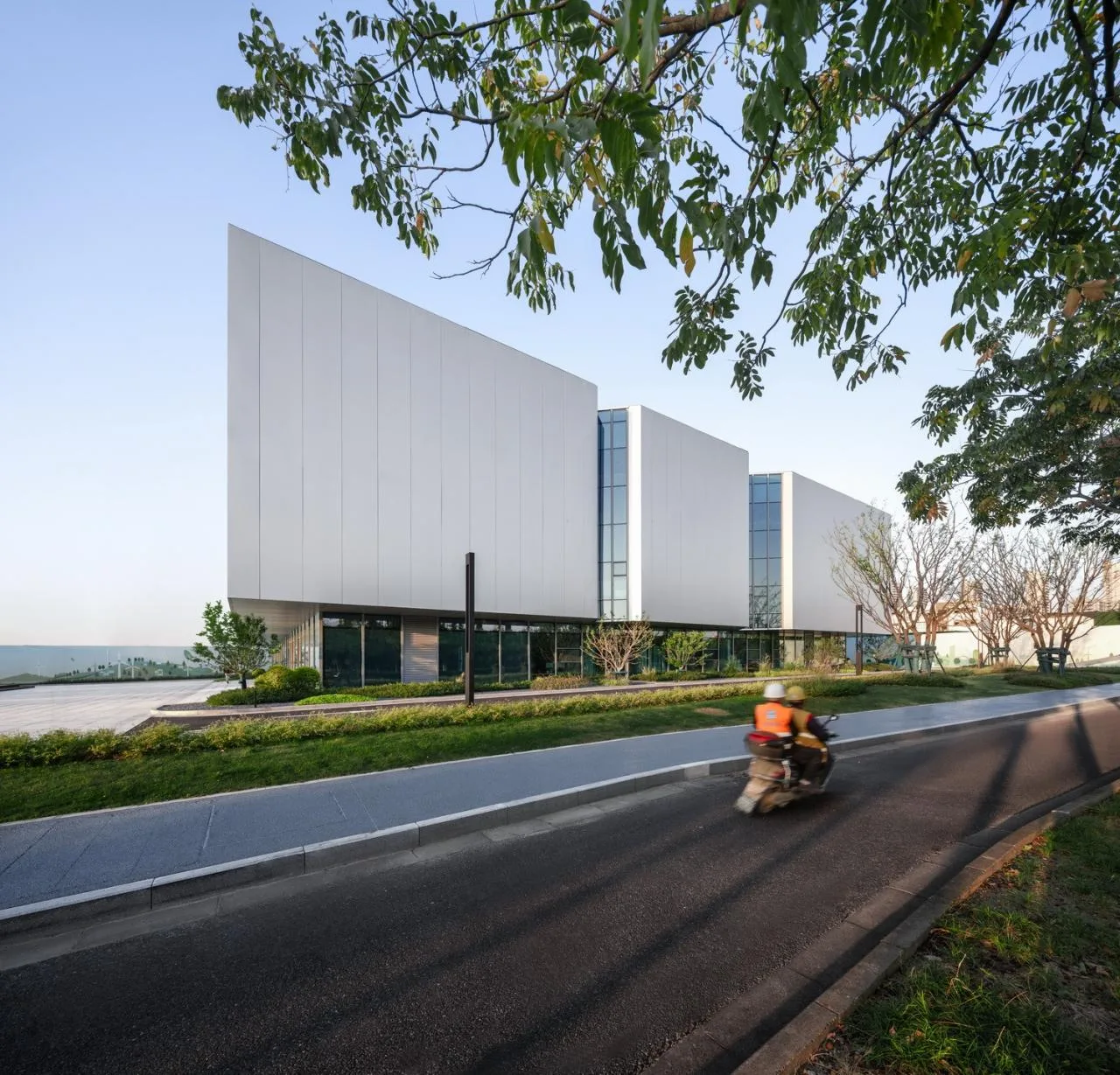
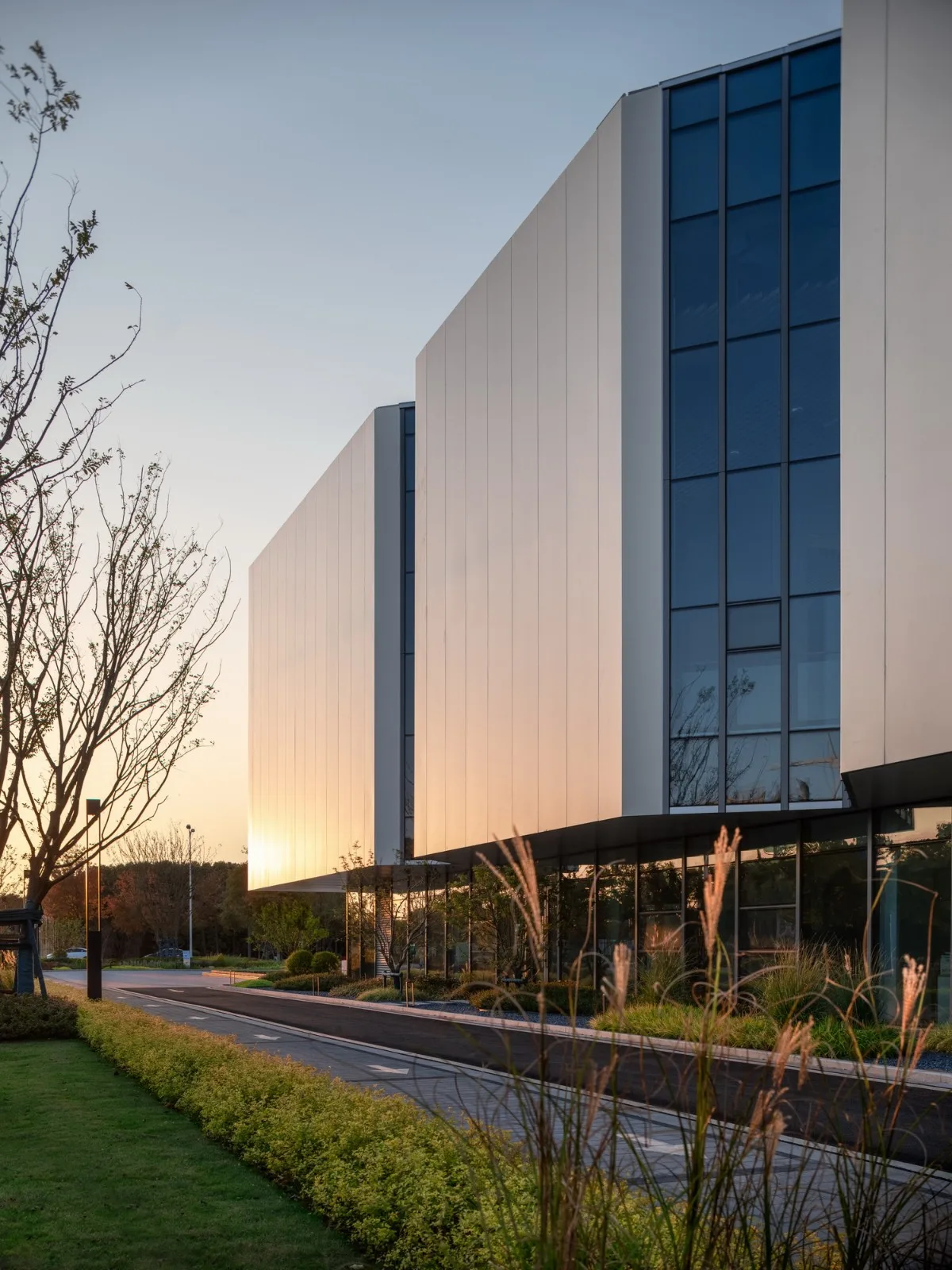
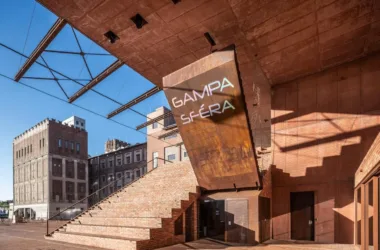
The building is located on the northeast corner of the intersection of Qingyuan Road and Qingshu Road, covering 7,500 square meters with a construction area of 3,735 square meters. It meets the three-star green building standard, with 88% prefabricated components. Embracing a minimalist design, all functions are housed within a suspended rectangular volume. The structure uses all-steel prefabrication with an ultra-high assembly ratio, enabling completion in under four months. Wrapped entirely in metal, the building’s intersecting lines create openings reminiscent of cracked rocks, radiating captivating light from within.
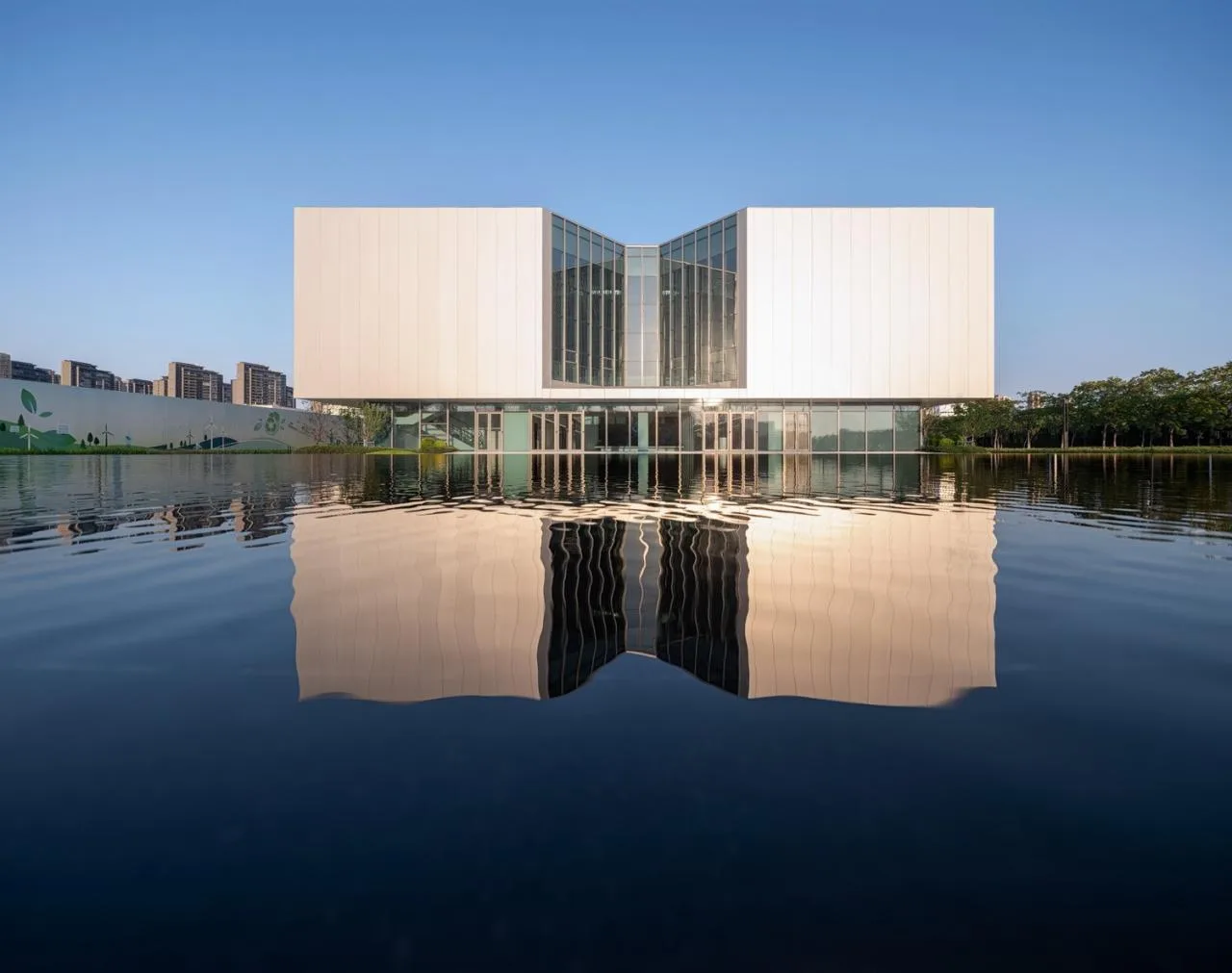
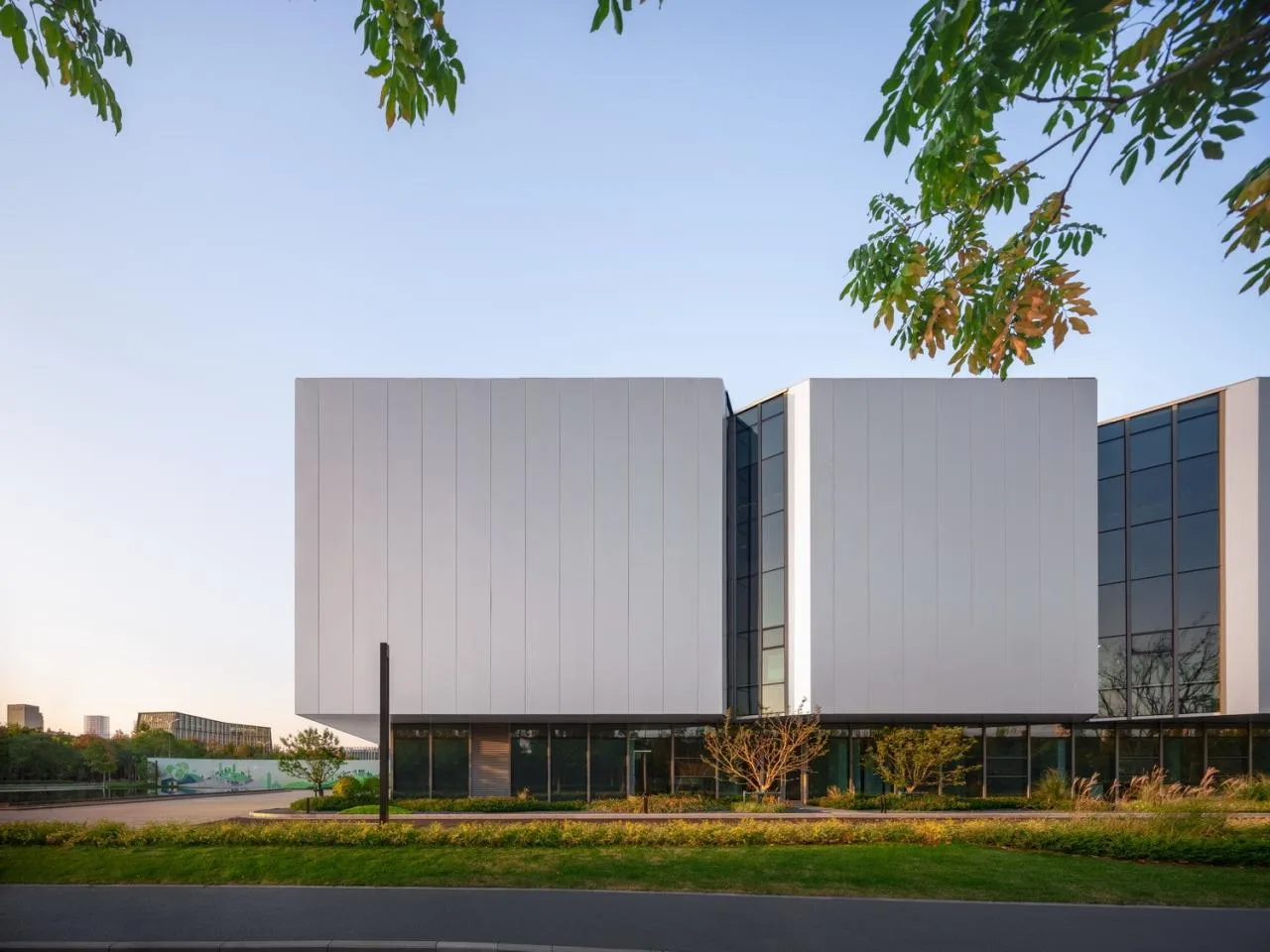
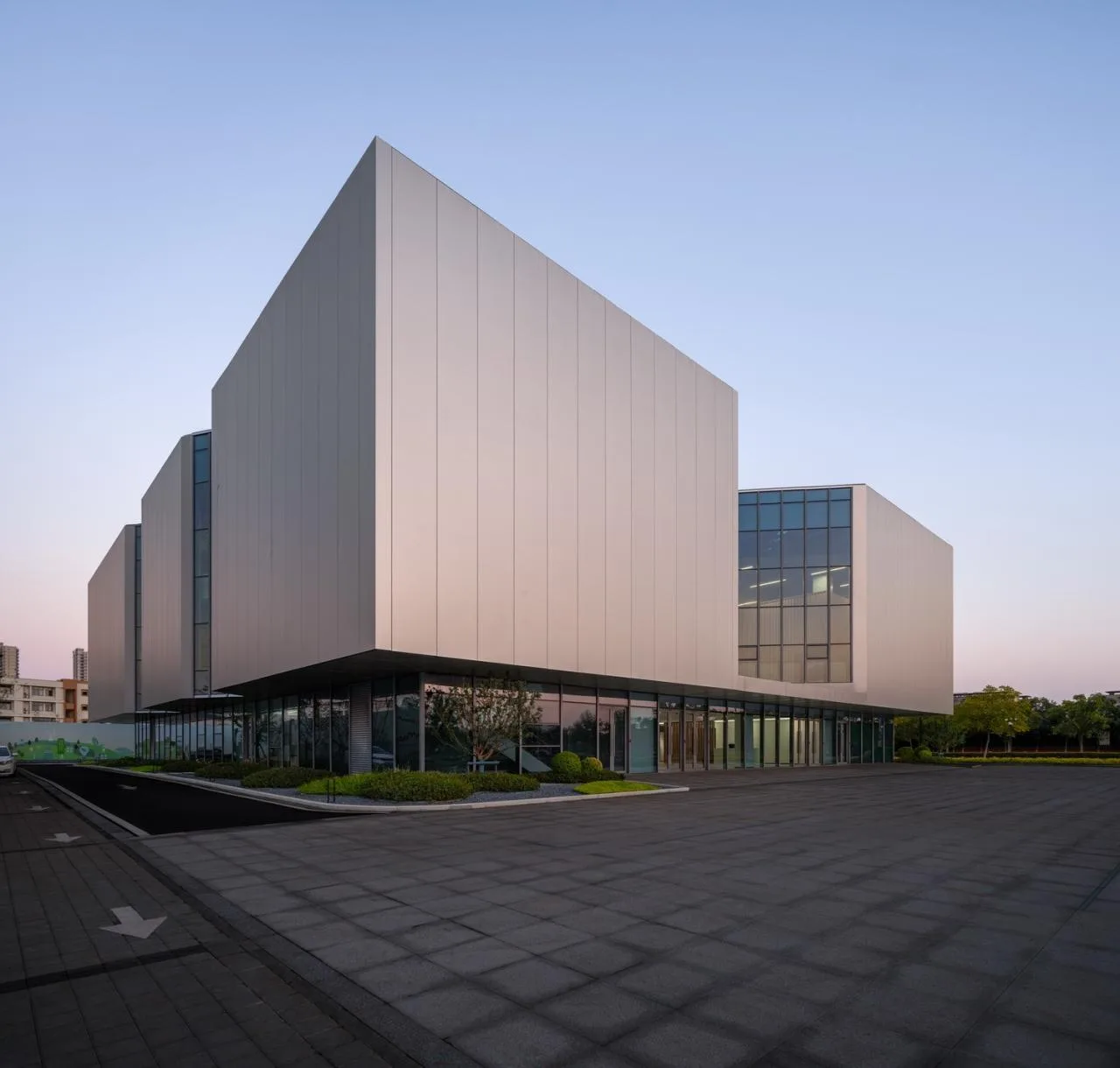
This metal box is suspended above a transparent base with smooth, simple surfaces. The facade features full-length sandwich composite metal panels with an elegant frosted finish that reflects the ever-changing urban environment, presenting a dynamic appearance under varying light conditions. Vertical windows and skylights penetrate the facade’s cracks, inspired by abstract interpretations of the urban fabric, creating a unique architectural identity. Transparent glass releases the dazzling interior light, creating rhythm and scale variations across the facade. The building appears to float on a river of light, with penetrating illumination serving as the city’s vibrant, continuous pulse.
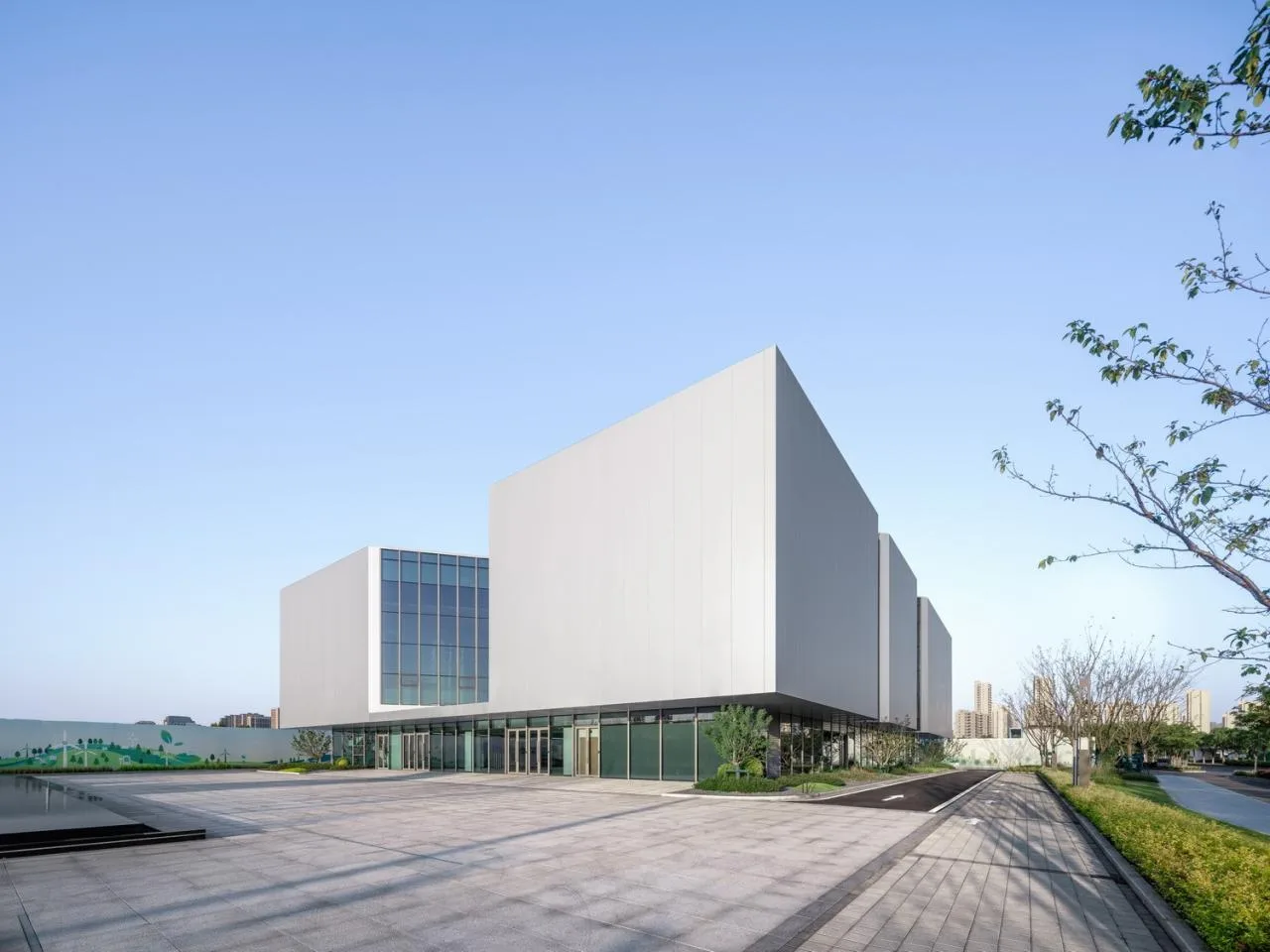
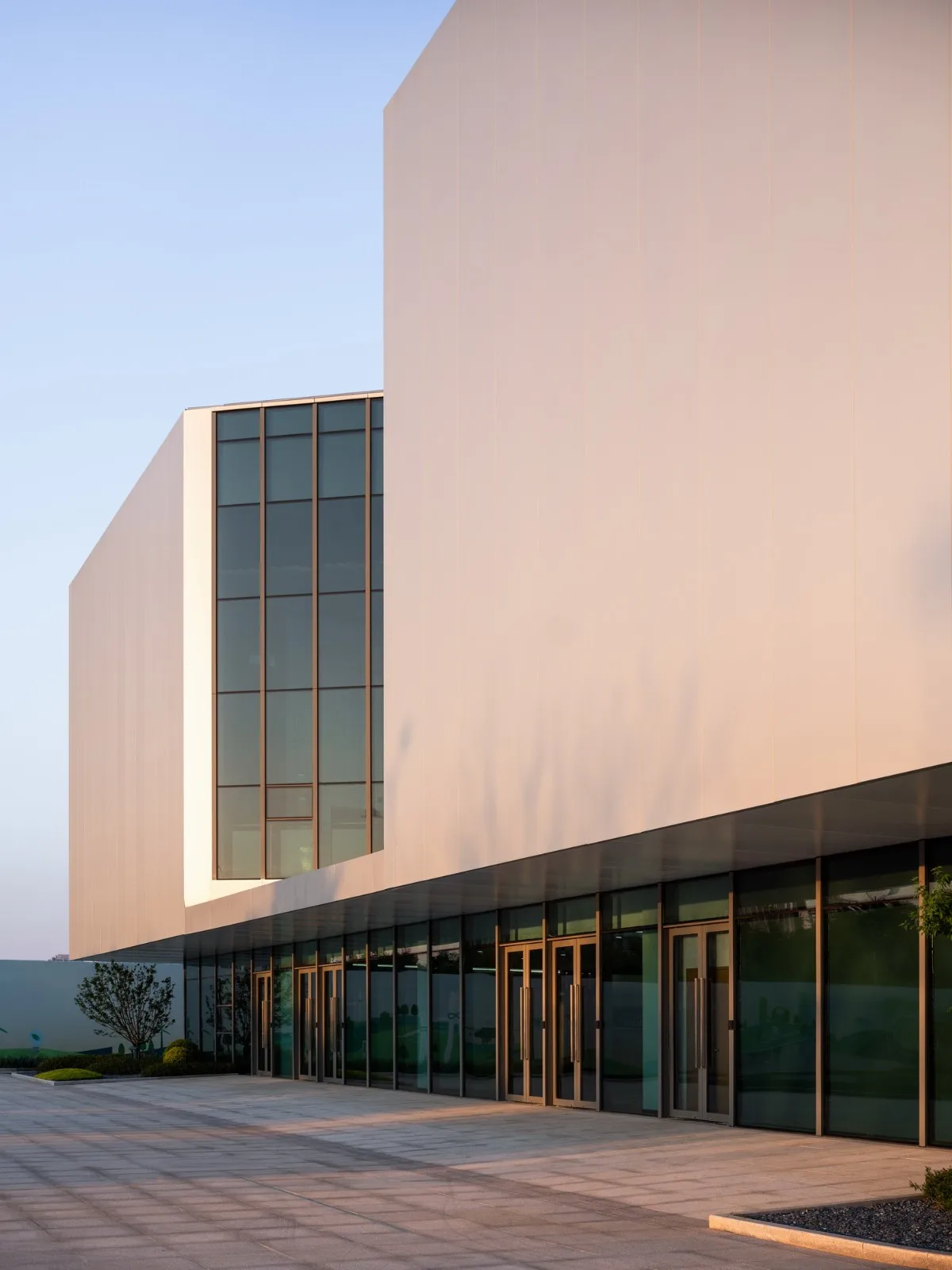
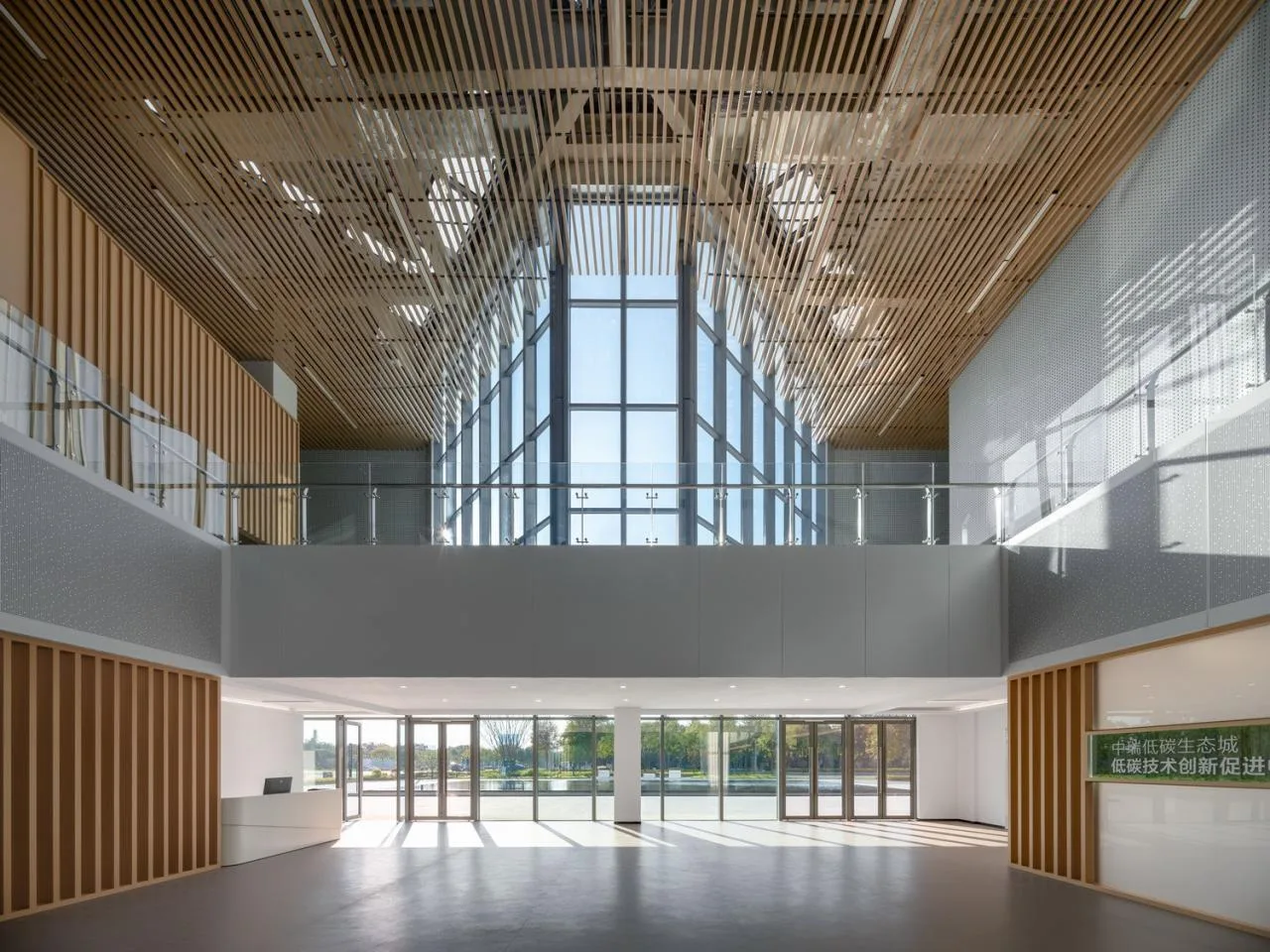
The building’s entrance features a naturally enlarged triangular chamfer, complemented by a metal canopy echoing this form. This strong geometric feature attracts light, people, and views, seamlessly connecting to the internal through hall. The architecture embodies low-carbon and environmental protection principles throughout planning, structure, construction, equipment, materials, and operation, making it a fitting showcase for the new district’s construction theme. We approach architecture as a dynamic, deductive process, aiming to connect man-made objects with nature and culture.
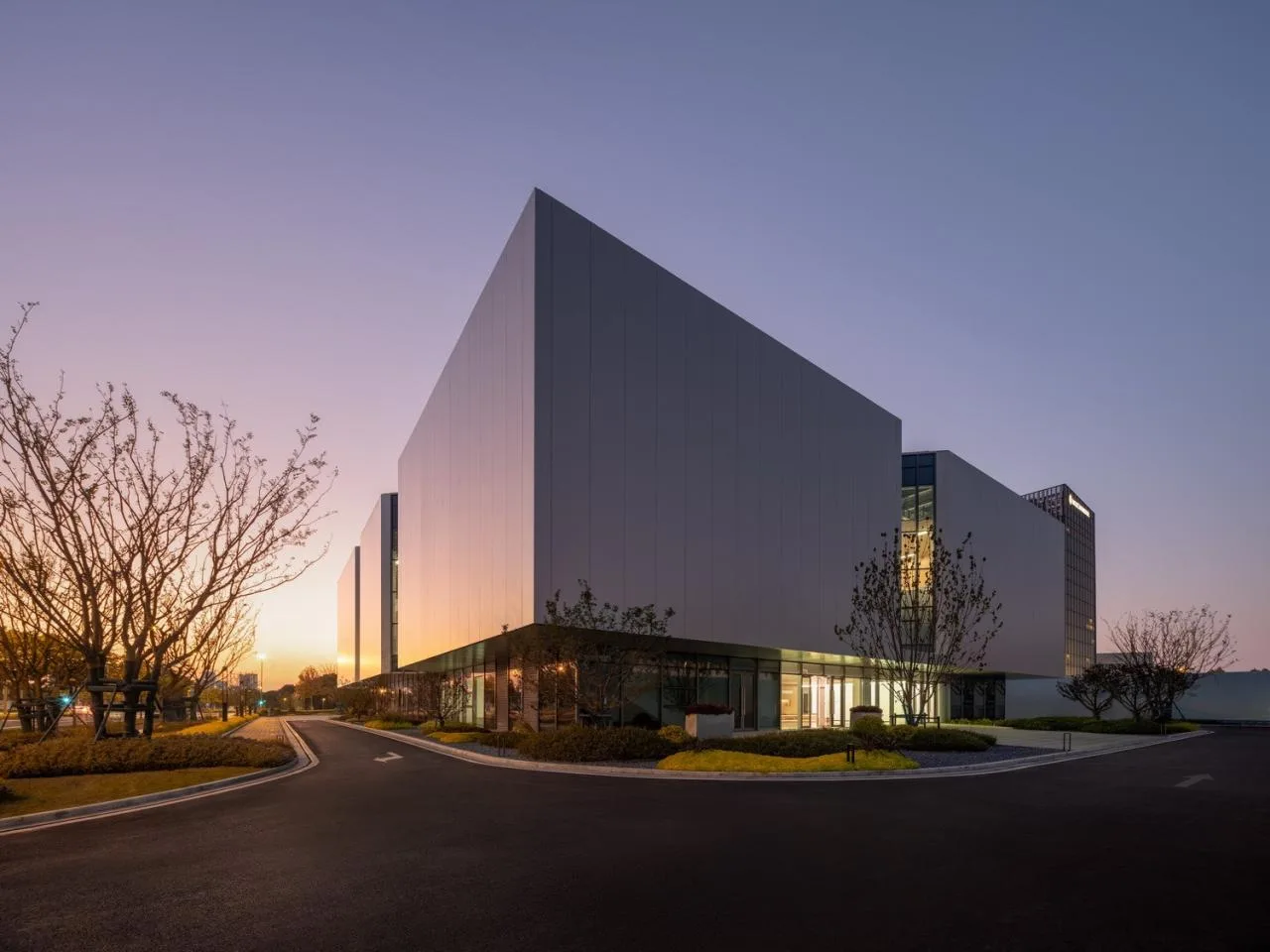
The significant transformations in this new district differ from traditional urban development models. This is a completely new, top-down approach featuring an entirely new road network, structure, buildings, spaces, and new users. The only constant is the connection between architecture and nature: although traditional villages have been replaced, the core relationship of mutual dependence and harmony between humans and nature is preserved and carried forward through environmentally friendly building and urban construction methods.
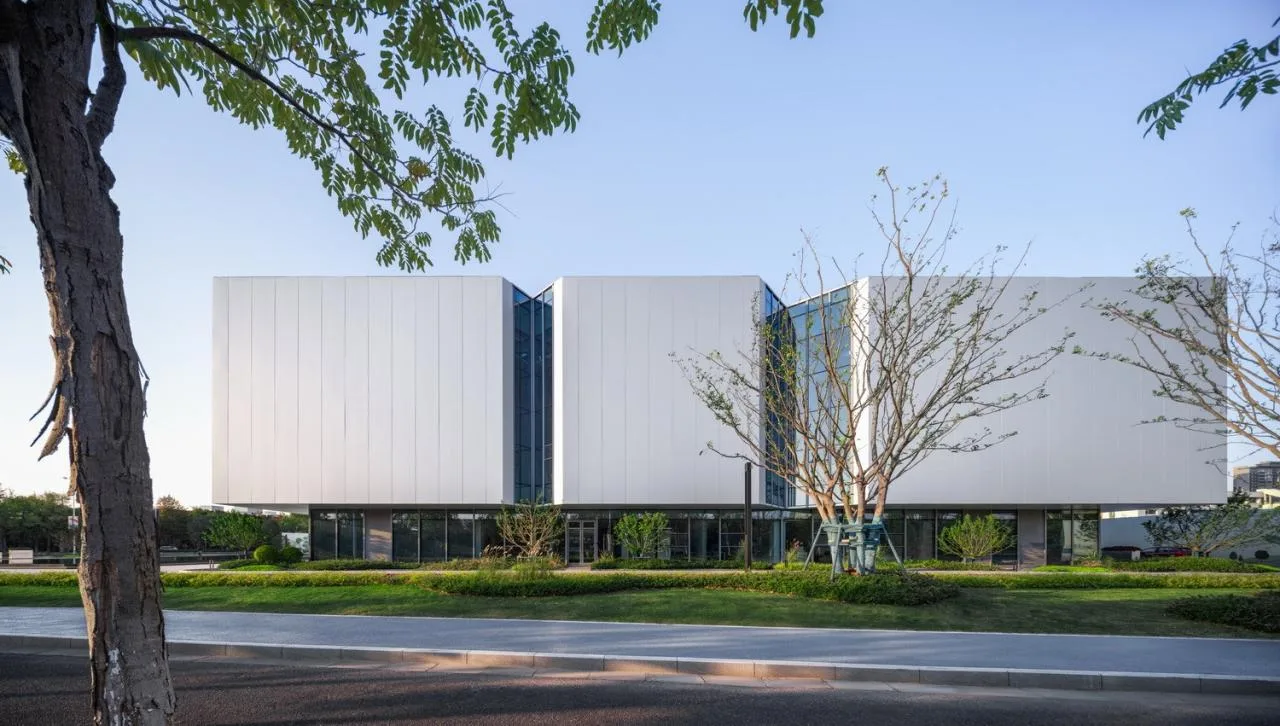
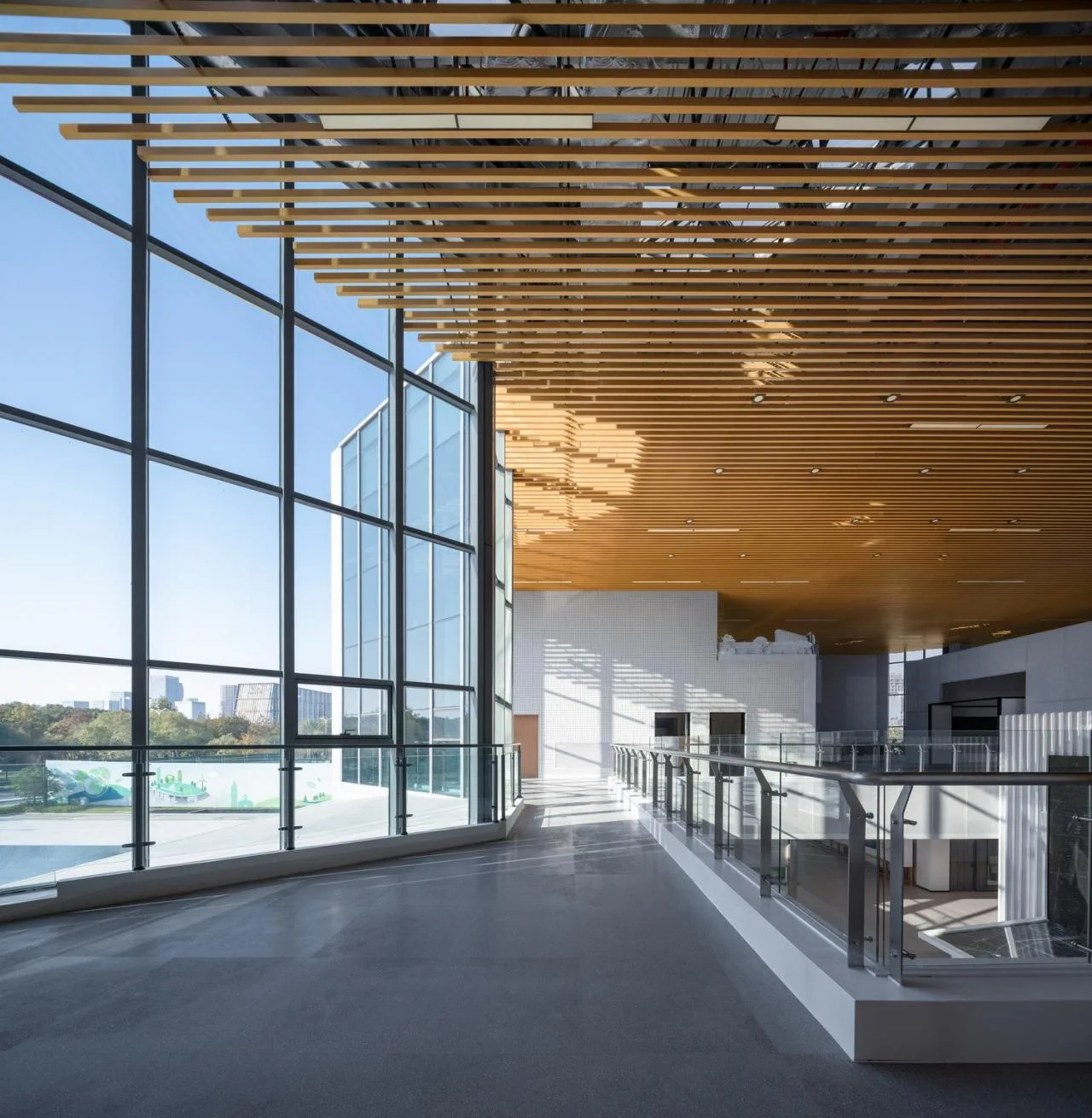
Reflecting the different functional needs, the building features large spatial volumes and sculptural blocks. The bold cuts shape the space with strength and solidity. As an ecological exhibition hall, it not only showcases environmental protection concepts but also embodies sustainable development principles through its design. These include energy and water conservation, eco-friendly materials, and renewable energy use. The design also anticipates sustainable functional adaptability to accommodate rapid urban changes, with all materials being fully recyclable to reduce construction waste. The following ecological measures were incorporated:
1. Reducing building energy consumption
(1) Exterior recessed corners create rhythmic windows, while local glass curtain walls and roof skylights provide excellent natural lighting and ventilation, enhancing indoor comfort and reducing reliance on artificial systems.
(2) Concave façade sections cast shadows, minimizing direct sunlight and lowering indoor energy use.
(3) Prefabricated metal composite rock wool fireproof insulation boards eliminate thermal bridges, offering superior thermal and sound insulation while maintaining a smooth exterior.
(4) High-performance external doors and windows with strong insulation and airtightness reduce air infiltration and energy loss.
2. Energy recycling
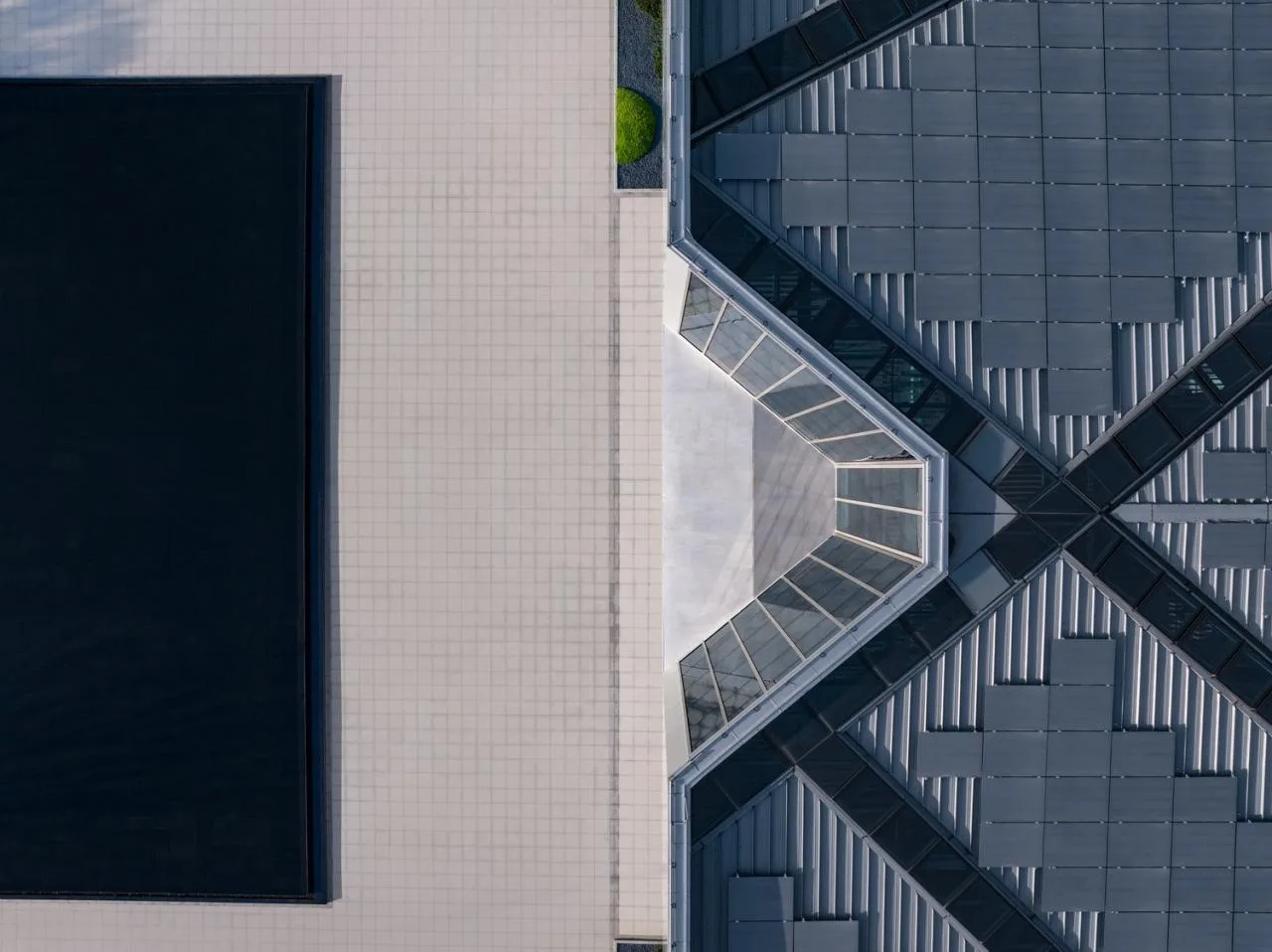
(1) The building roof features a solar photovoltaic system that meets internal energy demands and provides an overall green energy supply.
(2) A rainwater collection and reuse system captures water from the courtyard and roof, integrating with a mature reclaimed water system to recycle water multiple times, minimizing consumption.
(3) Ground source heat pump systems replace traditional air conditioning, heating, and boiler systems, improving the urban atmosphere and saving energy.
3. Optimizing energy efficiency
Intelligent control systems enable efficient energy management and environmental regulation. Sensors and automation monitor and adjust energy consumption, temperature, humidity, and lighting within the exhibition hall to maximize efficiency.
4. Environmental ecological friendliness
(1) The architectural design extends beyond the building itself, emphasizing ecological landscape design. By selecting native plants, increasing green coverage, and integrating architecture with the landscape, an eco-friendly external environment is created.
(2) Sponge city construction measures include a rainwater garden purification system. Rainwater from the square flows through sedimentation tanks, multi-stage purification tanks, and stabilization tanks before entering the landscape ecological pool.
The design of the Low Carbon Technology Innovation Promotion Center in Zhongrui Ecological City embodies ecological friendliness and sustainable development. This innovative and challenging project uses green building materials, efficient energy-saving technologies, renewable energy, and ecological landscape design to lead the public toward a sustainable future. It also promotes environmental awareness through education and interactive design, encouraging public participation in environmental protection, fostering environmental consciousness, and collaboratively building a harmonious city.
Project Drawings
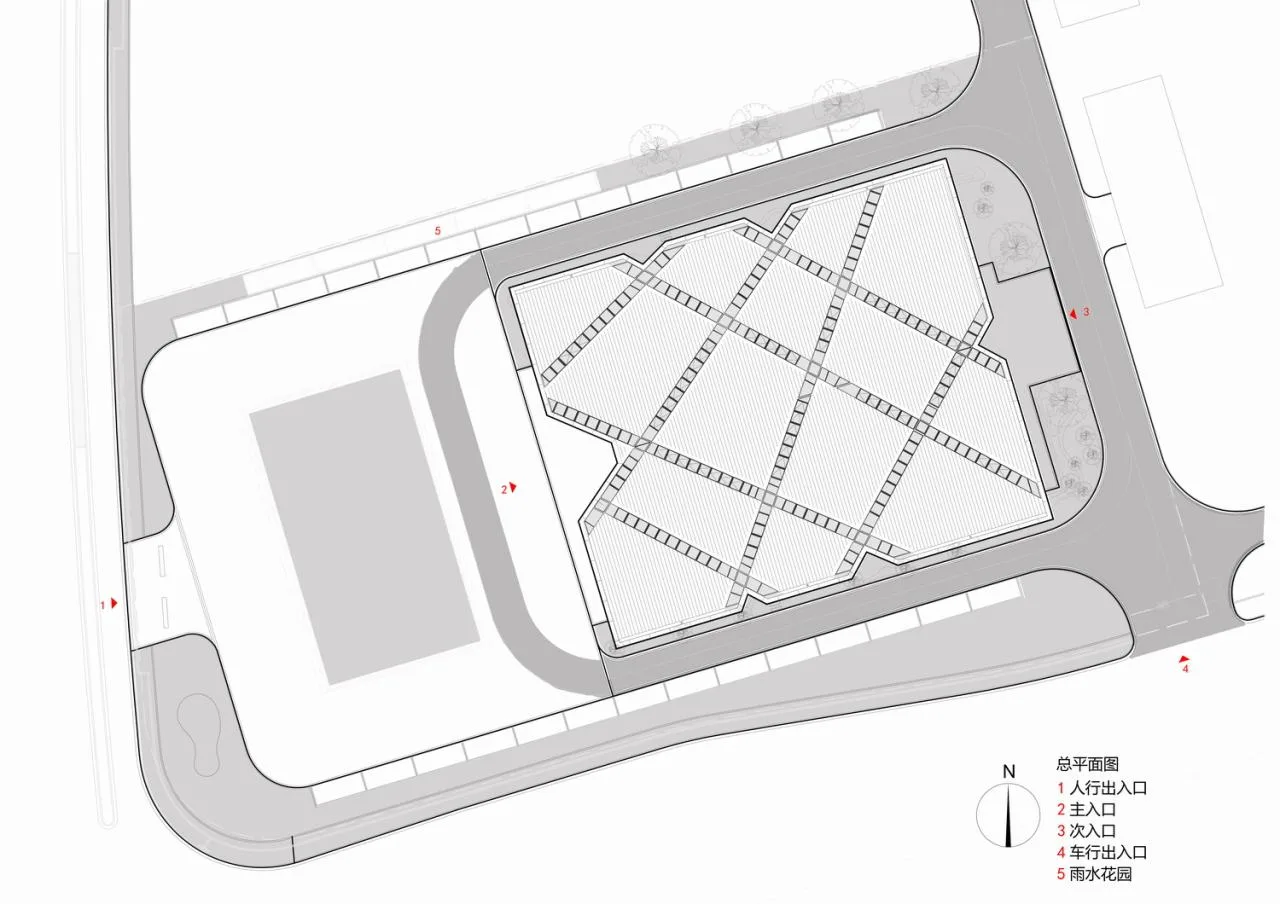
△ General Layout Plan
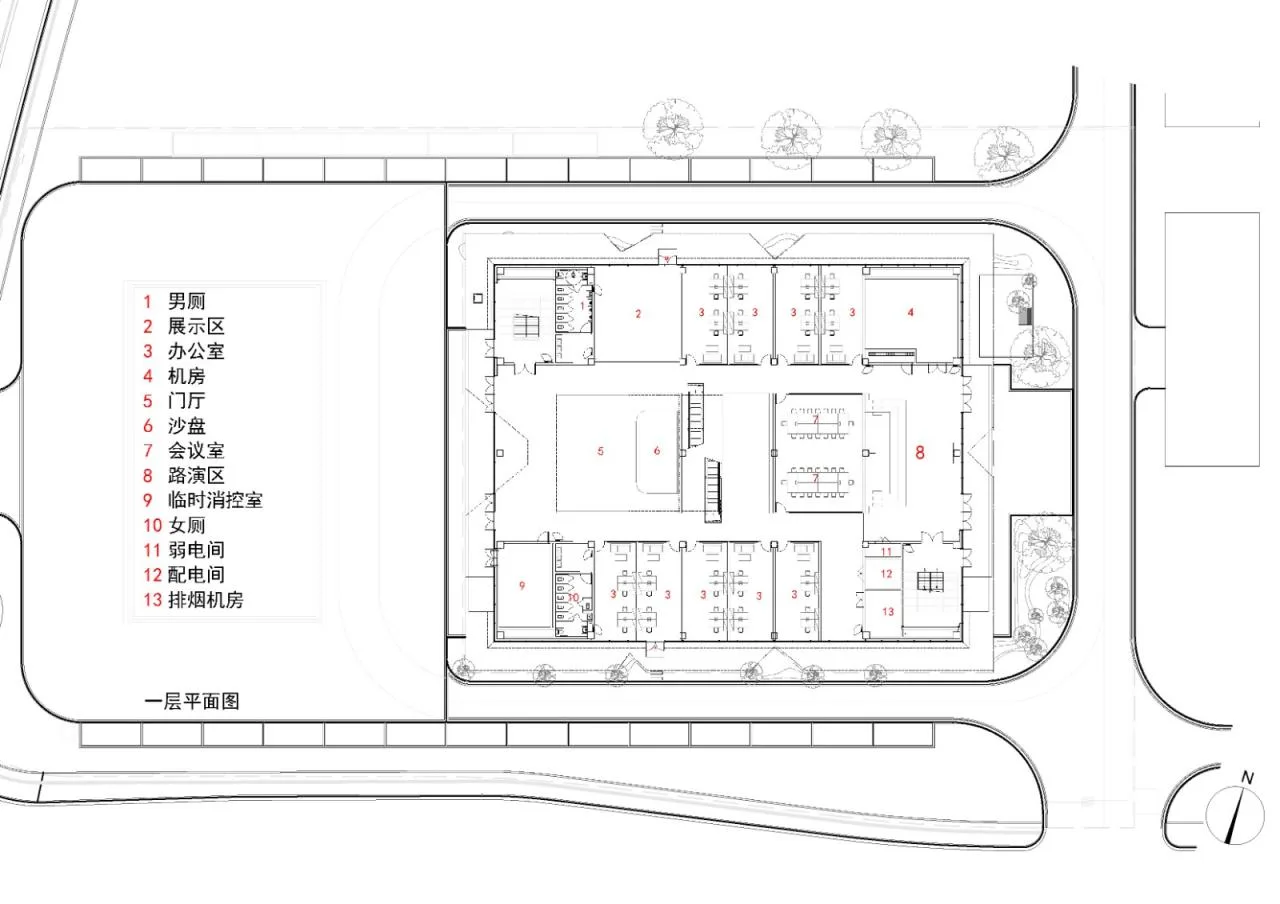
△ First Floor Plan
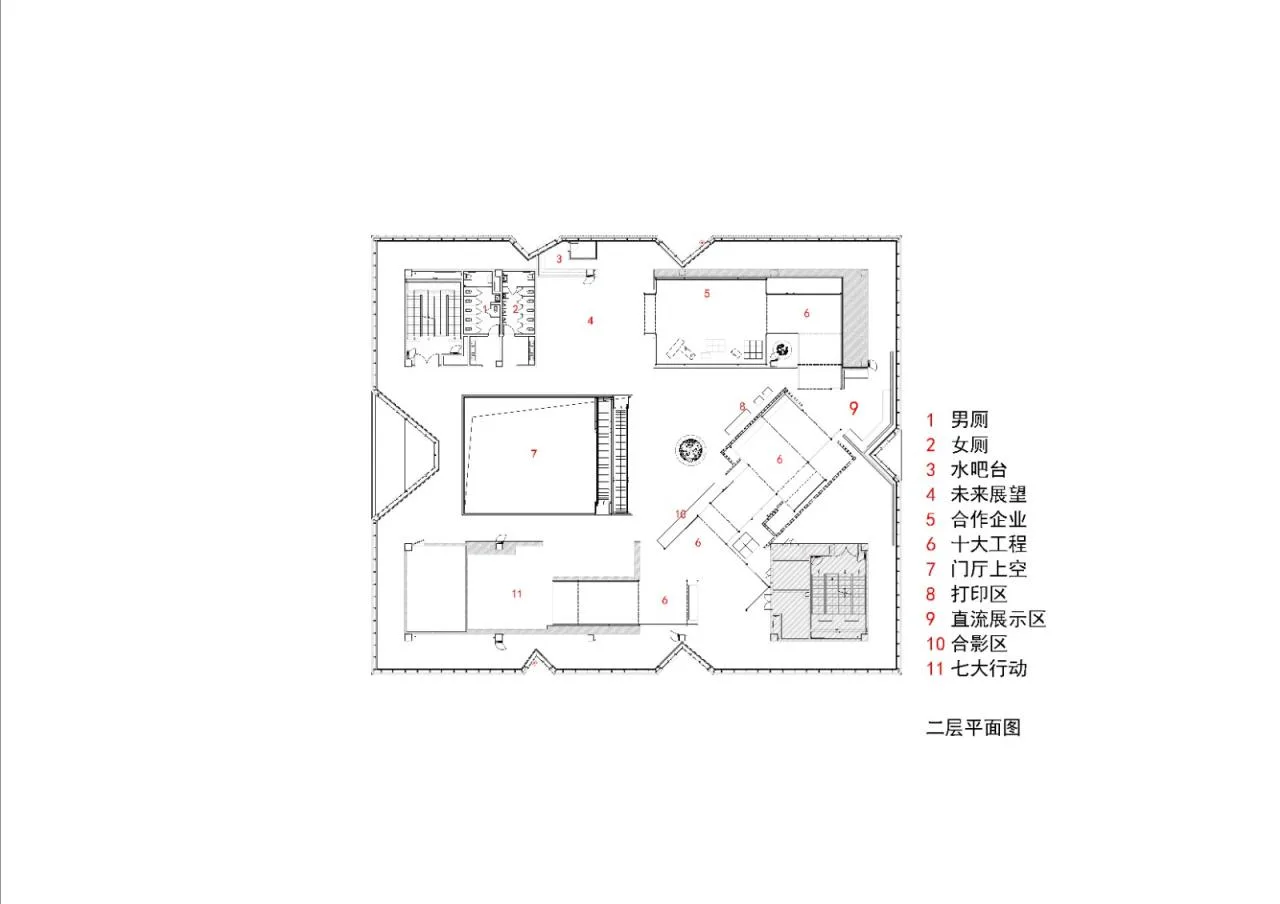
△ Second Floor Plan
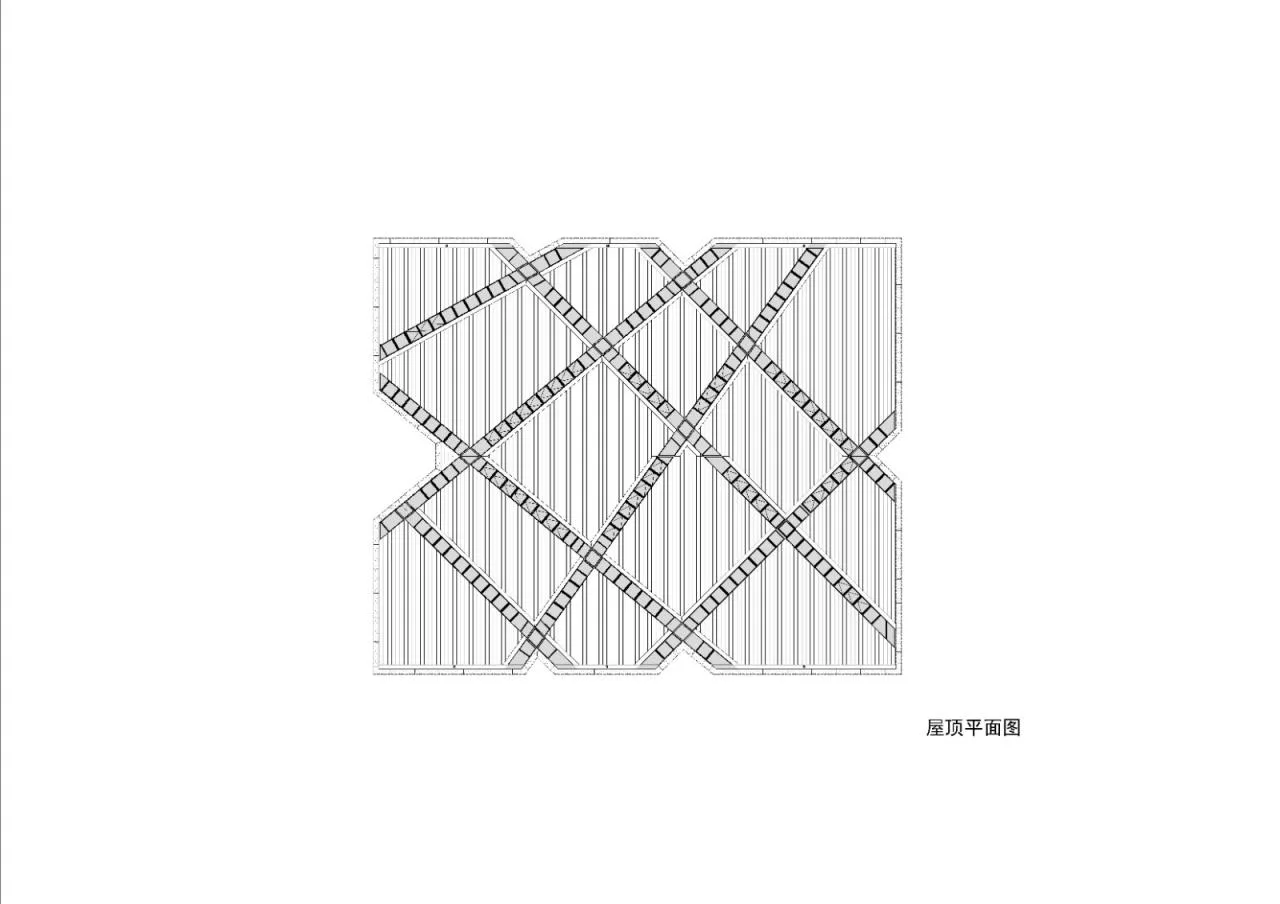
△ Roof Plan
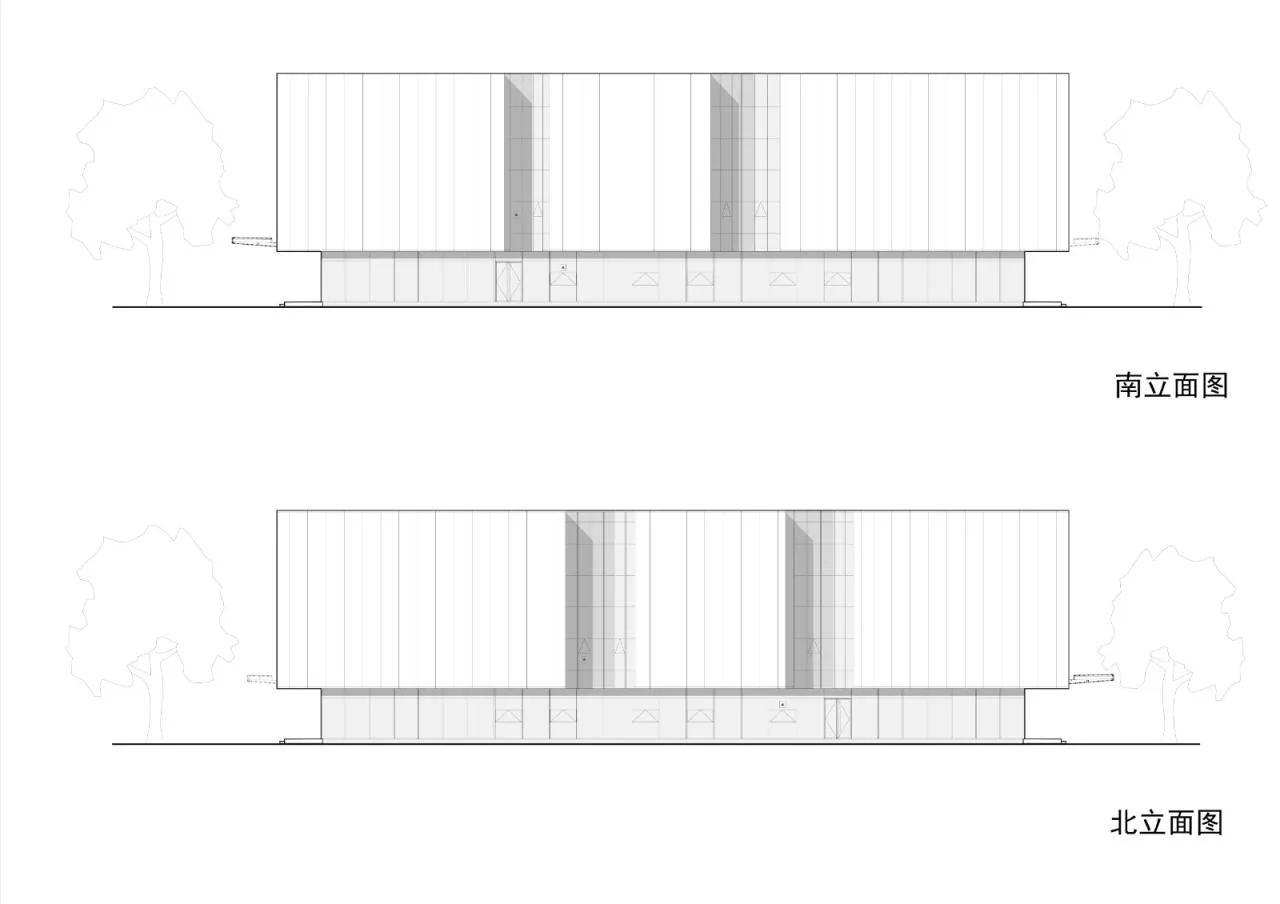
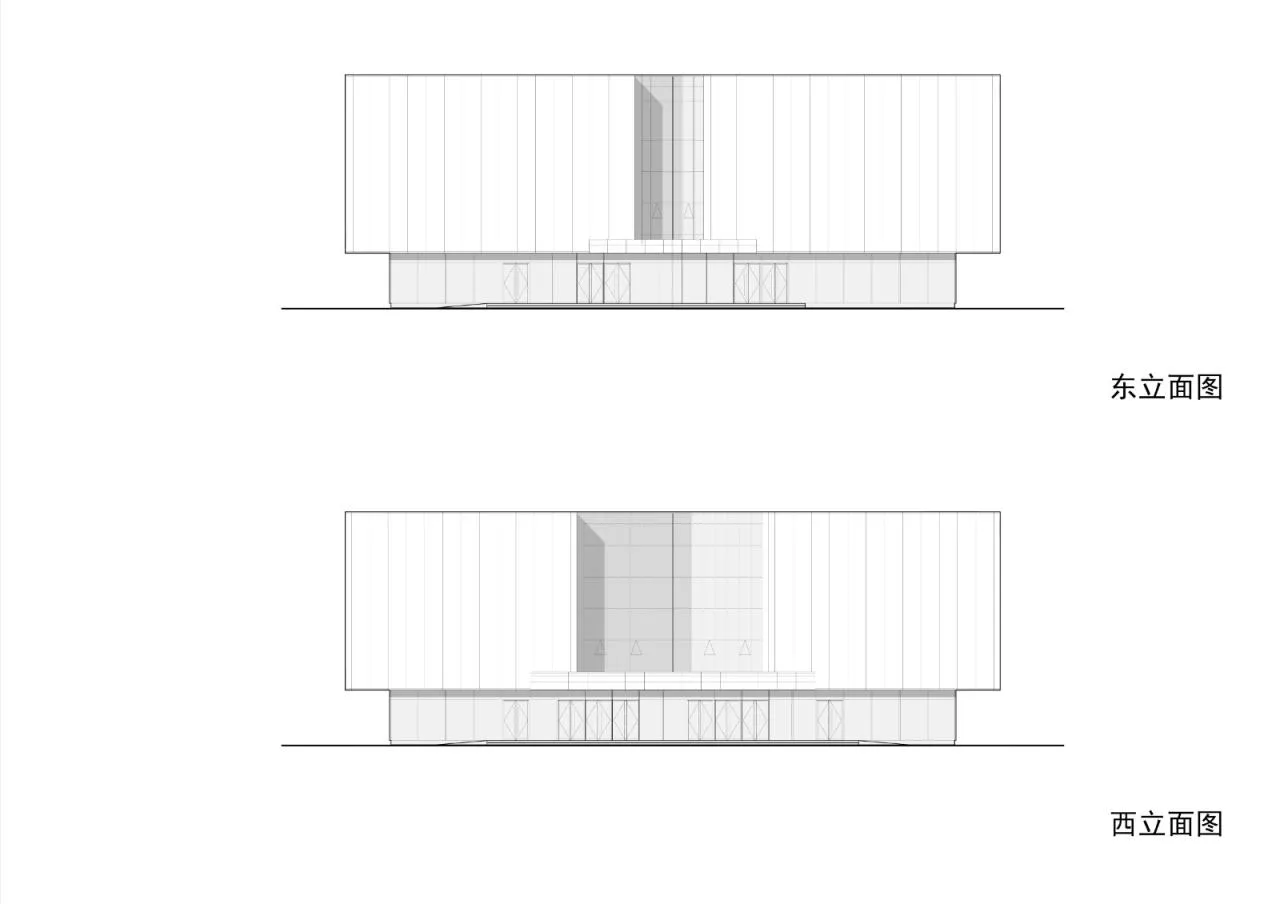
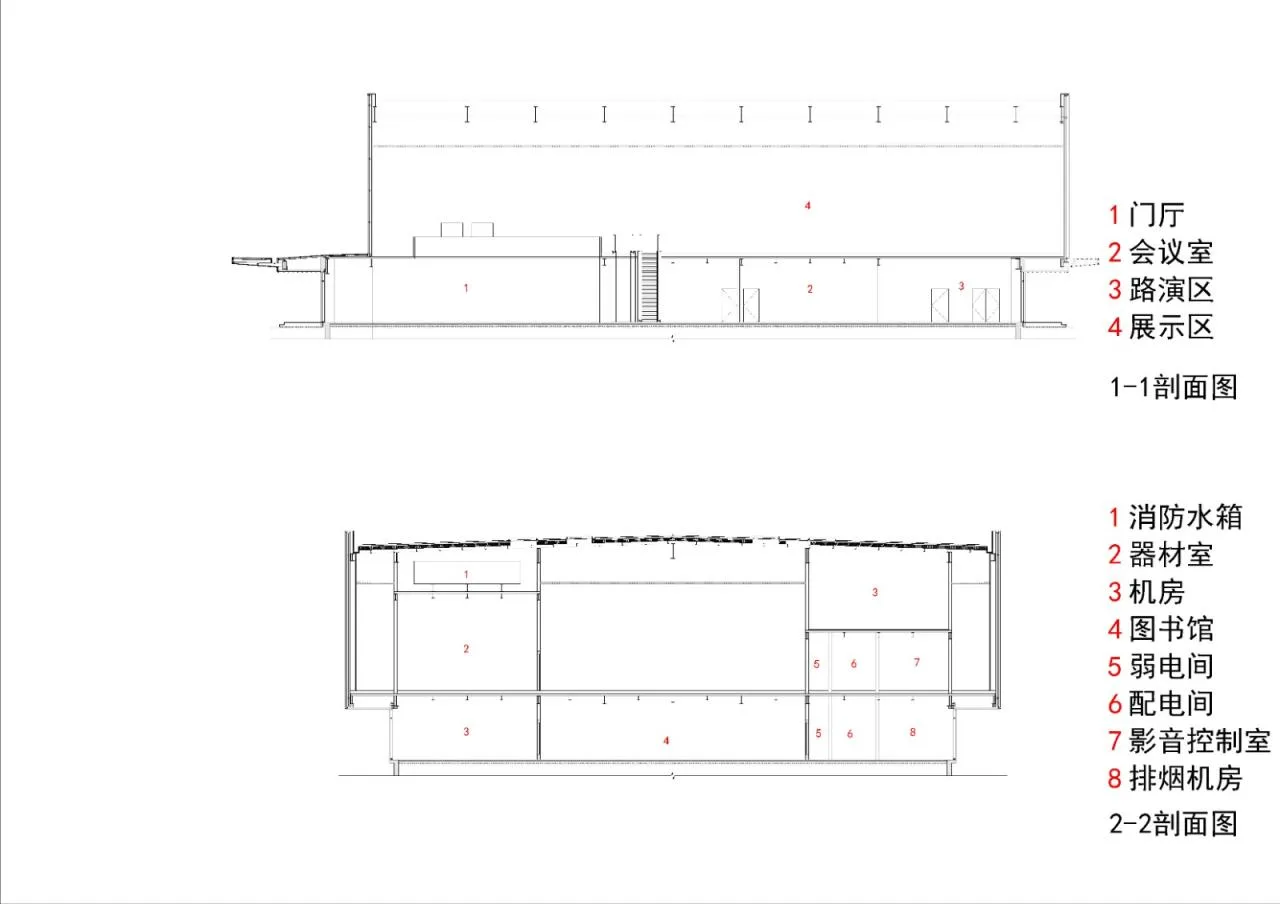
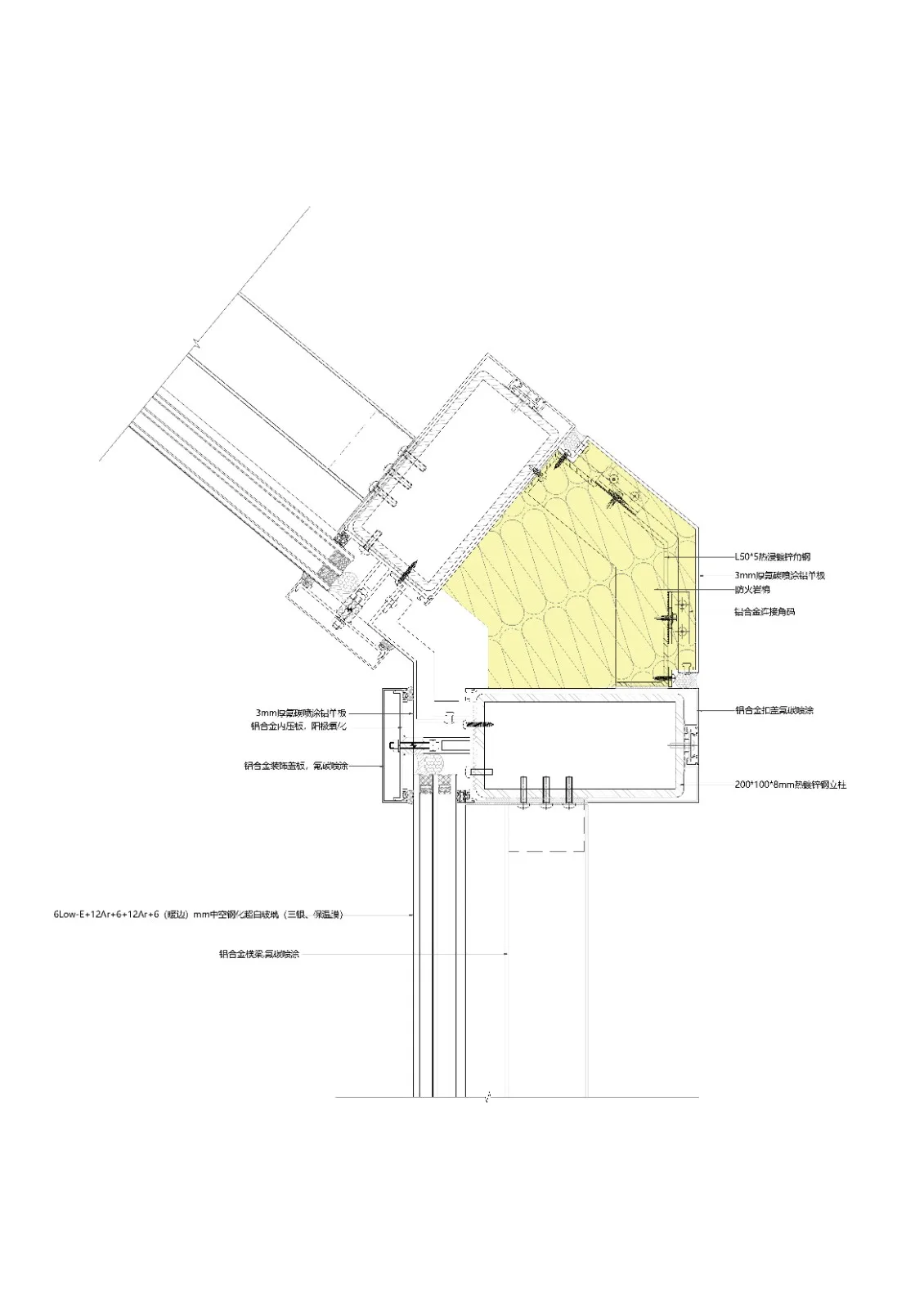
△ Detailed Structural Drawing
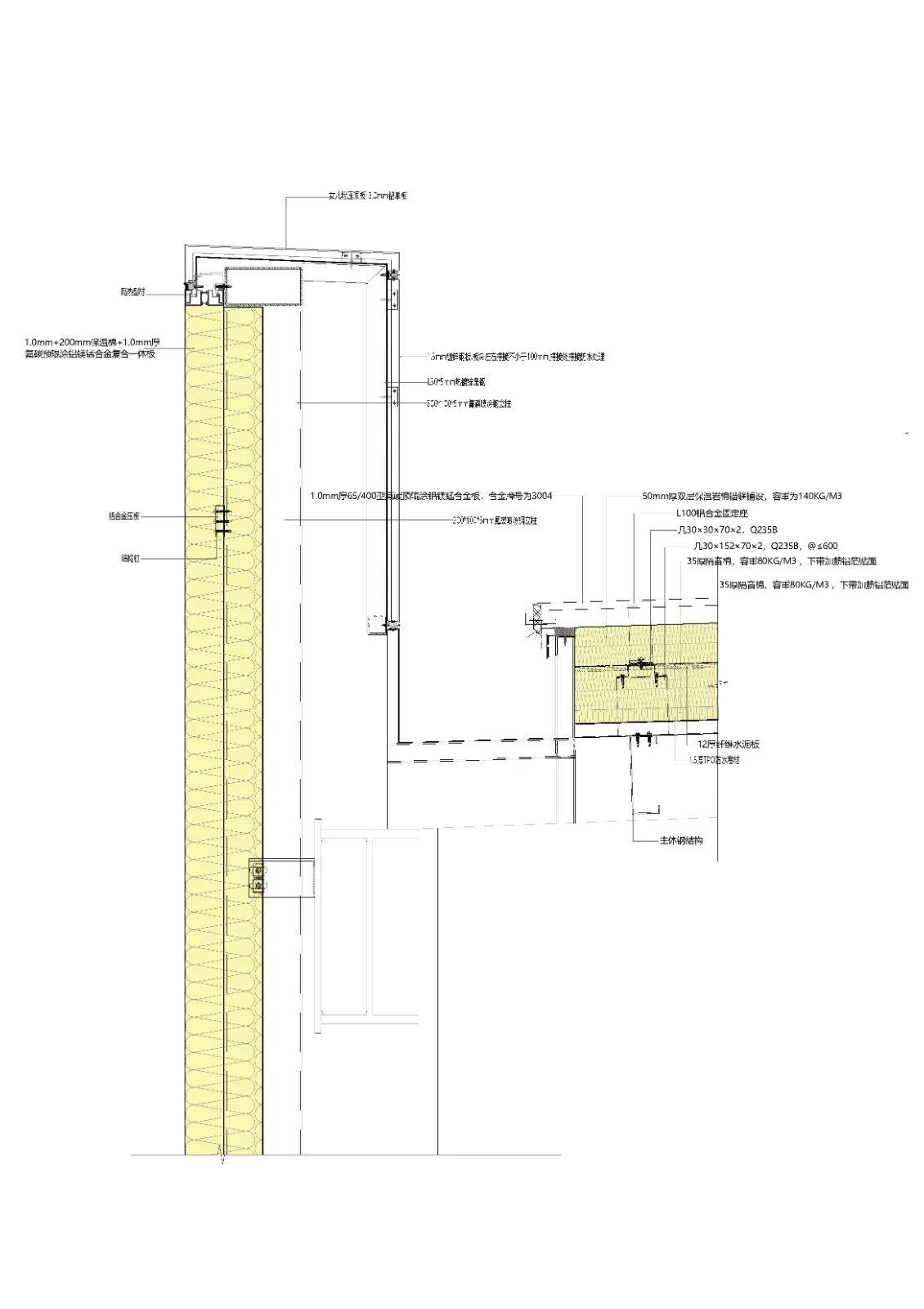
△ Detailed Structural Drawing
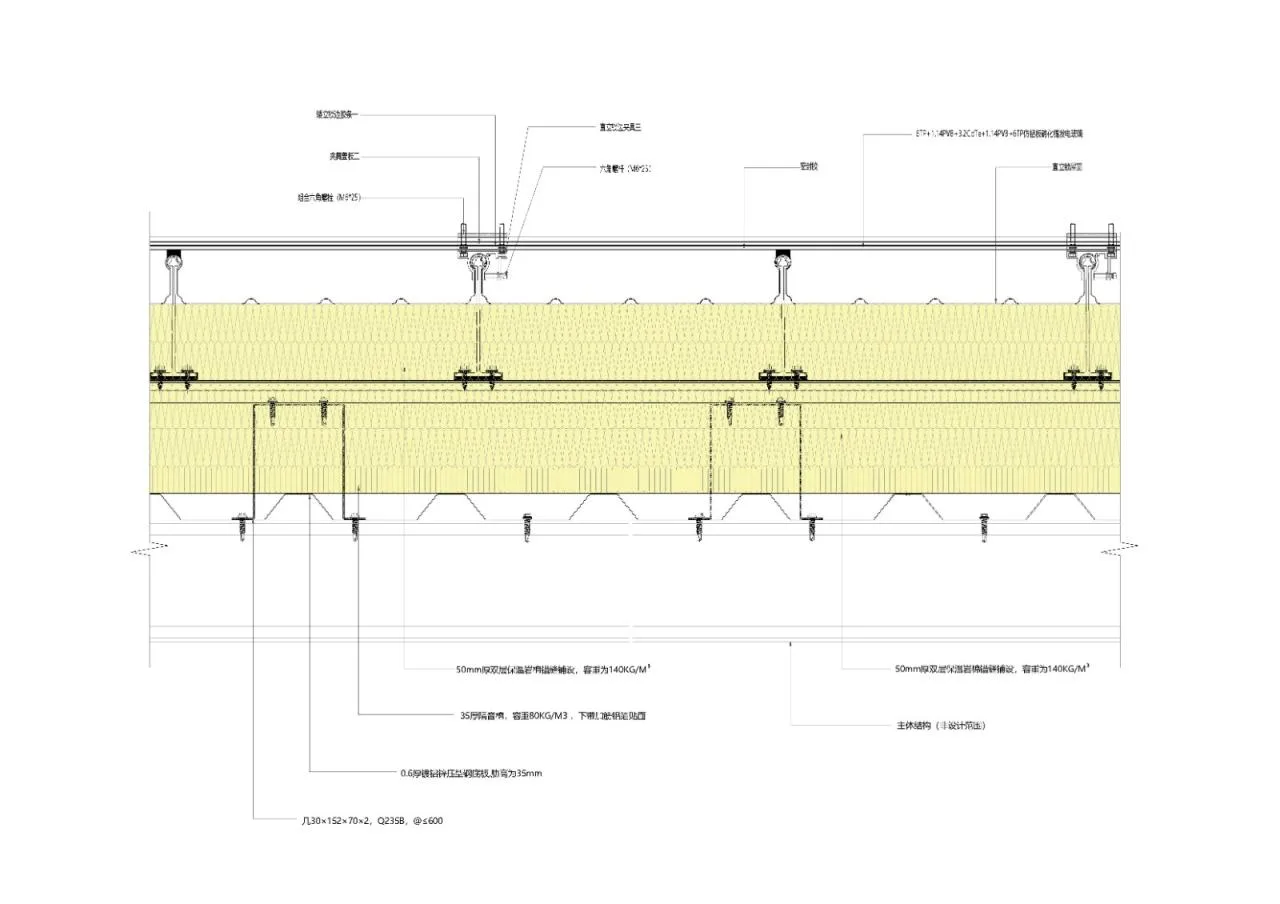
△ Detailed Structural Drawing
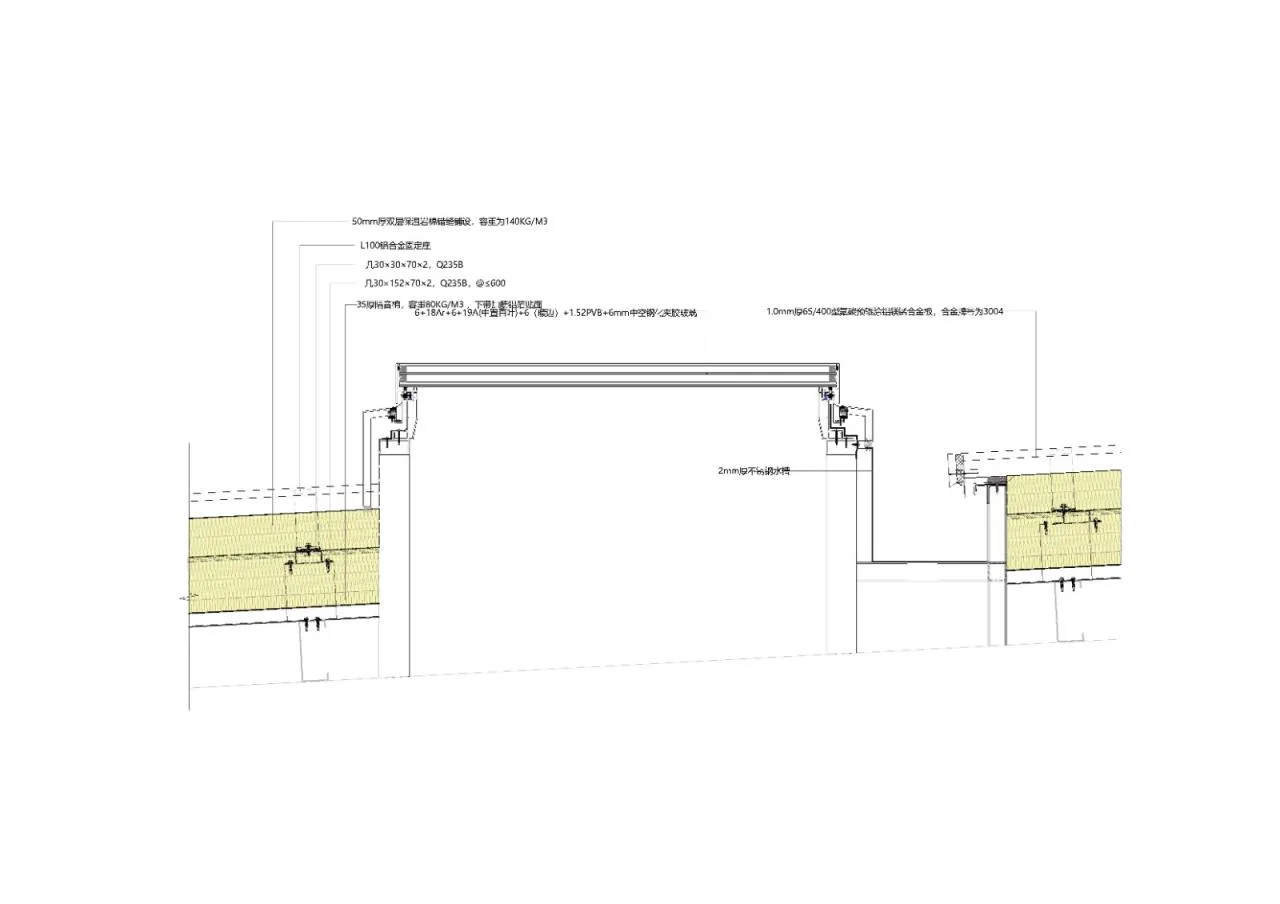
△ Detailed Structural Drawing
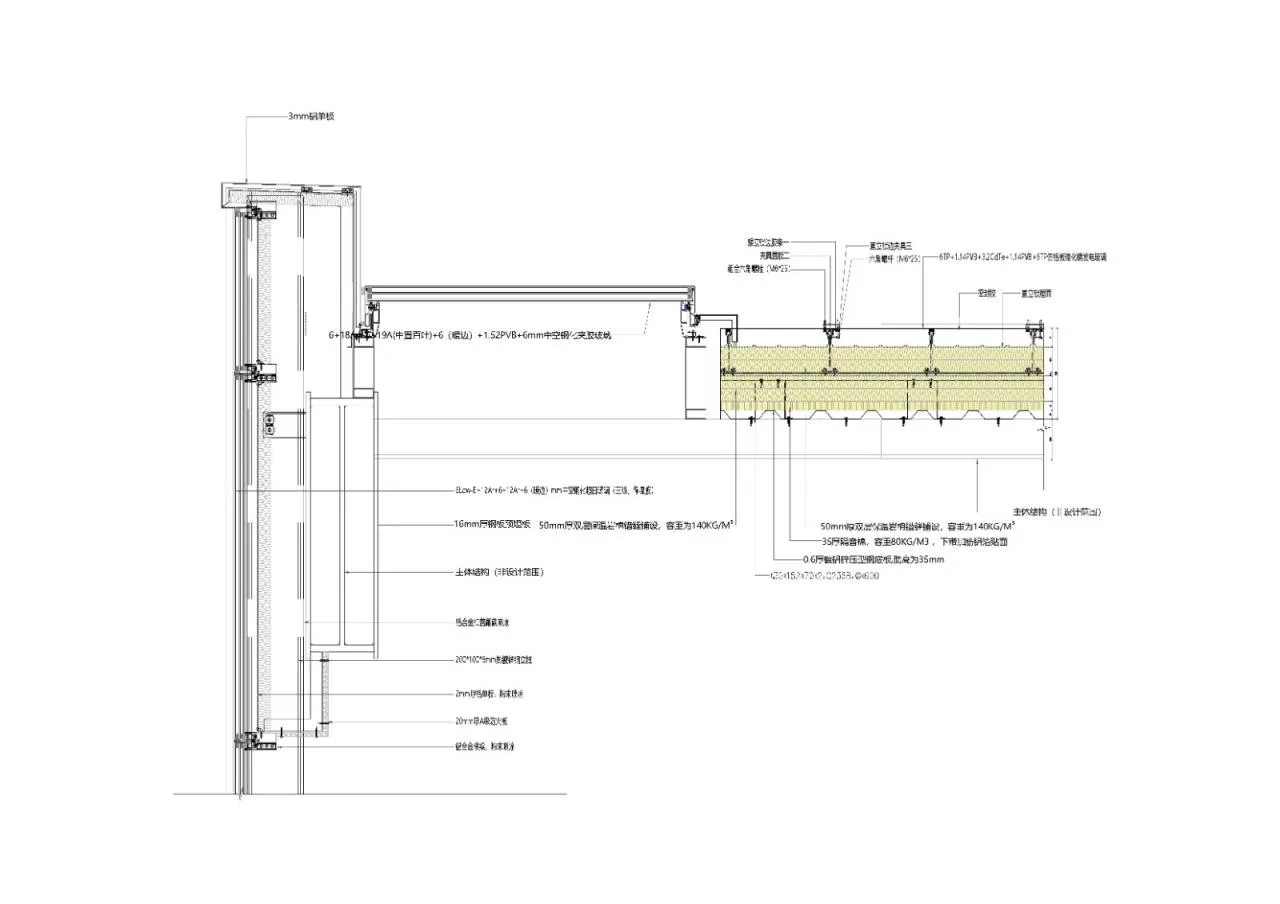
△ Detailed Structural Drawing
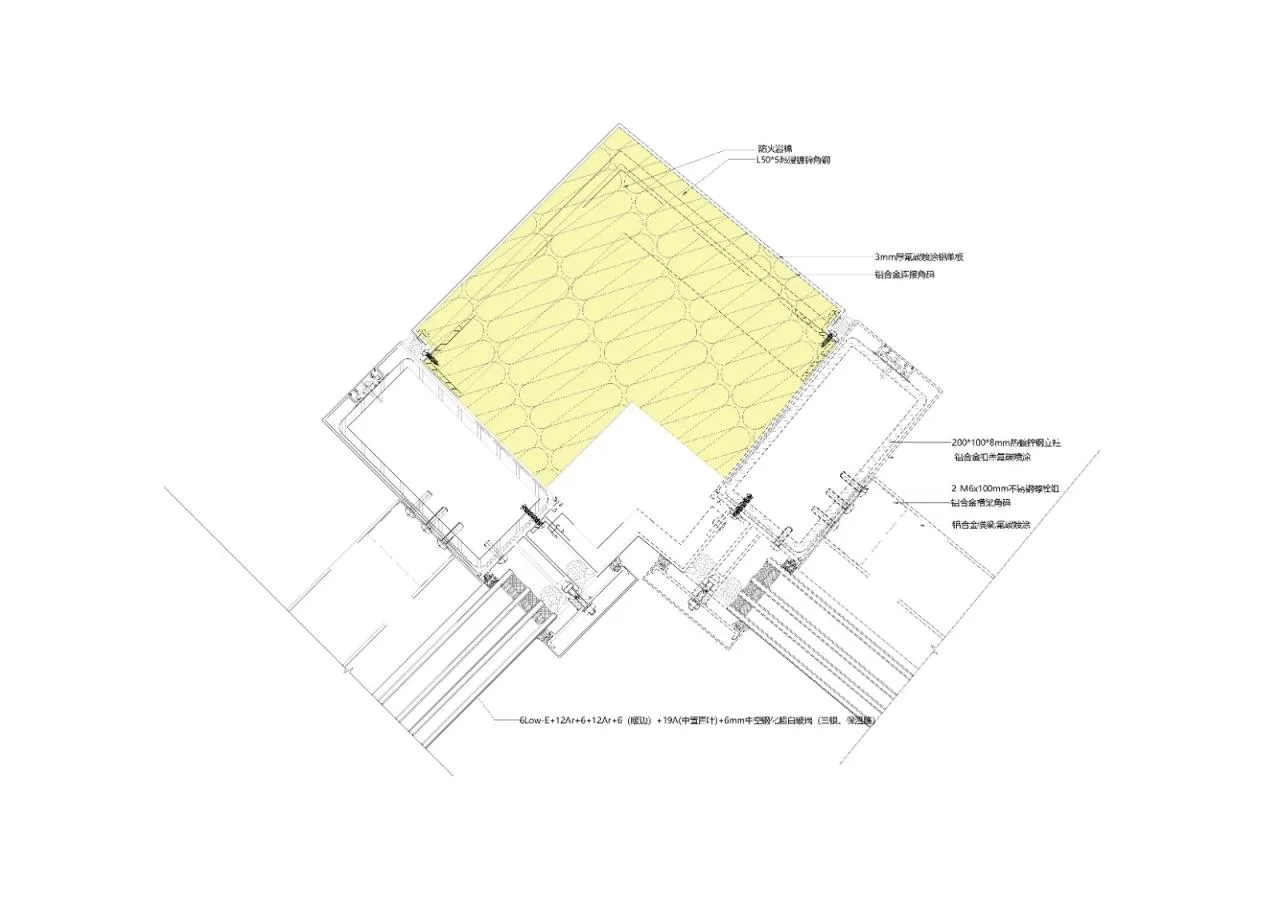
△ Detailed Structural Drawing
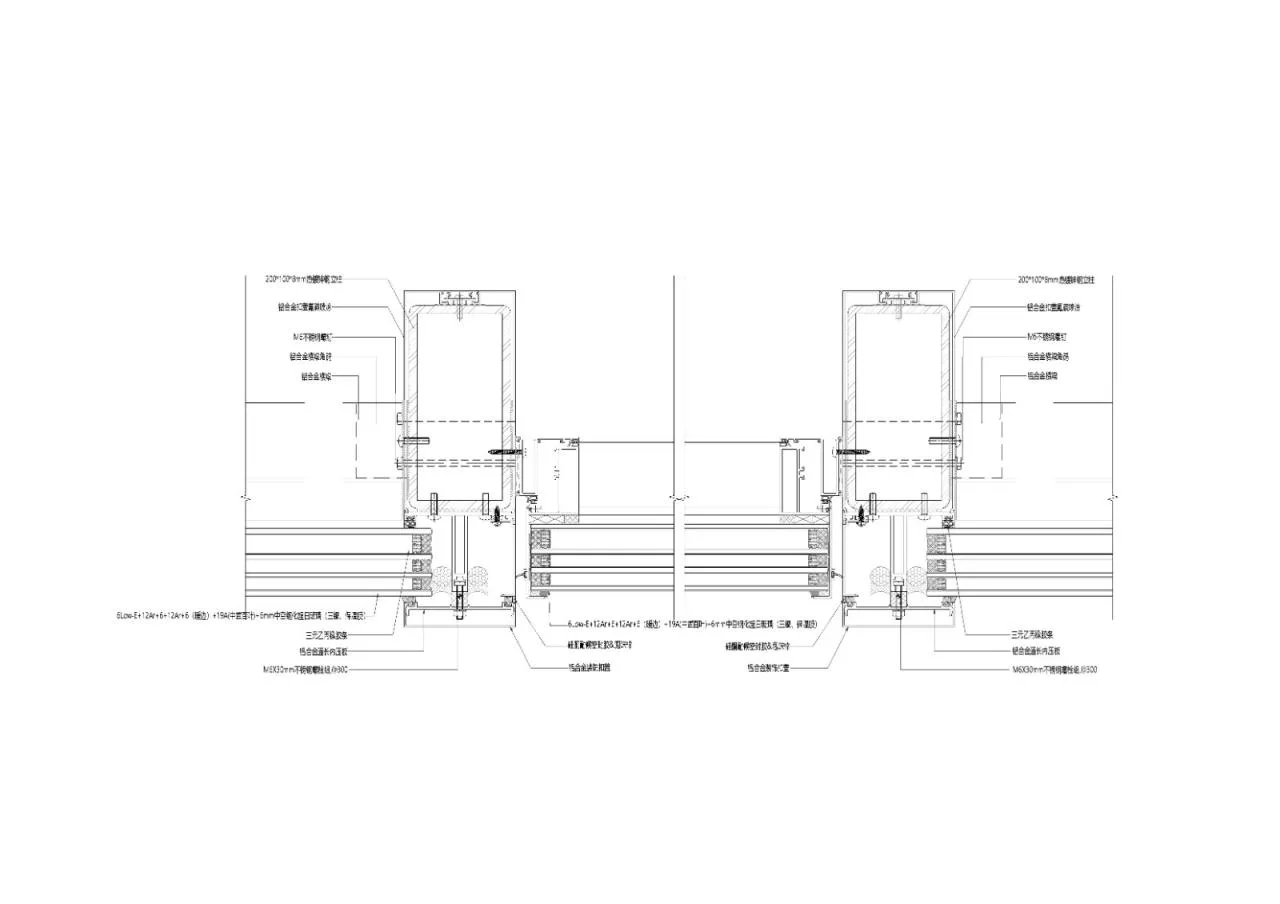
△ Detailed Structural Drawing
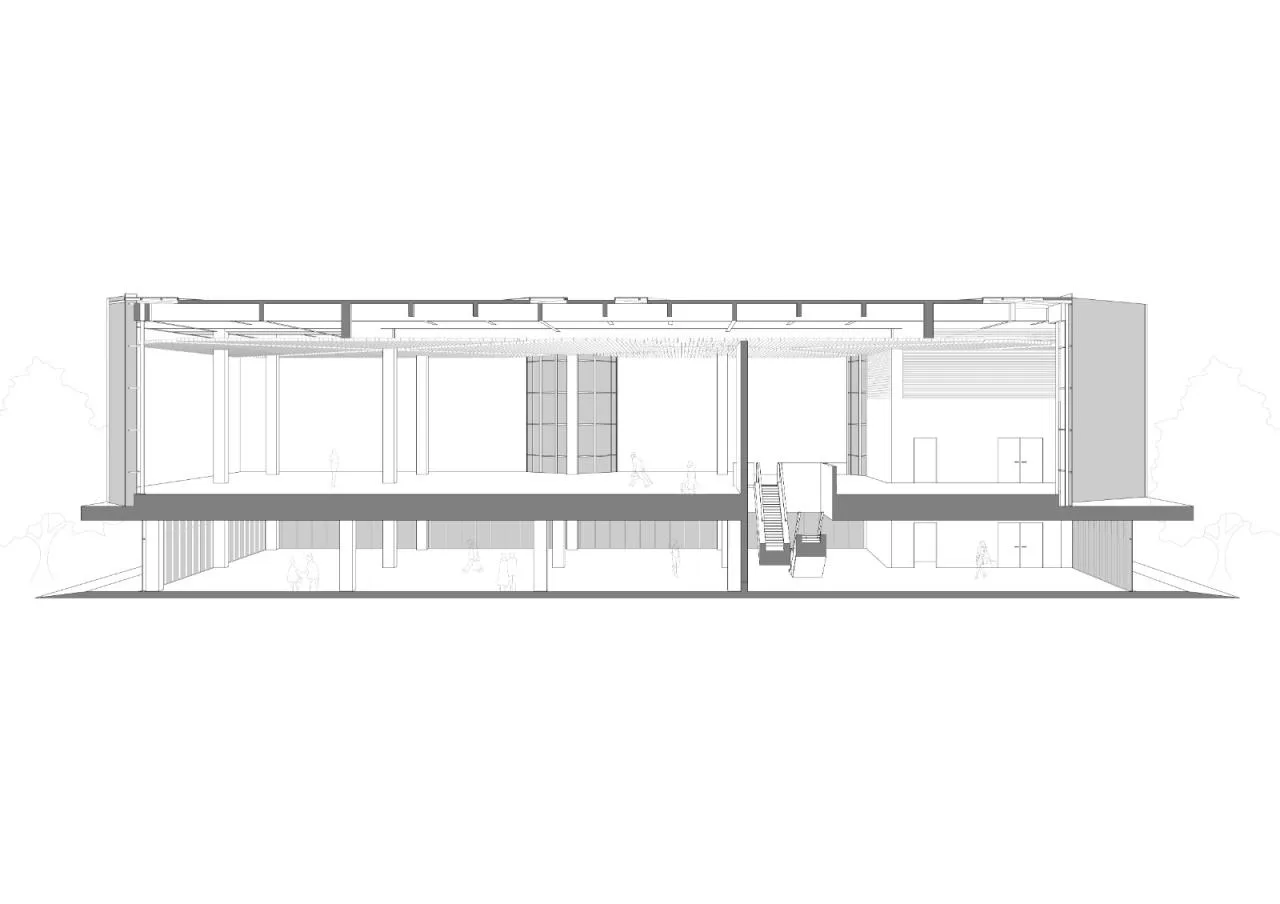
△ Sectional Perspective
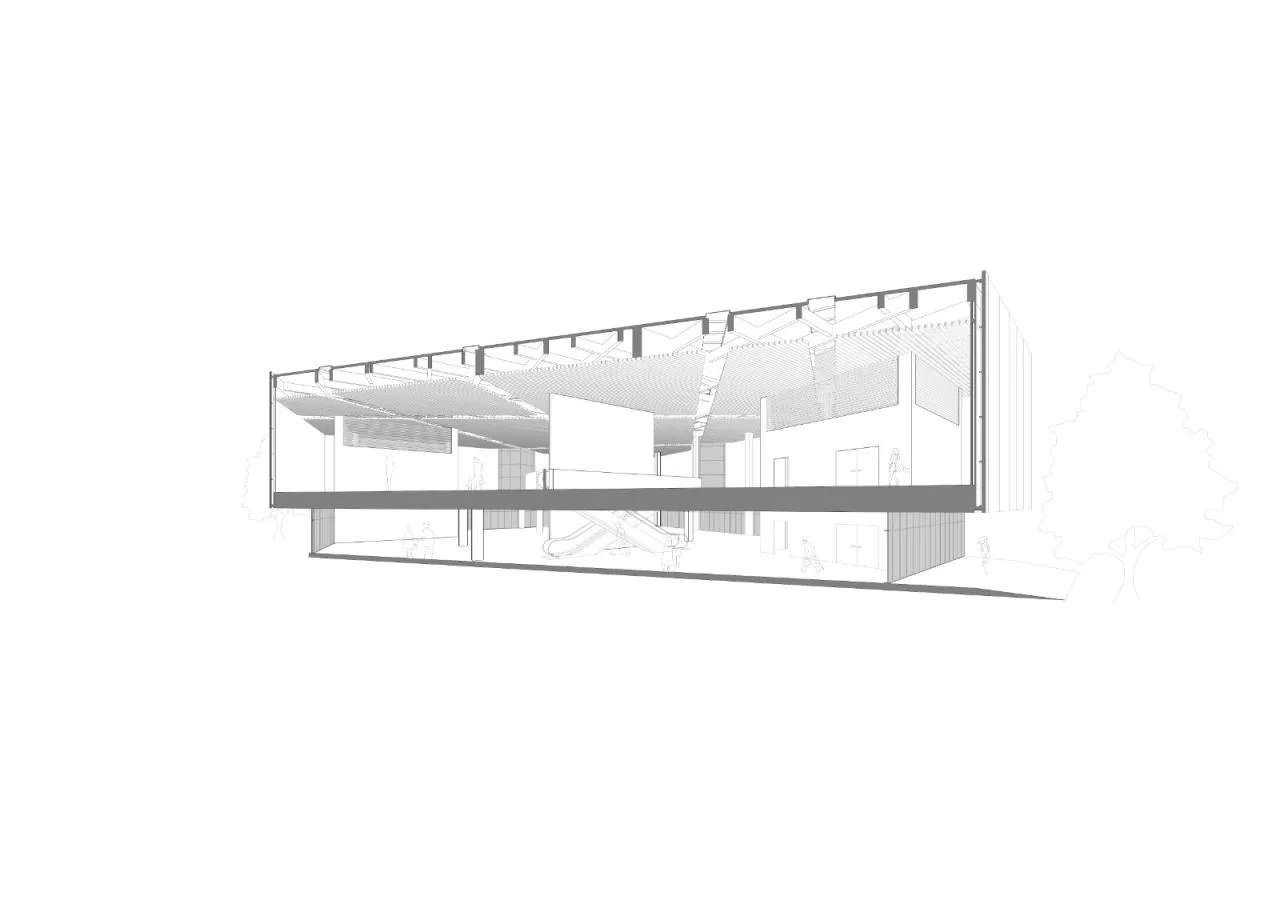
△ Sectional Perspective
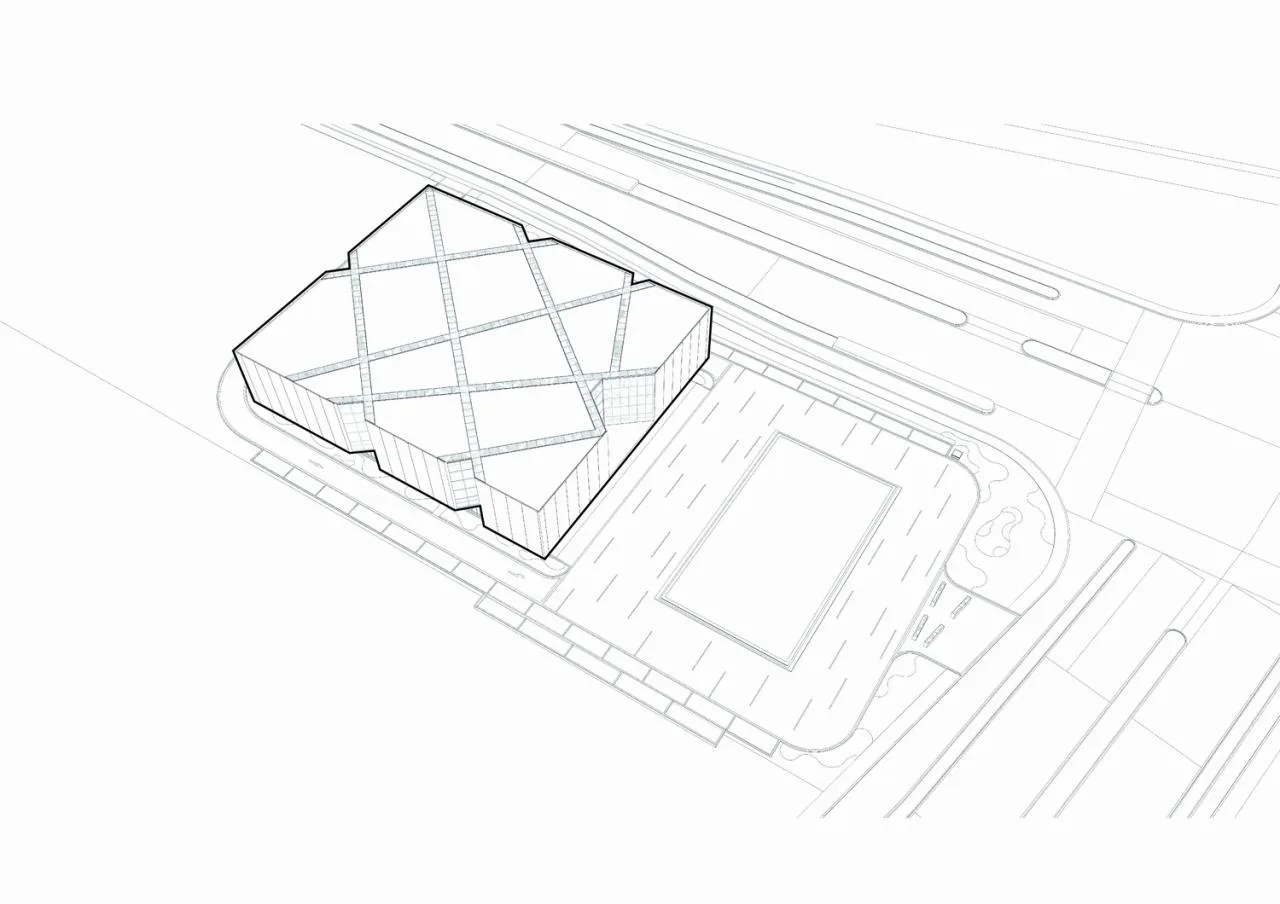
△ Aerial View
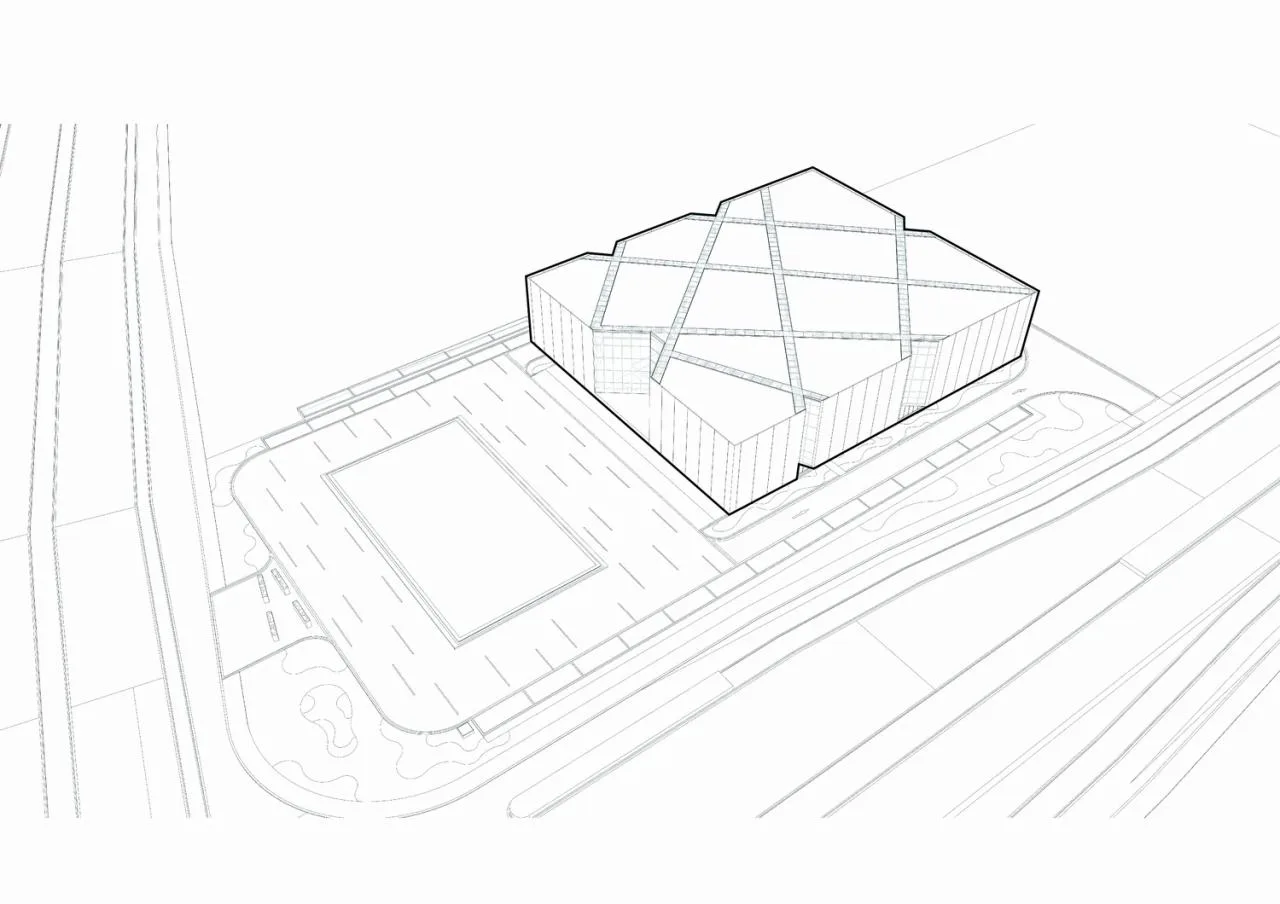
△ Aerial View
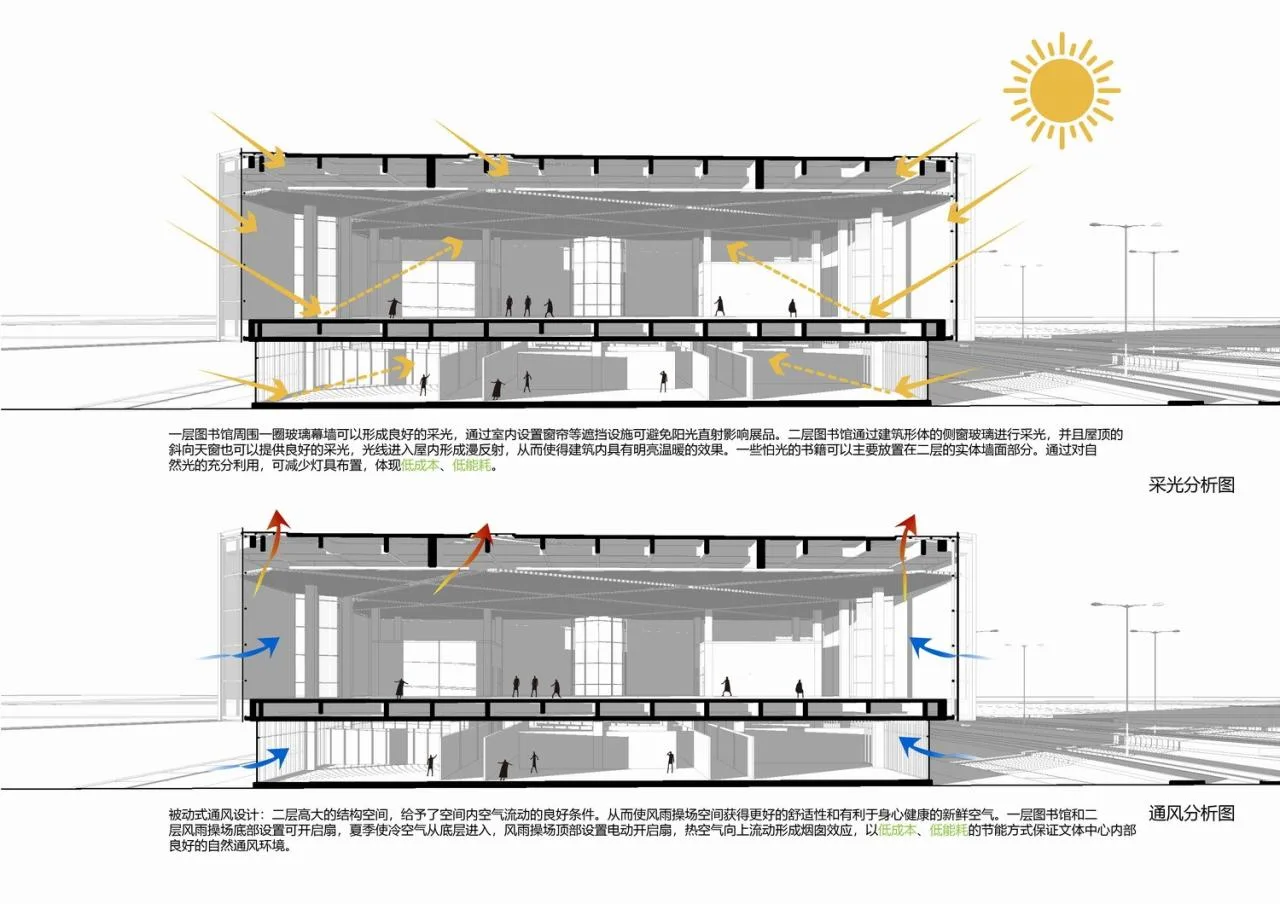
△ Analysis Chart
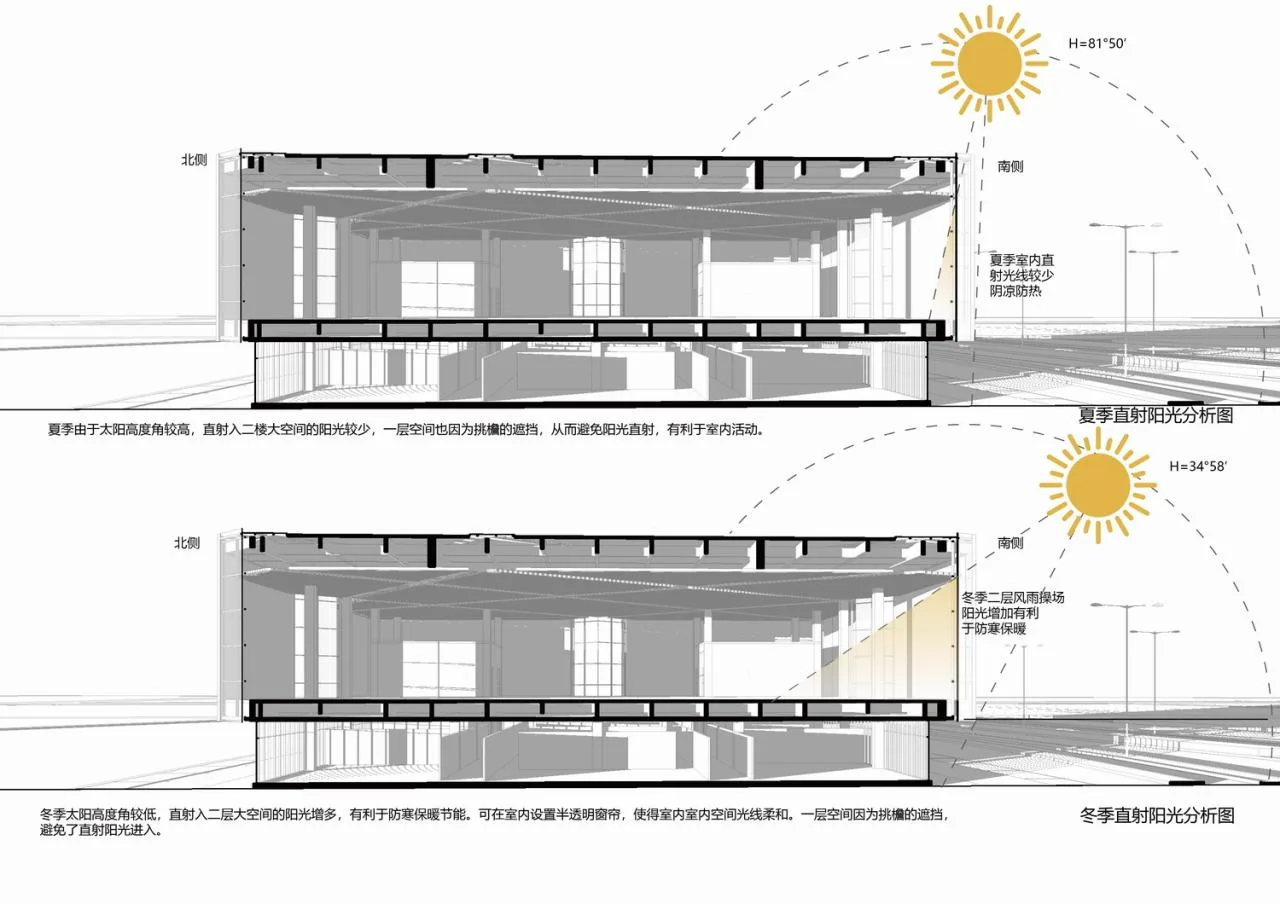
△ Analysis Chart
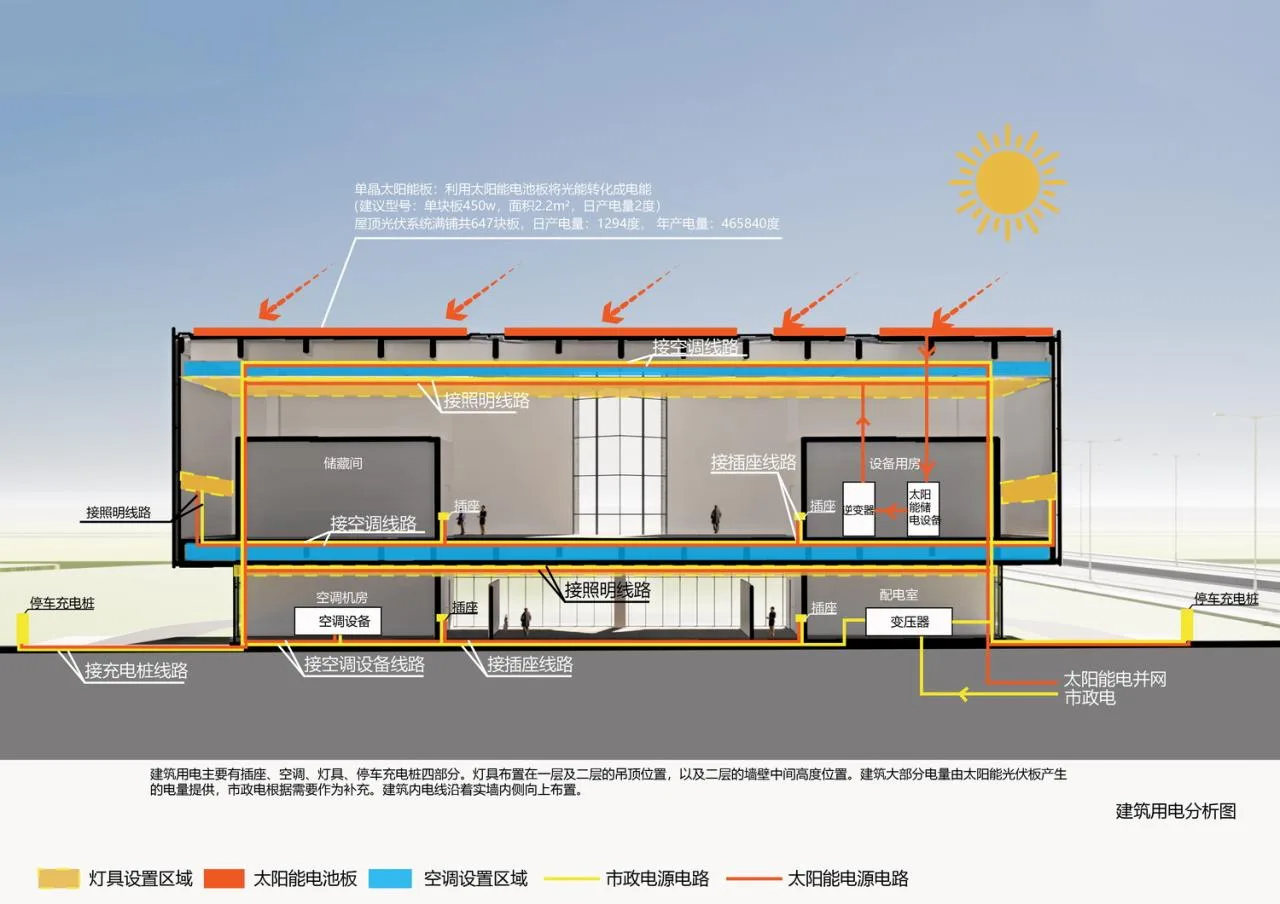
△ Analysis Chart
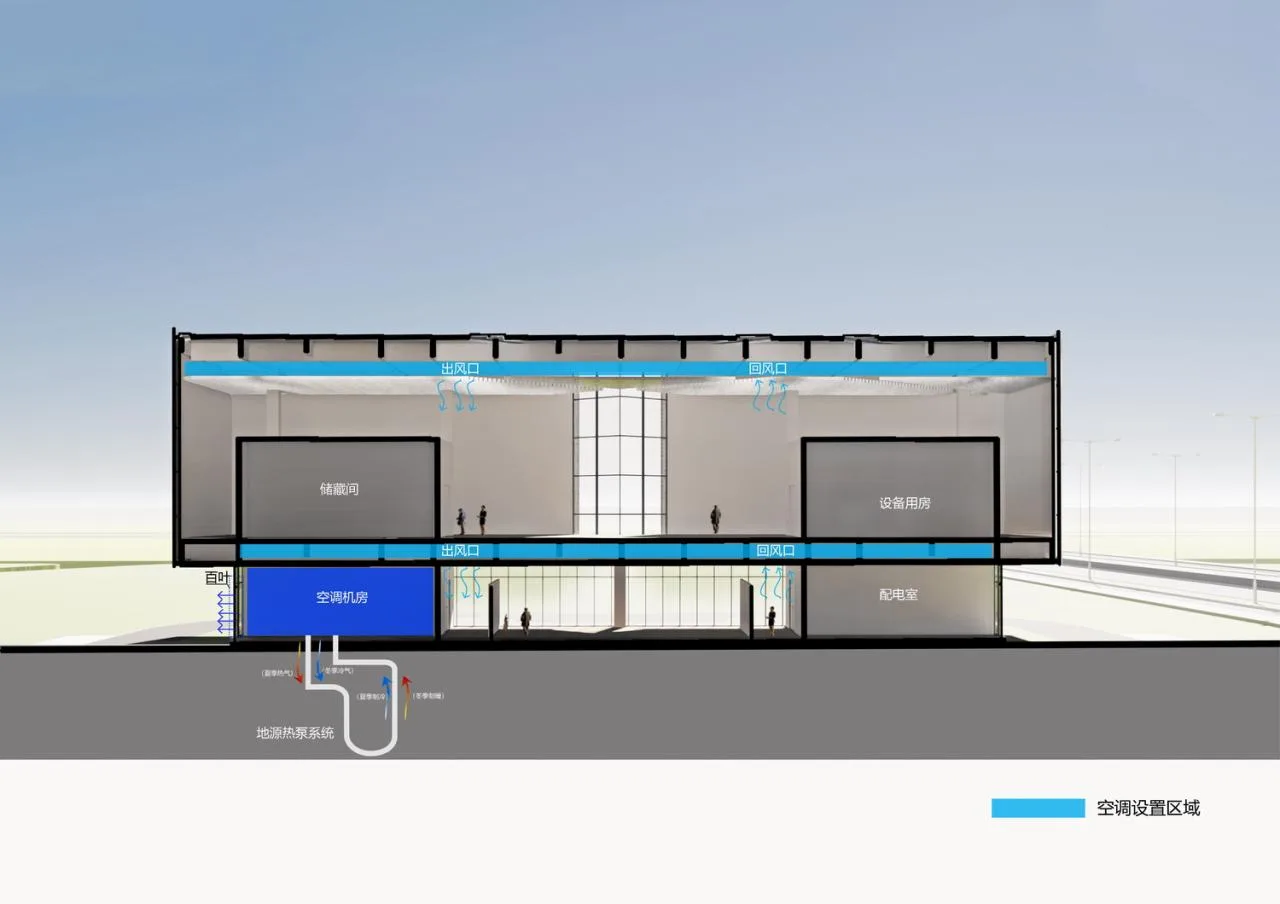
△ Analysis Chart
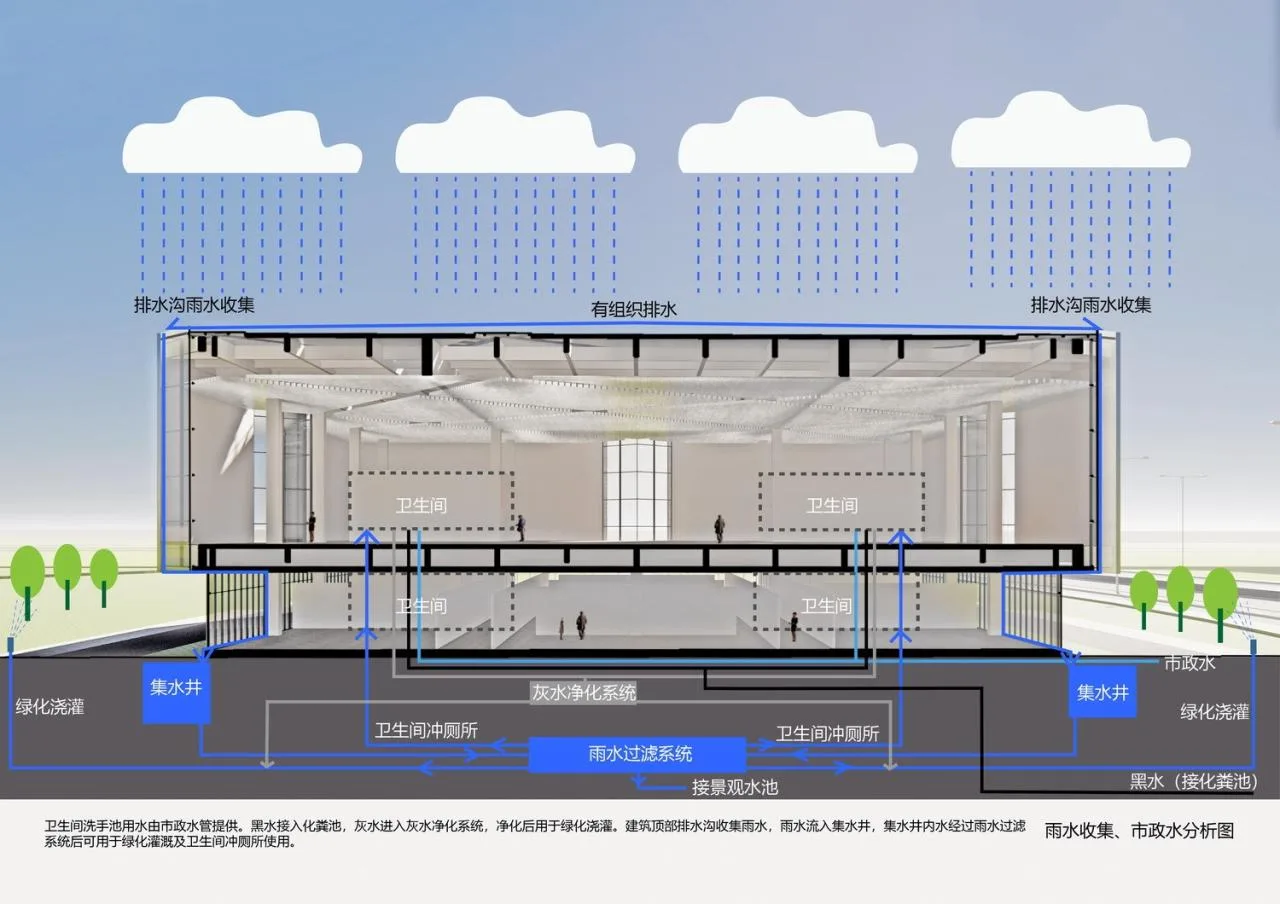
△ Analysis Chart
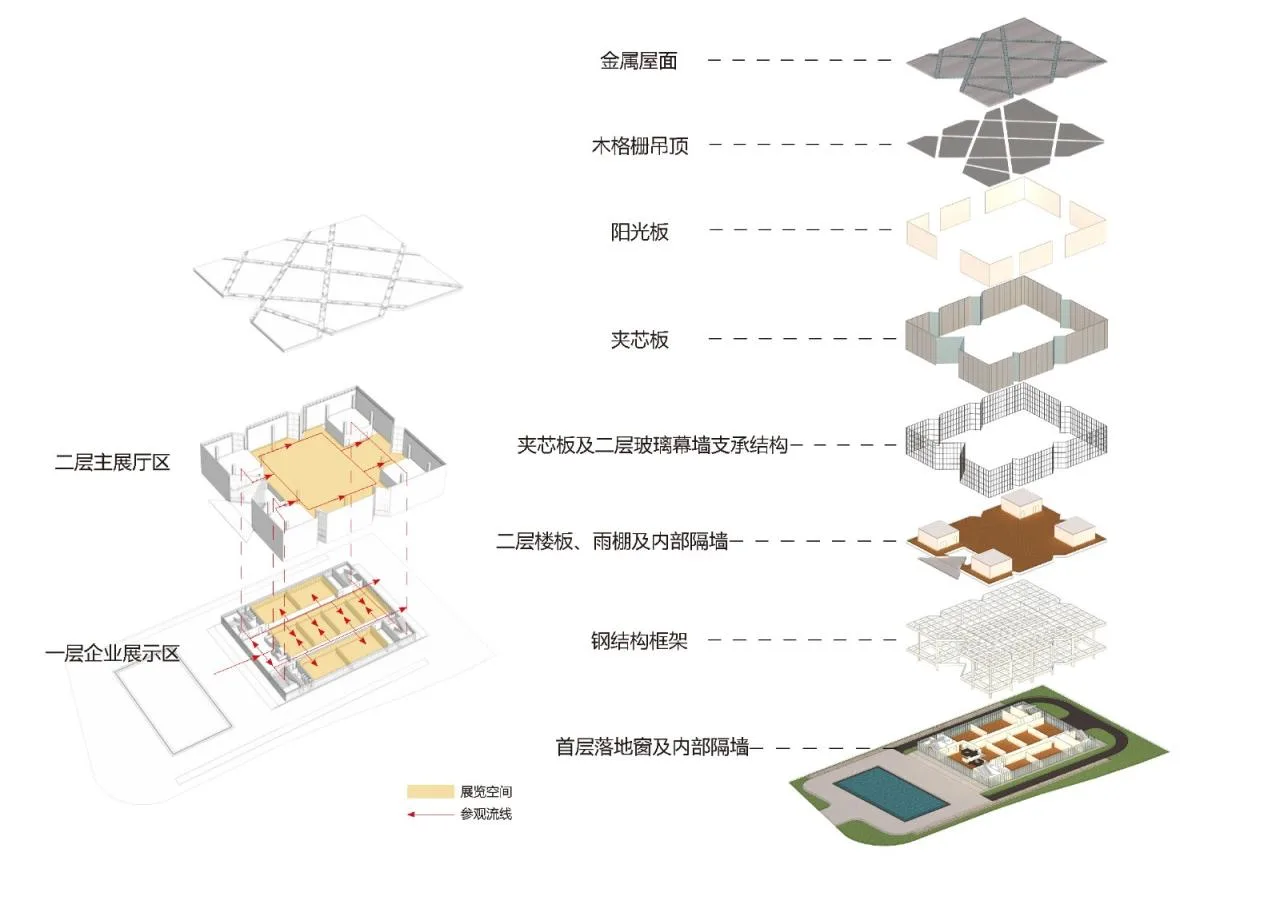
△ Analysis Chart
Project Information
Architectural Design: Meter Sized Building
Area: 3,735 m²
Project Duration: March 30, 2023 – October 15, 2023
Photographer: Wu Qingshan
Lead Architect: Lu Zhigang
Design Team: Huang Congyi, Zhang Xiaoshuang, Hu Sile, Zhu Lin, Zhao Xue
Deepening Design: Jiangsu Bosen Architectural Design Co., Ltd
Owner: Wuxi Economic Development Zone Development Center, Jiangsu
Author: Lu Zhigang
City: Wuxi
Country: China
Address: Intersection of Qingyuan Road and Qingshu Road, Wuxi City, Jiangsu Province















Must log in before commenting!
Sign Up