
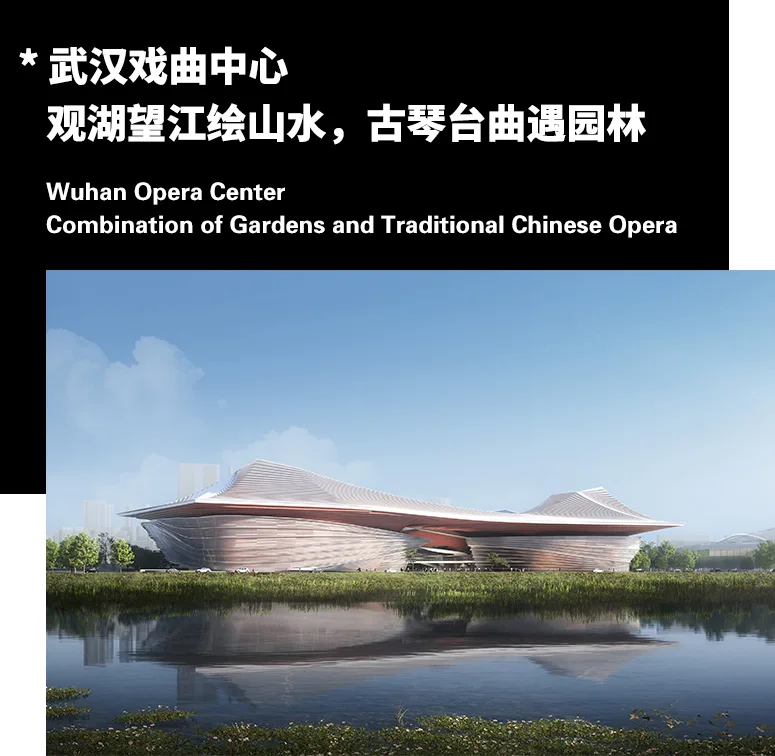
Recently, the architectural design competition results for the Wuhan Opera Art Center were announced. Following a rigorous process including pre-qualification review, architectural scheme evaluation, expert assessment, and comprehensive evaluation, the collaboration between Weisiping Architectural Design and Qinghua University’s Architectural Design and Research Institute was successfully shortlisted.
▲ Wuhan Opera Center Design Video
Vision
As a cultural landmark for the city, the Wuhan Opera Center, led by Weisiping, explores Wuhan’s rich cultural heritage, opera traditions, and local identity. The design emphasizes urban integration while highlighting the center’s unique, inclusive, and enduring values.
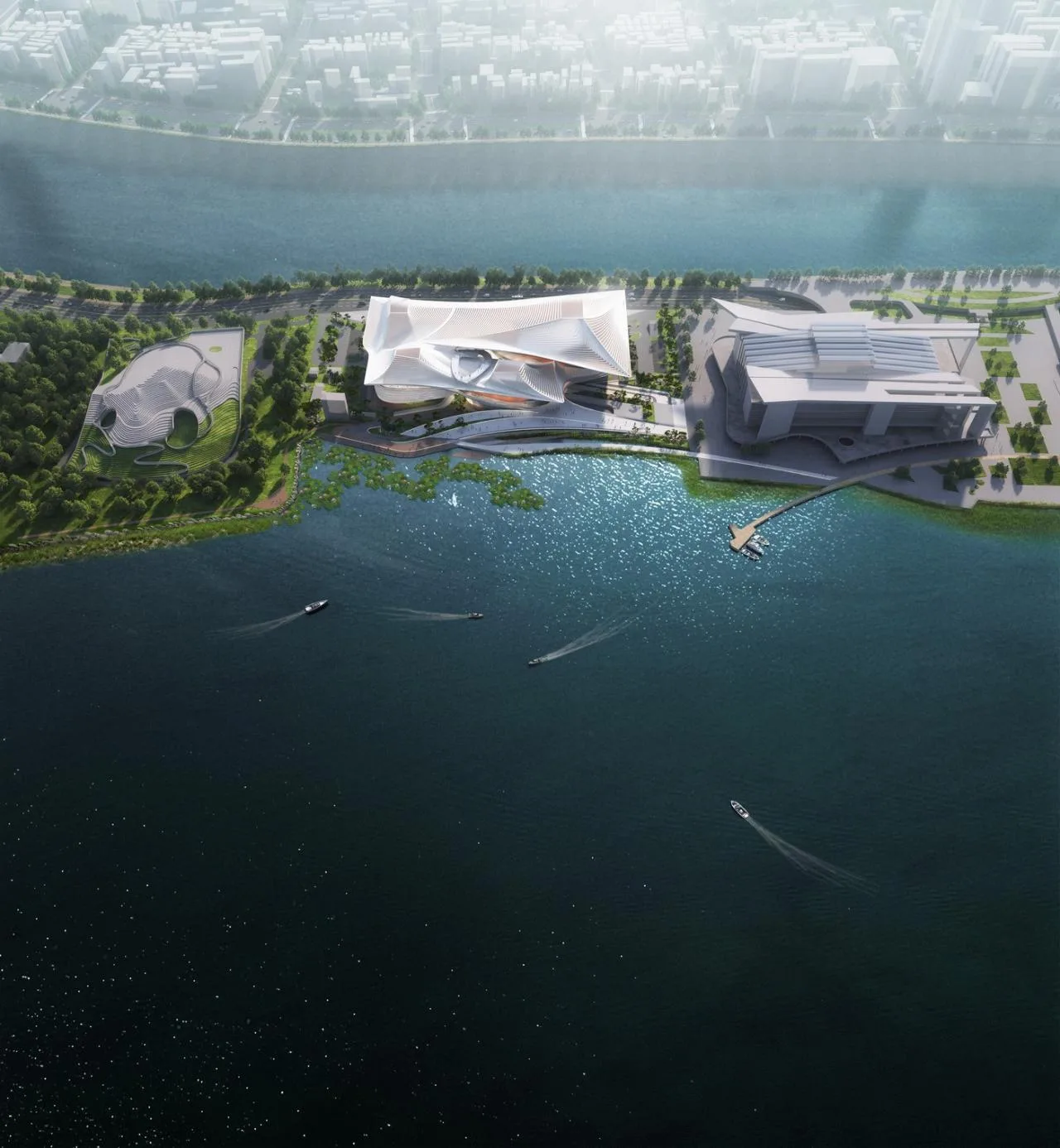
▲ Wuhan Opera Center Scheme Design
Situated along one bank of the Han River, the concept of an “Opera Stage” is integrated into the urban riverside landscape. The expansive stage concept blends opera performances with the scenic Han River backdrop, celebrating the cultural legacy of opera while delivering a breathtaking visual experience.
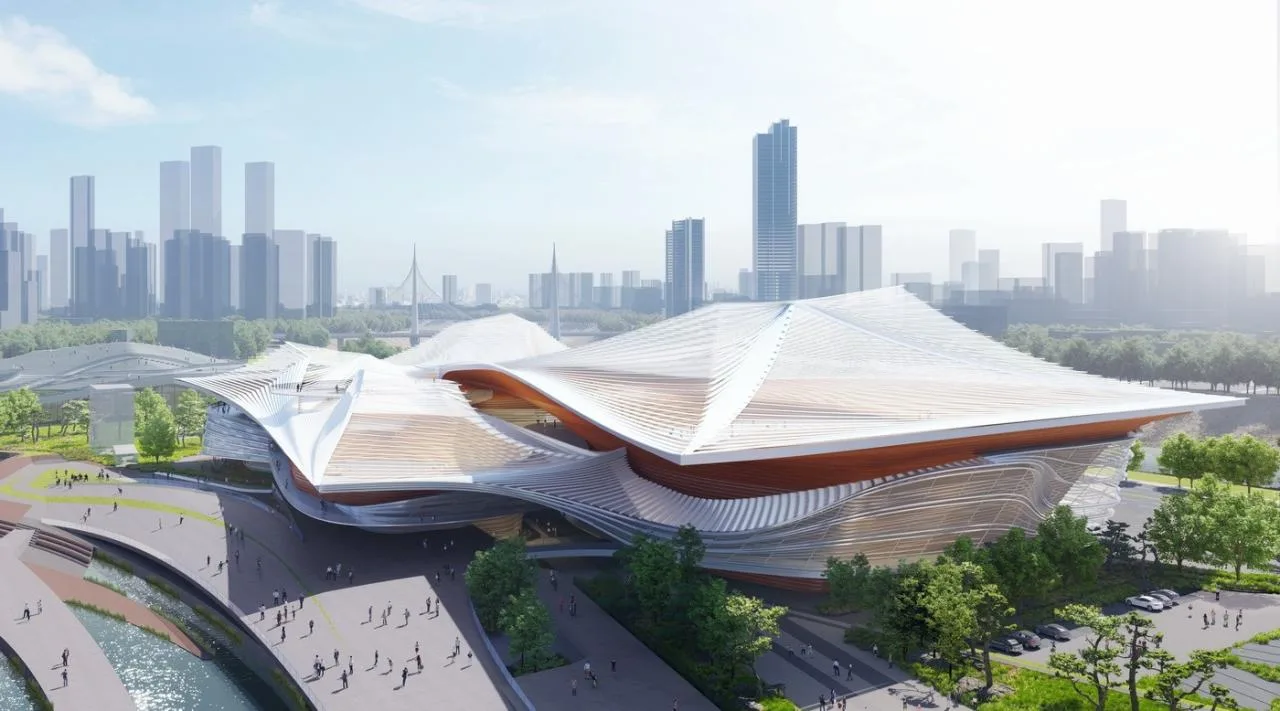
▲ Wuhan Opera Center Scheme Design
On the opposite side, near Moon Lake, a rich traditional culture inspired by the pursuit of like-minded souls through mountains and flowing water is embraced, alongside a tranquil garden atmosphere. Embracing the “Chinese Opera Grand Garden” concept, the design intertwines traditional opera culture with classic Chinese garden aesthetics. The fusion of “garden” and “opera” within Yuehu Park’s urban greenery creates a culturally rich environment that immerses visitors in vibrant operatic scenes.
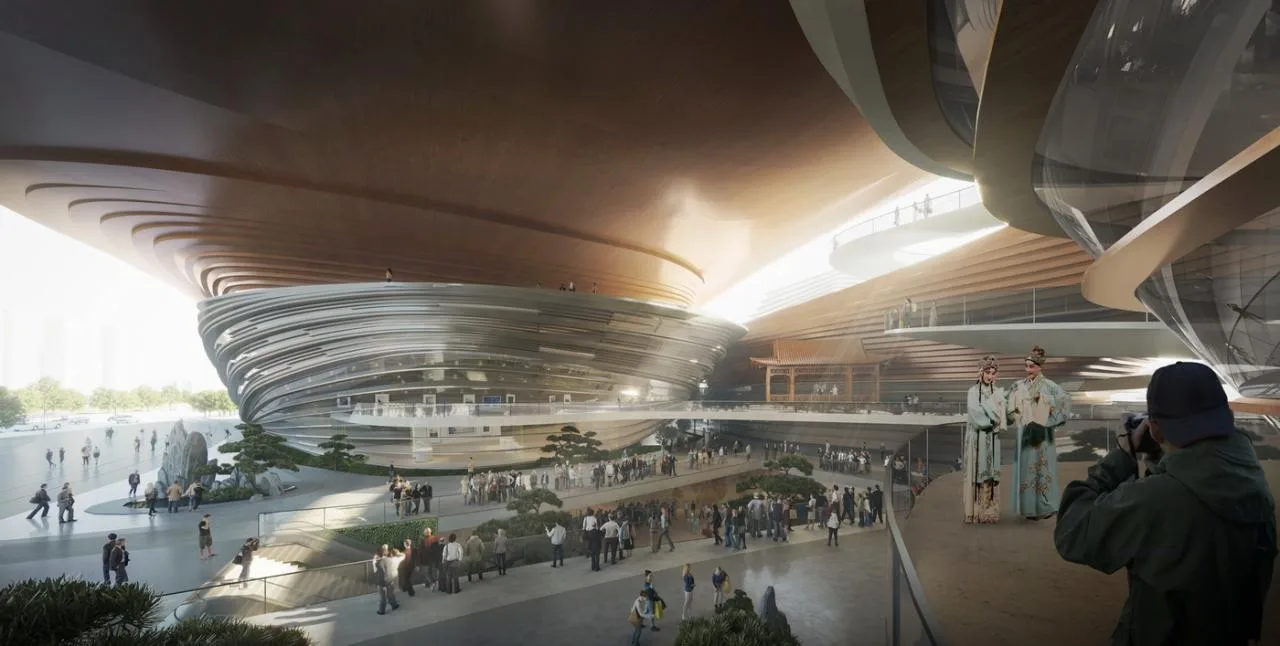
▲ Wuhan Opera Center Scheme Design
The Wuhan Opera Center is envisioned not only as a premier opera performance venue but also as an international cultural hub, blending heritage with ecological value.
Background
Located at the confluence of the Yangtze and Han Rivers, Wuhan’s identity is deeply connected to water. Known as the “Gateway of Nine Provinces” and often dubbed the “Chicago of the East,” the city’s flourishing dock culture fostered a vibrant opera scene blending southern and northern styles. This heritage has made Wuhan a nationally renowned “opera dock.”
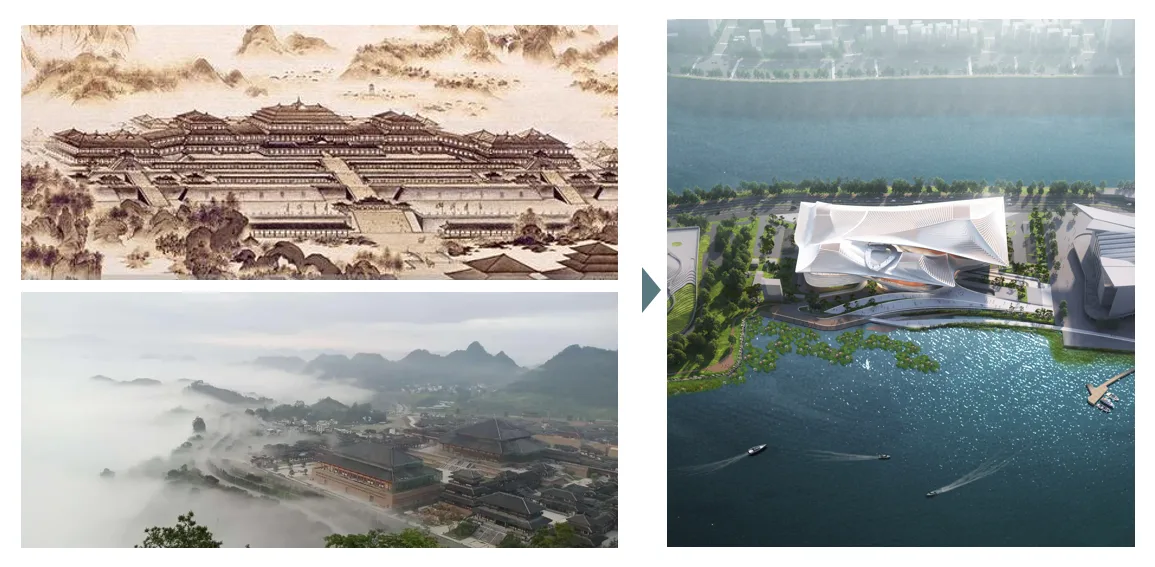
▲ Wuhan Opera Center Scheme Design
The Opera Center is located in Wuhan’s central cultural district of Qintai, bordered by the Han River to the north and Moon Lake to the south. This prime setting, enriched by natural and cultural resources, forms a city-scale public activity hub showcasing Wuhan’s waterfront charm and artistic spirit, often celebrated as the city’s most beautiful “living room.”
Opera and Landscape Architecture
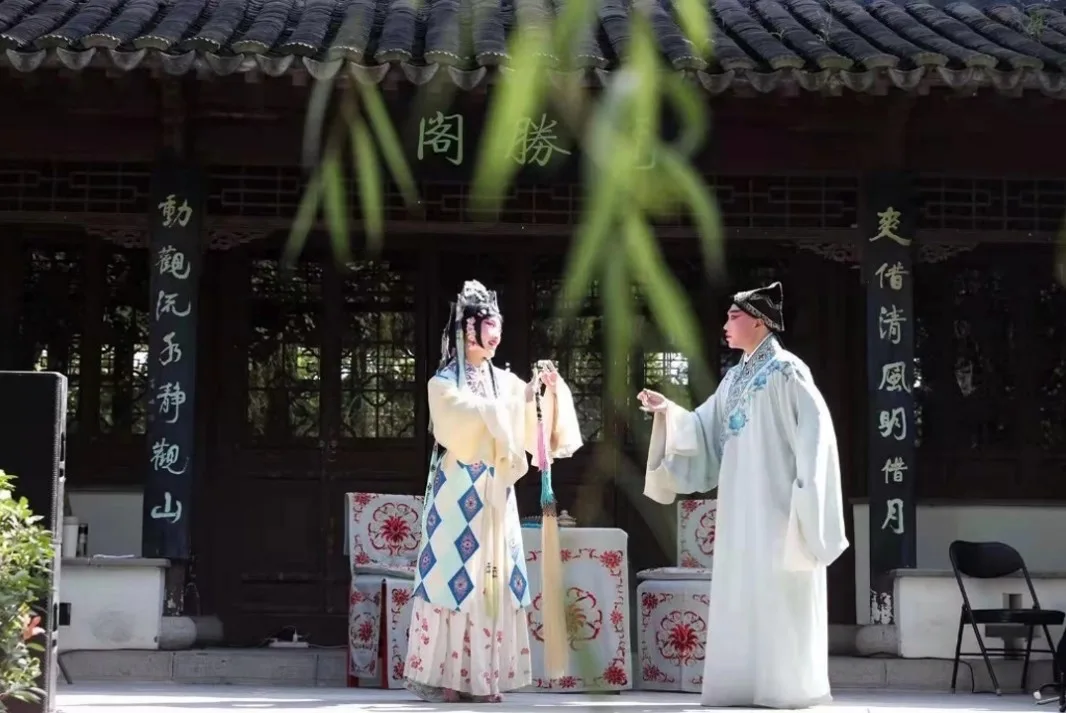
▲ Design Inspiration Diagram
The design draws from the Jingchu Opera Grand Garden and Wuhan Quyi Grand Stage, envisioning a “grand stage for Chinese opera” that embraces the city and a “grand garden for Chinese opera” for its citizens. Reflecting Chu style and Han charm, the design celebrates the region’s abundant lakes and rivers, weaving together natural beauty with cultural depth. The concept integrates traditional Chinese opera gardens, blending opera, garden culture, and humanistic values to create an open urban space where music and garden elements coexist, enriching city life.
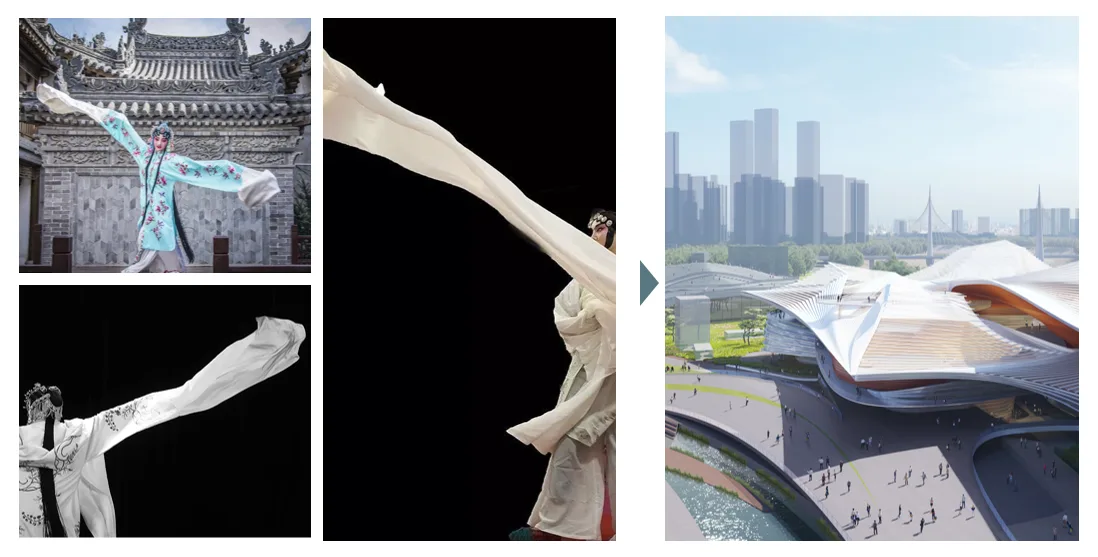
▲ Design Inspiration Diagram
The building’s facade takes inspiration from the water sleeves used in traditional Chinese opera, transforming this expressive element into a lasting architectural language. The fluid gestures of water sleeves—expressing emotions like anger and sorrow—are embodied in the dynamic facade. The design evokes a sense of movement and artistry, from delicate hand movements to grand sweeping curtains that encompass sky and earth.
Chu Style Crane Dance
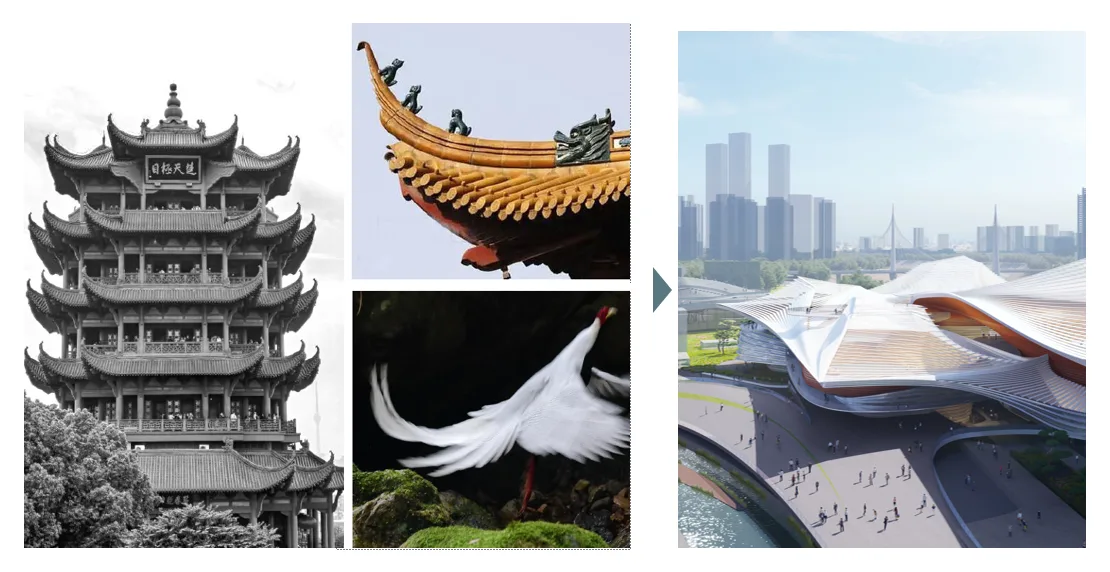
▲ Design Inspiration Diagram
The building’s roof reflects the traditional Chu style with its raised flying eaves. While rooted in the grandeur and solemnity of traditional Wuhan architecture, the design deconstructs and reinterprets these forms through a contemporary lens to create a humanistic and citizen-focused space.

▲ Design Inspiration Diagram
The facade texture is inspired by the crane dance, capturing its spirit, form, and symbolism. This motif evolves into a distinctive architectural texture representing the nine heavens of the crane dance, adding symbolic depth to the exterior.
Freehand Landscape Painting
The design concept employs a freehand brushwork approach, dividing the building into two symbolic parts: the upper section represents mountains, and the lower section symbolizes water. The roof extends like a mountain ridge, while the flowing facade echoes water, unfolding gracefully along Moon Lake’s green banks. Clean and elegant lines create a poetic landscape of “high mountains and flowing water.”
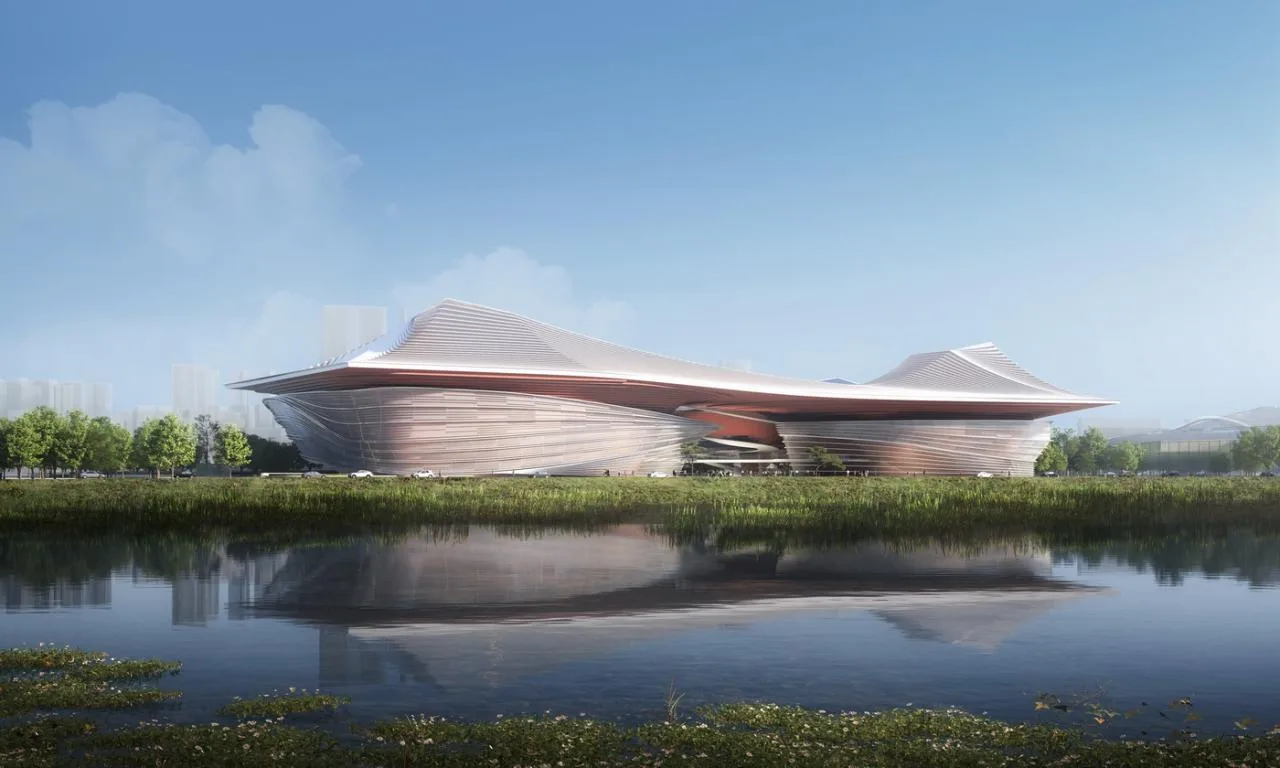
▲ Wuhan Opera Center Scheme Design
Facing Moon Lake’s natural beauty, a large viewing platform integrates with the architecture to form an “outer ring” around the building. The central courtyard, centered on an ancient stage, creates an “inner ring” encircling the four main theaters, facilitating immersive viewing experiences. Alongside internal gardens, pavilions, corridors, and alleys, this layout forms a dynamic double-ring corridor for opera and music, establishing a vibrant public space for leisure and entertainment.
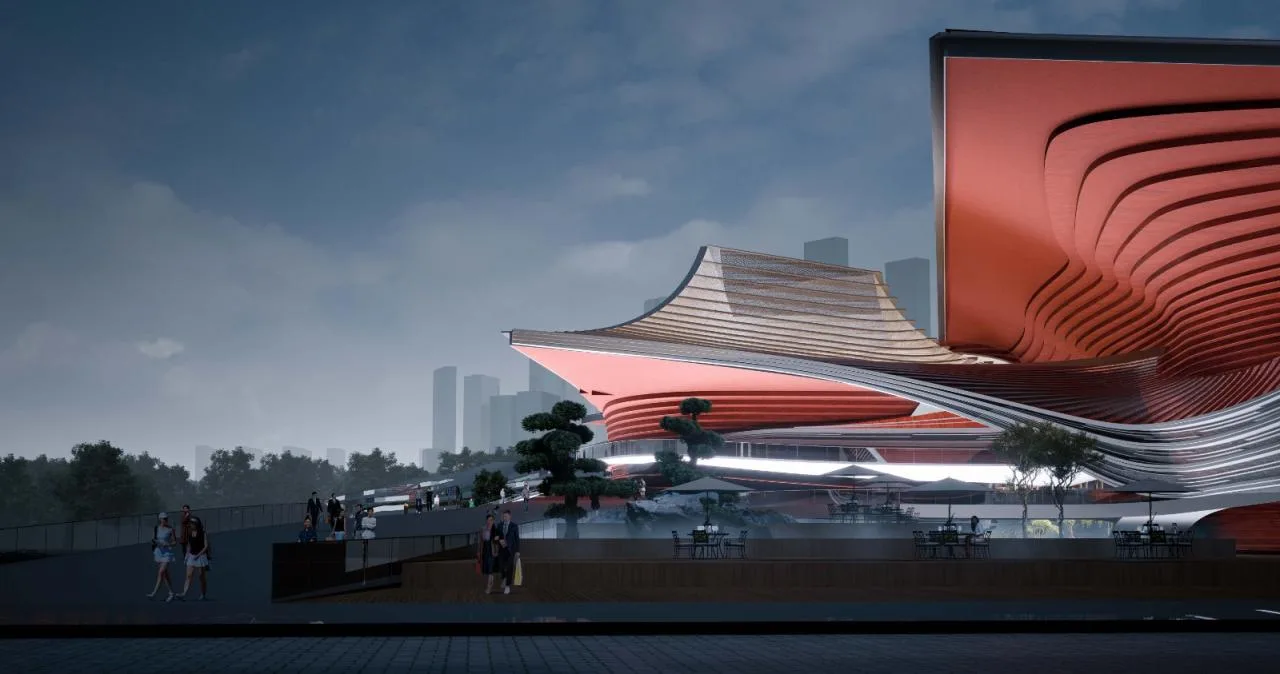
▲ Wuhan Opera Center Scheme Design
As a cultural venue, the Opera Center combines theaters, art spaces, and public areas designed for festivals and leisure activities. Through innovative design and regional expression, it embodies the richness of both Eastern and Western cultures, allowing opera—the oldest traditional Chinese art form—to evolve alongside modern technology.
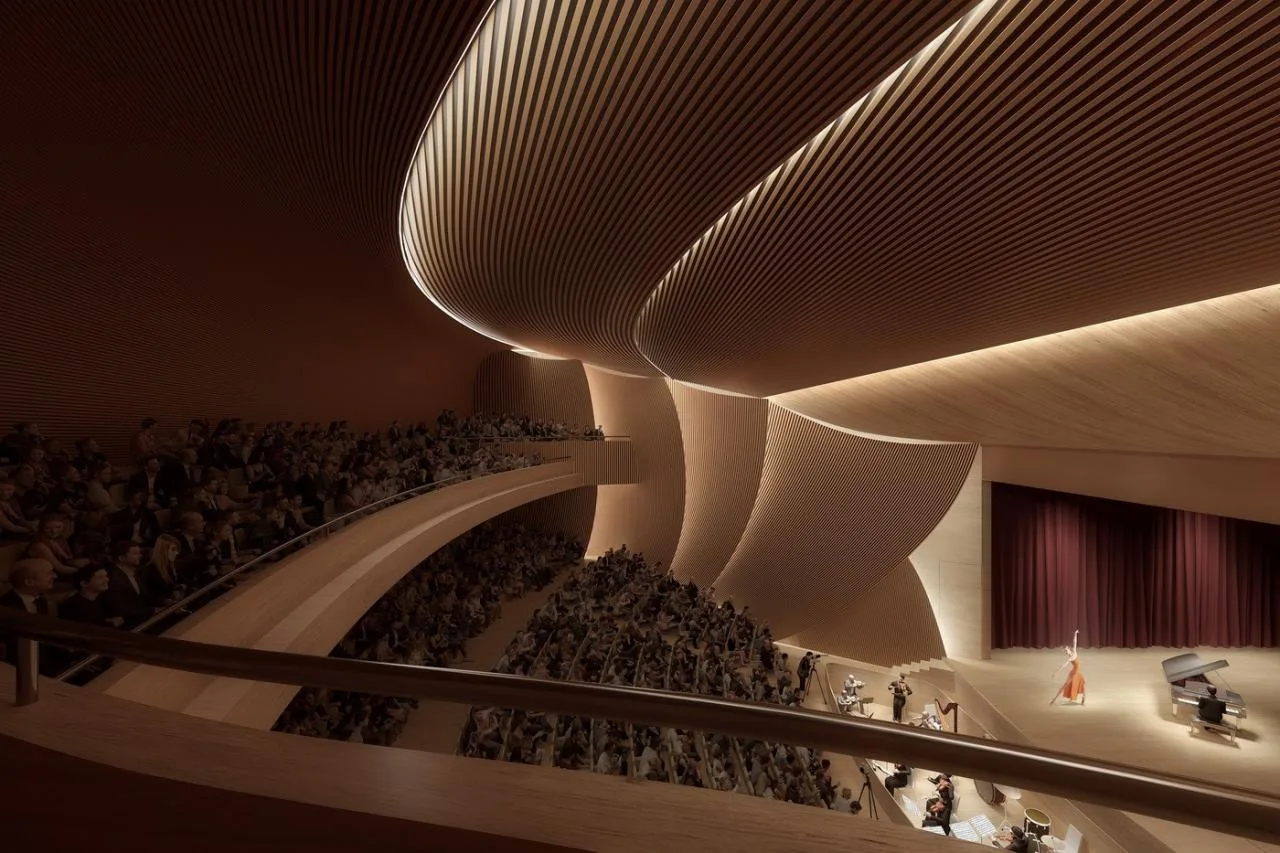
▲ Wuhan Opera Center Scheme Design
Landscape Strategy
The landscape design honors the tradition of Chinese opera gardens. For outdoor performances, large viewing platforms and extensive corridors are incorporated to enhance visitor experience. The Opera Center embraces the concept of a Chinese “opera garden,” seamlessly integrating traditional opera culture with architecture. This approach invites citizens to naturally immerse themselves in the opera garden’s ambiance, fostering a harmonious coexistence of scenery and cultural glory.
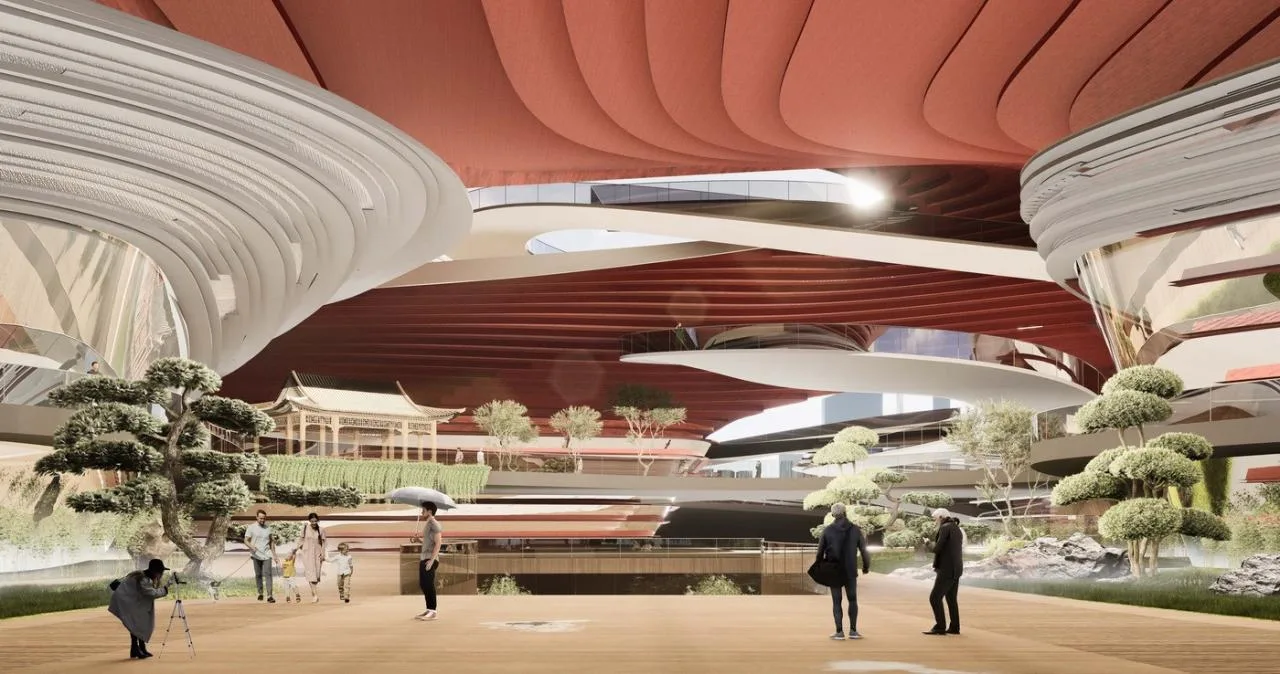
▲ Wuhan Opera Center Scheme Design
The design features three-dimensional landscaping with block-style arrangements, enriching spatial experience. The ground floor is opened to create a vibrant, welcoming living room that encourages citizens to enter from all directions. The fusion of “gardens” and “opera” within Yuehu Park’s green lung establishes an international cultural living room centered on opera culture.
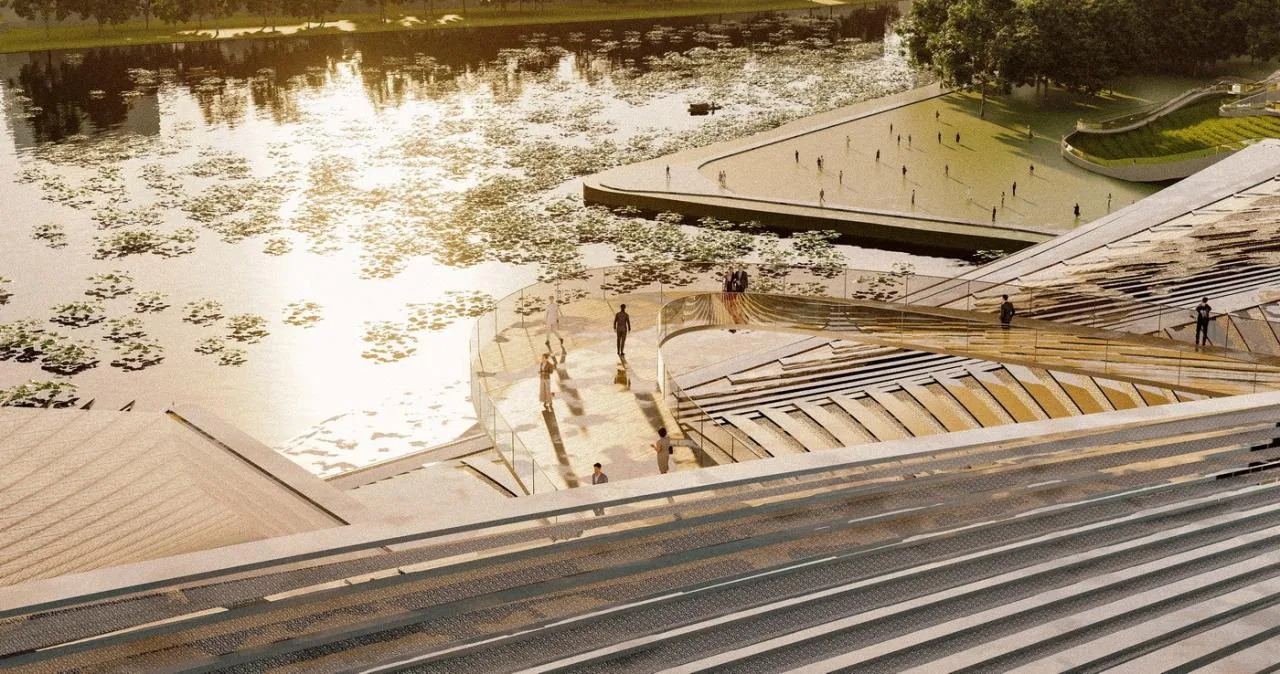
▲ Wuhan Opera Center Scheme Design
Summary
Weisiping’s interpretation of the Wuhan Opera Center draws upon Jingchu culture and opera traditions, respecting the site’s context and local identity. The architecture employs modern, abstract simplicity to honor history, express culture, and reflect the dynamic tension between tradition and modernity. Rooted in local context, the design shapes spaces rich in cultural meaning and spiritual symbolism, creating a comfortable ecological environment that responds to the city’s overall plan and harmoniously integrates architecture with the natural surroundings.
As a cultural venue, the Opera Center integrates theaters, art spaces, and public areas for festivals and leisure. Through creative and regional expressions, it embodies the richness of both Eastern and Western cultures, enabling opera, China’s oldest traditional art form, to thrive alongside modern technological advancement.
Chu style and Han charm stir the tides, with hundreds of lakes and thousands of ponds competing in beauty.
The Jianghan region weaves together smoke and waves stretching across thousands of miles.
Sutras delicately weave through silver threads, while the guqin melody finds a kindred spirit.
Project Information
Project Name: Wuhan Opera Art Center
Owner: Wuhan Culture and Tourism Group Co., Ltd.
Design Consortium: Beijing United Weisiping Architectural Design Co., Ltd. + Tsinghua University Architectural Design and Research Institute
Chief Designers: Wu Gang, Qu Keming
Design Team: Wang Deyuan, Zeng Rui, Wu Wanying, Li Jiaze, Zhang Yaodan, Ma Lulu
Design Year: 2023
Land Area: 39,000 square meters
Total Construction Area: 63,500 square meters
Floor Area Ratio: 1.08
Seating Capacity: 800 (large theater), 350 (small theater) × 3, 300 (experimental theater)















Must log in before commenting!
Sign Up