
HOPE · Light of Life
“The soul of architecture is light.” – Louis Isadore Kahn
As a key national scientific research infrastructure, the Human Organ Physiology and Pathology Simulation Device (HOPE Device) is designed to lead the future of scientific research. This project establishes a pioneering academic research paradigm in life sciences and offers an open platform for life science investigations. Under the theme “HOPE · Light of Life,” the design draws inspiration from the elements of life, employing the concept of “neuron cells” to connect scientific laboratories with public study spaces. This approach creates three layers of illumination: “Light of Life,” “Light of Technology,” and “Light of Architecture,” culminating in a cutting-edge, large-scale scientific installation.
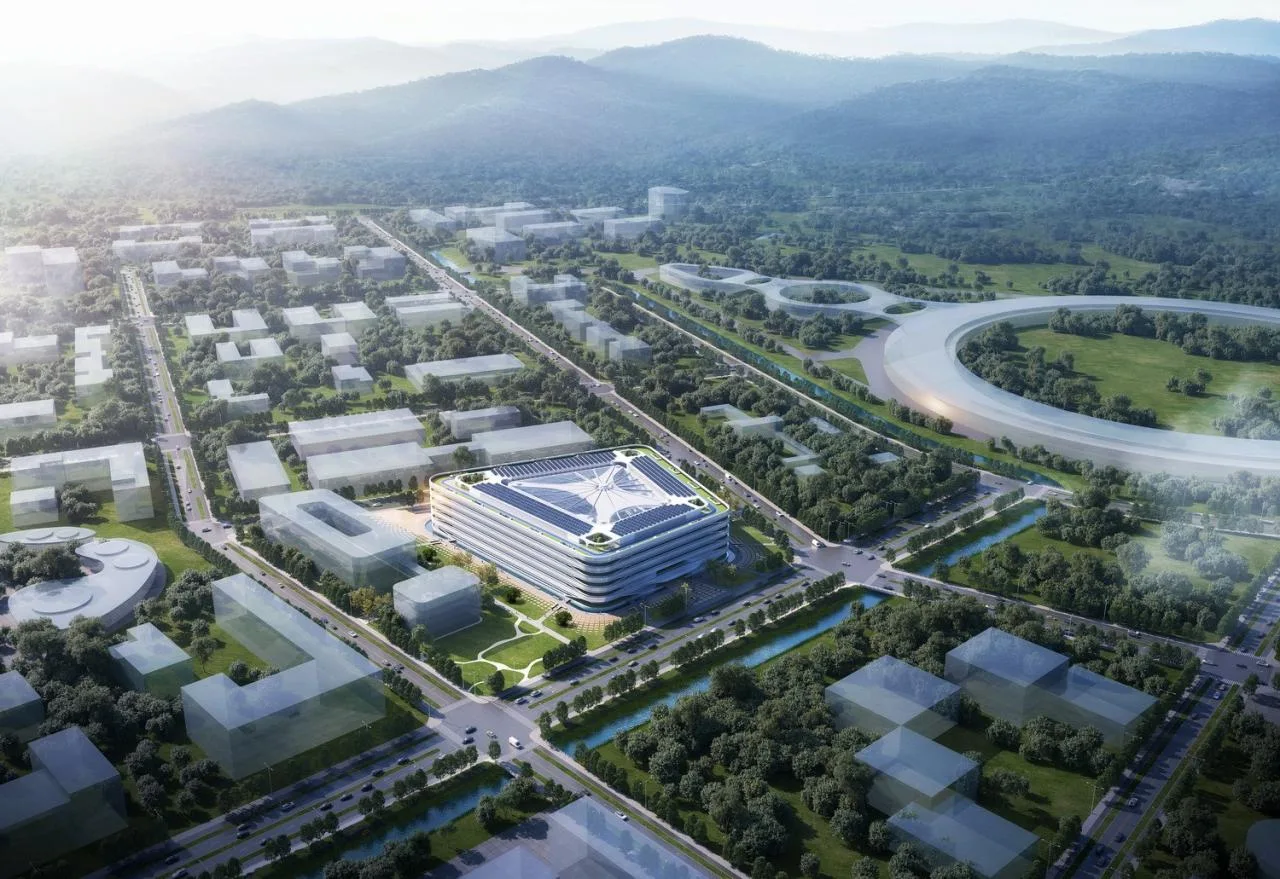
△ Aerial view of the venue
Located in the heart of Huairou Science City, Beijing, the project occupies approximately 35,494 square meters of land with a total construction area of 94,580 square meters. To the east lies a multimodal biomedical imaging facility, the west houses an advanced light source platform, and the south borders the under-construction Huairou City Living Room. This strategic site forms a unique cluster of scientific research facilities.
The mission of this scientific infrastructure is to illuminate the path toward future technologies through the light of natural life. The master plan is comprehensive and cohesive, featuring four standardized scientific experiment modules arranged along the site boundaries. A large central atrium creates a scientific hall and an external observation area, establishing a systematic and distinct research center. The building’s four corners are intentionally opened to the city, incorporating open-plan office and conference spaces. The layout is clear, with efficient vertical circulation. The architectural language transcends traditional research facility design by blending functions and spaces, resulting in a dynamic and readable spatial order.
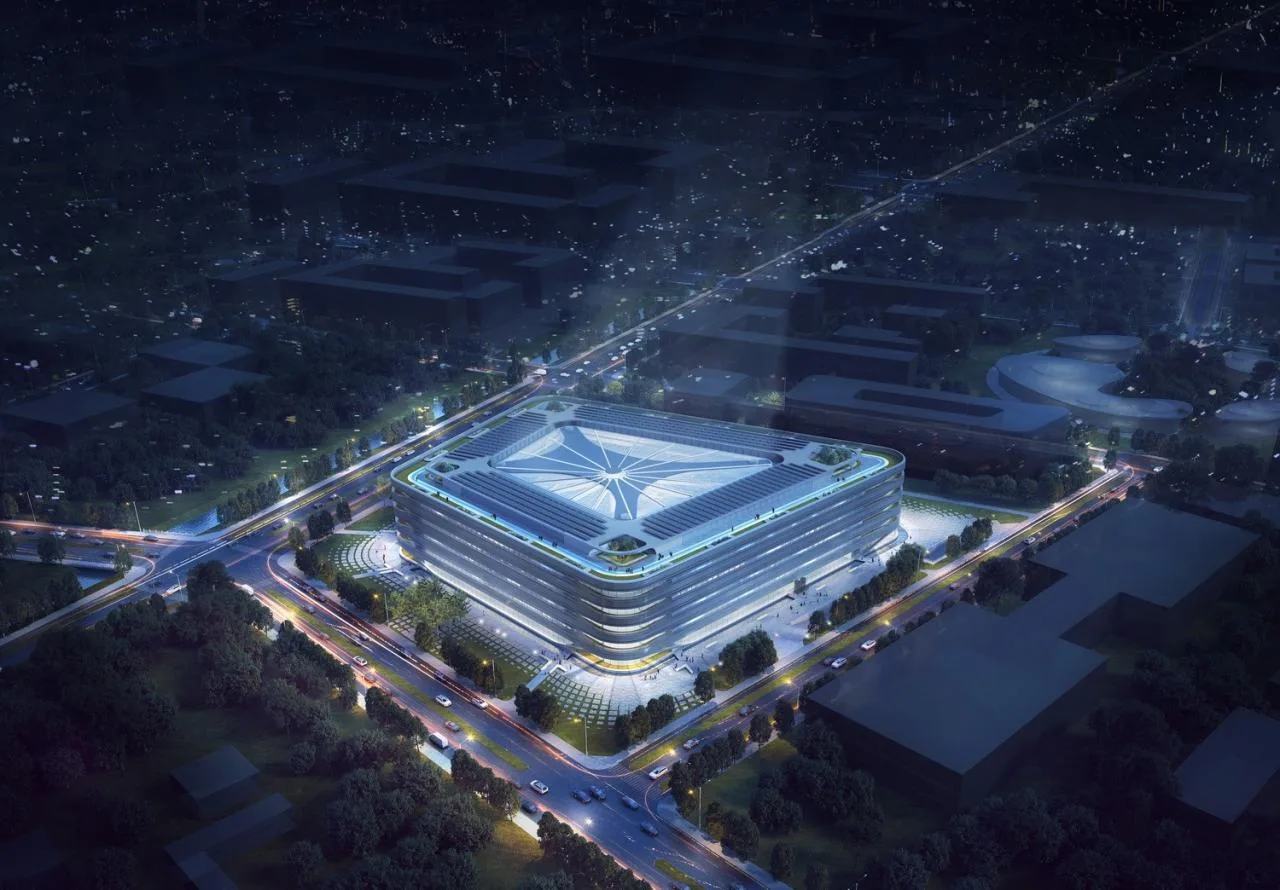
△ Architectural night view
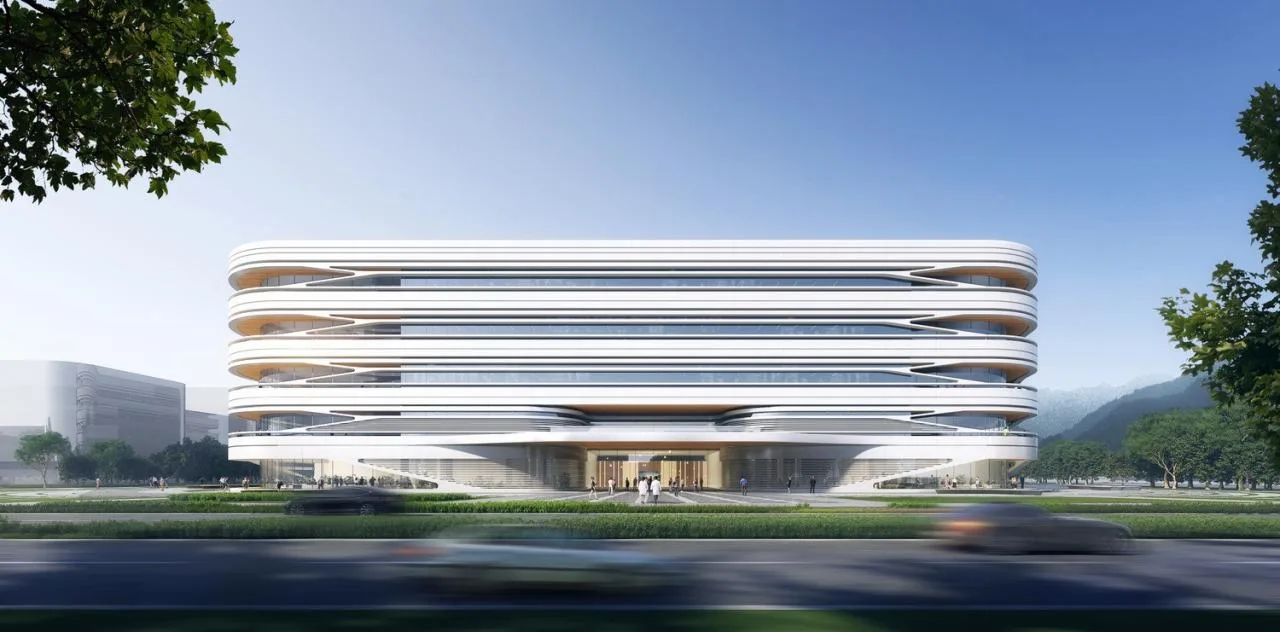
△ Building facade
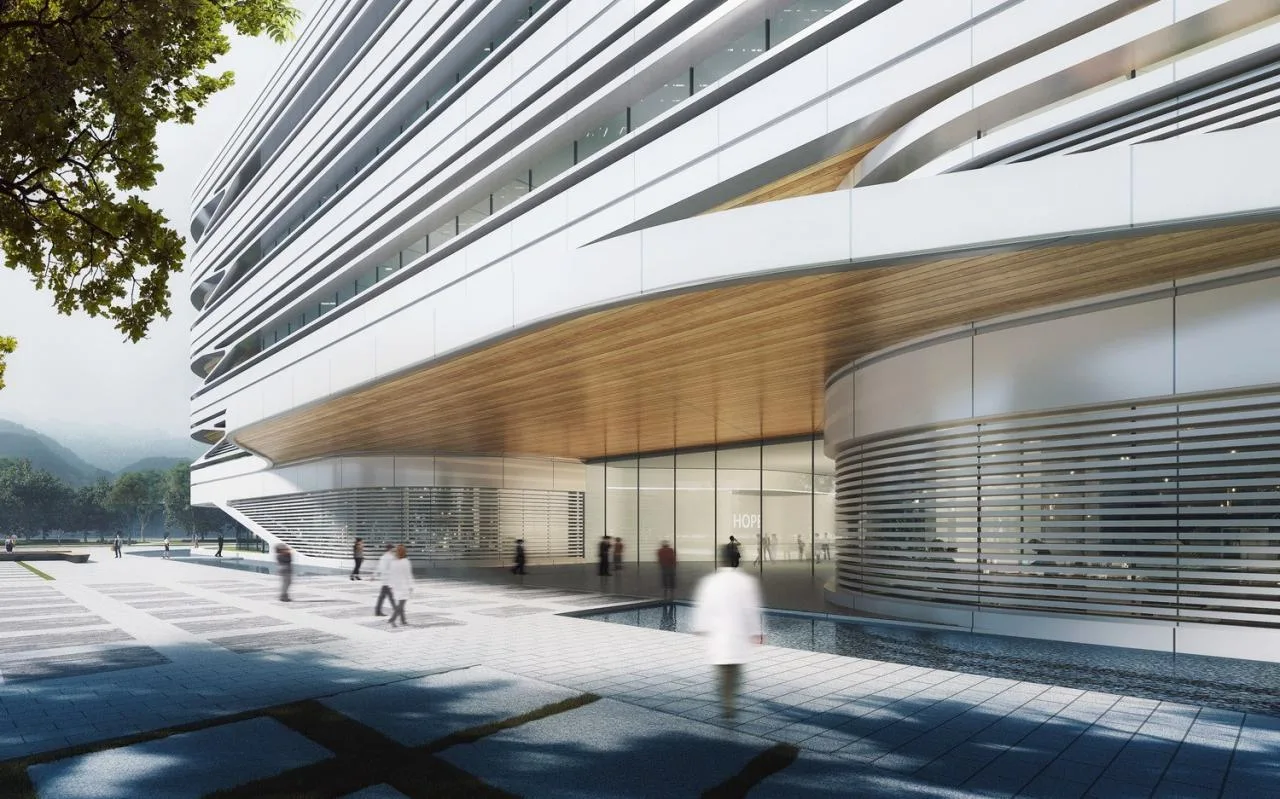
△ Main entrance view with personnel
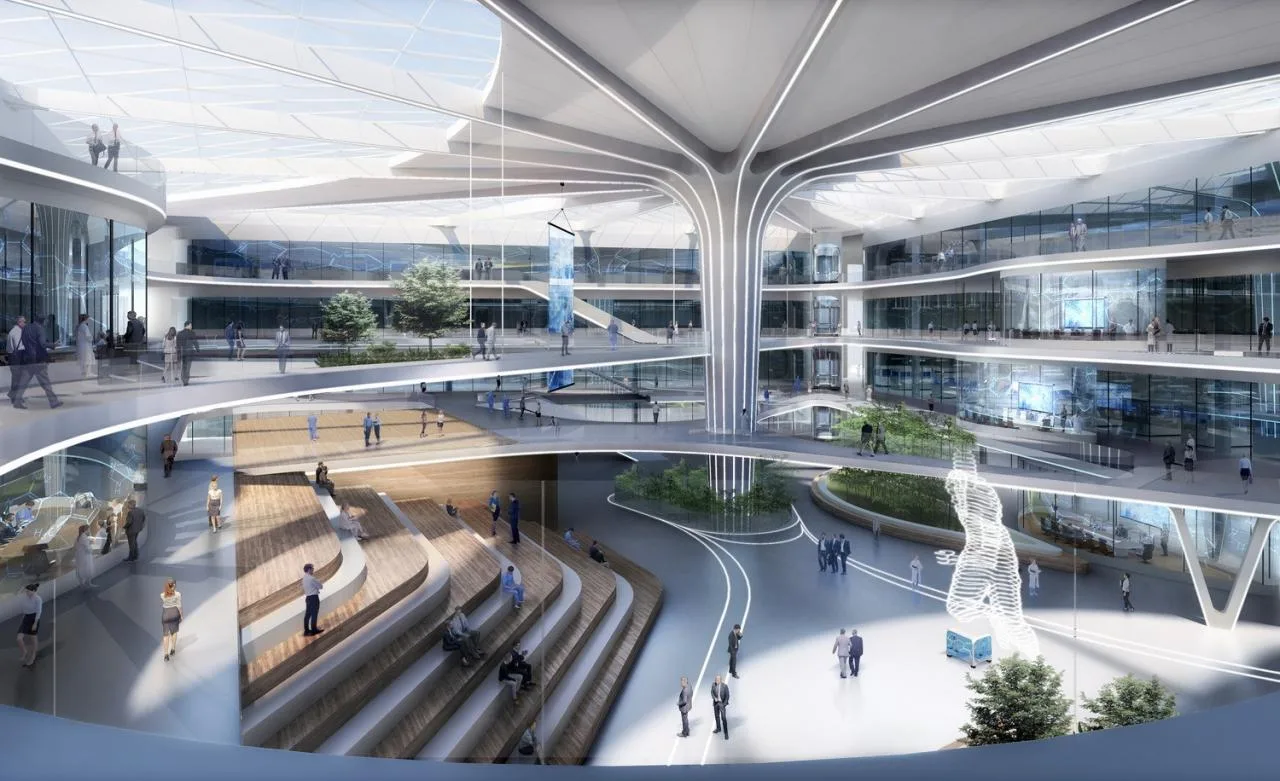
△ Interior space
Cell Tension
Serving as a ‘cell container,’ the building aligns its four sides parallel to the surrounding roads, seamlessly integrating into the urban fabric. The exterior features a window wall system that not only reduces costs but also enhances the thermal performance for energy efficiency. White horizontal shading elements wrap around the building, bifurcating, twisting, and tapering at curved corners to evoke a neural network facade inspired by life sciences. This progression generates a dual visual impression: a dignified solidity and a light openness, reflecting the tension of neuronal cells and offering a unique floating architectural experience.
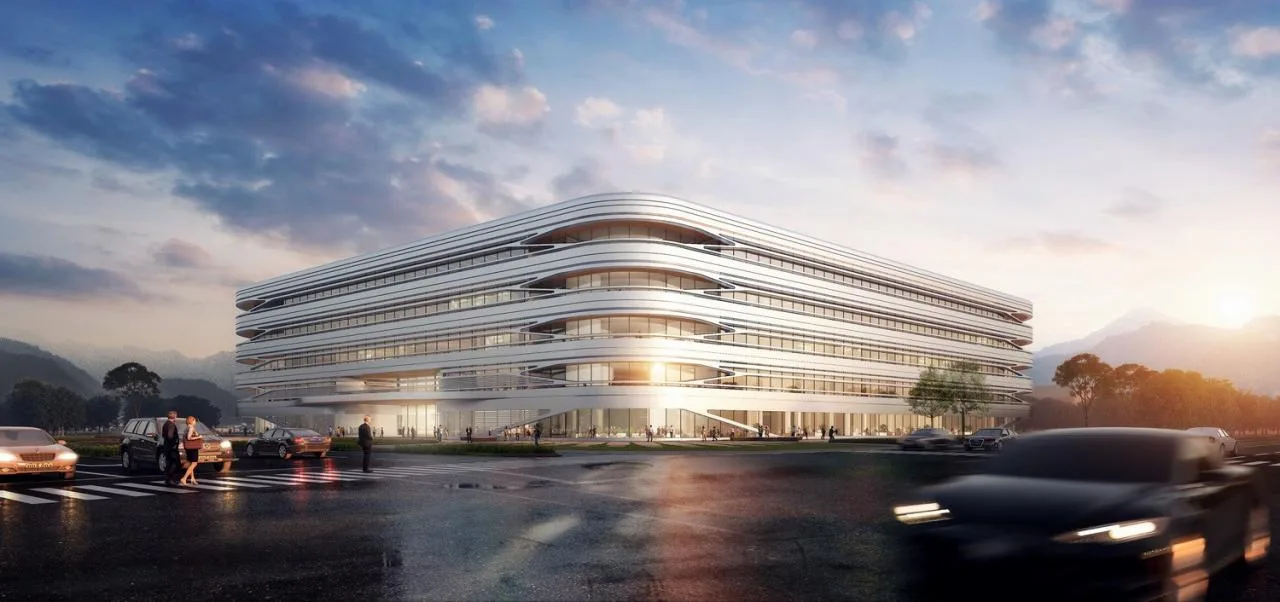
△ Building facade
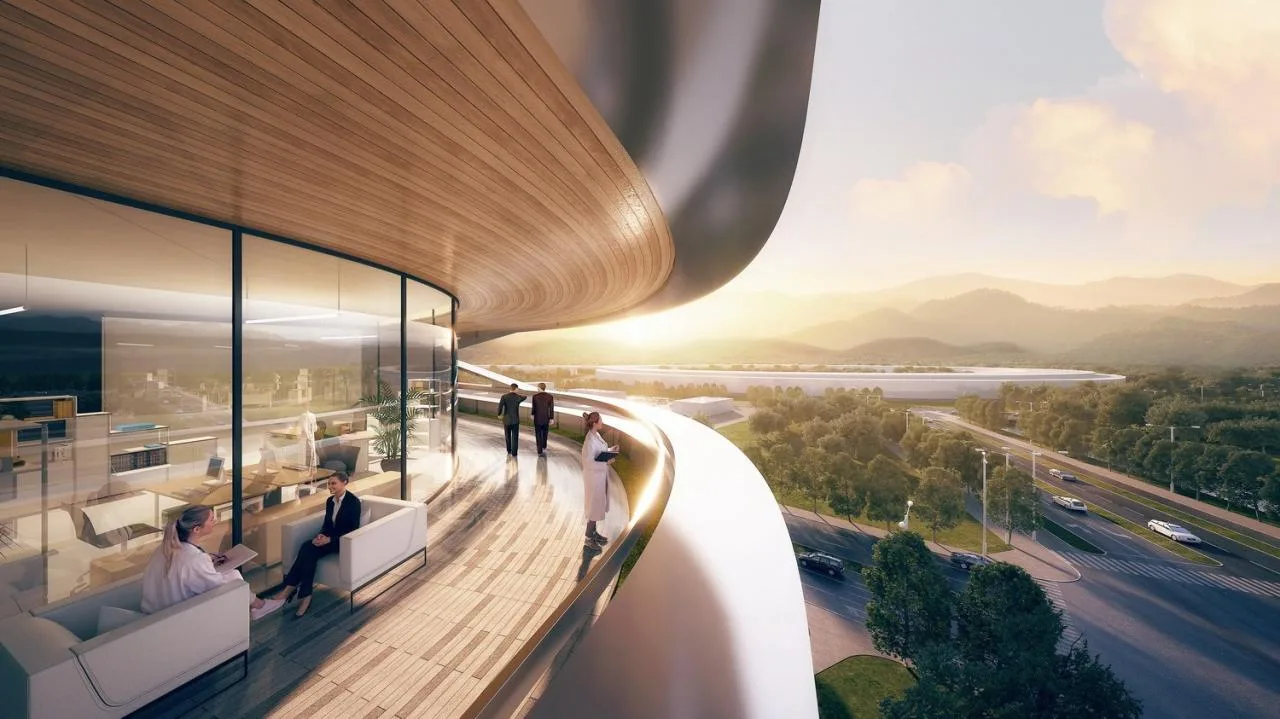
△ Outdoor corner platform
The Tree of Life: The Core Symbol
At the heart of the atrium stands the “Tree of Life,” a natural light-filled centerpiece symbolizing the core of biological cells. Surrounding this central axis, platforms extend in linear layers, forming the dynamic nucleus of the Science Hall where scientists gather for open communication and exploration.
To facilitate efficient connections among various research units, the second floor seamlessly links to the ground level, while the third and fourth floors are interconnected by aerial corridors that offer the shortest travel routes. This three-dimensional circulation system supports flexible communication, housing a scientific exchange platform, life unit conference rooms, and an academic lecture hall—imbuing the research environment with a strong sense of humanistic care.
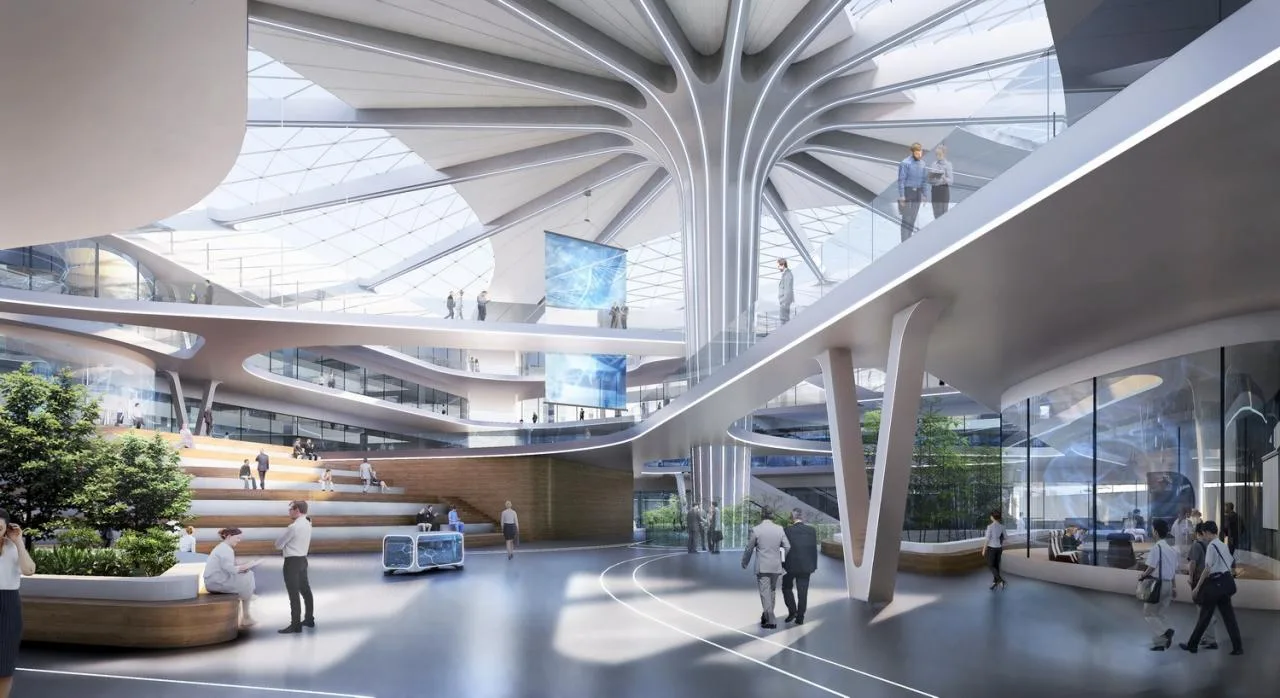
The Tree of Life
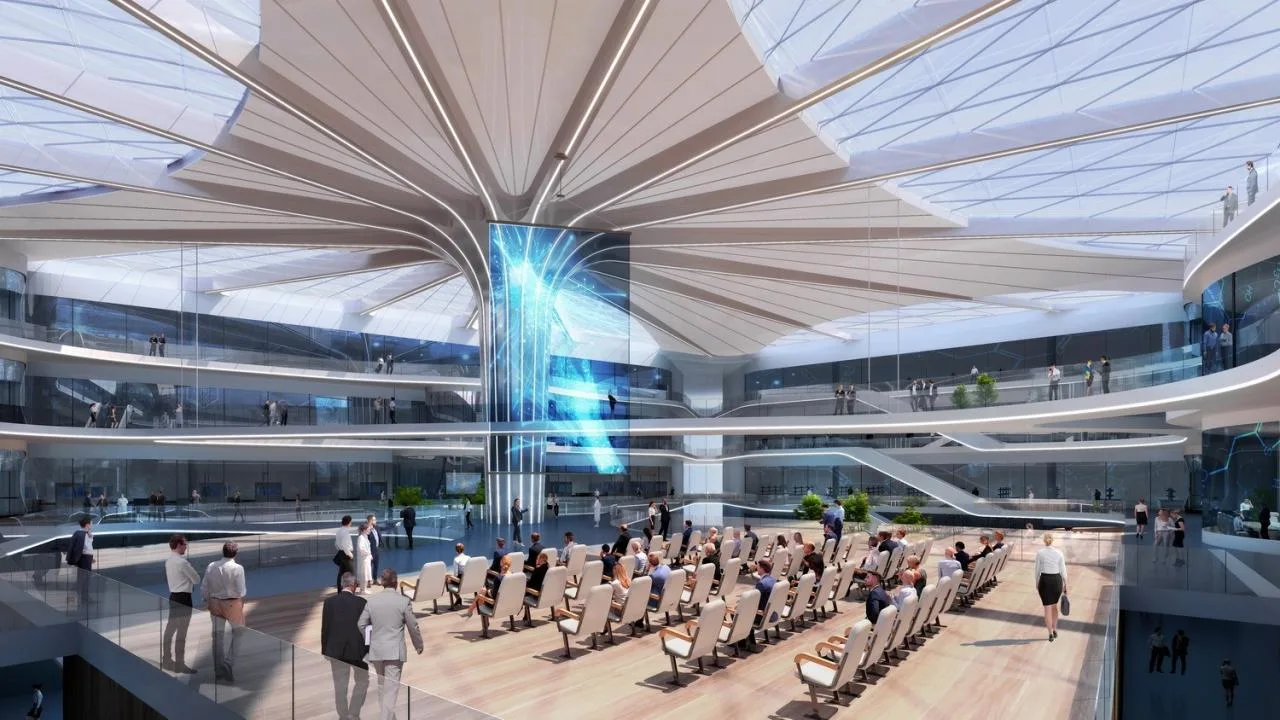
Academic Lecture Hall
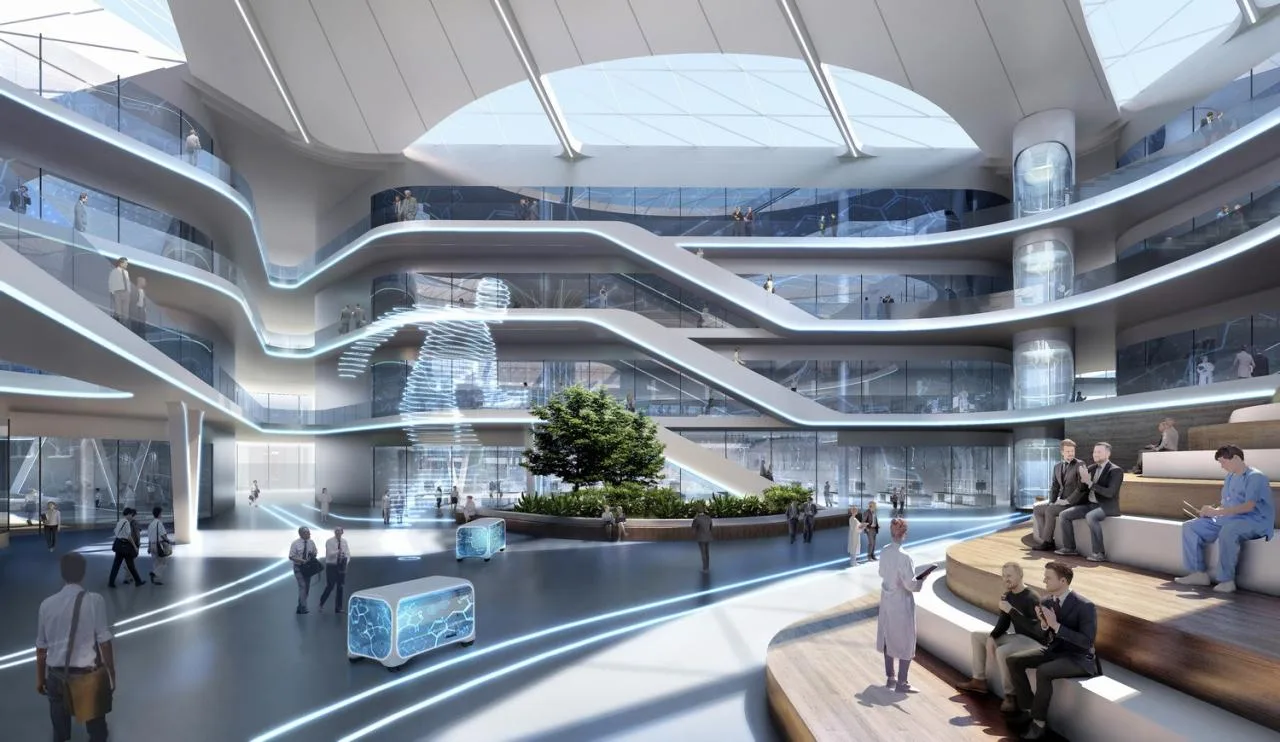
△ Sightseeing elevator and three-dimensional circulation system
The external observation area highlights the central control hall, key scientific equipment, and experimental research scenes, offering visitors an immersive and dynamic experience. Integrated “cellular media” zones serve for reception, scientific exhibitions, and immersive learning, complemented by the “Tree of Life” landscape leisure space that encourages scientific exchange and ecological appreciation.
A transparent ring corridor encircles the experimental spaces, which include a GMP workshop, intelligent storage, micro-nano processing, quality monitoring, and the central control hall. Positioned diagonally within the scientific observation area, a sightseeing elevator provides panoramic views of the Science Hall and the top-level animal observation rooms.
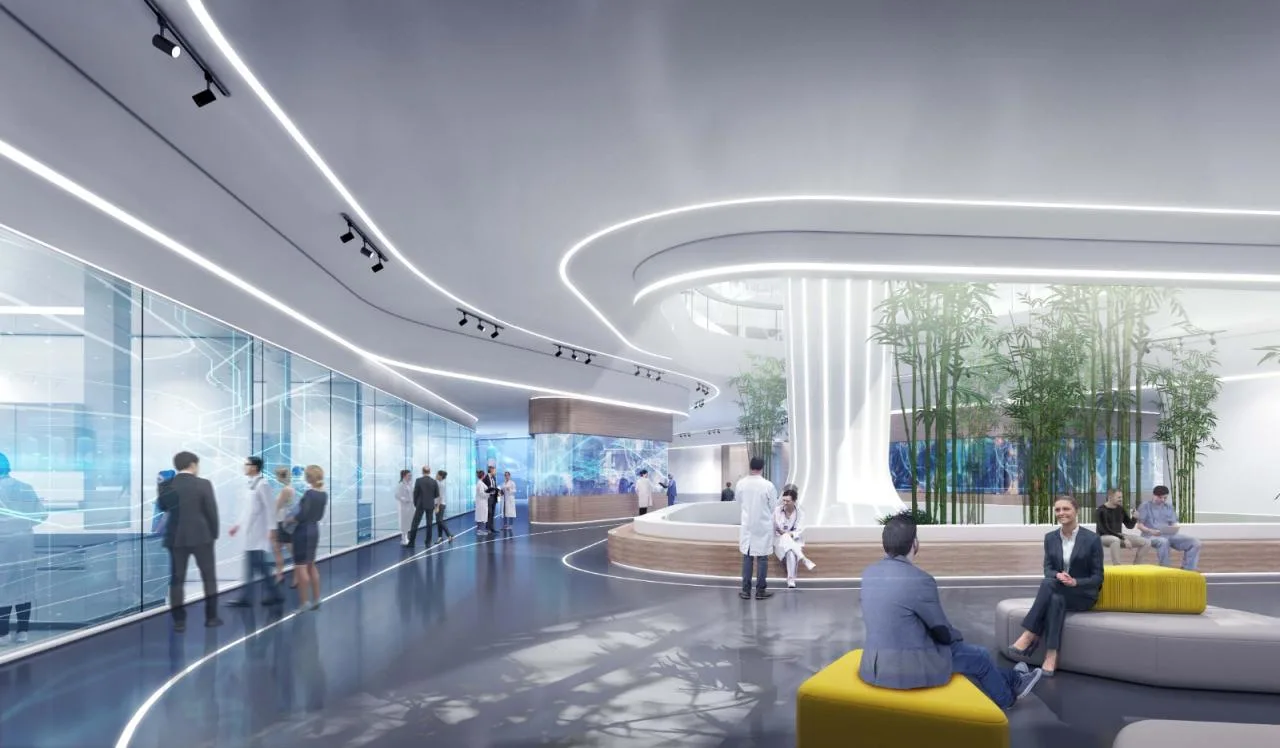
△ Landscape negotiation area
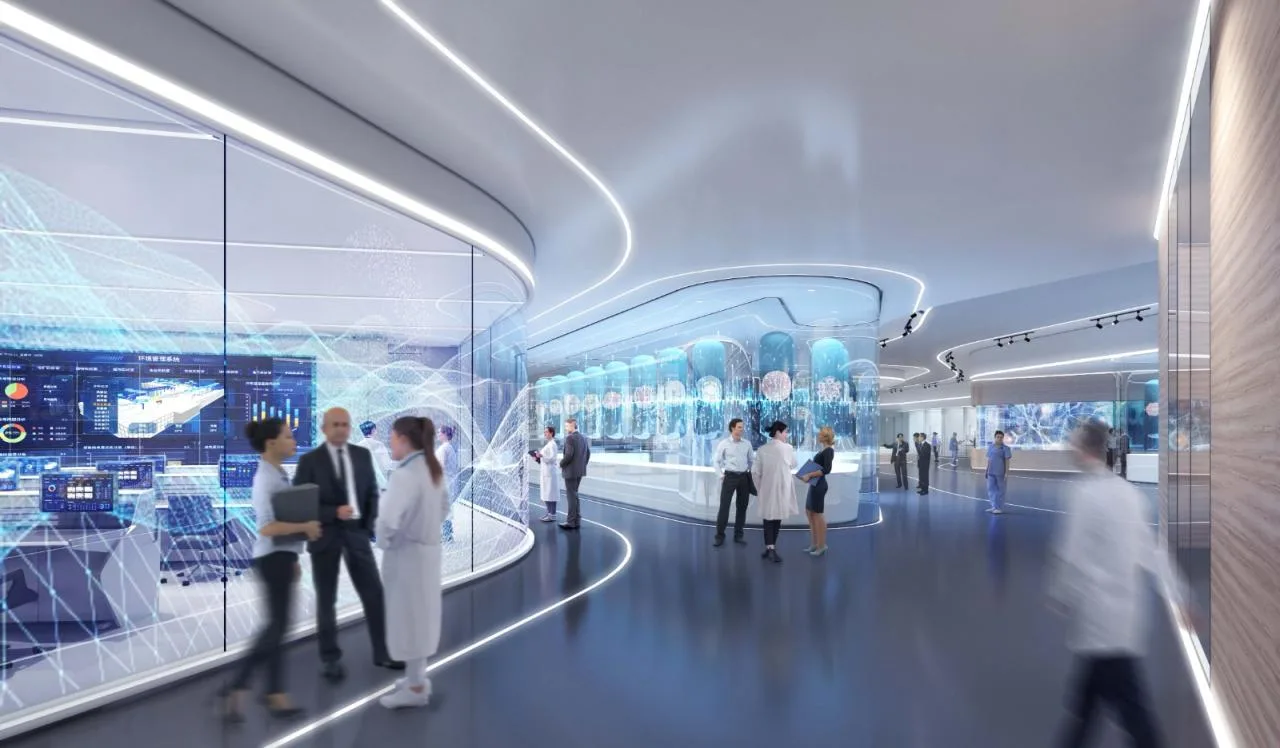
△ Research Observation Area
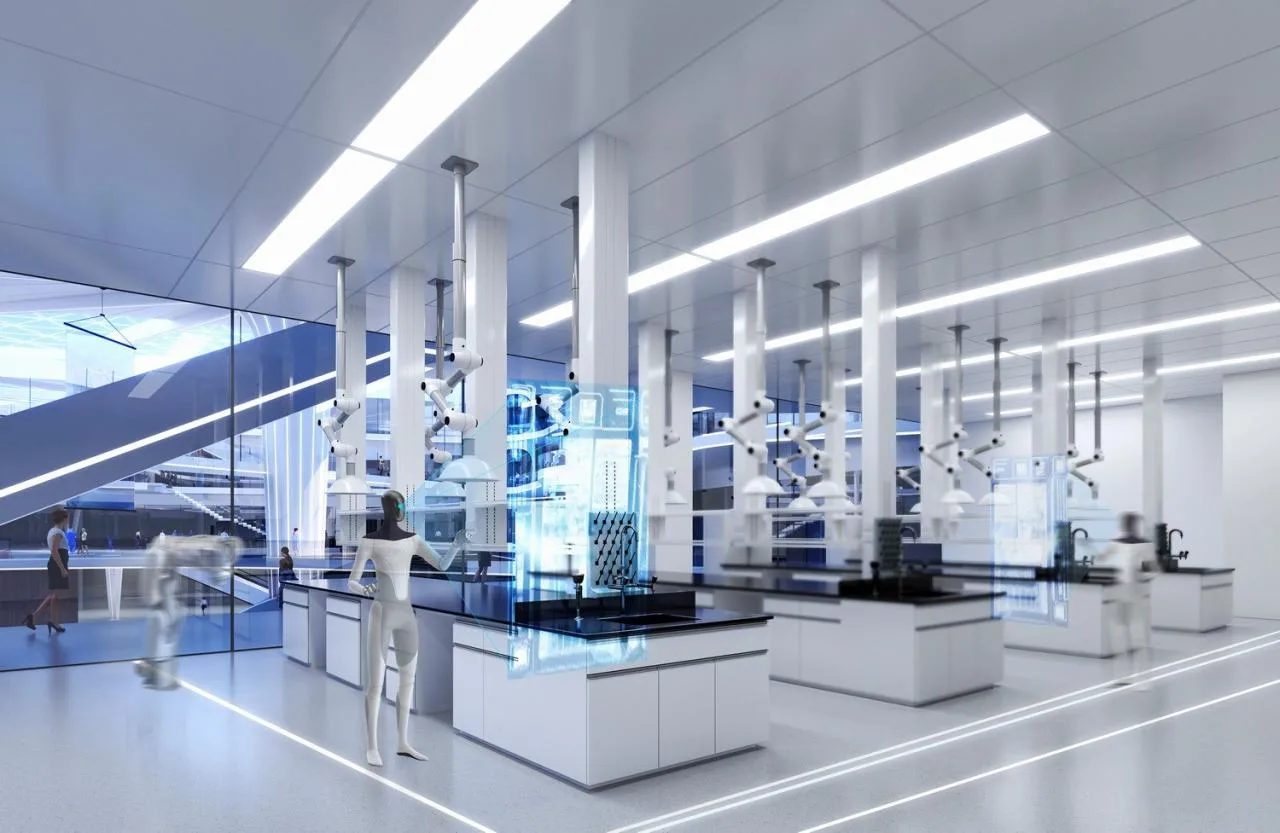
△ Artificial Intelligence Laboratory
Net Zero Carbon Space
The academic halls form a ‘net zero carbon space,’ producing no direct or indirect carbon emissions. The roof hosts an approximately 8,600-square-meter photovoltaic power generation area, supplying all electrical needs internally. The rooftop equipment incorporates building-integrated photovoltaics (BIPV) with an estimated installed capacity of 860 kWp, which also extends the lifespan of rooftop installations while enhancing the building’s form.
The air conditioning system uses a photovoltaic-powered, variable frequency centrifugal chiller unit. Solar energy captured by rooftop panels converts into electricity, transmitted to the first-floor transformer and distribution room. This powers the centrifugal chillers located in the underground heat exchange station and refrigeration room. A photovoltaic microgrid and HVAC integrated monitoring system manages power generation and consumption. Designed as a non-reverse flow system without energy storage devices, the photovoltaic system self-generates electricity to run chillers, lighting, holographic projections, and other academic hall facilities, truly achieving net zero carbon emissions in public shared spaces.
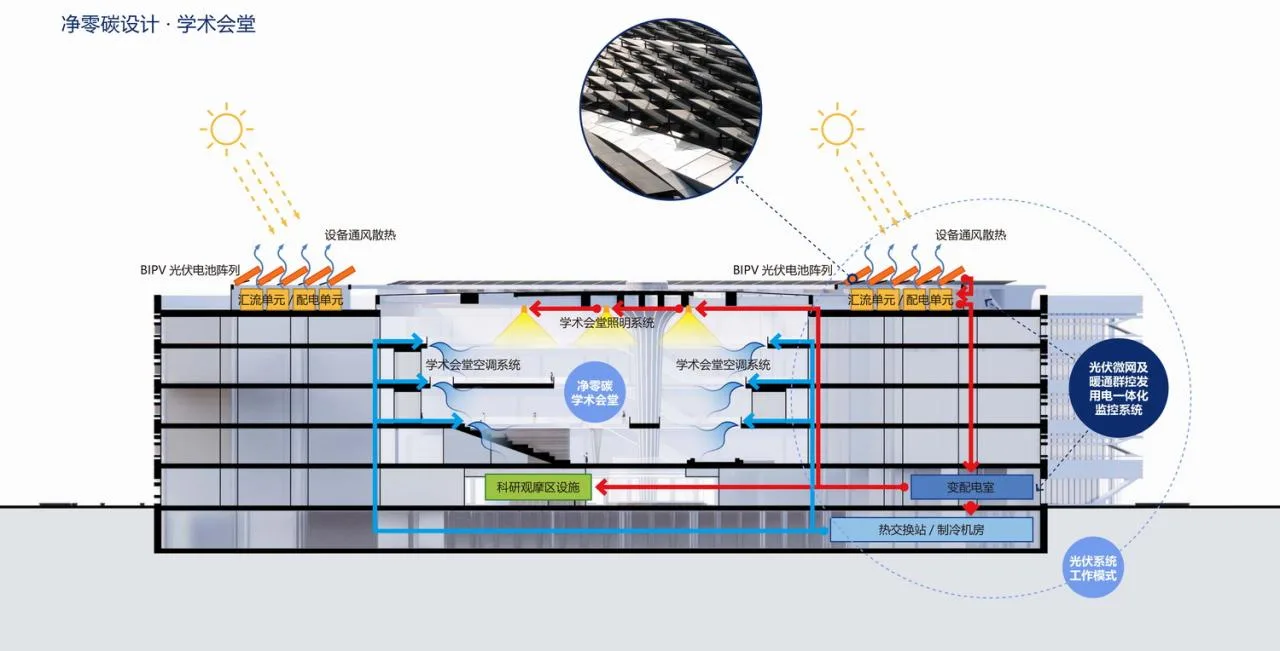
Schematic diagram of net zero carbon space
The roof skylight transforms the academic hall into a naturally lit indoor atrium, providing abundant daylight to interior research and experimental rooms. During summer, electric blinds and high-side windows ventilate hot, humid air, while fresh, cooled, and dehumidified air is supplied to lower activity areas. In transitional seasons, rooftop fans boost air extraction and fresh air intake, maintaining optimal indoor air quality. In winter, waste heat recovery draws warm air from the top to the entrance hall and lower areas, reducing temperature gradients and improving comfort while maintaining required fresh air levels.
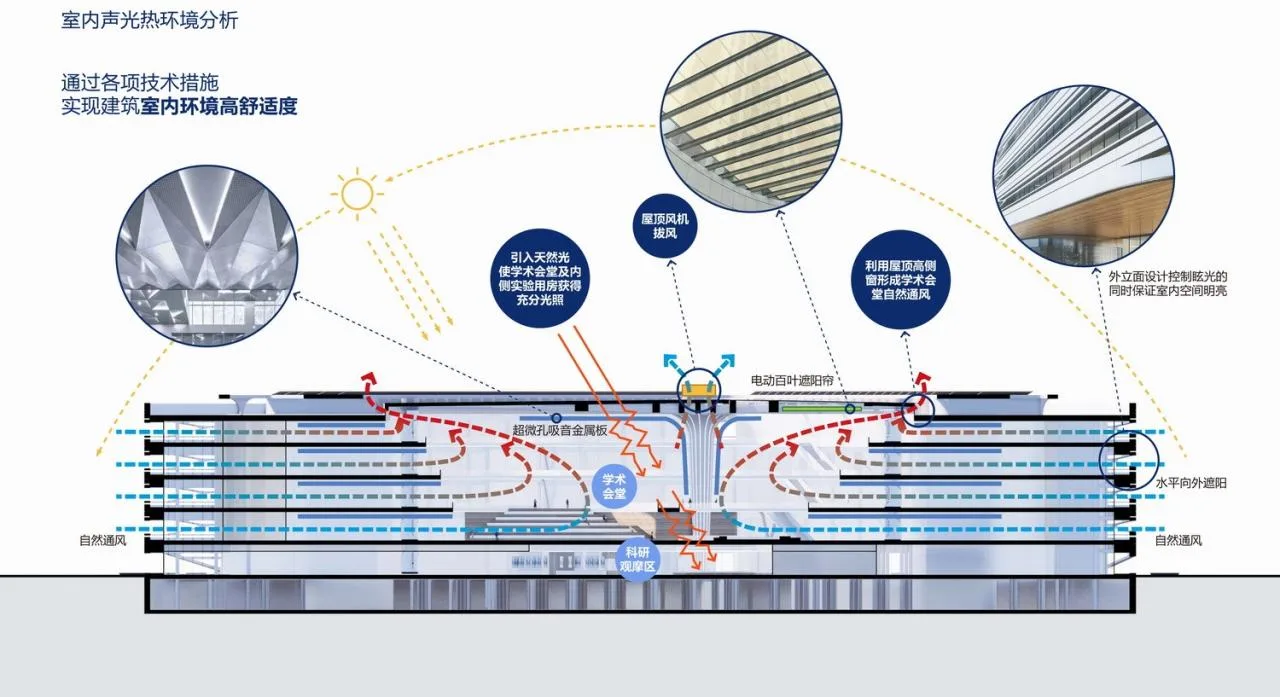
Indoor acoustic and thermal environment analysis
The corridor walls and ceilings of the academic hall feature ultra-microporous sound-absorbing metal panels that provide full-spectrum acoustic absorption, ensuring a comfortable indoor sound environment. Cutting-edge materials such as optical fibers, holographic projections, and electrically controlled atomized glass enrich the spatial experience. The design intention is to foster an open platform for scientific exchange, moving away from traditional closed laboratory models by incorporating dynamic, natural design elements that offer a fresh visual perspective on scientific research architecture.
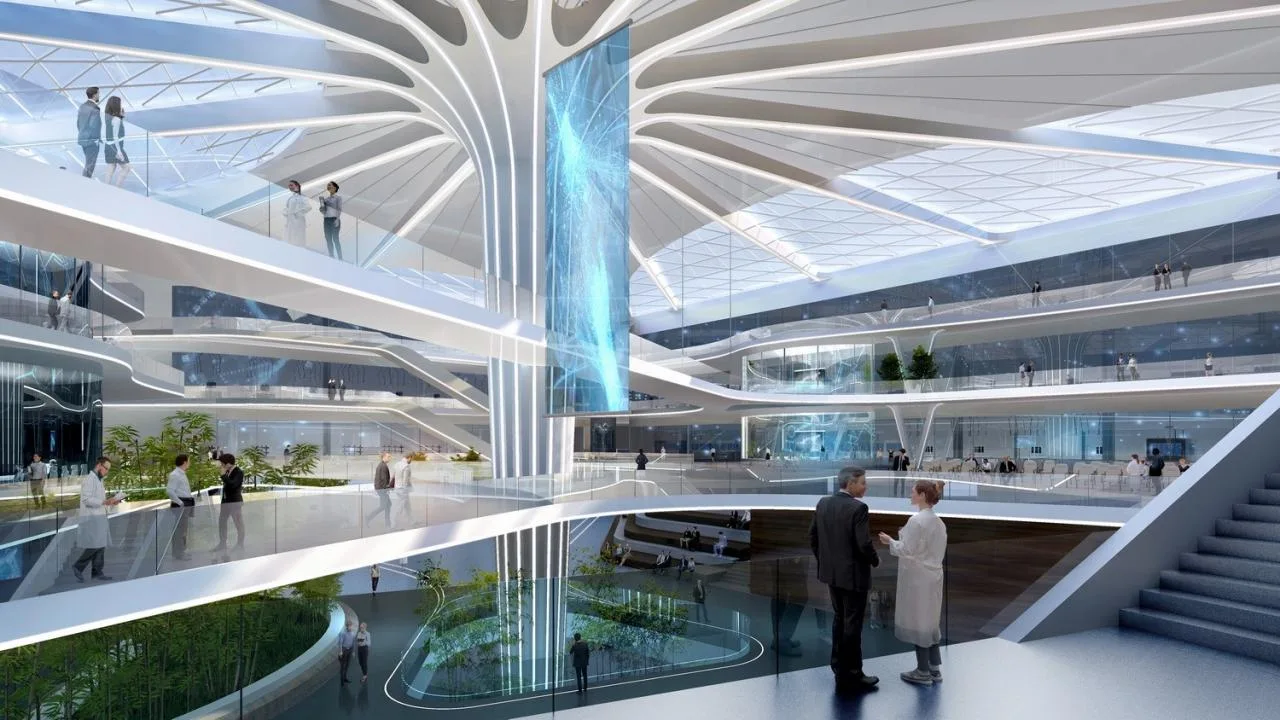
△ Vision of future research space
Project Drawings
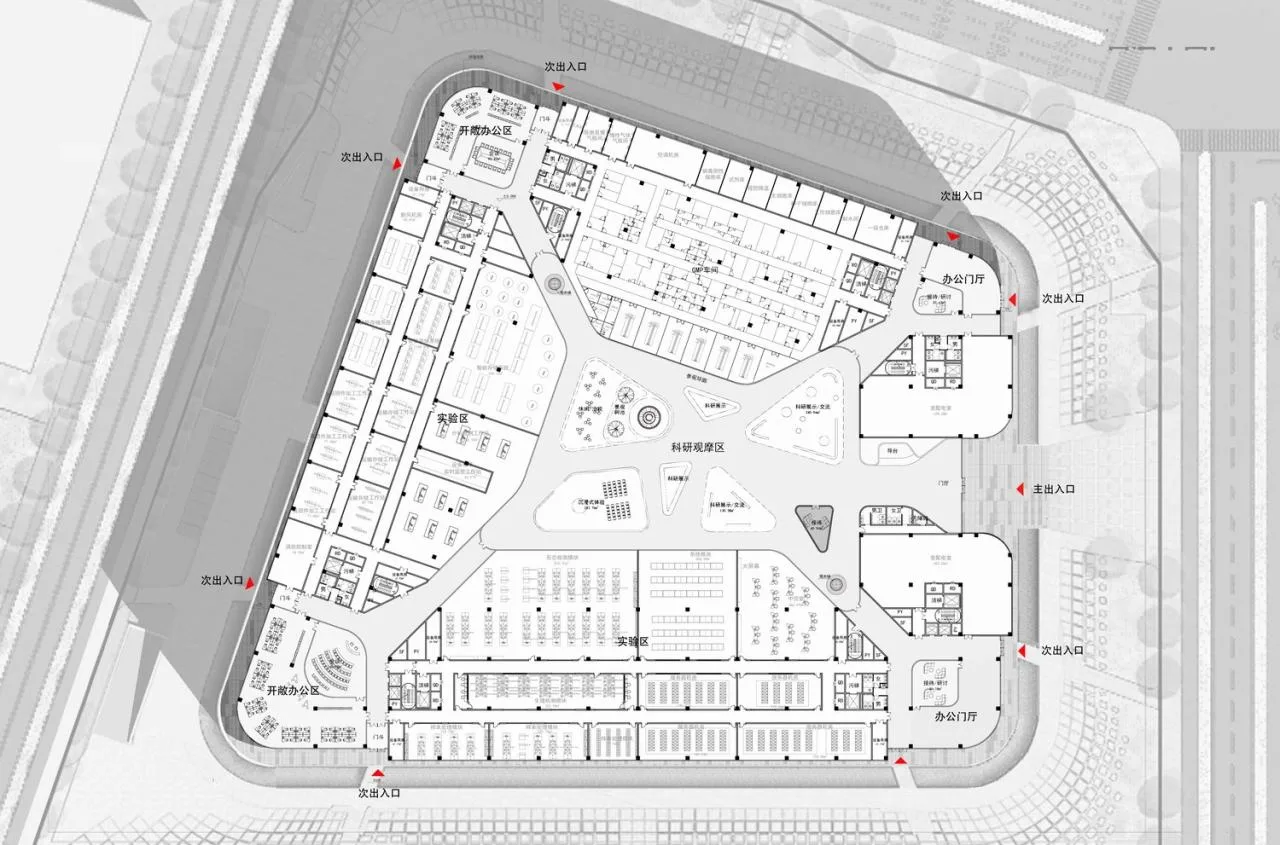
△ First floor plan
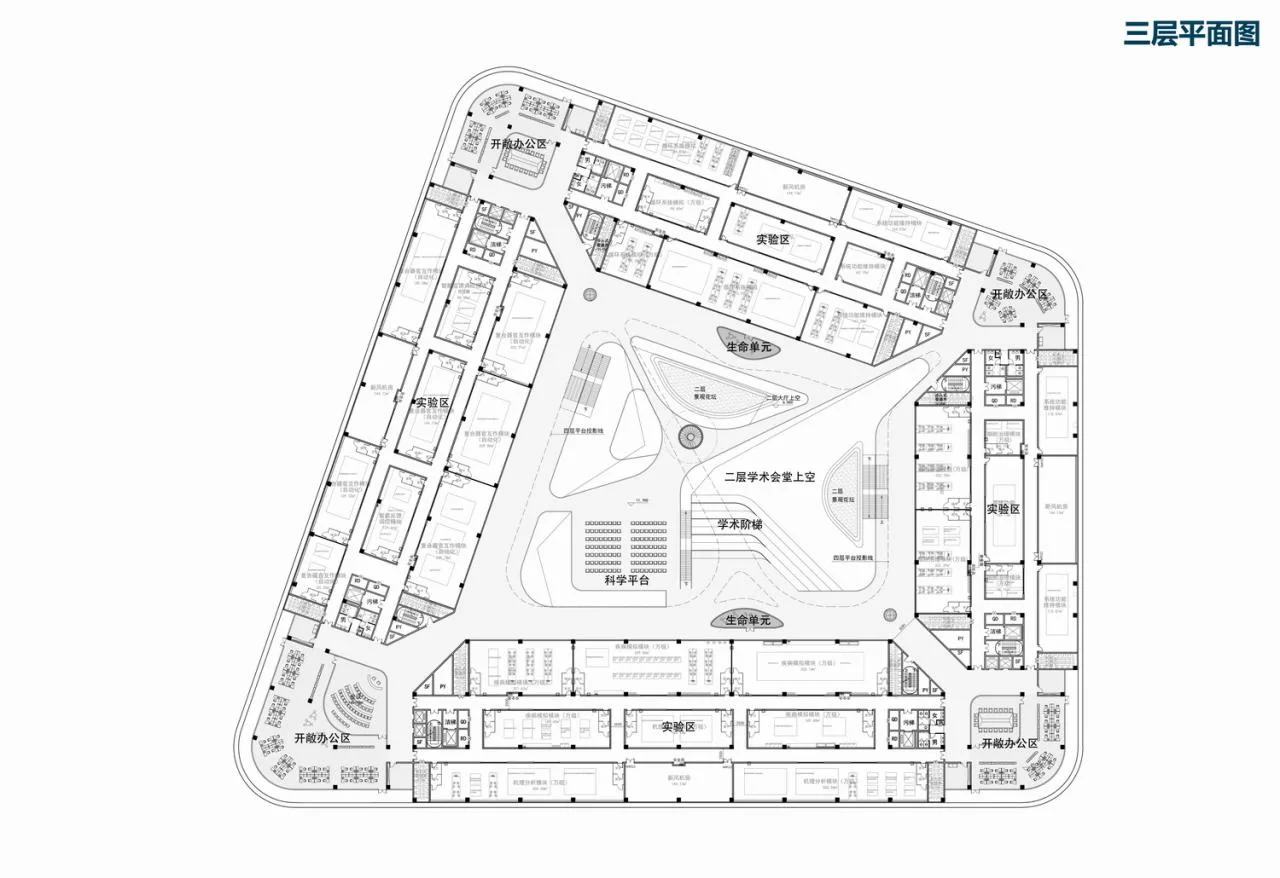
△ Third floor plan
Project Information
Project Name: National Major Science and Technology Infrastructure Project for Human Organ Physiology and Pathology Simulation Device
Project Type: Research Architecture
Location: Huairou District, Beijing
Design Unit: Institute of Architectural Design and Research, Chinese Academy of Sciences Co., Ltd
Design Team:
Lead Architect: Li Xinbin
Architectural Design: Li Xinbin, Ma Xiaochuan, Zhang Chunyu, Huang Qiyuan, Song Ying, Guo Xueting, Chen Bowen
Craft Design: Huang Jianyu, Ma Xiaoman, Liu Yang, Zou Yi
Professional Cooperation: Zhu Jizhong, Meng Qingyu, Zhang Jinbo, Li Xin, Yu Yang
Owner: Institute of Zoology, Chinese Academy of Sciences
Construction Status: Bid winning candidate proposal
Design Year: 2023
Land Area: 35,494 square meters
Building Area: 94,580 square meters














Must log in before commenting!
Sign Up