
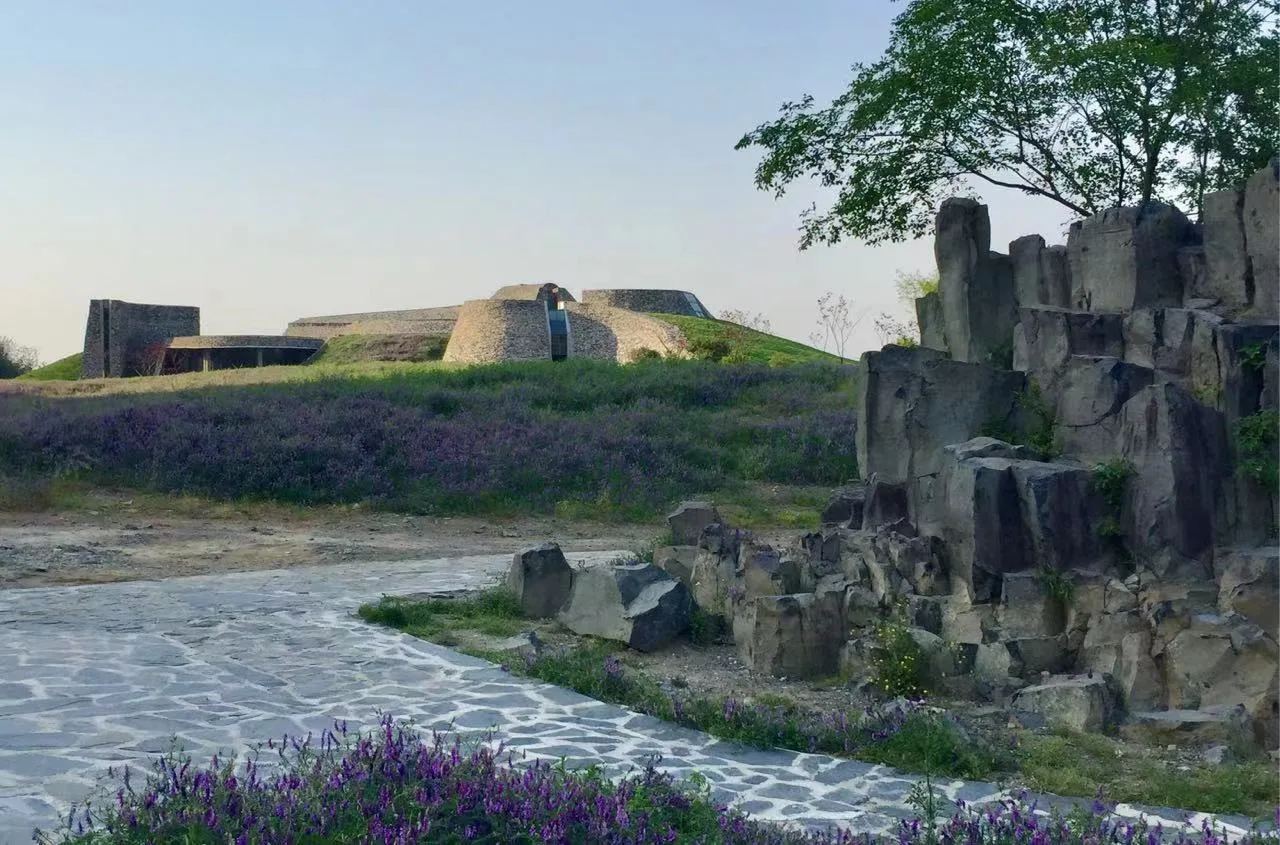
Naishan is an ancient shield-shaped volcano formed approximately 10 million years ago. It features a complete range of geological structures, including volcanic eruptions, lava flows, eruption unconformities, and fault lines. The site also hosts a diverse collection of geological relics such as basalt, sandstone, sedimentary rocks, breccia, peridotite, diabase, volcanic bombs, and volcanic slag. Notably, the Cretaceous sandstone layer contains numerous rainflower stones, fossilized wood, and bone fossils. Among these, the Xuanwu Rock Pillar Group stands out as the most scientifically valuable for education, research, and scenic appreciation.
About 45 years ago, following China’s opening to the world, local villagers began using explosives to extract stones from the mountain for construction purposes. This activity exposed a cross-section of the volcano, providing a clear view of its internal structure. Two decades later, the local government implemented protective measures to conserve Mount Nai’s ecological environment and geological heritage. In 2014, authorities approved the development of a geological park to transform the area into a tourist destination and ecological reserve.
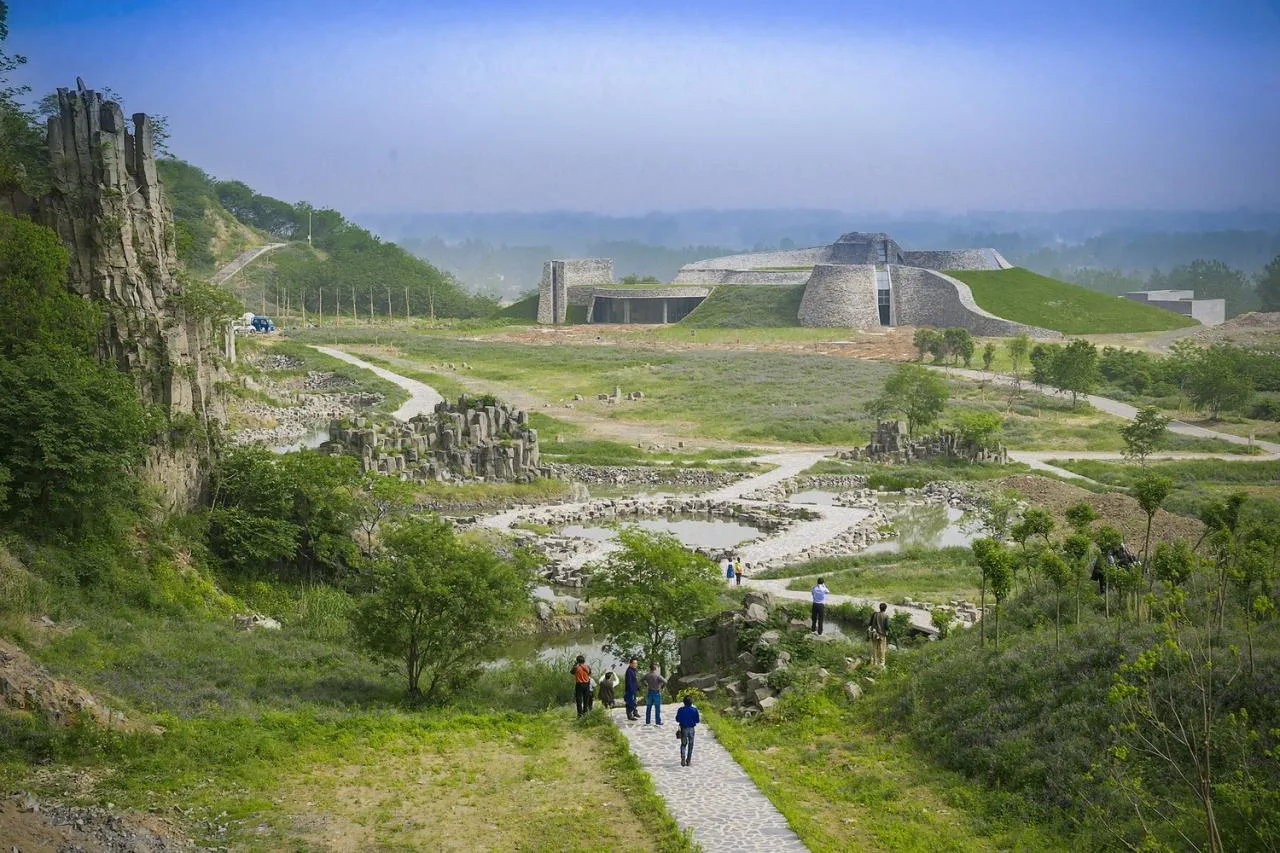
We were invited to design and plan this geological park, balancing economic development with ecological preservation to meet the growing demand for domestic tourism. Our comprehensive plan focuses on the outstanding geological heritage of Mount Nai, aiming to protect and sustainably utilize these natural resources.
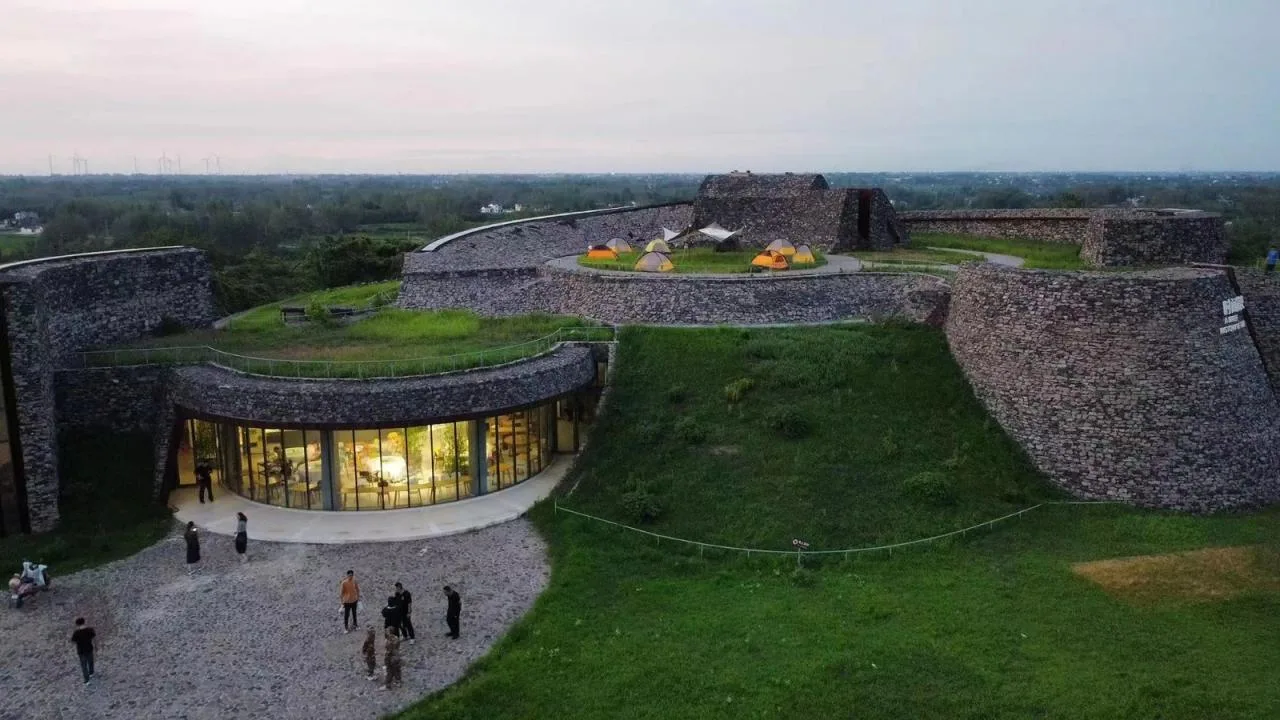
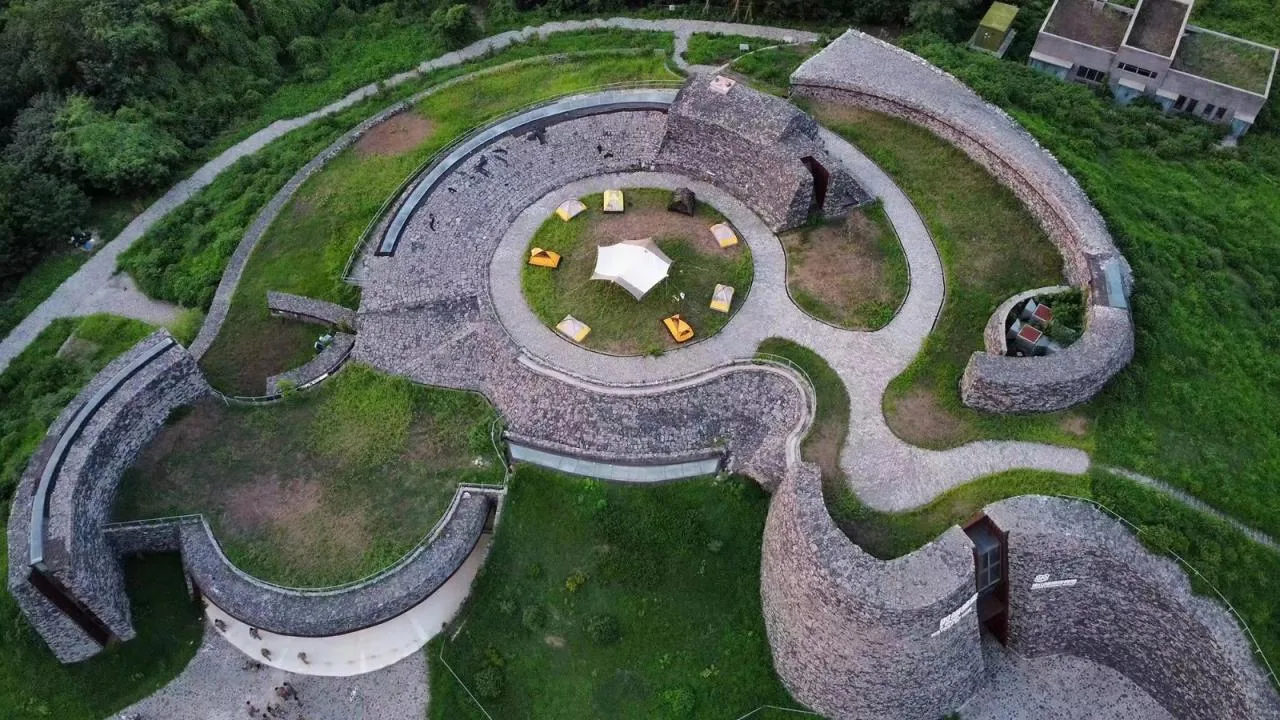
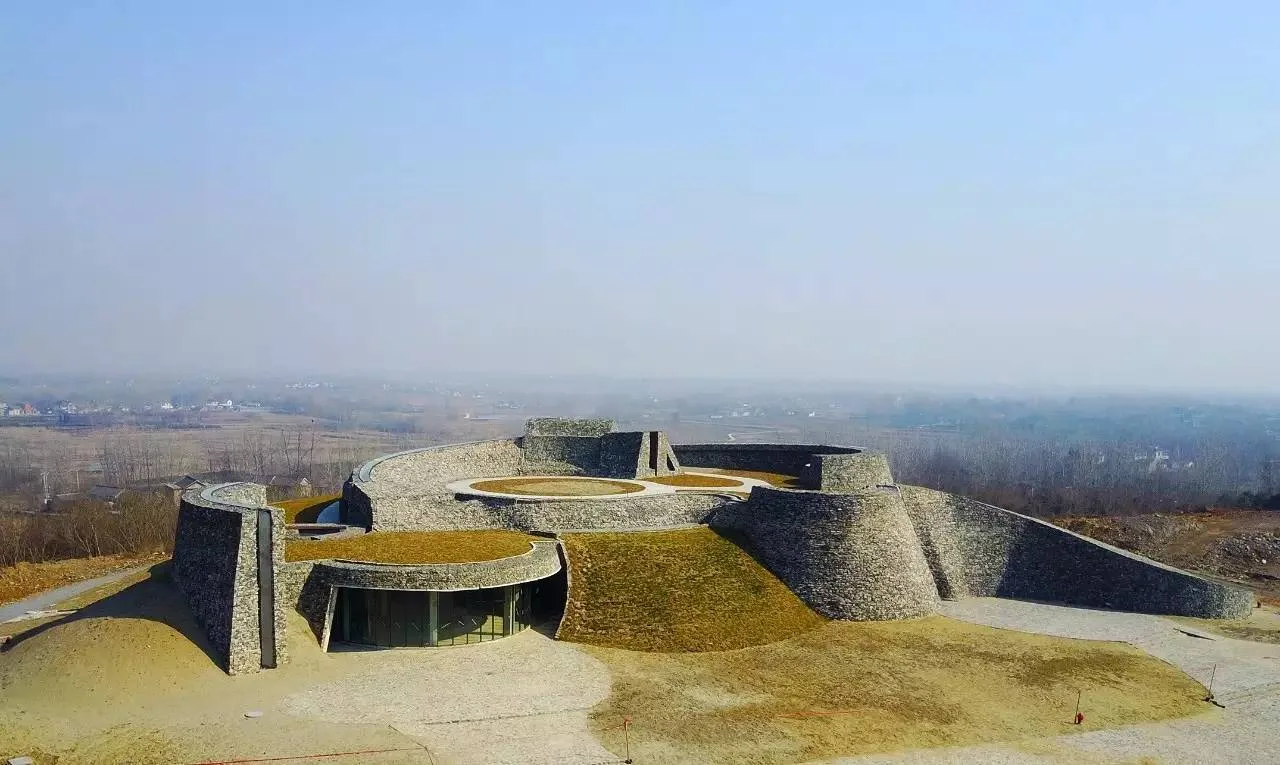
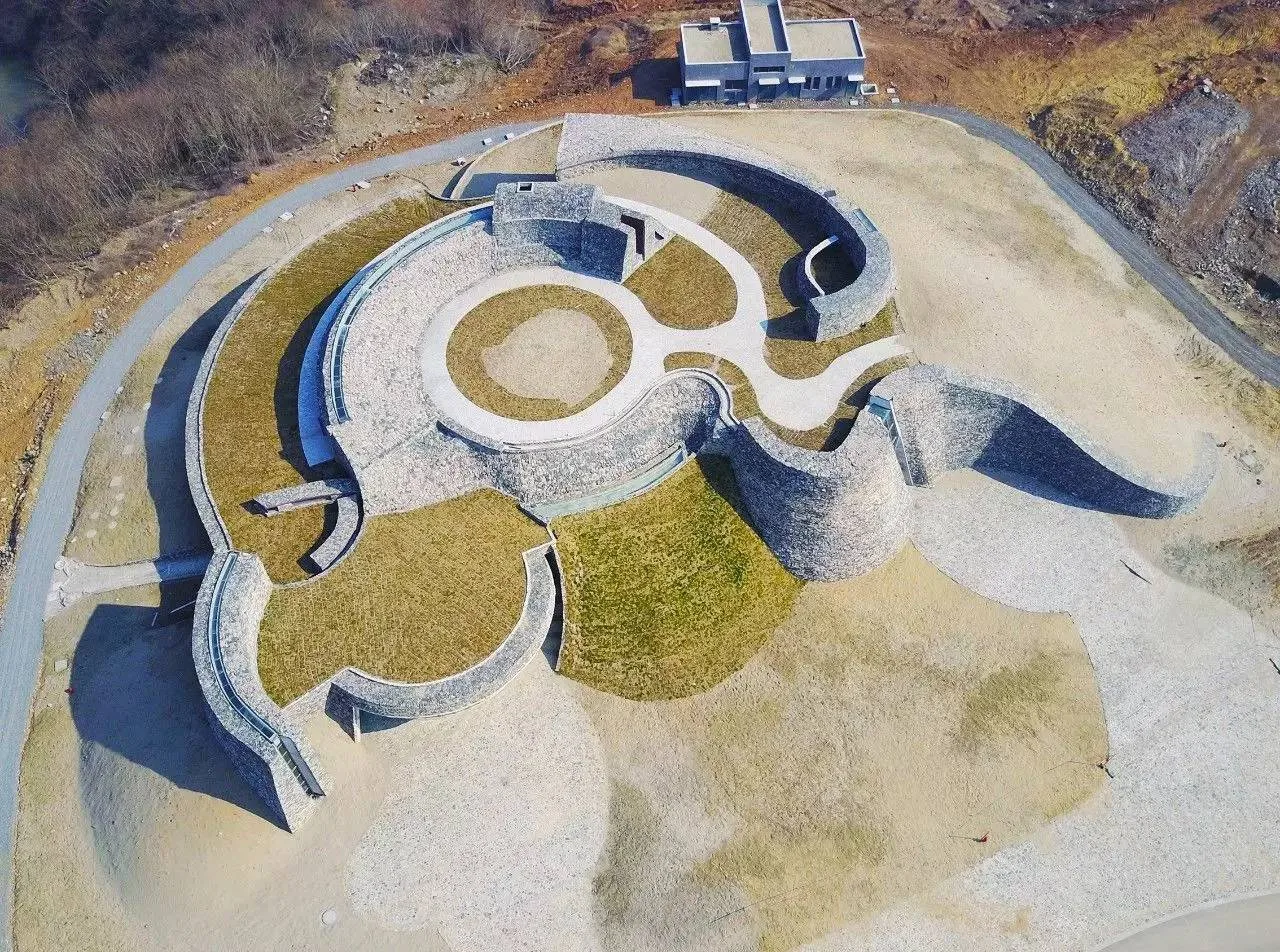
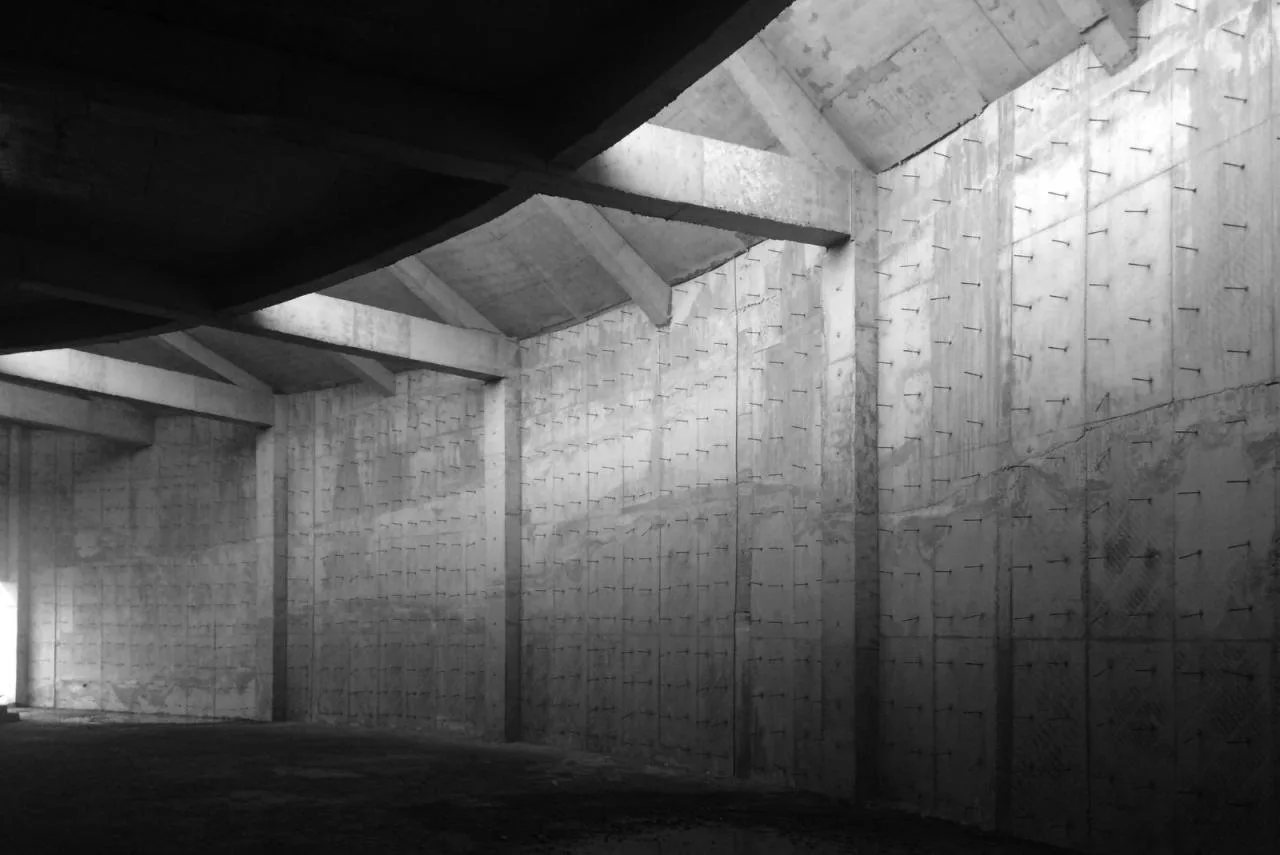
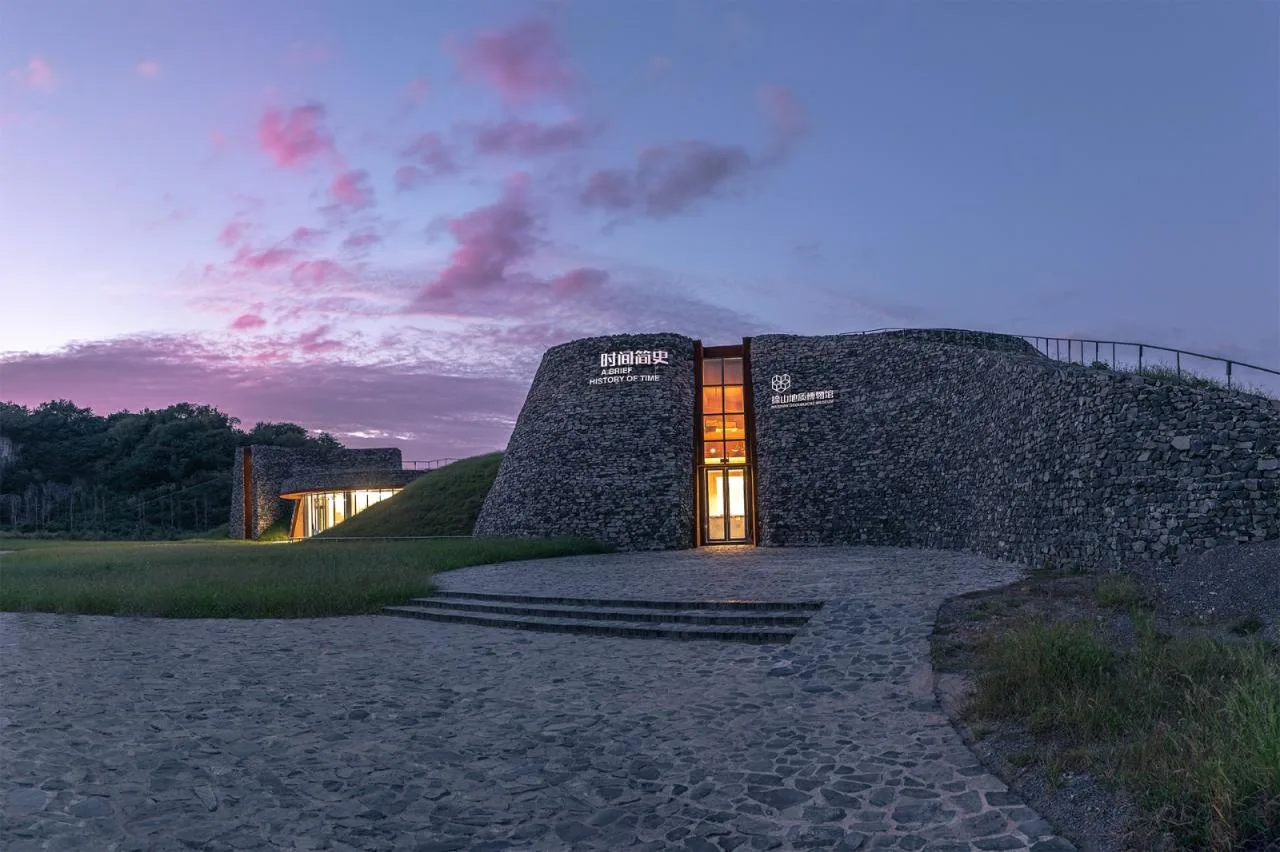
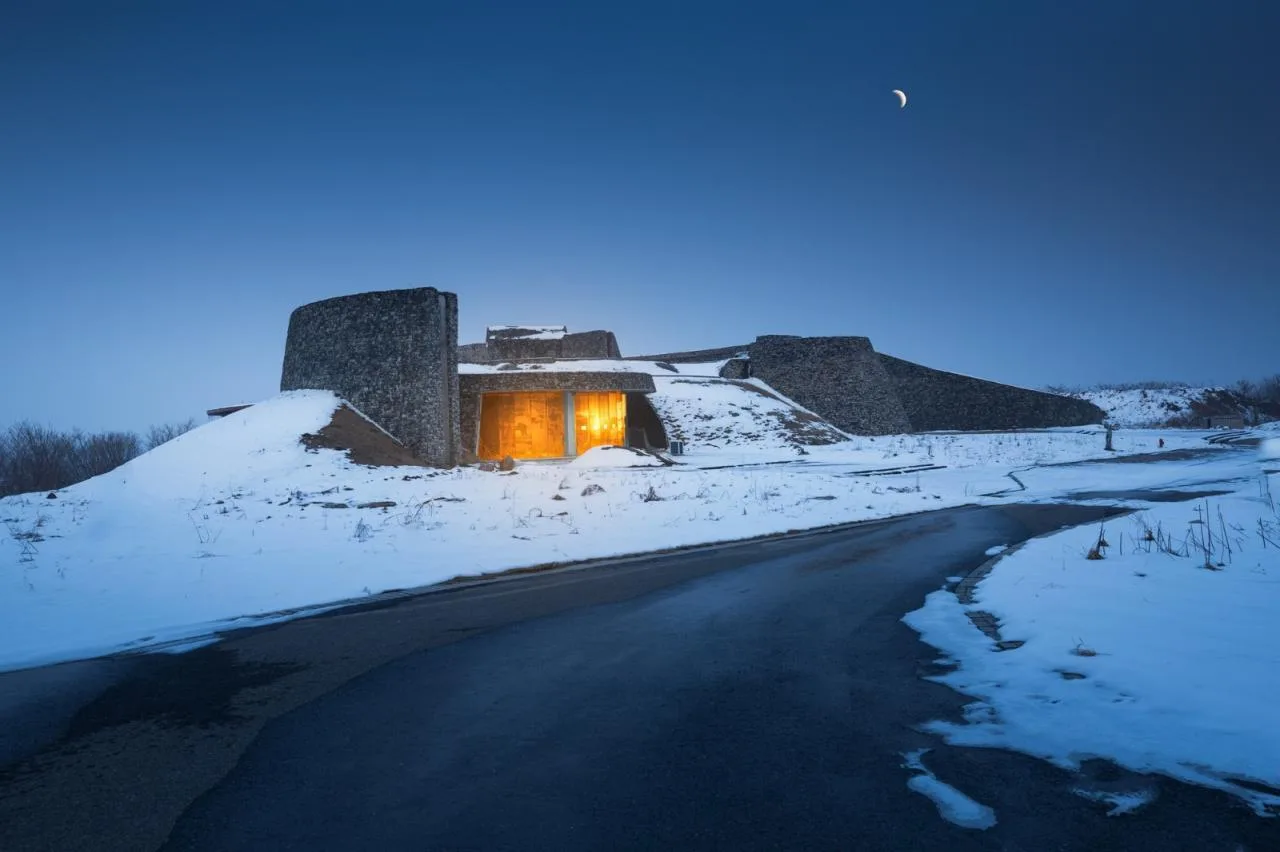
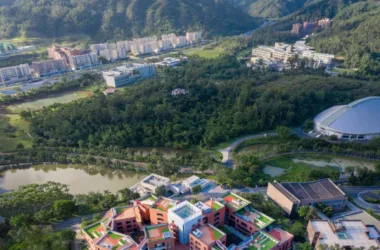
The Naishan Museum highlights the unique geological significance of the region. Its architectural design reflects the shield volcano shape, with the exterior clad in volcanic rock and stones sourced locally from Yashan, seamlessly integrating with the surrounding landscape. Inside, a spiral layout guides visitors through a series of exhibition halls along a circular path.
The museum’s roof doubles as a viewing platform where visitors can take in panoramic views of the volcanic rock column forest, enjoy picnics, stargaze, and reflect on past and future geological processes. Visitors can descend from the roof via external walkways or by sliding down grassy slopes, enriching the spatial experience and encouraging interaction between indoor and outdoor areas. The building’s exterior uses local materials such as basalt and blue bricks, which not only embody the area’s natural history but also reduce construction costs and maintenance.
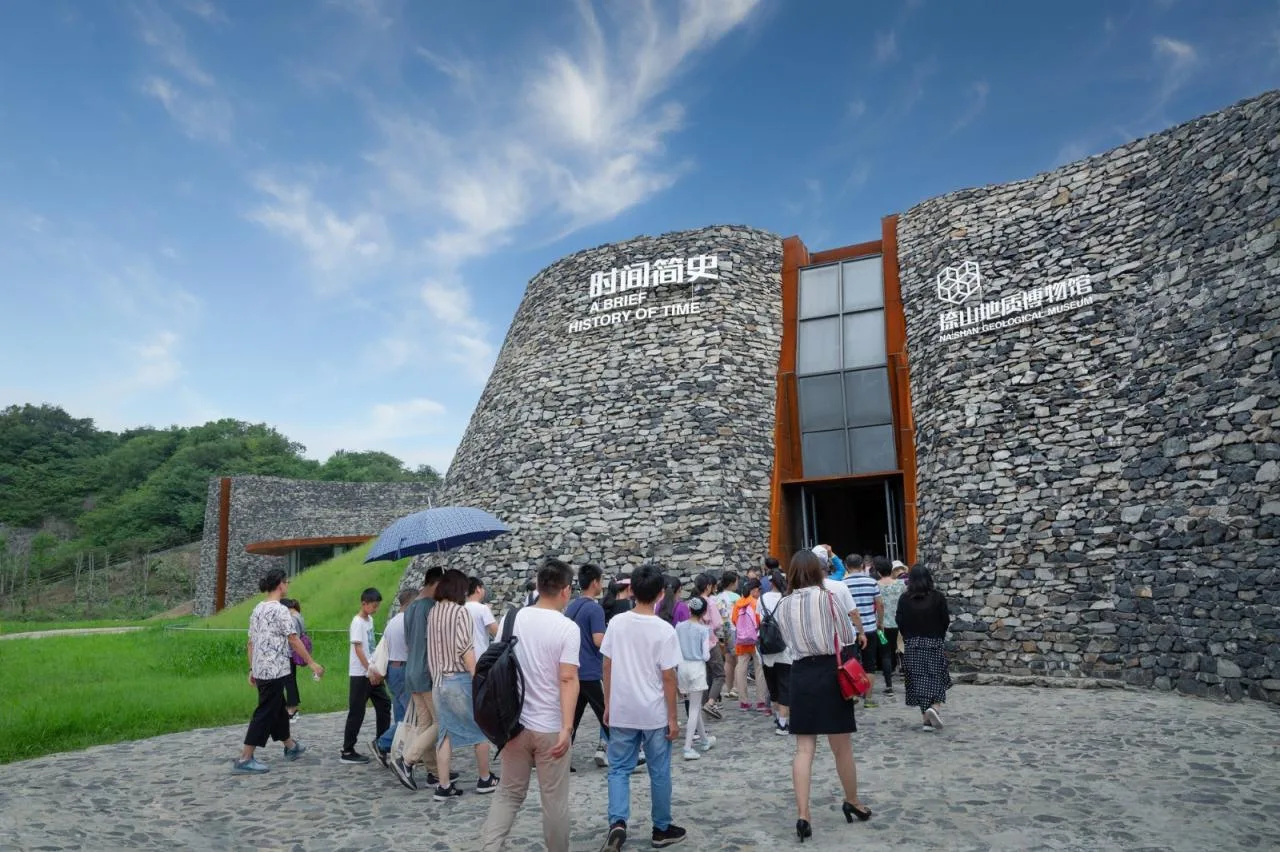
The museum incorporates state-of-the-art technology, combining sound, light, and multimedia to vividly present the geological evolution and local cultural history.
By integrating local elements with diverse facilities, the design enhances visitors’ understanding of ancient volcanic geology while emphasizing the importance of geological conservation. The museum offers both functional and sculptural qualities, providing a fresh way to explore the intersection of architecture and nature.
Project Drawings
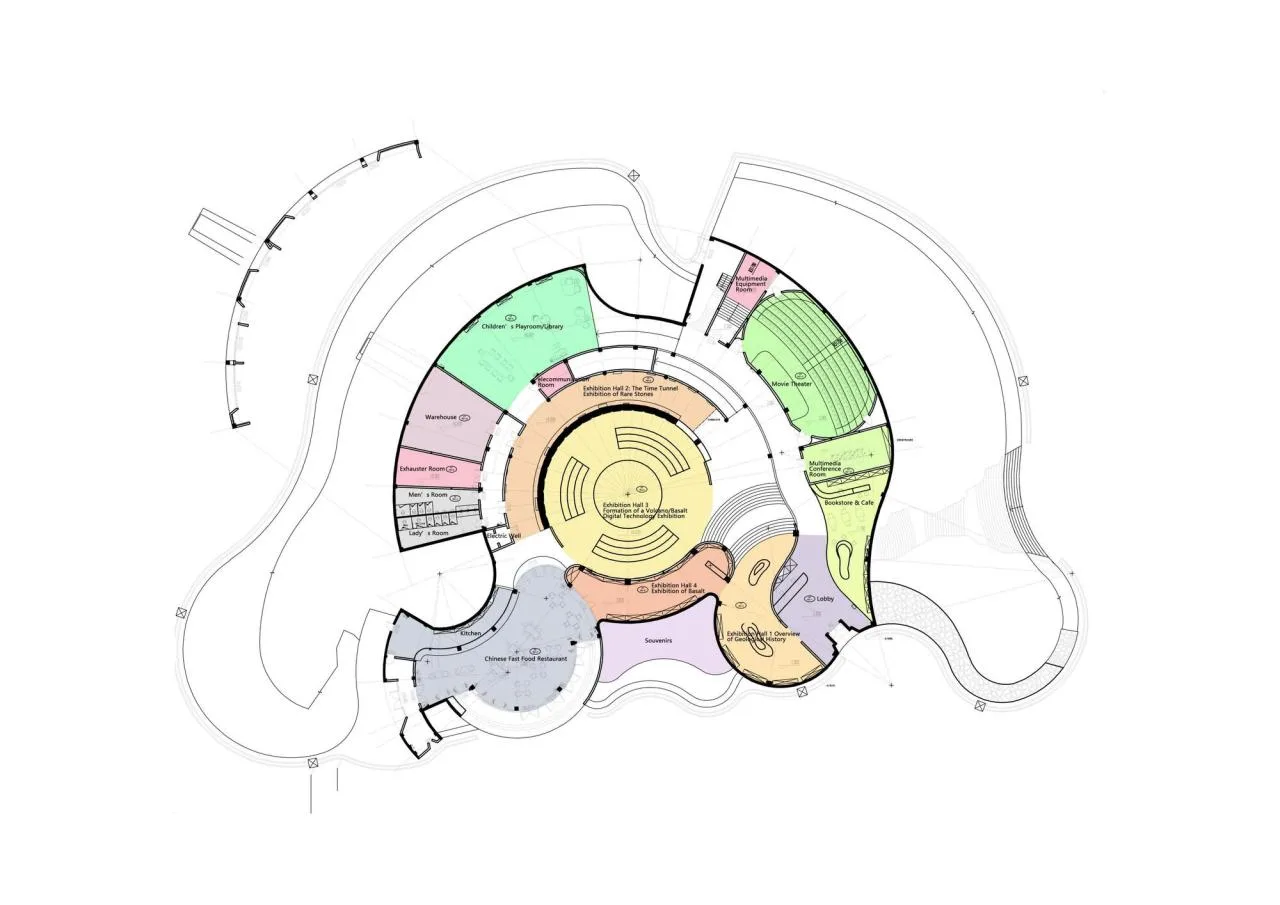
△ Plan View
Project Information
Architect: Xiamen Urban Environmental Design Project
Area: 3,126 m²
Year: 2021
Photographers: Feng Yingchun, Zhou Zehua
Chief Creative Designer: Min Yiming
Design Team: Lu Shulin, Dai Lijuan, Zhang Xiaoqian, Huang Xiaobin, Chen Yang
Owner: Yizheng Yashan Tourism Development Co., Ltd.
Landscape Design: Xiamen Urban Environmental Design Engineering Co., Ltd.
Partners: Xiamen Feilan Architectural Design Co., Ltd., Fujian Southeast Architectural Design Institute
Location: Yangzhou














Must log in before commenting!
Sign Up