
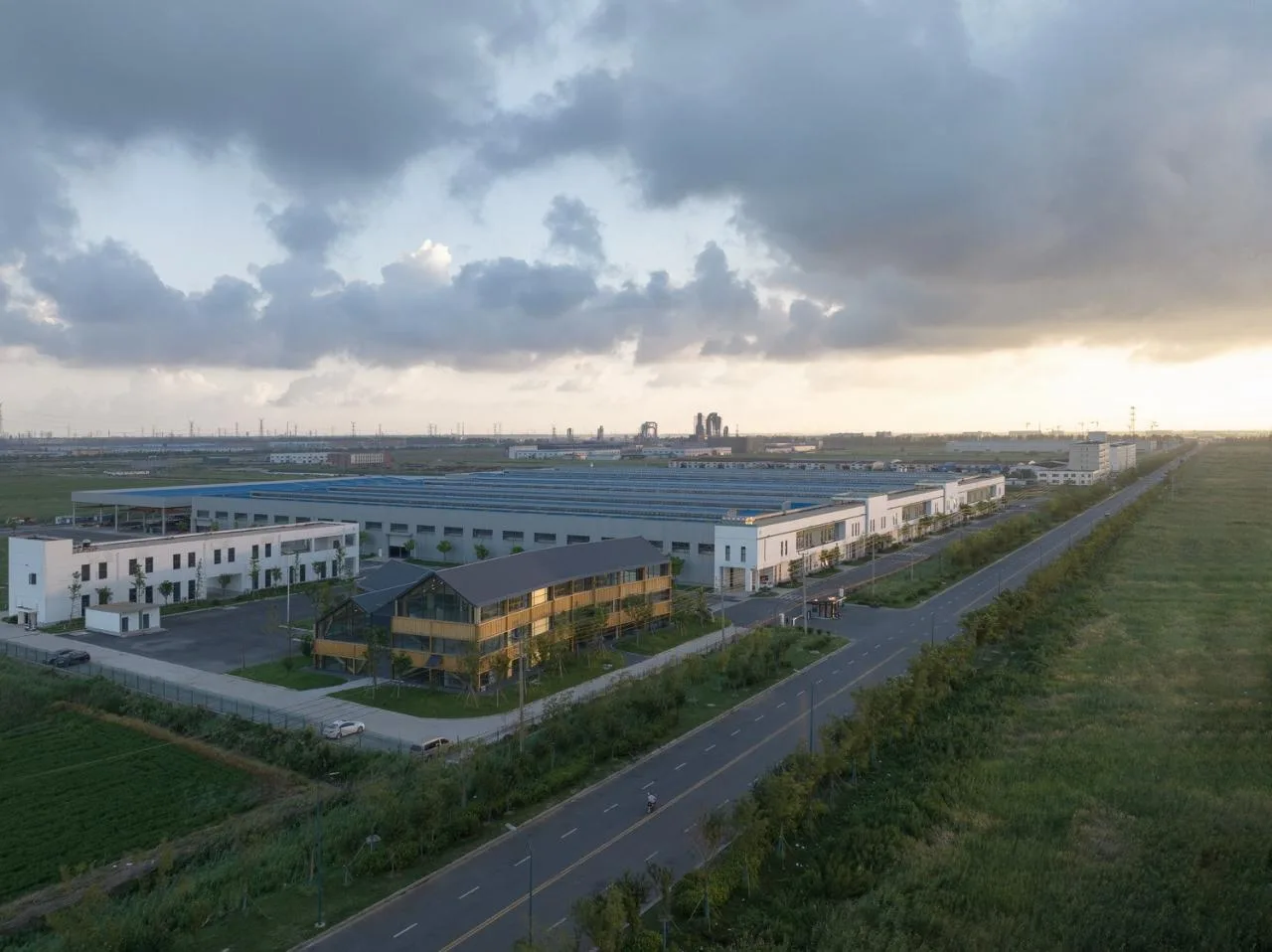
Woodhouse is an exploration of how wood can be used to create modern homes. After a long journey of experimentation, we have returned to three fundamental principles.
1. Strong Material, Soft Material
Wood is one of the oldest building materials, used almost as long as it has been fashioned into tools. Among craftsmen, carpenters are perhaps the most thoughtful users of this versatile material. Historically, wood has been used to construct palaces, furniture, and utensils. It is lightweight, easy to work with, and widely available wherever trees grow.
Wood offers a warm touch, natural color, and inherent toughness, making it a friend to humans. Yet, it hasn’t become mainstream in contemporary construction. Modern cities are dominated by cold forests of concrete and steel. Reinforced concrete is simple—just pour and let it solidify—while wood demands careful attention to the overlapping joints and surface finishes of its components.
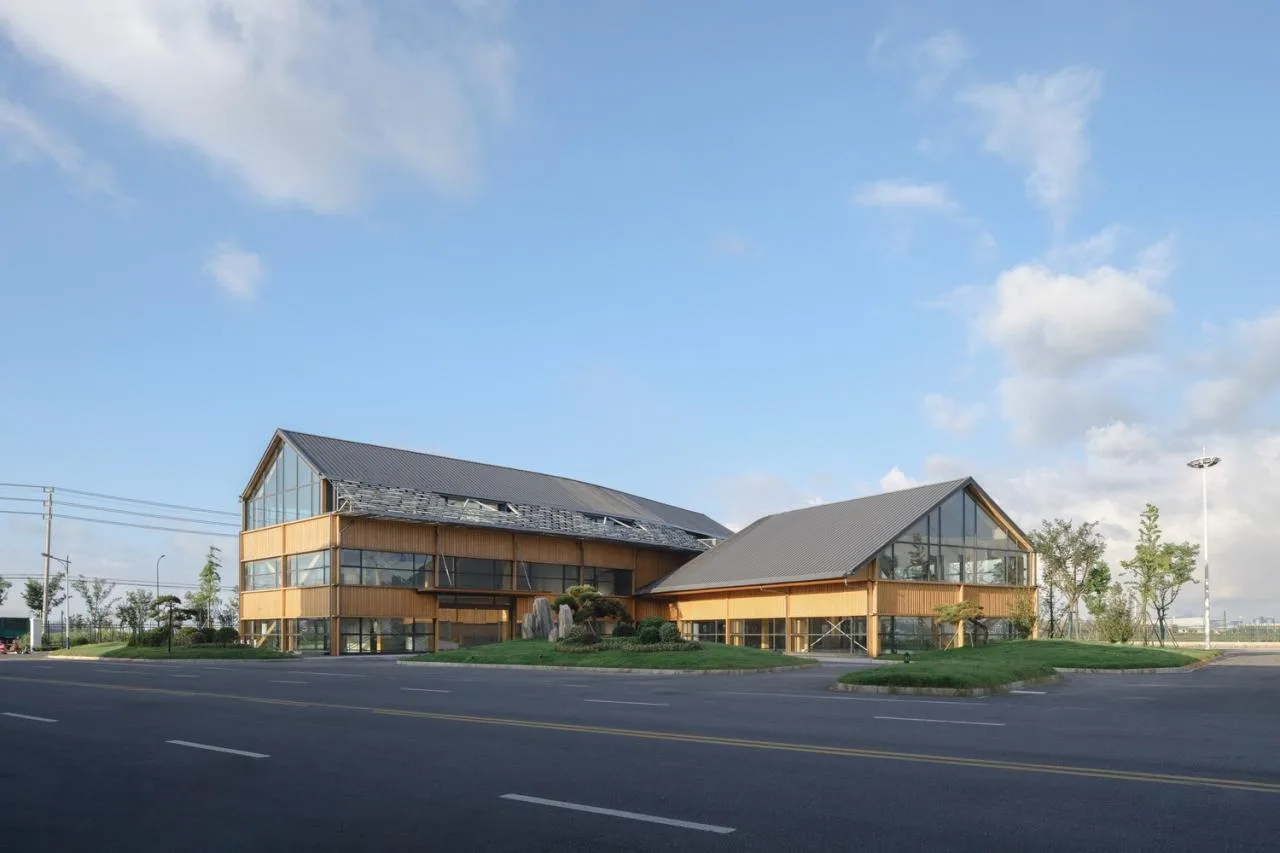
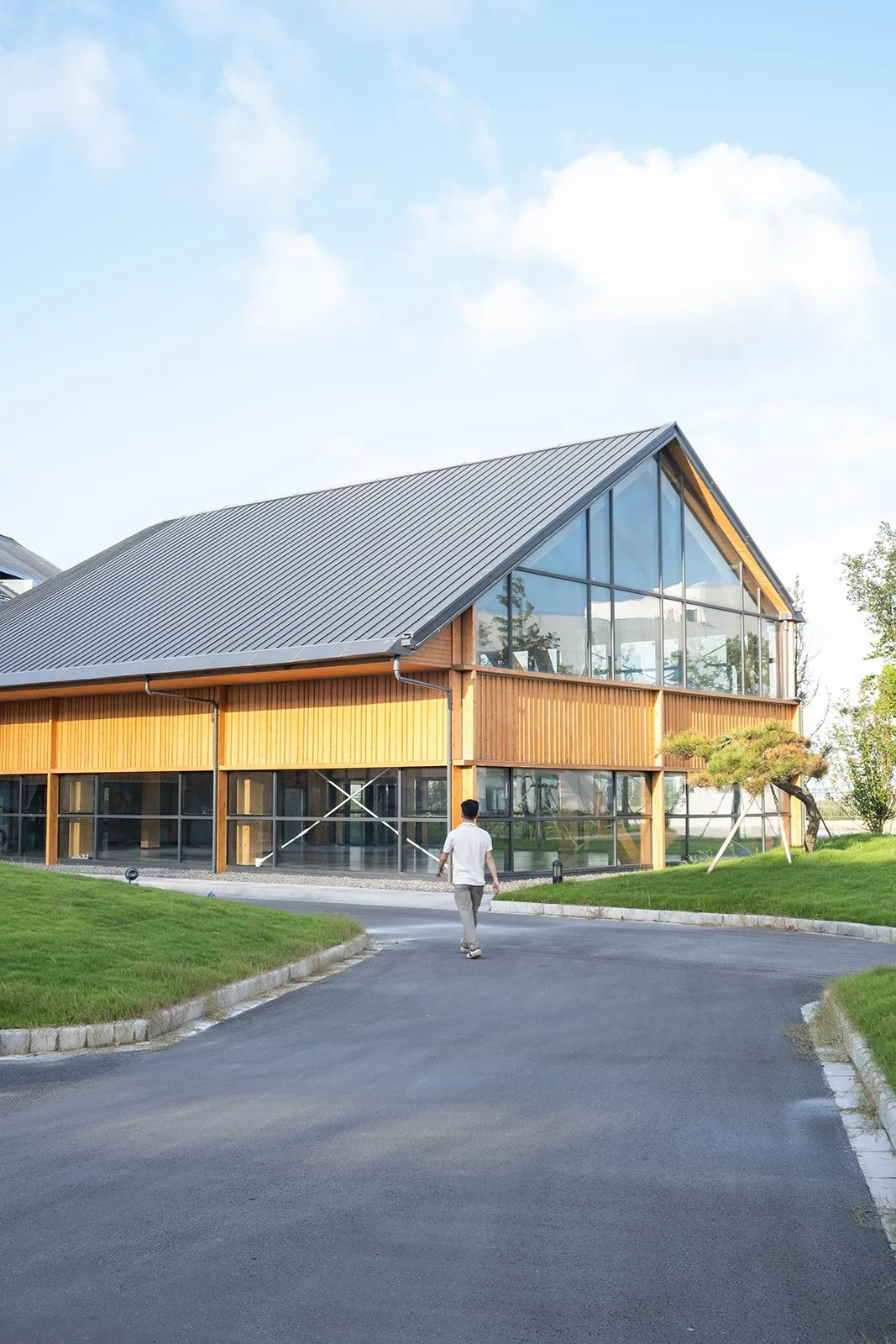
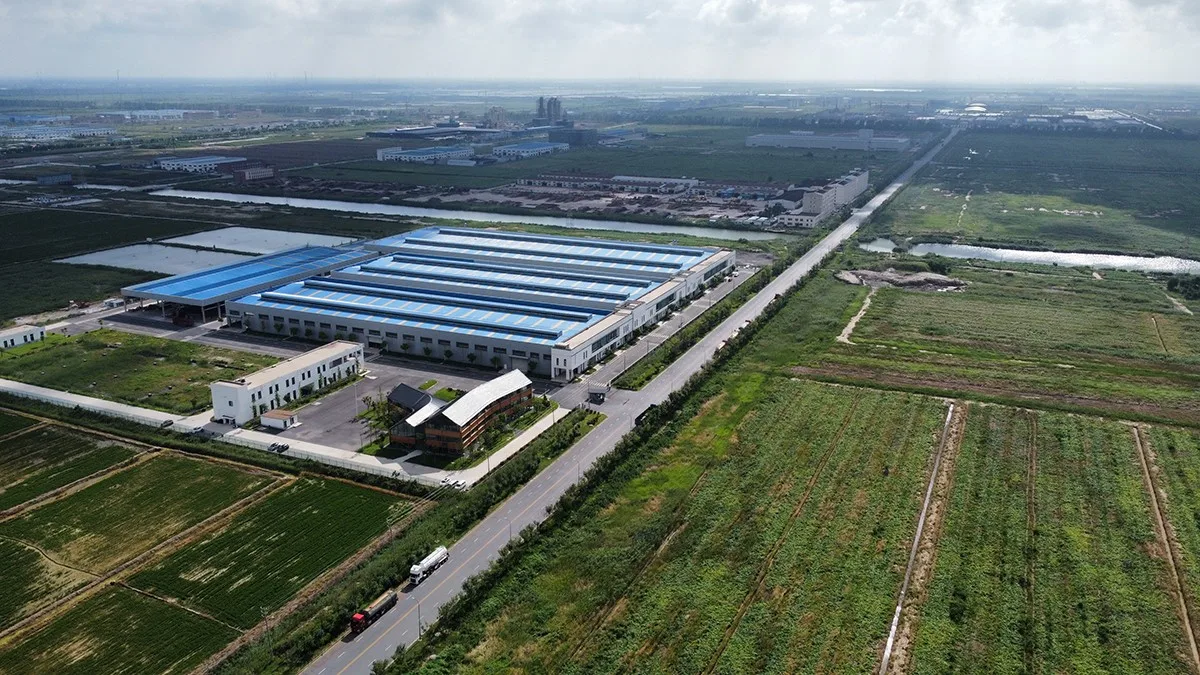
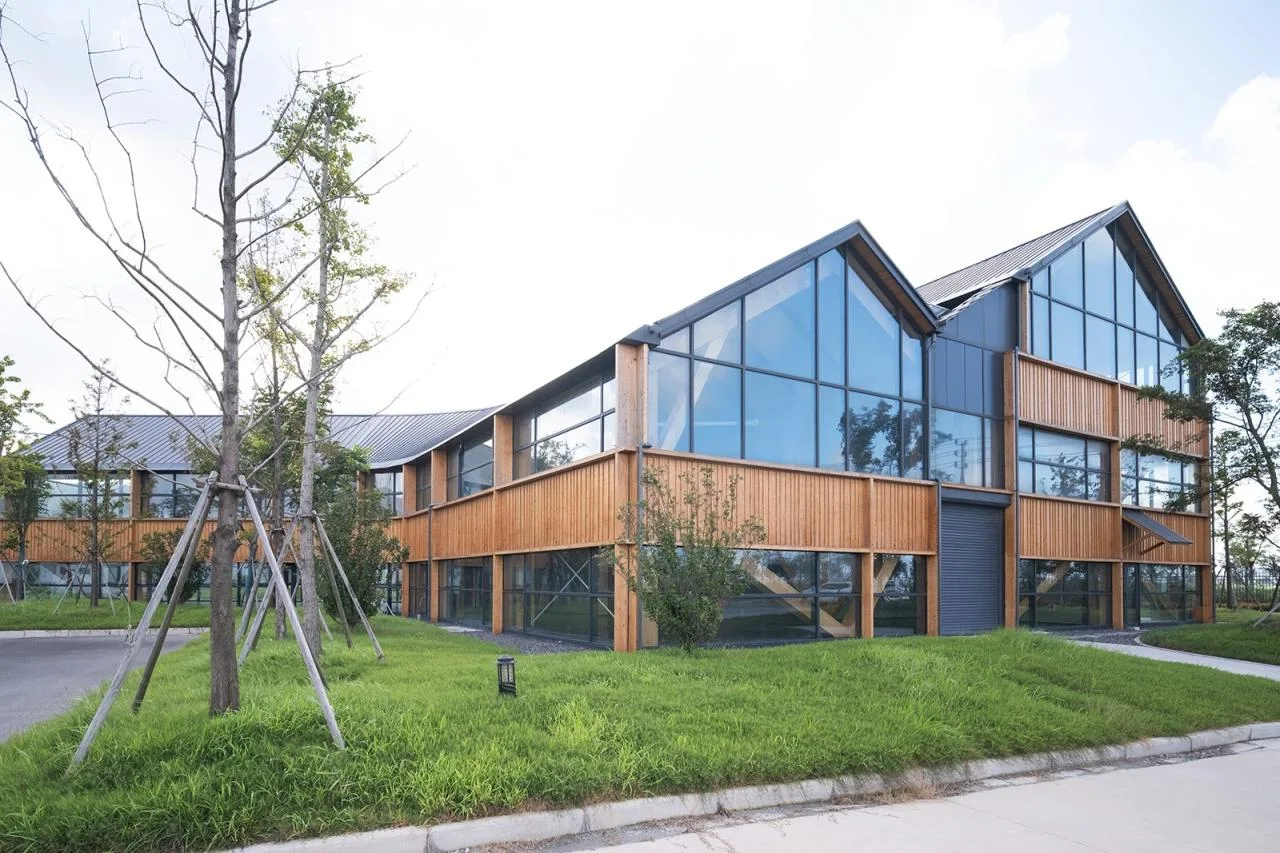
At CATS, we embrace the softness of wood and treasure the joy it brings to design. With over a decade of experience in wooden structure design, our “Wooden Home” project in Dafeng, Yancheng, serves as a research and development center adjacent to a wooden components factory.
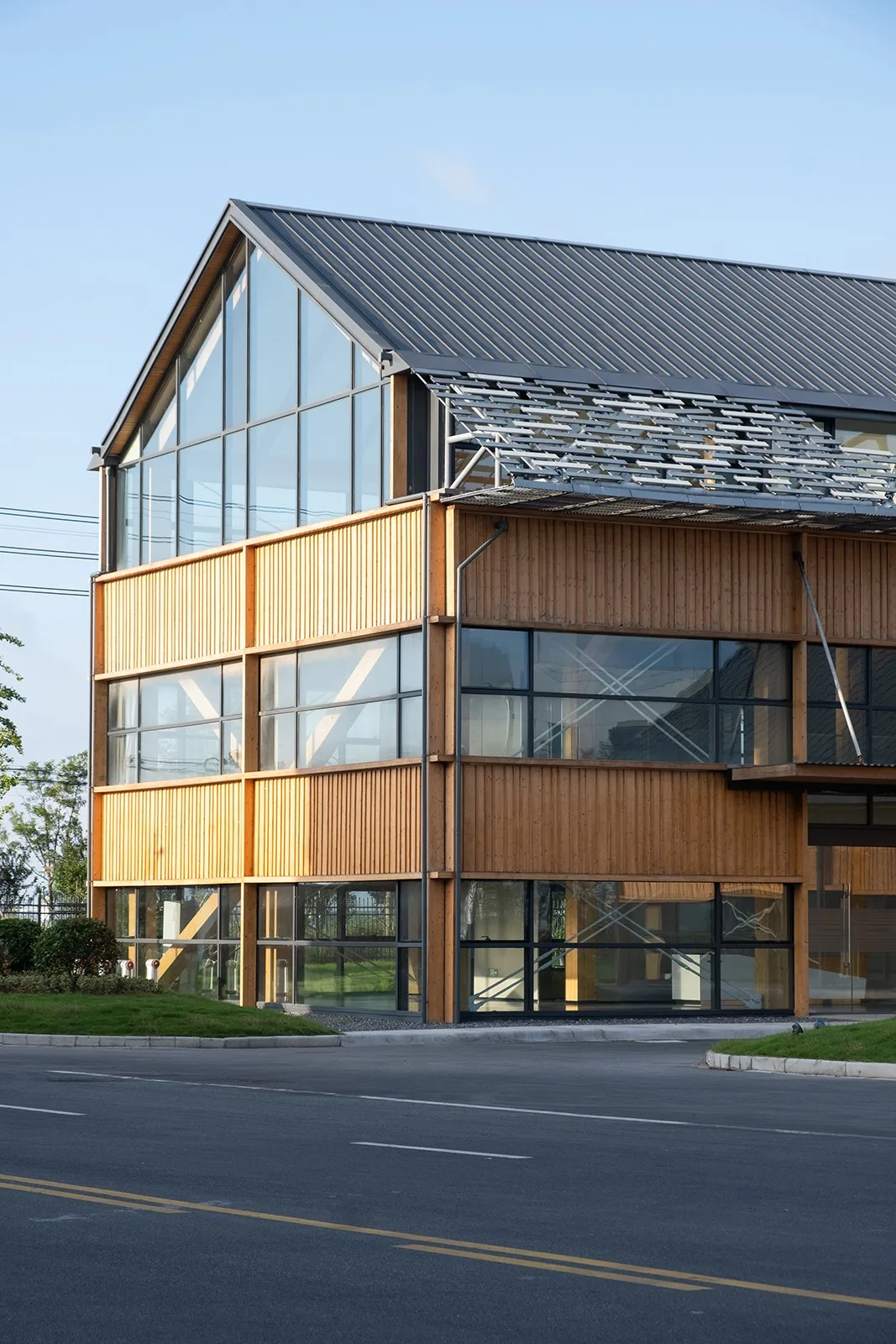
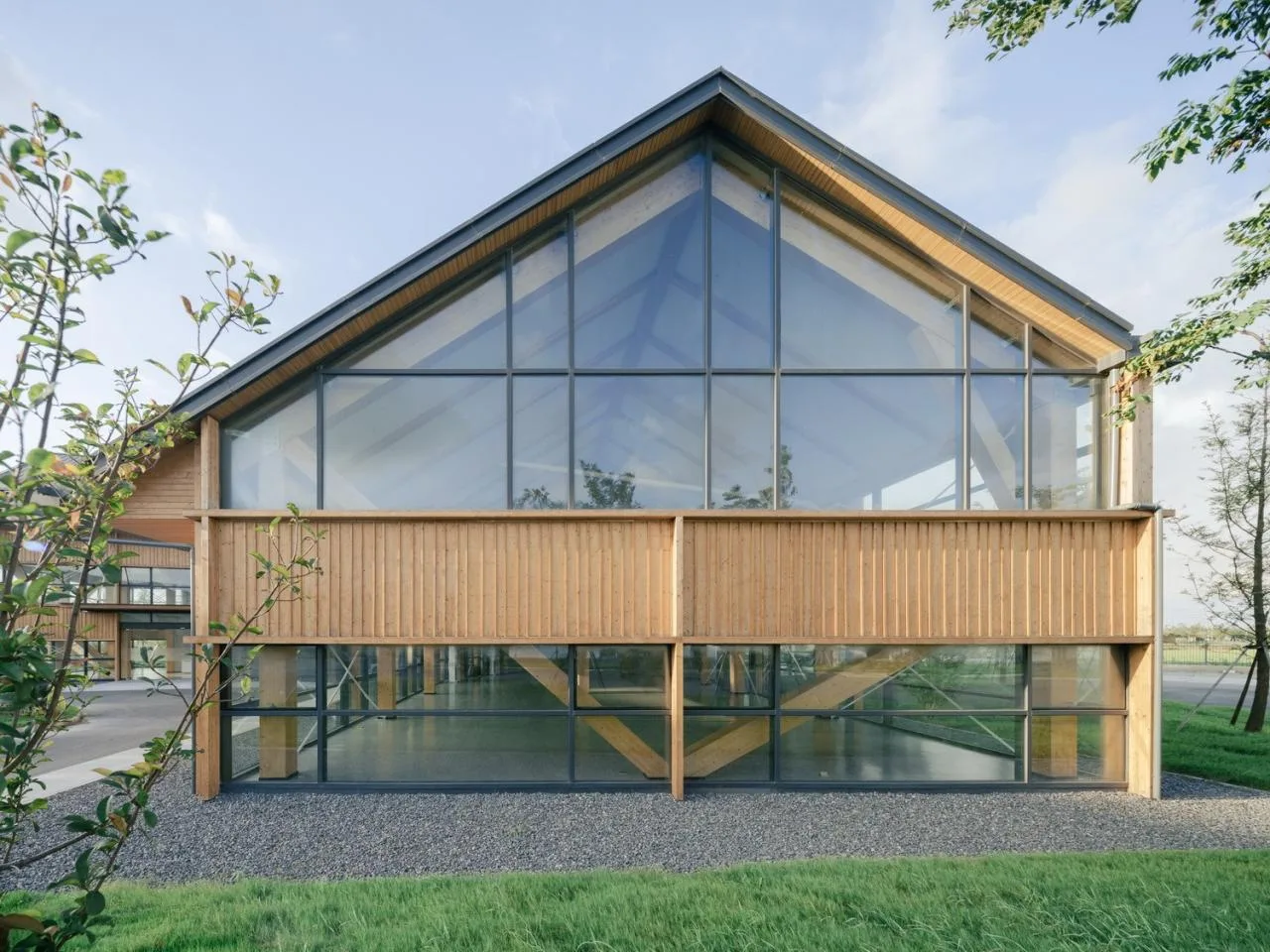
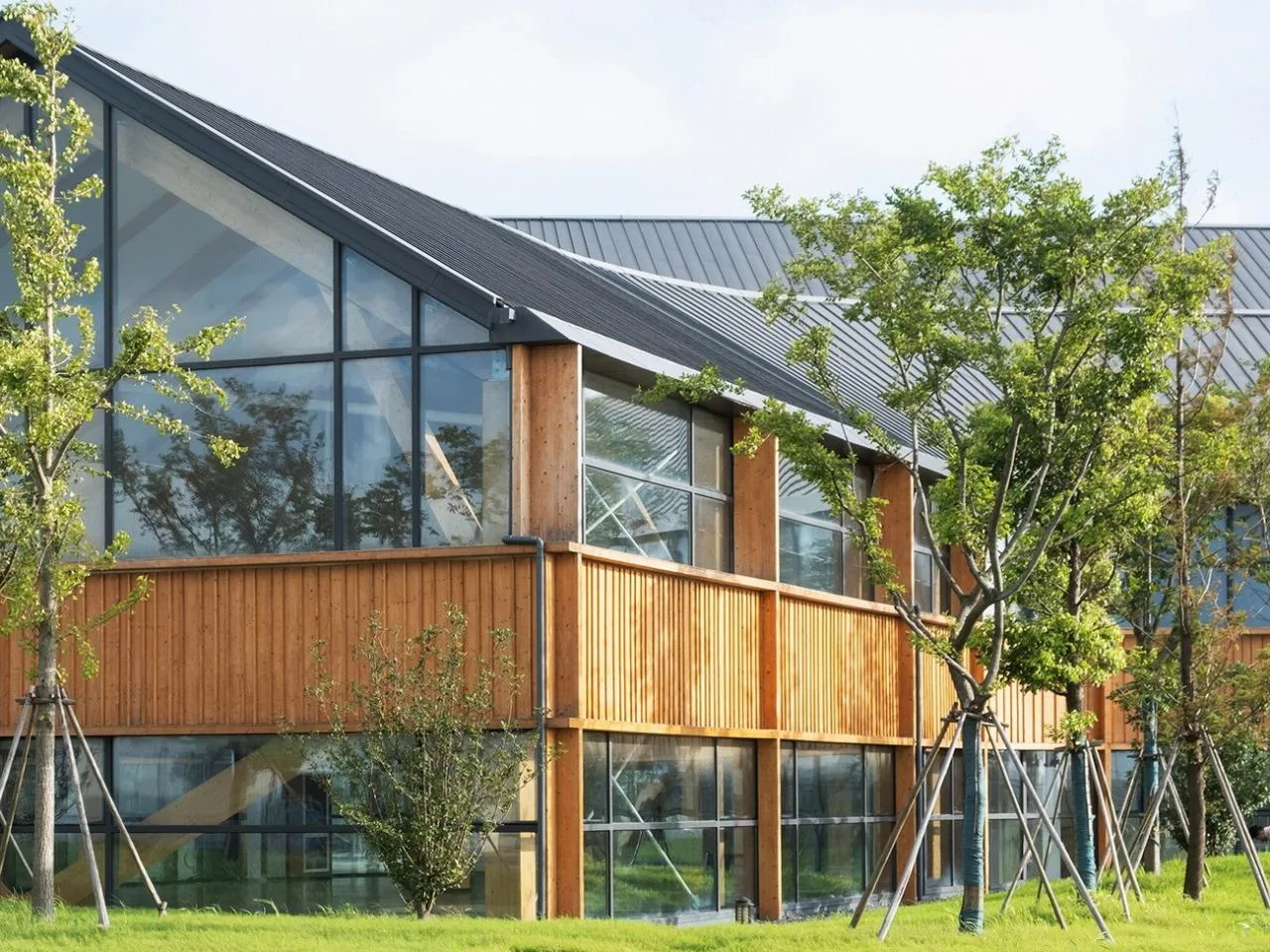
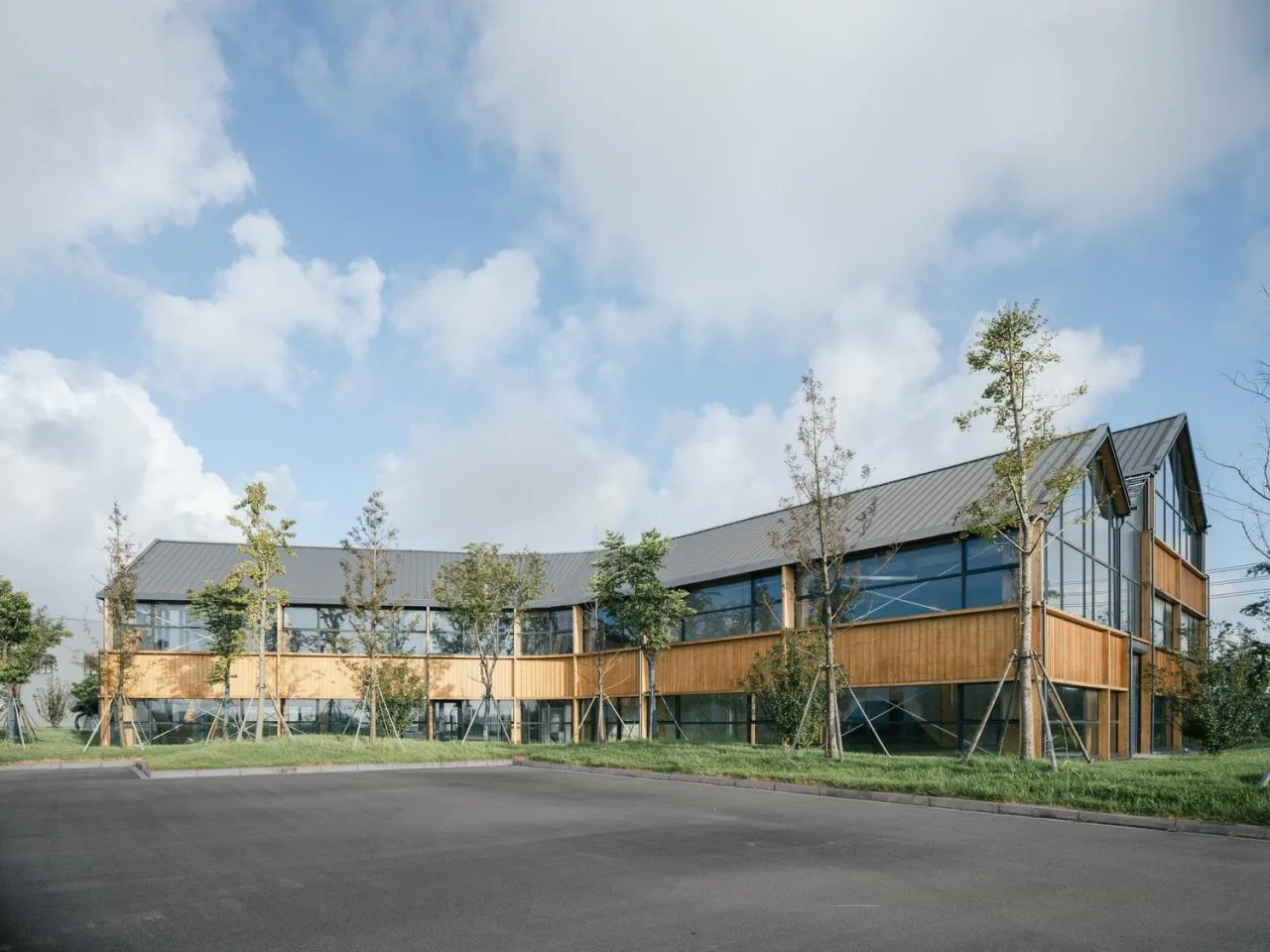
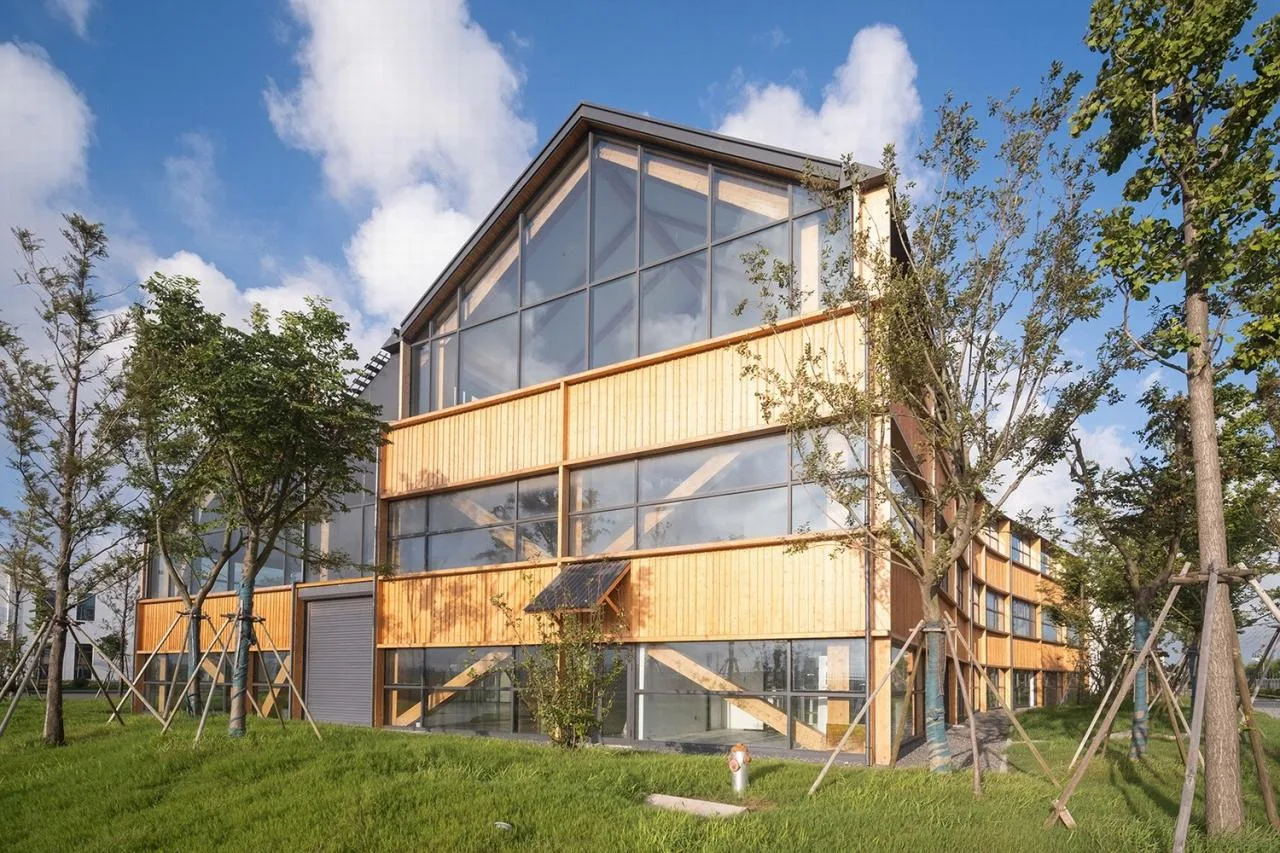
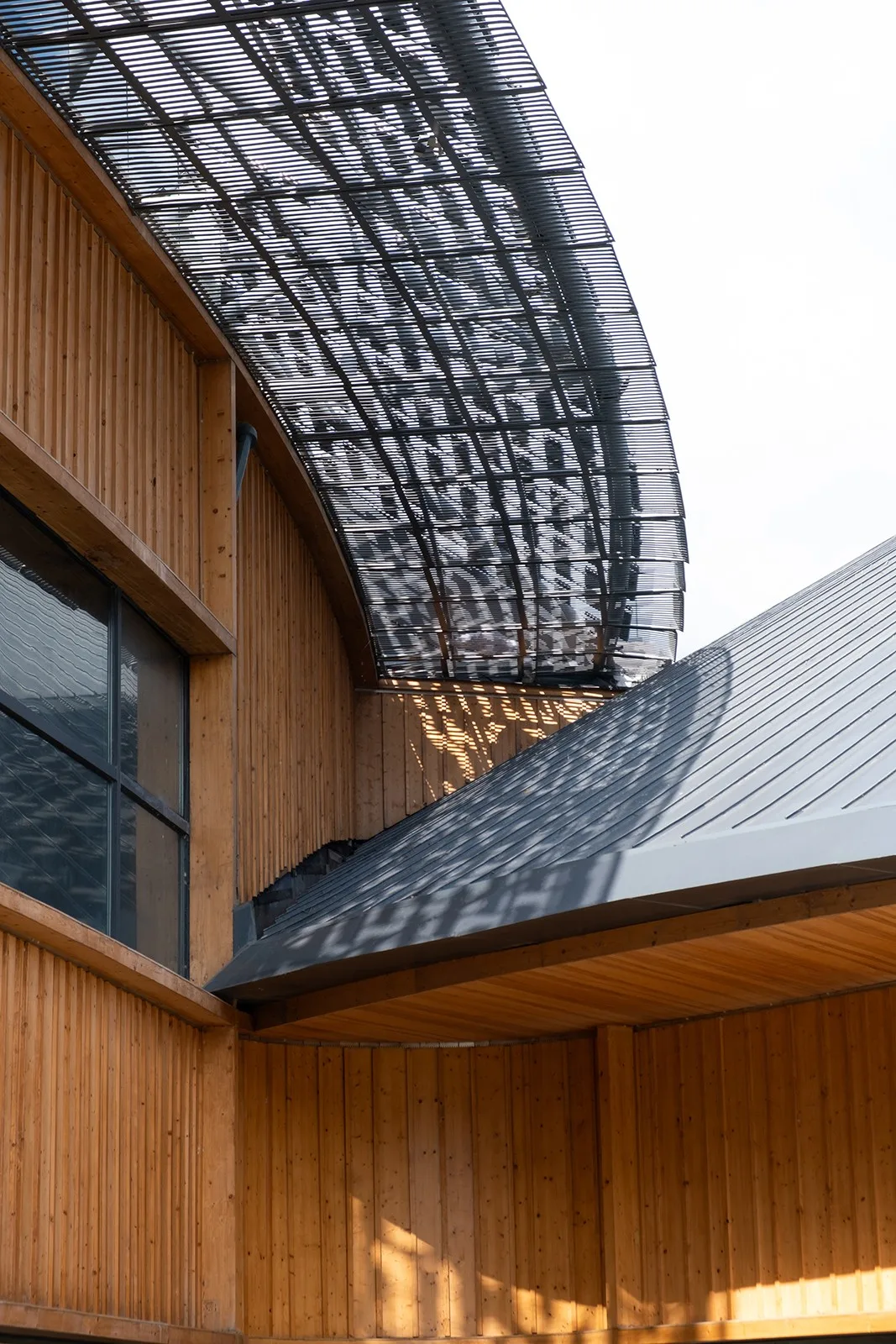
For this project, we used glued laminated timber and cross-laminated timber (CLT) for both structure and finish. The structural components are fully enclosed indoors, protecting them from climate-related wear. Outside, we boldly experiment with various wood veneer applications, allowing the surfaces to change over time through exposure to scenery, rain, and dew. This gives the house a living quality as time passes.
2. Precise Structure and Geometry
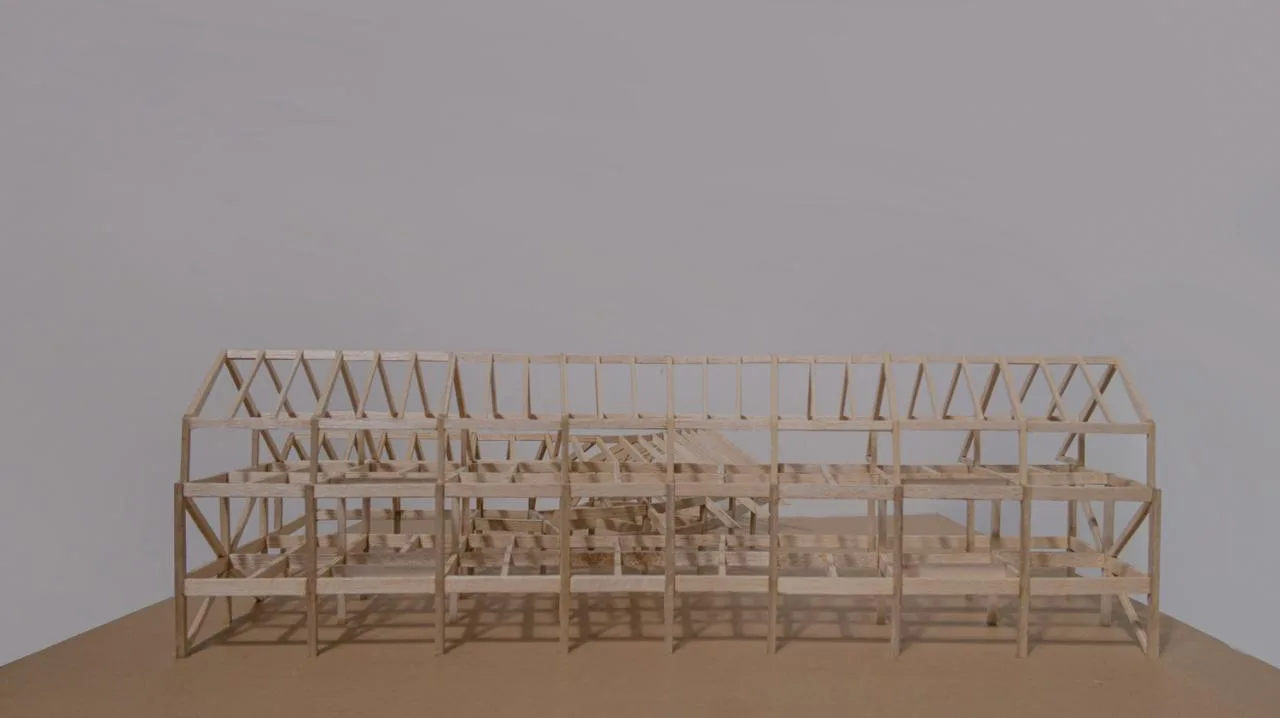
The structural concept is based on three key dimensions: 13m, 6m, and 2m.
- 13 meters is the ideal depth for office buildings in northern Jiangsu, allowing ample sunlight from both the north and south.
- 6 meters corresponds to the standard span for laminated wood beams and columns, aligning with raw material sizes for efficient production.
- 2 meters is the basic vertical unit, defining floor heights and horizontal sightlines near the floor, as well as the wood veneer spacing between floors.
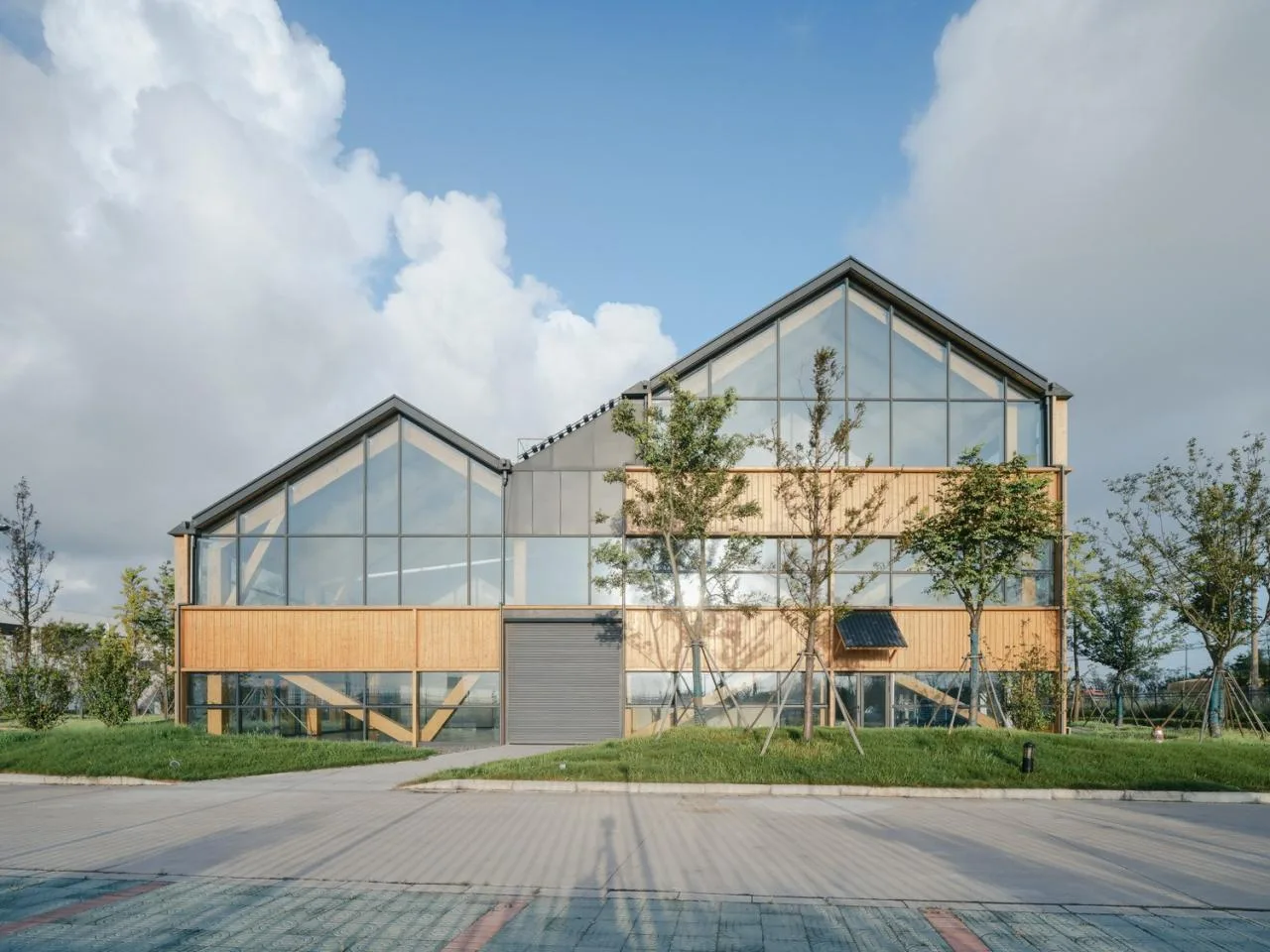
The high-ceiling space for research experiments reaches five times the 2m unit, and the highest ridge peaks at seven times that height.
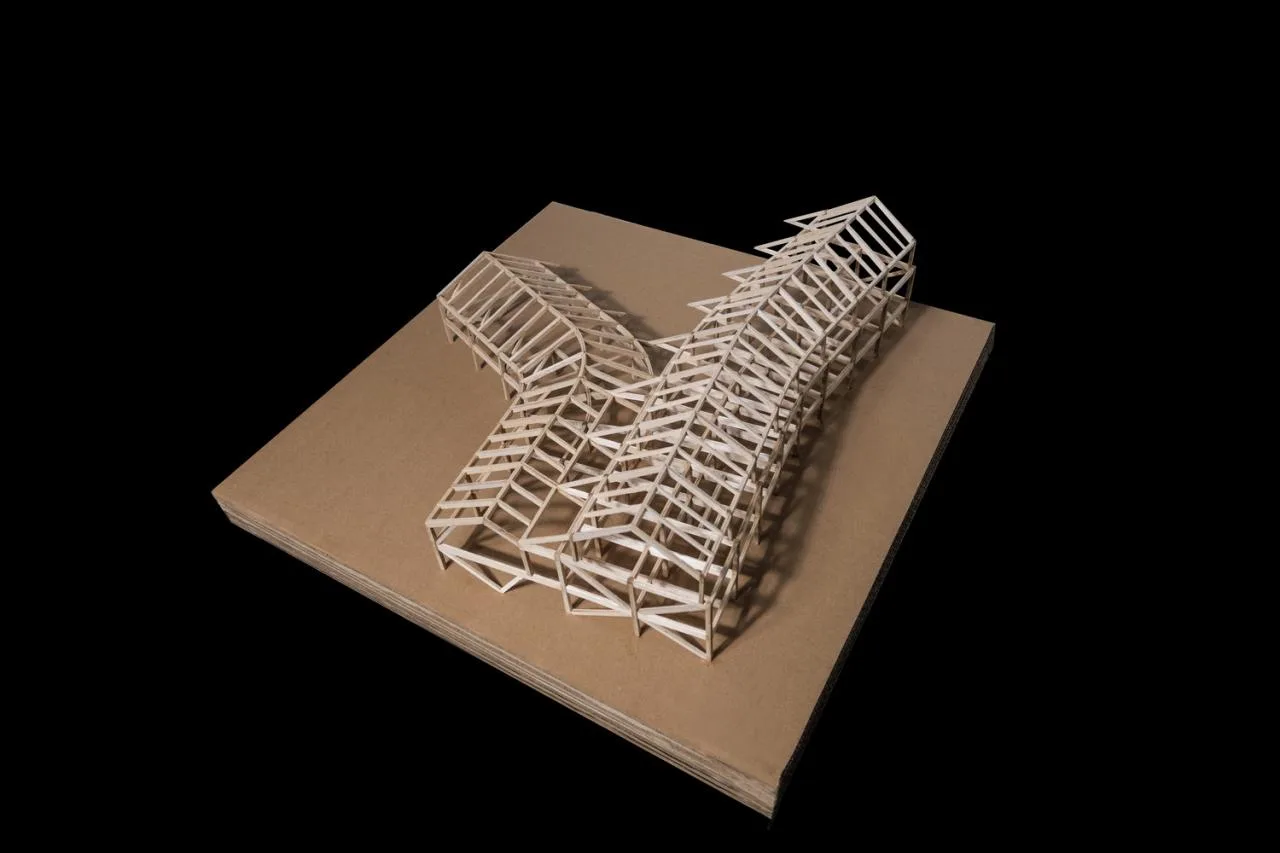
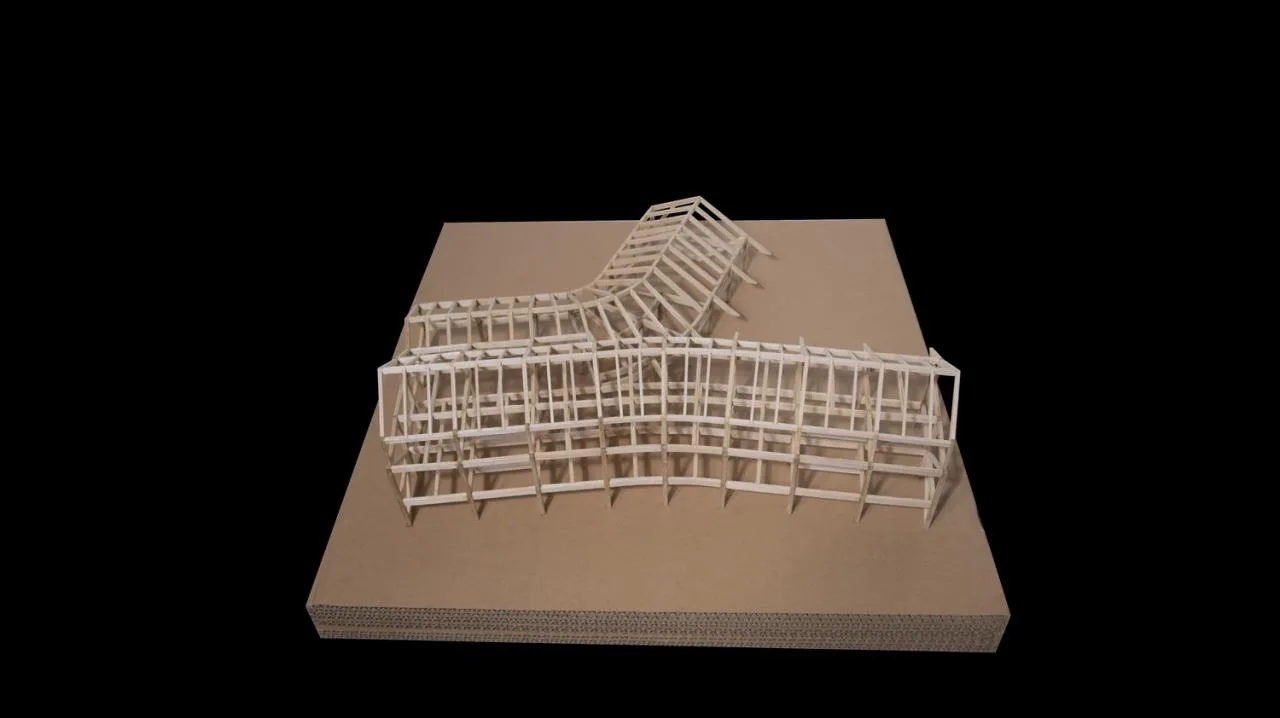
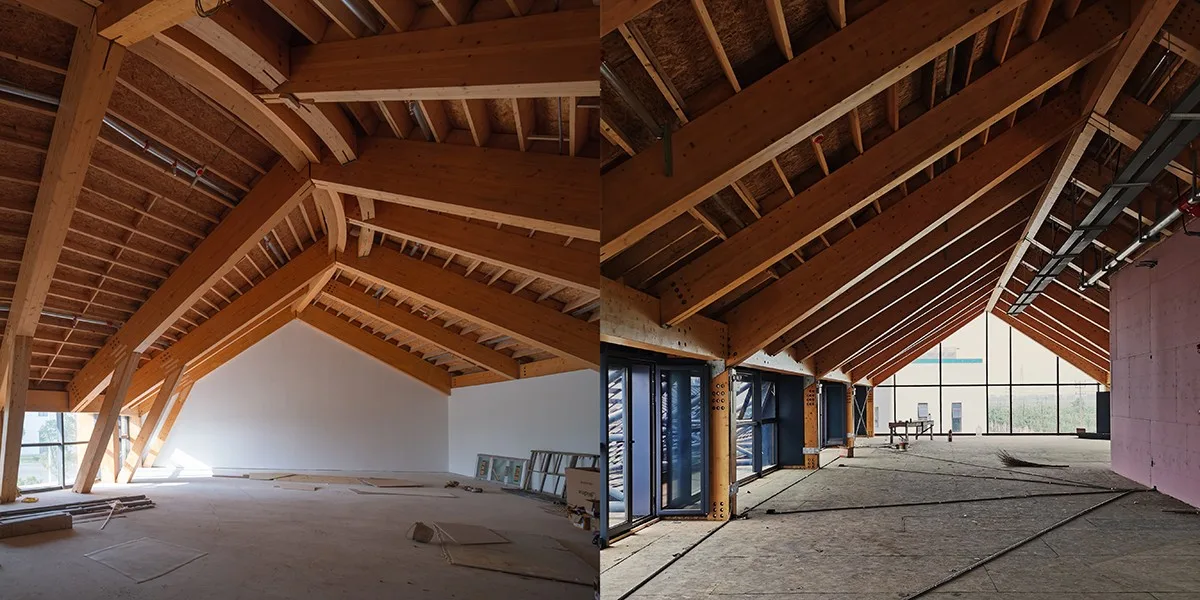
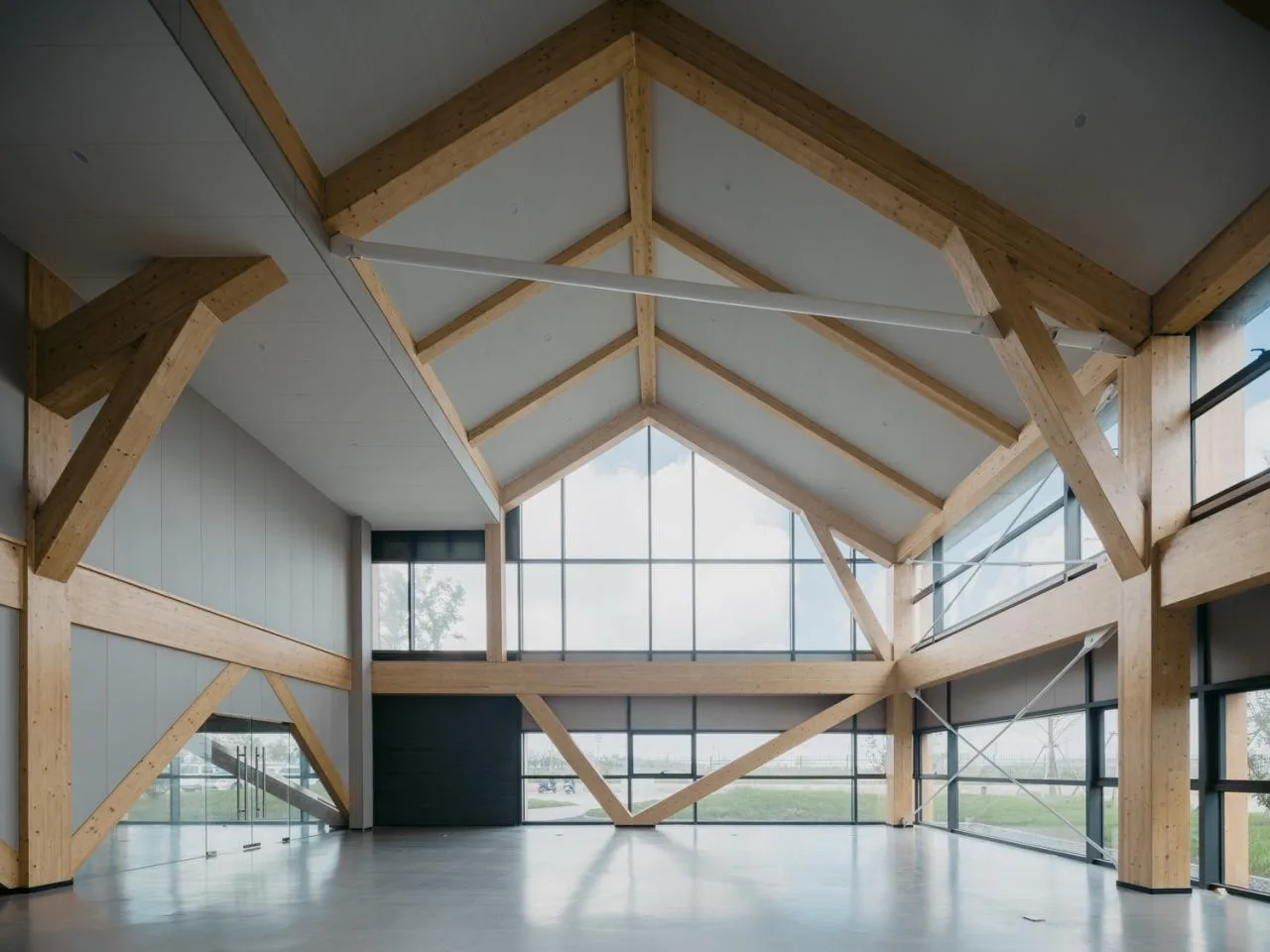
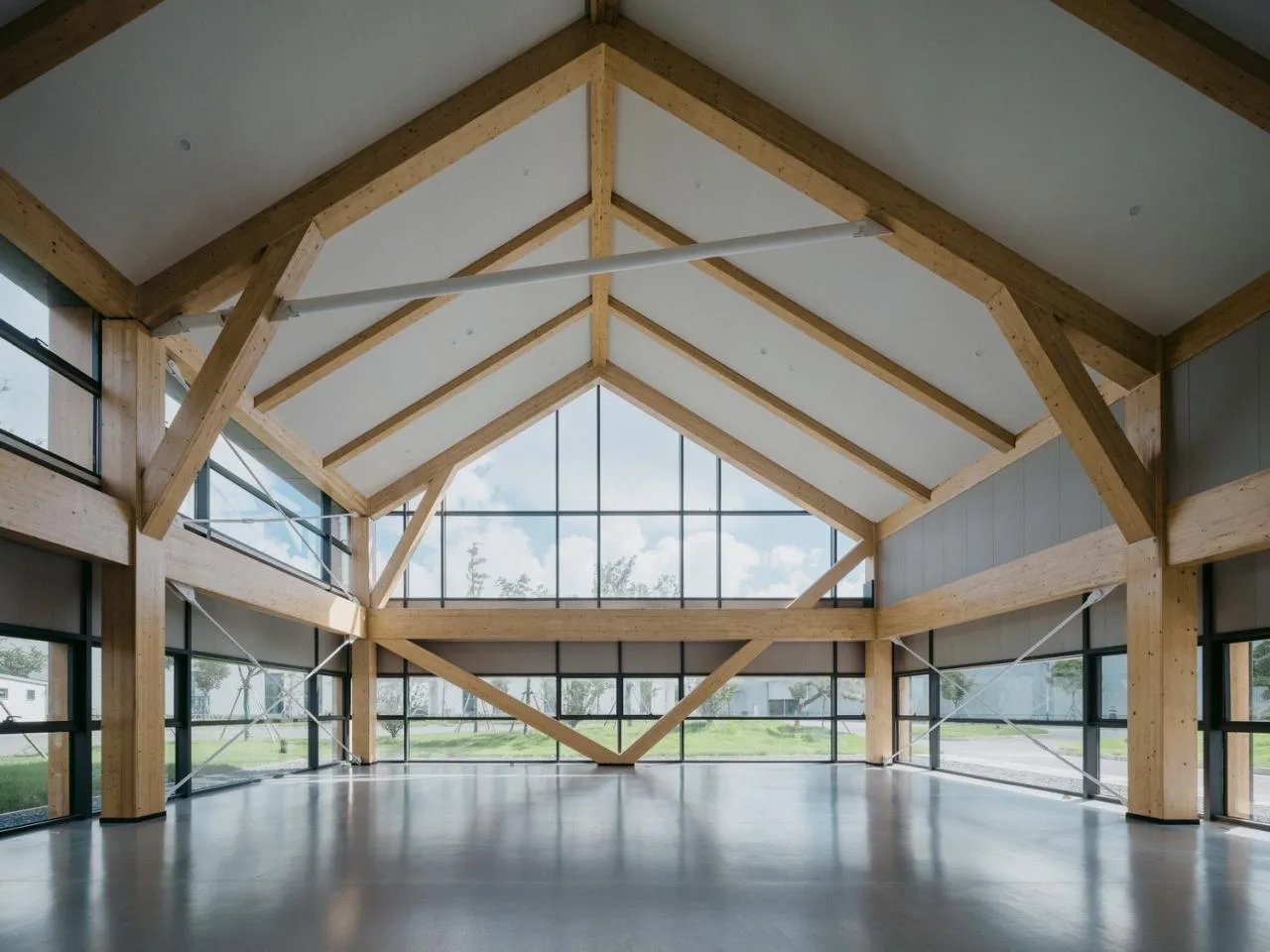
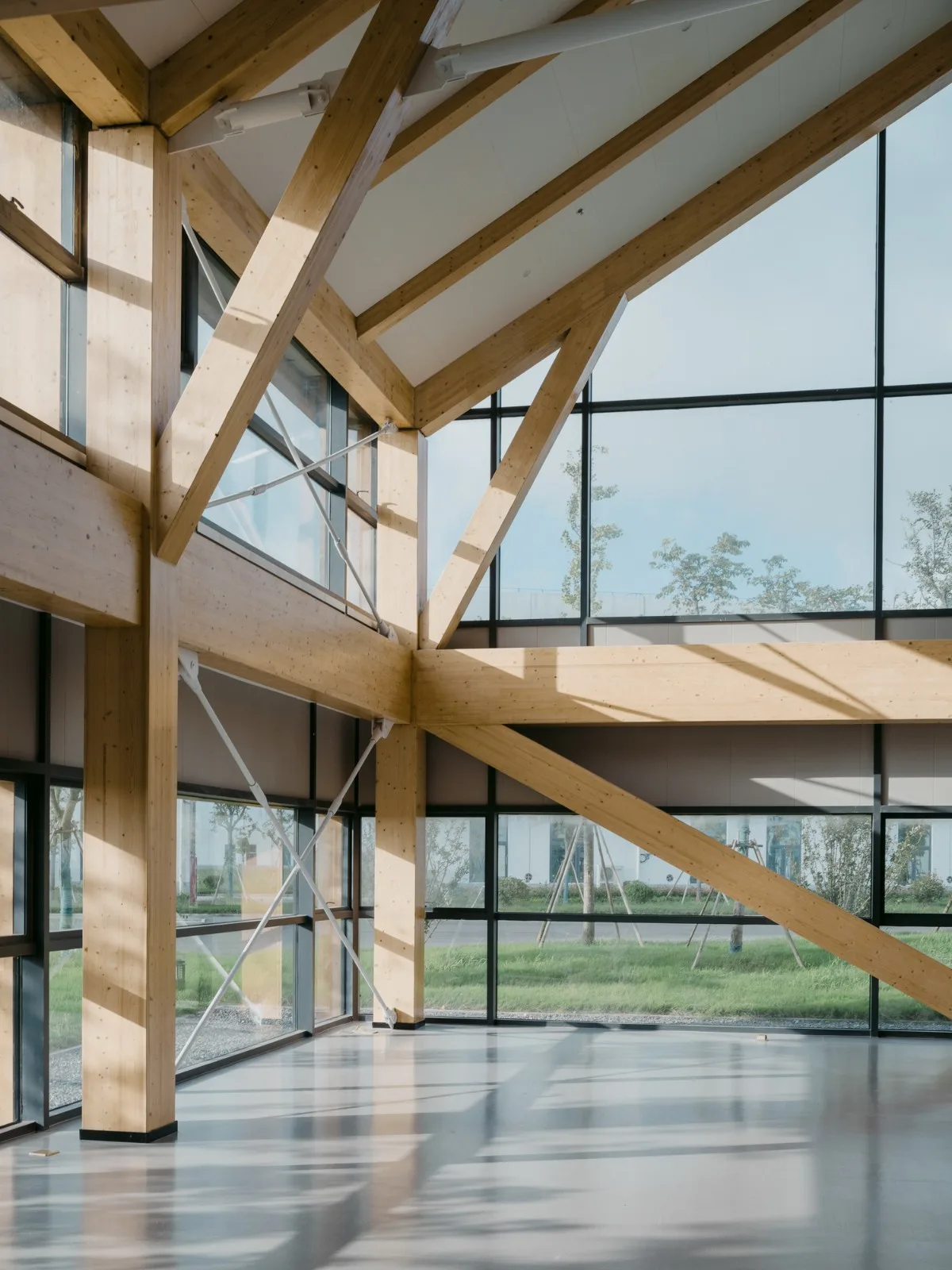
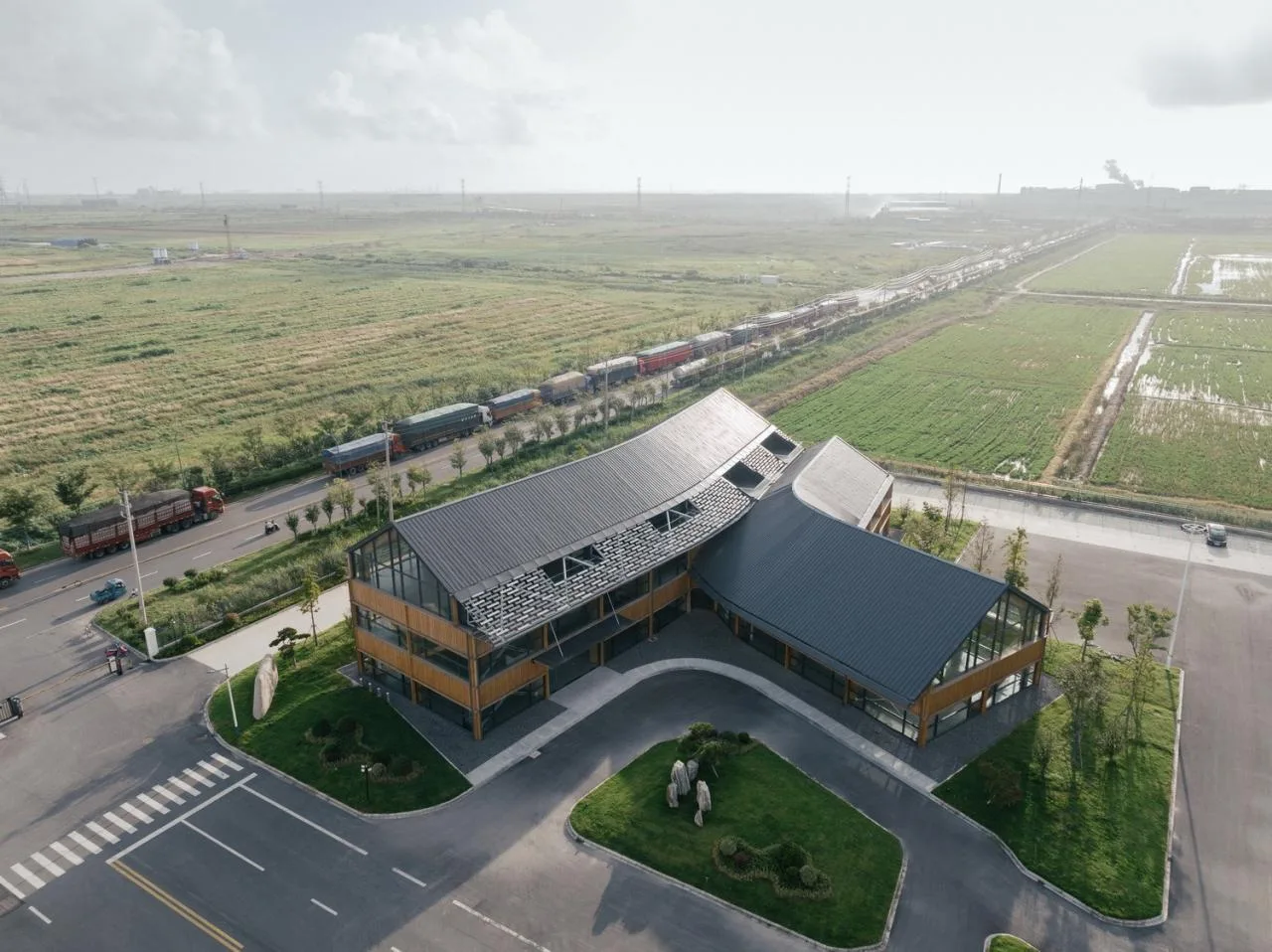
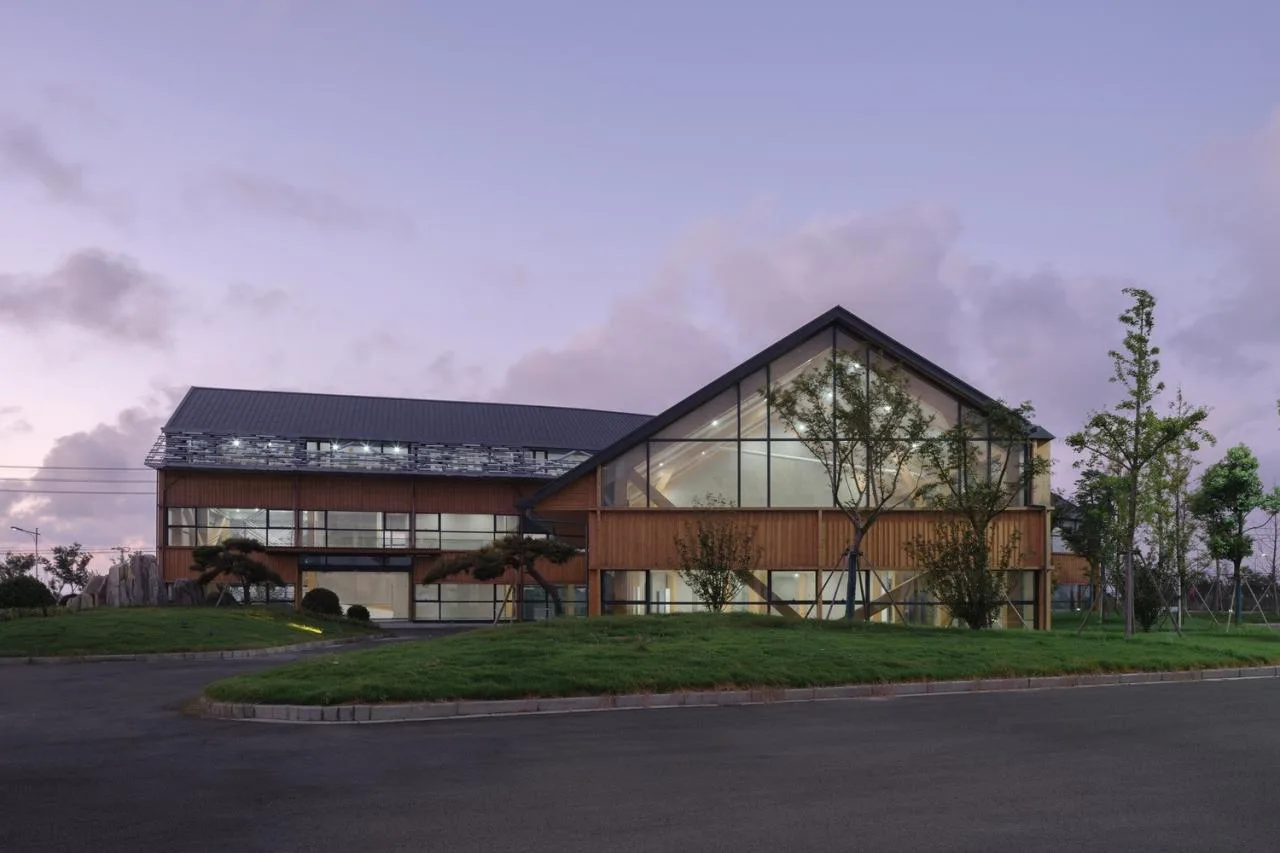
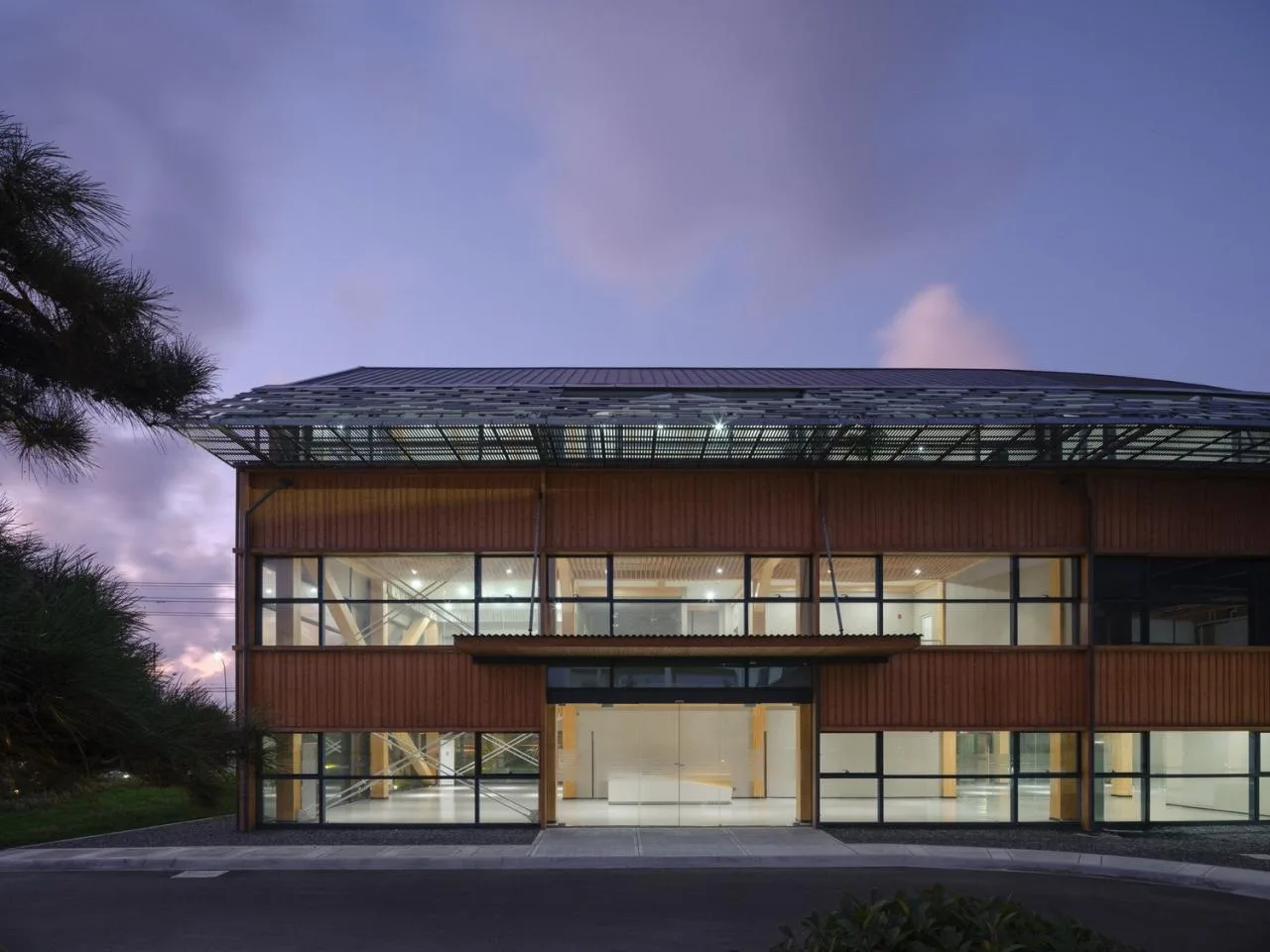
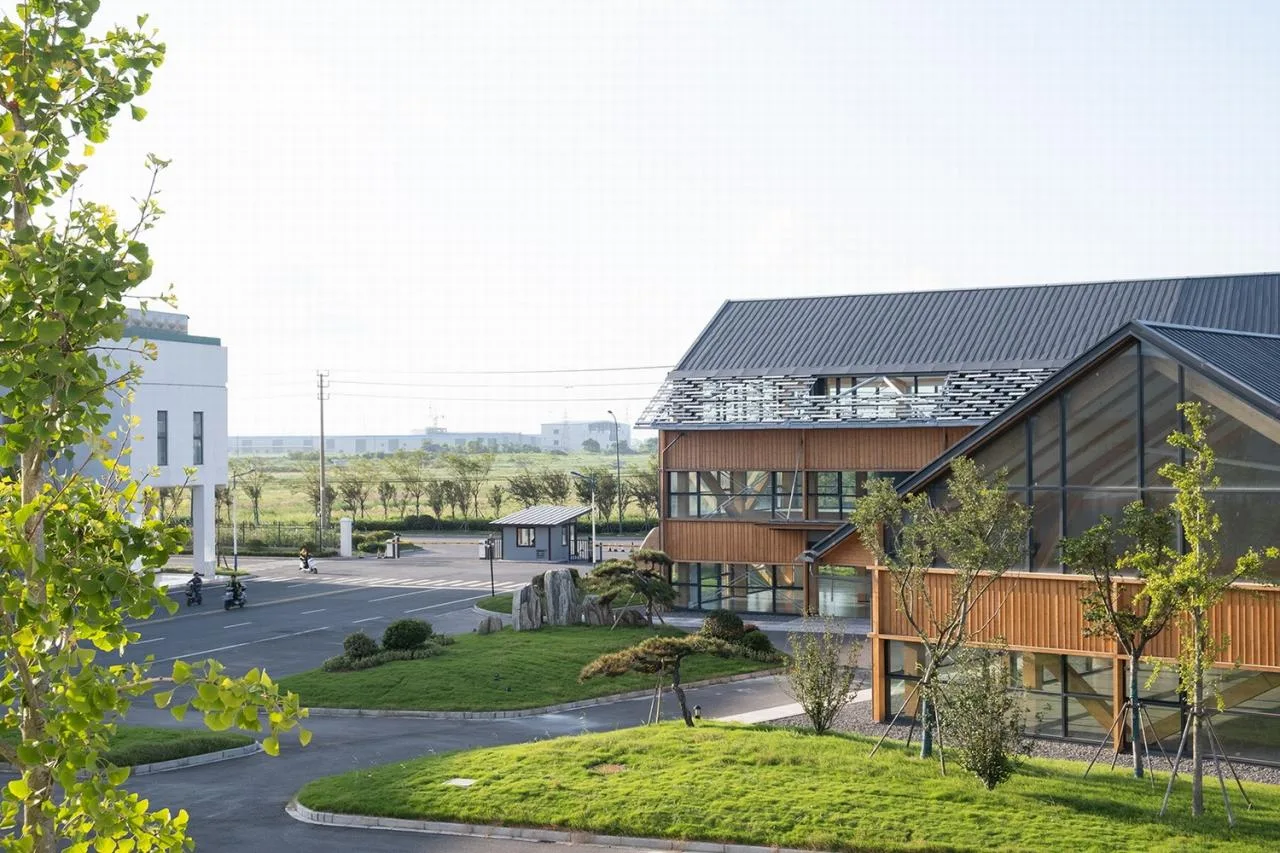
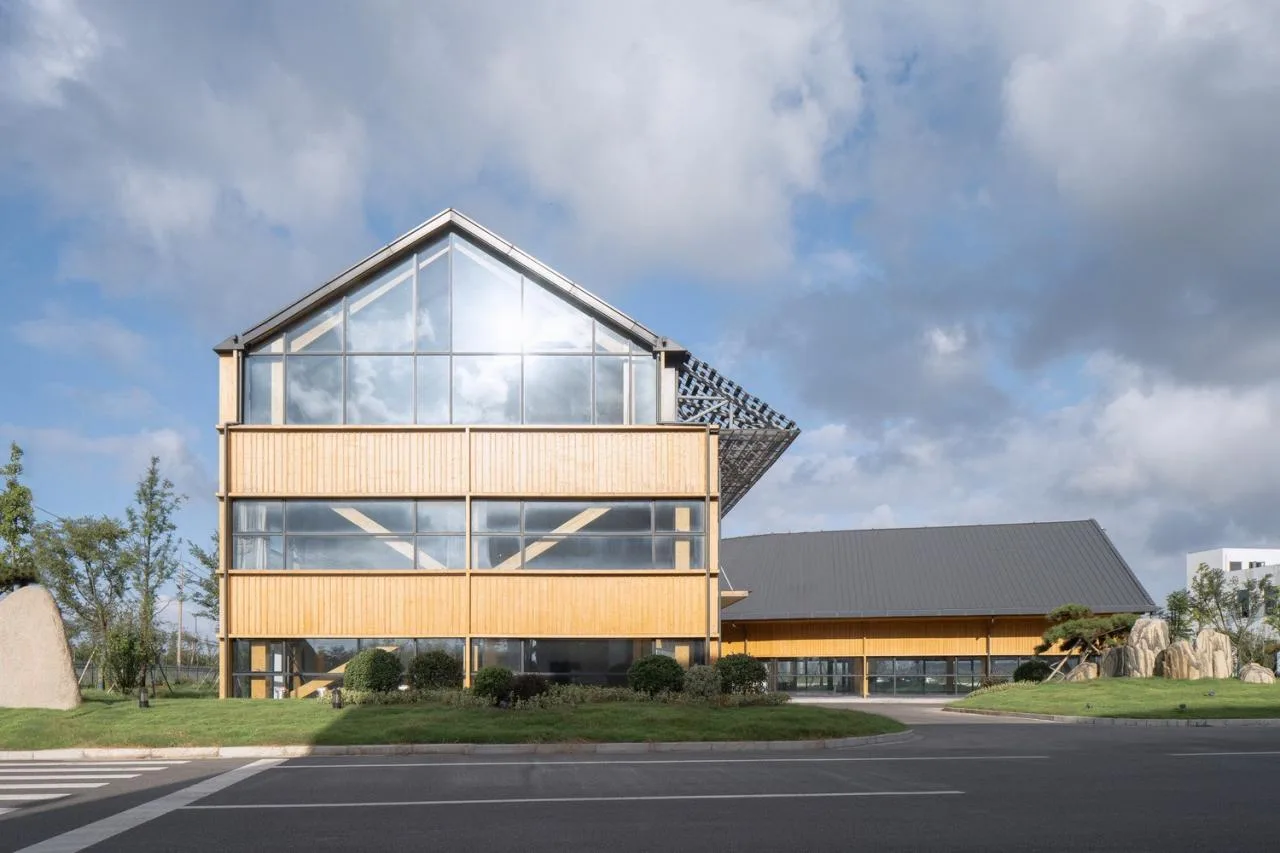
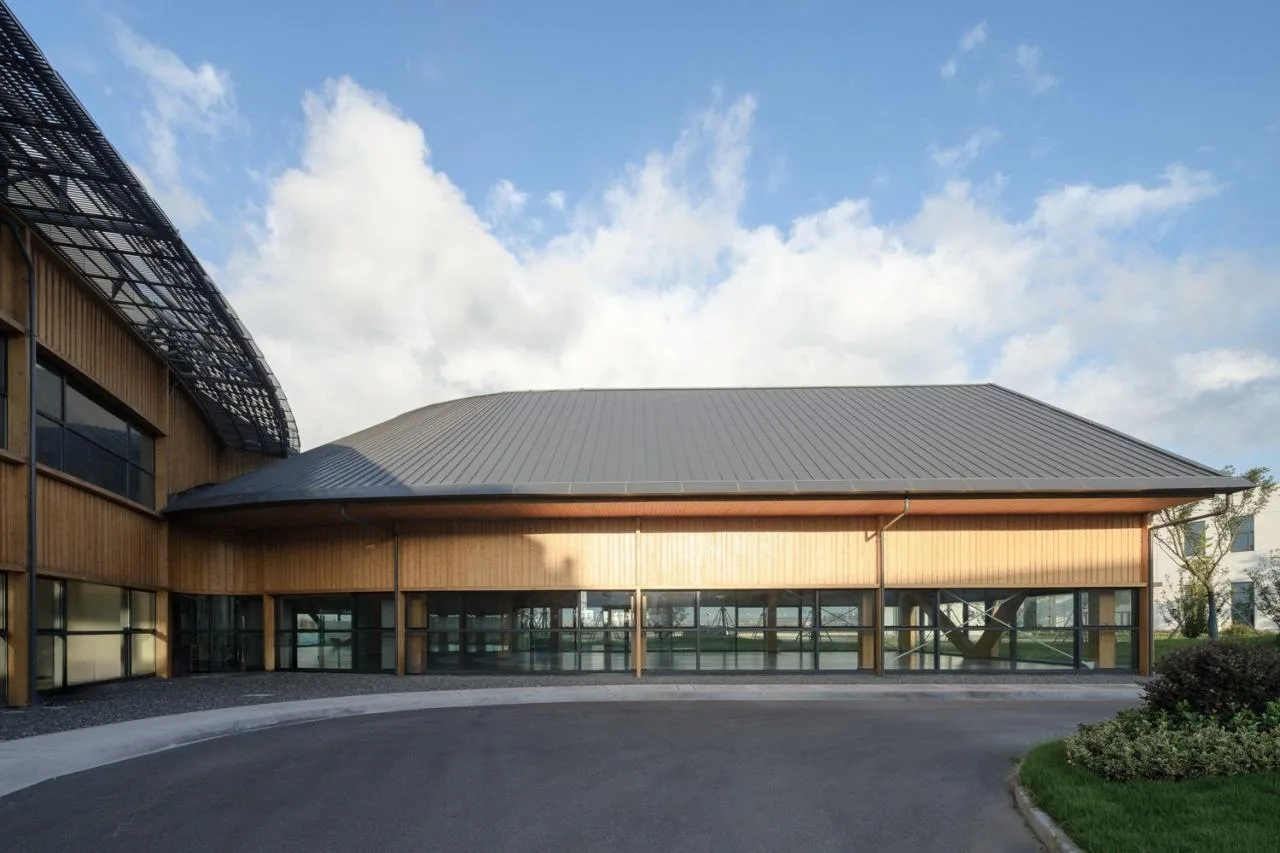
Beyond the precise structure, we carefully considered the use of sloping roofs. Many homes feature pitched roofs, evoking a sense of familiarity and warmth. These shapes break the monotony of surrounding factory buildings and offer workers a comforting connection to the idea of home.
The sloped roof design increases usable interior height and highlights the rhythm of the wooden structure. Unlike traditional buildings where the slope is mostly aesthetic and for waterproofing, here it becomes an active part of the space.
3. Perspectives on Energy
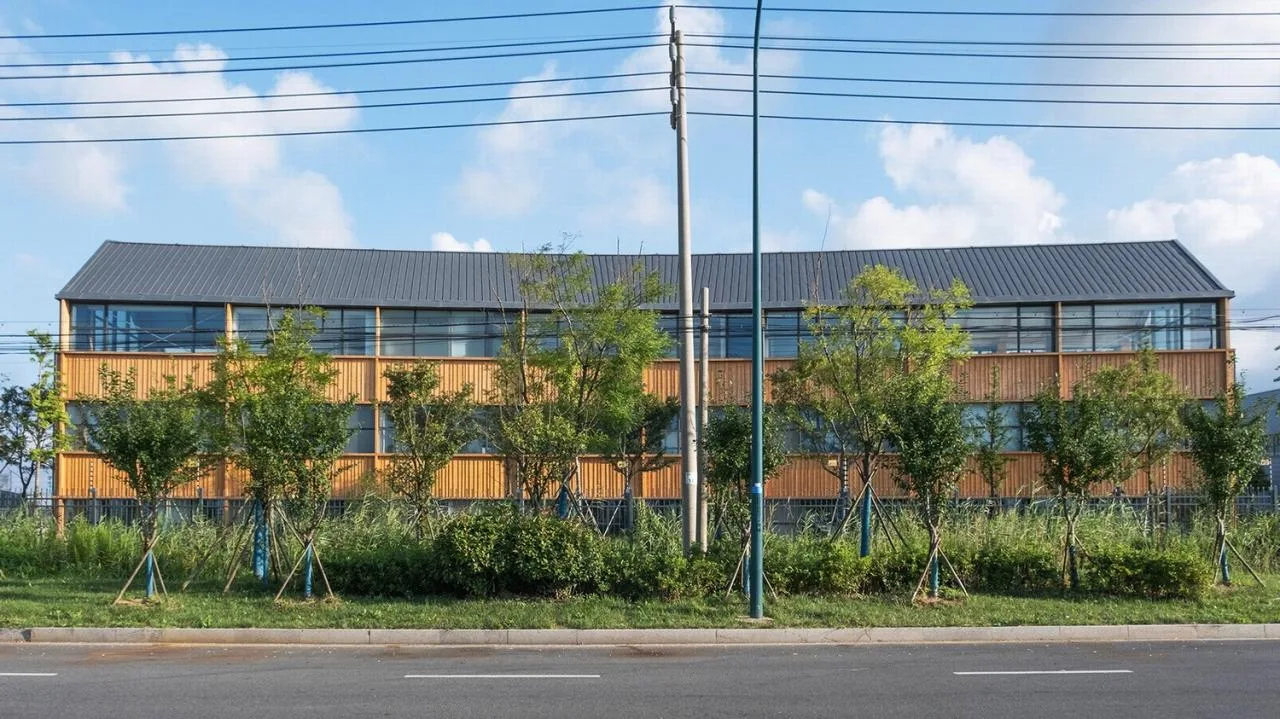
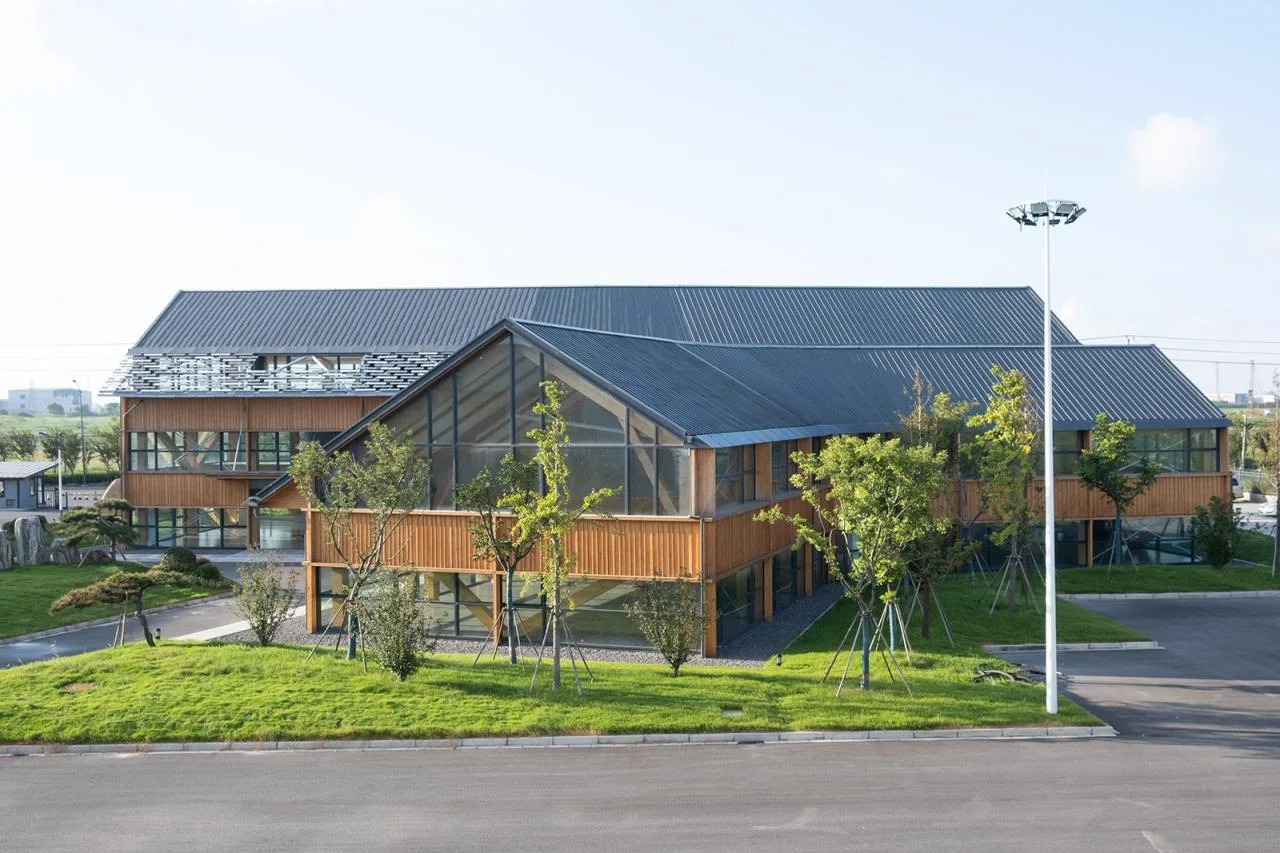
In woodworking homes, architectural form is ultimately evaluated through the lens of energy efficiency. The design features taller blocks to the north and lower blocks to the south, creating a thermal gradient that blocks strong winds and forms warm terraces, while allowing abundant sunlight inside.
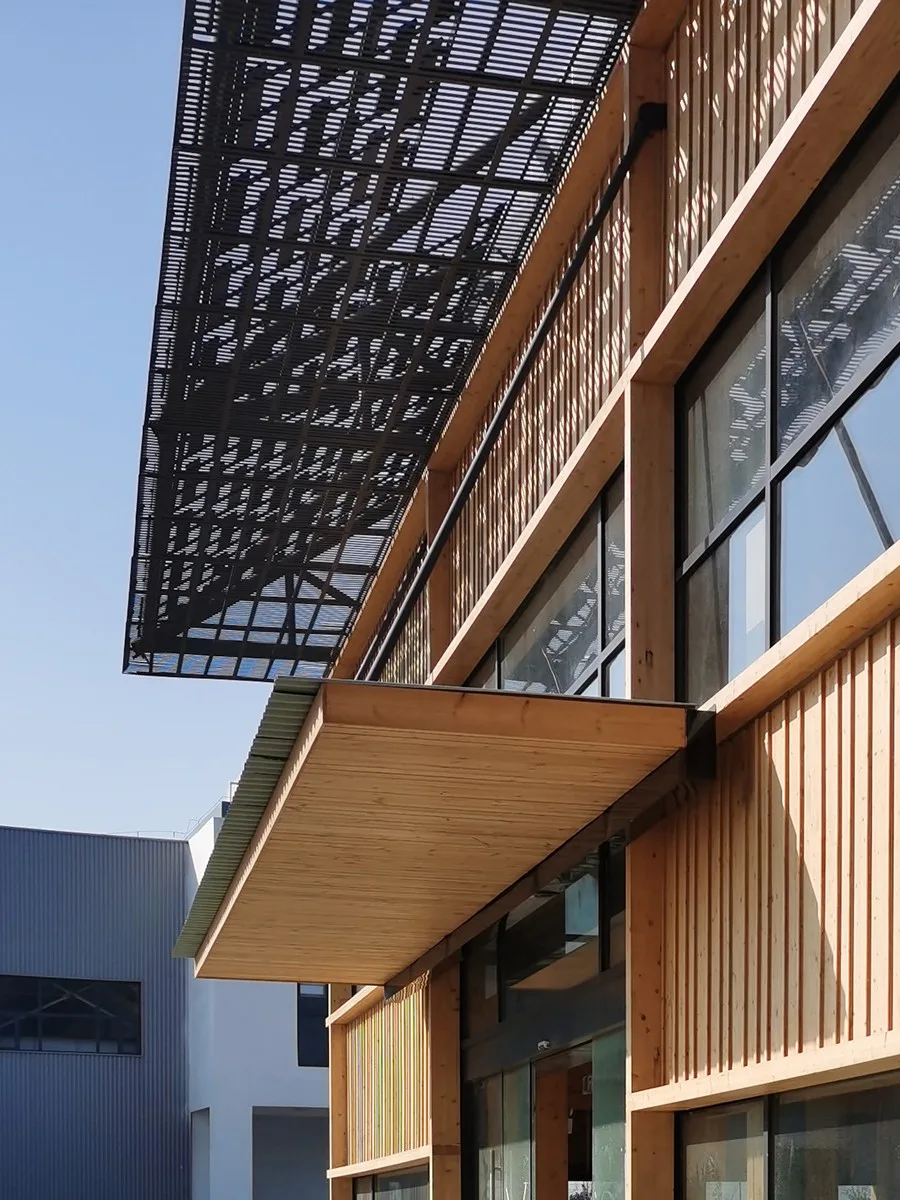
Continuous glass windows on all exterior walls improve ventilation without excess glass surface area. Horizontal cantilevered panels provide necessary shading for south-facing facades.
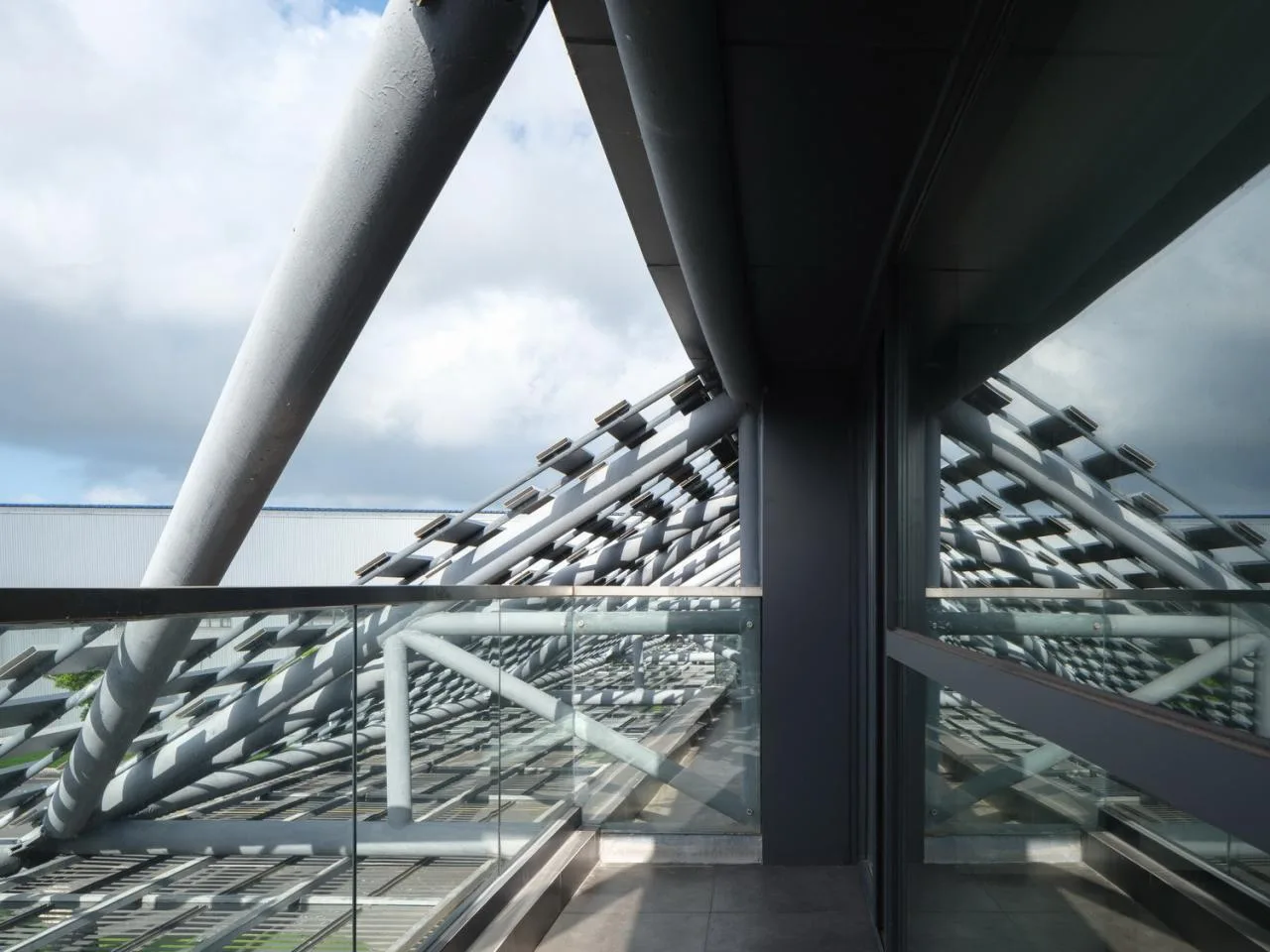
Today, no one doubts the value of minimizing energy use in buildings. However, practical implementation remains insufficient. We strive to broaden our understanding of what makes a good home, designing with energy in mind and finding joy in material exploration.
Technical Drawings
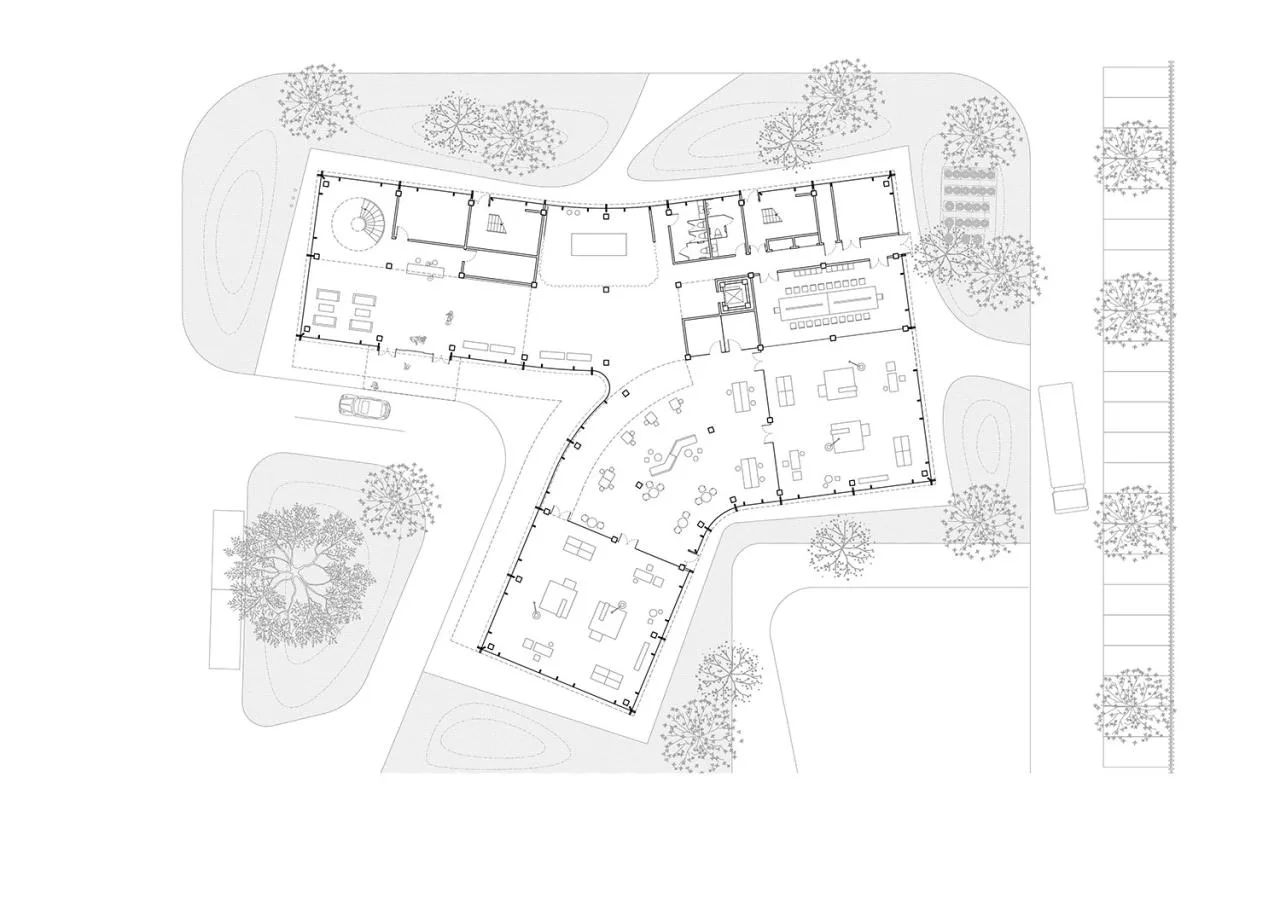
△ First Floor Plan
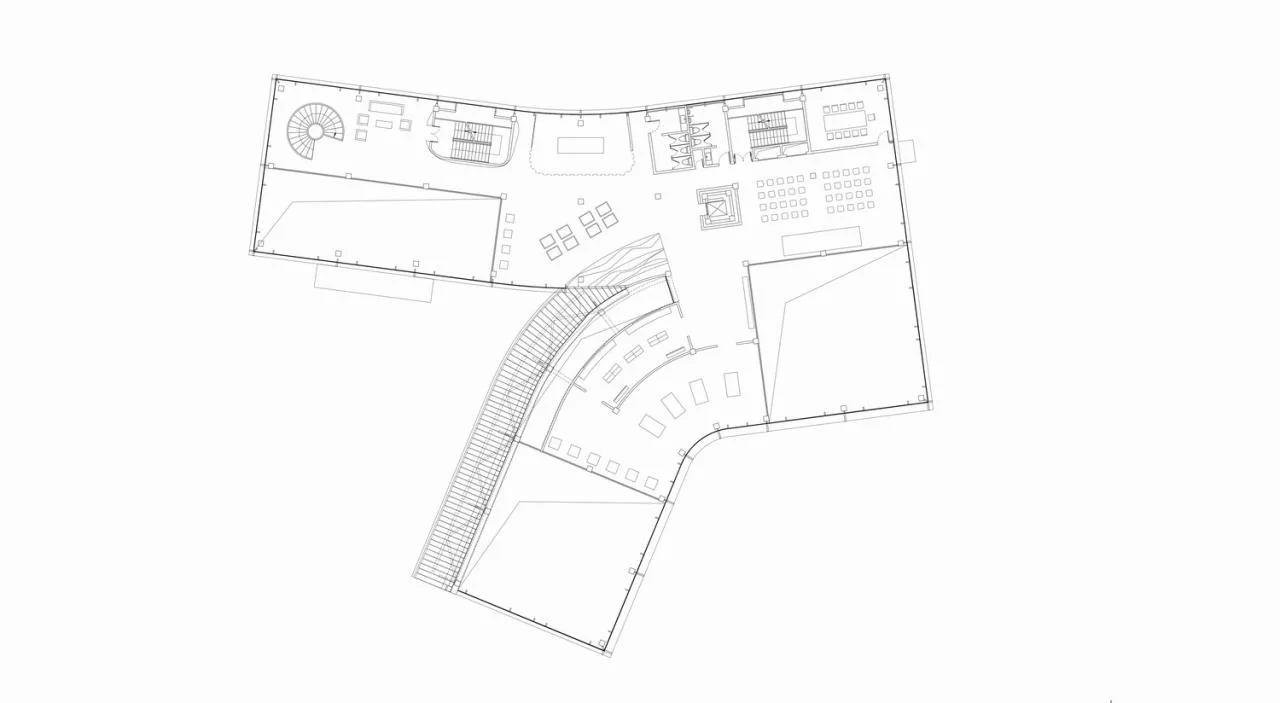
△ Second Floor Plan
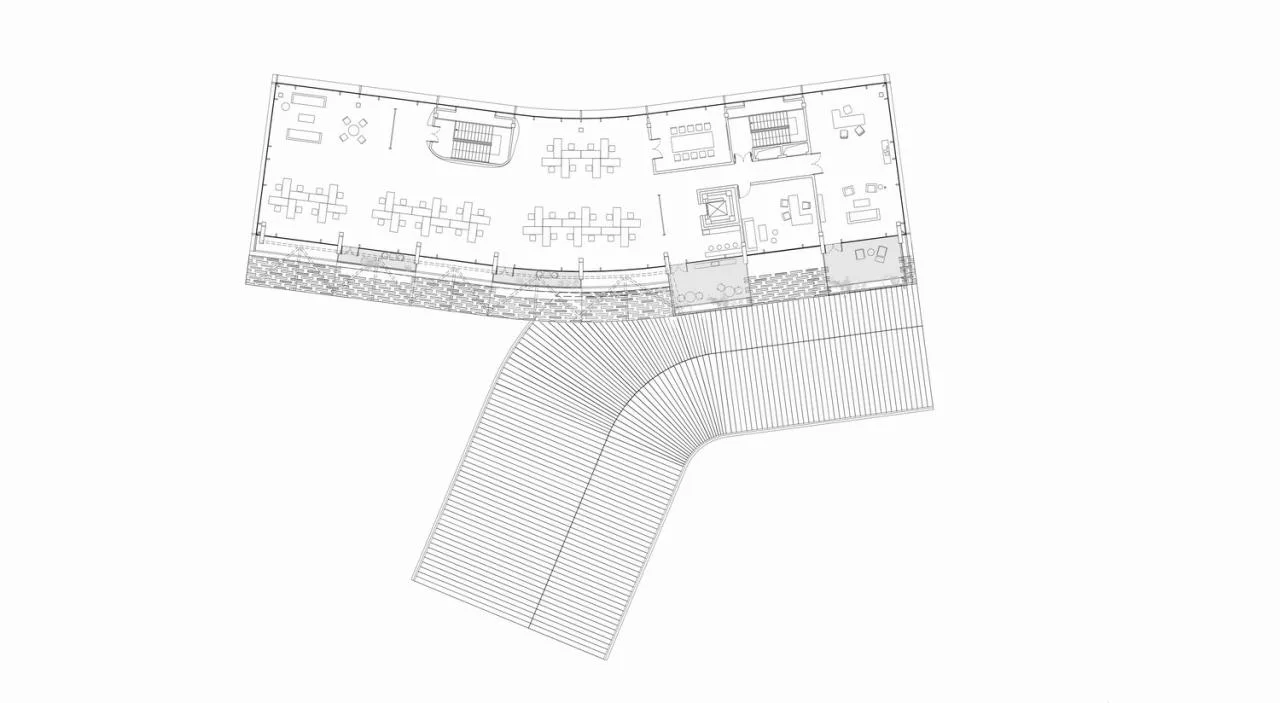
△ Third Floor Plan
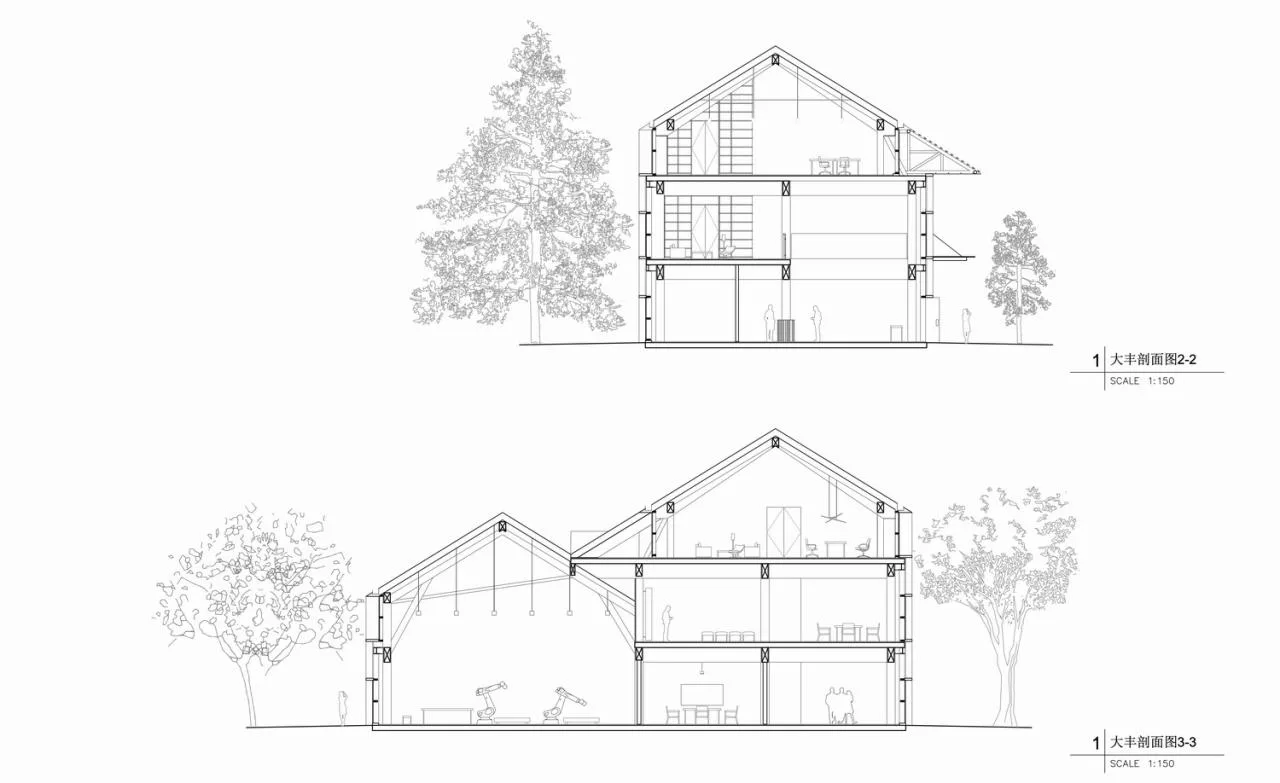
△ Section Diagram
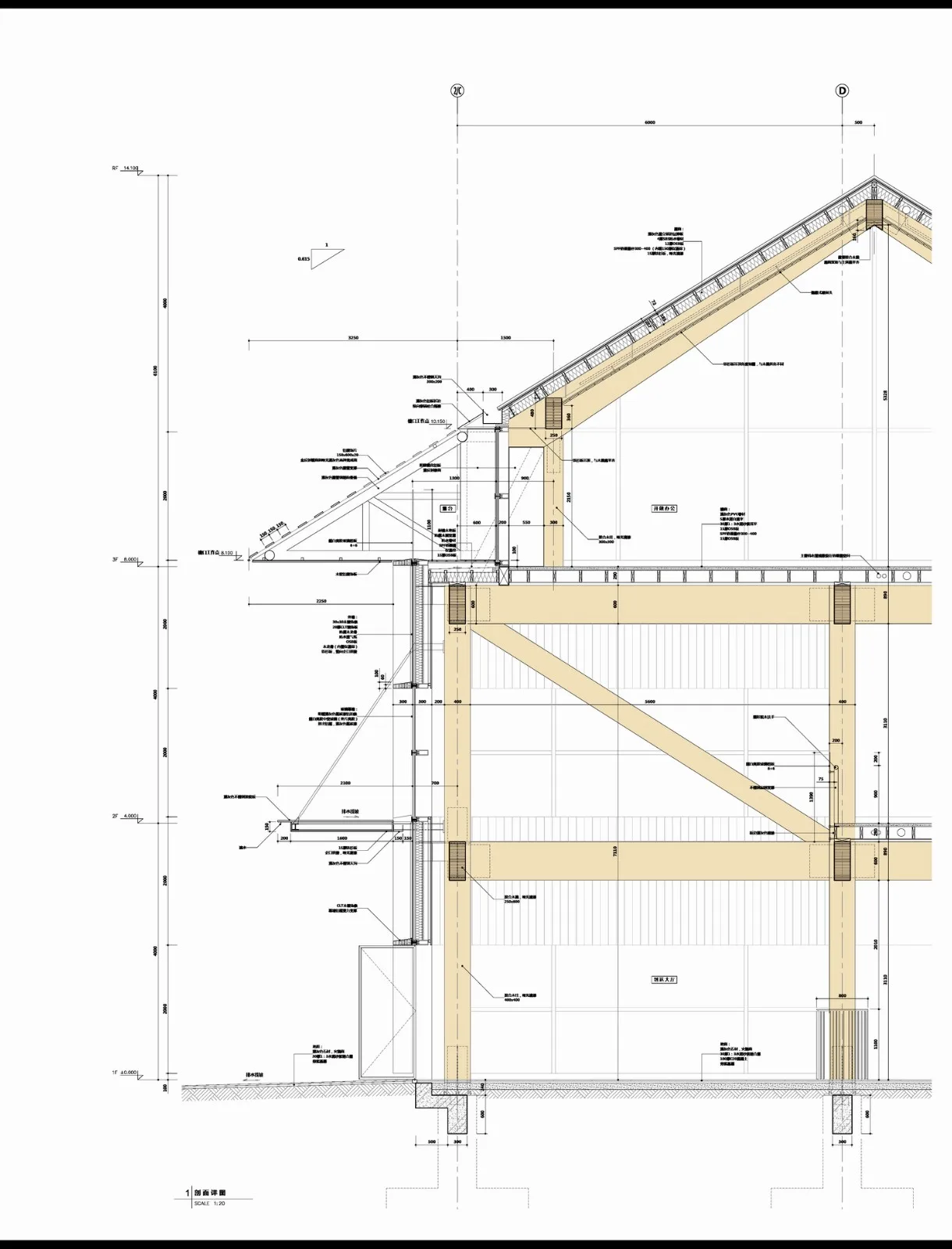
△ Detailed Drawing
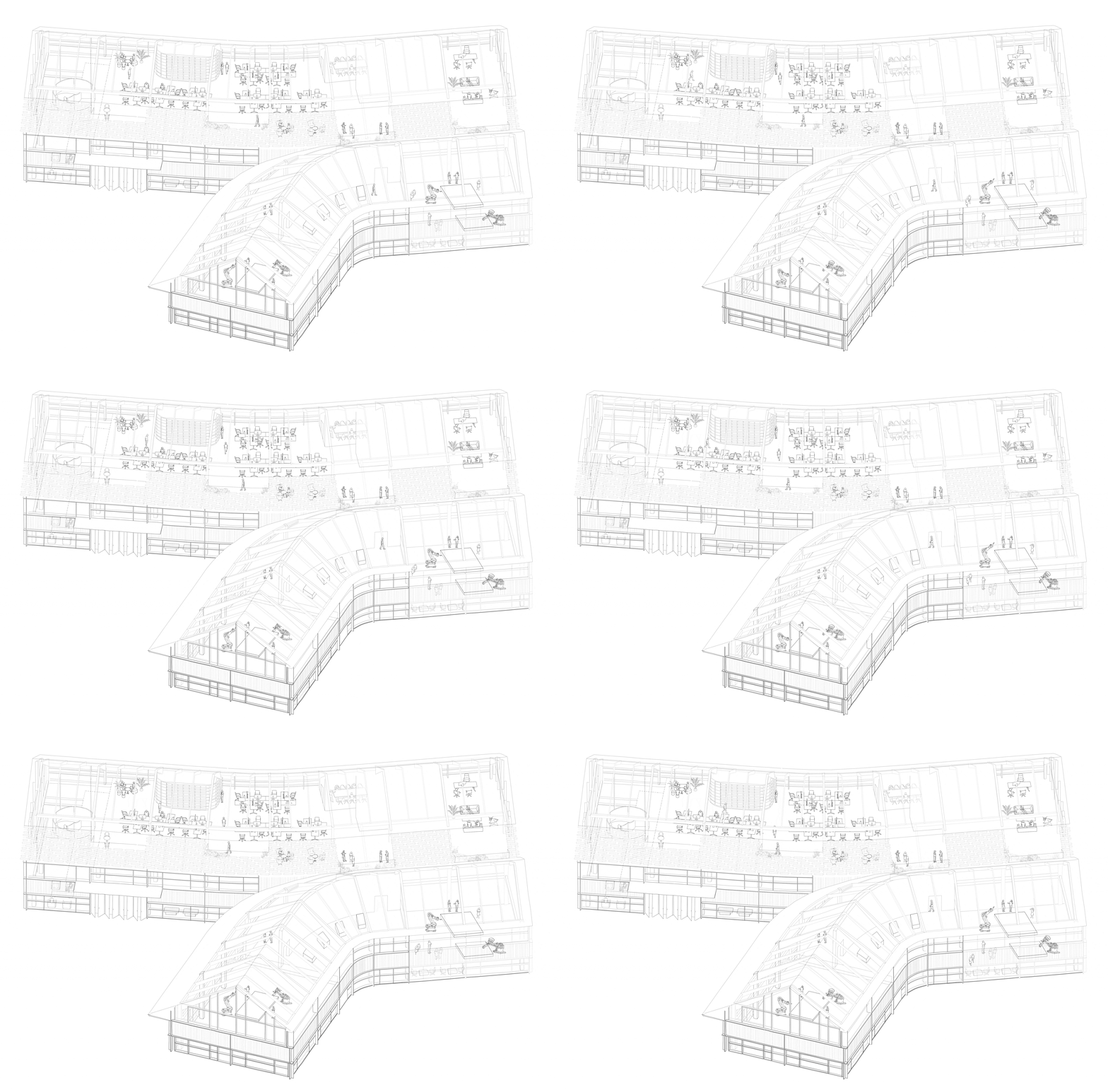
△ Axonometric Diagram
Project Information
Project Name: CATS New Work · Woodwork Home – Dafeng Wood Structure R&D Center
Architectural Firm: CATS Consulting Architect Team
Company Location: Jing’an District, Shanghai
Project Completion Year: 2022
Building Area: 2,400 square meters
Project Address: Dafeng District, Yancheng City, Jiangsu Province
Lead Architects: Chen Shengze, Huang Wenxin
Photographers: Zhu Runzi, Xu Zhen Amigo
Design Team: Chen Xueli, Zhou Cong, Yao Suyang, Li Xuecong, Luo Cheng, Shi Aiwei
Construction Company: Kunlun Green Building Wood Structure Technology Co., Ltd















Must log in before commenting!
Sign Up