
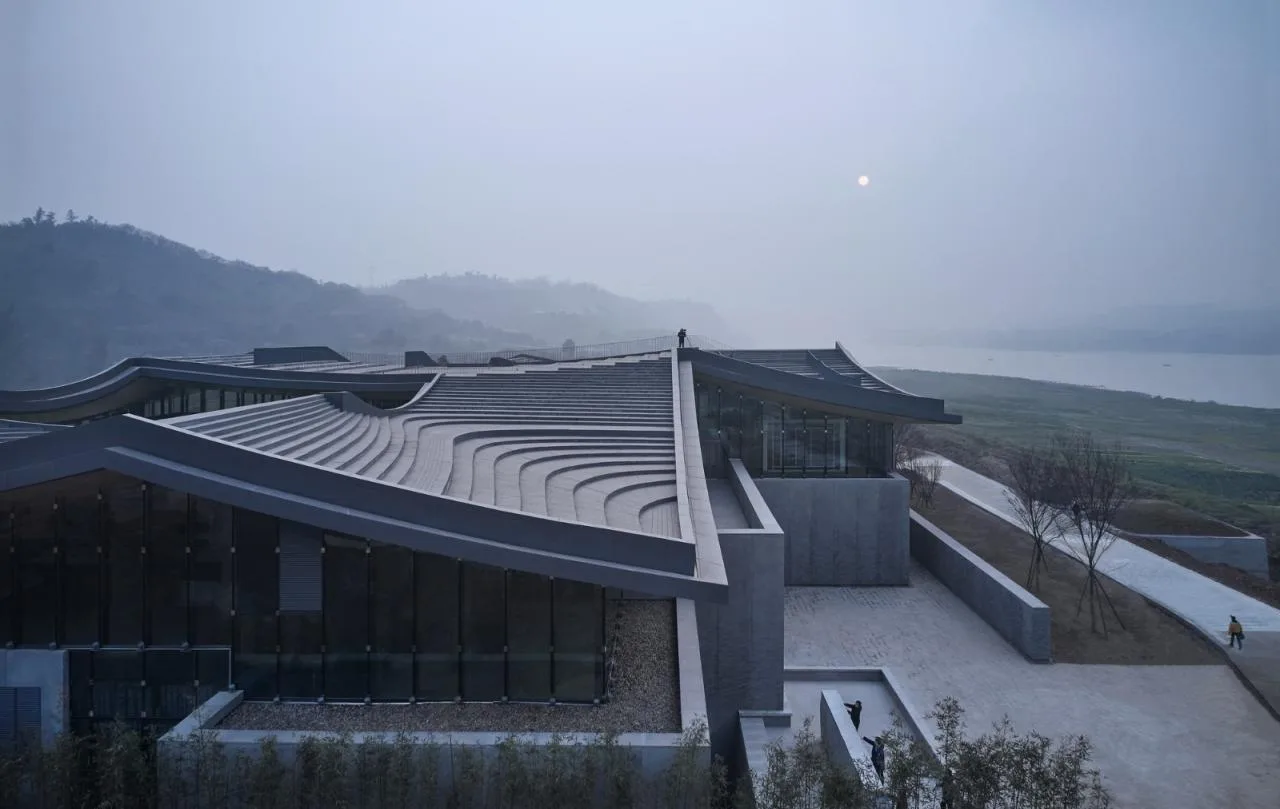
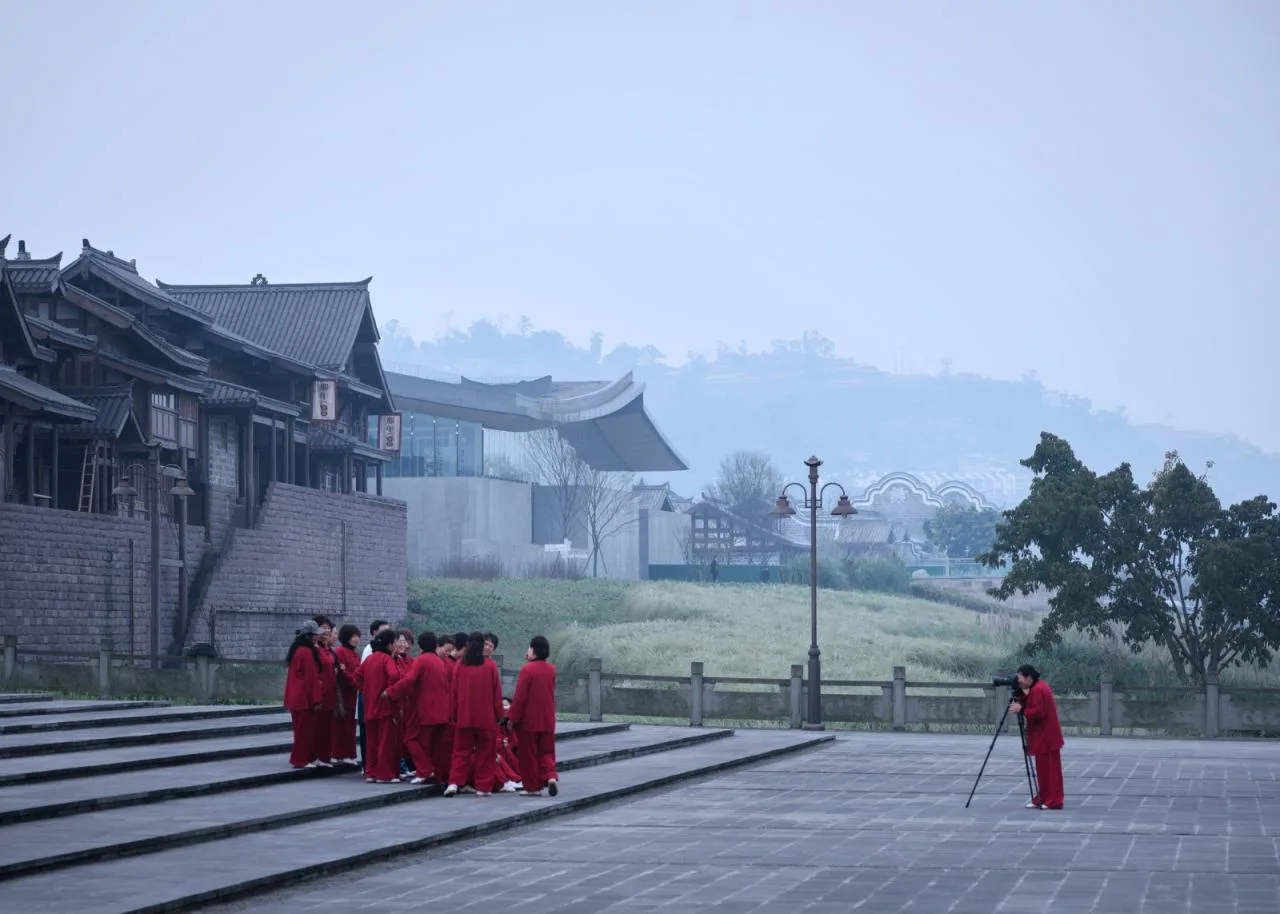
On a winter morning, the first town along the Yangtze River is veiled in mist, with the outlines of the riverbank and distant mountains fading in and out of view. The chilly, damp wind carries a faint scent of distiller’s grains, reminiscent of the winter of 1939. At that time, Lizhuang, serving as the cultural hub of the rear area during the Anti-Japanese War, gathered determined individuals and cultural figures from across the country. As the morning sun breaks through and the mist clears, the stone-paved streets and alleys awaken, welcoming another lively day in this ancient town.
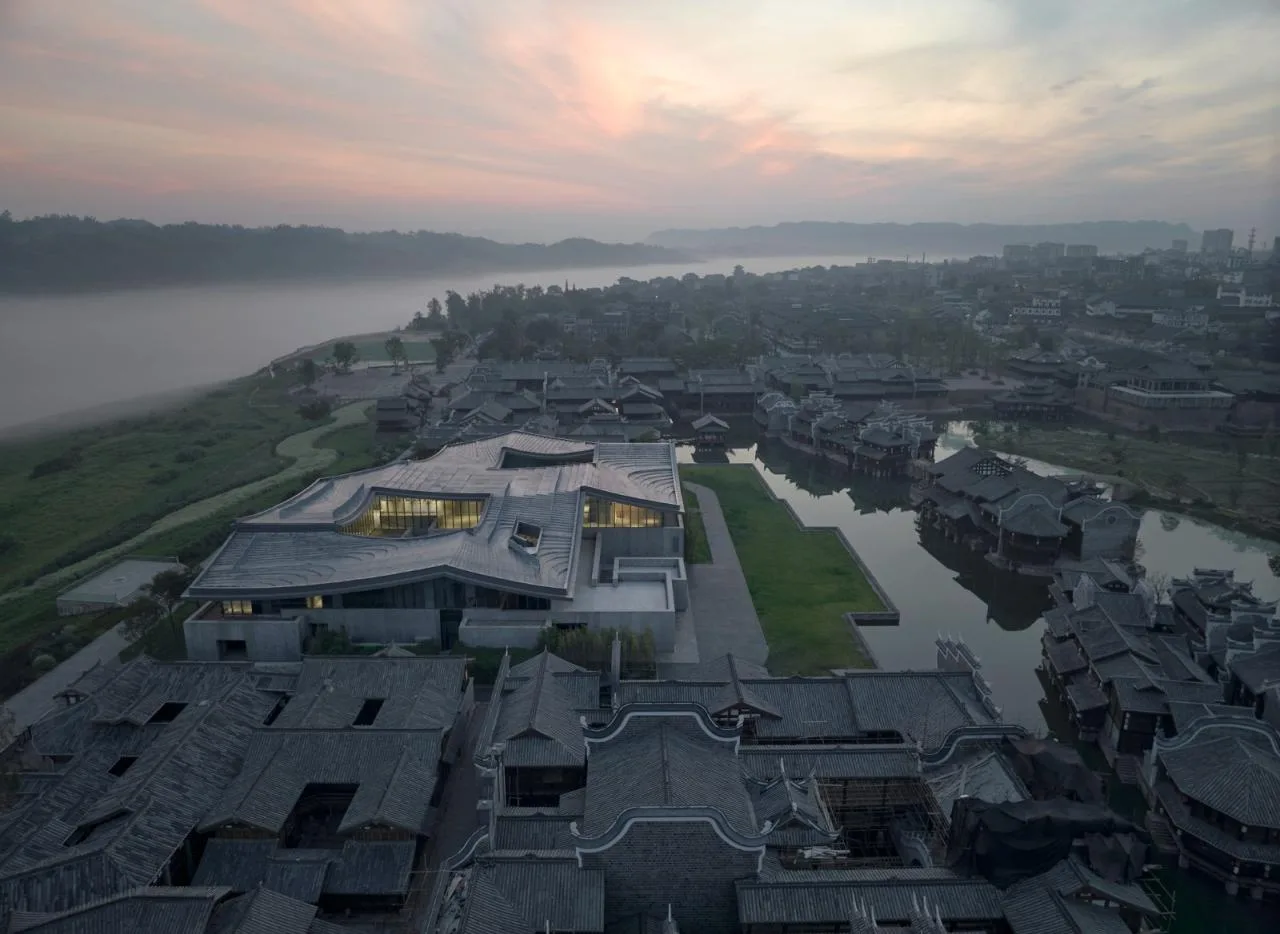
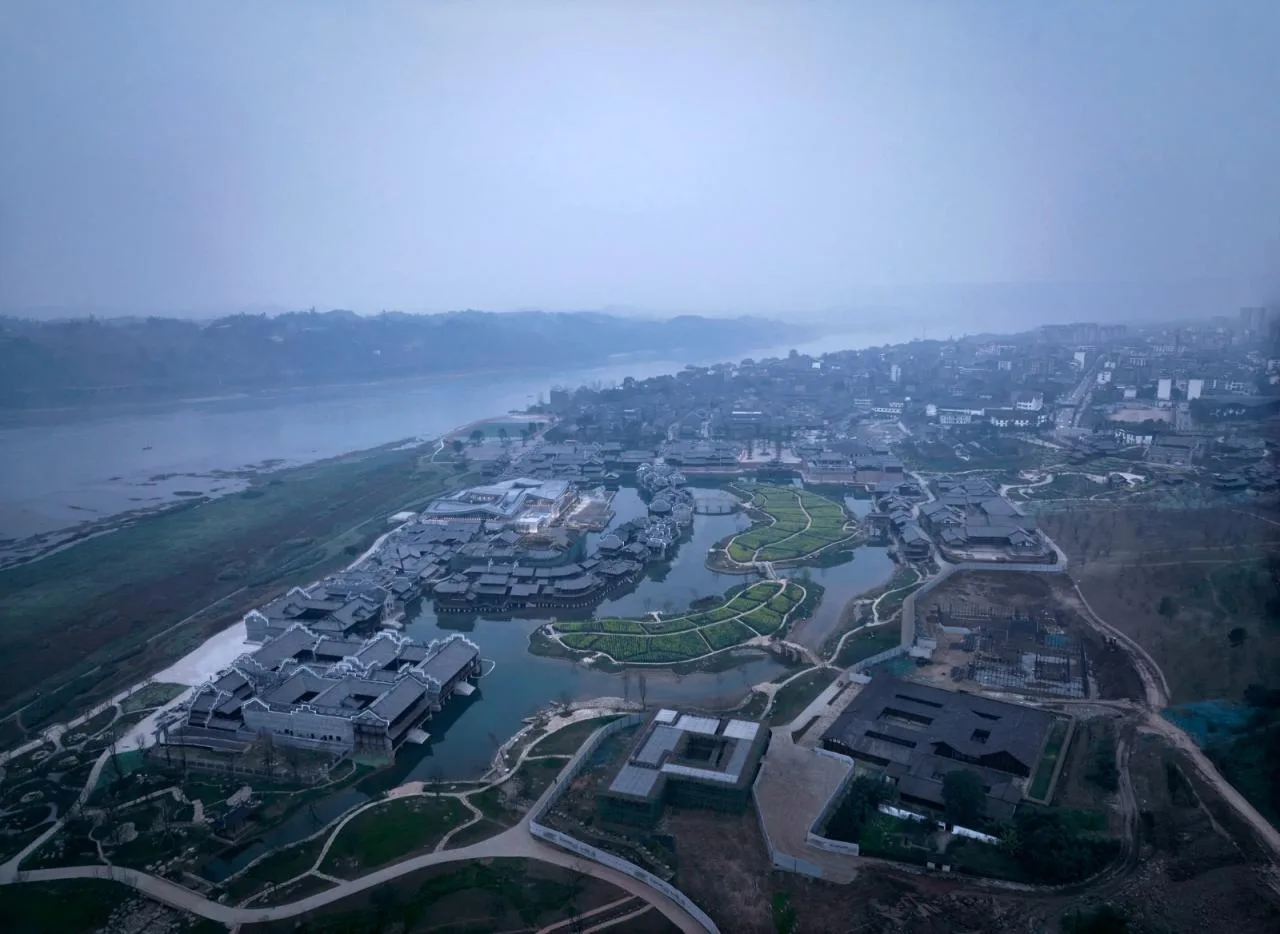
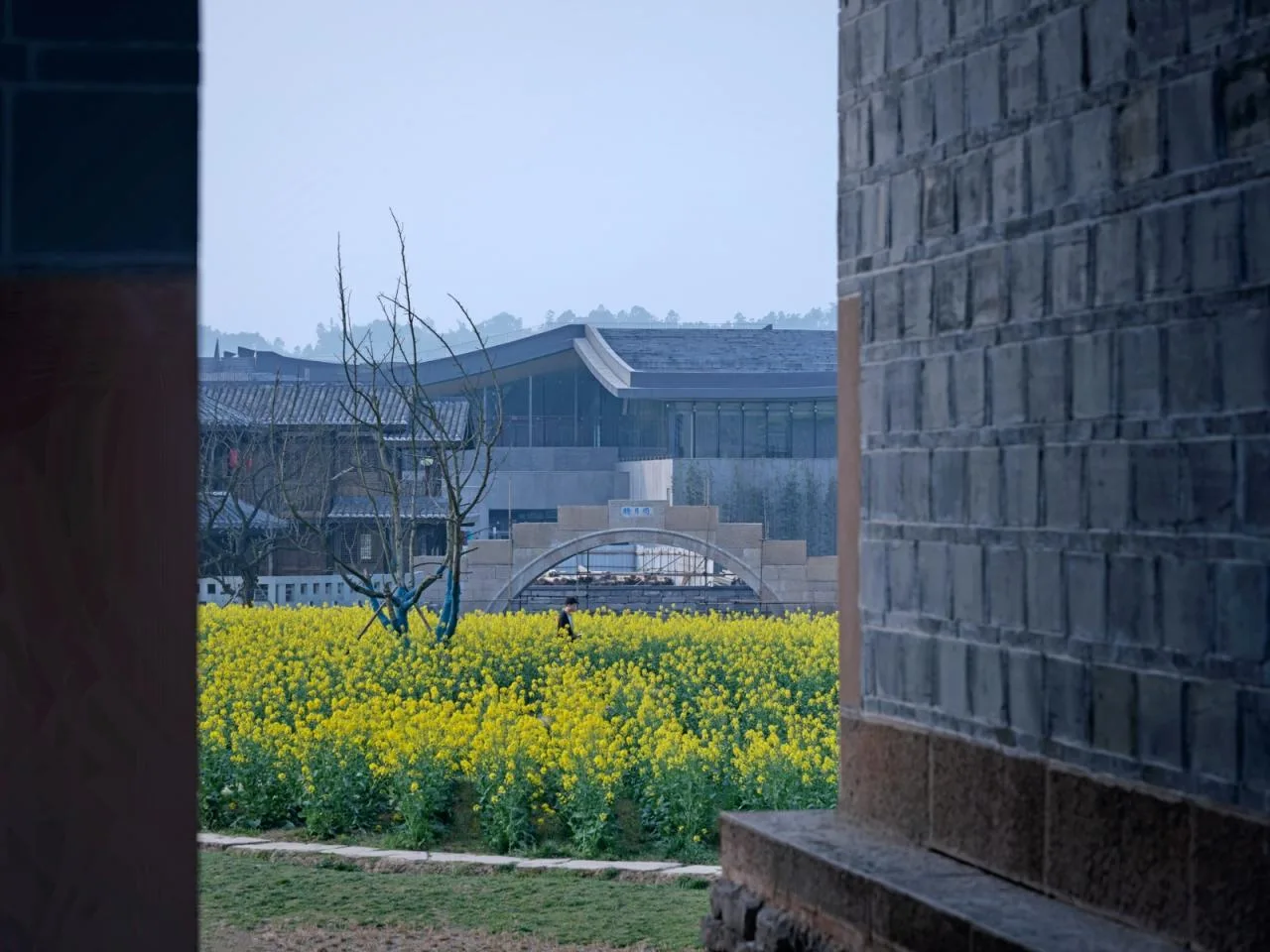
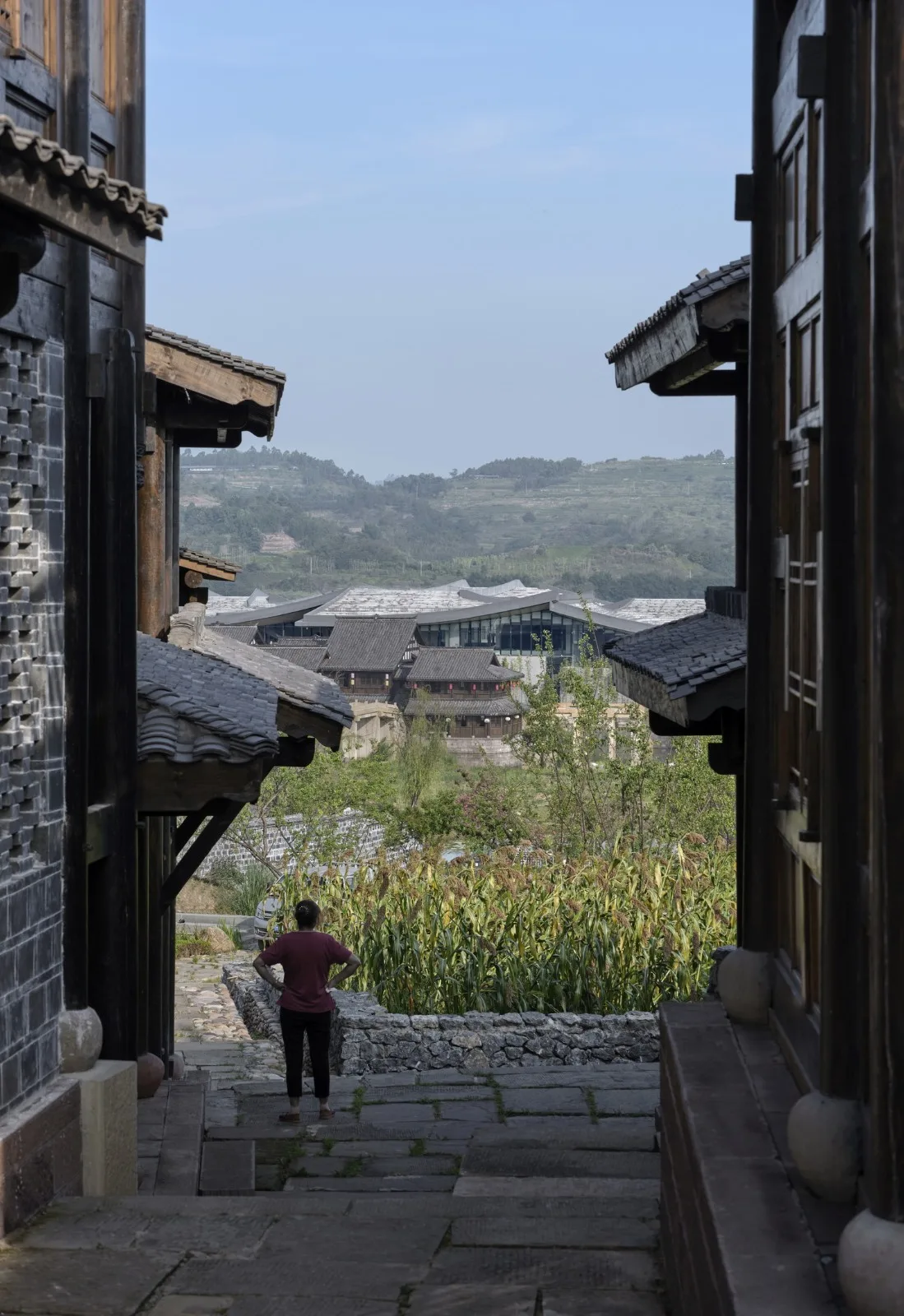
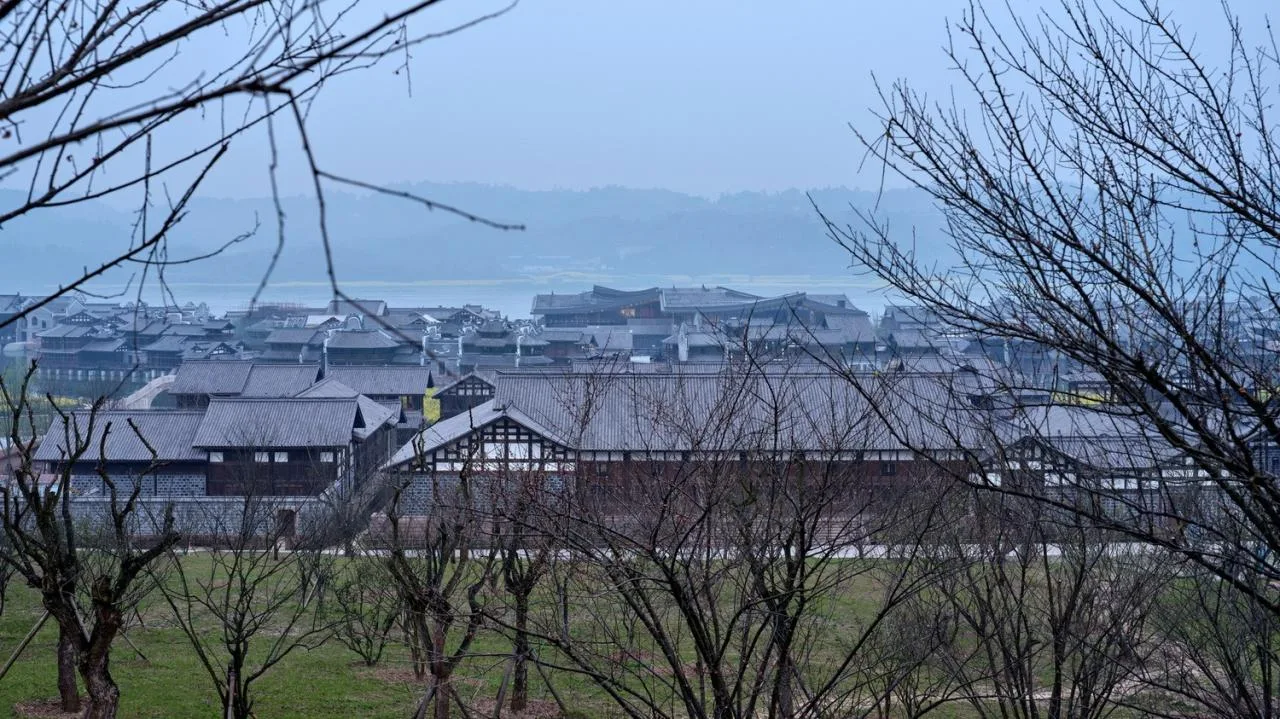
The project is situated in the Yueliangtian area of Lizhuang, Yibin City, Sichuan Province, neighboring the former site of the China Architecture Society, a significant landmark in modern architectural history. Positioned on the banks of the Yangtze River, it overlooks vast misty waves and meandering waterways. Known as the “Number One Ancient Town on the Yangtze River” in terms of cultural geography, Lizhuang is famed for its Ancient Architecture Complex, dubbed the “Nine Palaces and Eighteen Temples.” The town features Ming Dynasty structures and national key cultural heritage sites such as the Spiral Hall, along with provincial-level heritage sites like the Huiguang Temple and Zhang Family Ancestral Hall. Lizhuang’s urban fabric is characterized by southern Sichuan dwellings from the Ming and Qing dynasties, bearing irreplaceable historical imprints and a rich cultural heritage spanning centuries. Accordingly, the design challenge lies in balancing the relationship between architecture and streets, tradition and modernity, and expressing the spirit of anti-Japanese culture through architectural language. With this in mind, the design of the Anti-Japanese War Cultural Museum aims to create an architectural landscape that harmoniously integrates modernity, locality, and culture.
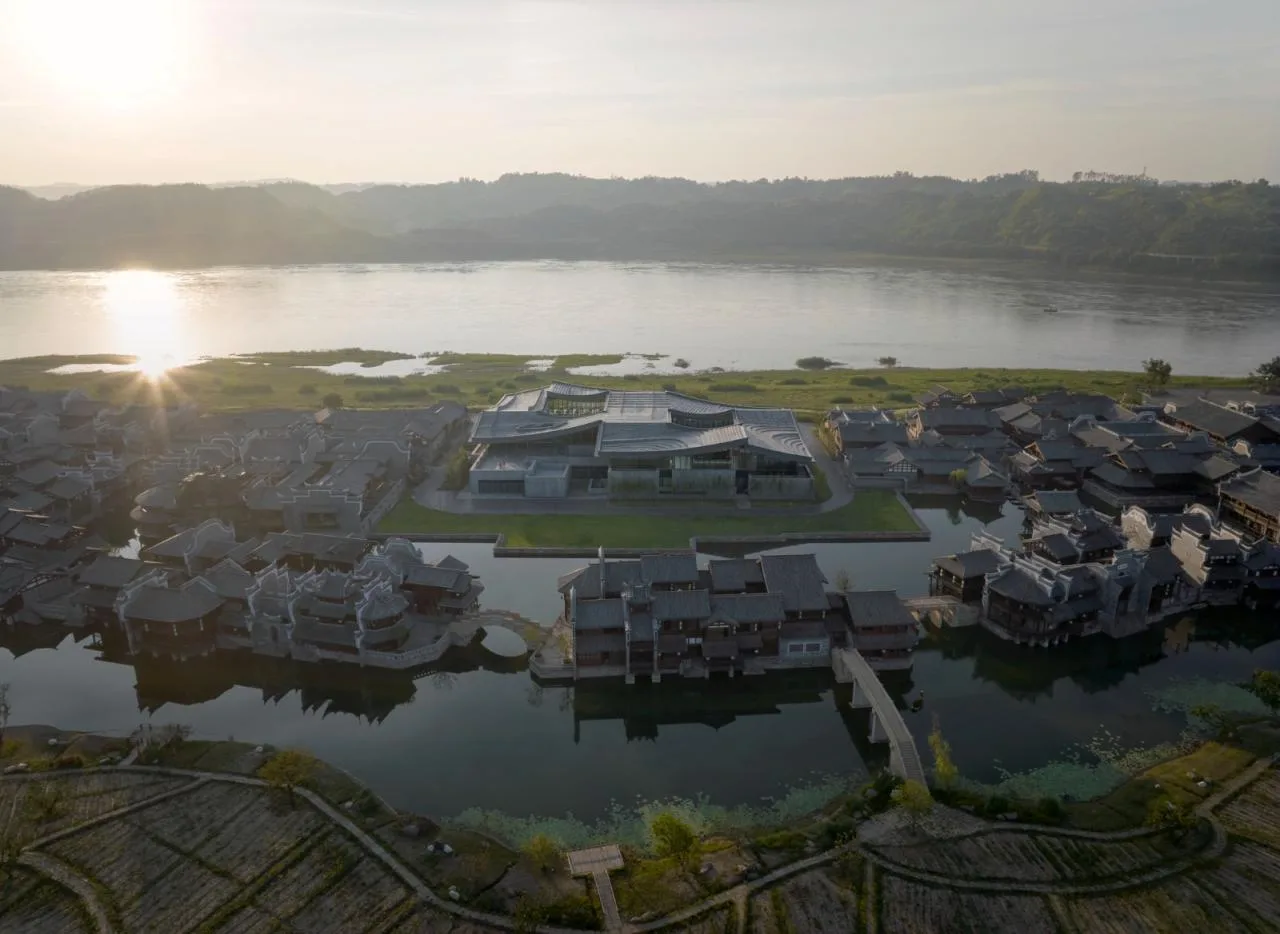
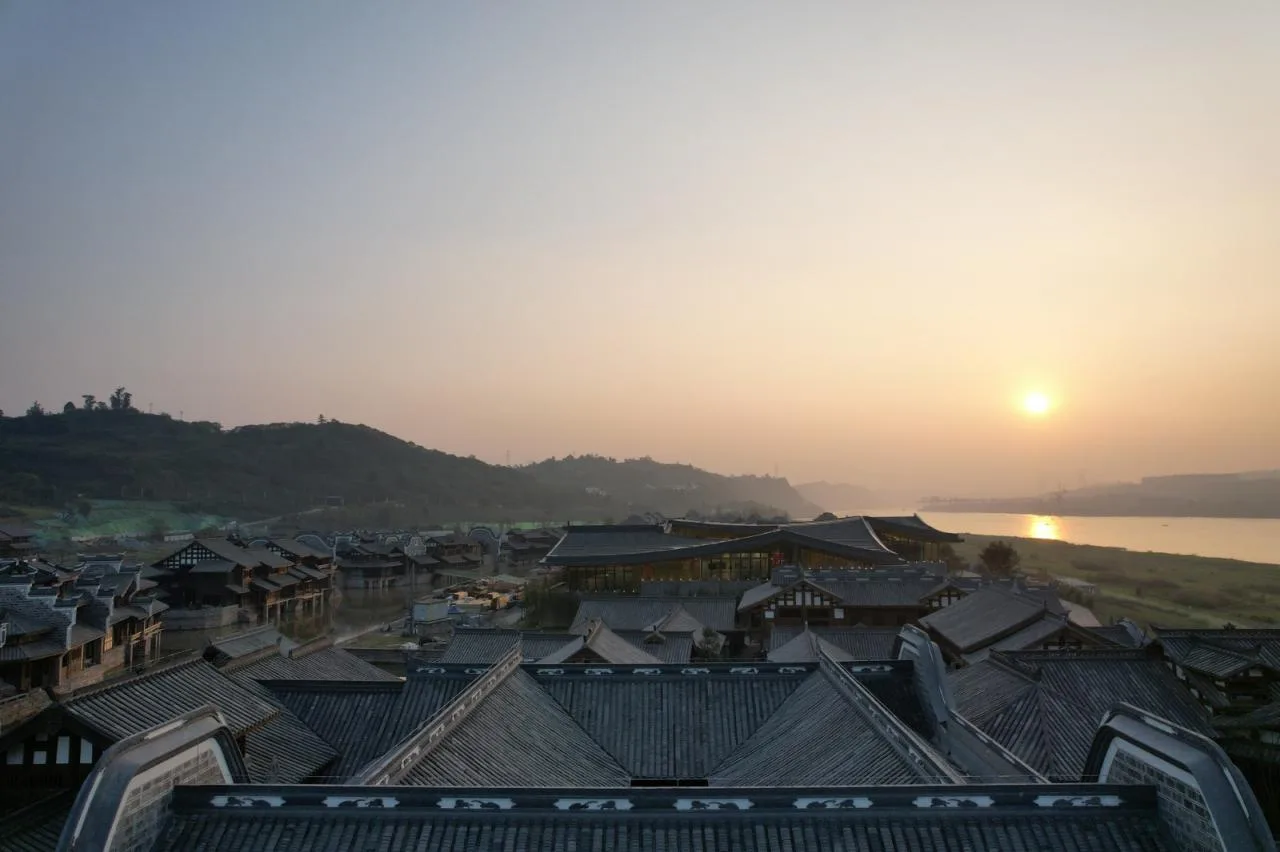
The design strategy is shaped by the unique character of the site: it responds to the spatial qualities of the town’s historic streets and alleys with an “internalized ancient town” concept; acknowledges the historical narrative of cultural resistance with a “flowing history”; engages with the regional traits of southern Sichuan residential architecture through a “reconstructed tile courtyard”; and embraces the construction logic of contemporary architecture via “floating eaves”.
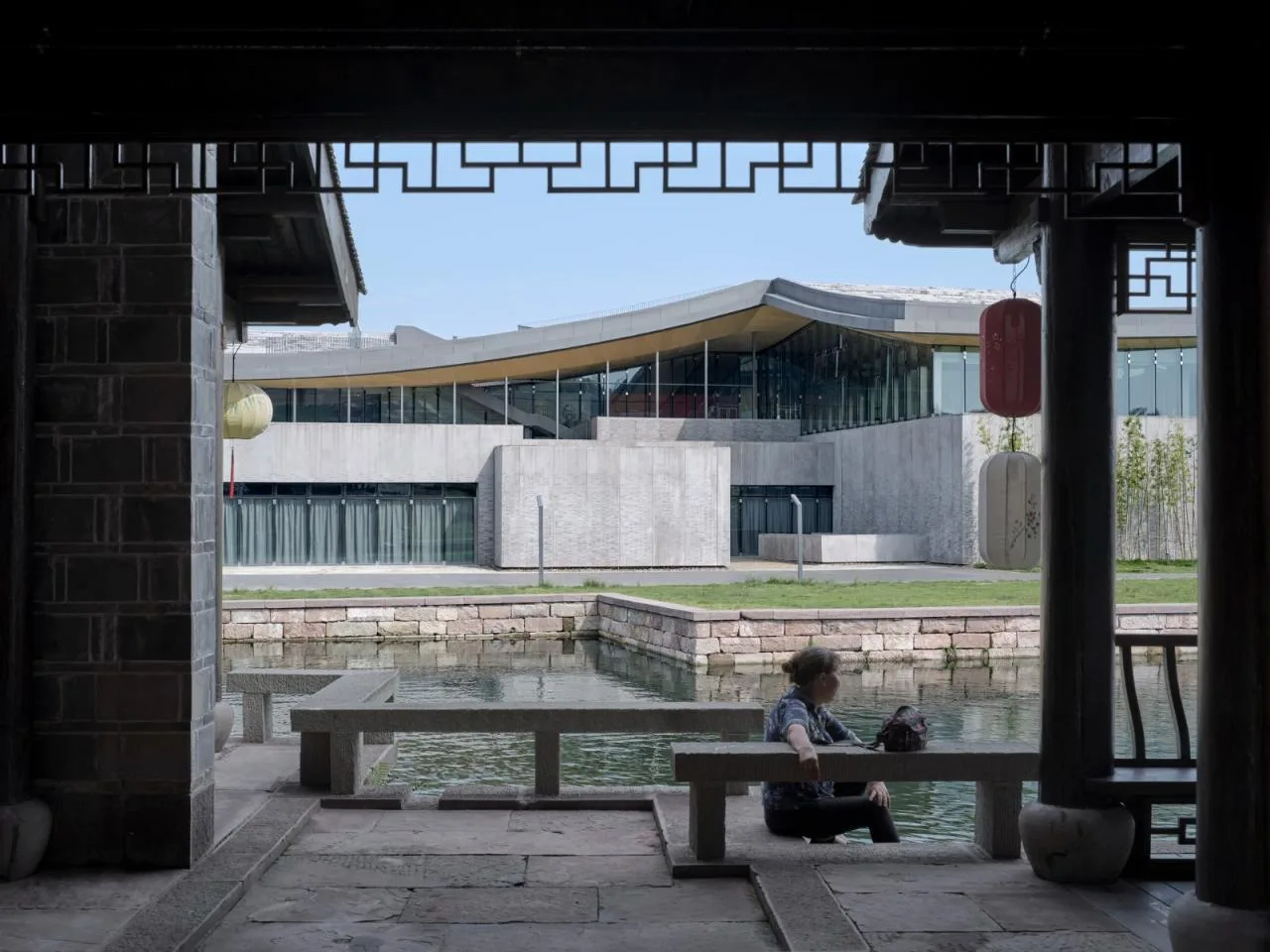
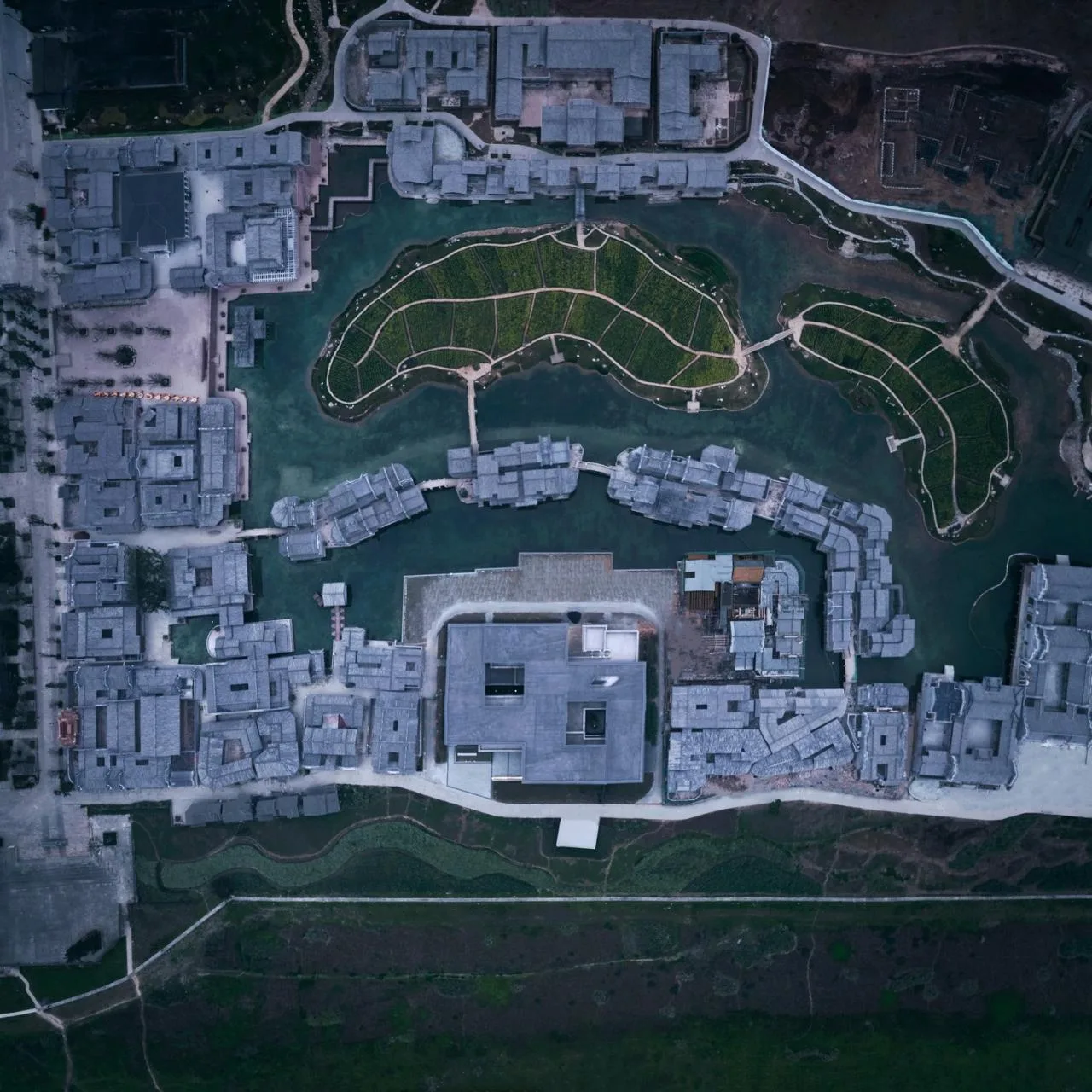
To preserve the ancient town’s texture, the building height is deliberately limited to two floors. Two small plazas are introduced on the southwest and east sides by shifting architectural forms, weaving together fragmented streets and alleys into a cohesive, open space ideal for gatherings and social interaction. By abstracting and internalizing the ancient town’s form, the complex transforms traditional streets and alleys with intricate patterns into a simplified museum spatial prototype with a streamlined layout.
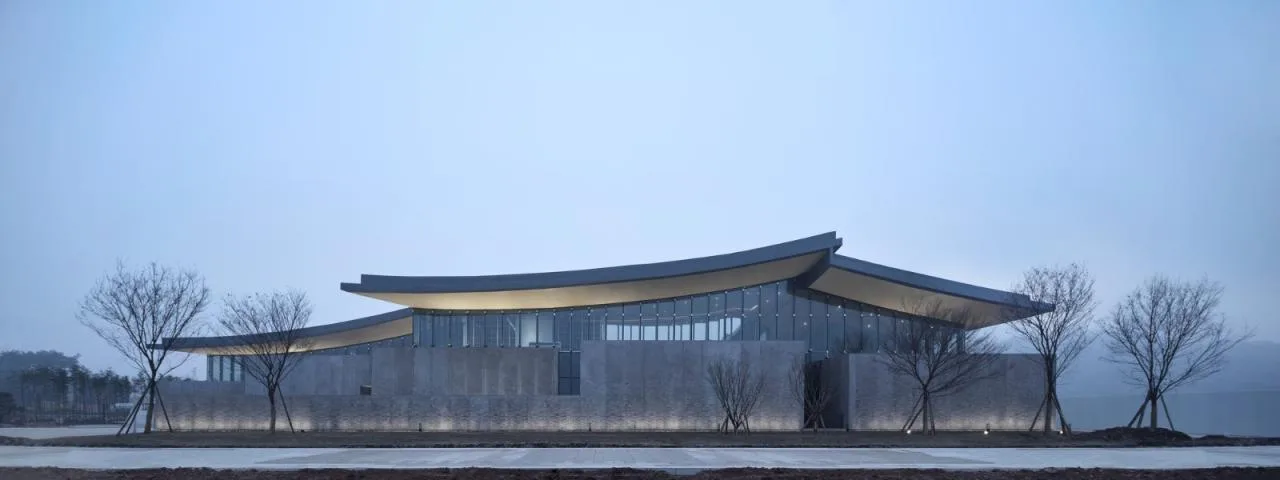
The floor plan draws inspiration from the Four Waters Returning Hall found in southern Sichuan residential courtyards, symbolizing four hands holding each other to represent the convergence of diverse cultural currents. The building’s form is shaped by traditional local eaves, reinterpreted with a contemporary twist while retaining their characteristic curved profile, resulting in an unconventional volume.
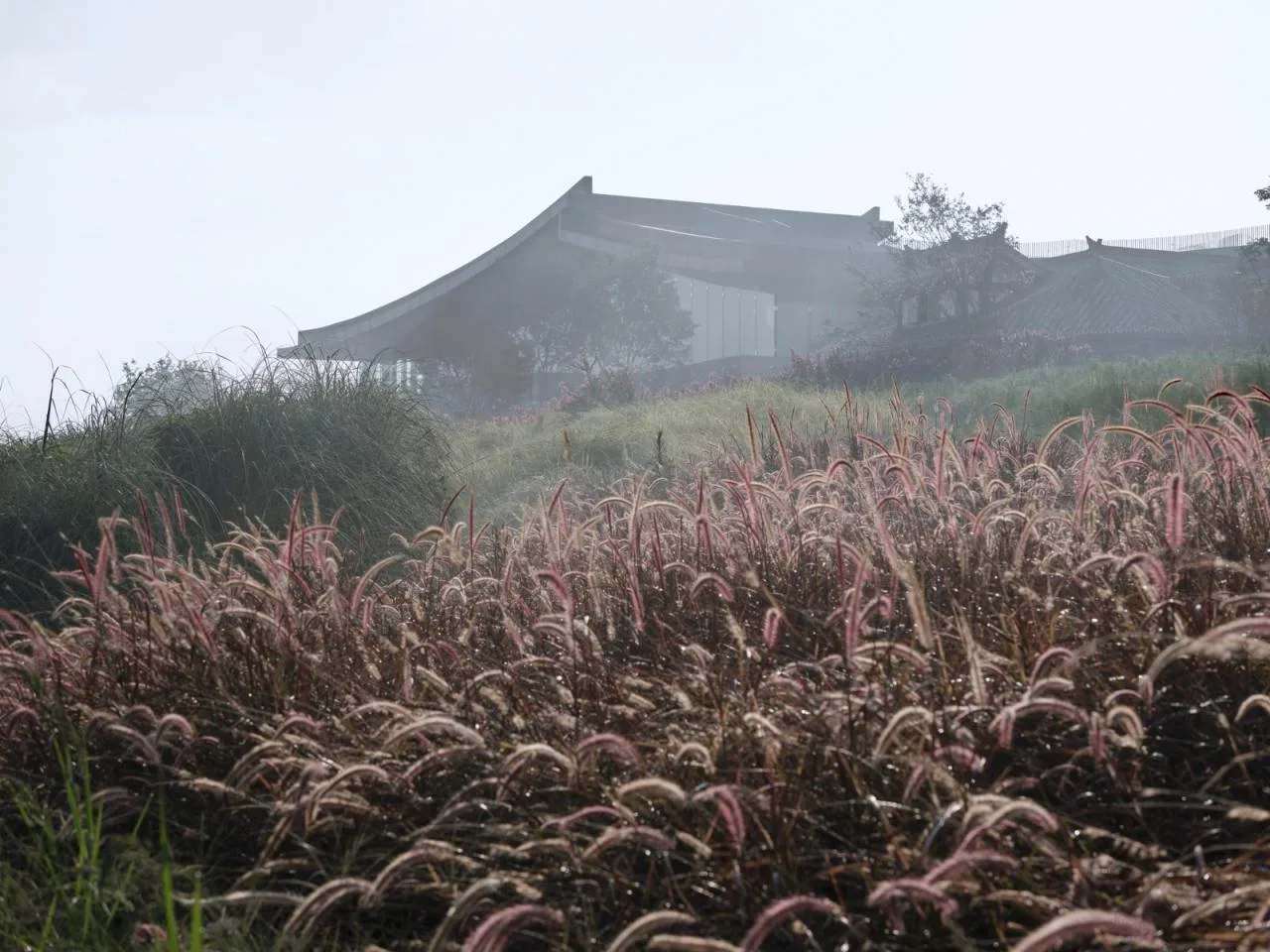
Lizhuang’s role as a cultural resistance hub during the Anti-Japanese War stems from its unique natural geography and a strong local patriotic spirit. The museum’s design aims to convey stories of local literati and elites who spread and preserved this patriotism. After extensive consultation with exhibition experts, the museum adopts a continuous, small-scale spatial arrangement suited for segmented storytelling.
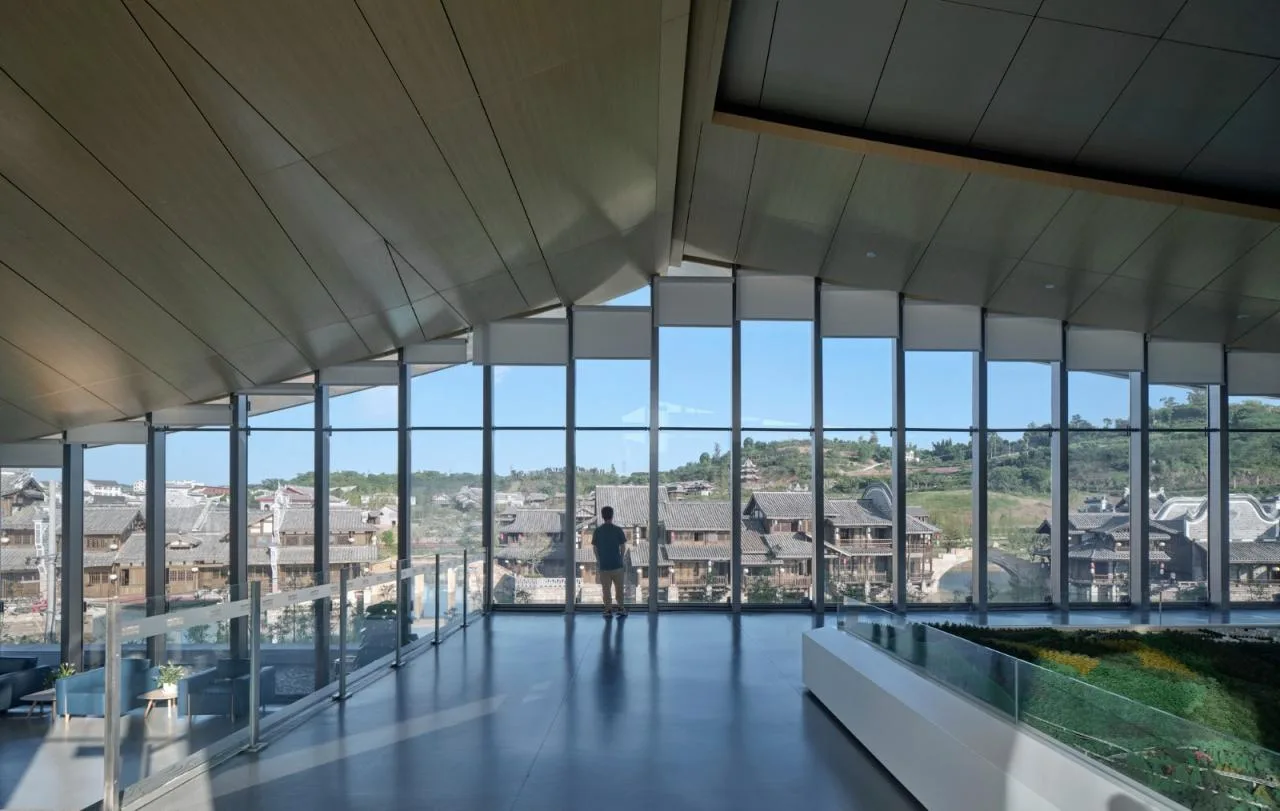
The visitor path begins on the first floor, moving through the Anti-Japanese War Exhibition Area and a Public Rest Hall, then ascending to the second floor’s Millennium Ancient Town Open Interactive Exhibition Area. The second floor’s exhibition space is connected by an “8”-shaped flowline, guiding visitors toward the underground exhibition hall. Visitors can enjoy views of the river while engaging with the exhibits, with interlayered spaces creating a seamless experience inside and out.
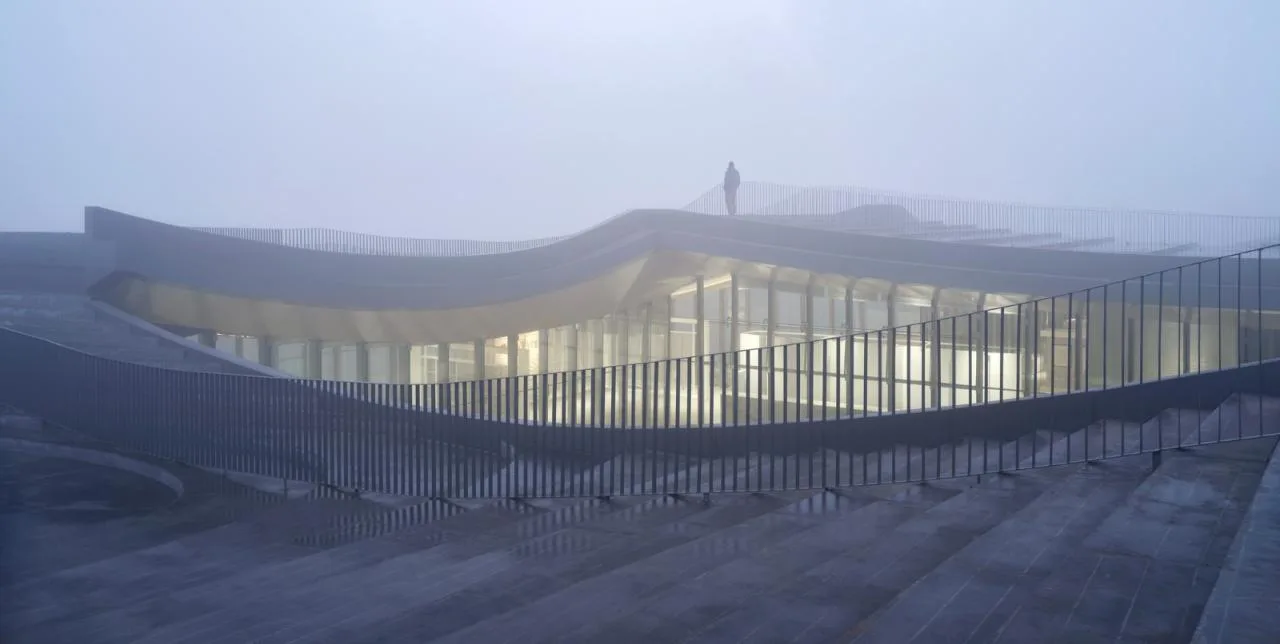
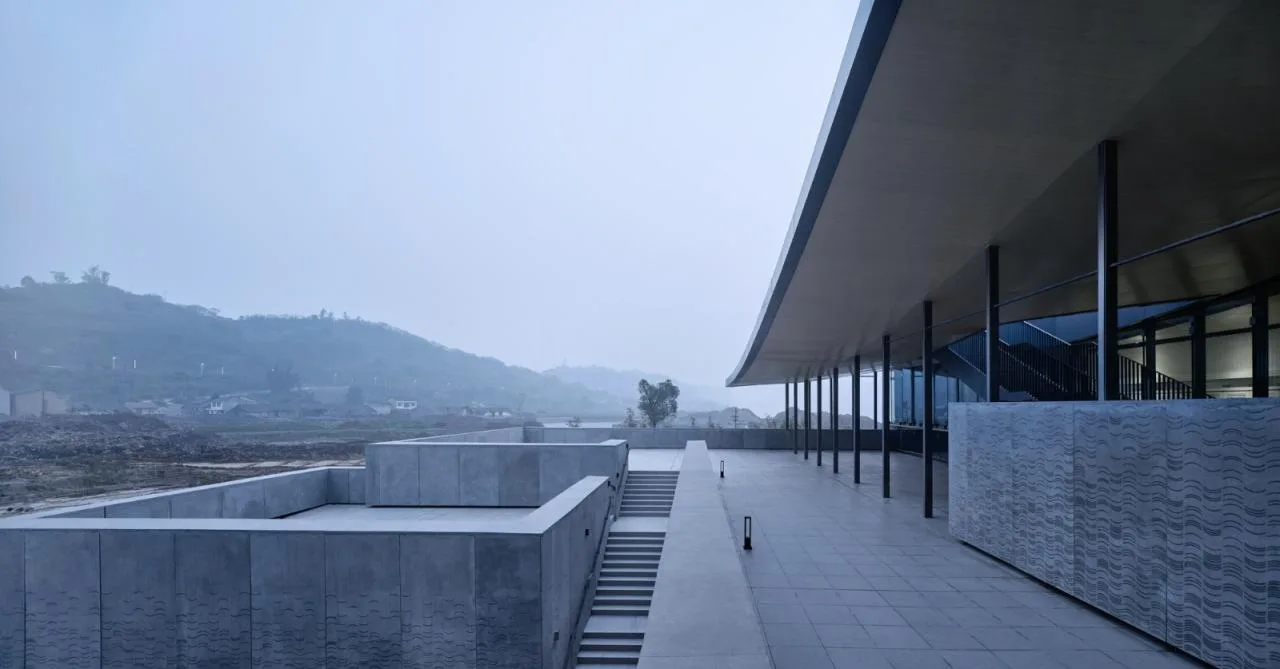
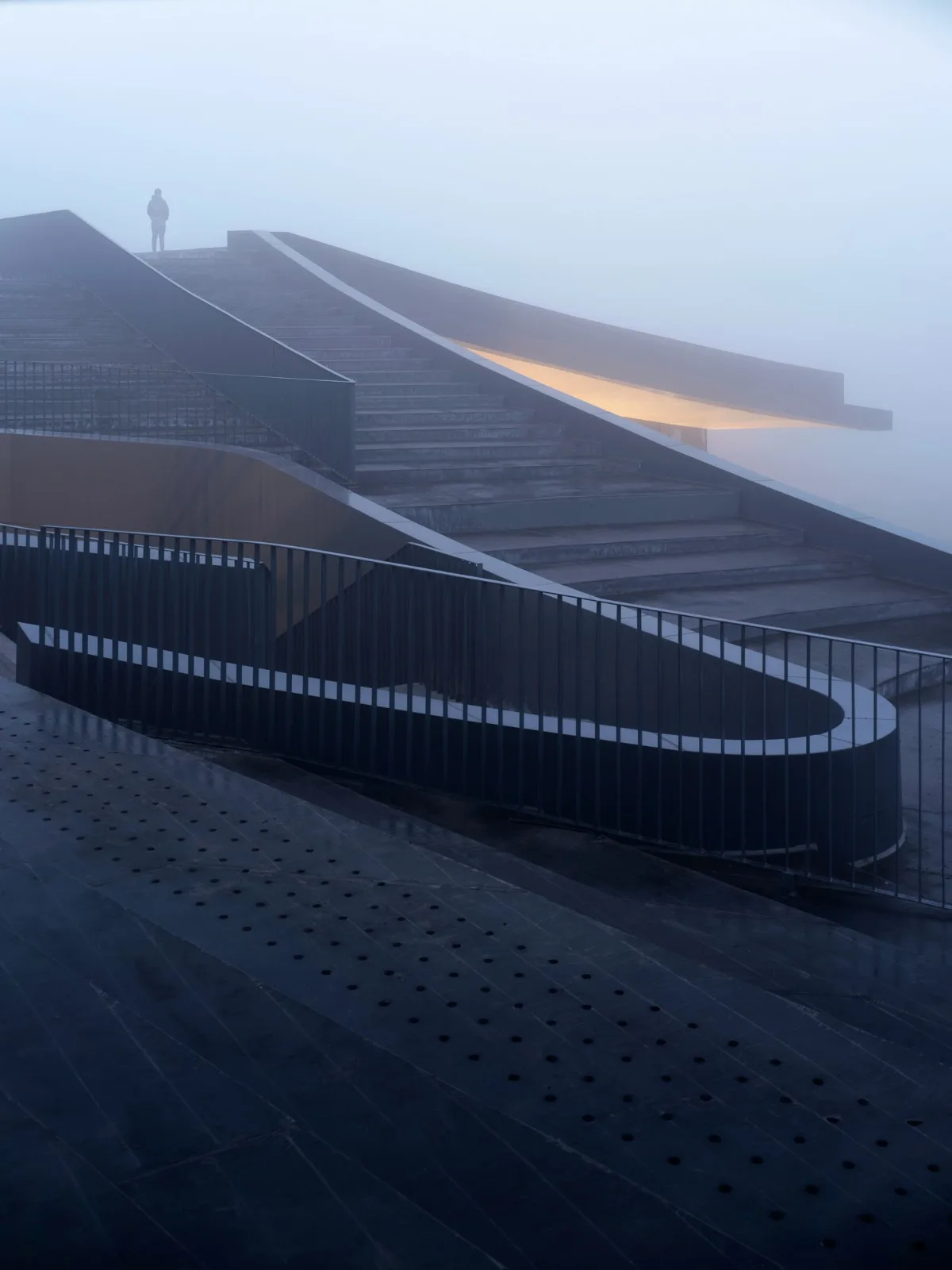
The first floor features staggered vertical levels, with the lower sections housing main and secondary entrances, and the upper parts forming terraces offering panoramic 270° views of the river. Four passages in the open exhibition areas provide access to the roof, extending the visitor route. The continuous roof, which transforms curved lines into straight forms, creates a tiered swimming platform. From the rooftop, visitors can admire the courtyard and take in distant views of the Yangtze River. Its undulating, winding form enriches the diversity of rooftop activities and experiences.
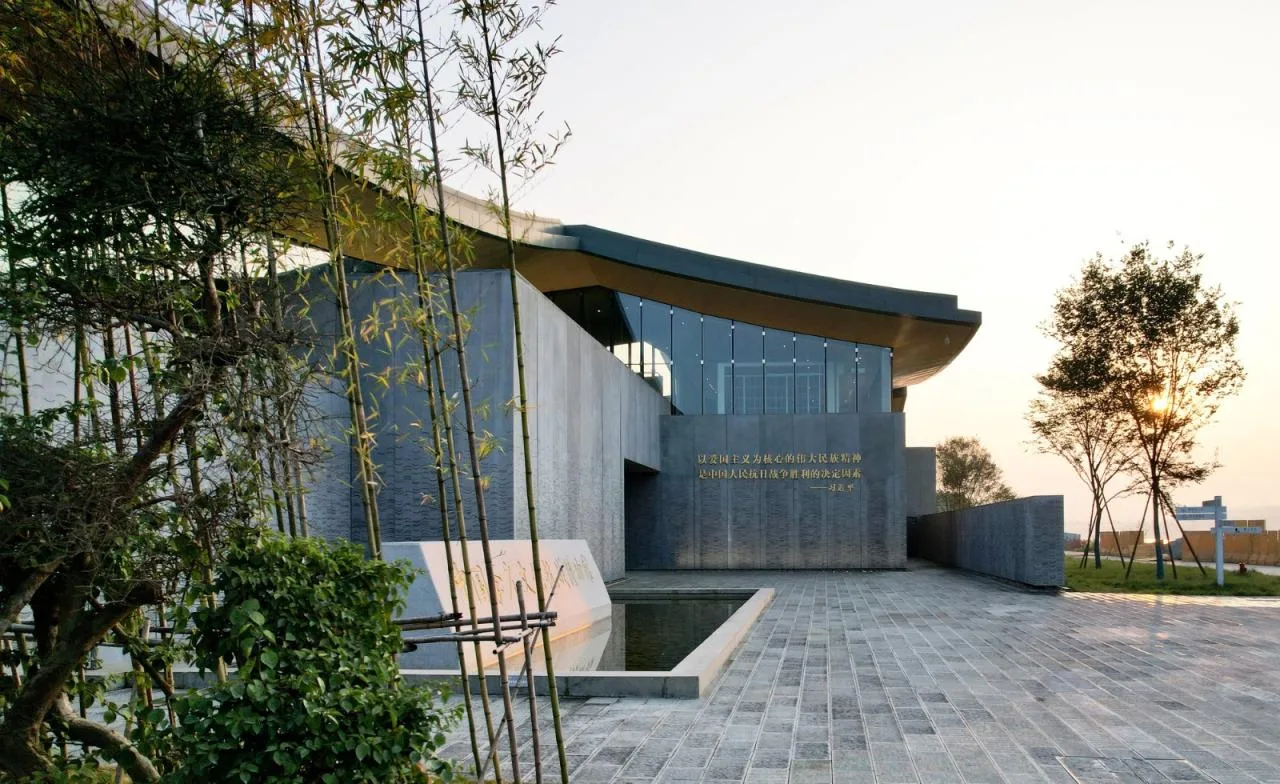
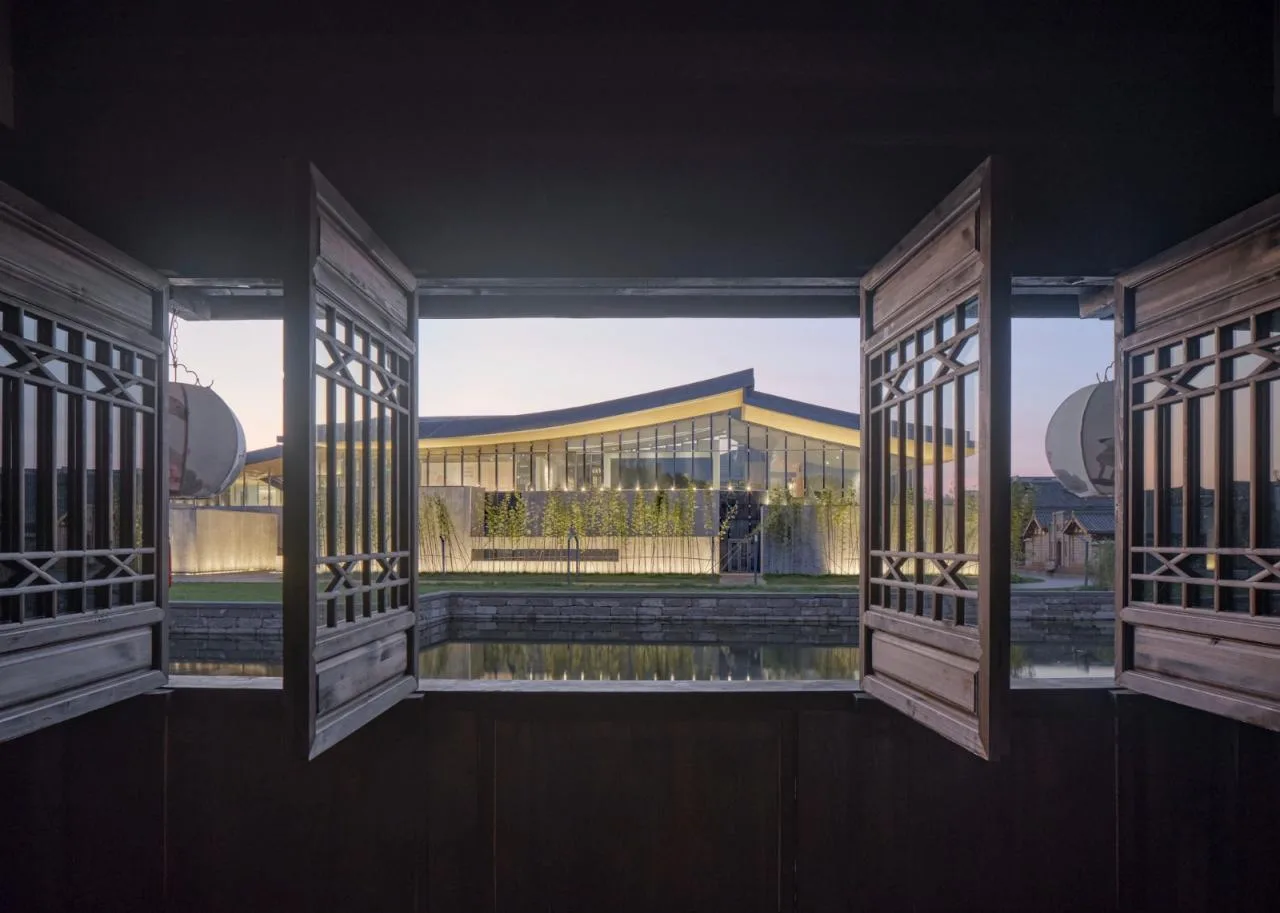
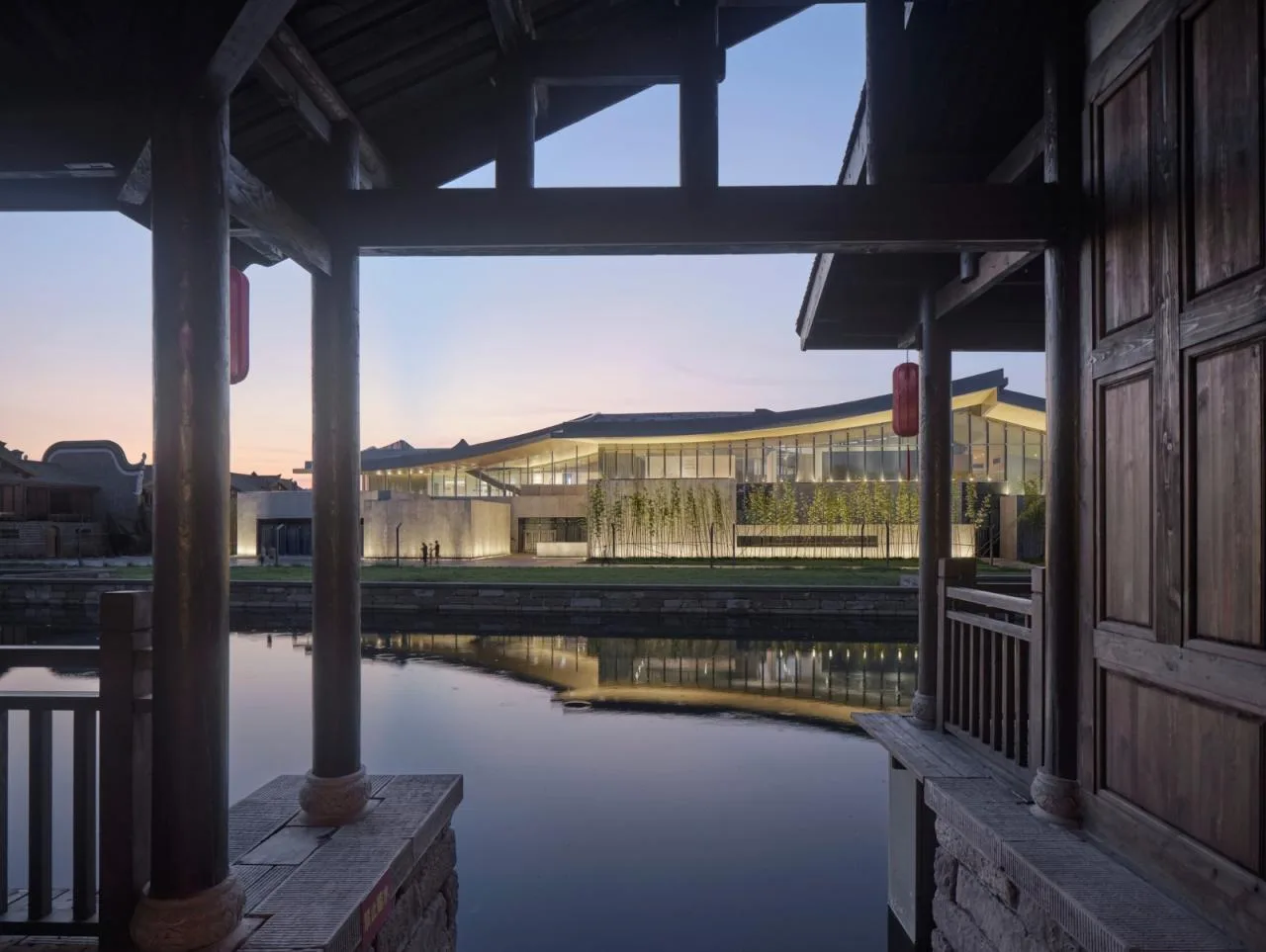
The main courtyard features two primary open spaces at different elevations, while “bamboo wells” situated between exhibition blocks provide natural light and ventilation indoors. These “bamboo wells,” along with the water courtyard at the entrance and the bamboo courtyard leading to the underground level, together form a three-dimensional courtyard structure.
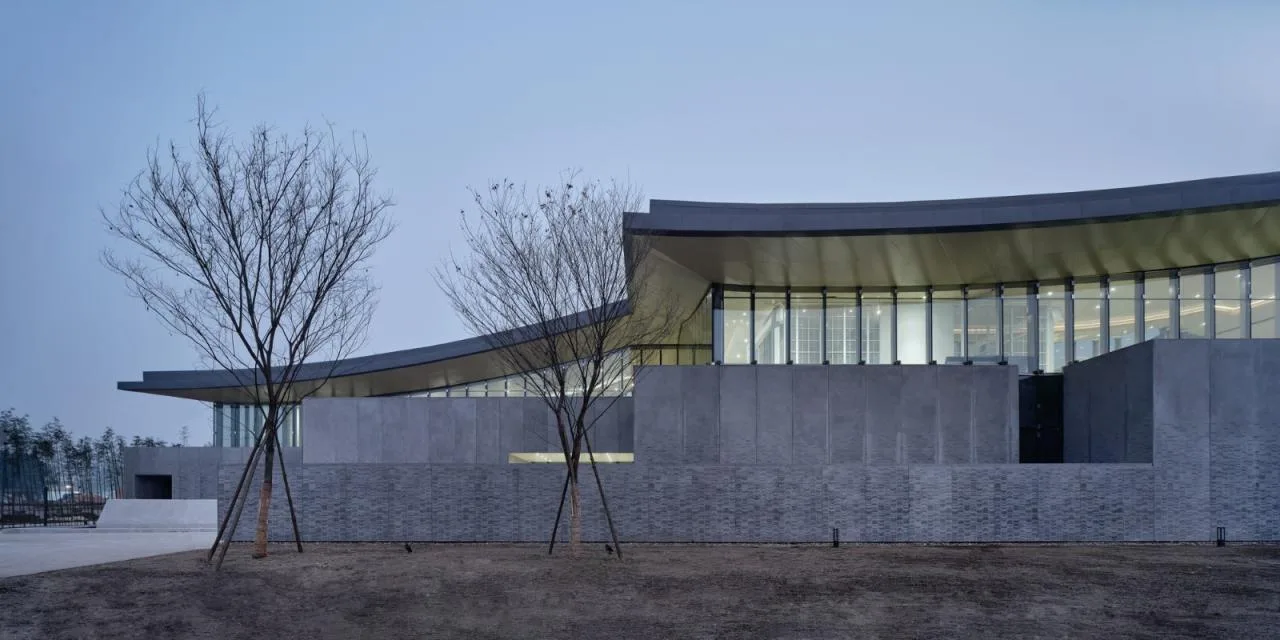
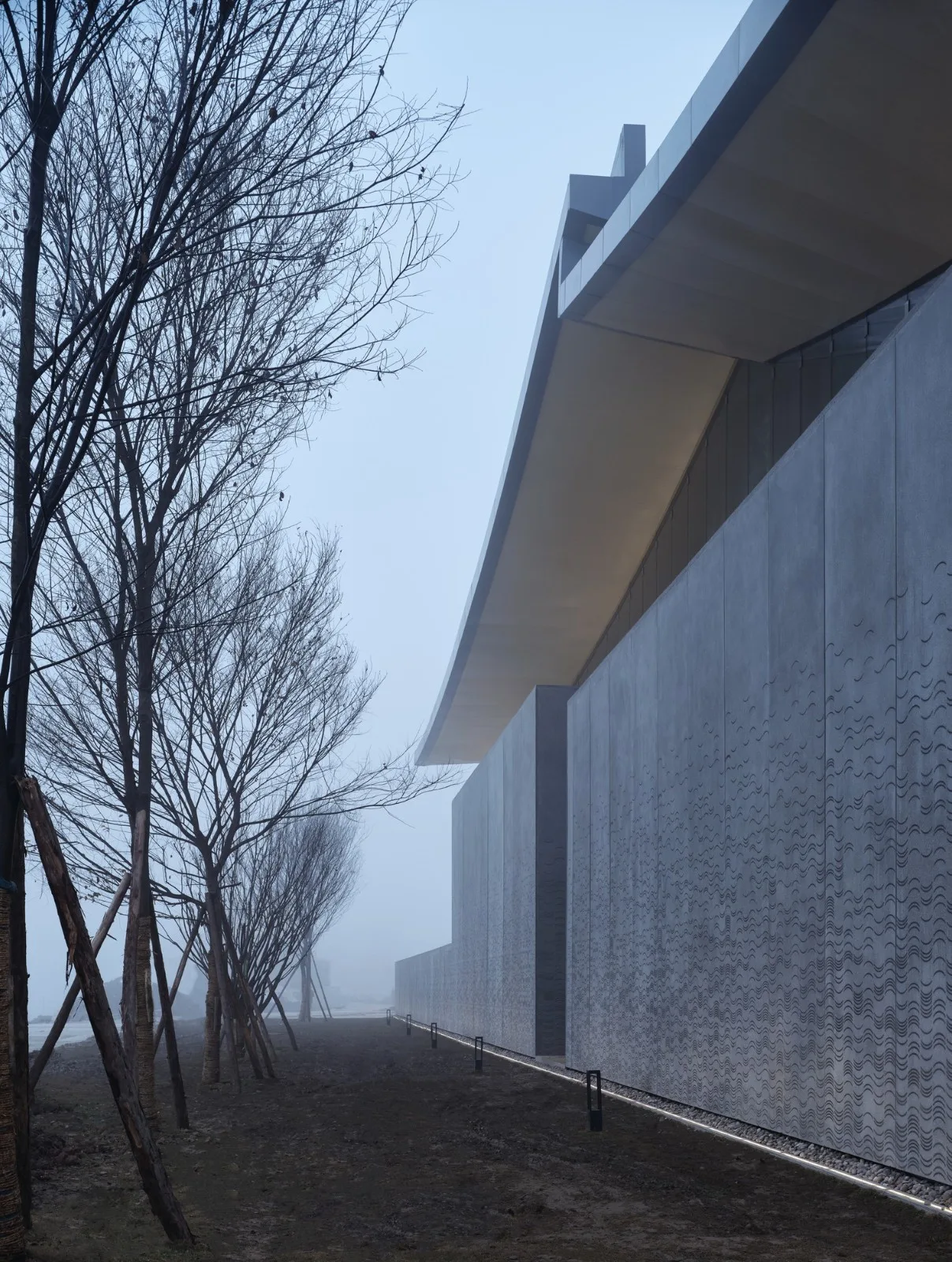
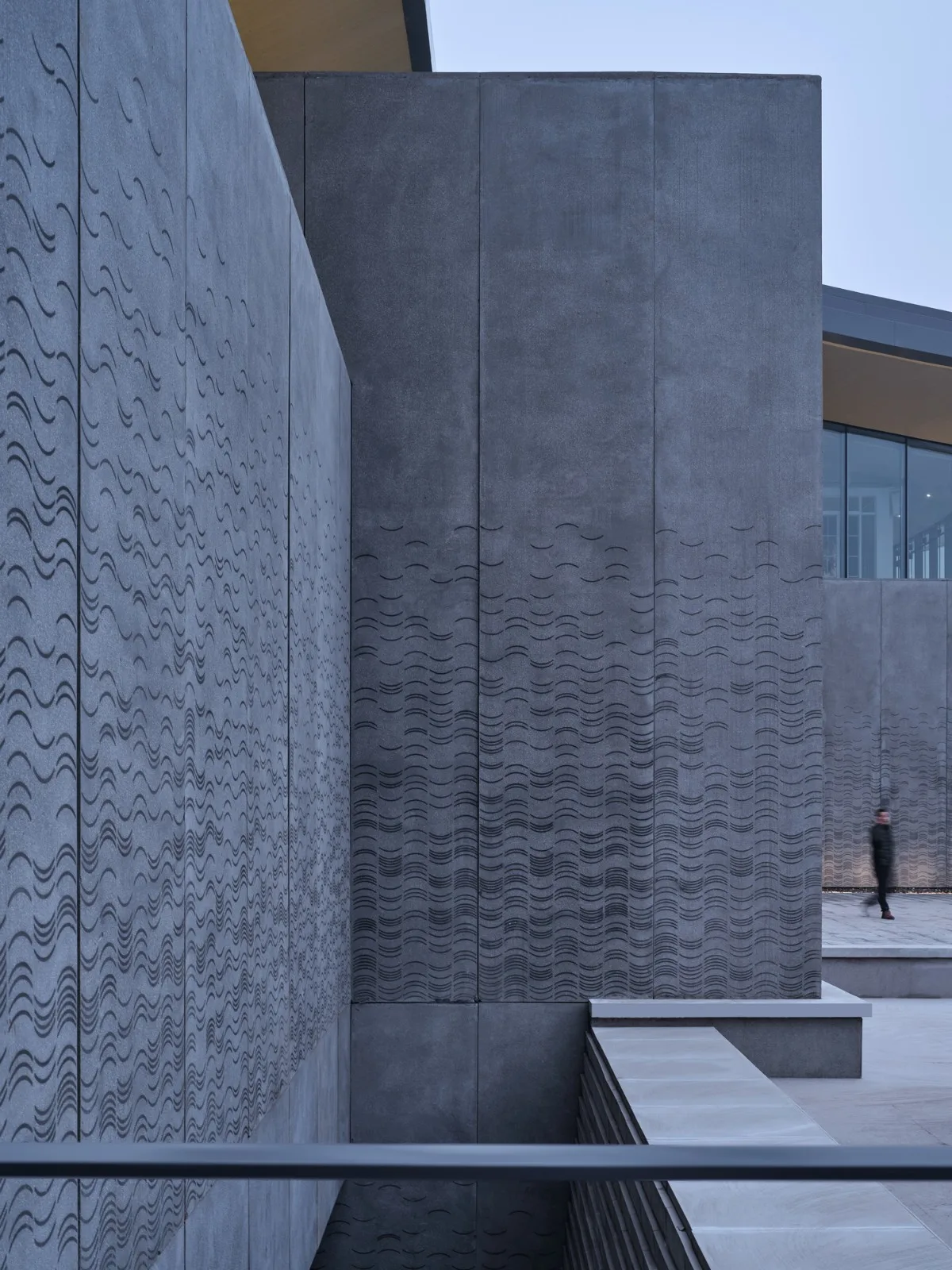
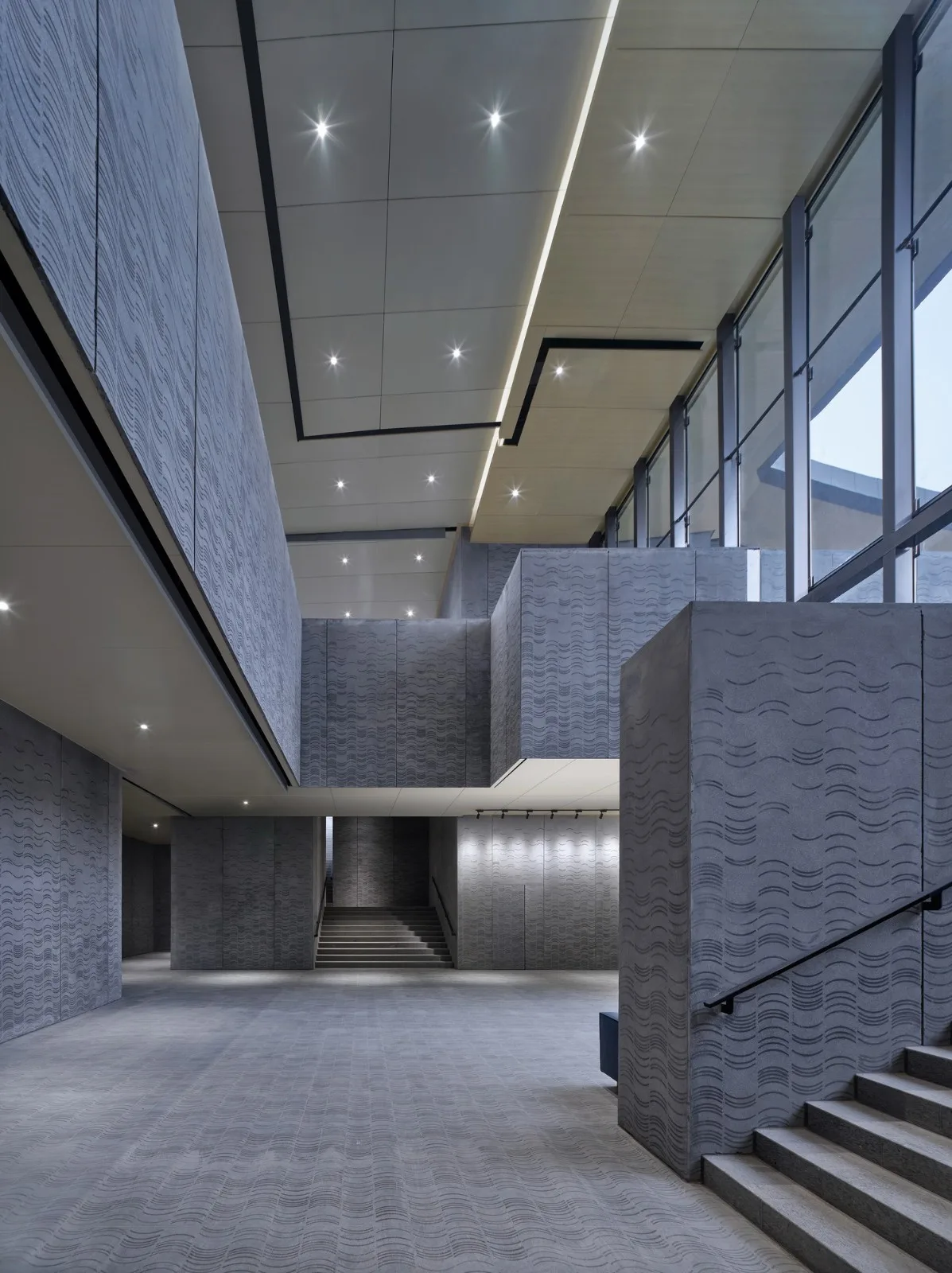
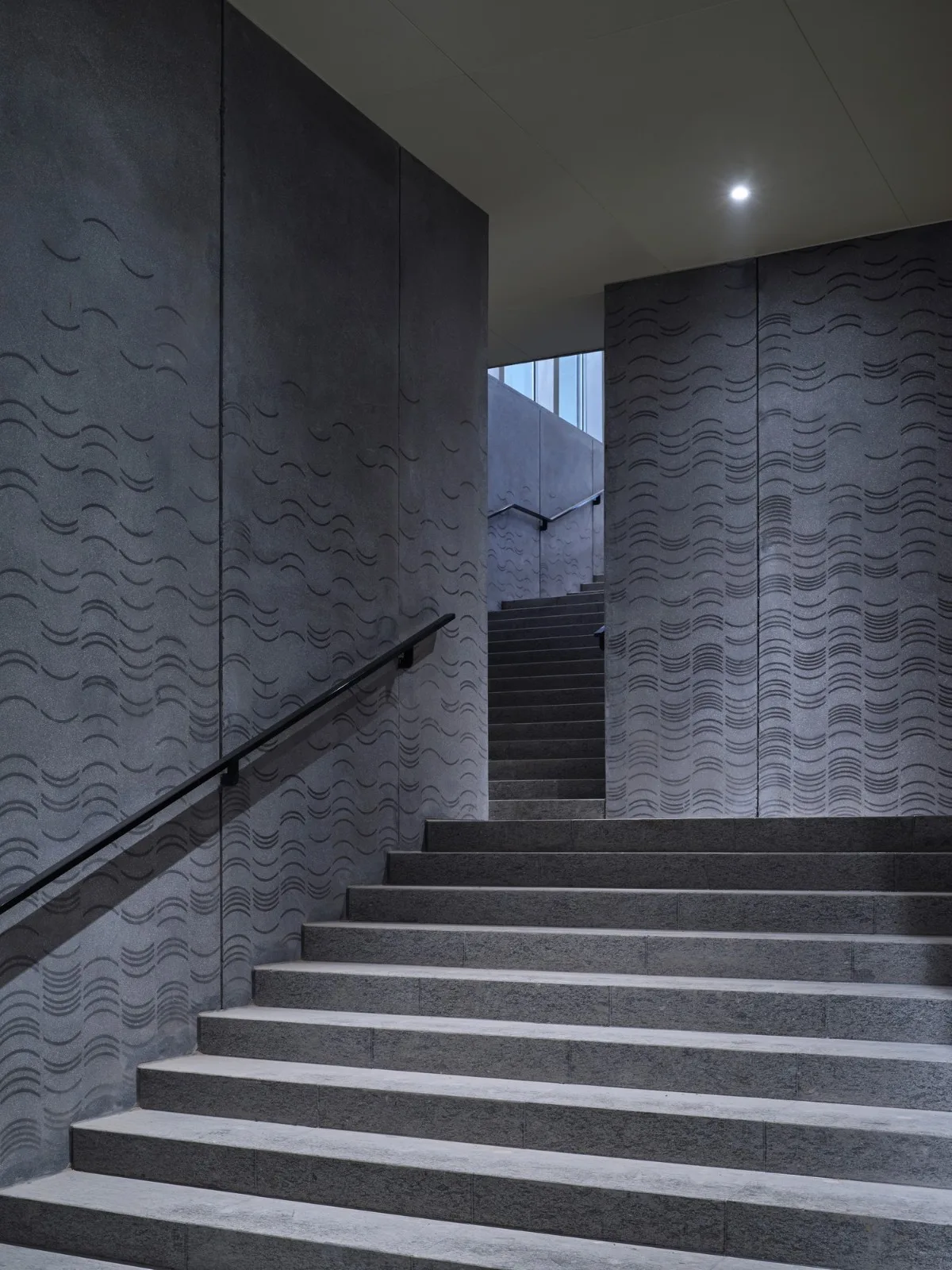
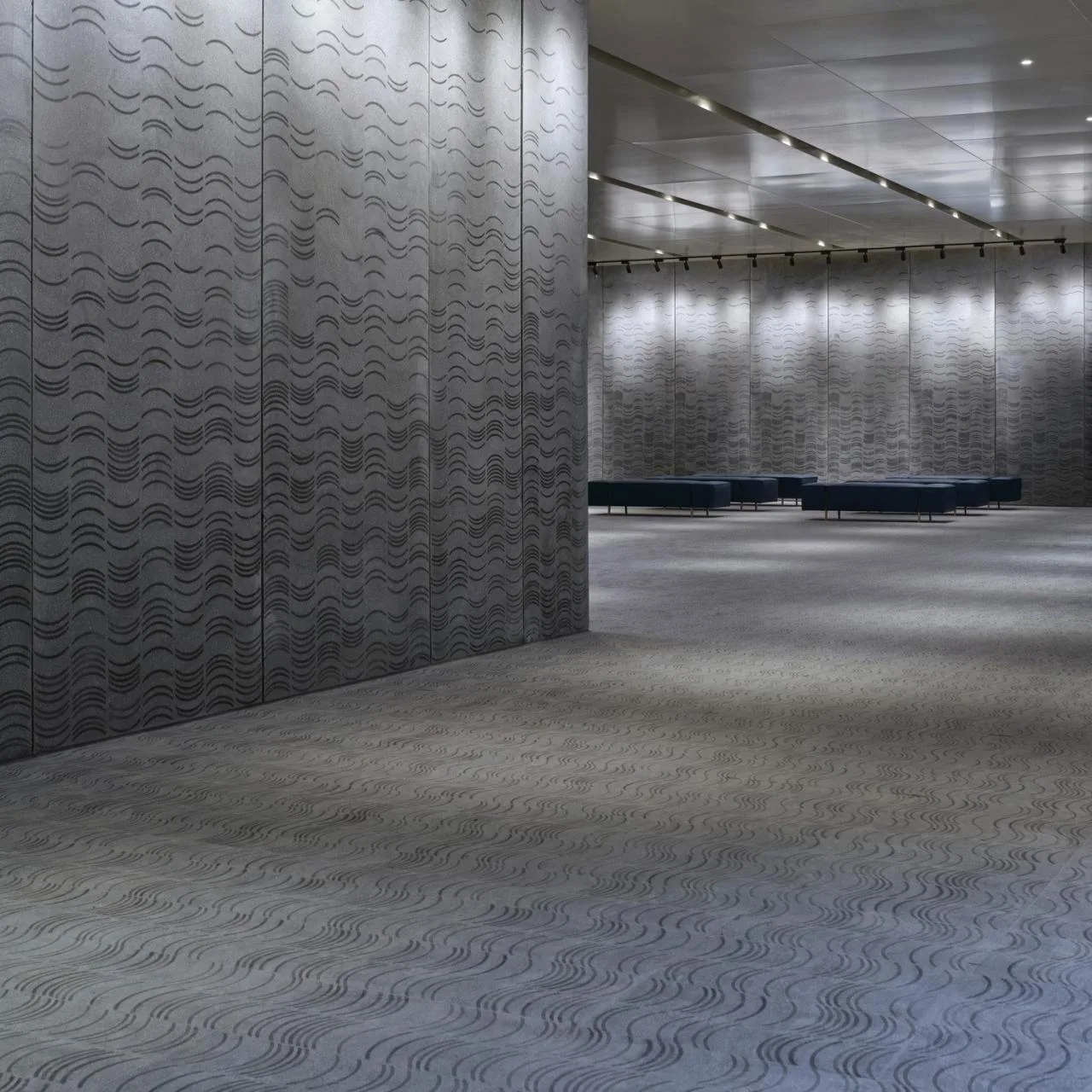
Traditional local roof tiles were cut and arranged rhythmically, then cast into prefabricated concrete exterior panels that reveal their curved profiles — a form familiar to locals. This unique small green tile gradient concrete prefab panel, reaching up to seven meters in height, aims to “reconstruct the tile courtyard,” reflecting the regional cultural traits of southern Sichuan residential architecture.
Additionally, the museum embraces a seamless indoor-outdoor design concept, with embedded precast concrete elements extending from the exterior into the interior, serving as critical spatial features.
From a distance, the building’s detailed textures are not clearly visible but their presence is felt. The dark tiles at the base lend the building a solemn and rustic character. From mid-distance, the tiles arranged with alternating orientations and measured density create a shimmering wave-like pattern, poetically evoking a lifelong connection to the Yangtze River. Up close, the texture is tactile and familiar, with a rough finish.
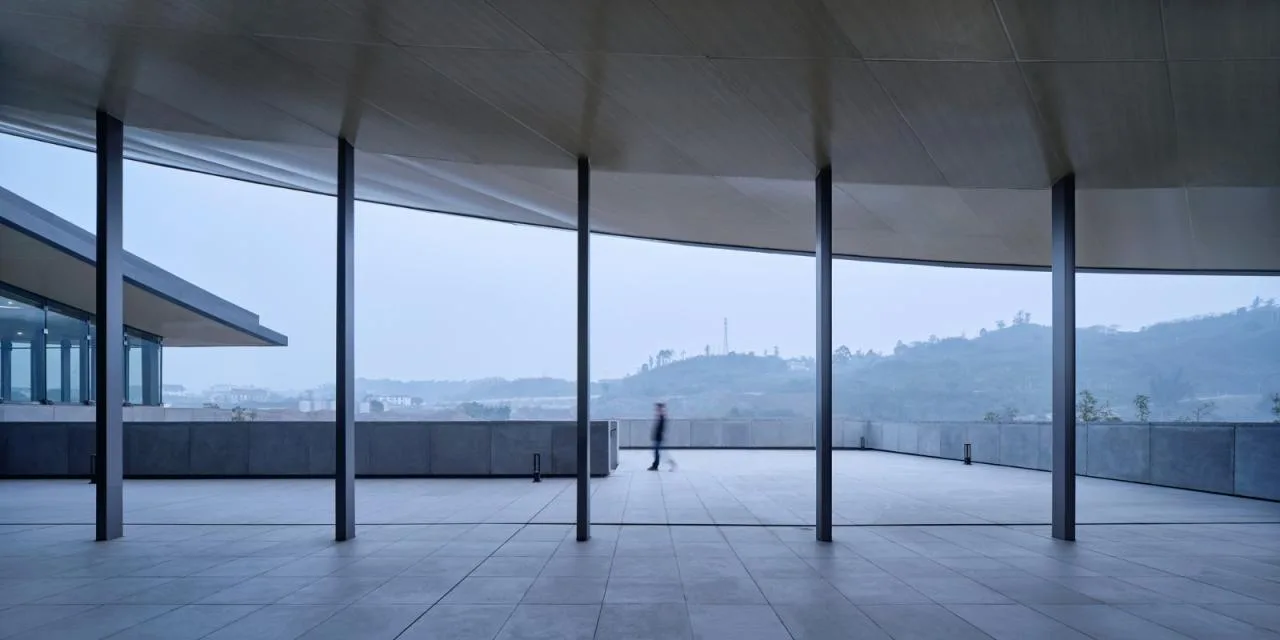
To preserve unobstructed river views, the building’s second floor employs an integrated curtain wall system. To meet structural and facade transparency requirements, the design features densely spaced structural columns at 1350mm intervals, matching the prefabricated facade components. Slim steel columns (100x160mm) serve as vertical supports and curtain wall keels, embodying the seamless integration of structure and facade.
Vertical circulation and support functions, such as equipment rooms, are housed within several cylindrical volumes recessed into the transparent facade, serving as key lateral force-resisting elements. The air supply interlayer is confined to the top of the first floor, while the curved roof of the second floor carries only composite sprinkler and lighting conduits. The roof’s total thickness is minimized, contributing to its appearance as “floating eaves” from the exterior.
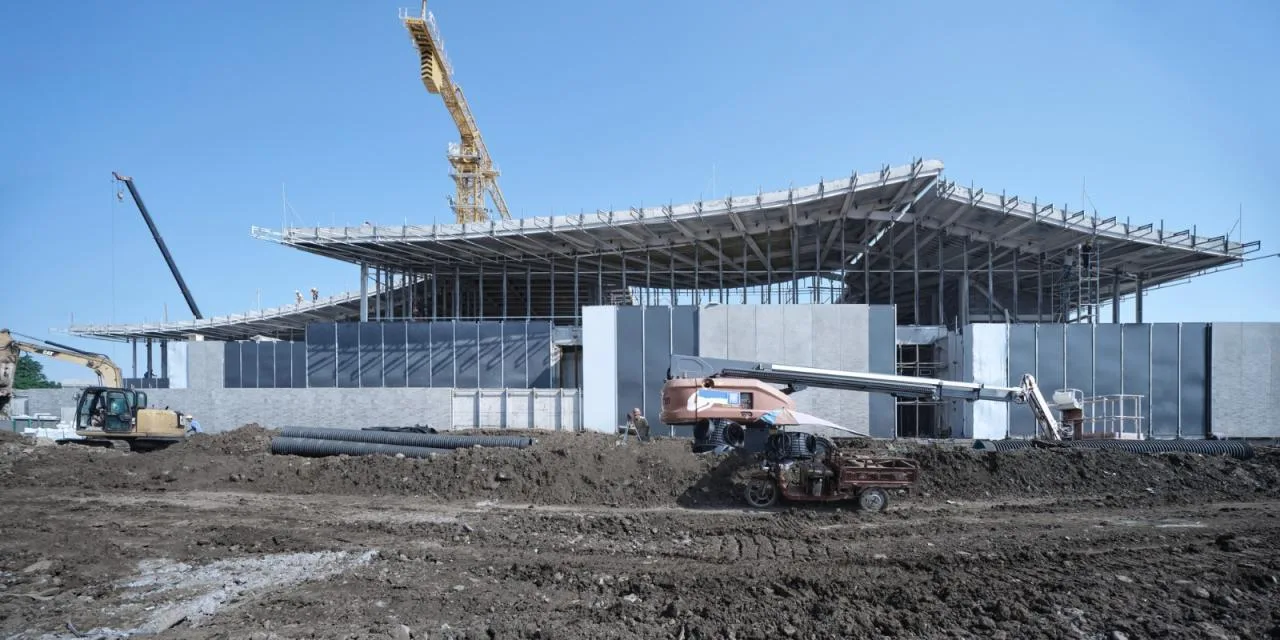
The entire project utilized forward design based on 3D Building Information Modeling (BIM), enhancing interdisciplinary collaboration and enabling efficient, precise completion of complex, non-standard designs remotely. This comprehensive approach ensured that all professional tasks—from design and optimization to detailing and construction guidance—were conducted within a unified BIM environment from the outset.
Real-time visualization of detailed 3D construction data avoided redundant modifications and rework, streamlined multi-trade construction, and significantly boosted efficiency. Consequently, the project was completed in just 180 days, from foundation pit excavation to indoor exhibition readiness.
The new eaves of the Lizhuang Cultural Anti-Japanese War Museum blend harmoniously with the surrounding Sichuan-style tile-roofed residences, responding to the site’s spirit in a subtle yet distinct manner. The design honors the ancient town’s cultural heritage while sharing the spectacular Yangtze River scenery.
Project Drawings
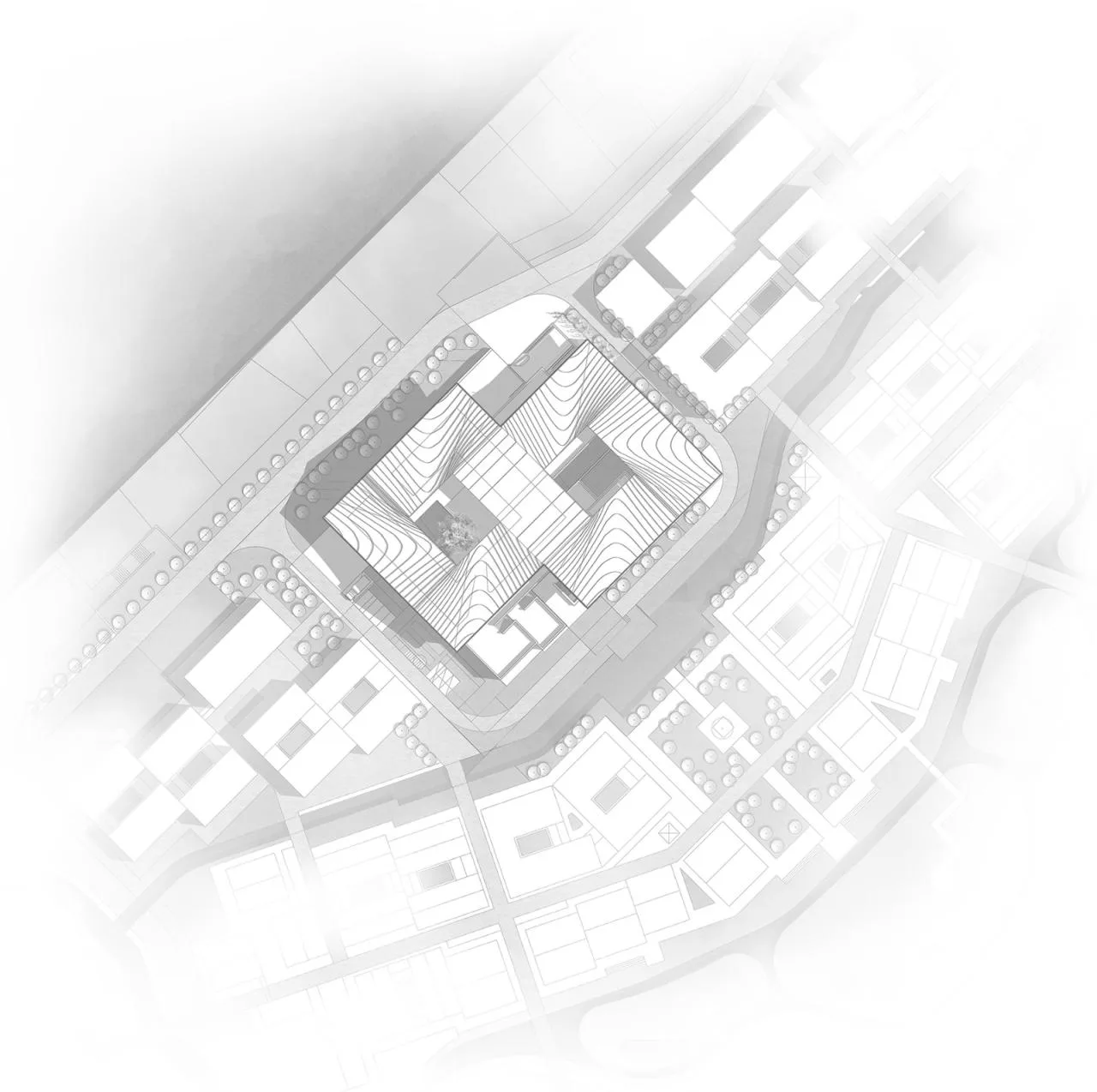
△ General Layout Plan
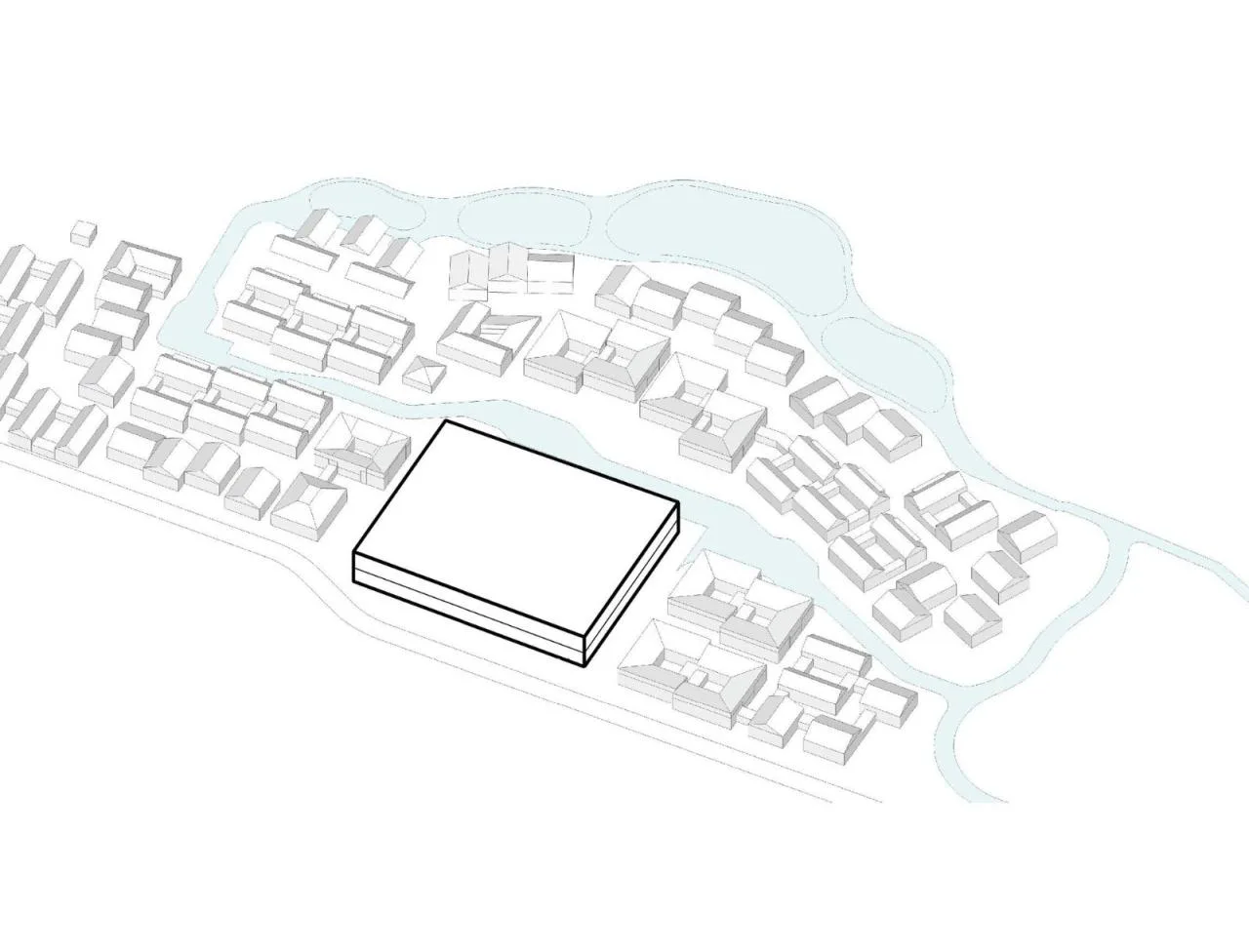
△ Project Generation Diagram
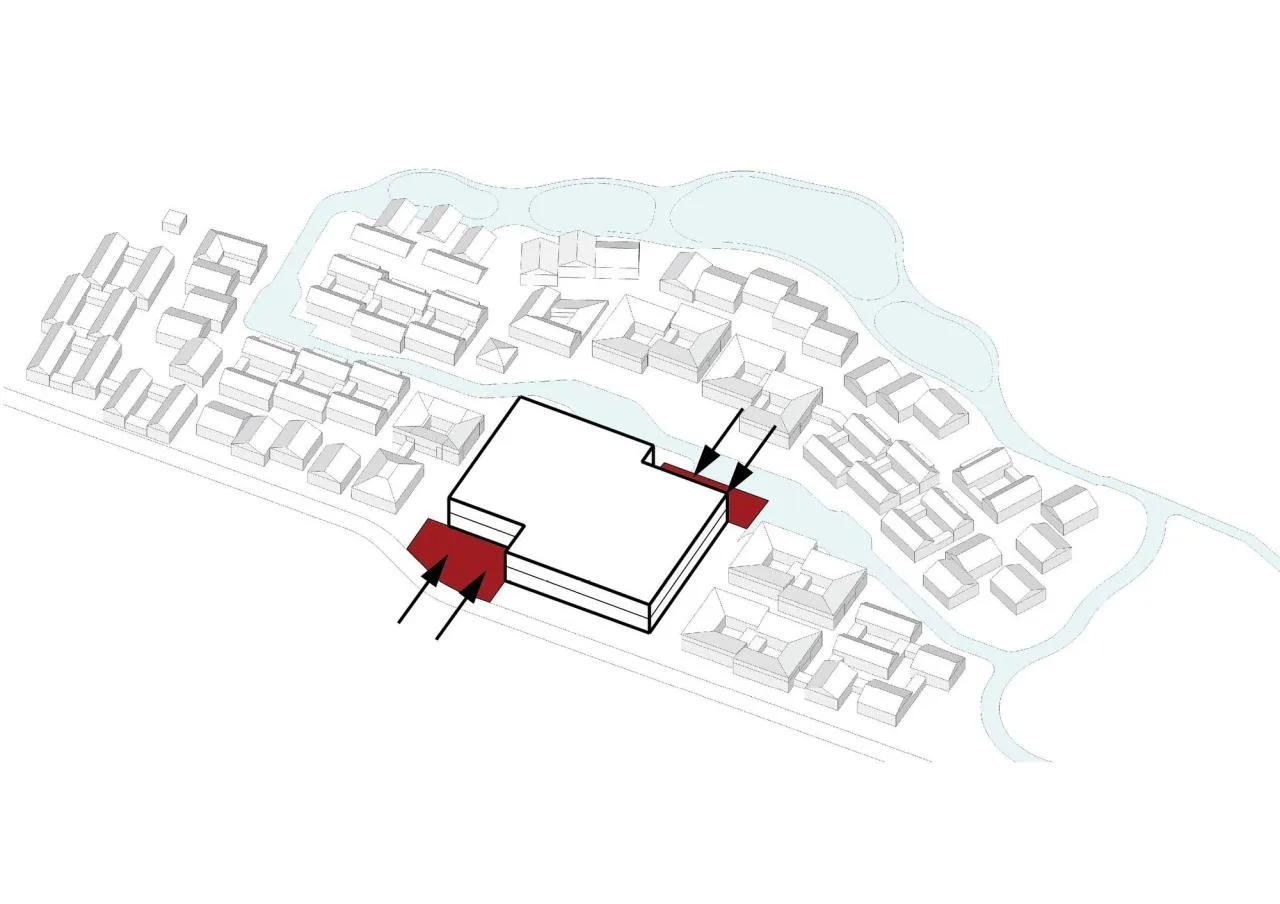
△ Project Generation Diagram
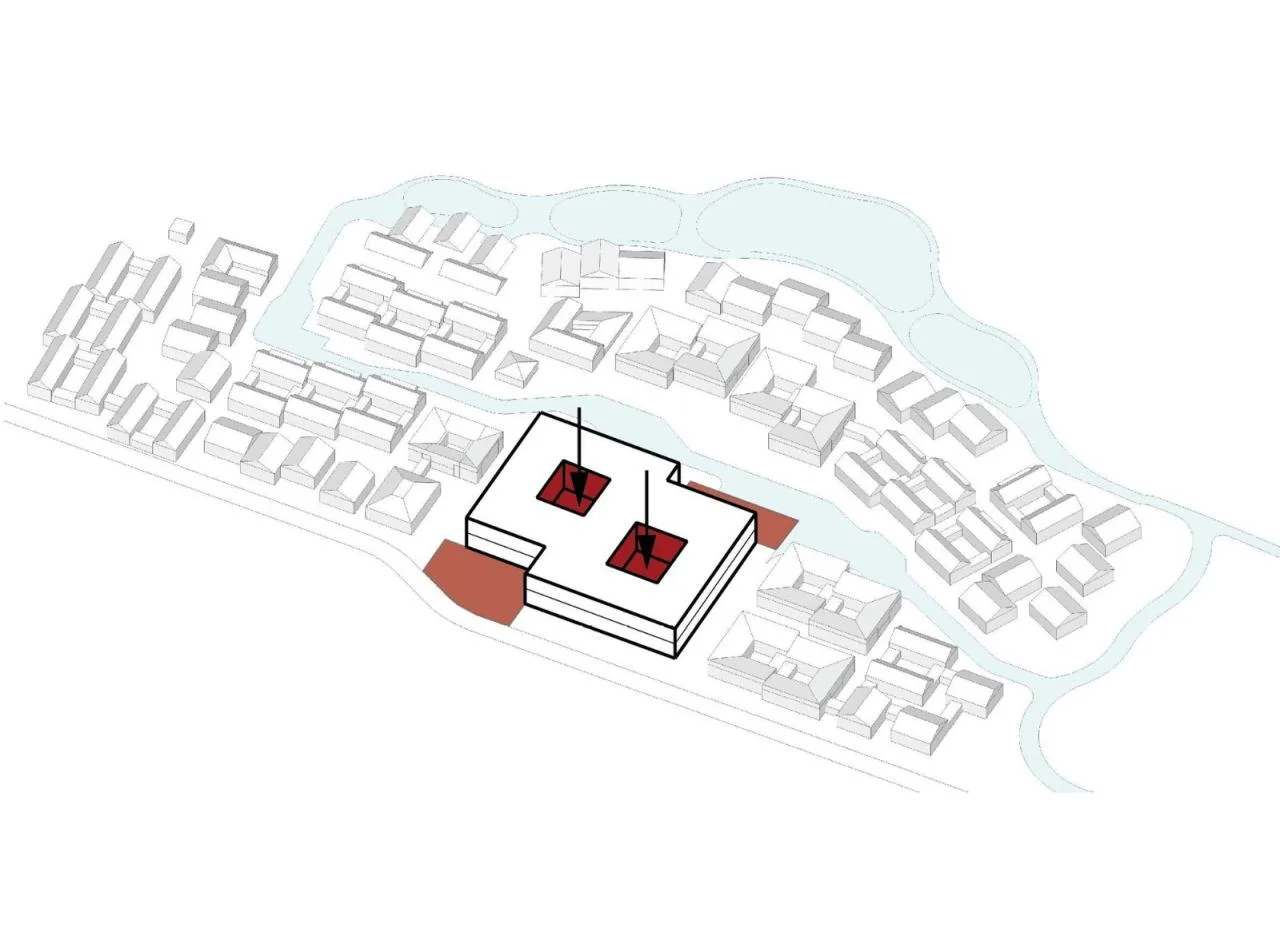
△ Project Generation Diagram
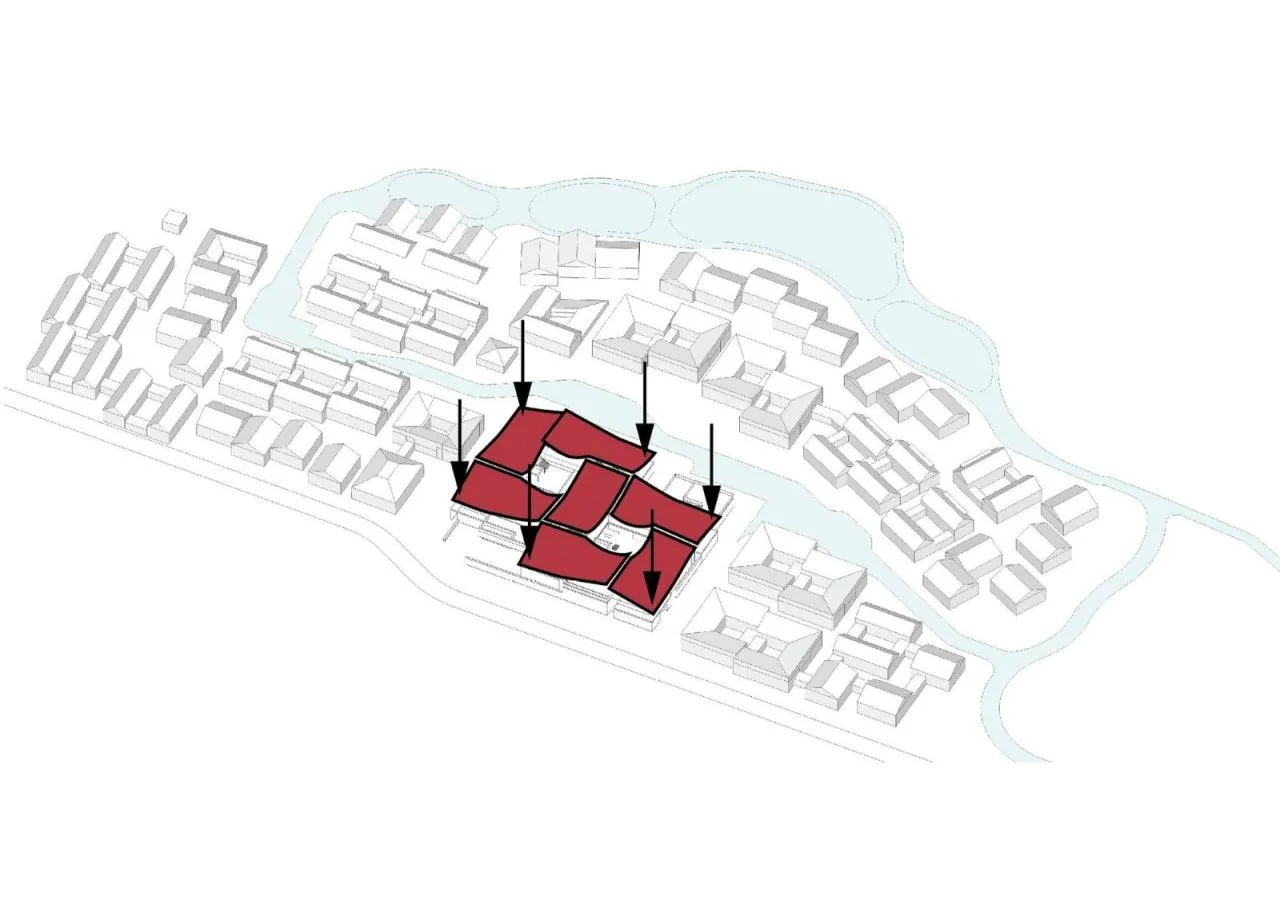
△ Project Generation Diagram
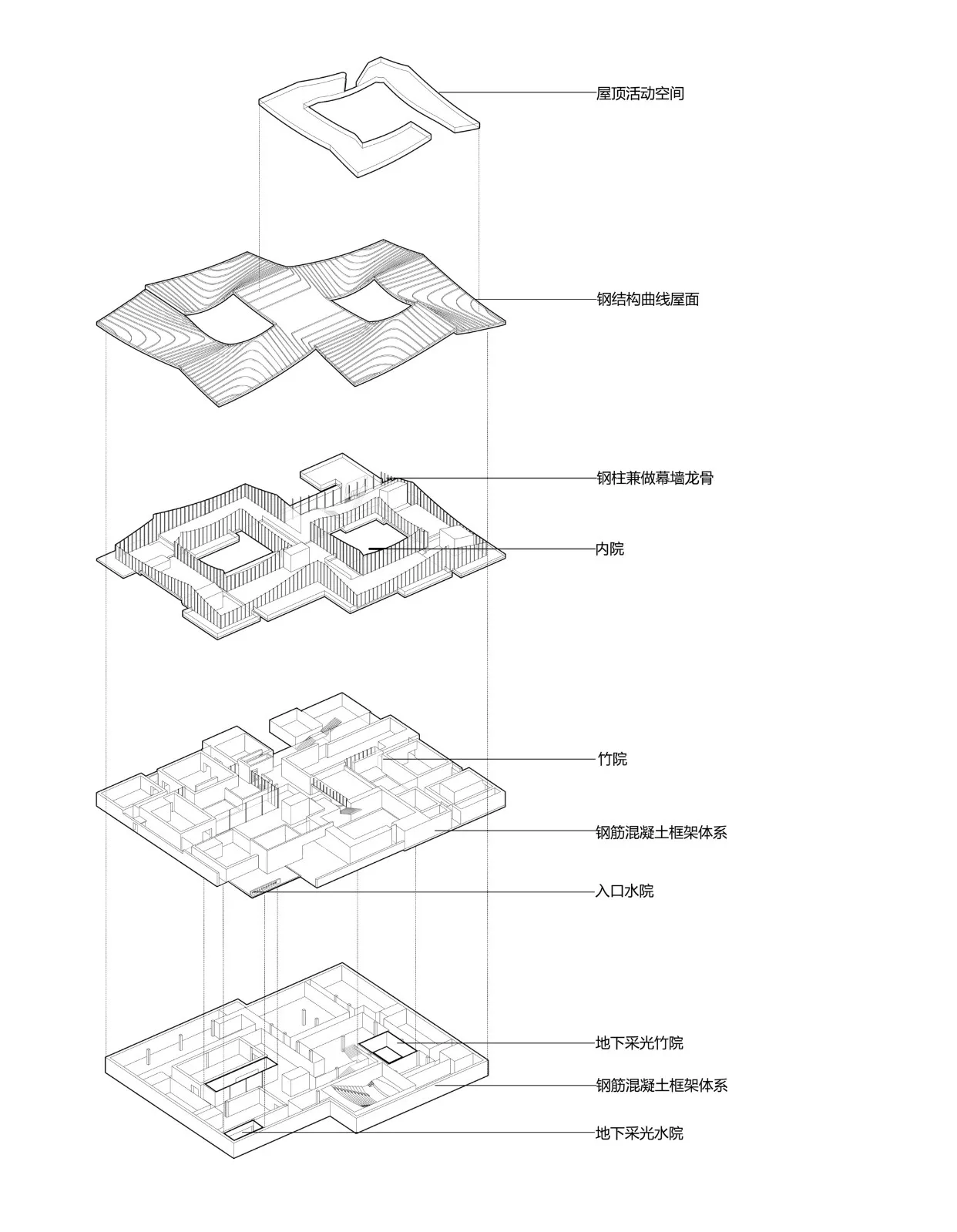
△ Exploded Diagram
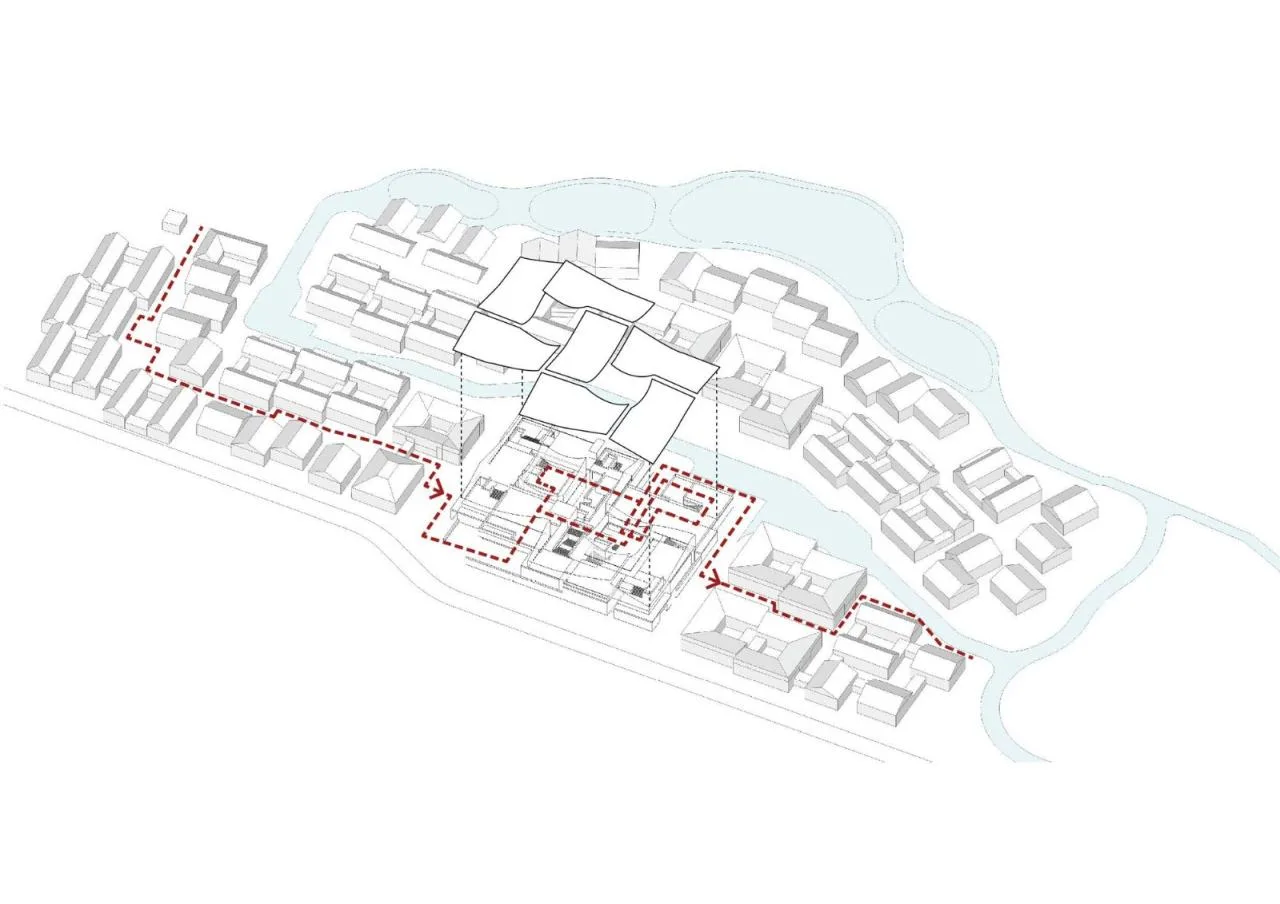
△ Streamline Analysis Diagram
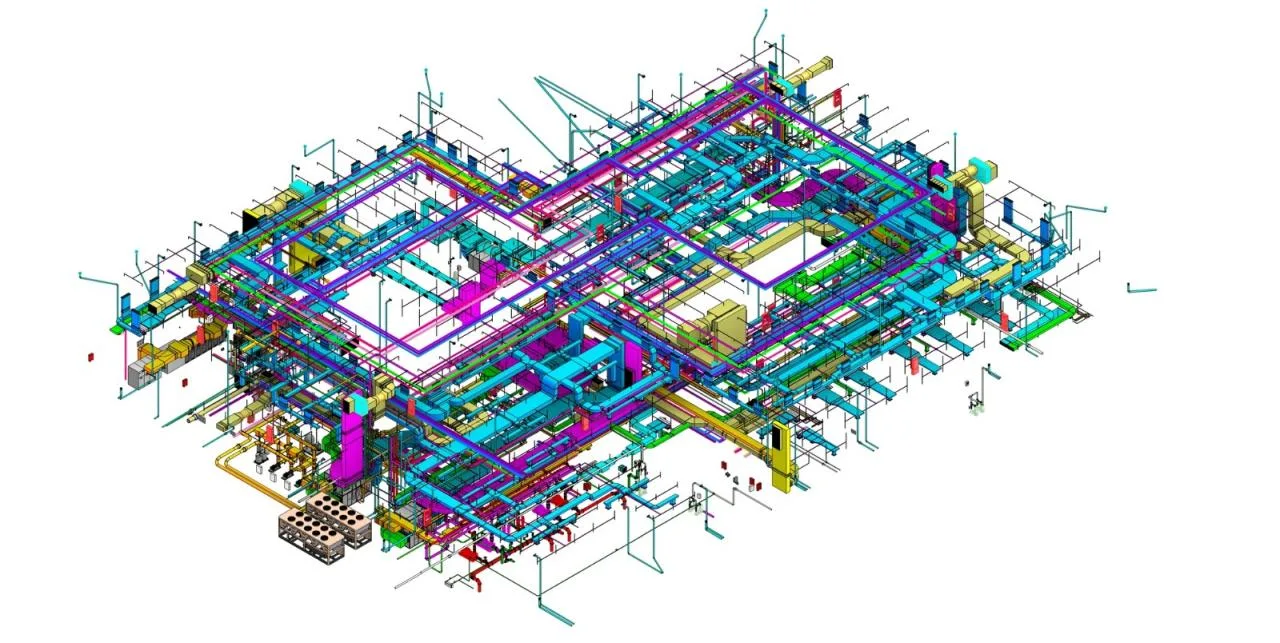
△ Analysis Chart
Project Information
Architect: Tongji Original Design Studio
Area: 10,268 m²
Project Year: 2021
Photographer: Zhang Yong
Lead Architects: Zhang Ming, Zhang Zi, Chen Bo
Structural Design: Tongji University Architectural Design and Research Institute (Group) Co., Ltd.
Architectural Design Team: Sun Jialong, Yao Guanjie, Zhang Xiaoya, Mou Xiaotong, Liu Langxin
Structural Design Team: Ding Jiemin, Wu Honglei, Wang Shiyu, Lin Chen, Zheng Chaoyi, Yang Boya
BIM Forward Design Team: Zhang Dongsheng, Liu Jian, Wang Lingyu, Li Jingyi, Shi Jia, Xu Menglin, Jia Min, Lv Zonghu, Wang Haidong
Technical and Economic Team: Zhou Lingjun
Engineer: China Metallurgical Group Corporation Limited
Location: Yibin
















Must log in before commenting!
Sign Up