
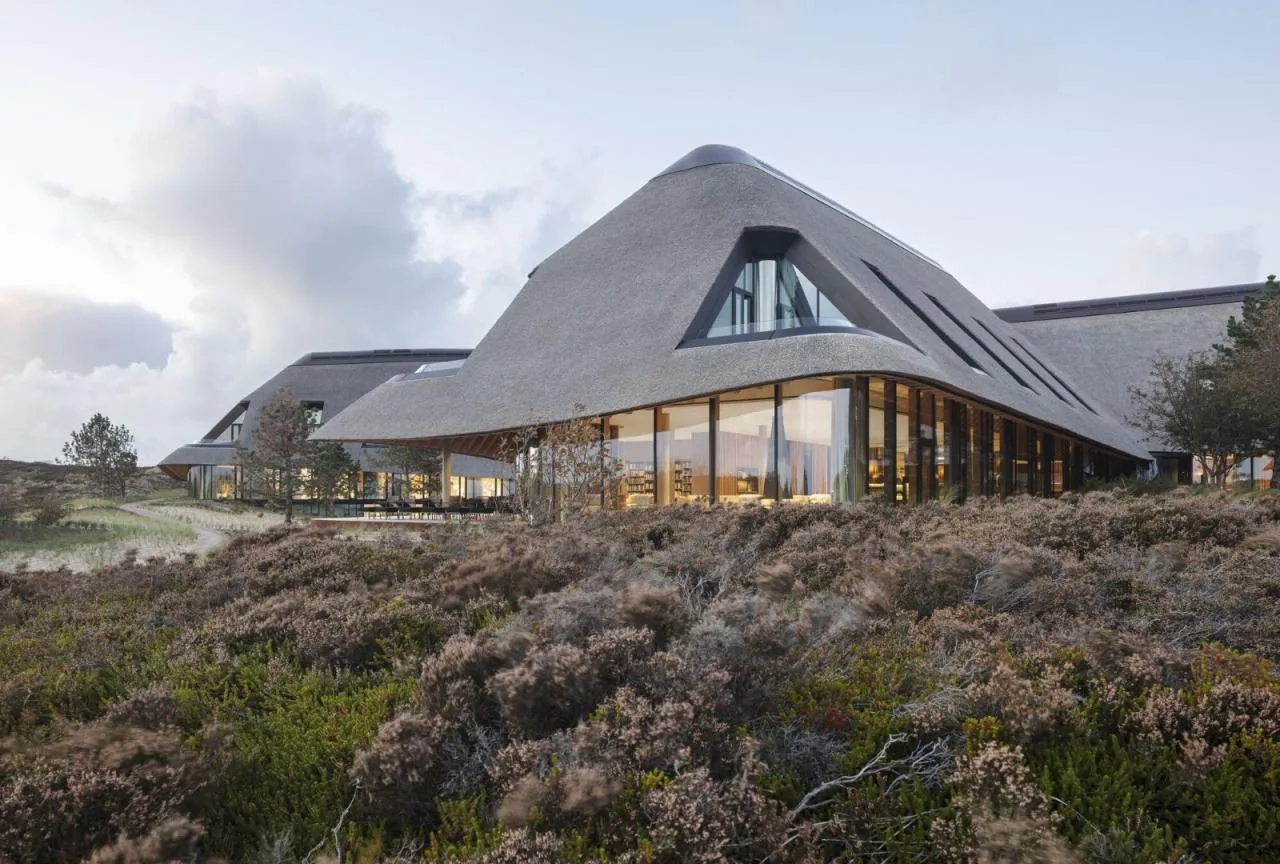
Ingenhoven Associates collaborated closely with the Department of Nature and Heritage Conservation to design this healthcare resort, including its interior. According to the architect’s Supergreen© approach, the resort offers a modern interpretation of sand dune landscapes, combining maximum comfort with the highest ecological standards. Our project is conceived as a contemporary response to the works of our predecessors. At the same time, building on Sylt means becoming part of the ever-shifting sand dunes.
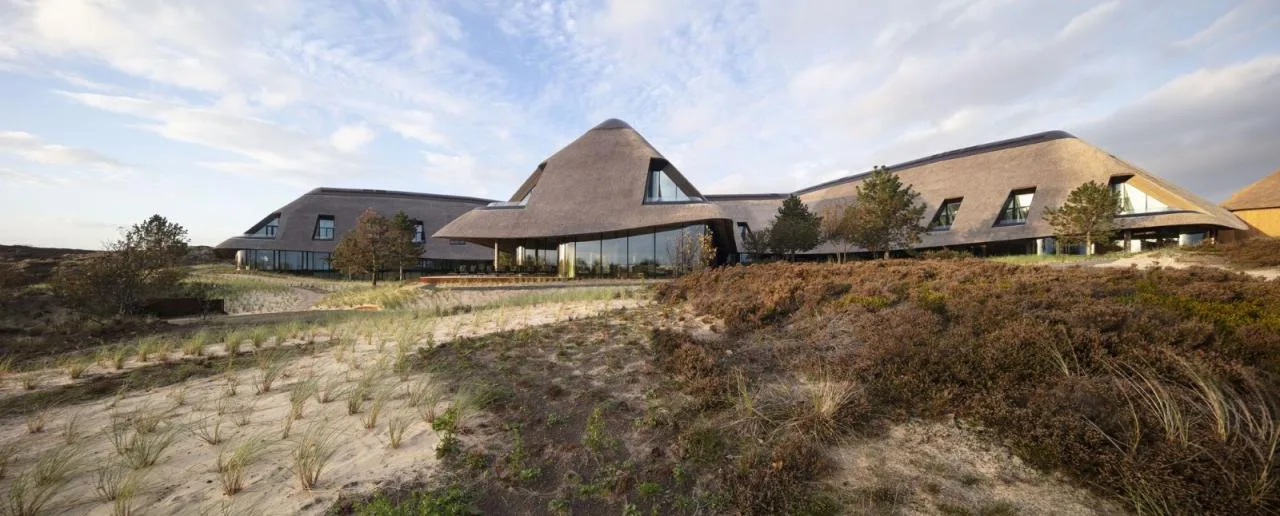
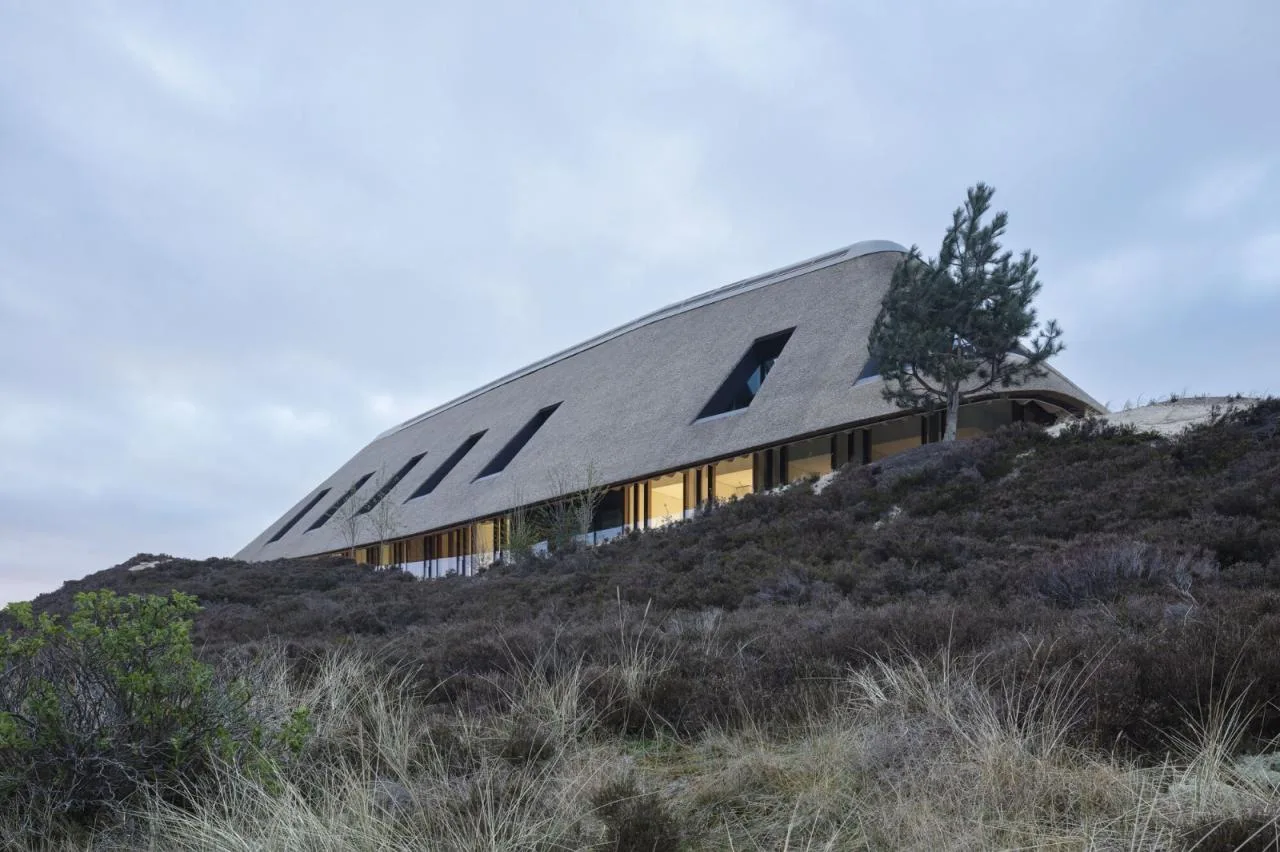
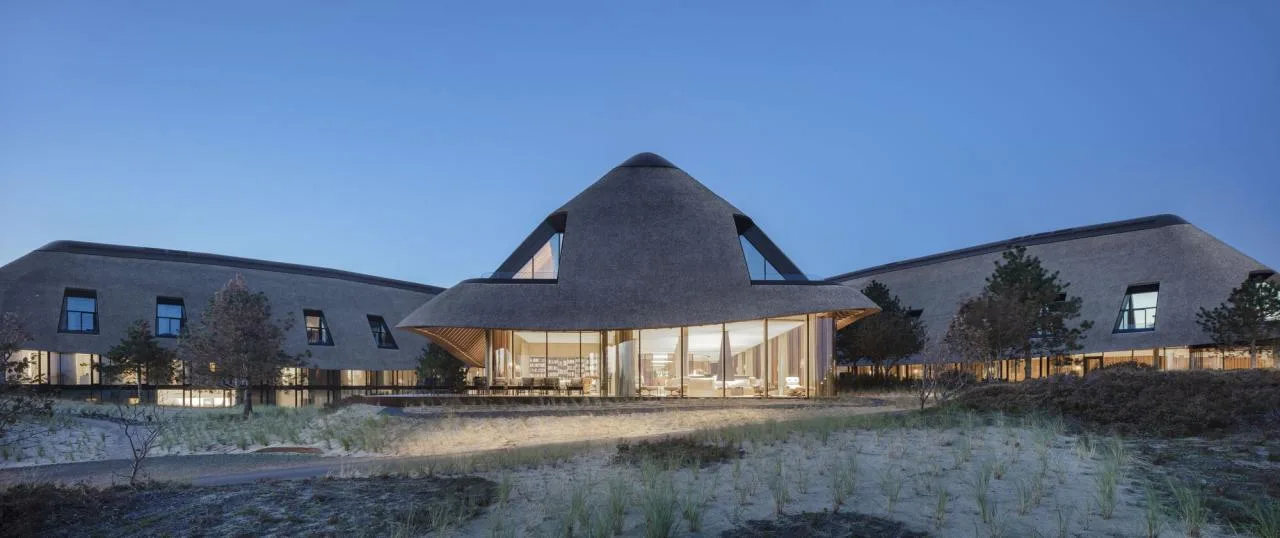
“We designed buildings that harmonize seamlessly with nature, simplifying them to their most essential form — which, today, defines luxury,” said Christoph Ingenhoven. The beauty of the sand dune landscape strongly influenced the design. The new Lanserhof hotel is an integral part of this environment.
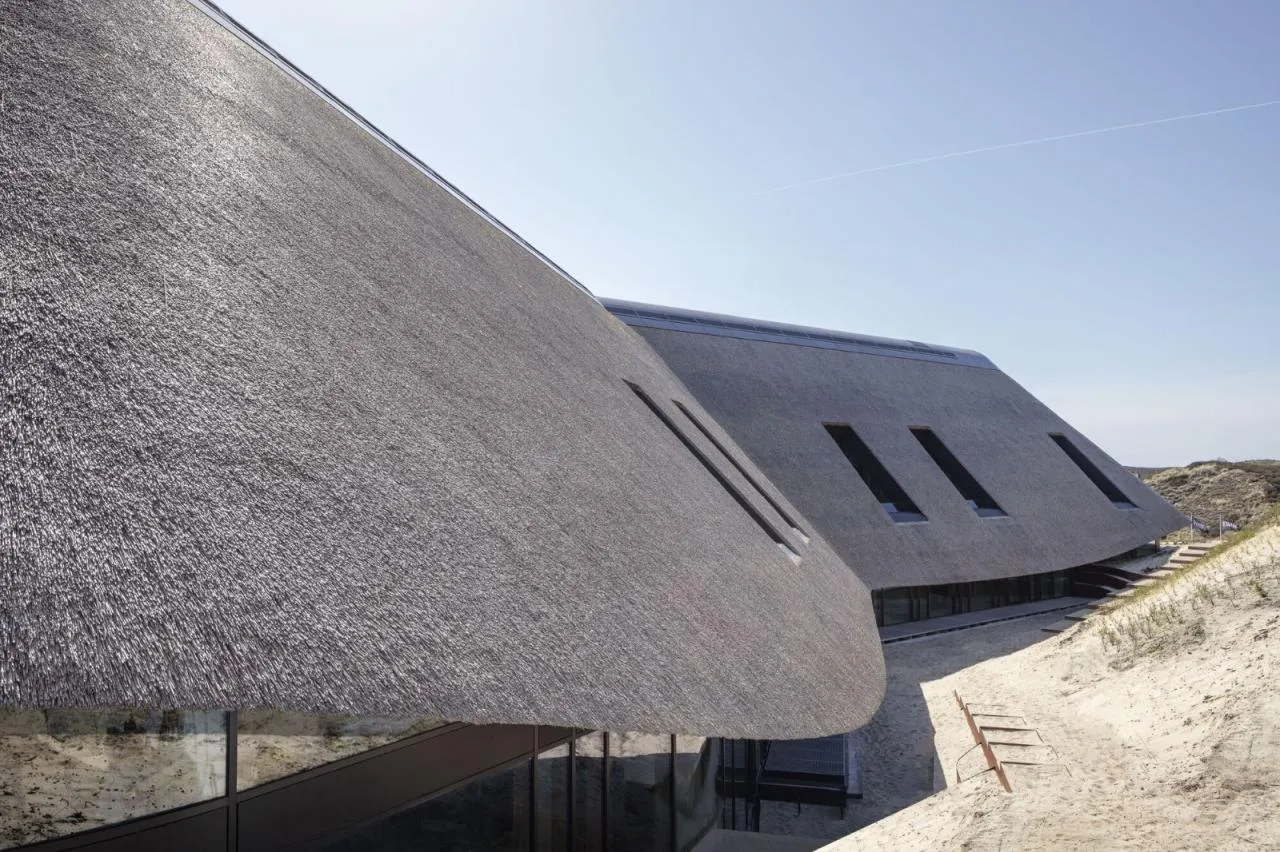
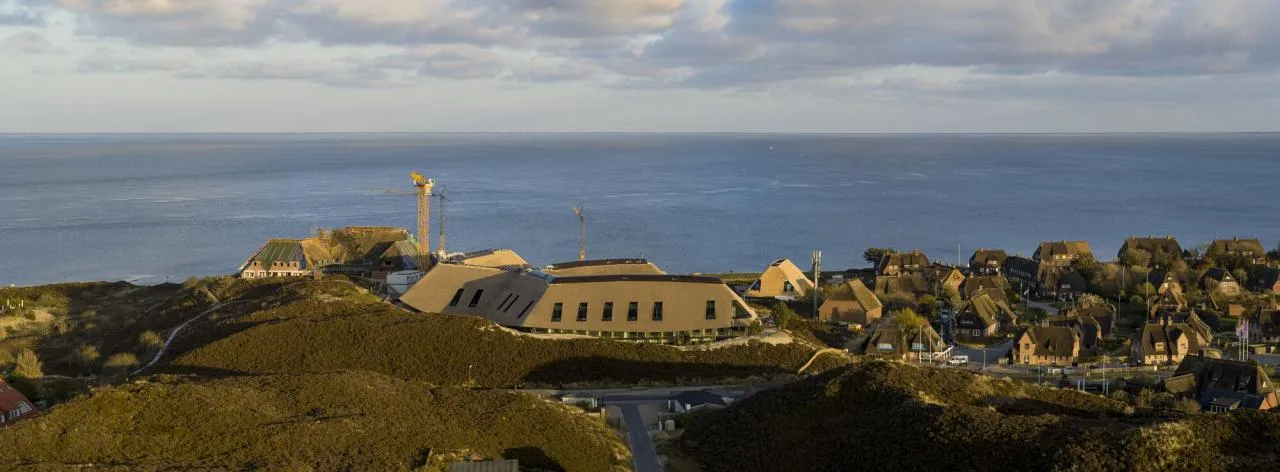
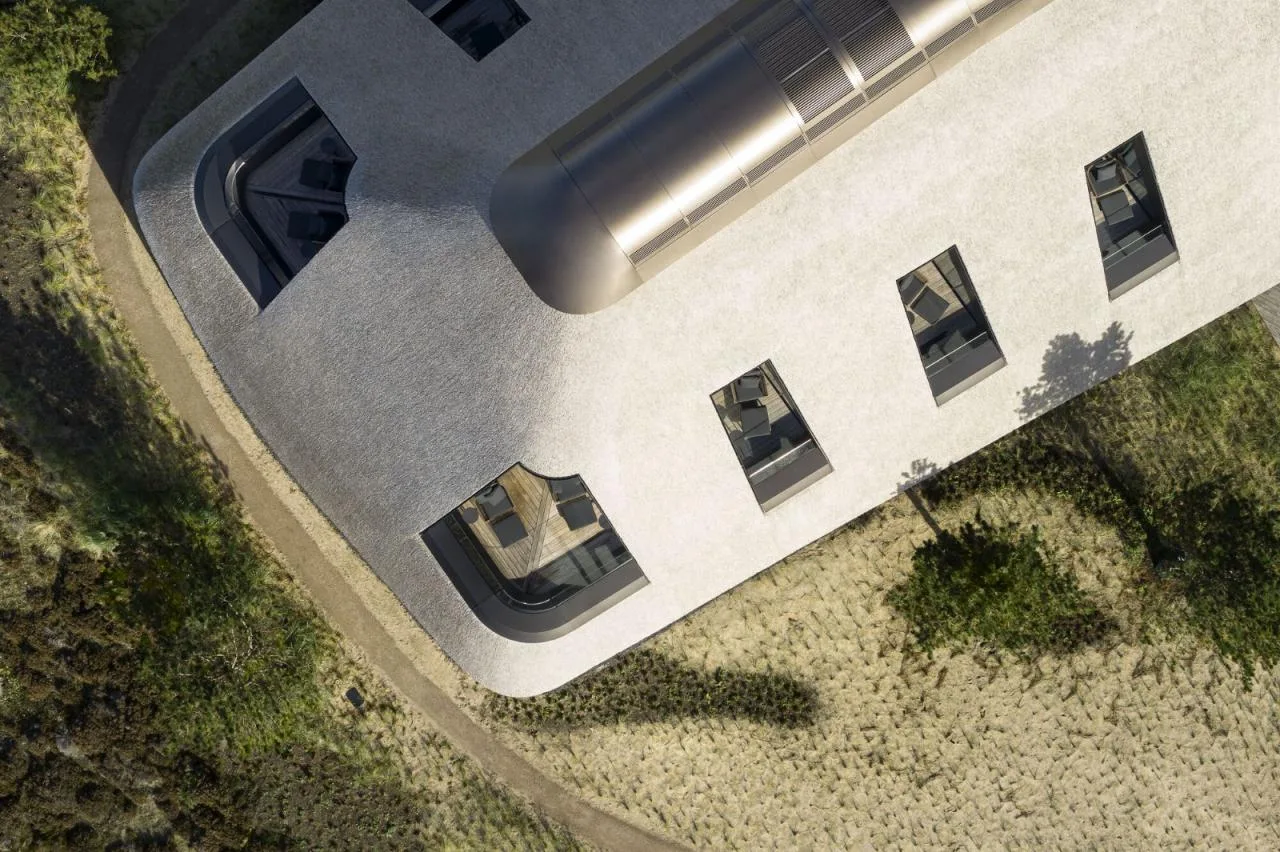
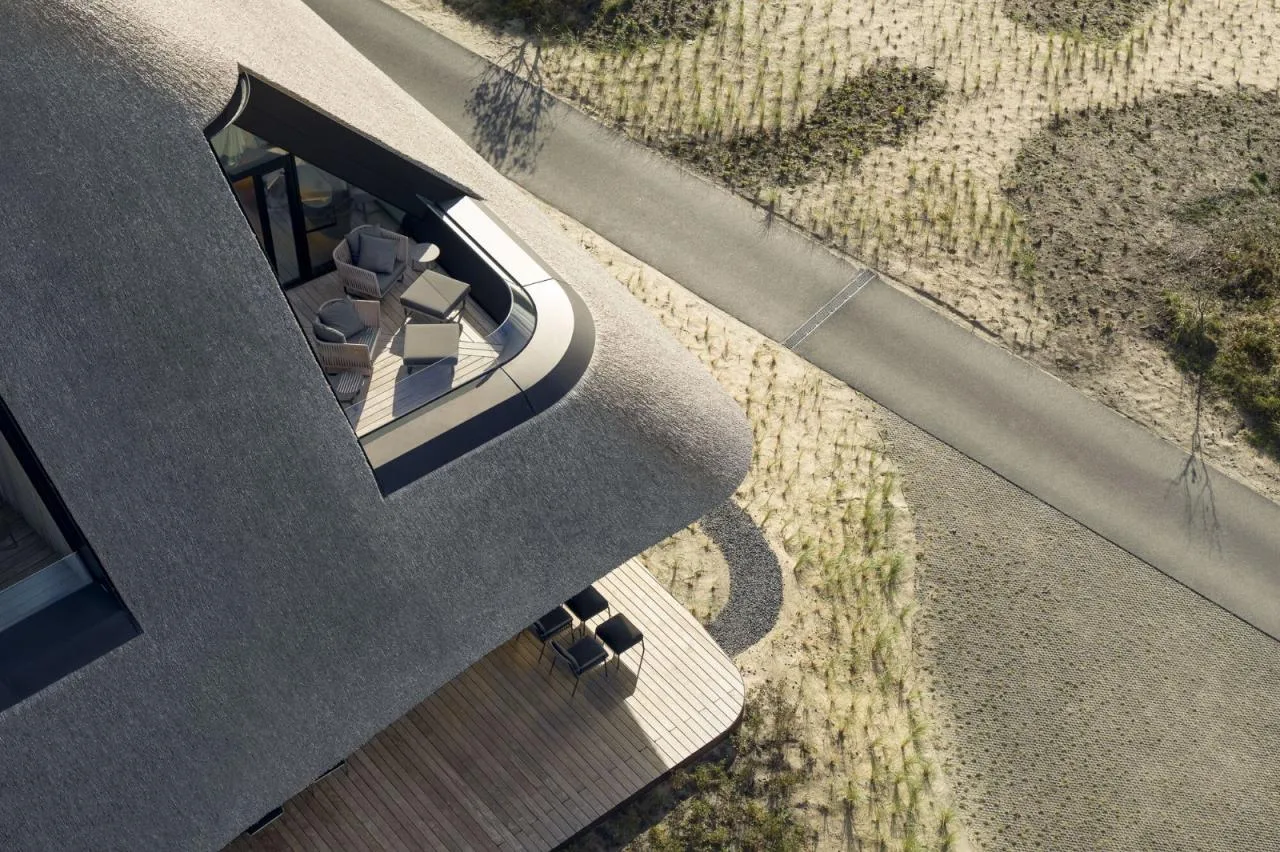
The site’s history includes a 1930s military base, with listed military officer residences alongside the newly completed main building, three seaside villas, and a diagnostic facility. From afar, the projecting thatched roof of the new structure makes a striking impression. Together, these buildings form Europe’s largest thatched roof, covering an area of 7,100 square meters.
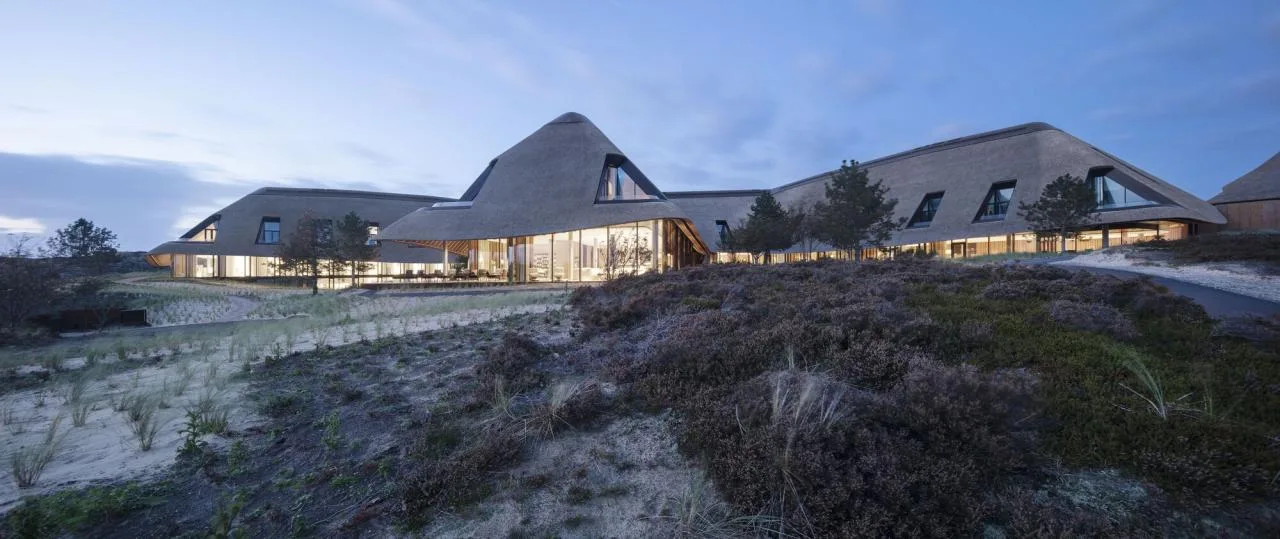
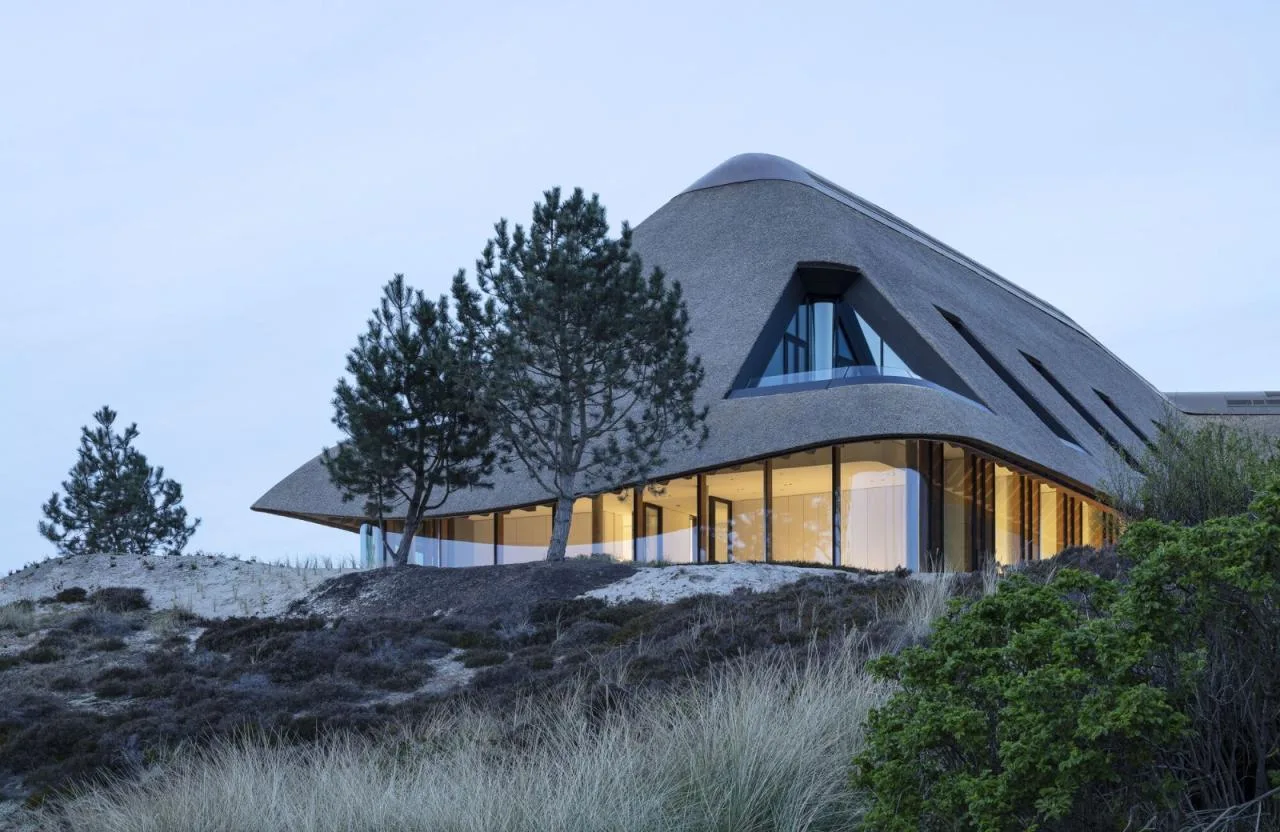
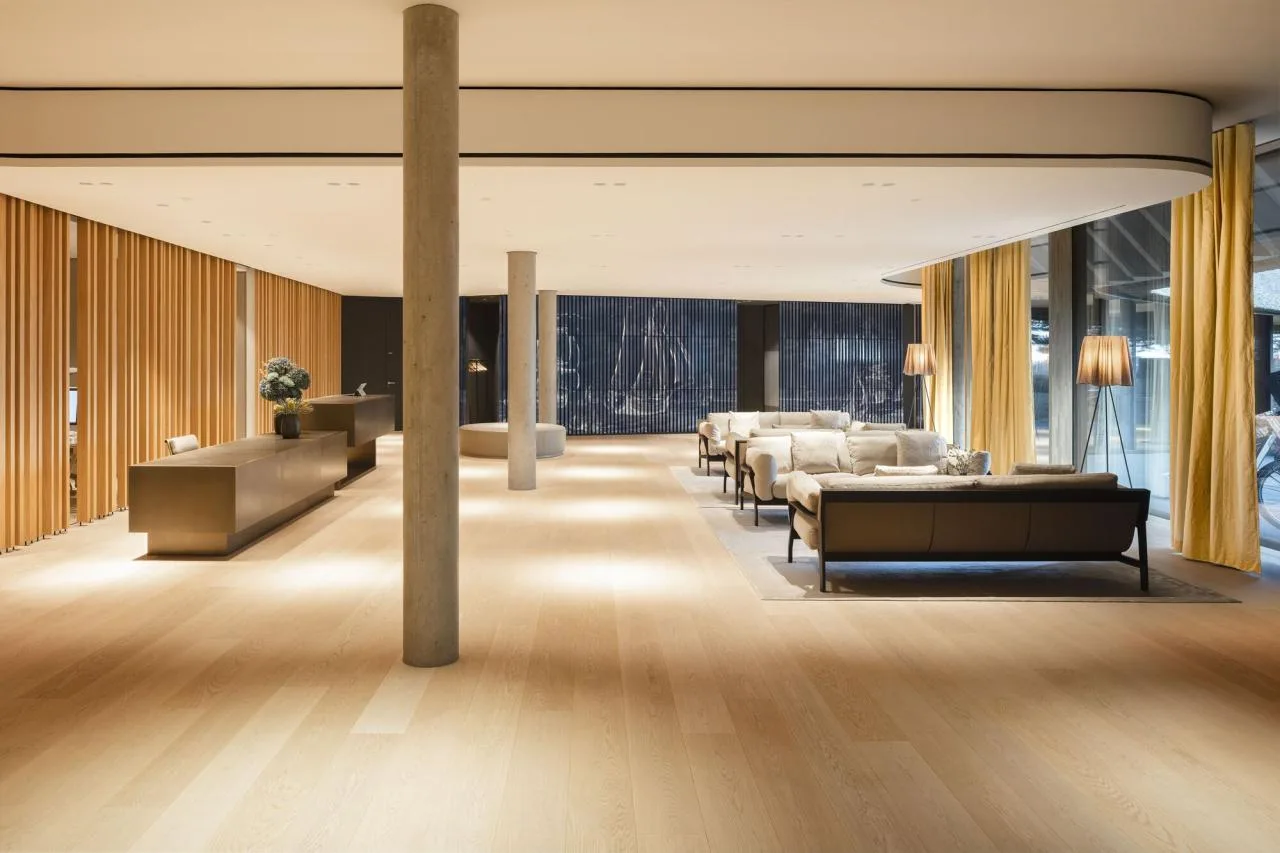
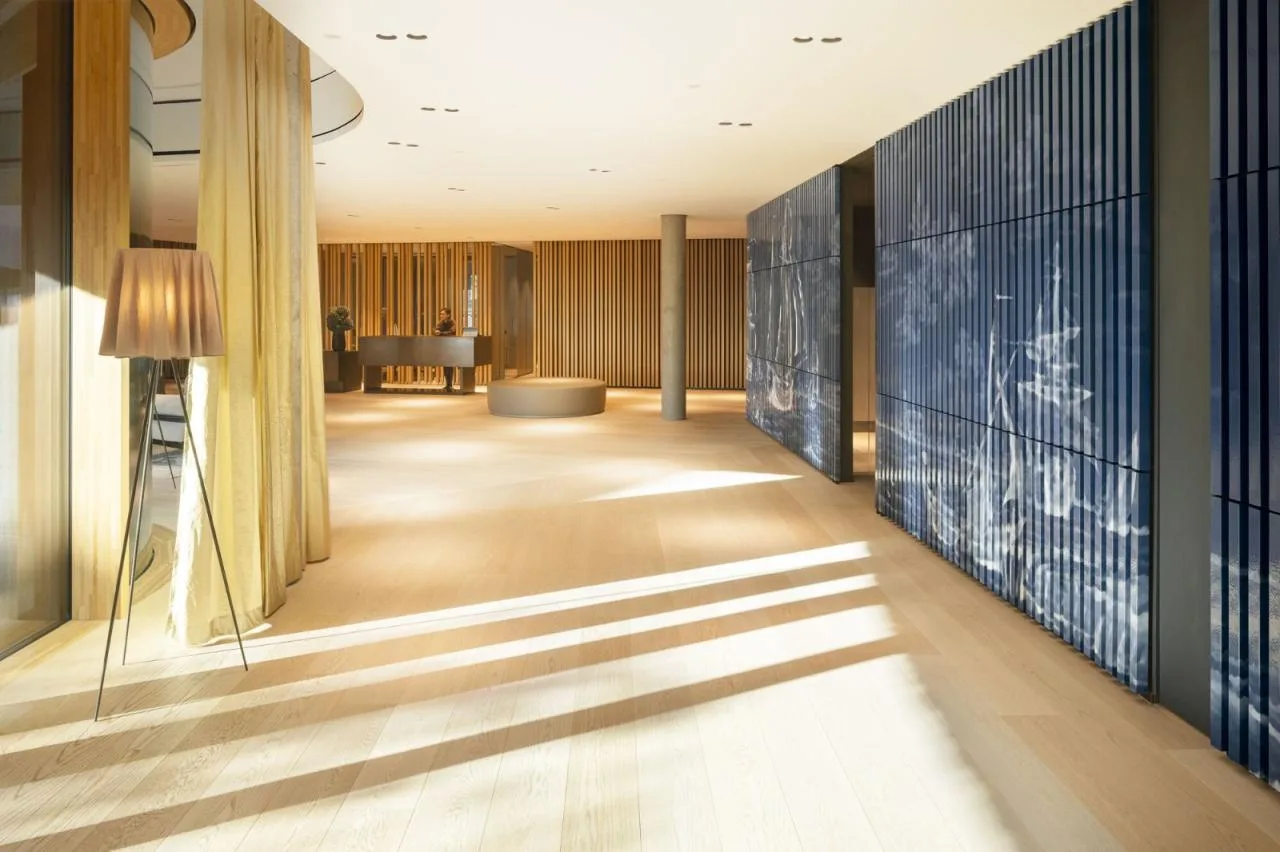
Reflecting Lanserhof Hospital’s philosophy of “reduction,” the design embraces luxury through simplicity rather than decoration. It emphasizes tranquility and focus, using carefully selected materials, spacious interiors, and a close connection between humans and nature. The color palette draws inspiration from the sand dunes, featuring beige, white, gray tones, wooden flooring, large windows, and transparent glass.
The main building consists of three interconnected sections on the north side. Its compact structure minimizes surface sealing, while high-performance insulation drastically reduces energy demand.
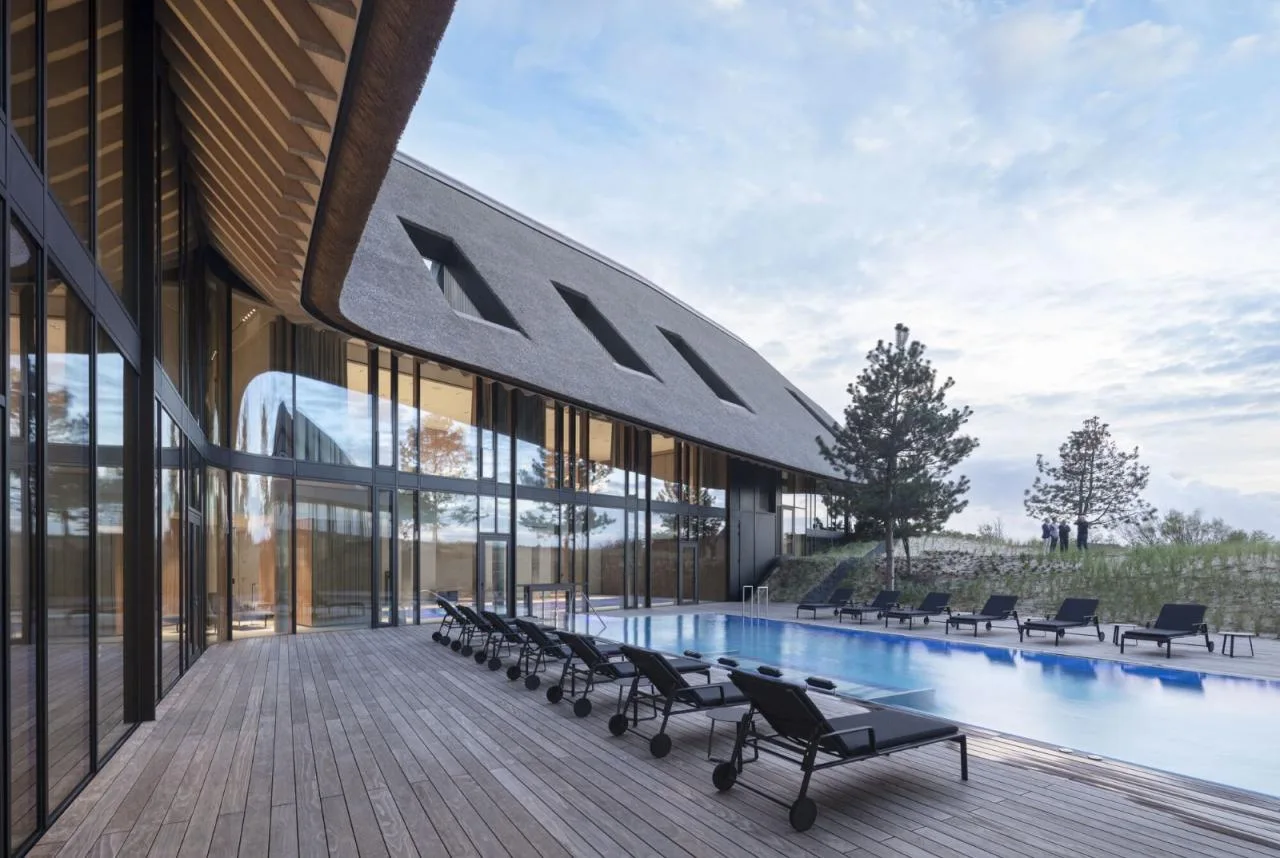
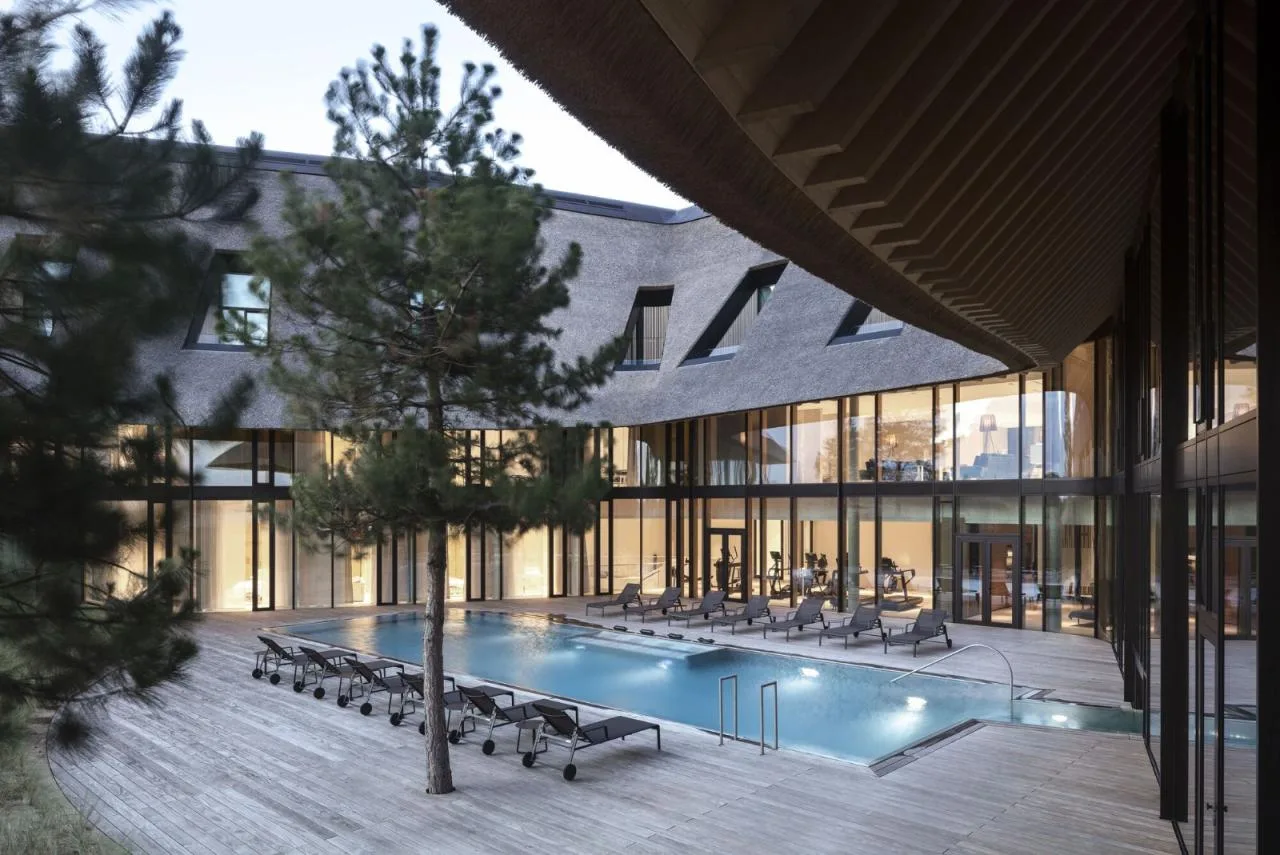
The two-story top floor houses 55 guest rooms, while the ground floor functions as a medical spa center with a clinic, treatment rooms, reception, and restaurant. The basement includes fitness facilities, a climbing wall, spa areas, bathing zones, and both indoor and outdoor seawater pools.
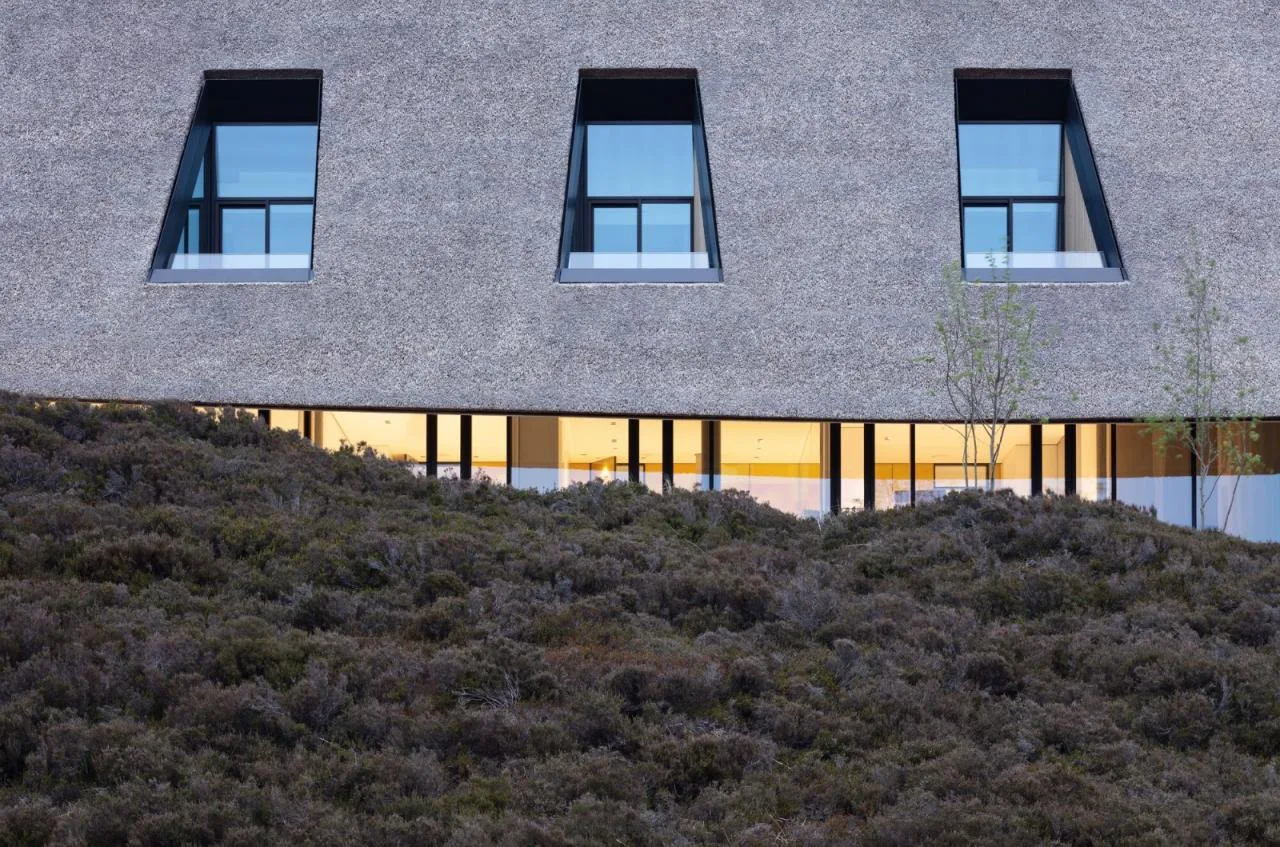
Architecturally, the main building draws inspiration from Frisian houses, featuring a low-pitched thatched roof, relatively small facade surfaces, and a limited number of windows. Lanserhof Resort offers a modern take by constructing the main building on a support structure, allowing the ground floor to be encased in glass. This design creates a seamless connection between the building and the sand dunes, with only selected interior spaces partially visible. The gently swaying ridge and eaves of the thatched roof echo the natural forms of the sand dunes from a distance.
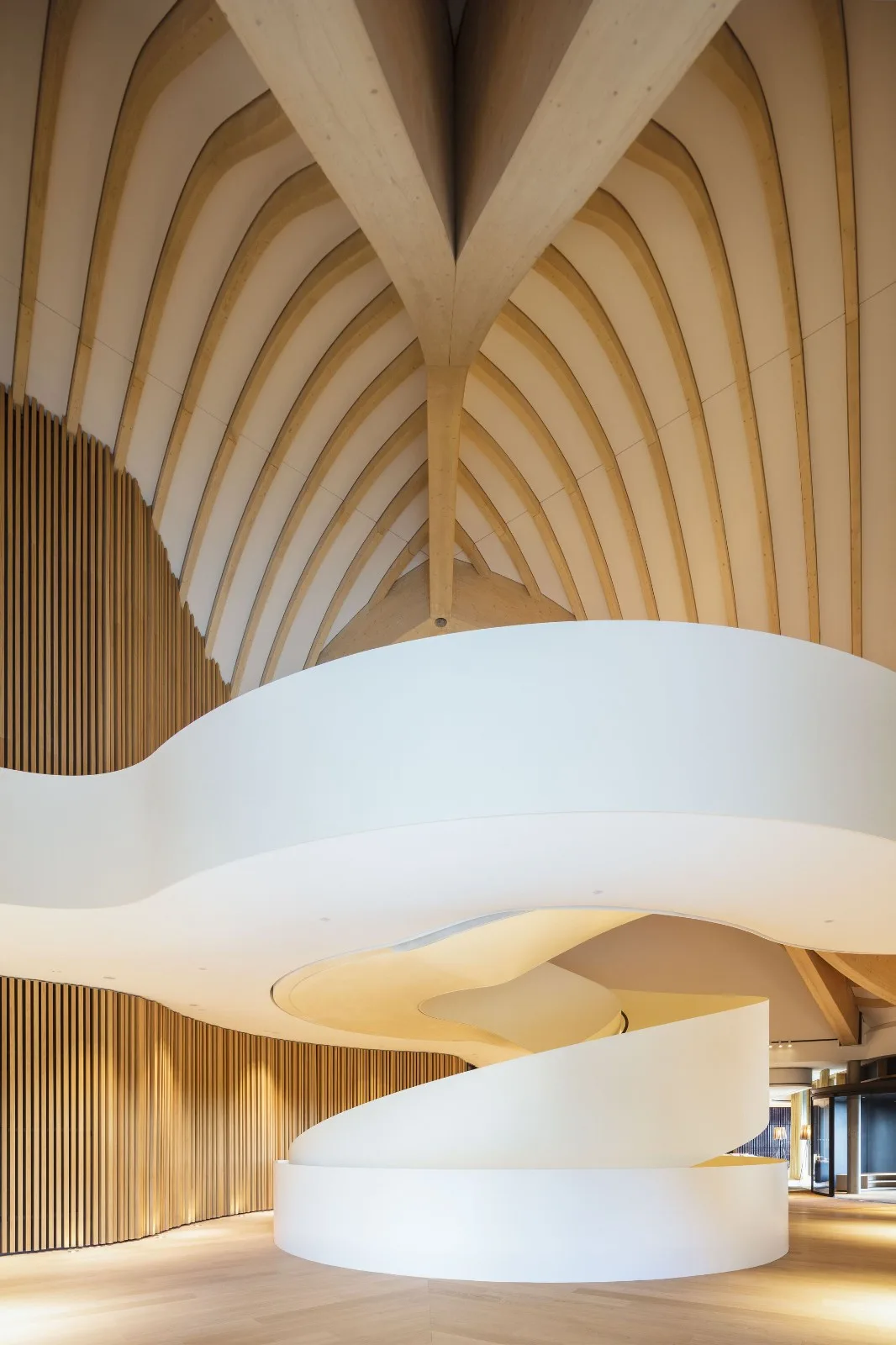
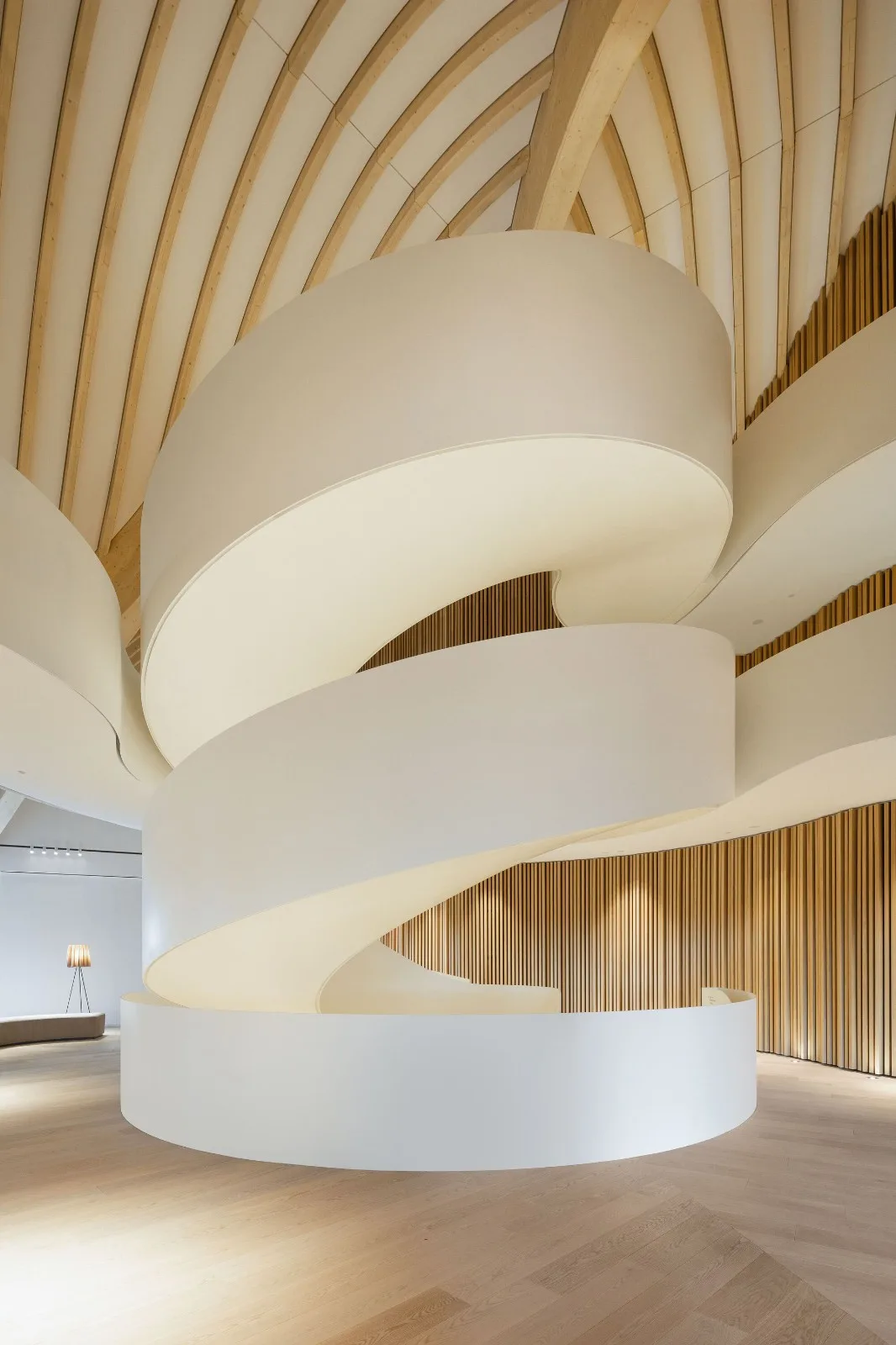
The grand staircase, constructed from steel and oak, serves as the core spatial element inside the building. It connects multiple floors, guiding guests from the garage reception to the medical area and onward to the guest rooms, each featuring a private outdoor shelter. The wooden gallery along the roof is designed to withstand strong winds while offering panoramic views of the sea and sand dunes.
All materials used—from insulation to varnishes and paints—have been rigorously tested for ecological and health safety.
Project Drawings
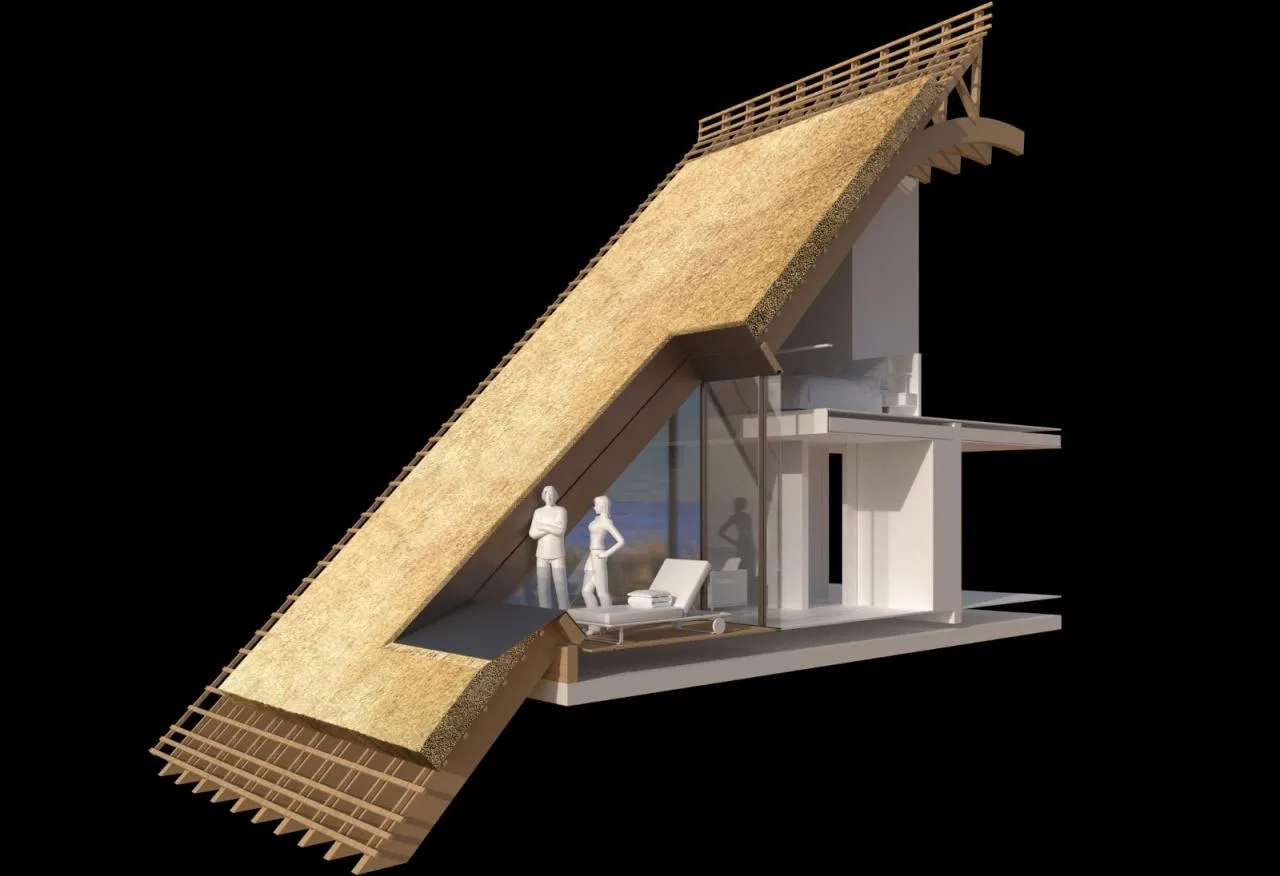
△ Model Diagram
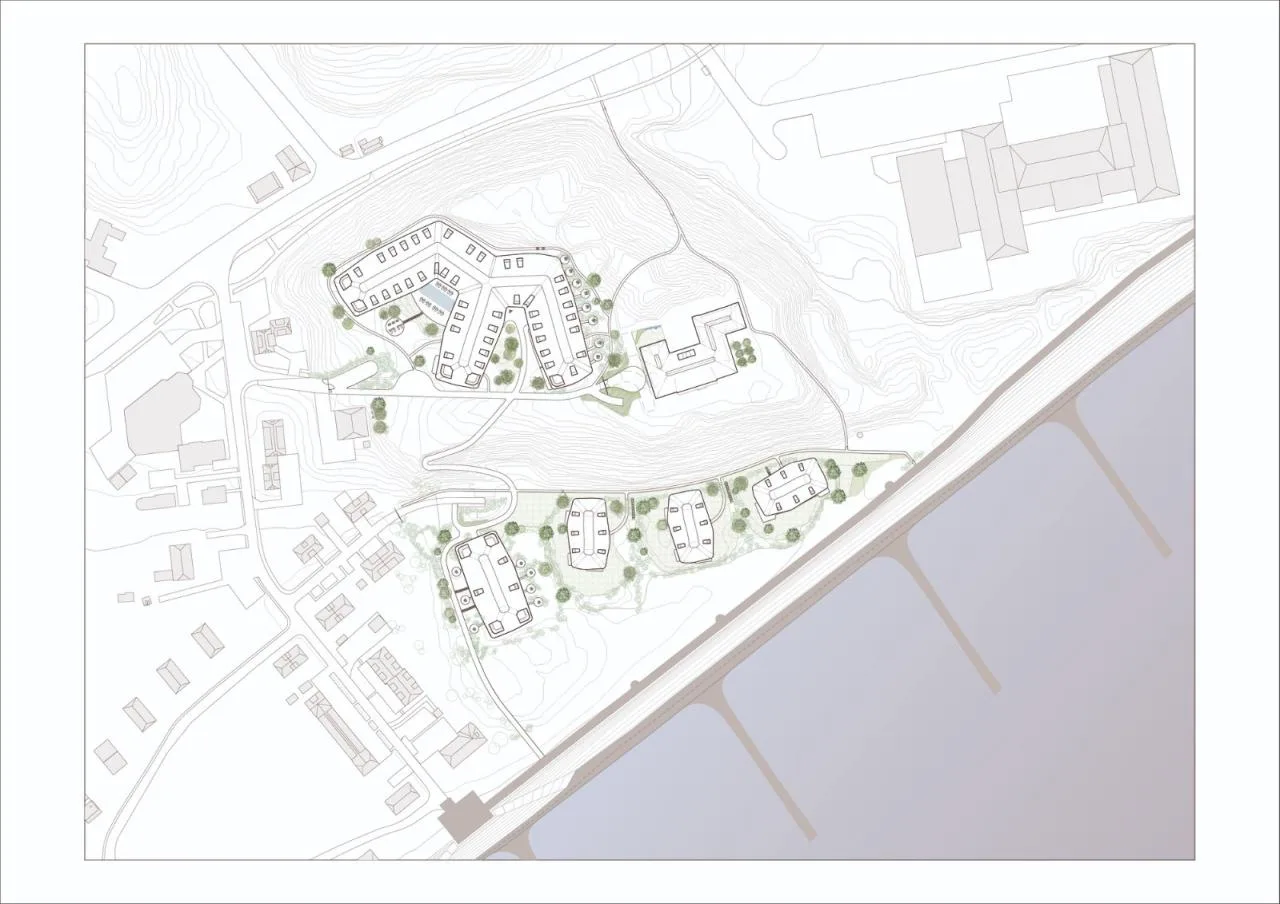
△ General Layout Plan
Project Information
Architect: Ingenhoven Associates
Area: 175,500 ft²
Project Year: 2022
Photographer: HGEsch
Design Team: Christoph Ingenhoven, Moritz Krogmann, Anette Büsing, Andreas Crynen, KarMin Shim, Juan Pereg, Mina Rostamiyanmoghadam, Philipp Neumann, Florian Jung, Kiara Helk
Structural Engineer: Werner Sobek
Energy Concept: Drees & Sommer
Landscape Architecture: Ingenhoven Associates, TGP, ENEA
Lighting Design: Tropp Lighting Design
Location: Nordfriesland, Germany













Must log in before commenting!
Sign Up