
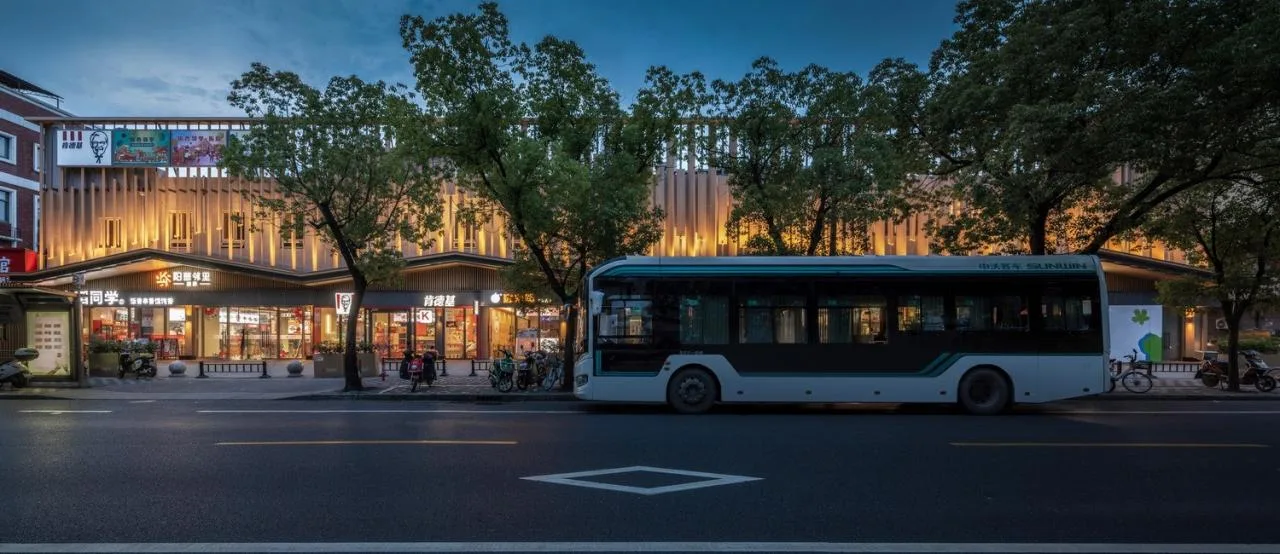
The Yangpu Neighborhood Zhenyuan Project is situated on Kailu Road in Shanghai’s Yangpu District. Before its upgrade and renovation, the site was a vegetable farm owned by Yangpu Trading (Group). Just three blocks away lies the Qinhai Neighborhood Center, completed in 2019, which marked the first transformation of a vegetable market into a small community neighborhood center.
Following the success of the Qinhai model, the Zhenyuan vegetable market’s transformation replicates and promotes this approach. The owner aims to establish the “Yangpu Neighborhood” brand through this project, creating a new model for future community living.
Rediscovering the ‘Eaves’
The Zhongyuan residential area, where this project is located, is a typical “new village style” neighborhood from 1990s Shanghai. These communities have a familiar neighborhood atmosphere and a strong sense of daily life but often lack public open spaces and greenery.
Vegetable markets here serve not only as part of residents’ daily routines but also as vital public spaces within the city. Considering this, the design primarily focuses on accommodating the overflow of public activities from nearby communities, creating high-quality community spaces while preserving the human warmth characteristic of an “acquaintance society.” We believe this human connection is the true essence of neighborly relationships.
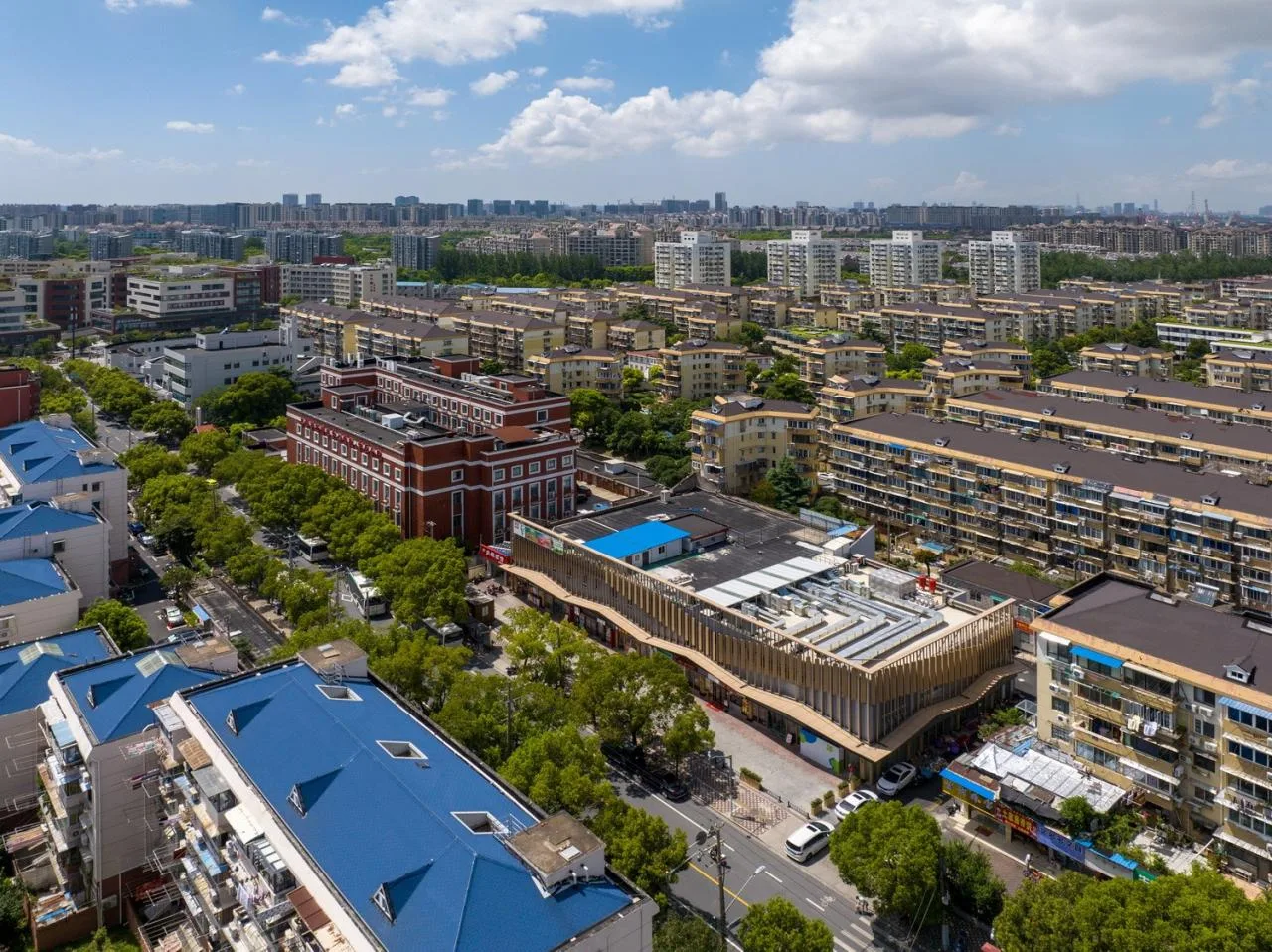
▲ Aerial view after completion
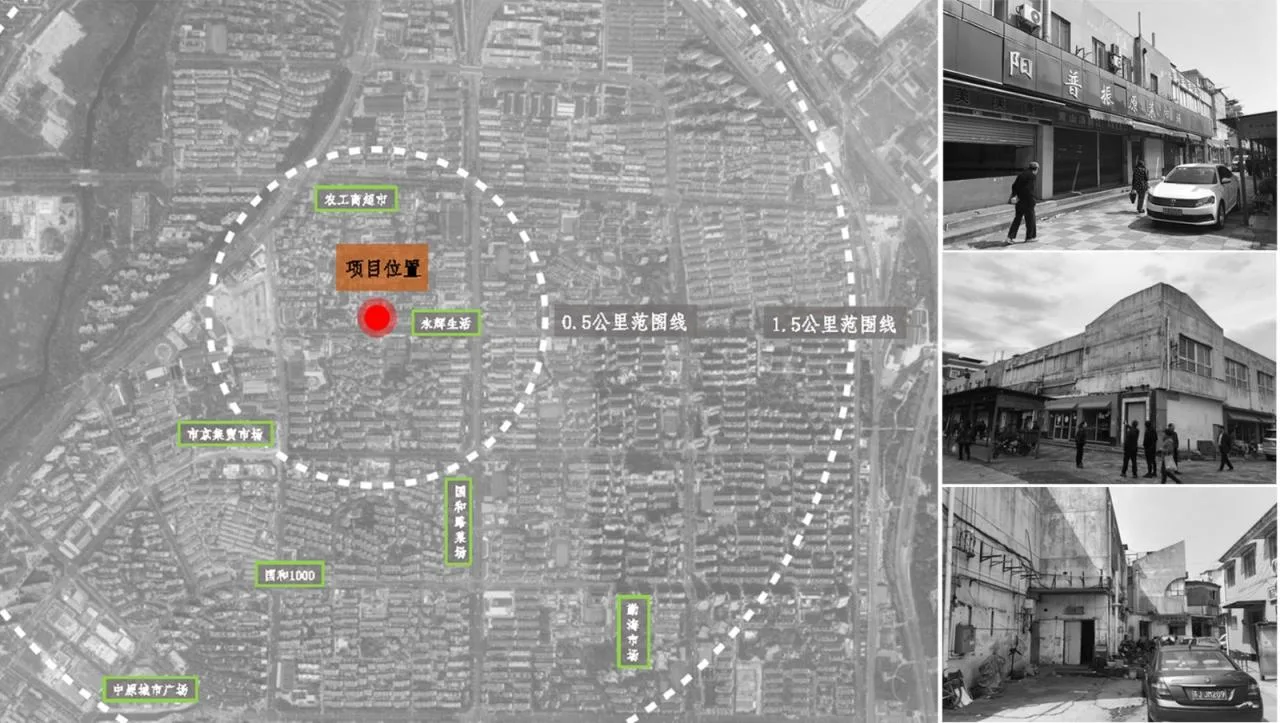
▲ Site analysis
Looking at the spatial evolution of vegetable markets over time, we realize that people’s memories aren’t tied to specific objects but rather to the lively atmosphere created by simple street-side sheds or eaves, bustling with activity.
To capture this essence, the design embraces the “eaves” as a cultural symbol, evoking shared memories through the building’s façade and interior spaces. This approach continues the concept of “under the same roof” established in the Qinhai project, maintaining consistency within the “Yangpu Neighborhood” brand. The “eaves” also serve as the main architectural expression, forming a design system that integrates memory, space, and function.
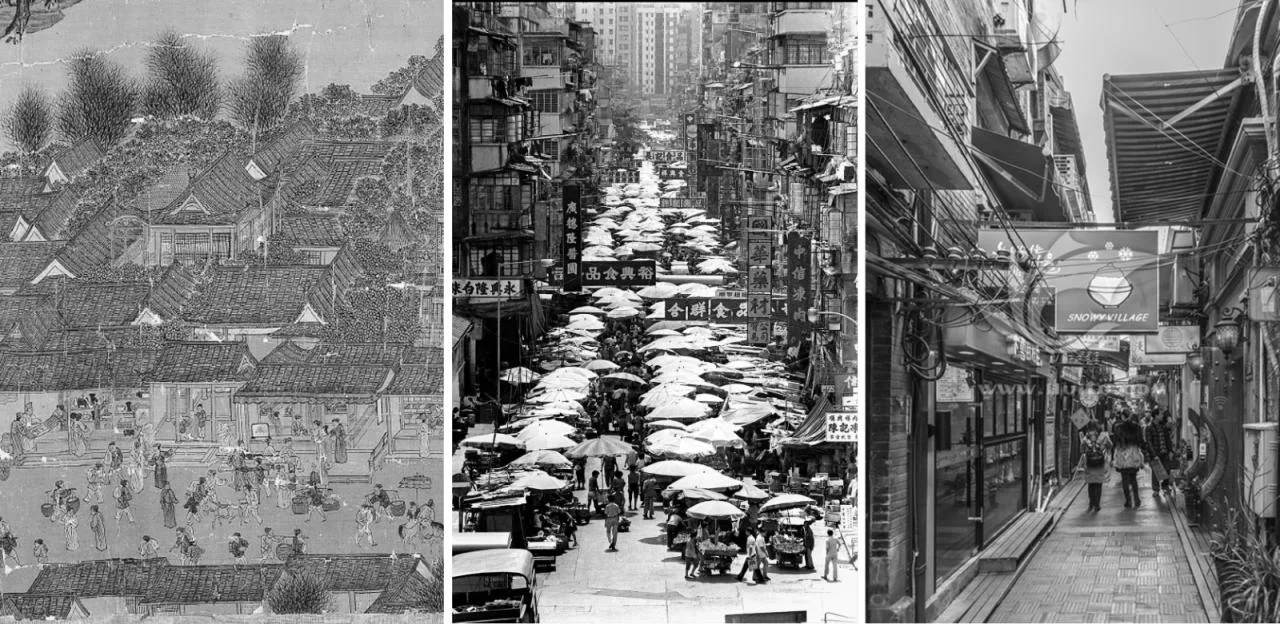
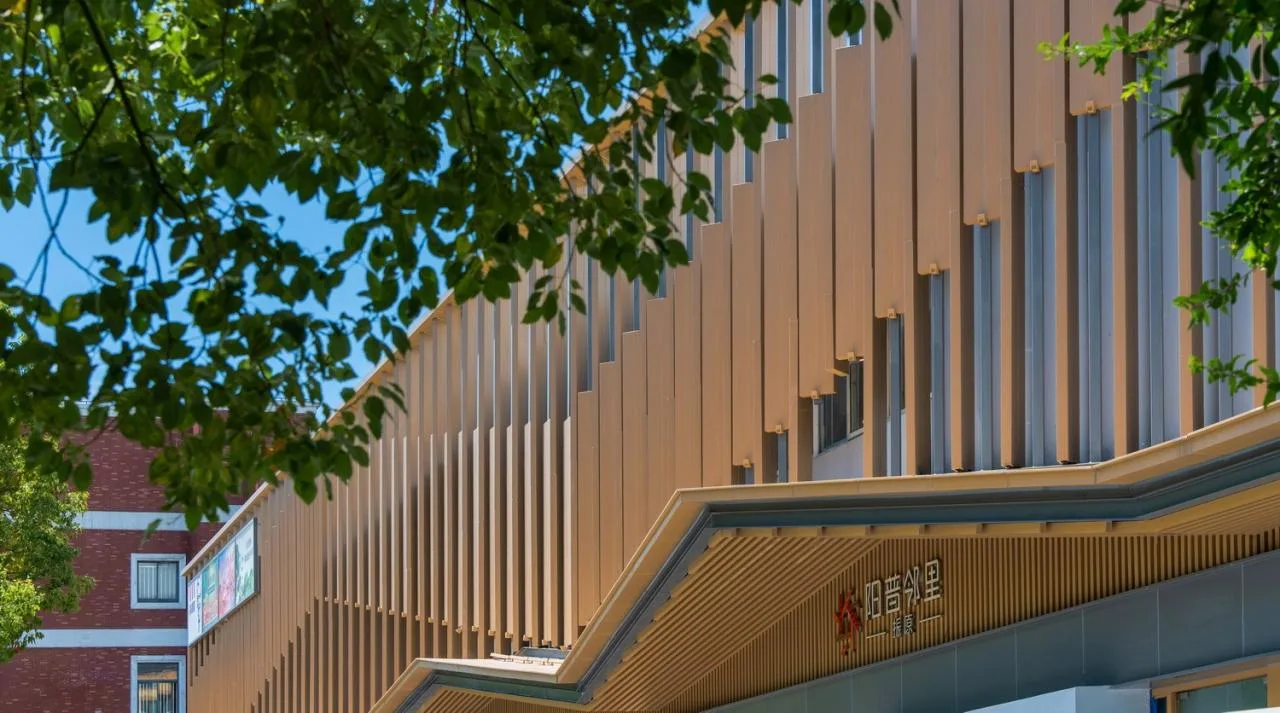
Memory Translated: Continuity Between Inside and Outside
The emotional bond between people and space gives meaning to a place, fostering feelings of security, stability, and belonging. The “eaves” evoke the warmth of home and symbolize our desire to gather neighbors under one roof.
This transitional space between indoors and outdoors becomes a third place for neighborhood interaction, enriching daily life with warmth and human connection. The design’s form and meaning reinforce each other, enhancing the community experience.
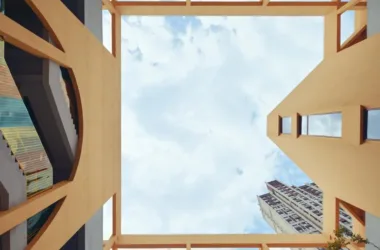
To harmonize with the surrounding architecture, a warm color palette was chosen for the overall tone. A “double skin” façade reshapes the building, with varying grille density and angles simulating the rhythmic lines of eaves. These create shifting perceptions depending on the viewer’s angle and distance.
From afar, the eaves gently undulate and blend with the greenery along the street, offering a subtle presence. Up close, the precise proportions and connections of the grille components introduce detail and quality to an otherwise simple street frontage.
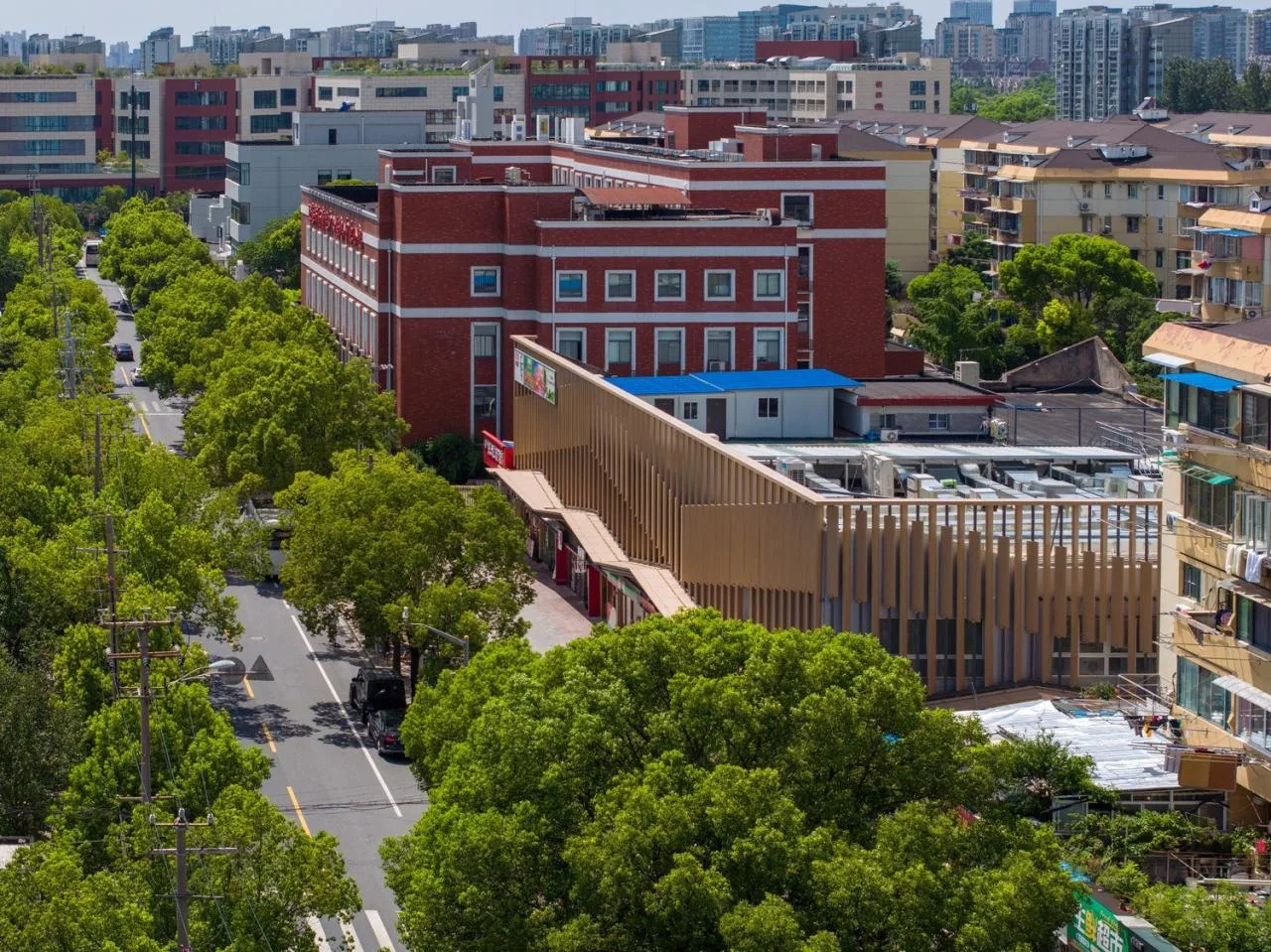
▲ Color fusion in the area
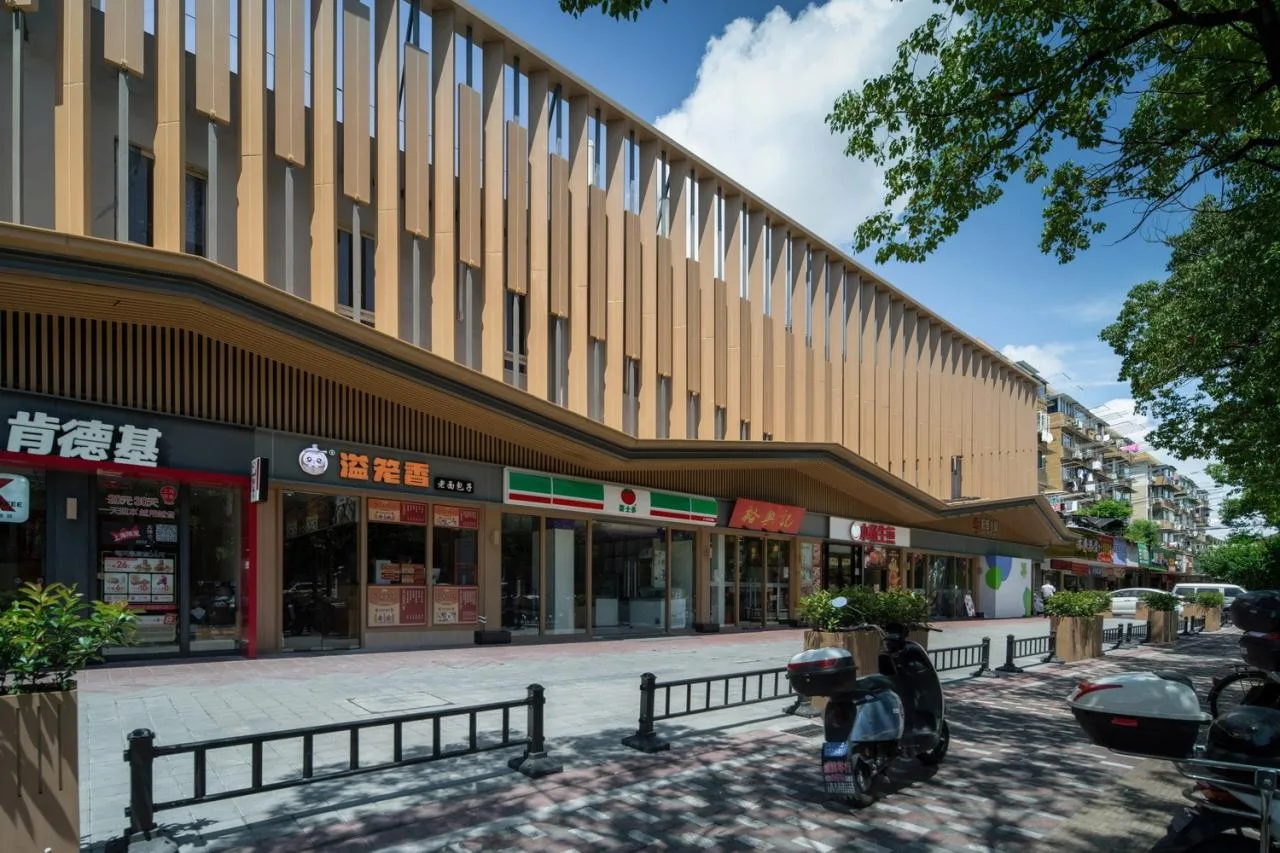
▲ Eaves along the street interface
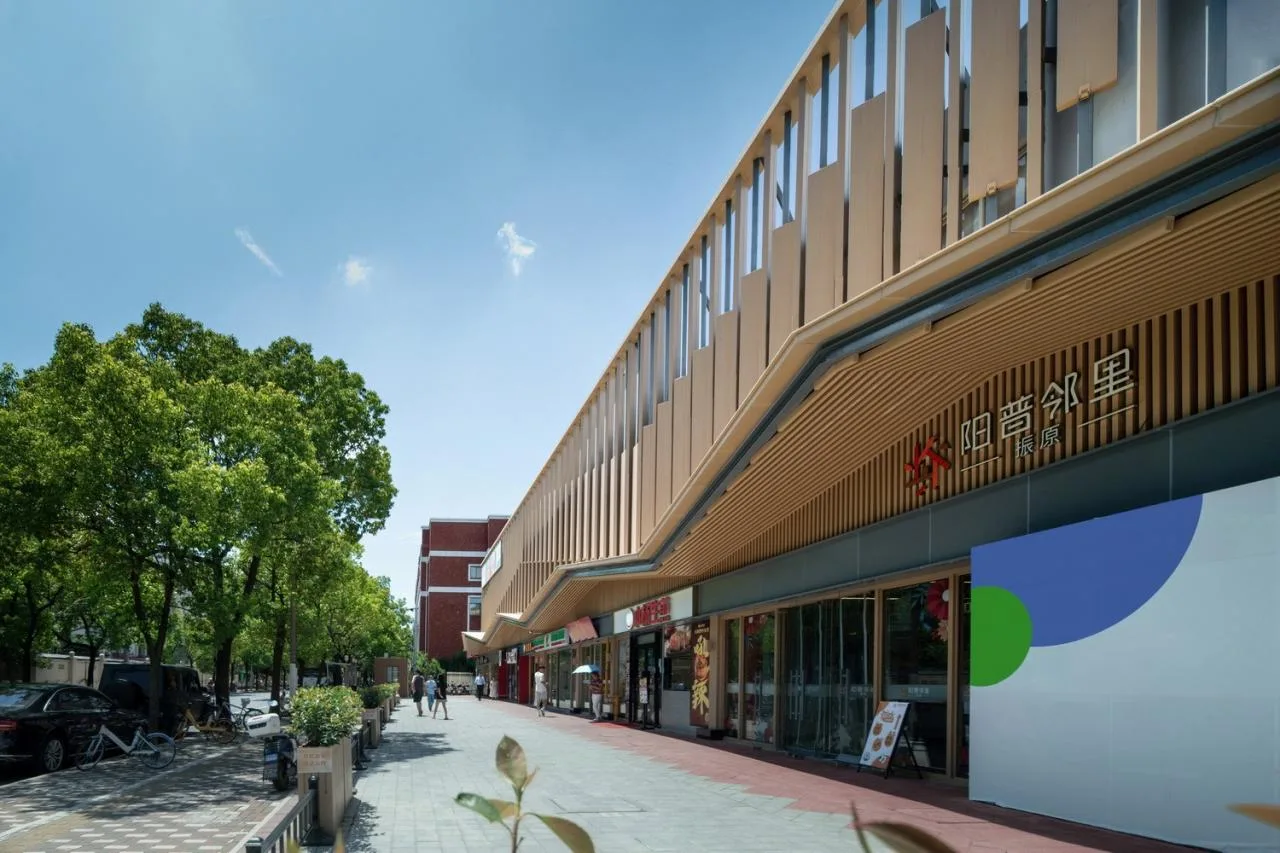
▲ Undulating eaves space
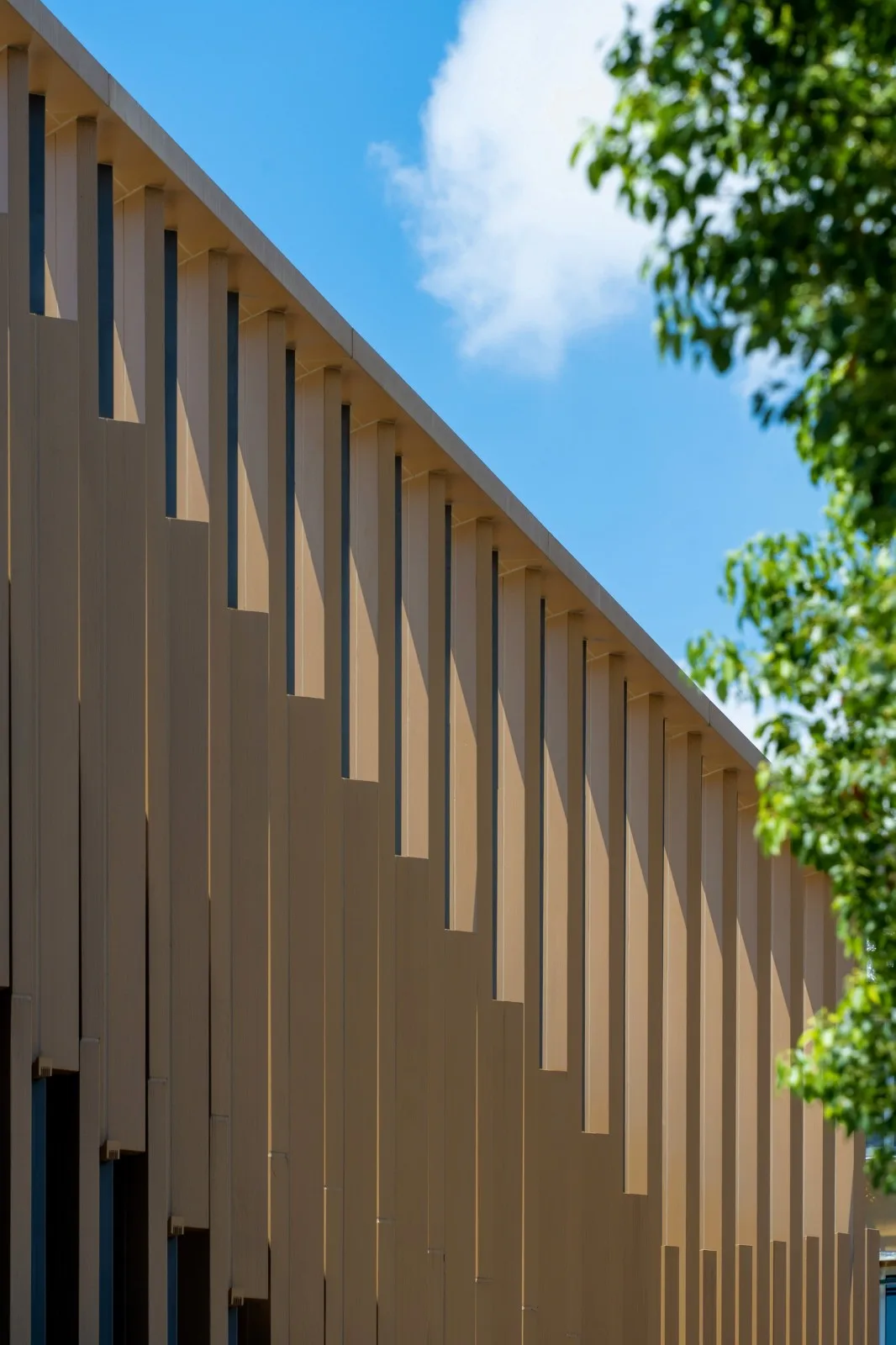
▲ Soft angles and warm tones
A Relaxed Daily Atmosphere
The layout organizes a streamlined “street market under the eaves” that provides visual and spatial continuity between indoor and outdoor areas through unified design elements, enriching the spatial hierarchy.
Serving as the main indoor circulation path, the street market connects diverse functions such as vegetable stalls, community workshops, and eateries. This creates a relaxed, open environment that reflects everyday life.
Under the comforting shelter of the eaves, elderly residents and children can rest between community workshops offering repair services. Neighbors can share meals, and on evenings when cooking isn’t preferred, friends gather for a bowl of beef noodle soup. This scene recalls childhood strolls down familiar streets and alleys, transforming the space into the neighborhood’s most vibrant public area.
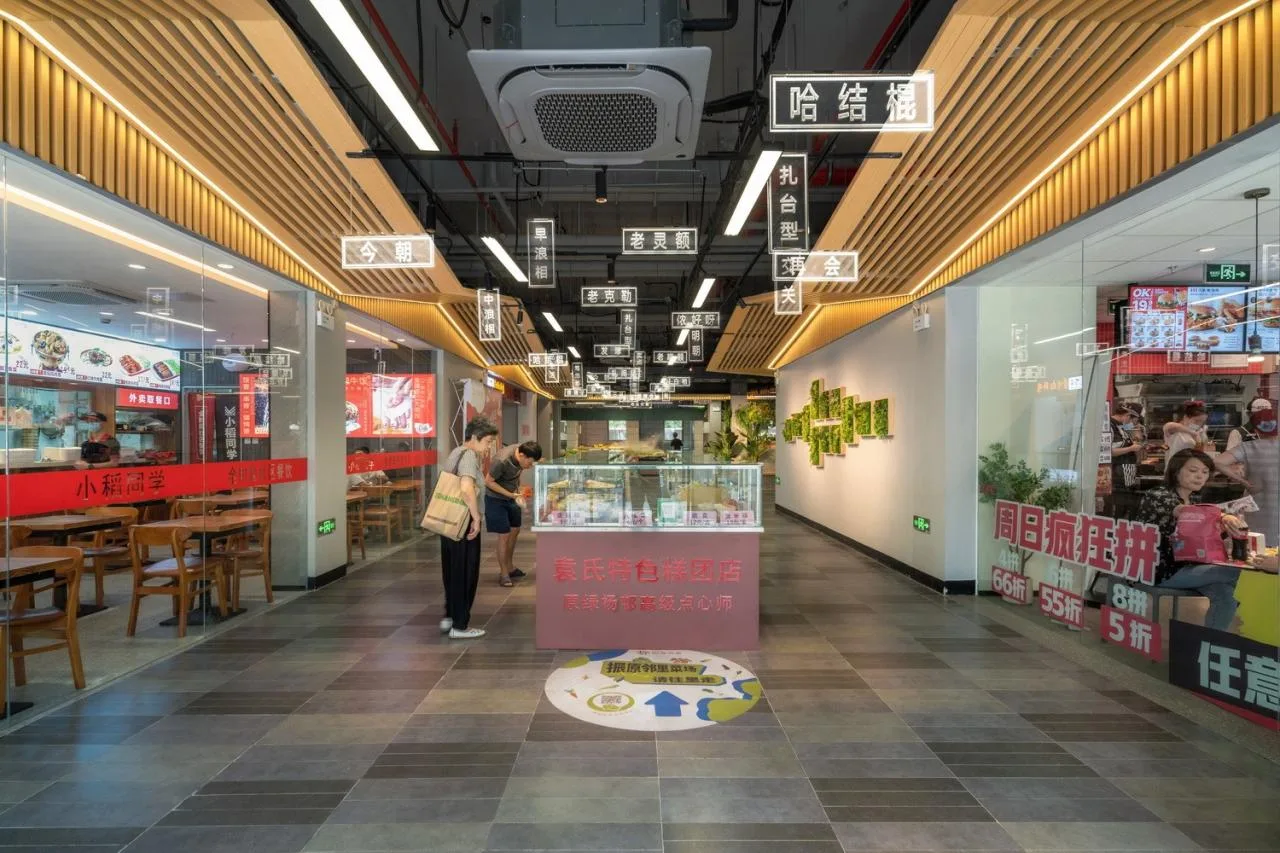
▲ Shanghai slang lantern
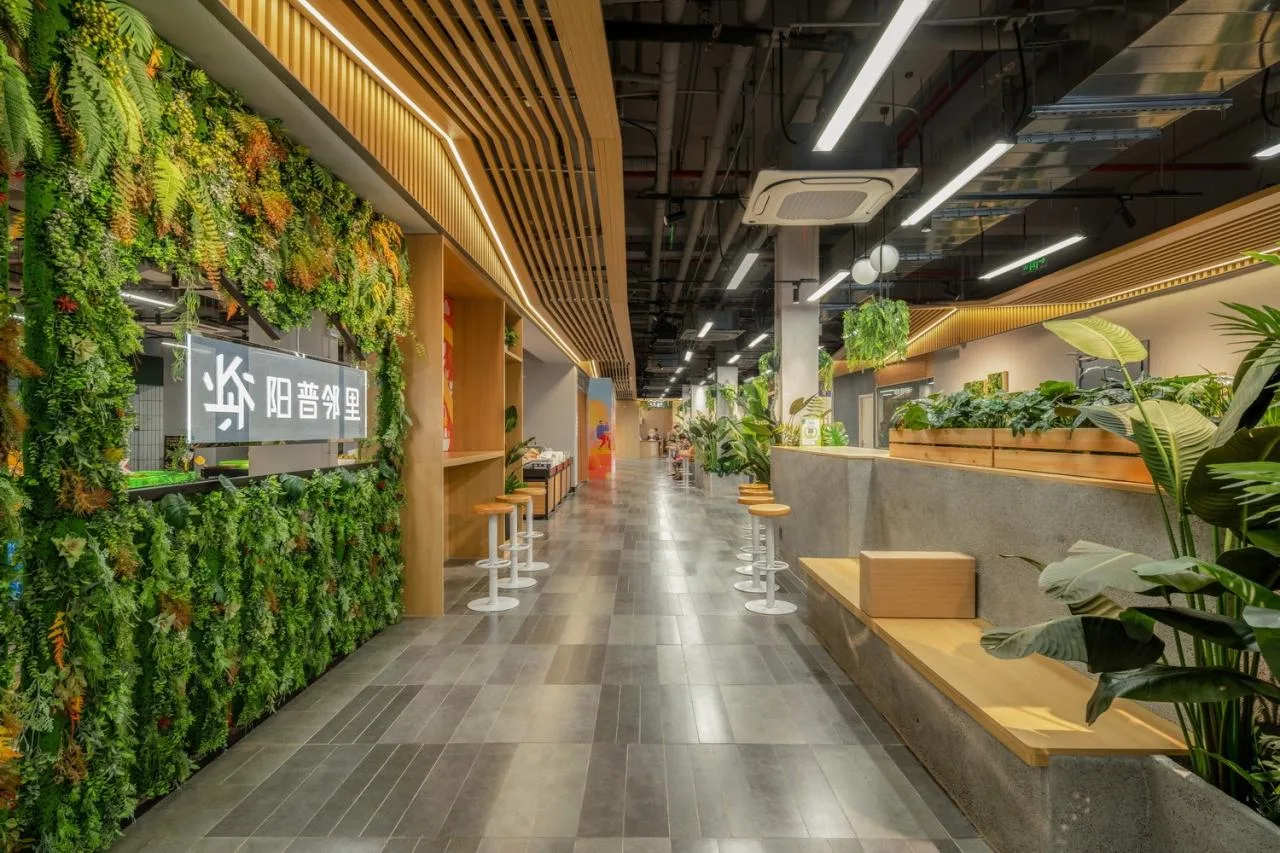
▲ Indoor streets and alleys
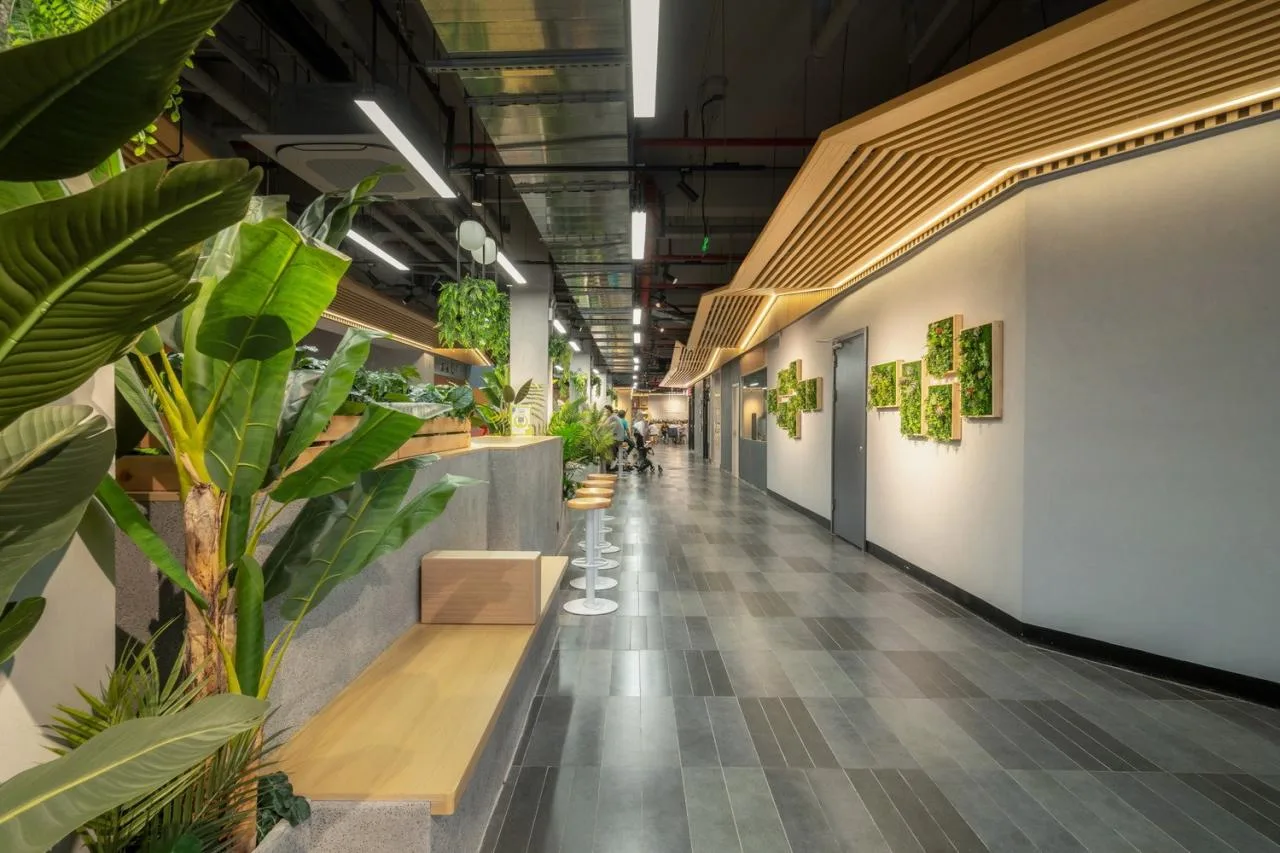
▲ Rest areas formed around pillars
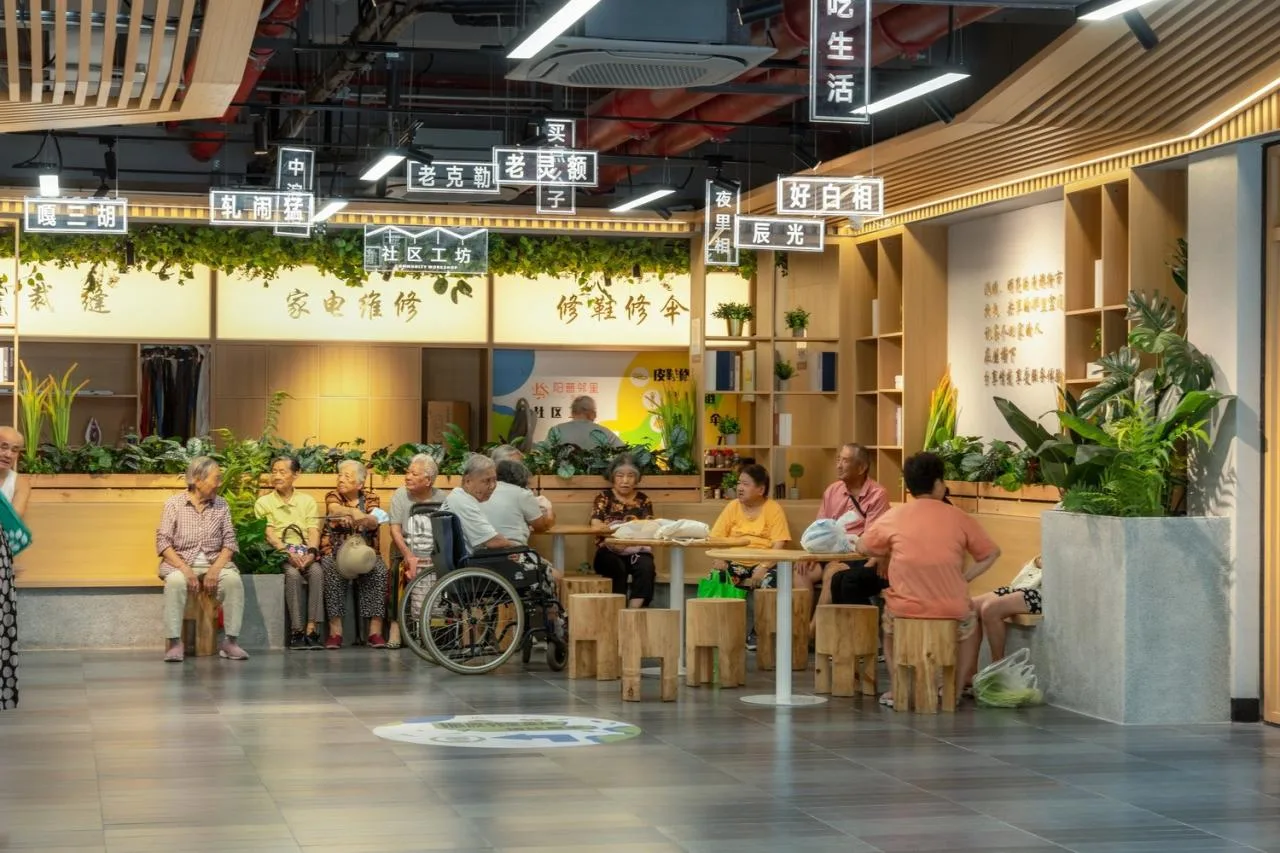
▲ Community workshop service stop point
Since most residents nearby are tenants and elderly, the design carefully considers their needs by creating multiple resting platforms around the pillars. These spots, combined with greenery, form a lively garden that defines space boundaries, enhances clarity, and improves privacy by limiting sight lines.
The Vibrant Night Atmosphere
A space without people and life is like Lefebvre’s “representational space” — empty and devoid of meaning. We deliberately avoid over-refined or idealized interpretations of “fireworks” or nightlife, instead focusing on everyday, ordinary scenes.
At night, the dense and orderly façade grille is bathed in warm yellow light, resembling an endless night market that awaits the city’s vibrant life and the return of its residents.
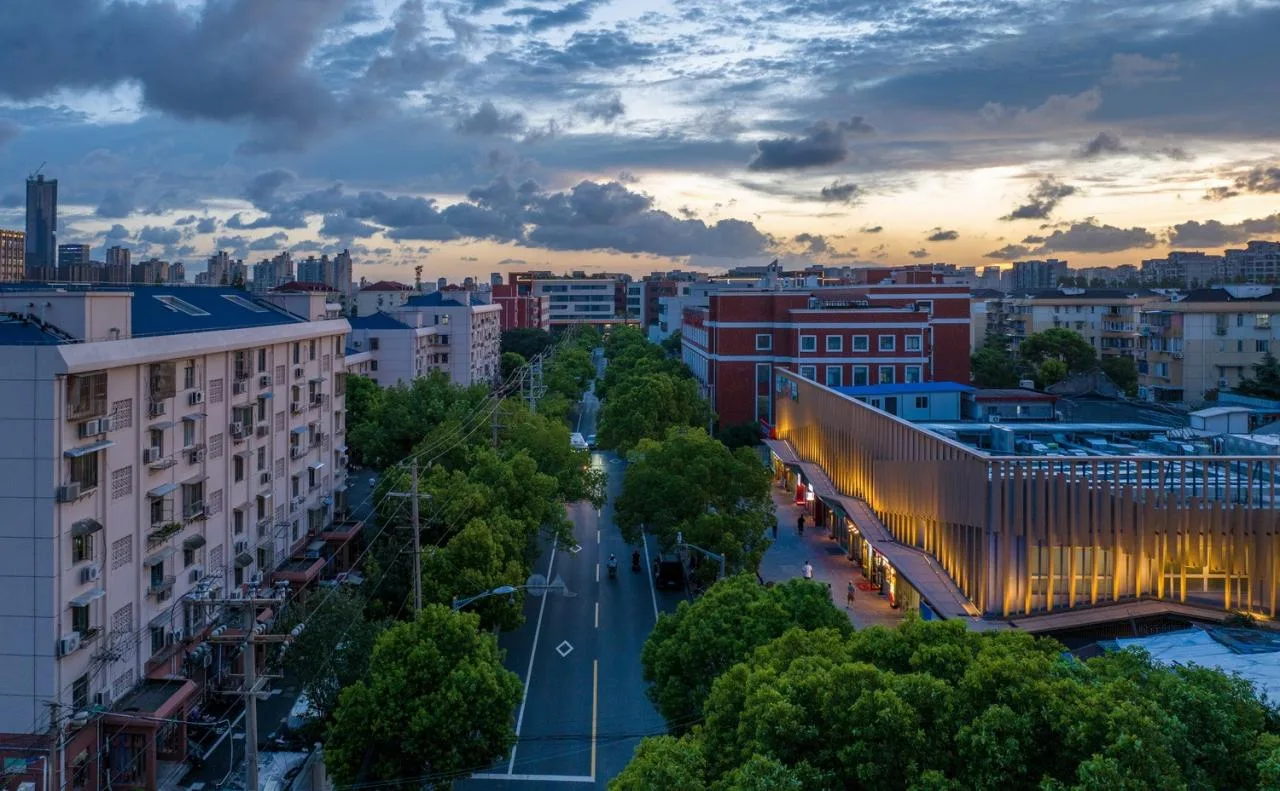
▲ City lights and a warm homecoming
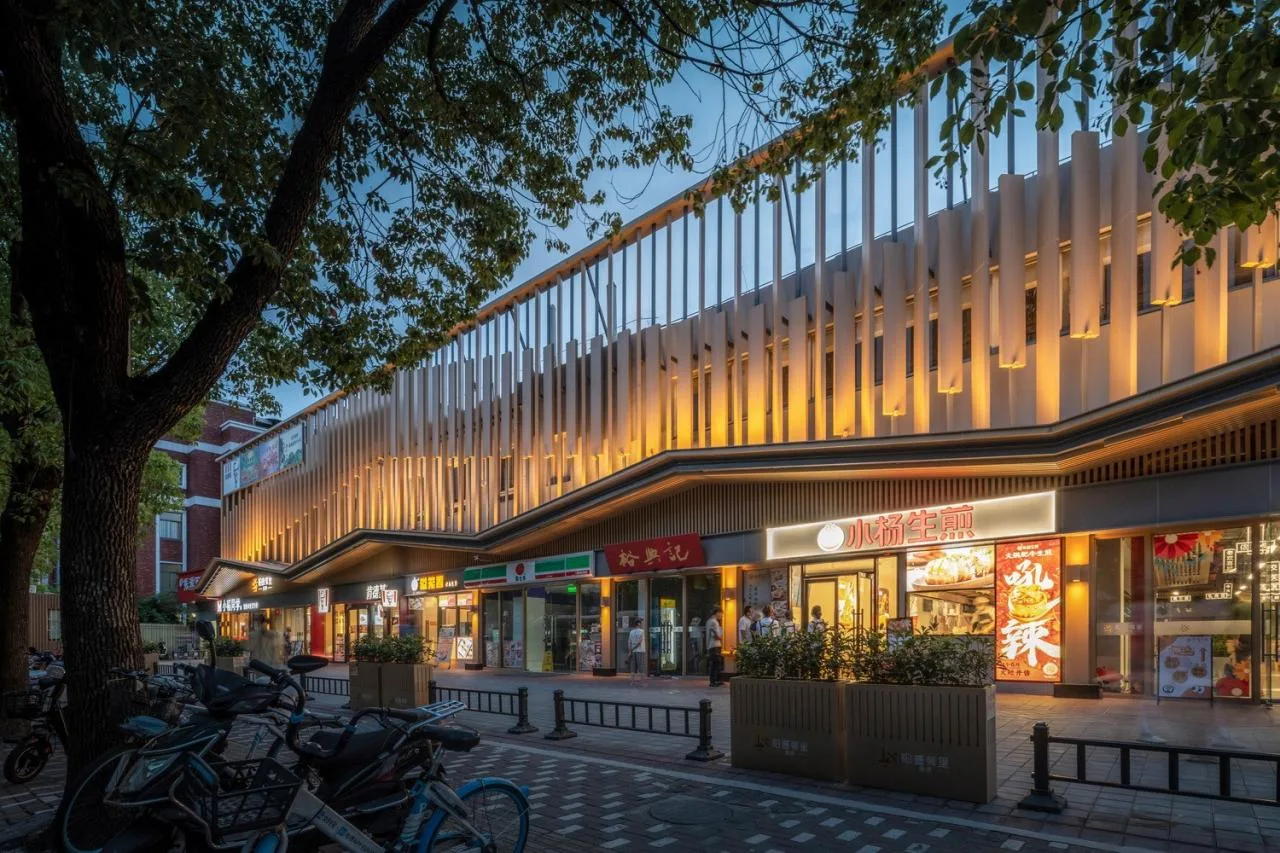
▲ Nighttime street market
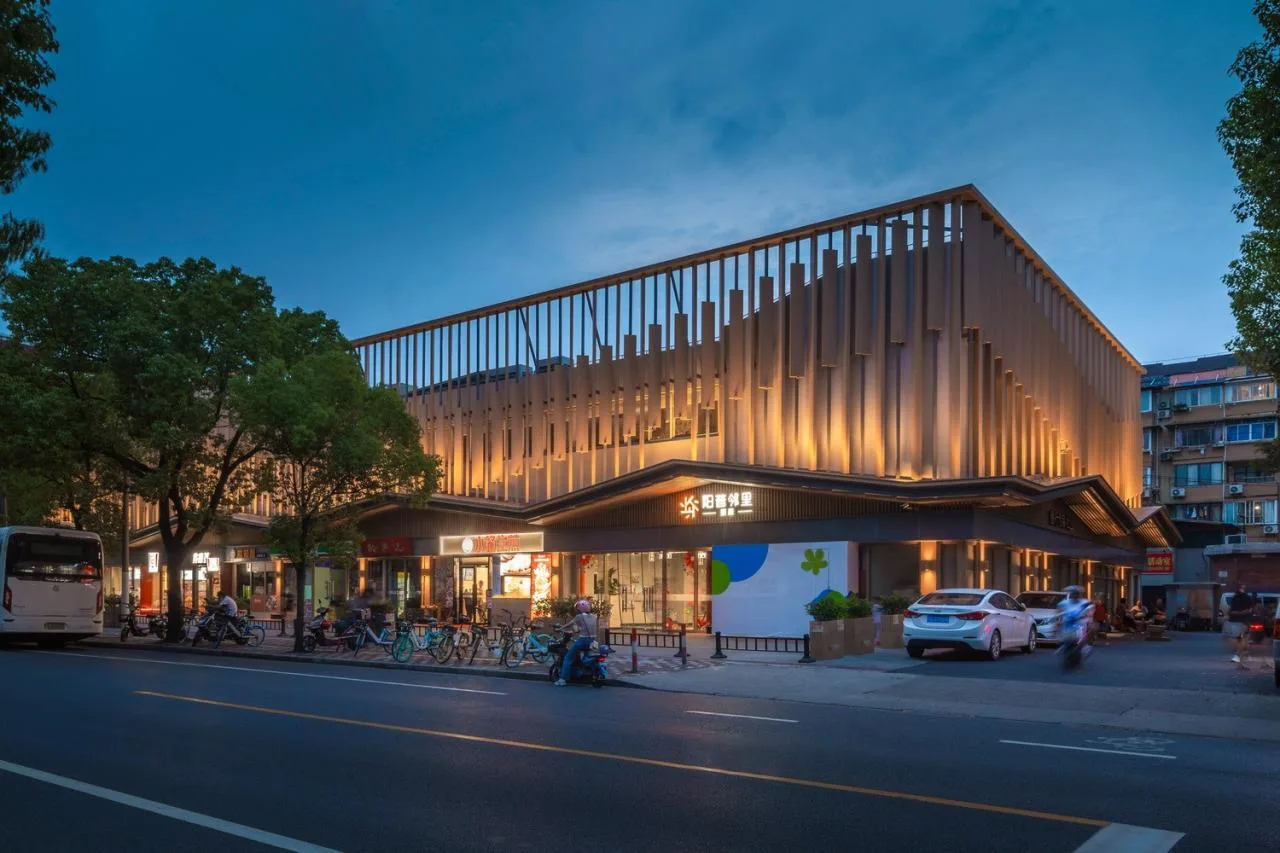
▲ The lamp waiting at the doorstep
In her book Death and Life in Major American Cities, Jane Jacobs argues that in cities lacking natural and informal public life, residents tend to isolate themselves. Traditional senses of belonging are rooted in shared experiences, which depend on geographic proximity and continuity of social life. This unconscious self-isolation results in a diminished public sense of belonging.
Through the Yangpu Neighborhood Zhenyuan project, we aim to help residents build emotional connections with their space, enhancing their sense of belonging and happiness amid a rapidly changing social landscape.
Project Drawings
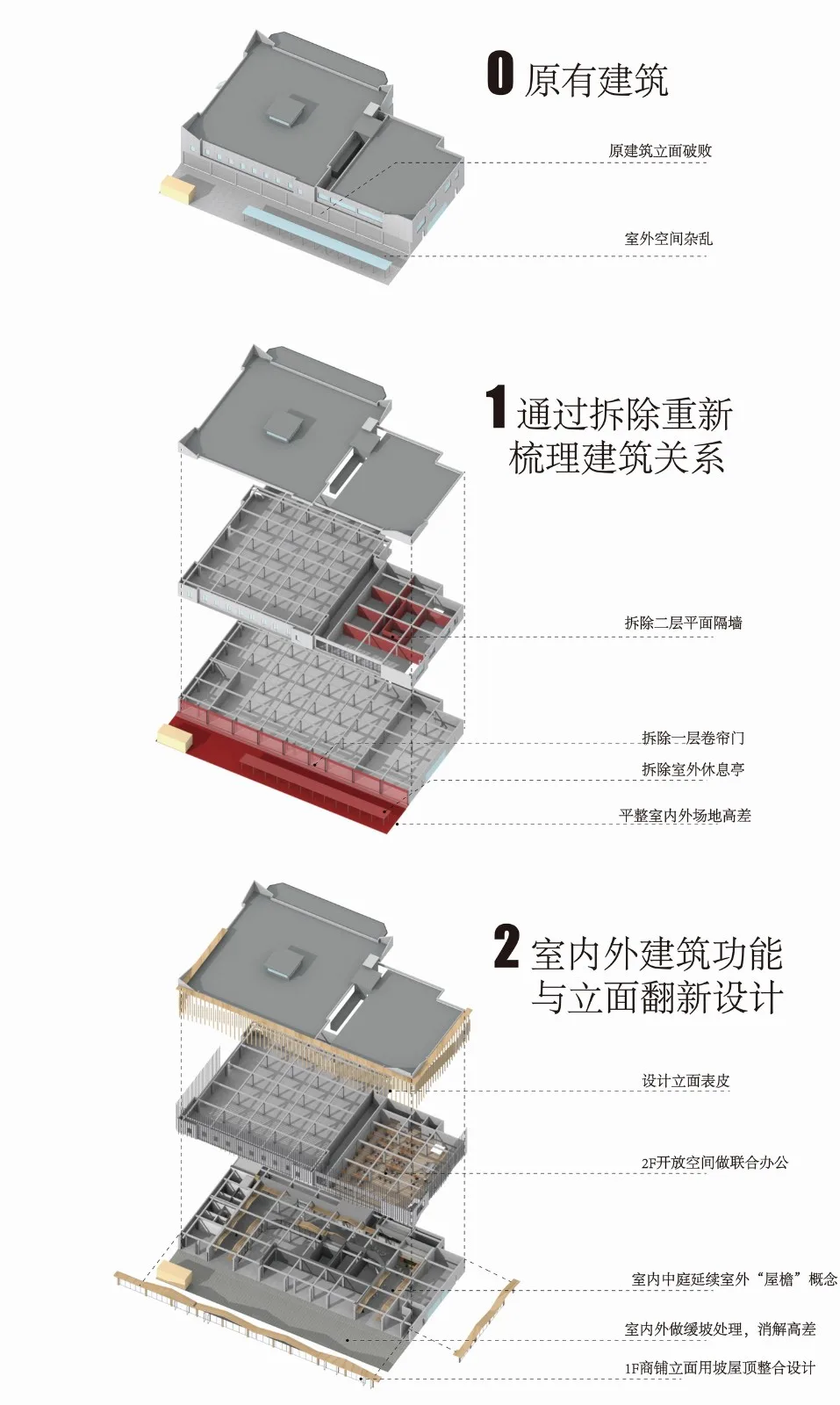
▲ Comparative analysis: old vs. new demolition
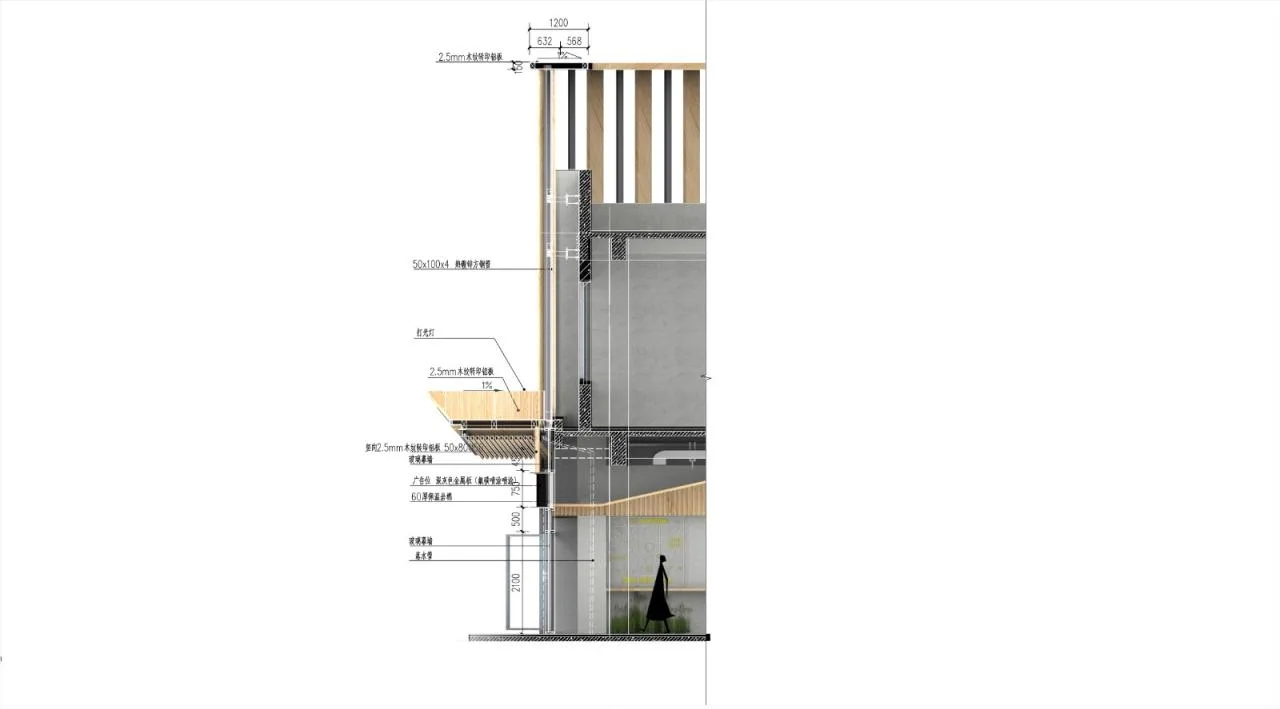
▲ Section analysis diagram
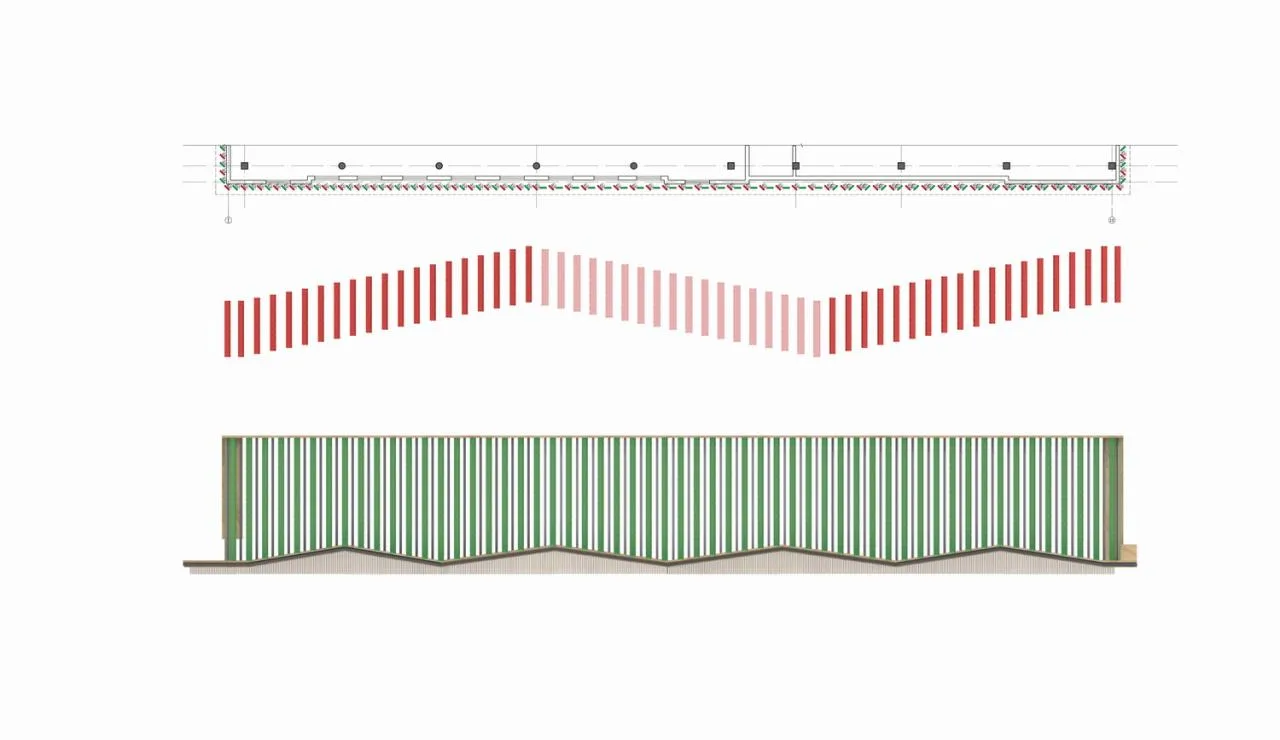
▲ Façade skin analysis
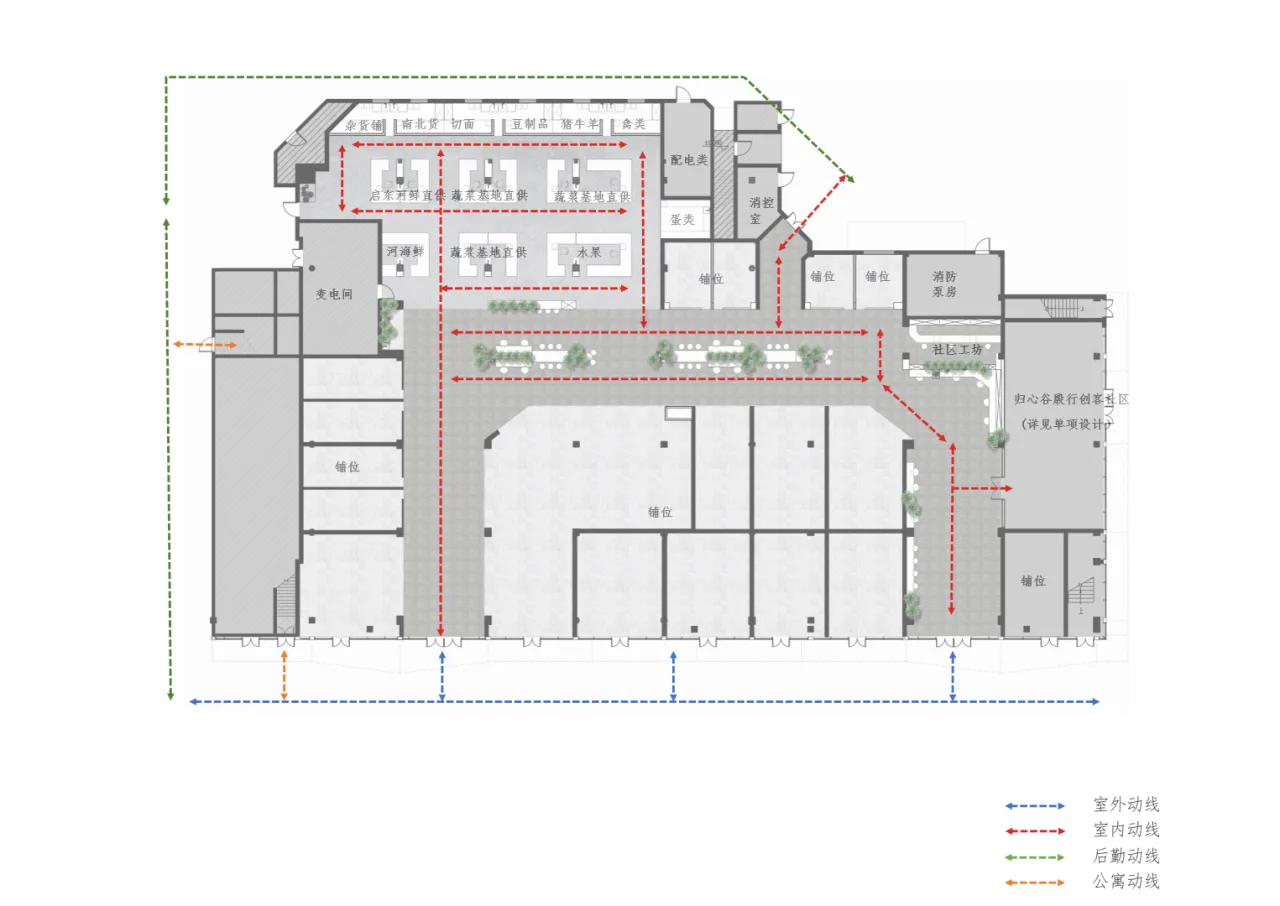
▲ Floor plan flow line
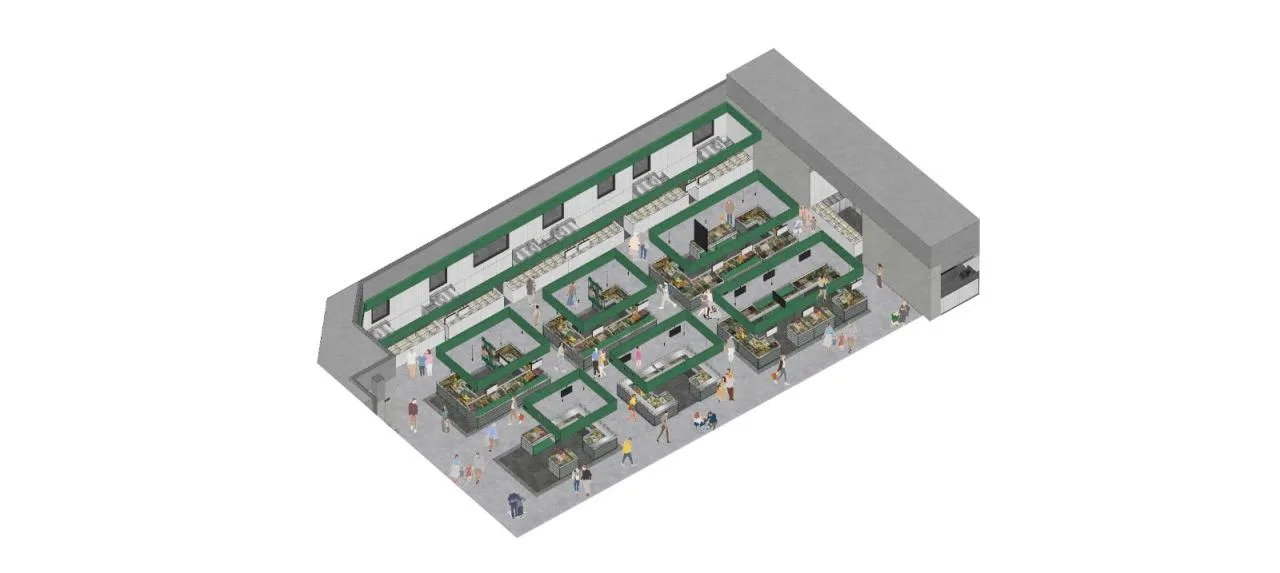
▲ Market axonometric view
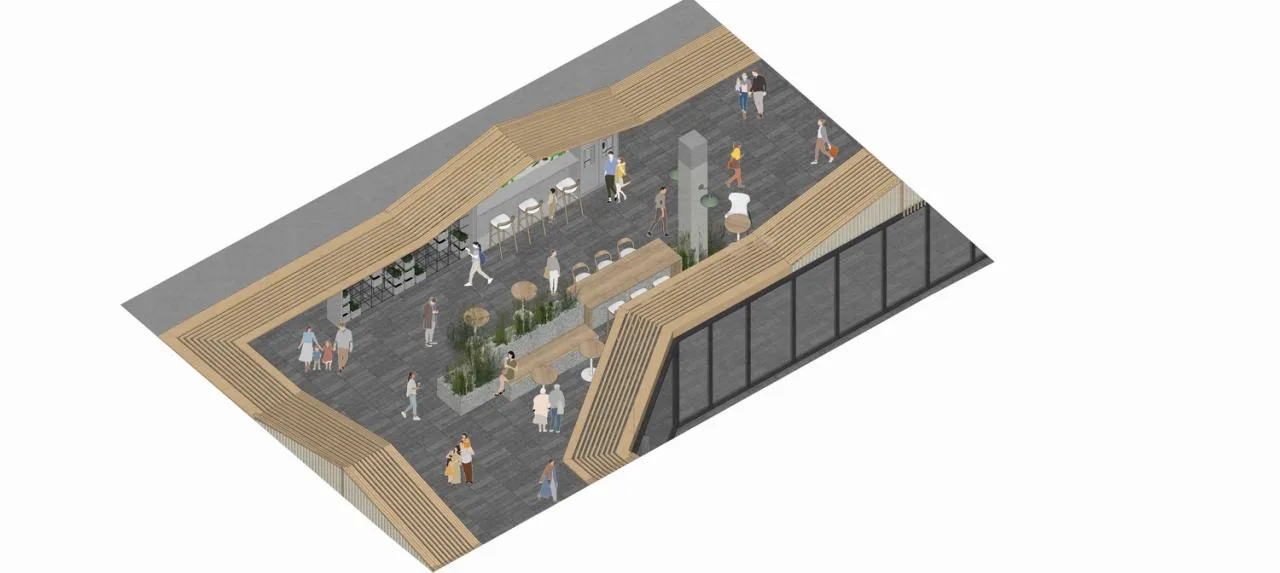
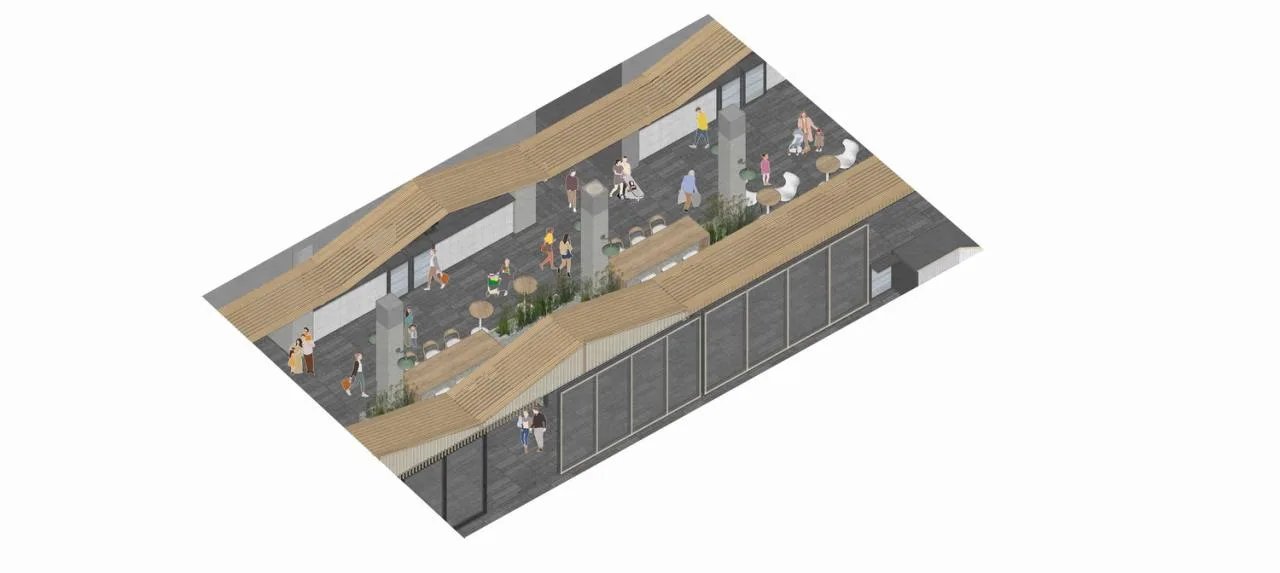
▲ Street market axonometric diagram
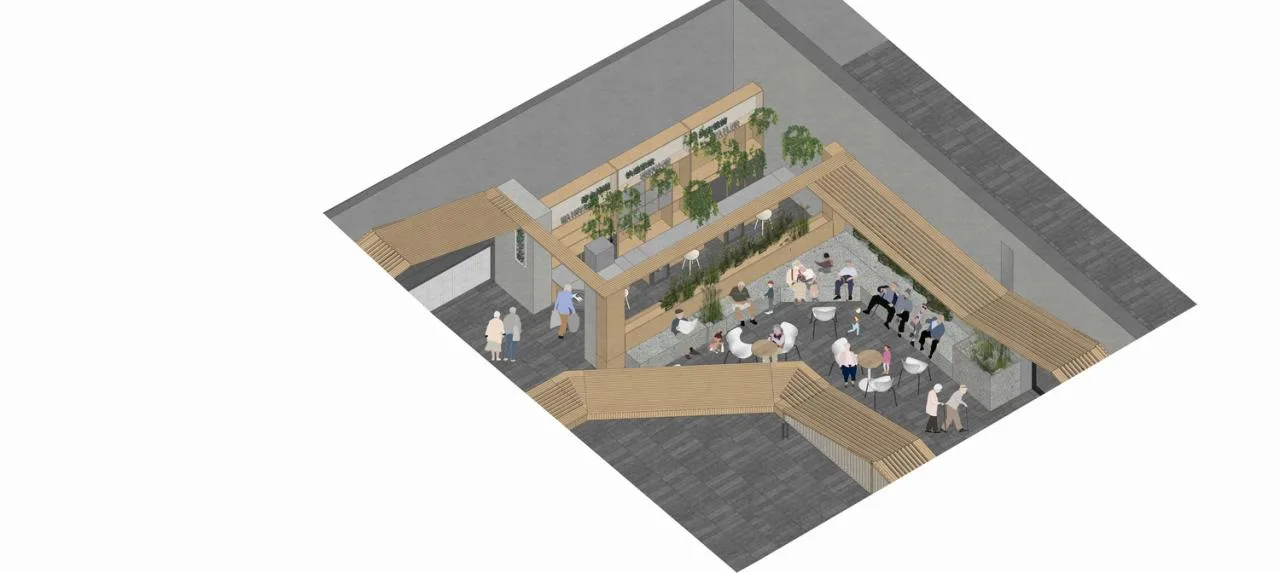
▲ Community workshop stop point
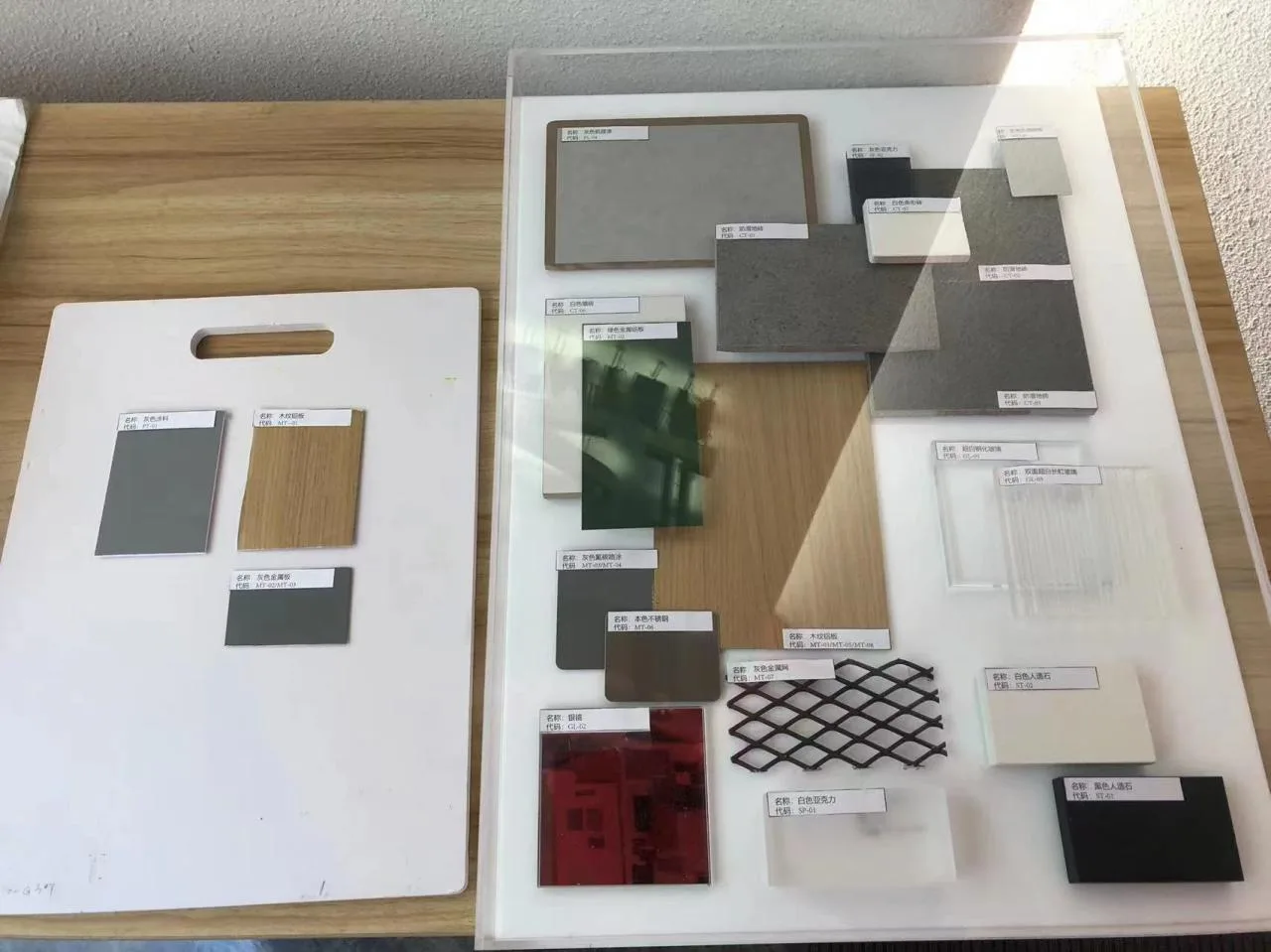
▲ Material details
Project Information
Project Name: Yangpu Neighborhood Zhenyuan
Owner: Yangpu Trading (Group)
Location: 498 Kailu Road, Yangpu District, Shanghai
Building Area: 4,000 square meters
Project Duration: March 2019 – June 2023
Design Team: Yu She Yu Zhu
Design Directors: Xu Yi, Li Zhiqiang
Design Team Members: Xu Junfeng, Pang Yu, Cao Zhen, Yang Huanli, Zheng Yali, Zhang Mengdi, Zhu Yueyue
Lighting Consultant: Stacked Hidden Lighting
Mechanical and Electrical Cooperation: Ruiwen Engineering Design Firm
Construction Drawing Cooperation: Jianmeng Design Group Co., Ltd.
Photography: James Young












Must log in before commenting!
Sign Up