
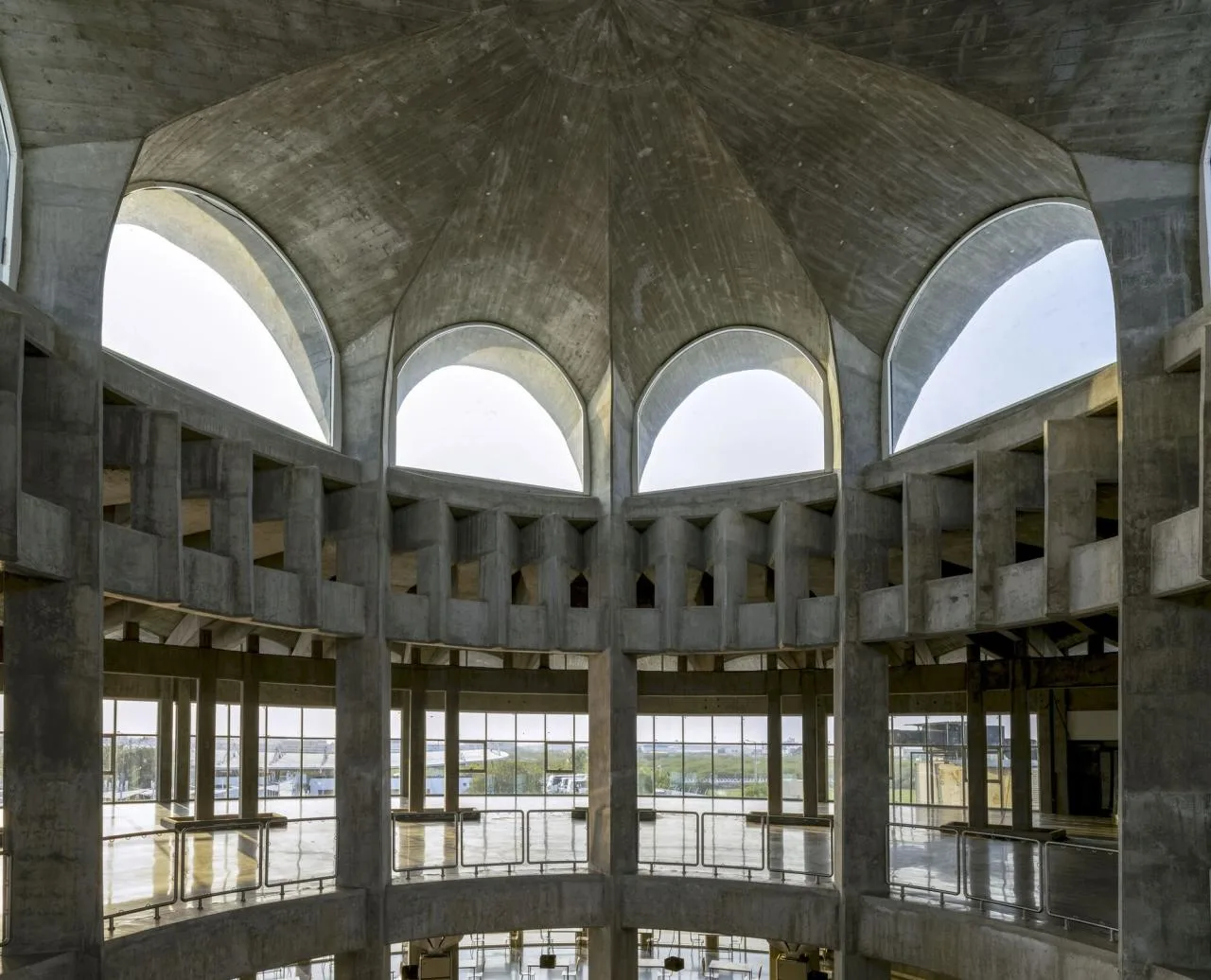
Studio Saar, a new architectural firm, has designed a dedicated industrial plant for Secure Meters, a multinational electronics manufacturer based in India. Located in Sanand, Gujarat—a city known for its automotive manufacturing—the Secure Sanand factory aims to foster a vibrant work environment that supports both the physical and mental well-being of employees while minimizing energy consumption.
The facility features cutting-edge production areas, employee cafeterias, entertainment centers, and a seasonal lake that varies in size from one to three acres to collect rainwater. Additionally, 2,000 trees are planned to be planted within the factory grounds to enhance the natural environment.
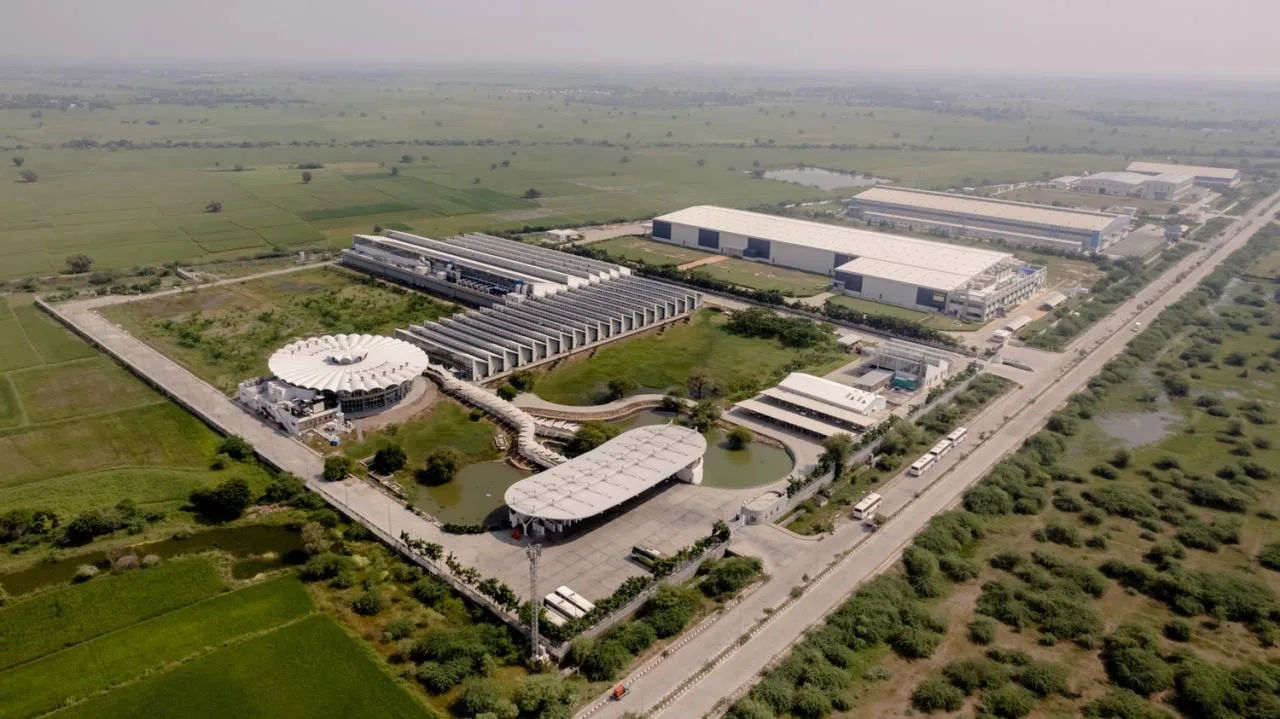
The architect designed this expandable factory to be built in phases, allowing production to commence within the scheduled timeframe. Prioritizing employee well-being, the project fosters a collaborative and inclusive work environment that breaks down traditional barriers and rigid hierarchies often found in manufacturing settings.
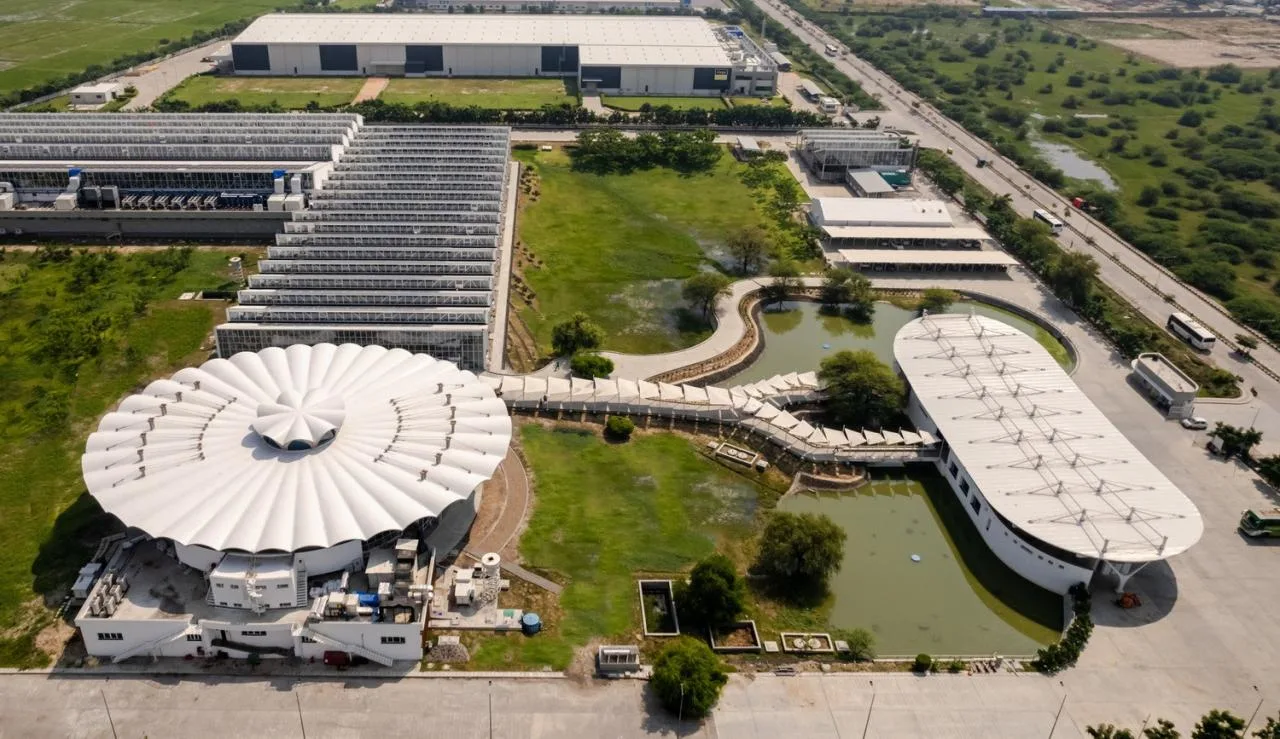
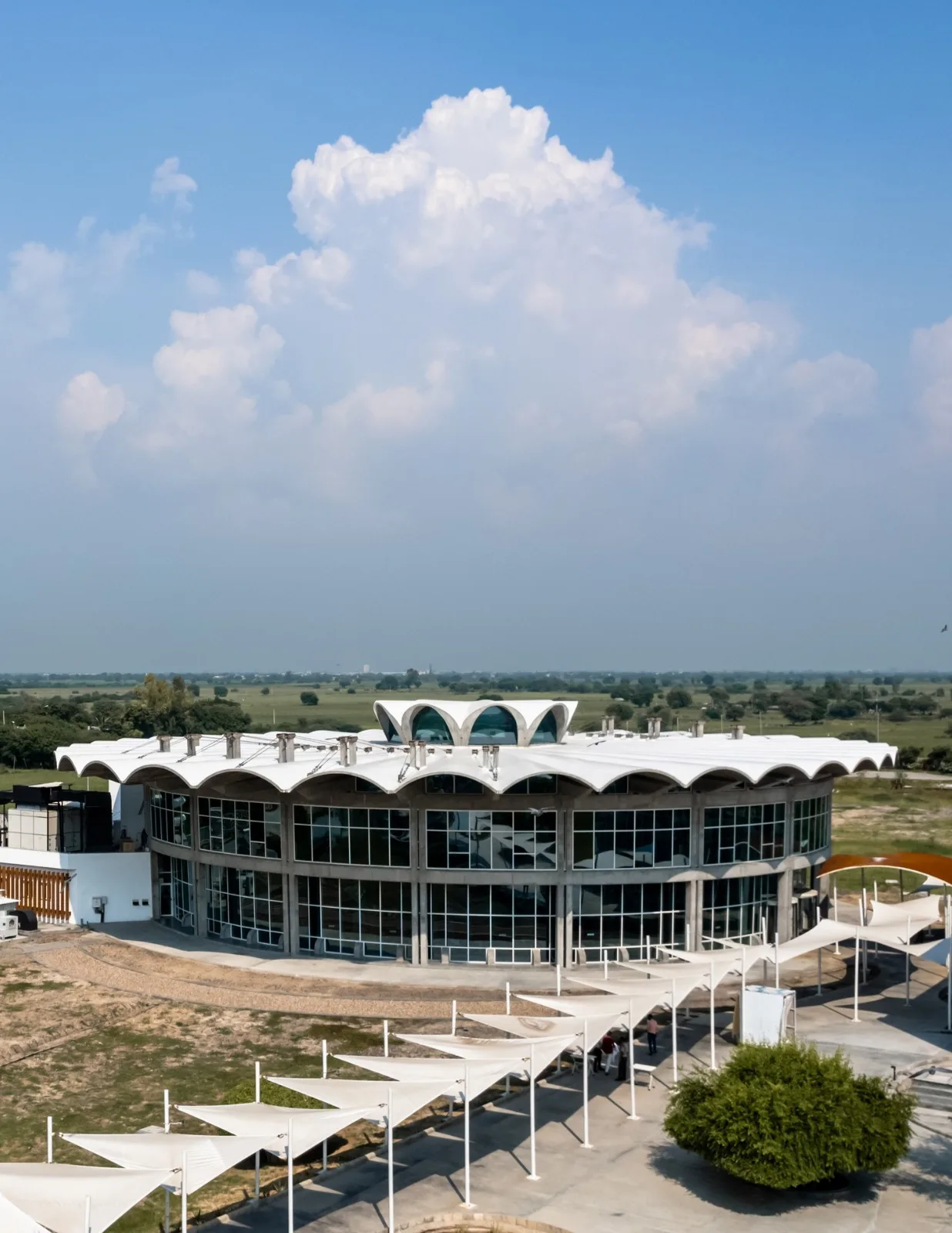
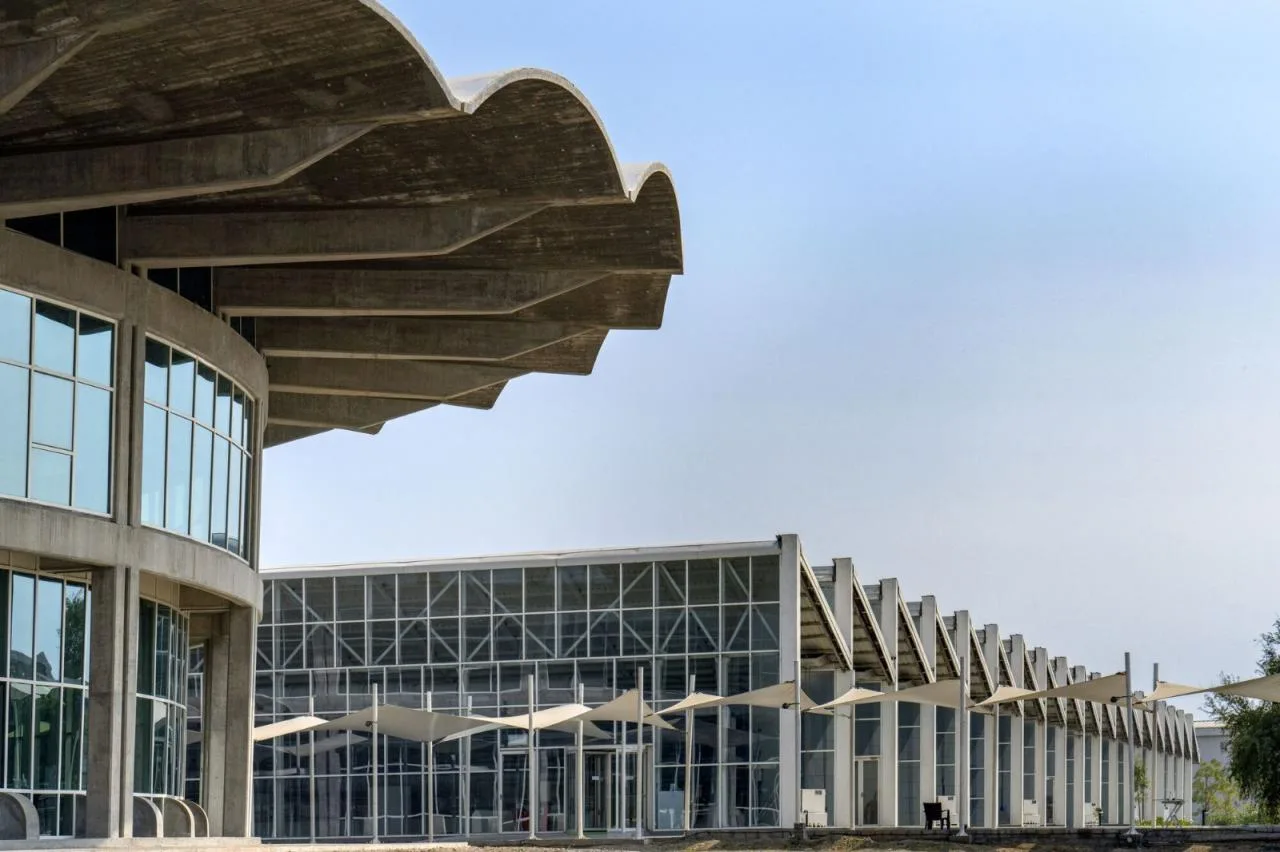
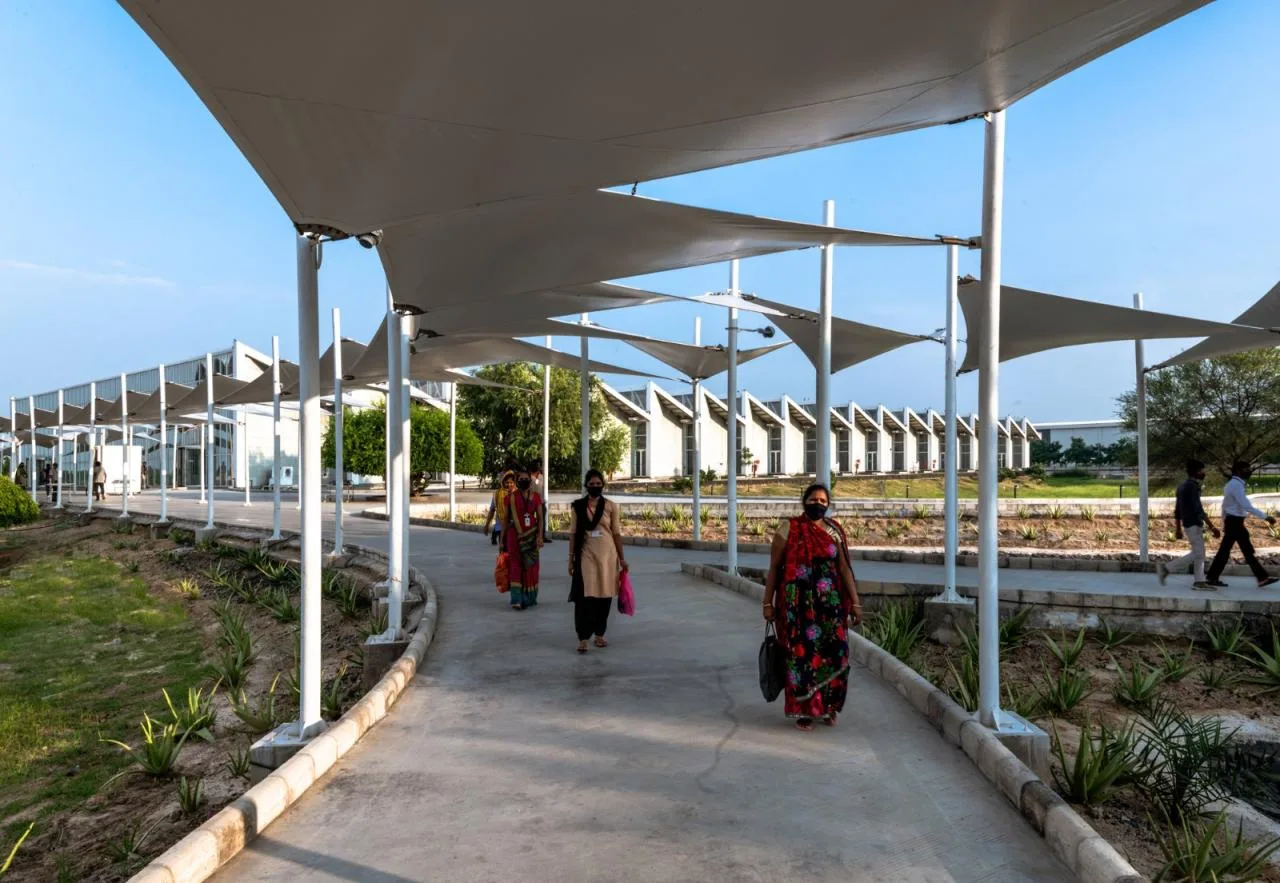
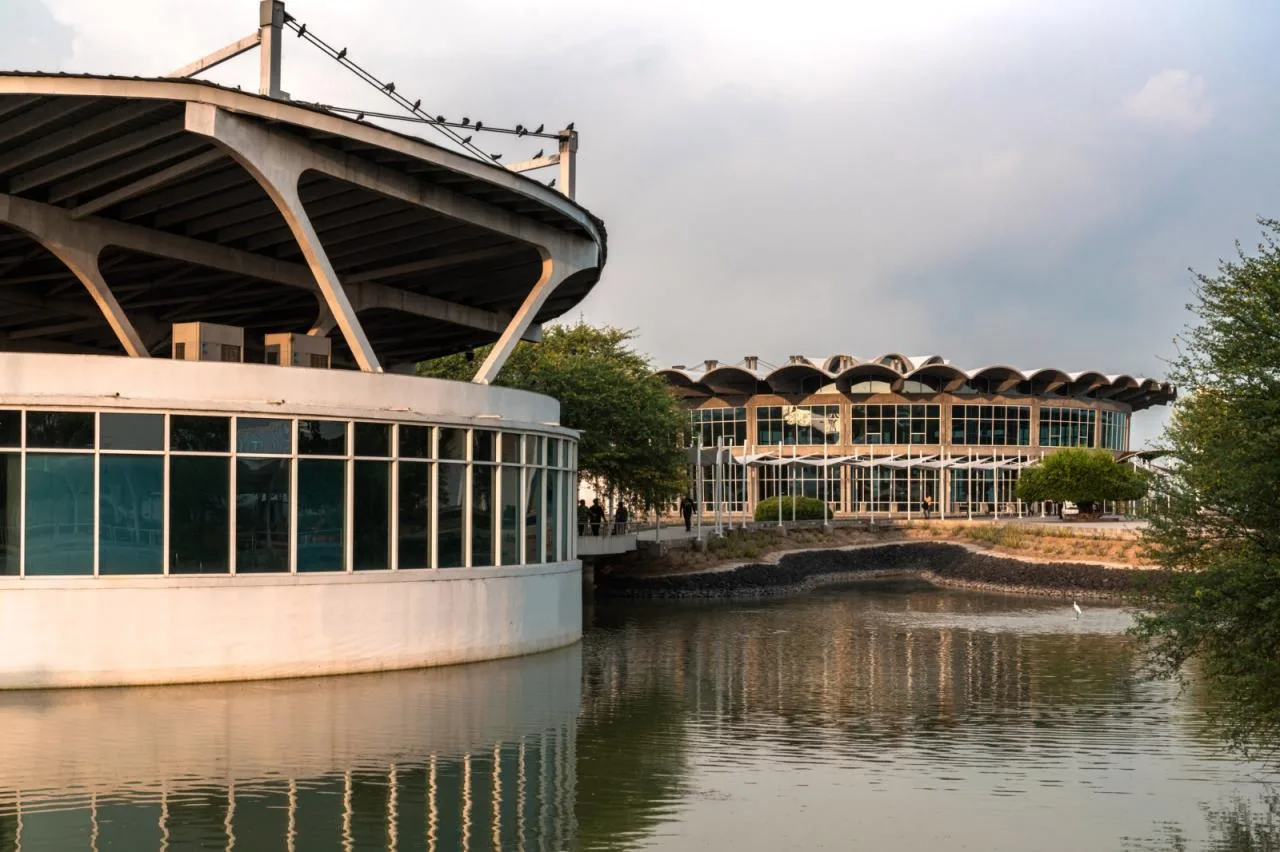
Situated on a 25-acre site that was once a lakebed, now repurposed for industrial use, the factory is organized into three distinct zones: production lines, employee leisure, and visitor areas. The overall layout includes four main buildings—the primary production facilities, public amenities, cafeteria and entertainment center, and the reception building. These structures are linked by covered walkways with white, undulating kite-shaped fabric canopies that shield users from wind and rain while guiding movement through the campus.
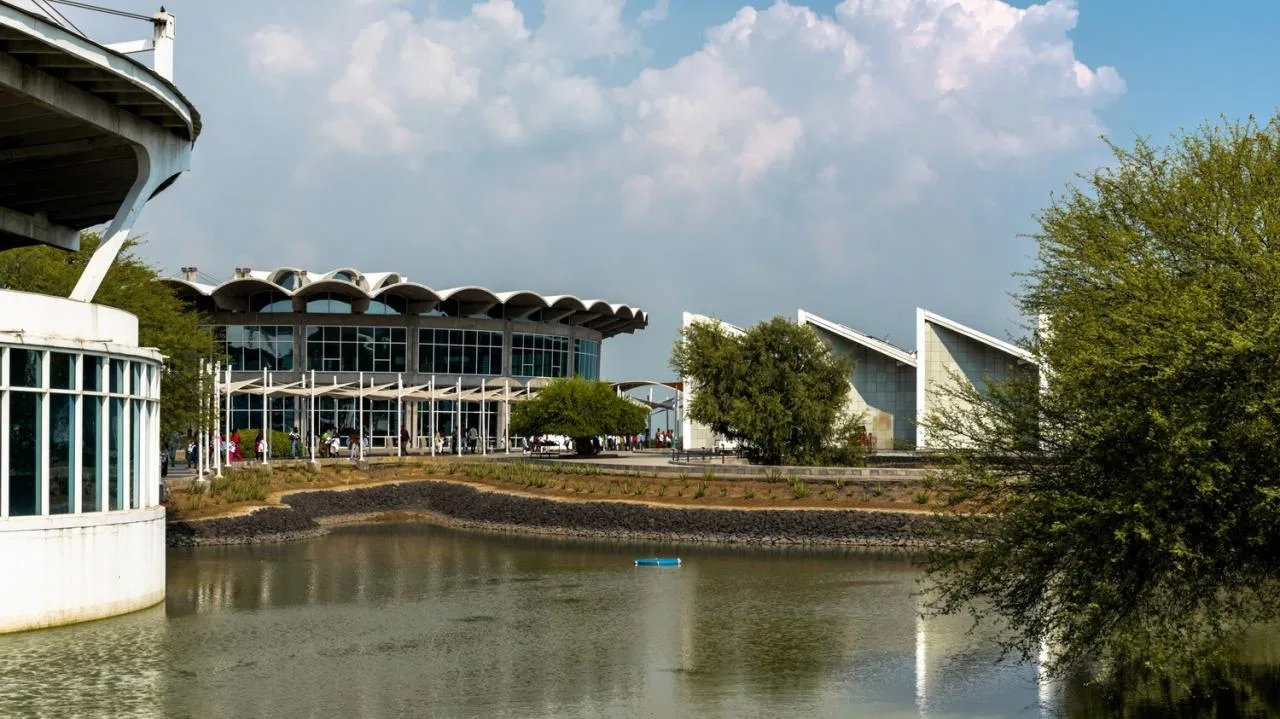
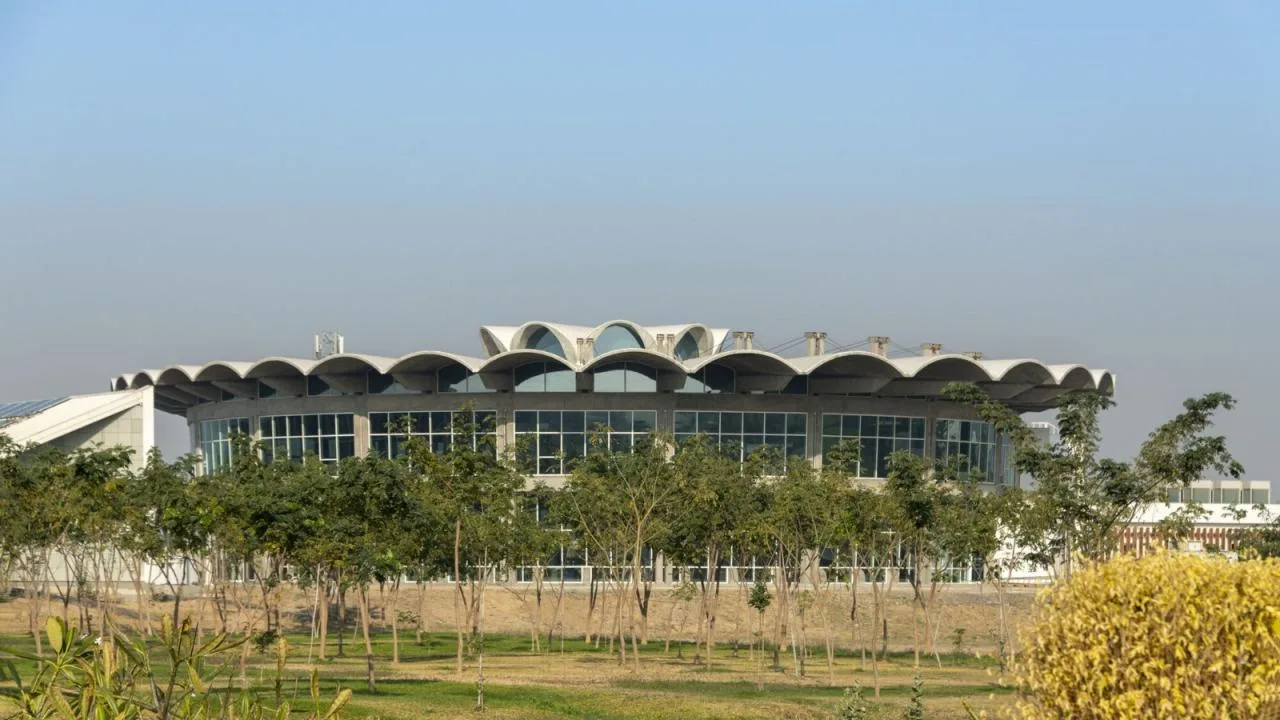
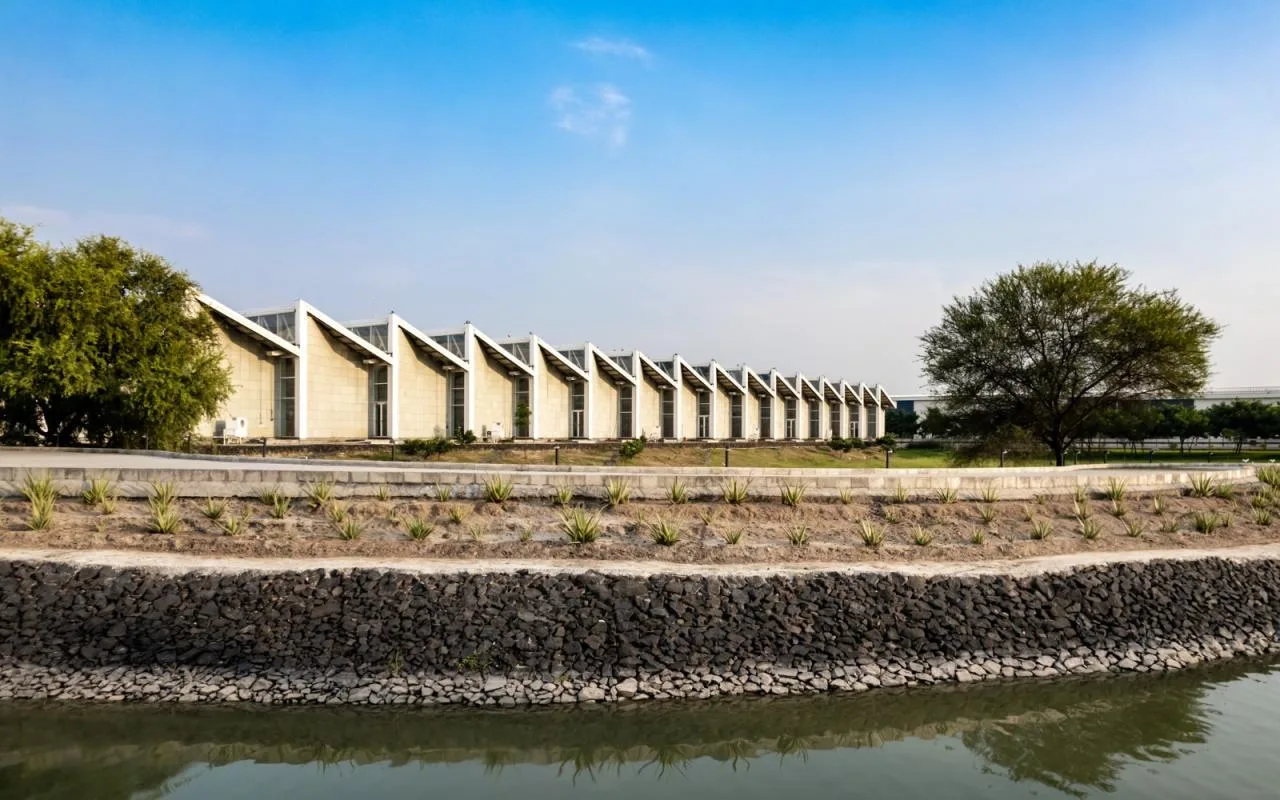
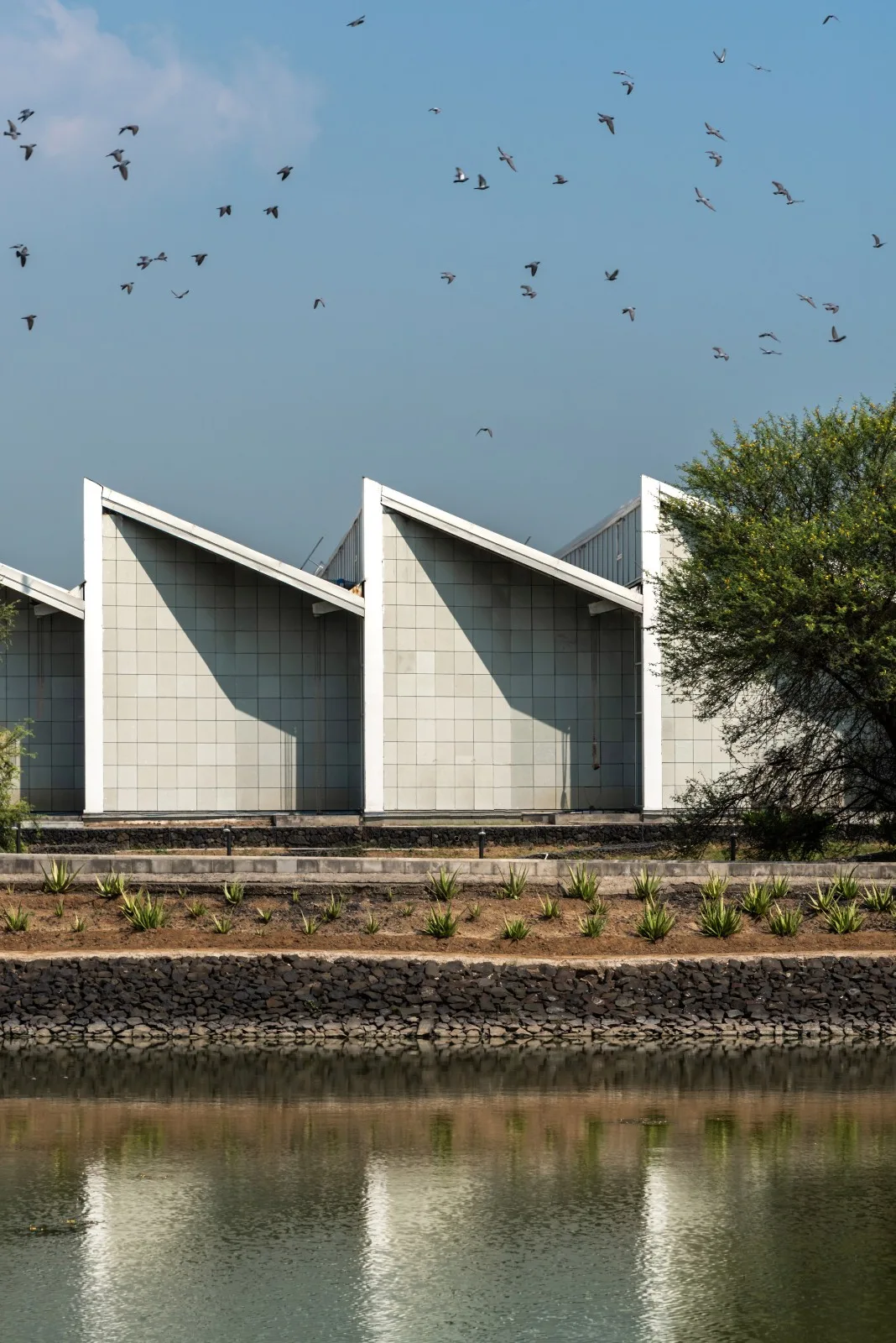
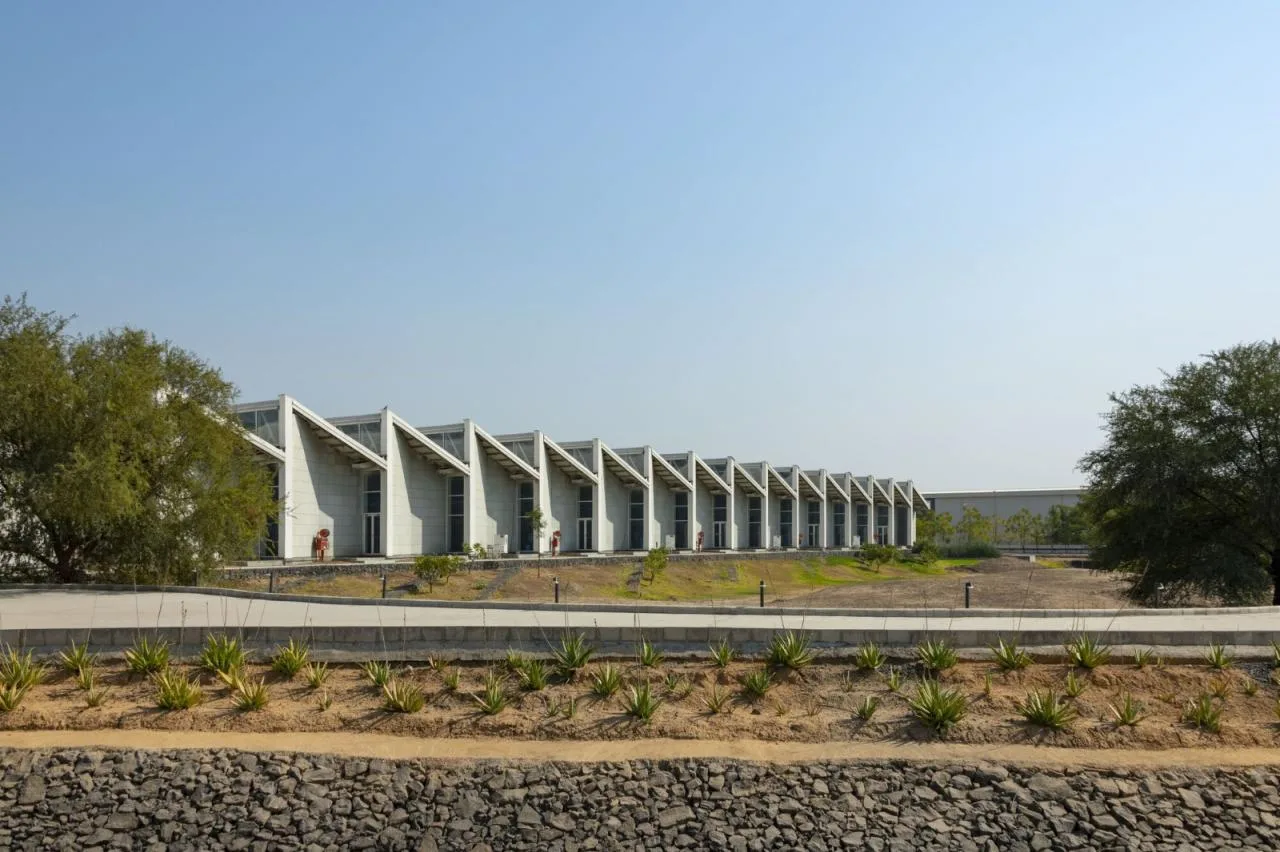
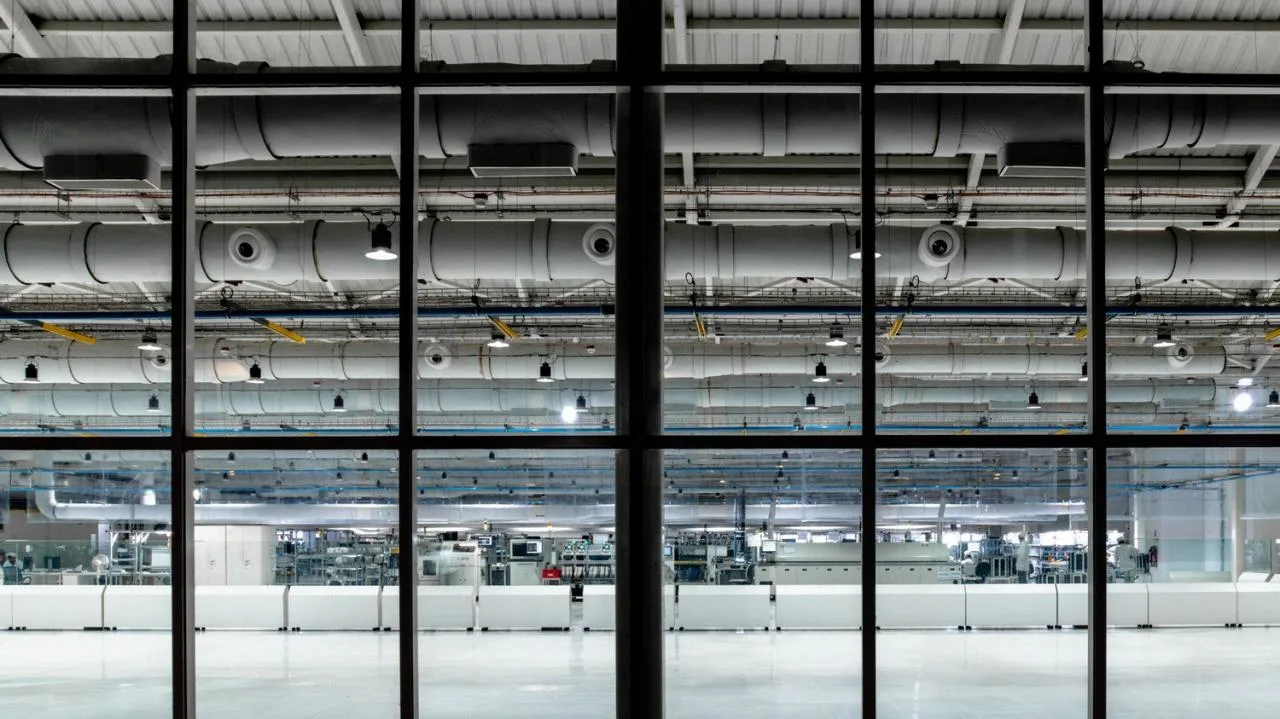
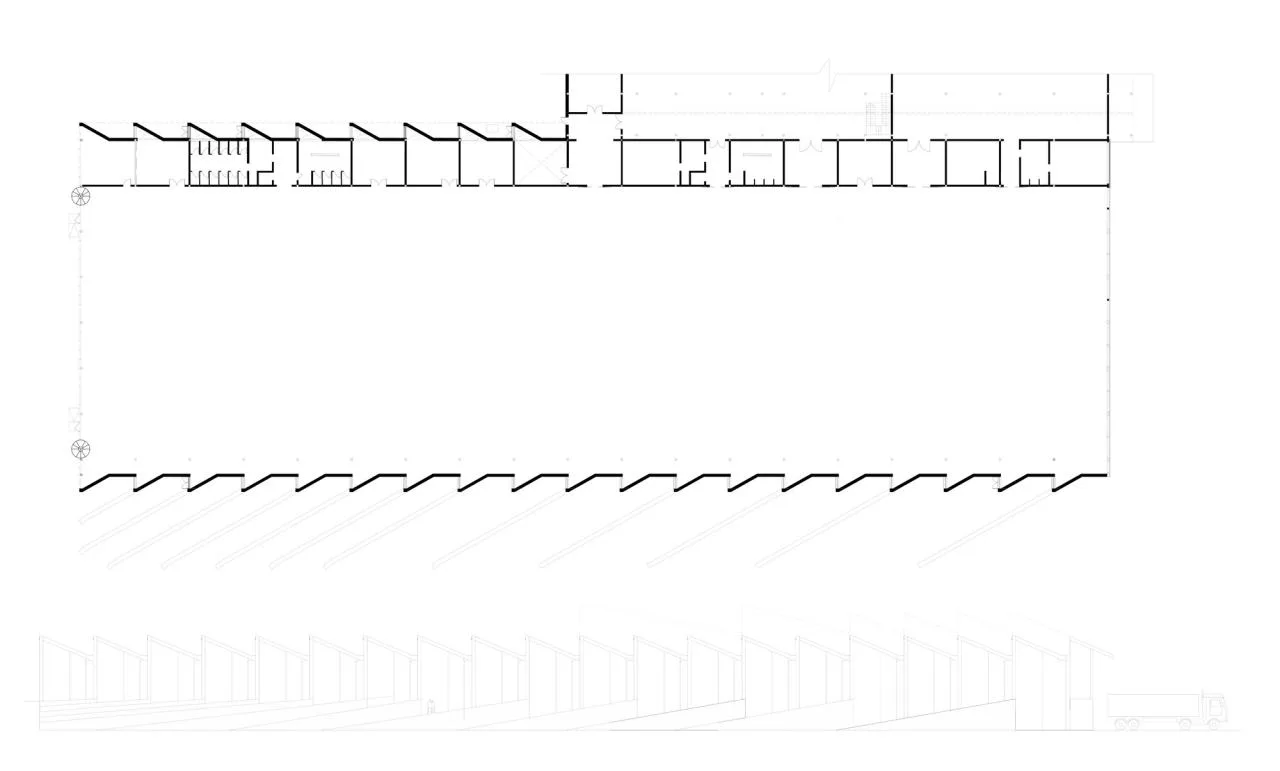
The main production wing consists of expansive open spaces that allow for scalable work lines and offer the flexibility to adapt to evolving employee needs. The design employs a clear architectural language using white tones for building structures and surfaces to create an energetic atmosphere, while gray stone cladding helps the buildings blend harmoniously with the surrounding environment.
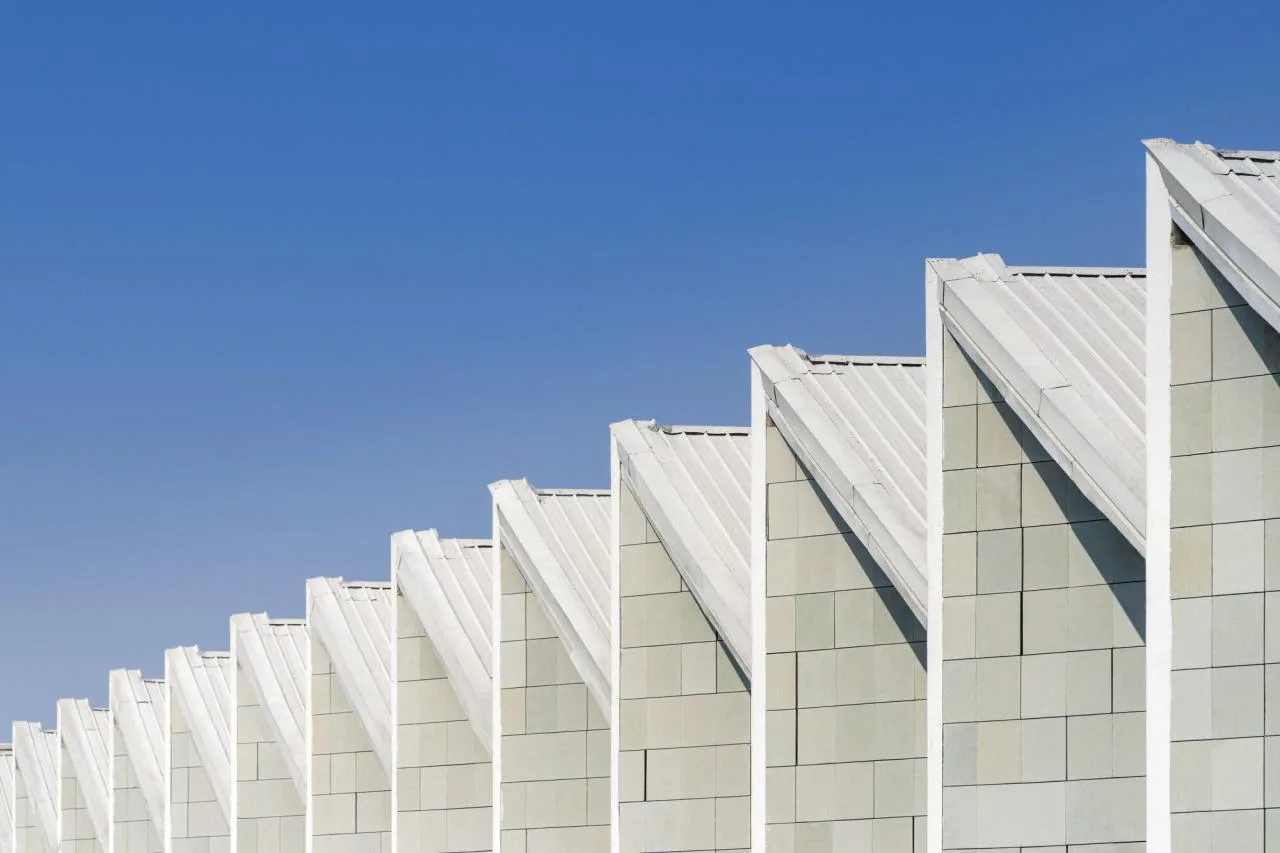
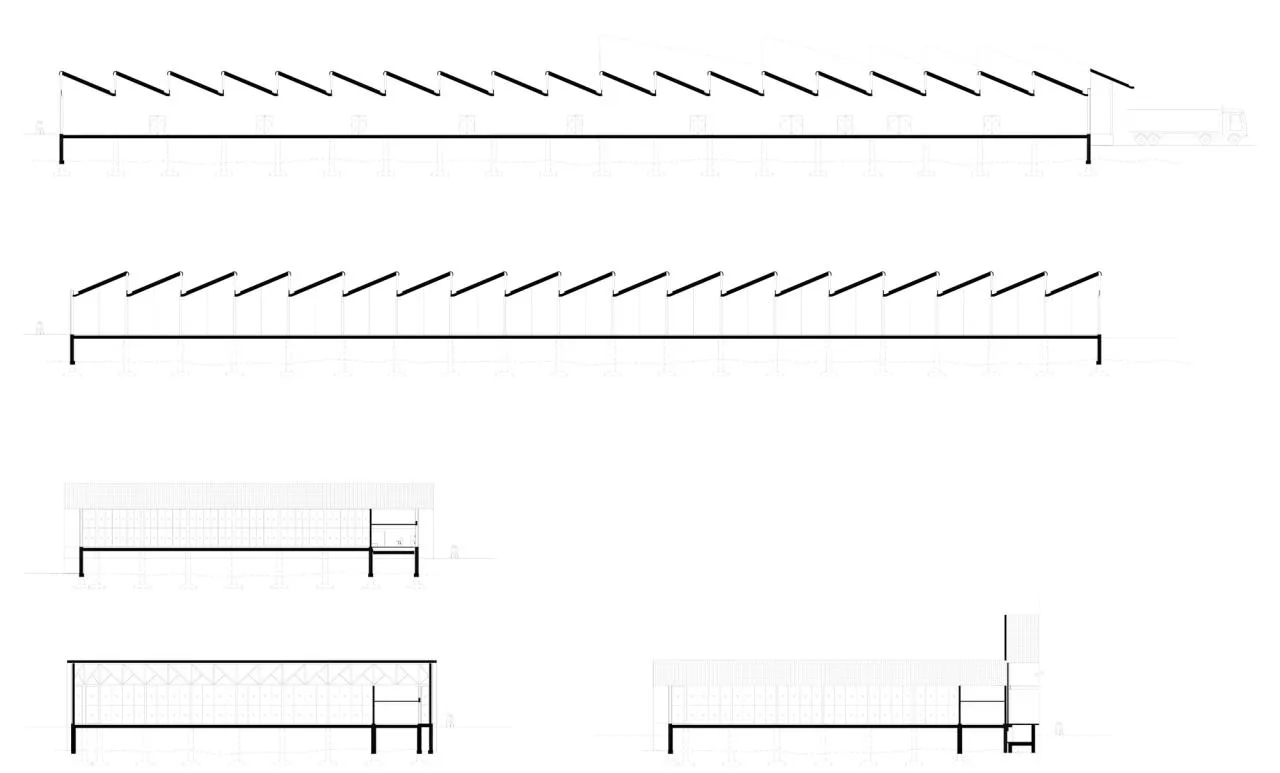
These structures feature distinctive serrated facades inspired by early industrial architecture, which permit natural daylight to penetrate the work areas and provide space for solar panels that generate 50% of the facility’s energy demand. The buildings incorporate efficient thermal envelopes with superior insulation to reduce internal heat gain. Additionally, an integrated floor cooling system enhances interior comfort throughout the workspace.
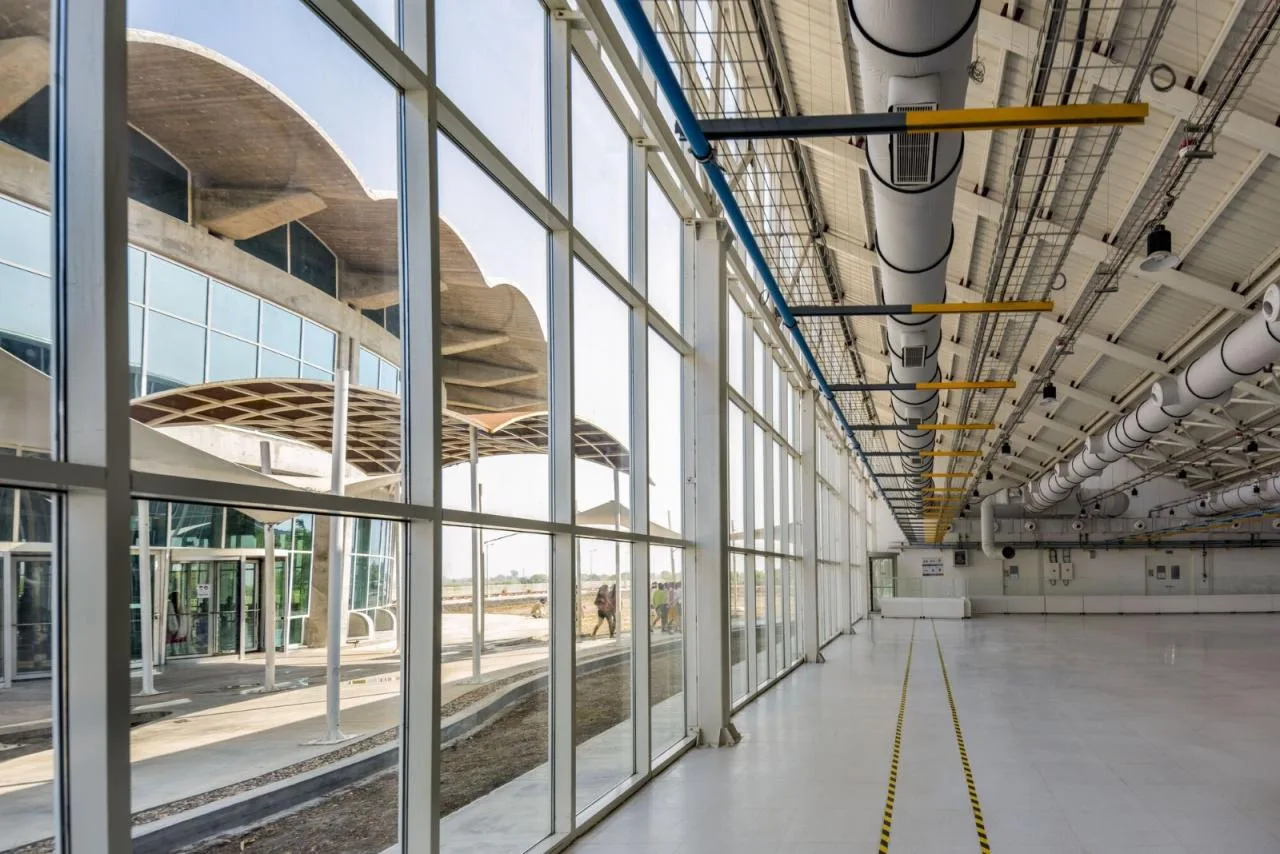
The entrance building is located adjacent to the production facilities and features a sloped open ceiling that warmly welcomes visitors for tours. Inside, the space includes conference rooms, APJ Abdul Kalam training rooms, changing facilities, and a medical center. Its design embodies openness and inclusivity while ensuring that only screened employees can access the factory floor.
The building’s upper structure is independent from the lower pods, enabling Secure Meters to modify or use individual components without impacting the overall structural integrity.
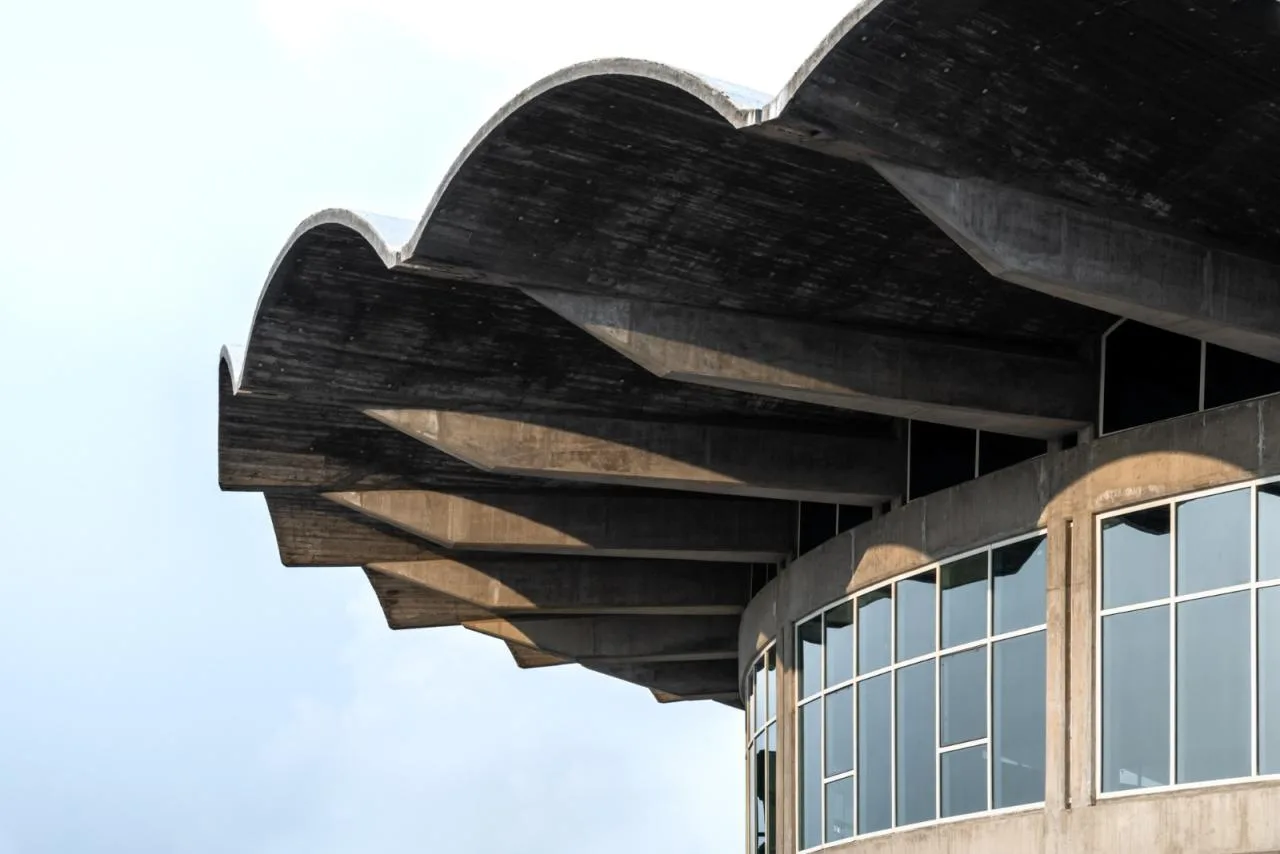
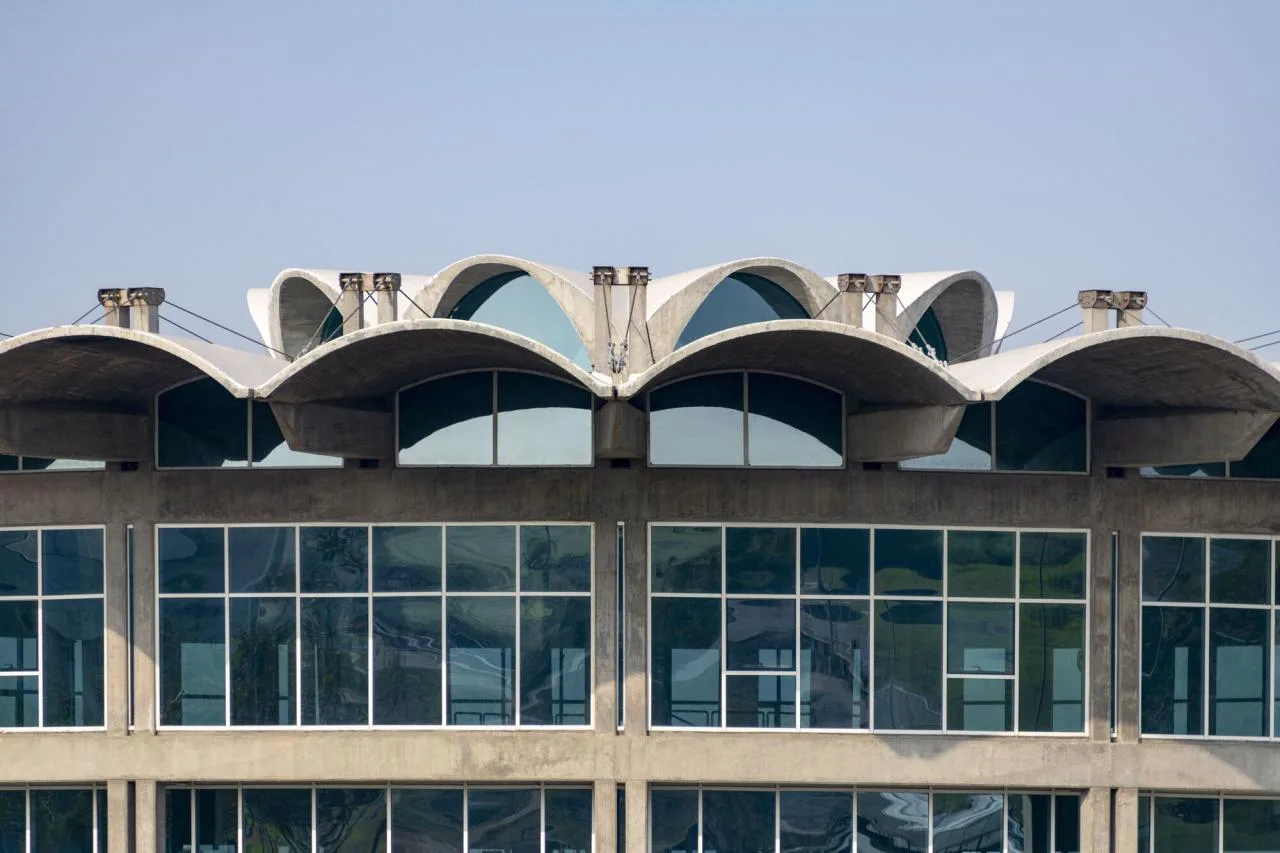
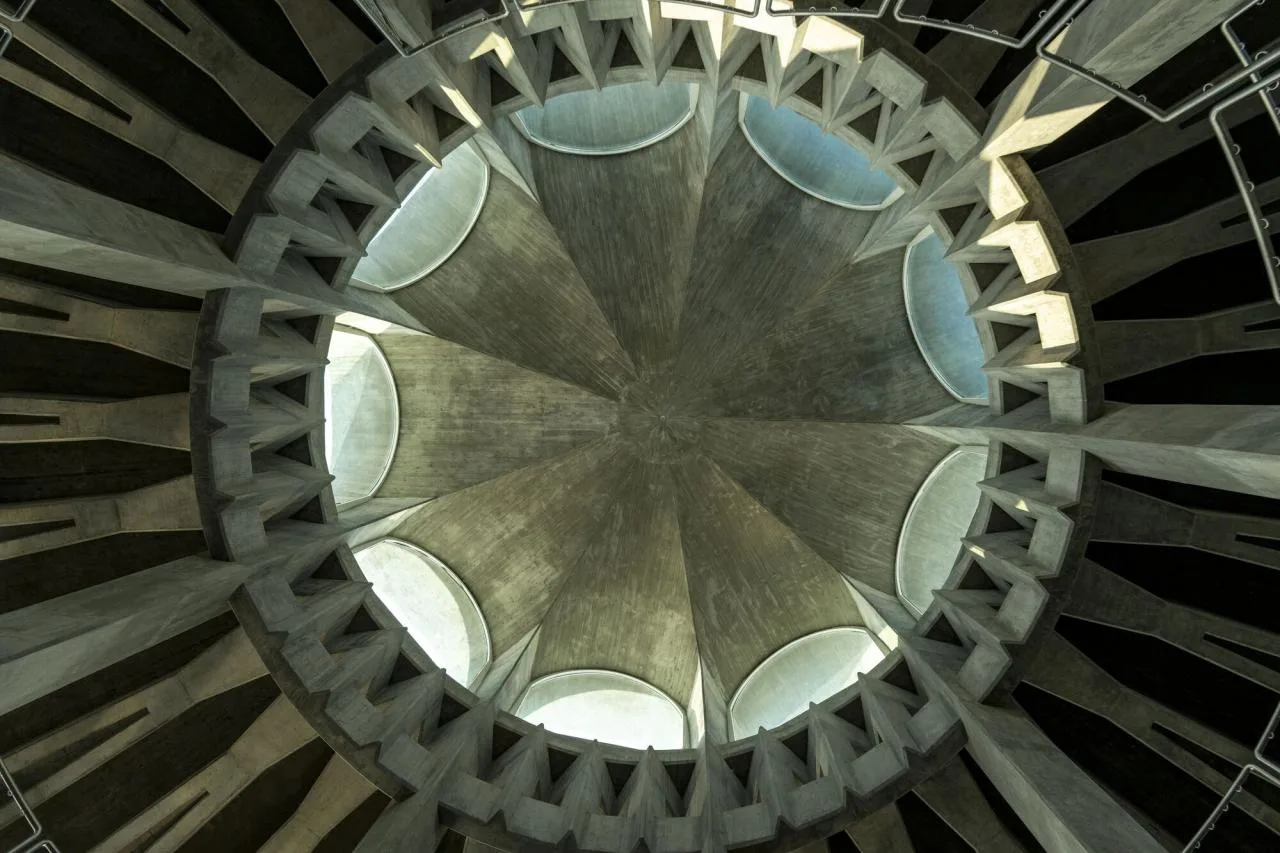
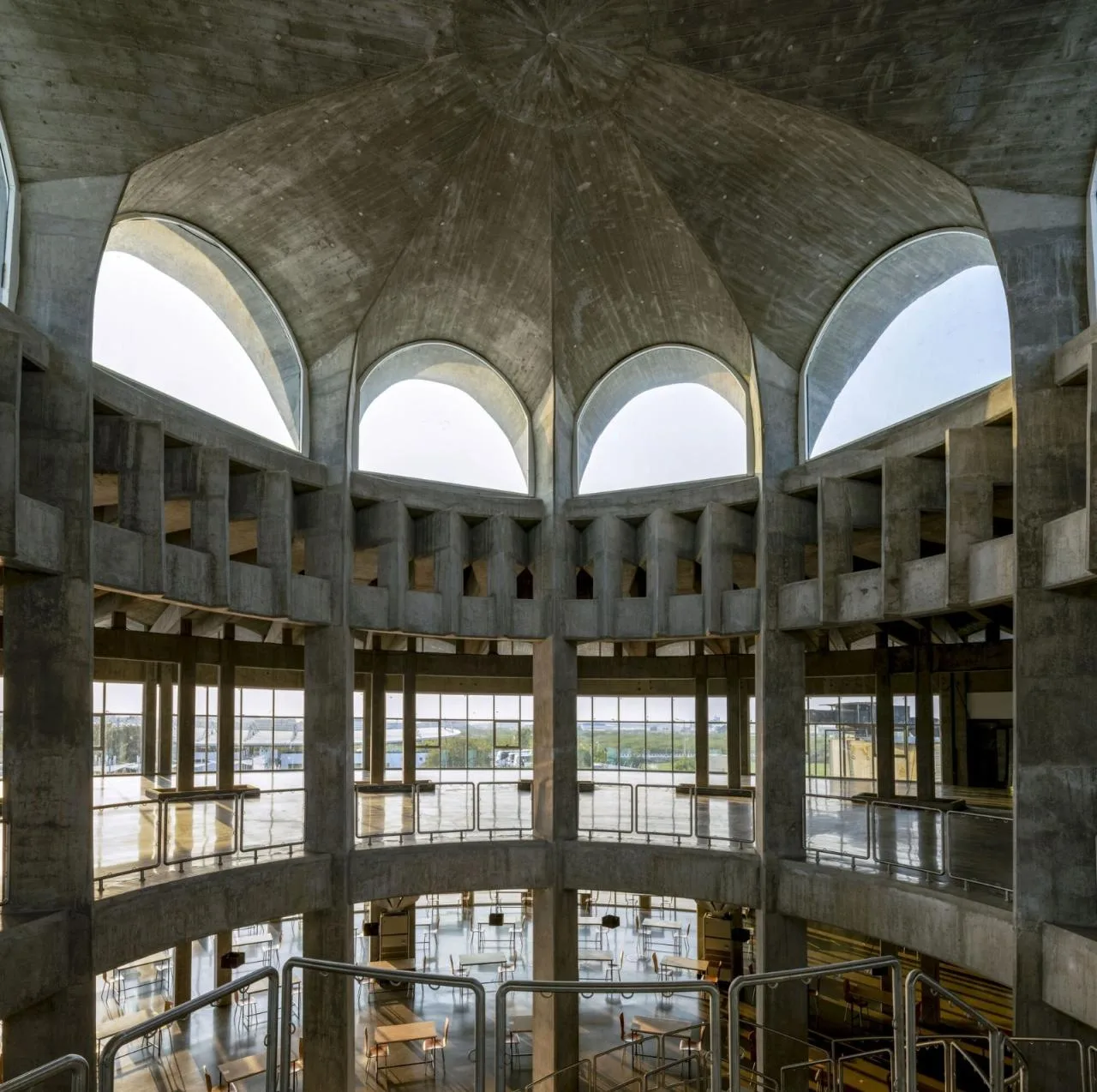
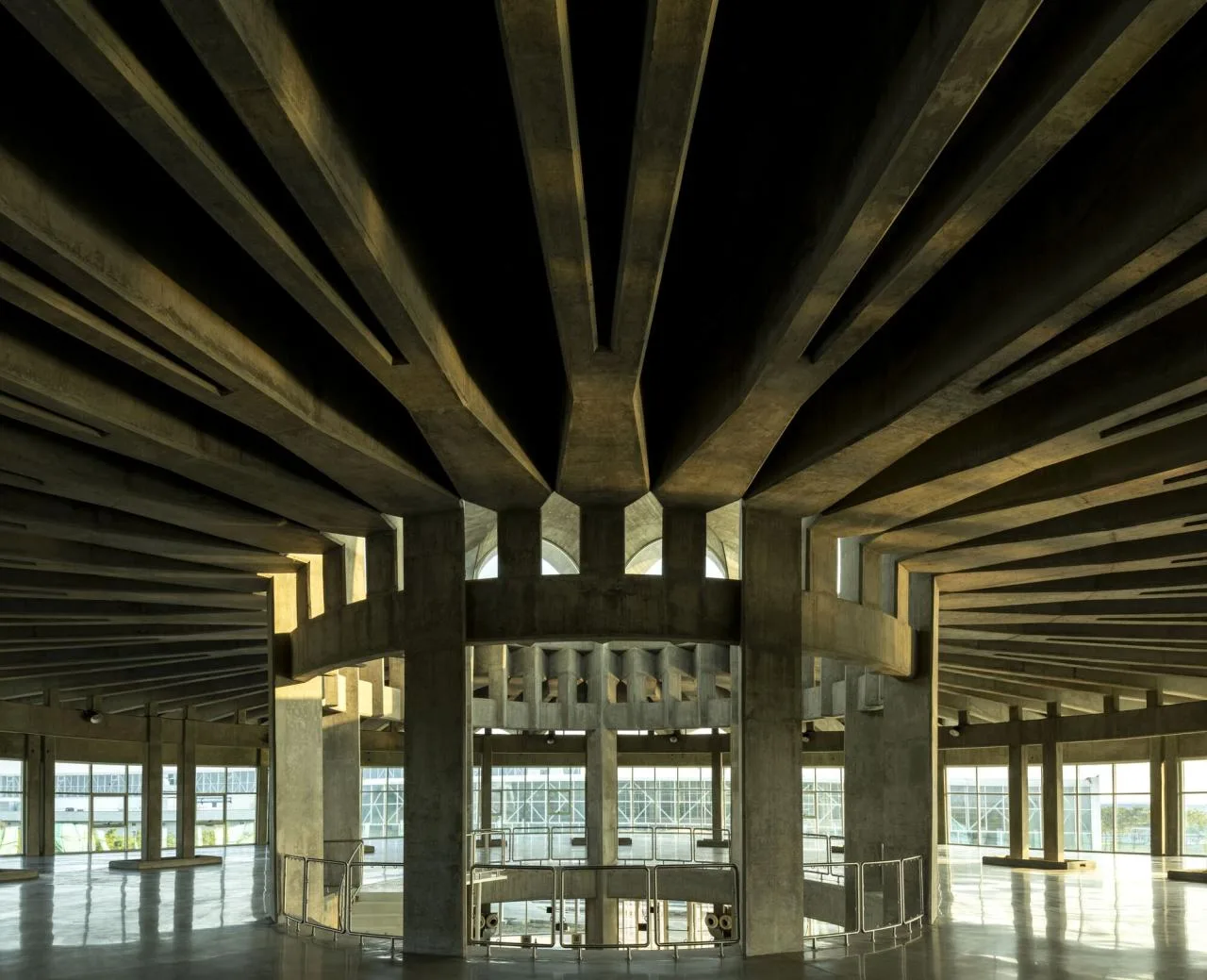
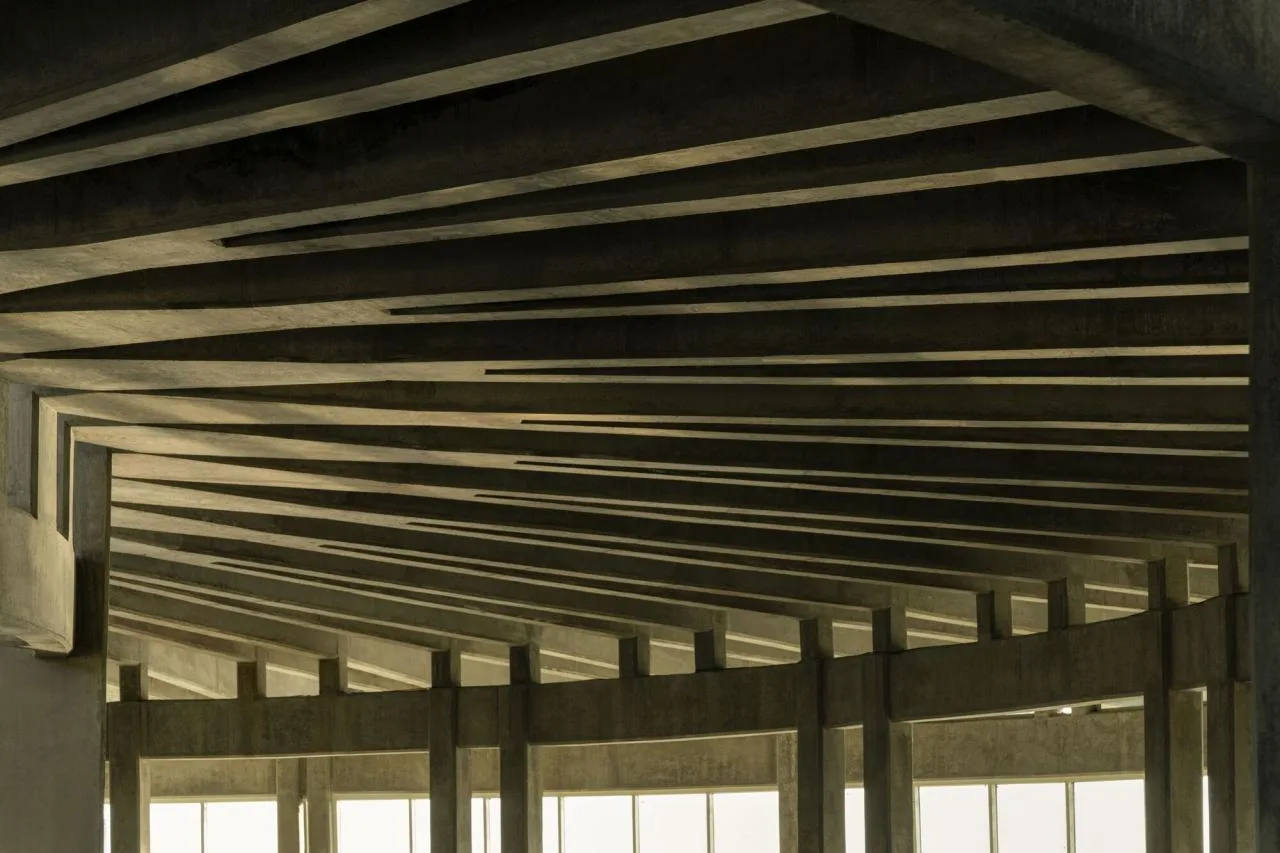
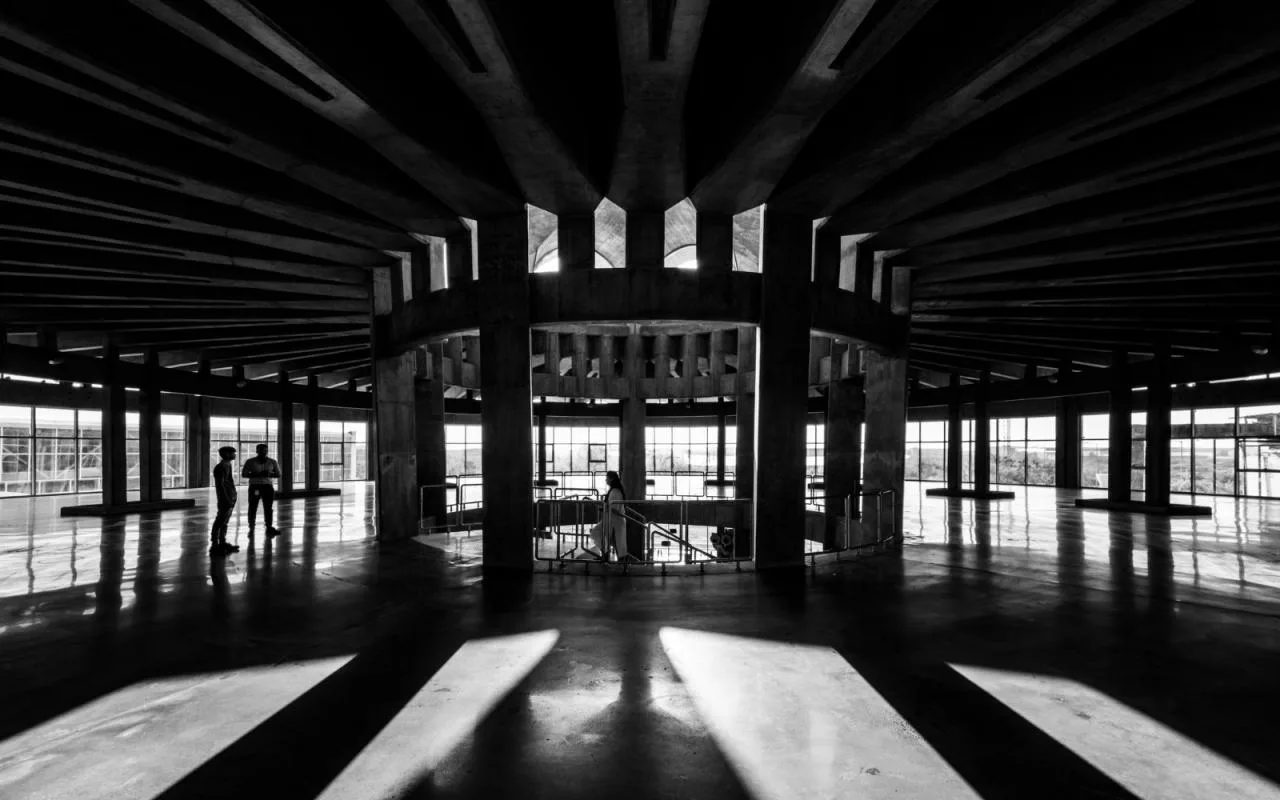
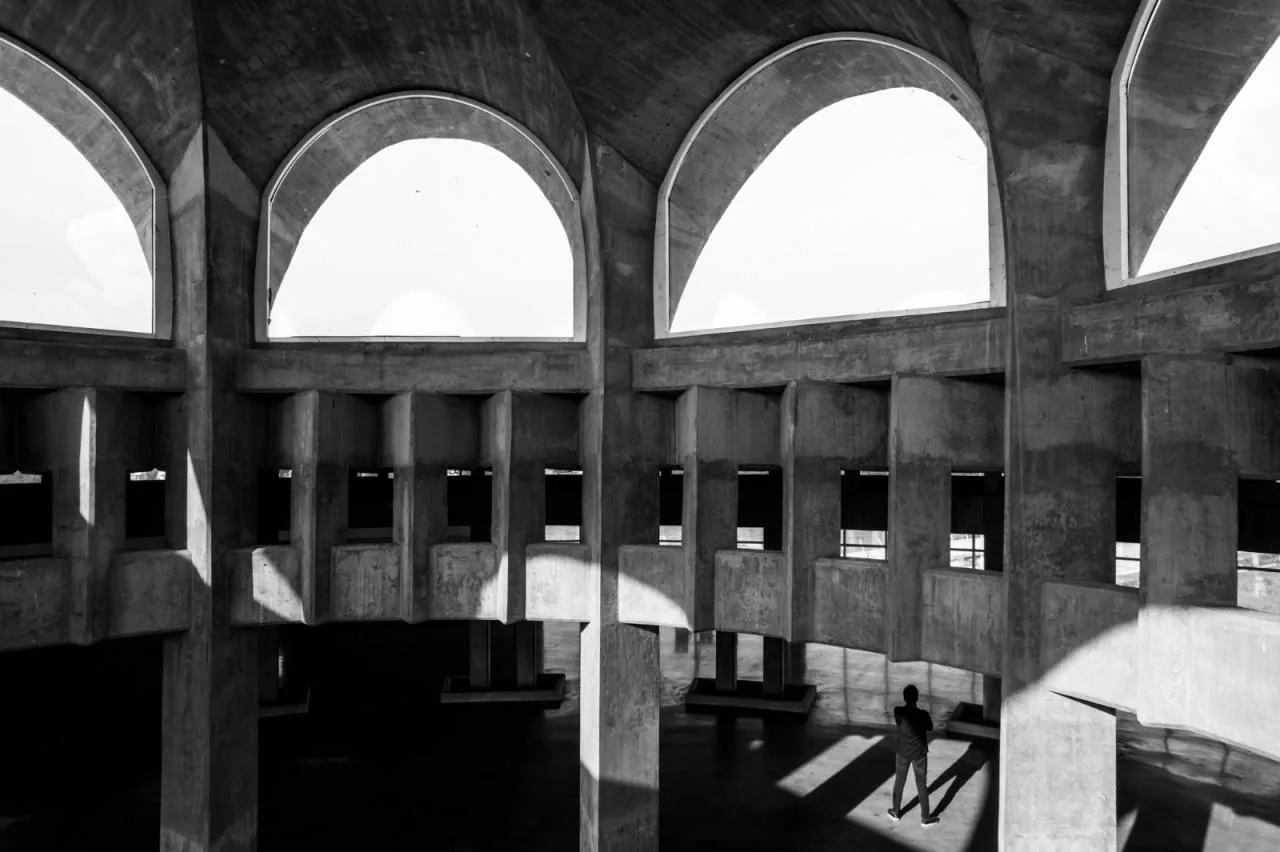
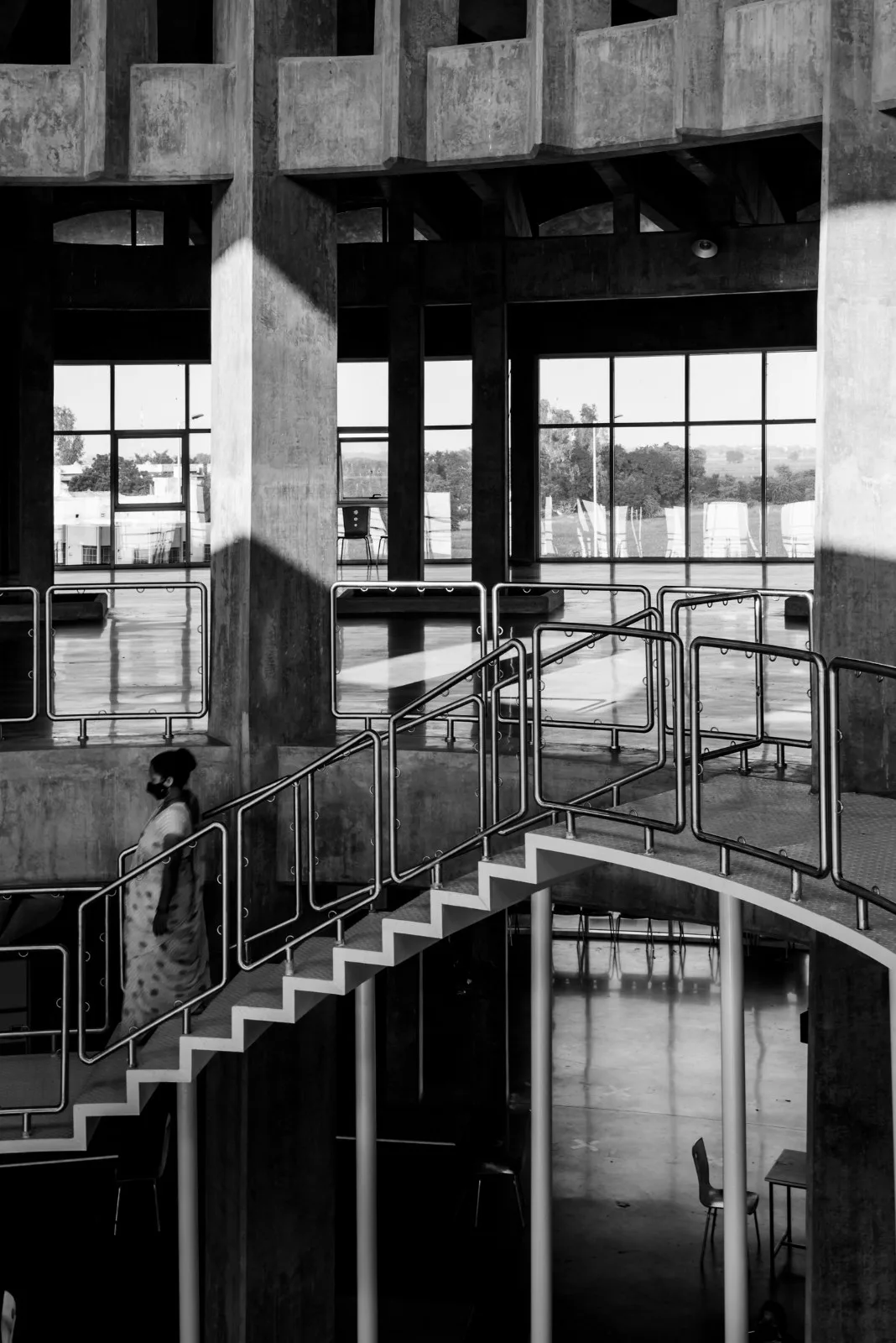
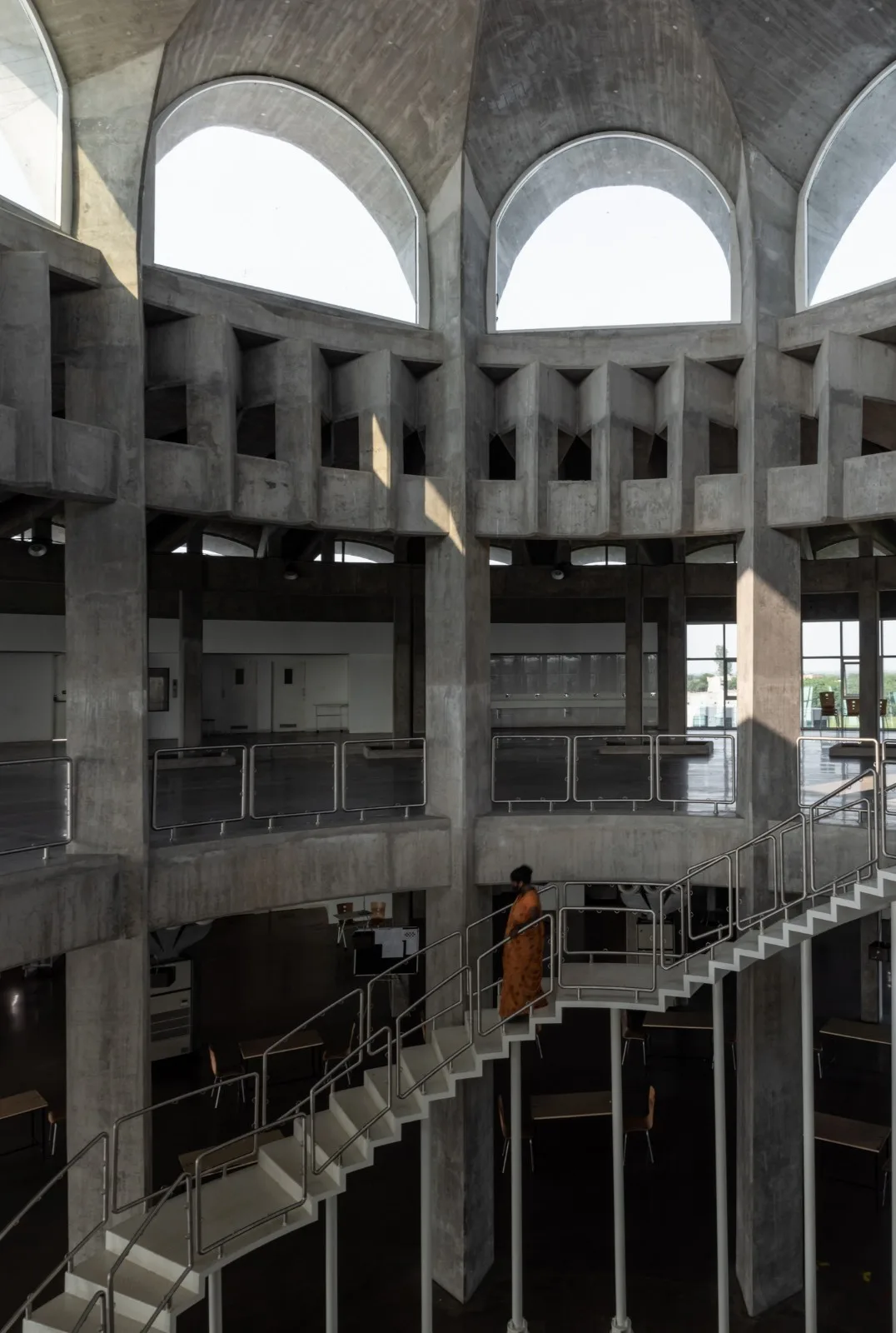
The cafeteria and entertainment center are centrally located within the complex, reflecting the white functional aesthetic of the production and public facility buildings while introducing a playful contrast. Exposed concrete surfaces are paired with distinctive weather-resistant steel entrance canopies, clearly distinguishing leisure spaces from the work environment.
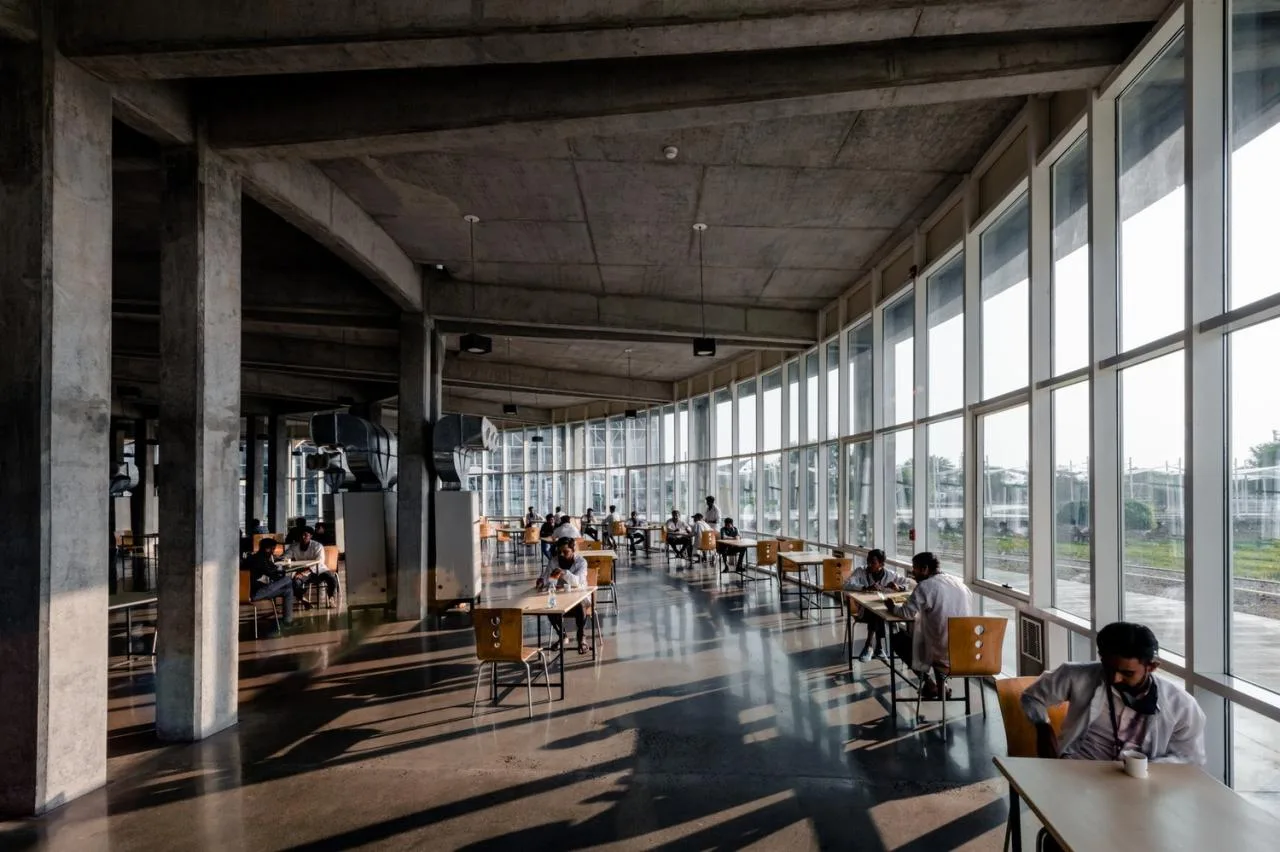
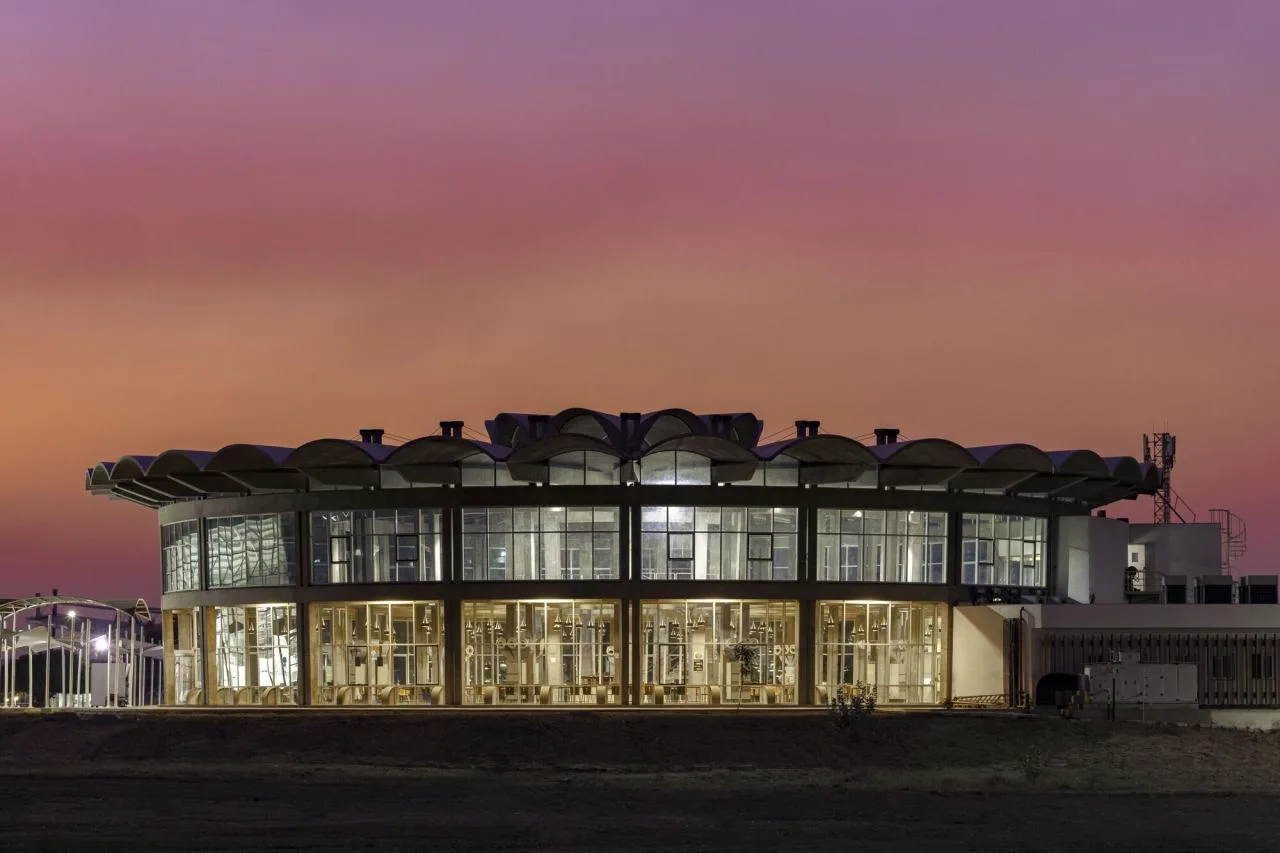
This building houses a gym, entertainment zone, cafeteria, and kitchen, offering a 300-degree view of the surrounding greenery to foster a relaxed and pleasant atmosphere for employees. The structure facilitates a thermal stack effect for natural ventilation, while its wide cantilever protects interior spaces from direct sunlight. Air circulation is enhanced through water-source cooling systems to maintain comfort throughout.
During the four months of the COVID-19 pandemic, the cafeteria spaces were adapted to serve as temporary housing for workers, allowing them to continue their duties while supporting their families—highlighting the flexibility of the design.
The multifunctional hall design accommodates individual living units complete with a bed, small storage, and power outlets for electronic devices. Customized ventilation systems combine passive and active air treatment to meet the highest air quality standards necessary for employee health during the pandemic.
To address the potential flood risk of the site, the project incorporates a seasonal lake that expands from one to three acres during the monsoon season to capture and store 100% of the rainwater onsite. Surrounding underground wells gradually filter water back into designated underground reservoirs.
To strengthen the connection between the workforce and nature, 600 new trees have been planted along the roads leading to and from the factory, creating a pleasant commute for employees. Existing trees on the site, home to a colony of weaver birds, have been preserved to protect local wildlife habitats. Furthermore, an additional 2,000 trees will be planted in the surrounding areas to enhance employee well-being and reinforce the client’s commitment to afforestation.
Project Drawings
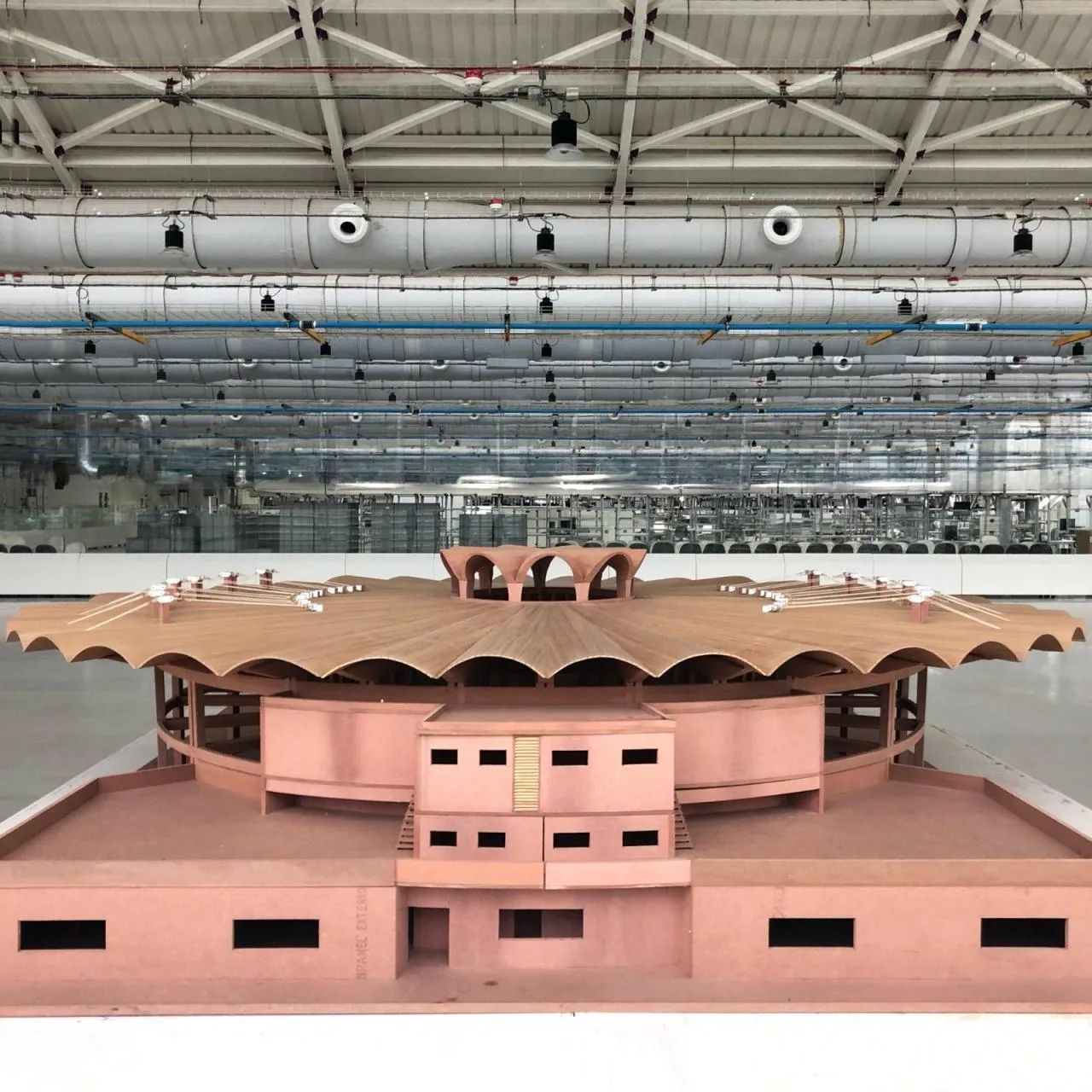
△ Model Diagram
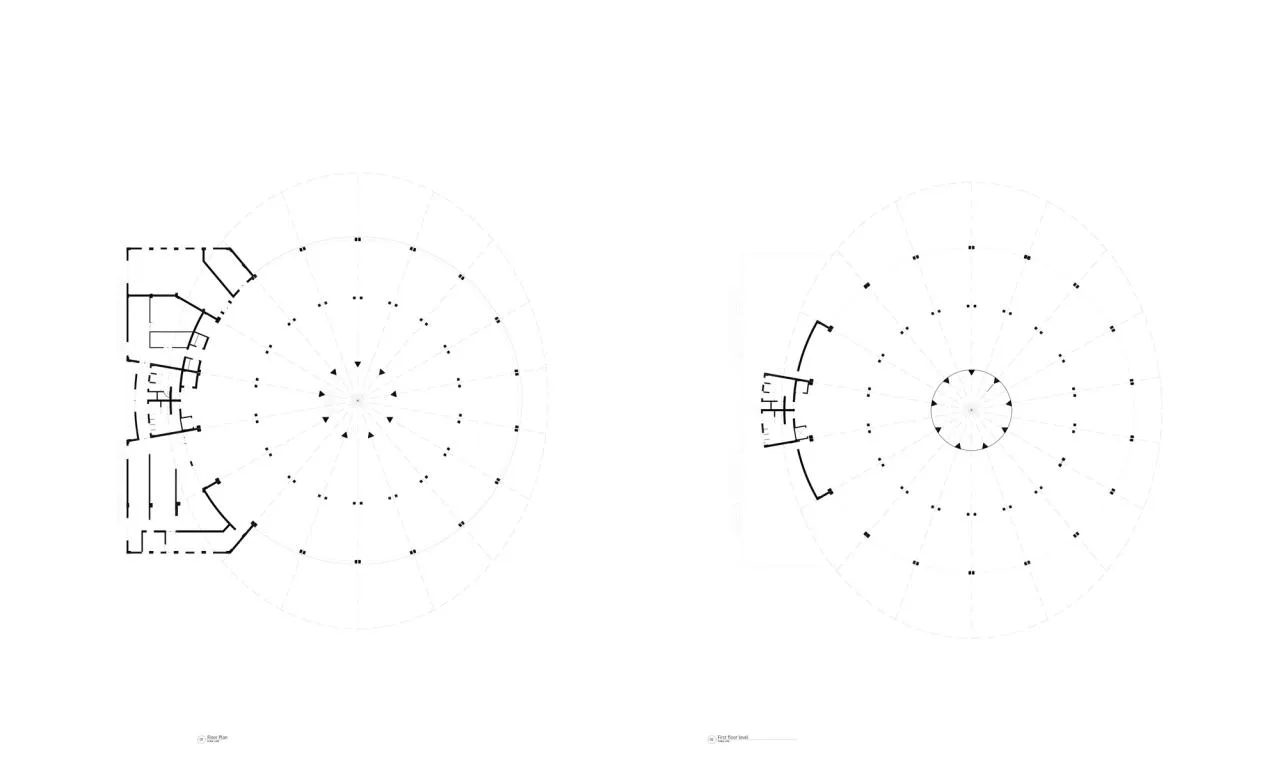
First and Second Floor Plans of the Cafeteria
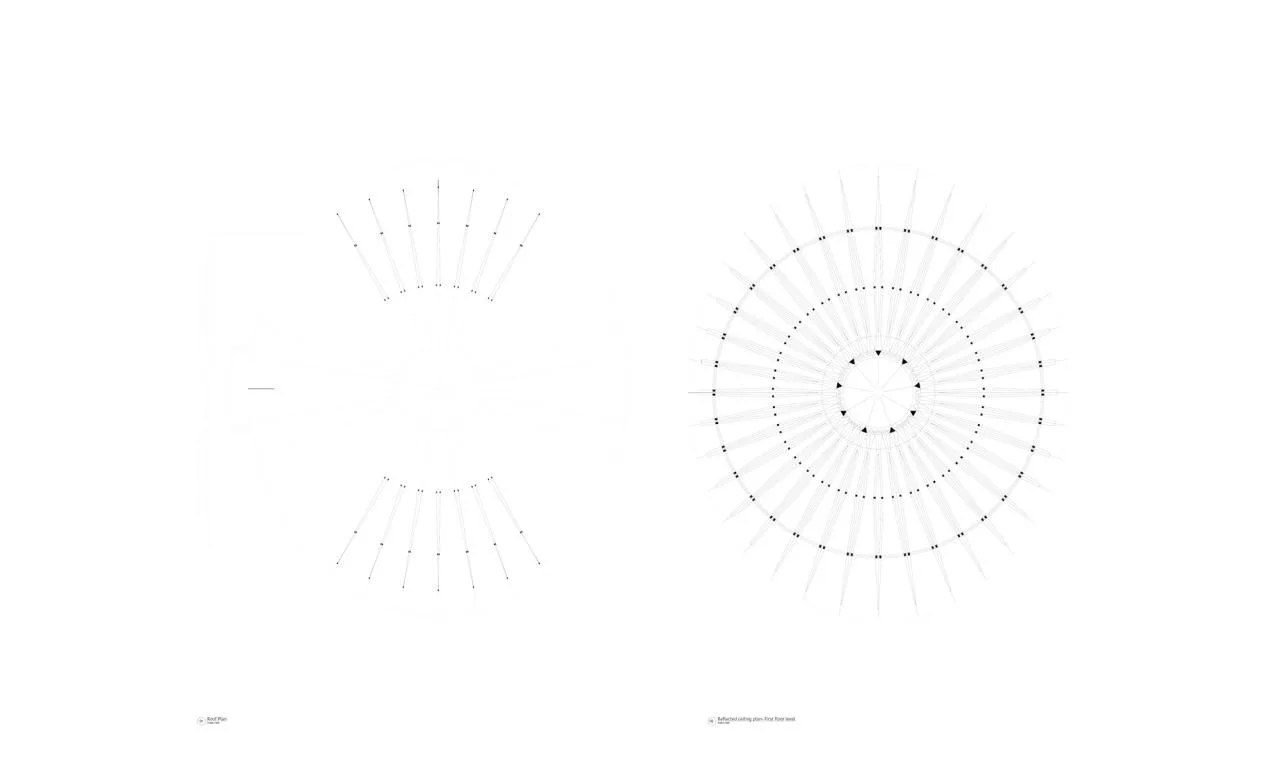
Roof and Ceiling Plans of the Cafeteria
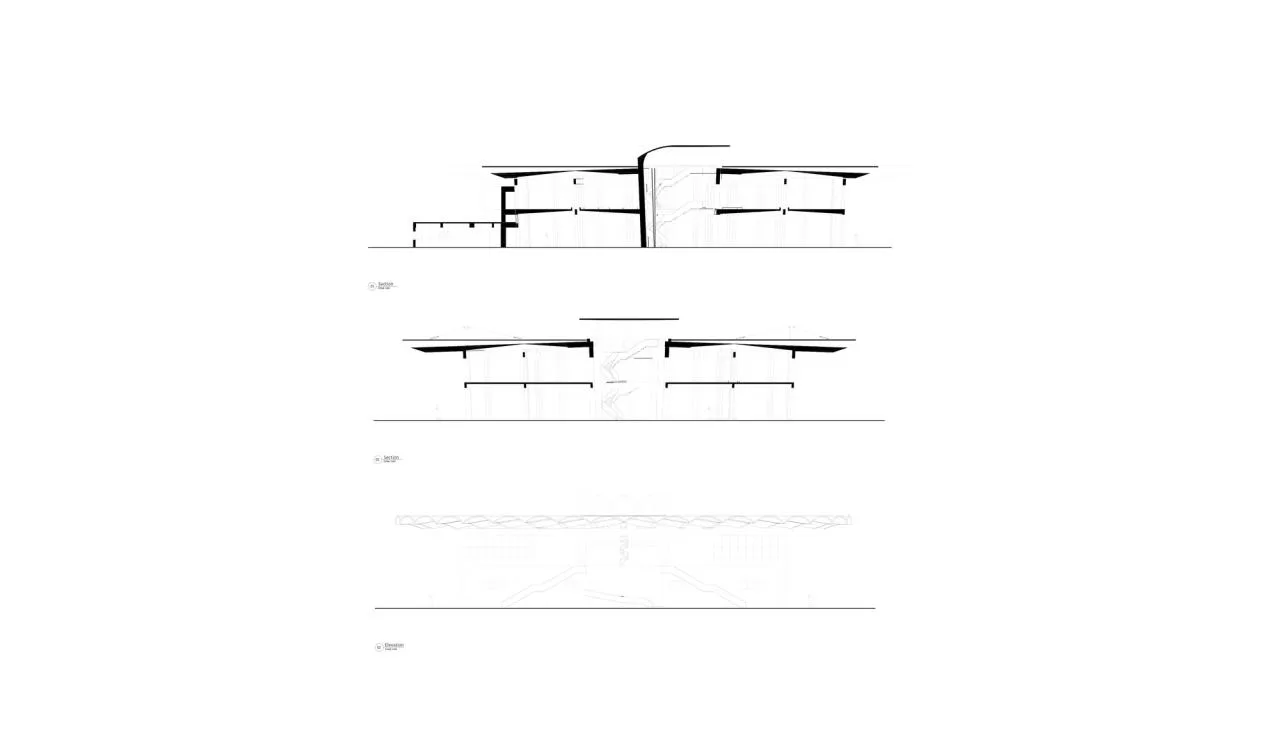
△ Section and Elevation of the Canteen
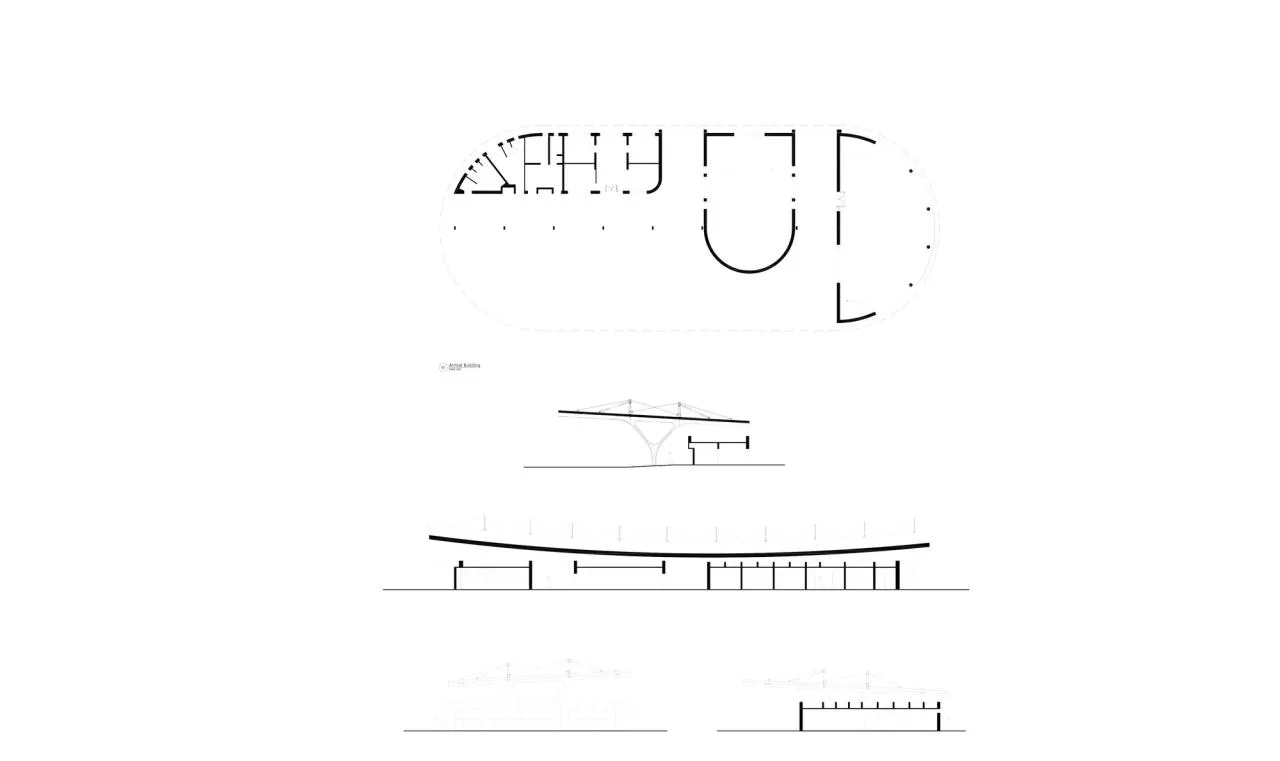
△ Entrance Building: Plan, Elevation, and Section Drawings
△ Production Equipment Plan
△ Section and Elevation Drawings of Production Equipment
Project Information
Architect: Studio Saar
Project Year: 2021
Client: Secure Meters Ltd
Architectural Design: AMI Engineers
HVAC Consultant: Anjaria and Associates
Structural Engineer: Studio Saar
Location: Sanand, India












Must log in before commenting!
Sign Up