
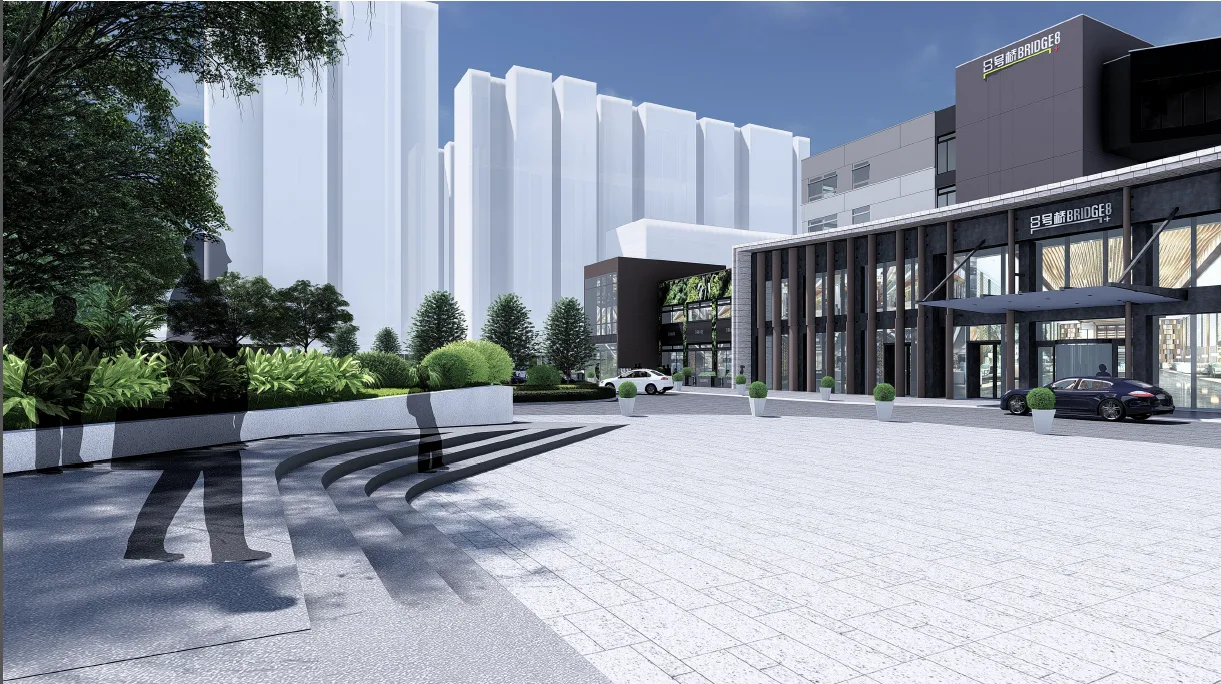
Since the launch of the first phase of the 8th Bridge project in 2004, 8th Bridge Park has steadily grown in scale. It has become a pioneer in the renovation of old factory buildings and the development of creative industry parks, not only in Shanghai but throughout China. As the park continues to expand, there is a growing demand for a more innovative and unique office environment that meets the evolving needs of its tenants.
The 8th Bridge and Yushe Yuzhu have collaborated to develop a new creative office park at 603 Dapu Road. This marks their second joint project, following the successful development of the 8th Bridge Shenbanlu project.
Interpreting “Bridge”
The brand identity of 8th Bridge is deeply embedded in spatial design, fostering creativity, building connections, and promoting a high-quality urban lifestyle. This strong alignment between the brand’s values and the spatial design concept serves as a natural foundation for the project, making the idea of a “bridge” an essential and inseparable element of the space.
From an operational perspective, the 8th Bridge brand serves as a catalyst for communication within the creative industry, actively connecting businesses and facilitating tenant interaction. Architecturally, the concept of a “bridge” becomes an abstract design language that organizes, unites, and links enterprises and people situated on both sides of the strait.
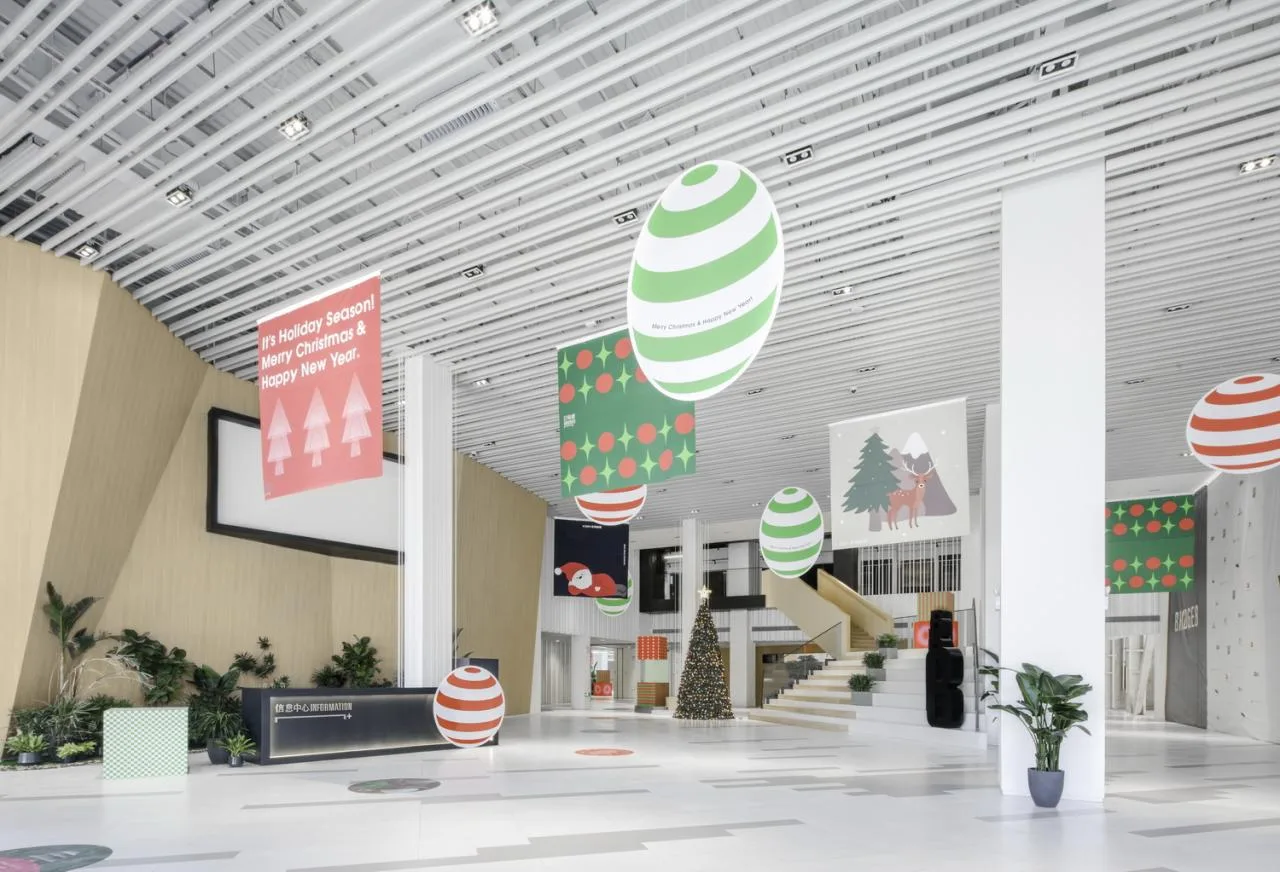
Connection and Sharing
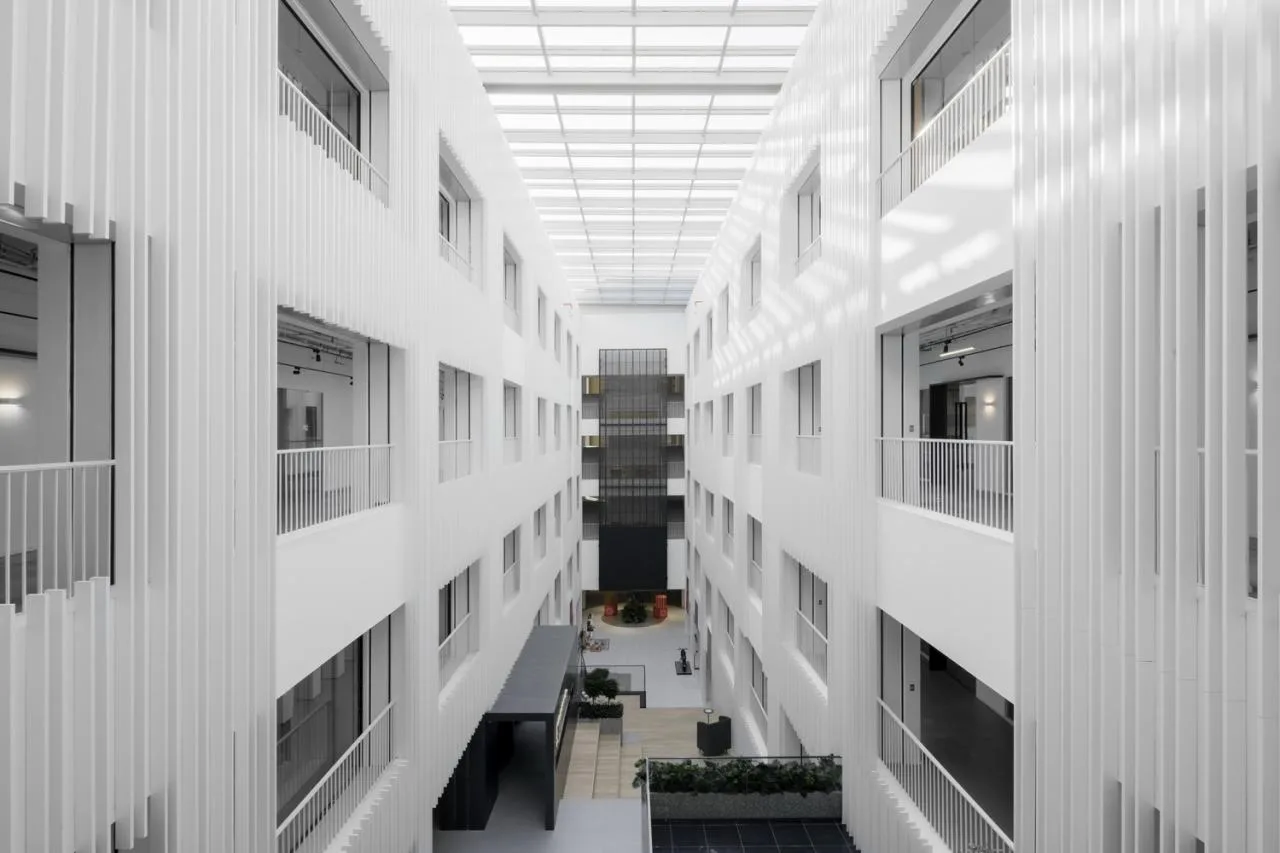
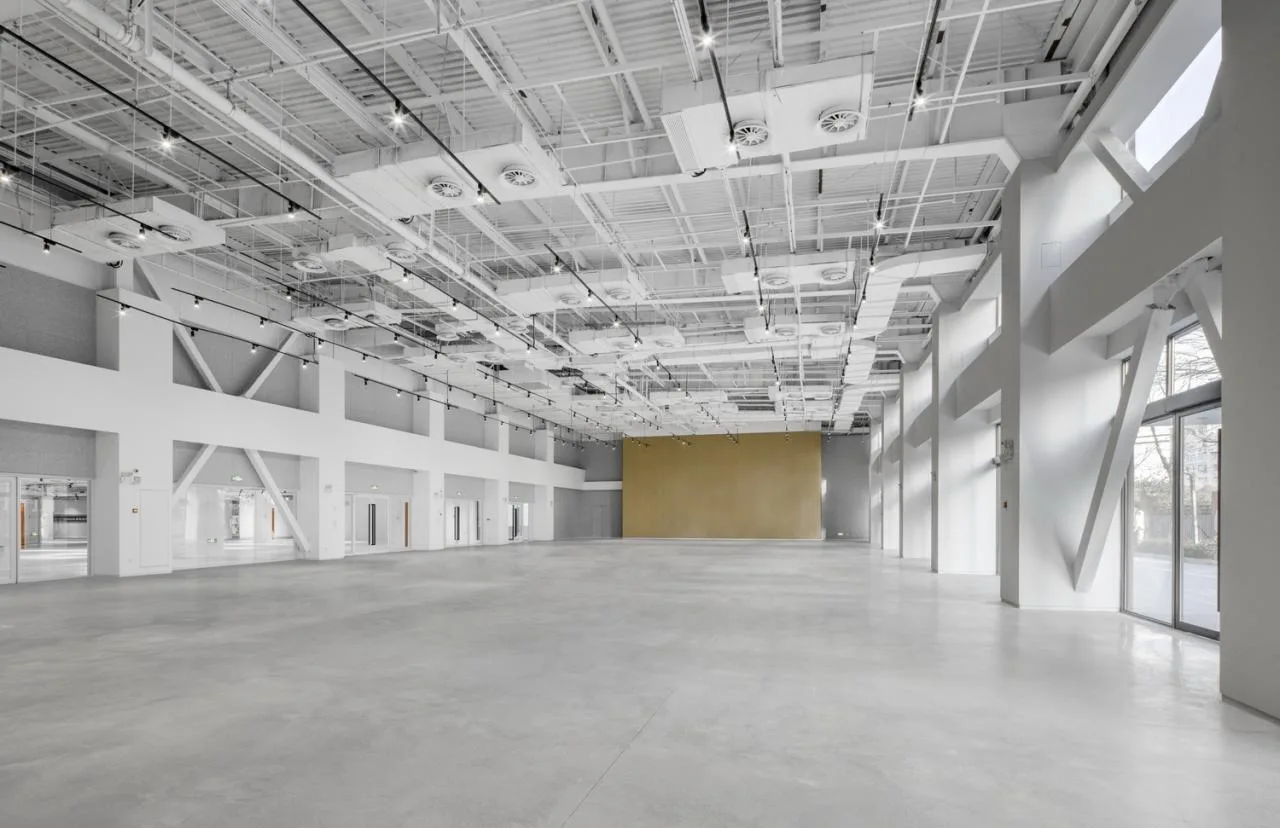
The 8th Bridge Binjiang Park project transformed an old factory building into a vibrant office space. Before the redesign, the site was a desolate, vacant area left behind after a rundown supermarket relocated. Embracing the overarching “bridge” concept, the design team split the 77-meter-deep building in half, opening the floor slab to introduce natural light deep into the interior. This physical intervention reshaped the form, structure, and spatial experience.
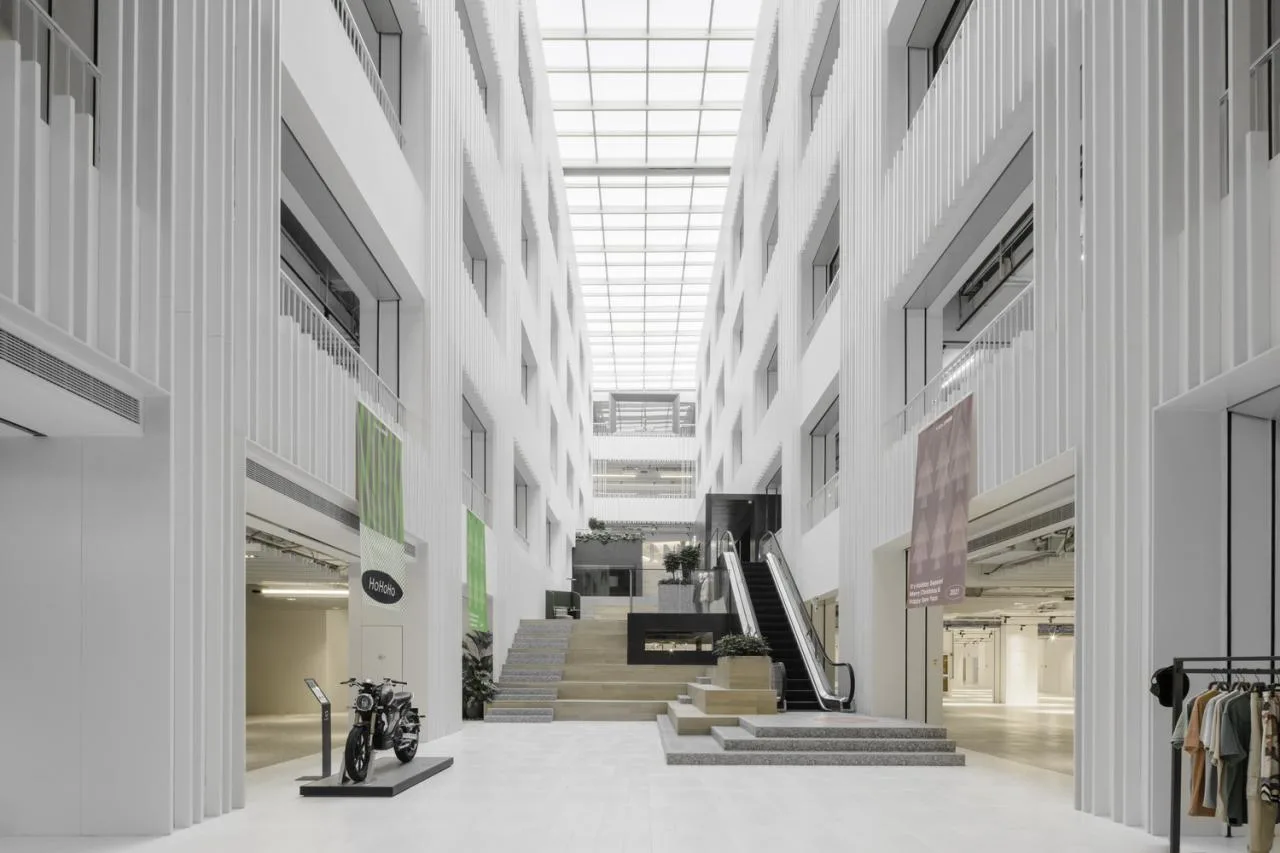
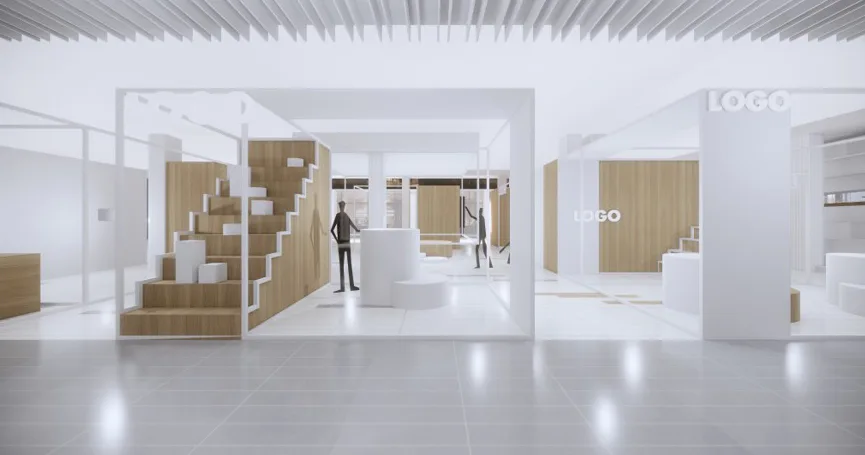
The split structure creates two facades that face a large atrium, enclosing a vast central space. The previously dark center of the building was cleverly reimagined as the visual and social heart of the entire complex. Opposite this, the clean facade offers a pure backdrop for display and interaction. Strategically placed steps and platforms form vertical circulation nodes connecting the first and second floors, providing versatile spaces for activities that encourage both connection and sharing.
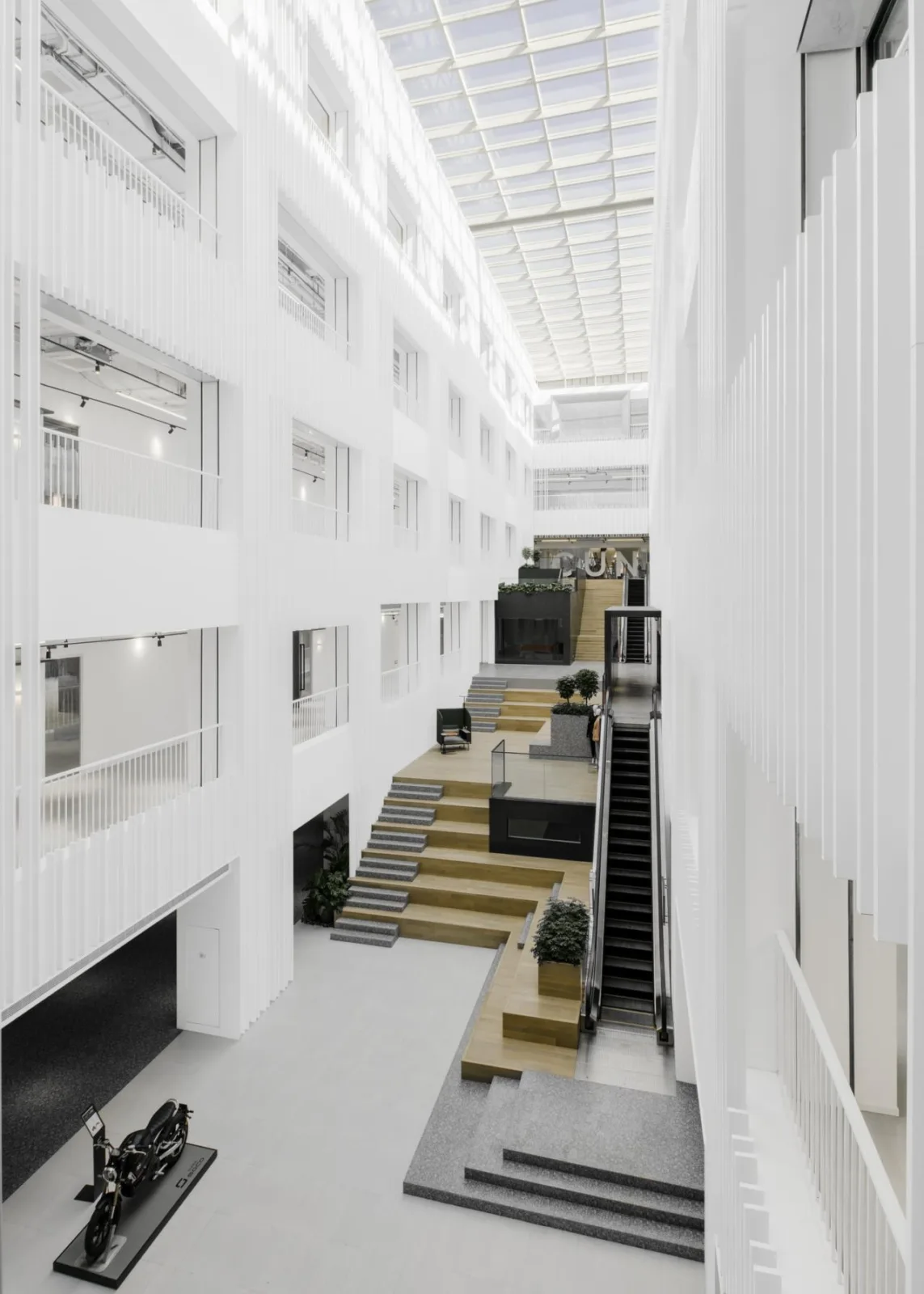
Bright White Metal Grille
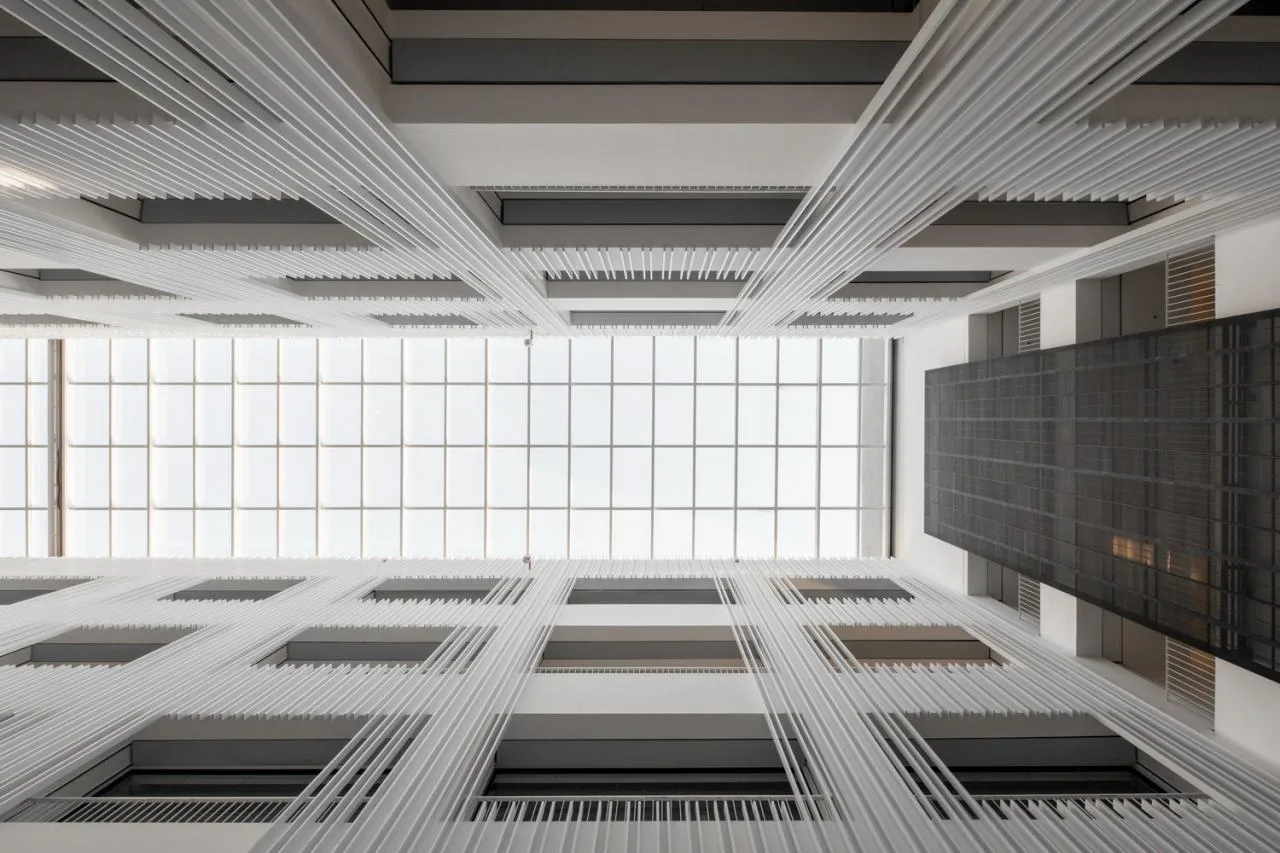
After careful consideration of proportions and materials, the design team selected a 30mm-wide, 120mm-thick metal grille installed against a pure white background. This choice enhances the indoor-outdoor connection, adding spatial layers and creating a dynamic flow of natural light across the otherwise open facade.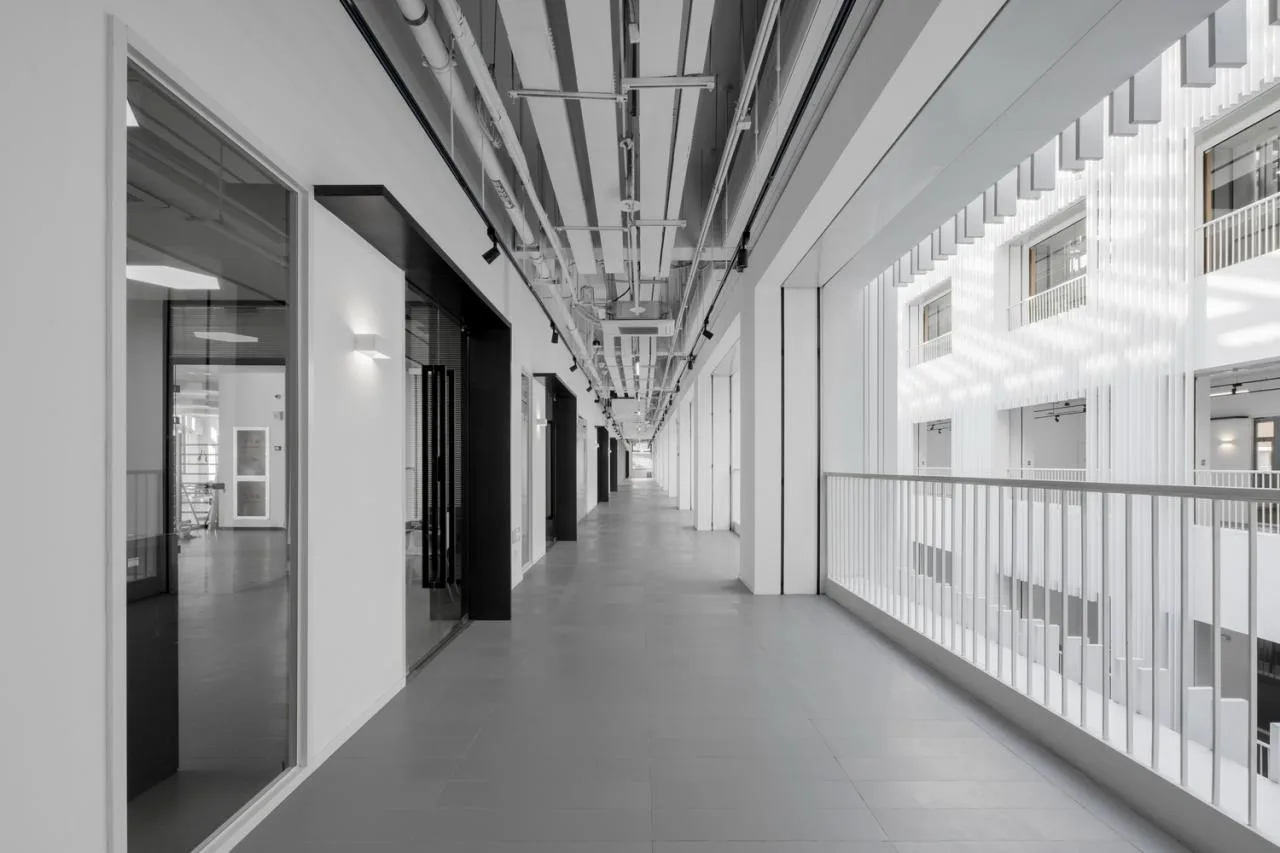
As the light shifts throughout the day, the staggered metal grilles gently sway, casting intricate shadows that brighten and lighten the space. Moving through this “building within a box” allows visitors to experience a palpable sense of time and spatial scale.
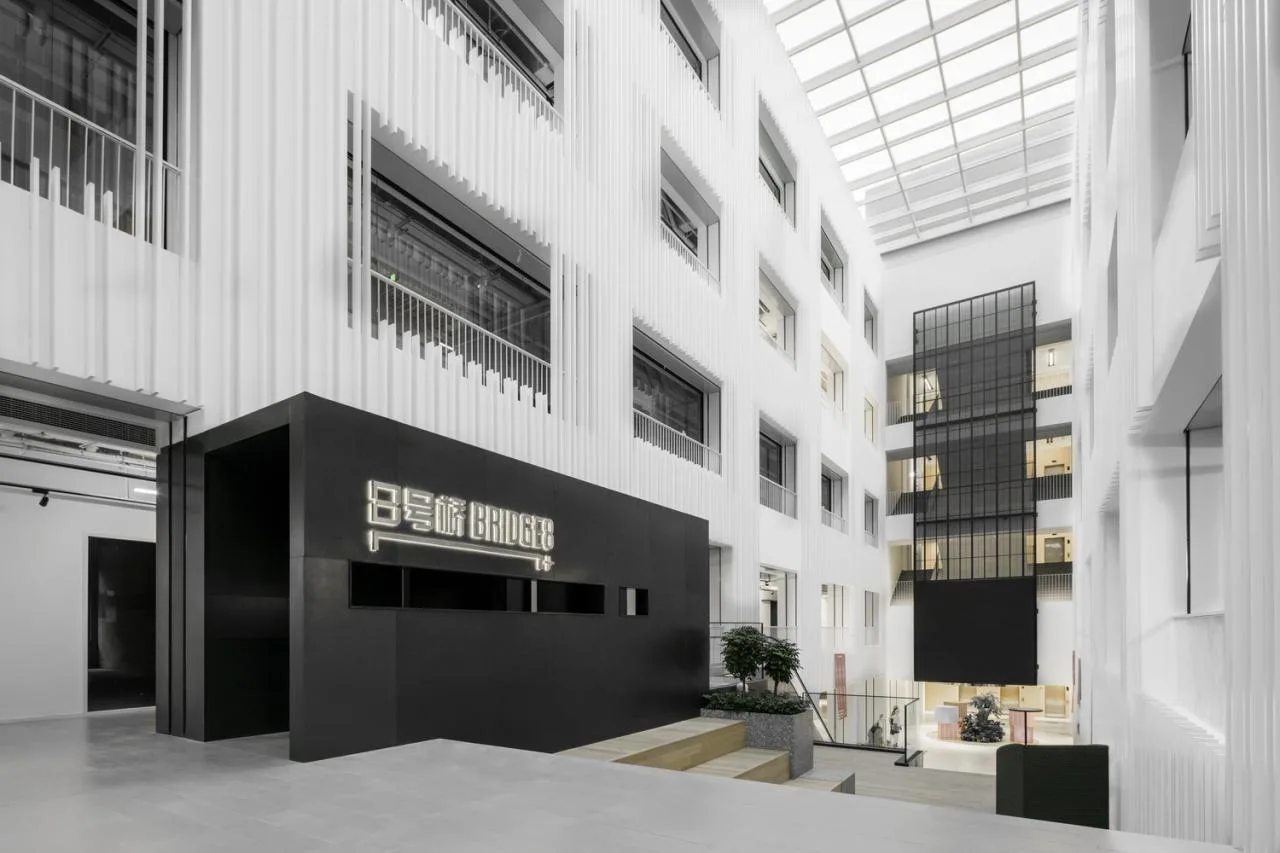
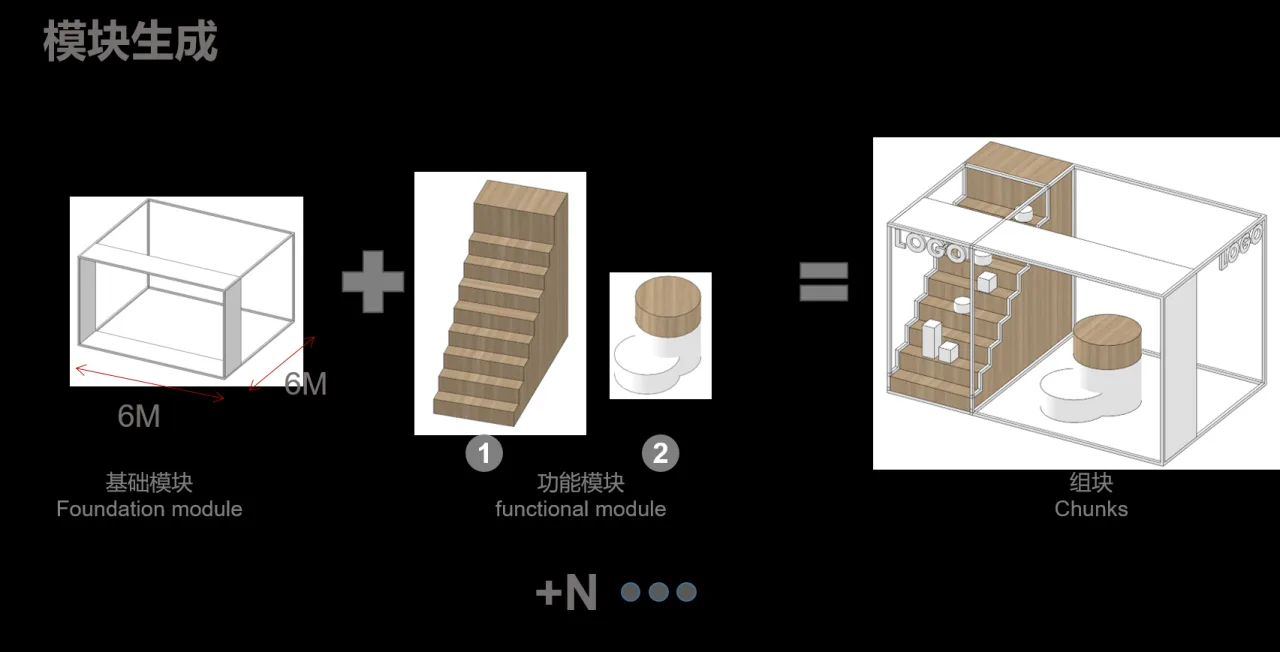
The combination of wooden stairs and black modular boxes in varying scales enriches the spatial flow and hierarchy. This design introduces a “block” sensation inside the building, maintaining clean and restrained lines that subtly support the exhibits and occupants. The intention is to keep the space understated, allowing brand displays and people to take center stage in the user experience.
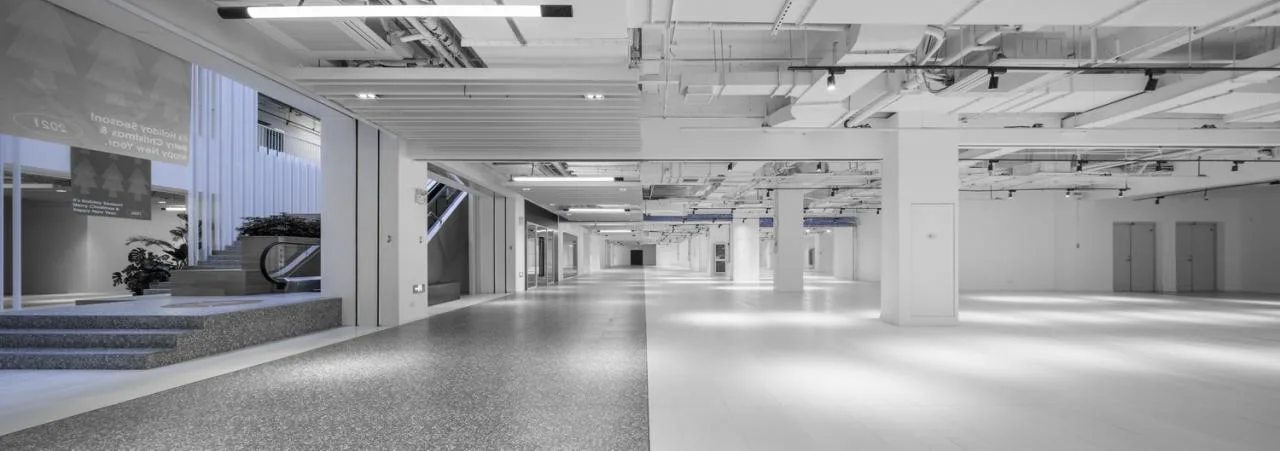
The spatial narrative unfolds around a central courtyard. The ground floor is dedicated to public activity areas and retail spaces that benefit from direct street access and visibility. On the second floor, office spaces of various sizes are arranged on either side of the atrium, preserving privacy while offering occupants expansive views of the central space from multiple angles, enhancing spatial continuity and flow.
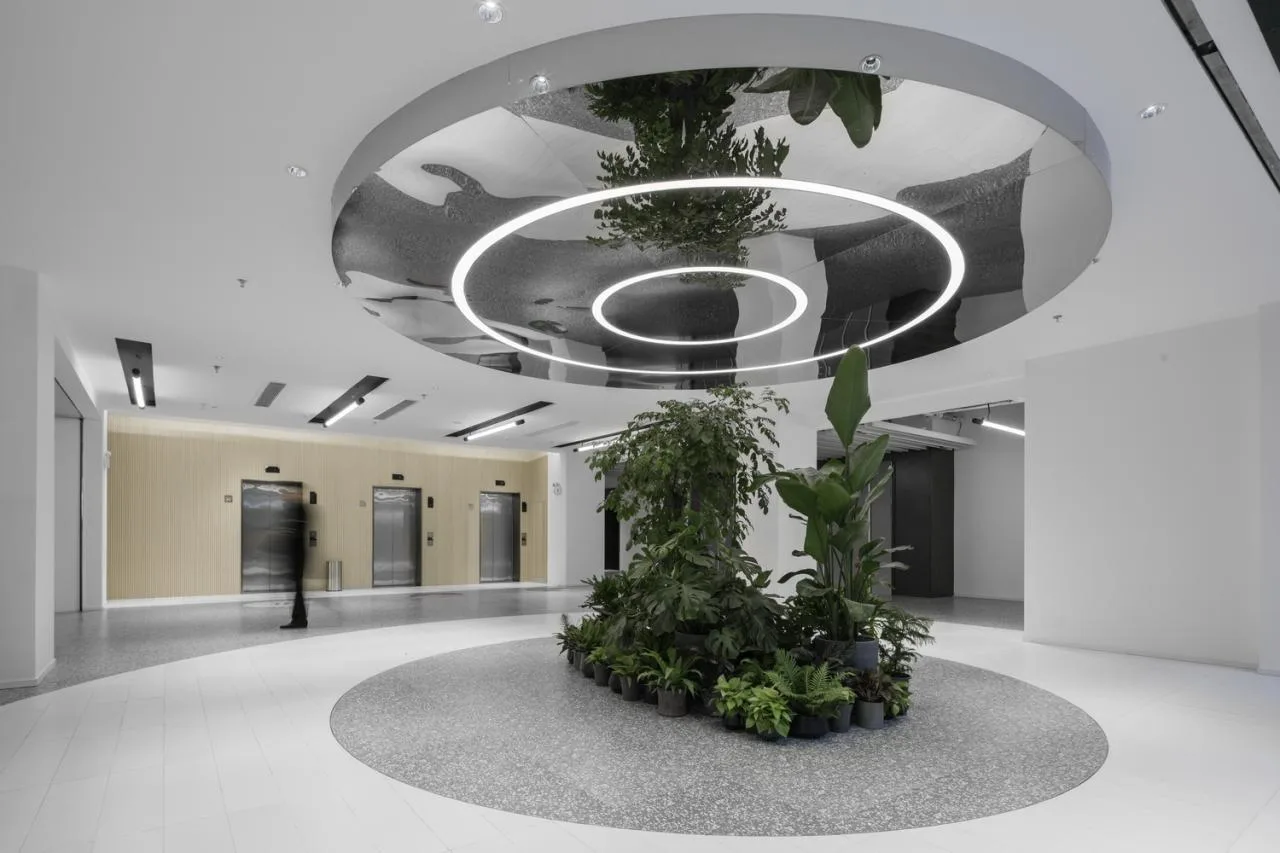
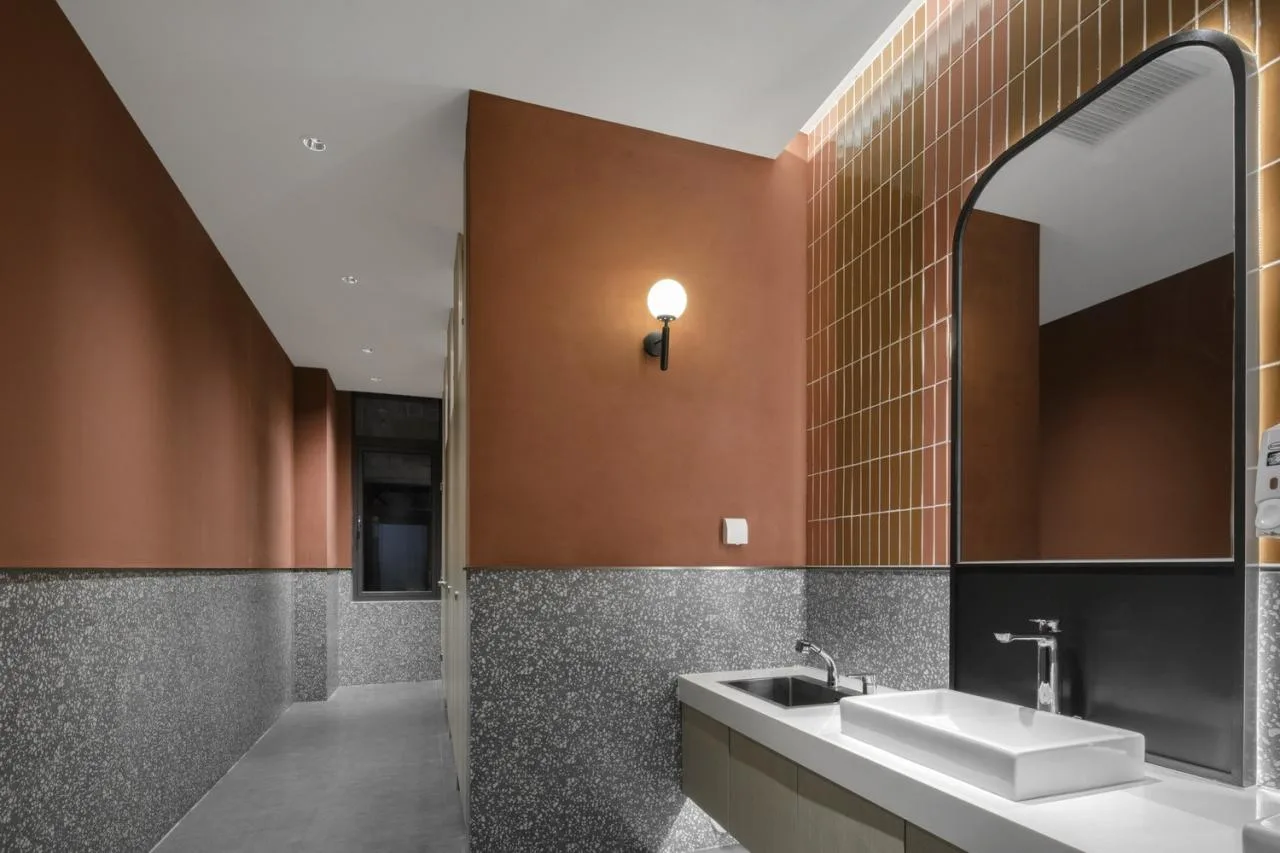
A large public area on the first floor is reserved for enterprise displays and experiential activities. Custom-designed functional modules for pop-up events can be easily combined in various configurations to accommodate different exhibition needs. These modules follow a design logic consistent with the overall spatial concept.
Integrated Design Approach
Yushe Yuzhu handled all design aspects beyond architecture, including interior design, landscape design, lighting, and signage. Each element was developed with a shared vision, resulting in a harmonious living model that integrates display, experience, research and development, and office functions.
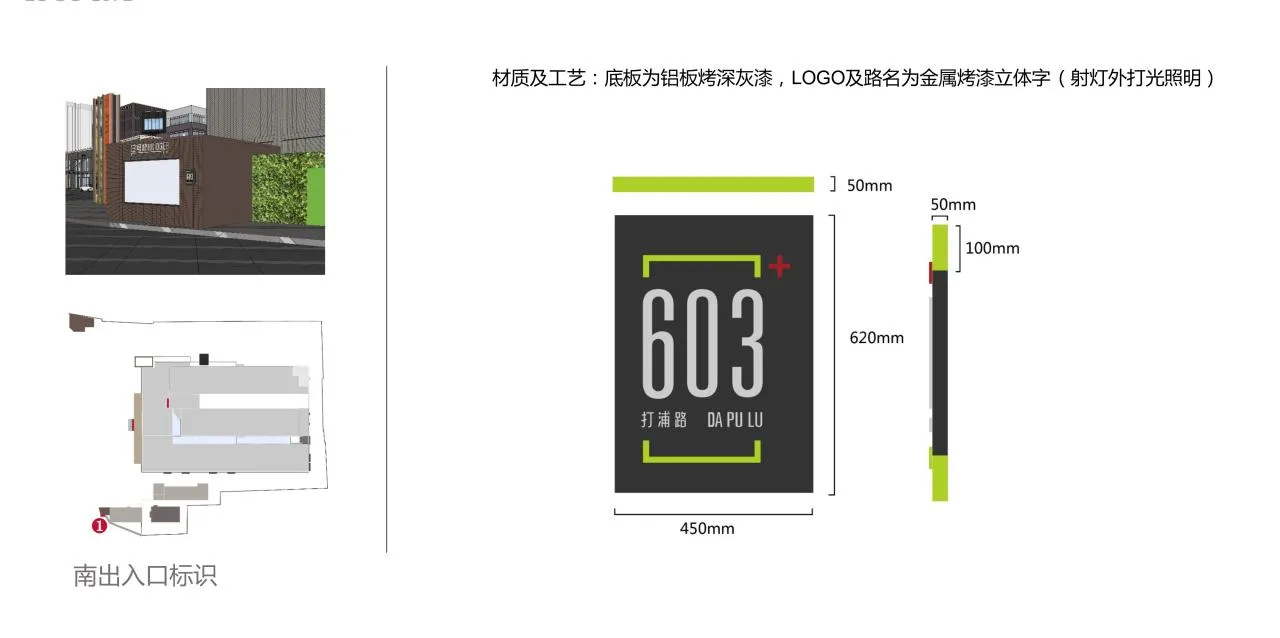
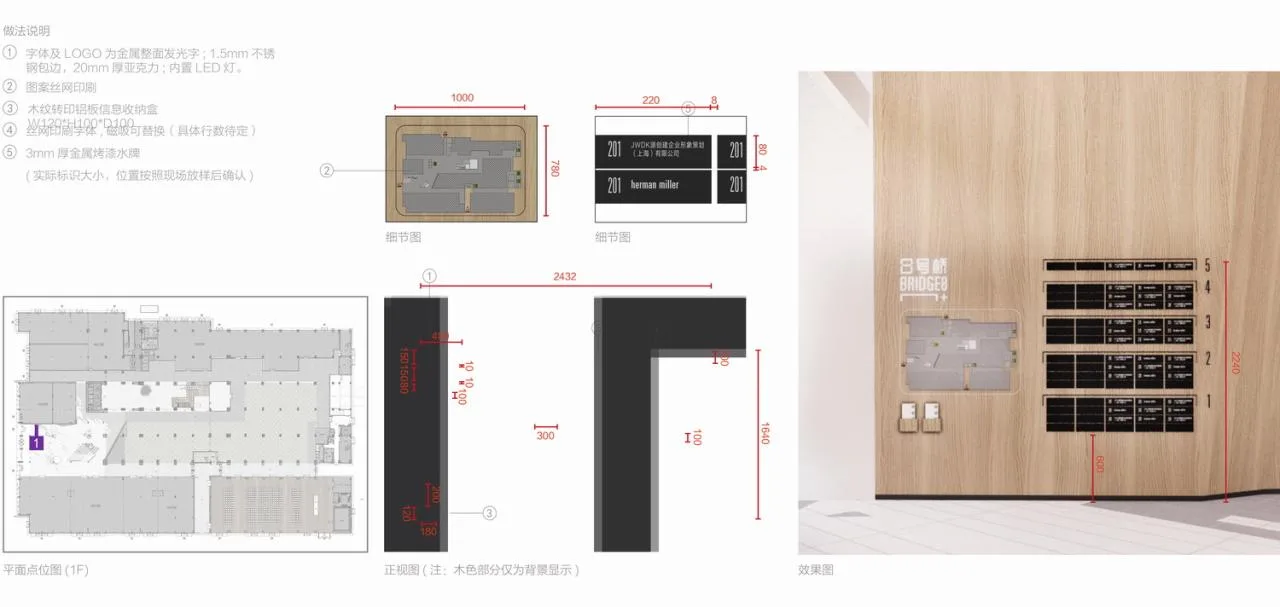
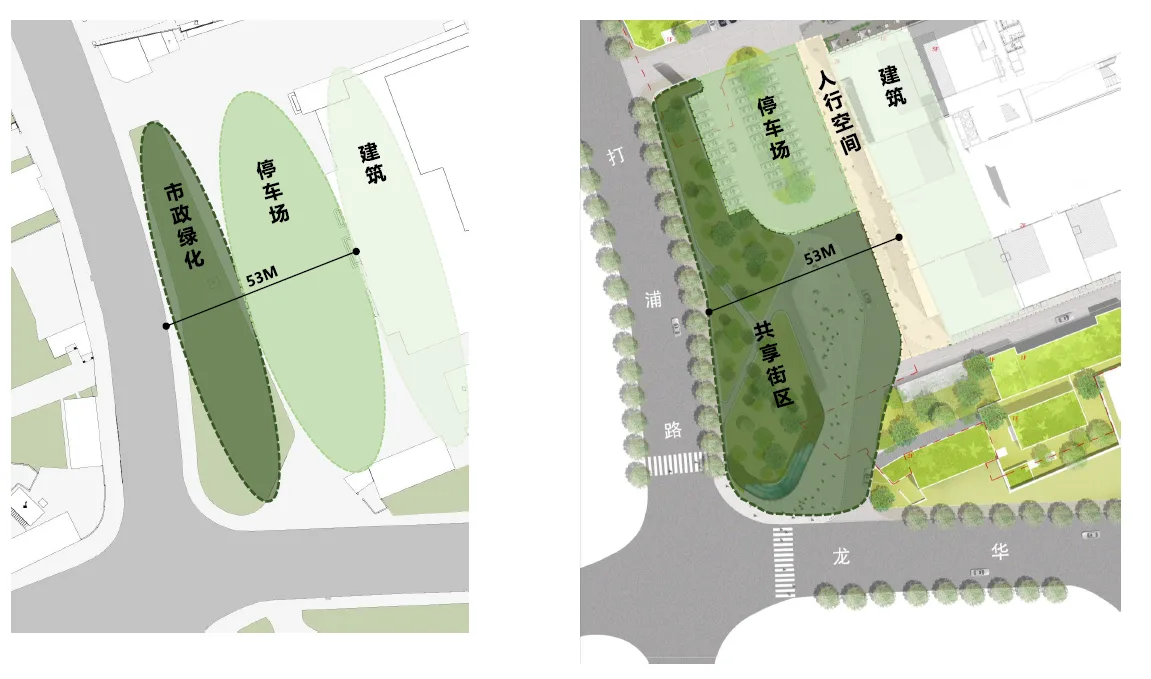
The landscape design, tailored to the site’s conditions and park characteristics, embraces the concept of “roaming, interconnection, and sharing.” By organizing street-facing landscape interfaces and carefully planning pedestrian and vehicular circulation, the design accommodates 189 ground-level parking spaces within a limited footprint.
Logo design includes iconic outdoor signage as well as custom indoor branding elements, ensuring a cohesive visual identity throughout the park.
Project Plans
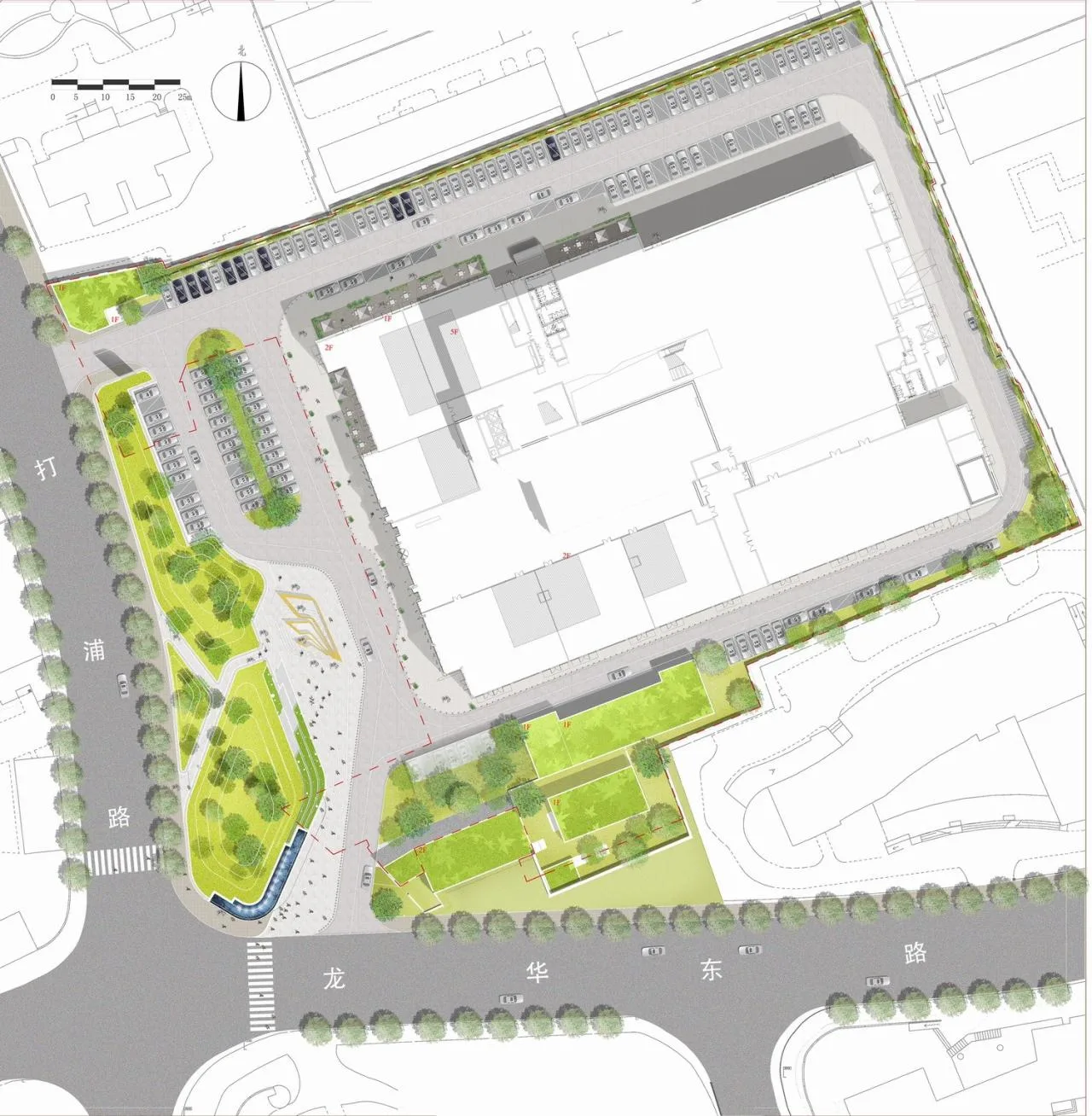
△ Landscape Master Plan
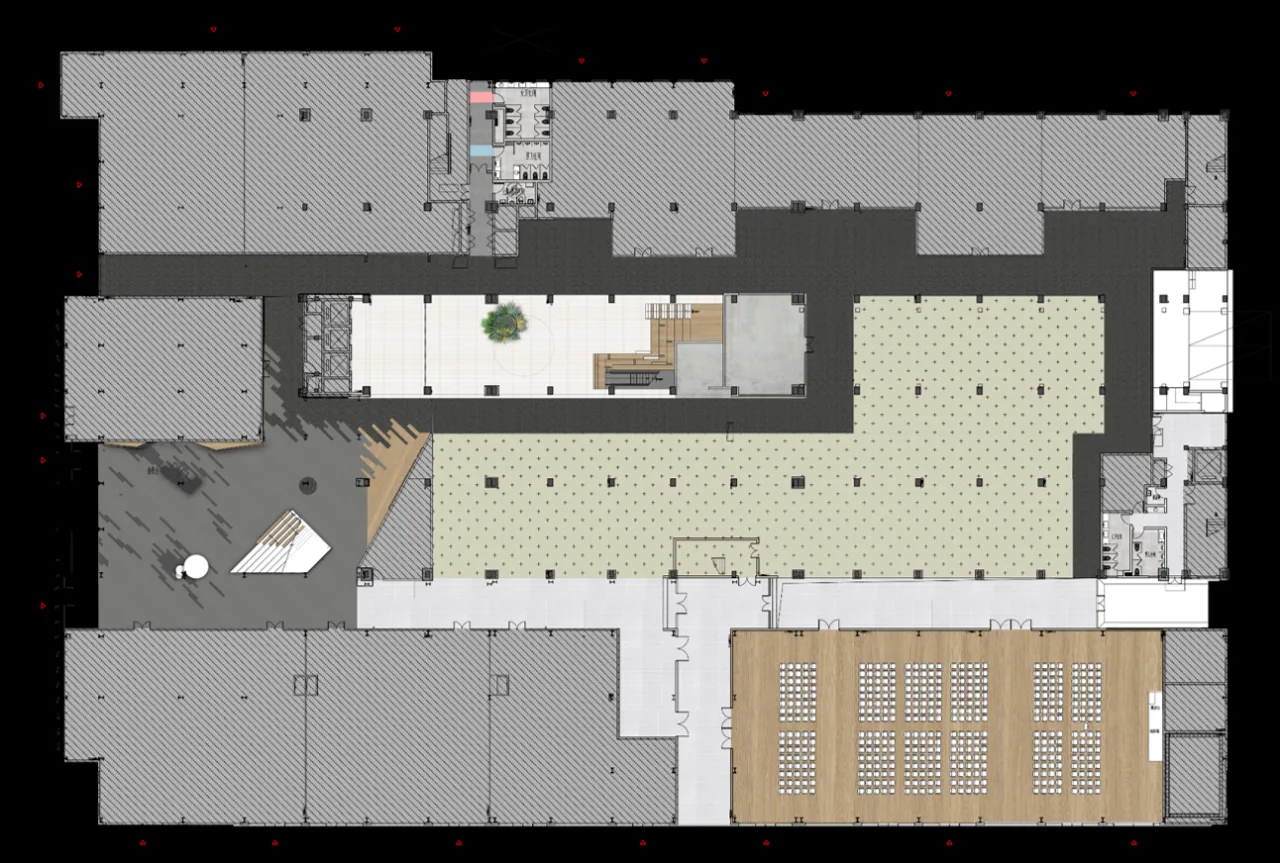
△ First Floor Plan
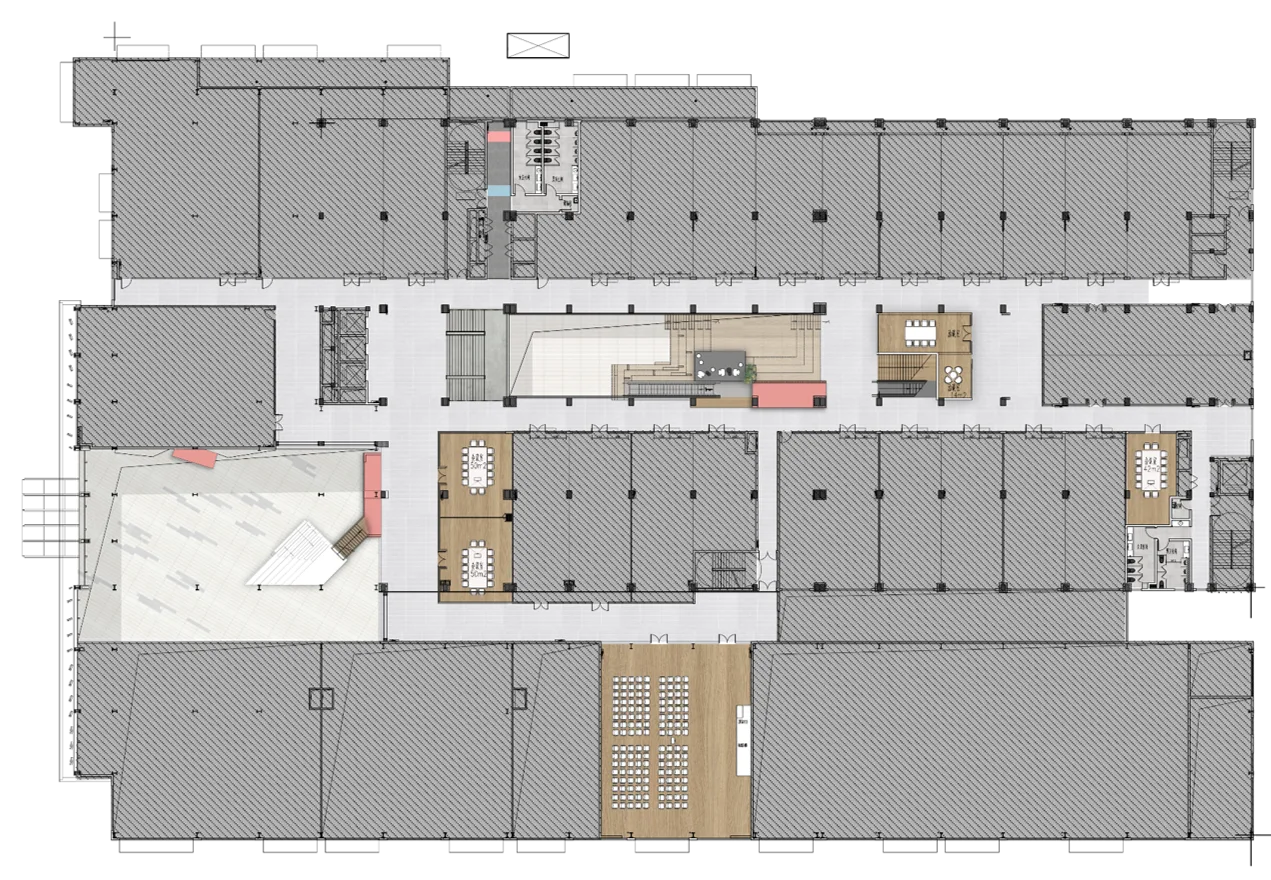
△ Second Floor Plan
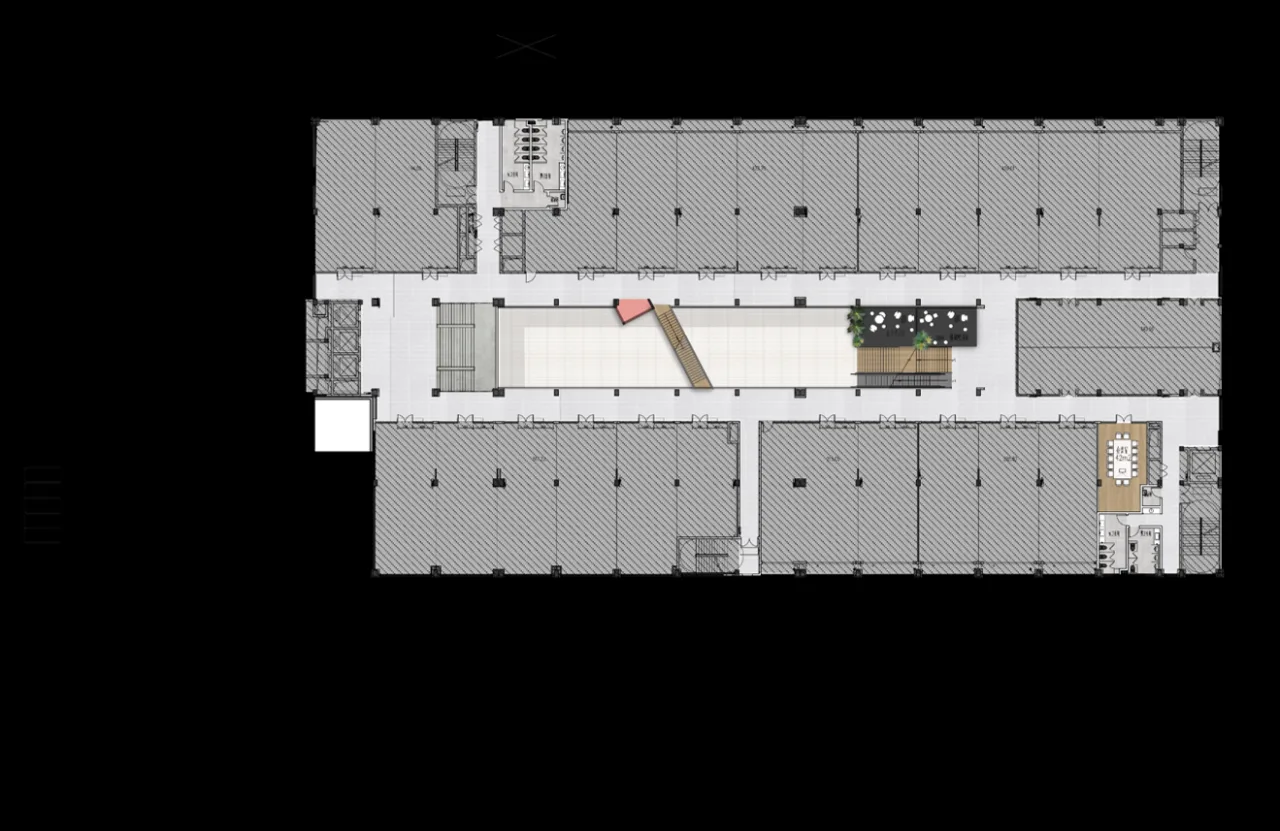
△ Third Floor Plan
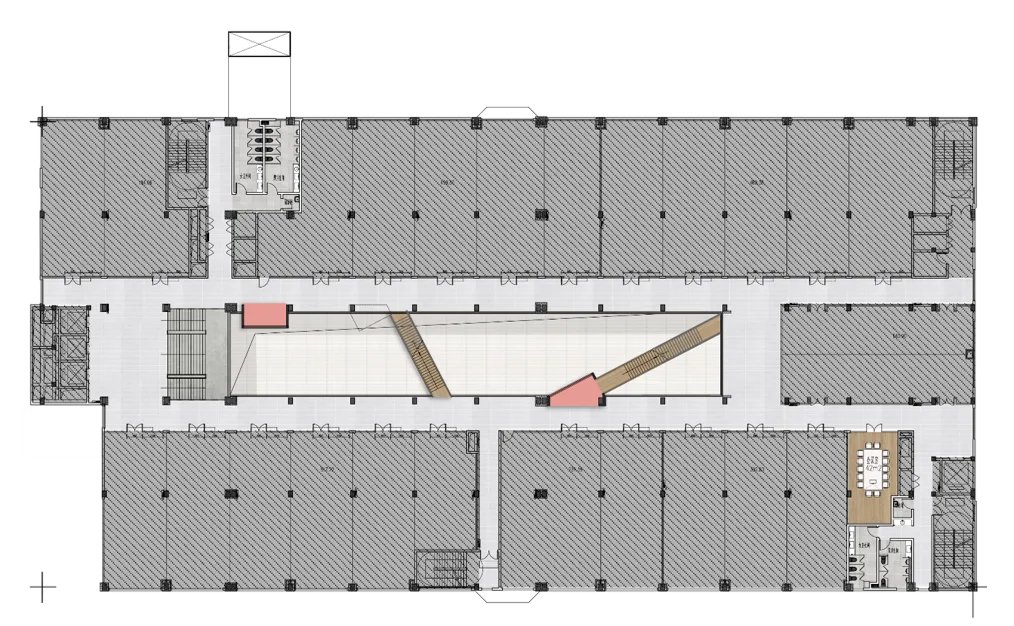
△ Fourth Floor Plan
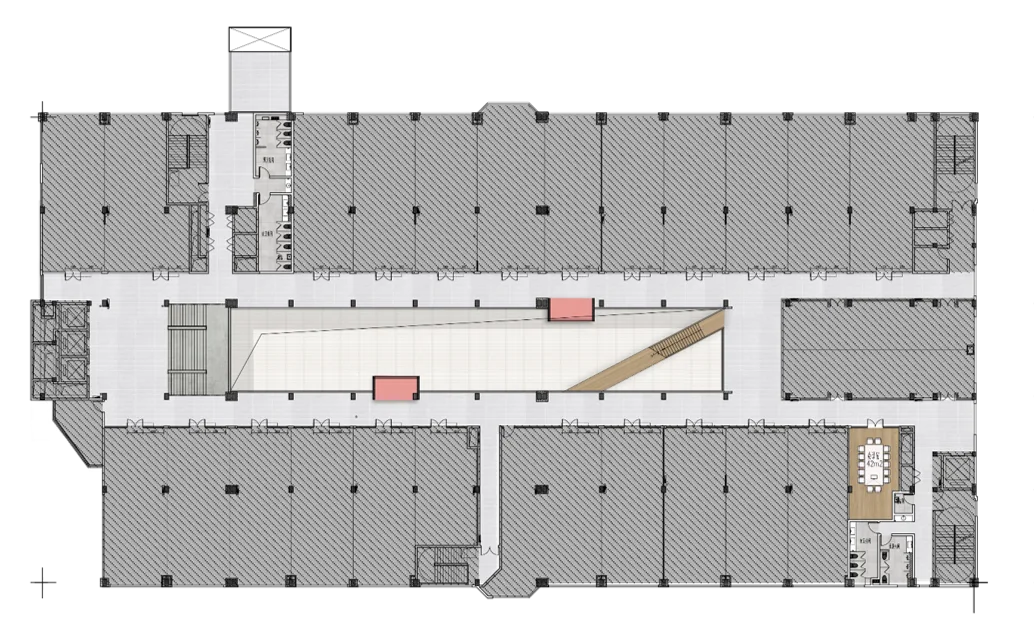
△ Fifth Floor Plan
Project Information
Project Name: Jindiwei New Bridge No. 8 Binjiang Park
Address: 603 Dapu Road, Luwan District, Shanghai
Design Area: Approximately 12,000 square meters
Design Period: February 2020 – December 2020
Construction Period: January 2021 – July 2021
Design Company: Yu She Yu Zhu
Project Managers: Chen Xiao, Xu Yi, Li Zhiqiang, Gao Shantong
Interior Design Team: Pang Yu, Tu Xiaqing, Guo Danyang, Xu Jianguo, Zhou Xueying
Landscape Design Team: Yu Haoyan, Ma Jiang, Zhu Mincheng
Mechanical & Electrical Partner: Shanghai Sanjiang Mechanical and Electrical Technology Co., Ltd
Structural Consultant: Wang Yi
Photography: Fan Xi Visual















Must log in before commenting!
Sign Up