
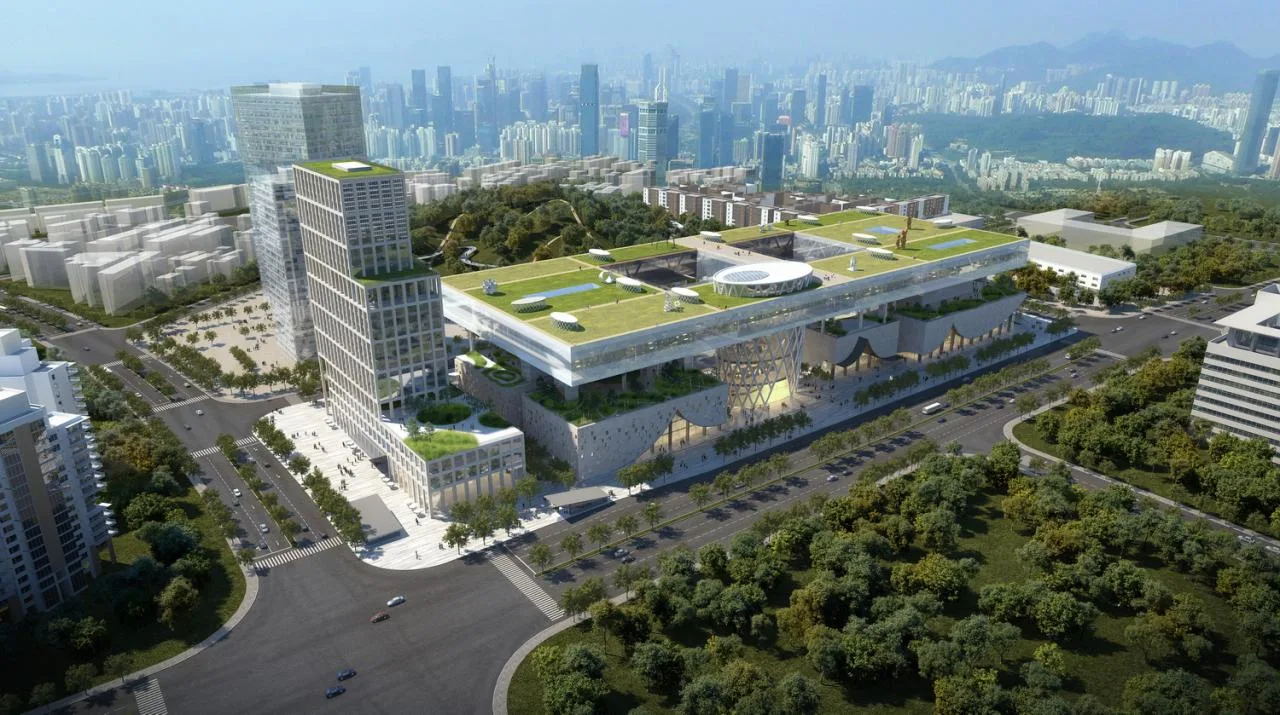
Great Plains, Small Villages, and Middle Platforms: Longgang Art Center, Shenzhen
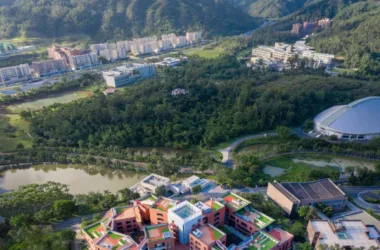
Located in Longgang District, Shenzhen, this project serves the rapidly growing Banxuegang Science and Technology City by providing a comprehensive range of visual and performing arts facilities. It has quickly become a prominent cultural landmark in the area.
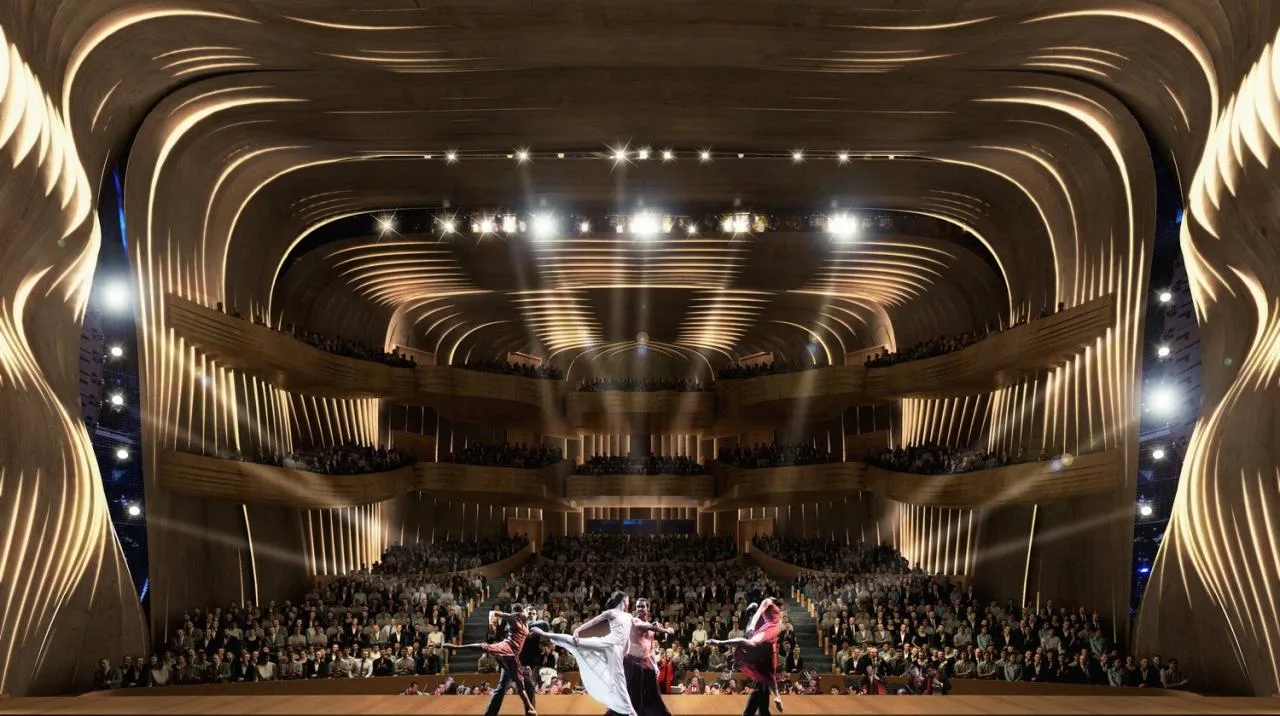
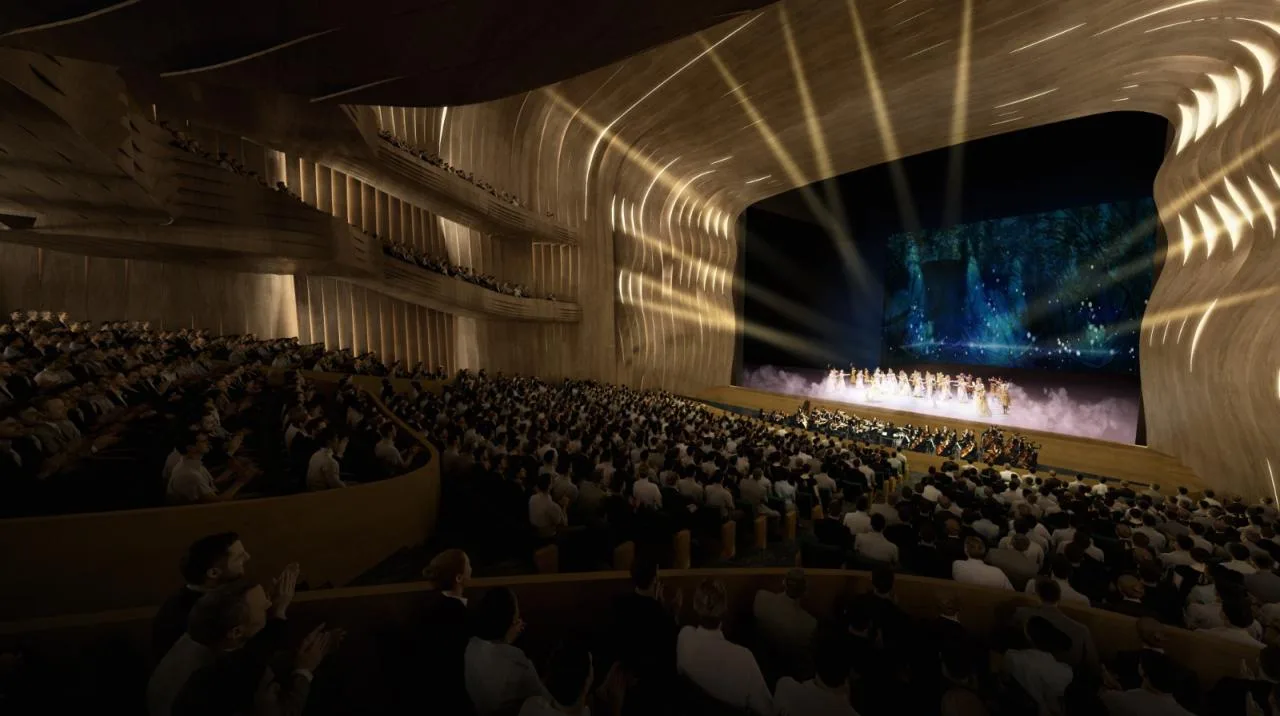
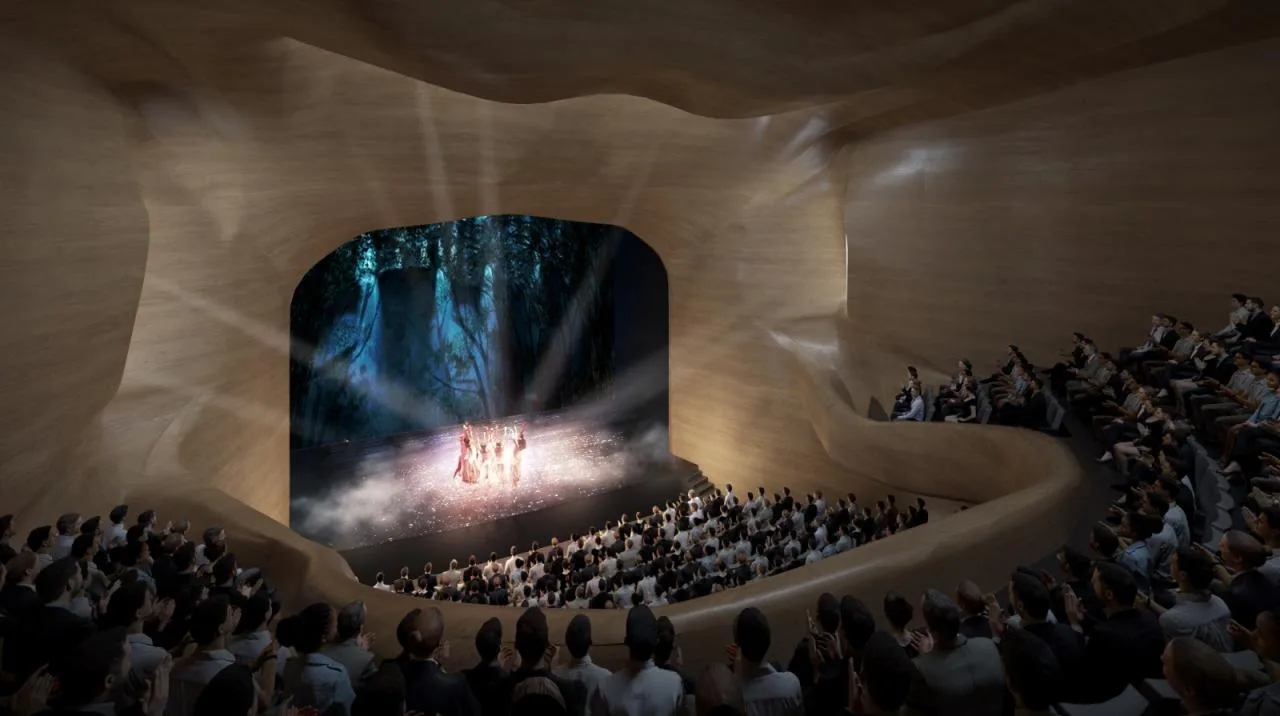
The complex includes a variety of commercial and cultural spaces: a large theater, a smaller theater, a black box theater, a large digital art museum, a traditional art museum, art education centers, a multifunctional hall, art supply stores, dining options, and retail outlets.
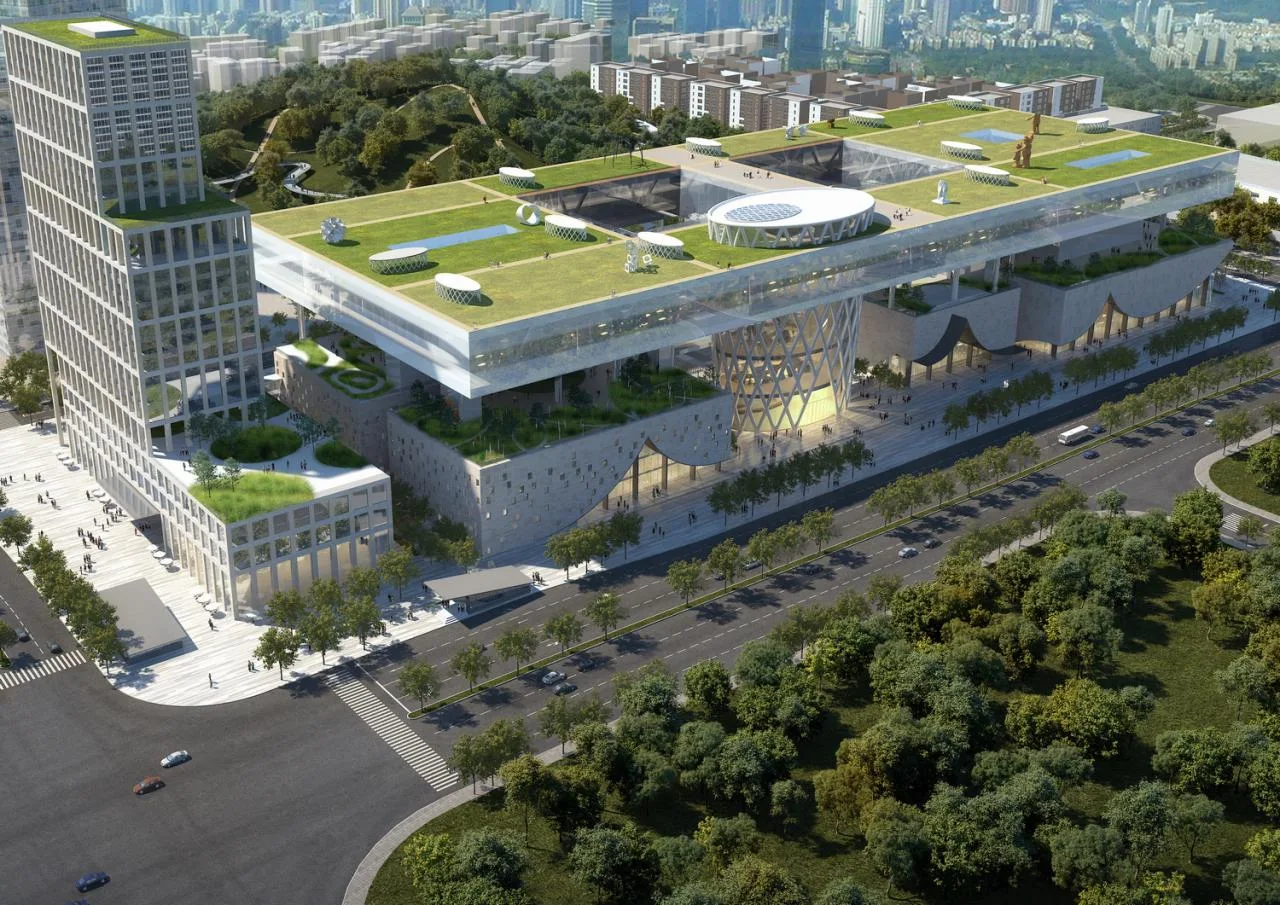
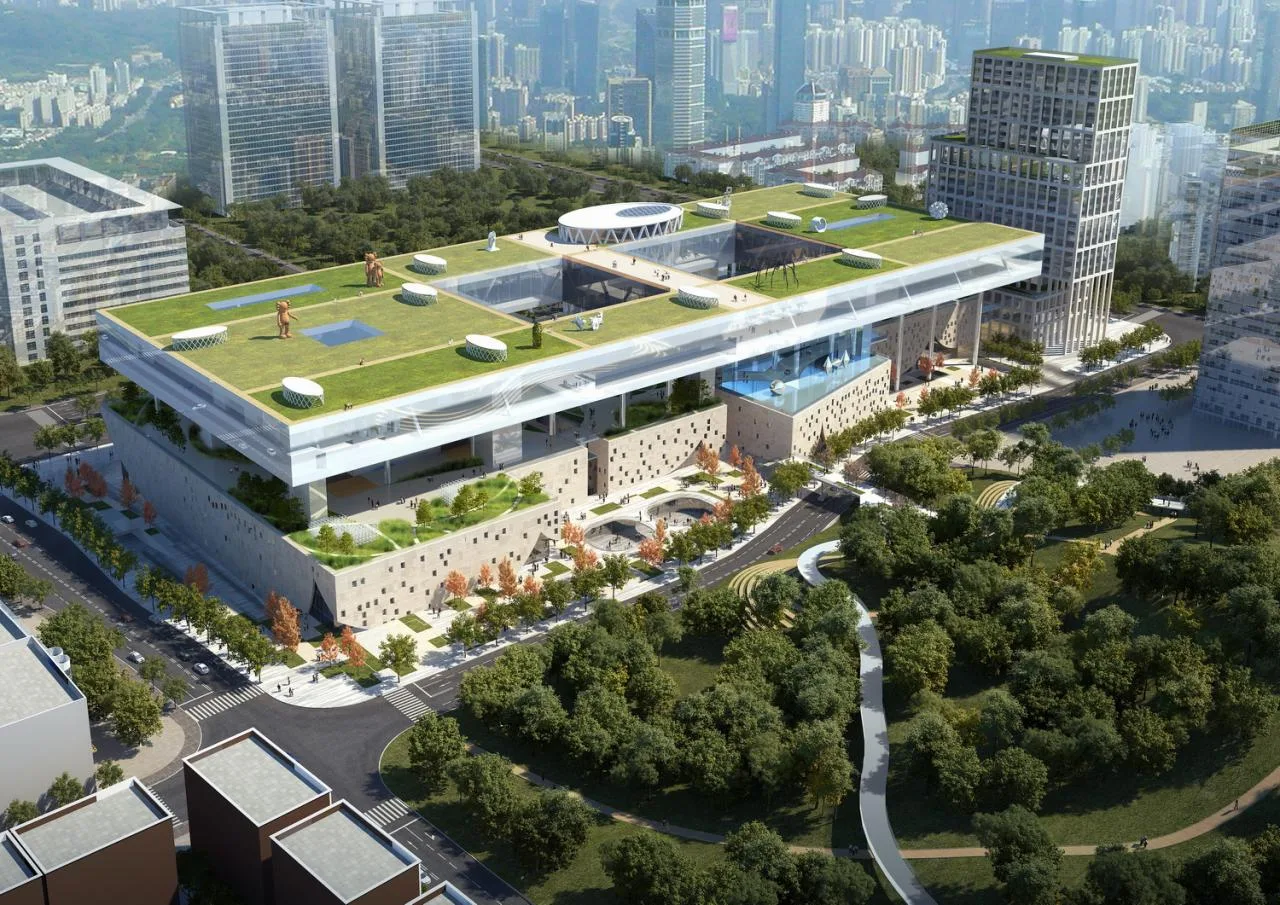
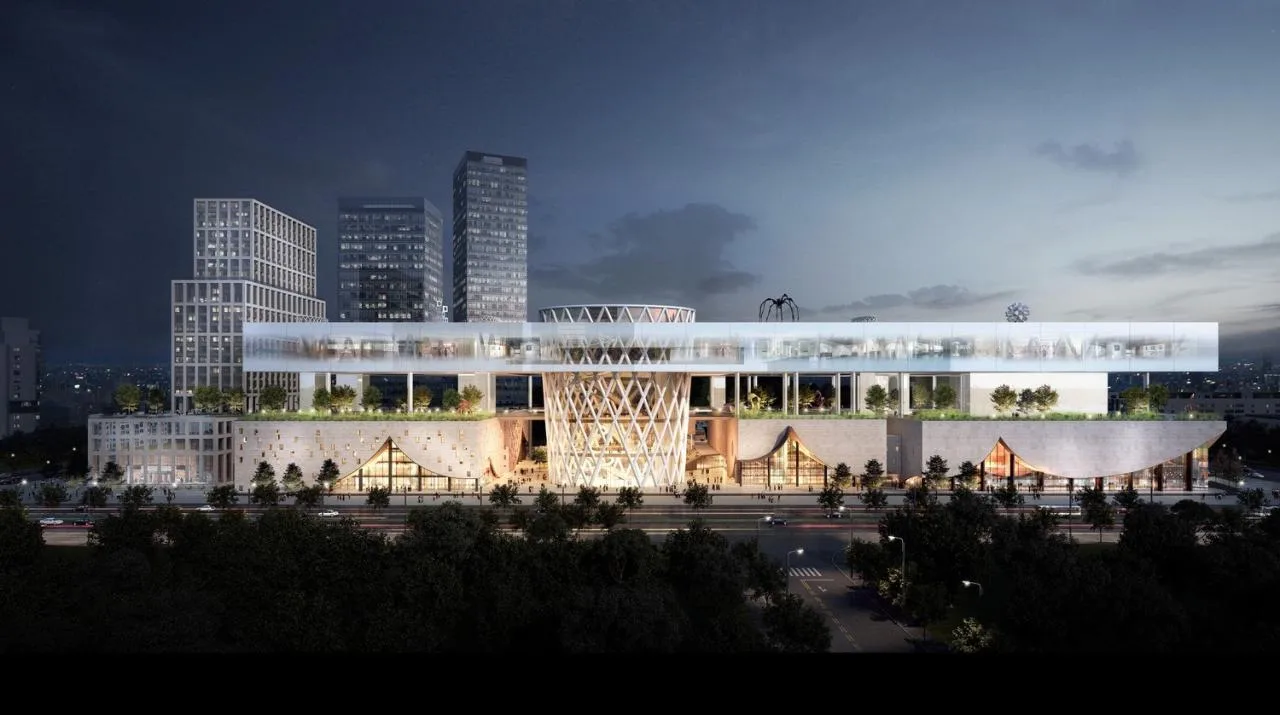
The design encourages an open cultural environment where the public is invited to pause, engage in outdoor activities, explore diverse landscaped areas, or simply relax. Within this expansive art complex, each major function maintains its own distinct role, housed in separate building volumes. This arrangement forms a “village collection” characterized by an interplay of virtual and artistic elements.
Inspired by the lively streets and alleys of Shenzhen, BAU has crafted a highly permeable urban setting for this project. The public can easily pass through the art center situated between the blocks, especially those exiting the nearby railway stations, offering visitors the opportunity to discover and stay updated with the center’s latest offerings.
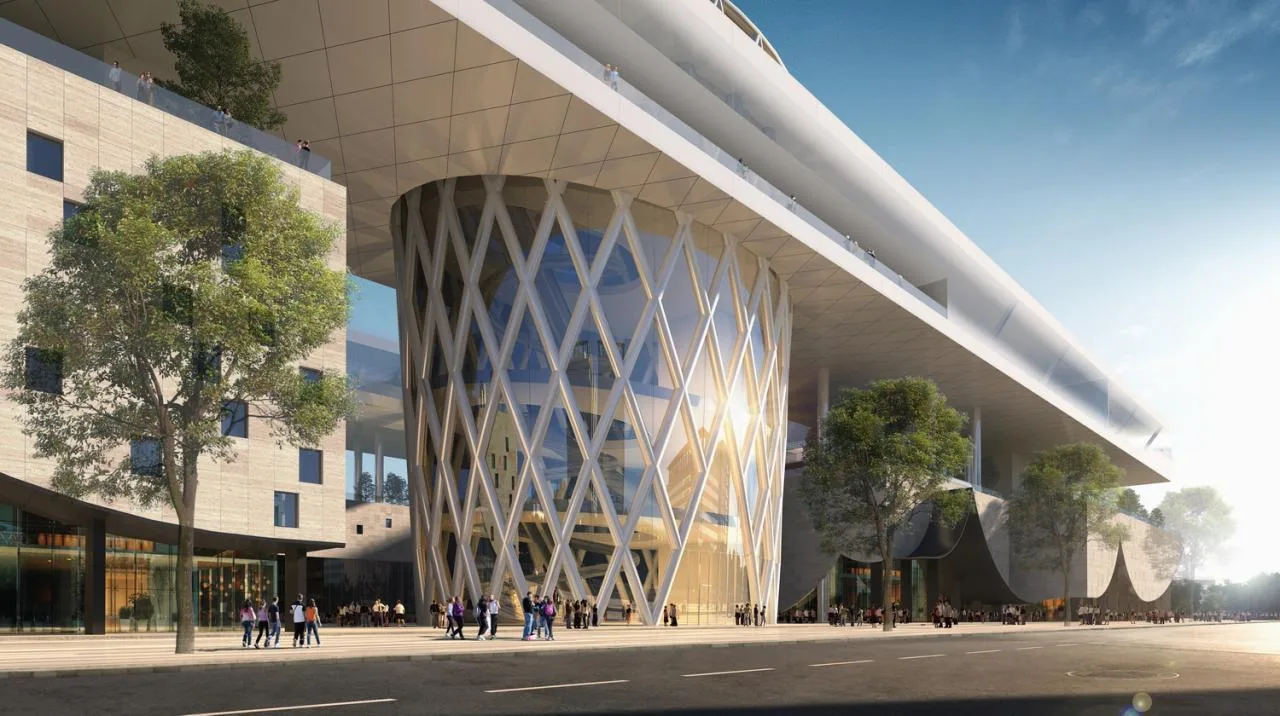
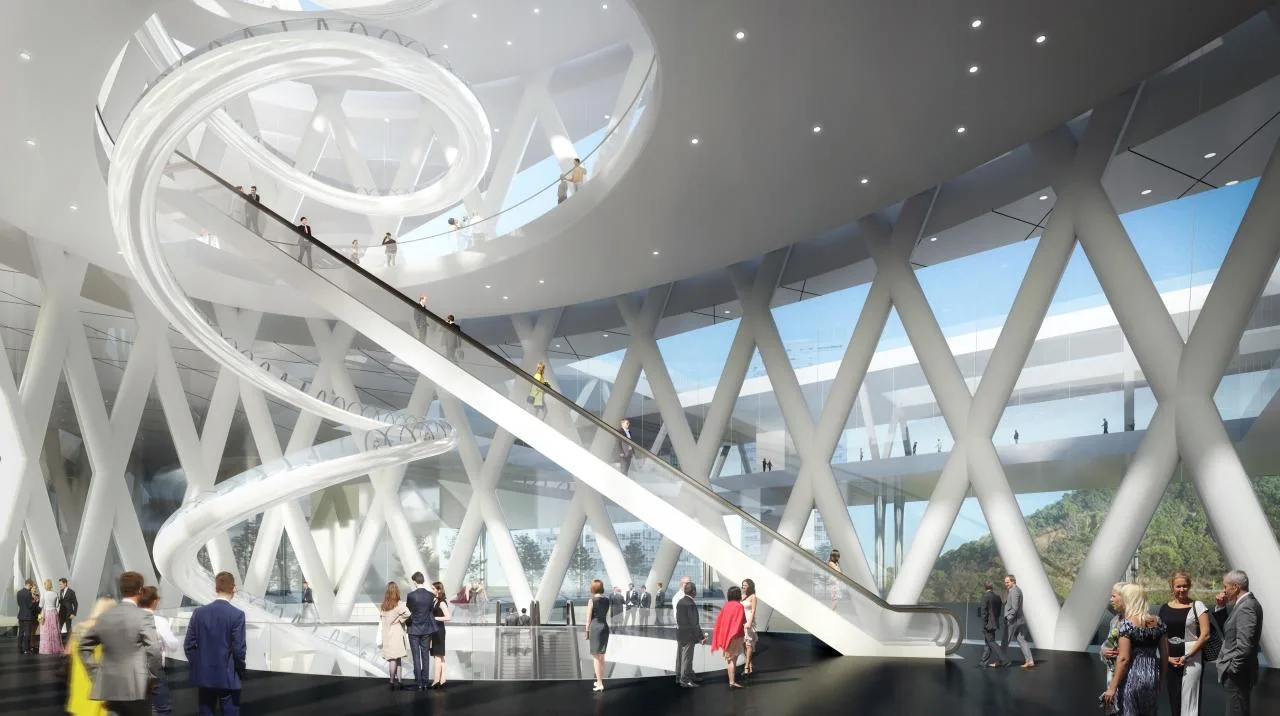
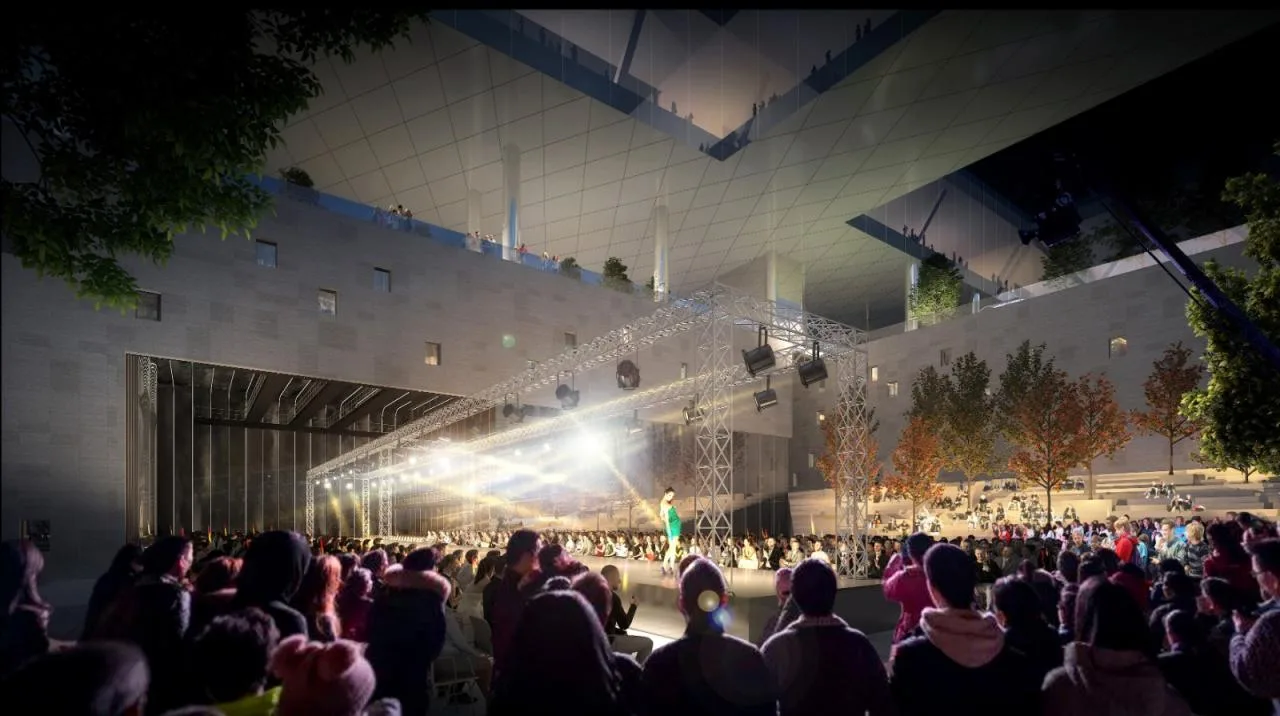
The cultural square lies at the heart of the art center, creating a strong sense of place and providing an ideal venue for outdoor performances. Adjacent to the square, the Black Box Theater features an openable facade that supports flexible indoor and outdoor events, accommodating diverse programming needs.
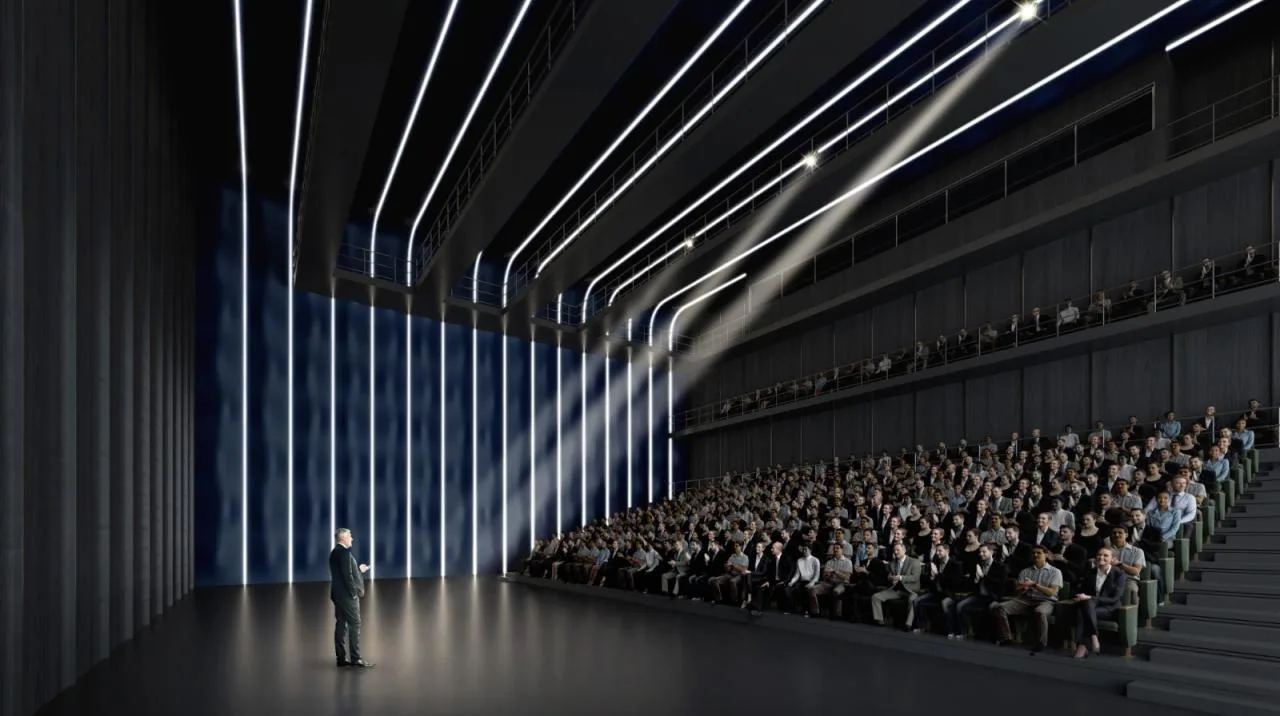
The performing arts facilities are located on the first floor, strategically positioned to utilize the venue’s slope for efficient logistics and unloading. Drawing inspiration from traditional village architecture and materials, stone was selected as the primary facade material. The performance center’s facade uses a metaphorical design resembling theater curtains, welcoming visitors and facing the urban streetscape.
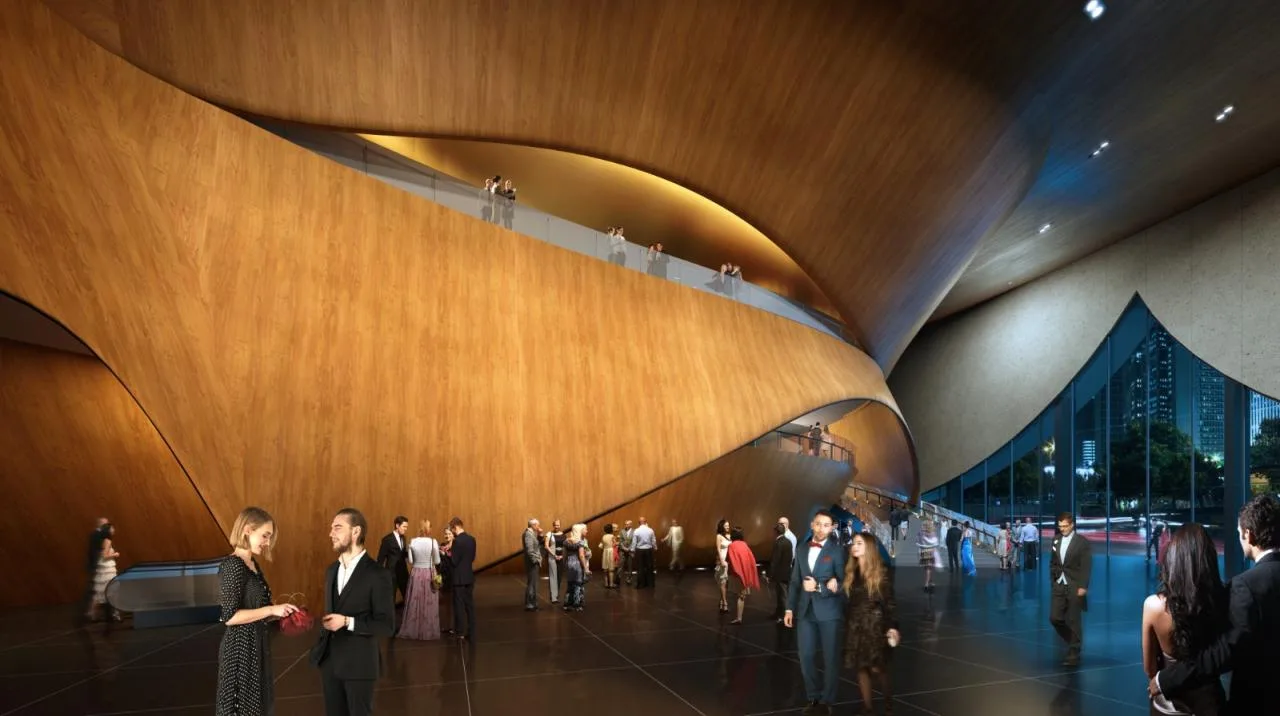
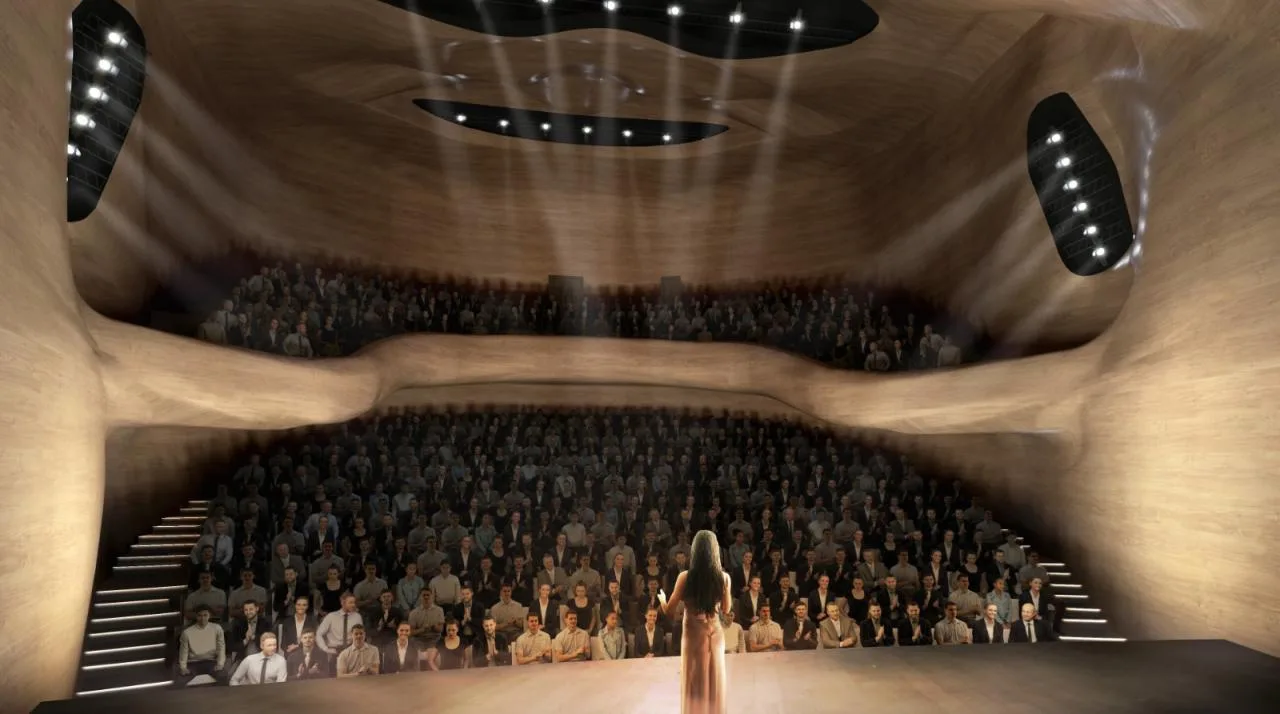
The visual art museum, suspended above the complex, serves as the centerpiece of the entire development. Its design offers continuous, flexible exhibition spaces arranged horizontally. This layout creates a stunning central platform atop the building below: a weather-protected sculpture garden.
Connected by an aerial bridge, the landscape of Golden Mountain Park to the south extends into the art center, linking directly to the sculpture garden and establishing a strong visual connection between the museum and the natural surroundings.
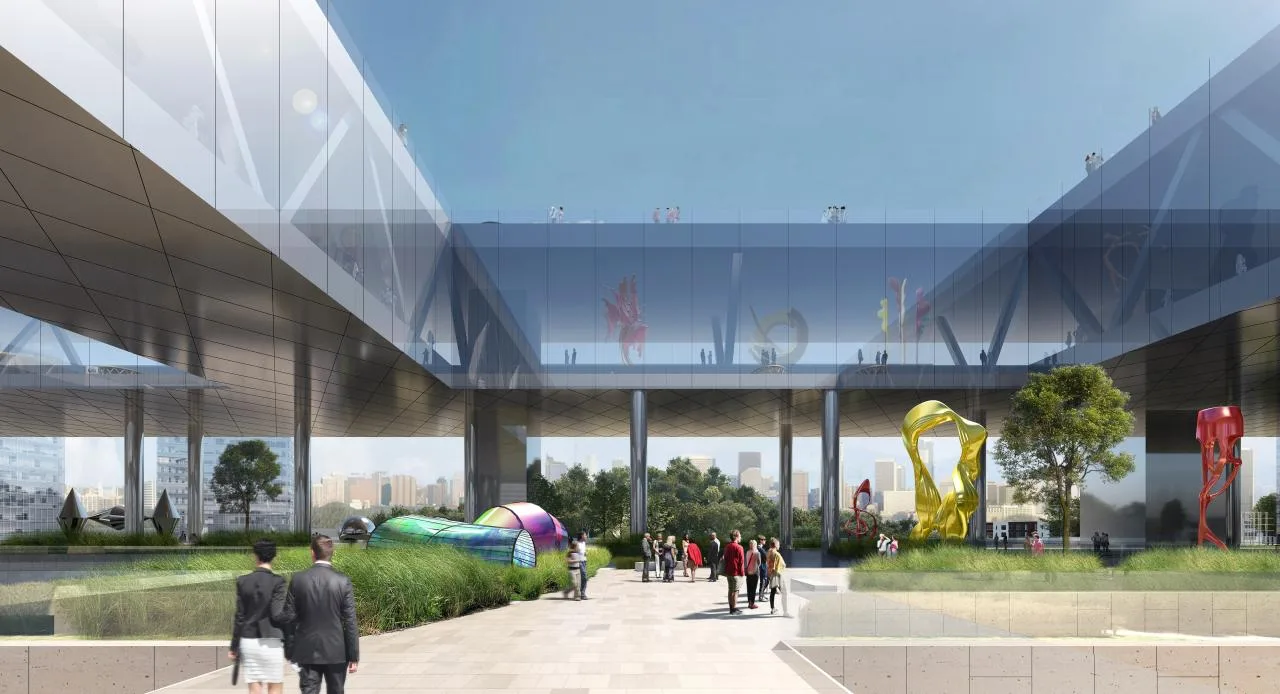
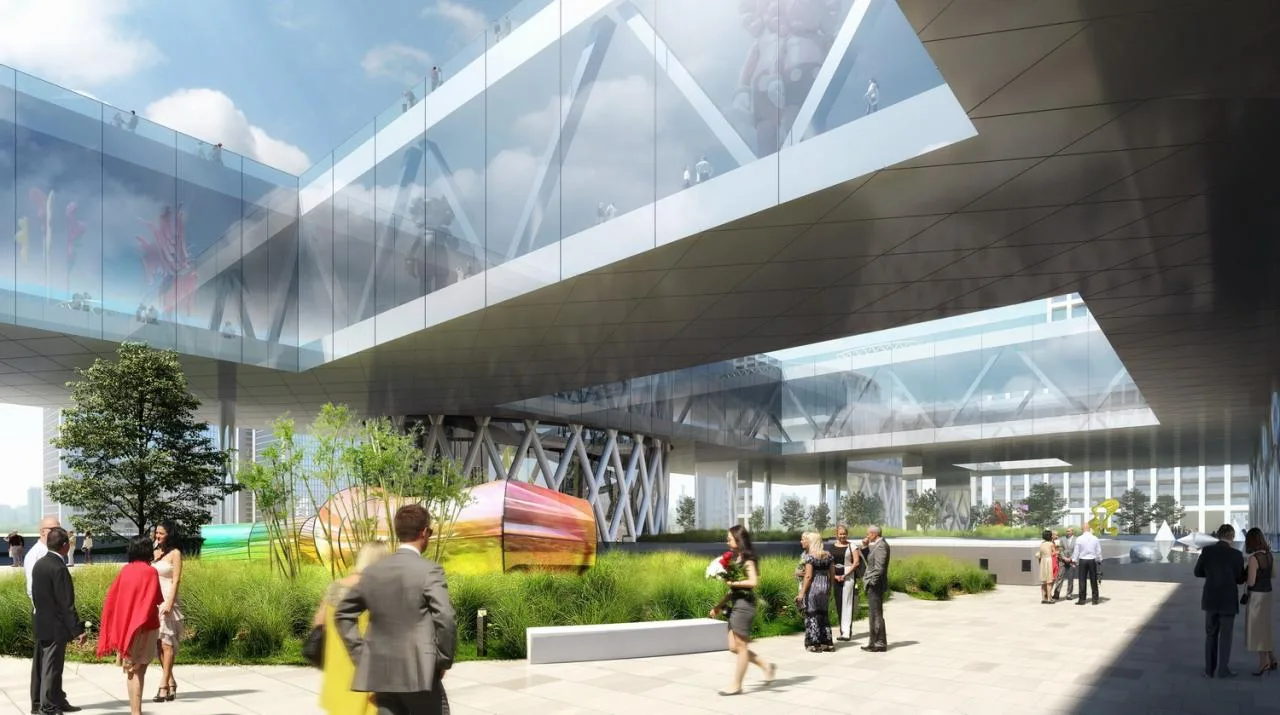
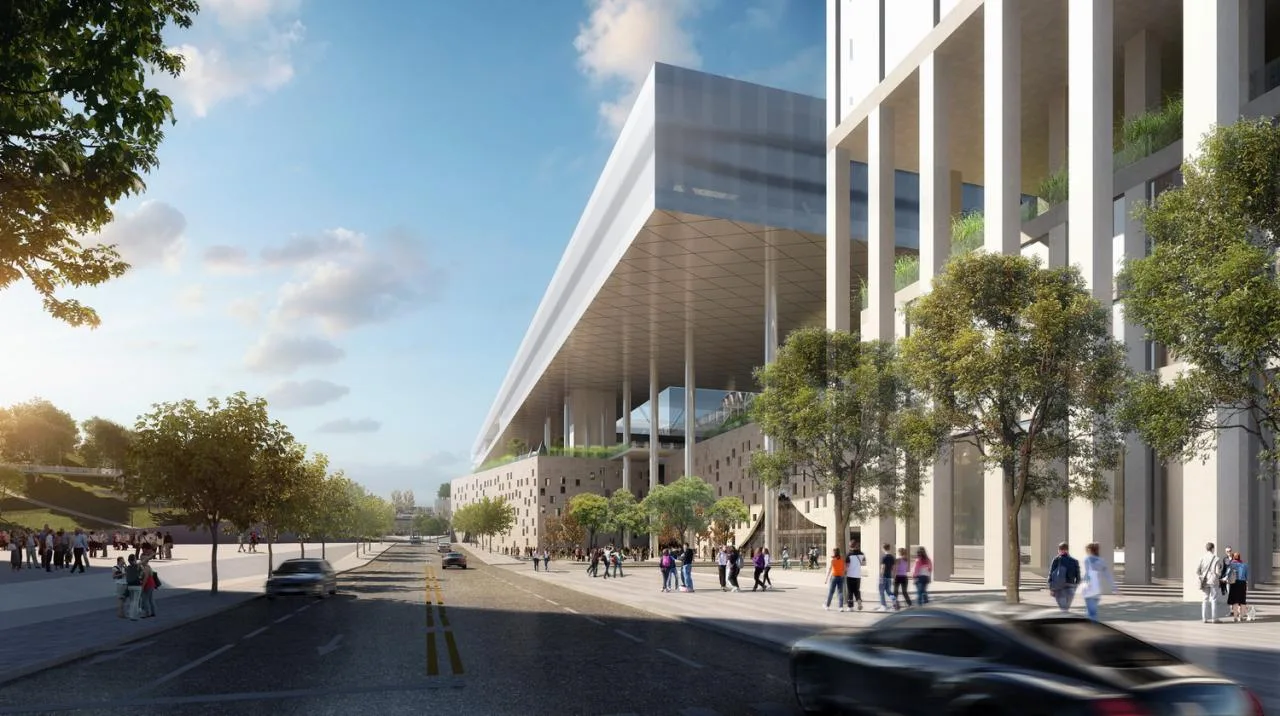
The exhibition hall’s roof functions as an additional outdoor sky garden, featuring a spacious platform ideal for showcasing large-scale artworks and hosting major events. The museum’s facade is clad in white gradient printed glass, embedded with LED lighting that creates dynamic digital effects at night.
This massive structure, combined with cutting-edge artistic expression, perfectly captures the project’s futuristic vision. Once completed, it will become the largest digital art museum in southern China and an iconic symbol of urban art.
Project Drawings
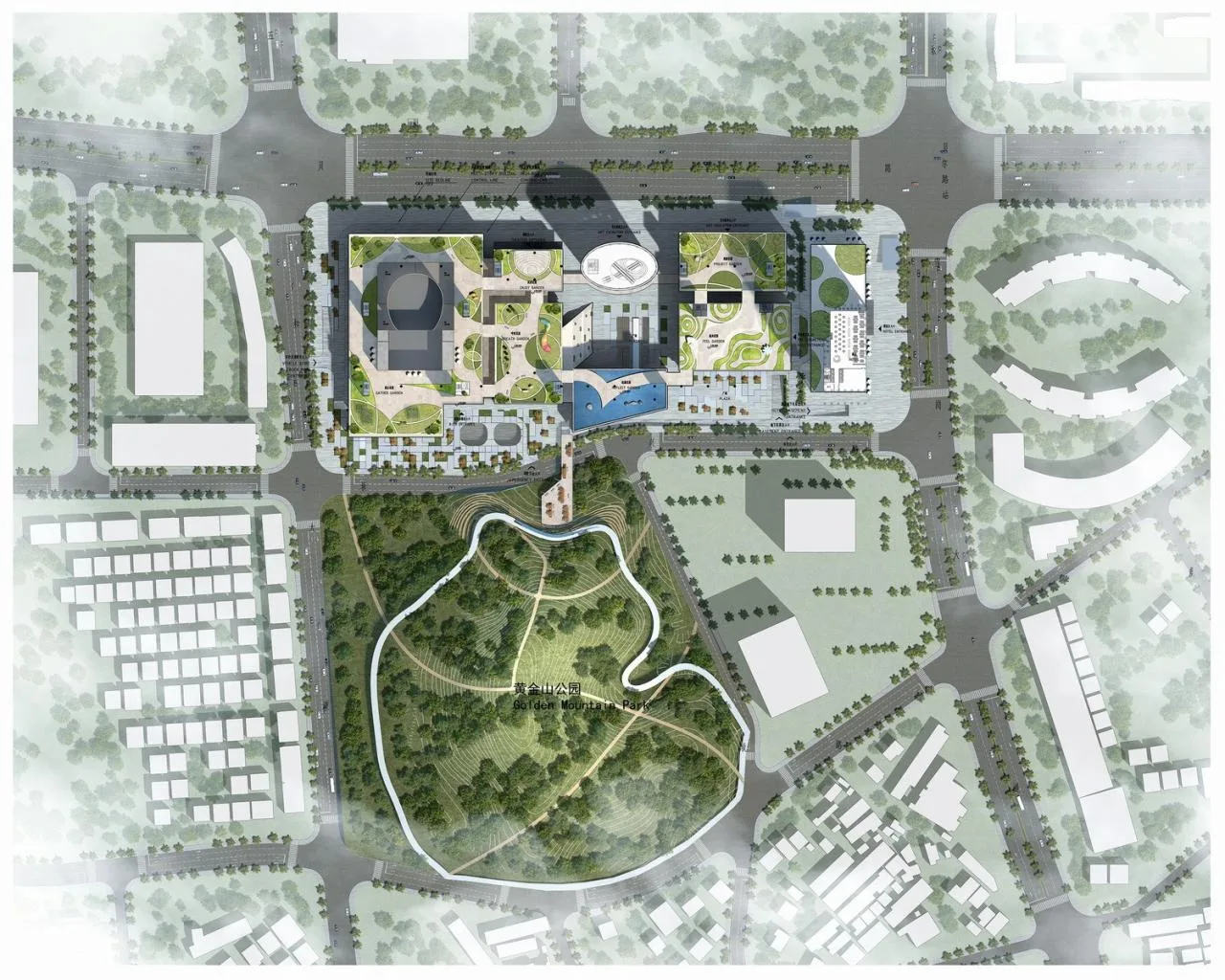
△ General Layout Plan
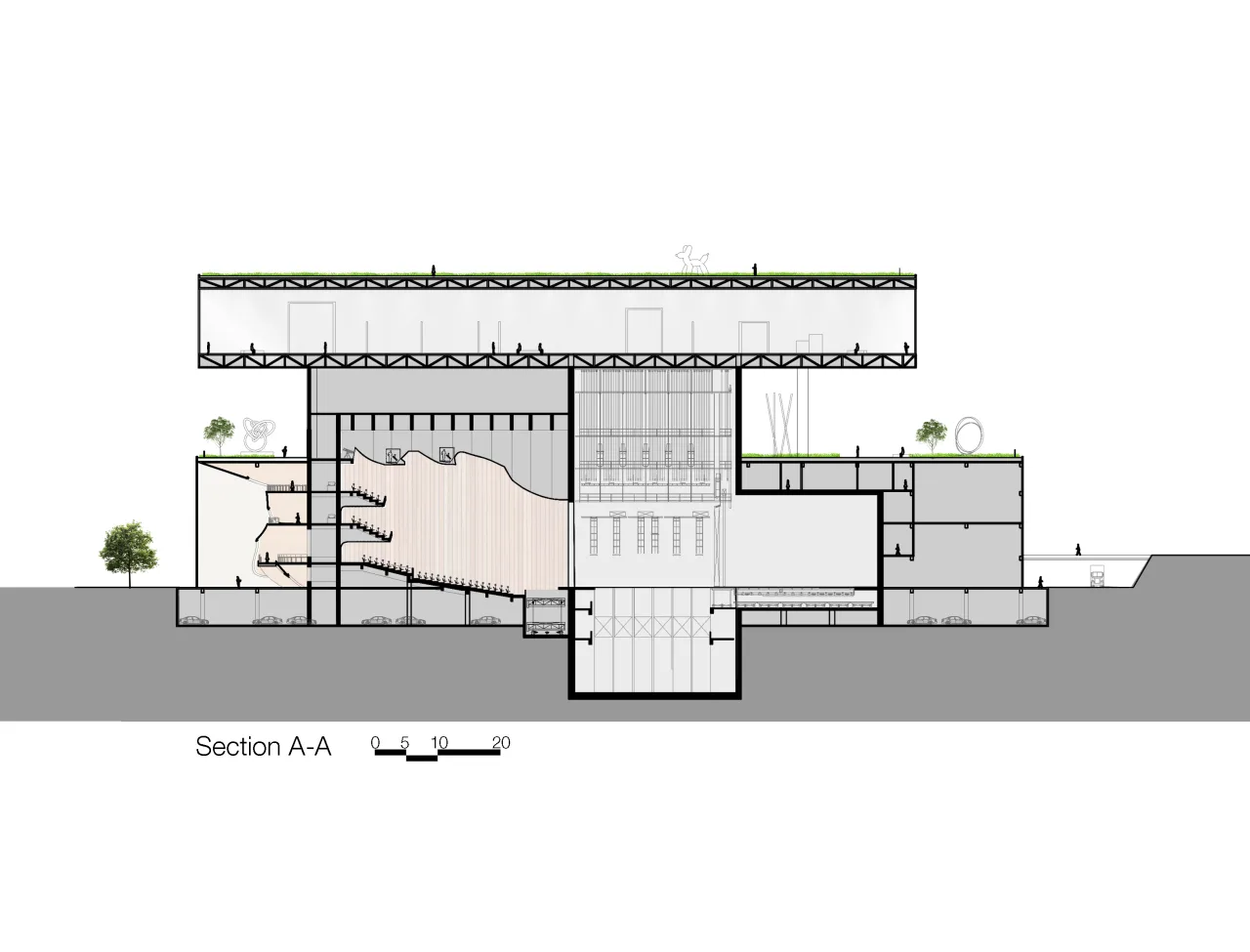
△ Section Diagram
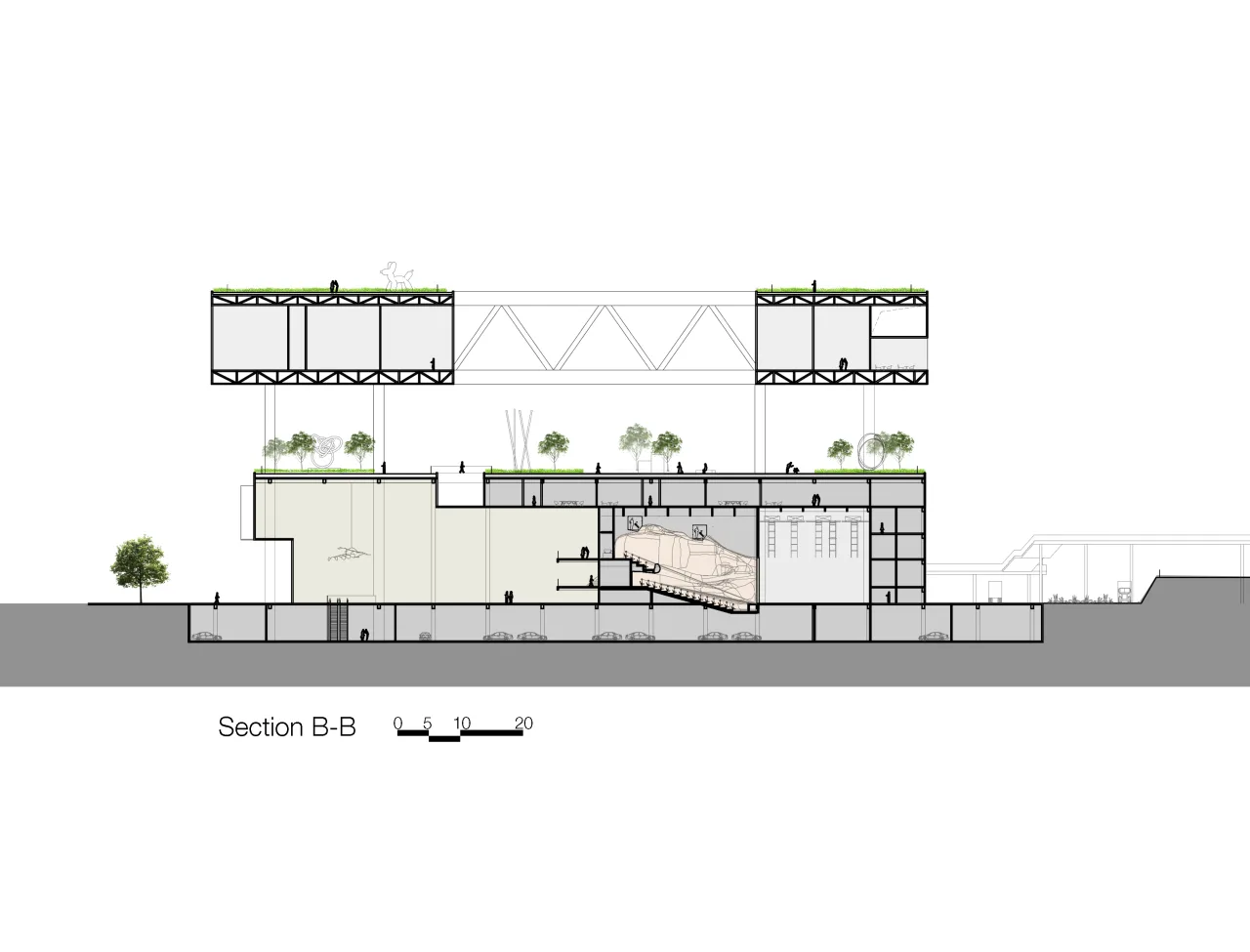
△ Section Diagram
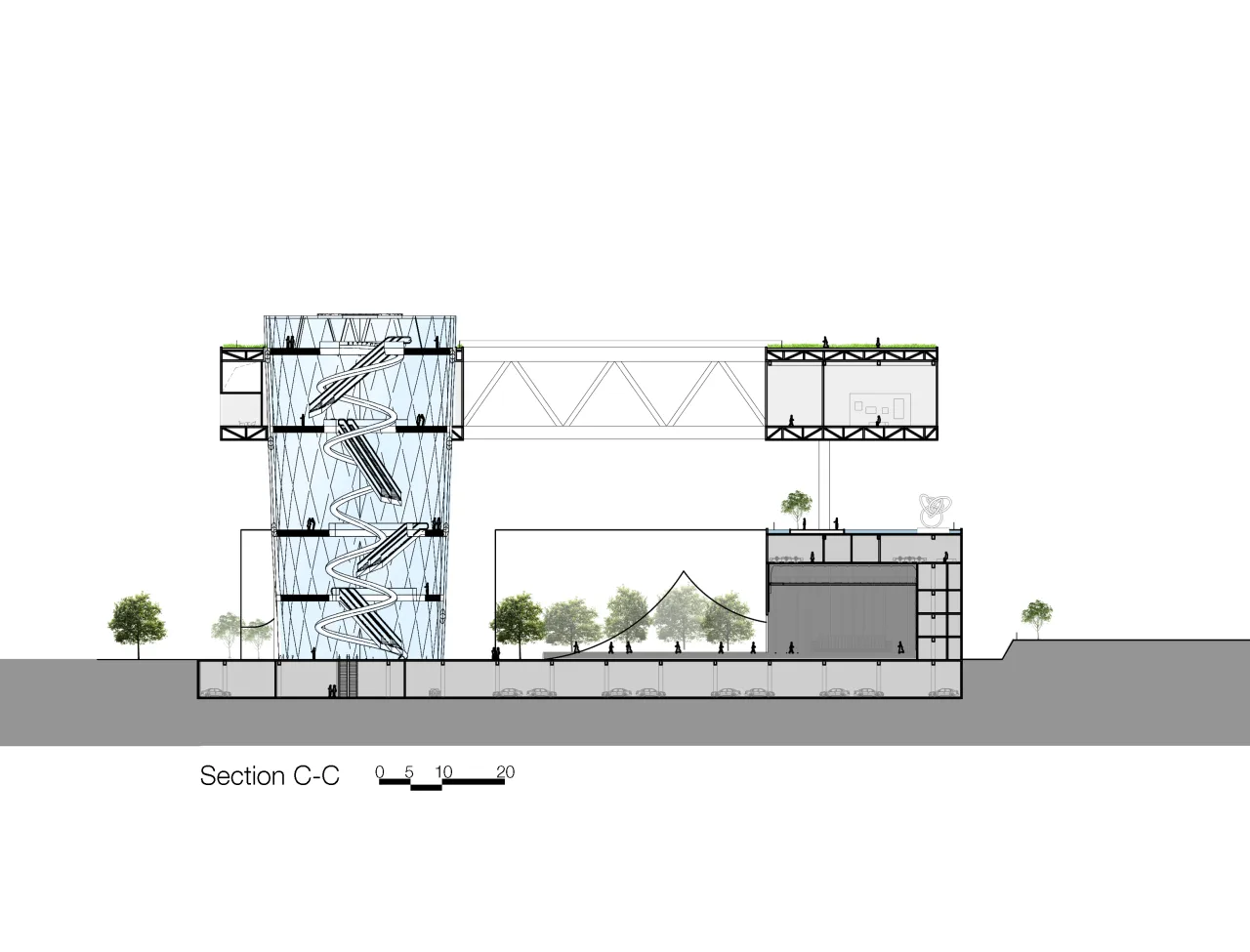
△ Section Diagram
Project Information
Project Status: Second-place winner in invited competition
Location: Longgang District, Shenzhen, China
Year: 2020
Client: Huawei Technologies Co., Ltd
Total Construction Area: 120,000 square meters
Construction Investment: 2 billion RMB
Type: Cultural Architecture
Key Facilities: 1,600-seat large theater, 600-seat small theater, 300-seat black box theater, art exhibition center, cultural and educational center
BAU Project Team: James Brearley, Fang Qun, Jens Eberhardt, Steve Whitford, Zhao Xudong, María Cala Gonzalez, Tammy Li Xufeng, Jordan Wells, Nat Pornvarojanabun
Theater Acoustic Consultant: Marshall Theater Sound and Light Special Design















Must log in before commenting!
Sign Up