
When we think of a city, the first image that comes to mind is its streets. If the streets are vibrant, the city feels alive; if they are dull, the city feels lifeless.
——Jane Jacobs, The Death and Life of Great American Cities
In China’s urbanization process, road network construction has traditionally prioritized motorized traffic capacity, often at the expense of pedestrian experience. As society progresses, people increasingly seek higher urban living quality, prompting local governments to focus on creating livable, business-friendly cities. As a leading example, Shanghai has spent the last decade revitalizing its older urban areas through targeted “micro-updates.” These efforts have transformed streets into inviting spaces where pedestrians can feel safe and respected—contributing to the city’s overall prosperity.
Residents in Shanghai are well aware of these street-level changes. These improvements may be visible, like refreshed walls or updated storefront signs, or tactile, such as new seating areas or slip-resistant pavements. With minimal interventions, these updates significantly enhance residents’ satisfaction and sense of well-being, allowing street users to truly enjoy the city’s hospitality and the simple pleasure of strolling.
Project Background
The Prosperity of the South Bank vs. the Marginalization of the North Bank
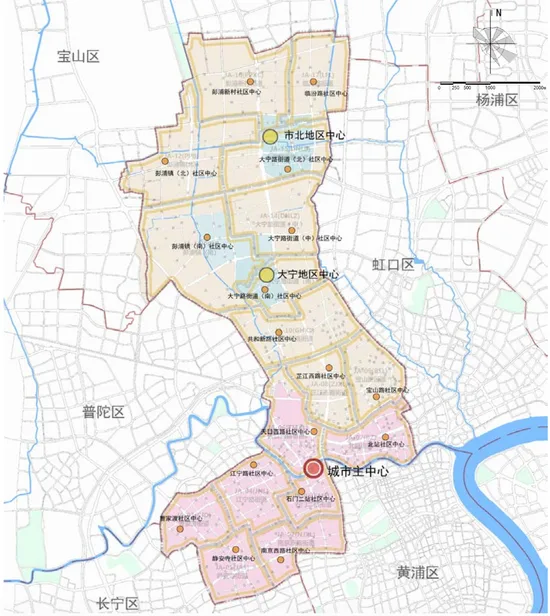
△ New Jing’an Administrative Divisions (Image sourced from the internet)
In November 2015, Shanghai’s Jing’an and Zhabei districts merged to form the new Jing’an District, adopting a development strategy centered on “one axis, three belts.” Due to uneven historical development, the area north of the Suzhou River has been somewhat marginalized compared to the thriving south bank. While the movie Eight Hundred doesn’t emphasize this divide, the geographic and psychological imbalance created by the Suzhou River boundary has deep historical roots.
Against this backdrop, the “Beautiful Homes” and “Beautiful Urban Areas” initiatives emerged. Since 2016, Yushe Yuzhu has been involved in the renovation and management of 50 road sections across Daning Road Street, Beizhan Street, and Gonghexin Road Street. As designers, we have witnessed Shanghai’s streets rapidly evolve—from simple “roads” to vibrant “streets,” advancing from a superficial “1.0 version” to a richer, multidimensional “2.0 version.” This transformation highlights the positive impact of people-centered urban design, paving the way for cities that are more livable, sustainable, and equitable.
Daning Road Street Renovation Example
Light Intervention, Cost-Effective, and High-Efficiency Renovation
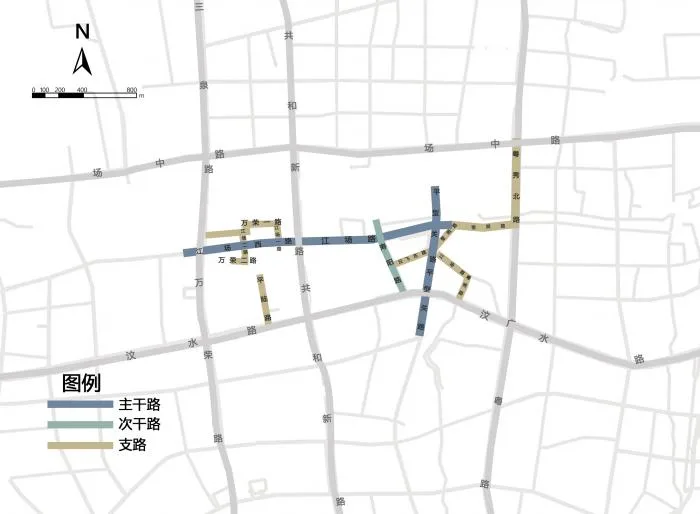
△ Daning Road Street Renovation Area
Daning Road Street, within Jing’an District, covers 6.24 square kilometers in the northern central area of the former Zhabei District. According to the “one axis, three belts” strategy, Daning is part of the “Central Ring and Two Wings Industry City Integration Belt,” alongside the Shibei area. Its peripheral roads serve as urban traffic arteries, while internal roads are primarily residential streets.
Drawing on the five environmental perception systems identified by American psychologist James Gibson—visual, auditory, olfactory-gustatory, tactile, and orientation (Gibson, 1966)—the Daning Road Street renovation focused on visual enhancements. Priority was given to facades, vegetation, and color to improve the vertical environment with minimal intervention and limited budget.
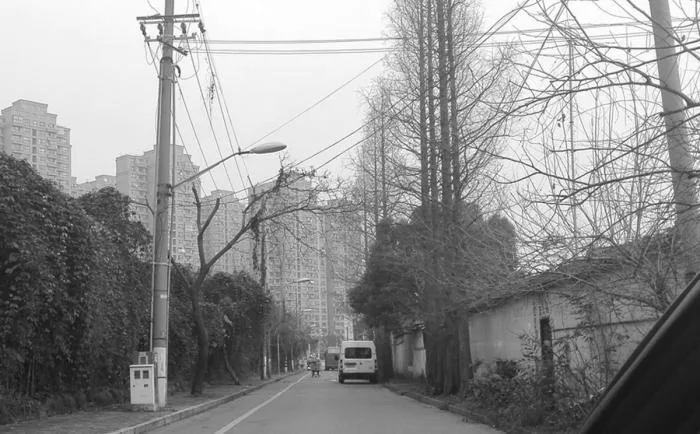
Before renovation, Kuizhao Road (Yuexiu North Road to Pingxingguan Road) appeared worn down, with dead trees, crumbling walls, and a disorganized streetscape. The renovation repaired sidewalks, reorganized green belts and flower beds, and refreshed walls, creating a cleaner, more modern, and comfortable environment.
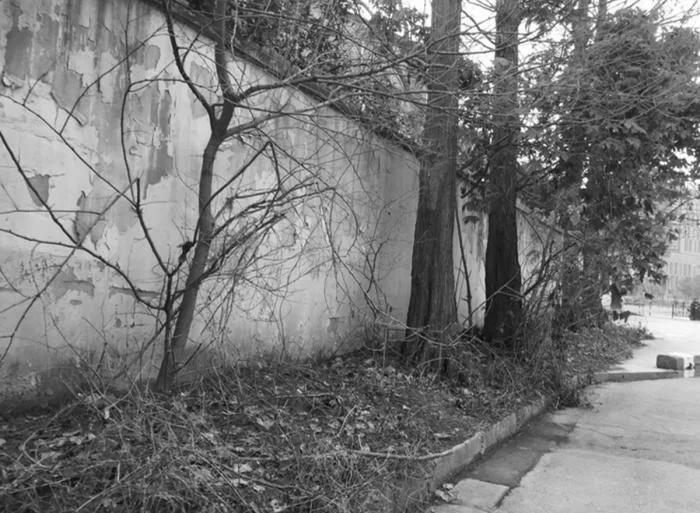
Kuizhao Road before renovation
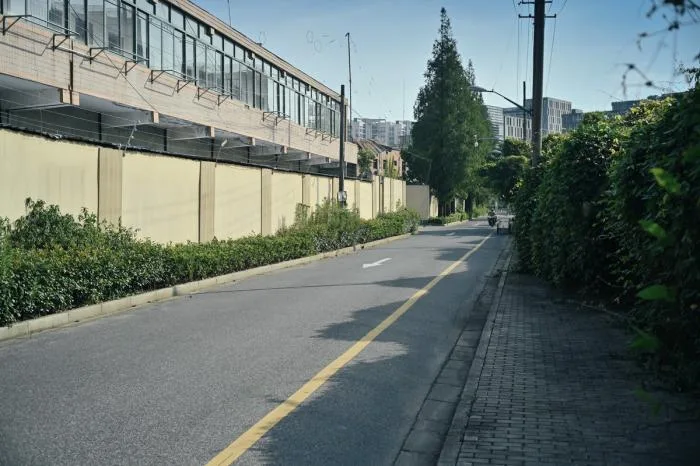
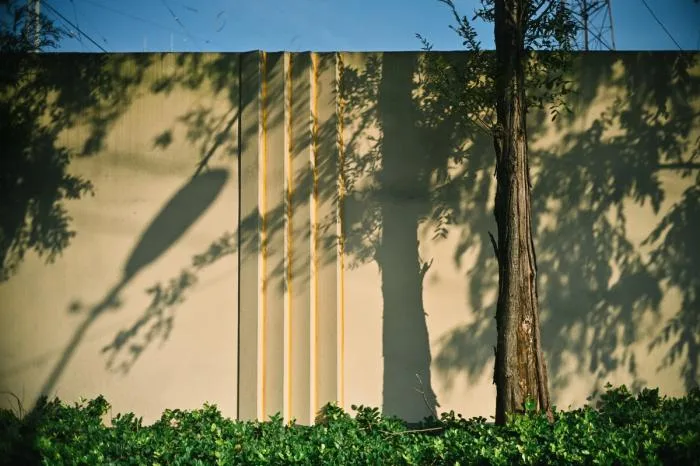
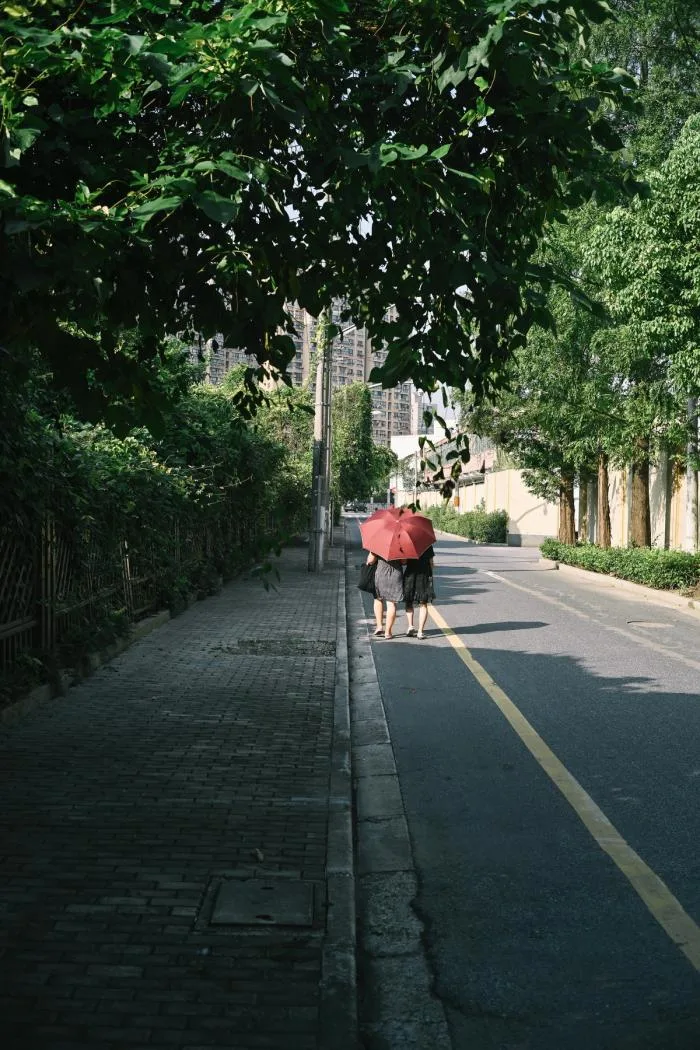
Kuizhao Road after renovation
Pengjiang Road stretches approximately 764 meters from Gonghe New Road to its western end. While the industrial park’s walls are lush with greenery, some wall sections are damaged, creating a sense of neglect. To improve visual appeal and enhance the experience of strolling through the park, the design preserves the original mixed-material wall sections, using antique gray bricks as the primary material to echo the industrial park’s architectural style. Red brick decorative details add rhythm and refinement, while woven bamboo fences introduce a touch of natural charm.
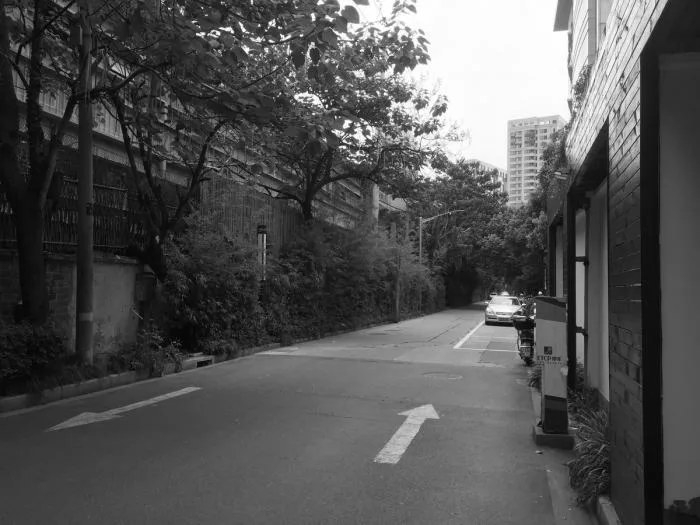
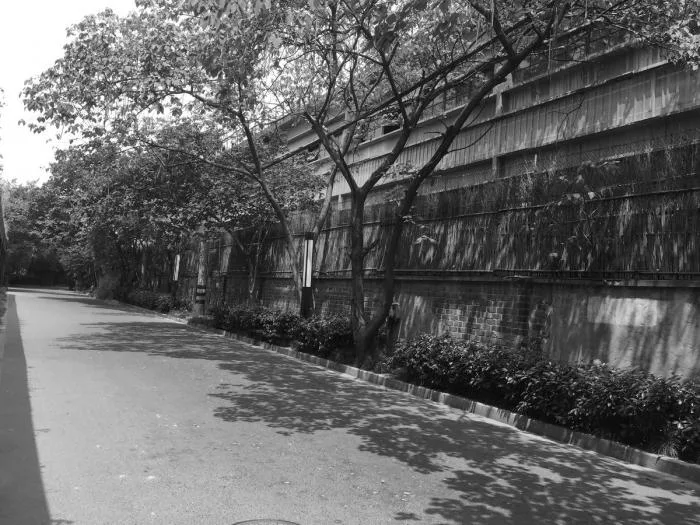
Pengjiang Road before renovation
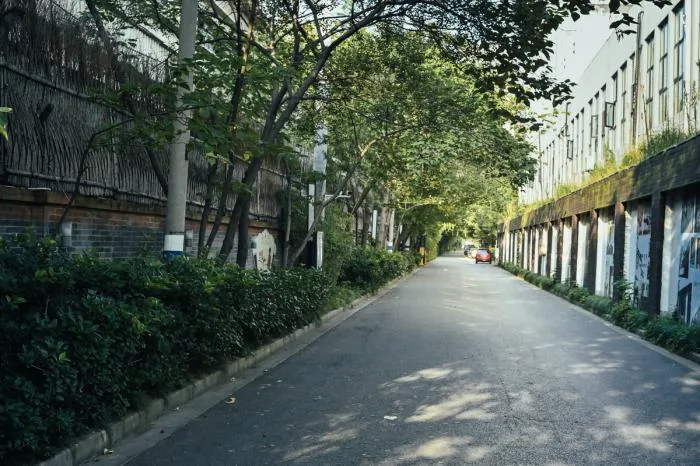
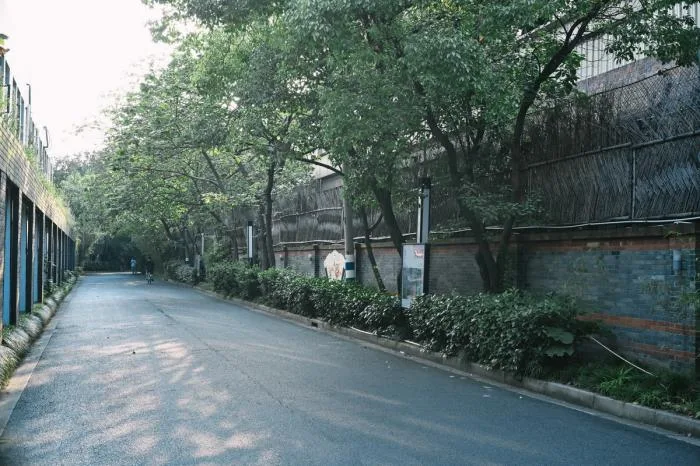
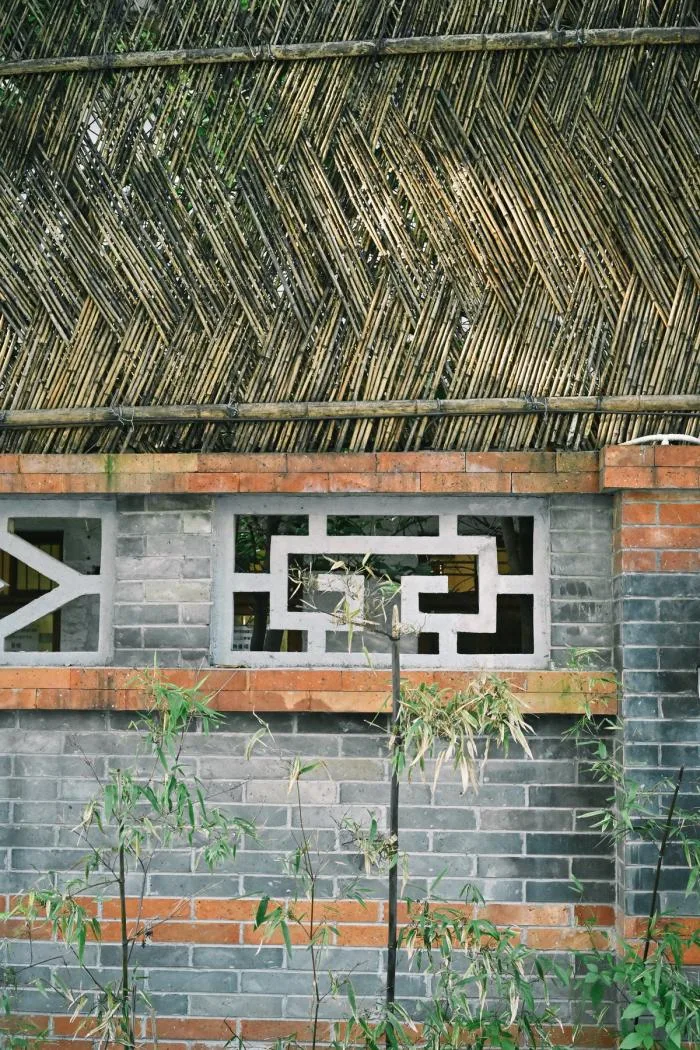
Pengjiang Road after renovation
Yuexiu Road, stretching 414 meters from Yuexiu Road to Jiangchang Road, includes community walls and riverside landscaping. Due to the absence of roadside trees, pedestrians endured prolonged exposure to the sun during summer. To address this, perforated aluminum panels were installed as a “sun hat” to provide shade. This feature also serves as a scenic riverside element, encouraging pedestrians to slow down and relax.
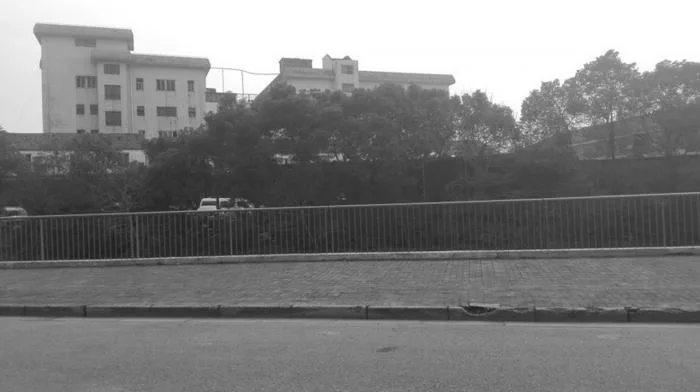
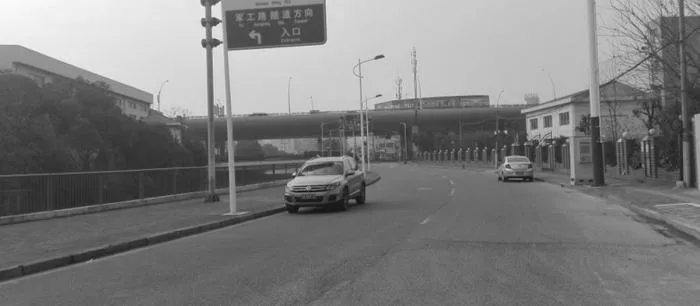
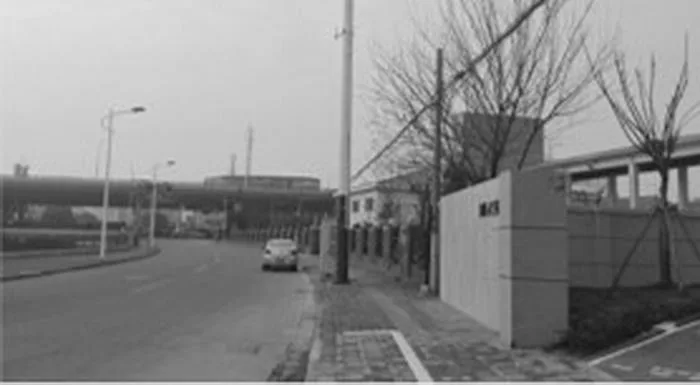
Yuexiu Road before renovation
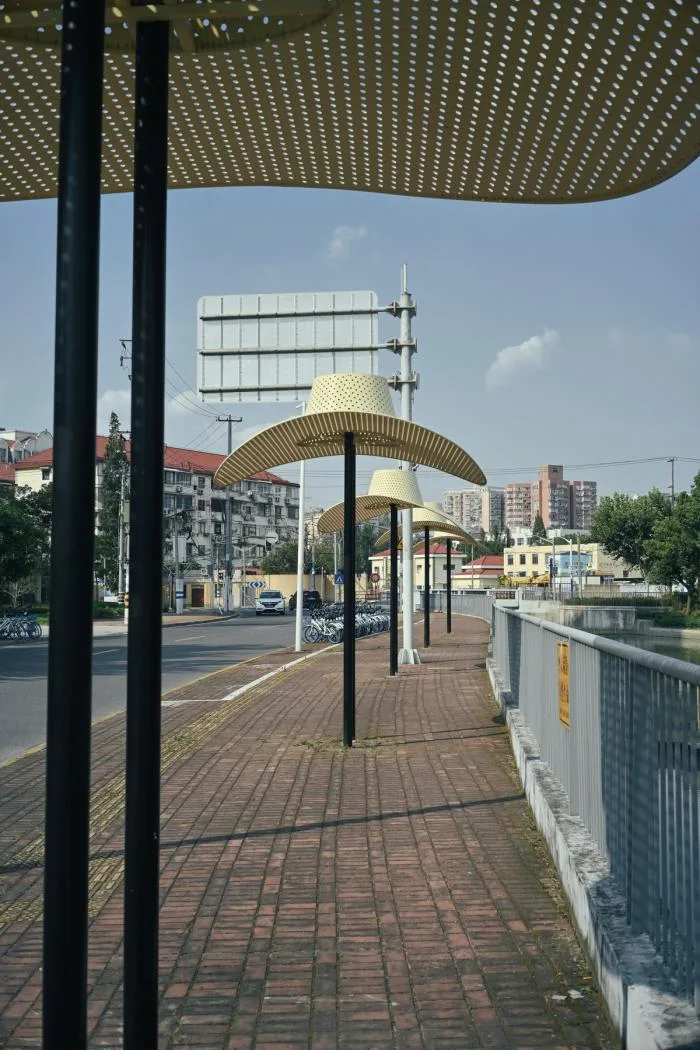
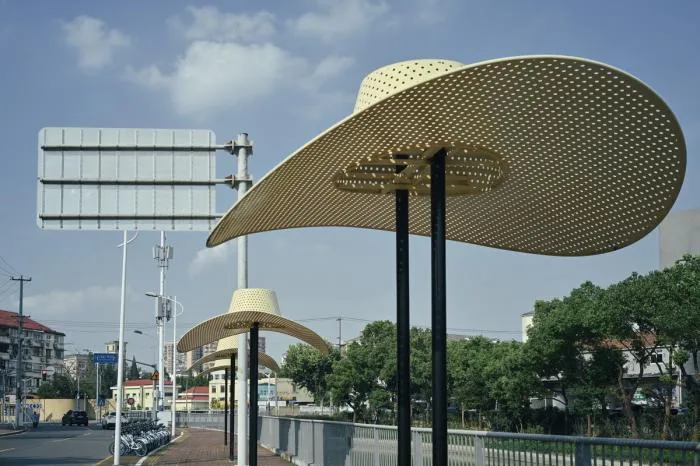
△ Yuexiu Road after renovation
Pinglu Road, 496 meters long from Wenshui Road to its northern end, is relatively new and surrounded by upscale commercial office parks, residential communities, traditional street businesses, and public green spaces. The existing green spaces were too regular and segmented, so the design aimed to unify them. Sculpture nodes were introduced in the commercial green belt on the east side of Pinglu Road to break monotony, enhance artistic value, and provide pedestrians with memorable landmarks and orientation cues.
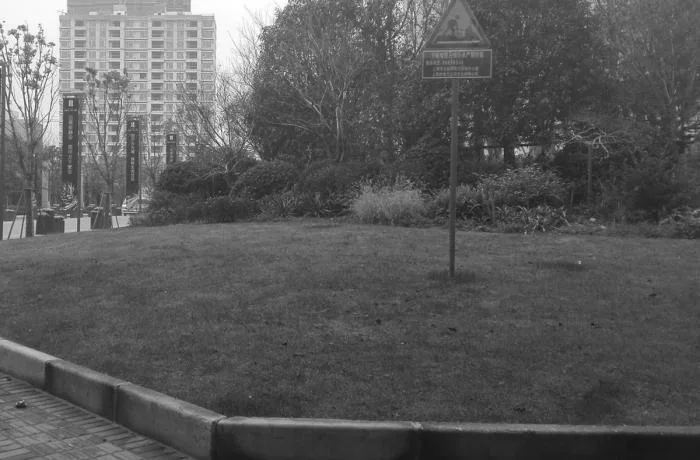
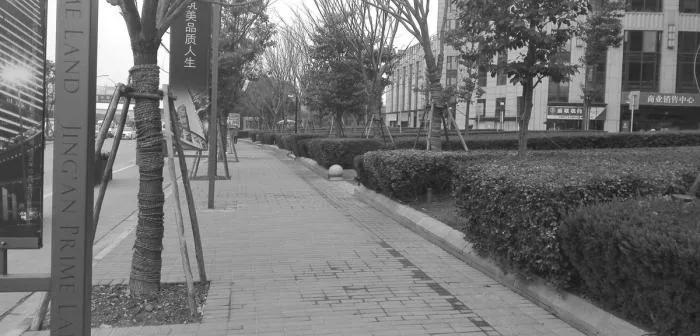
Pinglu Road before renovation
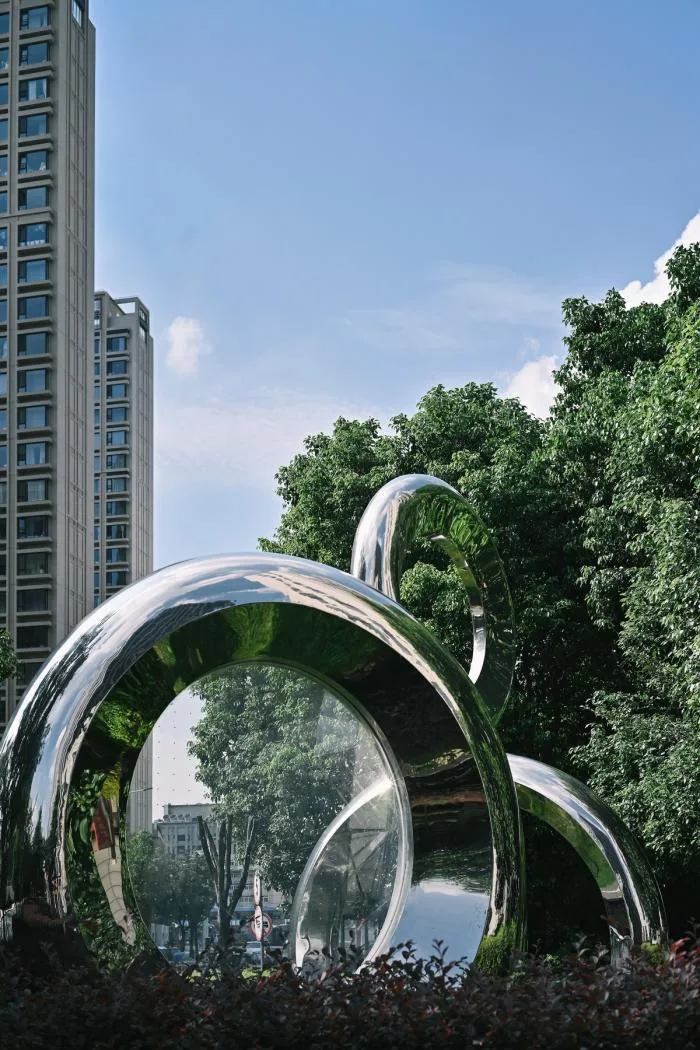
△ Pinglu Road after renovation
Lingshi Road, Yanchang Middle Road, Datong Road, and other streets generally feature chaotic ground-floor shopfronts lacking distinctive character or cultural identity. However, renovation efforts cannot blindly impose uniform signage that erases each shop’s unique traits. While the design team strives for attractive storefront fonts and seamless interaction between large windows and pedestrians, many of these shops serve retail, wholesale, food, or hardware functions, which naturally influence the surrounding residential life. Thus, the principle of form follows function remains our guiding approach.
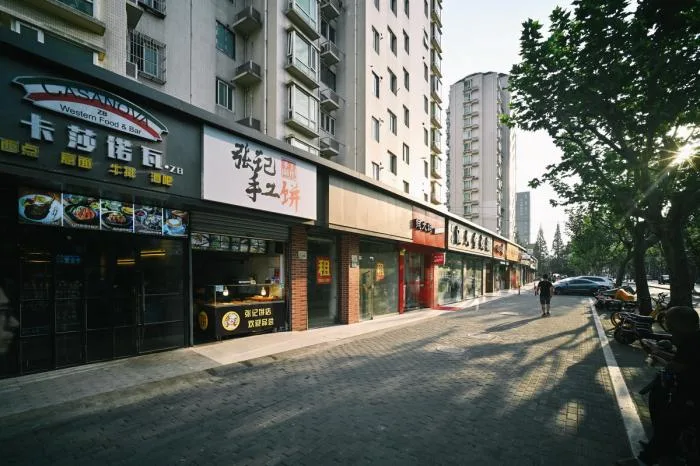
△ Lingshi Road store sign renovation
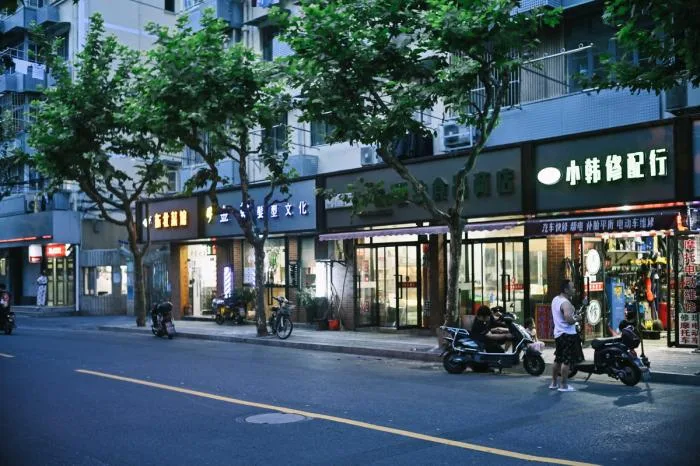
△ Datong Road store sign renovation
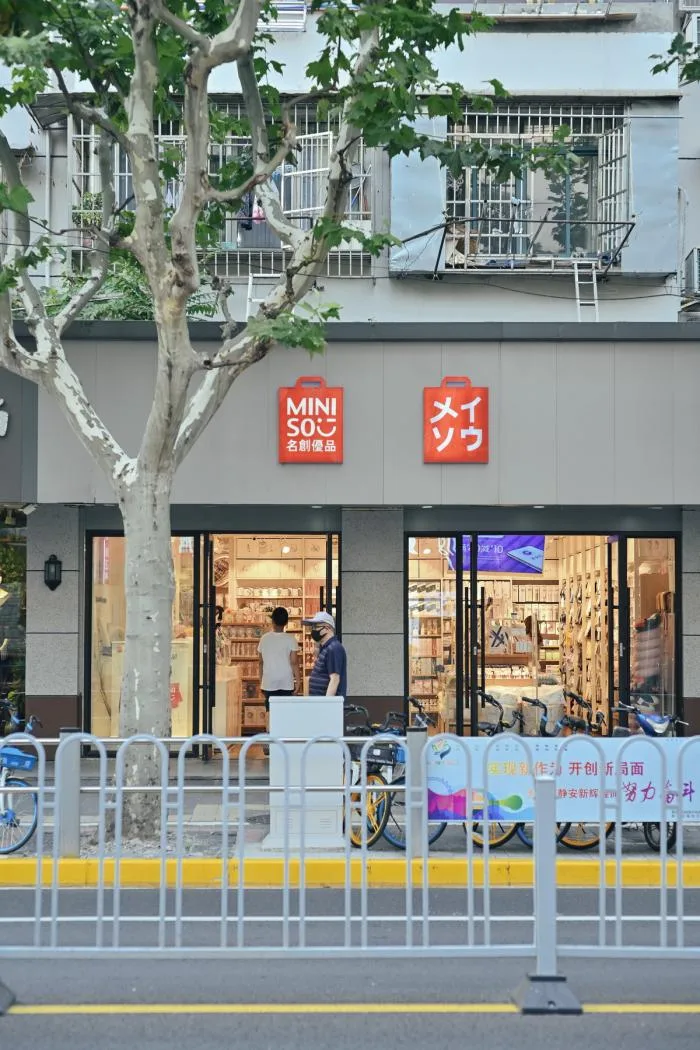
△ Yanchang Middle Road store sign renovation
Gonghexin Road Subdistrict Renovation Example
Readable and Recognizable Cultural Identity
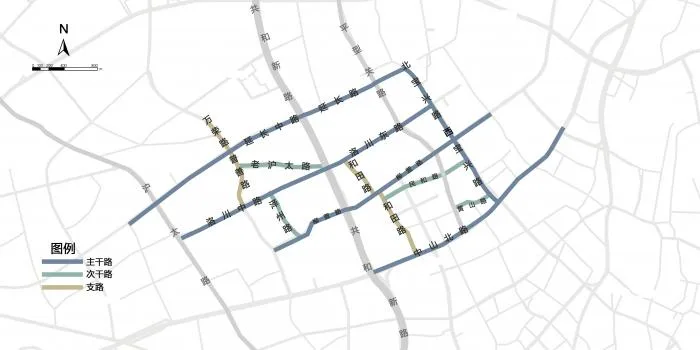
△ Gonghe New Road Subdistrict Renovation Area
Gonghe Xinlu Street lies in central Jing’an District and is known for its traditional tea culture, blending commerce and heritage. It’s recognized as the “hometown of Shanghai folk art and culture.” We contributed to renovating eight road sections in this area, including Laohutai Road, Beibaoxing Road, Hetian Road, and Minhe Road. Taking Laohutai Road as an example:
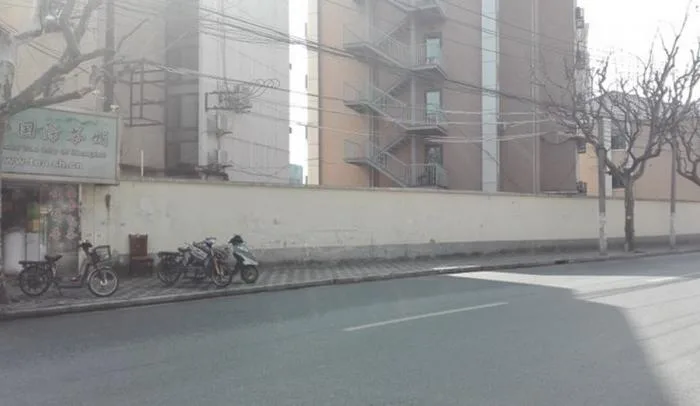
△ Laohutai Road before renovation
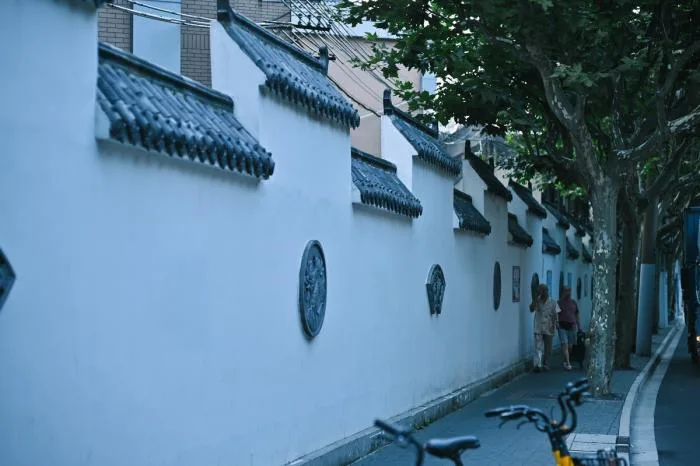
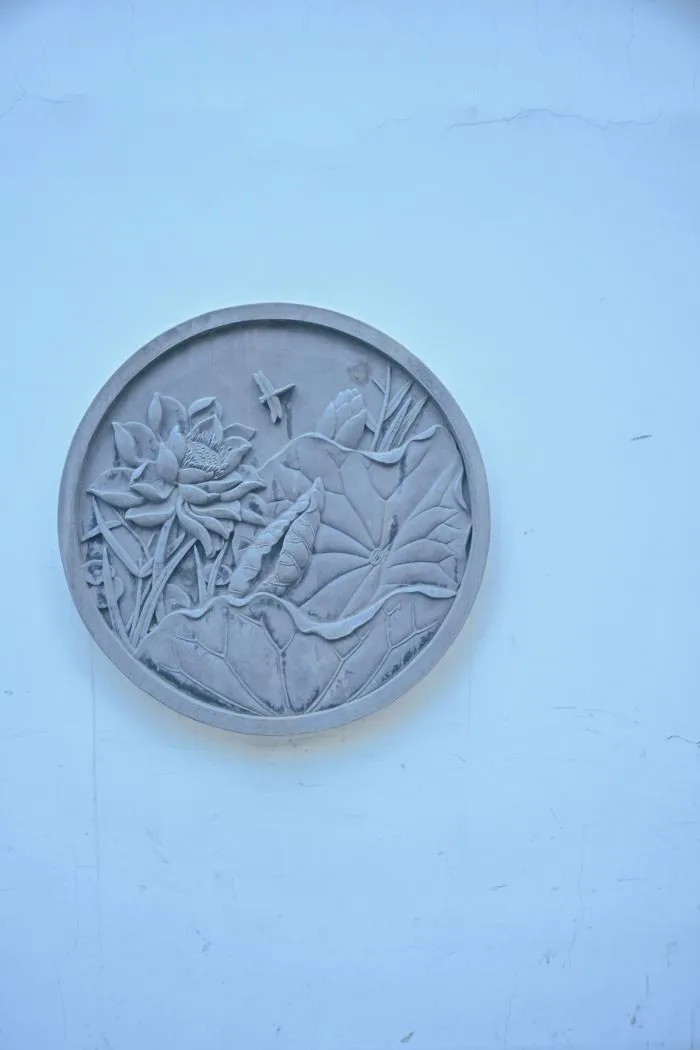
△ Laohutai Road after renovation
Spanning 645 meters from Pushan Road to Gonghe New Road, Laohutai Road’s shopfronts and walls were once monotonous and uninspiring. Despite being a significant public and historical space, pedestrians could not sense the traditional tea culture embodied by Daning International Tea City. The fence design draws inspiration from traditional eaves, introducing staggered changes that create rhythm and order. Additionally, delicate lotus leaf brick carvings provide a quaint elegance, subtly reflecting regional cultural heritage.
North Station Street Renovation Example
Traces of History and Culture, Memories of Urban Development
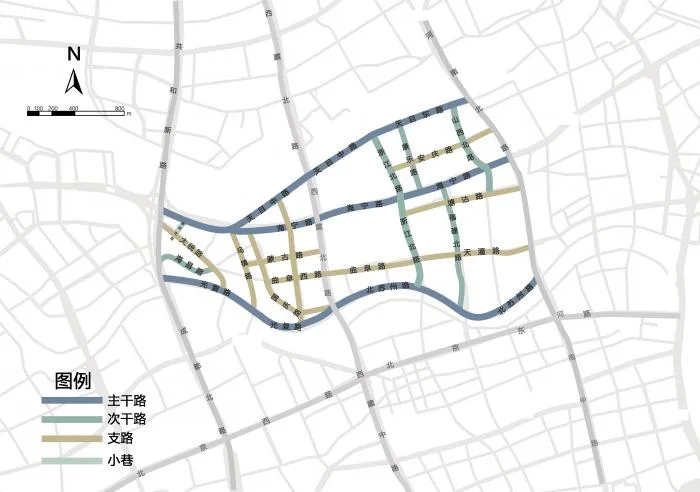
△ North Station Street Renovation Area
Beizhan Street covers just 1.99 square kilometers but houses numerous modern Shanghai-style buildings, celebrity homes, and historic relics. We renovated 17 road sections here, including Anqing Road, Kangle Road, Zhejiang North Road, and Shanxi North Road, preserving late Qing Dynasty architectural styles. The Pan Family Residence on Shanxi North Road, an early Shikumen building, is listed among Shanghai’s protected cultural relics.
This area was once the cradle of Shanghai’s national capital. It holds significant sites like the Historical Memorial Hall of the Central Bureau post the Communist Party’s Third National Congress and the former Shanghai General Chamber of Commerce. Nearby lie the former Sihang Warehouse site, narrow alleys, and distinctive stone-gate buildings on Junyi Lane, Shaoxing Lane, and Fushou Lane. The area’s character—marked by crumbling walls, old warehouses, high walls, narrow alleys, intricate floral decorations, and historic brickwork—informed our renovation approach, preserving historical memories and cultural traces. Unfortunately, many sections we renovated have since been demolished due to urban planning.
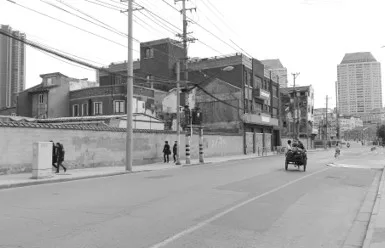
Before renovation of Zhejiang North Road section (Central Bureau Historical Memorial Hall)
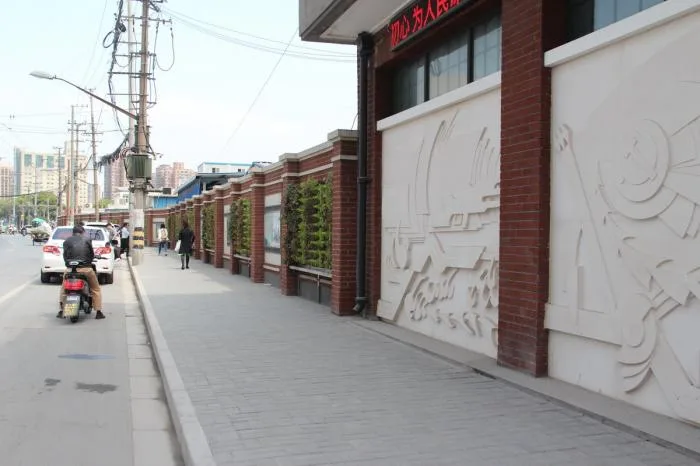
After renovation of Zhejiang North Road section (Central Bureau Historical Memorial Hall)
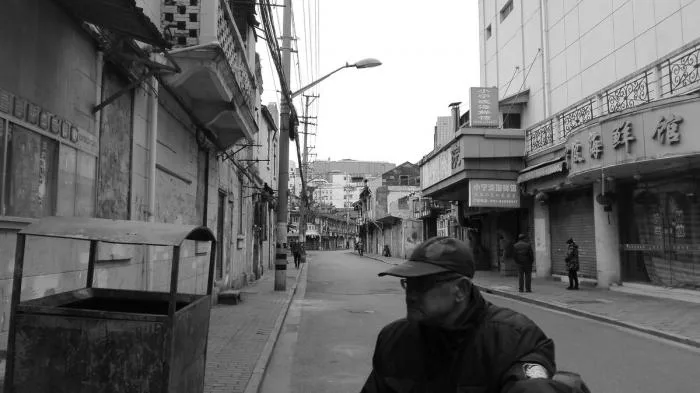
Before renovation of Shanxi North Road
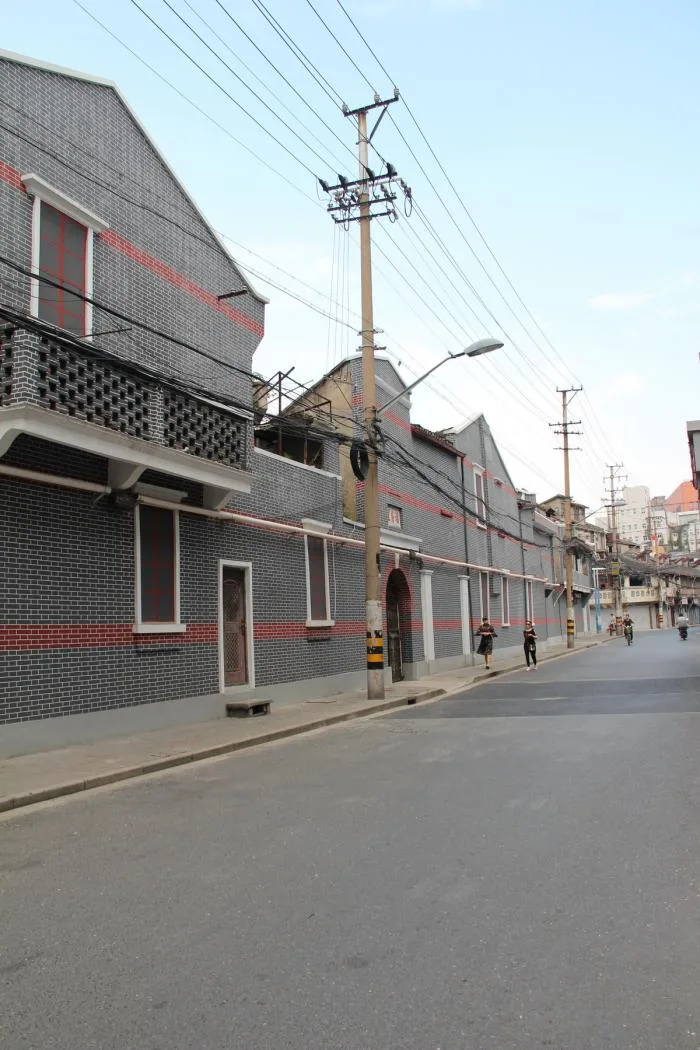
After renovation of Shanxi North Road
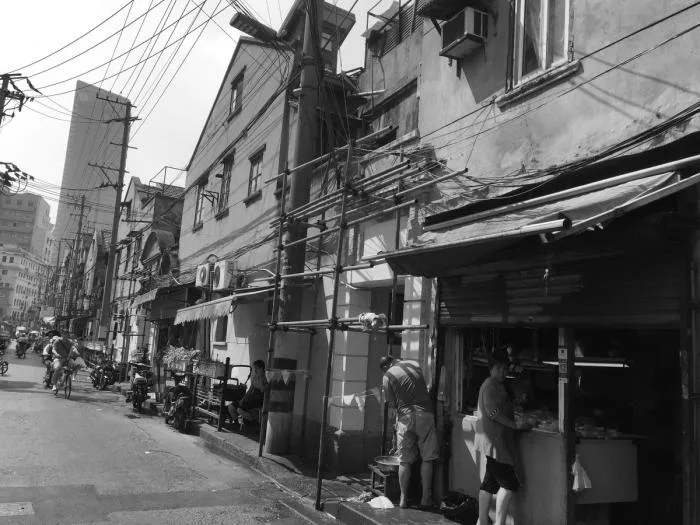
Before renovation of building facades on Luofu Road
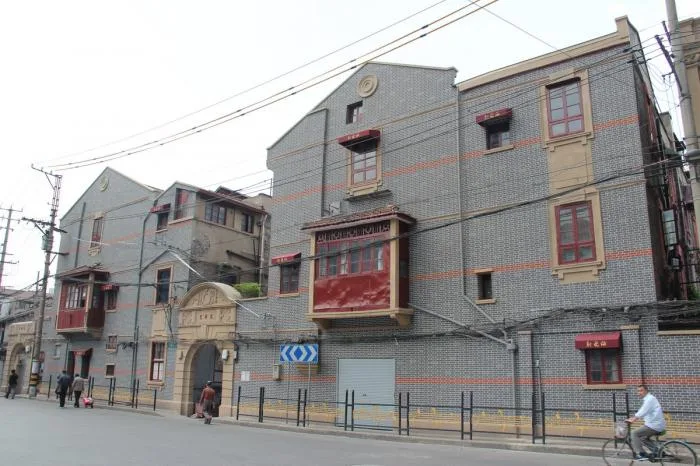
△ After renovation of building facades on Luofu Road
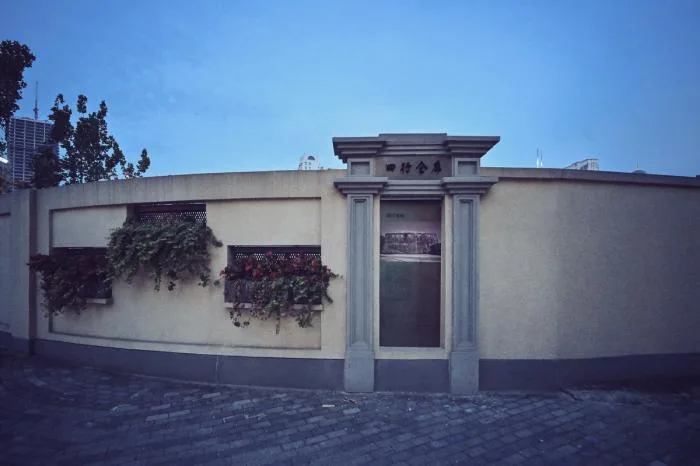
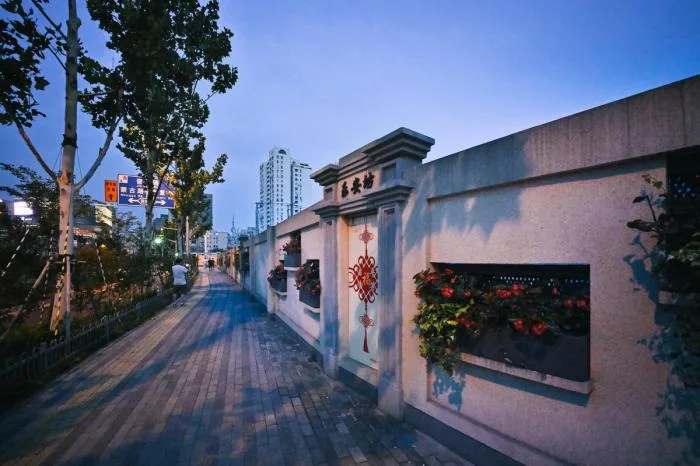
△ Qufu West Road renovation
Street renewal is a complex process involving research, design, public consultation, project initiation, construction, and final acceptance. Each street renovation varies in investment and outcome. While government agencies show strong commitment to improving street environments, multiple departments’ involvement complicates communication and coordination, especially regarding later ownership and maintenance funding. Therefore, we support Dean Kuang Xiaoming’s “adaptive” transformation strategy to avoid pitfalls such as “over-design” or overly subjective decisions.
At the same time, we must remain vigilant against “abandoned” landscapes. For instance, the landscaped area between Huanzhen North Road and Jinqiu Road showcases excellent design and overall effect, yet at night it starkly contrasts with nearby illuminated, lively spaces. This section becomes pitch black and unused after dark, eventually turning into an unsafe area. Whether this reflects design flaws or maintenance issues remains a question.
Street updates are dynamic and ongoing. Building on the renovation of these 50 road sections, we recently enhanced the landscape of Caohejing Park in Shanghai and are expanding street renovation efforts nationwide, including the Korean-style facade and landscape upgrade of Jilin Helong. These projects inspire us to envision ideal streets and vibrant urban life.
Project Information
Construction Units: Daning Road Street, Gonghexin Road Street, Beizhan Street, Jing’an District, Shanghai
Planning & Construction Drawing Design: Yu She Yu Zhu
Collaborating Unit: Shendu Design
Designers: Li Zhiqiang, Yu Haoyan, Wang Qing, Nong Yanyan, Wei Hao
Design Period: 2016–2018
Construction Period: 2016–2018
Photography by Xu Haoyu












Must log in before commenting!
Sign Up