
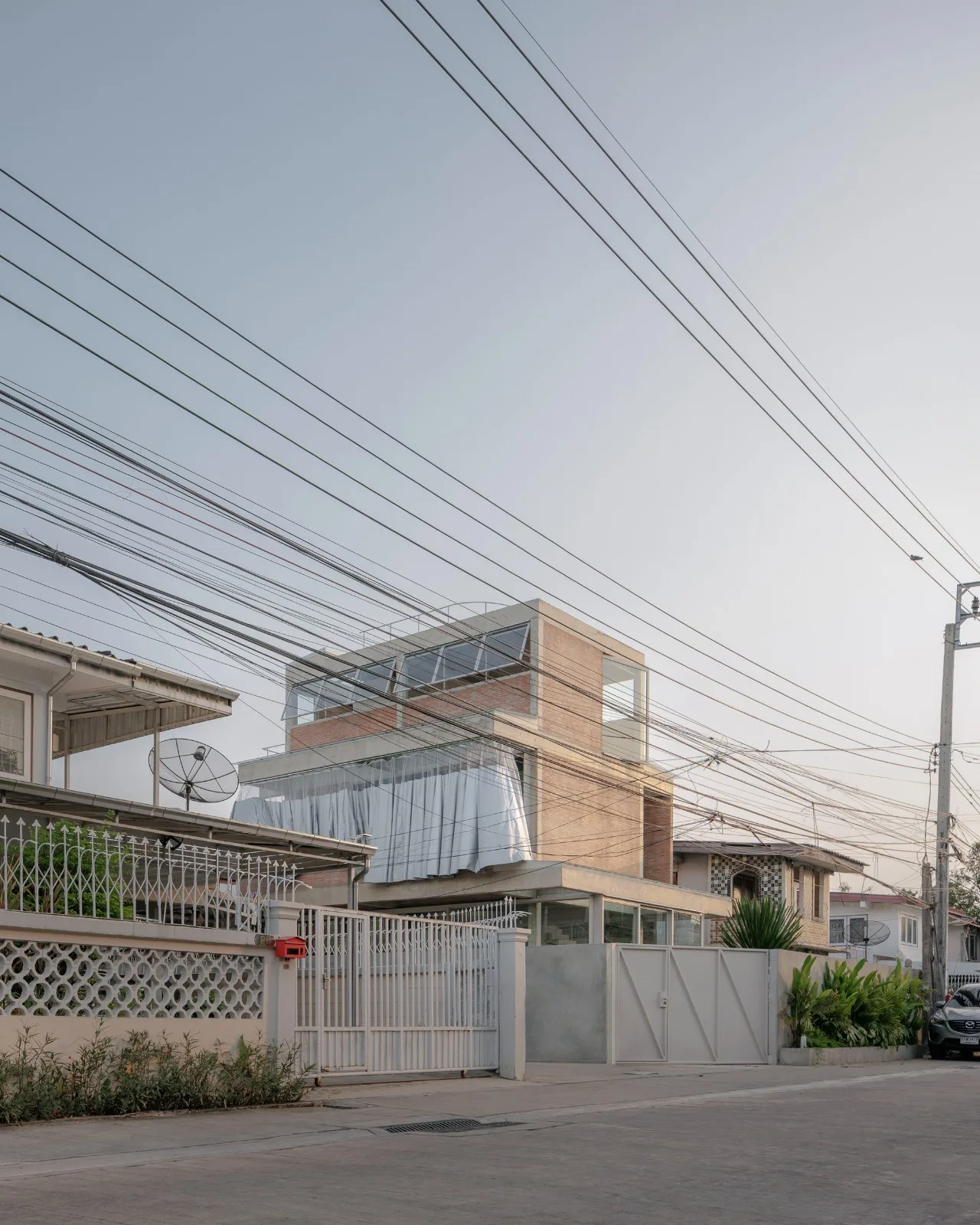
Residence K is a two-story home situated in an older residential neighborhood, featuring a gable roof that slopes away from the street. Over time, the community has evolved, with houses painted in a variety of colors, fences rebuilt, and windows replaced, creating a diverse and vibrant residential environment. Due to changes in family dynamics and the aging condition of the existing structure, the client decided to rebuild their home.
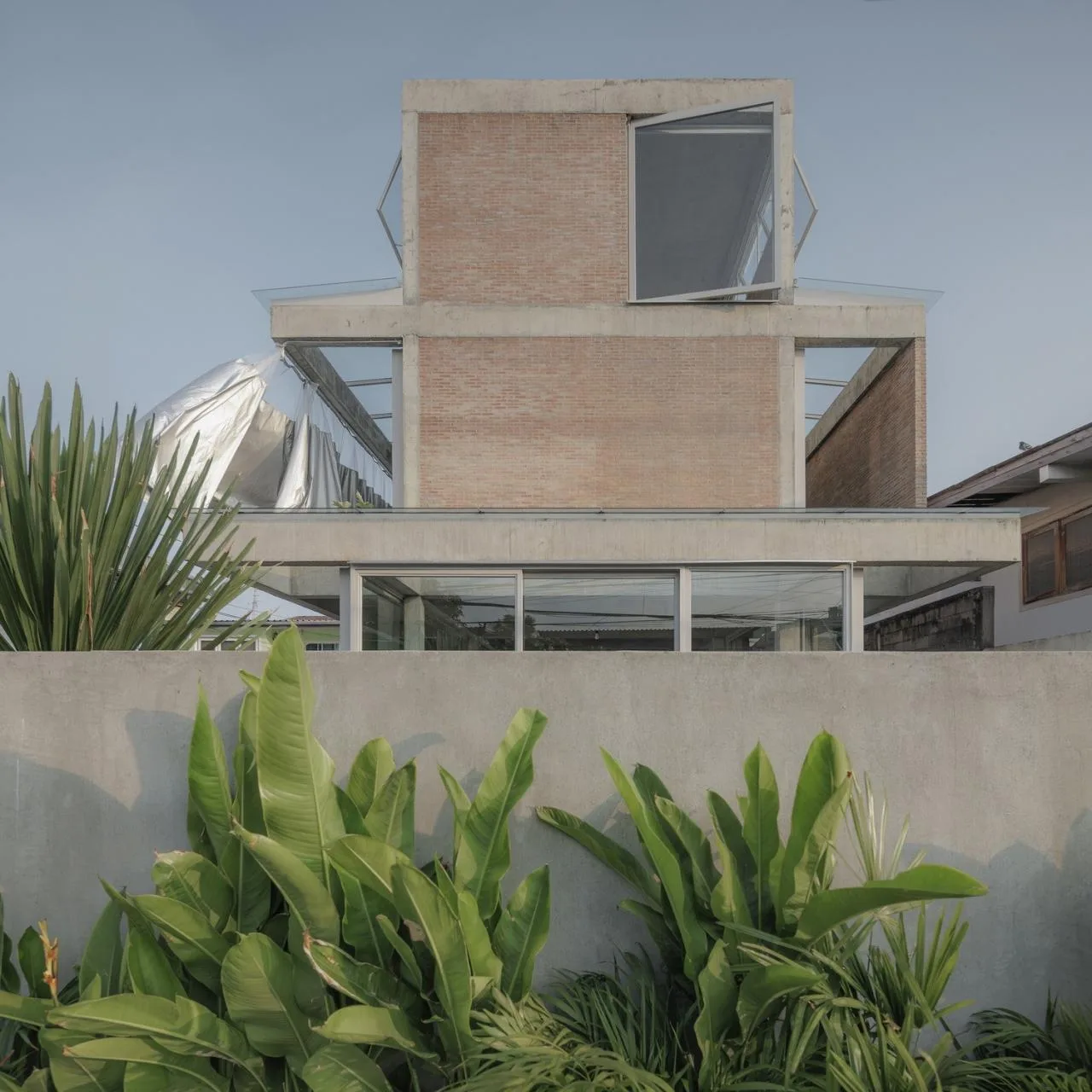
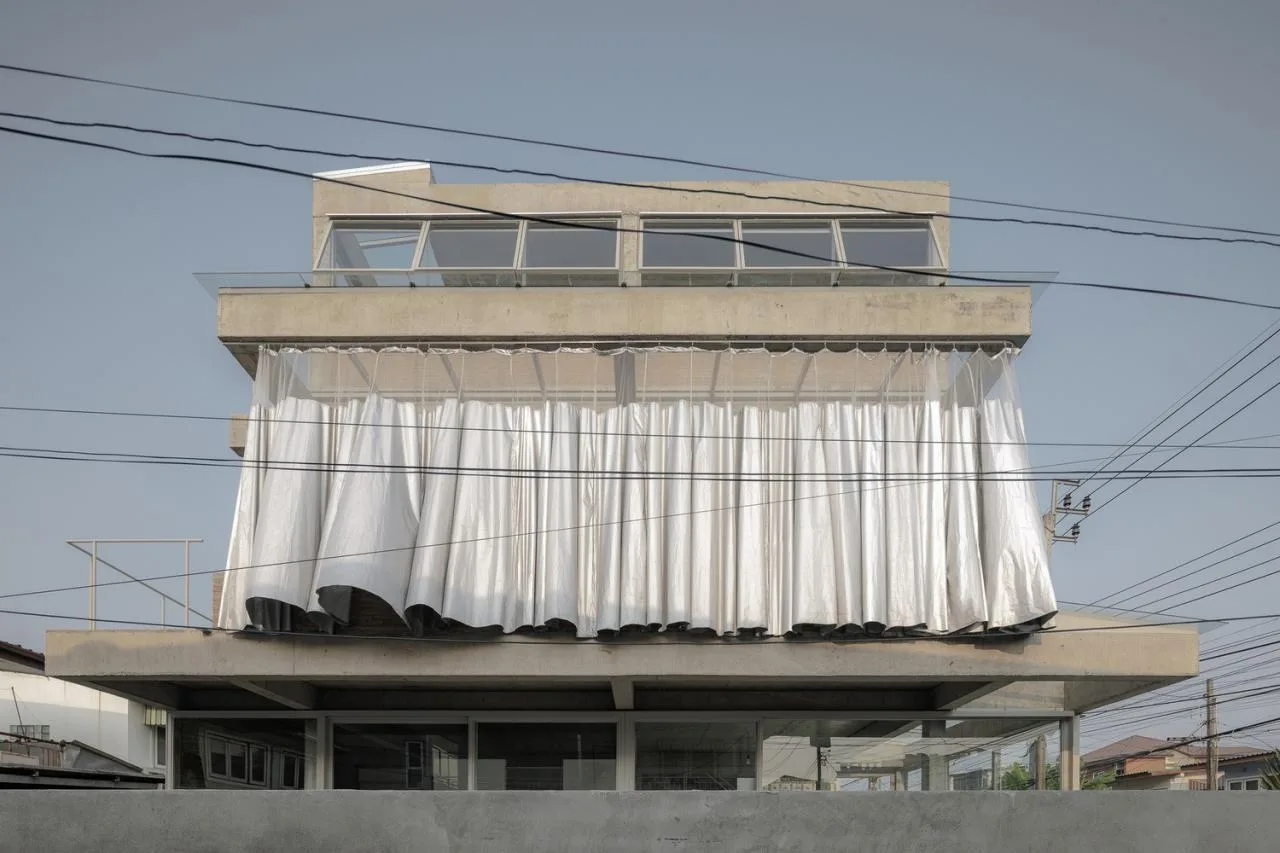
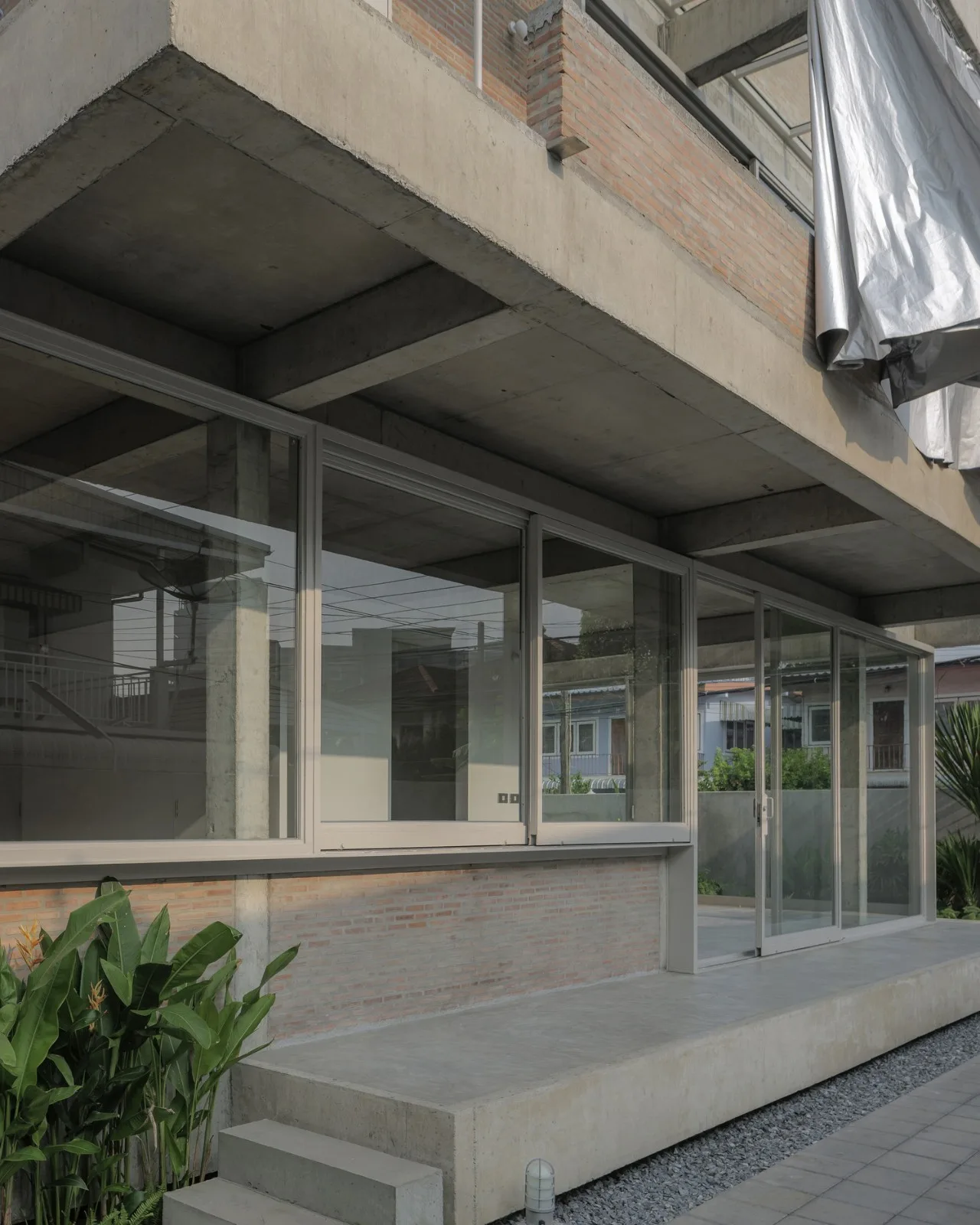
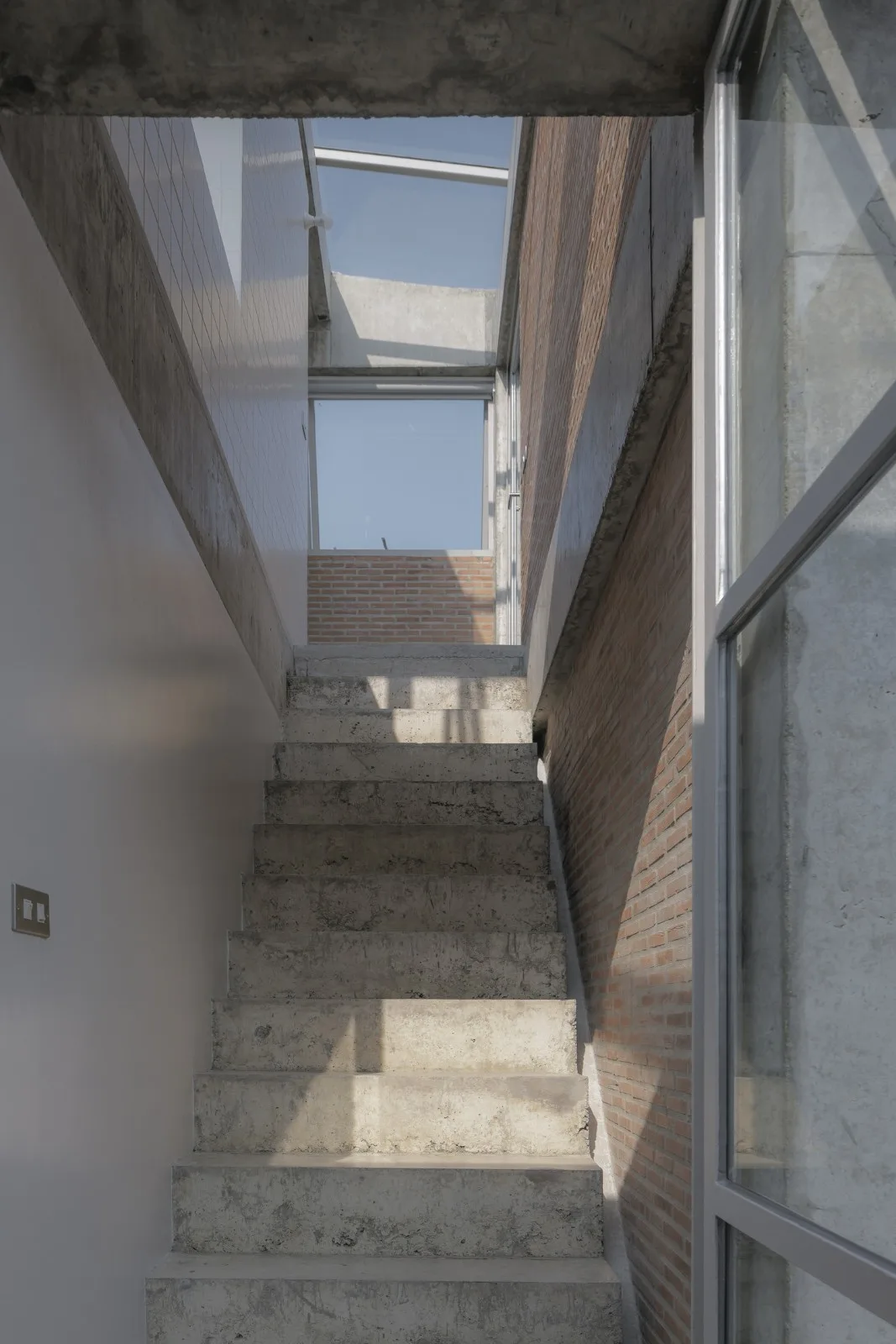
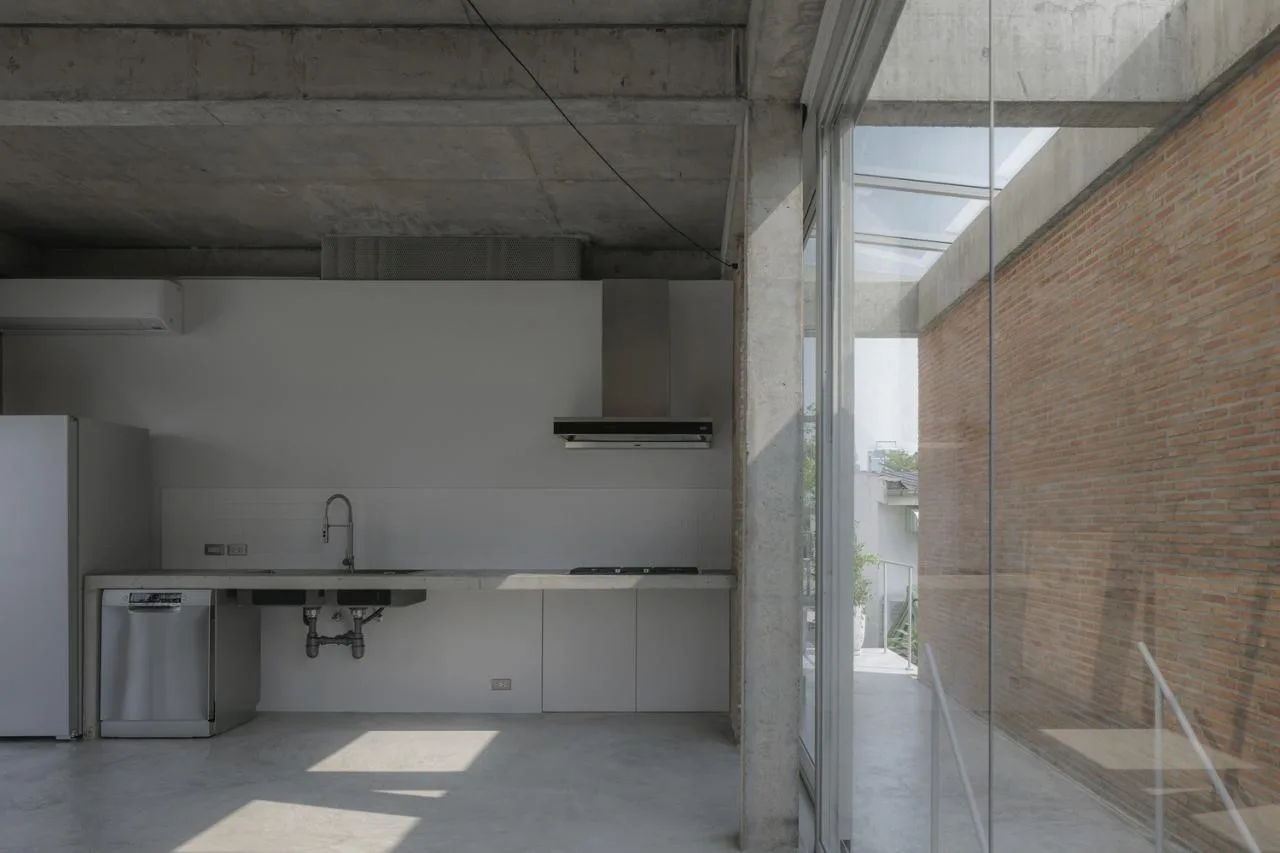
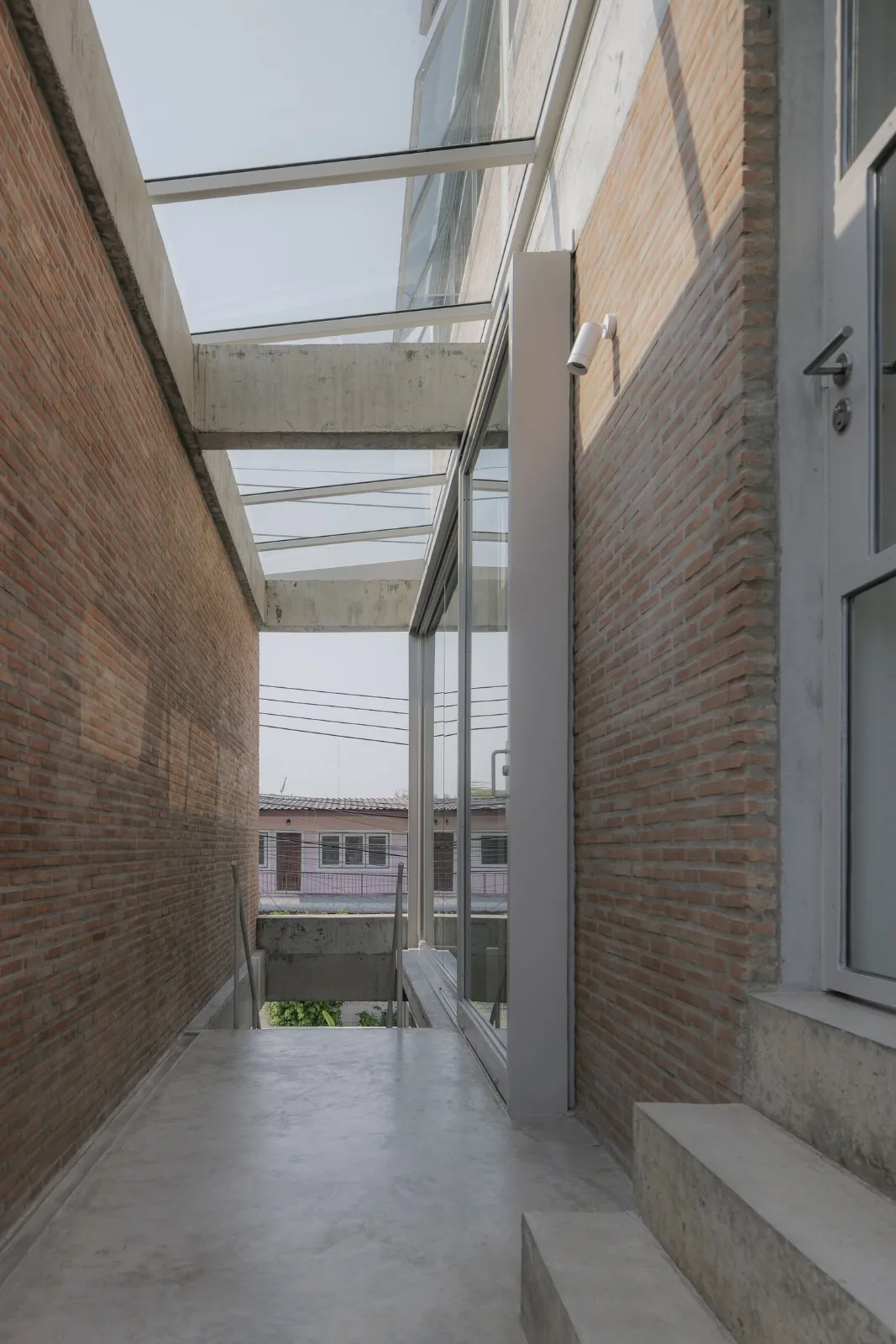
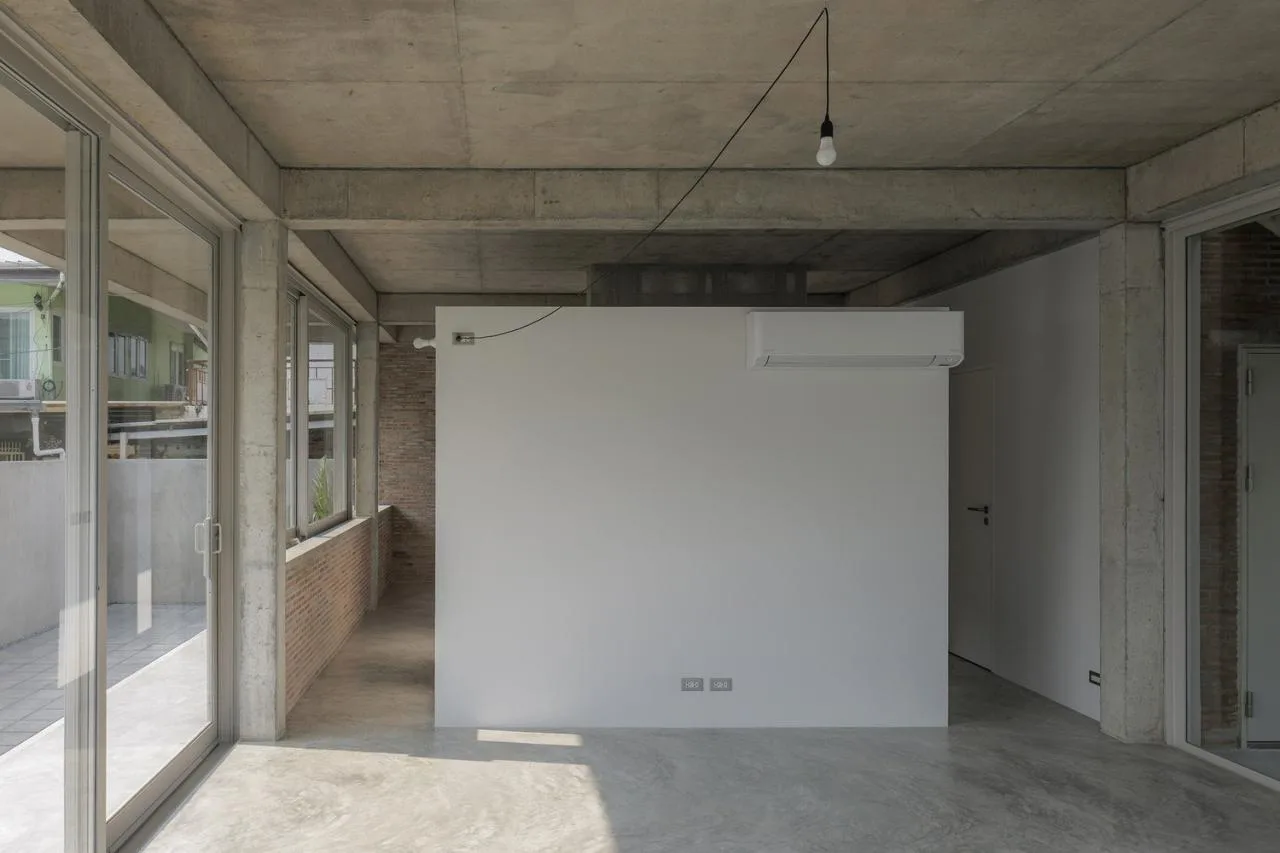
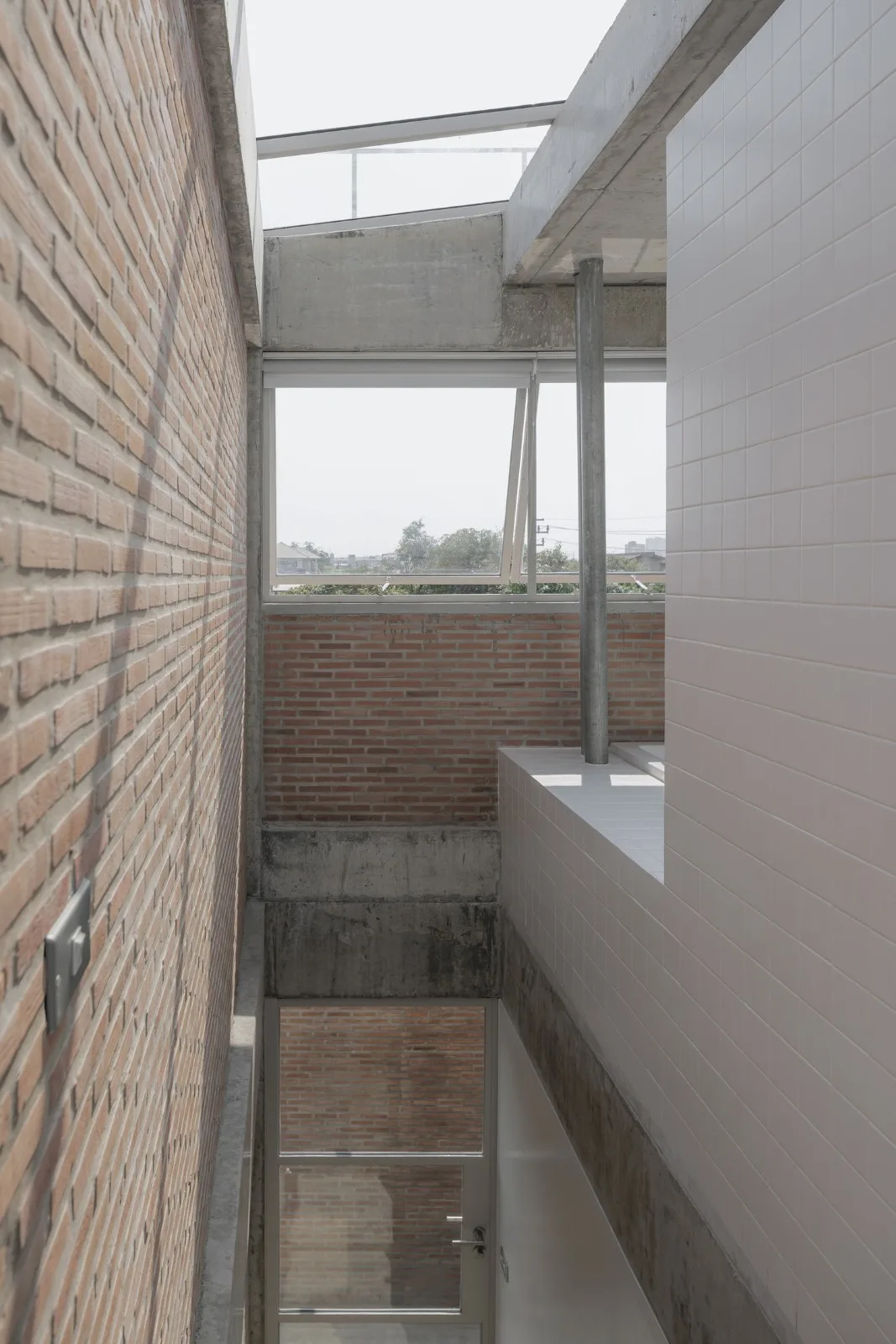
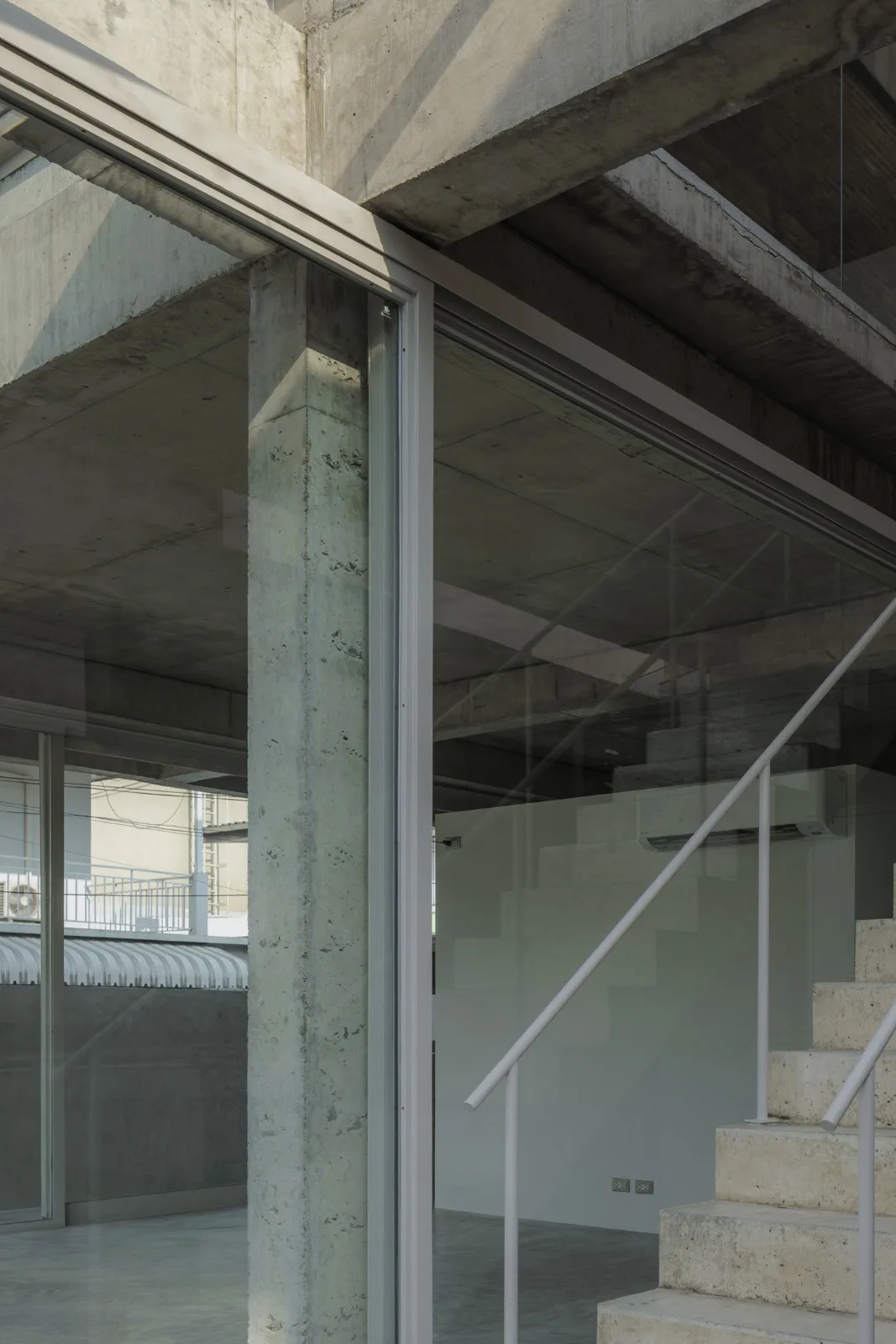
The new residence aims to emphasize participation and integration over achieving a fixed architectural form or fleeting aesthetic desires. It adopts a seemingly primitive appearance that harmonizes with its surroundings, blurring the lines between origin and destination. Initially, a simple concrete grid framework was constructed for a three-story building. This framework was later modified and extended to define the overall structure. Bricks were laid between the frames to form walls. The placement of windows, skylights, stairs, curtains, and bathrooms carefully follows the framework but intentionally deviates to create a fragmented yet cohesive living space—independent yet interconnected.
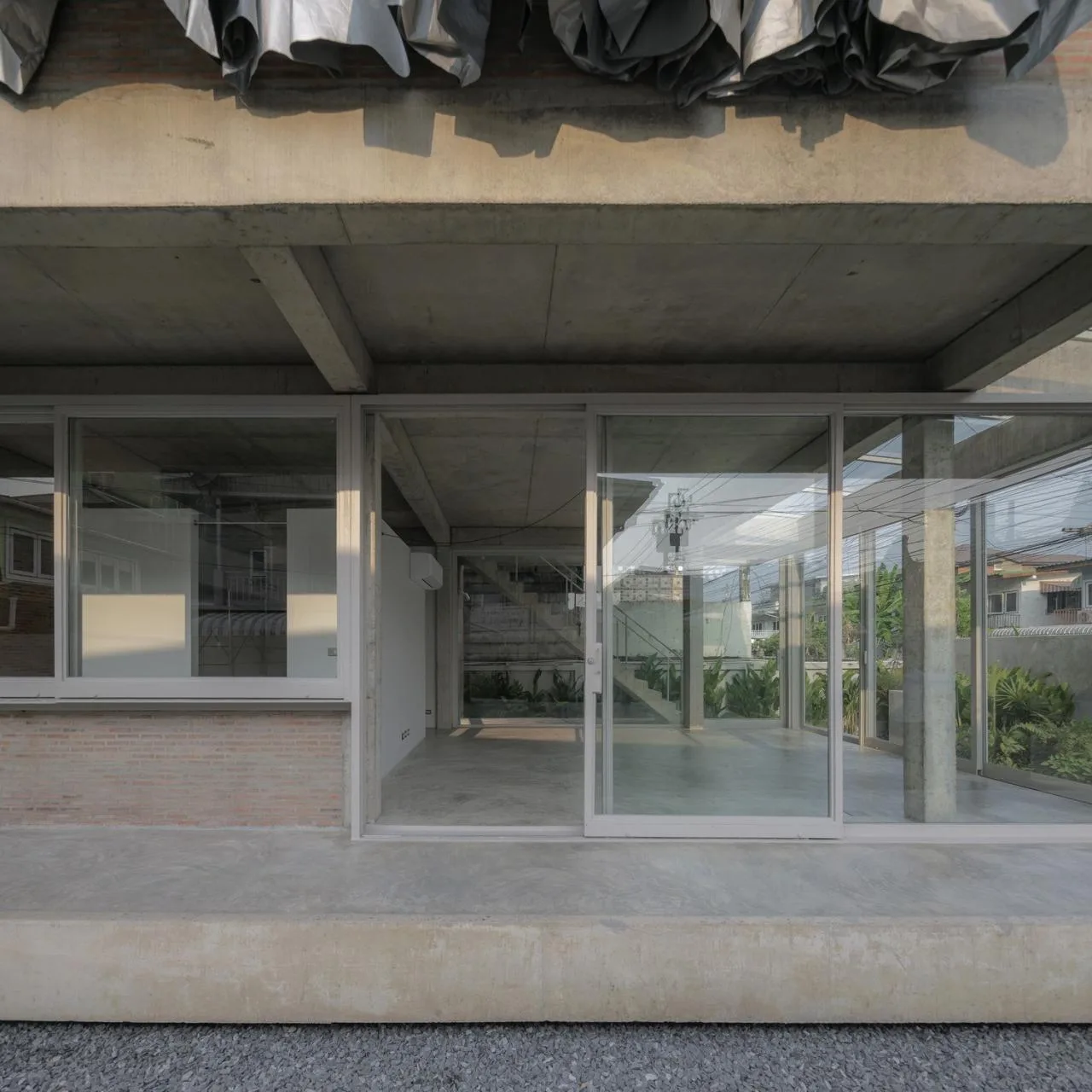
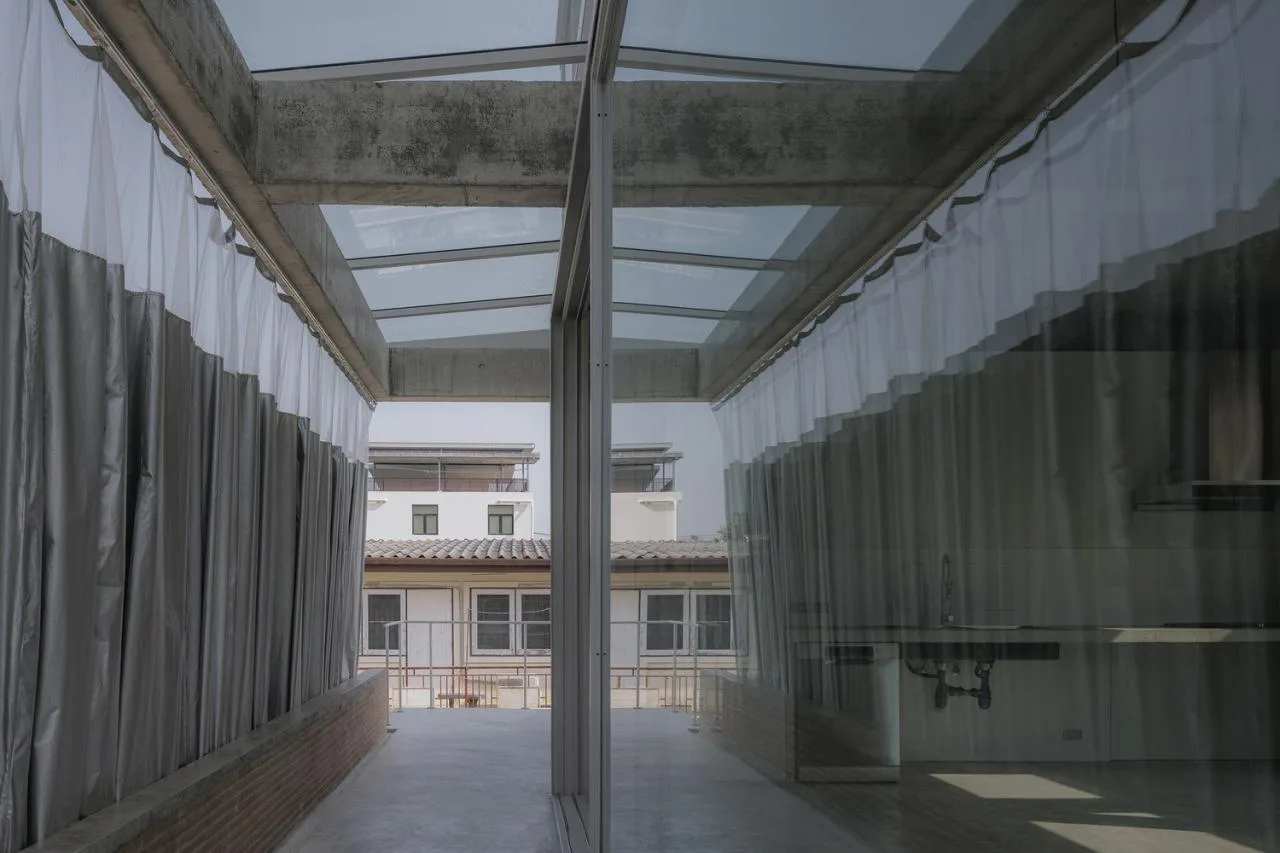
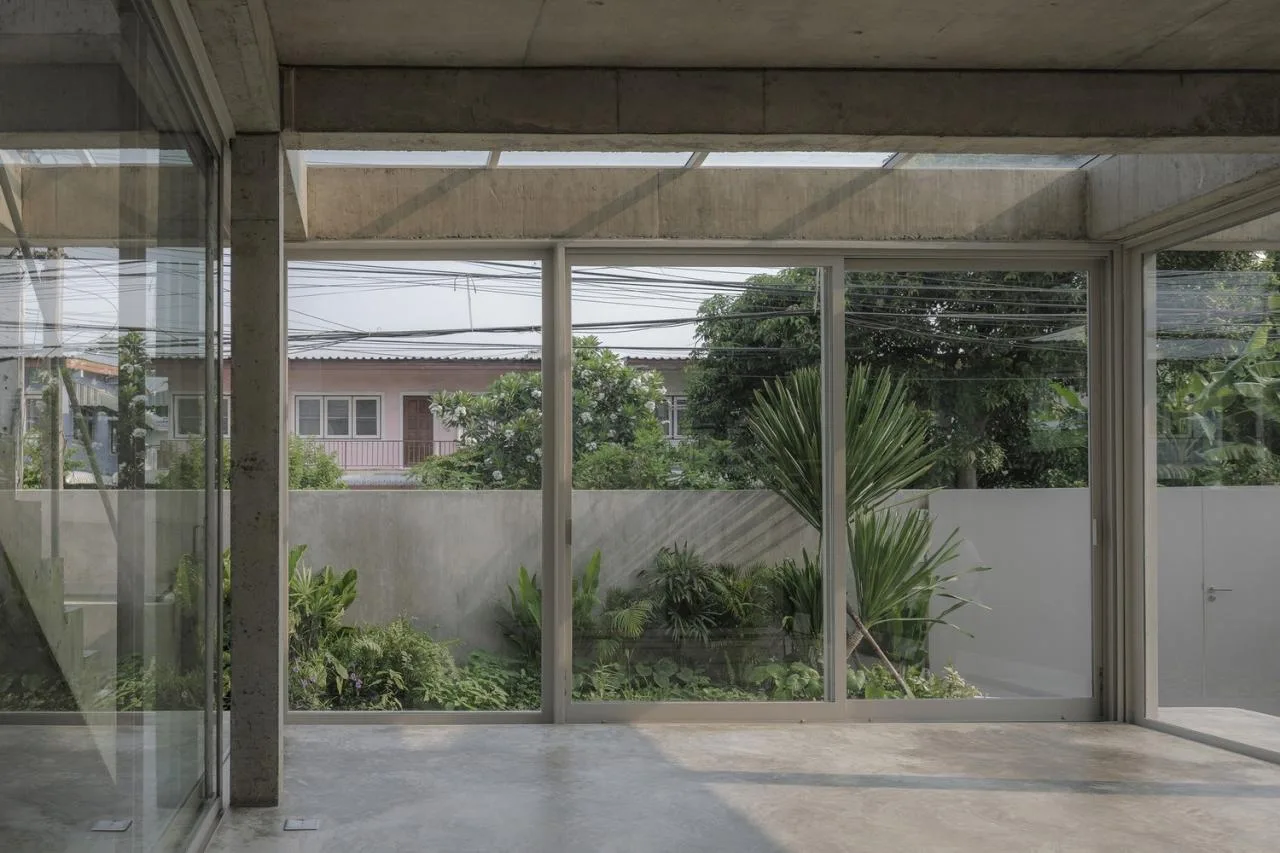
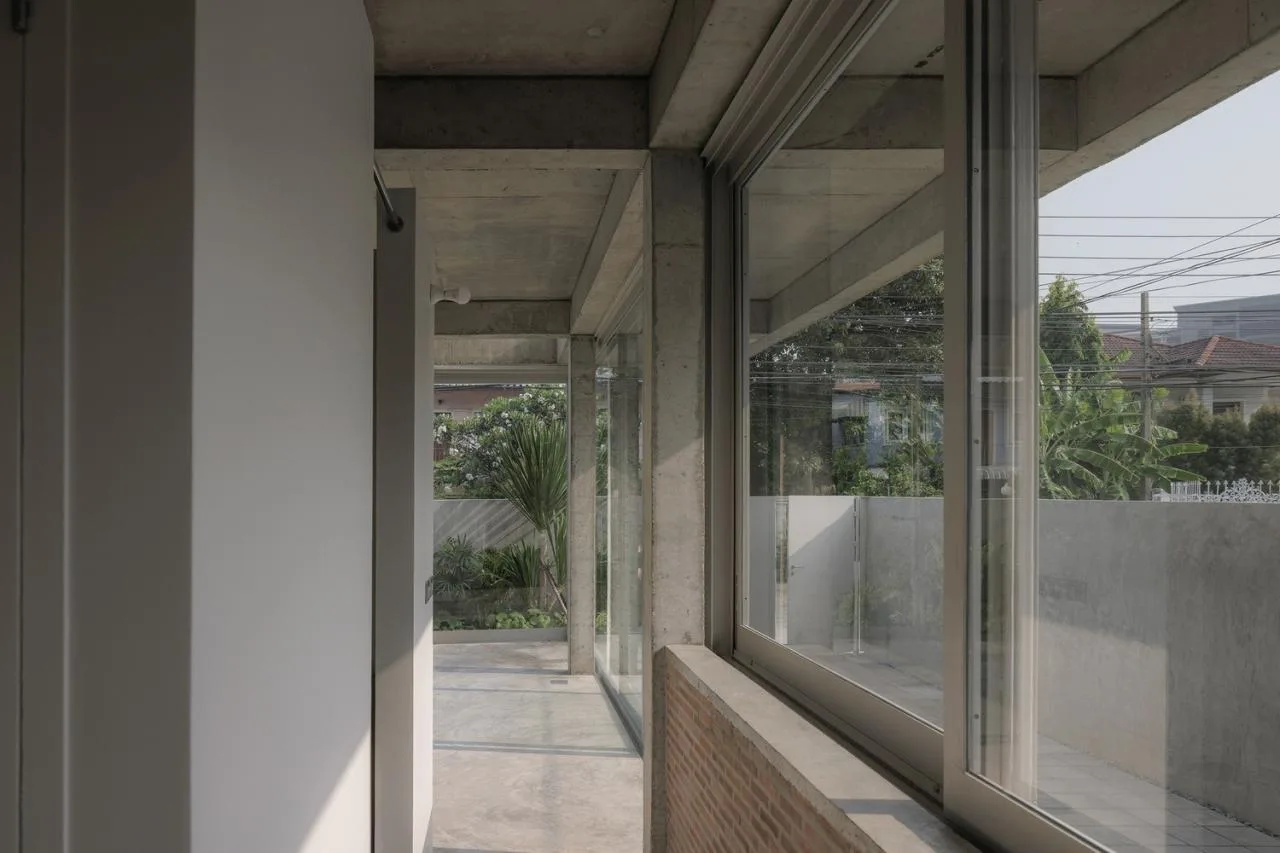
Each floor serves a distinct function: the mother’s room, the living and dining area, and the son’s room. Prominent beams define shared spaces such as hallways, corridors, and balconies. These semi-outdoor areas not only connect the floors but also establish direct links between the interior and exterior environments—connecting the home to the city, natural light, and fresh air. Furthermore, these spaces allow for potential future expansion and adaptation.
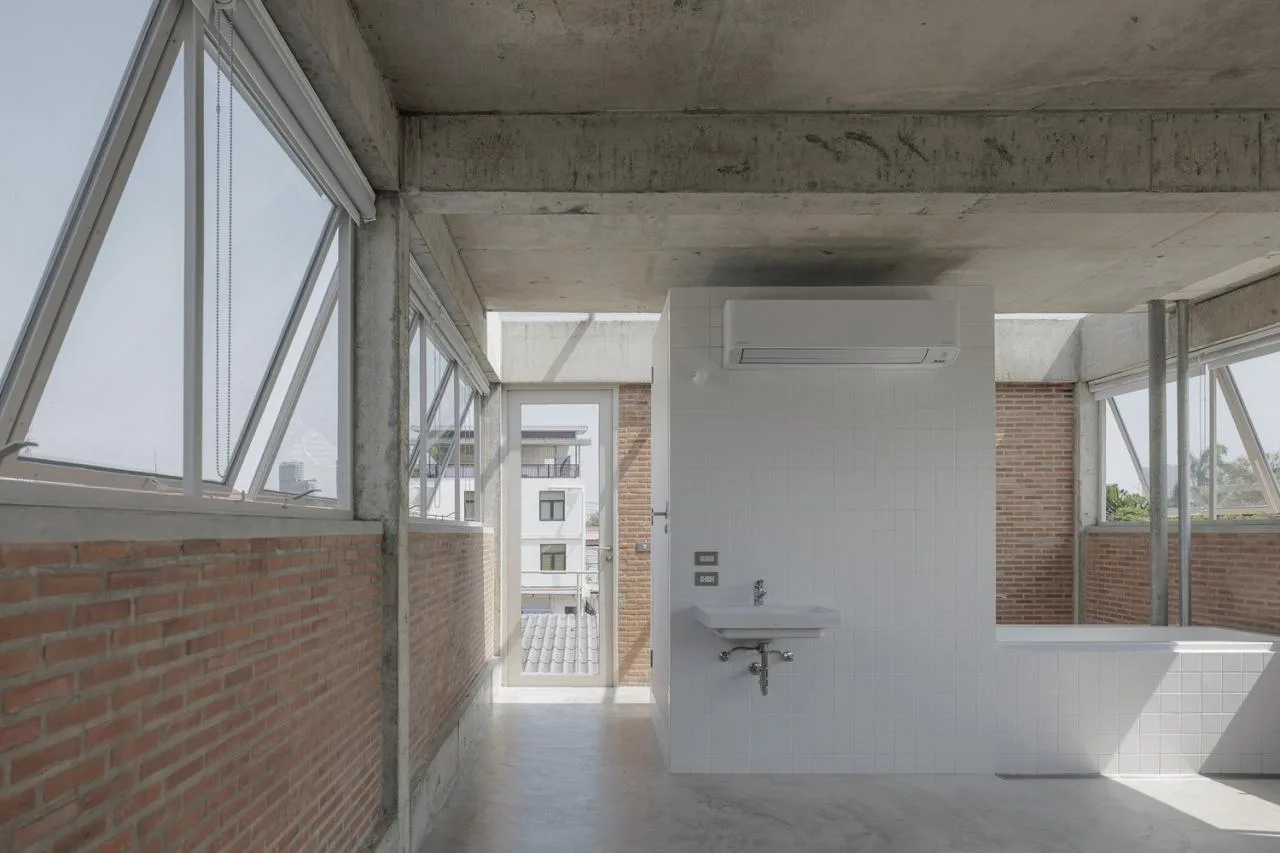
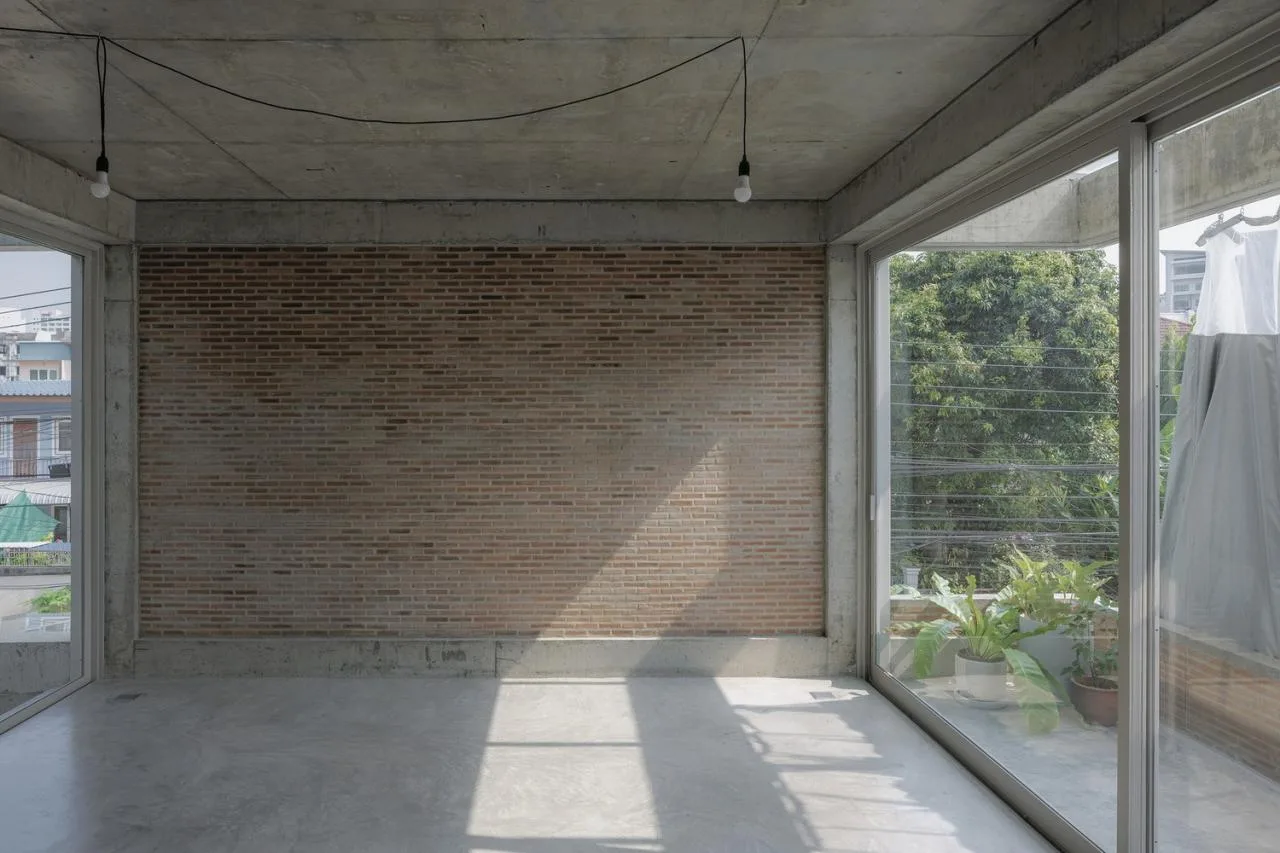
The construction method—laying bricks within reinforced concrete grid frames—is common in the surrounding neighborhood. Many nearby houses and even high-rise buildings use this technique, though typically hidden beneath decorative facades. By exposing and modifying the internal framework, the home’s structure becomes visible, revealing the essence of the family’s living space. This ongoing process, integrating new possibilities and continuously adapting the form, reflects the ever-evolving nature of life itself.
Project Drawings
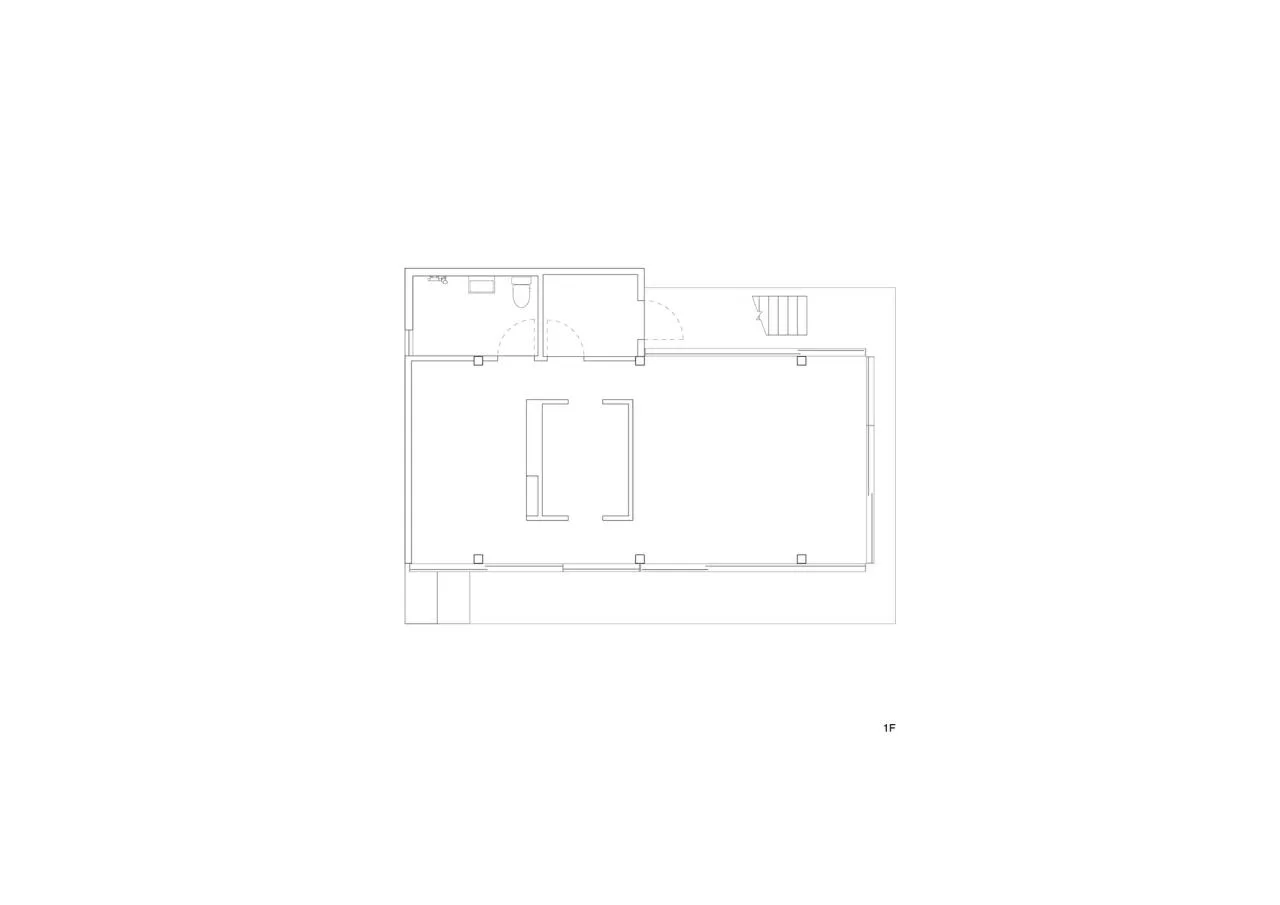
△ First Floor Plan
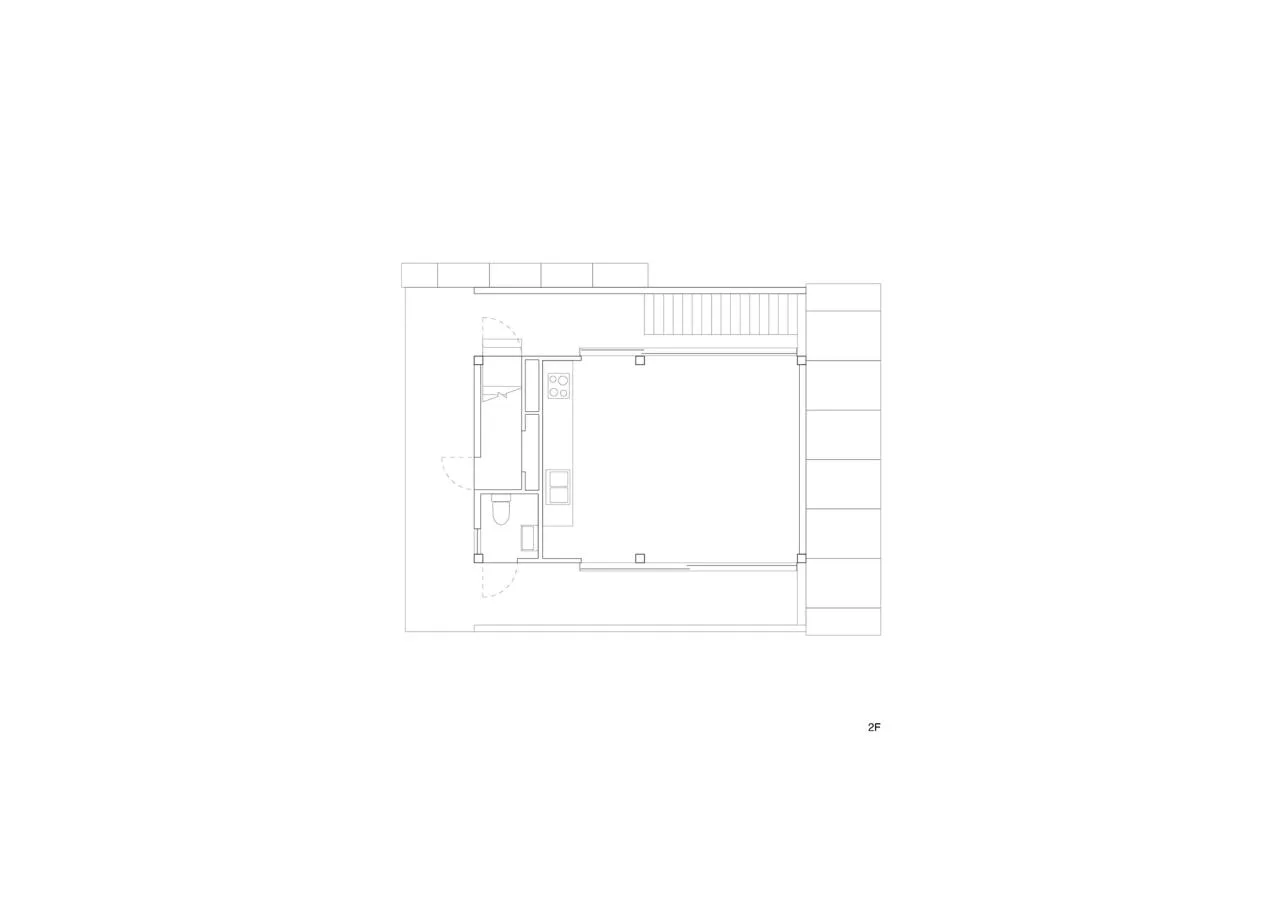
△ Second Floor Plan
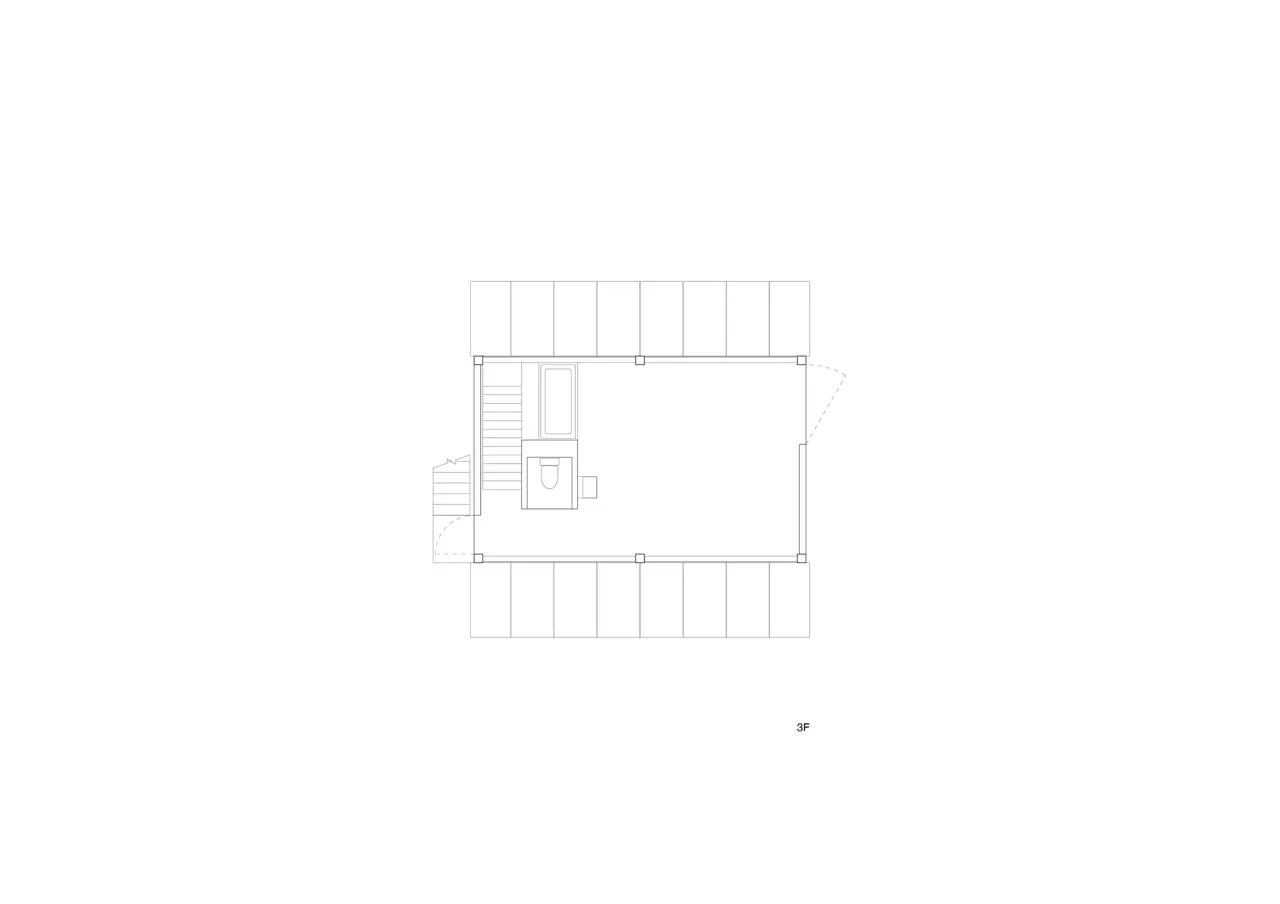
△ Third Floor Plan
Project Information
Architect: Bangkok Tokyo Architecture
Area: 180 square meters
Project Year: 2023
Photographer: Soopakorn Srisakul
Manufacturer: APK Brick, Thai Soung
Design Team: Bangkok Tokyo Architecture
Lead Architects: Takahiro Kume, Wtanya Chanvitan, Bhoomchaya Prakongpetch
Curtain Wall Design: Wasita Uancharoenkul
Structural Engineer: Pongrapee Lilataninukul
Contractor: Jarin Dejchutrakul
Location: Bangkok, Thailand












Must log in before commenting!
Sign Up