
I have discussed the advantages of BIM countless times before, yet many still have questions. Today, I will elaborate on several key benefits of BIM technology to help everyone gain a deeper understanding.
Clearer Diagram Representation
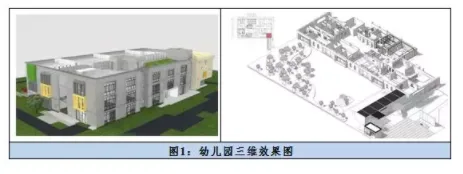
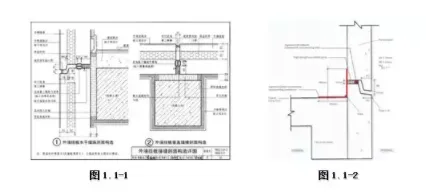
Currently, the commonly used 2D building floor plans in the construction industry often face issues and omissions. BIM employs top-down and elevation drawing methods to produce clearer and more detailed engineering drawings. This facilitates smoother early communication between design and construction teams, reducing misunderstandings about the physical structure during later stages. Consequently, unnecessary design changes and associated losses are minimized, ultimately achieving higher quality outcomes. Most respondents agree that BIM’s visualization capabilities make project details more transparent and specific.
More Accurate Analysis
BIM allows for the creation of detailed models with adjustable building parameters. These parameters and data can be updated at any time, enabling real-time tracking of project quantities and schedules. The use of 3D graphics significantly enhances visual communication. However, respondents also emphasize that the accuracy of BIM analysis depends heavily on precise model construction, correct parameter settings, and accurate surface material definitions. Manufacturers must invest time and effort in gathering and quantifying data to ensure the reliability and quality of BIM models.
Quick Access to Building Materials Information
BIM functions as a management system that integrates engineering information and components, collecting all relevant data for construction projects. It can adjust views and output formats according to designers’ needs, helping to identify engineering issues or omissions clearly and flexibly. This supports the goal of zero errors in comprehensive quality management. To better align BIM software with the domestic construction industry, it’s recommended that local manufacturers thoroughly review and adjust component parameters and data within the BIM database to match locally used material specifications.
Conflict Resolution
The collaborative platform for BIM information integration is a powerful tool that addresses the challenge of excessive information synchronization across project stages and work types. It reduces redundancies in engineering information exchange and encourages input from all parties to develop improvement plans, thereby minimizing problems caused by poor communication.
Improved Construction Quality
Introducing BIM early in project planning shortens communication cycles, improves understanding of pipeline installation, and helps avoid rework. Project managers can easily verify through BIM models whether installations follow the design drawings, boosting construction site efficiency. Design and construction planning can proceed simultaneously, allowing timely detection of design errors and omissions. When design changes occur, relevant parameters can be quickly updated to support improved construction techniques. BIM models also assist in the fabrication of precast components, enabling synchronized design, construction evaluation, and procurement.
That covers the main advantages of BIM technology. I hope this overview helps everyone appreciate the value and potential of BIM applications.














Must log in before commenting!
Sign Up