
In the past, during the CAD era, architects, engineers, and contractors worked with disconnected drawing specifications. This often led to poor communication and errors that were only discovered during the construction phase, resulting in additional costs and wasted resources. With the emergence of BIM technology, its powerful data integration and analysis capabilities have helped address these issues. Today, let’s explore the differences between BIM technology and traditional 2D methods.
Building Information Modeling (BIM) focuses on ensuring consistency and continuity in information transmission, bridging the gaps commonly found in traditional 2D graphic communication. The way BIM is applied in engineering projects varies by stage. For instance, implementing BIM during construction can highlight elevation conflicts and other interface problems that 2D drawings often miss. This early detection reduces the chances of rework and cost overruns.
Currently, the construction industry relies heavily on 2D computer-aided drawings to convey designers’ ideas. While this improves drafting efficiency, the simplification of instructions can lead to miscommunication or misinterpretation, resulting in errors. Additionally, it can be challenging for non-professionals to fully grasp the content and meaning of 2D plans. As a result, personnel from various engineering disciplines often spend significant time trying to understand extensive drawing instructions. Due to differences in background and experience, different teams frequently interpret these instructions in varying ways.
In traditional CAD models, the three primary building systems—architecture, structure, and mechanical/electrical engineering—are designed independently. When large volumes of building information are passed on to participants in later project stages, they must reinterpret it. This process can easily lead to omissions or conflicts, causing information to flow backward and complicate coordination.
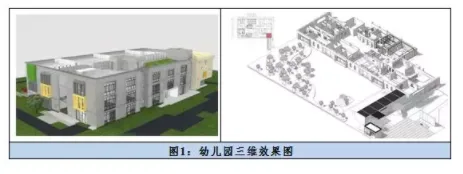
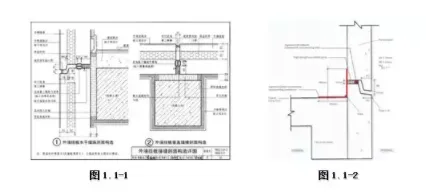
Today, a common practice in projects adopting BIM during construction is to start with a floor plan and convert it into a 3D model. During this conversion, interface issues are often identified, prompting design changes. These issues are promptly communicated to architects, construction teams, or owners. After discussion, architects, experienced engineers, or owners decide on the necessary design modifications. The engineer responsible for the BIM model then updates it accordingly. This approach allows contractors to detect and resolve interface conflicts before construction begins, reducing unnecessary costs related to project delays and expenses.
That concludes the comparison between BIM technology and traditional 2D methods. I hope this overview proves helpful to everyone.














Must log in before commenting!
Sign Up