
Jinan, the capital of Shandong Province, serves as the political, economic, cultural, and educational hub of the region. It is renowned as a tourist destination and a national historical and cultural city, distinguished by its unique natural landscape featuring mountains, springs, lakes, and rivers.
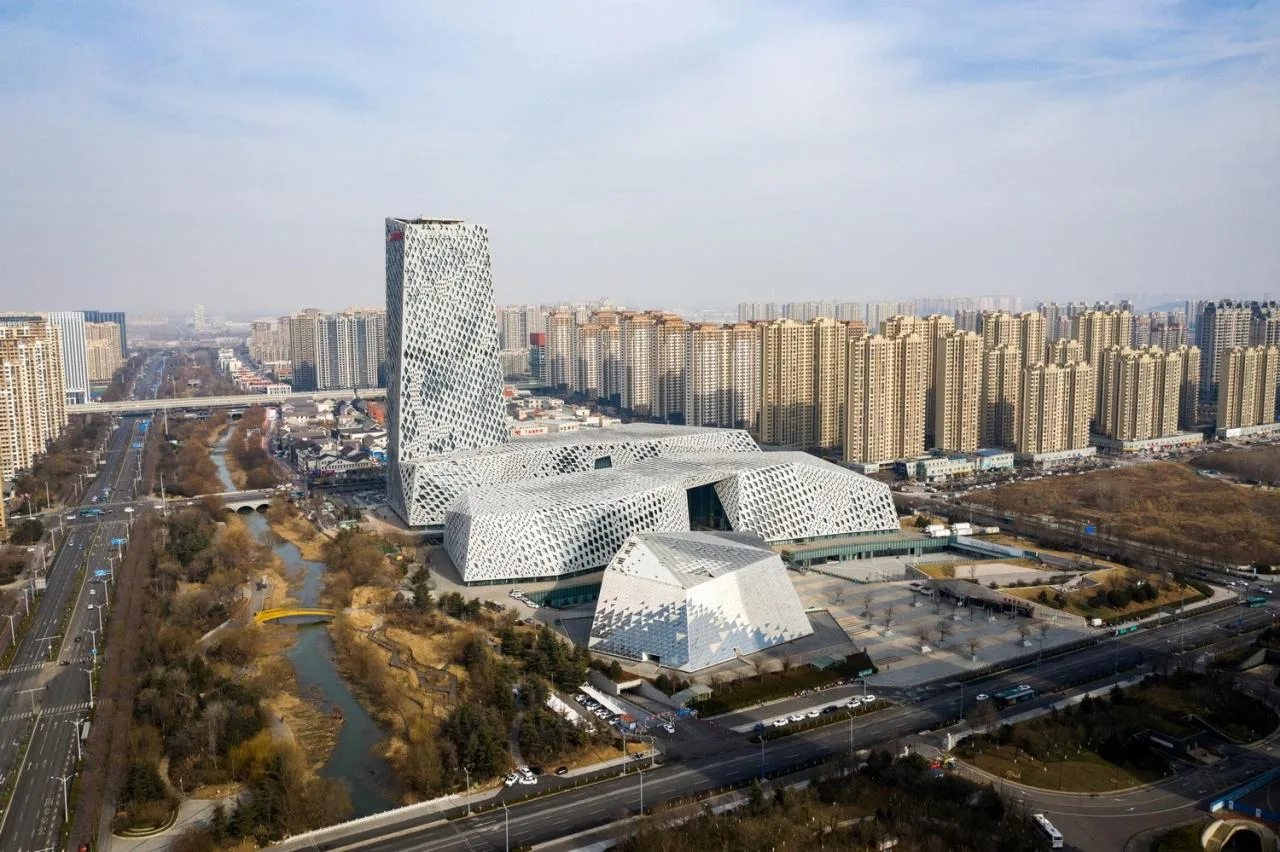
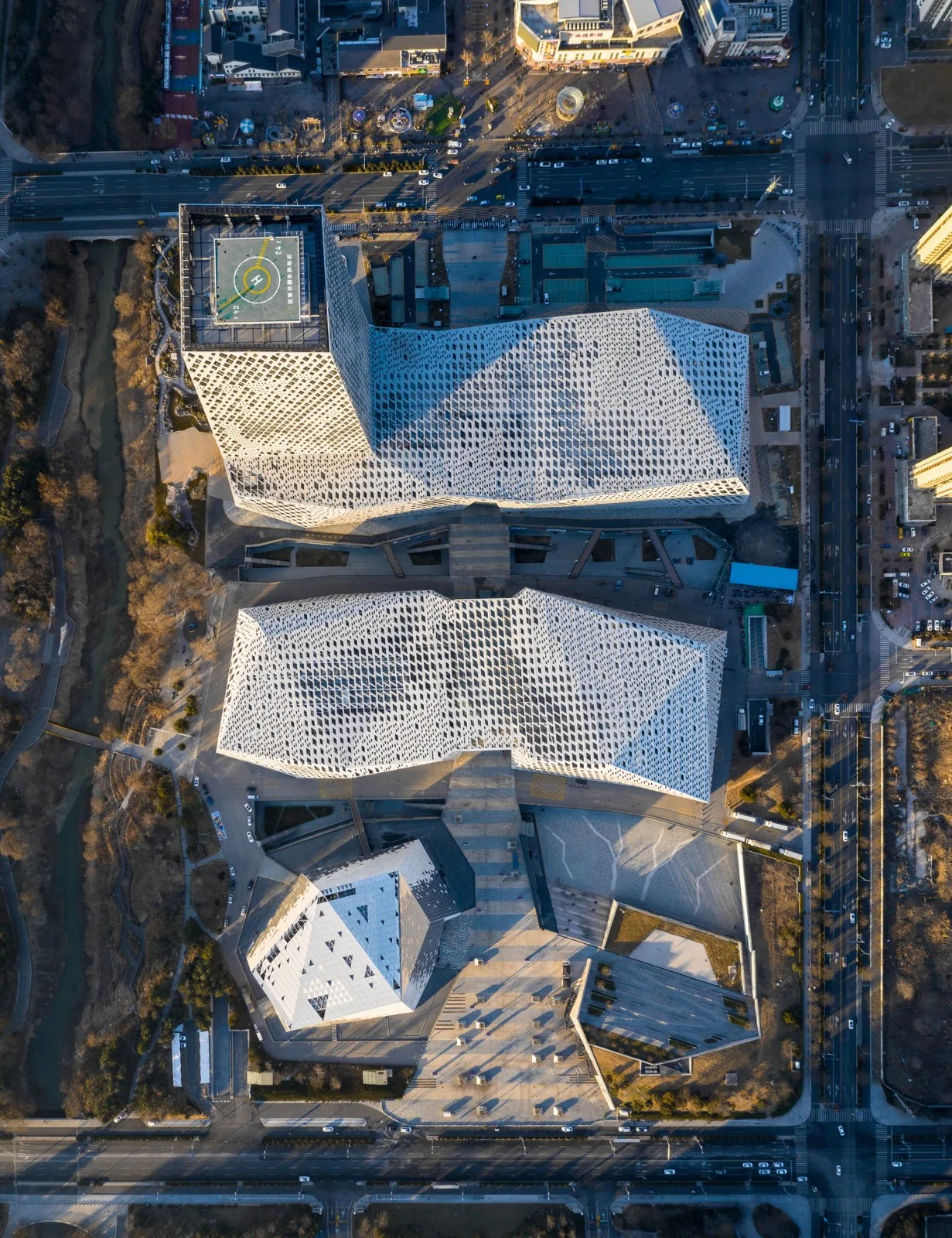
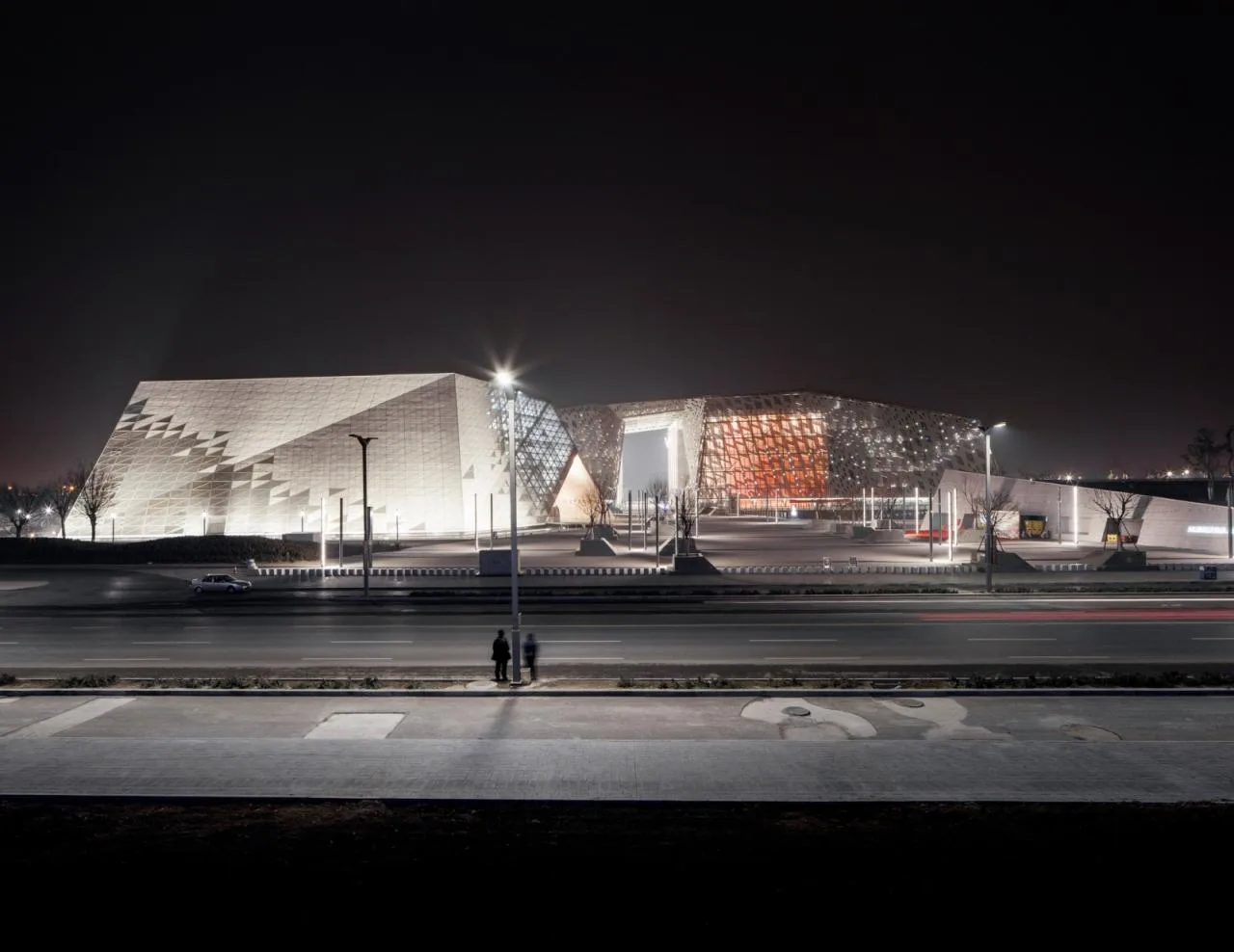
The Third Hall of the Provincial Capital Culture and Arts Center is situated in the heart of Jinan’s western new city. The venue covers a square area approximately 400 meters on each side. To the south lies the Provincial Capital Cultural and Art Center Grand Theater. As a key cultural landmark integrated into the city’s urban planning, the project spans a total land area of 16.02 hectares with a construction area of 380,000 square meters. Built in two phases over nearly 12 years—from competition to completion—the project presented numerous challenges related to site scale, building volume, and urban dynamics.
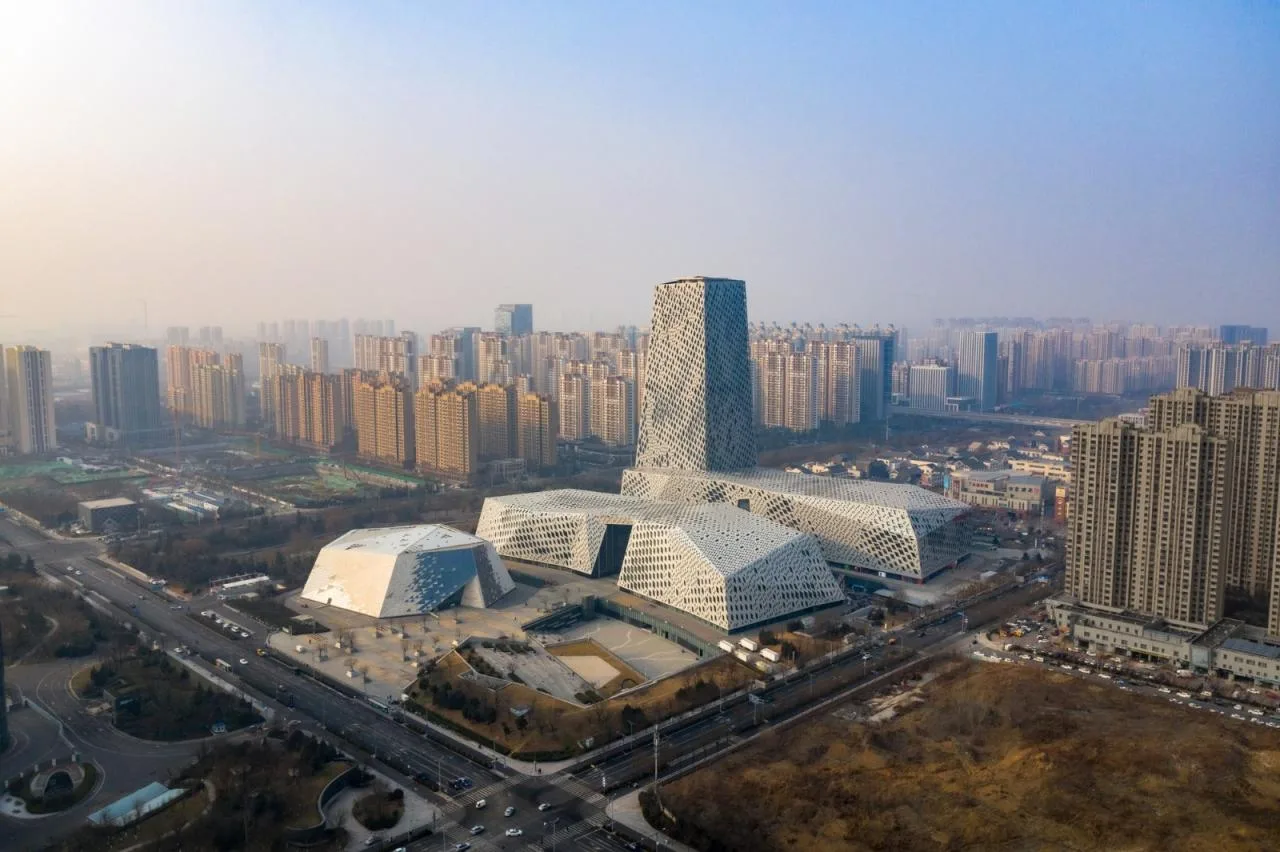
The design concept of the Luoyun Quanyong project draws inspiration from the phrase “Luoyun Quanyong.” “Lu” is the ancient name for Jinan, where numerous springs converge to form the “Long Water.” The term symbolizes the accumulation of cultural heritage, while “spring surge” reflects the dynamic flow of spring water. The architecture embodies this energy with undulating forms that evoke the movement and tension of surging spring waters, representing the city’s cultural source.
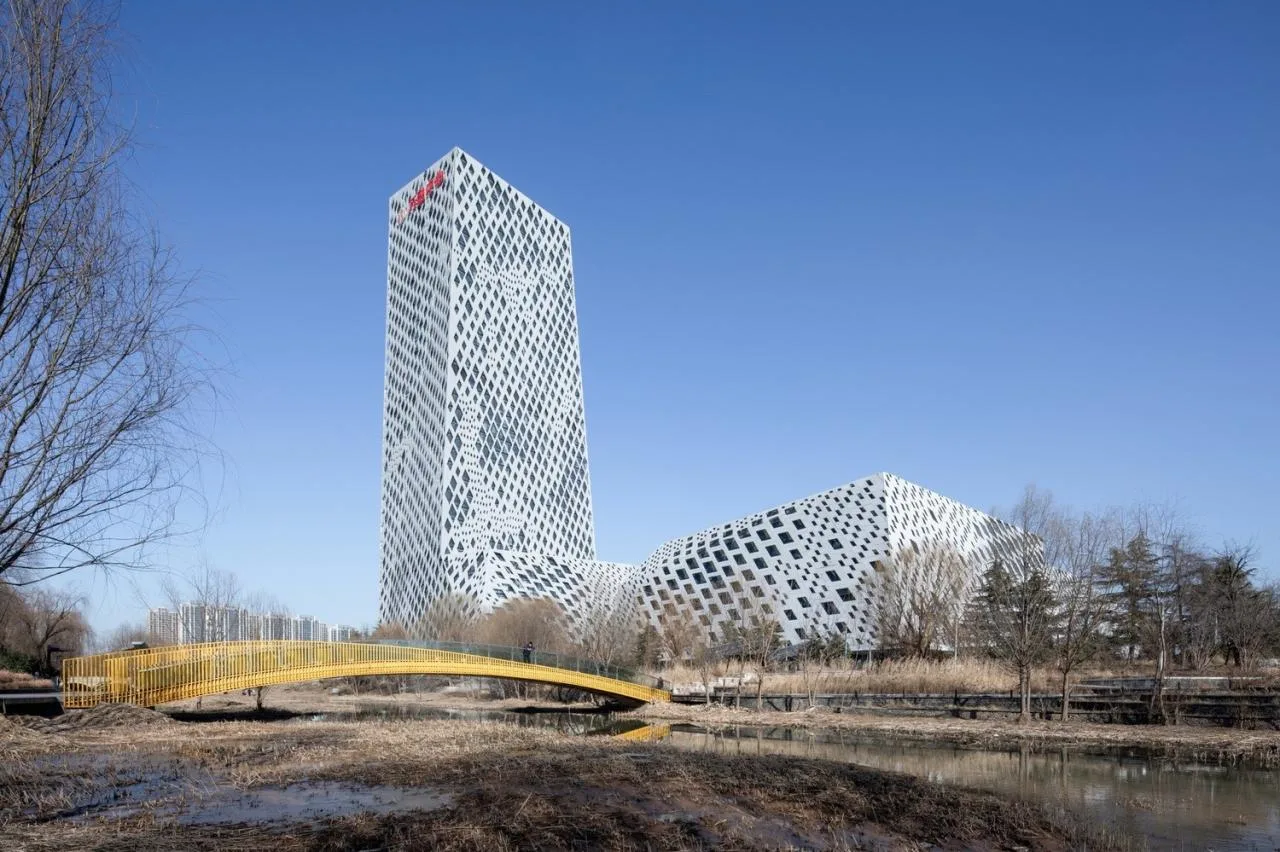
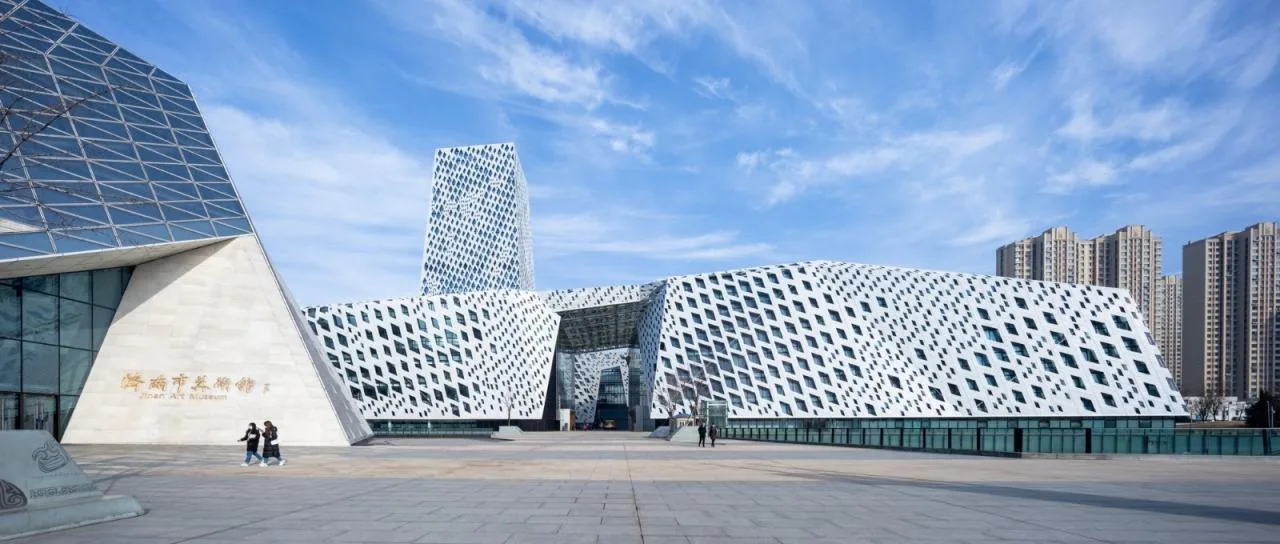
The Lashan River, located to the west of the Three Pavilions by the Water, is a significant natural feature within the site. The building complex is divided into three sections from south to north along the river, creating two pathways that extend the waterfront landscape into the site. A central north-south axis runs through the buildings, forming a primary public space that connects with the entrance square in the southeast corner, establishing the main circulation linking multiple functional buildings.
The first phase includes an art museum, a library, and a public art gallery. Phase two focuses on conference facilities, exhibition spaces, hotel accommodations, offices, commercial areas, and supporting amenities.
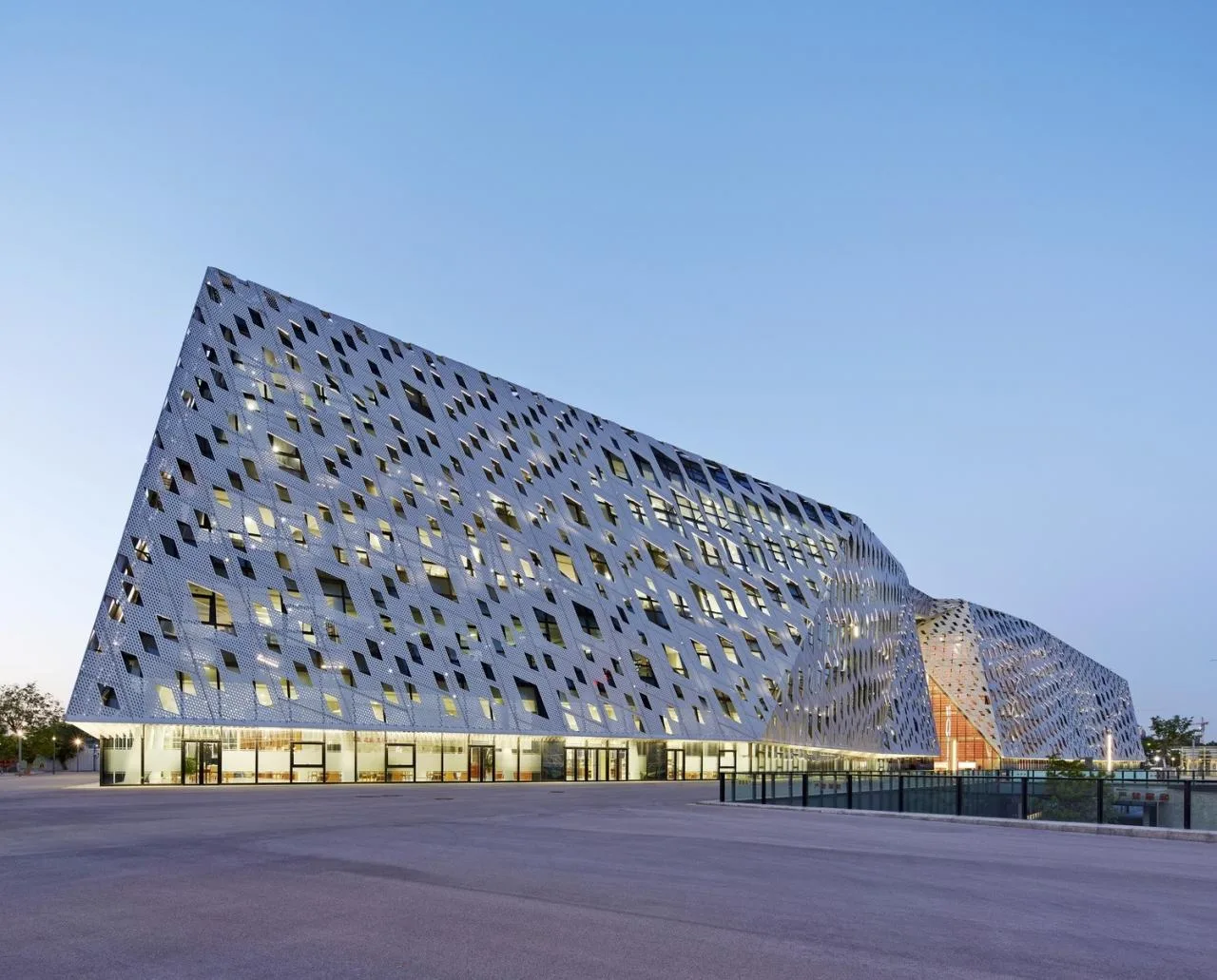
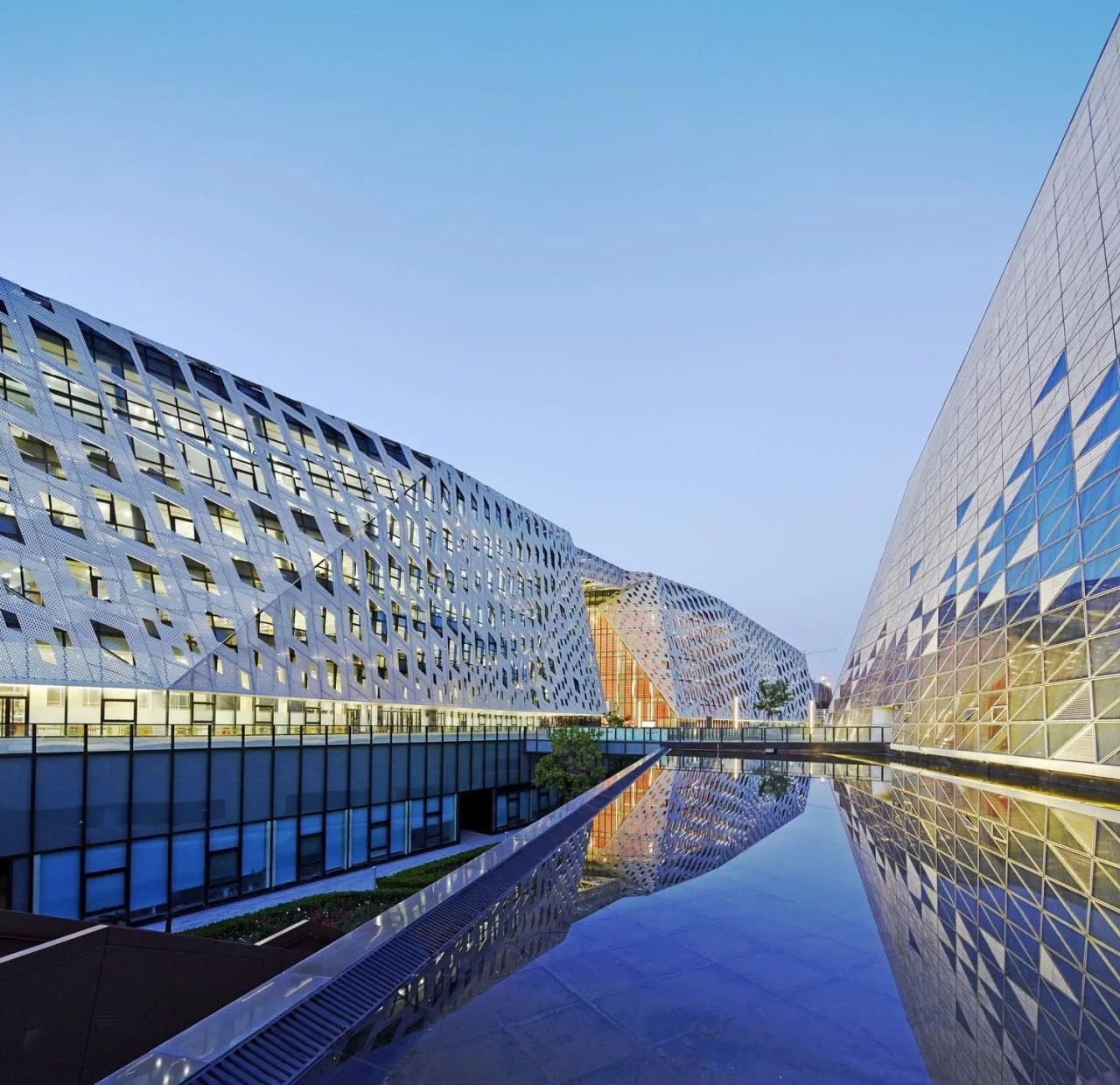
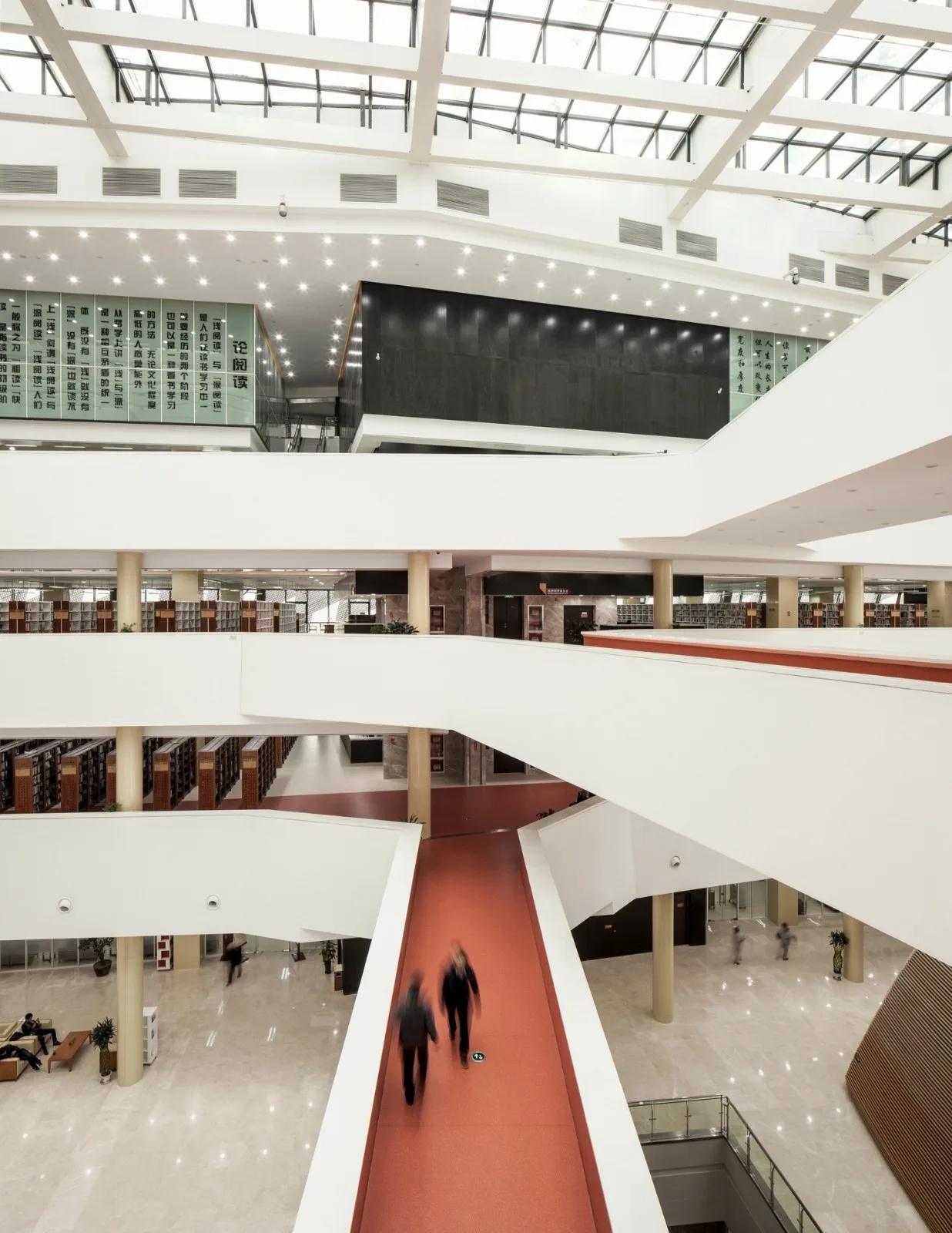
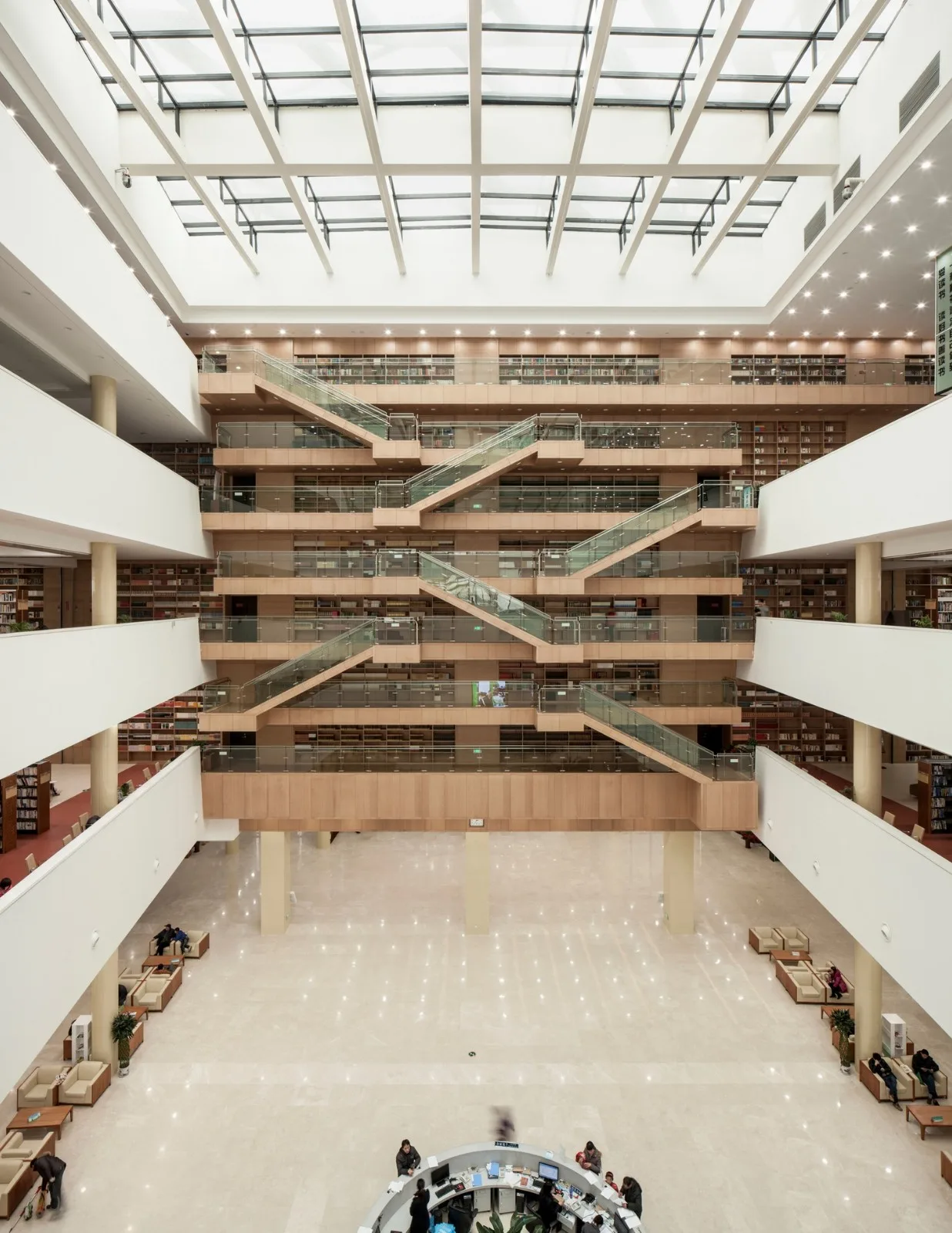
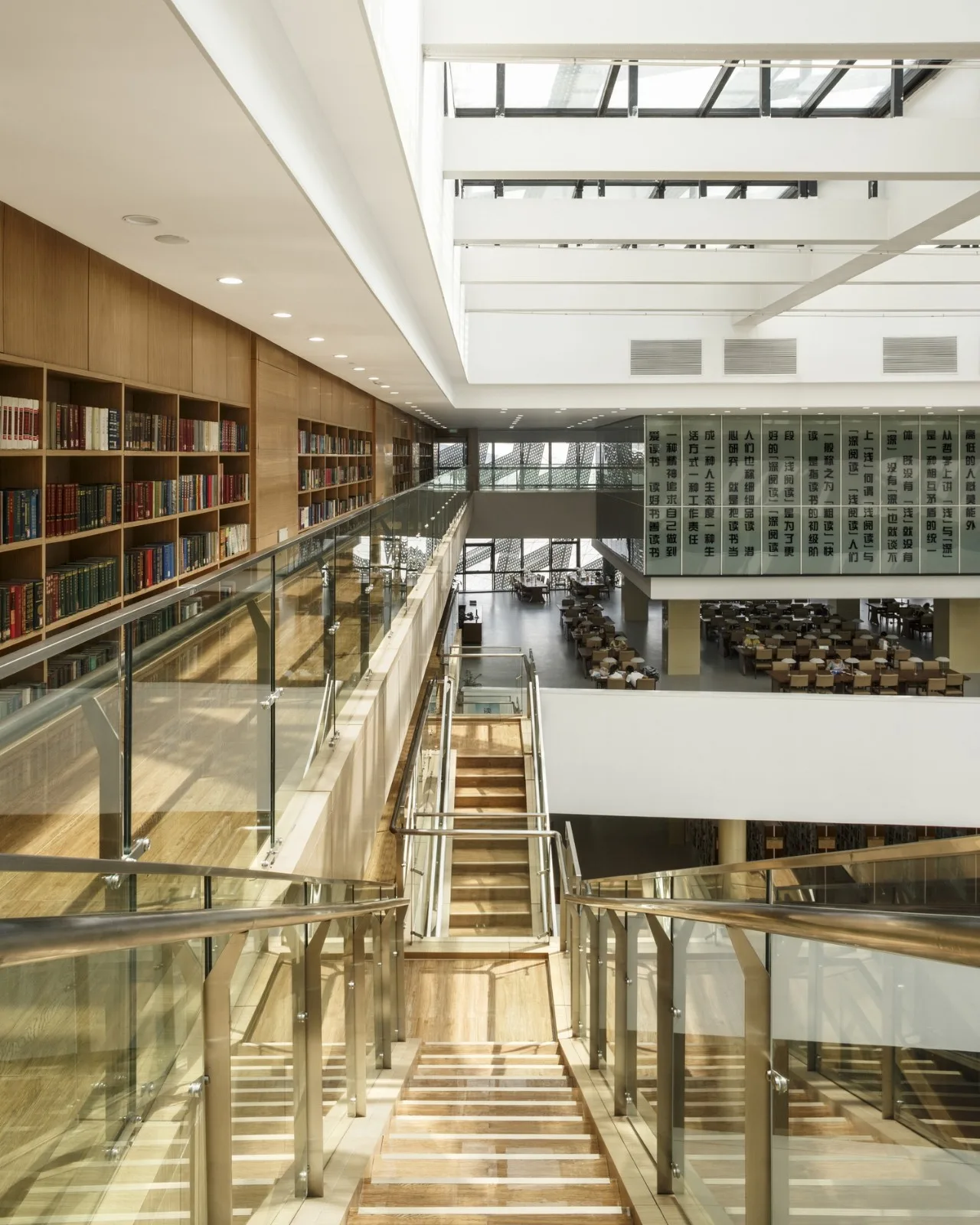
The Jinan Art Museum stands as an independent structure, separate from the other two buildings. This four-story building houses seven exhibition halls: one large, two medium, and four small. The library features five floors, constructed mainly from steel. Floors one through five serve as public reading areas and hold approximately 1.2 million books. The basement includes 540-seat lecture halls and a 1,600 square meter academic exchange zone.
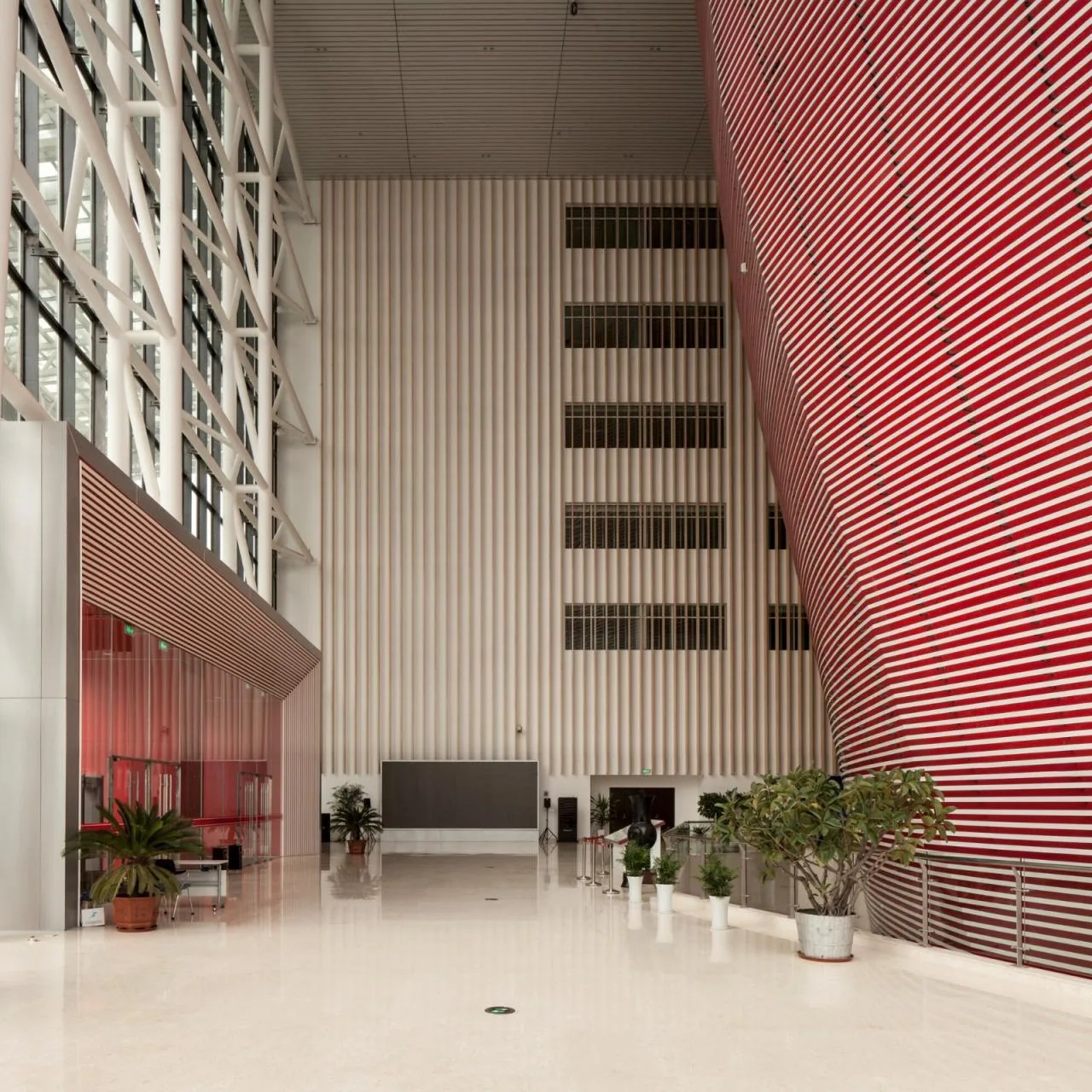
The Mass Art Museum, connected to the library, comprises six floors and functions as a group art gallery and office space for five major art troupes. The Qunyi Hall accommodates a 775-seat theater and an intangible cultural heritage center.
While cultural functions dominate the project, commercial support facilities also play a vital role. The high-rise tower and podium in Phase II provide diverse commercial uses, enhancing the project’s multifunctional potential.
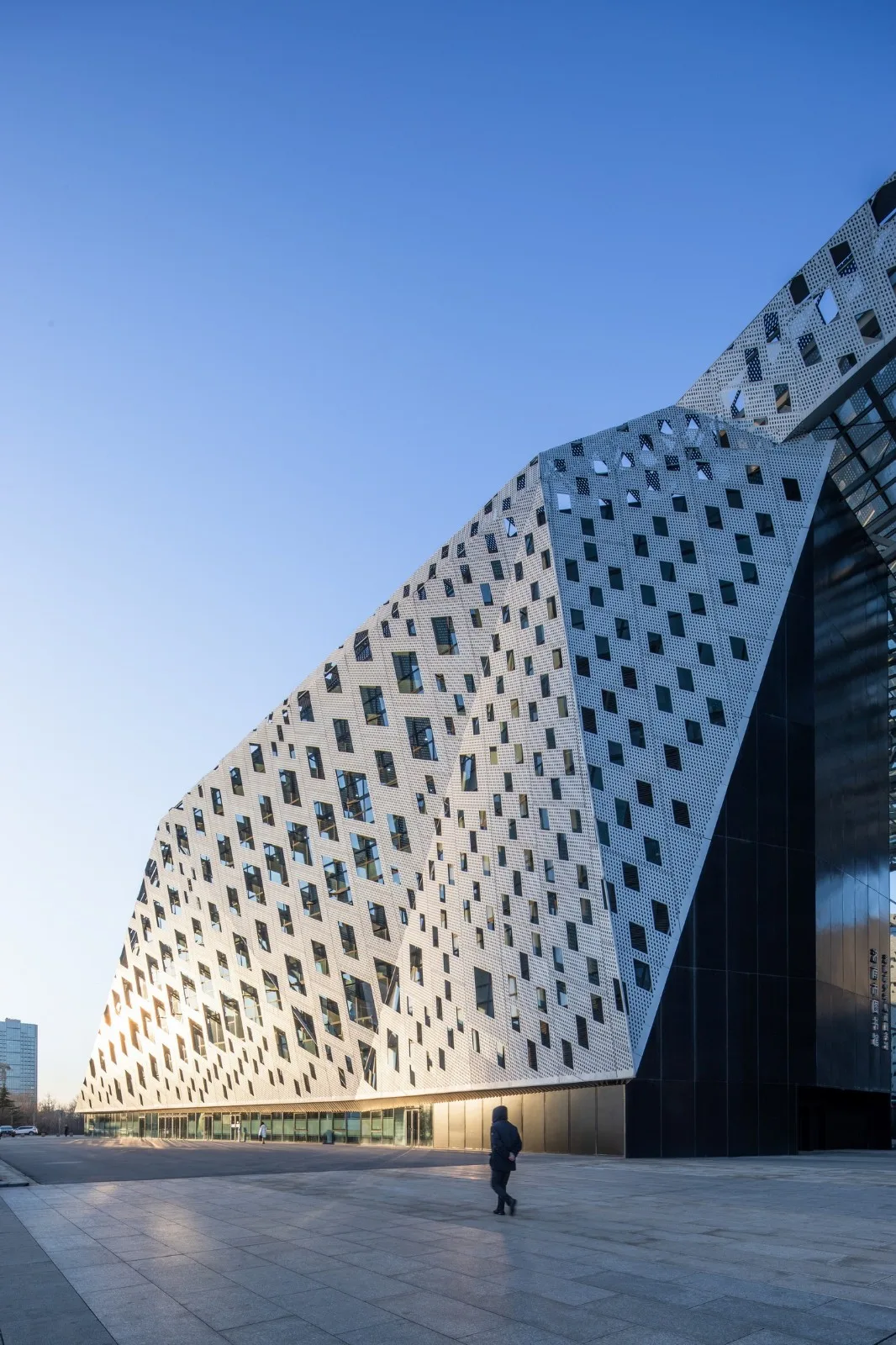
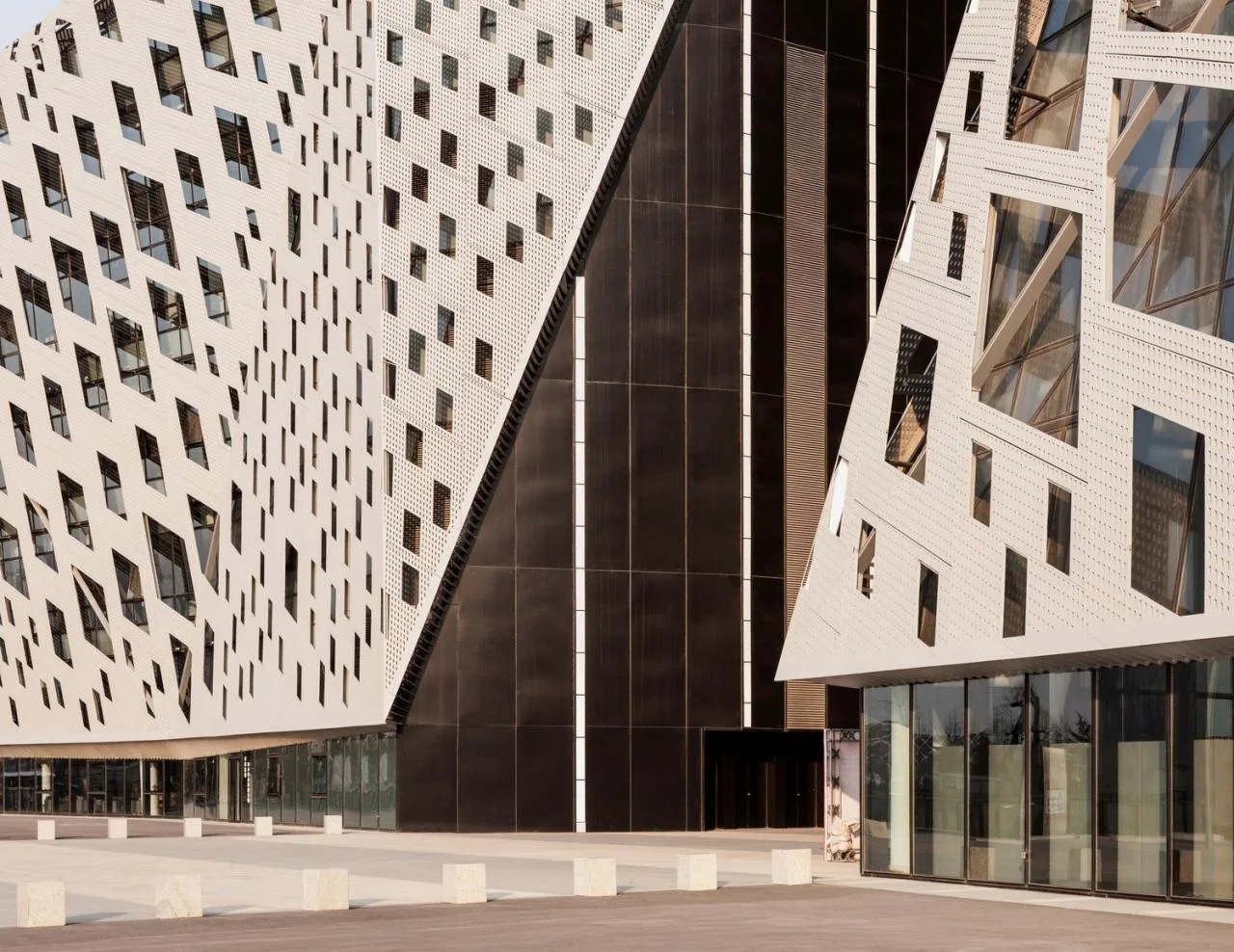
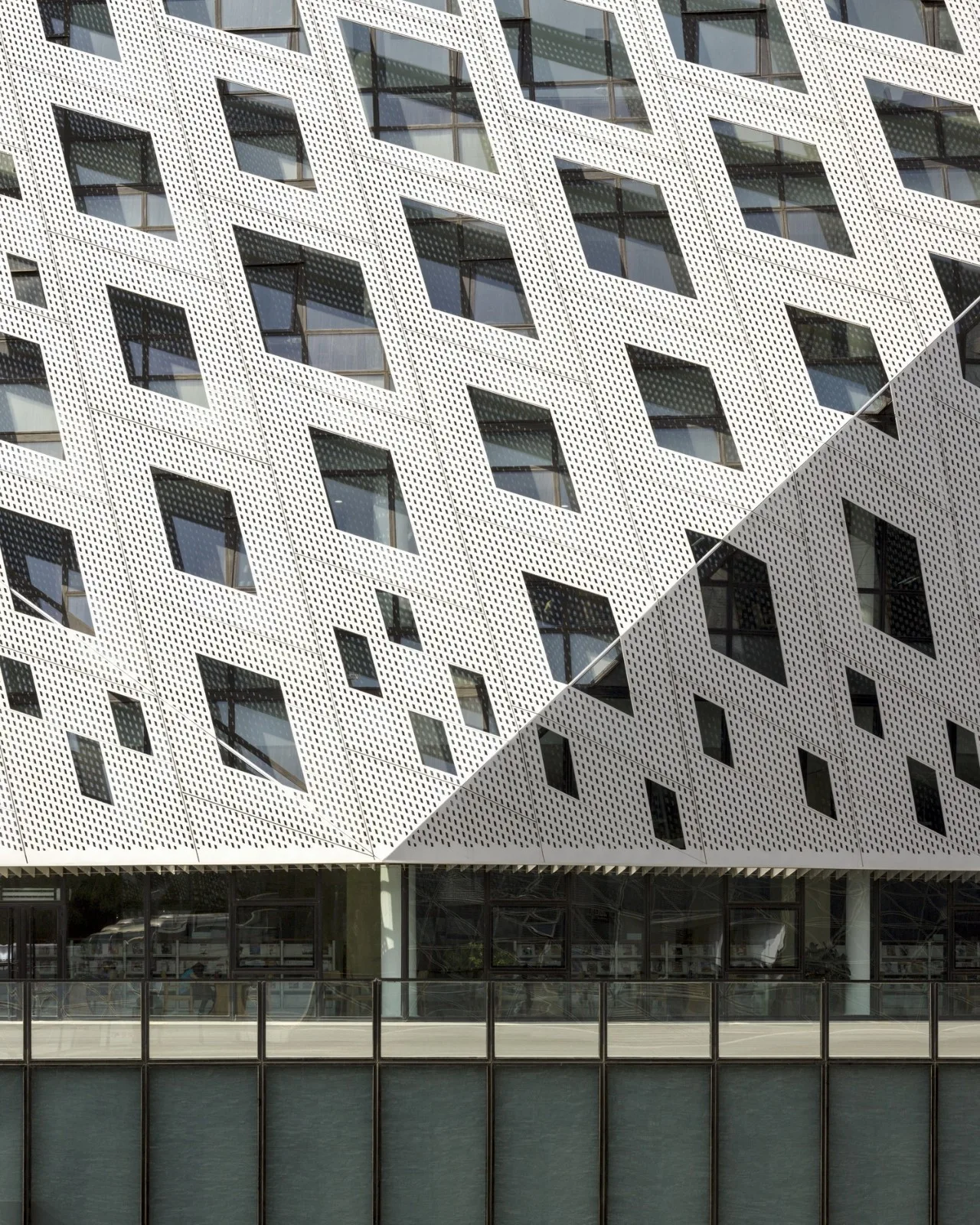
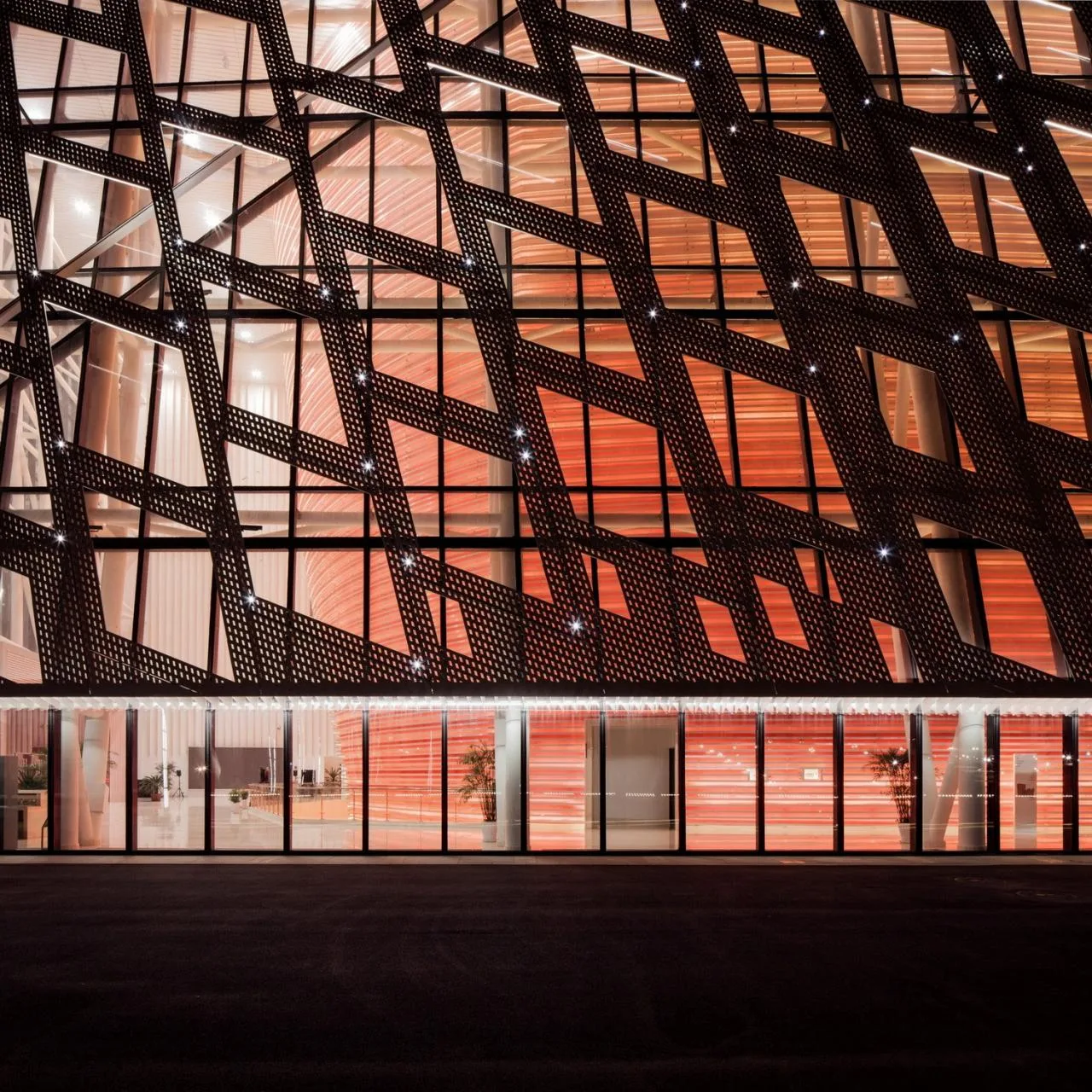
The Light and Shadow City complex features a double-layer curtain wall system. The outer layer consists of silver-gray perforated aluminum panels, while the inner layer uses a light gray glass curtain wall. The outer facade design draws inspiration from the local natural landscape. Pixelated patterns in varying diamond shapes create a dynamic surface. The perforation size of the aluminum panels corresponds to their function—balancing indoor lighting needs with shading requirements and enabling the flow and transformation of facade lighting.
The independent art museum’s facade is designed to embody the diamond-like sparkle of starlight reflected by the surging spring waters. Lighting design is integrated into the urban lighting plan, carefully coordinating curtain wall illumination with venue lighting. Elements of diamond, spring water, and ink influence the lighting design, transforming the facade into a soft, graceful, and dynamic artwork.
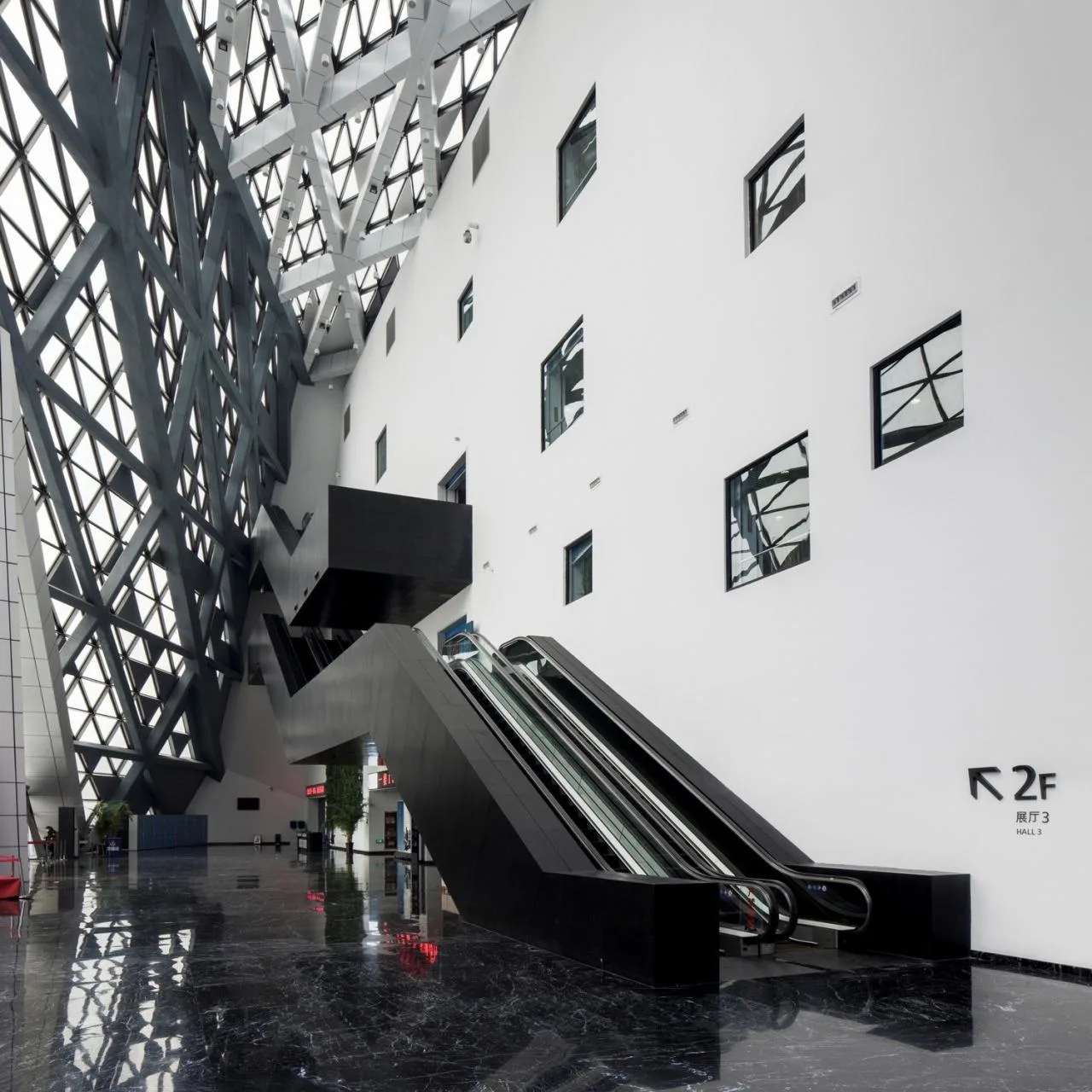
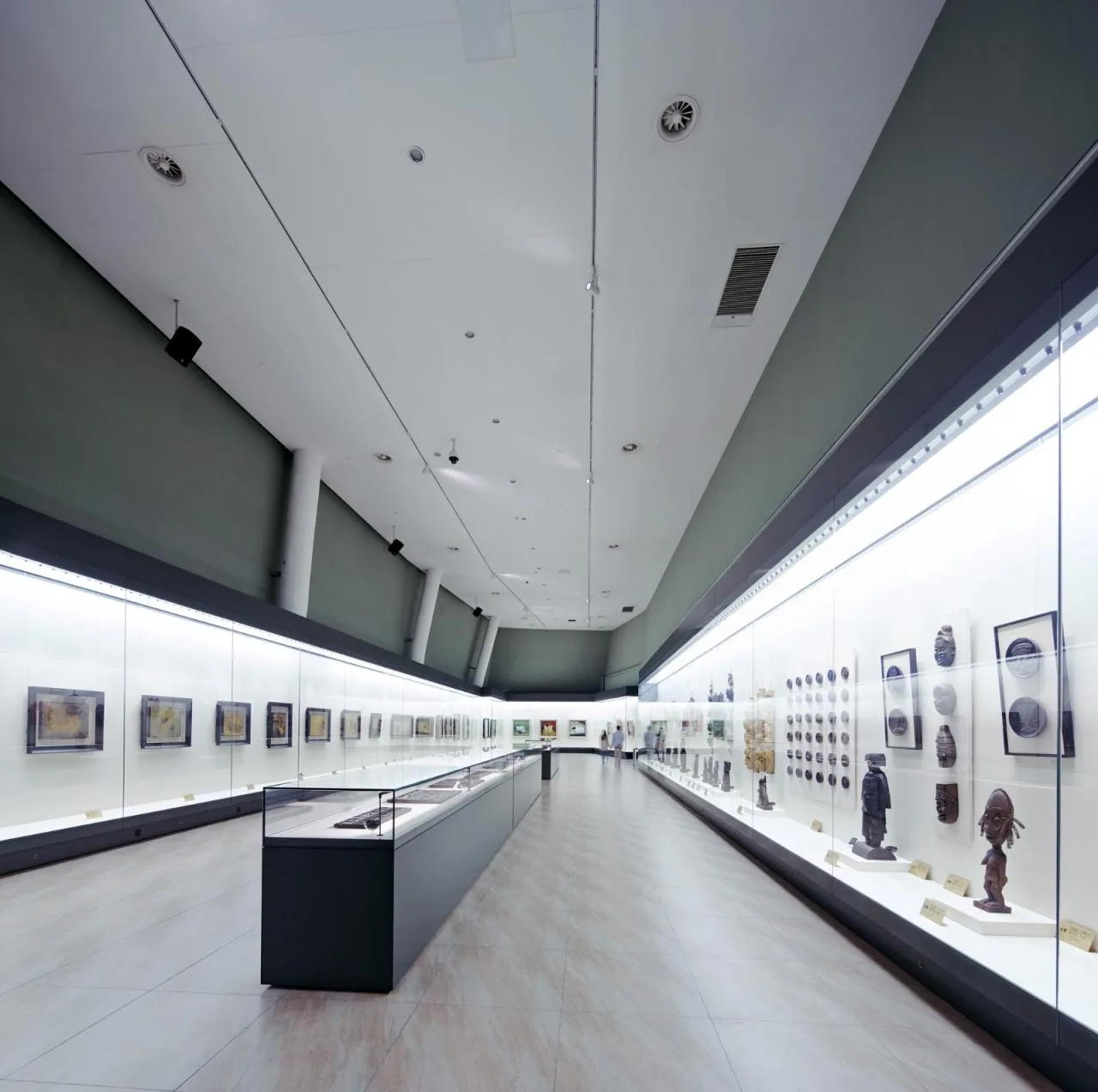
The studio approaches the facade detailing and material usage with a poetic sensibility, aiming to evoke emotion rather than merely creating visual highlights. The building’s perforations frame spontaneous views of the cityscape from within, offering unexpected glimpses. From the outside, the lighting expresses Jinan’s distinctive cultural identity, narrating a millennium of history.
Project Drawings
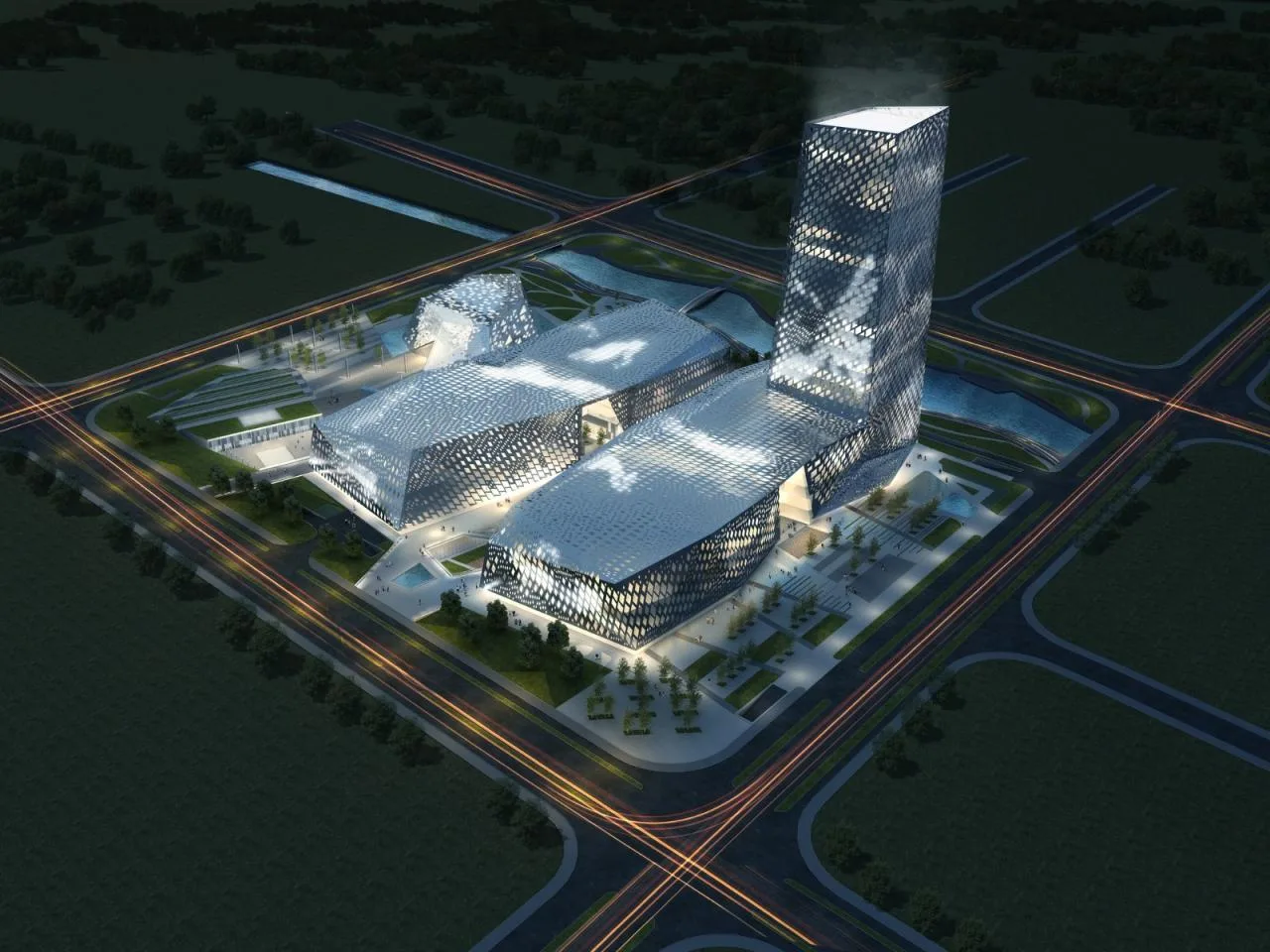
△ Rendering
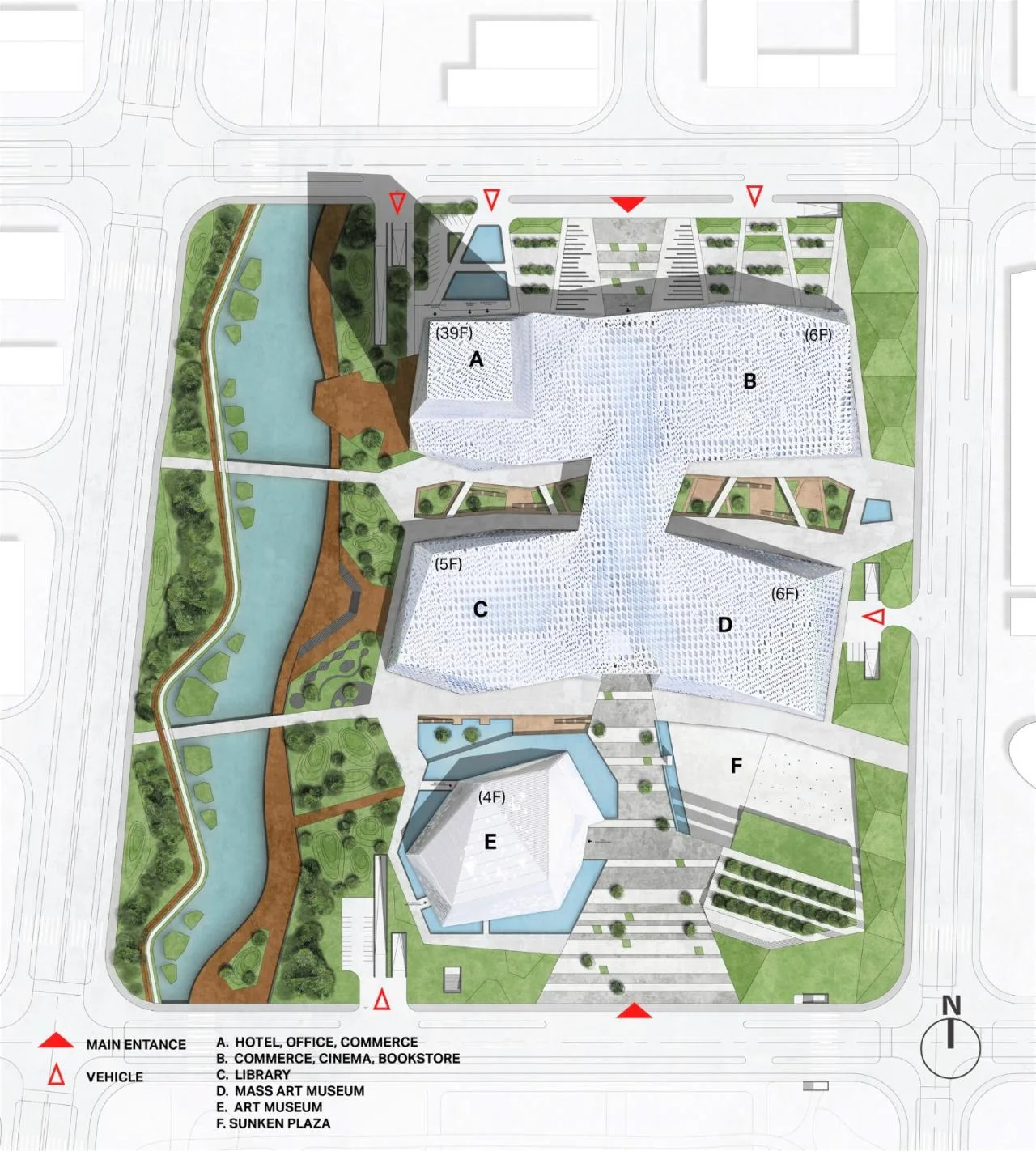
△ General Layout Plan
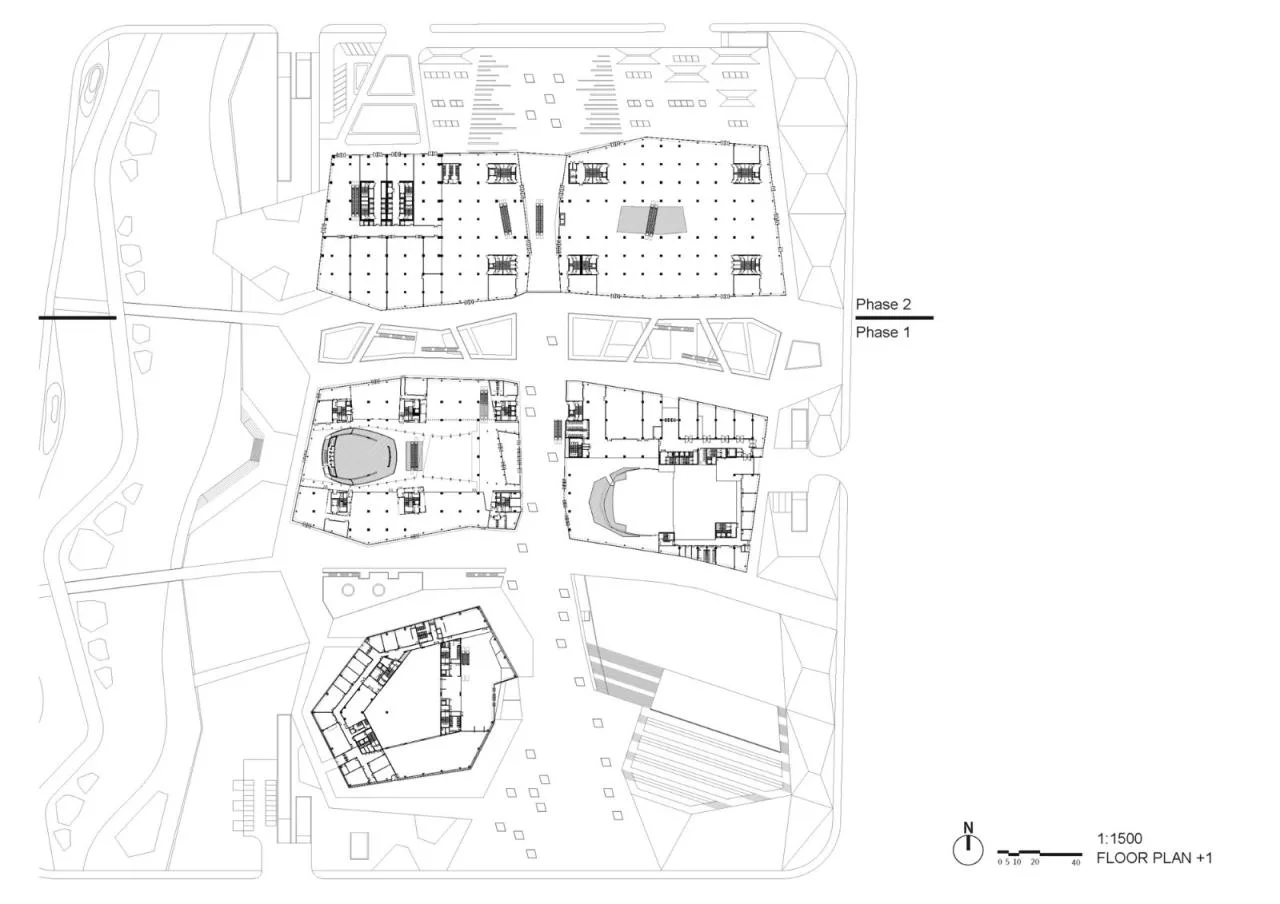
△ First Floor Plan
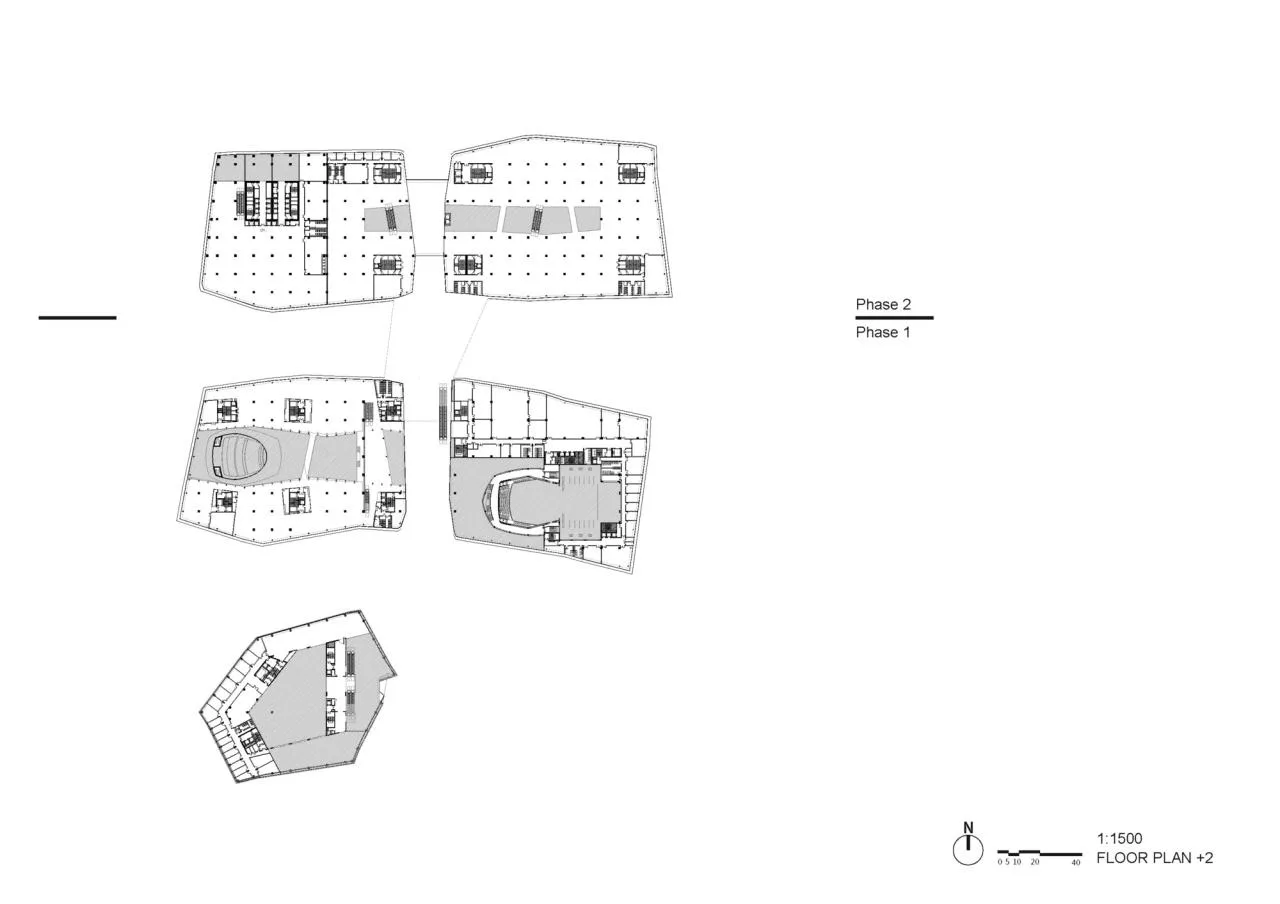
△ Second Floor Plan
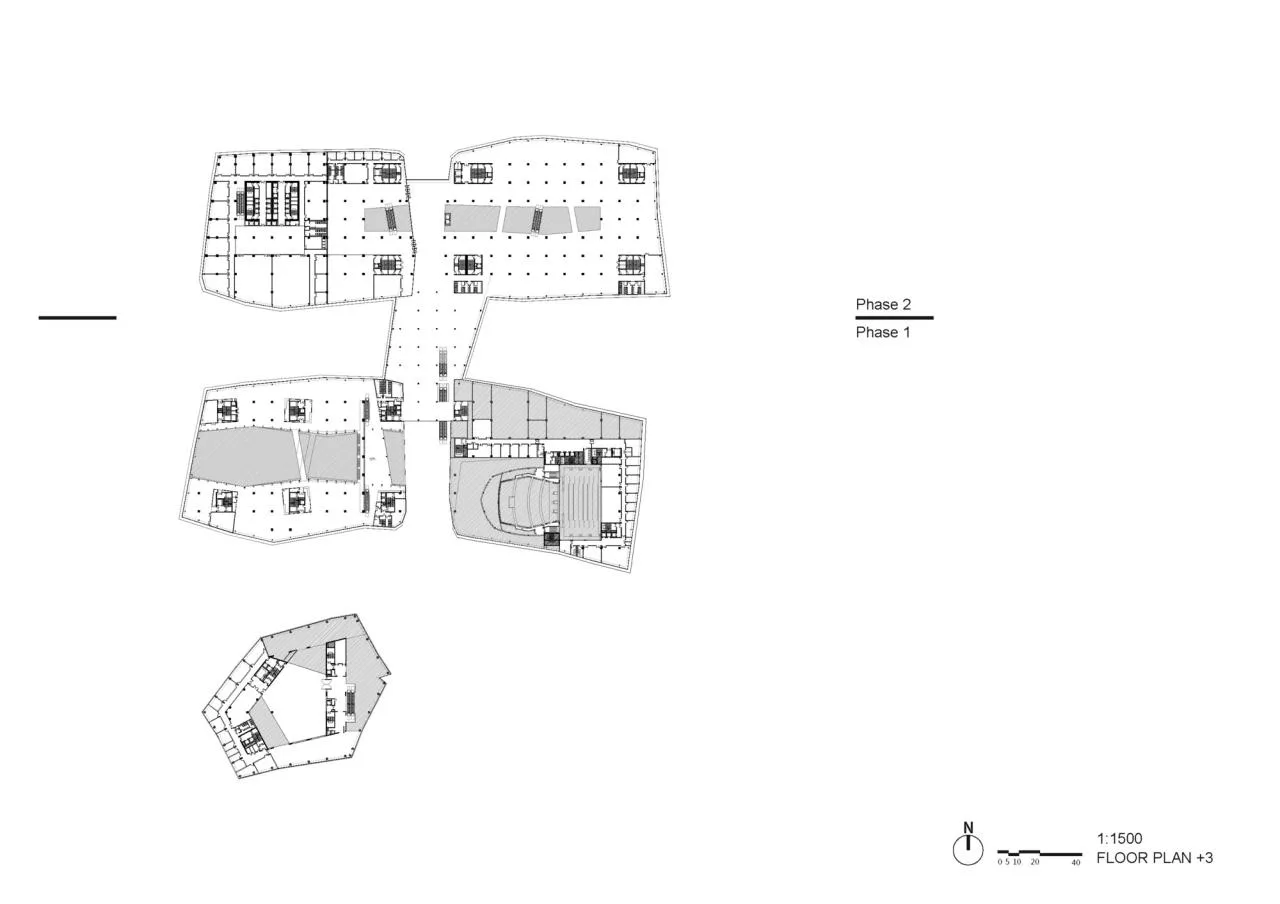
△ Third Floor Plan
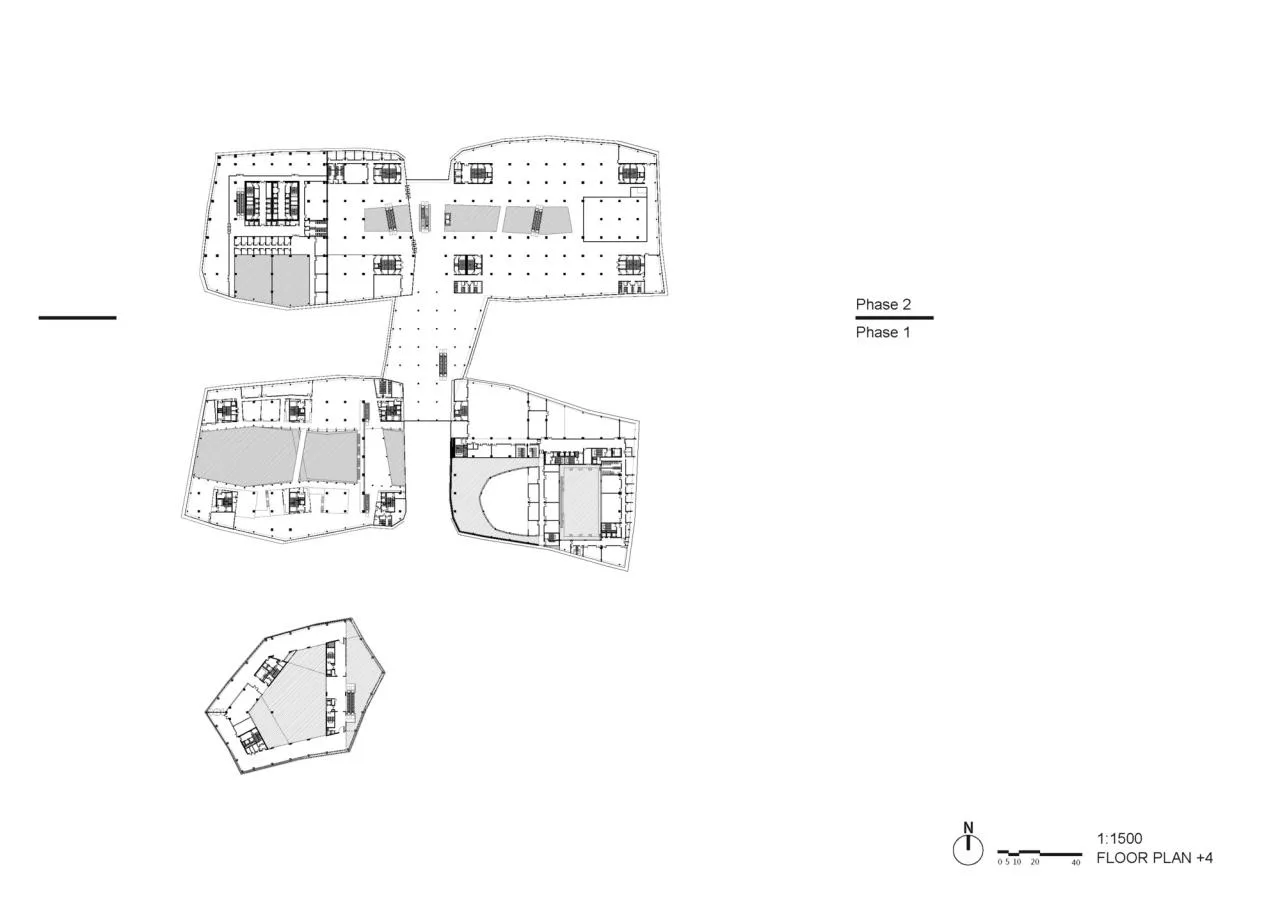
△ Fourth Floor Plan
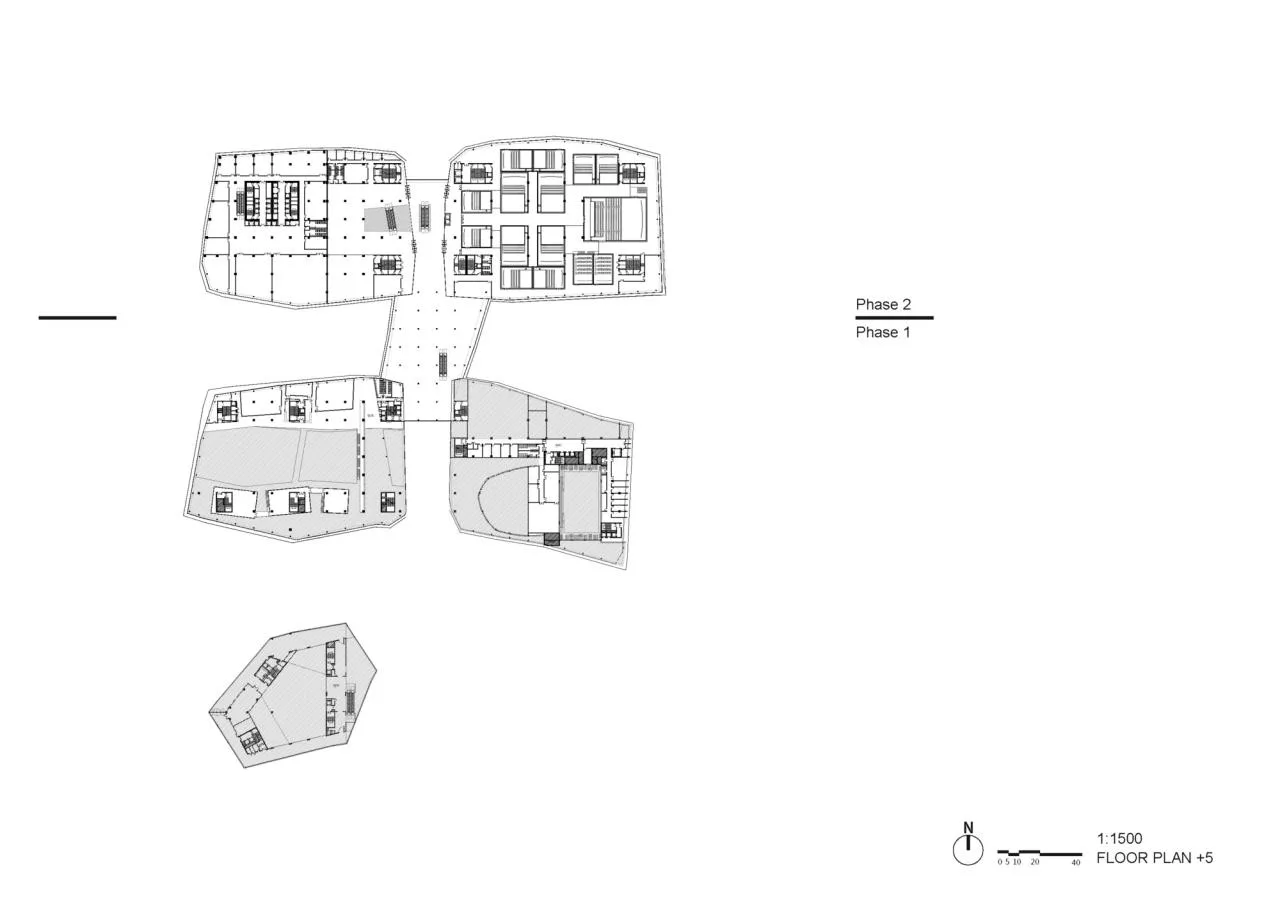
△ Fifth Floor Plan
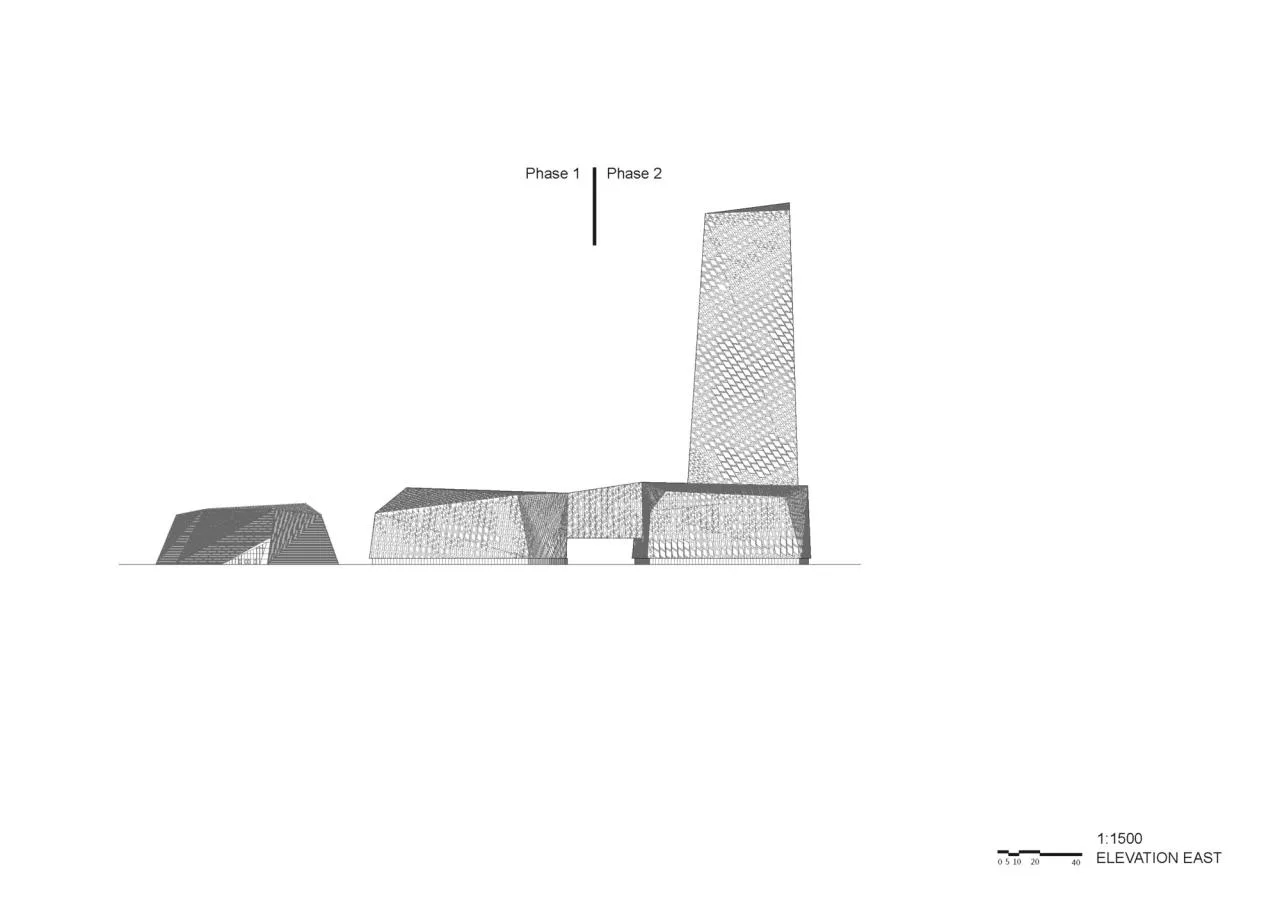
△ Elevation Drawing
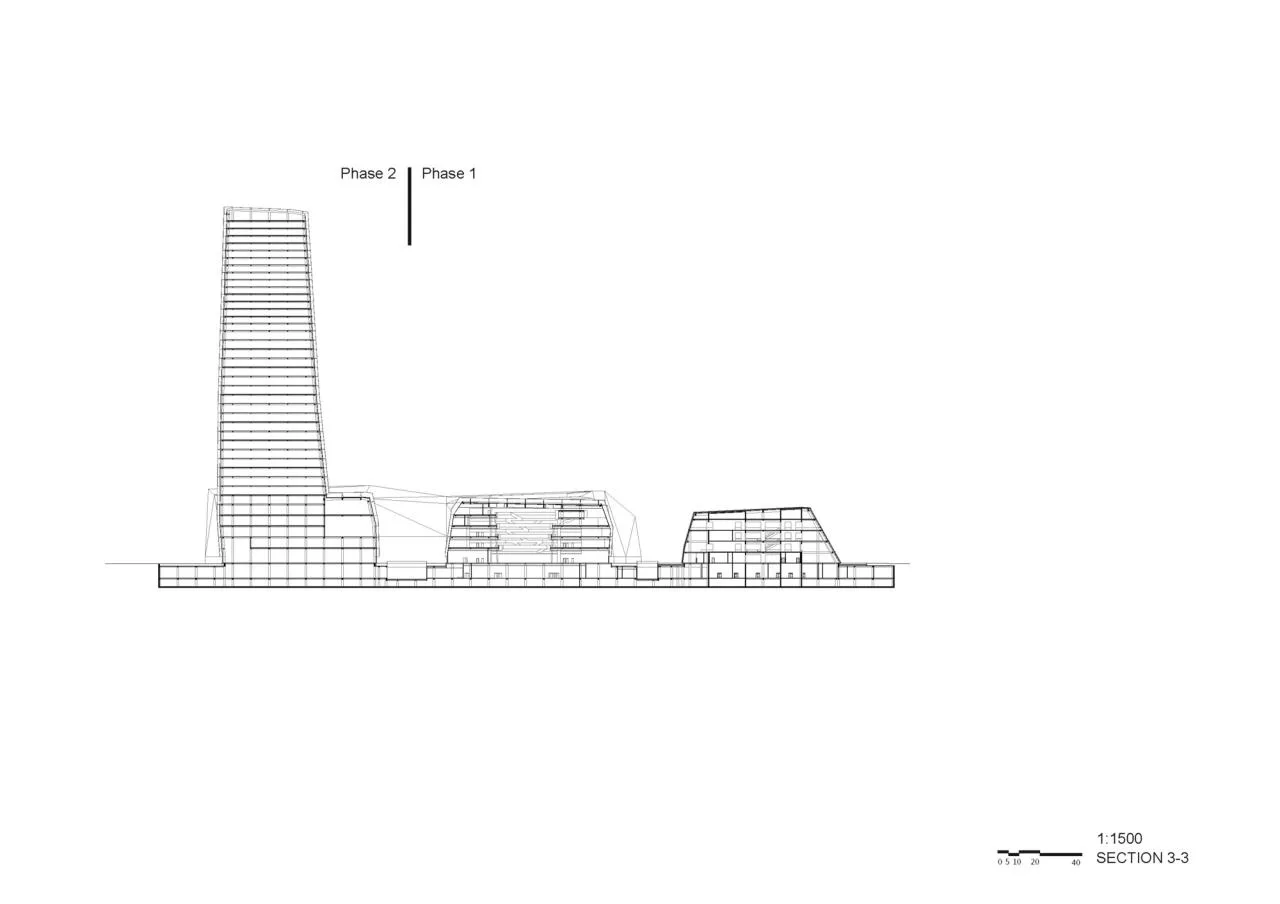
△ Section Diagram
Project Information
Architect: French AS Architecture Studio
Area: 380,000 m²
Project Year: 2022
Photographers: RAWVISION Studio, Olivier Marceny, SHUHE
Lead Architect: René-Henri ARNAUD
Structural Consultant: MaP3 Engineering & Structural Design
Lighting Consultant: Agence 8’18” Concepteurs & Plasticiens Lumière
Stage Acoustics Consultant: China Radio and Television Broadcasting, Film and Television Design and Research Institute
Curtain Wall Consultant: SCHEMIDLIN
Construction Contractor: China Construction International (Shenzhen) Design Consulting Co., Ltd
Collaborative Designer: Shandong Tongyuan Design Group Co., Ltd CCDI
Library Design Consultant: ROUX ROULLET
Principal: Jinan West District Construction Investment Co., Ltd
Location: Jinan, China














Must log in before commenting!
Sign Up